Skip to content

Tony Nicklinson: Twitter Interview By The Guardian

June 22, 2012

All week, the Guardian have been interviewing Tony Nicklinson via Twitter. Today, they’ve collected the highlights here.

Coronation Street’s Izzy Armstrong To Get Pregnant

June 22, 2012

Shock. Horror. Wheelchair user getting pregnant on national TV?

My sincere thanks to Coronation Street for covering this very important issue. I hope that by the end of the storyline people will realise that there is nothing at all ‘Shock. Horror.’ about disabled women being pregnant.

Autism Diagnosis In Wales Can Take 7 Years

June 22, 2012

Some parents in Wales are having to wait longer than seven years to have their children diagnosed with autism, BBC Wales has learned.

A leading charity says almost half wait more than three years for diagnosis, compared to one-third in England.

The Welsh government says work is under way to improve the diagnosis of children and adults.

It commissioned a report which found a “lack of consistency of services (postcode lottery)”.

The report, commissioned 18 months ago, sought the views of clinicians.

It also found a lack of understanding by senior management of the time and resources needed for diagnosis and “a lack of ring-fenced resources for ASD (autism spectrum disorder), lack of commissioning and waiting lists”.

The Welsh government claims to have a “world-leading” autism strategy, launched in 2008, and has ring-fenced £7.4m to support it.

One in every 100 children is born with ASD, a lifelong developmental disability that affects how people communicate and relate to others. It also affects how they make sense of the world around them.

The National Autism Society Wales says 47% of parents in Wales wait longer than three years for a diagnosis, compared with 34% in England.

The charity’s head of external relations, Neil Ingham, told BBC Wales’ Dragon’s Eye programme: “We know that with the right support and intervention a child can have chance to thrive and develop and reach full potential, but if it’s not good enough you’re going to fall short of giving that child the best start in life and incur bigger cost in the long term in terms of mental health and employment and range of services older person will need.”

Lisa Phillips, who waited two years to have a diagnosis for her child, has set up an online support group for parents.

“I’ve heard a lot that we have a world-leading autism strategy, and that sounds fantastic… how lucky we must be,” she said.

“That’s all very well, but we’re not seeing the benefit in Pembrokeshire. If Pembrokeshire is world-leading then I dread to think what the rest of the world must be like, because we are floundering.

“Parents are desperate. I’ve been in contact with one mum who had to drop her working hours from 30 hours to seven because her child needs constant watching as she is suicidal… a child is suicidal.”

In a statement, Deputy Social Services and Children’s Minister Gwenda Thomas said: “I fully recognise the importance to parents and children of receiving a timely diagnosis.

“Diagnosing ASD is complex, involving multi-agency, speciality assessments and this can take time.

“Work is ongoing to improve diagnosis in children and adults, while ensuring greater consistency in its application throughout Wales.”

She added that accessing services did not always depend on completing a formal diagnosis “and I expect professionals to ensure families receive appropriate support at the right time”.

Conservative AM Mark Isherwood, the chair of the assembly’s cross-party group on autism, said there were questions to be asked about whether the strategy was “actually doing what it was supposed to: to produce better outcomes to children and adults on the spectrum, rather than simply being a document to boast about because ‘we’re the first in the world'”.

Proposed Changes Meaning Disabled People Would Lose DLA/PIP After 4 Weeks Out Of The Country

June 21, 2012

I was very unpleasantly surprised tonight to recieve an email from the Lib Dem Disability Association telling me about a proposed change to DLA/PIP that I hadn’t yet heard about.

In simple English, the Government are proposing to take away DLA/PIP from disabled people who are out of the UK for longer than 4 weeks. These people would then be reassessed after they return to the UK to see if they would be entitled to get the benefit back.

The charity Every Disabled Child Matters are running a campaign against this proposal with a particular focus on how this would affect disabled children. They want the Government to keep the current 26 week limit for ‘temporary absences abroad.’

They highlight how difficult a 4 week limit would be for families during the summer holidays.

I personally claim DLA and have done since it was created as I have been disabled since birth. My extended family live abroad and I enjoyed many family holidays throughout my childhood, some longer than 4 weeks. I am now a disabled adult still living at home. If this proposed rule was to be brought in I would be prevented from visiting my extended family abroad for a long period- making life difficult for my parent carers, as these visits allow them a break from their caring roles.

Earlier this year my mum, my main carer, had to go abroad urgently at short notice and take me with her. If we had had any fear of me losing my DLA, I would not have been able to go to support her and my family at a difficult time. I would have been left here, very safe, but worried about the family situation. This would have been emotionally difficult for both of us.

The EDCM campaign also highlights how this rule would affect course choices for disabled university students. They say:

The loss of financial support may result in disabled young people not taking part in modern language university courses that require a period of study abroad or other international exchange opportunities. This will prevent many disabled young people from having equal opportunities to their non-disabled peers.

I am a passionate supporter of inclusive education, so I would hate to see any disabled student who wished to study a foreign language being prevented from this by such a rule.

The campaign also considers disabled students wishing to  use their summers to work abroad or to travel, saying:

During the long school, college and university holidays, many students choose to undertake work experience abroad, for example through programmes such as Camp America. Additionally many students choose to spend this time to travel around the world. The loss of PIP will prevent many disabled young people from taking up these opportunities – reducing their life experience, equal
opportunities and work experience.

I have one more point to add. Some disabled people go abroad to try out new systems of treatment which are not available here, or to have surgery such as the SDR operation for Cerebral Palsy which is currently only available in America. For this operation, children need to be outside the UK for at least 5 weeks. Several children and families have found  this operation very beneficial- yet fear of losing DLA on their return may prevent others trying for it. As a result, the disabled child’s condition may not improve in ways the operation may have allowed.

For these reasons, I am supporting the EDCM campaign. I have emailed the Government saying most of what I’ve said here. If you would like to send a similar email please click here.

Spencer West

June 21, 2012

Thirty-one year old Canadian Spencer West climbs Africa’s highest peak, crawling on his hands. West, who lost both his legs as a child, reached the 19,341ft (5,900m) summit on Tuesday, after a seven-day climb. The Torontonian has so far raised £300,000 for the Free the Children charity’s projects in Kenya.

Are You Affected By The Doctors’ Strike?

June 21, 2012

Doctors in the UK are on strike today for the first time in about 40 years. So, UK readers, what I would like to know is- are you sick or disabled? Is today’s strike action affecting your condition in any way?

Do share your experiences and comments below.

Richard Lynch Dies Aged 76

June 21, 2012

US actor Richard Lynch, a horror movie staple who employed his scarred face to play villainous characters, has died in Palm Springs, California aged 76.

The ex-Marine’s films included 1973’s Scarecrow, 1988’s Little Nikita and Rob Zombie’s 2007 remake of Halloween.

“Richard was great to work with and really gave it his all,” the director wrote on his Facebook page.

Lynch’s face was permanently scarred in 1967 when he took LSD and set himself on fire in New York’s Central Park.

Born in New York in 1936, Lynch was a member of the famous Actors Studio and worked extensively on the stage.

He also appeared in numerous sci-fi TV series, among them Battlestar Galactica, Star Trek: The Next Generation and Buck Rogers in the 25th Century.

Lynch’s last role was in Zombie’s upcoming film The Lords of Salem, due to be released later this year.

His body was discovered by a friend on Tuesday who had stopped by his house after not hearing from him in days.

Police Overlook Vulnerable Victims Of Antisocial Crime

June 21, 2012

Thousands of vulnerable victims of persistent antisocial behaviour, including many who are disabled, are still “slipping through the net”, the chief inspector of constabulary has warned.

Five years after Fiona Pilkington killed herself and her disabled daughter after they were repeatedly targeted by local youths, a review by Sir Denis O’Connor says that only five of the 43 police forces in England and Wales consistently question callers to establish if they have been targeted before, and no force checks on how vulnerable they are.

“This means some victims are effectively slipping through the net, and not getting the extra support they may need. Improvements in this area must be the next important step in tackling anti-behaviour effectively,” says the report by Her Majesty’s Inspectorate of Constabulary published on Thursday.

One example cited of vulnerable and repeat victims not being identified describes how a caller who rang the police about a neighbour’s 10-year-old son who was being continually abusive to his wife and their 10-year-old disabled daughter, including making sexually explicit remarks that “left her in pieces”.

The report points out that the call handler failed to mention any details in the incident record, or give any indication that action had been taken or child protection authorities alerted.

The report, A Step in the Right Direction, was based on listening to more than 4,400 calls from victims of antisocial behaviour to the police, and the largest survey of victims yet with 9,300 responding.

The study says that 39% of those who complained to the police about antisocial behaviour felt they were being personally targeted as individuals or as families and had started avoiding certain areas or not going out at night as a result.

Just over 21% of victims were disabled people, and 12% felt that their race, religion or disability lay behind the incident.

“Antisocial behaviour remains a blight on the lives of millions,” says the report. “Around 3.2 million incidents of antisocial behaviour were recorded in England and Wales in 2011/2012, and this is probably only a fraction of the true extent of the problem.”

The study found that the police have made real progress on antisocial behaviour since 2010 with many chief constables making it clear that tackling the issue is a priority for everyone in policing.

This contrasts with the previous report, Stop the Rot, in 2010 when the chief inspector of constabulary found that officers did not regard responding to antisocial behaviour as “real police work” and forces widely ignored its massive scale.

The latest survey results confirm that there is increasing confidence amongst the public that the police will take action, up from 39% in 2010 to 49% in 2012.

But there is still some way to go in terms of public perception with most of the public seeing little difference between crime and antisocial behaviour and half of the public still not believing that the police take antisocial behaviour seriously.

The most commonly mentioned forms of antisocial behaviour were street drinking, vandalism and graffiti, noise and loud music, teenagers hanging around, and rowdy behaviour. The public also believe the top five causes are alcohol, lack of things to do, poor parenting, drugs and boredom in that order.

The Ipsos Mori survey also found that satisfaction levels among victims with the action police had taken improved, rising from 55% two years ago to 61% now. In a few forces there are outstanding results such as in Merseyside, where 97% of victims say they are satisfied with the action taken.

But a third of antisocial behaviour victims still feel that they do not get the service they feel they should, with poorer performing forces such as the Metropolitan police and Bedfordshire with victim satisfaction ratings below 50%.

O’Connor said: “Police have generally improved their responsiveness to anti-social behaviour and victim satisfaction has improved.

“This is to be commended – especially as it has been achieved while budgets have been cut. The next step in reducing risk to the public is for forces to consistently apply practices that identify repeat victimisation and those that suffer from it.”
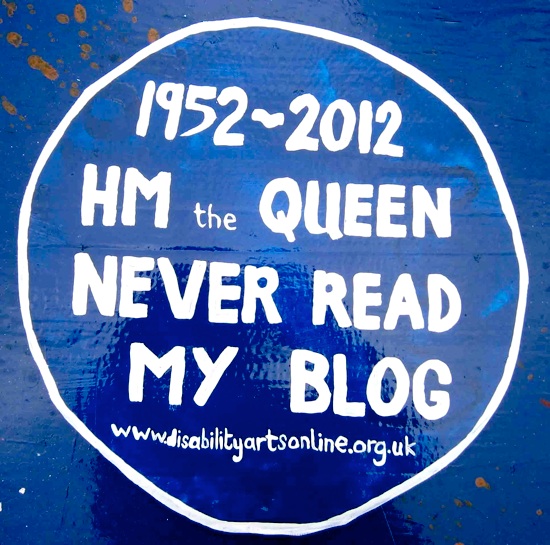
Five Years!

June 21, 2012

Dear Readers,

It’s five whole years today since Same Difference was born. This is my blog, my ‘baby,’ my voice and a whole lot of other things to me and to many other people.

This post is a short but not small THANK YOU for helping this site to grow every single day. I appreciate every single hit and I continue to read every single comment. Here’s to the next five years!

Best wishes,

Samedifference1

Blind Cooking: Ten Tips From Christine Ha

June 20, 2012

Ten tips from US Masterchef contestant Christine Ha and others on cooking without your eyesight.

Tony Nicklinson ‘May Live 20 Years’

June 20, 2012

Locked-in syndrome sufferer Tony Nicklinson’s existence of “pure torture” could continue for another 20 years or more if he does not win the right to end his life when he chooses, the High Court has heard.

Paul Bowen QC, for 58-year-old Mr Nicklinson, from Melksham, Wiltshire, told three judges hearing his landmark “right-to-die” case: “Tony has now had almost seven years to contemplate his situation.

“With the continuing benefits of 21st-century health and social care his life expectancy can be expected to be normal – another 20 years or more. He does not wish to live that life.”

Mr Nicklinson, who suffered a catastrophic stroke in 2005 while on a business trip to Athens, sums up his existence as “dull, miserable, demeaning, undignified and intolerable”. A “very active and outgoing” man before the stroke, which left him paralysed below the neck and unable to speak, he now communicates by blinking or with limited head movement.

Mr Nicklinson, who wants a doctor to be able lawfully to end his life without fear of prosecution, describes how he has no “privacy or dignity left”, and says that what he objects to is having his right to choose taken away from him. Mr Bowen told Lord Justice Toulson, Mr Justice Royce and Mrs Justice Macur that he was being condemned to live in a state of suffering and indignity by the current law of assisted suicide and euthanasia.

The law was “anomalous and discriminatory” and had not stopped the “widespread practice of euthanasia, but has forced it underground”. But he told the judges that Mr Nicklinson was not seeking to persuade the court to “introduce an all-encompassing new regime legalising euthanasia and assisted suicide”.

Mr Bowen added: “While he would welcome such a change, he accepts that such a regime can only be introduced by Parliament. However, there is no sign of Parliament introducing such a regime any time soon that would afford the claimant the opportunity of an assisted death with dignity.”

Mr Nicklinson maintained that in the absence of statutory regulation he was entitled to “remedy” from the court. Although he could not attend the London courtroom, he was determined to get his case across to the judges. Mr Nicklinson pointed out in an email: “Legal arguments are fine but they should not forget that a life is affected by the decision they come to; a decision going against me condemns me to a ‘life’ of increasing misery.”

The hearing was attended by his wife Jane, 56, and the couple’s daughters Lauren, 24, and Beth, 23, who all support his decision. Mr Bowen said Lauren described her father as being “forced to live an existence trapped in a broken body, following someone else’s rules, rules that he cannot abide by. He is living a life he does not wish to live. This is pure torture for him”.

Opposing the action, David Perry QC, for the Ministry of Justice, said Mr Nicklinson’s “tragic and very distressing circumstances evoke the deepest sympathy”. But he added: “Notwithstanding the distressing facts of his situation, the defendant submits that the claim for declarations is untenable. The law is well established.”

Boy, 15, Dies At Wales Special School

June 19, 2012

An investigation has been launched following the death of a teenager at a special needs school.

The youth, believed to be 15, was found dead on Monday at Hillcrest Pentwyn School in Clyro, near Hay-on-Wye, mid Wales.

It is a residential school for boys with social, emotional and behavioural difficulties – and is run by Hampshire-based firm Hillcrest.

Chief executive Roger Colvin said: “It is with deep regret we confirm the death of a young man at one of our residential special schools.

“We are conducting a full internal investigation and are working with the local police, coroner’s office and regulatory bodies to assist with their inquiries.

“We are of course giving extra support to the other young people we care for at this difficult time.

“Our thoughts are with his family and friends and on behalf of the staff and management we wish to express our sadness at this distressing news.”

Hillcrest said it was not providing any “further details”, but it is understood the boy was found hanged.

Dyfed Powys Police confirmed it was investigating the incident, which was not being treated as suspicious.

Welsh Liberal Democrat leader Kirsty Williams, who is also an Assembly Member for Brecon and Radnorshire, said: “It is a sad loss to the family and school friends of the pupil of Hillcrest Pentwyn School. Our thoughts and sympathies are with them during this difficult time.”

Disability Hate Crime At Record High

June 19, 2012

The number of disability hate crimes reported to police has reached a record high, sparking concerns that the Coalition’s “anti-scrounger” rhetoric is fuelling hostility to the most vulnerable members of society. A total of 1,942 disability hate crimes were recorded by police forces in England, Wales and Northern Ireland last year.

That figure, based on Freedom of Information answers supplied by 43 of 44 forces, represents a 14 per cent rise on 2010. Disability hate crime has doubled since the start of the financial crisis in 2008. Despite the rise, the number of people convicted for the crime actually fell last year. Only 523 people were found guilty of a disability hate crime in 2011, The Independent has discovered, down 5 per cent from 2010. It suggests that barely one in four reported crimes leads to a conviction – a ratio that got worse last year.

Charities expressed grave concern at the rise in reported incidents. Guy Parckar, head of policy and campaigns at Leonard Cheshire Disability, said: “The impact of hate crime simply cannot be overestimated, and these figures suggest that police authorities and local and central government must all look again at what they are doing to tackle disability hate crime.”

While the Association of Chief Police Officers says the rise in cases can be explained in part by efforts to encourage more victims to come forward, many disability groups fear the figures reflect society’s growing antipathy towards the disabled community.

“There are historical parallels,” warns Katharine Quarmby, the author of Scapegoat: Why We Are Failing Disabled People, who has grown alarmed by the levels of “benefit scrounger” abuse aimed at disabled people. “If you have a group that is blamed for economic downturn, terrible things can happen to them.”

Last year the Glasgow Media Trust found the public believed between 50 and 70 per cent of those on disability benefits were fraudulent. The actual number is likely to be between 1 and 2 per cent. The same report found that there has been a tripling in the use of words such as “scrounger”, “cheat” and “skiver” in tabloid stories on disability in the past five years.

“Iain Duncan Smith [the Work and Pensions Secretary] is saying ‘We’re going to push through these benefit reforms’ and hinting strongly that lots of people on disability benefits are scroungers,” Quarmby says. “That kind of rhetoric leads to disability hate crime on the streets.”

Disability charities receive a constant flow of reports about incidents that are never reported to police – from families who have been forced out of their homes by relentless targeting, to disabled teenagers who avoid groups of strangers for fear of what might be said to them.

Campaigners fear that disability hate crime prosecutions are being undermined because of a perception in the criminal justice system that evidence given by mentally disabled people is unreliable.

Jo Davies from Mencap said: “If someone with a learning disability is on a witness stand being pressed for certain details, they may end up being confused by the cross-examination. And then different elements of the case can fall apart.”

Mencap calls for more support for disabled witnesses, such as better pre-trial preparation and more opportunities to give evidence via video link.

Tony Nicklinson ‘Condemned To Suffer’ Court Hears

June 19, 2012

Locked-in syndrome victim Tony Nicklinson is being condemned to live in a state of suffering and indignity by the current law of assisted suicide and euthanasia, the High Court has heard.

A barrister representing Tony Nicklinson, 58, who wants a doctor to be able to lawfully end his life, told three judges in London that he was not seeking to persuade the court to “introduce an all-encompassing new regime legalising euthanasia and assisted suicide”.

Paul Bowen QC, speaking in a packed courtroom, added: “While he would welcome such a change, he accepts that such a regime can only be introduced by Parliament. However, there is no sign of Parliament introducing such a regime any time soon that would afford the claimant the opportunity of an assisted death with dignity.”

Mr Nicklinson, from Melksham, Wiltshire, maintained that in the absence of statutory regulation he is entitled to “remedy” from the court.

Mr Bowen said the current law was “anomalous and discriminatory” and had not stopped the “widespread practice of euthanasia but has forced it underground”.

During a four-day hearing Lord Justice Toulson, sitting with Mr Justice Royce and Mrs Justice Macur, will hear argument in a further “landmark” judicial review action brought by a man who suffered a “massive” stroke three years ago at the age of 43.

The man, who cannot be named for legal reasons, but is referred to as Martin or AM, is unable to move, is able to communicate only by moving his eyes, requires constant care and is entirely dependent on others for every aspect of his life.

Mr Nicklinson suffered a catastrophic stroke in 2005 while on a business trip to Athens which left him paralysed below the neck and unable to speak. He communicates by blinking or limited head movement and sums up his existence as “dull, miserable, demeaning, undignified and intolerable”. Before the stroke Mr Nicklinson was a “very active and outgoing man”.

He describes having no “privacy or dignity left” and says that what he objects to is having his right to choose taken away from him.

Mr Nicklinson cannot be present for the hearing, but speaking before the proceedings began, his wife Jane, 56, said: “We are just really happy that the time has come for Tony to get heard in court and we’re just hoping for a good outcome.” She acknowledged: “Whatever happens, there’s no happy endings in this one.”

Should The Right To Die Be Made Law?

June 19, 2012


I’ve voted. Regular readers may know which way my vote went.

Martin, 46, Also Having Right To Die Case Heard Today

June 19, 2012

Two people with locked-in syndrome who find their lives “undignified and intolerable” are taking their right-to-die pleas to the high court.

On Tuesday three judges in London will hear an action brought by Tony Nicklinson, 57, from Melksham, Wiltshire, who suffered a catastrophic stroke in 2005 while on a business trip to Athens, which left him paralysed below the neck and unable to speak.

Nicklinson, who communicates by blinking or limited head movement, sums up his existence as “dull, miserable, demeaning, undignified and intolerable” and wants a doctor to be able to lawfully end his life.

Lord Justice Toulson, sitting with Mr Justice Royce and Mrs Justice Macur, will hear a further “landmark” judicial review action brought by a man who suffered a “massive” stroke three years ago at the age of 43.

The man, who cannot be named for legal reasons, but is referred to as Martin or AM, is unable to move, is able to communicate only by moving his eyes, requires constant care and is entirely dependent on others for every aspect of his life.

Nicklinson is seeking a declaration that “it would not be unlawful on the grounds of necessity for Mr Nicklinson’s GP, or another doctor, to terminate or assist the termination of Mr Nicklinson’s life”.

He will also be asking for a second declaration over his right to respect for private life under Article 8 of the human rights convention.

The declaration sought is that the “current law of murder and/or of assisted suicide is incompatible with Mr Nicklinson’s right to respect for private life under Article 8…in so far as it criminalises voluntary active euthanasia and/or assisted suicide”.

Nicklinson was given the go-ahead for his legal action to proceed by a judge at the high court in March who rejected a Ministry of Justice move to have the case “struck out”.

Mr Justice Charles heard argument that it was not for the courts to act, but parliament.

In his ruling he said the underlying issues in the case “raise questions that have great social, ethical and religious significance and they are questions on which widely differing beliefs and views are held, often strongly”.

Nicklinson accepted that “what he is seeking to do is to change the existing understanding of the common law”.

Before the stroke Nicklinson, who has two grown-up daughters, was a “very active and outgoing man”.

He describes having no “privacy or dignity left” and says that what he objects to is having his right to choose taken away from him.

In a court statement, he says: “By all means protect the vulnerable; by vulnerable I mean those who cannot make decisions for themselves. Just don’t include me. I am not vulnerable.

“I don’t need help or protection from death or those who would help me.

“If the legal consequences were not so huge, ie life imprisonment, perhaps I could get someone to help me. As things stand, I can’t get help.

“I am asking for my right to choose when and how to die to be respected.”

He wants a doctor to be able to terminate his life, with his consent and with him making the decision with full mental capacity.

At a previous hearing his QC, Paul Bowen, said his case was that “an act of euthanasia or assisted suicide” was the only means “by which his suffering may be brought to an end and his fundamental common law rights of autonomy and dignity may be vindicated”.

Nicklinson recently joined Twitter, where his case and the issues surrounding it have attracted widespread interest from thousands of followers.

In the other case, Martin will challenge the director of public prosecution’s policy on assisted suicide, which he argues is insufficiently clear and fails to have regard to someone in his position.

He is not requesting a change in the law, but is asking that the DPP amend his current guidance so that professionals would not face criminal and/or disciplinary action if they helped him end his life.

At a preliminary hearing in his action, Lord Justice Toulson described it as a “tragic” and “exceptional” case that raised “thorny legal and ethical issues”.

He said Martin lives at home in a specially adapted room and spends virtually all of his time in bed.

He is looked after by his wife, to whom he is “very close”, and a team of full-time carers.

Martin has a “strong” and “constant” wish to end his life, but is unable to take the necessary steps “unless others take them for him”.

His wife did not wish to “play any part in hastening his death” and no other family member is willing to help him end his life.

Accessible Cutlery

June 19, 2012

I just thought some readers might find something useful in here.

Tony Nicklinson’s Right To Die Hearing Starts Today

June 19, 2012

A High Court hearing is beginning in the case of a paralysed man who wants a doctor to be able lawfully to end his life.

The right-to-die case involves Tony Nicklinson, 58, from Wiltshire, who has locked-in syndrome following a stroke.

He is unable to take his own life and is seeking legal protection for any doctor who helps him end his life.

But the Ministry of Justice argues making such a ruling would authorise murder and change the law governing it.

The married father-of-two had a stroke in 2005 while on a business trip to Athens.

He was left paralysed, but with a fully-functioning mind.

The condition, known as locked-in syndrome, means he has to communicate through a special computer.

Mr Nicklinson has argued that his life is “dull, miserable, demeaning, undignified and intolerable”.

His legal action was launched to seek an assurance that a doctor could intervene to end his “indignity” and have a common law defence of necessity against any murder charge.

His paralysis is so severe that he cannot be assisted in taking his own life, for instance by swallowing lethal drugs. He would have to be killed by someone else.

The law currently draws a crucial distinction between doctors deciding not to provide or continue treatment, which might prolong life, and acting to end a life, by, for example administering lethal drugs.

While the former may be lawful, the latter is murder.

Mr Nicklinson’s legal team will argue that the defence of necessity can be used against a murder charge – arguing that the only way to end his suffering is to allow him to die, says BBC medical correspondent Fergus Walsh.

They will also argue that his case is covered by Article 8 of the European Convention on Human Rights which deals with the right to respect for private and family life, our correspondent adds.

The hearing is expected to last four days, although a ruling will not be made until a later date.

Fergus Walsh Interview With Tony Nicklinson About Court Case

June 19, 2012

Tony Nicklinson has “locked-in syndrome”. Following a stroke he cannot do anything for himself, and can only communicate by blinking at a screen to spell out his words.

He wants the right to have a doctor assist him to die without facing prosecution for murder.

The BBC’s Medical Correspondent, Fergus Walsh, interviewed Mr Nicklinson regarding his court case.


Mother Gets £1000 Council Compensation After Being Wrongly Accused Of Making Up Son’s Disability

June 18, 2012

Essex County Council has apologised and paid £1,000 in compensation after a mother was wrongly accused of making up her son’s disability.

At one point Sharon Foley, who lives in Saffron Walden, faced losing custody of her children after a flawed report by a doctor.

National Autistic Society Photography Competition Shortlist

June 18, 2012

To see some of the photos shortlisted for the National Autistic Society’s 50th birthday photography competition, and to read an interview with the competition’s winner, please click here.

Tony Nicklinson: Let Our Dad Die, Channel 4 8pm

June 18, 2012

I will watch it with interest, Sir.

What Would You Ask Tony Nicklinson?

June 18, 2012

Tony Nicklinson has agreed to be interviewed on Twitter. Full details are here.

Childhood Multiple Sclerosis

June 18, 2012

New research suggests the number of children suffering from multiple sclerosis may be higher than previously thought.

It remains a very rare condition and only a third of young people who have an attack will go on to develop MS in later life.

But it can have a devastating affect on children and their families.

One of those is 15-year-old Emily Murdoch from Cannock in Staffordshire.

Like many girls her age, she loves horses and has been riding since she was a little girl.

One day she hopes to represent Britain in competition, but she does not know if it will be in the Olympics or Paralympics.

Wheelchair

At the age of 12, Emily was diagnosed with childhood multiple sclerosis. An attack can leave her confined to a wheelchair when her legs stop working.

She suffers from severe tiredness, muscle spasms and numb hands and legs.

“It’s not really very nice,” she says “especially when my legs go on me, because it’s the second time my legs have gone on me.”

“It took my left hand last time.

“My legs get weaker. I know when my MS is bad because my legs get weak and my horse can feel it.”

Scarred brain

At Birmingham Children’s Hospital, I’m shown a scan of Emily’s brain by Michael Absoud, a clinical research fellow at the University of Birmingham.

He is one of the authors of new research into how many children are affected by the condition.

Dr Absoud points to lighter areas on the scan which are scars left on the brain after an attack of multiple sclerosis.

A diagnosis of MS in children is rare and sometimes controversial – not all doctors believe it exists.

But Dr Absoud says their research suggests it is more widespread than first thought.

“The research by itself has helped raise awareness that this disease does indeed happen in children.

“The first presentation can be in children as young as three years old.”

Over a 13-month period, the researchers surveyed paediatricians and ophthalmologists who might see children suffering from MS-like symptoms.

They found that MS-type attacks affected around 125 children in the UK each year. Two to three children per week were having MS-like problems with numbness or blurred vision.

This doesn’t mean every child who suffers these kind of symptoms is having an attack of MS.

And Dr Absoud says it’s thought only about a third of children who have an attack will develop the condition in later life.

“Not all children who experience an MS-like attack will go on to develop the condition.

“Some will recover fully and never experience similar symptoms again, while others have longer-term problems that eventually lead to a diagnosis of MS.

“Although rare, MS can occur in childhood, but knowledge about the number of children affected by the condition, how the illness progresses and how it could best be treated is severely lacking, which is why our research is so important.”

Dr Doug Brown, head of biomedical research at the MS Society which helped fund the new research, says around one in 20 adults with MS experienced their first symptoms in childhood.

“Historically MS has always been considered as an older person’s condition, but we’re now seeing people diagnosed much younger.

“So the more we understand about childhood MS, the better health professionals can be at diagnosing the condition and offering treatment and vital support to young people and their families.”

Devastating impact

But for the families of those children who are affected, the impact of that first diagnosis can be devastating, as Emily’s mum Tracey Murdoch discovered.

“You can’t put it into words.

“You physically don’t know the ‘what ifs?’, ‘what’s happened?’, ‘why?’.

“You instantly think – wheelchair, old person with MS. That’s clearly not the case, as we found out when Emily was diagnosed.”

Emily is managing to keep up her riding, despite fresh attacks.

When she is well she looks and acts like a healthy teenager. But this is a condition for which there is no known cure and only limited treatment.

MS in children is very rare – around 10 children in every million will be diagnosed. Making that diagnosis early seems to be the key to at least slowing the progress of condition.

And as Emily shows, with enough courage, determination and support, children with MS can go on to live a life that is at least close to normal.

Jack Osbourne Has MS

June 18, 2012

The Osbournes have revealed that son Jack has multiple sclerosis (MS).

The TV and music star family said Jack was diagnosed from tests taken when he lost 60% vision in his right eye earlier this year.

He told Hello! that after first feeling angry and upset he has now taken an attitude of “adapt and overcome”.

MS is an incurable neurological condition that damages the nerves and affects the transfer of messages around the body.

Jack Osbourne, 26, said he had chosen to speak out in order to raise awareness of the condition. He added that the support of his fiancee Lisa Stelly was helping him to stay positive.

MS can have a wide range of symptoms, including tiredness, temporary blindness, loss of co-ordination and speech difficulties.

It is unpredictable and affects everyone differently. One in five sufferers has a benign form with mild attacks and no permanent disability, while another 15% have a progressive disease that steadily worsens.

Jack Osbourne was diagnosed with the condition three weeks after the birth of daughter Pearl, now two months old.

“The timing was so bad,” he said. “I’d just had a baby, work was going great – I kept thinking: ‘Why now?'”

Parents Ozzy and Sharon said they were still trying to come to terms with their son’s condition.

Former X Factor judge Sharon said she had been asking herself if she was to blame.

“I kept thinking: ‘What did I do wrong, what did I eat or drink when I was pregnant?’ I feel like it’s somehow my fault.”

Jack’s former Black Sabbath star father said: “If it was me, you’d think: ‘Ozzy had a reputation and it caught up with him’, but Jack is such a good guy.”

Jack Osbourne – known as an extreme sports enthusiast – will use a combination of daily drug treatments, holistic therapies and lifestyle changes.

Learning Disability Week 2012

June 18, 2012

It’s this week.

Continuing what was started last year, events and activities will focus on Mencap’s Stand By Me campaign against disability hate crime.

Carers’ Week 2012

June 18, 2012

Today is the start of Carers’ Week 2012. This year’s theme is ‘In Sickness And In Health.’

I will say what I say every year- caers, celebrate yourselves this week and allow others to celebrate you. The person you care for loves and appreciates you more than you could ever know.


Dad And Me

June 17, 2012

I can honestly and proudly say that my dad has always been brilliant at dealing with both me and my disability. Sadly, however, I can also say I am not surprised by the very high percentage of men who admit in this new research to not being so brilliant.

The traditional breadwinning role of fathers in families with disabled children is putting severe pressure on their relationships and causing a third of men to lose confidence in their ability to care for their own child, according to new research.

A survey of fathers found that more than eight out of 10 (84%) feel financial pressure as a result of caring for a disabled child, forcing them to work long hours. Seven out of 10 (72%) say caring for a disabled son or daughter has severely affected their relationship with their partner, with many breaking down through stress, tiredness and lack of time with each other.

But it was also found that the drive to provide for their children often forces fathers to miss family appointments with health professionals – meaning that almost four in 10 say they do not fully understand their child’s condition. One in three say they are not fully confident that they know how to care for their child.

The survey of 500 fathers, entitled Dad and Me – produced by Scope, the charity for the disabled, and Netbuddy, a website that provides help to people dealing with disabilities – has been published on Father’s Day, to raise awareness of the issues.

Other findings in the survey reveal:

■ Nearly half of fathers (43%) keep the fact that they have a disabled child a secret from their boss.

■ Six out of 10 (61%) think mothers are treated differently from fathers, with 84% feeling excluded at coffee mornings, social clubs and support groups.

■ Four out of 10 feel sad or lonely as a result of caring for a disabled child.

■ Nearly two-thirds (63%) say they cannot easily talk to others when times are difficult.

Richard Hawkes, chief executive of Scope, said the challenges facing men in this position. He said: “Every day we hear from parents of disabled children as they struggle to juggle demands, from caring for their child to fighting to get the support they need. But we also hear heart-warming stories of parents overcoming challenges and starting to believe in the possibilities for their child.

“Too often it’s the mums at the centre of the story. That’s why we set up a dad’s support groups, which we’re looking to expand. This survey shows that everyone involved in supporting families’ needs [should] look long and hard at what can be done to support dads to play a part in caring for their children.

“If the government is to meet its aims of creating a family-friendly society, keeping people in work and improving support for families of disabled children, it needs to do more to promote the value of flexible working to support family relationships and family finances.”

Deborah Gundle, who, as a mother and carer, set up Netbuddy to bring families and professionals together, said: “We wanted to highlight the important role that dad carers have, but also to realise that the extent of the problems dads are facing has been overwhelming. Even I had not considered the extent of dads’ involvement – both emotionally and practically – and it is commonly the case that mothers are assumed to take all the responsibilities of caring on board.

“This survey is a real eye-opener and gives a truly inspirational account of how much dad carers do for their children. It is time that society opened its eyes and took action to give better support to fathers with disabled children. At the moment, they just aren’t getting the help they need.”

Gareth Sutton, who lives in north-east Hampshire, is a carer for his youngest daughter, Zoe, 2, who has Down’s syndrome and underwent major heart surgery at just three months. He believes that, when in their own homes, fathers are almost as confident as mums when it comes to caring, but “take them out of their comfort zone and put them with a group of mums and I’d say they definitely don’t feel as confident”.

He added that to instil more confidence in fathers who care for disabled children, support and understanding – “reassuring them that being a carer doesn’t detract from their masculinity, or role in a typical family hierarchy” – are vital.

“Peer acceptance and understanding of what they are doing as a carer by everyone they come into contact with could make a massive difference,” he said. “I just don’t think enough dads would be prepared to find out what support they could get – or even admit that they needed support.”

Scope and Netbuddy propose that appointments with health professionals should be more easily arranged outside of working hours, that fathers should be encouraged to be open with their employers about their children’s disability, and that greater information should be made available about flexible working.

Day Centres And Services In Crisis Finds Report

June 17, 2012

A lifeline for vulnerable people is in crisis, according to research looking at the extent of day centre closures.

A survey of frontline social care staff uncovered a picture of widespread closures of local authority day centres, and a drastic “hollowing out” of those left behind. It reflected the erosion of an important service for the elderly and disabled, who otherwise can be isolated at home, said Dr Catherine Needham, who led the research, which was commissioned by Unison from the University of Birmingham’s health services management centre.

The survey found 57% of workers in social care in England and Wales reporting day centre closures. More than half also said that they were aware of impending closures. Where centres have not closed, their scope has been reduced – two thirds of respondents reported that access to services had been restricted. In some areas, only those with a critical need now have access to day centres. Services for elderly people have been the hardest hit, followed by those for people with learning and physical disabilities.

Needham pointed to there being a real danger that “shared spaces” for vulnerable people might disappear completely. Her report concluded: “There needs to be effective action to address the funding crisis in social care. The changes reported here reflect a context in which short-term austerity cuts are destabilising a system already facing a long-term crisis.”

The effects on ordinary families can be enormous. One man told the Observer that his 29-year-old daughter, who suffers from a neurological disorder and needs full-time care, was paying for five days a week at a day care centre out of her personal budget allowance. But while the cost has remained the same, he said, some services have disappeared.

“They took them out for activities – things like the hydrotherapy pool, which the doctors recommended and, as she is in a wheelchair, was vital to keep her limited mobility intact,” he said. “All that has gone. Before the cuts, our local authority had nine day care centres; now they have four. They are all herded under one roof – the people with learning difficulties, the disabled and old people with dementia, all different ages and different needs lumped in.

“I have nothing against old people – I’m in my mid-60s myself – but it’s distressing for the younger ones. My daughter cannot talk, but we can see from her behaviour – how much more she cries and how more disrupted her sleep is – that she is in distress.

“There is no reduction in how much it costs but all the activities are gone – where is the money going?”

Two thirds of workers reported substantially increased charges for attendance, meals and transport, with some centres stopping meals entirely.

Congratulations Eddie Kidd OBE!

June 16, 2012

Former daredevil stuntman Eddie Kidd, who completed the London Marathon in 50 days last year, has been recognised in the Queen’s Birthday Honours list.

Mr Kidd, from Peacehaven, East Sussex, who suffered serious brain injuries in a crash at a motorcycle rally in 1996, has become an OBE.

He has been recognised for his services to charitable giving.

The 52-year-old will be one of the Olympic torchbearers when it passes through Sussex next month.

He first stunned spectators in December 1979 when he jumped 80ft (24m) across a derelict railway bridge in Essex on a 400cc Yamaha.

His achievements culminated in 1993 when he jumped the Great Wall of China.

Three years later he suffered spinal and neurological injuries in the crash in Warwickshire.

That ended his career and left him partially paralysed, with severely restricted co-ordination and speech.

However, he has refused to let his disability get him down, walking up to a mile a day in last year’s London Marathon to raise more than £75,000 for Children with Leukaemia and the Eddie Kidd Foundation, which supports the treatment and rehabilitation of stunt performers and professional extreme sportsmen.

Alice Pyne Honoured In Queen’s Birthday Honours List

June 16, 2012

Two teenage sisters from south Cumbria have been recognised in the Queen’s Birthday Honours list.

Alice Pyne, 16, and her sister, Milly, 13, from Ulverston, will both receive the British Empire Medal (BEM) for services to charity.

Also honoured is Workington’s Labour MP, Tony Cunningham, who has been given a knighthood.

Cumbria’s chief constable, Stuart Hyde, has been awarded the Queen’s Police Medal.

Alice and Milly are among the first people in 20 years to receive the BEM after it was scrapped in 1993.

They have raised more than £100,000 for charity.

Diagnosed with leukaemia aged 13, Alice came to prominence when a list of things she wanted to achieve before she died was posted on the internet.

The list attracted international media attention.

She said: “While it is really nice to get recognised for doing something, it makes me feel like I am making a difference.”

During 2011 Alice met Prime Minister David Cameron.

On her “bucket list” was a hope that everyone in the UK would sign up as a bone marrow donor, an aspiration which Mr Cameron praised in the House of Commons.

Milly said: “It is just such a huge honour and I am so privileged.

“I can’t believe that I have been honoured by the Queen and that me and my sister are doing it together.”

The medal was founded in 1917 and was awarded for “meritorious” actions by civilians or military personnel, although the recipients did not attend a royal investiture.

It was scrapped in 1993 by former Conservative Prime Minister John Major, as part of his drive towards a “classless” society.

The BEM has been reintroduced to coincide with the Queen’s Diamond Jubilee to honour volunteers who make a real difference to their communities.

Honours lists are published twice a year at New Year and in mid-June on the date of The Queen’s official birthday.

The UK honours system is overseen by the Cabinet Office Honours and Appointments Secretariat.

Tony Nicklinson’s First Tweet

June 15, 2012

A man with locked-in syndrome has joined Twitter and sent his first tweet – “Hello world”.

Tony Nicklinson, who seven years ago had a major stroke that left his body completely paralysed, used special eye movement technology to access the social networking site. He is also approaching the high court to allow him to lawfully end his life.

Under the username @TonyNicklinson, he wrote: “Hello world. I am tony nicklinson, I have locked-in syndrome and this is my first ever tweet.”

After less than 24 hours, his account had almost 2,500 followers.

Nicklinson, 57, can only communicate by using a computer that follows his eye movements. Software converts his eye movement into the letters of the alphabet and in turn into words and speech.

Channel 4’s Dispatches captured the moment on film ahead of a programme about Nicklinson’s life to be broadcast on Monday 18 June at 8pm.

The same day Nicklinson and his family, who live in Melksham, Wiltshire, will go to the high court to argue that a doctor should be allowed lawfully to end his life.

Nicklinson sums up his life as “dull, miserable, demeaning, undignified and intolerable”.

Nicklinson suffered a stroke in 2005 while on a business trip to Athens. He is asking the court to grant declarations that a doctor could intervene to end his “indignity”, with his consent and with him making the decision with full mental capacity, and have a “common law defence of necessity” against any murder charge.

Nicklinson has two grown-up daughters and had an active life before the stroke.

Right To Ride Demonstration For Accessible Transport

June 14, 2012

A press release I’ve just received from Transport For All:

Half a million may lose access to DLA – is the transport system ready?


Photo opportunity: Meet us on Tuesday 19th June in Committee Room 21, Upper Committee Corridor, Palace of Westminster at 2pm for speeches and briefing or turn up to Abingdon Street bus stop at 4pm (opposite the Houses of Parliament) for the action.


Disabled People Against Cuts (DPAC)1 and Transport for All2 announce the biggest transport demo since the 1990s on Tuesday 19th June.


The ‘Right to Ride’ day will see 50 -100 disabled people gathering at the bus stop, and riding together to the Confederation of Passenger Transport, which represents the bus industry.


Participants have also invited their MPs to join them on the ride, to see the reality of travelling as a disabled person. The bus stop at which protesters are meeting is one of the 40% of London bus stops which is not fully accessible3 – in this case because it is too high for a wheelchair ramp.


The demonstration aims to highlight that inaccessible transport is one of the major barriers to disabled people getting into work.4 Demonstrators are calling for a procurement process where bus and train companies with a poor track record on accessibility are denied future contracts.


Under Government proposals, 500,000 people could lose their Disability Living

Allowance (DLA). Many people use this for taxis, to qualify for a Blue Badge or to lease a Motability car.5 The projected dropoff in DLA claimants will lead to a large increase in disabled people dependent on public transport.


Andy Greene, 41, a member of DPAC, said ‘The Government’s drive towards forcing disabled people off benefits and (often inappropriately) into work is ideological rhetoric. Many disabled people want to work, but any effort to do so is undermined when we are denied access to buses by ill-trained bus drivers, or stations which are simply out of bounds. Accessible transport should be one of the cornerstones of everyday living, enabling a healthy working, family and community life. Instead, we are being failed on a daily basis and no-one is being called to account’.


Lianna Etkind, Campaigns Coordinator at Transport for All, said:

“At a time when millions of pounds are being spent on schemes to get disabled people into work, it’s scandalous that foot-dragging by transport providers means thousands of disabled people can’t even get to work. Without DLA, many will be left dependent on a transport system which fails disabled people on a daily basis. Unless there is improvement to rail and bus access, many of these people, previously dependent on taxis or a car, will be left virtually housebound. Not able to get to family, to shops, to participate in public life: we will simply become invisible.”


Baroness Campbell of Surbiton said:

“Before I became a Parliamentarian, I was highly active in campaigning for a whole range of disability civil rights including the Right to Ride. For me – and thousands of other disabled people – getting on a bus and going places with the rest of the British public not only provides one with a sense of equality but also gives us the freedom to be independent citizens who work, rest and play. We have a Right to Ride to the shops, to see our families or go to the office like every other person. It is a fundamental freedom and worth fighting for to the bitter end.”


Technophonia

June 14, 2012

New technology has enabled three disabled musicians from Edinburgh to take centre stage in an orchestral piece to celebrate the Olympics.

Their specially designed instruments detect tiny movements, making it easier for people with disabilities to play.

Scots composer Oliver Searle has been commissioned to write a work showcasing what the instruments can do.

It will be premiered in Edinburgh on Friday and will feature next month at London’s Southbank ahead of the Games.

Anthony Swift, 15, who has cerebral palsy, plays a solo using the soundbeam.

It looks like a torch, projecting an invisible sensor that responds to hand movements. Anthony plays by moving his arm up and down the beam.

He said: ”When I was wee all I wanted to do was play an instrument.”

It is difficult for Anthony to hold an instrument, so the soundbeam enables him to display his musical talents.

He added: ”It’s just so amazing to get the opportunity to show people what I can actually be capable of.”

Another soloist is 17-year-old Stephanie Forrest on the skoog.

The instrument is a squeezable multi-coloured cube that emits a sound like a clarinet.

Pete Sparkes from the charity Drake Music Scotland explained how it works.

”Inside is a sensor that detects pressure so as you push or twist, you get different notes.

“As Stephanie squeezes harder, the notes get louder and as she squeezes more softly, it’s a softer sound. It’s a very expressive instrument.”

Regular sight

The piece also shows off the talents of 17-year-old Chris Jacquin, who uses so-called brainfingers to play.

Chris – who has cerebral palsy – wears a special headband and then reads and controls the musical score by movements in his jaw. The headband connects to the computer, which plays out the notes.

But very little music has been written for these instruments. So as part of the cultural celebrations around the Olympics, Scots composer Oliver Searle has been commissioned to write a piece showing what the musicians and the new technology can do, and how they fit into an orchestra.

Dr Searle said: ”Part of this project was trying to write specifically for these so you could say ‘this is a skoog piece, this is a piece for soundbeam and chamber ensemble or this is for brainfingers’.

“Not only have we used these instruments but there are also solos for them.”

The three musicians are playing alongside students from the City of Edinburgh Music School.

The show Technophonia hopes to demonstrate how technology can aid disabled musicians perform on an equal footing with their peers, and that skoogs, soundbeams and brainfingers could become a regular sight in orchestras and bands.

Technophonia has its premiere at the Queen’s Hall in Edinburgh on Friday and has another performance in Glasgow.

Next month the musicians take it to London’s Southbank Centre, where they will perform as part of the PRS New Music 20×12 commissions for the Cultural Olympiad, which celebrates the 2012 Games.

Lost Voice Guy’s ‘Whirlwind Rise’

June 14, 2012

BMJ Editorial Asks Doctors To Stop Opposing Assisted Dying

June 14, 2012

The British Medical Journal has called on doctors’ organisations to stop opposing assisted dying for terminally ill, mentally competent adults.

In an editorial the BMJ said it wanted the British Medical Association and royal colleges to move their position from opposition to neutrality.

Fiona Godlee, BMJ editor-in-chief, argued that “legalisation is a decision for society not doctors” and drew parallels with abortion legalisation in the 1960s which was initially opposed by medical bodies.

She said: “A change in the law, with all the necessary safeguards, is an almost inevitable consequence of the societal move towards greater individual autonomy and patient choice. But it may take a while, and it may not happen until we properly value death as one of life’s central events and learn to see bad deaths in the same damning light as botched abortions.”

The BMJ said it backed calls from the campaign group Healthcare Professionals for Assisted Dying (HPAD) which wanted medical bodies to be neutral on the issue.

Iona Heath, president of the Royal College of General Practitioners, wrote in the BMJ last month that the “apparently burgeoning enthusiasm” for assisted dying seemed surprising given recent history. This included “the involvement of doctors in state sponsored killings, personified by Josef Mengele, and the devastating private enterprise of Harold Shipman”.

She said it would be impossible to draft a law robust enough to protect the sick and disabled, adding: “A malign government coming into power with legislation supporting assisted dying already in place is a deeply disturbing prospect. As individuals, very few of us act always in the interests of others and, because of this very basic truth, the legalisation of assisted dying, despite the very best of intentions, may render the most vulnerable even more so.”

A BMA spokesperson said the organisation was “firmly opposed” to the legalisation of assisted dying adding: “If assisted dying was legalised, effective safeguards could not be implemented without the involvement of doctors. It is therefore appropriate for doctors to voice their views on this issue.”

The BMA annual meeting later this month will debate several motions urging neutrality on the issue of assisted dying.

Scientists Searching For JHD Cure

June 14, 2012

Scientists are hoping a pioneering Europe-wide research project into a rare degenerative brain disorder affecting young people will help them come closer to a cure.

This week is Huntington’s Awareness Week and experts in Sheffield announced they are leading a unique initiative aimed at helping those with Juvenile Huntington’s Disease (JHD).

JHD is thought to affect just 300 people in the UK and the research team is collecting data from 35 young people across the continent with the condition in a bid to learn more

Consultant clinical geneticist Dr Oliver Quarrell, who is leading the study for Sheffield Children’s NHS Foundation Trust, said: “We are extremely pleased to be leading this scheme across Europe and hope that by honing the information we get from families we can improve our patient assessments.

“As there are so few patients with JHD it’s taken a lot of work to find enough patients for us to monitor, but now our study is big enough to show important results. Hopefully this can lead to patients with JHD taking part in trials which could eventually yield a cure.”

Huntington’s Disease (HD) is an inherited, degenerative brain disorder which can be passed down from one generation to the next. Every child of a parent who carries the HD gene has a 50% chance of inheriting the abnormal gene.

A child who inherits the HD gene will eventually develop the illness, although usually not until adult life. The research team said HD affects one in 10,000 people and five in 10,000 people are at risk. HD can start at any age but begins most commonly between 35 and 55. It is only found in people under 20 in 5% of cases.

They said JHD is slightly different to adult HD so any treatments developed from adult trials need to be assessed before being given to children. Sheffield’s JHD scheme is part of the European Huntington’s Disease Network which also runs many projects and drug trials on “classic” or adult HD patients.

The JHD patients, who are aged up to 29, are assessed at regional centres near their homes and are living in areas including Sweden, Ireland, England, Italy, Poland and Holland.

The results are then centralised and monitored in Sheffield. Huntington’s Awareness Week runs until June 17.

Manual Ramps For Tube Stations During Olympics

June 13, 2012

Manual ramps will be temporarily available at 16 London Underground stations in London during the Olympics.

The ramps will be in addition to 66 stations which have step-free access.

Disability campaigners welcomed the move but called for more long-term investment.

BBC London Transport Correspondent Tom Edwards spoke to Baroness Tanni Grey Thompson, a paralympic gold medallist who is also on the board of Transport for London, and London Underground managing director Mike Brown.

ASA Allows ‘God Can Heal’ Web Ads

June 13, 2012

A Bath Christian group can continue to say on its website that God can heal, the Advertising Standards Authority (ASA) has said.

But a complaint about a leaflet available to download from Healing on the Streets (Hots) Bath’s website has been upheld.

The leaflet said: “Need Healing? God can heal today!”

The ASA originally ruled against the claim, but has now decided the website falls outside its jurisdiction.

Hots Bath said the amended ruling was “great news” and “sets a clear precedent for Christian websites”.

‘False hope’

The ASA said the leaflet read: “Need Healing? God can heal today! Do you suffer from Back Pain, Arthritis, MS, Addiction … Ulcers, Depression, Allergies, Fibromyalgia, Asthma, Paralysis, Crippling Disease, Phobias, Sleeping disorders or any other sickness?

“We’d love to pray for your healing right now!

“We’re Christian from churches in Bath and we pray in the name of Jesus.

“We believe that God loves you and can heal you from any sickness.”

The ASA originally said in February that the group could not make the claim in leaflets or on its website.

But in the new adjudication, which follows an independent review, it says the Hots Bath website is outside its jurisdiction.

‘Express our beliefs’

The ASA said: “We acknowledged that Hots volunteers believed that prayer could treat illness and medical conditions, and that therefore the ads did not promote false hope.

“However we noted we had not seen evidence that people had been healed through the prayer of Hots volunteers, and concluded that the ad could encourage false hope in those suffering from the named conditions and therefore were irresponsible.”

Hots Bath, which is based in Bradford-on-Avon, Wiltshire, said: “The revised adjudication does not apply to what is on our website, meaning we can continue to express our beliefs that God can and does heal, as well as providing information and testimonies explaining all about Healing on the Streets.

“Hots Bath will continue to fulfil its commitment to demonstrate the love of God through healing of body, mind and spirit on the streets of Bath and elsewhere.”

Disability Documentaries At Film Festival

June 13, 2012

From the BBC Ouch! Blog:

A respected annual event for the TV and film industry starts today and will be showing a significant number of new films which feature disabled people.

The Sheffield Doc/Fest has seven disability related documentaries on its programme this year, a number which reflects the growing interest in the subject by UK broadcasters and audiences.

Disability themed documentaries have risen to become a regular part of the TV schedules in 2012, with the BBC’s Beyond Disability season and Channel 4’s Undateables being high profile examples so far.

Previously, broadcasters appeared to shy away from the subject, perhaps believing there wasn’t an appetite for it or due to an anxiety they might accidentally upset disabled people.

Hussain Currimbhoy, curator for the 18 year-old industry event, admits to having had many “wrong” disability themed documentaries cross his path in the past.

“The directors don’t really understand the person they are working with, standing too far back, not really becoming part of their lives and seeing their point of view.”

But, he says, documentary makers have grown up in the lifetime of the festival, learning more about what makes a good story year on year.

Up to two thousand producers and industry experts are expected to come together to learn new skills, pitch ideas and show off their latest work in the South Yorkshire city over the next few days.

Hussain thinks there’s “something in the ether” this year and believes film makers have started to understand disability a bit better.

“In the films we picked up this year, the makers treat the disabled people involved with some kind of new respect, not like there’s something wrong with them. The characters are funny and very watchable. You can see what drives them.”

One of the documentaries in particular has grabbed Hussain’s attention.

“Lost in Sound is about three people with hearing disabilities who are involved in music. The way they feel music, and experience it, is like nothing I’ve ever seen before.”

Music and disability is reflected in two other films on the bill at Sheffield this year: Jason Becker: Not Dead Yet is the story of a musician with motor neuron disease. And festival-goers can also see Punk Syndrome, a film about a learning disabled band from Holland who are also due to play live at the event.

Documentaries about sex and disability, an untypical love story and the man with the world’s biggest light bulb collection also feature.

Though other areas of minority interest have their own category at the festival, such as Middle East, Euro, gay culture, and activism, there isn’t a dedicated Disability category despite the number of documentaries to be shown on the subject.

Hussain says this is deliberate and he has chosen to pepper disability themed films throughout the programme. He explains:

“In years gone by, disability documentaries have been self-centred for the film-maker, not about the disabled people involved. They thought ‘isn’t this sad?’ or, ‘wow, it is a miracle’.”

But he doesn’t see it as sad and respects that many disabled people don’t like to be labelled or ghettoised, he says: “It’s about people having a good life and not wishing to be put in a corner.

“I want the documentaries watched for the music or the art, not the disability. That’s why there’s no dedicated strand.”

The international documentary festival Sheffield Doc/Fest takes place from 13 to 17 June 2012. Information about the disability related documentaries on the bill, including trailers and future screenings, can be found on the event website.

Adam King

June 13, 2012

A Cambridgeshire man with a severe form of cerebral palsy has finished a five-day half marathon to raise money for a new computer.

Adam King, 37, who cannot walk or talk, finished the event at Littleport Sports Centre on Sunday after steering his electric wheelchair around the village.

He has so far raised more than £1,600 towards the computer which will help him communicate through eye movement.

Mr King said the support he had received had been “fantastic”.

After being inspired by the London Marathon, Mr King started his half marathon last Wednesday before finishing it at the sport centre’s fun day on Sunday.

He drove his wheelchair on a route from his home on Limes Close around the nearby church and back again, five times a day.

The route was mapped out by the sports centre so it could be completed over five days.

‘Carry on regardless’

“The support from the people of Littleport just have been fantastic… especially Littleport sports centre,” said Mr King.

“I am feeling fantastic – although yesterday I was really tired, but that’s understandable.”

Claire Pendle, fun day co-ordinator, said Mr King was a remarkable man.

“He needs a computer and he’s doing as much as he can to raise money for it on his own,” she said.

“He’s not expecting to just be handed a computer or get it through any grants.

“He sent us an email a few days ago after the windy weather saying that the county show and the Suffolk Show had been cancelled because of the wind and rain, but he said he was going to carry on regardless.”

Mr King has athetoid cerebral palsy, meaning he has trouble eating, drinking and controlling his movements.

He currently communicates using a word board, but plans to buy a £16,000 system that will allow him to talk to others through eye movement and via the internet.

Wheelmap Goes London

June 12, 2012

From an email I’ve just recieved:

Everybody talks about football these days but we already want to look a bit further ahead towards the Paralympics in London. We are the Sozialhelden (“Social Heroes”) from Berlin. One of our non-profit projects is Wheelmap, an online map where any user can share information about wheelchair accessibility of public locations. The principle of this volunteer co-working is similar to Wikipedia. In Germany, users raised more than 200.000 locally based accessibility data during the past 18 months.

Our objective is to make Wheelmap known internationally. We have just recently launched our new campaigning website for “Wheelmap goes London”:

http://blog.wheelmap.org/en/goes-london

We believe that the Paralympics create an environment that makes it easier for us to attract attention in London – and after that eventually in other cities and countries. We know that Wheelmap is extremely useful for mobility impaired people (the founder, Raul Krauthausen, is a wheelchair user himself, see http://www.ashoka.org/fellow/raul-krauthausen). And we strongly believe that more people around the world should benefit from this online tool.

We are quite well connected within Germany but our network in the UK still requires some input and inspiration. Maybe you can contribute by attracting attention to our “Wheelmap goes London” website?

Sheffield Hospital Fundraising To Buy Bionic Suit

June 12, 2012

Doctors in South Yorkshire have launched an appeal to buy a “bionic” suit to help paralysed patients walk.

The Ekso skeleton suit will cost Sheffield’s Northern General Hospital spinal injuries unit £100,000.

It would potentially be used by hundreds of patients at the hospital to assist their recovery.

Paralympic gold medallist Matthew Skelhorn walked for the first time in eight years using the suit at a fundraising event.

The Ekso device was originally conceived for the American military to give soldiers superhuman strength.

‘Easier than wheelchair’

Nathan Timmis, who works in the Princess Royal Spinal Injuries Unit at the Northern General, said he wanted to raise £2,000 on a 100-mile bike ride.

“The Ekso suits are only recently available in Europe and we want to be the first centre in the country to get one,” said Mr Timmis.

“Ideally we would get one in the next six to 12 months but we really don’t know – it’s the first time we’ve tried to raise this amount of money.”

Richard Nuttman, 35, from Sheffield, lost the use of his legs after a road traffic accident in 2006.

He works at the spinal injuries unit and was one of the first people in Sheffield to try out the suit.

“I am always sceptical before trying anything like this but I was amazed at how easy myself and others got up and started walking. It was easier than using a wheelchair,” Mr Nuttman said.

“Both the health and psychological benefits are massive. It will encourage people to do more rehab and exercise.”

The Web Presents Disabled People With A Digital Glass Wall

June 12, 2012

Says Charlie Swinbourne at Comment Is Free. What do you think?

Alexander Cromar

June 12, 2012

The search for an 88-year-old Tyneside man is continuing a week after he went missing.

Alexander Cromar, who suffers from Alzheimer’s, was reported missing on 6 June but was last seen at his home in Jarrow, South Tyneside, on 3 June.

Northumbria Police said he was not in very good health, could become confused, was hard of hearing and they had classed him as “vulnerable”.

His family said they were concerned for his welfare.

Police said he was well known in the area and was known to travel widely on public transport.

In the past he has travelled to Newcastle, Sunderland, Chester-le-Street, Sheffield and Blackpool.

They released images of him travelling on a bus before he went missing as part of their appeal to trace him.

Mr Cromar is white, 5ft 7ins tall, of skinny build, with white hair. He sometimes wears a flat cap or trilby.

Police have appealed for anyone with information to contact them.

Young people, MET and Ministers to join forces on disability hate crime

June 12, 2012

A press release from Trailblazers:

What

Young disabled people are joining forces with Ministers, the Metropolitan Police Service and charities to tackle the underreporting of disability hate crime, after an investigation found that young people are failing to report threatening behaviour and verbal and physical abuse in public due to the fear that these crimes will not be taken seriously. The campaign has been led by Krishna Talsania (29), who has a muscle-wasting condition and was surrounded, abused, spat and sworn at in a dark street after using a disabled parking space.


The Muscular Dystrophy Campaign Trailblazers, a group of four-hundred 18-30 year-old disabled campaigners from across the UK will hold talks with senior MET officers, Minister for Disabled People, Maria Miller MP, Minister for Equalities and Criminal Information, Lynne Featherstone MP and the Equalities and Human Rights Commission. The group says a nation-wide police initiative is vital to giving disabled people the confidence to report intimidation and to address “inconsistent, inefficient and outdated” systems for recording hate crime.


An investigation of young disabled people’s experiences of hate crime published by the  Trailblazers in February 2012 found that:


  • two out of three young disabled people have been taunted or verbally abused because they are disabled


  • three out of five young disabled people say they think they have been the victim of disability hate crime


  • only four out of ten young disabled people who completed the survey and have been harassed or abused, had reported the incident to a person in authority


  • eight out of ten young disabled people think the police do not take disability hate crime seriously enough.


The meeting is one of a series by the All Party Parliamentary Group for Young Disabled People, which was set up to investigate the issues facing young disabled people in the UK.


Who

Muscular Dystrophy Campaign Trailblazers campaigners

Krishna Talsania (29), Harrow, London

Krishna no longer goes out in her car alone after being surrounded and threatened by a group of men on a dark street after using a disabled parking space

Tmara Senior (27), Dewsbury, Yorkshire

            Tmara faced intimidation from both students and teachers whilst in further education

Tanvi Vyas (29), Edgeware, London

            Tanvi led the Trailblazers investigation

Panel

  • Maria Miller MP, Minister for Disabled People
  • Lynne Featherstone MP, Minister for Equalities and Criminal Information
  • Mike Smith, Commissioner, Equalities and Human Rights Commission
  • Kathryn Stone, Chief Executive, Voice UK
  • Colin Young, Campaigns and Policy Officer for Children and Young People, Mencap
  • Marije Davidson, Disability Rights UK, Policy and Research Manager
  • Gerry Campbell, Detective Chief Inspector, Metropolitan Police
  • Jim Foley, Detective Inspector, Metropolitan Police


When

Wednesday, June 13th 2012, 1pm-3pm


Where

Wilson Room, Portcullis House, Houses of Parliament

Fox Trial Finder Site Launched For Parkinson’s

June 12, 2012

A website linking volunteers with clinical trials for Parkinson’s disease has been launched.

Fox Trial Finder was created by the Michael J Fox Foundation for Parkinson’s Research to generate more participation in trials.

The site – which connects volunteers anonymously to the trials – is now available in the UK and Ireland.

Tom Isaacs, co-founder of the Cure Parkinson’s Trust, said: “As someone with Parkinson’s myself, I am passionate about the role clinical trials play in translating science into actual treatments and a tool like Fox Trial Finder brings urgency and efficiency to that goal.

“No matter how much funding, collaboration and effort are put behind drug development, research cannot move forward without the help and involvement of the people who live with Parkinson’s.”

The website can be found at http://www.foxtrialfinder.org.

Three Person IVF Is Ethical And Can Treat Genetic Disorders, Finds Report

June 12, 2012

A controversial fertility treatment which creates embryos from two women and one man to prevent life-threatening disorders is ethical, a report says.

Children born through “three-person IVF” would contain some genetic material from three people.

The UK’s Nuffield Council on Bioethics said the technique could free children from “very severe and debilitating disorders”.

Other groups said the procedure was unnecessary and dangerous.

The aim of the technique is to replace faulty mitochondria, the body’s tiny power stations. There are hundreds and sometimes thousands of them in every cell in the body.

They come with their own genetic material, known as mitochondrial DNA, which sometimes can become mutated and defective.

As a result, one in 6,500 children in the UK are born with “mitochondrial disorder” which causes muscle weakness, blindness and heart failure.

‘Social benefits’

Mitochondria are passed down only from mother to child. “Three-person IVF” takes the core genetic information from mother and father as usual, but puts it into a donor egg which contains healthy mitochondria.

It means the child would have 0.1% of its genetic information coming from the donor.

Prof Peter Braude, from Guy’s and St Thomas’ NHS Foundation Trust said: “The net effect is an embryo that carries the true parents characteristics in a clean egg with healthy mitochondria.”

For the past eight months the respected Nuffield Council on Bioethics has been assessing the issue.

Dr Geoff Watts, who led the inquiry, said: “If further research shows these techniques to be sufficiently safe and effective, we think it would be ethical for families to use them if they wished to, provided they receive an appropriate level of information and support.

“They could offer significant health and social benefits to individuals and families, who could potentially live their lives free from what can be very severe and debilitating disorders.”

It also said the donor woman would not be a “third parent” or “second mother” and the laws on sperm or egg donation should not apply.

‘Slippery slope’

One area of concern surrounding the technique is that the effects would be passed on from generation to generation.

Dr David King, the director of Human Genetics Alert, said: “Just as Frankenstein’s creation was produced by sticking together bits from many different bodies, it seems that there is no grotesquerie, no violation of the norms of nature or human culture at which scientists and their bioethical helpers will balk.

“The proposed techniques are both unnecessary, and highly dangerous in the medium term, since they set a precedent for allowing the creation of genetically modified designer babies.”

He argued that such techniques would affect many generations and crossed “what is normally considered the most important ethical line in the prevention of a new eugenics” and this was “precisely how slippery slopes get created”.

The Human Fertilisation and Embryology Authority will start a public consultation in September and will report its findings next year.

The Wellcome Trust recently funded Newcastle University to continue to research the technique.

Its director, Sir Mark Walport, said: “I am delighted to see that its report has found use of the techniques ethical.

“We urge the government to outline a timetable for considering amendments to legislation to permit use of the techniques in the clinic if, as we hope, the Human Fertility and Embryology Authority’s consultation in autumn shows public support for this important technology.”

Karen Sherlock Dies

June 11, 2012

I didn’t know Karen Sherlock, but she was well known to many disabled people on Twitter. As I head out tonight to pay tribute to my best friend, I am reminded yet again by the very sad news of her death that many disabled people still have their lives cut short too soon.

My thoughts are with all those affected by her loss. It seems only right that in tribute, I link to this article by Sue Marsh at New Statesman.

Gordon Brown At Leveson Inquiry

June 11, 2012

Ex-Prime Minister Gordon Brown says lessons cannot be learned about press standards unless there is honesty about how details of his son’s cystic fibrosis were published by the Sun.

He said he and his wife Sarah were “presented with a fait accompli” by the paper, before it ran a story on their son Fraser’s medical condition in 2006.

He denied that he or his wife had given permission for the story to be run.

Mr Brown is giving evidence to the Leveson Inquiry into press standards.

In a key week for the inquiry, Chancellor George Osborne will be giving evidence later and Prime Minister David Cameron will enter the witness box on Thursday.

The inquiry, which is currently focusing on the relationship between the press and politicians, is resuming after a week-long adjournment.

The paper’s then-editor Rebekah Brooks had previously told the Leveson Inquiry she had the express permission of the Browns to run the story about Fraser’s medical condition, but the Browns have previously said that was “untrue”.

Mr Brown told the inquiry he had been given an apology by the NHS in Fife because they think it “highly likely” unauthorised information was disclosed by NHS staff about Fraser Brown.

He again denied that consent had been given to the Sun to publish the story.

“I find it sad that even now, in 2012, members of the News International staff are coming to this inquiry and maintaining this fiction that a story that could only have been achieved or obtained through medical information or through me or my wife… was obtained in another way.

“We can’t learn the lesson about what has happened with the media anything unless there is some honesty about what actually happened, whether payment was made and whether this is a practice which could continue.”

‘Dishonouring troops’

Shortly after he spoke about NHS Fife to the Leveson Inquiry, John Wilson, its chief executive said: “We now accept that it is highly likely that, sometime in 2006, a member of staff in NHS Fife spoke, without authorisation, about the medical condition of Mr Brown’s son, Fraser.

“With the passage of time it has not been possible to identify all the circumstances.

“We believe, however, that there was no inappropriate access to the child’s medical records. We are quite clear that conversations about patients are just as much a breach of confidentiality as looking into their medical records.”

Satyameva Jayate : Persons with Disabilities – We Can Fly!

June 11, 2012

Blogging will be light today. I would, however, like to start the day off by blogging the Youtube link to yesterday’s episode of Satyameva Jayate. If you live in India, or speak Hindi and watch Star Plus, you will probably know about this amazing, cutting-edge programme, a talk show on social issues presented by Bollywood star Aamir Khan.

I’ve seen them all, but yesterday’s was on disability issues in India. It is the best episode so far and very relevant to this site, so  I wanted to share it with you, my readers.

Every word is subtitled, so if you can spare an hour, please do take the time to watch this.


Where We See Vulnerability, Frankie Boyle Sees A Target

June 10, 2012

Says the wonderful Nicky Clark at New Statesman.

Dementia Patient Lent £18,000 By Lloyds TSB

June 9, 2012

Lloyds TSB has agreed to pay compensation after lending a woman with dementia £18,000 for home improvements.

The bank allowed pensioner Jean Hyde to borrow the money in 2010, even though the repayments took almost half her income.

Her family told Radio 4’s Money Box programme she would not have understood what she was agreeing to when signing-up for the loan.

After Mrs Hyde died in 2011 the £18,000 was found, unspent, in her account.

Lloyds Banking Group told the BBC it did not realise Mrs Hyde had dementia but admitted it should not have lent her such a sum considering her total income was only around £15,500 a year, including her state pension.

However, when she went into the Cirencester branch of Lloyds TSB in January 2010 her request for an £18,000 loan for home improvements was agreed, even though she was a tenant not a homeowner.

Lloyds told Mrs Hyde’s family it does incentivise staff to sell products but would not disclose how much this particular loan earned the employee who sold it to her.

Since her death Mrs Hyde’s son Roger and daughter Alex have tried, without much success, to find out more about the circumstances in which their mother was lent the money.

When told of the case, Andrew Chidgey of the Alzheimer’s Society said:

“This is a tragic set of circumstances. But we hear all the time about instances where people are taking out loans or going into the bank and drawing out large amounts of money.

“We need to get much better at helping people with dementia and their families to cope with financial difficulties like this.”

Compensation

Before taking out the loan, Mrs Hyde had suffered with mental illness for some time – her driving licence had been revoked and local psychiatric services were aware of her condition.

Lloyds says Mrs Hyde initiated the loan request herself: “We were not aware of her dementia when she applied for her loan and processed her application in the normal way”.

But her son Roger Hyde says for Lloyds to say it was unaware of her mental fragility is very hard to believe:

“She was frequently ejected from shops for violent behaviour.

“This [loan was made] less than one year before she was literally taken away by the men in white coats to a secure psychiatric unit.”

As executor of her estate Mr Hyde says the loan was unreasonably high considering his mother’s income and circumstances. He estimates her monthly income at £1,280 when the loan was made.

Her records show monthly outgoings for rent, council tax, and insurance of £400.

Mr Hyde estimates his mother needed another £250 to pay for utilities and food. The £583 loan repayment took up almost all the rest of her income.

Lloyds has subsequently admitted that it did not look thoroughly at Mrs Hyde’s outgoings when she was assessed, saying “if we had taken this into account we would not have allowed her to borrow £18,000.”

However, Lloyds also said it would have been acceptable to lend Mrs Hyde around £14,500.

Lloyds has now agreed to waive the interest and loan charges paid on the loan – amounting to £1,718 – and pay her family £450 in compensation and a contribution to the costs of winding up her estate.

But Roger Hyde says he wants Lloyds TSB to pay the £4,000 he has so far spent on legal fees which would not have been necessary if he had not had to deal with the complexities of the loan – his mother’s net estate totals no more than £22,000.

In a letter sent to Lloyds TSB this week, Mr Hyde said: “I am determined that this affair need not cost me or my family a penny and that includes the legal fees we’ve incurred.”

Lloyds has still to reply to that letter.

Respite Holidays For Carers

June 9, 2012

The “sandwich generation”, who care for their elderly parents while supporting children, are expected to gain a new entitlement to services to help them look after their families. Under government plans, councils will be required to arrange support such as short “respite” holidays, assistance with transport or training in care techniques.

Ministers are concerned that people of all ages who have to care for frail or disabled family members are currently treated as “second-class citizens”. A White Paper on reforming care for the elderly and disabled adults is due to be published later this month and will detail the new arrangements.

Paul Burstow, the care services minister, told The Daily Telegraph that the current arrangements were leaving people to struggle on their own.

“Carers are treated as second-class citizens compared to those whom they support,” he said. “Yet if we don’t provide them with the right support they are unable to carry on with their caring responsibilities.

“One of the things I want to do is to place the rights of carers on a much firmer footing, so that the law recognises carers’ rights and their role in caring for others.”

An estimated 1.25 million people spend more than 50 hours each week caring for family members who cannot look after themselves.

Others attempt to combine work with caring for their elderly parents while looking after their children and even infant grandchildren.

Charities and campaign groups have warned that informal, unpaid “carers” are often forced to give up their careers and suffer from isolation at home. Their own health can deteriorate as a result.

Experts say state services such as the NHS would face collapse if hospitals had to cope with the individuals who receive informal care from family members at home.

Currently, councils are obliged to assess the needs of carers but there is no requirement to provide services to help them. This is likely to change.

Among schemes that the minister is backing is one encouraging doctors to prescribe short holidays for those who spend much of their time as carers. Social services would provide care and services for the elderly while their relations take a break.

The plans follow a recent report from the Law Commission, which recommended that carers should receive new legal rights to services and improved carers’ assessments.

The rights would apply across the country to end the current “postcode lottery” of support. Financial support is likely to be means-tested.

Under the Law Commission’s plans, which will form the basis of the White Paper, councils would have a duty to consider whether a carer wishes to work, or to undertake education, training or any leisure activity.

Both carers and the disabled people they support would be assessed for their “wellbeing” and councils would have a new duty to provide carers’ services.

Last year, a government commission chaired by Andrew Dilnot, an economist, warned that many more adults would be forced to care for their relations as society grew older in the decades ahead.

Mr Burstow suggested that GPs should consider prescribing support for adults who care for frail relations, and follow the example of a practice in Cambridgeshire that prescribed short breaks for carers. “Rather than just saying ‘take two of these tablets and come back in a fortnight’, they can do things like prescribe a three-day break, or support a carer to take the one they care for out for the day,” he said.

“This sort of social prescribing is a great way of giving a carer a break rather than picking up the pieces once they’ve had a breakdown.”

Emily Holzhausen, the policy director at Carers UK, a charity, said she would “warmly welcome” legal recognition for carers but warned that services required more money.

“Stronger rights for carers is definitely something we would welcome,” she said. “These rights have to be backed up by a sustainable funding solution for social care.”

Ros Altmann, the director general of Saga, the over-50s group, backed moves to allow doctors to prescribe social care services to frail and disabled adults and their relatives, but added: “At the end of the day, if there isn’t more money, what is the use of giving people rights?”

Cross-party talks are under way on reforming social care funding. The Dilnot Commission recommended introducing a cap of £35,000 on the lifetime care bills that individuals will be expected to pay, with a more generous means test for the poorest.

Under the plan, the state would meet any bills above this level, although the accommodation element of residential care home bills would still need to be covered by individuals.

An estimated 20,000 people are forced to sell their homes to pay for care each year. The Treasury is reluctant to agree to the Dilnot plans, which would cost an estimated £1.7 billion more each year.

American Dwarves Threaten To March Over Snow White And The Huntsman Casting

June 8, 2012

The makers of a major new film about Snow White are facing stern criticism – and a “100-midget march” – from the disability rights lobby for using fully-sized British actors to play the seven dwarfs.

Advocates from the pressure group Little People of America issued a statement arguing the film industry should be casting actors with dwarfism as “characters that were written to be played by short people”.

The movie Snow White and the Huntsman, which opened in the US last week and is currently at the top of the box-office charts, instead used actors such as Ray Winstone, Bob Hoskins Ian McShane and Eddie Marsan in the roles.

“This is akin to blackface,” complained Danny Woodburn, an actor with dwarfism best known for his role on Seinfeld, in an interview with The New York Post.

In Los Angeles, a “dwarf theatre group” called Beacher’s Madhouse said yesterday it was organising a “100-midget march” to the offices of Universal Pictures, the producers of the film, in protest against the “injustice and prejudice”.

A spokesman for Universal argued the use of normal-sized actors was “a casting decision, not a body-type decision”, adding that Hoskins and his colleagues “came with pedigrees and recognisability”.

Man Gets Double Arm Transplant

June 8, 2012

A Mexican man whose arms were severely burned in an electrical accident has become the first patient in Latin America to receive a double arm transplant.

Gabriel Granados, a 52-year-old father of two whose arms were amputated just below the elbow, received the arms of a 34-year-old shooting victim, said Dr Martin Iglesias, head of the surgical team that performed the operation.

Mr Granados said the transplant was “terrific” and that he had begun to feel his new hands.

“This is wonderful that after being without hands for some time, all of a sudden I see new hands,” said Mr Granados, an agent in the financial unit of Mexico City’s prosecutors’ office.

The surgery was in early May, but Mr Granados was discharged from the hospital last night. Doctors said he has recovered well.

Mr Granados’ arms were amputated after they were badly burned in January 2011, when he received an electrical shock while giving instructions to a group of construction workers building a fence.

Before the surgery, doctors say they practised the procedure on corpses.

“This is a very special day for Mexico from a scientific point of view,” said Dr Fernando Gabilondo, director of Mexico City’s National Institute of Medical Science and Nutrition Salvador Zubiran, where the surgery took place.

Mexican doctors say there are other 23 patients waiting for arms transplant although only six could be done successfully.

Same Difference Inspiration To Carry Olympic Torch Tomorrow

June 7, 2012

Congratulations Julie! You’re one of the first people this blog covered and for that, you’ll always be one of the most special.

A Project On Sex Education For People With Learning Disabilities

June 7, 2012

Learning disabled people do not have sex, so John Tattersall was told when he rang a medical centre in West Yorkshire to ask for contraception information for young people with special needs.

Tattersall, 47, who has a mild learning disability, was unsurprised by the statement which he heard two years ago when co-ordinating a sexuality project run by Leeds University and human rights charity Change.

“I’d like this prejudice to go away,” says Tattersall, recalling that at his special school, teachers explained what sex was, “but never gave information about contraception”.

Social integration for learning disabled people has improved since the 1960s when Tattersall was growing up, but attitudes towards sex and relationships have not caught up. Vivien Cooper, founder of campaigning family support organisation the Challenging Behaviour Foundation (CBF) explains: “It’s difficult for families to access good information and resources – our experience is that it’s not routinely offered and that it’s postcode lottery as to whether it’s good support or not.”

The view that sex education is patchy – regardless of if pupils are at mainstream or special school – is reflected in the project report Tattersall worked on, Talking About Sex and Relationships: The Views of Young People with Learning Disabilities.

Ruth Garbutt, research fellow at Leeds University Centre for Disability Studies, recalls: “There was information for teachers but there was very little available for families and young people with learning disabilities. Even when information was available for teachers, teachers often didn’t always know about it and weren’t getting a clear steer from their local education authority.”

Several of the 17 young people who took part in the project thought gay sex was illegal and did not realise that police investigate cases of sexual abuse. Parents and teachers revealed stories of young people being frightened by puberty – including a boy who had plucked out his pubic hair.

Part of the problem, says CBF’s Cooper, is sexuality is a difficult topic generally. Cooper comments on sex education for learning disabled people, especially those with complex needs: “There are a range of issues with regard to capacity and consent to consider, as well as limited communication ability and communication methods – signing, symbols and so on. For individuals with severe learning disabilities, it can be difficult to equip them with understanding about socially acceptable behaviour, including sexual behaviours.” The CBF offers information about difficult sexual behaviour.

So what sex and relationships education is available? One landmark teaching resource, Living Your Life, first produced in 1991, grew from a project led by learning disability expert, the late Ann Craft, at Nottingham University. Last year sexual health charity Brook and Nottingham-based specialist Oak Field School worked on a new edition. The 366-page resource includes worksheets and assessments.

The innovative Josephine Project in Newcastle-upon-Tyne is one interactive project which helps young learning disabled women to explore issues using a life-sized female model made of soft material, complete with reproductive organs and a “feelings bag” for discussing emotions.

Another positive teaching resource was produced by the children’s learning disability nursing team in Leeds in 2009. Puberty and Sexuality for Children and Young People with a Learning Disability was developed in response to several referrals relating to sexualised behaviours in children with learning disabilities. The Family Planning Association also offers specialist projects for learning disabled people.

As Oak Field head teacher Stewart explains, more resources along the lines of this good practice is vital: “Denying access to appropriate education will make [a vulnerable population] even more vulnerable. They need to be taught to value themselves, to know that their bodies are important.”

Leeds’ Garbutt adds that such knowledge is a moral and social investment: “Investing in this now will leave young people with learning disabilities less open to abuse and also reduce the amount of unplanned pregnancies and – in the case of parents whose children are removed from them – reduce the number of looked after children.”

Experts agree that work in this area lacks national consistency. Teaching formats must be tailor-made for learning disabled pupils and more information should be available for parents. Teachers should have more resources and training, links between schools and sexual health professionals should improve and learning disability sex education should have a higher priority on the national curriculum.

In addition, if people are to develop secure and loving relationships, they need more safe places to socialise. Brook chief executive Simon Blake says: “Like all young people, those with learning difficulties need social and practical opportunities for sex and relationship education to be applied: testing and understanding boundaries in personal relationships and experiencing love, romance and intimacy.”

“People with learning disabilities have the same emotions and feelings as we all do,” stresses CBF’s Cooper, “but limited ways of communicating about these. Failing to support the person and their family appropriately can lead to situations where sexualised behaviours develop which are considered challenging – and this can in turn lead to all sorts of exclusions, restrictions and vulnerabilities.”

Tattersall, married for 17 years, says that despite the lack of information at school, his parents supported him to have relationships: “My parents let me have a relationship as long as I was happy – a lot of young people on the Leeds project didn’t have that opportunity.”

Baby’s Genetic Code Mapped In Womb

June 7, 2012

An unborn baby’s whole genetic code has been mapped in the womb using DNA taken from its parents.

The technique could in future make it possible swiftly to scan for some 3,500 genetic disorders before birth, without physically disturbing either foetus or mother.

Most pre-natal genetic screening currently involves tapping fluid from the foetal sac, or taking placental samples. This is done by either inserting a probe through the mother’s abdomen or the neck of her womb.

Such invasive methods can only identify a small number of birth defects including Down’s syndrome, spina bifida, cystic fibrosis and muscular dystrophy. They also pose risks for both mother and child.

The new research involved analysing DNA shed by the foetus and floating in the mother’s bloodstream. Blood sample DNA from the mother was also studied as well as DNA extracted from the father’s saliva.

Fitting pieces of the genetic jigsaw together, scientists in the US were able to reconstruct the entire genetic code of an unborn baby boy.

The findings, reported in the journal Science Translational Medicine, were checked by looking at the baby’s DNA after birth.

Researchers were also able to identify 39 of 44 “de novo”, or new, genetic mutations before the baby was born.

De novo mutations, which are not inherited, are responsible for a large percentage of genetic disorders. They are thought to play a role in a number of complex conditions such as autism and schizophrenia.

Lead scientist Dr Jay Shendure, from the University of Washington in Seattle, said: “This work opens up the possibility that we will be able to scan the whole genome (genetic code) of the foetus for more than 3,000 single-gene disorders through a single, non-invasive test.”

Lost Voice Guy Is Back

June 6, 2012

A sense of apprehension fills the club as Lee Ridley, who has cerebral palsy and cannot speak, walks on stage. As he jabs at his iPad, awkward laughter trickles through the capacity crowd. Then, through a text-to-speech app called Speak It!, he tells the audience he’d like to begin by dealing with their laughter and the elephant in the room. “Don’t worry about it,” he says. “It’s fine. It happens all the time and I’m used to it. You were thinking, ‘Here comes another wanker with his iPad.'”

Ridley assures the crowd, at the Mission comedy club in Sunderland, that he is definitely disabled, though; it’s not just “really good acting” and he’s not drunk either – despite what embarrassed parents tell their children when they are asked “awkward questions” as he passes. He continues his set, mixing the abstract and the absurd with attacks on Cameron’s welfare reform. There are anecdotal jokes as well as sharp one-liners and, although it doesn’t define his routine, disability is a constant theme. “When I realised I’d never be able to talk again,” he says, “I was speechless.” Sometimes the monotone, somewhat staccato delivery of his iPad adds to a punchline; occasionally it detracts. But the strength of his material shines through: he selects skits from a vast bank of recorded stuff depending on crowd reaction, yet also keys in “live” stuff off the cuff, too.

Durham-born Ridley, now 31, was diagnosed with cerebral palsy, which affects muscle control and movement, when he was just six months old, after becoming ill and falling into a coma. “It means I can’t speak and my right side is weaker than my left. So I walk funny, too. I also developed epilepsy as a teenager. Obviously, I didn’t have enough to cope with.”

A journalism graduate who, in his day job, works for Sunderland city council’s media team, Ridley has always enjoyed making people laugh, but found the idea of becoming a standup “crazy”. Then he saw Ross Noble at Newcastle City Hall. Noble had spent a large part of his set impersonating Stephen Hawking. After the show, Ridley issued Noble this challenge through his voice aid: “Do you want to see who can do the best Stephen Hawking impersonation?” Noble thought this was hilarious and began using the anecdote in his set. Thrilled to get such recognition from one of his heroes, Ridley began blogging about his wish to break in to comedy.

A local promoter offered him a slot earlier this year and the offers haven’t stopped since: Ridley, who performs under the name the Lost Voice Guy, is now on a mammoth tour, initially developing a reputation in the north-east but now venturing further afield. “I was lucky in that I knew the first guy who put me on,” he says. “So he knew my situation and it wasn’t a problem. Since then, the fact that I can’t talk hasn’t really been a problem for other gigs, either.”

Finding humour in strange places is one of Ridley’s strengths, something he made use of at the Newcastle leg of The X Factor auditions earlier this year. “I’ve always wondered what would happen if I went on,” Ridley says. “So when I saw it was on my doorstep, I couldn’t resist.”

He made his way to the windswept car park of the Newcastle arena and queued with thousands of other hopefuls. After speaking to three different assistants using his voice aid (out of either fear or politeness, he says, no one questioned how he intended to sing), Ridley found himself in front of the first judges and unleashed his unique version of R Kelly’s I Believe I Can Fly. He had keyed the lyrics into the app and just stood there, not even miming. “I could see straight away they weren’t going to see the funny side,” he says. After only a few verses, his rendition was cut short. “Did I sound too flat?” he asked as he made his way out. There were blank expressions all round.

As well as all the gigs, there have been meetings about TV and book projects, radio appearances and a couple of articles written for the Huffington Post website and north-east weekly the Sunday Sun. In both cases, he was asked to write about disability on TV – specifically, The Undateables, the series about people living with “challenging conditions”, and Ricky Gervais’s sitcom Derek, which attracted criticism for seeming to mock people with learning disabilities. “I don’t mind,” says Ridley. “I still love writing. A lot of comedians have been very impressed with the writing in my sets. I like to think my journalism background is partly to blame for that.”

One of those comedians is Matt Lucas; Marcus Brigstocke and deaf comedian Steve Day are also fans. I ask Ridley if he thinks his success – along with that of Day, the Abnormally Funny People comedy collective, and Laurence Clark, who also has cerebral palsy – means there are more opportunities for disabled comedians these days. “To be honest,” he says, “I wasn’t aware there were many disabled comedians until I started myself. I think we provide something different, instead of just a person telling jokes followed by another person telling jokes. I guess that can get quite stale.”

The Woman Who Changed Her Brain

June 6, 2012

A woman who was born with severe learning difficulties has told BBC Radio 5 live Breakfast’s Anna Foster that she “built herself a better brain”.

Barbara Arrowsmith-Young’s brain training program has now helped thousands of others to do the same.

She has written a book called the The Woman Who Changed Her Brain about her experience.

Scots With Epilepsy Worry About Public Attacks

June 6, 2012

People with epilepsy are facing discrimination and many worry about leaving their homes in case they have an attack, a survey has suggested.

The condition affects more than 600,000 people in the UK, making it one of the most common neurological conditions.

Scottish charity Quarriers commissioned a study of experiences of epilepsy, which surveyed 505 people across the UK.

One woman in Glasgow said she was mugged while having a seizure.

More than two-thirds of the 505 people interviewed in the ComRes poll admitted to worrying what members of the public would say or do if they had a seizure.

A third admitted this concern led to anxiety about whether to leave the house, while just over half believed discrimination was widespread.

About the same amount of respondents felt others treated them differently after they revealed they had the condition.

Sara Brannan, who lives in Glasgow with her 10-year-old daughter Mary-Jo and husband Paul, said she had money taken from her while she was having a seizure.

She said: “A man, who I now think may have been a drug addict, must have been standing behind me and spotted an opportunity.

“He told the gathering crowd I was his girlfriend and had overdosed. He took my money and my shopping bags.

“I’ve been told people have stepped over me while I’ve been lying unconscious.

“I was once kicked out of a shop just before I was about to take a seizure after asking for a glass of water so I could take a tablet to try to prevent it coming on. I guess the shopkeeper thought I was an addict of some kind.”

Glasgow centre

Gerard Gahagan, head of clinical services at Quarriers, said: “Around one in 100 people in the UK suffer from epilepsy, so there is a high probability perpetrators of the discrimination could actually have a relative or friend who is avoiding revealing they live with the condition because they fear what the reaction will be.”

Quarriers will open a new £6.4m epilepsy centre in Govan in Glasgow next year.

The number of people with epilepsy in Scotland has increased by almost 40% in just six years, according to figures which came out at the end of last year.

Life With Leprosy In Brazil

June 6, 2012

A picture gallery that I thought might be interesting.

The Reality Of The Cuts

June 5, 2012

Three stories of council craziness.

Campaigners Want More Time For SEN Changes

June 4, 2012

The government’s radical shake-up of England’s system for children with special educational needs (SEN) is facing mounting criticism from charities, teachers’ unions and pressure groups, who say that pilot schemes set up eight months ago to test the proposals have yet to begin, and are not being allowed enough time before legislation is introduced.

After a green paper published in March 2011, the government’s plans for change were included in this month’s Queen’s speech. A draft bill will be published during the summer, and the Department for Education says it aims to have new arrangements in place “for 2014”.

To test the reforms’ key elements, 20 “pathfinder” schemes, involving 31 local authorities, were announced last September. At the time, Sarah Teather, the children and families minister, said that her department was “proposing the biggest reforms in 30 years to help disabled children and those with special educational needs, so we need to make sure we get them right”. She added that she “was looking forward to seeing how the pathfinders progress over the next few months to test out how we can make our proposed changes a reality”.

Eight months later, SEN experts and campaigners have warned that despite the fact that the pilot projects are intended to deliver interim findings in the autumn and conclude by the end of March next year, many of them have yet to introduce their new arrangements, or even decide which families will take part.

The proposed changes will affect around 1.7 million children. They include such measures as personal budgets for special needs provision, and the replacement of the current model of special educational needs with “single plans” covering education, health and social care.

Freedom of information requests about the pathfinder projects were lodged in late March by Fiona Nicholson, the founder of the home education consultancy Ed Yourself. She received answers from all 31 local authorities involved through April and early May. They established that at least 11 had yet to recruit any families to participate in the schemes.

Jane McConnell, the chief executive of the special needs advice service Ipsea (Independent Parental Special Education Advice), said: “We are finding it very hard to get any pathfinder local authorities to tell us exactly how many parents they have successfully recruited to which pilots.

“We are now in mid-May. Even if all the planned number of families were in place by the beginning of June, that would only give children six weeks in school before the summer holidays to even start considering the effect of a single assessment, or plan, or personal budget. School would return in September. So at best, families would only have been using the piloted system for a matter of months before they are supposed to be providing evidence on which a whole new system will be based.”

She went on: “A key issue is that identifying a child’s needs, defining what additional support they need, and putting it into place takes time. Staff have to be recruited and trained in many instances, and schools have to implement change. This does not happen quickly and time has to elapse for the results to be evaluated. The fundamental thing with this group of children is that they do not learn or react to change as ordinary children do. It takes them more time. They cannot be hurried.” 

A spokesman for the Department for Education said that the pathfinder schemes were “a key part” of testing the proposals, but they were “not starting from zero knowledge”, and cited past reports on SEN, and consultations that preceded and followed the green paper. The spokesman said that “in many areas it has taken time to establish strong partnerships across services and engage parents in planning”, and claimed that “most pathfinders will be recruiting families by June”.

The spokesman went on: “We would not expect to get royal assent before 2014 – so there is plenty of time to learn from the pathfinders, drawing on the experience of families.”

Among the local authorities piloting the plans is East Sussex. The council’s pathfinder lead, Jenny Clench, said that their pilot had recruited 50 families, but would not be up and running until September..

In their freedom of information response, North Yorkshire county council said their pathfinder project – focused on young people leaving special schools at 16, and a large group of disabled children under five – was intended to be “relatively small scale, in order that we can achieve something realistic in the time available – now only 12 months”.

Christine Blower, the general secretary of the National Union of Teachers, said: “Sarah Teather should wait for the outcomes from the current SEN pathfinders before jumping to conclusions about what will work. Taxpayers’ money is being invested in SEN pathfinders across the country. It is needlessly hasty to announce a draft children and families bill this summer..”

Remember Celyn Vincent?

June 3, 2012

In January 2011, Riven Vincent hit the headlines because she was desperately seeking more respite care for her daughter, Celyn.

It turns out that Celyn is, in fact, called Celyn Lawrence. But I wouldn’t write a whole post about a little thing like that. No, I’m writing this because I’ve just read that Celyn has just become a published author.

As a writer with CP myself, I’m more than a little impressed!

Many congratulations and the very best of wishes go out from Same Difference to Celyn and her family.

UN Calls For Investigation Into Boston Autism School Electric Shock Treatment

June 2, 2012

The UN’s special rapporteur on torture has made a formal approach to the US government over a special-needs school near Boston that inflicts electric shocks on autistic children as a form of behavioural control.

Juan Mendez has told the Guardian that he has opened discussions with the US mission to the UN in Geneva as a first step towards investigating the school.

The rapporteur plans to contact the US state department and has the option of reporting the matter to the UN human rights council.

Mendez said he was “very concerned” about the use of electric shocks, which are inflicted on autistic children through pads applied to their skin.

“The use of electricity on anyone’s body raises the question of whether this is therapeutic or whether it inflicts pain and suffering tantamount to torture in violation of international law,” he added.

The Judge Rotenberg Center in Canton, Massachusetts, is believed to be the only institution in the world in which disabled and disturbed children are subjected to electric shocks to in a system known called “aversive therapy”.

The shocks are generated by a device known as a GED which children are made to carry 24 hours a day in backpacks or around their waist.

About half of the school’s students carry the generators that are triggered by care assistants using remote-controlled zappers, which then send a electric charge to skin pads on the children’s arms and legs.

The Guardian is one of very few media organisations that have witnessed the school in operation.

In recent weeks opposition to the controversial electro-shock treatment has reached fever pitch. A rally demanding the end of the practice was due to be held outside the Massachusetts state house at noon Saturday followed by a march at the JRC itself at 3.30pm.

The spotlight that the UN rapporteur is putting on the school is given added poignancy by the fact that Mendez was himself subjected to torture by electric shock at the hands of the Buenos Aires police in 1975.

He was abused with electric prods.

“I feel very strongly that electricity applied to a person’s body creates a very extreme form of pain. There a lot of lingering consequences including mental illness that can be devastating,” Mendez said.

This is the second time the UN has intervened over the school. Mendez’s predecessor as torture rapporteur, Manfred Nowak, also called for a federal US investigation.

Outrage over the school was taken to a new level in April when for the first time the public was able to see video footage of a child being subjected to the shocks.

The video, played in a Boston courtroom, showed then 18-year-old Andre McCollins being given 31 shocks over a seven-hour period in 2002.

In the video Andre can be heard screaming and shouting “Help me. Help me.” He is restrained with belts, face down on a board as the electricity is discharged into his body.

Andre’s mother, Cheryl McCollins, who was suing the school for mistreating her son, told the court that when she visited him soon after he was given the zaps “I couldn’t turn Andre’s head to the left or to the right. He was just staring straight. He didn’t blink.”

The McCollins family reached a settlement with the JRC, which claimed it was merely following a judge-approved treatment plan for Andre.

But in the wake of the video, calls for the electric shocks to be banned have grown.

“We are closer now to closing down the JRC than we have ever been,” said Ari Ne’eman, president of the Autistic Self Advocacy Network that is run by and for autistic adults. “This issue is deeply personal – this could be happening to us.”

Laurie Ahern of the campaign Disability Rights International that has opposed the treatment for many years said aversive therapy amounted to “a horrific form of torture”.

“What happened to Andre in that video is worse than anything I have ever seen done to a prisoner of war or a political victim around the world,” she said.

$16m on lawyers’ fees

As public anger builds, there are mounting political moves to restrict the school’s activities. A bill that would ban aversive therapy has already passed the Massachusetts state senate and is now being considered by the house.

A leading proponent of the bill, Massachusetts senator Brian Joyce, said in a live chat on the Canton Patch website that “for too many years, we have failed our moral obligation to defend these defenseless children”.

He said that the school had managed for decades to continue its controversial practice through a combination of secrecy and legal threats, spending $16m on lawyers’ fees between 2000 and 2010.

Joyce was due to be speaking at Saturday’s statehouse rally, as was Gregory Miller, a former assistant at the JRC who himself administered electric shocks but grew to be sickened by the procedure.

Miller organised a petition on change.org calling for an end to the shocks that has attracted more than 240,000 signatures.

“When I started at the school I was told that students’ behaviour was so severe they had to be shocked in order to save their lives. But I had to shock students for very minor things, like tearing up a paper cup or standing up to give a hug.”

He added that some students, who weren’t able to speak out about what was happening to them, were getting 20 or 30 shocks a day.

In a statement, the JRC said that it uses shock treatments for the most difficult behaviourally involved students in the country. The shocks were only administered when other therapies were exhausted and with the approval of parents and the courts.

“The staff at JRC is committed to serving these students, when no other facility can or will, and finding the best ways to manage their behaviours to a level where they are no longer causing severe injury and pain to themselves, can learn, and spend time with their family and friends.”

The JRC was founded 40 years ago The use of electric shocks on autistic kids was devised by Matthew Israel, an ardent follower of “behaviouralism” that believes humans can be remoulded through punishments and rewards.

Israel was forced to step down last year after he was found to have ordered the destruction of video evidence relating to a case in which a boy aged 18 was shocked 77 times.

The zaps, which occurred over a three-hour period, were applied by assistants acting upon instructions received, it was later discovered, from a hoax phone call.

Elizabeth Stringer Keefe, an autism expert at Lesley University in Massachusetts, said that one reason the school had survived so long was that Israel claimed – inaccurately – that there were no alternatives to aversive therapy for cases of severe autism.

“The field moved away from this position years ago towards positive behavioural support,” she said.

Georgia Davis Vows To Turn Her Life Around

June 2, 2012

A chronically obese teenager cut free from her home by workmen after she grew too big to go outside has vowed to turn her life around.

Georgia Davis, who weighs in excess of 60st, has been recovering in hospital since the dramatic rescue from the house that had become her prison.

The 19-year-old is now receiving round-the-clock medical attention from her specially designed “bariactric” bed and is breathing via an oxygen mask.

Speaking from her ward following the rescue, Miss Davis said she was “sick” of her weight and promised to get her life back.

“This is the last time you’ll ever see me like this,” she told The Sun.

Medics were called to the teenager’s terraced house in Aberdare, south Wales, on May 23 after she became unwell with respiratory and joint problems. The following day a team of around 40 police, firefighters, paramedics, social services personnel, council officers and builders worked together to free her.

After demolishing part of her house, Miss Davis was carried out on a specially constructed stretcher before a reinforced ambulance took her to The Prince of Wales Hospital in Merthyr Tydfil. She is now on a strict calorie-controlled and sugar-free diet.

Following the urgent rescue, reported to have cost £100,000, neighbours claimed Miss Davis – once dubbed “Britain’s fattest teen” – had not been seen outside for up to three years.

In that time her weight ballooned to such proportions it is believed it became a serious threat to her life.

Miss Davis became a minor celebrity when she took part in an American bootcamp series and slimmed down to a healthier weight and more manageable size. But neighbours claimed that her disappearance from view coincided with a new bout of weight gain around three years ago.

Diamond Jubilee Joke

June 2, 2012

I saw this on Disability Arts Online yesterday, and I couldn’t resist blogging it!

And she probably never will!

Enjoy the long weekend. I’ll post if anything interesting comes along…

The Cruellest Internet Hoax

June 1, 2012

Attention seeking on the internet takes many forms, but the people who hoax online forums with tales of sick children are among the most painful, writes Jolyon Jenkins.

Little Charly Johns was a trouper.

She was only six years old and had cancer – but she fought it with determination. She was in and out of hospital as the disease advanced and retreated.

It was tough too for her mother Anna. She joined the Macmillan online cancer forum.

There she found support and help from people who knew exactly what she was going through.

For two years, Anna kept them updated on Charly’s progress.

“On the whole she is doing great,” she wrote. “She is happy, lively, giggly and very easily excitable. She is always the first to laugh at anything and the last to stop. Nobody could look at Charly now and have any idea of the things she has endured these past 14 months.”

But in November last year, Charly lost her fight for life. On the Macmillan forum there was an outpouring of grief. People wrote poems in Charly’s memory. They painted their fingernails pink in accordance with her last wishes – even men.

But it was all a lie. Charly did not exist. Neither did Anna.

The whole thing was a hoax, discovered when the church in Paris where Charly’s funeral was to be held turned out to have no record of her.

The perpetrator, it transpired, was a teenage girl. The pictures of “Charly” were the girl herself when younger.

Many on the Macmillan forum refused to believe it. They had formed close online relationships with Anna. It seemed impossible that a teenager could have had such emotional maturity. Others left the forum in despair.

“These are some very desperate people,” says Jackie Marshall, a member of the Macmillan forum. “People who may not have long to live, who are sharing burdens with complete strangers, because they are not comfortable sharing with families. The forum provides a lifeline.”

It wasn’t the first time Macmillan has been hoaxed, and Macmillan isn’t the only forum to have been affected by impostors.

An American psychiatrist, Marc Feldman, has described it as “Munchausen by internet”, similar to the well-known Munchausen syndrome, in which people fabricate illnesses to gain attention and sympathy.

It’s no exaggeration to say there’s an epidemic of MBI, and one which destroys the trust that underpins the forums.

Sometimes the hoaxes are astonishingly elaborate. “Cara”, on the west coast of America, kept a blog in which she detailed her fight against cancer, as well as HIV, anorexia and heart problems.

She posted pictures of herself in a hospital bed wearing an oxygen mask and feeding tube, and a video in which she struggled to speak in the face of neurological difficulties.

She became close friends with two women, one of whom, Lauren, had Cara’s name tattooed on her arm. All a lie. Cara was rumbled, and vanished.

Another of those taken in was Kaylin Andres, a fashion designer who kept a blog about her own cancer. They had Skyped, and Kaylin had sent Cara small gifts.

Then at the end of last year she logged on and read Lauren’s account of her discovery of Cara’s deception. “It was just such a bombshell. I remember reading it at work and I couldn’t help but burst into tears,” says Andres.

In recent weeks there are reports that Cara has re-emerged as “Mollie”, a British teenager going through a problematic pregnancy. The hoaxers have a habit of popping up again in new guises.

Pregnancy and childbirth provide a fertile territory for them. There are cases of women purloining each other’s ultrasound pictures to post online, and of insinuating themselves into forums dealing with stillbirth in order to gather anecdotal details which they can then pass off as their own.

Strangest, perhaps, is the case of Rebeccah Beushausen in Chicago, who not only faked a pregnancy, but faked pictures of the newborn baby, using an ultra-realistic doll.

In that case, Rebeccah had ideological motives – as a Christian and anti-abortionist, she wanted to show that it was possible to carry a foetus to term even though it had a severe genetic disorder.

Feldman thinks that in general, MBI is essentially the same as “classic” Munchausen’s but set on a new stage.

In some cases that’s true. I spoke to a woman, “Amy”, who hoaxed forums for years. She posted first as someone with cancer. Then later, even more bizarrely, she posed as a young girl who was being sexually abused. She was befriended by – and deceived – an older woman for six years.

But even before the internet existed, Amy had been faking medical problems. She dated it back to childhood.

“When I was nine and a half, my little sister was born and she had cerebral palsy and I felt abandoned by my mother. So I faked an eye exam so I could get glasses like my sister had.”

Amy is now seeing a therapist and thinks she has kicked the habit for good.

Another woman spoke of feeling unloved by her parents, of being a misfit, of finding that the forums were the only place where felt accepted.

But compared to classic Munchausen’s, hoaxing online is easy. There’s no need to fool medical professionals.

It gives the perpetrator a quick hit of attention, a feeling of being valued, but without really having done anything to deserve it.

Just as online fraudsters dream of easy money, these people crave easy attention. And it is, perhaps, just another form of fraud – emotional, rather than financial fraud. And emotional fraudsters are no easier to deal with.

Wales Remploy Staff Stage Protest

June 1, 2012

Remploy staff from across Wales have taken part in a rally in Cardiff protesting against plans to close factories employing disabled people.

Unions say up to 1,700 workers could lose their jobs if 36 of 54 factories shut, including seven of nine in Wales.

Sites at Swansea, Aberdare, Merthyr, Bridgend, Croespenmaen, Abertillery and Wrexham, and 281 jobs, are at risk.

The UK government says “non-viable” factories should shut and investment go into other schemes.

Unions say up to 1,700 workers could lose their jobs if the closures go ahead.

Mike Ahearn, a workplace representative at the Bridgend Remploy factory for the Unite union, who has worked for the company for 14 years, said about 200 people were at the rally.

“We’re not accepting anything we’re fighting to the very end to keep jobs,” he said on BBC Radio Wales.

“They are looking at the wrong end of the scale and should be looking at the Remploy structure to find savings rather than in the factories,” he added.

The Unite union has said the number of closures planned by the UK government in Wales is “disproportionate”.

Its members, along with those in the GMB union, met at Cardiff City Hall at midday, before marching through through Queen Street and back to City Hall for a rally.

Unite Wales secretary Andy Richards said: “Unite and the GMB deplore the actions of the UK government on Remploy which see them once again hitting the most vulnerable workers hardest.

“In contrast we welcome the Welsh government’s support and are committed to working with them where we can to find a solution that ensures a fairer future for Remploy.”

Remploy workers are employed in enterprises that vary from furniture and packaging manufacturing to recycling electrical appliances and operating CCTV systems and control rooms.

£8m fund

An £8m fund is being set up to help those affected find alternative employment.

A report by Liz Sayce, chief executive of Disability Rights UK, into the way the government spends its disability employment budget recommended government funding should focus on support for individuals, rather than subsidising factory businesses.

Her report recommended that the money cash should be diverted into the Access to Work fund, which provides technology and other help to firms for the disabled, whose average spend per person is £2,900.

The Department for Work and Pensions had said that about a fifth of that budget was currently spent on Remploy factories, but added that almost all of the factories were loss-making and last year lost £68.3m.

There have already been protests across Britain, including outside Parliament.

Police Pursue New Leads In Noel Martin Robbery After Crimewatch Featured Case

June 1, 2012

Police investigating an armed robbery at the home of a disabled man say they are following up new leads after a television appeal.

Noel Martin, 52, and his two carers were threatened at gunpoint by three men at his home in the Edgbaston area of Birmingham in February.

Cash and an engagement ring belonging to his dead wife were stolen.

An appeal on the BBC One Crimewatch programme on Thursday featured a reconstruction and nearby CCTV footage.

Carer kidnapped

Det Con Ian Tomlinson, from West Midlands Police, said: “We got quite a number of calls, some of which I found quite interesting and a lot of significance to the investigation.”

He said officers would be following up the calls throughout the day.

Mr Martin, who has been paralysed below the neck since a racist attack in Germany in 1996, requires 24-hour care.

On 20 February, one of his carers was kidnapped as she returned home from a shift and was forced to drive back to Mr Martin’s house.

The carers were tied up, while he was forced to open a safe.

The three robbers stole about £1,000 in cash, as well as a watch and the engagement ring, before escaping in a silver Honda Civic, which was later found abandoned in Handsworth.

GP Practice Offloaded Disabled And Elderly Patients To Save Money

June 1, 2012

I’m shocked.

A GP practice run by a doctor who has been of one of the most prominent supporters of Andrew Lansley‘s health reforms de-registered elderly and disabled care home patients to save money, an NHS investigation has found.

According to documents obtained by a freedom of information request, the NHS launched an investigation into Churchill medical practice in Kingston last year after complaints that it had let go of 48 patients who required high levels of care. Local doctors complained as they had been expected to take on the vulnerable and costly patients – some with Alzheimer’s disease – at short notice.

Churchill’s senior partner was Charles Alessi, now chair of the National Association of Primary Care, who has written in the Sun and appeared on television backing the coalition’s health reforms. According to the documents, the practice claimed it was forced to drop the patients because they had to cut staff after NHS funding dried up in March last year.

NHS South-west London found that Churchill was in breach of its “contractual obligations to patients” by removing the patients and that it had done so “predominantly for financial reasons”. The NHS issued a breach of contract notice. Three infringements would mean that Churchill’s GPs lost the right to practice.

In the documents, an unnamed NHS director leading the probe said: “I could draw no conclusion other than that you subsequently selected 48 vulnerable people for removal from your list of patients because of their demands on your practice’s services and this by virtue of their age, medical condition or level of disability.”

Local GPs told the Surrey Comet, which obtained the documents, that “patient care must not become a pawn in these processes”.

The case became a cause celebre in the NHS because critics of the health reforms said that giving GPs power over budgets would see family doctors attempt to save money by dodging their responsibility to patients – by excluding the most sick and expensive.

When contacted, Alessi, who left Churchill this year to take his role at NAPC, said that the local primary care trust had “changed the contract and cut the money. We felt we could not deliver the care required any more and patient safety was our concern. So the decision was taken. I think that the contracts in the new NHS will be much better than these.”

Labour’s health spokesman, Andy Burnham, who has long warned of the possible consequences to patient care of the reforms, said: “It is simply unacceptable for vulnerable patients to be treated in this way. One of our biggest concerns is that the new system weakens accountability in the NHS and makes situations like this more likely as the public are less able to challenge it.

“The government must ensure that the full implications of these findings are communicated to all clinical commissioning groups to ensure there’s no repeat of this outrageous practice.”

In a statement, Churchill said it was “disappointed” with the NHS conclusions. “The decisions taken by the practice were all taken in good faith after the practice made attempts to communicate and get assent to the actions proposed. These events took place after a protracted and polarised contractual dispute between the practice and the PCT, and at a time of transition … The practice believes that these were significant contributory factors to events as they unfolded.”

A spokesperson for NHS South-west London said: “We’ve issued a formal notice to the practice which states that they can’t repeat the activities that have put them in breach of contract, and we continue to monitor the practice closely. We took action to ensure that all of the affected patients from Kingston Care Home were allocated a new local GP as soon as we were alerted to this issue, to ensure that their health needs continued to be met.”

Ruling Could Give Thousands Of Disabled People Access To Care

May 31, 2012

Thousands of disabled people currently denied social care could potentially get access to services following a supreme court ruling described by campaigners as potentially the most important community care ruling for 15 years.

Charities said the ruling would put an end to so-called “computer says no” assessments and remove the “postcode lottery” whereby some councils restrict eligibility for social care on grounds of cost and some do not.

They added that the judgment meant every local authority in England and Wales might have to reconsider how it assessed the needs of disabled people.

The justices rejected the challenge to the rationality of the local authority’s decision in relation to KM, who was born without eyes. However, Simon Foster, head of legal services at Sense, a national charity for deaf-blind people, said: “We are delighted that the court has made it very clear that a local authority must assess disabled people in the first instance based on their needs, rather than what is available in the local authority’s budget.

“We believe in the principle that a person’s needs ought to be assessed in full, without regard to financial considerations.”

Sense said it had come across cases where local authorities would refuse to even assess some applications on the grounds that they would not be able to afford a care package. Thursday’s ruling means councils will be required to carry out the full assessment, even if they later decide they cannot fund the package, making it easier for applicants to challenge the decision.

Council officials played down the impact of the judgment, saying the majority of authorities followed the correct procedure on social care assessments and the ruling was unlikely, as claimed, to lead to thousands more people becoming eligible for care.

Sarah Pickup, the president of the Association of Directors of Adults Social Services, said there would be no major financial impact on councils as a result of the ruling: “It is not going to open the floodgates.”

The ruling followed a legal challenge by lawyers representing 26-year-old KM, who was born without eyes and has a range of serious mental and physical conditions. KM, who was not named to protect his identity, uses braille and is a proficient musician. But lawyers argued he needed significant support with self care and feeding, and needed a guide outside his home.

They told the supreme court that Cambridgeshire county council had made an “irrational” decision when funding KM’s care. They said the council’s offer of about £85,000 a year was “manifestly insufficient” to meet the man’s “assessed eligible needs” – and told seven justices that an independent social worker had put the cost of an annual support package at £157,000.

On Thursday the judges unanimously rejected the challenge to the rationality of the local authority’s decision but made clear in the ruling that local authority resources were not to be taken into account at the point where the needs of a disabled person were being assessed.

Lawyers at Irwin Mitchell, which represented four charities in the case – Sense, the National Autistic Society, the Royal National Institute of Blind People and the Guide Dogs for the Blind Association – called it a landmark judgment.

The Irwin Mitchell partner Yogi Amin said: “This is potentially the biggest community care ruling in 15 years.

“Although KM’s appeal has not been successful, we are pleased that the supreme court has now clarified the law with regard to local authorities taking their resources into account when assessing a disabled person’s needs.

“The previous judgment providing direction on this issue was Barry which is 15 years old, so it is great to now have further clarity and potentially see thousands of people get access to social care across the country.”

Amin said the ruling clarified a 1997 House of Lords ruling which suggested local authority resources may be taken into account when determining the care needs of individuals. The charities argued that this was a misinterpretation of the law and that the full care needs of individuals should be assessed regardless of the local authority’s financial position.

The court also made it clear that when social care support was provided by direct payments to the individual it was “crucial” that local authorities provided a reasonable degree of detail so that a judgment could be made whether the indicative sum was too high, too low or about right.

Mark Lever, chief executive of the National Autistic Society, said: “The fact that court recognised the assessment for social care should not be based on a ‘computer says so’ system is an important step forward. This sends a clear message to all local authorities that they have a duty of care to be transparent about how they assess and allocate funds to disabled people whether they live in Liverpool or Luton.

“The case highlights the complexity of the current social care system and the need for the government to stop delaying in their reforms and put an end to the care crisis.”

Disabled Man, 26, Loses Supreme Court Care Costs Appeal

May 31, 2012

The Supreme Court has dismissed a disabled man’s appeal against the level of funding of his care package.

Lawyers representing the 26-year-old, who cannot be named for legal reasons, said the Cambridgeshire County Council made an “irrational” decision when funding its client’s care.

The offer of about £85,000 a year was “manifestly insufficient” to meet the man’s assessed needs, they claimed.

An independent social worker put the cost of annual support at £157,000.

Lawyers representing man, referred to as KM, who was born without eyes and has a range of serious mental and physical conditions, said the case raised “profound issues” for disabled people dependent on local authority support.

The lawyers claimed Cambridgeshire County Council made an “irrational” decision when funding his care.

But the judges unanimously rejected the challenge.

They said local authority resources were not to be taken into account when establishing the needs of disabled people.

‘Law clarified’

The court also made it clear that when individuals received direct funding for social care it was “crucial” local authorities provide enough detail to decide the correct sum.

Four charities – Sense, National Autistic Society, RNIB and Guide Dogs – sponsored the case.

Their lawyers maintained some councils restricted assessments on the grounds of costs and some did not, which in the past resulted in a postcode lottery for social care.

Yogi Amin, representing the charities, said: “This is potentially the biggest community care ruling in 15 years.

“Although KM’s appeal has not been successful, we are pleased that the Supreme Court has now clarified the law with regard to local authorities taking their resources into account when assessing a disabled person’s needs.

“Each of the national charities who intervened in this case firmly believes that a person’s individual needs are the same regardless of where they live.”

Supreme Court To Rule On Care Package For Man, 26

May 31, 2012

Judges at the UK’s highest court are due to rule on a care funding battle which lawyers say raises “profound issues” for disabled people dependent on local authority support.

Lawyers representing a 26-year-old disabled man have told the Supreme Court that Cambridgeshire County Council made an “irrational” decision when funding its client’s care.

They say the council’s offer of around £85,000 a year was “manifestly insufficient” to meet the man’s “assessed eligible needs” – and have told judges that an independent social worker put the cost of an annual support package at £157,000.

Charities working with disabled people said judges had been asked to clarify whether local authorities should base funding decisions on patient need or budget limitation.

They say the outcome of the case, which was contested by the county council, could have far-reaching implications for disabled people.

Lawyers representing the man – who cannot be identified for legal reasons – took the fight for more cash to the Supreme Court after losing battles in the High Court and Court of Appeal.

Supreme Court judges heard arguments in London in February and are now scheduled to hand down their ruling.

Tips On Supporting A Loved One With Dementia

May 31, 2012

This is a guest post by Nisha from the MHA. Thanks to Nisha.

Ways to Support your Loved One with Dementia

A loved one has been diagnosed with dementia from Alzheimer’s Disease or another condition and it has fallen on your shoulders to be their confidant and caregiver. This is not an easy position to be thrust into and can get the better of even the strongest of us. Here’s some ways to support your loved one with dementia and tips on what to do if you cannot care for them all by yourself.

Create a Safe Space

You need to make sure the area where your family member resides is safe both physically and psychologically. Make sure someone can keep an eye on them at all times and try to put photographs or other items that may trigger a positive memory in your loved one. Day-to-day needs like cooking and cleaning should not be left up to your loved one. If you cannot do these things yourself, hire someone to take care of them for you.

Speak Slowly and Have Patience

As the loved one of someone with dementia it can be a trying experience for both of you. You need to learn how to relate your feelings and thoughts in an easier-to-understand manner. This starts with slow, clear speech and simple questions. It is important to remember you are not speaking to a child; rather to someone who has lost part of their mental capacity.

Have a conversation like any other but keep to simple “yes or no” questions when possible and avoid using lots of big words. Identify yourself by name and your relationship to the patient and always address them by name. It’s easier said than done, but never lose your temper when a dementia suffer cannot grasp the simple concepts they once could. It isn’t their fault any more than it’s your fault; they have a condition and they cannot control it. Make sure your interactions are part of the solution, not adding to the problems they face each day.

Revisit Past Successes

When conversing with someone with dementia one of the greatest tools that can be used to improve their quality of life and aid in continued use of the mind is to take a trip back in time to remember past pleasant memories and successes. Dementia often means the affected person will have trouble remembering simple day-to-day things, but helping them use that memory is good for their condition.

Bring up significant events from the patient’s life, like a wedding, a time spent skydiving or other key life event. Get them talking and use the time to bond. Regardless of the current state of a dementia sufferer’s condition, they crave the simple person-to-person interactions that everyone does.

Decide When It’s Time to Seek Help

If you are the primary caregiver for an individual with dementia, a family member for example, there may come a time when you realize you can no longer go it alone. Sadly, dementia always worsens over time and taking care of a sufferer can be a life-consuming activity. There are plenty of care homes in Southampton licensed to provide compassionate and expert care for your loved one. Just because they reside in a live-in facility, still take the time to visit as often as you can. The brain condition can be scary and it is important to constantly remind the sufferer they are cared for and remembered.

Care homes have the medical expertise to spot and treat any other medical conditions you may miss, helping to prolong life and increase the quality of a person’s last days. Good-quality care homes treat the whole person and not just the condition.


This article comes from Nisha representing mha.org.uk – a charity providing care and support

services for older people in Britain, with care homes in Stockport, Southampton, Glasgow, Leeds and many other locations.

Doc Watson Dies At 89

May 30, 2012

Grammy award-winning folk and bluegrass guitarist Arthel “Doc” Watson has died in North Carolina aged 89.

The American musician died following abdominal surgery, and had been in a critical condition for several days, his manager said.

Watson, who was blinded as a child, was known for his lightning-fast style of flatpicking which influenced guitarists around the world.

He won eight Grammy Awards including a lifetime achievement prize in 2004.

Watson died at Wake Forest Baptist Medical Center in Winston-Salem, where he was admitted recently after falling at his home.

“Doc was a legendary performer who blended his traditional Appalachian musical roots with bluegrass, country, gospel and blues to create a unique style and an expansive repertoire,” his management company, Folklore Productions, said.

“He was a powerful singer and a tremendously influential picker who virtually invented the art of playing mountain fiddle tunes on the flattop guitar.”

Blinded by an eye infection before his first birthday, he learned to play the banjo at the age of five before picking up a guitar in his early teens.

He got his musical start in 1953 playing lead guitar in a country-and-western swing band and became a full-time professional musician in the 1960s.

Watson’s mastery of flatpicking helped make the guitar a lead instrument in the 1950s and 1960s, when it was often considered a backup for the mandolin, fiddle or banjo.

For much of his career he toured and recorded with his son, Merle Watson, who died in a tractor accident in 1985. He set up an annual fundraising musical event, Merlefest, in his memory.

The musician played at events across the US from folk festivals to the prestigious Carnegie Hall in New York and recorded some 60 albums, with his most popular songs including Tom Dooley, Shady Grove and Rising Sun Blues.

Country and bluegrass singer Ricky Skaggs paid tribute to Watson saying: “An old ancient warrior has gone home.”

“He knew he wouldn’t last forever, he did his best to carry the old mountain sounds to this generation,” he added.

Neil Portnow, the president of the Recording Academy, praised Watson for his “masterful skills as a musician and his beautiful, emotion-filled voice”.

“Watson’s immense talent and spirit will be deeply missed, and our sincerest sympathies go out to his family, friends and all who were inspired by his music.”

Paddy Power’s Blind Football Ad Is Third Most Complained About Of All Time

May 30, 2012

To mark it’s 50th anniversary, the Advertising Standards Authority has released a list of the top ten most complained about adverts of all time. I’m pleased to see that Paddy Power’s 2010 advert, which featured a blind footballer kicking a cat into a tree because he mistook it for the ball, has come third in the list. I covered the advert and the complaints it recieved in 2010. I hated it then and I still hate it now.

VODAFONE FOUNDATION DRIVE TO MAKE MOBILE INTERNET OPEN TO ALL

May 30, 2012

A press release from the EDF:

Brussels, 30 May 2012 /// The Vodafone Foundation has today launched the Smart Accessibility Awards, 2012. The competition calls for developers across Europe to design smartphone applications which take into consideration the needs of older people and people with disabilities.


The Smart Accessibility Awards are part of the Vodafone Foundation’s ‘Mobile for Good’ programme which supports initiatives around the world which use mobile technology to drive positive social change. This year, the Vodafone Spain Foundation is running the pan-European competition, and will host the final in early December.

The awards are supported and co-organized by AGE Platform Europe, the European network of around 165 organisations of and for people aged 50+, and by the European Disability Forum (EDF), representative of 80 million Europeans with disabilities.

Andrew Dunnett, Director of the Vodafone Foundation, said, ‘Smartphones are transforming how millions of people manage their daily lives, but some groups in society are at risk of missing out on the revolution. The Smart Accessibility Awards is one of many Vodafone Foundation programmes around the world which are tackling the diverse barriers to a fully accessible mobile internet.’

“2012 is the European Year for Active Ageing and Solidarity between Generations, and the Smart Accessibility Awards are fully in line with its objectives to promote older people’s active participation in society and support independent living in old age”, said Anne-Sophie Parent, Secretary-General of AGE Platform Europe. “We hope the contest will encourage the development of many new applications to facilitate older people’s access to new technologies and inspire further initiatives to foster digital inclusion of all EU citizens, including persons with disabilities and ageing people.”

Rodolfo Cattani, EDF Secretary and EDF ICT Expert Group, said, “In an increasingly digitalised society, more and more essential information and services are available on smartphones. To access them, persons with disabilities require applications designed for all in order to enjoy the right to information, full participation and mobility as any other European citizens. The accessibility of those applications allowing new ways to access websites and internet features is as important as the accessibility of assistive technology devices. Therefore, we call on the European Commission to adopt an ambitious and legally binding European Accessibility Act by 2012.”

Launched today in Brussels, the competition will award the best smartphone application in each of four categories: social participation; independent living; mobility and wellbeing. The competition is open from 30th May 2012 to 15th October 2012.

Qualifying entries will be evaluated in November by a jury consisting of representatives from AGE Platform Europe, European Disability Forum and the Vodafone Foundation. Twelve shortlisted finalists will be invited to present their application to the judges at the final in early December, when the four overall winners will be chosen.

For further information about the Smart Accessibility Awards, and information on how to enter, go to http://developer.vodafone.com/smartaccess2012/ and follow #vsa2012 on Twitter.

Chronic Fatigue: ‘It’s Like Being Switched Off’

May 30, 2012

Chronic fatigue dominates the lives of people with multiple sclerosis – and other long-term conditions. Here Alison Potts, who has had MS for 20 years, tells how it affects her life.

Earlier this month MS in Focus magazine published the results of a global survey on MS fatigue.

“My family and friends just think I’m tired and lazy,” one person said – and another: “Fatigue prevents me from being the wife and mother I want to be.”

Chronic fatigue is the most common symptom of MS, the hardest to treat and the most misunderstood.

In the MS Focus poll, 89% of the 100,000 people from 101 countries who were surveyed said fatigue had a high impact on their life.

But more than half felt those around them do not accept its effects.

Unless you have endured it yourself, there isn’t anyone who can imagine what this experience is like, yet for we who live our lives with this illness, other peoples’ understanding is crucial and other peoples’ misunderstandings add further damage to an already devastating condition.

‘Bewildering’

I have lived with MS fatigue for more than 20 years.

I sometimes feel like I have spent half my adult life in a cave.

I woke up one morning with the equivalent of a blanket on my head which I stumbled around with for years and which was finally explained with my diagnosis of MS.

Even I didn’t understand why I found the simplest activities so hard. Even I questioned my own sanity. So it’s hardly surprising that it’s so bewildering for those looking on.

Part of the problem is that people equate fatigue with ordinary tiredness – which it is nothing like.

Even the word “fatigue” really just doesn’t cut it.

It sounds rather soft or quaint, like something that could be fixed with a good lie down or a nice cup of tea.

We are easily misunderstood because we look fine and we are often perfectionists by nature so we can get a lot done in spite of what we are dealing with.

‘Can you drop everything?’

In fact, chronic fatigue (in MS and other illnesses) is nothing like every day tiredness.

Fatigue is a debilitating state of physical and mental exhaustion that comes crashing down suddenly and without warning attacking – among other things – eyesight, balance, muscular strength, and threatening everything in one’s immediate focus.

“I am lifeless. At times it is like someone has switched me off,” says someone in the survey.

In an acute episode I have to cancel many or most activities. I have to do as little as possible – which goes against my nature and I hate it – but I don’t have any choice.

Conversely when an episode is over, I am in danger of bouncing around like tigger, playing catch-up and trying to get anything and every done while I feel well enough.

Fatigue doesn’t announce itself in advance. It can happen at any time, anywhere.

It can bring anxiety – “What will happen if I don’t get this done?”, and panic, even terror – “Will I get home in time before the complete collapse? Am I safe to drive? What if I am not?”

It brings with it this terrifying conundrum. Can you drop everything at once, not knowing for how long?

What will happen to your life if you drop everything at once? What will happen to your life if you don’t?

We often feel under pressure to do things we know will be bad for us.

Saying ‘no’

My friend and fellow chronic fatigue sufferer Sarah reports one experience where she felt under pressure to comply with others’ plans when she felt unable to.

“For my birthday in 2005 friends insisted meeting me for a BBQ. I resisted as I knew I had been overdoing it. They would not take no for an answer.”

It had such an effect on her that she says: “It took me three months to recover from that event. It was like falling sick all over again.”

And she adds: “It’s unhelpful of friends or family to beg me to come or to modify the nature of my attendance, or worse still, be hurt. Don’t they realise it breaks my heart to cancel?

“It’s not like I wanted to spend my entire 30s missing out on shared, fun times. Don’t make it any harder than it is. This is simply what I have to do.”

These days everyone is too busy, overloaded, driven by tyrannical deadlines.

“I know there are probably people who look at me and think, how is my life any different from theirs?

“But In my case I have to do all this while accommodating an illness which presses the stop button indiscriminately.

Those of us with chronic fatigue have to say “no” a lot.

As the survey states: “People with fatigue need time to rest, but most of all they need understanding from others.”

Ministers Accused Of Dishonesty Over Cuts

May 30, 2012

The government will be accused on Wednesday of being “fundamentally dishonest” about its policies towards disabled people.

The TUC general secretary, Brendan Barber, will tell a conference that workers with disabilities are being hit more than other groups by the coalition’s austerity cuts.

At the Disabled Workers Conference he will say: “No group of people is more affected by the government’s savage, ideological austerity than disabled workers. It’s no exaggeration to say that when it comes to disability, there is a fundamental dishonesty about government policy.

“The coalition is keen to promote the language of fairness and is keen to stress the opportunities available to disabled people, but the truth could not be more different. Nowhere is the dichotomy between rhetoric and reality starker than when it comes to benefits – a lifeline for so many disabled people.

“As the rightwing press peddles its demeaning myths about workshy scroungers, the government is slashing £17bn from the welfare budget. It is the poorest and most disadvantaged people who are suffering the consequences.”

Barber will say that the government’s welfare reforms are causing “immense damage”.

Dozens of disabled workers facing redundancy because of the closure of Remploy factories pitch tents on Tuesday outside the offices of the charity Disability Rights UK in London in protest at possible job losses.

Unions have accused the government of planning to close all 54 Remploy sites, with the loss of 2,800 disabled workers’ jobs.

Cannabis Does Not Slow MS Finds Study

May 30, 2012

Cannabis does not halt the progression of multiple sclerosis (MS), a medical trial has concluded.

The research – the biggest study of its kind in the UK – was carried out by the Peninsula Medical School in Plymouth.

It involved patients taking pills containing the main active chemical in cannabis – tetrahydrocannabinol or THC – for three years.

The £8m trial found THC did help to ease MS symptoms, but there was no evidence it slowed its progression.

Modern cannabis medications do not produce a “high” – the psychoactive ingredients are either missing or delivered in a much lower dose than in the illegal street drug.

Lead researcher, Professor John Zajicek, will present the preliminary results of the Cupid (Cannabinoid Use in Progressive Inflammatory brain Disease) trial to the Association of British Neurologists in Brighton later.

Prof Zajicek said he was “disappointed” the overall effect was not better.

“There’s lots of evidence cannabis has a symptomatic effect – it makes people’s pain, muscle stiffness and spasms better,” he said.

“But what we were doing in this trial was to see if we could slow down the course of the disease.

“There are very, very few treatments for any neuro-degenerative disease, whether it’s Alzheimer’s, Parkinson’s or progressive multiple sclerosis and we were very much hoping cannabinoid might slow down the progression of the disease as opposed to just ameliorating people’s symptoms.

“I’m very disappointed – not for me – but for people with MS and I think it’s desperately important that we try to find treatments that slow their progression down.”

The study – involving 500 MS patients from 27 centres around the UK – was funded by the Medical Research Council (MRC) and managed by the National Institute for Health Research (NIHR) on behalf of the MRC-NIHR partnership, the Multiple Sclerosis Society and the Multiple Sclerosis Trust.

Prof Zajicek said the “holy grail” of neuroscience researchers was to try to find drugs that would actually slow the progression of neuro-degenerative diseases.

Further trials were necessary, he said, but with a cost of about £5m, they would need financial backing.

“If we spent more money on these trials then we’d have answers and treatments for these degenerative diseases that we haven’t got at the moment,” he said.

“Progression of MS is thought to be due to death of nerve cells, and researchers around the world are desperately searching for treatments that may be ‘neuroprotective’.

“Laboratory experiments have suggested that certain cannabis derivatives may be neuroprotective.”

Found Fit For Work After Stroke

May 30, 2012

You may have seen this going around the Internet yesterday. I’m linking to it because of how shocking it is.

Two Major UK Banks Pledge To Make Cash Macines Talk

May 29, 2012

Documentary About The Two Worlds Of Charlie F Play Will Kick Off BBC Imagine Season

May 29, 2012

A documentary about a play starring British soldiers injured in Afghanistan and Iraq will kick off the new series of Imagine on BBC One this summer.

Theatre of War is based on The Two Worlds of Charlie F, which ran in London’s West End earlier this year.

The story of the controversial making of Paul Simon’s Graceland will also feature on the flagship arts strand.

Simon’s work with township musicians in South Africa in 1985 broke the cultural boycott against apartheid.

Three new ballets inspired by the artist Titian will also be showcased.

Imagine… Dancing with Titian goes behind the scenes of a collaboration between the National Gallery and the Royal Ballet.

Three of Titian’s mythological paintings of the goddess Diana will be shown together for the first time at the National Gallery as three new ballets they have inspired premiere at the Royal Opera House.

Designers for the production include Turner Prize winner Chris Ofili and the performances will include poetry from Seamus Heaney and Poet Laureate Carol Ann Duffy.

Some of the soldiers who took part in The Two Worlds of Charlie F were amputees, while another had a severe brain injury.

The soldiers were also involved in writing the play, while will be available to watch on free digital arts service The Space from 26 June.

Other programmes in the series include a documentary on the art of falsetto.

Disabled People Have Become A Force To Be Reckoned With

May 29, 2012

Sue Marsh is out of hospital. And she’s been writing brilliant pieces of journalism for the Guardian again.

Katie Price In Bid To Set Up Free Special School In Kent

May 29, 2012

It’s so fantastic to see her using her fame for the right reasons yet again. This is why I love her as a person, not just a celebrity. Like every special parent, she knows what is best for her special child and she is trying her best to get it for him. I hope this free school gets set up as soon as possible.

The model Katie Price is among a group of parents who want to set up a free school in Kent for children with visual impairment and other disabilities.

Her 10-year-old son Harvey will be among the pupils if the school is given the go-ahead by the government.

“There are other schools for Harvey but they are not the standard we think (the children) need,” she said.

The Royal London Society for the Blind (RLSB) said it wished the free school the best of luck.

The charity runs a school in Kent which Harvey currently attends, but it is due to close.

Ms Price, who lives in West Sussex, has been working with her mother Amy and other parents at Harvey’s present school on the bid.

Behaviour problems

Amy Price was among parents who attended a meeting at the Department for Education (DfE) to put their case for government funding. They expect to receive a decision in July.

The parents were advised by human rights lawyers and writer Toby Young, who set up the first free school in Hammersmith, west London, last year.

Ms Price said she believed Harvey needed to be at a special school which could cater for his disabilities.

She said the proposed school, which would be for children who already have a statement of special educational needs, could have as many as 90 pupils. So far the parents of 45 children have expressed interest.

“Harvey has got so many needs and behaviour problems,” said Amy Price. “These are children that no other school can really cater for and offer the education or the therapies they need.”

Katie Price said she would not be running the school and did not want to be seen as a figurehead.

“I am a parent,” she said. “I haven’t used my status at all and I wouldn’t because it’s not about me, it is about the kids.”

Families and friends

Tom Pey, chief executive of RLSB, said the charity had looked closely at the free school idea.

“We formed the view, based on a lot of experience and a lot of thought, that going out into the communities and educating young children where they can be with their friends, their families and with their communities is far better,” he said.

“That is not to say that we have anything against the free school and we are aware that a free school is being thought about.

“We wish that the very best of luck as well because blind young people need all the help they can get.”

A DfE spokesman declined to comment.

London Could Be First Sellout Paralympics

May 29, 2012

Paralympic officials say they are confident the London Games could become the first to completely sell out in the event’s 52-year history, following another round of strong ticket sales.

More than 1.2m of the 2.2m tickets on offer for the 2012 Paralympics, which run from 29 August to 9 September, have already been sold, the bulk of them in a much-promoted initial sales window in September. Another 125,000 were sold last week.

“We’re probably in the strongest position we’ve ever been in for ticket sales ahead of a Paralympics,” said Craig Spence, head of communications for the Bonn-based International Paralympic Committee. “Our intention is that it would be great if we could sell out the Games. It’s definitely possible; there’s a real potential for us to do it.

“It would be amazing. Bear in mind that in Sydney 12 years ago they were still giving away a lot of tickets. Tickets being sold for a Paralympic Games is still a fairly new thing, so to sell all of them for full price would be pretty remarkable.”

Adrian Bassett from the London organising committee, responsible for the ticket sales, said the scale of early sales had been unprecedented: “A sellout is certainly possible. When you look at previous Paralympics it’s quite often during the Olympics or just before that people wake up to the Paralympic Games and there’s a surge of ticket sales then. We’re expecting to still be selling tickets quite close to the Games themselves.”

Even if the Games opened with just a few remaining seats available it would be a significant achievement, both for the London Games and the wider acceptance of Paralympic sport by the public.

At most of the 15 summer Paralympics since the first event, in Rome in 1960, seats have been given away for free. Organisers of the 2000 Sydney Games sold 1.2m tickets in all, with a figure of 850,000 in Athens four years later. Beijing in 2008 saw more than 3.6 million people watch Paralympic events in all, but almost half of tickets were distributed by the Chinese government to schools and community groups. Even the 1.82m full-price tickets were relatively cheap, ranging from 30 to 80 yuan (about £3 to £8).

The London Paralympic prices remain competitive – aside from the opening and closing ceremony the highest figure is £45, while 75% cost £20 or less.

The interest in tickets has been prompted by a number of factors, Spence said, ranging from pre-Games coverage by Channel 4, which will broadcast the Paralympics, to the wider awareness of Paralympics sports in the UK. He said: “People are buying into the concept. British Paralympic athletes are far more well known, say compared to China. We’re in a far stronger starting position here than we were going into the Beijing Games. Paralympic sport is probably more accepted in this country than in any other country in the world.”

Interest has also been spurred by the likelihood of some home success: the British team won 42 golds in Beijing, and has come second in the medal table in the last three summer Games. Spence said: “Everyone buys into winners, but I think people are also just buying into the fact that it’s elite sport. They know they’re going to see some really competitive action. It’s elite sport at its best.”

Such has been the interest that London officials are at pains to point out that while some lower-capacity sports such as wheelchair tennis and wheelchair rugby have largely sold out, tickets remain for many sessions in the 80,000-capacity Olympic stadium and in the aquatics centre.

For example, tickets are still available for the evening session of 6 September, where the finals include the men’s wheelchair 800m, with London marathon winner David Weir a favourite, fellow Briton Hannah Cockcroft going in the women’s 200m wheelchair race, and the men’s T44 100m sprint, where the field is headed by the Paralympian superstar Oscar Pistorius.

The latter race would most likely be more exciting than its Olympic equivalent, Spence predicted: “At the men’s T44 100m in the world championships last year just 0.09 seconds separated the top four finishers. Then think of by how fair Usain Bolt usually wins his 100m.”

The Forget Me Not Choir

May 29, 2012

The Forget Me Not choir encourages people with dementia and their carers to share memories through song and dance.

Most say it has helped boost their confidence and improved their memory.

In advance of their first public performance, BBC Scotland’s arts correspondent Pauline McLean sat in on rehearsals.

New Research Centre In Scotland For MS And Parkinsons

May 29, 2012

Multiple sclerosis, Parkinson’s and Alzheimer’s disease are in the sights of a new research centre, which has been formally opened by the Princess Royal.

The Scottish Centre for Regenerative Medicine is a £54m laboratory complex that will bring Edinburgh University researchers and practitioners together.

BBC Scotland’s Ken Macdonald reports.

Rachel Annals

May 29, 2012

Unexplained swellings, excruciating pain and days spent vomiting or in bed.

These were the kind of symptoms Rachel Annals from Somerset experienced once or twice a week during her childhood.

It was only after many years of tests, at the age of 15, that her illness was finally given a name – Hereditary Angioedema (HAE).

“We’d never even heard of it,” Rachel says.

Few people have, even doctors. HAE is thought to affect one in 50,000 people in the UK, but half of those go undiagnosed.

Dr Hilary Longhurst, a consultant immunologist at Barts and the London NHS Trust and head of the biggest HAE clinic in the country, says it is a much misunderstood condition.

“People don’t understand it and how important it is to treat it.

“But treatment can be the difference between intermittent disablement and a normal life.”

Rachel has now traced the condition back through her dad’s side of the family.

“Dad and Grandma only rarely have attacks, but great-grandma had really serious swellings. Her top lip used to swell up badly.”

The swellings (or oedema) which characterise HAE occur most notably in the hands, feet, face, throat and abdomen.

They can start at any time from early childhood to later in life, vary in frequency from just a few a year to every few days, and last from three to five days.

Abdominal pain is caused by the bowel swelling and blocking, and can cause sickness, diarrhoea and severe pain.

Throat or facial swellings can be life-threatening if the airways become blocked.

Rachel remembers getting abdominal cramps regularly during her school years and having to take time off to recover.

But the swelling was not always visible and often she suffered in silence.

‘I could hardly breathe’

Now, at the age of 34, she can feel the attacks coming.

“Quite often I get a rash like rings on my chest, or my skin gets itchy at the sight where a swelling later occurs.

“Then I get a severe cramping pain, like someone is twisting your stomach. It starts as rumbly and achy, then becomes really tender to touch,” Rachel says.

Sometimes her hand swells up so much that she can’t hold a knife and fork.

“The pain of the skin stretching is like a burning pain.”

“I also get weird swellings in my knee or hip joint now which makes it difficult to walk.”

Only once has she had a severe throat swelling.

“I was 19 and at college. It started with a throat infection. Within three or four hours, I could hardly breathe. It wasn’t nice.”

HAE has had a huge impact on her life. She was on steroids for 17 years, which helped control the condition, but there were serious side effects.

Warning signs

In 2010, Rachel was prescribed a different kind of therapy which boosts levels of a blood protein called C1 inhibitor, which is lacking in people with the condition.

It is given by an injection into the vein, and stops the progress of an attack.

C1 inhibitors raise the level of a blood protein lacking in people with HAE because of a genetic defect.

People with the condition can be taught to administer the treatment at home.

But that is not available in her local area, so Rachel has to visit her local hospital every time she has an attack to receive the injection.

Dr Longhurst believes that this adds to the stress of people already in pain.

“The vast majority of people can be taught to administer the C1 inhibitor themselves at home, as and when the attacks occur. They can see the warning signs.”

HAE experts and patient support groups say this will save the NHS money in the long term – and help people recover more quickly.

Ann Price, from East Sussex, was the first patient in the UK to have the injections in the 1980s.

The HAE gene has passed to all three of her children, and two of her grandchildren.

Yet she says they all have a very good quality of life thanks to a home therapy program.

“My two children developed frequent attacks in their mid-teens. They couldn’t have gone to university or travelled the world, or achieved in their careers, if they had untreated HAE.”

Ann’s oldest granddaughter has had severe attacks every 10 days or so since she was three, but being treated at home means she can also enjoy a full and happy life.

‘The black cloud’

But not everyone has access to the same level of treatment or expertise.

Ann knows of people who have had their appendix taken out and even a kidney removed because doctors misdiagnosed HAE.

Rachel often has to change arrangements at the last minute due to an attack.

“I have to make sure I’m never too far from a hospital.

“Work are flexible and I can make up the time. I don’t know how I would cope without that.

“If I could do the treatment myself, I could avoid a lot of pain and distress. It’s quite frustrating, really.”

Dr Longhurst recalls when HAE was referred to as ‘the black cloud’, when no treatment existed and when families were afraid of talking about it and confronting the condition.

Science has provided the answers, but she says not everyone can benefit from them.

Panorama Programme On Winterbourne View Wins BAFTA

May 29, 2012

A programme which showed vulnerable patients being ill treated at a private hospital near Bristol has won a TV Bafta award for current affairs.

The BBC’s Panorama filmed undercover at the Castlebeck-owned Winterbourne View last year.

Nine people have admitted ill treating residents. Two others will face trial at Bristol Crown Court in the summer.

The awards were held at the Royal Festival Hall in London on Sunday.

Twenty-four patients were transferred from Winterbourne View near Hambrook following the BBC investigation and the hospital was closed last June.

It has since been bought by Glenside Manor Healthcare Services who will reopen it as a neurological rehabilitation centre.

No Disabled Access At Shropshire Train Station

May 29, 2012

Disabled visitors to a Shropshire air show are being warned that the local station does not have wheelchair access, despite a recent £2m refit.

Cosford station reopened in April after a six month rebuilding project.

The organisers of the Cosford air show said they “cannot recommend” the station for disabled people or those who cannot manage steps.

Network Rail said it is not funded to “provide accessibility enhancements” at stations.

It said funding for this comes directly by the Department for Transport through their Access for All scheme.

A spokesman from the Department for Transport said the government would not provide the funding in this case because, under the code of practice, building around disabled access should already be factored into the redevelopment plans.

The reopening of the station was delayed by five weeks after the rail firm said it lacked “some very basic customer facilities”, including a shelter and information screens.

Network Rail said the refurbishment involved demolishing the existing timber platforms and access stairs and replacing them with new platforms, waiting shelters, and lighting.

The platforms are reached by steel staircases, a spokesman said.

Ten Minute Test That Predicts Dementia

May 28, 2012

A simple test to help predict people likely to develop dementia has been invented by a company in Cambridge.

The test, which is already being used in the NHS, involves memory tests that gradually get harder and asks question about how users live and feel.

The Inner Vision Orchestra

May 28, 2012

Growing up in northern Iran, Fereshteh Khosroujerdy loved to sing. Everyone who heard her voice in the streets would hug and kiss her and tell her how beautiful it was. Everyone, that is, except her strict Muslim parents, who warned her that if they caught her singing in public – forbidden for women – they would douse her in petrol and set her alight. “It is very difficult to be born a girl,” she said, “and it is disastrous to be born a girl and blind.”

Khosroujerdy’s parents considered their blind daughter to be a punishment from God. They beat her and forced her into a marriage with a man who already had two wives, though the four of them did not all live in the same house. “It was a very unhappy situation,” she recalled. “Whenever I was depressed I would sing to myself but it was impossible to imagine I could sing in public.”

This month Khosroujerdy, who fled Iran and came to Britain five years ago, is performing as part of the Inner Vision Orchestra, currently on tour. The orchestra is the brainchild of Baluji Shrivastav, an Indian sitar player who has recruited 13 fellow blind musicians to play music that ranges from gospel and soul to traditional Indian ragas and classical compositions.

Their concert venues include Dans Le Noir?, a restaurant in London where diners eat in darkness and are served by blind waiters including Takashi Kikuchi, who also plays viola in the orchestra.

During a lunchtime rehearsal at Dans Le Noir?, which took place in the pitch black, Shrivastav said he became blind aged eight after an eye infection was mistreated. “We lived in a village,” he said, “and my teenage mother didn’t realise that when she removed the bandages from my face, the dirt she threw away was what remained of my eyes.”

A neighbour said she could help, but the toxic home remedy she created ended up burning his optic nerves, leaving him blind. Yet Shrivastav bears no resentment towards his neighbour and when they recently met again, touched her feet out of respect.

“It is because of my blindness that I am where I am,” he said. “If I wasn’t blind I would be in India working as a clerk. Blindness led me to discover the sitar and it led me to music.”

Though UK based, the Inner Vision members hail from India, Iran, Japan, Nigeria and Lebanon. At the rehearsal at Dans Le Noir? they launched into a song called Love is Blind, sung by Victoria Orunwari, a classically trained singer from Nigeria. “Love is blind, you just have to touch,” she sang. “You don’t have to be afraid of the dark, just reach out for me.”

Orunwari became blind at the age of six after doctors detached both retinas during a routine cataract operation. For the first week Orunwari did not realise she was blind. Her visual memory was strong and when she walked into a wall she assumed the wall had moved.

“For me, singing is my light,” she said. “The love I had for colour has been transferred to music – when I sing it is like someone has turned on the light. When I sing to people they are not thinking that I’m blind. I am just this voice that they can hear.”

The Inner Vision Orchestra was established to give its members the opportunity to be respected as musicians and to boost the confidence of those who had never performed in front of an audience.

Peggy Scott, 88, had not played music in public since primary school. She was a painter until she lost her sight in a car crash, leaving her bitter and angry. Playing finger cymbals with the orchestra, she said, has taken her anger away.

Khosroujerdy has also been profoundly changed. She said that when she began playing she was introverted and dressed in a demure headscarf; at recent shows she has taken to wearing flowers in her hair. “I love being on stage and singing,” she said. “And when I sing I remember singing as a little girl, but now I can make the decisions about what I wear and there is no one controlling me.”

• The Inner Vision Orchestra play in London at: St Ethelburga’s, EC2, on 2 June; Dans Le Noir?, EC1 on 8 June; and the Nehru Centre, W1, 15 June

Second Article In Disability Now

May 28, 2012

My second article for Disability Now is here. Regular readers may have seen most of it somewhere before…

It’s good to be back in print!

Video From Protest Outside Nick Clegg’s Home

May 28, 2012

Rebecca McKeown: Grandparents Not Guilty

May 28, 2012

An elderly couple accused of killing their severely disabled granddaughter have been acquitted of all charges.

David and Sarah Johnston, from Carwood Drive in Glengormley, had denied manslaughter and child cruelty charges against 14-year-old Rebecca McKeown.

The judge directed the jury to acquit the couple after the prosecution offered no further evidence.

Rebecca’s mother Cheryl – the couple’s only daughter – collapsed outside the courtroom following the decision.

Rebecca died in hospital in March 2001 after developing pneumonia.

‘Human tragedy’

During the trial, the prosecution had claimed Rebecca’s pneumonia had been a direct result of blood loss and shock that she suffered following an alleged sexual assault at the hands of one or other of her grandparents.

Prosecuting barrister, Toby Hedworth QC, said that having “anxiously” reviewed the state of the evidence and testimony which was yet to come, a decision had been made to offer no further evidence against the couple.

The lawyer said the prosecution came to their decision following the evidence of locum GP Dr Mary Donnelly and that of the state pathologist for Northern Ireland, Professor Jack Crane.

Dr Donnelly admitted for the first time, 11 years after examining the profoundly disabled child, that two of her fingers “unintentionally” slipped inside her.

Professor Crane said that he could not be sure that the laceration had led to the pneumonia which killed Rebecca.

On Monday afternoon, the judge Mr Justice McLaughlin directed the jury of seven men and five women to find both Mr and Mrs Johnston not guilty and told them they were free to go.

The judge described the case as a ‘great human tragedy’.

He said that as a result of the case Mr and Mrs Johnston, who are both in their 80s, had been attacked in their home and put out of their house.

Following the decision, Mr Johnston told the judge “thank you very much”.

The teenager used a specially designed wheelchair and could neither walk, talk nor eat for herself.

I Am Able

May 28, 2012

This is a guest post by John Hargrave. Thanks to John.

A group of physically disabled people in Leicester are going into schools to teach 7-10 year old children about Disability Awareness. The project, called ‘I Am Able’, is the brain child of members from the Douglas Bader Centre, which caters for Adults with physical and/or sensory disabilities.

John Hargrave, who is a full time wheelchair user and has a hearing problem, says “The project started in 2008 with the help of our partners, the Arts and Museum Service, we produced a DVD aptly named ‘I Am Able’ which was filmed by Owen Tooth of Toothpix. Unfortunately we ran out of money, and the centre had to close for a time due to a failed fire inspection. The service users had to move out and the centre was threatened with closure. We then held a protest at the Town Hall, with the media present, and eventually we were able to re-open in January 2010.  We then looked at ways we could raise some money to get the project up and running again. Fortunately, in the Autumn of 2011, the Awards For All, Big Lottery Fund came to our rescue with a £10,000 grant”.

Vilas Pankhania, who is also in a wheelchair following a stroke, takes up the story and she says, “We had to draw up a programme that was suitable for schools, and with the help of our Drama Tutor, Dawn Bowden, the programme took shape. The children of the Abbey Primary School Good Values Club also came in to help, and with a few alterations we were able to take the project into local schools”. She added “It has been a massive hit from the start and the schools use it as part of their Citizenship programme, which is good”. “The children loved the programme from the start, they get lots of involvement and it is great fun. We have had rave reviews from the teachers”. We are able to deliver the programme free of charge at the moment and we are looking at other funding options too.

Darren Chisholm, another wheelchair user, has Cerebral Palsy says “John and Vilas are the presenters and I run the DVD, which is made of up seven scenarios”. The children use masks and balls in the classroom in order to demonstrate blindness. I also have a stand in for when I am away, she is Linda Lewin who has been at the Centre for over 30 years”.

Linda says “I like it very much, we are giving something back to the community. The centre staff have been very supportive of the project throughout and without them, and their help, the project would have failed”.

The group are now taking bookings for September, and they are looking at ways they can extend the programme to include community groups too.

Final words from John, who says “It is very important the kids get an insight into the barriers and attitudes faced by disabled people every day, including hate crime. Many have never spoken to a disabled person so we show them we are the same as they are, and only use our wheelchairs because of our legs don’t work. The children are susceptible to new ideas and we hope they will remember the session for many years to come”. I feel like a recycled teenager!