🙌🏻🙌🏻🐤❤️🩹🐤
💕💕😂
👌💝💝💝
😆😆🖤💔😁
👍👍
🤣🤣🤣
❣️❣️❣️❣️💛❤️🔥❤️🔥💛🙌🏻🙌🏻
Harry Potter Stunt Man Hopes Bafta Nod Helps Others
A Harry Potter stunt double who was paralysed while filming the franchise said his Bafta TV nomination would give him a platform to help others.
The stunt performer, from Leigh-On-Sea, Essex, is the subject of David Holmes: The Boy Who Lived, which was nominated in the Single Documentary category.
Mr Holmes said: “My legacy on film is not me hitting that wall 15 years ago – my legacy is now the documentary.”
Director Dan Hartley added the nomination was “totally unexpected”.
In 2009, Mr Holmes broke his neck while rehearsing a stunt during the filming of The Deathly Hallows: Part 1 at Leavesden Studios, Hertfordshire.
He was paralysed from the chest down and now uses a wheelchair.
Reflecting on the nomination, he said: “I now have a responsibility – not just to the friends I made this film with, but also the wider disabled community, to use the platform that I’m gaining and hopefully influence positive change.”
The HBO documentary, produced by Daniel Radcliffe, was shown on Sky Documentaries in November.
Mr Holmes was on stage at the NAIDEX Disability roadshow in Birmingham when he found out it had been nominated for a Bafta.
“I’m looking down at my phone as I’m addressing the audience and see the text message… since then my phone and social media has been pretty intense, but in a positive way.”
There is no category for stunt performers at the Baftas or other major award shows. The former teenage gymnast hopes his nomination can start a conversation about changing that.
“If this gives me the platform to call out that disparity, or just give the Academy a nudge that says stunt performers are artists… We risk our lives and our bodies for the sake of telling stories.”
Mr Hartley, from Chesham, Buckinghamshire, said: “To get a Bafta nomination is humbling, wonderous and fantastic.”
He added that it gave “a platform to Dave and everything he wants to do going forward”, with “messages in the film that are really positive and really useful”.
The main awards ceremony will take place on 12 May.
🥰🥰
👌👌💞💞
🐤🐤🤡🐤🤡🐦⬛🐦⬛🐤
❤️🩹❤️🩹❤️🩹🥰😁😁
setting of the evening/night
💝💝😄🫶🏼
httpshttps://pin.it/StCdzas6z://pin.it/StCdzas6z
favourite painting of the evening of a cat covered up in bed. If my cats purposely put this, they would if I let them have my pillow.🤣
cerebral palsy story of the day about a little boy, who
a blue blanket item of the day
Why Wales’ Sign Language GCSE Is Being Delayed
In British Sign Language, like other languages, signs can vary depending on where you live.
Colours, numbers and phrases such as “good morning” are different from area-to-area.
Extra time to work out how dialects are reflected in Wales’ new GCSE is one reason the qualification will be delayed by a year.
It was due to be introduced in September 2026, but it will now start being taught from 2027.
One expert said a pause was “good” to make sure the GCSE was high-quality.
Sarah Lawrence, a British Sign Language (BSL) teacher and campaigner said: “It’s a wonderful opportunity but it needs to be done right.”
She said there was a shortage of qualified BSL teachers to teach the GCSE.
“There’s two big problems really”, she said.
“First of all the qualified teachers out there – but they don’t have the BSL skills and then you have people with high-level BSL but they don’t necessarily have a teaching qualification.”
She said some in the deaf community believed only deaf people should teach BSL.
But Sarah does not agree, saying “how are we going to have enough deaf people to teach it?”
The new BSL qualification is being introduced as part of wider reforms to GCSEs in Wales.
Qualifications Wales, which is leading the changes, said the aim was for it to be ready for first teaching from September 2027, as part of a phased introduction of new made-for-Wales GCSEs.
It said there were “additional challenges” because it was a brand new qualification.
One of those, according to Qualifications Wales, is “establishing an agreed lexicon of language and regional dialect differences”.
It said that, unlike other UK nations, “Wales does not currently have a centralised means for developing and agreeing new signs for BSL”.
Ms Lawrence is an expert in the “Welsh regional dialect” and feels strongly it should be reflected in the qualification.
Historically, different dialects were linked to the location of deaf schools and it has led to varying signs for some of the most basic terms such as colours, “people” or “cake”.
Young deaf people often use different signs too, she said.
At Nant y Parc Primary School in Senghennydd, Caerphilly county, children are already familiar with the language.
Osian and his classmates started having BSL lessons at the start of Year 6.
“If someone is deaf, I could start a conversation with them”, he said.
Mali enjoys sharing what she has learnt.
“I like to teach people in my football club and my parents and friends that are not in this school how to do BSL,” she said.
It is a useful skill, Khyas said: “You could use it in sports, you could use it in school, you could use it outside of school in your job – you could use it anywhere.”
‘They ask to go to the toilet in BSL’
Emma Winter, who is in charge of the curriculum at the school, said the response from pupils had been “really positive”.
“Learners are actually using BSL in the classrooms – asking to go to the toilet using BSL is just one little example”, she said.
“We also use it now in any Christmas concert performance – it was incorporated in our eisteddfod”.
The school introduced it so pupils “learn to communicate in lots of ways that’ll help them when they eventually leave school and go into the big world”.
The GCSE would be open to deaf and hearing children and would be suitable for beginners.
Qualifications Wales said it would be consulting on the design of the qualification later this year.
It said the main emphasis would be on communicating in the language with an element on the history of BSL.
A separate GCSE in British Sign Language is being introduced in England from September 2025.
good night, playing football
induration and how it affects the person date today
look at this beautiful Easter greetings card that I got from Mollie de opportunity. Great today

phone of the day will all
join me for one of my Easter holiday activity day. Is it tomorrow day opportunities video coming later?
join me for my Easter holiday activities as I go back to run off my data services
Belfast Deaf Church With The Warmth Of Home
Churches are places where people gather to hear the word of God but in one south Belfast church holy words are signed.
Kinghan Church, on Botanic Avenue, is a worshipping community for those who are deaf and hearing-impaired.
‘KC’, as it is affectionately known, was founded in 1857 by Rev John Kinghan, a Presbyterian minister who became the principal of the Ulster Society for the Promotion of the Education of the Deaf, the Dumb and the Blind in Belfast.
About 1898, the church moved from its site on the city’s Sandy Row to its current location before going through extensive renovation and remodelling in the early 1990s.
For more than 150 years, the church has provided an escape from isolation for those in the deaf community.
‘It feels like home’
Mary Carson, from Belfast, has been attending Kinghan Church since she was a child and describes it as “feeling like home”.
“I’ve been coming to KC from the age of eight and I still come now, I have been coming all those years,” she said.
“I don’t know if you want to know what age I am but I’m actually 82 years old.”
Mary says she loves the church and is grateful for all it offers.
“When I come here, it’s just so easy to chat to everyone because everyone is like me, they are deaf,” she said.
“There is a lovely happy atmosphere and we get on so well together and honestly it’s where I feel so much love coming to me from KC.”
Mary says the rest of the congregation are her “best friends”; many of whom she has known most her life.
“Obviously over the years some people have passed on but then new people come and there is younger people who come in and I really enjoy that as well.”
‘I should be retired’
Rev Will Murphy began his ministry with deaf people almost 45 years ago but he is the first to admit he did not at first believe it would be a lifelong ministry.
“I thought I would do maybe 12 years in ministry, my predecessor had done eight but it just continued,” he said.
“I should be retired X years ago but I am still doing it, still loving it because they are a loving community.”
Rev Murphy said it was odd to leave music and singing behind for this “totally different atmosphere” but he quickly found it had “a warmth of its own”.
“I came from a hearing community, from a hearing church, I had never met a deaf person,” he said.
“My first task was to learn sign language, which to be honest I am still learning.”
Rev Murphy said the church is a great place for overcoming the isolation that so many deaf people feel.
“They come together not just for worship, but for tea, coffee and friendship and fellowship.”
However, Rev Murphy admits there are some differences when it comes to giving a service to the deaf community.
“If a deaf person closes their eyes, end of contact with the service,” he said.
“In a hearing church you can close your eyes and continue to listen but if you see that happening it’s time to shut up and get out and finish the service.”
In the intervening years, Rev Murphy said there have been great advances in communication with the mobile phone being the biggest.
“When I came to ministry to contact a deaf person at home you would phone the next door neighbour.”
Rev Murphy said the mobile had “revolutionised the life of deaf people”.
CODA
Rosie Budd has been coming to Kinghan Church for her whole life.
She was christened there, she was married there, she had been a committee member there but she is not deaf.
Rosie grew up as a CODA, a child of deaf adults. Her father, John Heron, became deaf in his childhood and her late mother Coralie was deaf from birth.
“Growing up it was always my experience to come to this church, I came to the youth club here and it just felt part of my life.
“I have had people say to me ‘well surely you’re not a member of the Kinghan Church because you’re not actually deaf’ and I say ‘no I am very much a member’.”
Rosie said the church has always had a ethos of being a place for deaf people and their families to worship.
“It is a church like any other and it open to everyone.”
John said: “I think why I want to come is because I want to come and be where other deaf people are and chat in sign language.
“That’s the element that’s most important for me.”
‘Famous’
Now 91, Rosie says it is as important as ever that her dad knows the church is always there for him.
But during the Covid pandemic, John struggled with not being able to come to church and did not enjoy the online services.
“He started signing hymns and I would film him and they would have been put on the Kinghan Church Facebook page.
“They were shared many many times and he has had 4,000 or 5,000 likes on his Facebook posts and think he is now considered famous in our little world.”
favourite painting
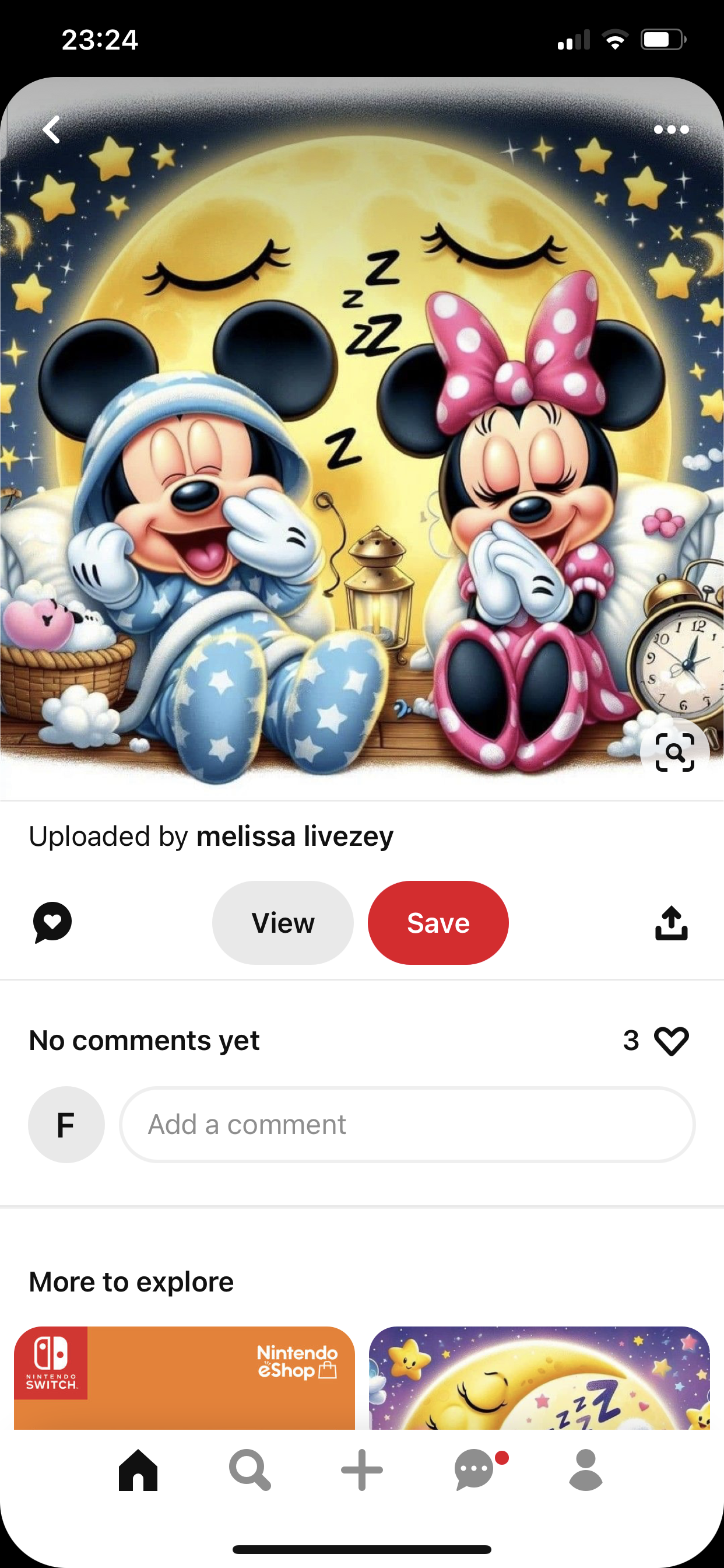
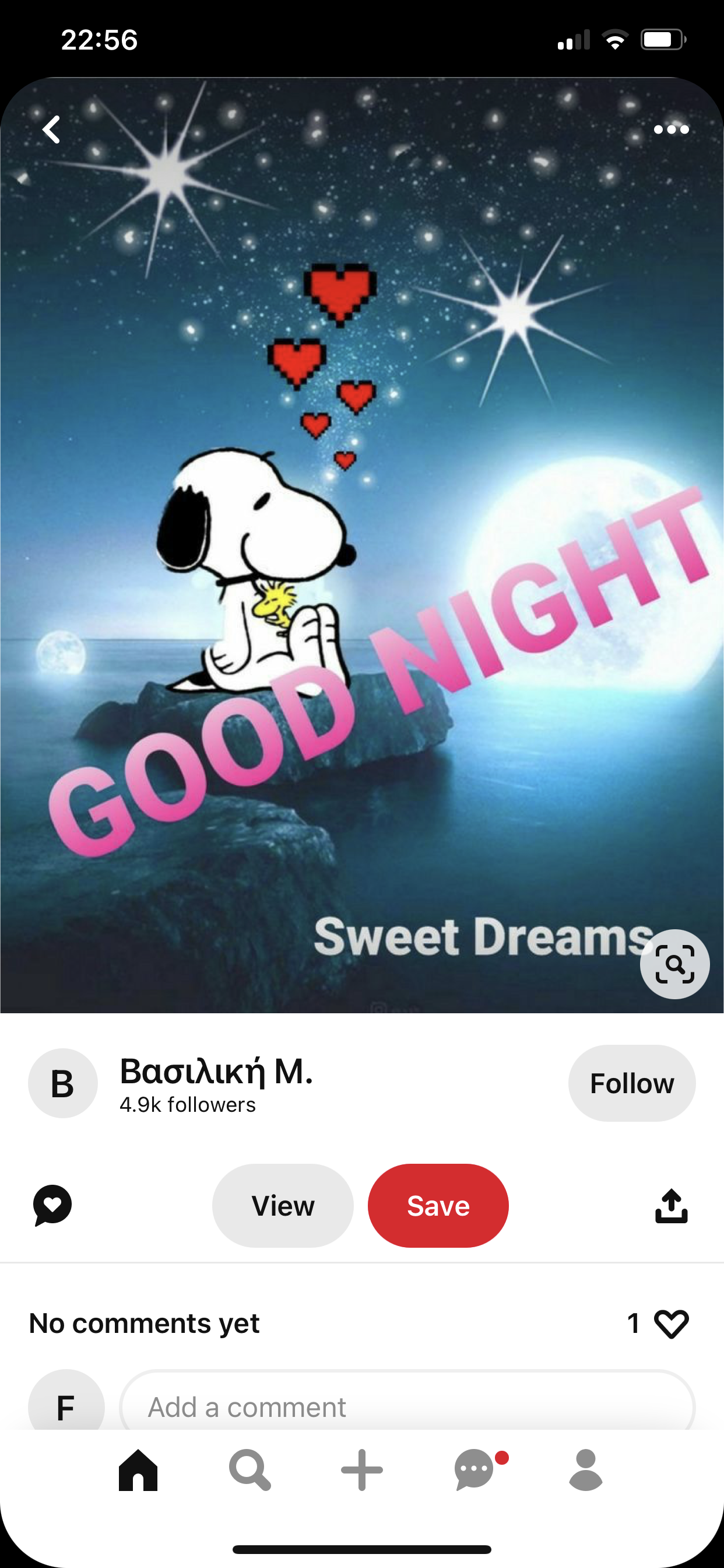
💜💜💜👌💕👍🤣🤣👍🤣🤣🤣
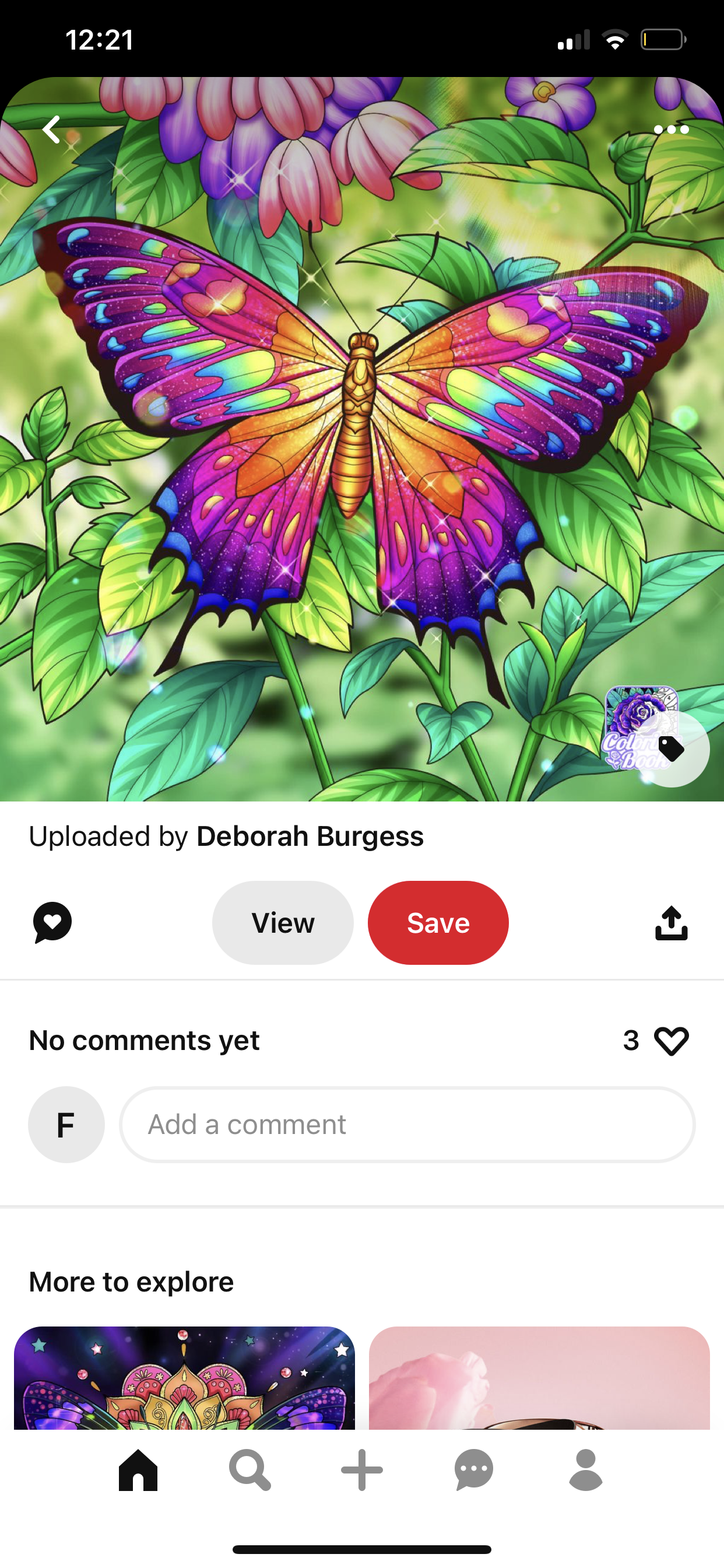
set of heart necklaces, item of the day
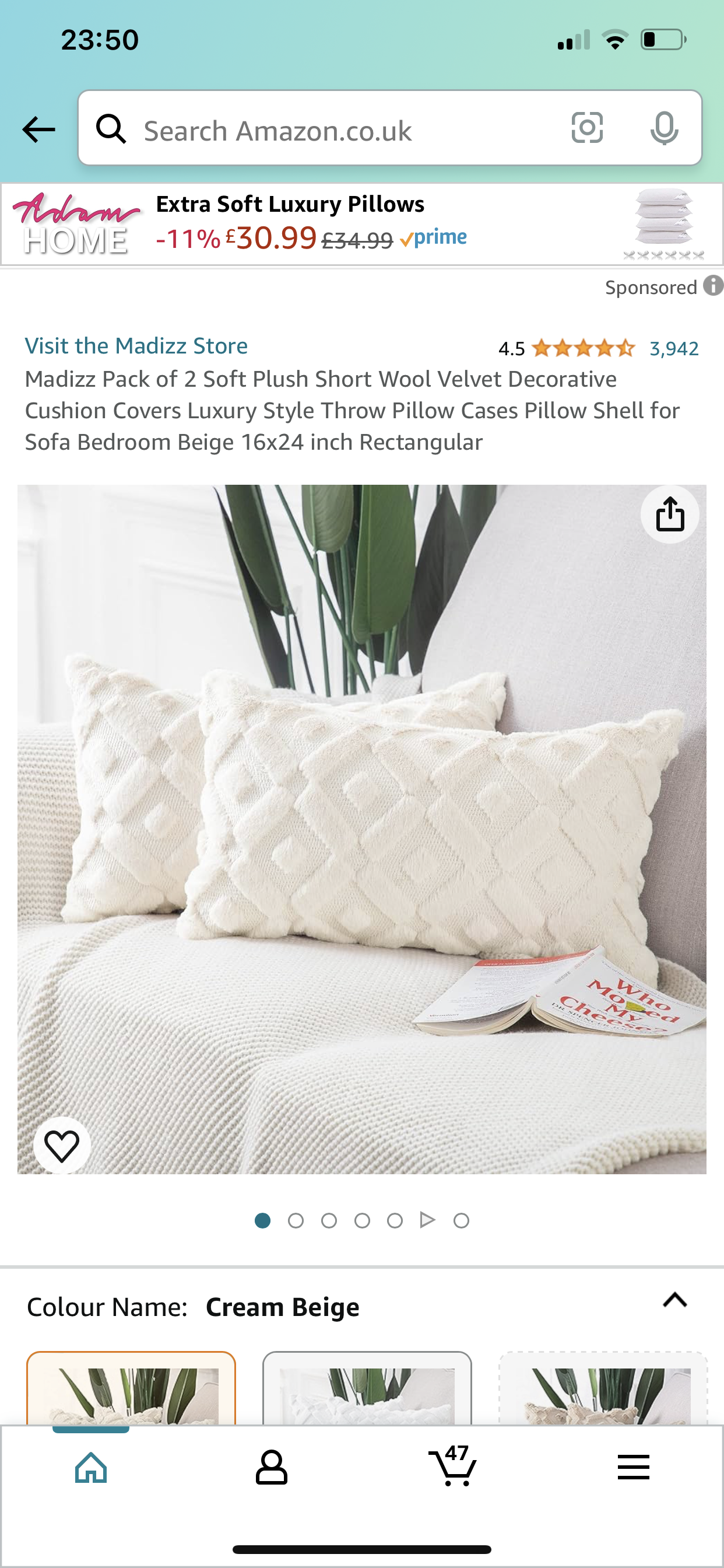
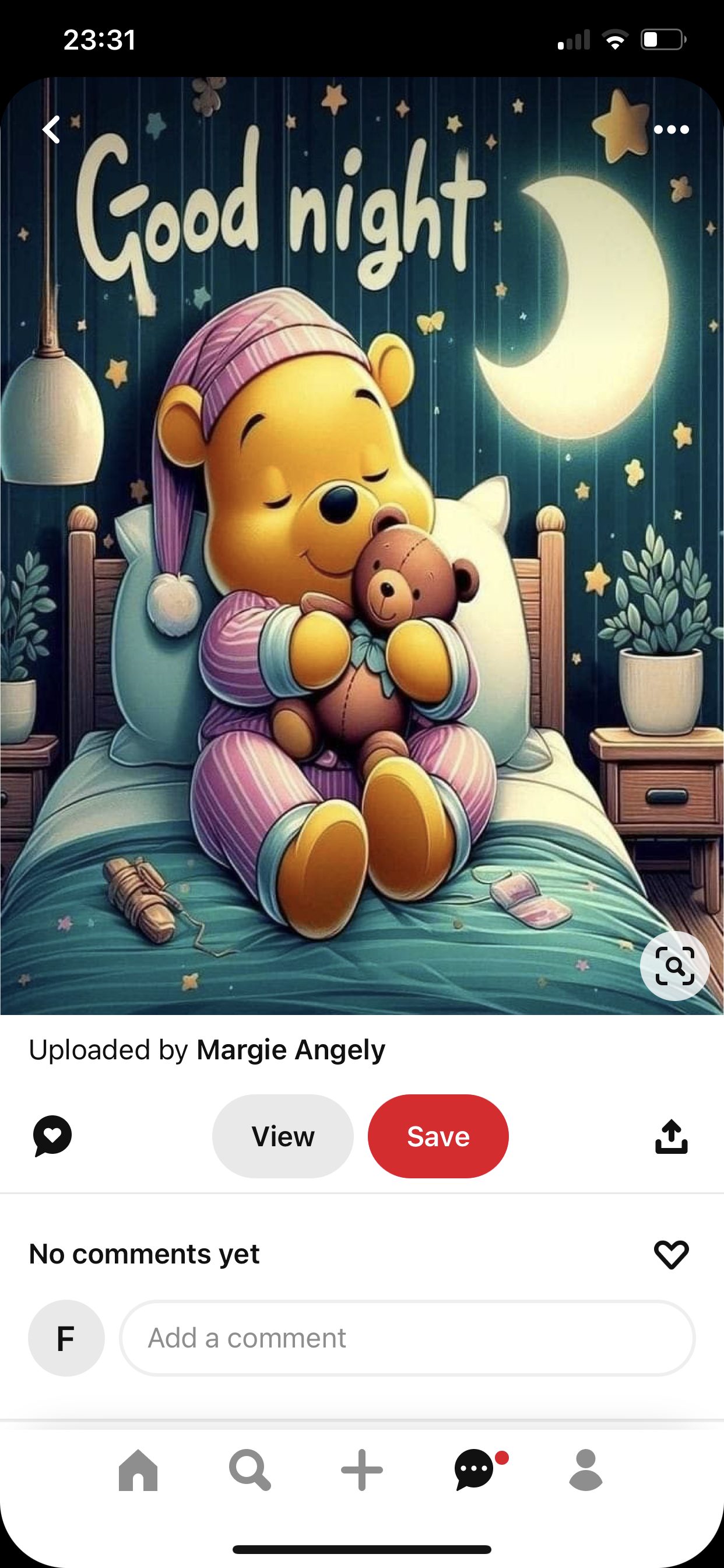
oh cute illustration included as well. As a saying I love this artistry of the moon. It looks like it’s made a girl. What do you think?
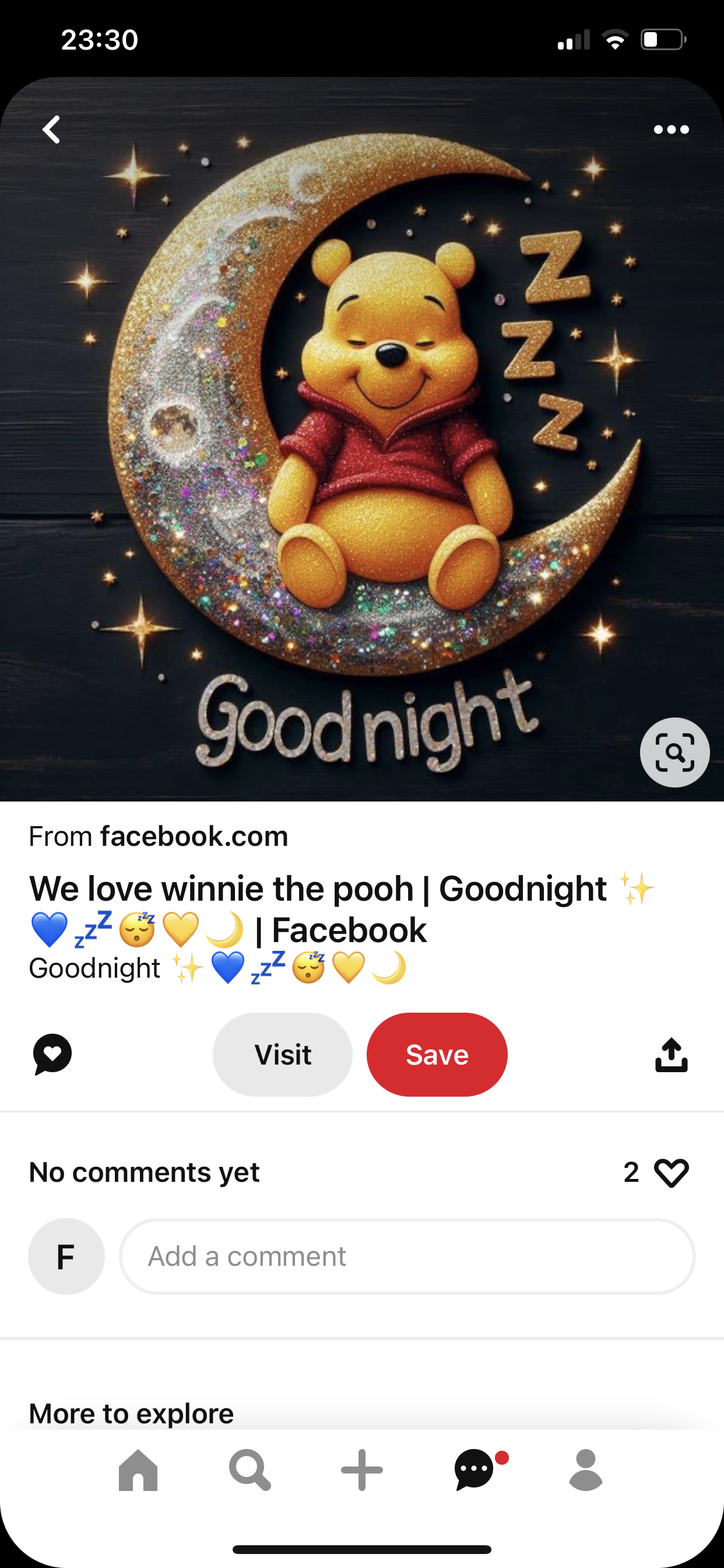
get a comfy blanket and keep in mind your savings of positivity tonight as you go to sleep
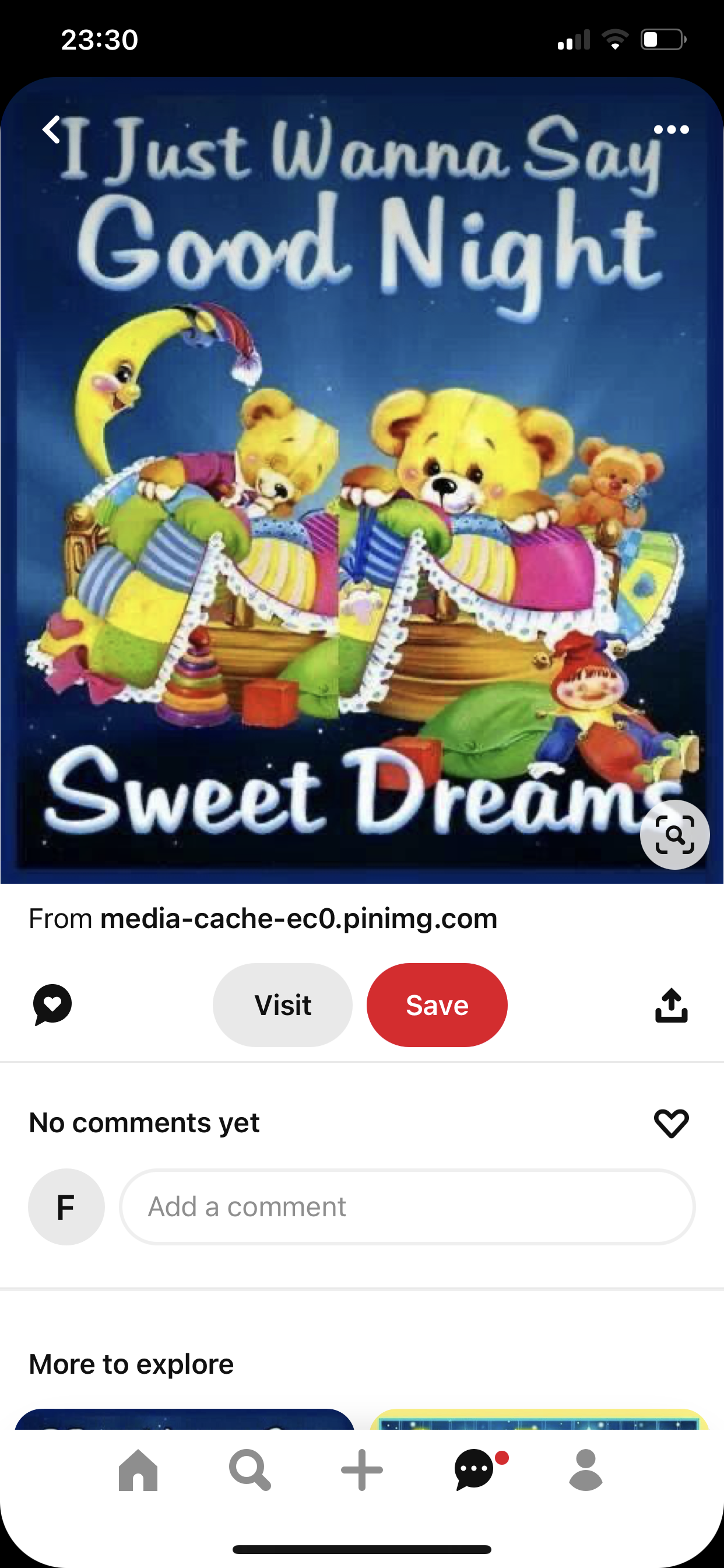
nighttime positivity
cerebral palsy story of the evening about a sister who doesn’t have cerebral palsy looking after this sister that does
what 💚💚💚woman
my crazy Curve for years ago it was very curly so therefore there is no Florence in microphone me and my microphone hair
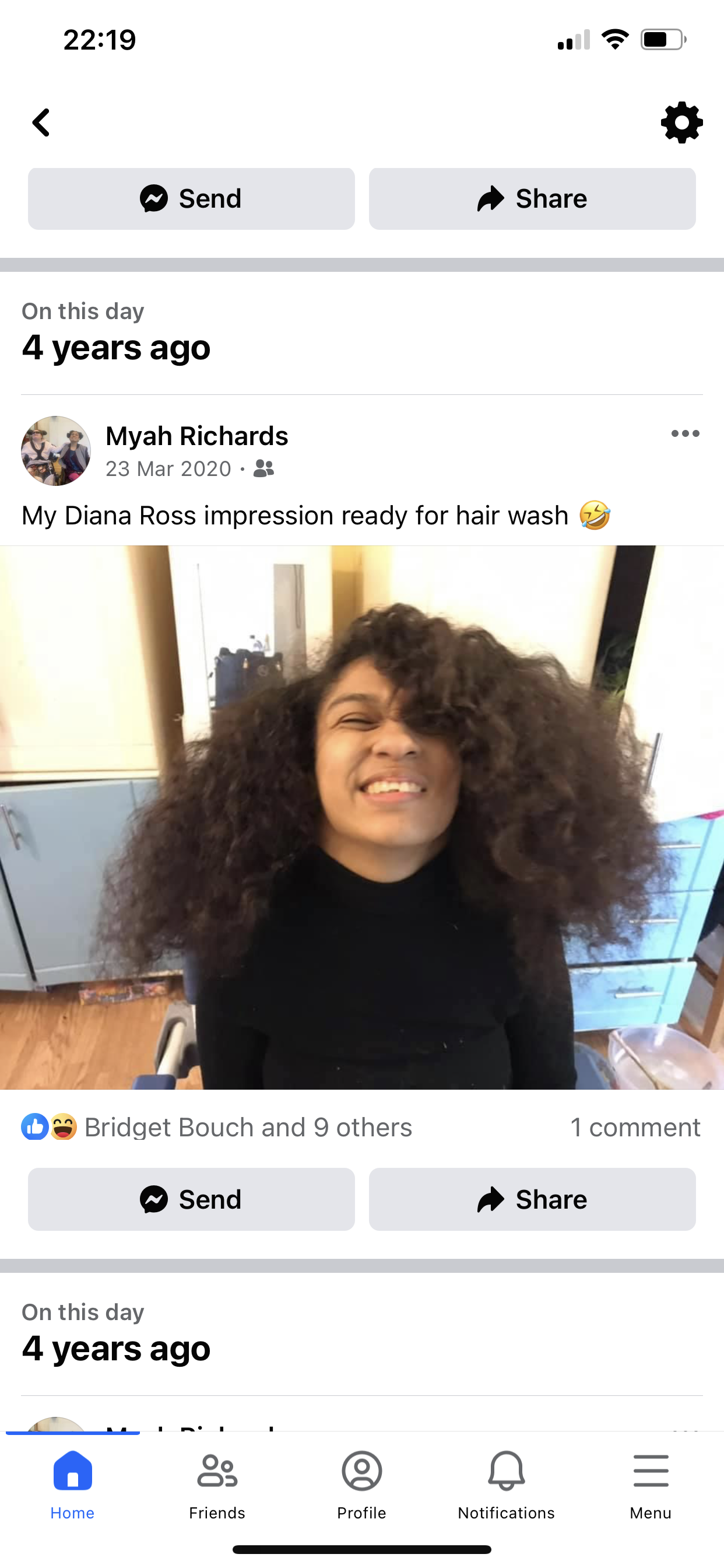
update of today, 430 today
scan this QR code to follow me on TikTok. #FollowMeOnTikTok #CerebralPalsyAwareness #CerebralPalsyAwarenessVideos
😛👌🐦⬛🐤

xxxx
cxxx
🙃🙃💜🤡💕😆💜💚💞😆🫶🏼

😊😊💞😊💞💞😊💞💞😊
goat
💚💝💝💚🥲🤡👌

item of the day
last day of the day for you all
call those who are not ring for someone who is this is a video about what is a disability disability awareness of disability explained
when you hurts this side that your bed is there
wher

Music Therapy Helps Kent Girl With Down’s Syndrome
The family of a young girl from Kent with Down’s syndrome said music therapy helped reduce her anxiety.
Six-year-old Emmie, from Rochester, was experiencing extreme separation anxiety at school and struggling to make friends.
This led to her being recommended music therapy by a teacher.
Her mother, Lauren, said: “She was so shy. We had to use a lot of sign language with her, but now she’s literally really trying her best to use words [and] communicate a lot.”
Emmie sees a Nordoff and Robbins music therapist once a week and has become more confident and independent.
Emmie’s sister, Evie, said: “She’s changed so much. The first time I saw her going into school she was like crying.”
Johanna Aiyathurai, co-founder of Kent-based Down’s syndrome charity 21 Together, said music can be a “brilliant” way to engage children and young people with the genetic condition.
She said: “We use [it] with all ages – it enables children to come together and bond without the use of words.”
It is World Down Syndrome Day on 21 March, a date chosen to signify the 21st chromosome which causes the genetic condition.
Angus Addenbrooke, from the Down’s syndrome network Our Voice, said: “It’s a celebration to give people an opportunity to go out there in the world and make sure they are responsible [to] take their own actions [and] engage in opportunities to learn different ways of progressing [in] a progressing environment.”
Grace last item of the evening
Work Easter I love her and
good night