wishing that you have good weather when it finally gets like outside today mate is this something I want to help you know showing through to Nan
playing of the day for Thursday for very cheerful day everyone
Puppy School For Guide Dogs Spotlights Guide Dog Carer’s Work
A woman whose golden retriever had a litter of guide dog puppies said she hoped she could help more people with sight loss “live an independent life”.
Kath Saunders and her family appeared on Channel 5’s Puppy School for Guide Dogs alongside new mum Ela.
The programme features the progress of guide dogs in training and the people who depend on them.
Ms Saunders, of Shrewsbury, said she wanted her TV appearance to inform other people of what was involved.
Some blind people have had long waits for guide dogs because of a shortage. The Guide Dogs charity said the animals’ availability and training was hit by the Covid-19 pandemic.
Ms Saunders told BBC Radio Shropshire the family decided to get involved with the charity’s work following a camping trip with a friend.
“She brought her two dogs along and I was like ‘wow, your dogs are amazing, how did you train them so well, how are they so beautifully behaved’?”
“And it turns out they were also guide dog mums and so [my family and I] had a bit of a chat and decided that that’s what we wanted to do as well.”
Ms Saunders said Ela was assessed aged about one and deemed to be the “crème de la crème” as a potential mother to future guide dogs.
“They are looking for temperament, how calm they are, how easy they are to work; they really are looking for the best possible dogs there are,” she said of the charity’s process.
Ela, who has just turned six, has had two litters under the programme and may have another, if considered healthy enough.
The Guide Dogs charity said three pups in Ela’s first litter, born in lockdown, had gone on to qualify as guide dogs.
Ms Saunders said monitoring the puppies in their early days was rewarding.
“Ela does all of the work,” she explained. “We don’t have to do anything other than feed and look after her.”
After three weeks, they are then weaned and “hit their really cute stage”.
She added: “[Ela] had seven puppies this time – potentially seven more people can get out in the world and live an independent life. It’s really amazing.”
put around with notice
will post a Pinterest update and the saying of the day in the early hours of tomorrow for you all to say, and any other content that I choose to post after that I will not see you same difference for an hours until Sunday or Monday Rebecca, I have to go and have a little procedure on my feet, because is my cerebral palsy said that I can walk
bedtime, cute sayings for all the different viewers for Wednesday Tight #Positivity
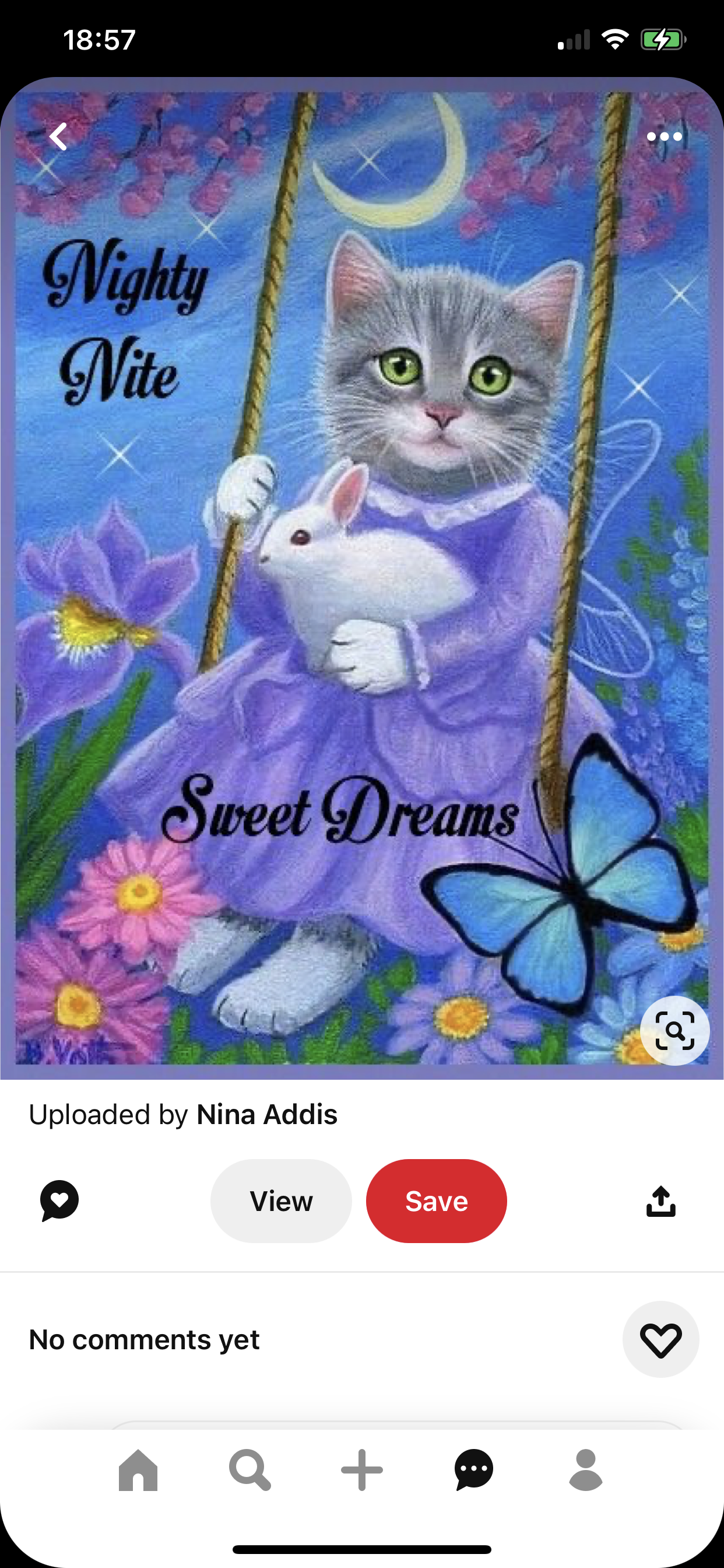
one of the process that was in my growth from last night that I was supposed to post anything that is one of the bedtime, cute sayings for cat lovers
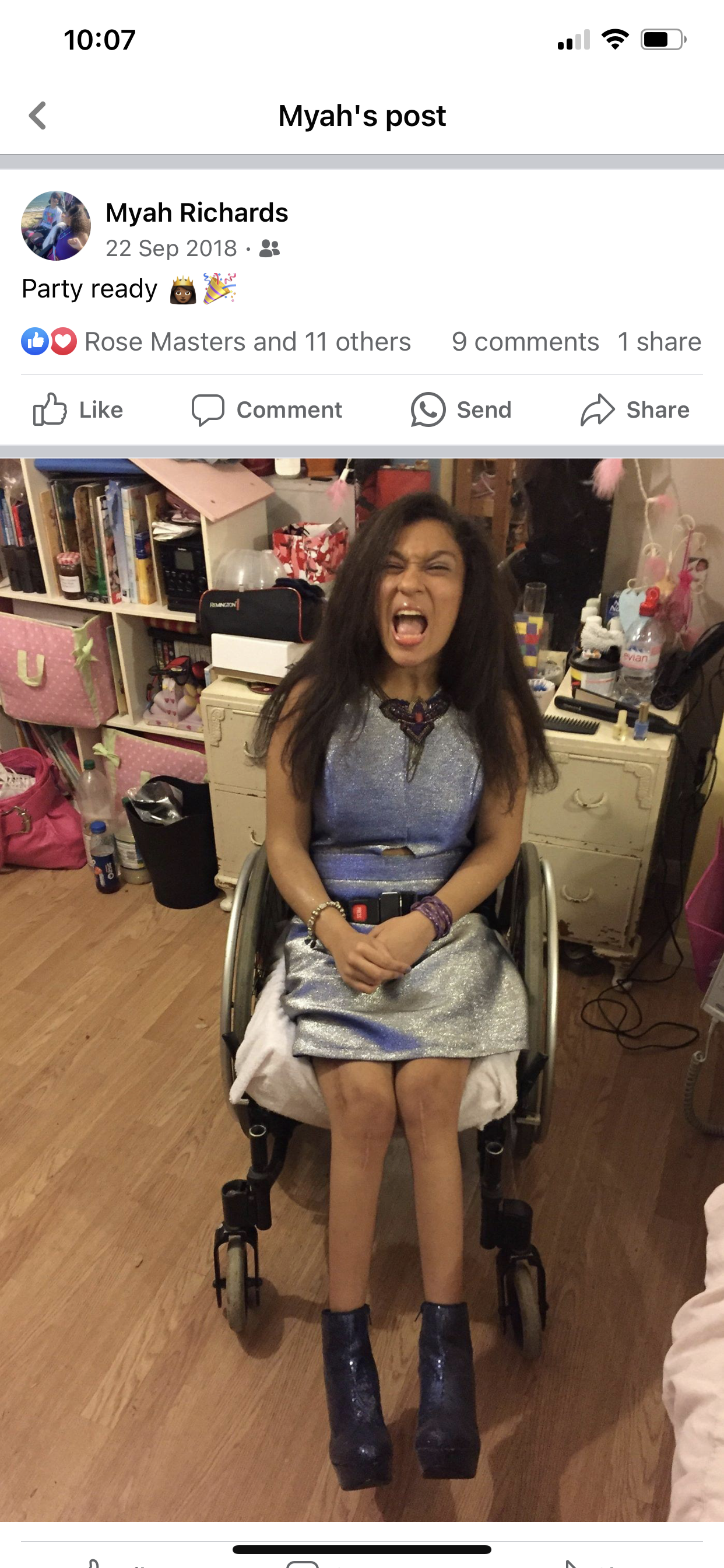
#WheelchairUser #Joe #Party #WheelchairUsersCanWearHeels #WithTheHills #KittensAndHillsMatula
https://pin.it/6g2Ycmf
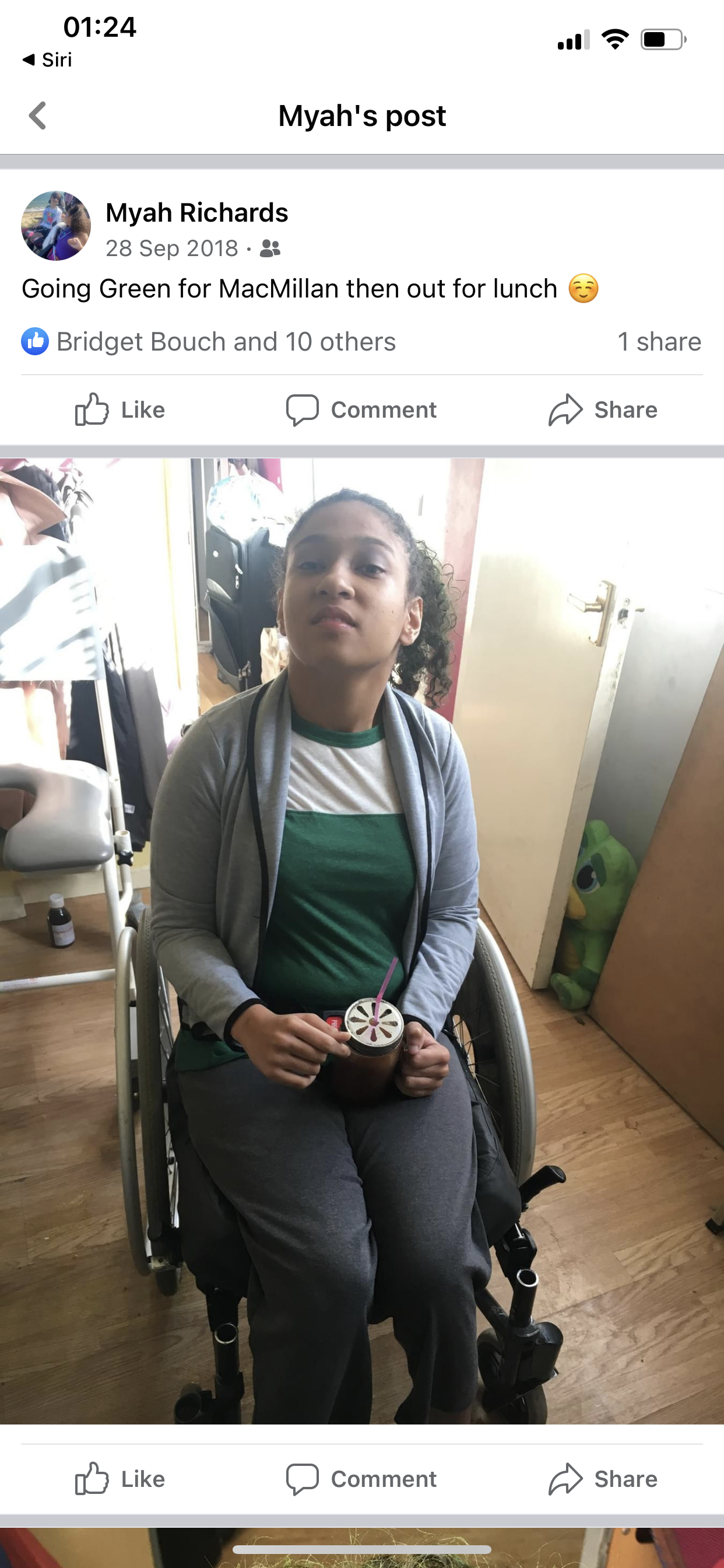
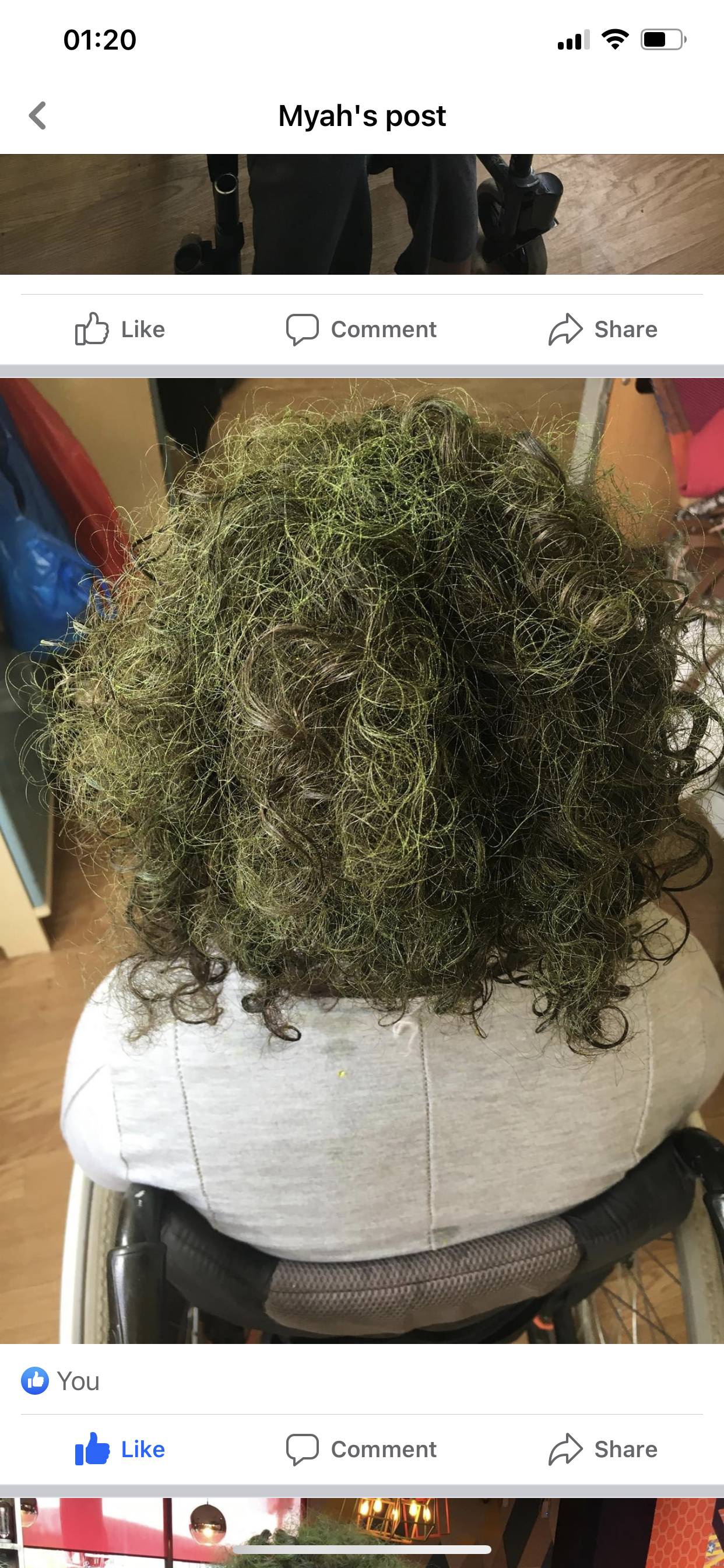
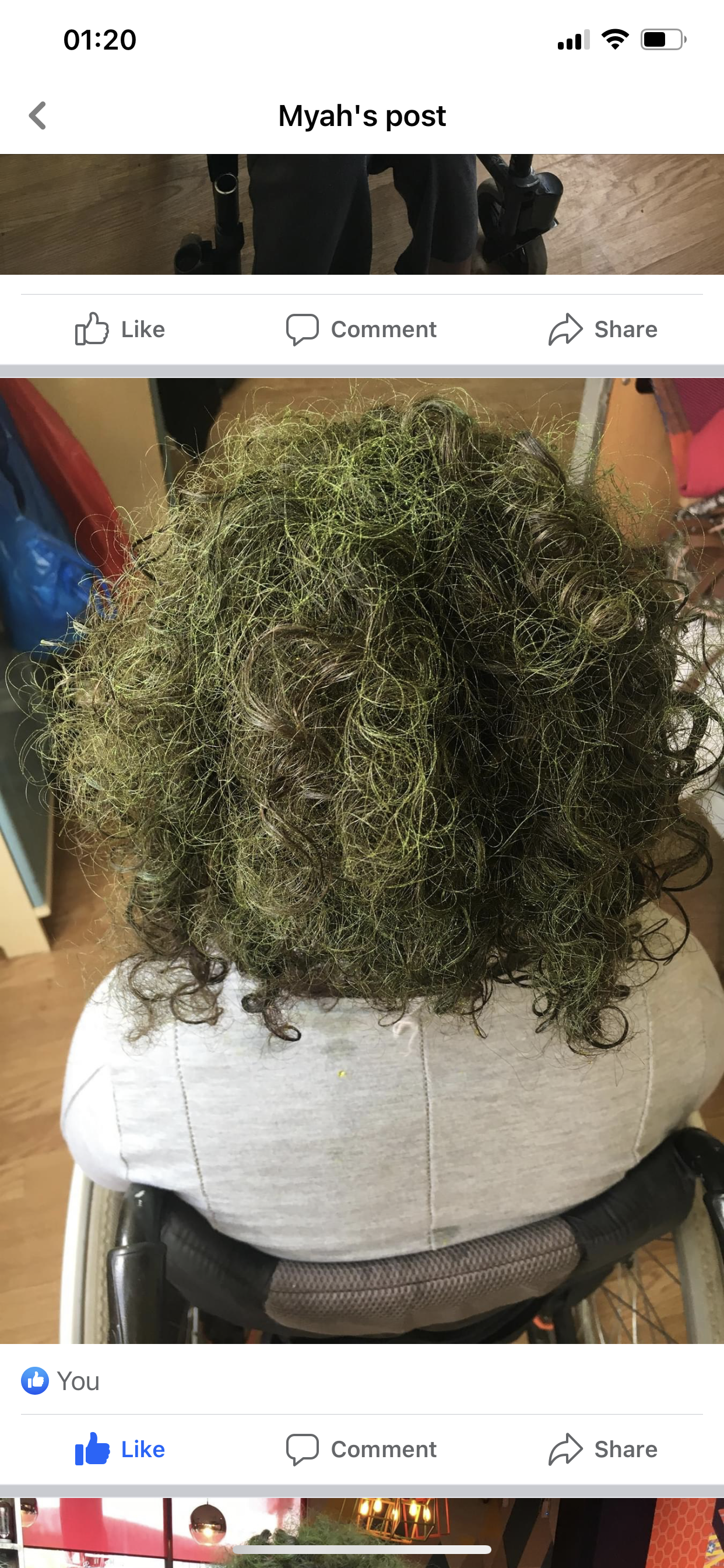
Coser of the day or Wednesday #SelfiesOfTheDay #Selfies #PicturesOfMe #YoungWomanWithCerebralPalsy #HadMyHairDone #DisabilitySupportWorker



signs of the early evening/afternoon for Wednesday for all my view is here on the same difference. Signs of the early evening flashlight afternoon.


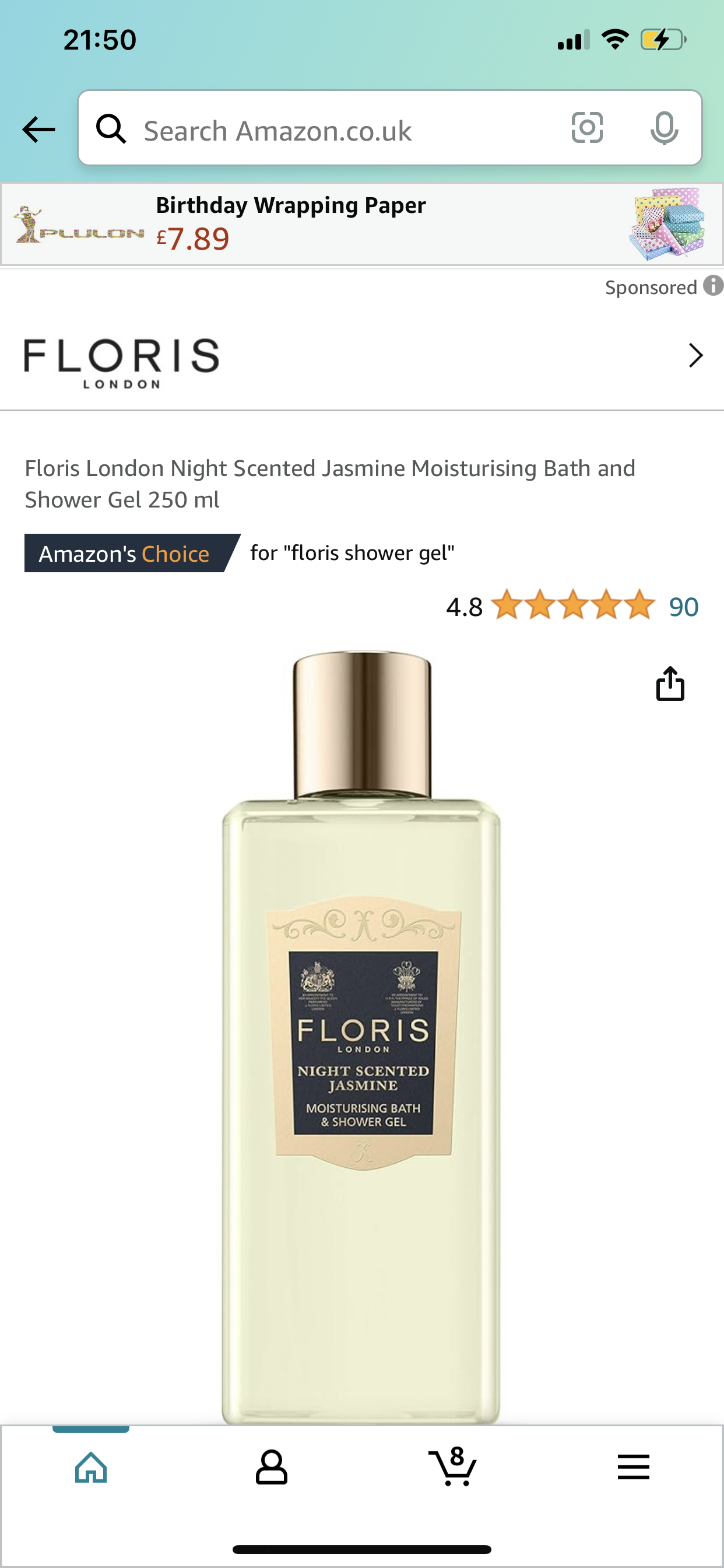
product of the day for Wednesday exclusively for my viewers here on my page
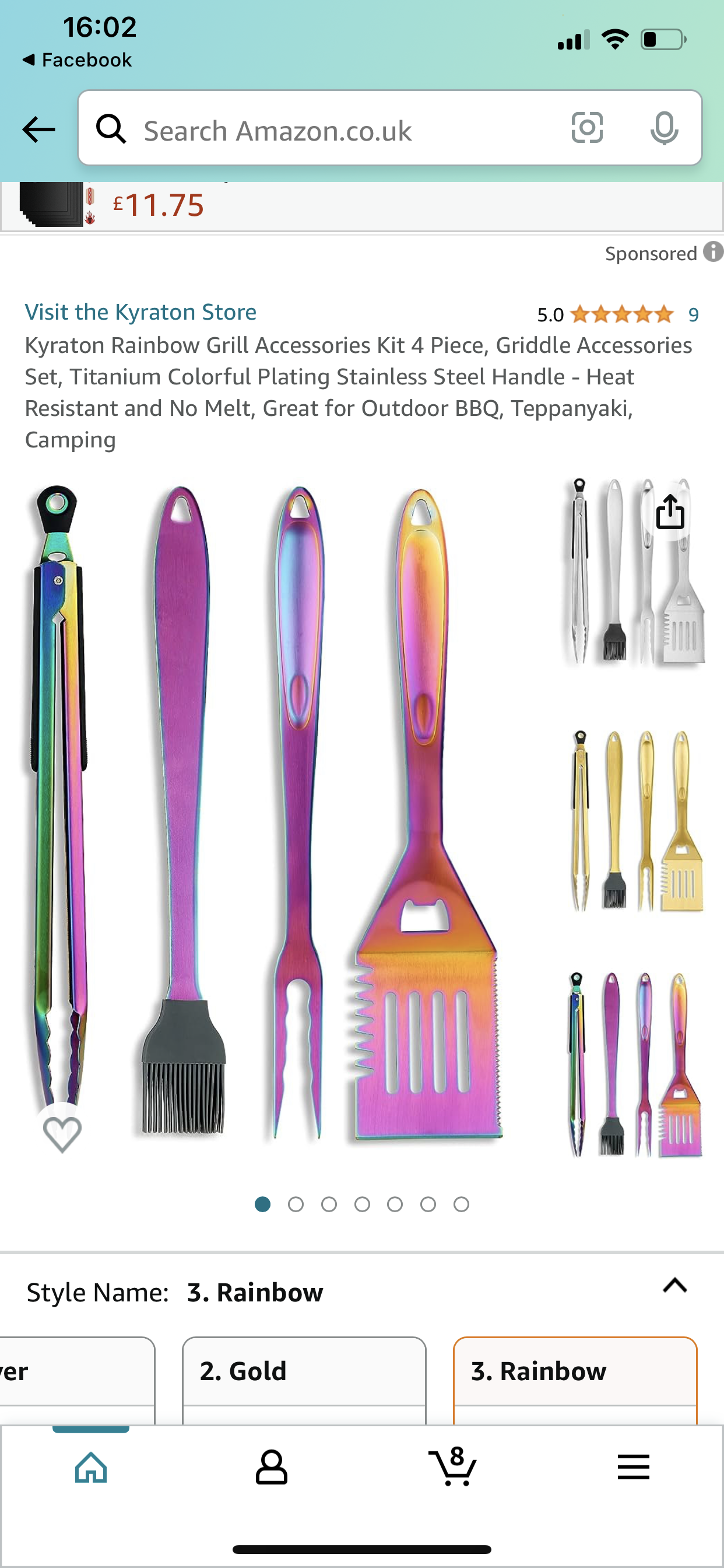
Shropshire Family Calls For Assistance Dogs Rule Change
A family is calling for recognition for owner-trained assistance dogs.
Sophie Noel, 22, from Craven Arms, Shropshire, is autistic and trained her own dog Loki to help her when she feels anxious or overwhelmed.
But self-trained dogs are not recognised everywhere, and her family is calling for it to be possible to get certification so they can fly together on holiday.
The government has been approached for comment.
Sophie, who said being autistic could “be difficult sometimes”, added two-year-old Loki was “everything” to her.
“Everything is a challenge, I spent a lot of time wanting to be like everybody else and not understanding why I struggled with things that other people didn’t seem to struggle with,” she said.
She trained Loki herself and said he supported her when she felt anxious and helped keep her grounded if she was somewhere loud or overwhelming.
Being able to take Loki on a plane, she said, would mean she could enjoy holidays with her family.
Her mother Rachel said: “She realised the world isn’t so scary if she has her dog with her.”
Independently assessed
The family want a change in the law around owner-trained assistance dogs to ensure they are recognised.
“It is more about educating companies and getting those companies on board to understand he has had an assessment and he is playing a vital role in somebody’s life,” Rachel said.
The Assistance Dog Assessment Association (ADAA) is a charity that offers people living with disabilities the opportunity to have their assistance dogs independently assessed.
However, the charity told the Noel family that even after its assessment, dogs could not fly from many of the UK’s larger airports, as it had not yet been accredited by the Department for Environment Food and Rural Affairs (Defra).
That is in spite of Civil Aviation Authority proposed guidance that recognises the ADAA and calls on airlines to accept assistance dogs, including autism assistance dogs, in aircraft cabins under regulations designed to protect the rights of disabled people.
The family said it was told Defra was reviewing its position following the CAA consultation.
Rachel and Sophie have spoken to Ludlow MP Philip Dunne about their issues, who said he would speak with the minister for mental health to find out how widespread the issue was and what routes had been explored to give owner-trained dogs the same legal protections.
The family have launched a petition for self-trained assistance dogs to be recognised which has been signed by more than 1,500 people.
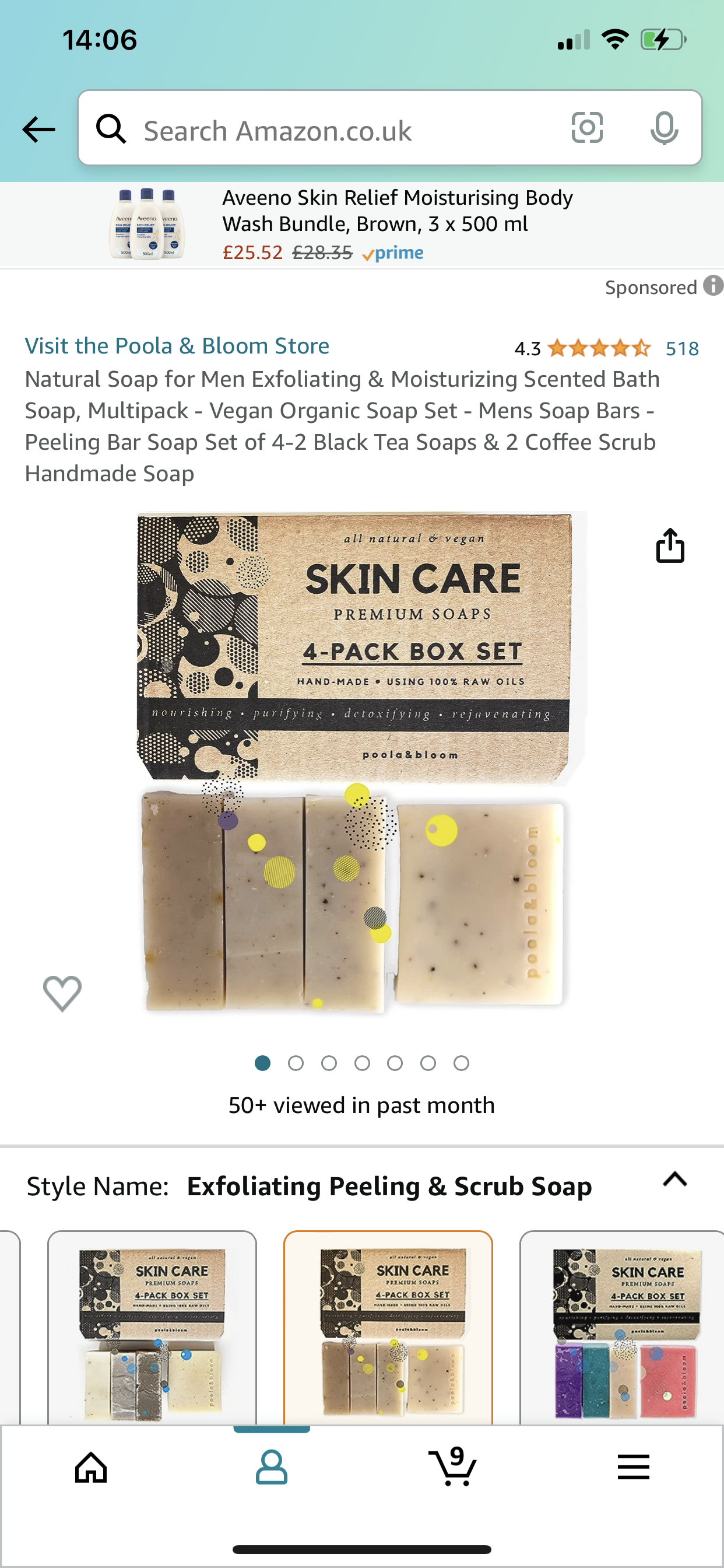
interest Amazon affiliate Pinterest app today just updated just now
second saying of the day
saying oh good morning, everyone in the late morning, not

paintings and illustrations of the day. I love the app and the app doing it as a hobby and would like to study GCSE as a student in the future.

Northern Trains To Trial British Sign Language Announcements
Train announcements will be shown in sign language on Northern rail services as part of a trial, the company said.
Information will be displayed on screens on trains between Leeds and Manchester Victoria.
Census data showed BSL was the main language of 22,000 people and Northern said it aims to launch the announcements by the end of the year.
Marc Silverwood from the company said he wanted “to make a difference to our customers and provide for them”.
“We know that rail travel can be daunting for anyone with specific needs, and I really hope this makes a difference to give people confidence to travel by rail,” he added.
The company is now looking for organisations to help provide sign language interpreters for the project.
prime and evening, saying for you all for Monday

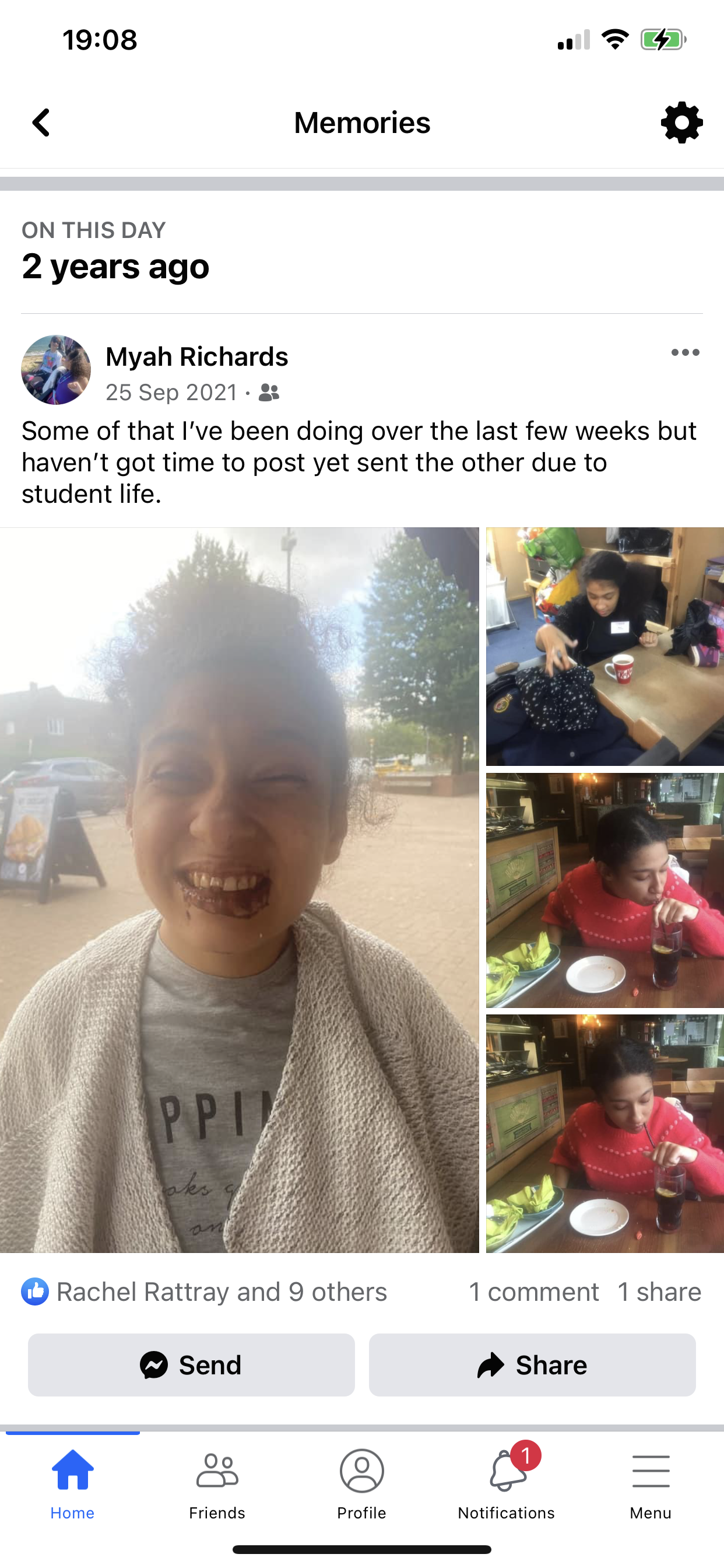
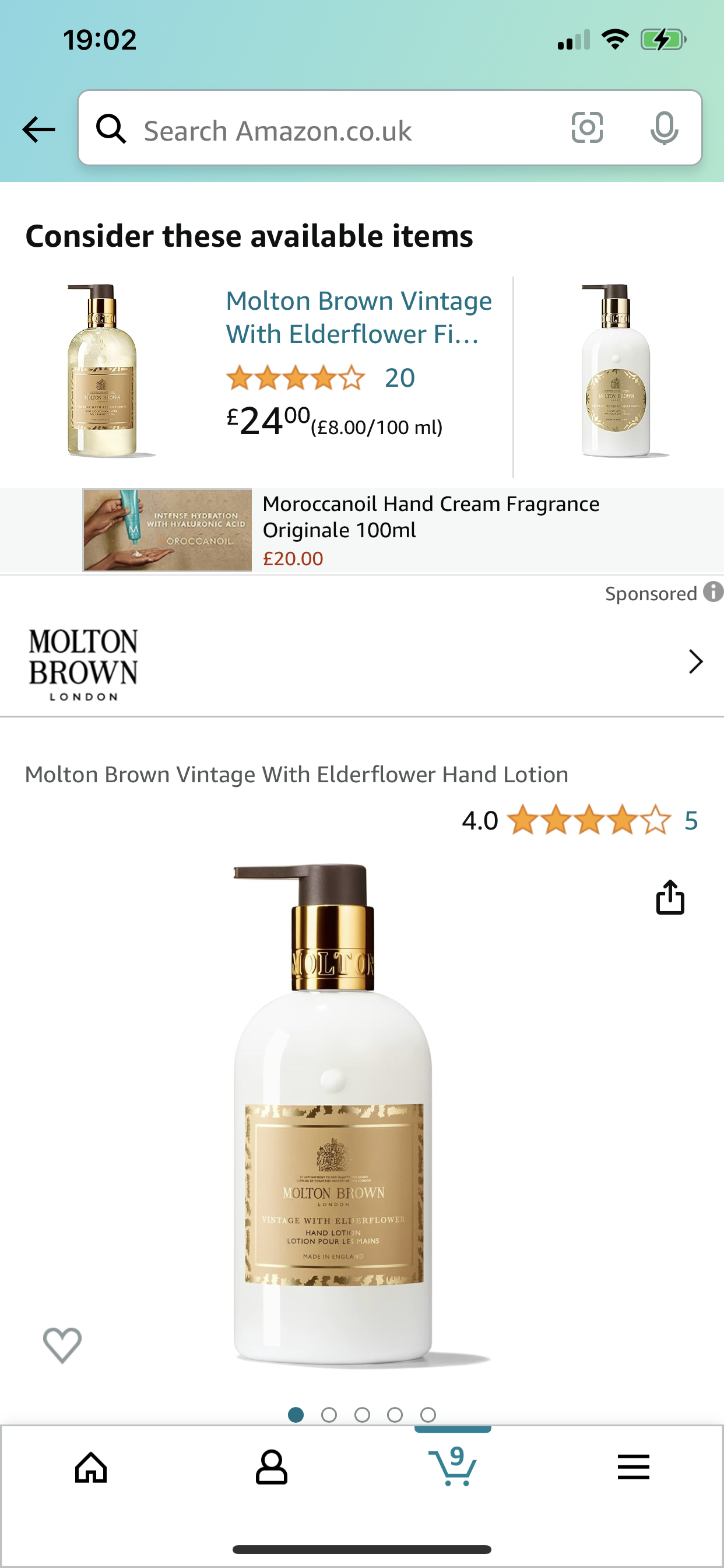
Pinterest app, they all update again in the early evening about 5 pm
good morning everyone, this is the first saying of the day hope you’re enjoying my sayings of the day and different things for different points over it😬😬💕🤣
Job Sharing: Wales’ Politicians Could Be Able To Split Roles
A former Welsh government minister has said he would still be in the cabinet if job sharing was allowed.
Ken Skates stepped back from government in 2021 in search of a better work-life balance after eight years in ministerial roles.
The Senedd reform bill published this week includes a way of exploring the idea of Members of the Senedd (MSs) job sharing in the future.
If introduced it could see politicians share their workload and a salary.
Mr Skates, who was part of the Welsh government between 2013 and 2021 and served as economy minister, is now a backbench Labour MS for Clwyd South, which covers part of Wrexham and Denbighshire.
Asked if he might still be a minister if job sharing was an option, he said “yes, absolutely”.
“It’s incredibly difficult when you’re a member of the government to be able to balance your professional and personal life in a way that gives you satisfaction and in a way that people need, especially if you live far from Cardiff Bay,” he told the BBC’s Politics Wales.
“It’s simply not possible for example to make the journey from parts of north Wales to Cardiff Bay on a daily basis,” he said, explaining how it affected his personal life and his ability to serve his constituents.
“Having the option of remote working as well as job sharing… would level the playing field and enable many more people to consider getting into politics.”
The newly-published Senedd reform bill, which paves the way for an increase in the number of MSs and the introduction of a new electoral system, also places a duty on the llywydd (presiding officer) to try to set up a committee following the next election to consider the idea of job sharing.
What do women need to get into politics?
It is argued job sharing could create greater diversity by reducing the barriers preventing some people from standing for election, including those with disabilities and caring responsibilities, such as parents with young children, and women in particular.
Jessica Laimann of Women’s Equality Network Wales said it would help women, who have an unequal share of caring responsibilities, get into politics.
“We’ve heard from a range of women who would not otherwise stand say they would immediately put themselves forward if that sort of arrangement was available to them,” she added.
Sara Pickard, a community councillor in Pentyrch in Cardiff who has Down’s syndrome, said the option to job share would encourage more people with disabilities who might otherwise feel “daunted” to stand for election to the Senedd.
“Having someone share that job with them could really help them share out the hours, the workload so that that job doesn’t feel too much work for one individual, ” she said, “especially those who’ve got disabilities who might feel overwhelmed by the sheer amount of work involved”.
But the idea throws up practical questions – what if the two MSs disagreed in a vote, one stood down or switched parties, or one was offered a government post?
Prof Rosie Campbell, director of the Global Institute for Women’s Leadership at King’s College London, said: “As a job share team they would have to say how they’re going to manage the situation if one were to step down.
“In the same way if they want to be in government, they’re a job share so they would need to agree that between themselves.
“There can only ever be one person voting so they would have to say how they would make that decision.
“The key point to make is that it is still one job, one vote, one salary.”
But Caerphilly Labour MS Hefin David said while he agreed job sharing could help committee chairs and ministers, he does not believe it is a necessary option for backbenchers.
With proposed six-member “super constituencies” in future, he said voters would have enough trouble getting to grips with who was representing them and job sharing was “probably creating more problems for the community than you’re solving for the individual”.
Welsh Labour said it recognised the “potential benefits” of job sharing and Plaid Cymru – which has a cooperation deal with Labour in the Senedd – said it was “proud to play its part” in trying to make becoming an MS a “realistic and attractive vocation to a wider group of people”.
Welsh Conservatives called it “fraught with issues and additional costs” and accused Labour of “removing themselves further from the scrutiny of the electorate”.
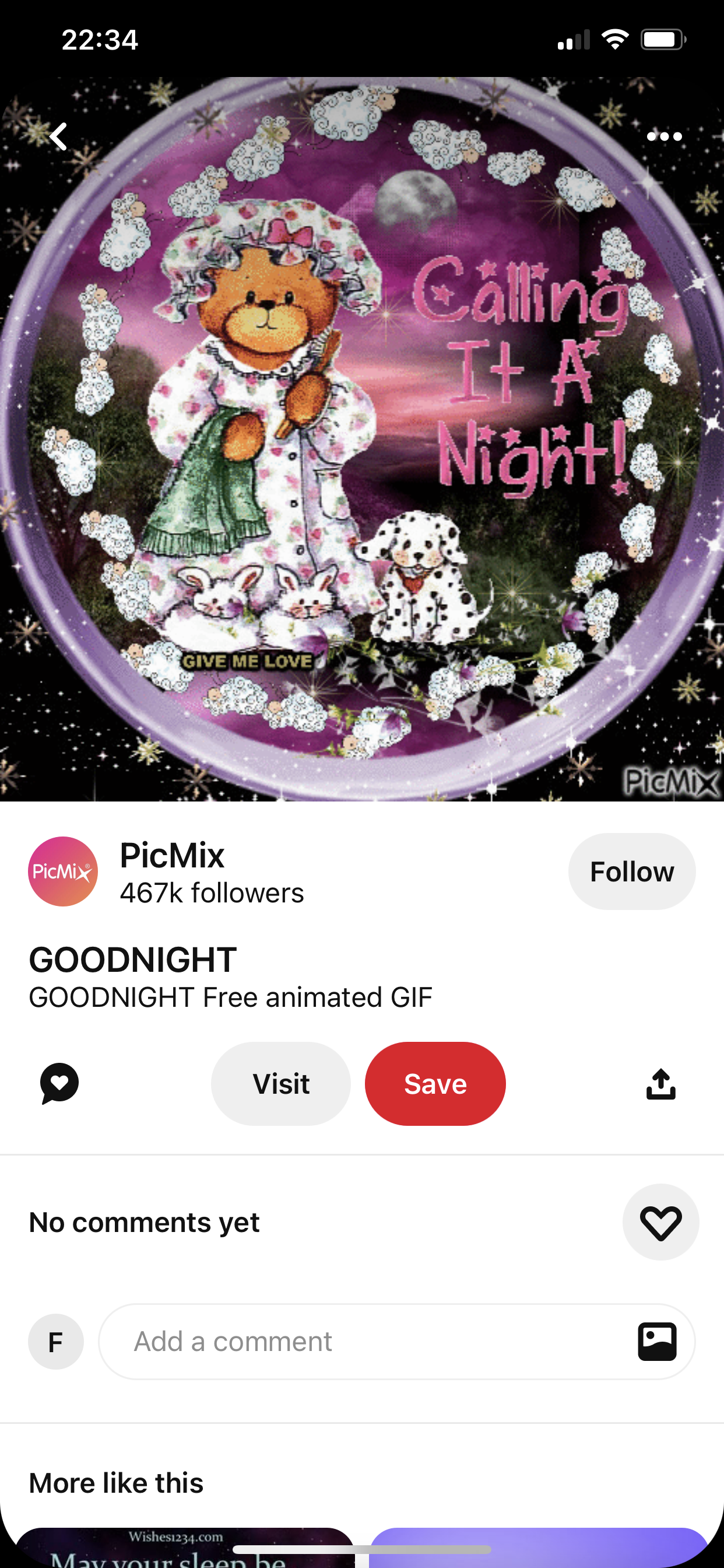
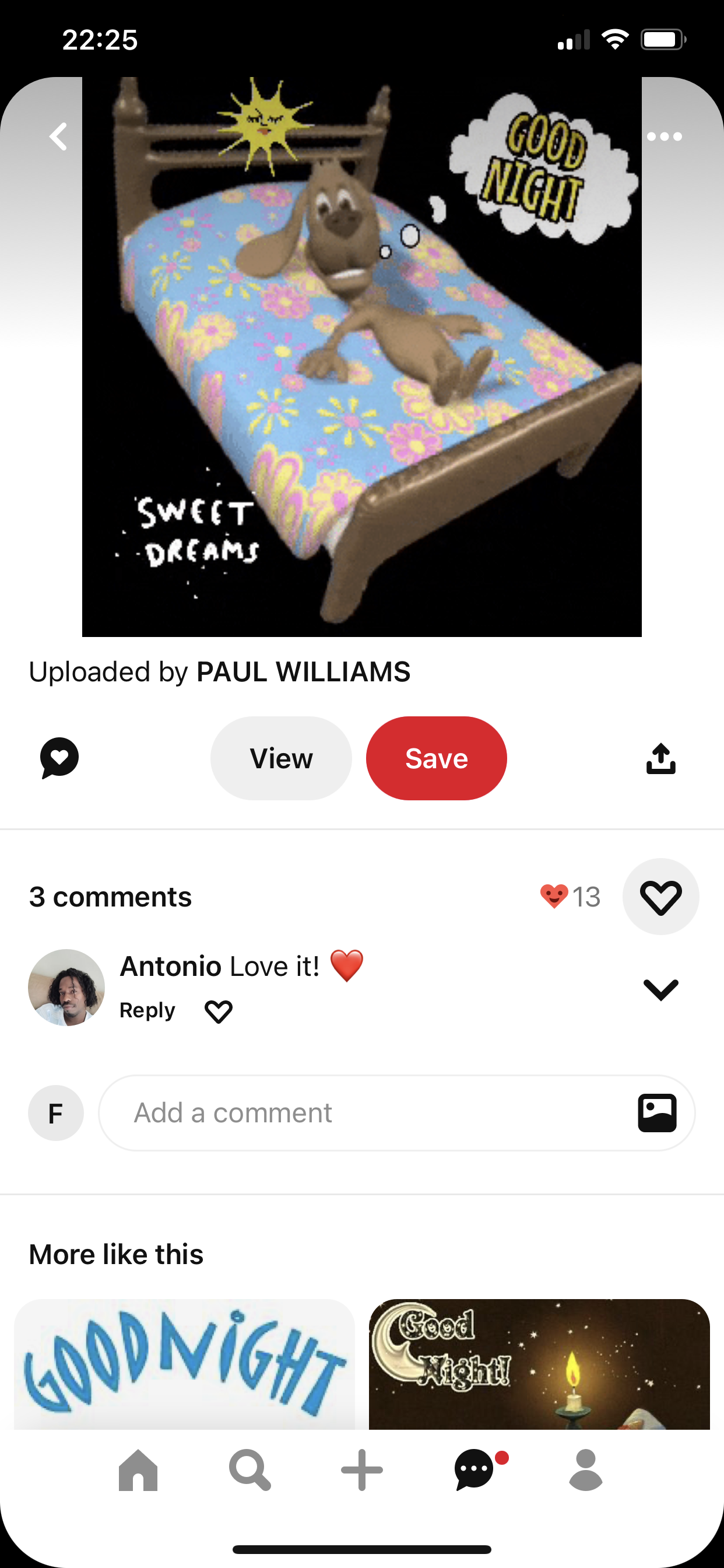
and bedtime settings for all my viewers on something different. Good night all enjoy the sayings from me to you.😴😴😴🌙🌙🌔


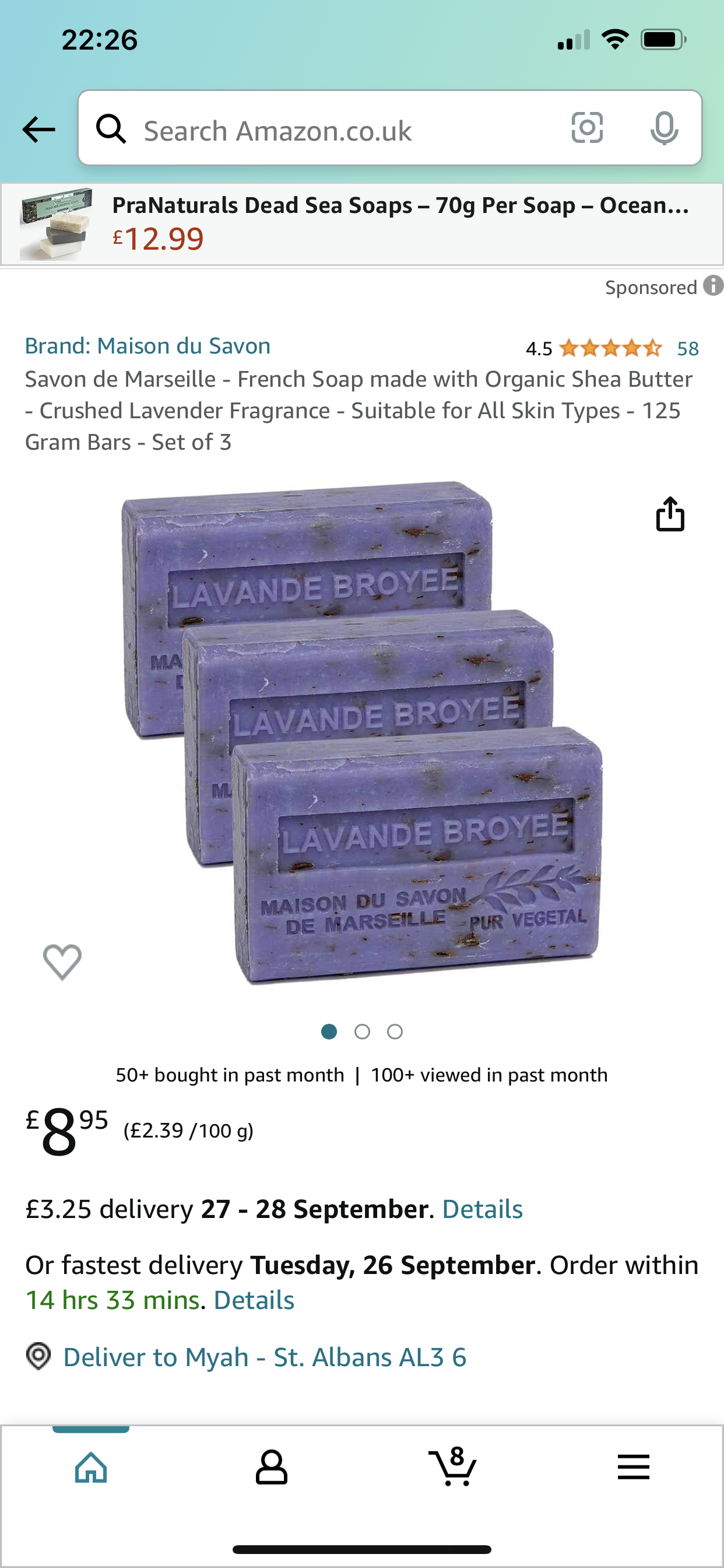
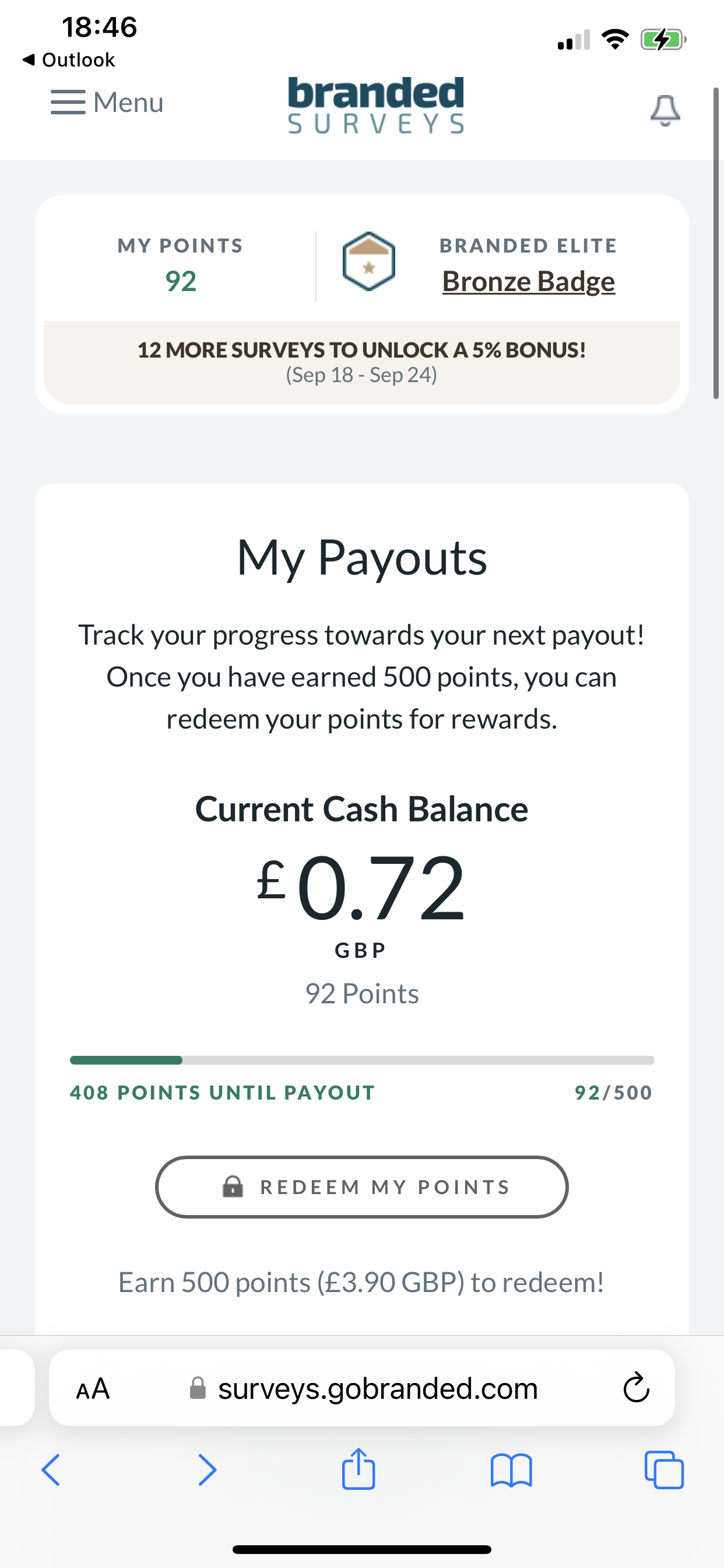
product of the day for teenagers and levels of the barbie movie
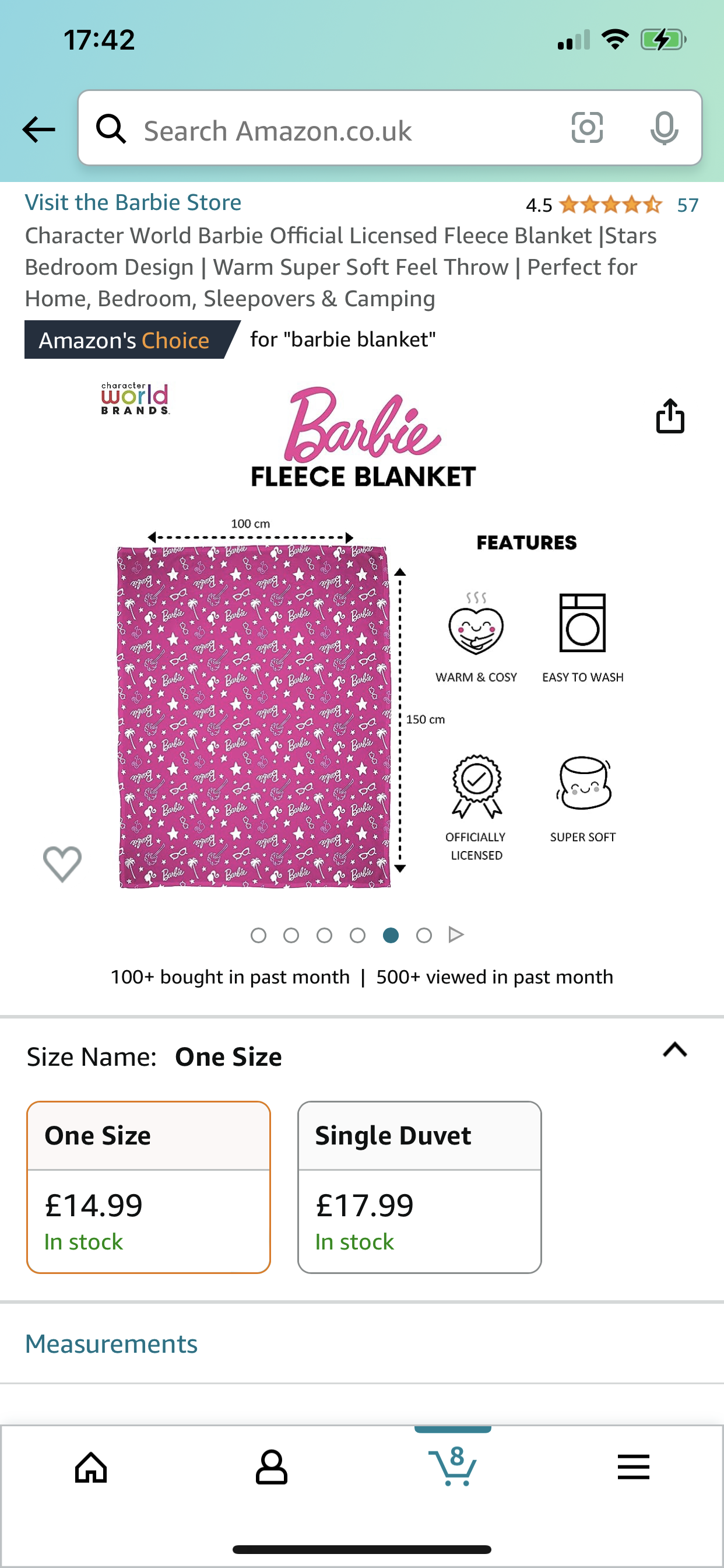


how are you Sunday evening, saying for the whole of the community and viewers of my broke
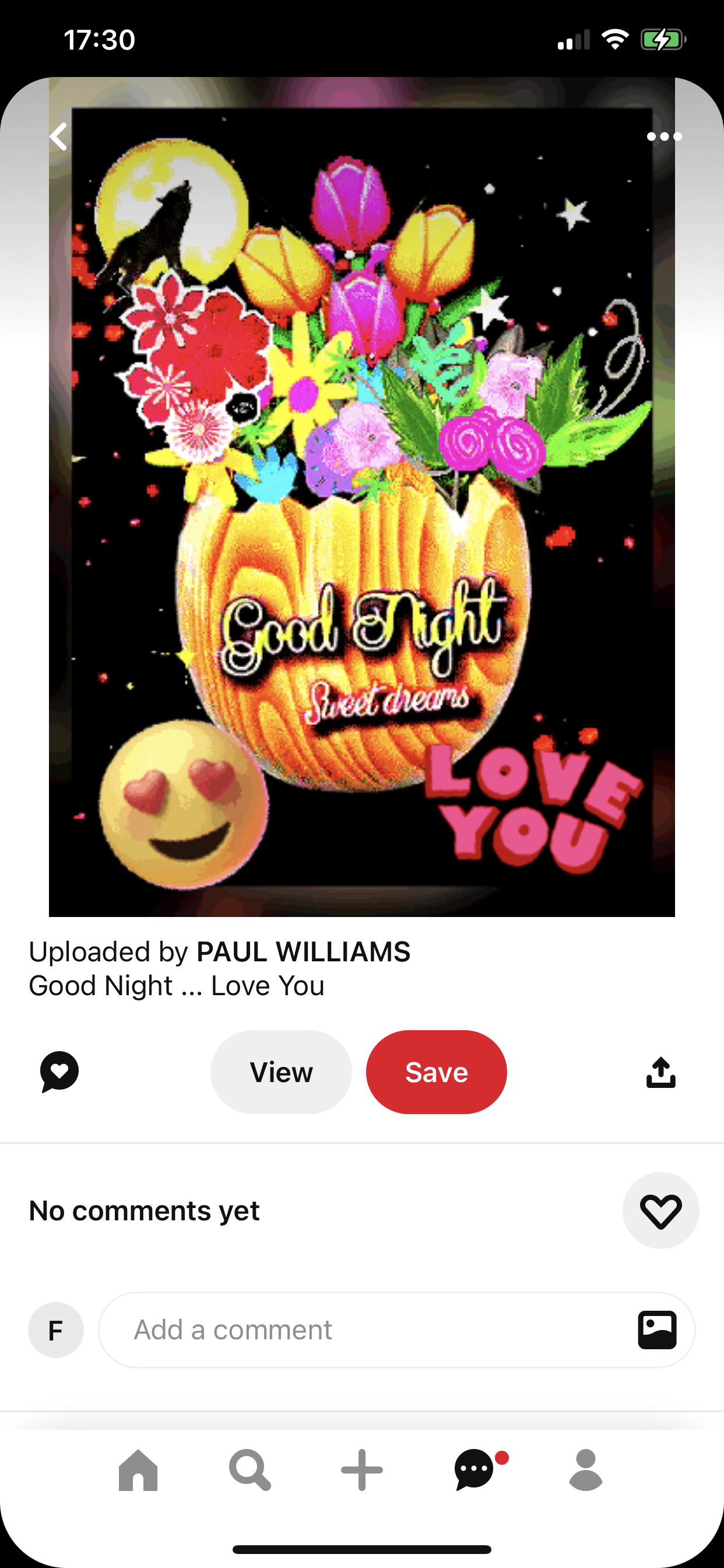
Pinterest update will update again with more products before I go to bed

bottom of the day, chromosome difference you with that one of the day
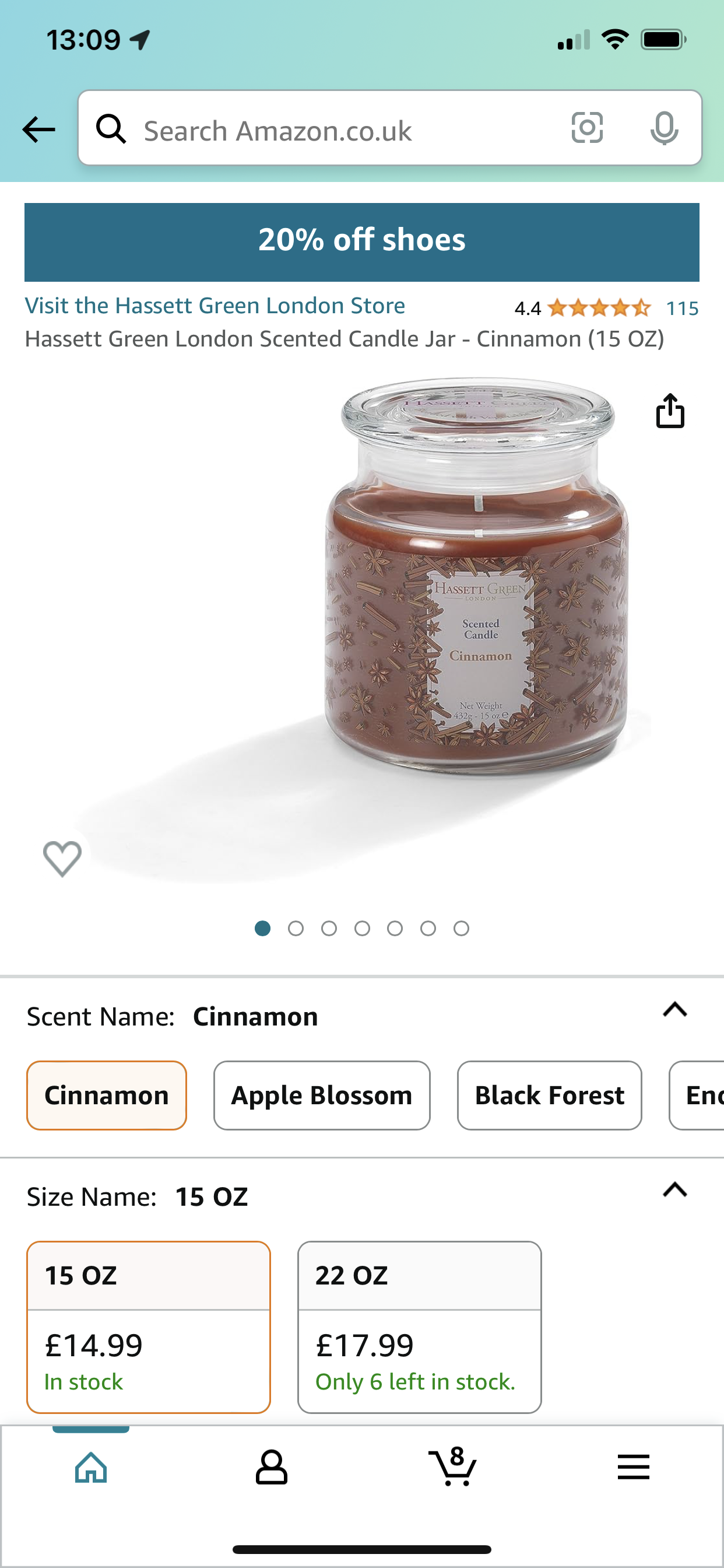
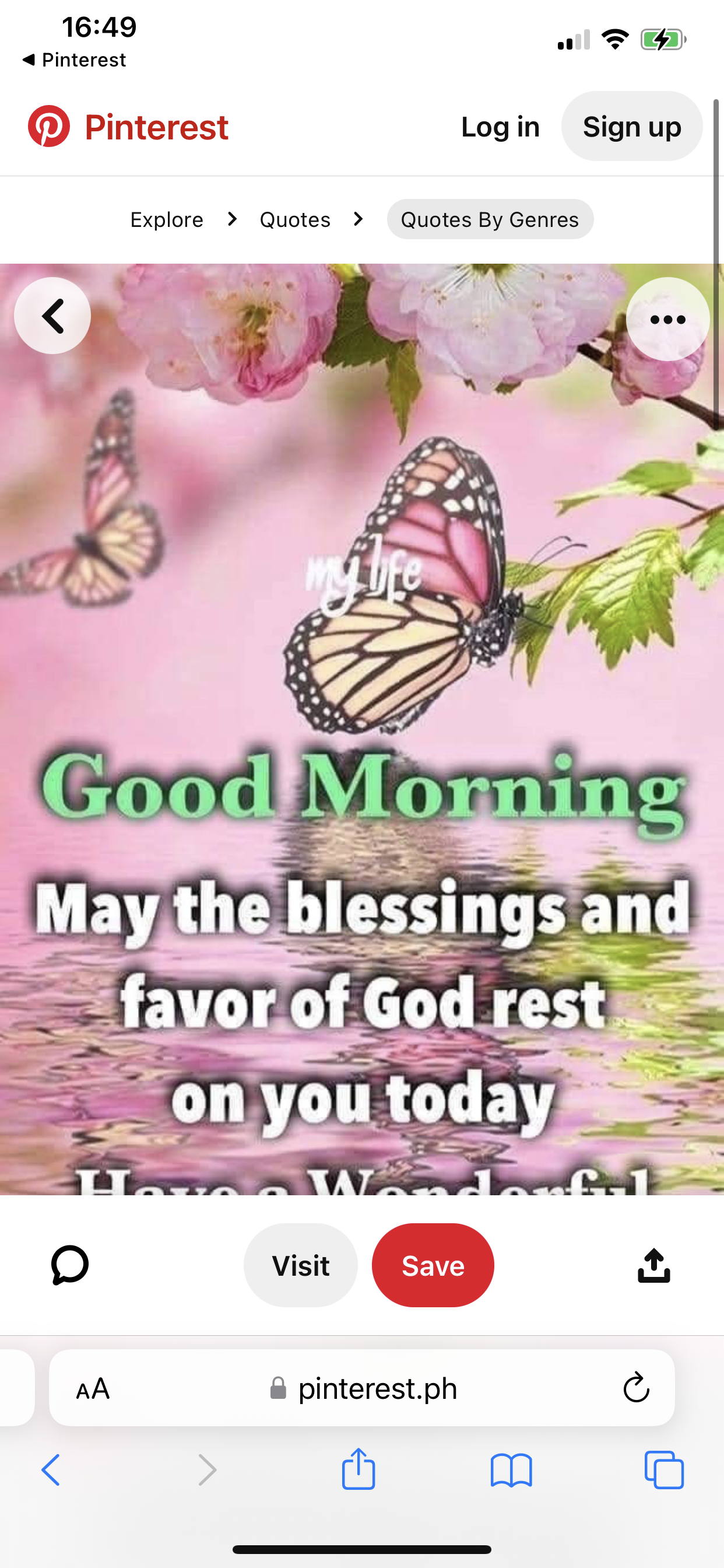
put a saying off my view is on. I also have updated the Pinterest link with the new items about one hour ago so check it out if you would like to treat you have
signs for the early risers, who live in the UK good morning Paul, the early riser and happy Sunday to you all

no saying is for you, not turn positivity and saying smiling face👩🏾🦽🫶🏼💜🙂

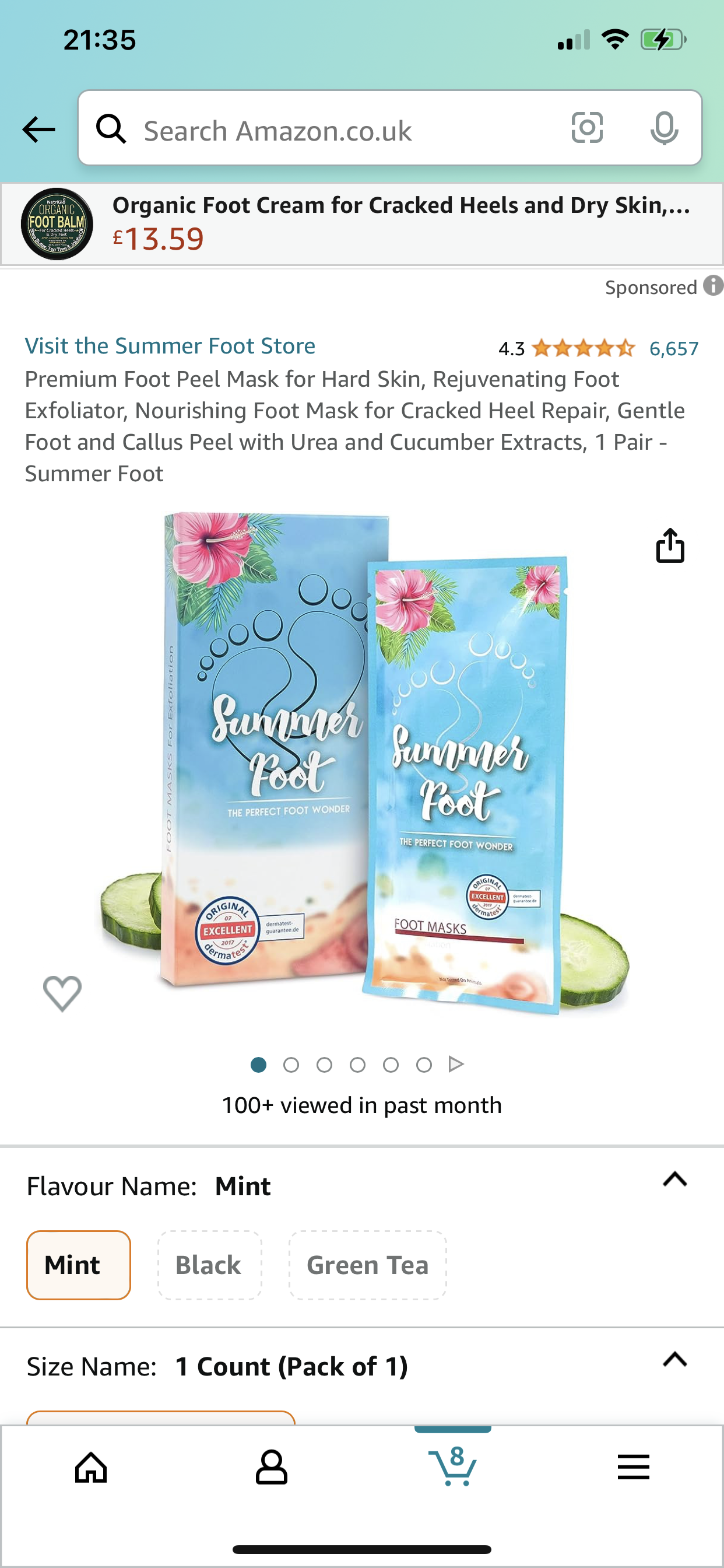
bedtime sayings for my time, difference viewers past bedtime settings of the weekend

go today, early evening Salpi, as we are waiting for the bus😆💕💕💕🥰💕💜 after another successful shopping trip. #ILoveShopping #IAmAPrincess




size of the afternoon for Saturday. Hope you are enjoying your weekend.

a colourful mid morning saying

mary bowling five years ago, concentrating hoping to win the time. Fortunately I lost and my personal assistant one. Unfortunately I was in this game.
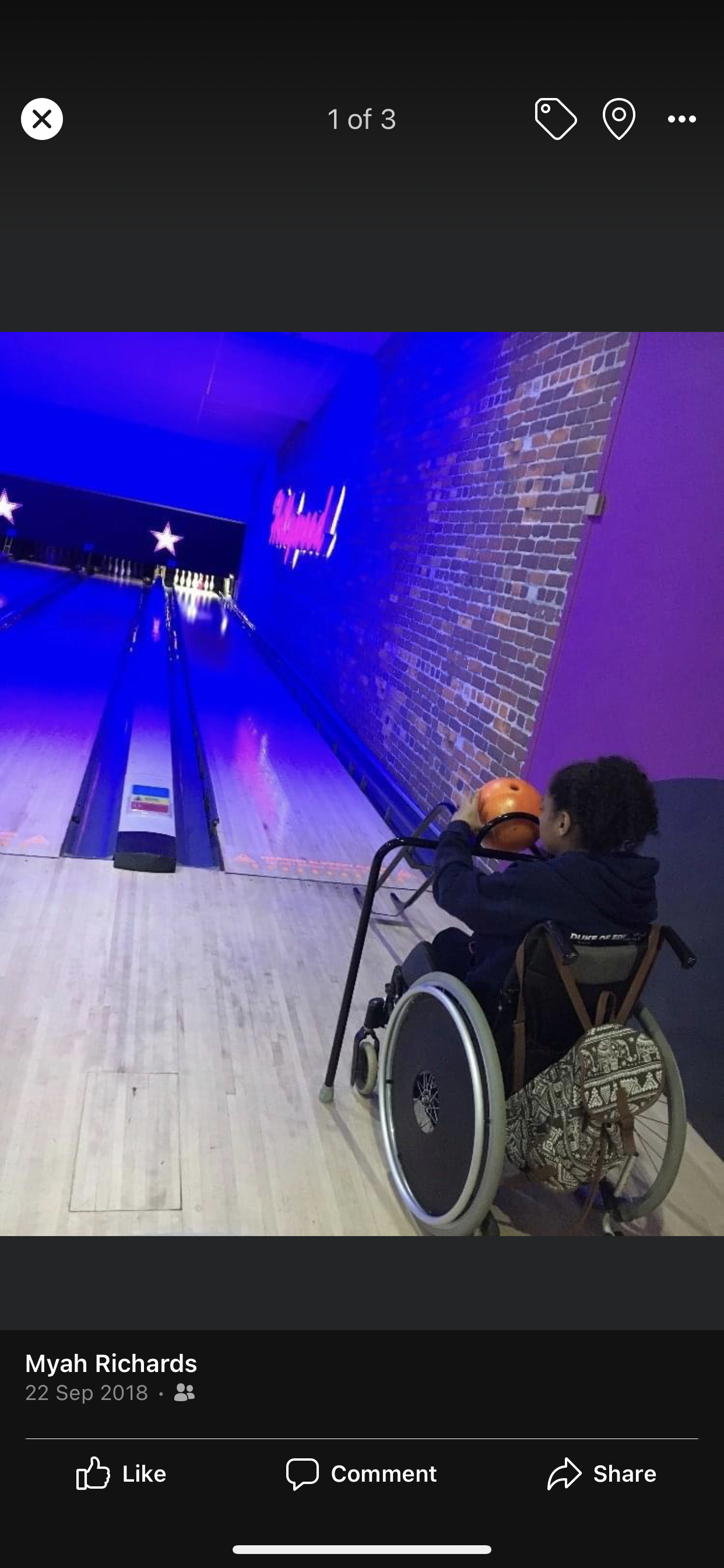
weekend saying all this weekend for my viewers and forever, my bro


LOL bedtime saying of the night through Friday have a nice weekend everybody who is my page
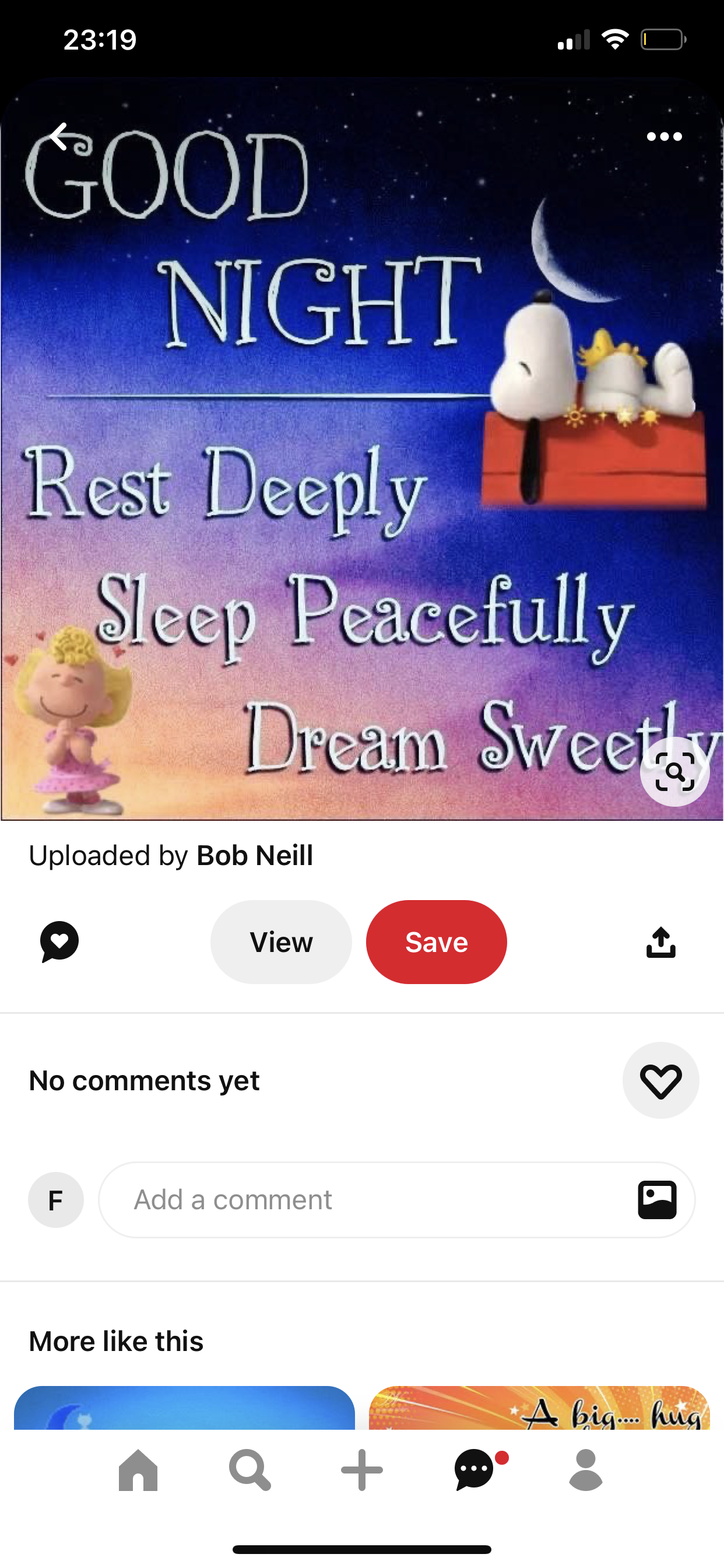
good night sayings for your Friday night/evening
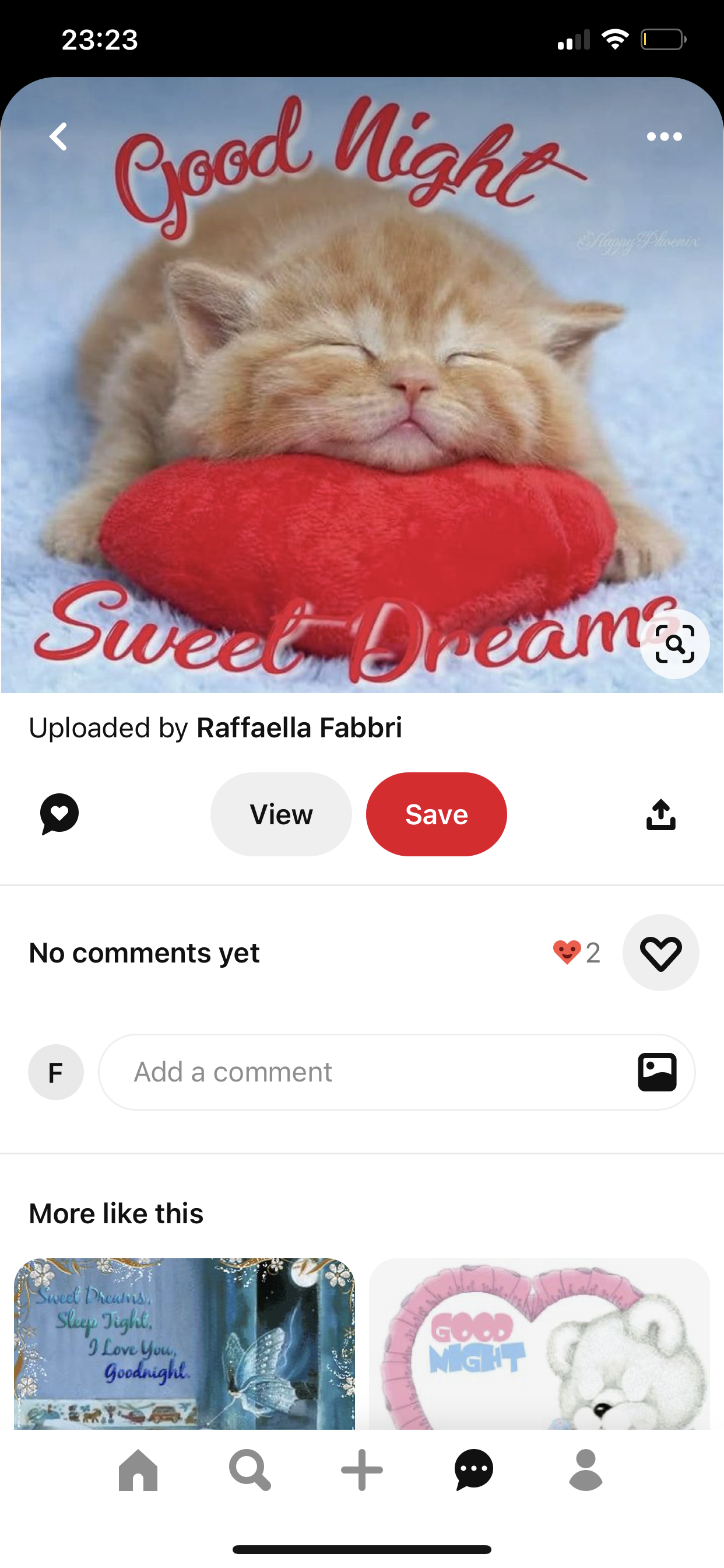
have a nice weekend and relax at the craziness of next week again and go back to work. College school over in Team. Have a good weekend everyone with you tonight page

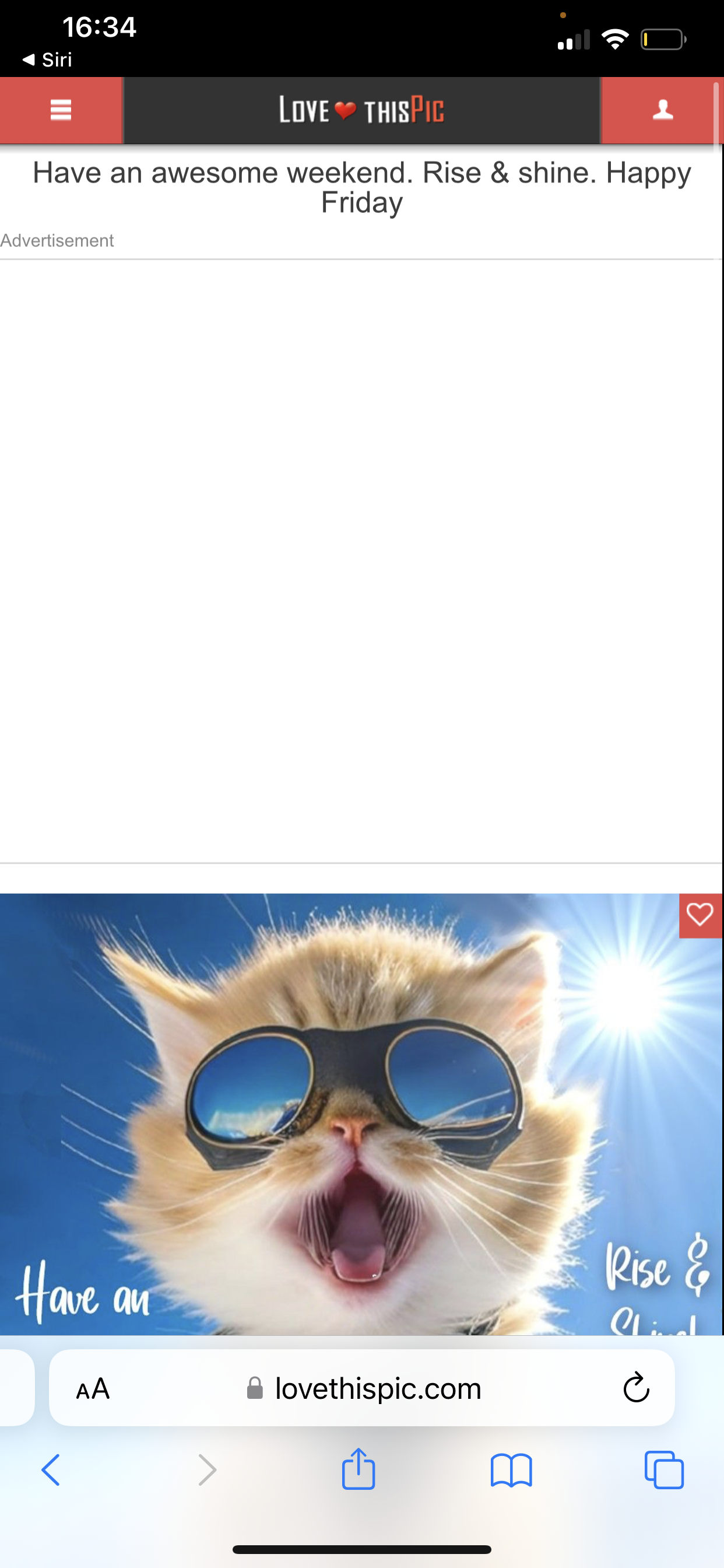
for the afternoon of Friday #FridayAfternoonSaying
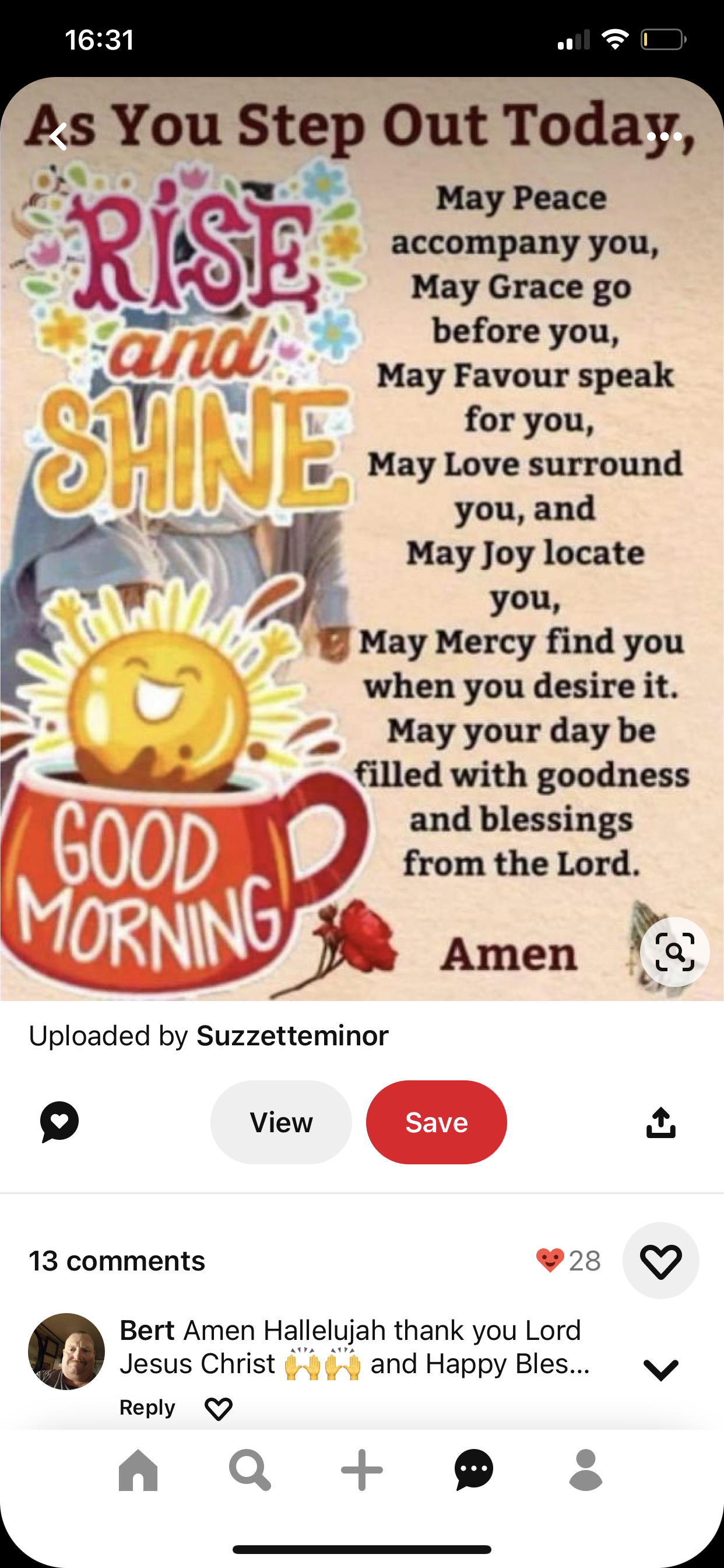
who’s of me, and
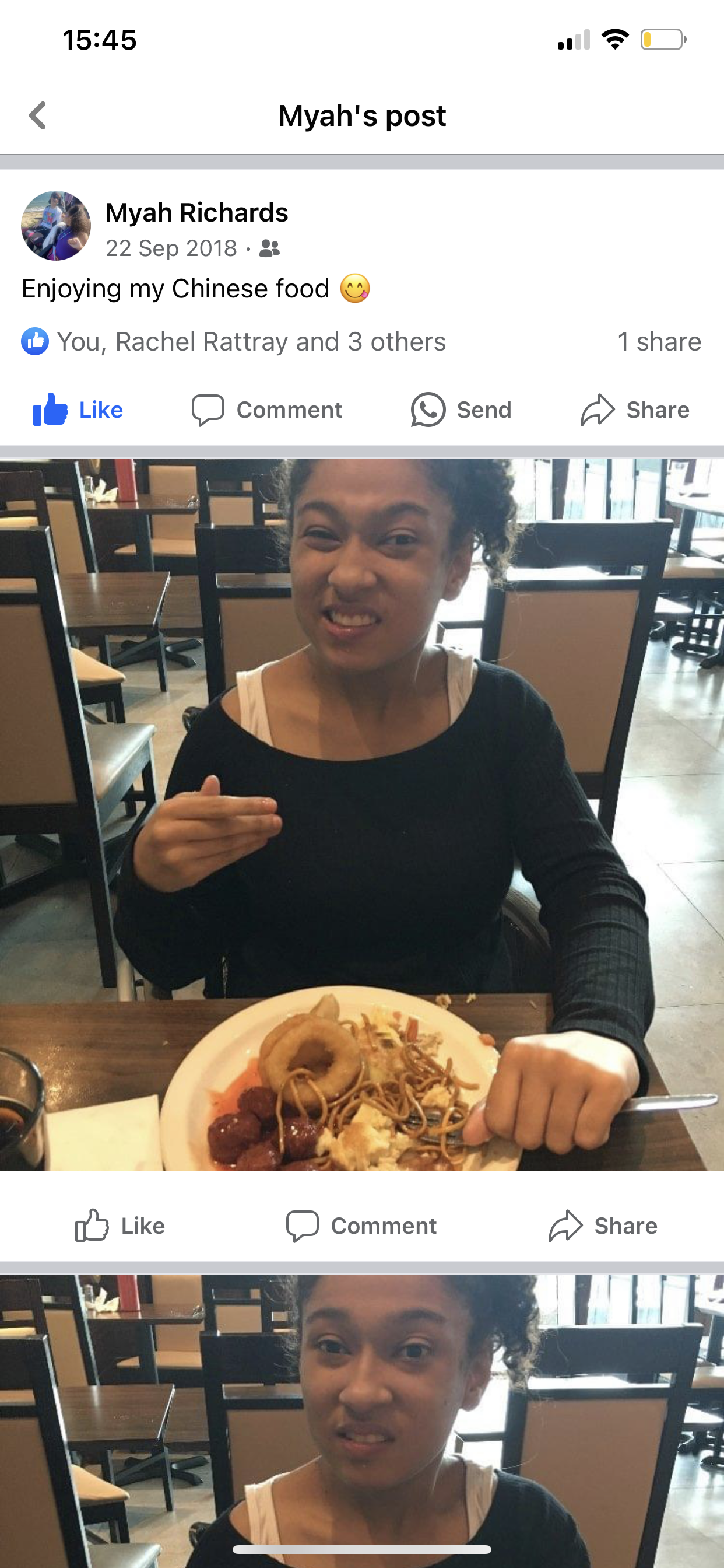
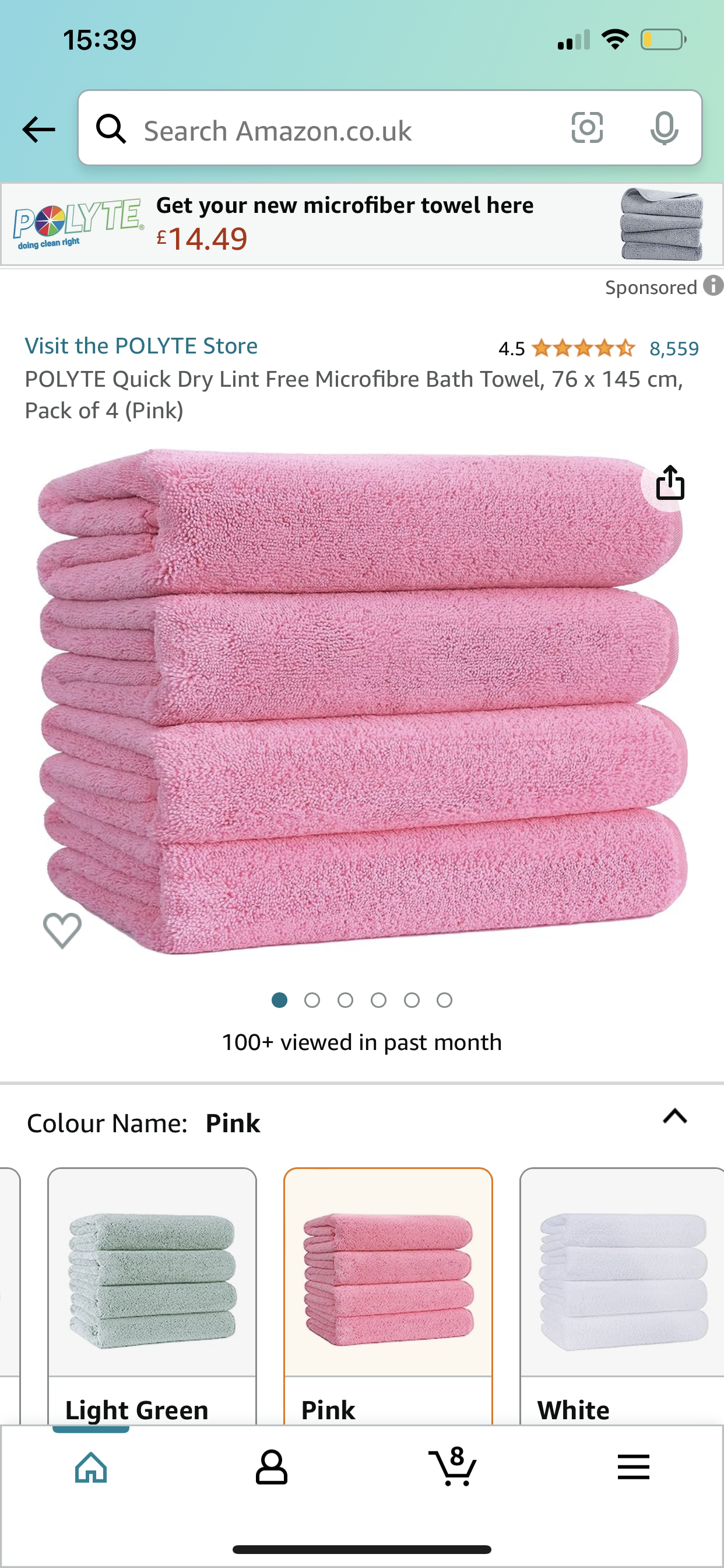
how are you today I said good morning early risers❤️💜🏠
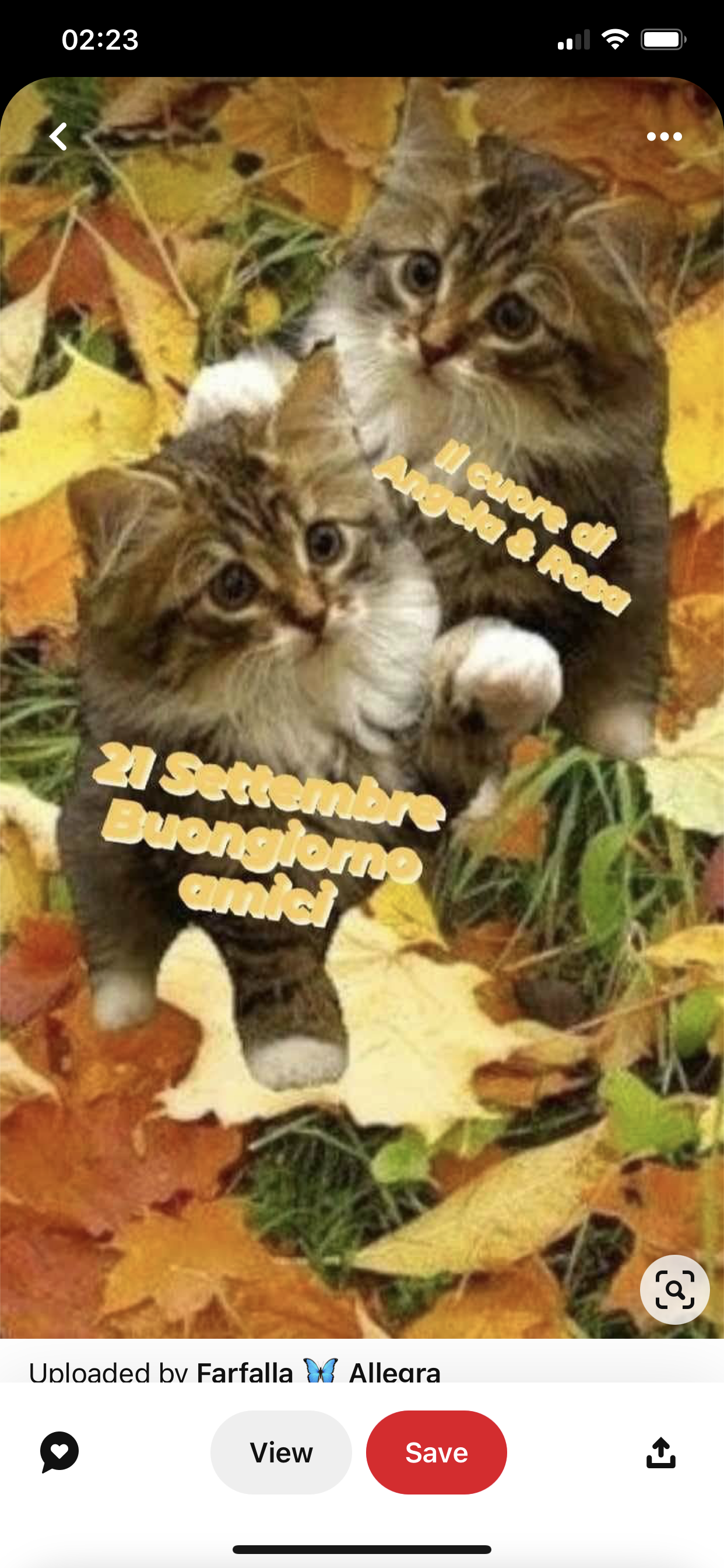
why just update me
Dave Walsh First In World’s Strongest Disabled Man For Second Year
A British man has won the World’s Strongest Disabled Man title for the second year in a row.
Dave Walsh, an army veteran from Chippenham, scooped the title at the World Strength Games competition in Florida held on 16 and 17 September.
He used to compete in able-bodied Strongman competitions before he was diagnosed with Multiple Sclerosis (MS) in 2014.
“There was a lot of pressure to make sure I brought it home again,” he said.
“To be able to say I’ve won twice in a row is pretty cool, I’m really happy with it.”
His MS has left Mr Walsh unable to walk and occasionally affects his right hand, his ability to speak and causes fatigue.
“When I was diagnosed with MS, it was a bit of an unknown thing,” said Mr Walsh.
“I didn’t know much about it at the time. It was a bit upsetting, but I didn’t really know why I was upset until I went home and researched it.
“It took a while for me to figure out what it was like to have MS. It was pretty tough.”
Mr Walsh says he was still able to compete in able-bodied strongman competitions for a little while after he was diagnosed with MS, until he “felt the MS take over”.
He decided to take a break from sports for a while, but felt inspired after he stumbled upon videos of disabled Strongman competitions on YouTube.
‘Strong mindset’
He now competes in his wheelchair in the seated category and trains four days a week to keep himself fit.
“It was great to be able to meet people that have either been in a similar situation to me or going through it. It was like a breath of fresh air,” he said.
“It was a place where you weren’t looked down at for being disabled.”
Mr Walsh says his wife and kids have helped him develop a strong mindset which has helped him overcome adversity.
“My wife and kids never let me get too complacent with being disabled – they have helped me with my frame of mind.”
Mr Walsh plans to continue competing in Strongman competitions and looks forward to the next Worlds’ competition which will be hosted in the UK.
affiliate marketing Pinterest page, updated for for
press home, my brother, Sarah :-)

https://amzn.to/3LyqPcd
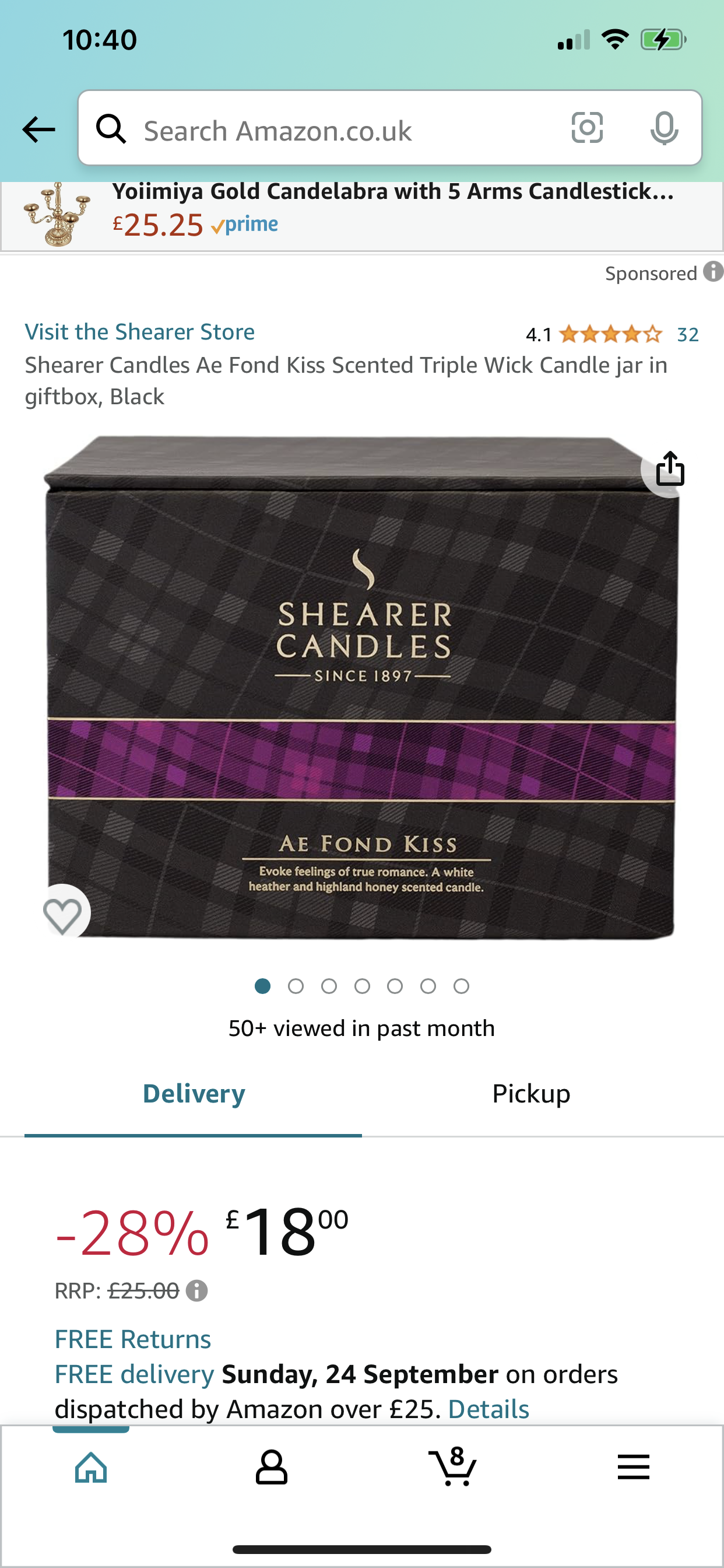
origin of the day all my community emoji my bloke and a part of this community. 00 coming across this community for the first time. I have cerebral palsy and this means that I have to put on weight for a lot of extra things such a state services. Assistant for residential exams and many other things that go with being a 23-year-old woman with CP. conditions associated with cerebral palsy, but I will not that not me so please using library in either one of my items of the day that I posted on here one of my favourites we link iTunes through my Pinterest link
time of the day for Thursday, and my first day back at college that to full-time student life
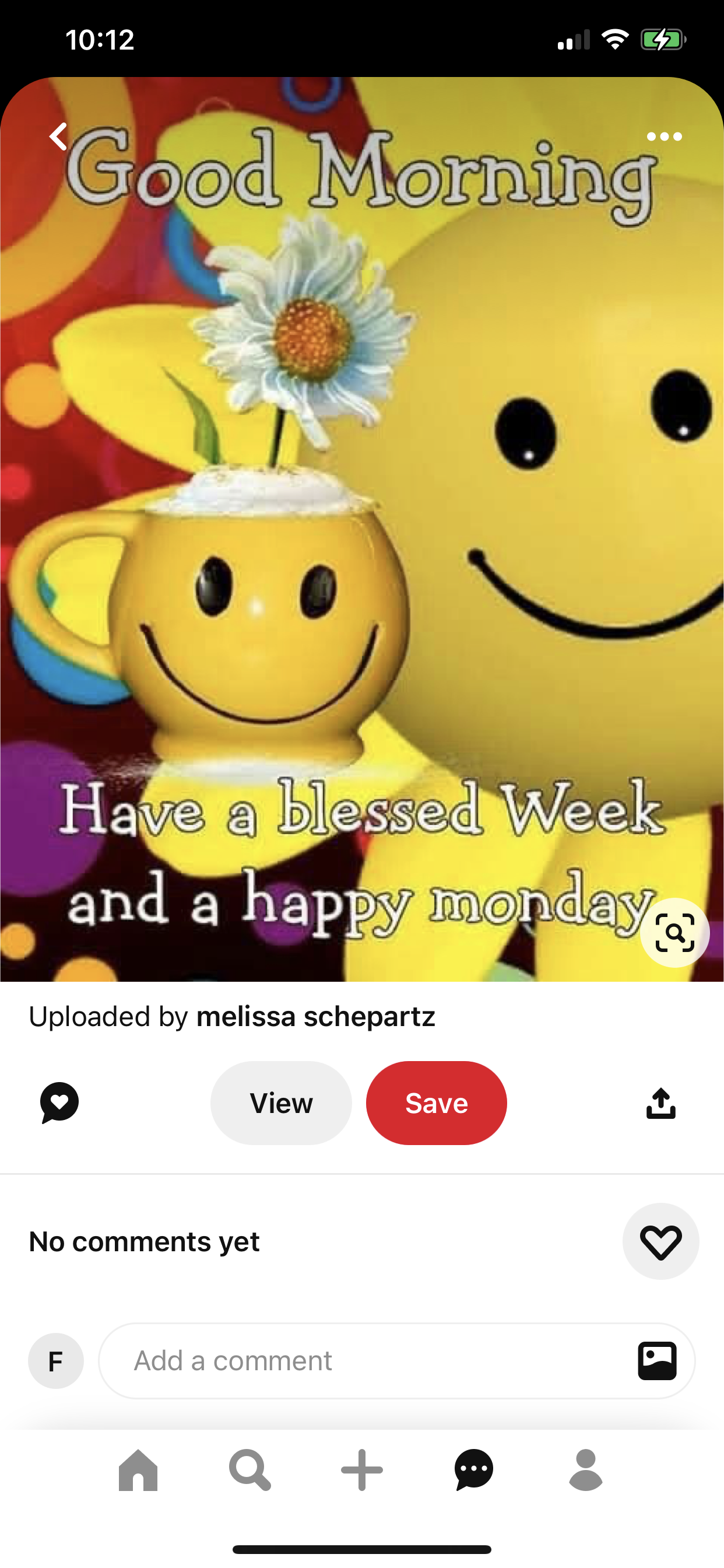
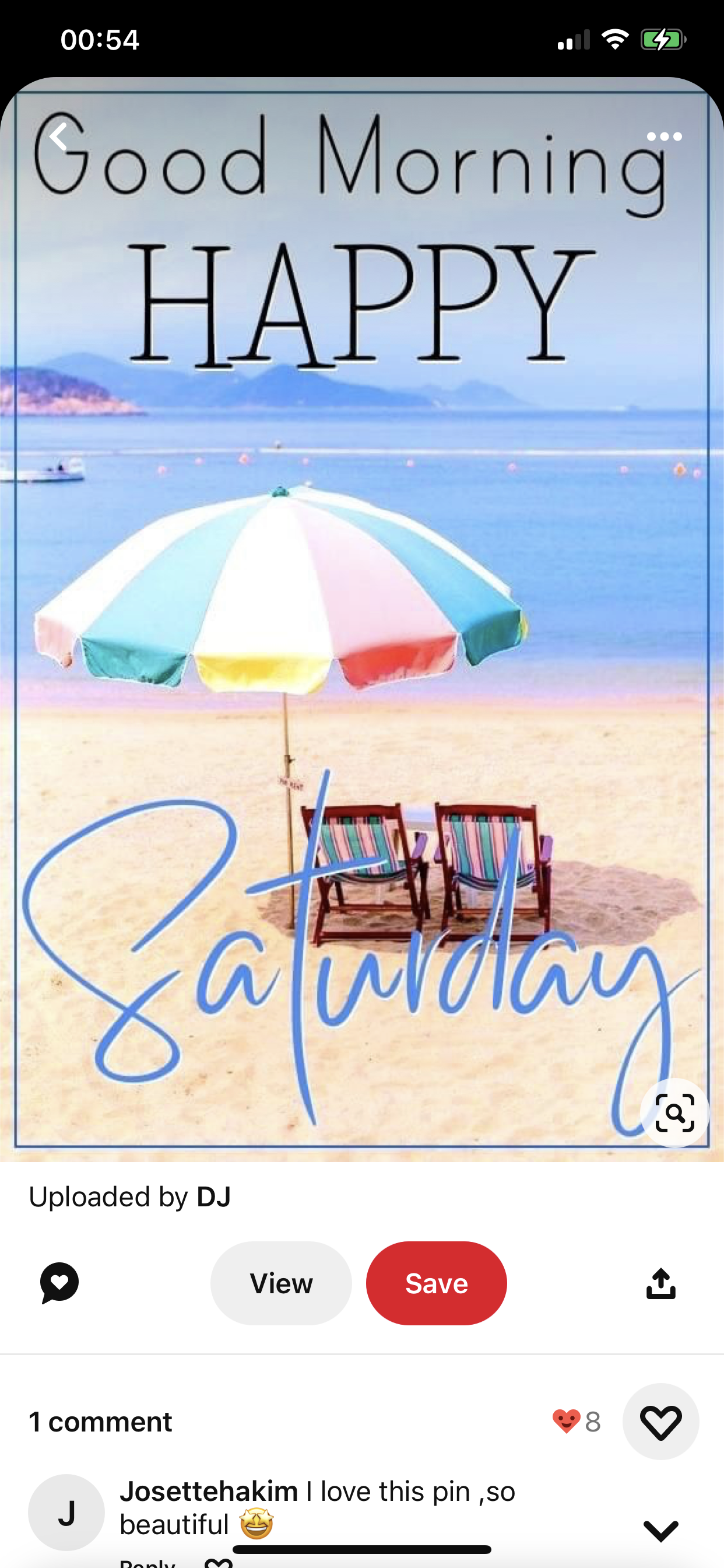
my Pinterest affiliate marketing, updated. Full of you just now :-)♥️♥️🏠💕

Child Wore Nappy To School Due To Lack Of Appropriate Toilets
A young girl with a rare bone condition had no choice but to wear a nappy to school because it did not have an accessible toilet, her mother has said.
Violet Heasley lives with osteogenesis imperfecta, or brittle bone disease.
She was the only wheelchair user at Dunmurry Primary School for two years.
Her parents brought a disability discrimination case against the school, which has been settled without admission of liability. It has since installed an accessible toilet.
The eight-year-old attended the school on the outskirts of Belfast for two years, in nursery and primary one.
‘Where was her dignity?’
Shelbie Heasley said her daughter’s experience was so stressful, she had to remove her from the school.
“She was humiliated there was no dignity for her – she didn’t feel like she was like anybody else.
“It was just awful. Where was her dignity?” she said.
“She did not return after the initial school closures due to Covid.
“We were told that the toilet was approved, and necessary works would be carried out, but these weren’t completed while Violet attended as a pupil at the school.”
It took months of hard work and persistence to find an alternative school that could accommodate her daughter’s needs, said Ms Heasley.
“Since moving school – she’s thriving, a social butterfly. At her old school she was very withdrawn – it’s like night and day.”
Dunmurry Primary School expressed regret for any upset to Violet and her parents.
As part of the case’s settlement terms, the school has committed to ensuring its policies and practices conform with equality legislation.
The school will also liaise with the Equality Commission, which supported Violet’s parents in taking the case.
‘Still traumatised’
“Every child must have equality of access to a quality educational experience and must be given the opportunity to reach his or her full potential,” said Geraldine McGahey, chief commissioner of the Equality Commission.
“A little bit of communication, a little bit of respect for a child’s needs, would have made a massive difference. Putting the child at the heart of this, I think a lot of this could have been avoided,” she told the BBC’s Good Morning Ulster programme.
“Violet was and still is traumatised by her experience – of having to be made to feel different.”
Ms McGahey added that Ms Heasley had to go through multiple schools to find one suitable for her daughter.
“She had to go round to eight or nine schools before she could actually find one that had facilities that would meet Violet’s needs.”
The Disability Discrimination Act 1995, which protects disabled people against various forms of discrimination, does not apply to primary and post-primary schools.
Schools in Northern Ireland do not have a statutory obligation to put accessible toilets into schools.
Ms McGahey said the Special Educational Needs and Disability (Northern Ireland) Order 2005 is a protective order for disabled children but it doesn’t have the same protections as the Disability Discrimination Act (DDA).
“Whilst they [the school] did have disabled toilets that might have accommodated children with some needs, it wasn’t suitable for a wheelchair user – DDA didn’t apply so we used this other legislation to get reasonable adjustments made.”
Asked about why it took so long for the school to install an accessible toilet, Ms McGahey said it wasn’t a budget or Covid-related issue,
“This goes back to 2018, 2019, before Covid when budgets were not under the same pressure they are now, there’s still no real explanation apart from using Covid to why it took so long to get the work undertaken.”
Violet’s case was taken by her parents on her behalf to the Special Educational Needs and Disability Tribunal. No financial compensation is available where a claim of discrimination is found.
https://amzn.to/48lm9Ad
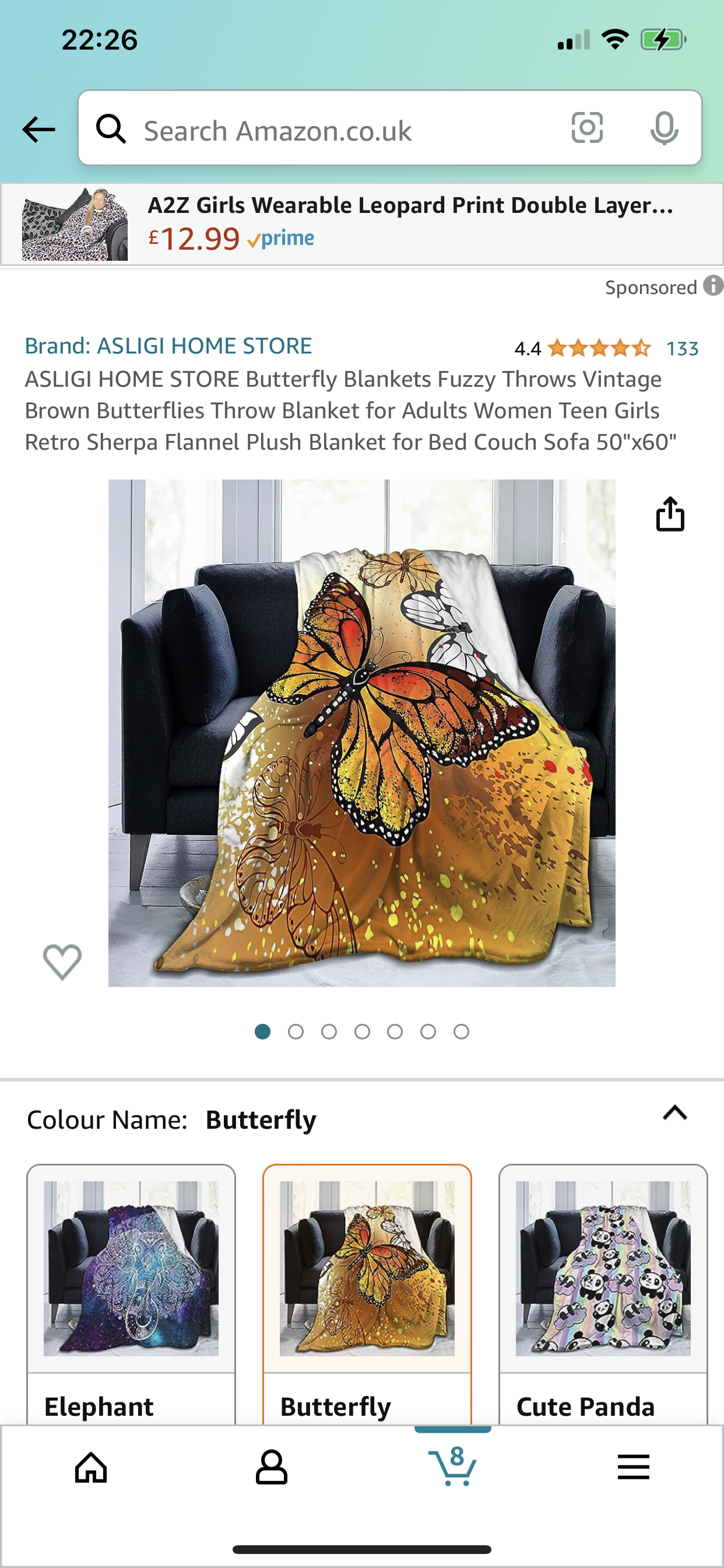
last item of the day for everyone who are use my Block on the same difference
ring of the evening and good night Sense for Wednesday night. Hooray only two days till the
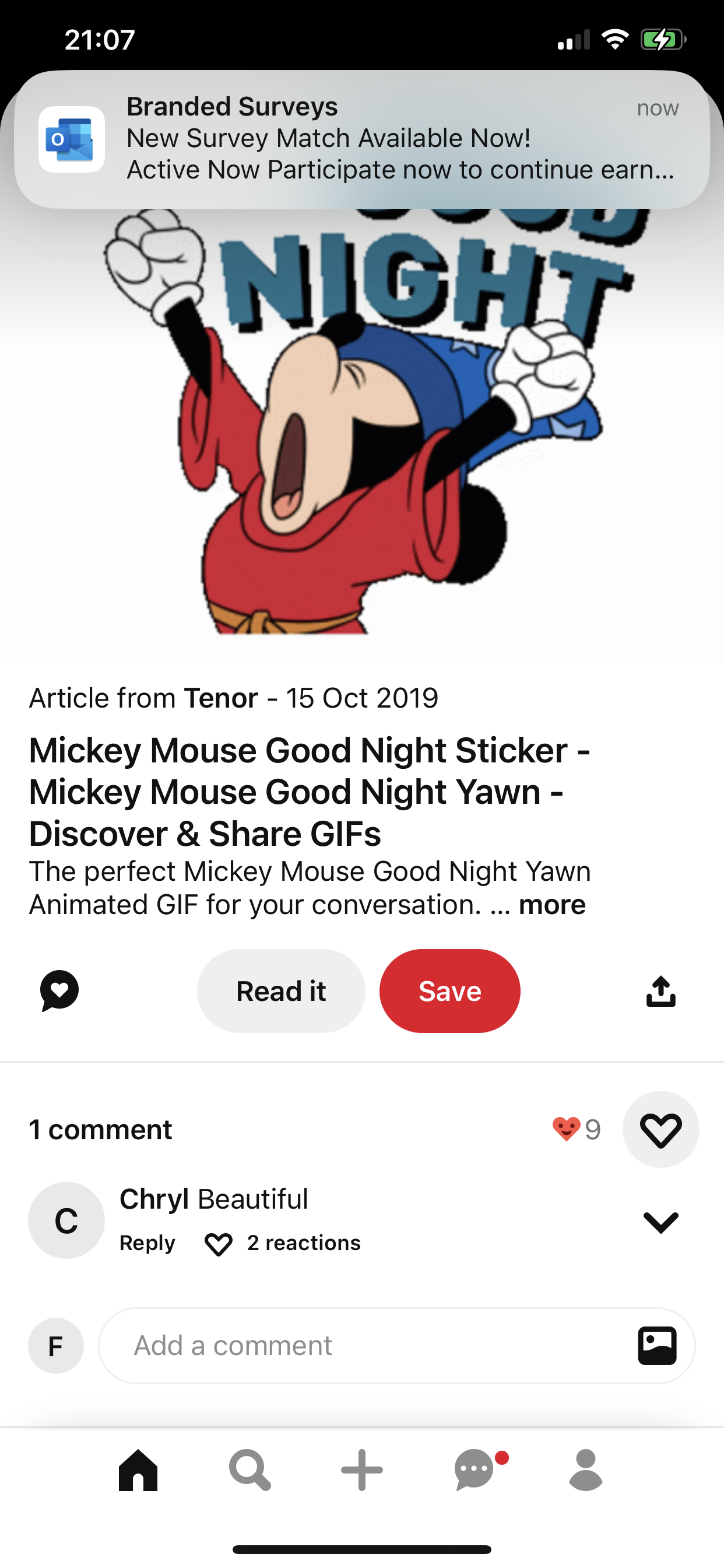
emoji of an excited for Easter explains how are you feeling about going back to full-time study? #SayingOfTheEvening #StayTunedForGoodNightSayingIs

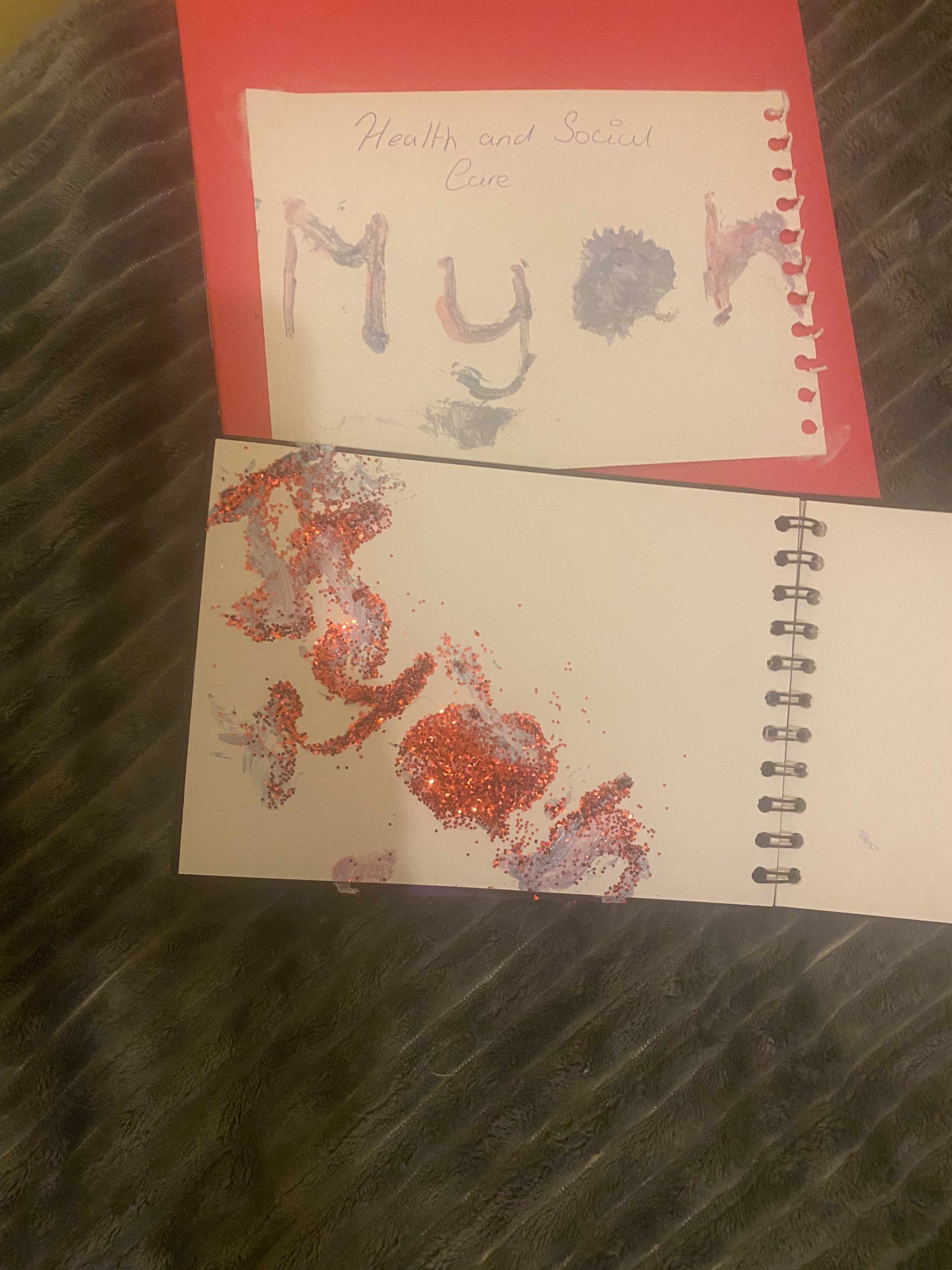
make a new name labels for my colleague of Work and assignment of holders. #StartingCollegeTomorrow #StudentAtSarahBoucleReidi #AdultStudentWithSarahWillComeABit




 Same Difference