Will Liz Kendall Save The WCA?
With many thanks to Benefits And Work.
As Labour appoints a new shadow work and pensions secretary, we look at the chances that Liz Kendall will come to the rescue of claimants who are unable to work because of disability.
In his latest cabinet reshuffle, Keir Starmer replaced Jon Ashworth with Liz Kendall as shadow work and pensions secretary.
If, as seems increasingly likely, Labour win the next election, it will be Kendall who will make major decisions about the future of welfare benefits.
Perhaps the most important of those will be the fate of the work capability assessment (WCA), the test used to decide who gets to be in the LCWRA group for universal credit and the support group for employment and support allowance (ESA).
Claimants in these groups do not have to prepare for work and receive an additional amount in their benefits.
Under the DWP’s current proposals, access to the LCWRA and support group will be slashed in 2025 and the WCA will be abolished altogether in a rolling programme beginning in 2026/27. Instead, being in receipt of PIP will lead to an additional payment in UC and decisions on capability for work will be left to unqualified work coaches.
Where the Labour leadership in general and Kendall in particular stand on these issues is yet to be seen.
On the plus side, Kendall supported the uprating of legacy benefits such as ESA and JSA during the pandemic, which was only given to UC claimants.
And when the proposal to make it harder to be found to have LCWRA was announced by the government, Kendall criticised them for failing to look after people’s health in the first place due to soaring hospital waiting lists and failing social care. She told the Commons:
“But if you run your NHS into the ground for 13 years and let waiting lists for physical and mental health soar, if you fail to reform social care to help people caring for their loved ones, and if your sole aim is to try and score political points rather than reforming the system to get sick and disabled people who can work the help they really need, you end up with the mess we have today.
“A system that is failing sick and disabled people, that is failing taxpayers, and failing our country as a whole. Britain deserves far better than this.”
But there has been no promise to reverse or halt any of the Conservative proposals around the WCA.
And in the 2015 Labour leadership election, Kendall said that the party had to support welfare benefits reforms or face being out of power for decades.
She was the only leadership candidate to back the Conservative government’s benefits cap.
More generally, there are question marks over Labour’s commitment to disabled claimants.
During the latest shadow cabinet reshuffle, Dr Rosena Allin-Khan resigned as shadow mental health minister because there was no longer a place in cabinet for the role, suggesting Labour is attaching less importance to the issue.
Even if Labour were committed to fighting to improve the lot of disabled claimants, their insistence that all spending must be costed could prove problematic.
If the Conservatives include any savings from changes to the WCA in their spending plans, it places Labour in a difficult position. If Labour say they will not implement any changes, they will consider themselves obliged to say where they will get the cash from to cover what will now be the additional cost of keeping the WCA as it is.
Taking cash from another budget to cover welfare payments seems likely to be something Labour will be particularly reluctant to do.
So, as things stand, hopes that an incoming Labour government will immediately begin to relieve the pressure on disabled claimants seem slim.
one more exclusive must have other adult with cerebral palsy in the winter

temazepam tomorrow where I will be sharing more winter, cerebral palsy staying warm must have said you can get https://amzn.to/3Zkffr2

you lie, your last bedtime saying fortnight your last two of the night. Good night everyone


another two bedtime signs for you, another 2 to come tonight


♥️💕😃😁🫶🏼😃 happy things for this evening


one of my pro-British illustrations so far :-) this is your evening illustration before your good night post later on in the evening




Wednesday selfie with my hair platted

a pretty illustration of the day in setting up today🦋🦋🦋🦋🦋

Paul Simon ‘Beginning To Accept’ Hearing Loss
Paul Simon has said he is “beginning to” accept his hearing loss, and that having such a disability “changes how you interact with life” and work.
The US singer-songwriter, 81, revealed in May that he had almost completely lost hearing in his left ear.
The Hollywood Reporter quoted him on Sunday saying: “I haven’t accepted it entirely, but I’m beginning to.”
He was speaking after the premiere of In Restless Dreams: The Music of Paul Simon at the Toronto Film Festival.
“I play the guitar every day. It’s the instrument that allows me to express myself creatively,” Simon said.
“But it’s also where I go for solace. If I’m feeling … ‘whatever.’ So it’s a very crucial thing to me.”
He added: “You know, something happens to you when you have some sort of disability that changes your awareness or changes how you interact with life.”
‘Fell into a depression’
Simon, who rose to fame as one half of the 1960s folk rock duo Simon & Garfunkel, with songs such as Mrs Robinson and the Sound of Silence, released his 15th solo album, Seven Psalms, this summer.
Attempting to play the new songs live, he admitted, has been a challenge.
“Usually, when I finished an album I went out and toured with it, and then I have the opportunity to really investigate the piece,” he said. “And then it evolves to another standard, and goes further.
“Although a week from now I’m going to try and work with two guitarists who will play the parts that I played on the record, and see if I can sing the piece.
“I’m not sure how I can integrate my voice with the guitars.”
In the film, he explains how he “really fell into a depression” over his hearing loss, according to the AFP news agency.
Oscar-winning filmmaker Alex Gibney’s documentary is an engrossing deep dive into the career of the star, from his partnership with childhood friend Art Garfunkel to his exploration of world music on his hit solo album Graceland, and on to his recent hearing problems.
“I’ve never wanted to be anything but a songwriter and a singer since I was 13,” he is heard declaring on screen.
At Sunday’s post-screening Q&A, Simon also revealed he had written a new song called When I Learned to Play Guitar, “but I don’t know if I’ll ever do anything with it” he noted.


when was bedtime time for tonight for the cat, Roberts

late night, Julia, exclusive for saying difference members

bedtime and nighttime sayings for Tuesday wishing everybody a good night sleep and sending deprives for the morning


amount rides today through quizzes and surveys is 0.27, which I am so proud of who is the screenshot of her much I have raised.

https://amzn.to/3ECloFm

no I’m Grace how are you today? This is in a call
early evening today in for all of March for any difference in euros

lazy day selfie of me today just Lauraine here watching TV and doing 10 surveys on my phone to fund raise. What did you do today are you with all my love?


set of the afternoon for Tuesday for my Amazon, affiliate link fundraiser


second saying of the morning for everyone who read my page. Hopefully it will encourage the weather not to be overcast and grey today and for it to be sunny. #WeLoveSense

very early. This item of the day provides early risers review my blog. Hope you like the item of the day :-)

Very early item of the day it’s very early https://amzn.to/45MuaN0
nice and early cheerful, colourful thing of the day :-)

affiliate marketing Pinterest page that I have updated this morning
Anger Over Surrey County Councils School Transport Failures
Surrey families have been left without school transport despite the county council promising to “learn lessons” after pupils were stranded last year.
Georgie Morris said her son, Greg, who has severe learning difficulties, missed the first four days of term.
She said she “stopped mentioning” going back to school once she realised transport would not be in place.
Surrey County Council bosses said there were issues finding suitable providers for a small number of children.
Ms Morris said she first had approval in June for transportation for 19-year-old Greg from his home in Dorking to New Malden College.
But having waited through the summer for details to be confirmed she claims she was told the day before Greg was due to go back on 5 September that there was no transport in place.
She said it wasn’t until Thursday, after term started, that Greg’s transport had been confirmed by the county council, to begin on Monday.
Ms Morris said: “I told him ‘It’s so many sleeps until school’, so he was geared up to go to school.
“Once I realised this wasn’t going to happen, I just stopped mentioning it. We just carried on with the holidays.”
Surrey County Council’s leader apologised last year after 149 children, many with additional needs, were left without school transport.
The council said “significant improvements” had been made since last year, but admitted there were issues with finding providers for a small number of children who require specialist provision due to their needs.
A council spokesman said: “We are in direct contact with these families and are actively working with them to find a solution.
“Measures such as personal travel allowances have been offered in the short-term.”

cat and tweety pie, illustration for the illustration of the night😹😃🫶🏼😃😁


phone, Paul say pick leave her bedtime. Good night everybody and sweet dreams to all my viewers and I hope you enjoyed all my post today and always

Lighthorne and evening saying post number one post number 32 Paula


product of the evening, FaceTime for little or teenage girls to love Barbie inspired by the recent Barbie movie

product of the product of https://amzn.to/48amsha
photo of the day for Monday

say of the day for my viewers

open the time, I choosing a kid when we were in the first lockdown on the very first day of it

Young Autistic People Still Dying Despite Coroner Warnings Over Care
Dozens of young autistic people have died after serious failings in their care despite repeated warnings from coroners, BBC News has found.
Our investigation found issues that were flagged a decade ago are still being warned about now.
The government says £4.2m is being invested to improve services.
Two bereaved mothers told us lessons had not been learned by their local health authority after the deaths of their teenage sons, two years apart.
The coroner who oversaw both cases, noted a repeated failure in care.
After the first death, the coroner criticised NHS Kent and Medway for “inadequate support” and said a similar incident may happen if this continued.
Two years later, the second autistic teenager died under the care of the same authority.
The same coroner found that had the 15-year-old received the recommended level of care, he might have got the therapy he needed.
In the first piece of research of its kind, the BBC combed through more than 4,000 Prevention of Future Death (PFD) notices delivered in England and Wales over the past 10 years, to look for autism-related deaths.
Coroners are legally required to issue such warnings at inquests, if they believe there is a risk future deaths will occur unless action is taken by the authorities responsible. But there is currently no legal duty for them to act.
The lack of oversight means that it is very difficult to see if action was taken and if it had any impact. The majority of the authorities’ responses to the PFDs have no clear timelines.
The BBC identified 51 cases where PFDs described serious failings in the care of autistic people, and health and social care bodies were urged to take action to prevent future deaths.
The majority of those who died were under 30, and nearly a third were children.
Former Justice Secretary Sir Robert Buckland described the BBC’s findings as “deeply disturbing”, and called for the government to investigate urgently.
Life expectancy for autistic people is – on average – 16 years less than for the general population. There is no clear reason for this – people do not die of autism, it is a neurological condition that affects how people interact with others, learn, and behave.
The causes of death in the inquests varied, but nearly half were categorised by coroners as relating to mental health or suicide.
Our research identified five key concerns repeatedly flagged by coroners over the past decade:
- A lack of trained staff with an understanding of autism
- Failure to treat autism and mental health problems as two separate conditions
- Shortage of specialised accommodation
- Lack of a health professional to co-ordinate the young person’s care – as recommended in NICE guidelines
- Late diagnosis of autism
The charity Autistica says our research helps explain the avoidable reasons why many autistic people are dying young.
Sir Robert, who heads the all-party parliamentary group on autism, says there is clearly a “mounting concern”.
“Lessons are not being learned. Fifty-one [deaths] is a lot. It suggests a systemic problem.”
The two mothers, whose autistic sons died as teenagers, say they are “tormented” by the lack of accountability.
The deaths of Sammy Alban Stanley, 13, and Stefan Kluibenschadl, 15, each resulted in a PFD being issued. The boys had gone to the same school and died in the same hospital.
It was while Stefan was in intensive care – two years after Sammy’s death – that Emma Kluibenschadl got in touch with Patricia Alban Stanley.
To lose a child, they agree, is a life sentence. And to know there was a chance that the deaths could have been prevented is “torment”, says Ms Alban Stanley.
Sammy fell from a cliff near his home in Ramsgate, in April 2020. Witnesses reported his last words were: “I’m autistic.”
“He meant ‘Please help me’,” his mother says.
As well as being autistic, Sammy had Prader Willi Syndrome (PWS), a rare neurological condition, which left him unable to regulate his emotions.
“It would be impossible to stop him at times,” says Ms Alban Stanley. “He had no concept of danger. He would try to jump out of moving cars, or on one occasion he put needles up his nose.”
Ms Alban Stanley – who has three other children and no partner – says she “begged the council for more support” and was “struggling to cope”. Her safety net was the police, she says. She called them at least 29 times.
Their GP, senior social workers and the police also made many referrals calling for more support. “But it made no difference,” says Ms Alban Stanley.
After six years, she was finally granted two hours of after-school care in January 2020. But it wasn’t enough – Sammy died just three months later.
Without extra help, his mother couldn’t stop him from leaving the house. Blind to the danger the nearby cliff posed, he fell. He died four days later in intensive care, in his mother’s arms.
In her Prevention of Future Death notice to NHS Kent and Medway, coroner Catherine Wood said Sammy fell during an “episode of high risk behaviour” and criticised the local authority and mental health services for “inadequate support”.
She also made it clear that it was “predictable that a similar incident may arise… if children with complex neurodevelopmental needs are excluded from accessing the care and treatment they require to keep them safe”.
Kent and Medway responded to the coroner’s PFD saying it was investing in services for children and young people with neurodevelopmental needs – and would make sure care was “co-ordinated rapidly around the child and family”.
A few miles away, in Margate, Emma Kluibenschadl and her family were battling with the same health officials. Nearly two years later, the coroner’s stark prediction would come true.
Ms Kluibenschadl’s son Stefan was struggling with his mental health. He had been bullied for being autistic and spent many years watching his family try to get the help he desperately needed.
She believes this had a profound effect on her son, who felt nobody cared.
The family have battled with support services since he was diagnosed at the age of six. Stefan really began to struggle with his mental health six months before he died.
Despite their GP making referrals, the family’s pleas for help were rejected by NHS Kent and Medway.
Just over a month after their final application for autism-specific counselling was turned down, Stefan was found hanging. He died four days later in intensive care.
“Stefan didn’t get any care – never mind co-ordinated care,” says Mrs Kluibenschadl. She thinks if they had received support they wouldn’t be in this position now.
“Our lives have been destroyed.”
Coroner Catherine Wood – who also oversaw Sammy Alban Stanley’s inquest – said Stefan had died as a consequence of his own actions but she could not be sure of his intention.
She addressed her concerns to NHS Kent and Medway again – highlighting that the trust had not been following NICE guidelines, which state that every autistic child should have access to a designated key worker.
With such a health professional overseeing his care, Ms Wood said Stefan might have received the therapy he needed.
Sammy’s and Stefan’s stories are stark examples of a national problem.
Kent and Medway is one of 11 local health and social care authorities to be sent multiple PFD notices in the past 10 years. Twenty-one national authorities also received warnings.
Reports about “potentially life-saving recommendations for change” should be treated with the utmost seriousness, says Deborah Coles from the charity Inquest.
“The current system is simply not fit for purpose, and that betrays bereaved people. But it also betrays the public interest because it puts all of us at potential risk.”
For Sir Robert Buckland, the ramifications are huge. “What is the point of PFDs if there is no accountability?” he says. “Autistic people carry on having to put up with poorer life outcomes.”
The Department of Health and Social Care says a national autism training programme is being rolled out.
In a statement to the BBC, the chief nursing officer at NHS Kent and Medway, Allison Cannon, apologised on behalf of the NHS for the “tragic loss” of both Sammy and Stefan.
Many changes had been made, she said, including enhancing its community support and key worker programme to improve services.
But the families feel that NHS Kent and Medway’s responses to the PFD do not address the coroner’s concerns.
“Judging by the responses we have, our children will die all over again,” Mrs Kluibenschadl says.
last fed her and positivity sang who sang that

please WhatsApp Julia #BedtimeMeditationTurn #GoodNight,IWishYouAllTheStreet


night, time and evening saying prime


thank you for saying to your Sunday evening :-)

evening, Paul, all my view with Lesley on that for a different

call products to my Pinterest page for you to look at this afternoon
and I time of the day check fashion, Sunday #7Days


sing of the day for Sunday happy Sunday everyone and I hope you’re doing what these pictures suggest you should do sitting down with a cup of coffee or tea or beverage

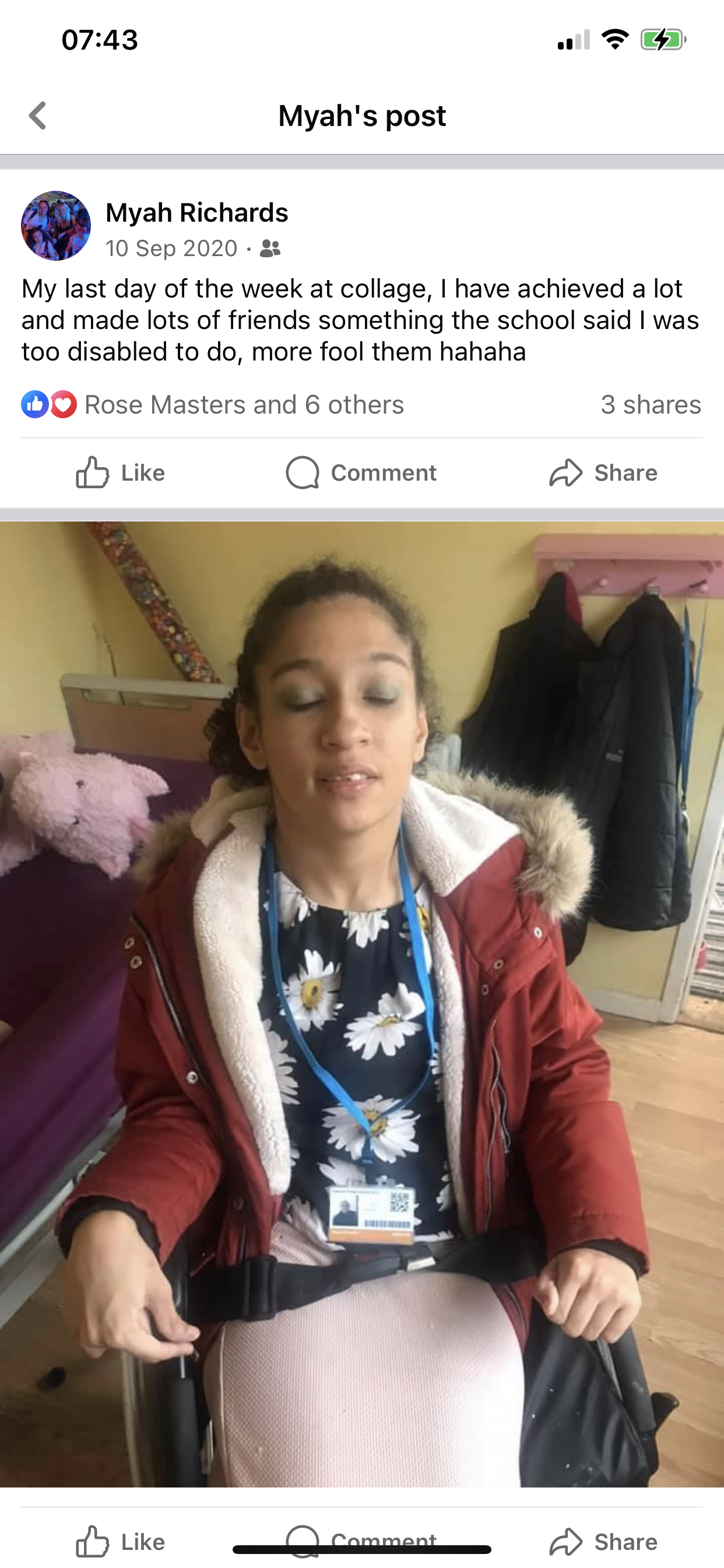

thank you for your excellent engagement today. Here is your evening and night timeframe.


number one of this evening

go to hire Salpi for me. #Tereasa #HowAreYouCheatingDay #DisabilityAdmin #CollegeJazzmine #ALotOfPaperwork Carer

hi hi everybody this is great for your little worms to take to school nursery all day to playgroup

picture of Grandma’s dog being so cute this afternoon after I returned home from the library after doing some of my College admin


hairstyle courtesy of Molly today as we are going to the library to do some admin. #Jazzmine #ComplexCare#
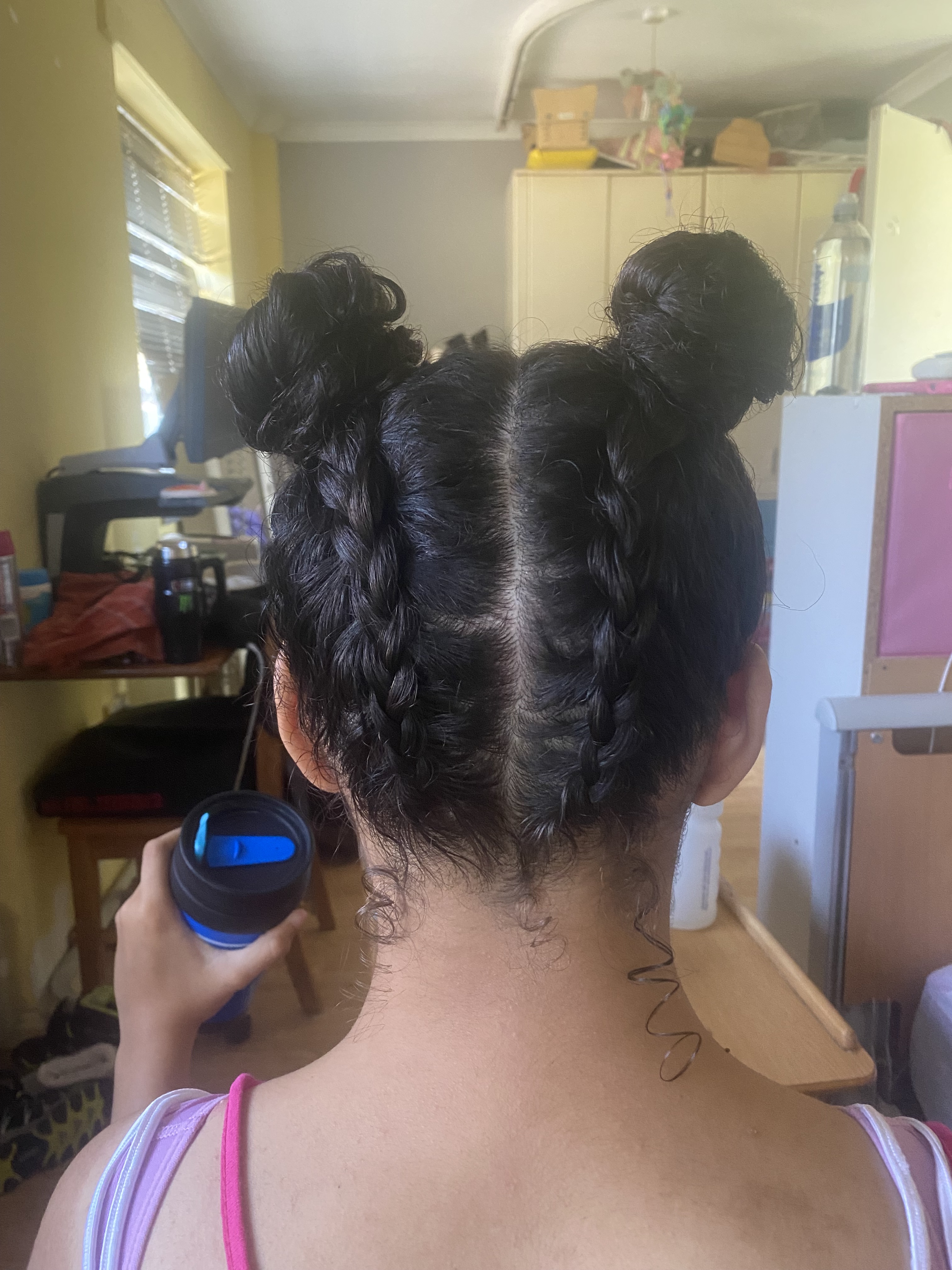
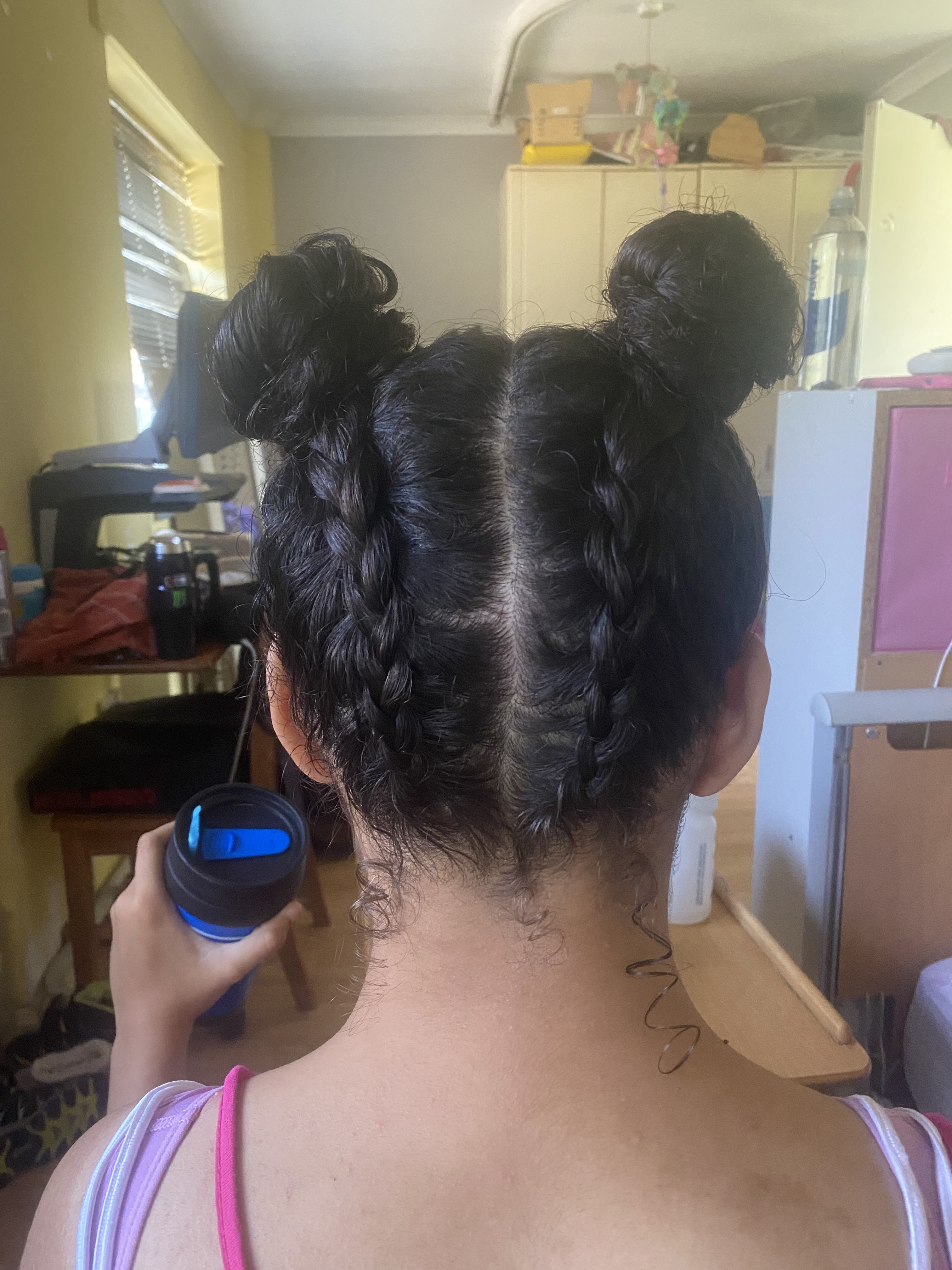
anybody have a good day Elsie New from Sarah. Summer is coming in September this year. It seems have a good day everyone

me doing long dick painting FaceTime last year #DataServices #Opportunities #OpportunitiesToGoInTheMuseum #SummerLastYear

settings of the morning


two little girls and teenagers this item would be perfect for them. I hope you like the products I have posted this morning.

I tomorrow it is the same as the other item just a different pattern that’s more appropriate for children and adults the day for program
it the items just a different https://amzn.to/3PvJAiV

item of the day for teenage girls and young women, plus poor little girls school bags school bag from decoration

are you young women item of the day https://amzn.to/3RgrlPW
item of the day for boys, male, teenagers, and preteens, who are male

women/girls item of the day


evening prime it’s for the dog robbers and your door frame for

selfie of me in the armchair this evening, chilling out so relaxed with my massage cushion plasticine in my armchair no #HeatedCushion #HeatedSeat relaxing on

evening, sayings and nighttime sayings for all my viewers :-)


hello Friday night spending time with Charlie, sitting in my armchair whilst doing fundraising admin

who is joined me in my armchair me and Charlie on a Friday night. #Friday #Dog #KingCharlesTheRadio


rude pictures of me and my Bestie

phone, Ellie saying of the day for everyone who are use my block :-)

pictures of me already for College three years ago. #StudentLife #College #StudyingWithADisability


How One Blind Boy Helped Rebuild His School In Yemen
For almost a decade a civil war has been grinding on in Yemen, pushing the Arab world’s poorest country to the brink of collapse.
There has been less violence since a ceasefire last year but there is no sign of a deal to end the conflict.
Ahmed is a charismatic 11-year-old blind boy the BBC first featured two years ago when he was teaching a class in a bombed-out school close to the front line.
Orla Guerin and her team returned to the city of Taiz to find out how he was getting on.


