unicorn mug for little girls, first man
disability and societal barriers getting in a disabled persons way, explained YouTube video for disability awareness of the afternoon
of general positivity for you today on this rather cloudy Saturday. Have a coffee and chill and enjoy the rest your weekend.




https://wwwhttps://www.justgiving.com/crowdfunding/myahrichards24/qrcode?.justgiving.com/crowdfunding/myahrichards24/qrcode?
disability stories of success and achievement
🫶🏼😴

positive story over into a board
https:/mad science kit rocket kit? Looks like this see picture below to see what the item looks like/amzn.to/3VpT5DP

fundraising update, quizzes surveys and redeeming my receipt for Care also to go towards 2022 respite care

spider-Man hat and gloves hat
general, saying of positivity and Friday
same of the day that promotes happiness through Friday

The 400 Challenge
Our very own Editor, Samedifference1, is fundraising for a great cause, The National Bobath Cerebral Palsy Centre.
Every pound is appreciated, not by her but by the current service users whose treatment will be paid for.
More information:
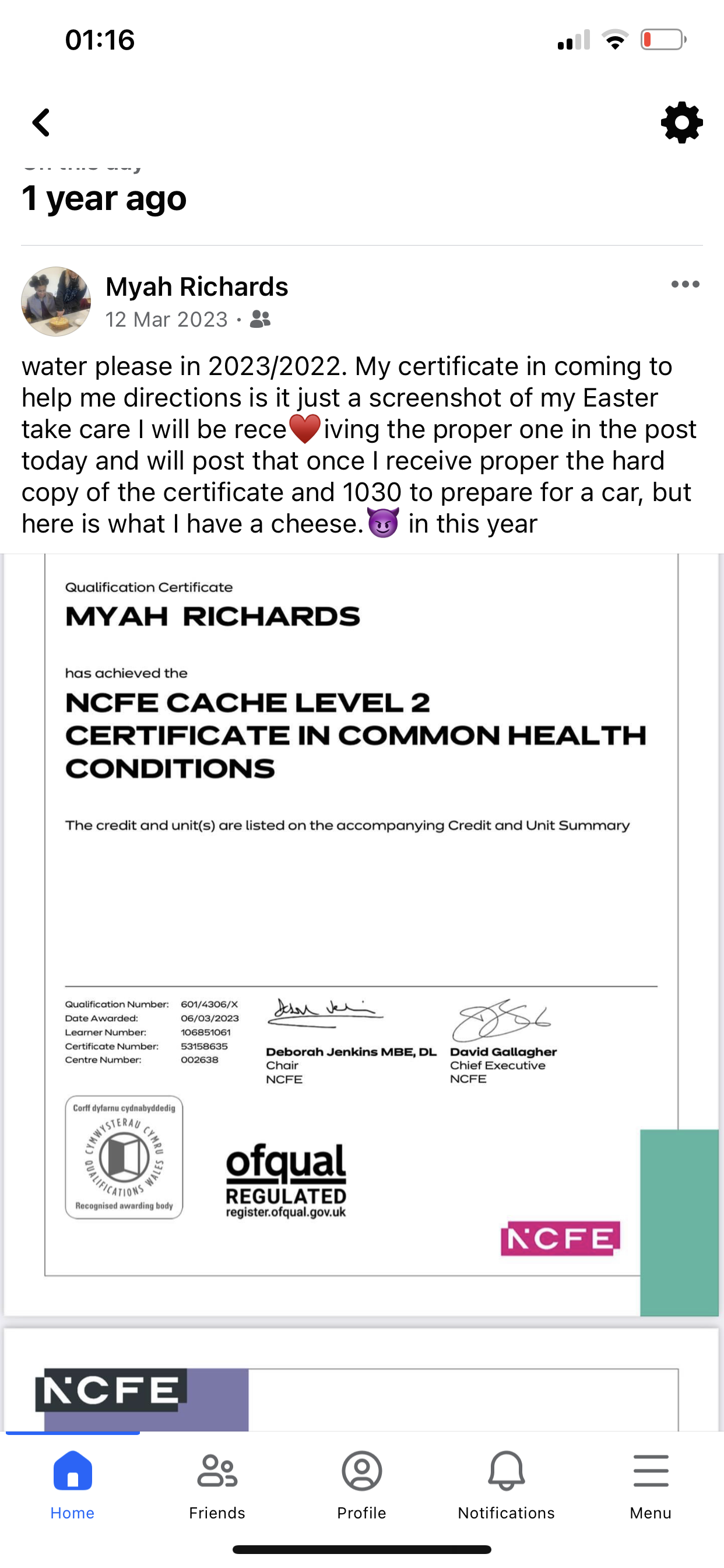
memory of using an electric mixer to mix up my cake mix three years ago. #Independence1TakeIndependentlyUsingAnElectricWhisk

saying bro, you good night positivity,
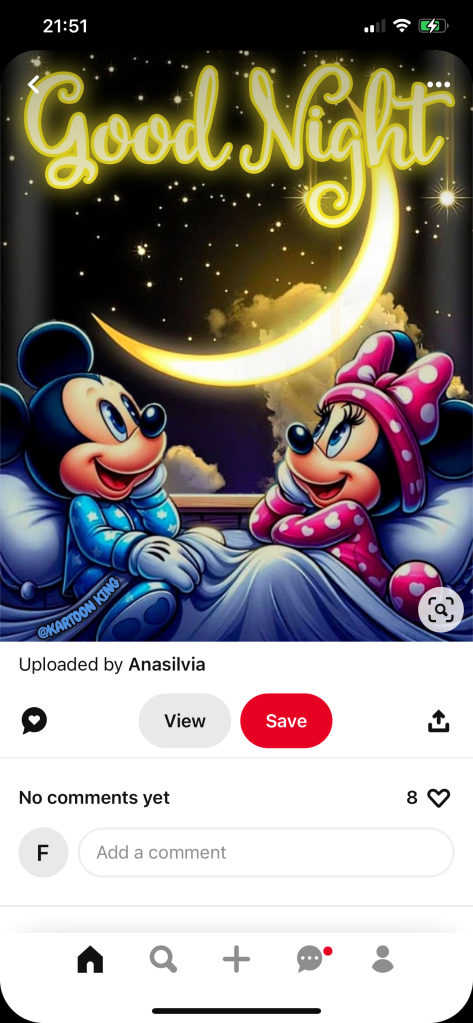
listen to the yard to move the day, which wouldn’t
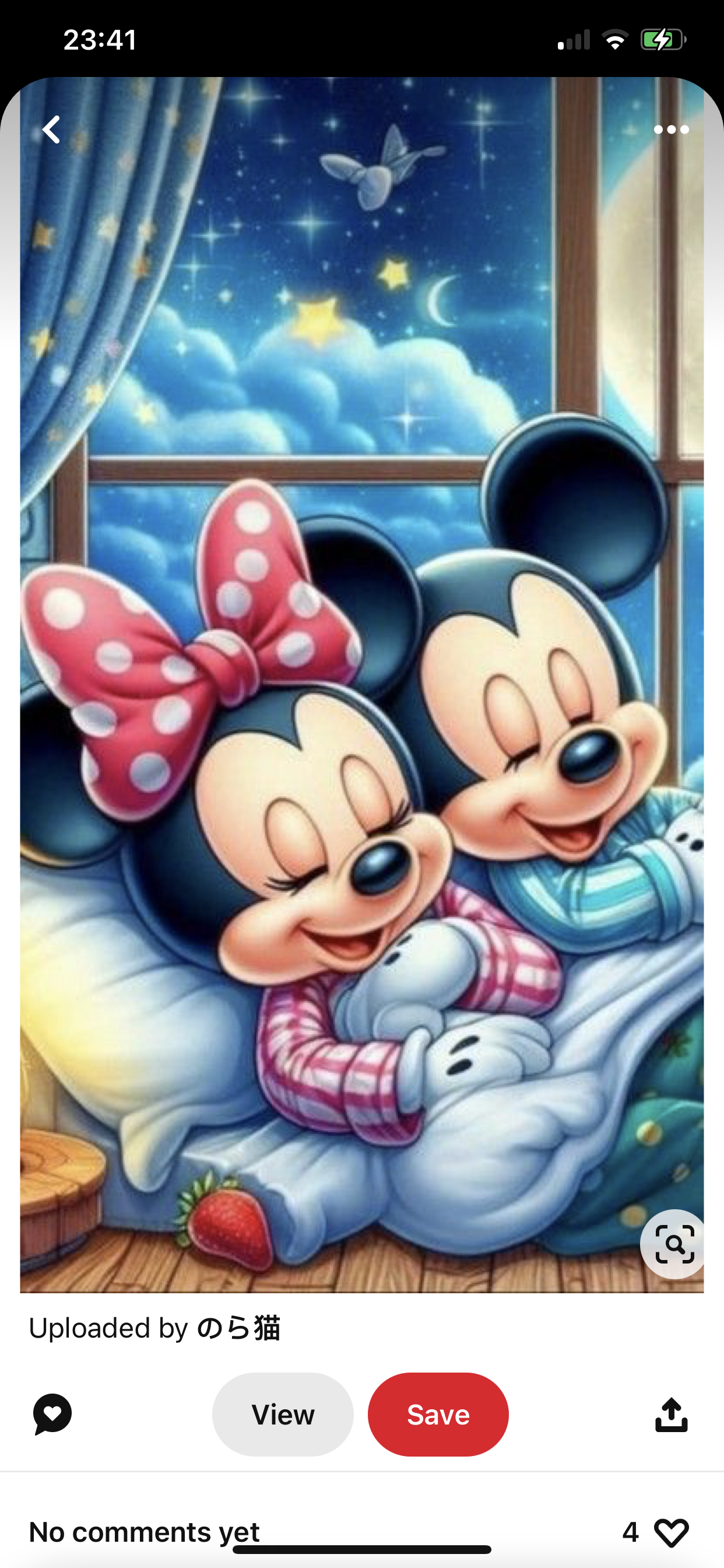
positivity saying for today
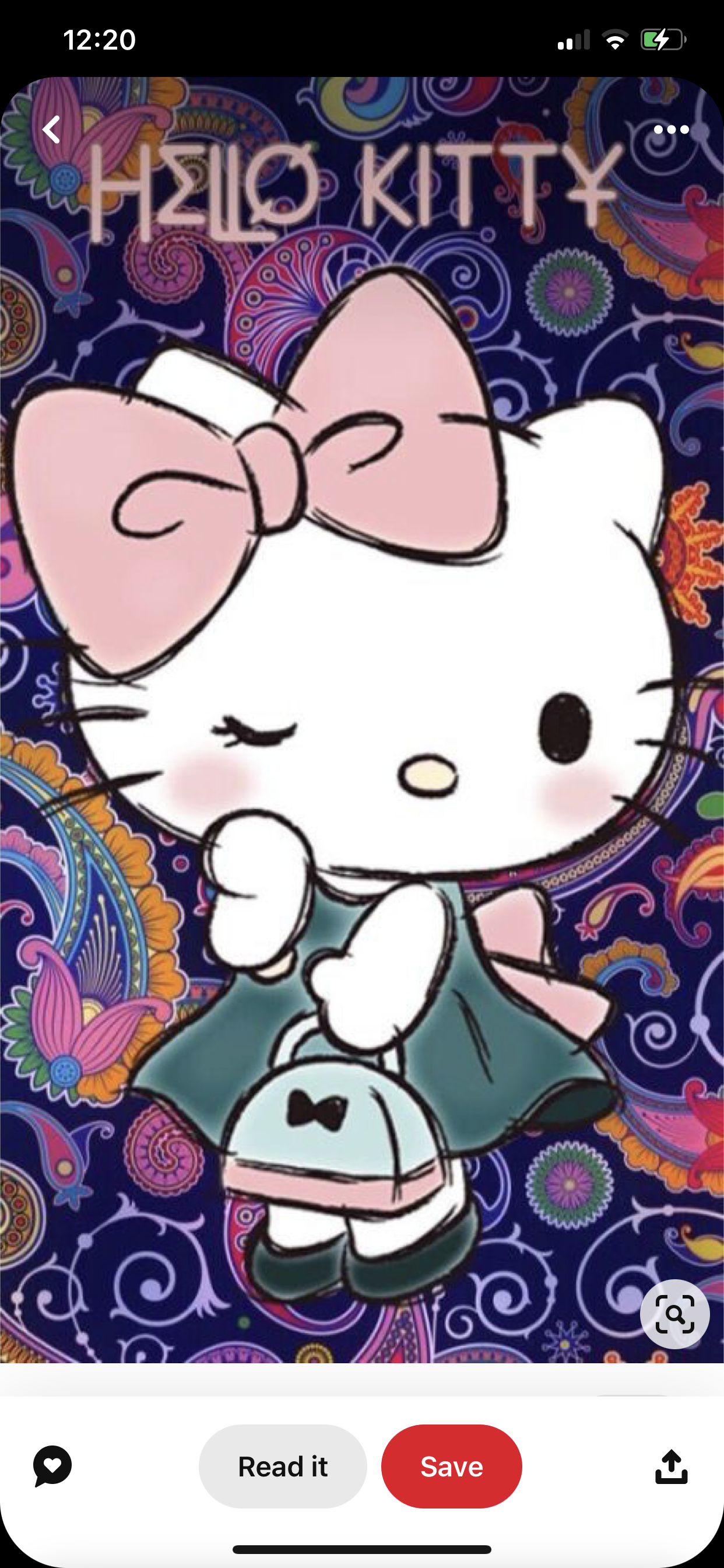
https://pin.it/1s1q61NfN Thursday if Julia to marketing Pinterest app time with you all
disabilityhttps://youtu./v3NfhnijrGU?si=GgRNLPkLo5sjHqs6, new story about inclusion and determination

cerebral palsy story of independent Isabels story city, P story of the day of adult who also lives with Sarah for coffee
Shambolic Severe Disability Group Assessment System Revealed
With many thanks to Benefits And Work.
The DWP has revealed more details of what now seems to be a shambolic system for assessing claimants for the Severe Disability Group. According to the latest DWP update, membership will be based on a confused, ad hoc collection of criteria.
Depending on the claimant’s diagnosis, entry may be based on:
- medically precise definitions that have no connection with the benefits system at all; or
- on information that only the claimant or carer will know, but a specialist will still have to provide; or
- the availability of specialist services where the claimant lives; or
- even on no clear criteria at all.
There is also a lack of clarity on the overlap between the Severe Disability Group and the light-touch review system for PIP.
And some claimants are voicing the suspicion that the creation of separate group of severely disabled claimants could be aimed at reducing future payments for allegedly less severely disabled people.
What is the Severe Disability Group?
The purpose of the Severe Disability Group, according to the DWP, is to improve the assessment process for claimants who have conditions which are severely disabling, lifelong and with no realistic prospect of recovery.
Claimants who fit the criteria will not need to complete a detailed application form or go through a face-to-face assessment for PIP or the WCA.
There’s more details about the scheme here.
But, in essence, claimants will need to show that they have a condition that will not improve, that it is managed or was diagnosed by a specialist, that they need help from another person with at least two daily living activities and that they would qualify for the support group or for at least one enhanced PIP component.
There are then different criteria for different conditions, which also need to be met.
Medically precise definitions
It has long been a basic principle of disability benefits that it is not the condition that matters, it is how it affects your everyday activities.
Yet, for entry to the Severe Disability Group, it is very much the condition that counts. In some cases, only those who meet specific medical assessment criteria will qualify. For example (please note, the links are provided by Benefits and Work, not the DWP):
for autism you need to meet DSM 5 level 2 or 3;
for heart failure, New York Heart Association (NYHA) 3 or 4;
for multiple sclerosis you need to score more than 6 on the Expanded Disability Status Scale;
for Parkinson’s Disease, you must score 21 to 30 on the UPDRS.
Very often, scores like this will not appear anywhere in NHS records, so new evidence will have to be provided by a specialist.
In addition, many claimants who do not meet these scores will still be in receipt of PIP at the enhanced levels for both components and have no possibility of their condition improving. Yet they will not be eligible for the Severe Disability Group.
Only the claimant will know
For some conditions the criteria are not only less precisely defined, but they are also ones that a specialist will not be able to give first-hand give evidence on.
For epilepsy, you need to have “incapacitating seizures at least once per week despite optimal medical therapy”. But probably the only person who can give detailed evidence on the frequency of seizures will be the claimant themselves or a carer, if they have one. A consultant’s evidence will be hearsay at best.
The only criteria given for strokes is that the claimant “requires assistance from another person to mobilise, dress and feed themselves”. But this is something that would probably be better judged by an occupational therapist than a specialist and, ultimately, only the claimant or their carer will have first-hand, daily knowledge about this.
Availability of services
For some conditions, access to the Severe Disability Group will depend on having services available in your area.
For example, for bipolar disorder or depression, you will need to show that you are “under the care of specialist psychiatric services” and have a “history of recurrent admissions or crisis team treatment”. If the NHS in your area is too overstretched to provide these services in your case, then you will be unlikely to qualify.
For OCD, you will need to show that you have failed to “respond to treatment by intensive specialist treatment services”. This assumes that such services exist in your area and are available to you.
For ME/CFS, you will have to show that “all treatment options provided by specialist pain and fatigue services have been exhausted”. Again, such services may not even exist where you live, may have a very long waiting list or may not be accessible to you because of the travel time involved.
No clear criteria at all
For people with multiple conditions – and that would include a huge proportion of claimants – the DWP explains that entry to the Severe Disability Group may be available:
multiple impairments, for example combinations of COPD, coronary artery disease, diabetes and obesity that would not meet the criteria as single conditions but may do so if present in combination.
But there is no explanation of how this would work in practice. If you don’t meet the criteria for any single condition, what do you have to prove in order to meet the unexplained criteria for multiple impairments?
And which health professional would be the one required to provide the evidence?
All of this remains unexplained.
Overlap with light-touch reviews
Oner of the questions that has yet to be answered is how the Severe Disability Group will overlap with the light-touch review system for PIP.
In July 2023 the DWP began sending out the PIP AR2 light-touch review form to claimants who have:
- very stable needs which are unlikely to change over time
- high level needs which will either stay the same or get worse
- a planned award review date due on or at State Pension age
The AR2 form is very much shorter, is unlikely to result in a face-to-face assessment and has to be completed only once every ten years.
On the face of it, this seems to be similar to the Severe Disability Group, at least for PIP claimants. And it has the advantage that it does not require any medical evidence in order to qualify.
But what isn’t clear is whether the Severe Disability Group will replace the light-touch system, run parallel with it or whether a claimant could be subject to both systems.
Lower payments for non-severe claimants?
Government voices have been issuing warnings about the cost of disability and incapacity benefits for some time. They claim that far too many people are being placed in the support group and that the cost of PIP is spiralling out of control.
This has led some claimants to suspect that the Severe Disability Group is the first step towards cutting the cost of these benefits in the future.
The theory is that, if you divide disabled claimants in to severe and non-severe groups, you can argue that claimants who are not severely disabled should not be entitled to as high a rate of support as those who are.
This is exactly what was done with the WCA, when new claimants in the limited capability for work category were deprived of the additional amount that had previously been awarded. For new claims now, only those with limited capability for work-related activity get an additional amount.
It is very unlikely that any government would try to reduce current PIP claimants’ awards, because of the unquestionably enormous backlash.
But an altered payments system for new PIP claimants in the future is not hard to imagine and would cause much less controversy, though we should stress that the DWP have made no suggestion that this is their intention.
Specific condition criteria
Below, we’ve listed some of the more detailed criteria that the DWP have now published for different conditions. There’s more on this DWP page.
We’d really like to hear from claimants with experience of any of these conditions as to whether you think the criteria are reasonable and whether you think you would qualify. Please use the comments section to let us know.
Please note, the links are provided by Benefits and \Work, not the DWP.
Arthritis
Late or poorly controlled inflammatory arthritis
Autism
Autism spectrum disorders – meet the DSM 5 level 2 or level 3 criteria – requiring substantial or very substantial support (annex 2)
Bipolar disorder/depression
Long term severe depression or bipolar disorder failing to significantly respond to treatment, under the care of specialist psychiatric services, indicators of unstable mood and worsening functioning requiring ongoing high levels of care or supervision including history of recurrent admissions or crisis team treatment, decreasing intervals between episodes of relapse or rapid cycling
COPD
Severe chronic respiratory condition (e.g. chronic obstructive pulmonary disease (COPD), fibrotic interstitial lung disease, diffuse pleural thickening) with grade 5 MRC breathlessness (too breathless to leave the house or breathless when dressing or undressing)
Epilepsy
Intractable epilepsy with associated cognitive impairment and incapacitating seizures at least once per week despite optimal medical therapy
Heart failure
Heart failure with reduced ejection fraction on maximal possible tolerated medical therapy and cardiac resynchronisation therapy if indicated, with ongoing limiting symptoms, New York Heart Association (NYHA) 3 or 4 and not a candidate for cardiac transplant
IBD
Treatment resistant inflammatory bowel disease
OCD
Longstanding obsessive-compulsive disorder (OCD), failing to respond to treatment by intensive specialist treatment services, with severe ongoing symptoms resulting in significant difficulties with ADLs
ME/CFS
Syndromes characterised by chronic pain and fatigue where symptoms are longstanding, affect multiple activities of daily living (ADLs) and confirmation that all treatment options provided by specialist pain and fatigue services have been exhausted
MS
Advanced multiple sclerosis scoring more than 6 on the Expanded Disability Status Scale (EDSS)
Multiple physical conditions
Multiple impairments, for example combinations of COPD, coronary artery disease, diabetes and obesity that would not meet the criteria as single conditions but may do so if present in combination
Parkinson’s disease
Advanced Parkinson’s disease with bilateral symptoms of tremor, rigidity and bradykinesia and impairment of balance, a Unified Parkinson’s Disease Rating Scale (UPDRS) score of 21 to 30 and requiring assistance from another person with most activities of daily living
Schizophrenia
Longstanding schizophrenia, failing to significantly respond to all treatment or rehabilitative options, under the care of specialist psychiatric or support services, significant continuing symptoms and poor self-care requiring ongoing high levels of care and or supervision
Stroke
Stroke, for example where the person requires assistance from another person to mobilise, dress and feed themselves
saying for the late evening for you


item of the day battery
saying of positivity including cute kittens for Wednesday

Dial A services, memories from when are theme which travel and the day services where online
aeroplane painting/colouring that I did at the service three years ago, when they services/day opportunities were all online and off-line with travel


disability story of
Paralympian Hopes For Dance Show Legacy On RTÉ
Paralympic champion Jason Smyth has said performing on RTÉ’s Dancing With The Stars is an important platform for disability representation.
Jason, who is visually impaired, is in the competition’s semi-finals on Sunday with his dance partner Karen Byrne.
He said that hopes are high the pair can go all the way to the grand final.
Earlier this month, Jason and Karen received an award for their work in changing public perceptions around people with disabilities through dance.
They went to a ceremony at Leinster House and met Taoiseach (Irish prime minister) Leo Varadkar.
The man from Eglinton, County Londonderry, had perfect vision up until the age of nine before a hereditary condition known as Stargardt disease began to cause his sight to deteriorate.
He stayed unbeaten during a Paralympic career, which began at the 2005 European Championships, and was Paralympic sport’s fastest man until 2021.
The sprinter earned six Paralympic titles, which included 100m and 200m doubles at the Beijing and London Games in 2008 and 2012.
He announced his retirement last year at the age of 35.
Jason said that he knew when he joined Dancing With The Stars, he wanted to go beyond the glitter and show that while a visual impairment in dance may be a challenge, it is not a barrier.
Disability representation
“Disability representation on television is hugely important,” he told BBC Radio Foyle’s North West Today programme.
“People can associate visual impairment with words like disability, but for me, its about showing what your ability is.
“That message has resonated with viewers and I think it helps with attitudes and understanding.
“For me, it’s about showing it doesn’t matter what I can’t see, its about your attitude and embracing what you can do.”
In 2021, the BBC’s Strictly Come Dancing had its first deaf contestant Rose Ayling-Ellis.
She and her dance partner Giovanni Pernice paid tribute to the deaf community with a dance where the music switched to muffled noise and silence to illustrate what Rose hears while she performs.
Jason and his dance partner performed a contemporary dance during week three of Dancing with the Stars.
During the routine the camera-work was modified briefly – representing his visual impairment on live television.
“The central part of my eye is blind, and the outside vision is very blurry,” he said.
“For 15 seconds within the dance, the camera replicated this, basically it went to my vision to give people a rough sense of what I see during a performance.
“Letting them come into my world and see through my eyes.”
Choreography challenges
Jason and Karen have worked together to find the best way for him to learn the choreography.
“I have to learn through how a movement feels, rather than how a movement looks,” he said.
“Anyone involved in dancing – they are constantly looking in mirrors to shift their technique depending on what they see.
“It’s a process that takes longer, but Karen and I have very open conversations and good trust.”
Jason said it was something they “have done well in our partnership”.
“I loved the contemporary but my favourite has been the samba from week seven,” he said.
“For me, in that moment, it took me up to then to let go a bit and have fun and relax into the dance more.
“It’s so different from sport, I’m having a bit more fun, embracing the acting a little more and the samba was a turning point for me.”
Jason is not the only contestant from Northern Ireland in 2024’s Dancing with the Stars.
Also dancing is Belfast-based Joshua Cargill, who performs as drag queen Blu Hydrangea.
Joshua told the Independent newspaper, external: ““I’m used to being in places that serve the LGBTQ+ community, like Drag Race or queer bars – that’s where I would be safe, in this queer bubble.
“But since being on the show, the people who’ve stopped me and said ‘you’re doing great’, are people who are of an older generation, who I didn’t think that I had in my audience before.
“It’s lovely, because that means that what I’m doing is working – me being on TV every week, visibly queer, is not offending these people or making them feel like I’m a menace to society.”
Both contestants are of course aiming for the final.
But Jason said if his time on the show makes a difference to others, that would be a victory in itself.
“It’s very easy to go on a show like this, but you have to ask yourself why,” he said.
“Is there a great purpose and a greater message you can get across.
“It’s like in sport, your journey ends at some point, but what’s the legacy you can leave?
“With dancing, if just one person changes how they look at life through seeing me there taking part, than that to me is true success.”
who is an item for your early evening
baby/toddler item of the https://amzn.to/49Nja3H
pretzel, shape and design earrings for those that like unusual and quirky designs of jewellery
pretzels

bathroom of the day weapons books with penguins on
penguin https://amzn.to/3v6Ct9c
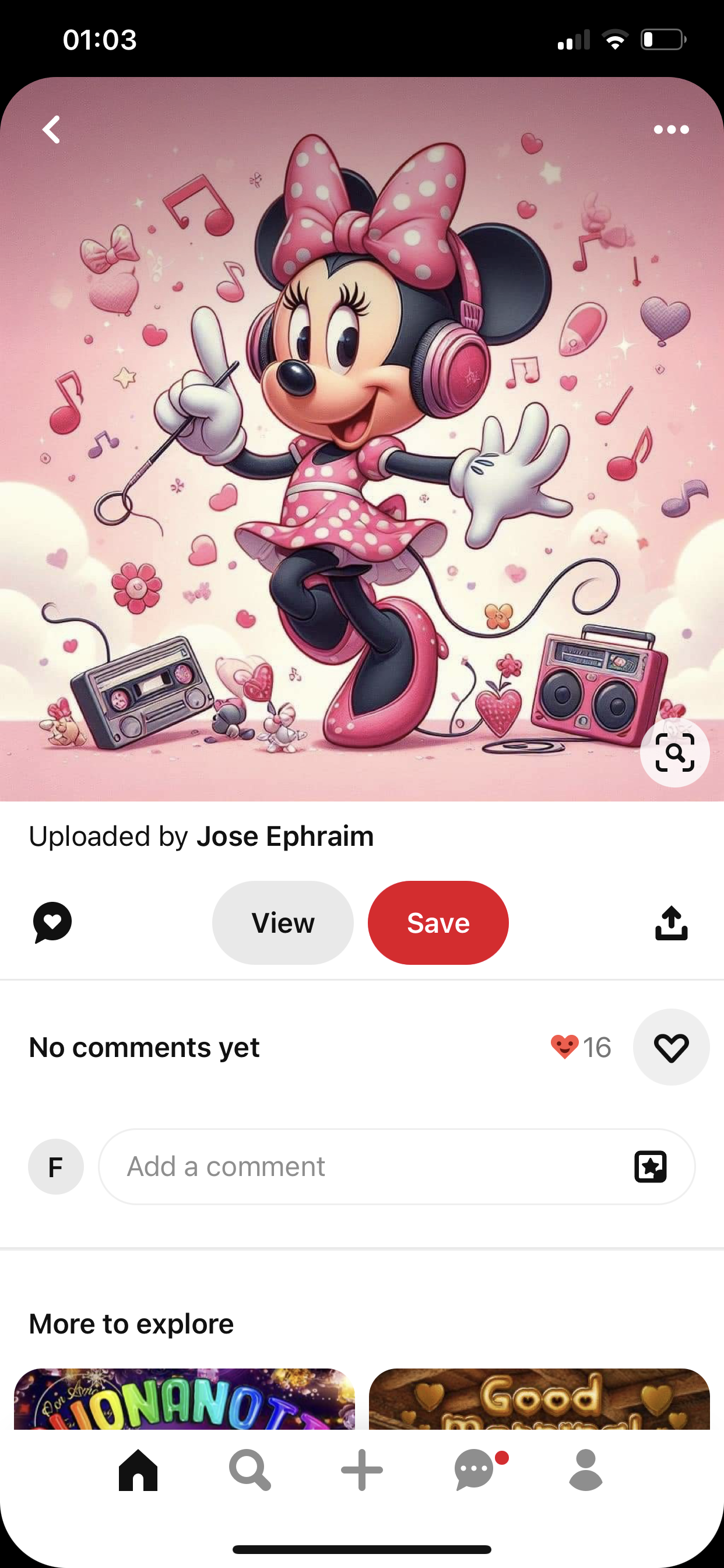
good night, sweet tooth by Minnie Mouse restaurant
Dangers of smell impairment highlighted in new research
A press release:
Peer-reviewed – survey – people
More than a third of people who self-identify as having a smell disorder have had at least one gas safety scare in the last five years, according to new research.
The study, led by the University of East Anglia (UEA) in collaboration with the charity Fifth Sense, asked people who cannot smell well what safety concerns they had and if they had experienced any hazardous events.
A total of 432 people responded to the online survey, which was conducted from February 25 to September 28, 2022, and distributed via the charity.
It revealed that a significant majority of participants (85.9pc) are concerned about safety, particularly regarding gas leaks, smoke, and spoiled food.
The study highlights that over five years, a substantial number of respondents encountered hazardous events related to their condition, emphasising the impact of smell loss on personal safety and emotional wellbeing.
During the previous five years, 32.2pc of respondents had experienced a safety concern related to food, 14.8pc a gas incident in which someone was hurt, 34.5pc a gas scare and 18.5pc a safety incident at work.
Lead researcher Dr Liam Lee said: “This study underscores the critical importance of addressing safety concerns for individuals with olfactory dysfunction.
“The findings show that smell loss significantly affects personal safety and emotional wellbeing. But we can help by finding ways to make things safer for them.
“We could teach people about the risks and make tools like ‘scratch and sniff’ cards1 to help them recognise dangerous smells.”
Before 2020, more than three million people in the UK (5pc of the population) were estimated to be affected by smell loss.
Now around a further one million people are also thought to have persistent problems following a Covid-19 infection.
Some people lose their sense of smell completely (anosmia). Others may experience a reduced sense of smell (hyposmia), unpleasant distorted smells (parosmia) or smell hallucinations (phantosmia).
These changes may be accompanied by loss of or changes to the sense of taste.
A total of 95 people who responded to the survey (22pc) reported a Covid-19 infection as the cause of their olfactory dysfunction.
Co-author Professor Carl Philpott, of UEA’s Norwich Medical School, said: “While most respondents reported not experiencing any adverse events, it’s noteworthy that among those without any gas-related incidents, a common reason cited was the deliberate avoidance of living in environments with gas installations due to fear and anxiety of potential accidents.”
Prof Philpott helped to found Fifth Sense with Duncan Boak, who is chief executive of the charity which supports people affected by smell and taste disorders.
Mr Boak said: “This research highlights an important, yet unrecognised, public health issue with serious safety implications.
“Yet there are a lack of treatment options for these sensory impairments and only a handful of specialist smell and taste clinics in England, with none in Scotland, Wales or Northern Ireland.
“Another issue is that we don’t routinely test the sense of smell which means that these problems often get missed with people not getting the care they need, or support and information to help them stay safe at home.
“I hope that our research serves as a prompt for policymakers and the NHS to start working with us to address what is a major health inequality”.
In 2016, Hannah Martin experienced a gas scare that could have had serious consequences. The 32-year-old, who works in financial services and lives in Littlehampton, lost her sense of smell after a viral infection when she was 18.
However, she felt comfortable using all her family’s gas appliances as she had always cooked with her mum from when she was very young.
She said: “This particular evening I was preparing dinner for my mum and I, I ensured the eye-level grill had lit and then turned my back in order to prepare the next part of the meal.
“I’m unsure how much time passed but all of a sudden, my mum came running down the stairs and yelled ‘don’t touch anything that may cause an ignition, I can smell gas all the way on the next floor up’.”
When they checked they found the grill had gone out and Hannah had no idea, even though she had been in the kitchen the entire time.
Hannah said: “I felt horrified when this happened as if I had managed to blow up the kitchen, we have a household of five people on each side of us and there would’ve been no way to warn them at the time. The thought of injuring all those innocent people absolutely terrified me.
“The incident made me lose confidence in myself as from then on I always had to make sure that there was somebody in the kitchen with me if I planned to use any of our gas appliances to prevent it from happening again.”
The scare led to her family finding the Fifth Sense charity, whose safety information they followed diligently, such as ordering detectors to keep Hannah and everyone in the household safe. It helped her to regain her confidence in the kitchen and be able to cook independently again.
She said: “It has majorly impacted my mental health and Fifth Sense’s safety information has literally saved my life. My quality of life would not be what it is without the work that Duncan and his team do. My only regret is that I didn’t find them sooner.”
Fifth Sense is working in partnership with Cadent, the UK’s largest gas distribution network, to highlight this issue and ensure that people with a poor, altered or no sense of smell have the information and support they need to stay safe and well at home.
Mark Belmega, Director of Social Purpose and Sustainability at Cadent, said: “It’s really important that we help keep those with anosmia and other smell disorders, safe around gas.
“We know cases have increased following the Covid-19 pandemic and so we’re proud to work in collaboration with Fifth Sense to amplify key gas safety tips, including regularly servicing gas appliances, joining the Priority Services Register and getting gas and CO detectors fitted at home.”
The researchers noted a limitation of the study was that the data was self-reported and there could also be a sampling bias of charity members who are already seeking support.
‘Impact of olfactory disorders on personal safety and well‑being: a cross‑sectional observational study’ is published in the European Archives of Oto-Rhino-Laryngology.
Smell and Taste Symposium 2024
The University of East Anglia and Fifth Sense will be hosting a two-day symposium for clinicians and researchers on smell and taste disorders on May 30 and 31, 2024.
For more information visit https://rhinology-group.uea.ac.uk/smell-and-taste-symposium-2024/
New study
UEA and Fifth Sense are looking for participants belonging to minority communities for their next piece of research.
UEA research associate Sanjoli Mathur said: “Smell and taste disorders (SATDs) affect everyone, regardless of background and ethnicity.
“However, through our work we know that people from minority communities are less likely to report or seek help for these sensory impairments.
“The University of East Anglia and Fifth Sense are running a research project to try to understand the reasons for this.”
Focus group discussions are taking place during March at the University of East Anglia.
If you are interested in taking part in the project or would like more information then please contact Helen Rhodes, Engagement and Education Officer at Fifth Sense, helen.rhodes@fifthsense.org.uk or Sanjoli Mathur, Research Associate, University of East Anglia sanjoli.mathur@uea.ac.uk

neon party during down

Tinkerbell favourite painting of the day

leopard print item of the day shoes with Velcro strap
Leopard print, https://amzn.to/3vgsm1w


 Same Difference