♥️💜💜💜💜💜
Rightly, cheerfully coloured flower, painting #Careful
A big and bold. Praying for you this morning to remind you of your productivity on the Wednesday morning/afternoon wherever you are in the world.

Girl, phone of the day I call you all with a colourful butterfly included in the sale of the
Floral and heart-shaped painting favourite painting of the day as I love flowers and all the different colours that are in this painting

#CerebralPalsyAndDisability
When agencies and services for your disability, just want to make it awkward moon boot, you’ve been telling me to do for the last month how you
Seven-time Paralympic gold medallist Hannah Cockroft says disabled people in Britain are being “almost criminalised” in the way they are treated.
The UK government downgraded the role of minister of state for disabled people to junior level last month.
An open letter signed by 57 sporting bodies last week called for the role to be reinstated.
“Britain is a really scary place to be as a disabled person right now,” Cockroft told BBC Sport.
“Paralympians are almost seen as different to the rest of the disability community. We are shown for what we can do, and everyone else with a disability is almost criminalised for what they can’t do or struggle to do. I feel the statement puts us forward as one.”
ParalympicsGB chief executive Dave Clarke said the downgrading of the ministerial role means disabled people “do not have a voice at the top level of government”.
Wheelchair racer Cockroft says she faces great difficulties living her life in Britain, and praised the sporting organisations for challenging the government.
“I still can’t catch a train if there is no-one there with a ramp, I still can’t catch a bus with my boyfriend, I still can’t enter a shop if it has a step to it,” Cockroft said. “Everything that affects disabled people in everyday life still affects me, no matter how quickly I push around a track.
“Dave Clark, it is fantastic he felt confident enough and knew that voice was needed to push this forward and put it in the forefront of the government’s minds.
“We have no-one to fight our corner, and that’s not a good place to be for six million people in the UK. We need someone voicing the things we need changing.”
Mims Davies was appointed to the role in December within the Department for Work and Pensions as a parliamentary under-secretary of state – the lowest rung of the ministerial ladder.
Davies’ predecessor, Tom Pursglove, was a minister of state when he held the job.
Sporting organisations to sign the open letter included UK Athletics, British Cycling and the British Olympic Association.
A government spokesperson told BBC Sport: “Minister Davies will build upon this government’s track record of supporting disabled people, having delivered millions of cost of living payments and helping over one million more disabled people into work five years earlier than planned.
“The minister will help ensure there is always a strong safety net for the most vulnerable in our society, while tearing down barriers so that every disabled person can realise their potential and thrive.”
For Cockroft, 2024 promises to be a life-changing year on and off the track.
She is competing in two major championships for the first time, with the World Para Athletics Championships taking place in Kobe, Japan, in May, followed by the Paralympics in Paris between 28 August and 8 September.
Cockroft, 31, has her eyes on increasing her haul of gold medals, but says that preparing for two major events in one year is a challenge unlike anything she has experienced before – albeit one she is welcoming.
“I don’t understand going to a major championships and not wanting to win gold, that is definitely the aim in Paris,” she said.
“But I have got a World Championships before then, so if I can add some more titles that would be a fantastic start to the Paralympic year. It’s the first time in my career that I’ve had two major championships in the same year so it’s a huge challenge to get everything right. Not just the training, but everything around that.
“May and August sound really far apart, but if you don’t have the rest and recovery to get that right then things can quite quickly go wrong.
“Right now things are the same as they usually are, but the difference I will really start to see as we go into the World Championships. Right now it more of a mental challenge than physical, but time will tell – it’s a completely new challenge, and 12 years into an international career you don’t normally have many firsts left. But I like a challenge.”
Cockroft is hopeful that the atmosphere and excitement seen around the London 2012 Paralympics can be recaptured at Paris 2024, after two Games beset by problems.
Rio 2016 was affected by budget cuts, while the Covid-19 pandemic forced the Tokyo Games to be postponed by a year to 2021 and eventually take place without fans.
“I really think Paris has the potential to be bigger than London,” she said. “The time difference from Rio didn’t help us, then the lack of crowd, Covid, everything that happened around Tokyo really didn’t push Para-sport into the public eye.
“Paris is only an hour apart from Britain. Coverage seems to be good, already so many companies and people, the things that were around before London seem to be coming back. It gives me great hope that it is going to be a big Games, and have the audiences we had in 2012.”
On top of all this, Cockroft is marrying her fiancee, fellow Paralympic athlete Nathan Maguire, in October.
“It’s a lot of pressure – the Paralympics, the Worlds and a wedding,” she said. “I’ve pretty much boxed off the things people do in a lifetime in one year, but if I get it right it could be the most incredible year ever.”
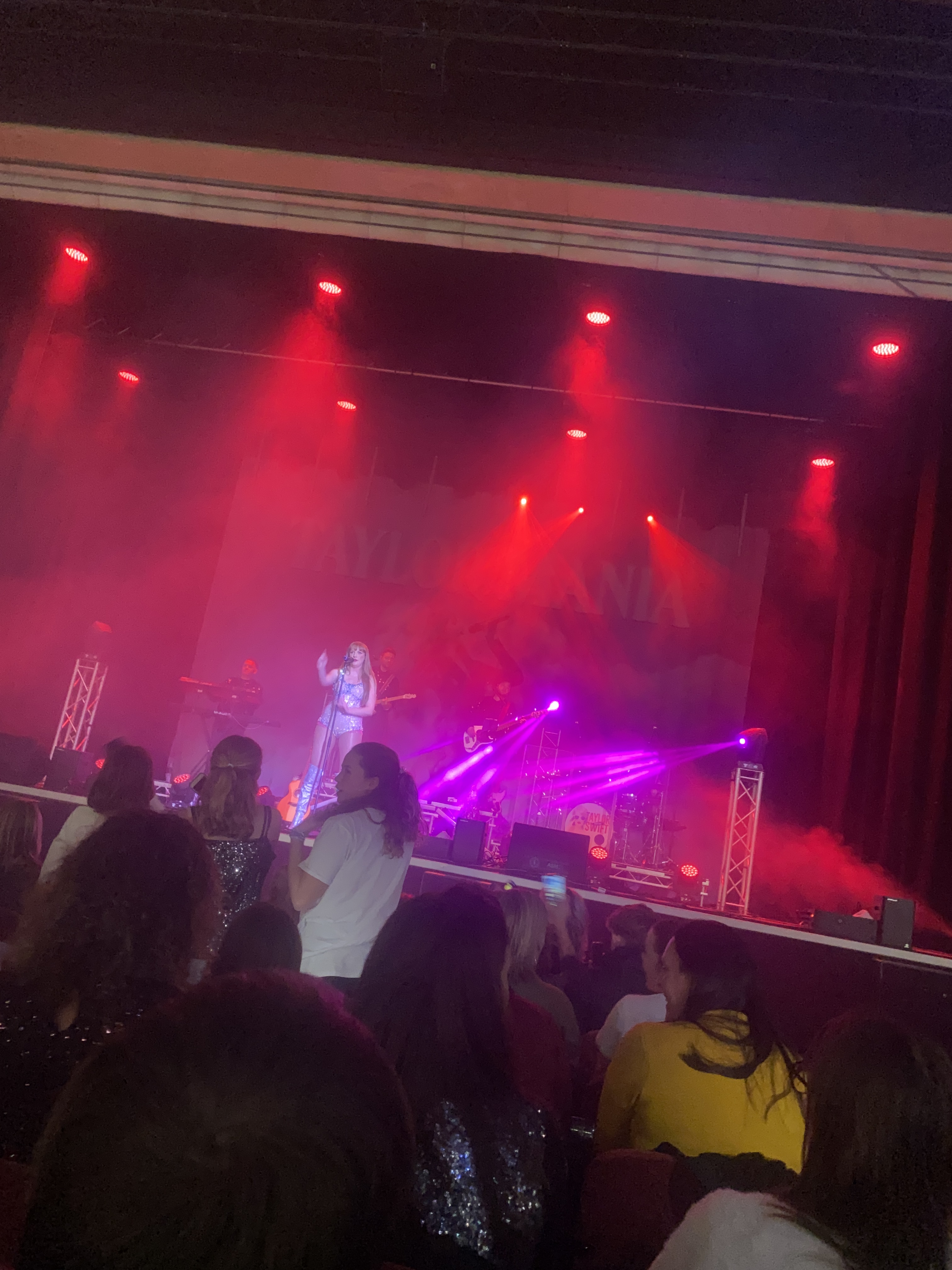
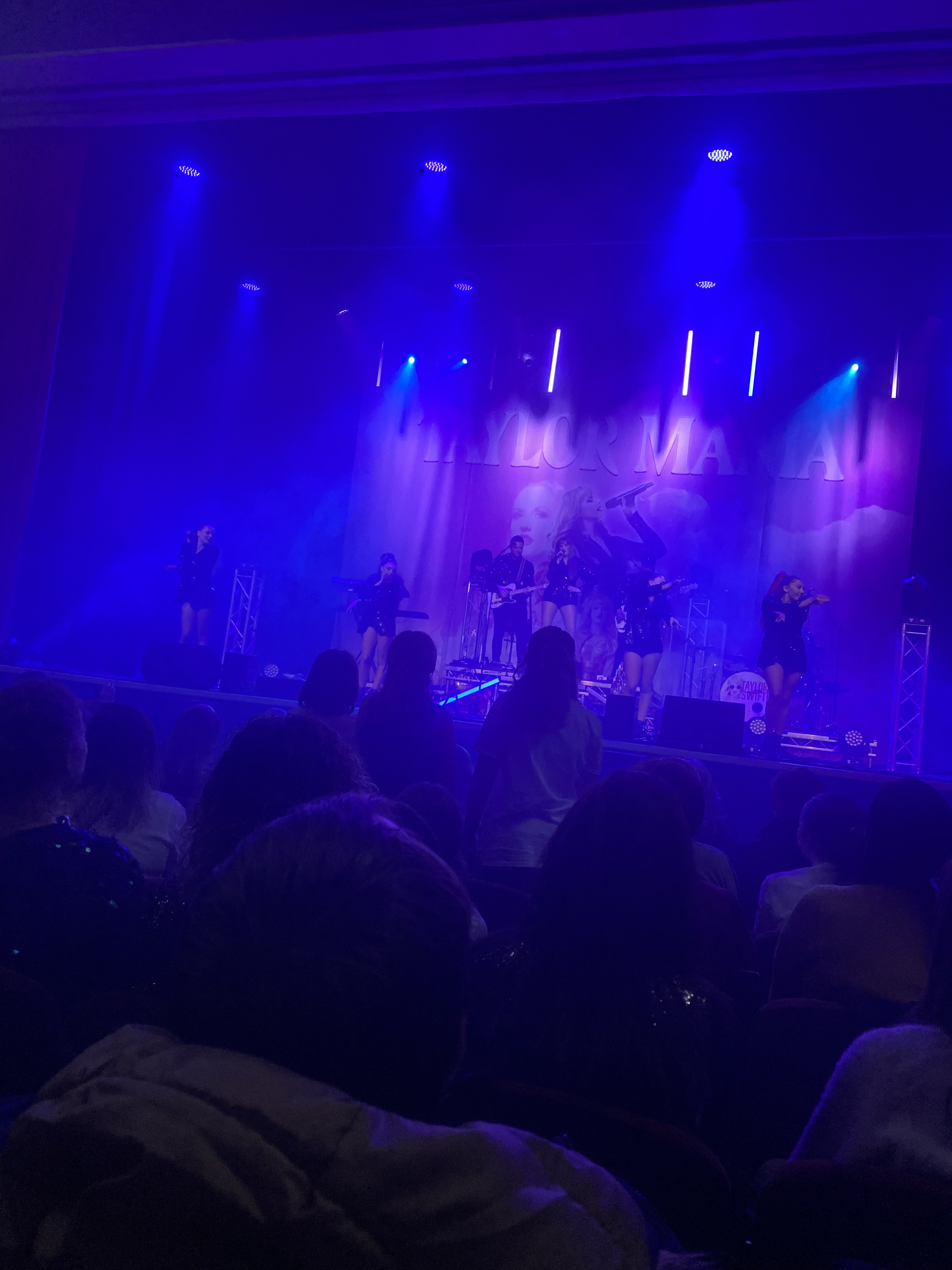
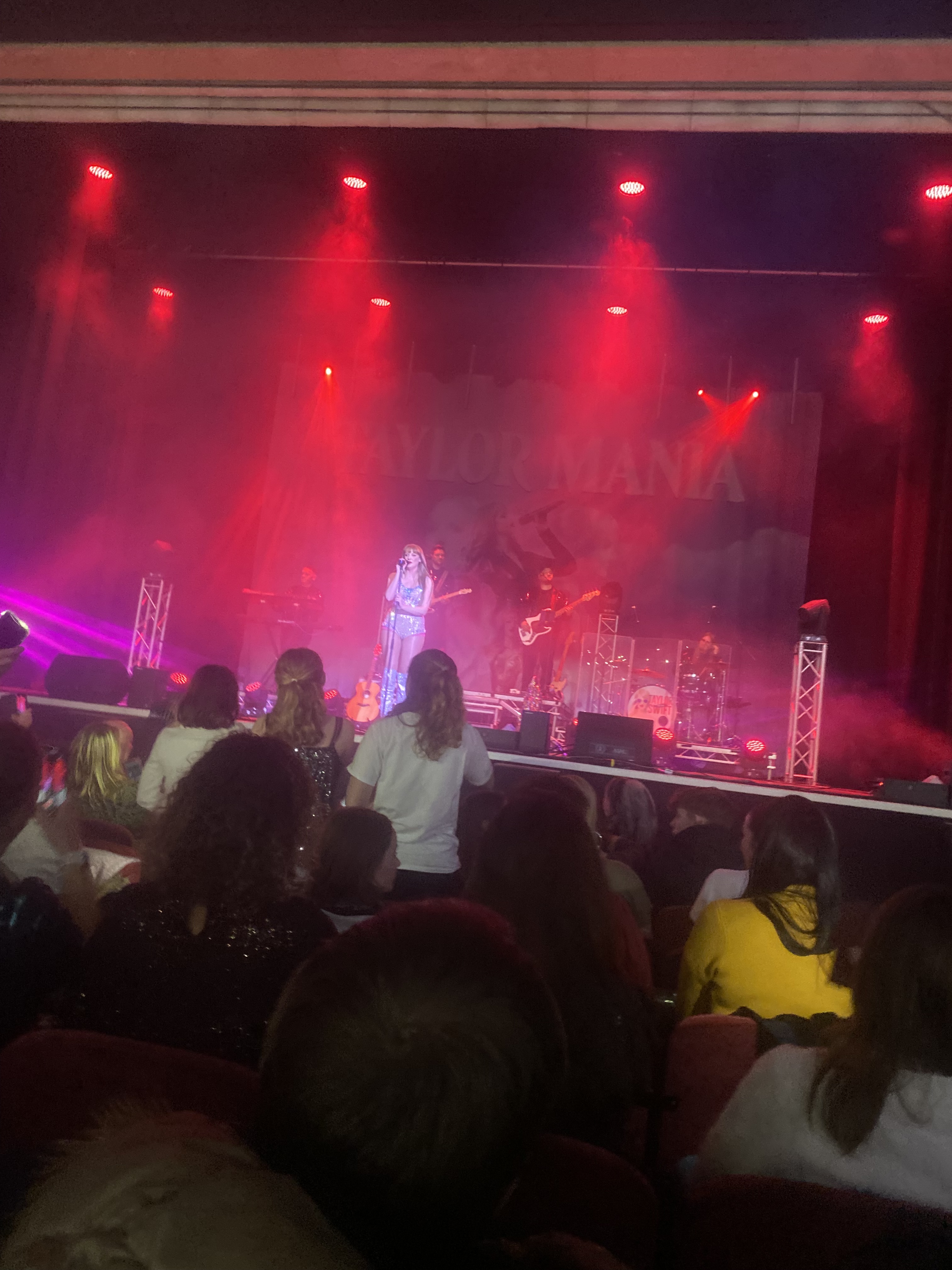
Wolfram home, run the tailor, my new concept drawings of attending on Saturday. I really enjoyed it.

Who is it who is it who is playing of the day for you? All courtesy of creepy, Paula.
Life With A Stoma: ‘It’s Not A Bag For Life, It’s A Bag For Living’
“I was terrified of getting it.”
That was 24-year-old Stephen Blakely’s reaction to getting a stoma bag,
He has now started to document his experience of living with a stoma on social media in a bid to bust myths and tackle stigma.
Stephen, from Londonderry, became unwell in the summer of 2022, bleeding when going to the toilet and suffering severe pain. That year he underwent an ileostomy and now uses a stoma bag to collect waste products.
He hopes his TikTok videos will help those with similar symptoms overcome any fear of getting help.
“For me, whenever I got a stoma bag you always hear the myths and the rumours – there are plenty of them,” he told BBC Radio Foyle’s North West Today programme.
“People thinking you are going to smell. That’s a terrifying thing to go through.
“That was my most terrifying fear. I lay awake about that for days at a time, that I would go outside and people would think: ‘There’s an odour or smell coming off him.’
“That’s never happened me once with a stoma bag – it’s very important that I get that across”.
‘A bag for living’
Stephen has ulcerative colitis, a condition where the colon and rectum become inflamed.
“I was going to the toilet 10 to 12 times a day at that time. I was in excruciating pain constantly,” he said.
The ileostomy means he now lives with a stoma – an opening on the abdomen which connects to the digestive or urinary system and allows waste to be diverted out of the body and into a bag.
“It doesn’t have to be a bag for life – it can be a bag for living,” he said.
‘I didn’t know anyone else with a bag’
Stephen, who was active and healthy before he became sick, said he began to feel isolated after the surgery.
When he left hospital he was visited regularly by specialist nurses but those visits became less frequent.
“You are left dealing with it, struggling on your own. You have no-one else that can understand what you are going through – I didn’t know anyone with a bag when I got it,” he said.
He said he went into “a hole” for two years while he tried to come to terms with how life had changed.
Things are better now. He still struggles at times, but he’s socialising again, going out more often.
He hopes his social media content will help others come to terms with life with a stoma and encourage anyone who is unwell to get help.
“Since I made the TikTok account I have had people reaching out and contacting me. There’s more people than you would know with a stoma bag,” Stephen said.
“If you are going through pain or bleeding, go and get checked out. It literally takes five minutes and could save your life.
“There’s nothing a doctor or nurse hasn’t seen before. Yours isn’t the first backside they have seen.”

Post Office Horizon Software Originally Aimed At Claimants
With many thanks to Benefits And Work.
The Horizon software at the centre of the current Post Office scandal was originally designed to save money and reduce fraud in connection with benefits and pension payments. Even though the Benefits Agency dropped the software, there are disturbing parallels between the way sub-postmasters were, and claimants still are, treated.
£700 million lost
Horizon was a joint venture between the Post Office, the Benefits Agency (as the DWP was then called) and ICL, a subsidiary of Fujitsu.
The intention was to create a swipe card system for benefits and pensions to be paid out at Post Offices, replacing paper payment books.
The project began in 1996, but by 1999 the Benefits agency had lost all faith in the system ever working and pulled out, leaving the taxpayer with a massive £700 million bill with nothing to show at the end of it.
In desperation, the project was repurposed to allow electronic bookkeeping to replace paper accounts in post offices.
And the result of that is now playing out in the media, the courts and a public inquiry.
Misuse of powers
That the Benefits Agency pulled out of the Horizon system it so its credit.
But there are many alarming parallels between the current DWP and the Post Office.
Both have the power to conduct their own criminal investigations and both routinely misuse these powers.
The Post Office threatened sub-postmasters with prosecution for theft unless they admitted wrongdoing and agreed to pay back all the money they allegedly owed.
The reality was that the Post Office very often had no evidence that any theft had taken place and would not have been able to bring such a charge. But sub-postmasters were never given the opportunity to examine the alleged evidence.
Similarly, claimants interviewed under caution by the DWP are often told that if they end their claim and agree terms to pay back any alleged overpayment, they will escape prosecution for theft.
Many claimants agree, without understanding that the DWP have failed to show them any evidence of the alleged overpayment.
If such cases go to tribunal, rather than a criminal court, they are very often thrown out – or the alleged overpayment dramatically reduced – because of a lack of evidence. The DWP has such poor systems that they often cannot actually show whether payments took place or how much they were for.
In other cases, the claimant will insist that they informed the DWP of a change of circumstances but the DWP will be unable to supply a copy of the document they received from the claimant, even though there is evidence it existed.
No legal representation
Both sub-postmasters and claimants are routinely interviewed under caution without any legal representation being offered or provided. This would not happen if prosecutions were being carried out via the police and the Crown Prosecution Service.
The lack of legal representation allows the prosecuting body to mislead the people they are pursuing without any fear of consequences.
Obsessive secrecy
Both the DWP and the Post Office are obsessively secretive.
The Post Office’s often successful attempts to hide information from the courts and the current public inquiry are a scandal in themselves.
In the same way, anyone who has attempted to obtain information from the DWP via the Freedom of Information Act will know the huge and very expensive lengths that the department will go to in order to keep evidence about their practices and procedures secret, even when it involves the death of claimants.
And there are many examples of the DWP keeping evidence from inquiries, government committees and even coroners’ courts.
Bonuses for wrongly recovering money
Post Office investigators, it has now been revealed, were on a bonus system for any money they recovered by threatening and misleading sub-postmasters into repaying money they never owed.
We don’t know if DWP investigators are also on a bonus system for recovering money from claimants. But we do know that in the past the DWP has paid bonuses to teams for pushing claimants off benefits, including by way of sanctions. So there is every possibility that fraud teams are incentivized in this way.
Benefits and Work has made a Freedom of Information request for any documents which deal with bonuses in relation to detecting fraud or recovering money from claimants.
We don’t expect to get a genuine response anytime soon.
Fears for the future
The DWP have very recently been given powers to allow the mass surveillance of claimants’ bank accounts.
But, as we revealed last November, the DWP want to go much further than this.
They are hoping to get the power to arrest claimants, search their homes and seize evidence.
After what we have seen of the Post Office scandal, such a possibility is truly terrifying. The opportunity for the department to disappear documents, including copies kept by the claimant which would establish their own innocence, do not bear thinking about.
In the wake of the Post Office scandal, there is now a very strong argument for stripping the DWP of its power to prosecute claimants. And there is an absolutely overwhelming argument for preventing them gaining any additional powers.
But is there anyone who will effectively make that argument?
You can read more about the connection between the Post Office Horizon system and the Benefits Agency in Alan Bates and Others vs the Post Office Technical Appendix to
Judgment (No.6) “Horizon Issues” and in the Private Eye special report Justice Lost in the Post.
An infant with Down’s syndrome dating from the Iron Age has been discovered with a new method of DNA testing.
The technique measures the amount of chromosomes in ancient human cells “more precisely”, said researchers.
They have also identified the first prehistoric person with mosaic Turner syndrome, from about 2,500 years ago.
The research was carried out by the University of York, the Francis Crick Institute, the University of Oxford and Oxford Archaeology.
Down’s syndrome, mosaic Turner syndrome and other conditions the researchers identified all stem from chromosomal abnormalities.
Most cells in the human body have 23 pairs of chromosomes and the conditions occur when a person’s cells have an extra or missing chromosome.
Professor Ian Armit, from the University of York’s Department of Archaeology, said: “Ancient DNA samples decay over time and can often become contaminated.
“A new technique was needed to help researchers overcome these challenges so that we could see just how far back we can trace these conditions, and we now know that they have been part of human history for a considerable period of time – more than 2,000 years in some cases.”
The individuals tested with the new technology lived across a range of time periods, from the Iron Age 2,500 years ago up to the Post-Medieval period, about 250 years ago.
Klinefelter, Jacob’s and mosaic Turner syndromes all involve abnormalities with sex chromosomes and the researchers found that the individuals with these conditions had delayed puberty.
All were buried according to their society’s customs although no possessions were found with them, the experts said.
Pontus Skoglund, group leader of the Ancient Genomics Laboratory at the Crick, said: “Our method is able to classify DNA contamination in many cases, and can help to analyse incomplete ancient DNA, so it could be applied to archaeological remains which have been difficult to analyse.
“Combining this data with burial context and possessions can allow for a historical perspective of how sex, gender and diversity were perceived in past societies.”
😂⏰😁

😆🫶🏼❤️👏🏻😆
🫶🏼❤️🌲👏🏻👏🏻😊
🛍️❤️😆🌲😆💜

♥️♥️🥳💕
c🫶🏼😆😆
👏🏻👏🏻👏🏻👏🏻

♥️♥️

positive saying of the evening and stations this evening for more night out content




❤️😂💜♥️😘

🌙💜❤️

pretty beat show

😂💜💜

colourful painting of the day

favourite paintings of the day


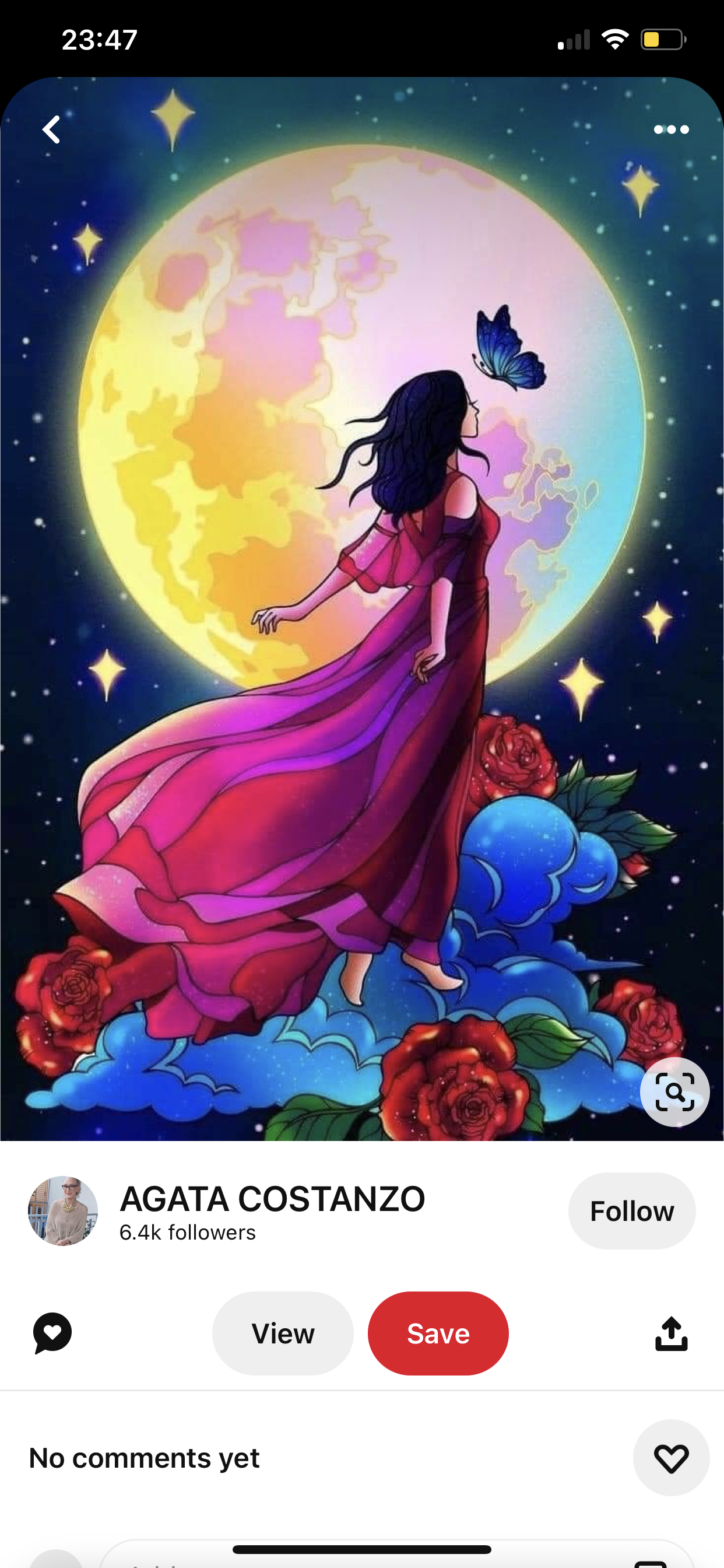
painting of a beautiful evening 30 for you that is very colourful, which is why I like it. I love the colours in paintings


signing of the evening

Artwork


one year memory of me, yet to see a naughties with my PAMollie who has now gone onto a new


Amazon, affiliate first page of the day
turn off day for viewers of my flow

colouring book/activity book for Adam
fashion item of the day women’s T-shirt
join me to find out what was called in my allergy awareness exam the other day as I get the results later on today. Also join me to see what schools I score in my maths test as a level one/level two functional skills, maths student who is working
Tiktok
beach scene, warm canvas
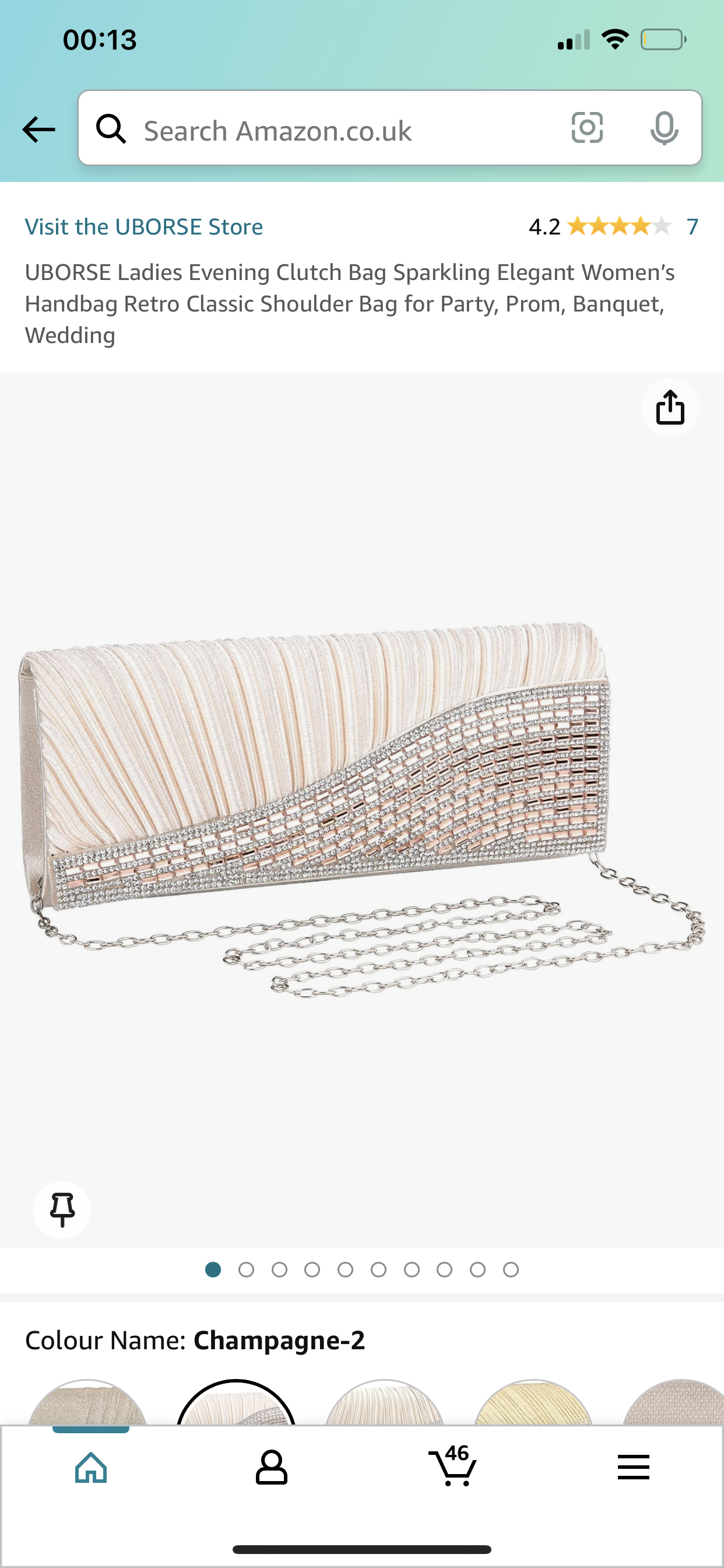
notifying of the day for you for the early rises, and for those in England maybe just going to bed like me after a long day at college


Momentum Talk: Sustainable Development Goals- What Have We Achieved For Children With Disabilities?
Same Difference has been asked to publicise the following event by a friend of the site.

The online event will be held on Zoom.
good night time for everyone, followed by an Amazon
Photos



already have a College #Student #StudentLife #SelfieOrBlueStudentWhoIsGoingToCollegeTonight, #NorwichFood#

😂😂😂
💜💜💜

https://amzn.to/3Sdky9t
tell for the above all page or swimming with a starfish on it
item of the day
if I don’t get a chance to post a sign of the evening as I’m in College Temperrr still quite late who is the next to the same for you now

women’s accessory coin purse of the day
❤️♥️

bedding item of the day call me on your break
https://amzn.to/47uLxlA programmes, item of the day heart, with googly eyes, 50 out of 3 cup on antenna


positive morning, Sherry prime

first phone Move, the day and for painting of the day

Music Brings Trowbridge Mother And Disabled Daughter Together
A mother has said she is better able to communicate with her 14-year-old disabled daughter thanks to music.
Emily Wadds’ daughter, Lydia, has a profound and multiple learning disability, is non-verbal, a full-time wheelchair user and has epilepsy.
But after accessing the charity Soundabout, Mrs Wadds said: “I don’t think I’ve ever known her better.”
Mrs Wadds, from Trowbridge, said that learning about Lydia’s expressions and noises has helped bring them together.
The pair have been accessing Soundabout’s online music sessions for around four years.
“Music has brought us much, much closer together,” Mrs Wadds, 52, told BBC Radio Wiltshire.
“She’s non verbal, so she doesn’t talk, but just to hear her voice, I really can recognise her happy noises now – she does this little cluck.”
Regular seizures meant that Lydia made little noise in her early years, but with music in Lydia’s life, Mrs Wadds said she has seen a real difference in her daughter.
“We barely got any noise from her, she didn’t laugh for years,” she said.
“Now she makes lots of different noises that she never did before and I think it’s given her confidence to make the noises, she’s exploring more with her vocal cords.”
Mrs Wadds said that discovering Soundabout also gave her the opportunity to enjoy time with Lydia.
“When she was little I was watching her all the time,” she said.
“It was all about making sure she was safe, looking out for seizures, monitoring seizures, videoing seizures, talking about seizures – it was all health related.
“Finding Soundabout, I watch her, but it’s for an enjoyable purpose – looking at her eyes and looking at her expressions, listening to her noises.
“I think it’s one of the most important things in her life actually – music and food.”
Rebecca Thomas has worked in special educational needs music for 15 years after studying music at Goldsmiths, University of London.
She now works as a Soundabout family support coordinator.
“Music is so universal, it connects people in so many different ways,” Miss Thomas said.
“It doesn’t matter what language you speak or how you communicate – whether you communicate with vocalisations, without vocalisations, body language – music enhances all of those interactions.
“It’s a way for us all to meet in the middle.
“Lydia has all these incredible ways of communicating. I feel like music is just that tool to uphold all of the things she wants to tell us.”