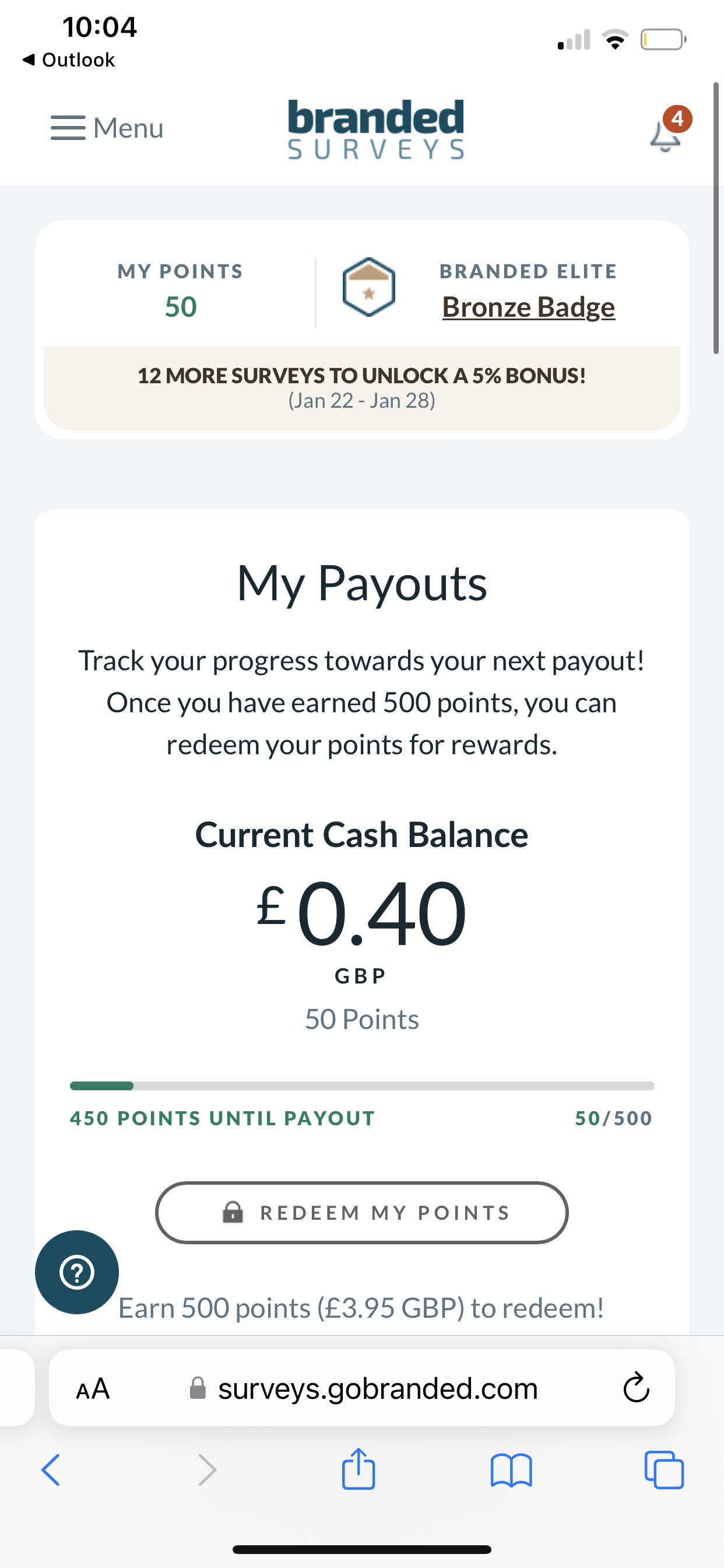
I’m trading update of the money raised so far this month alone from surveys and quizzes that I take on my mobile
Cerebral palsy stories of the day of other people with different types of CPA to what I have
https://youtu.be/BfDtEXe-FnQ?si=JS3xhf-GxKQNjfSj
Super amazing story of the day about someone with Down syndrome and their son in law who took friendship grows with the person with down syndrome on his wedding day to her sister who does not have downtime going
https://vm. She and the headteacher should be incredibly proud of our self of the different. He made to the student that she had the pleasure of working alongside and inspiring. If you’re reading this is the headteacher that I am talking about. I am incredibly proud of you and then go for me and you if people believe we can certainly achieve tiktok.com/ZGerH2WQJ/
Video of your opinion do with the pay the woman with the P is going
another awareness video over 25 year old who uses speak up to bro, but also have a different form of cerebral palsy to me
see Truly invited today to see the cerebral palsy story of the day, but I will put it up later this morning or this afternoon, but definitely later today about a 25-year-old sleepy we put Work in the next few minutes. I will put the link up but currently the link isn’t
Jersey Art Workshops Explore End-Of-Life Care Options
Two charities have set up new workshops to help people with learning difficulties talk about end-of-life care.
Drawing and craft-making exercises have been created to start the discussion.
Jersey Hospice Care and learning disability charity Les Amis have run three workshops so far and plan to run more.
Nurse champion Gail Edwards said they had “empowered” the residents and enabled them to record their wishes.
The residents have been asked to express their wishes using arts and crafts and the results will then be uploaded to their care plan and passed on to family members.
Ms Edwards added: “It’s been mind-boggling to see that even people who have difficulties with communication, especially the non-verbal residents here, can do this creative work and show what their care preferences are.”
Alison Brolly, registered manager at Les Amis, said residents had found it “amazing”.
She said: “By using arts and crafts, they’ve been able to give their own choices, wishes, and voices on what they want for their end-of-life care.”
Resident Marguerite said: “I like my music and I made a drawing of how I would like Abba to be played to me while I’m in hospital.
“I’ve loved this and I would like to do some more of it.”
Val, another resident, said: “I’ve drawn how I would like to play my video games and I’ve also drawn how I want to be with my family.
“I’m happy that people know what I want to happen when I die. I’ve got a toy dog and I’ve shown that I want to be buried with him because of these workshops.”
Learning saying
Set a Robo call the story of the weather, what’s the YouTube video to hear about this non-verbal woman’s way of communicating with her because
Butterfly painting in a rainbow of colours painting over bye-bye

Ring from Grace and Kai
Former England striker Michael Owen says he would “swap eyes” with his son if it was possible to help the teenager see again.
James Owen, 17, who hoped to follow in his father’s footsteps, was diagnosed with Stargardt disease, a degenerative eye condition, when he was eight.
Speaking on the BBC Access All podcast, Michael said: “If I could give him my eyes and we could do a swap, I would.
“I would pay every cent I’ve got to make James see again.”
James is from a family of top footballers. Michael played as striker for clubs including Liverpool and Real Madrid, and somewhat controversially went on to play for Liverpool’s big north-west rivals Manchester United. His father Terry Owen started his own footballing career at Everton in 1966.
The beautiful game was very much in James’s blood, but it slowly dawned on the Owens something unusual was going on with their young son.
James was a good player when he was on the ball, but he often failed to track passes or notice player movements further down the field.
It became more concerning when he struggled to compete on bigger pitches and it was all getting too fast-paced, James admits.
At home or on holiday, Michael says he often got frustrated when trying to take family photographs as his young son always seemed to look to the side of the camera rather than at it.
Even so, Michael says it came as a “hammer blow” when he and wife Louise were referred to an eye specialist and were informed of James’s diagnosis.

Listen to the Access All podcast with Michael and James Owen, and spot the moment when the tables turn and Michael starts to interview Access All’s blind presenter , Emma Tracey, about her experiences…
According to the RNIB, Stargardt disease is an inherited eye condition that affects the macula, the central part of the retina, and causes a reduction in vision there.
Understandably, Michael says it left him with parental guilt.
“As a parent you just want everything to be perfect – and he is – but of course it was a sad time,” he says.
“Thinking about the future – will he be able to drive? Will he be able to work? All these things run through your mind.”
He says the procedures and tests which followed over the years while medical staff monitored James’s condition were also hard to watch.
“You’re pushing your son forward to get something you know is going to be painful,” he says. “It’s just horrible to see. You want to take all the pain away.”
James told Access All presenter Emma Tracey, who is blind herself, that his “central vision is blurry” and that “I struggle with seeing different colours and different lights” although he has “good peripheral vision”.
He has learned to adapt to the world around him, by using tricks that other visually impaired people will know well.
“I’ll notice what colour my dad’s jumper is. So if I ever go out, then I would be able to recognise him from the colour, not from his face because I struggle with detail.”
Michael, who now focuses on training racehorses, says “time is a great healer” and while James had found it difficult to comprehend the diagnosis when he was younger, he has since become very positive about it.
“He’s just mentally very, very strong. He’s got a great mindset,” Michael says. “I’ve got four children and I’m probably the least worried about James’s future.”
The father and son are about to release their first documentary – Football is for Everyone – exploring James’s sight loss and an adapted version of football called futsal.
The duo follow the visually impaired futsal England squad as they compete in the 2023 visually impaired world cup hosted in Birmingham.
The game is played on a smaller, indoor, pitch with a heavier ball that doesn’t bounce as much. Players are classified by their visual impairments and only so many players of the same classification can play at once. The goalkeepers are fully sighted but are confined to the goal.
When he joined a training session, James quickly got to grips with the game.
“I did actually score at some point while training with the England team which I’m quite happy about,” he says.
Then he pauses, and confesses. “I actually got megged and then scored an own goal. It was not a great moment.”
Michael can’t help but jokingly stick the knife in: “It’s one of the most embarrassing things in football, if you get nutmegged.”
Nutmegging, for the uninitiated, is when one player kicks the ball through another player’s legs. Adding an own goal into the mix, just increases the humiliation.
“It’s just been a surreal experience,” James says of making the documentary which started before the pandemic. “I used to be quite shy as a kid, but it’s definitely brought me out my shell.”
Although he has sidelined football, James says “I’ve got a lot of dreams”.
He has found a passion for business, which he is studying at college and hopes to own his own business in the future, although he says he is keeping his options open about what that might be.
Michael has a hunch. “When I retire from work in 30 years or something, he’ll probably take over the ‘family empire’,” he laughs.
James and Michael’s documentary, Football Is For Everyone is available from 30 January on TNT Sports and Discovery Plus.
❤️❤️❤️❤️

Kate Winslet Donates To 11-Year-Old Girl’s Visual Bucket List
Actress Kate Winslet has donated thousands for an 11-year-old’s visual bucket list of places she would like to see before losing her sight.
Lily-Rae, from Nottingham, was diagnosed with a rare genetic condition called Stargardt disease in December.
Her mother, Emma, set up a fundraising page to make her daughter’s “dreams come true” and a £5,000 donation with a personal message was left by Winslet.
Lily-Rae said: “We were shocked. We were both in tears.”
On GoFundMe, the Titanic star wrote: “Wishing Lily-Rae some magical adventures so she can make many special memories to treasure! With lots of Love, Kate Winslet and family.”
Winslet’s donation is double the fundraising page’s target of £2,500.
The youngster says she dreams of seeing the Northern Lights, Paris from the top of the Eiffel Tower, and would like to go on safari in Africa.
Stargardt disease is an inherited eye condition, which affects one in 10,000 people according to the Macular Society, and causes blurriness in the central part of the eye.
Doctors have told the schoolgirl, who is learning Braille, that her sight is constantly deteriorating, but it is hoped she will keep some of her peripheral vision.
Emma, 45, added the personal message from Winslet was “so special”.
She said: “We’re very overwhelmed. The donations we’ve had have been absolutely appreciated.
“To have somebody such as Kate Winslet… I cannot explain how much I respect that woman as an actress, let alone now as an individual as a human being, to be so generous.
“She sent a lovely message as well. To have made so personal was just so special.”
Lily-Rae started losing her eyesight when she was about five years old, but was initially told she just needed glasses by opticians.
Emma said she noticed her daughter was having more sight problems when she picked her up from school, with Lily-Rae only realising her mum was there when she was directly in front of her.
Lily-Rae says her condition does not affect colour, but she does struggle with depth perception.
She can only see from three metres or less, adding she uses a font size 64 to read her laptop.
She said: “This [fundraiser] is important for us because then I can see the world before my vision goes and my mum can also experience with me and I can just have mental memories and also muscle memories of all the different experiences.”
who sang this evening, is for people that like to be
this one is for the teddy bear lover, good night, saying with teddy bear illustration
Ed Sheeran, good night/evening, saying from a kitten on the status of my kitten, owners or kitchen lovers like me
lovely orange rose saying for the saying of the evening for you all
floor sign for your evening on this Tuesday evening. Hope everybody is having a fantastic evening and favouring determined to achieve again
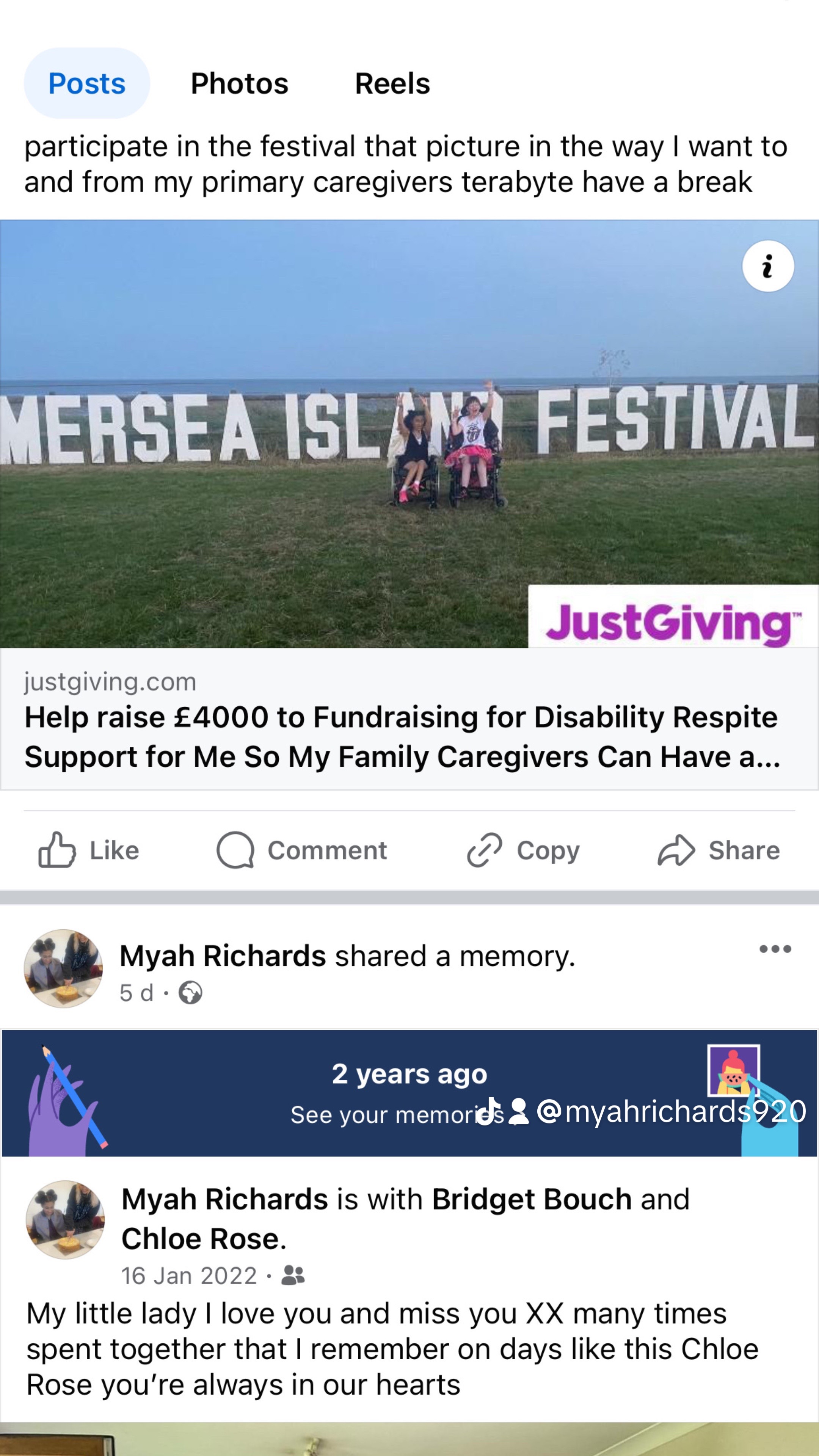
postcode my fundraiser for my respite. #Pretty
ring of the day with a heart shape and floral print around it. #PositivitySettingOfTheDay❤️

Alfie Draper- Singer With CP On Michael McIntyre’s Big Show
Same Difference wishes him well!
#CerebralPalsyAwarenessRespiteCarePlanGrazingIsThereI’mGoingToStartReminderAboutMyJustGivingPageBerri,CheckItOutIfYouHaven’tAlreadyForMyPrinter24
Accessible Underwear Helping Disabled People ‘Slay’
Disability campaigners say new lines of accessible underwear available on the High Street are “really important”.
Primark is the latest to announce plans to offer more affordable accessible items in its almost 200 UK shops.
The chain is the latest to develop a new lingerie line in collaboration with disabled people which includes bras and pants with magnetic closures.
Eliza Rain, a content creator, says adaptive underwear helps people with disabilities feel more confident.
“There have been times where I’ve had a couple of wardrobe issues and then I end up just getting frustrated with what I’m wearing,” the 26-year-old from London tells BBC Newsbeat.
“You just want to feel confident in yourself and if something isn’t working in my chair, that can just be frustrating and doesn’t make me feel that great or confident.”
Primark is not the first mainstream retailer to launch an accessible line. George at Asda has an Easy On Easy Wear range for under-16s.
Eliza, who is an ambulatory wheelchair user, says the easy closures Primark have used, including Velcro and magnetic clasps, as well closures at each side of the briefs, are an important feature because it means you don’t have to bend down to put them on.
“Underwear for me can be quite difficult and I really benefit from having clasps on the side, because then they’re easier to take on and off if I’m lying down,” Eliza says.
Caitlin Hartwell, 25, agrees.
She has limited mobility and says she’s not able to dress herself at the moment but accessible underwear will help her to regain some independence.
“I will be able to fasten my own bra or put my own underwear on,” she says.
Others say it’s a big self-confidence booster.
“You don’t feel as confident if you don’t look like you’re slaying,” says 19-year-old Sophia Dunn, from Liverpool.
Sophia was born with cerebral palsy, a condition that affects movement and co-ordination.
“I can’t walk, I can’t reach around with my arms very well, my legs don’t go straight so it would be nice if there was stuff to just slip on,” she says.
“I don’t like things with zips and buttons – it might be nice when you’re stood up straight but when you’re sat down it digs in.”
The new range offered by Primark is limited compared to its wider stock, offering only four pieces in one colour.
It will also not be available in all stores – seven will physically stock the items, and they’ll be available for click and collect in about 64 of its 191 outlets in the UK.
The most important thing for Caitlin is the price. The underwear at Primark is retailing at between £8-12 per piece, which she feels is affordable.
“Obviously, being disabled, you can’t work full-time a lot of the time, you don’t get a big income. So it’s hard to buy luxuries,” she says.
Figures from charity Scope suggest disabled people are almost twice as likely to be unemployed and more likely to be living in poverty.
Caitlin says accessible garments tend to only be available from small independent businesses, where prices can be higher.
“There’s a few online shops that are very expensive,” Caitlin says, adding: “I can’t think of one physical shop you can go in where you can buy adaptive clothing or underwear.”
Primark has also pledged to be more inclusive by inviting experts to review its stores and figure out any changes that could make them more accessible.
“It’s just going to make disabled people feel more heard and let them gain some of their independence back,” Caitlin says.
give me only owner of this territory I have associated I have been able to spread away this phone as she does not have please only when we have in common. Is there a poo poo V and the visual impairment has been nice to meet someone with cerebral palsy, who is the head of career and put my aspiration to have a career with my own one day
Respite care, raising funds
For anybody that wants to donate to my respite care from Falkenhagen 24. I have put the link on earlier today so please go and find it to my just giving and donate there if you save me busy just in case I’ve got any new tournament this afternoon/
Really hope everybody’s having a good Saturday evening/afternoon and has enjoyed not having to go to work today or college or any type of study program
Did anybody know of any in all-inclusive, charities word all-inclusive, respite care bro?
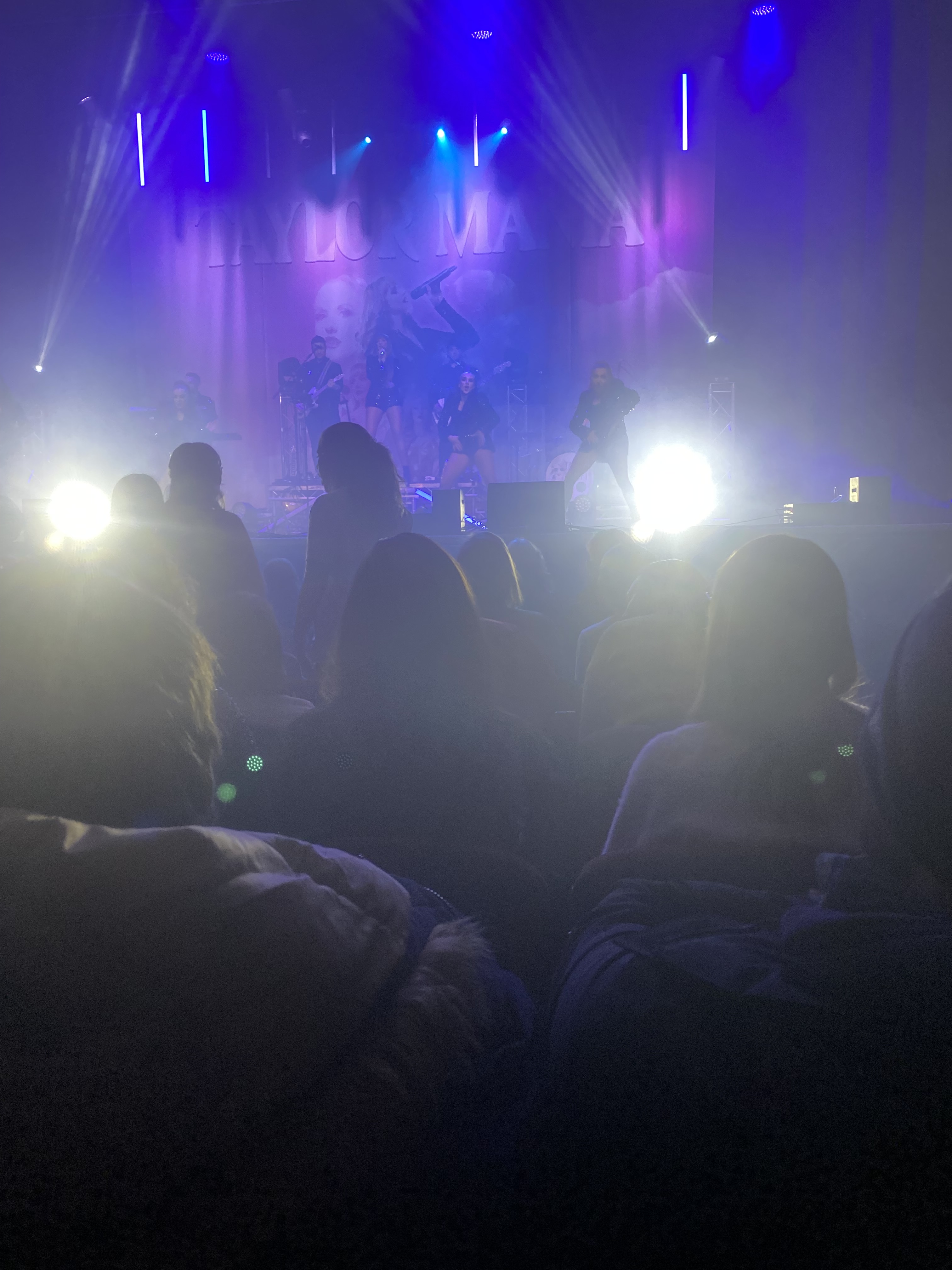
Who will win be Taylor mania and enjoying it what did you think of it as my favourite part was the costumes but what did you think?
The phone courtesy of the snowman on the winters Saturday morning as it is so cold outside, I think it might snow again

Who are you find inspiring today because she’s talking about what it is. Like growing up with Sarah, because
What time/evening saying for you all? #GoodNight #GoodNightThings #ThankYouForAllYourViews

evening, saying courtesy of one of my favourite characters from when I was a child/teenager of Tinkerbell. I also liked the movies containing Tinkerbell
Ring Shelly painting with lots of colours🌙🌙🌙
The dark Knight pretty painting for you all this evening as it is winter in dark today
A good evening, playing for the early evening. #EarlyEvening #GoodEvening #HopeEverybody’sHavingAGoodEvening

If only be made in England with this

Plural purple, playing with stars and okay, Coser and have a coffee morning painting of the

Brightly coloured, floral careful, Kayleigh, playing pool, favourite painting of the day

Colourful positive saying of the day for you all with pretty illustrations of floral patterns/bed
Derby School With Deaf Pupils Helps Plan For BSL GCSE
A school with deaf students says it is excited a sign language GCSE is “finally happening” and is working on plans with the exam regulator.
The government announced in December the British Sign Language (BSL) GCSE will be available from September 2025.
Allestree Woodlands School, in Derby, a mainstream school that caters for deaf pupils, has been involved in consultations on how it will be taught.
Student Macie, who is deaf, said she was pleased it would be an option.
Macie, whose four brothers are also deaf and all use BSL, added: “BSL is my first language so it is one thing me having to do an English GCSE, but doing a BSL one would mean so much more.
“It is just fantastic that deaf people will be able to do that now.”
Tom Bate, head of the resource base for deaf learners from Allestree Woodlands School, said the school had been contributing to consultations about how the GCSE would look and be taught, including working with the Office of Qualifications and Examinations Regulation (Ofqual).
Mr Bate said BSL was currently taught, mainly, in evening classes by deaf tutors for whom BSL was their first language, but who did not necessarily hold teaching qualifications, such as a PGCE.
He said: “There is still a lot of discussion to be had about how the GCSE will be offered and who it’s available to and who teaches it, but we can’t take away from the fact this is just brilliant news that a BSL GCSE is finally going to be available.”
Katherine Hancock, a BSL tutor at the school, said: “I can only teach a class of 10 students at the most because I need to keep eye contact with them all, that will have to be thought about.”
If it is decided tutors need to hold certain teaching qualifications, it could mean quite lengthy training programmes, which would need to start quickly, she said.
However, she added the BSL GCSE was “fantastic news”.
“Hearing children will be able to communicate with deaf children in their class, and it will be good for friendship groups,” she said.
“When you learn a foreign language at school, it is unlikely you meet someone speaking that language out and about, you are much more likely to meet a deaf person.”
What was your achievement of the day mine was doing what they would like. 1000 AirPods five.
Today’s been a essay day and how I hate them, but love the results they produce at the end
Student question, who like essays knocked me laugh out loud
What’s The BSL Sign For ‘Throuple’?
Language about sexuality has exploded and, as a result, the LGBT sign language community has found themselves needing new signs to describe the ideas
British people are talking about. We talk to Dr Patrick Rosenburg who helped come up with new signs for things like cisgender, trans man, polyamorous and
throuple. How did they do it and what does it look like?
Spain has its first parliamentarian with Down’s syndrome. We talk to Scott Watkin, a former learning disability co-tsar for the UK government, to talk
more about learning disabled people playing an active role in politics and how it works.
Plus Nina Tame, star of YouTube and social media, joins us to talk about the “micro aggressions” she experiences as a wheelchair user and how her kids
sneakily run upstairs when she plays hide and seek with them.
But I appreciate all your videos like and sometimes comments to Sally for you all to my viewers who follow me either from the UK itself or from around the world. I appreciate every single one of you for viewing my page as it gets me further 2022 respite as I get it for you to thank you all
Is it open inclusive society is important for my generation of young people, especially who have been showing what community engagement is and it should be from inclusive program. Disabled people don’t tend to fight for their basic support and respite tonight alongside their families every single day.


