black bracelet with green leaf pattern
roast me
vegetable broth, sponges in all different shapes of different fruit
the book of the day that you can purchase by clicking on the link

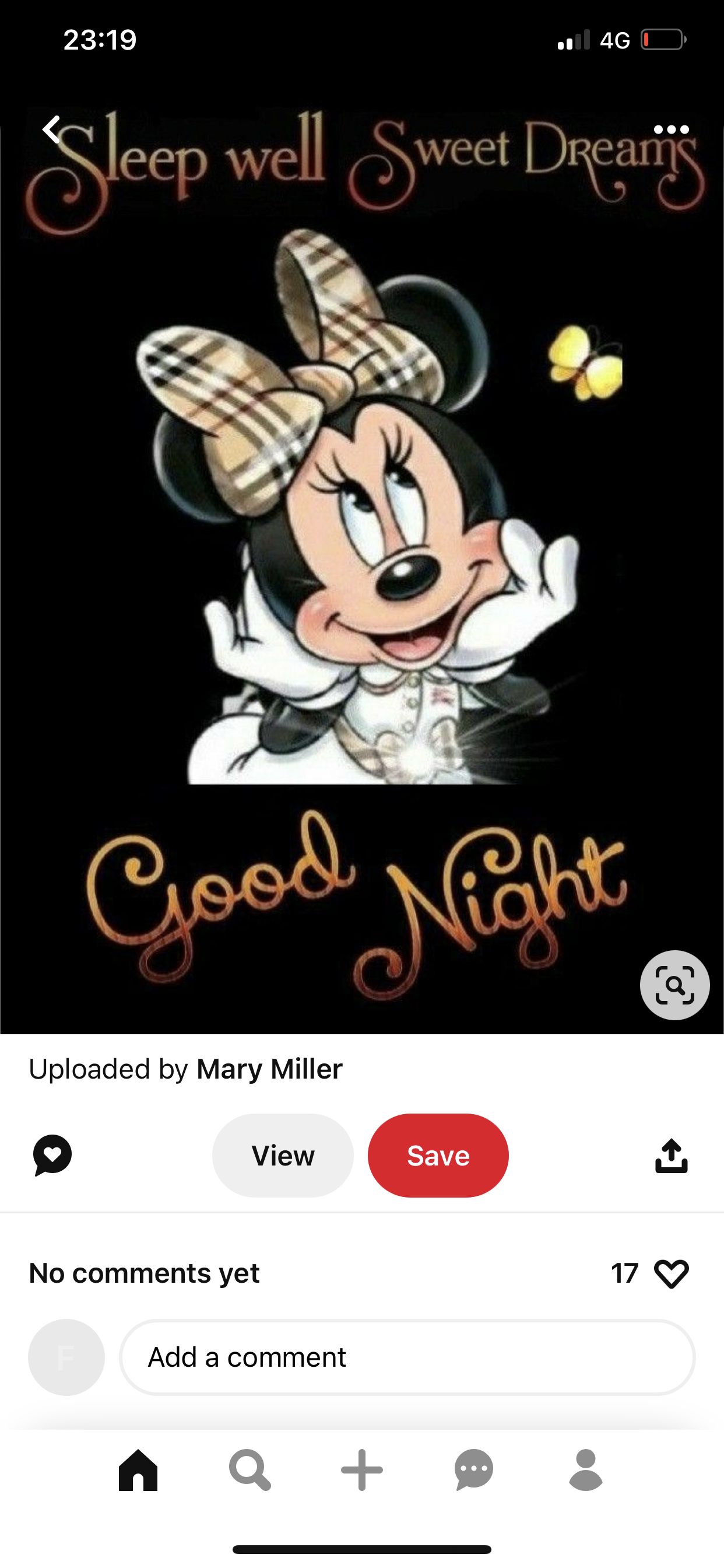
no positive painting of the day on the eighth, and for you :-)

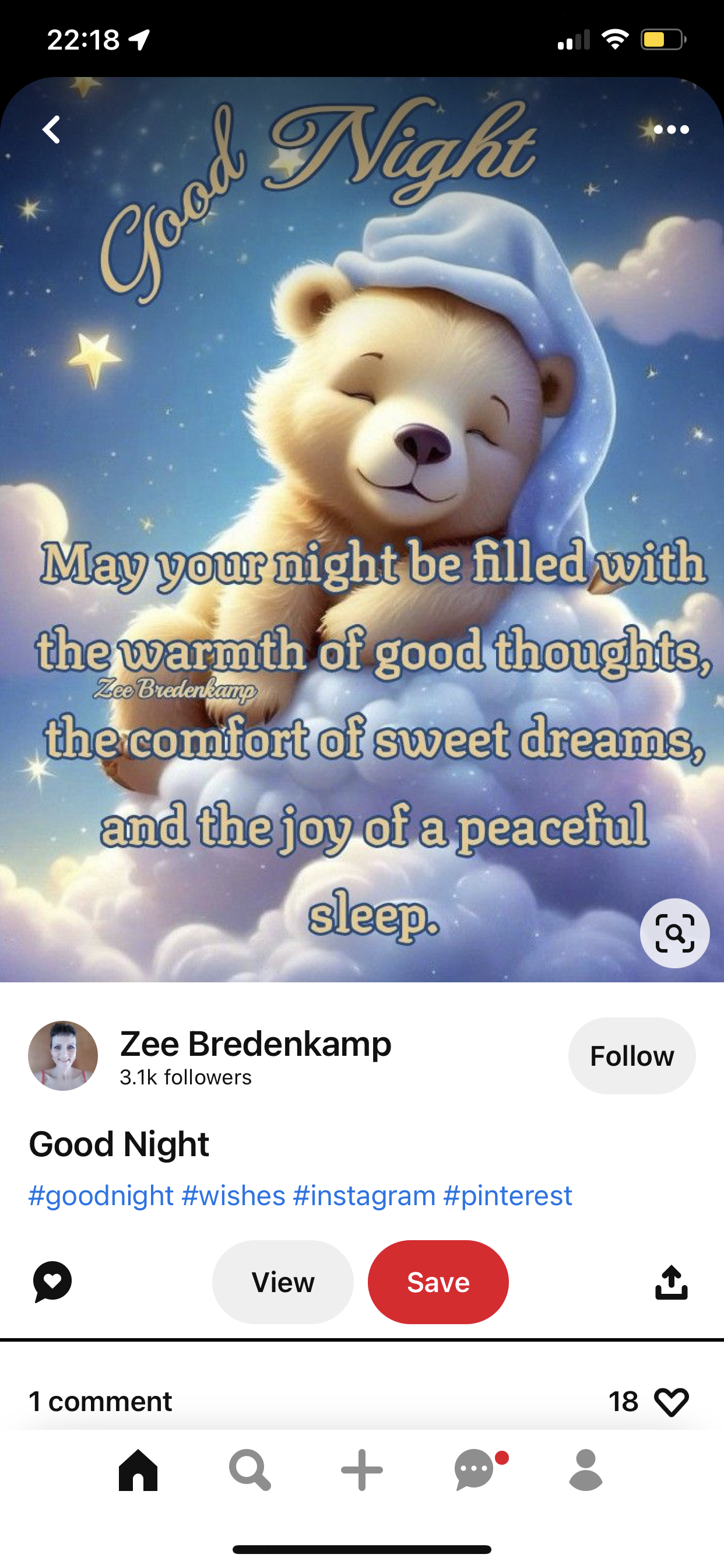
cute and cuddly bear illustration with a nighttime thing for you all

painting of positivity at night times 13. No you late evening this Wednesday. Enjoy your painting of positivity and be positive for tomorrow.


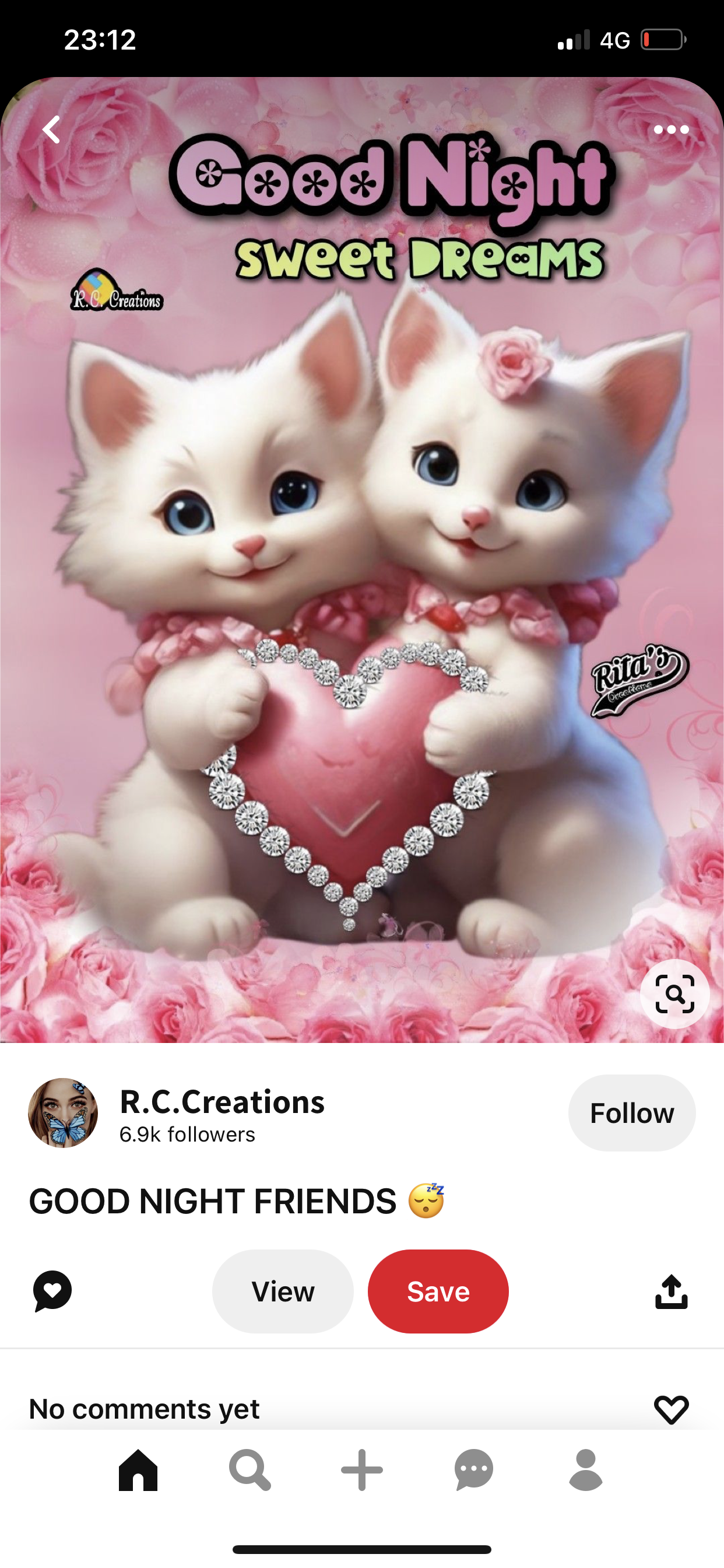
Super item for the bubbly bath
heart shaped oh and good night, playing and illustration💜 🫶🏼🌙


cute puppy painting of the day to send Poppy a little puppy lovers

saying of the evening and good night
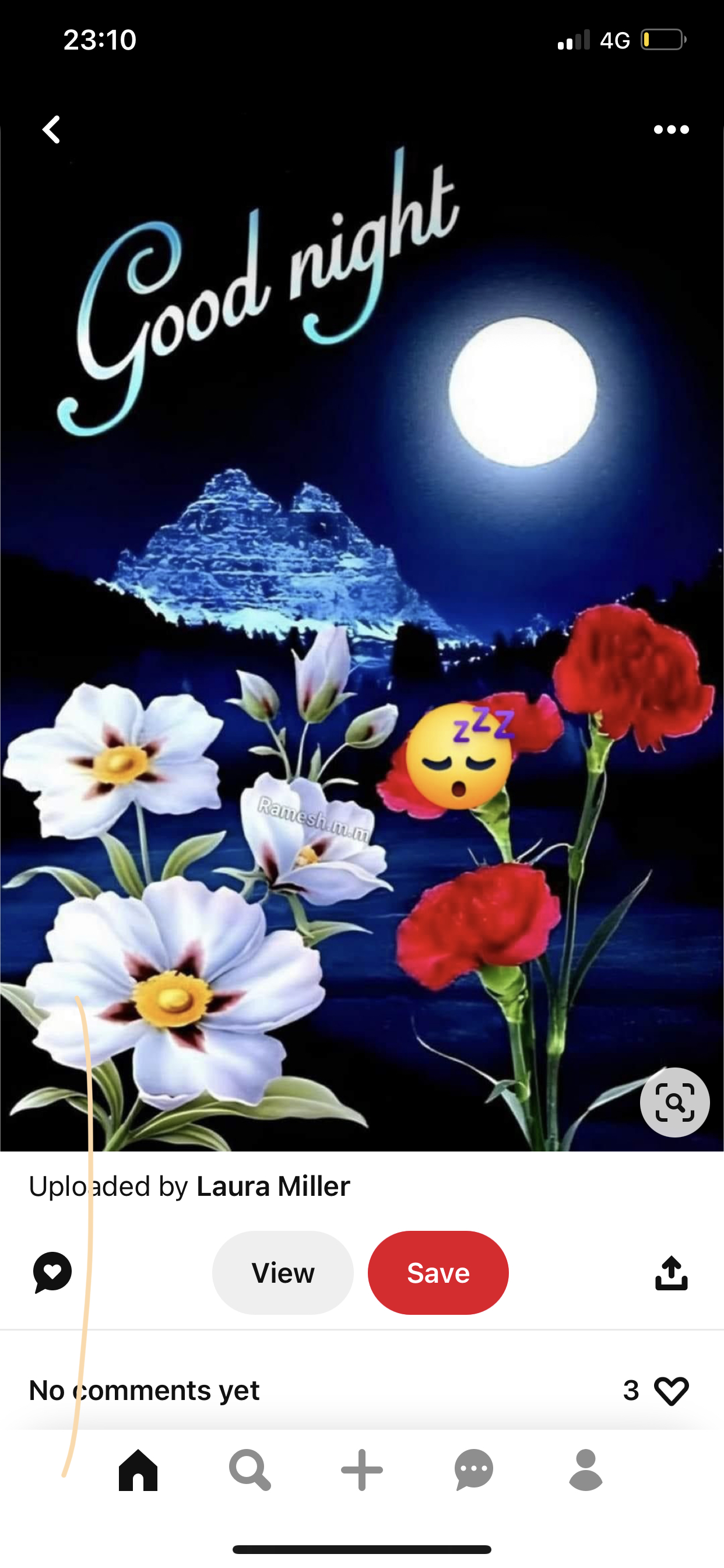
three of the day for you all from me to you. You’re saying of positivity for today and to carry you through tomorrow as after all it is nearly Friday.

Love Island’s Tasha Ghouri Wants To Normalise Deaf Accents
When ex-Love Islander Tasha Ghouri recently posted on TikTok, she sounded different.
The 25-year-old was the ITV2 show’s first deaf contestant and spoke openly about using a cochlear implant – a small electronic device that helps her to hear.
But one morning, while filming a Get Ready With Me edit of her daily routine, she decided not to put it in.
Then she hit “record” and posted her first full video without her implant, speaking to followers in her “deaf accent”.
The term refers to the way those who are deaf or who have hearing loss sound when they speak.
Every person is different, but the way people acquire speech – learn to talk – can affect how they produce language, and being able to hear yourself also has an impact.
In her video, Tasha told fans: “I don’t know how loud I’m speaking, or how clear I’m speaking.”
She tells BBC Newsbeat she’s recorded lots of short sections – about five seconds long – without her implant before but never made a whole video.
“I normally never put it in in the morning,” she says, adding that she realised similar videos recorded with her implant weren’t showing the “true” Tasha.
“That’s not what I do,” she says. “So I’m going to change that.”
Tasha says she felt anxious about posting the clip and the feedback she’d get but says the reaction has been “just incredible”.
Since she uploaded it, it’s had almost 3 million views and been widely shared on TikTok.
It’s also been praised by the Royal National Institute for Deaf People (RNID).
The charity works to raise awareness of the challenges and stigma deaf people can face and to highlight effective communication techniques.
“It’s great to see Tasha opening up about her deaf accent and educating her followers,” says Michael Quinlan, RNID advocacy manager.
“Raising awareness of the different ways deaf people communicate is really important and will help change attitudes in a positive way.”
Seeing people in the public eye talking openly about their disabilities can raise the profile of certain conditions.
Rose Ayling Ellis’s appearance on Strictly Come Dancing sparked a surge of interest in learning sign language, and Tasha’s used her post-Love Island fame to encourage more people to learn.
Her time in the villa also inspired some, like Lacey Arthur, from Dorset, to look into getting a cochlear implant.
The 18-year-old says her hearing had begun “dying down” after years of using hearing aids, which made her “really stressed and really angry”.
It also left Lacey relying on lip-reading or worrying she’d need her mum around to help her.
She says getting her implant fitted “was the best thing I’ve ever done”.
“I can hear so much more,” she says.
“The kettle pinging, phone ringing and my dad’s sniffing – which drives me mad – but I can hear that now more than ever.”
Even though she felt comfortable posting a video with her deaf accent in 2024, Tasha says she can relate to having “lots of social anxiety” when she was growing up.
“I have it now to this day,” she says. “When I go to events on the red carpet, interviews with so much noise around can be a lot, and you don’t know what people are saying.”
“After Love Island, it wasn’t the right time for me to do it.
“I had to build myself for the past year and a half, build my platform, audience and my people that support me.”
While she says it’s time to “start normalising deaf accents” Tasha doesn’t want others to feel pressured into following her lead.
“I would say it’s OK to be stressed, nobody else is in your position,” she says.
“When I get social anxiety or just any feeling of insecurity I think: ‘just take a moment’.
“You’re not here to make everyone happy… you’re here for yourself and you’re going for your journey.”
how many of the night for you all please get me three donations to my just giving page boy please thank you
Assistance Dog Refusal To Be Tackled By Government
The government has set out its plans to protect customers with assistance dogs from being illegally refused entry to businesses.
The long-awaited Disability Action Plan (DAP) sets out 32 measures the government hopes will transform the lives of disabled people.
The proposals also include more accessible playgrounds, increased support for “aspiring disabled politicians”, and a potential bid to host the 2031 Special Olympics.
But charities say the plans are “light on action” and that the government has abandoned some of its previous commitments.
Anica Zeyen was with her guide dog Lassie for more than eight years before he retired.
Anica says they have been refused access by museums, restaurants, supermarkets, taxis and even airlines before.
An access refusal is when the owner of an assistance dog, like a guide dog or emotional support animal, is told they cannot enter a business or access a service, or is challenged about their entry because they have their assistance dog with them – and is almost always illegal.
Anica says she has been shouted at by people refusing her access, and has even had people try to physically move her out of the way.
“My guide dog is supposed to give me independence, but those actions take a lot of the independence away again,” Anica says.
She says it also affects her family, who often miss out on days out because of her being refused access.
The government says it will set up a new working group of representatives from assistance dog organisations to look into how to better educate businesses on the legal rights of assistance dog owners and simplify the process of reporting refusals.
The government said it was publishing the DAP following three months of consultation with more than 1,300 disabled people, their families and disability groups.
The plans also include:
- A new fund to support disabled people who want to be elected to public office
- British Sign Language (BSL) interpretation at all major press conferences and briefings from spring 2024
- New research into emerging issues affecting disabled people
- Improving understanding of the cost of living for disabled people
- Exploring a bid to host and deliver the 2031 Special Olympics World Summer Games
The DAP sits alongside the government’s National Disability Strategy,, external which is aimed at improving the everyday lives of disabled people.
The strategy was paused after the High Court ruled it unlawful based on a case surrounding the consultation process, but that decision was overruled by the Court of Appeal in July 2023.
Many disabled people have long been calling for the government to tackle the issues that affect their daily lives.
In Hertfordshire, the Purple All Stars is a performance group of 21 adults with learning disabilities who use their routines to promote inclusion and help other disabled people better understand how to look after their everyday wellbeing.
Katie Trotter has been a member of the group for 12 years. She says getting around is one of the most common problems she faces and that she has struggled to get a bus pass, despite her learning disability.
Kate Harding, who leads the group, says members “support each other through tough times”, but wants more awareness of the reasonable adjustments non-disabled people can make to help them.
‘Light on action’
The charity Disability Rights UK says the DAP proposals are “light on action and big on more talking”.
The organisation welcomed the commitment to support disabled people who want to be elected to public office, but said other government commitments, such as improved accessibility standards for new-build housing, were not included.
Mims Davies, the minister for disabled people, health and work, said the DAP would have an “immediate impact” while the government delivers “long-term reforms”.
She said they were aimed at making the UK “the most accessible and importantly equal place to live in the world – so everyone can live their lives to the full and thrive”.
Labour’s shadow minister for disabled people, Vicky Foxcroft, said that despite its consultations, the government had still put forward “nothing that actually delivers a better life for disabled people”.
Labour set out some of its own plans to tackle inequality on Monday, saying it would extend full equal pay rights to ethnic minority workers and disabled people if it wins power.
South Shields Cafe Which Employs Staff With Autism Faces Closure
A cafe which employs people with autism and learning difficulties faces closure due to rising costs, the owner said.
Sea Change in South Shields has seen a 400% increase in energy payments, and received a £20,000 back-dated bill.
Owner Sarah Farrell-Forster, who set up the cafe five years ago, said: “Times were tough anyhow, but to receive this was another blow.”
Employees have said they are “absolutely heartbroken” at the prospect of closure.
Mrs Farrell-Forster, from Sunderland, launched the cafe to offer jobs to people with disabilities.
She said: “It makes a massive difference to them because they feel safe here, they feel supported, a lot of them never thought they’d ever be in paid employment.”
Sea Change’s energy bills have jumped from about £300 to £1,100 a month.
The cost of ingredients has also risen. A block of cheese has gone up from £1.75 to £3, while a tin of beans has risen from 20p to 50p.
“It would be heart-breaking if we had to close,” said Mrs Farrell-Forster, who has started an online campaign to save the cafe.
‘Like talking to a wall’
Bryn Howard has worked at the cafe “since day one” and said he would be “absolutely gutted” if it had to close.
Nicole Youngman, who has been working at Sea Change for four-and-a-half years, said she would be “really, really upset” if the cafe was to close its doors.
She said: “I don’t know where I would be without Sea Change.
“It would mean I’m out of a job and, at the end of the day, nowhere else will take people with disabilities.
“I’ve tried before and it’s like talking to the wall.”
oh for lunch one year ago, about three or four days ago at the café #AccessInMyCommunityWillComeDirectlyToMary #1YearMemory yes I may have
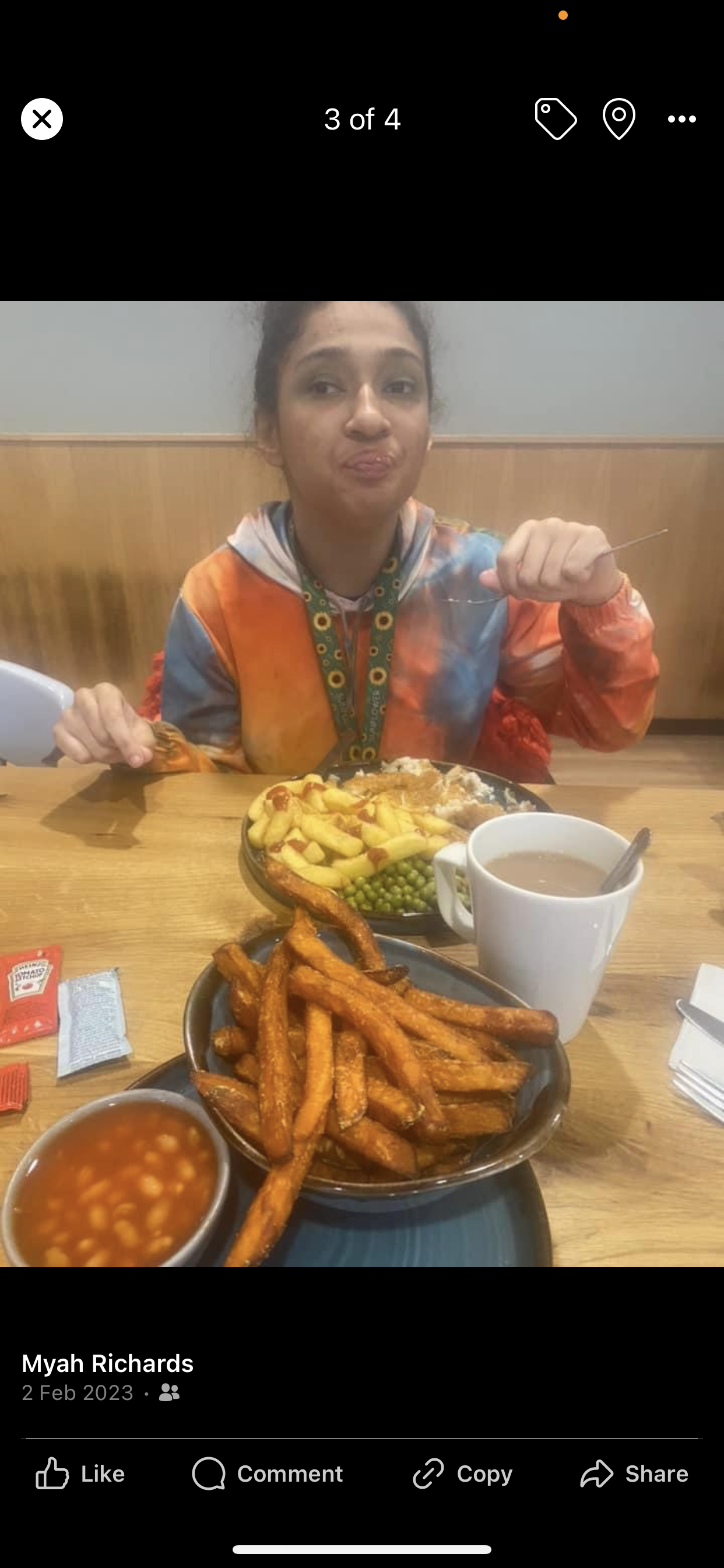
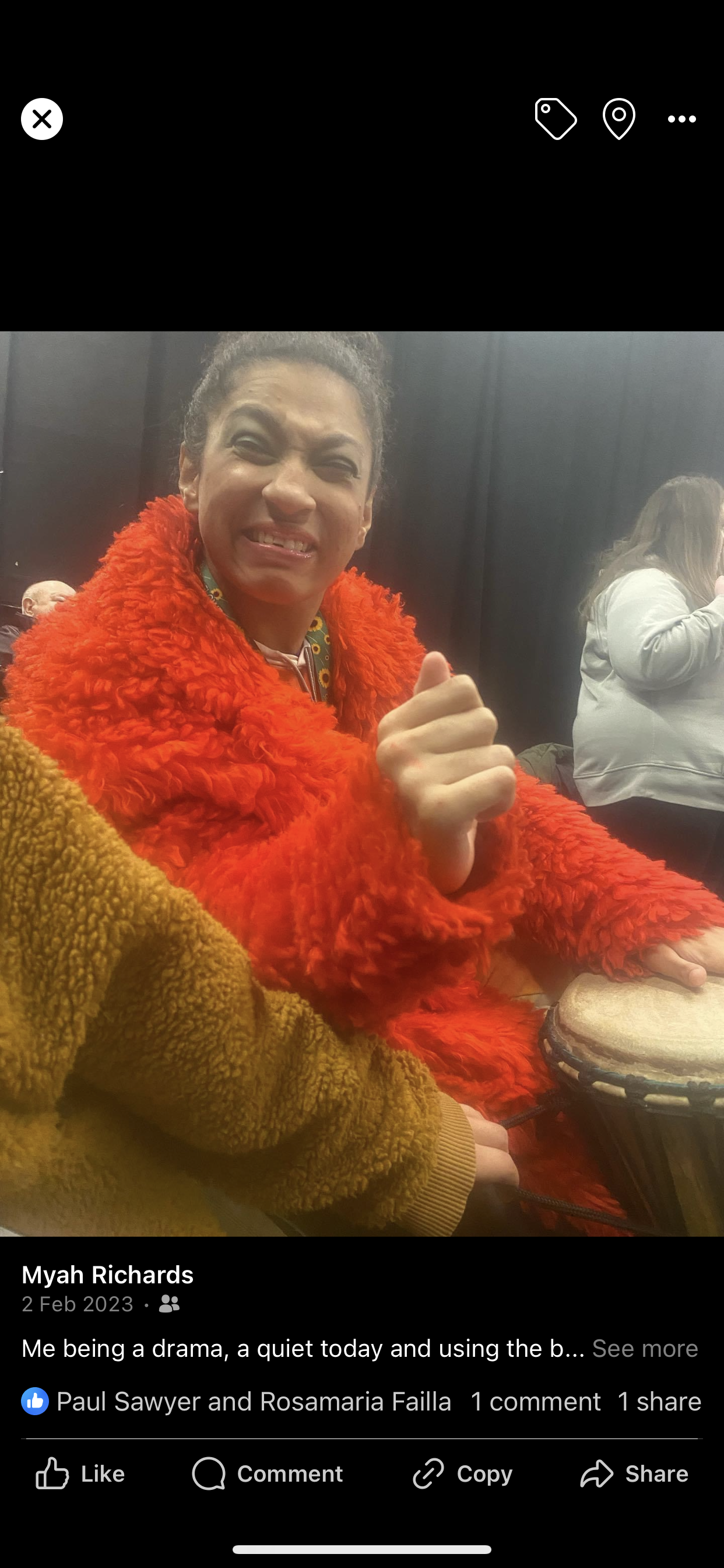
memory of me running with one of my fantastic PAs1 year ago, drumming for the instrumental bit of Prime. #Instrumental
good night saying how are you all :-)

move 15 update for all of you
💕💕💕😴
https://vm.tiktok.com/ZGekNjo6Q favourite painting of the day video. Click on the video to watch it and sing my favourite painting of the day.♥️
Fundraising link for my best bike of 2024, for those that still might want to be the 1st to donate to start. This page is fundraising off.
Arts Course Plots Route To Creative Roles For All
An arts company which runs performance courses for adults with learning disabilities and autism aims to make the creative industries more inclusive.
Bradford-based Mind the Gap has been working with people with disabilities for two decades.
Their three-year course, equivalent to the first year of a degree, is “one-of-a-kind”, according to organisers.
Academy director Charli Ward said those studying “were not represented enough on our stages and screens”.
‘Really proud’
The course, which was launched in 2021 as a partnership with York St John University, allows students to obtain a Level 4 qualification over three years.
Students receive training in theatre, music, dance and industry studies as well as developing skills in teamwork and communication.
Sheffield-based actor Theo Griffiths, 24, is now on the final year of the course and is aiming to find an agent to help him find TV and film work.
He said his Tourette’s meant he felt accessing mainstream training in the arts was not an option.
“People like me want to go and do these things and have the opportunity to have a higher education.
“I was stuck after I left school and I was really upset because all of my friends were going to do A-levels and university, and I couldn’t do that.”
“I can be really proud that I do this level of work.”
Ms Ward said she hoped the success of the course could lead to more being launched across the UK.
“People with learning disabilities and autism are not represented enough on our stages and screens and that’s why this course exists,” she said.
“There’s an assumption they don’t have that training or aren’t able to do these jobs but that is just false.”
yep okay for Thursday night who are you all happy purchasing
good night saying courtesy of a 😊 for you all
👌🫶🏼👌👌👌

good evening class, good night things for you all. Sorry for the lack of content today, but I’ve had a day where I had to complete College exams.
Mollie Pearce From The Traitors On Her Disability ‘Double Whammy’
Mollie Pearce might have fallen at the final hurdle of The Traitors and lost the £95k prize, but the model and healthcare assistant finds some comfort in what she achieved in opening up on her “double whammy” of disability – limb difference and living with a stoma.
“I call my stoma Sid,” Mollie makes clear on the BBC’s Access All podcast. “I’m very proud of Sid. He’s helped me in a lot of ways.”
Sid the stoma came into Mollie’s life just a few years ago when she was 18 (she turned 22 on Sunday, 48 hours after the epic TV final).
Mollie had been diagnosed with ulcerative colitis aged 11. The autoimmune condition causes inflammation in the large intestine triggering ulcers and debilitating pain.
It came to dominate her teenage years stopping certain basic activities and the number of school days missed.
“When I was suffering with ulcerative colitis I couldn’t be away from a toilet,” she says.
Aged 18 she underwent “massive” surgery to have her colon removed and her small intestine diverted out of an opening in her abdomen known as a stoma.
“That colons in the bin,” she says theatrically. “Now, my small intestine sticks outside of my stomach and I have a stoma bag over the top, which collects my waste.
“I would never have been able to do the missions in the middle of a field or the middle of a loch. So actually having a stoma bag is the best thing I’ve ever done.”

Listen to the Access All podcast with Mollie Pearce from The Traitors, and spot the moment when the tables turn and Michael starts to interview Access All’s blind presenter , Emma Tracey, about her experiences…
It was something the Bristolian opened up about in the penultimate episode of this year’s series when the final five were enjoying a celebratory dinner.
“I really struggled to get my head around the fact that I was going to have a stoma,” she told her fellow finalists. “I wasn’t prepared for it. Eighteen-years-old, you kind of want to be out enjoying yourself with your friends, not having this life changing surgery.”
She says it felt right to open up at that point in the game.
“We’d got to the final and we were just celebrating. It just made me realise how far I’d come from that girl who was so unwell and couldn’t leave the house.”
An energetic island hopping trip around Greece two summers ago with her boyfriend, had given Mollie the confidence to take up the offer of appearing on The Traitors and take on the physical challenges including swimming and climbing, while wearing a stoma bag.
“I loved the physical missions,” she says. “They were such a good break from all the mind games and it was a really good bonding experience. Sid’s given me the kind of option to do these things.”
In terms of the practicalities, Mollie says she didn’t need any extra support throughout the series, and she got into a good routine. She changed her bag every three to four days and emptied it whenever she visited the loo.
Having ulcerative colitis was something going on inside her body whereas she has a much more visible impairment too.
She says living with an invisible illness has been much harder to explain to people than her limb difference on her right hand. Without the visual evidence she has found people often think “you look so healthy but, really you are suffering so much.”
As well as working as a hospital healthcare assistant in Bristol, it was Mollie’s limb difference which landed her a glamorous side hustle – what she describes as “disability modelling”.
“I saw a model in Primark who had one arm and I’d never seen a disability model before,” she says.
“The way that model made me feel in that moment…I was like ‘that is how I want to be for other people’.”
Mollie was initially signed as a model with limb difference, but now she is very comfortable showing off Sid too.
“It’s a double whammy,” she jokes. “Who doesn’t want someone with one hand and a stoma bag?”
She says the reaction from her sto-mates, people who also have stomas, to her being on the show and modelling has been “amazing”.
“It can be a bit of a taboo and I think it’s super important that we do advocate for it, especially when it comes to younger people.”
Mollie says it was a “strange” time between finishing filming The Traitors and it coming out on TV – a gap of several months.
“You have this crazy experience and this massive adventure and then that’s it. I was back working as a healthcare assistant at the hospital and you obviously can’t talk to anyone about it.”
At that point she was still coming to terms with the treachery Harry Clarke had served her, and which the nation had yet to see.
Harry – one of the original three traitors – and, faithful, Mollie were the last players standing, after both voted to eliminate faithful Jaz Singh.
In the final moments of the series, Mollie had started to write Harry’s name down for banishment, before changing her mind and voting for Jaz, leaving just her and Harry standing.
Her decision meant Harry won all £95,150 of the prize money – as if any traitors remain at the end of the game they take all the gold for themselves.
“Me and Harry are fine,” she insists for the umpteenth time since leaving the castle.
“As a group we were super close. We were together every day, all day. You do build real bonds and also you don’t have communication with your family and friends, they are your support system.
“It’s hard finding out your friend’s been lying to you, but I stuck with my heart and I am not going to hate myself for that.”
cerebral call the story of the day from YouTube
floral saying of the early evening for you all

first saying for this early evening

picture of mary with my glove box
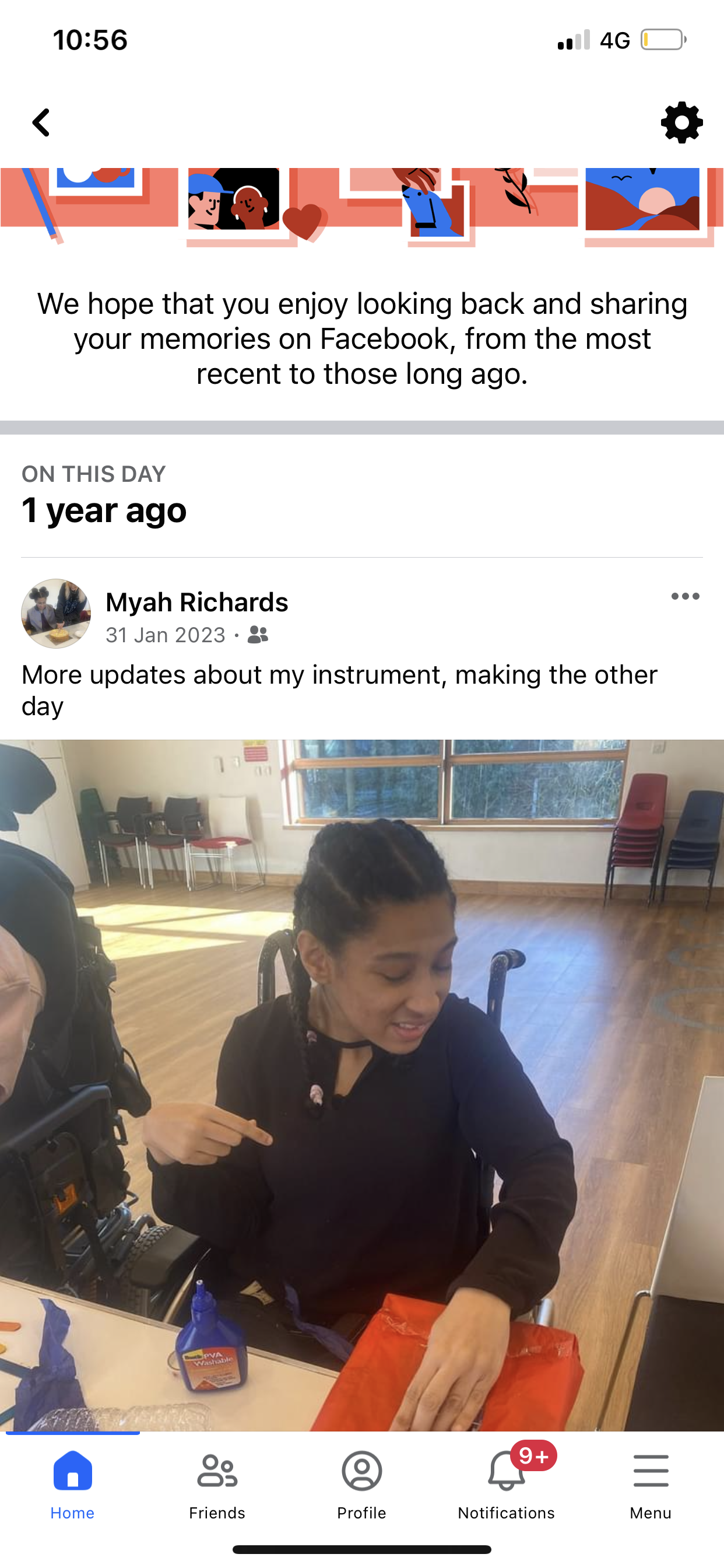
evening saying that I was meant to post yesterday but was so busy with college and things I did not manage to do it so here it is now for you all

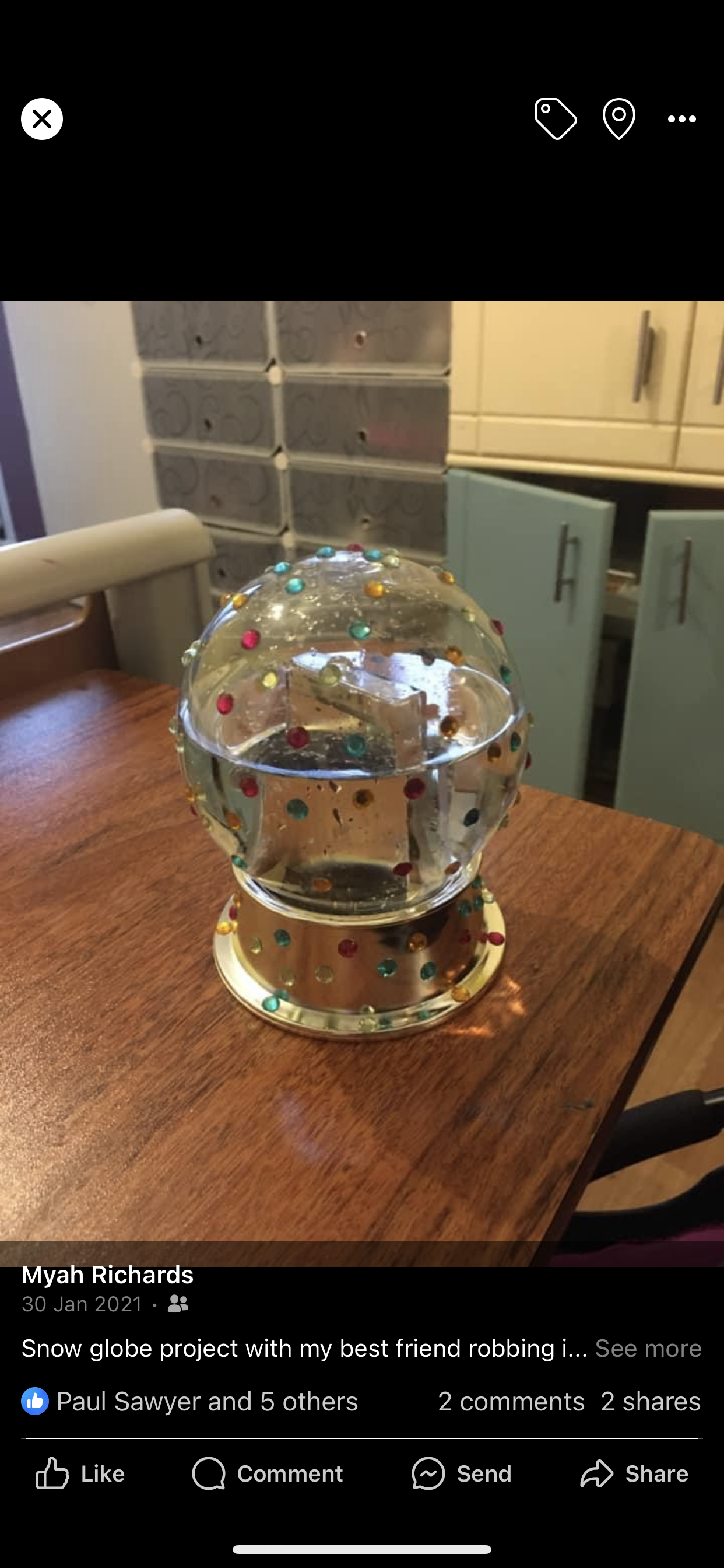
one of my projects in lockdown, the time, mindful mindful of the skills of coursework when I was studying during the lockdown

Bracknell Mother Petitions Against School Attendance Adverts
A mother has launched a petition demanding the government withdraws an “insulting” school attendance campaign.
Emma Hester, from Bracknell, Berkshire, said her 11-year-old daughter was not attending school because of unmet autism needs and a “broken system”.
She said the government’s “Moments Matter, Attendance Counts” posters suggested parents were to blame for allowing truancy.
The Department for Education (DfE) said its campaign prioritised support.
Ms Hester, a former police officer, said she had been sent a warning notice of a fixed penalty fine for her daughter’s non-attendance.
The mother of two said: “The system is broken. They can’t really meet her needs.
“It’s not that we’re not sending her in because she’s got a runny nose.
“It is deeply insulting to parents who have been fighting for five years to have needs identified.”
Ms Hester said she was doing a two-year occupational therapy training course to help meet her daughter’s needs because it was quicker than waiting for official support.
Her petition on the change.org website, demanding that the government “addresses systemic issues” rather than blaming parents, has so far attracted more than 4,000 signatures.
Previously, broadcaster Carrie Grant, who is autistic and has four neurodivergent children, said the government campaign was “tone deaf”.
The National Autistic Society said the campaign “completely misses the mark” and “fails to address the huge barriers autistic children and young people face every day in the classroom”.
The Department for Education said: “Attendance is vital for a child’s wellbeing, development, and attainment.
“Our guidance leads with a support first approach encouraging schools to ensure a calm, orderly, safe, and supportive environment where all pupils want to be and are keen and ready to learn.”
More than one in five children in England are persistently absent from school, which is double the proportion before the Covid pandemic, according to DfE data.
With many thanks to Benefits And Work.
New claimants with mobilising issues will be the largest group hit by the proposed changes to the work capability assessment (WCA) planned for 2025, the Office for Budget Responsibility (OBR) has predicted. However, hundreds of thousands of claimants who may be a risk to themselves or others will also be caught by the changes.
Background
The government revealed last year that it is proposing to make changes to the work capability assessment to make it tougher for new claimants.
The proposed changes are:
Mobilising: the points will be unchanged, but the highest scoring descriptor will no longer give claimants limited capability for work-related activity (LCWRA).
Getting about: the highest scoring descriptor will still give limited capability for work (LCW), but the scores for the other descriptors will be reduced.
Substantial risk for LCWRA: this will be unchanged for physical health. But for mental health the criteria will be made much stricter. We don’t have details yet, but it may only apply to people with specified mental health conditions who are experiencing an acute episode for which there is medical evidence.
There’s more details on the changes here.
Projected numbers
The OBR have now produced a supplementary forecast to the November 2023 Economic and fiscal outlook giving estimates of how many people will be affected by the changes.
It should be noted that these changes, according to the DWP, will only affect new claimants, not existing ones.
The OBR estimate that by 2028-29:
371,000 additional claimants will be placed in LCW group rather the LCWRA group because of changes to the mobilising descriptors;
230,000 additional claimants will be placed in LCW group rather the LCWRA group because of changes to the substantial risk regulations;
29,000 claimants will be placed in the intensive work search group rather than the LCW group.
This means that 59% of the new claimants affected will have mobilising issues, 36% will be those who would currently be deemed to be at risk and 5% will be those with problems ‘getting about’.
Still going ahead
In evidence to the Commons Work and Pensions Committee earlier this month, the DWP confirmed both that it is still intending to introduce the changes to the WCA in 2025 and that they will only affect new claims:
Our plan with the changes to the work capability assessment is to introduce them from 2025, and then we have said that we will roll out the White Paper reforms. Really importantly, the WCA change is for new claims only.
The “White Paper reforms” relate to the complete abolition of the WCA. The DWP confirmed in the same meeting that it still plans to introduce the White Paper reforms from 2026 for new claims and from 2029 for existing claimants:
“The White Paper changes, beginning with new claims, will happen on a staged geographical basis from 2026, and then will move across the stock of existing claims from 2029.”
If there is a change of government this year, then none of the proposed changes may go ahead.
Vicky Foxcroft, shadow minister for disabled people, told the Disability News Service in October 2023 that Labour would not introduce the changes to the WCA. However, there has been no official policy announcement on this topic or the White Paper changes by Labour.
Full details of the OBR’s estimates of the effects of changes to the WCA are available here.
tomorrow’s fundraising goal is to wake up in the morning to 3 donations. #SpreadTheWordAndDonateAndMakeThisGoalPossibleYouCanDonateToMeThisWeekHere
please help me achieve this now I cannot get the link to copy right now. I will put the link on the activities in several previous post today and yesterday and the day before so please show me Heaven United we are with the blocking community and help me get those first three donations to help me reach tomorrow’s fundraising goal if you can or if not, please spread the word and share share share as much as you like of my story, and my journey with cerebral palsy, and a lack of funding for the best, but that is essential, that the authorities don’t think it
saying of the day for Joe. Oh no, I’m loyal and interactive viewers and readers of my bro.

Dragons’ Den: BBC Defends Show After ME Criticism Of Acu Seeds
The BBC has defended the inclusion of a wellness business in Dragons’ Den after complaints from health groups.
Campaigners for myalgic encephalomyelitis (ME) complained the show promoted “unfounded” claims that a product could help the condition.
Businesswoman Giselle Boxer said her Acu Seeds product helped aid her recovery from ME.
The BBC said products being featured on the programme should not be seen as an endorsement of them.
However, the corporation said it was taking the concerns raised seriously and the episode would not be available on iPlayer while it was being reviewed.
Acu Seeds has been contacted by BBC News for comment.
A disclaimer on the company’s website states that the product is not used to diagnose, treat, cure or prevent any disease.
In the episode, which aired on 18 January, Boxer said she had used “diet, acupuncture, Chinese herbs and ear seeds” to aid her recovery from ME, and had turned the latter idea into the brand Acu Seeds.
An open letter subsequently organised by Action for ME to the chairs of two House of Commons select committees said they were “very concerned” about the way in which her pitch was presented.
The group said the comments made in the pitch suggested the product was “responsible for her recovery and should therefore be considered an effective treatment”.
ME is a long-term condition with a wide range of symptoms including extreme tiredness, sleep issues and concentration problems, according to the NHS website.
It states that while there is currently no cure for the condition, there are treatments that may help manage it.
During the show, the Sheffield-based businesswoman told the potential investors that she had established the product after seeking treatments when she was diagnosed with ME at the age of 26.
She said: “Four years ago I was diagnosed with ME. I went from working in a top advertising agency with a busy social life and exercising regularly to being mostly housebound, unable to walk for more than five minutes without having to get back into bed.
“I was told by doctors that I would never recover, work again or have children.
“I went on a personal healing journey using diet, acupuncture, Chinese herbs and ear seeds. Using this combination, I believe, aided my recovery within 12 months.”
Acu Seeds are described as a “DIY needle-free ear acupuncture for anxiety, migraines, hormonal issues, insomnia, weight loss and more”.
Her pitch marked the first time in the show’s history that a product received an offer from six different Dragons – including footballer Gary Neville who had joined the five regulars as a guest investor.
Of the available offers, Boxer chose Steven Bartlett to invest in her business.
After the episode was broadcast, a joint letter signed by ME campaign groups was sent to Culture, Media and Sport Committee chairwoman Dame Caroline Dinenage and Health and Social Care Committee chairman Steve Brine.
The groups said that, as the episode was aired in primetime on BBC One, they were concerned that a larger audience would have heard the pitch which they alleged “amounts to an unfounded claim that this form of alternative medicine can cure ME”.
It added: “Sadly, there is currently no known effective treatment for ME. There has been a distinct paucity of research into this disease, compared to other long-term conditions, which means that ME is still without a cure.
“As a result, we remind people to only take medical advice from appropriately qualified healthcare professionals and to ensure that any treatment decisions are evidence-based and fully informed.”
The letter also said broadcasters must make “every effort to ensure that content is accurate and does not contain misleading and potentially dangerous information”.
Action for ME said on social media that it has also written to BBC director-general Tim Davie to voice its concerns about the episode.
A BBC spokesman said: “Dragons’ Den features products from entrepreneurs and is not an endorsement of them.
“Dragons’ Den shows real businesses pitching to investors to lift the lid on what happens in the business world.
“This episode features an entrepreneur sharing their own, personal experience that led to a business creation.”
😴😴😴
🌙🌙🌙❤️🌙🌙❤️

Good night and good evening saying

Nature favourite painting of the day with birds and flowers


close your chest, three-year memory when I did because your chest up so close to doing a lot. #OhCall
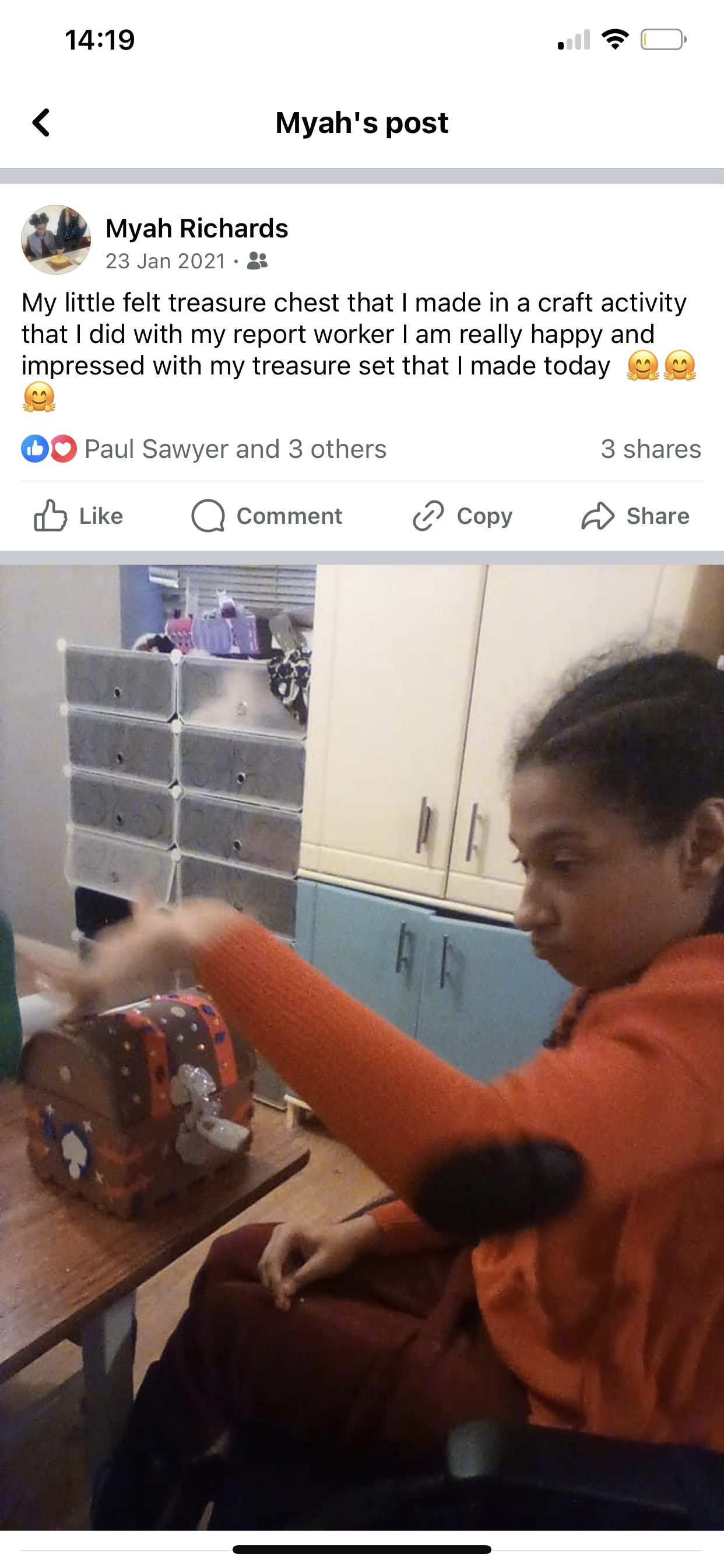
a lie down for me today on the Sunday during mass for my level two health and social care, maths qualification. #Nurse #
#Nurse #Student


