evening play incorporate
realistic paintings press scoring on one on the bike behind load of flowers and colourful painting favourite painting of the day

evening saying go, all my viewers
fundraising date in regards to what’s been made from quizzes that align and surveys
Job Of Minister For Disabled People Downgraded
The job of minister for disabled people has been downgraded, with the new holder of the position staying at the most junior level in government.
Mims Davies has taken on the role within the Department for Work and Pensions (DWP), but remains a parliamentary under secretary of state.
Predecessor Tom Pursglove was a minister of state when he held the job.
Earlier, No 10 denied the role was being downgraded as charities called for a new minister to be brought in.
Downing Street said the post, left vacant when Mr Pursglove was made minister for legal migration last week, would be filled by an existing member of the government with other duties.
The prime minister’s official spokesman said: “What you will continue to see is a government showing strong support for disabled people and for disabled issues.”
The new minister would “lead on that important work”, he added.
Mr Pursglove re-entered government as minister for disabled people within the DWP when Rishi Sunak became prime minister in October 2022.
He left the role last week when Robert Jenrick resigned as immigration minister, arguing that Mr Sunak’s new Rwanda legislation did not go far enough, and his job was divided into two roles – one responsible for legal and the other for illegal migration.
Ms Davies, who said she was “honoured” to have been given the new role, was previously parliamentary under secretary of state – the lowest rung of the ministerial ladder – with responsibility for social mobility, youth and progression.
Her new portfolio of responsibilities has yet to be confirmed, but Ms Davies said she would have a “continued focus on social mobility”.
She pledged to “work as hard as I can to ensure disabled people’s voices are heard loud and clear”, while continuing “to champion opportunities, progression an life chances”.
‘Further disempowered’
Disability charity Sense said the job of minister for disabled people was “a vital role in government to ensure disabled people’s interests are represented” and should not be taken on by someone who was “already juggling other responsibilities”.
Another charity, Scope, condemned the change as “an appalling and retrograde move”.
Anastasia Berry, policy co-chair of the Disability Benefits Consortium, said: “Despite making up almost a quarter of the population, disabled people are yet again being treated like they don’t exist.”
Conservative MP Caroline Nokes, chair of the Commons women and equalities committee, said the move “sends entirely the wrong message when it’s clear disabled people want more influence over the strategies, action plans, and policies affecting them”.
It would “do nothing to stop disabled people feeling further disempowered”, she said.
A government spokesperson said Ms Davies would “build upon this government’s track record of supporting disabled people”.
“The minister will help ensure there is always a strong safety net for the most vulnerable in our society, while tearing down barriers so that every disabled person can realise their potential and thrive.”
Disability rights groups have been very critical of the government’s record on a number of issues.
Just Giving fundraising efforts for respite care 2024 😃♥️

my favourite painting of the day because it’s bold and colourful, destroy me with colours within it💕❤️♥️😘♥️😆❤️♥️🤣🤣💕

your Louie product of the day for you all
another day for the affiliate marketing Pinterest page
https://www.amazon.co.uk/dp/B000GDNTNG/ref=cm_sw_r_as_gl_api_gl_i_7DGGJVNFCGQQXGXPACKZ?linkCode=ml2&tag=findtheabilit-21
you need item of the time filing cabinet, retro style
praying of the day for all of you, my blog to encourage positivity emphasis during your day. Whatever that is you choose to achieve today.🤣

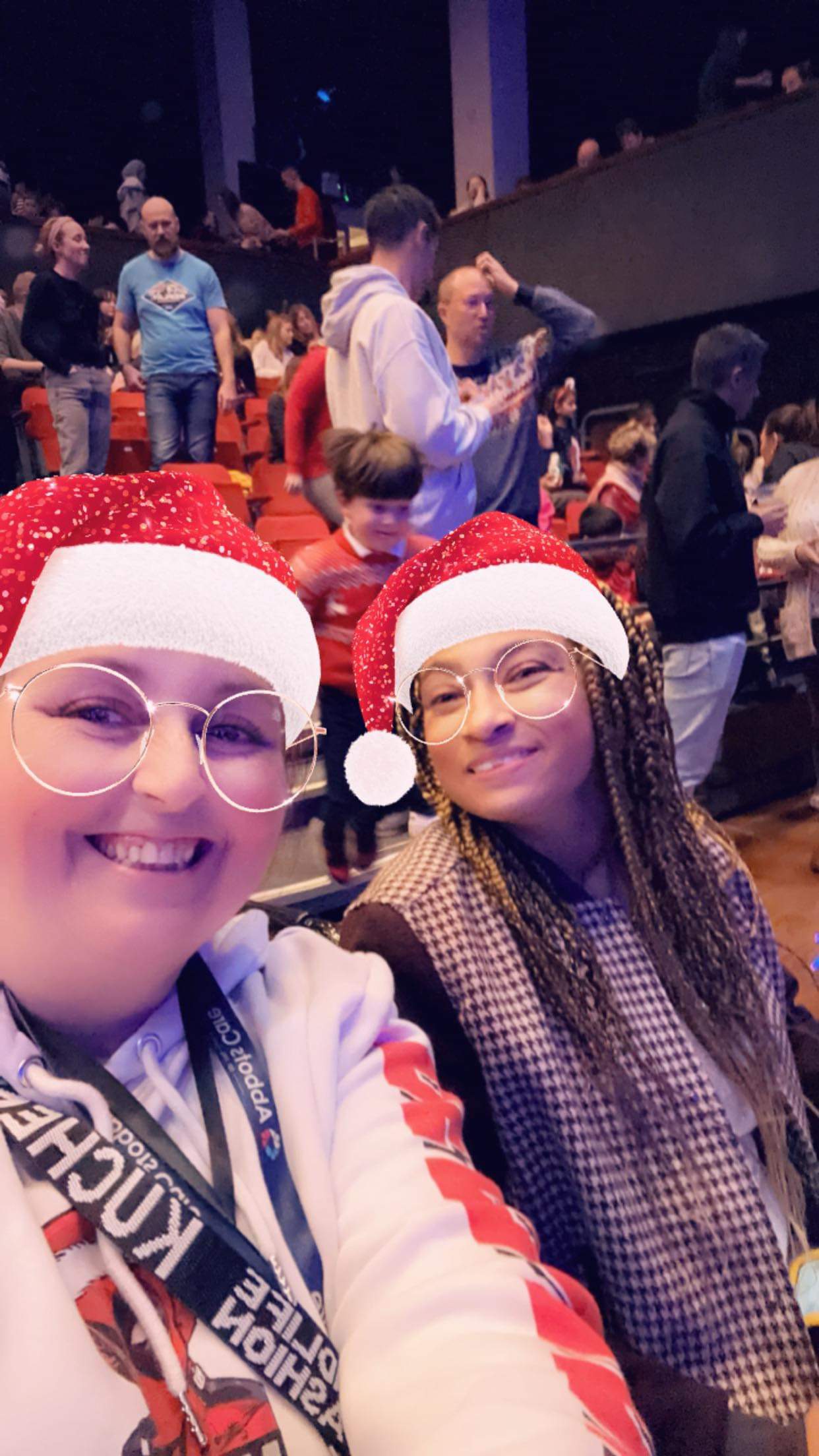
having fun during the panto intro with one of my team of personal assistance and my day like crap and passport pleasure friends when I went to the panto yesterday
call the Dial A call jane call Rosa
Film Shows Life As Young Carer In Northamptonshire
A new video has been released to raise awareness of what life as a young carer is like.
“One Million of Us: Recognising and Supporting Young Carers” has been released by Northamptonshire Young Carers Service.
It has been working with a local filmmaker to give carers an opportunity to have their voices heard and share their experiences.
The youngsters were involved at every stage of production, the service said.
Lucinda Buckle, from Northamptonshire Young Carers Service, said part of the problem the video looks to address is that many schools do not realise they have pupils who are caring for relatives.
She said a survey was done to find out how many young carers each school had.
Ms Buckle said: “79% of schools came back to say they had no young carers, but research has shown that most schools have at least two in every class.
“We’re hoping that we can raise awareness with schools, professionals, families who may not be aware that what that young person is doing is actually a caring role.”
‘Proud of my children’
Bella, who is 12, and her younger sister Keela, aged nine, know what life as a carer is like. They look after their mother, Michelle, who is deaf.
Their role includes making sure she keeps out of danger while they are out and about.
Bella said: “One time, we were in a restaurant and my mum was waiting in line to go up to the till, and she didn’t realise she was at the front.
“And this lady behind us with a buggy was screaming at her, and she pushed past us both and screamed ‘idiots’ – and no-one did anything.”
Michelle said: “They are very helpful with phone calls and telling people I am deaf if I look rude.
“I’m very proud of my children and love them both. They both understand how frustrating and how hard being deaf is.”
The Young Carers Service said the carers themselves were involved at every stage of production – creating storyboards, compiling interview questions and helping with filming and photography.
It wants to see the film shared with educational and health professionals across the county, to help raise awareness.
Ms Buckle added that the participants also wanted it to be clear that “it’s not all doom and gloom – there are many positives to being a young carer”.
open it tomorrow for 1030 before bed. Love one of the better
last night out with my PA and they like and passport leisure rates. #CelebratingChristmas🎄🎄🎄🎄🎄


🤣🎄🎄
respite overnight, sort anything out the local authority of cruise ship. They will not permit seven. Fortunately I have to pay Grace they need to think about the yeah we are complex means but we are do you agree with the struggle when it comes to disability support trending in the UK, especially with her ensure there is struggles all over the world
sing, a positivity, and for you to really courage positive for tea this Wednesday wishing you all successfulness today

Staffordshire Woman Raises £100k For Guide Dogs
A woman has raised more than £100,000 for charity in memory of her late husband.
Ann Moorhouse, from Cheadle, Staffordshire, has been fundraising for the Guide Dogs charity since her husband died 17 years ago.
When he died, she decided to ask for charitable donations rather than flowers, and subsequently discovered that people who donate £5,000 are given the opportunity to name a guide dog puppy.
She has now named 14 guide dogs and raised more than £100,000 in total.
‘A passion’
She said: “I thought £5,000 was going to be a lot and it might take me 12 months, or two to three years, but at least it might give me something to focus on and take my mind off my loss.”
Ms Moorhouse, who fundraises by selling items at car boot sales, said it was initially a way of keeping her husband’s memory alive, but now, it has become an important part of her life.
“I just enjoy it. It’s become a passion.”
Since the first guide dog partnerships in 1931, the Guide Dogs charity has supported 36,000 people.
call school for nursery I can do that
phone Florence yeah I can move the day
hope everybody has had a successful day, so far positive quotes
oh, please turn off the day that we will discuss this with

The Pro Gamer Who Has To Rely Upon Sound Alone
In the competitive world of professional gaming, one gifted player goes by the username Rattlehead.
At the tournaments he attends in the US, his opponents quickly spot that he, real name Carlos Vasquez, is, by his own description, “completely blind”.
They then let their guard down, wrongly thinking that they are set for an easy game of popular fighting series Mortal Kombat. And he often beats them.
Instead of being able to see the game, Carlos instead relies upon hearing it to make his attacking and defensive moves. “I’m able to pick up on the specific sounds of the characters,” he says.
From Houston, Texas, Carlos started playing video games at the age of six in 1992. But when he was 11 he was diagnosed with a type of glaucoma, an eye condition that slowly took away his sight.
“It wasn’t an overnight situation,” says Carlos, now 37. “[For the first years] I was still able to see rough outlines of objects, but not fully detailed anymore.
“But over time my vision became worse and worse, to the point where I was around 24-years-old and completely blind.”
At the time he found that most mainstream games were almost impossible to play. Features that help people with a sight impairment to play, known as gaming accessibility, were not around.
Such features include screen readers, where the game verbally describes what is happening.
Back in his 20s, Carlos was able to play some fighting games, and in particular Mortal Kombat.
“It wasn’t because Mortal Kombat had accessibility features [at the time],” he says. “It was just because players like myself were able to pick up on the [distinct] sounds. It allowed us to play the game as much as possible.”
For example, he recognised that the character who started on the right side of the screen would grunt at a slightly higher pitch than the one on the left. This allowed him to work out which character he was playing.
Fast forward to 2023, and a growing number of games have accessibility features, including Forza Motorsport, Diablo 4, The Last of Us, Hearthstone, Street Fighter 6, and the latest edition of Mortal Kombat.
Forza Motorsport has a function called Blind Driving Assists whereby the visually impaired are verbally told of forthcoming bends on the track and their sharpness. Various noises or audio cues indicate things such as a car’s speed, whether it is facing the wrong way, or when to change gear.
For Mortal Kombat a whole host of additional audio feedback is now available, such as letting you know the distance between fighters, or if an opponent ducks.
Forza Motorsport also includes the latest development in games accessibility – the increased use of a technology called spatial audio.
This uses specifically directed sound to significantly help visually impaired players work out their precise location on the screen.
Prof Brian Smith, an expert in the field, explains how it works: “When you hear a sound [in real life], such as person speaking from a certain location around you, the physical waveform of the sound reaches your two different ears at slightly different times, at slightly different volumes.
“Then the sound will go through your head to reach the other ear, and so that signal is also slightly transformed. Your brain is very good at getting those signals at different timings and saying: ‘Oh, that means the sound is coming from this location, and it’s a single sound’.”
Prof Smith’s work at the Department of Computer Science at the University of Columbia in New York is focused on taking that real world, directional principal of hearing, and applying it to the audio produced by a computer game.
The technology works via stereo speakers and headphones, but users get better results from specialist spatial audio equipment.
Prof Smith adds that it can be so effective in helping people with impaired vision control characters in a computer game that the difficulty is finding a balance between making the games accessible without taking away the challenge.
Forza Motorsport is one of the games that he and his team helped work on.
While the major games studios are now embracing accessibility, it was previously independent hobbyist developers who often led the way, including some that are visually impaired themselves.
Seven years ago, The AbleGamers Charity, which campaigns for more computer games that can be played by people with disabilities, asked game developer Rockstar how much it would cost to make its Grand Theft Auto V title accessible.
The firm is reported to have replied that it would cost a whopping $128m (£100m), which it considered too expensive.
As a result of this, an independent software developer called Liam Erven decided to rise to the challenge, and develop a software ad-on, also known as a mod, to make Grand Theft Auto more playable for people with impaired vision.
Liam, who has been blind since birth, set to work with a team of collaborators to create their mod, which is called Grand Theft Accessibility.
Features they were able to add include sound clues to give players information about nearby objects, vehicles and pedestrians. Users also get audio feedback about their location and direction, and what weapon they have selected.
It was all done for a fraction of the cost estimated by Rockstar.
Liam says that while the ad-on “isn’t anywhere near perfect” it is still “really fun to play”, and has garnered a solid user base.
Prof Smith says that such independent developers have played a big part in raising awareness, and “waking up” the big gaming studios so that they realise improving accessibility for blind players “may not be as hard as it seems”.
He adds, however, that the gaming industry still doesn’t have many blind people represented. “And so folks in the industry don’t realise, or I think they have a misinformed idea, that blind game accessibility is an oxymoron.”
New Tech Economy is a series exploring how technological innovation is set to shape the new emerging economic landscape.
However, things are continuing to improve. Carlos Vasquez is today not just beating opponents on Mortal Kombat.
He now also works for the game’s developer, NetherRealm Studios, as an accessibility consultant. He says he’d like gaming firms to employ more people like him.
“In the past, developers basically guessed what people with disabilities were looking for, rather than reaching out to people and consulting with them,” he says. “Companies need to reach out to people who are literally living this every day and get their feedback.
“Whether it’s in the studio, or getting a chance to have early access for testing, something we’re starting to see more of. But I think what the industry overall needs to do better is being more transparent, about whether their game is going to have accessibility features or not.”

A warm item of the evening for them to keep warm on the winter nights, https://amzn.to/41kIF97
good night saying for Monday night. Hope everybody has had a good and successful Monday. Wishing you all a successful Tuesday tomorrow is🌙🌙😁😴😴😴
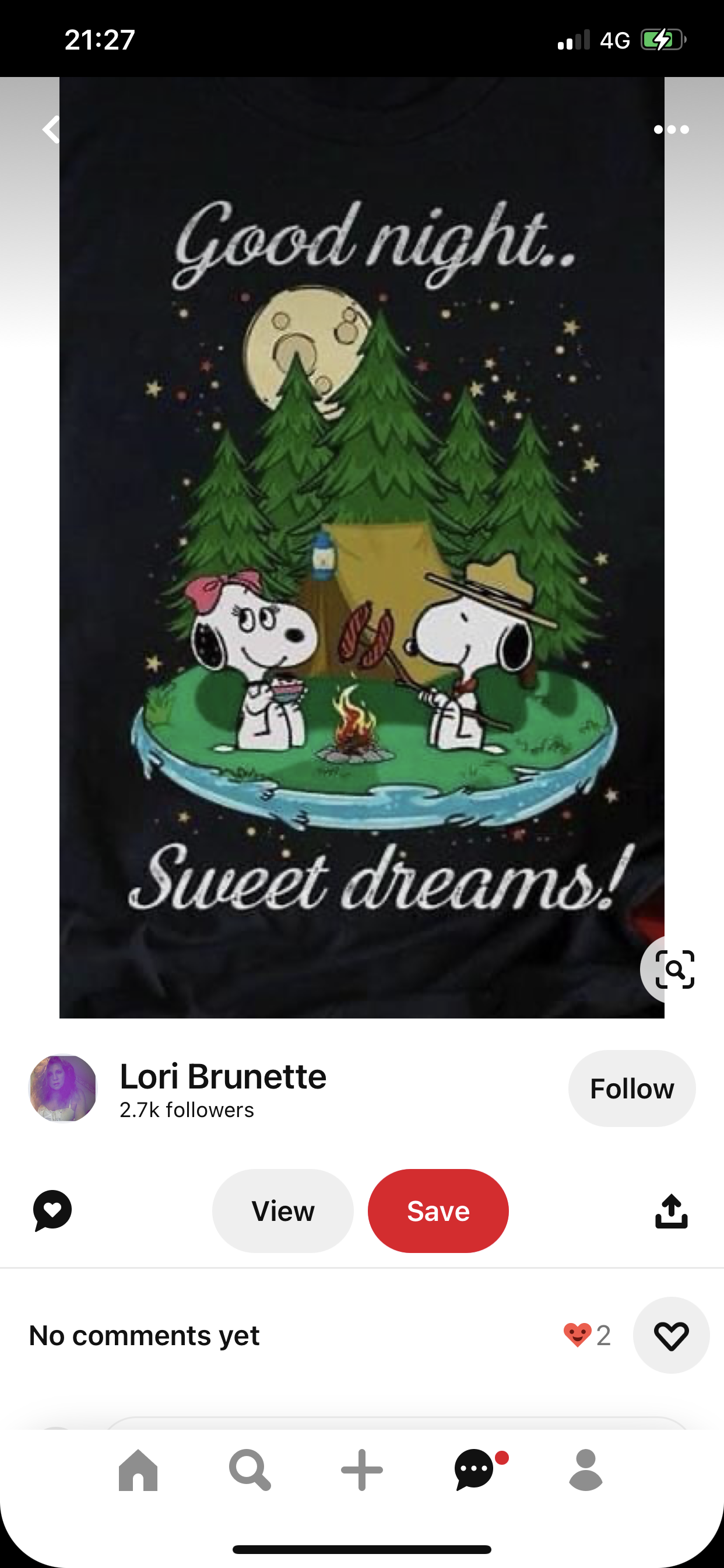
favourite, colourful painting of the evening for all of you this time with a bit of flower power❤️❤️😘


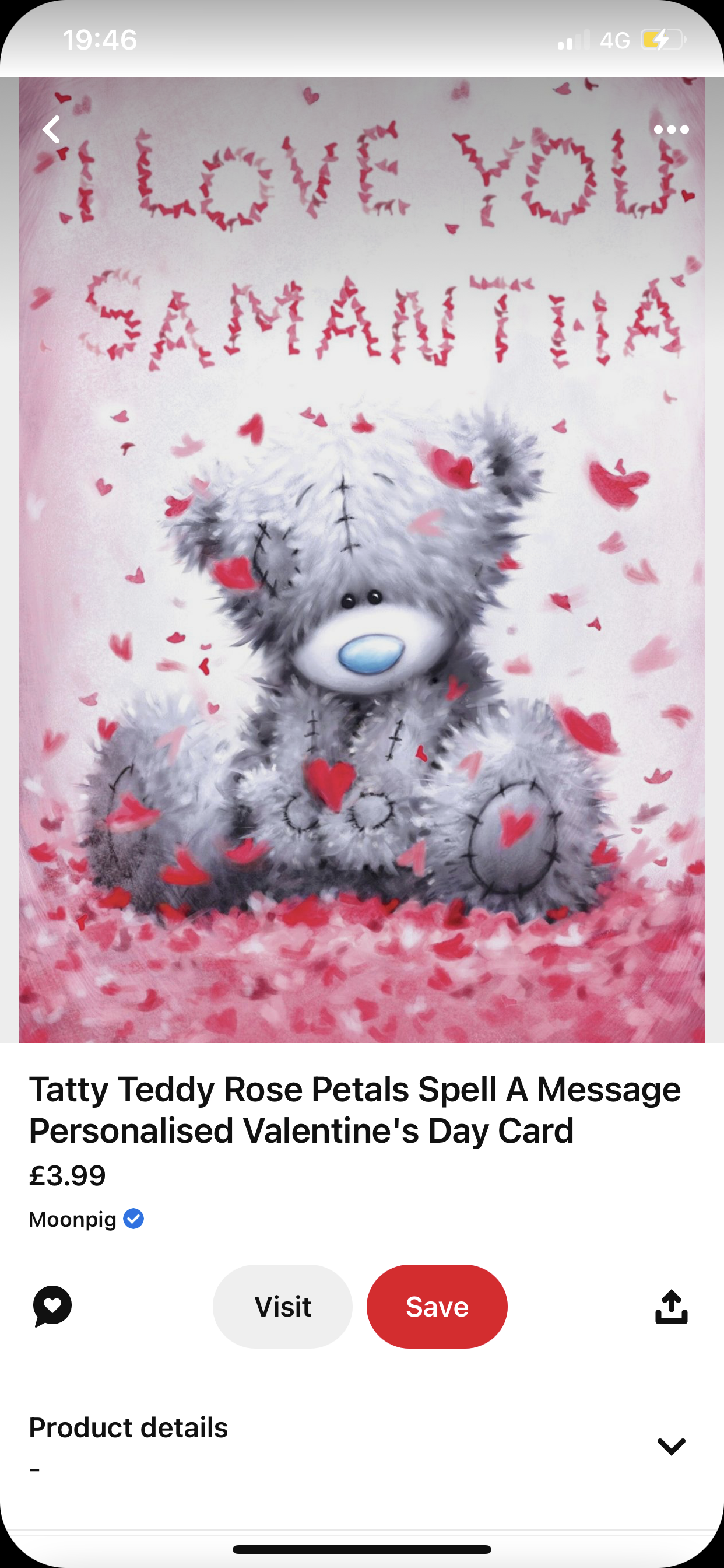
item of Eve now
sorry Finny, this was my project with morning🎄🎄🎄


Christmas wreath, making a dry run o’clock. The library


Lowestoft School Replaces French With British Sign Language Classes
A Suffolk primary school has replaced French classes with British Sign Language (BSL) lessons for all pupils.
Elm Tree Primary in Lowestoft has a Resource Base for the Deaf (RBD), which currently serves four pupils with hearing loss.
The school added BSL to the curriculum in September, so all of its students could communicate together.
Headteacher Julia Halliday said the children “really, really love it”.
“We’ve always had young people with hearing loss, from profound deafness to young people who have now got cochlear implants,” Ms Halliday added.
The school was inspired to add BSL to their curriculum after former deaf pupil, Daniel Jillings, successfully campaigned for BSL to be offered as a GCSE subject in England.
“We’ve watched him grow and we’ve watched him fight for the GCSE,” said Ms Halliday.
“When that got passed through, I said ‘hang on a minute, we don’t really need to be doing Spanish and French when actually we should be doing BSL’.”
Daniel’s mum Ann Jillings said: “Daniel was born without a cochlear, so he has no hearing at all. I had no experience of using sign language or contact with the deaf community before he was born.”
After gaining fluency in BSL, Ms Jillings began working with adults at Lowestoft Deaf Centre and has now taken up the position of teaching BSL at Elm Tree Primary.
“It’s been quite a learning curve because there’s a world of difference between teaching adults and teaching a group of 30 or so young children, but I am really enjoying it,” she said.
BSL was recognised as its own language in 2003 but it was not set out in legislation until the British Sign Language Act was passed in 2022.
Ms Halliday said: “I think it’s important that young people now understand that British Sign language is actually a language in its own right.”
Ms Jillings said it was important that each student in the school had exposure to the language, and that all the children had been “enthusiastic” to learn.
She admitted that “in an ideal world”, BSL would be taught by deaf people.
“I would like to see more opportunities for deaf people to be able to have access to the teaching qualifications they need, so that they can be empowered and equipped to teach their language in schools.”
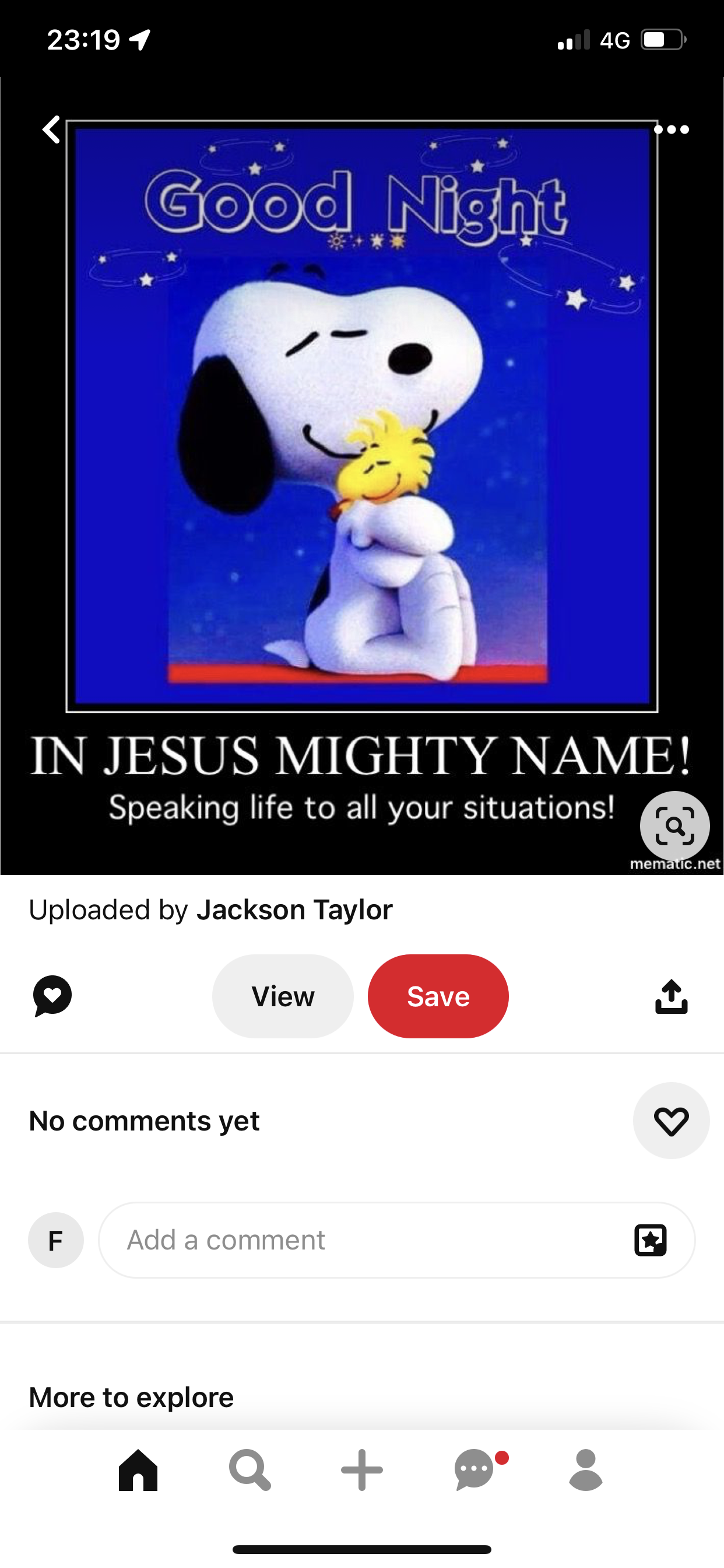
no word for you to put
no the most of the day
slippers with money prices on them item very early evening
favourite wintry, painting of the day, wintry and Christmassy to get people in the festive spirit🌲

Amazon, Philippine press to call you all day
you’re so suitable for Christmas this
signing of the day for Sunday to encourage positivity



evening and night time pray for me for you this Saturday evening/night wherever you are in the world


good night sleep or Saturday for you all

love update before going to bed call Saturday
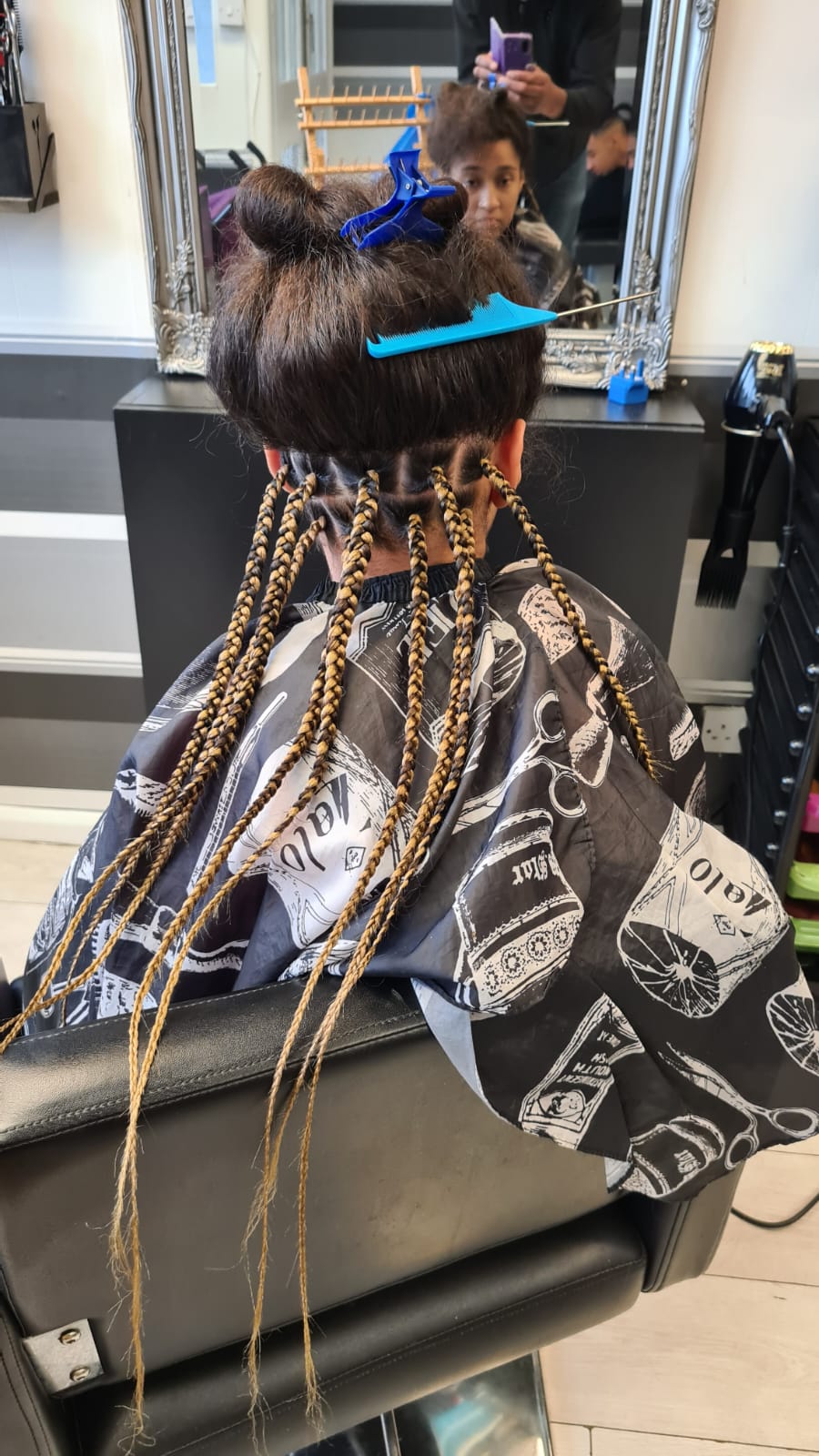
what is the battery of my head look like after half the hair extensions for in and I chose the blonde one

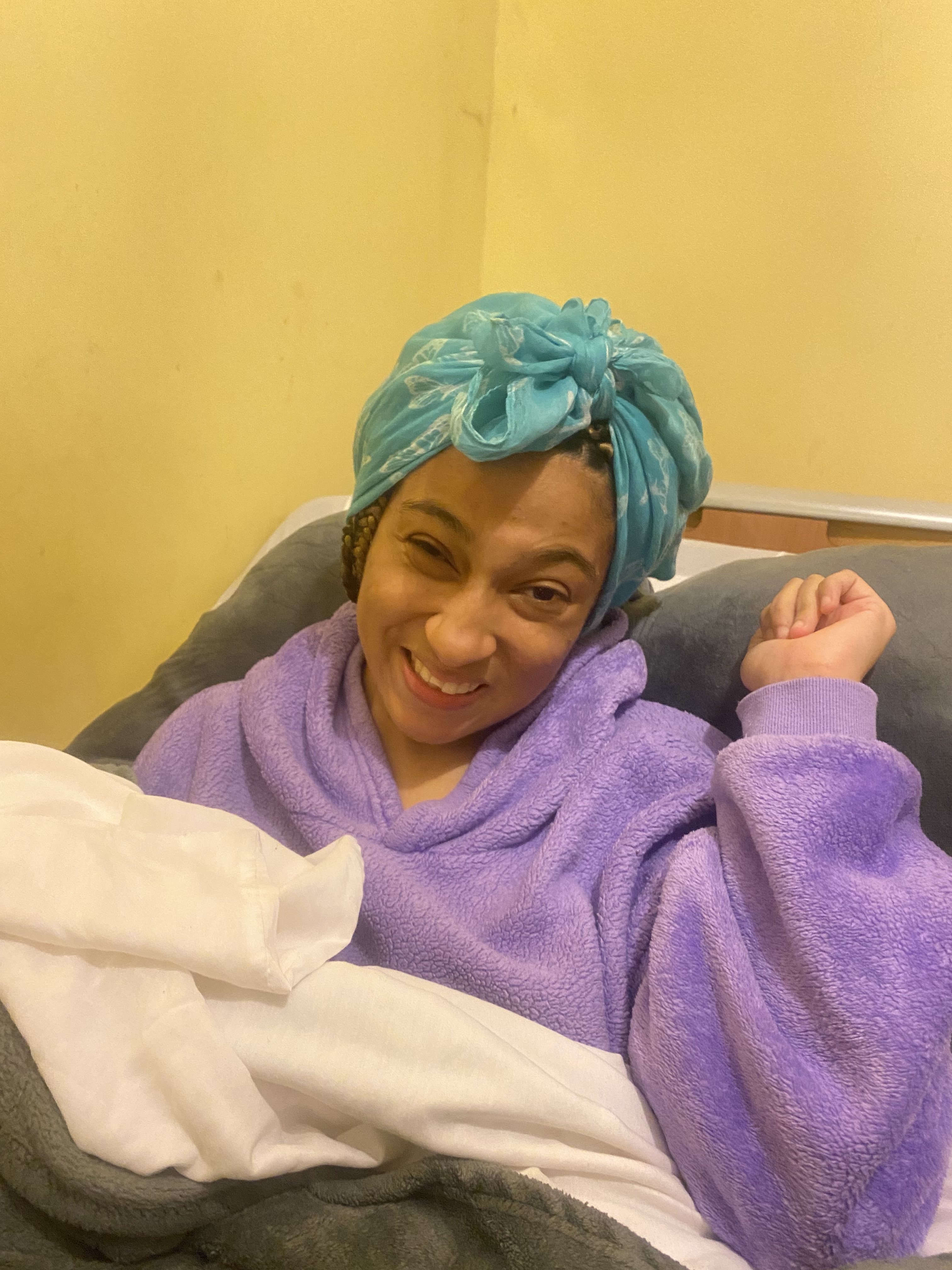
this is your item of the evening for women in terms of rest watches




Amazon, affiliate update for you all this
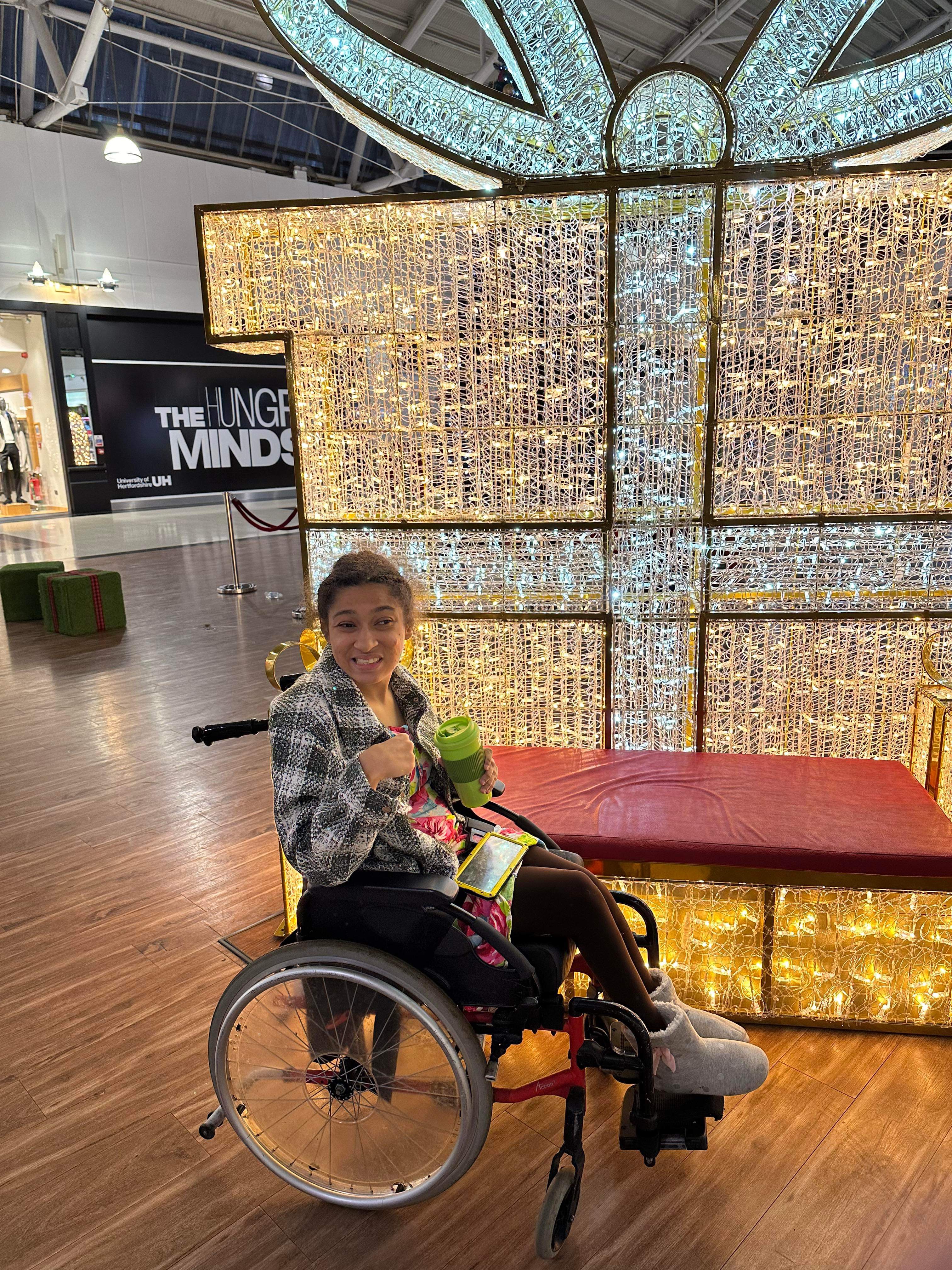
my photo in front of the Joy Christmas bauble yesterday when I went out with the shopping

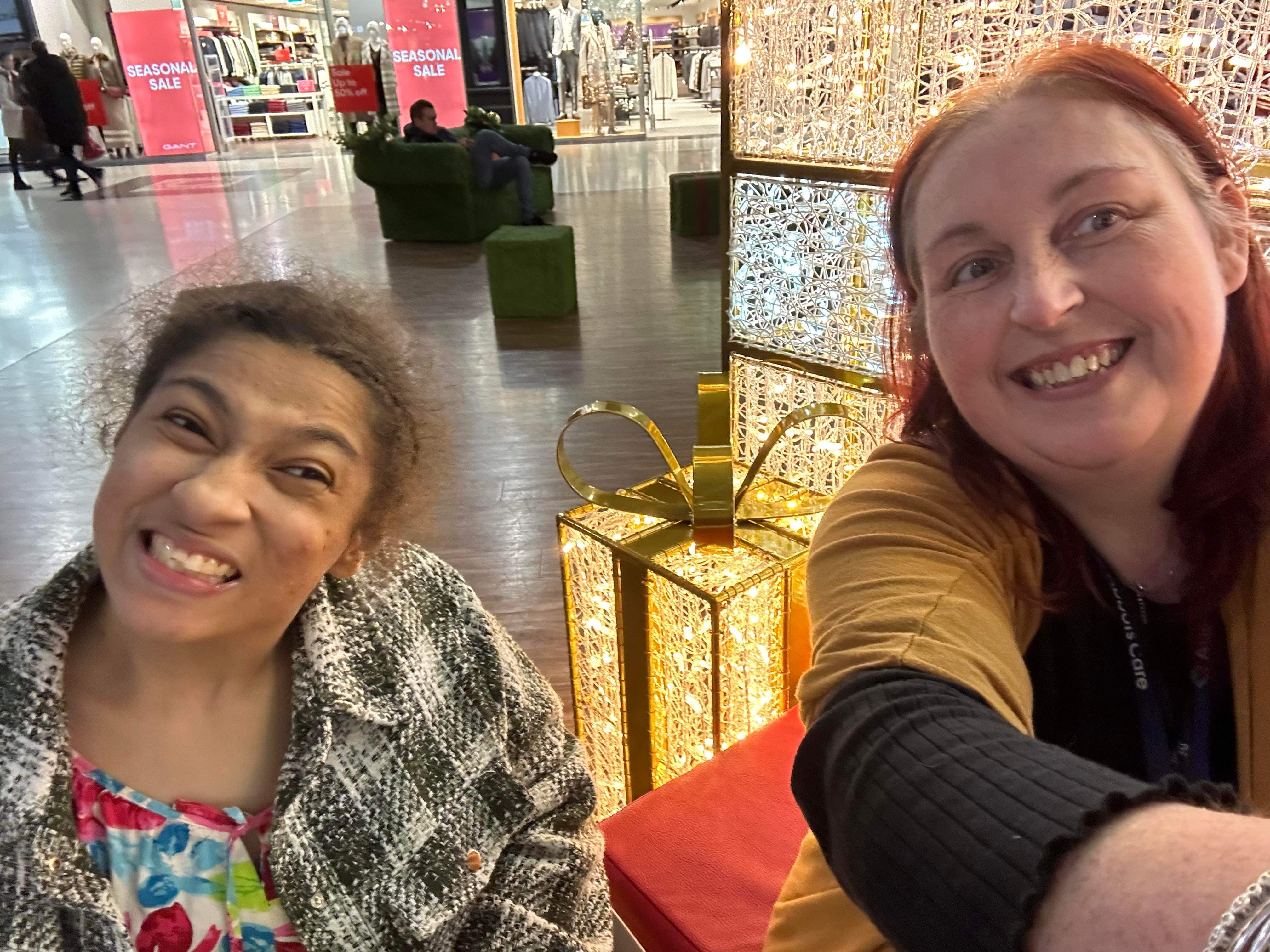
Christmas put on out with my personal assistant me posing in Oporto accessing my community. #Shopping #Christmas

I phone onesie pyjama set
favourite painting of the morning to ring jane Christmas shopping later tomorrow my family’s Christmas gift


 Same Difference