exclusive item of the day
how do you https://amzn.to/3s10Rrr
affiliate marketing Pinterest update for you just now
Harry Potter: Daniel Radcliffe Makes Doc On Paralysed Stunt Double
Daniel Radcliffe has produced a documentary about his Harry Potter stunt double, who was paralysed while filming the blockbuster.
David Holmes sustained a spinal injury during Harry Potter and the Deathly Hallows: Part 1.
He announced the news on Instagram about the “secret project”, which he says has taken four years to make.
The HBO documentary, The Boy Who Lived, will feature interviews from both, as well as footage from David’s stunts.
“Being a stuntman was my calling in life, and doubling Harry was the best job in the world,” David wrote on Instagram.
David was a teenage gymnast from Essex when he was selected to play Daniel’s double in the first film, when the actor was 11.
But it was a stunt rehearsal accident in January 2009 which David said changed his “life forever”.
“This film tells the story of not just my achievements in front of camera, but also the challenges I face every day, and my overall attitude to life after suffering a broken neck,” he said.
“In the turbulent world we find ourselves living in right now, I would like to quote Harry: ‘We are only as strong as we are united, as weak as we are divided.'”
David also thanked medical staff, as well as Harry Potter author JK Rowling and Daniel for their support.
Writing about Daniel, he said they were both “immensely proud of our time on the Harry Potter films, and the joy and comfort it brings to audiences around the world on a daily basis”.
It’s not the first time the pair have worked together – the actor helped launch David’s podcast Cunning Stunts, which features interviews with other stunt doubles, in 2020.
David Holmes: The Boy Who Lived will be available to stream on Sky Documentaries and NOW from 18 November.
exclusive item to my same difference, viewers and followers
https://pin.it/7ESobSy
buy my disability care, assistant and personal
affiliate marketing Pinterest page for you just said yes now♥️
Makaton Master With Down’s Syndrome Lands Dream Job
A woman with Down’s syndrome who teaches Makaton has said it feels amazing to go back to her old school as a teacher.
Eve McIvor, 24, teaches Year 8 pupils at St Mary’s in Londonderry.
Makaton is a language programme that uses symbols, signs, and speech to enable people to communicate.
“I always wanted to be a teacher. It’s a big job for me, I’m loving it,” Eve told BBC Radio Foyle.
She’s back at her old school once a week to share her Makaton expertise.
Eve, who also has autism, is qualified to teach Makaton at level 3. That requires dedication and planning, she said.
“I work really hard during the week, Every night I go up to my room, and do Makaton. I’m a Makaton master.
“I’m now teaching Year 8 and 9 and it is amazing.”
According to the official Makaton website, more than 100,000 children and adults use the system.
It was developed in the 1970s and 1980s, and is named using the initials of the people who originally created it.
Makaton features prominently in the children’s TV programme Something Special, presented by Justin Fletcher, known as Mr Tumble.
St Mary’s teacher Catriona Keely said Eve was a great addition to the staff, adding that she was “the perfect role model, a true St Mary’s girl”.
“We encourage them to find their talent and pursue their dreams – that’s what Eve has done, lived out the motto – go after what you want to do in life and Eve wanted to be a teacher,” she said.
“She has a very detailed programme that she works hard on and practices and plans her lessons every evening.
“More importantly she is teaching the skill of Makaton.”
https://vm.tiktok.com/ZGJK6pnAD/
good night everyone here is your good night things and nighttime painting the time
A new £6.2m residential building equipped with the latest technology is due to open at a college for students with disabilities.
The accommodation at National Star College will act as a “smart house” and includes voice-activated technology.
It will allow students to adapt artificial intelligence (AI) to suit their personal needs.
It will be opened later by disability campaigners Jack Thorne and Rachel Mason.
The college, based in Ullenwood, near Cheltenham, provides education and therapy for young people with a range of disabilities and it is hoped the technology will give them more independence and prepare them for life after college.
The single-storey ‘Building a Brighter Future’ building consists of 13 bedrooms, each installed with overhead tracking hoists and a range of AI features such as a voice-activated fridge.
“We’re trying to give the students the opportunity to explore this technology in a safe environment at college,” said Maizie Morgan, assistive technology technician at National Star College.
“The idea is that prospective and current students are able to use this technology, see what’s out there in the world, and eventually, hopefully implement it into their own rooms and then transition from college,” she added.
Principal, Simon Welch, said the technology had been personalised to help meet students’ individual needs.
“We understand, in terms of the young people and their disability, and what’s really the priority for them.
“The technology isn’t necessarily hugely innovative but the way in which we work with the individual is,” he added.
Student, Jaspar Tomlinson, was given the opportunity to test out the software ahead of the opening.
He is non-verbal but is able to send commands to the smart devices by using his eyes to control his electronic communicator.
Devices and appliances in the rooms can then be controlled using a single action word.
“I think that it’s great because it helps me gain confidence for the time I leave college,” he said.
Peter Horne, National Star deputy chief executive, said: “This new accommodation will improve the lives of young people with complex physical and learning disabilities and create stimulating spaces to live, learn and relax in.”
impressed. Update updated just now for you.
cheerful, 03 jane for you, if you are Annemari right now
Coronation Street: Britain’s Got Talent Star Jack Carroll Joins Cast
A comedian who shot to fame on Britain’s Got Talent aged 14 is set to join the cast of Coronation Street.
Jack Carroll, now 24, will make his debut on the famous cobbles just after Christmas as Bobby – Carla Connor’s nephew.
ITV says Bobby will “run rings round Auntie Carla”, played by Alison King.
Jack says he is “delighted and honoured” to be joining the Manchester-based soap, which he describes as “a cultural institution”.
It’s not the first acting role for Bradford-born Jack, who has cerebral palsy.
Earlier this year he produced and starred in Mobility – a BBC Three short about three disabled teenagers catching the same school bus every day.
Speaking to BBC Newsbeat at the time, he said he hoped the show would spark a change in representation of disability on TV.
Although Jack’s been acting more in recent years, it’s his comedy he’s best known for.
Since impressing the judges on BGT in 2013, Jack’s done a national tour, gigged at the London Palladium and Apollo and worked with Jason Manford.
He says he hopes to bring his comedy to Coronation Street, which is one of the UK’s most popular soaps.
Bobby, the son of Carla’s murderer brother Rob Donovan, will arrive on the street looking for a place to stay after falling out with his mum.
ITV describes Jack’s character as “a livewire chip off the old block, with the gift of the gab and an eye for the ladies”.
“I hope Bobby brings viewers a lot of laughs in the vein of some of the street’s classic comedy characters,” Jack says.

Parents Of Deaf Children In Wales Want Free Signing Lessons
“It’s heart-breaking, because all you want to do is talk to your child.”
For mother-of-two Amanda Webb, trying to communicate with her deaf son has been a challenging journey.
She is one of more than 2,600 people who has signed a petition calling for free British Sign Language (BSL) lessons for parents of deaf children in Wales.
It is estimated there are at least 2,329 deaf children in Wales, with 90% of them born to hearing parents.
The Welsh government said BSL provision for adults was based on demand across Wales, and while it provides funding to further education colleges, the colleges decide what curriculum they offer and learner fees.
Hayden Webb, 11, was diagnosed as deaf when he was a new-born, and it was a huge shock for his parents Amanda and Paul.
“It was almost like being in a lift and the lift dropping. Because what do I do now? I don’t know anything about the deaf community?” she said.
The couple said they “weren’t given any actual advice” and felt like they were on their own.
“I did feel isolated. I felt depressed. I was anxious and it was a really difficult time,” said Amanda, from Rhoose, Vale of Glamorgan.
She remembers trawling through the internet trying to find information, and how overwhelming it was, heightened by “meltdowns” Hayden was experiencing.
“If he can’t get across to you the simplest things like I want to go to the toilet or I need a drink or something like that, you feel guilty because you don’t understand him. And he’s thinking, why don’t you understand what I want to say to you?” she added.
It was then that Amanda decided to take it upon herself to begin level one BSL, which helped her communicate with Hayden more.
She got “three-quarters of the way through” before “family life took over”.
Later when revisiting learning more BSL, she said the prices were unaffordable.
She said if levels one and two were free “you would have more families who would be able to communicate with each other”.
Amanda is now part of South East Wales Deaf Children’s Society, a parent-led group which means she feels she is more supported, with a community to lean upon.
“You have to find your own community within the community,” she said.
Catherine Davies went through a similar experience when she adopted her deaf daughter 31 years ago, and she has set up a petition calling for free BSL for parents.
“Things really haven’t changed in 30 years, and it’s quite shocking,” said the retired teacher from Cardiff.
She remembers being told not to “sign to her child” as it would stop her from “developing language and speech”.
Despite the advice she received at the time, Catherine took it upon herself to learn BSL, and eventually specialised as a teacher of the deaf.
This teaching role has mean further training to support students with hearing loss or deafness.
“I’m very angry about it because all the evidence points to the fact that we all need language as soon as we’re born. Whether it’s Welsh or French or English and why is that different for a deaf child?” she said.
Catherine believes because deafness is “low incidence” and a hidden disability, it is “not a priority” for Welsh government.
In response, the Welsh government said: “We have set up the Disability Rights Taskforce to identify the issues and barriers that affect the lives of many disabled people.”
Catherine said: “What we’re seeing later on is that because deaf children aren’t getting language early, there are huge gaps in their academic performance between their hearing peers and themselves.
“You need to be able to be signposted to BSL classes, which just are not there, and if they are there, you’ve got to spend thousands of pounds learning to communicate with your child, which is awful,” she said.
“I believe it’s a form of discrimination. It is basically saying that you cannot learn the only accessible language that your child can access.”
The impact of lack of language and communication between deaf children and their parents has been a focus of Dr Julia Terry’s research.
“We know that the impact on deaf children’s mental health is considerable,” said the Swansea university professor.
“For a deaf child who cannot communicate in their own family, they will often be left out and quite isolated. They also may experience a lot of loneliness,” she said.
Dr Terry, who has 30 years’ experience as a mental health nurse, backs calls for BSL to be free to parents of deaf children, and it was “massive discrimination” without it.
One change that may help with the numbers of people who learn BSL is the introduction of the language to the new curriculum in Wales.
Deaf businesswoman Sarah Lawrence from Caerphilly played a part in making that a reality.
“I feel it will benefit everyone in two ways,” she said.
“One, deaf education, their confidence and their identity will improve. The second is that in society, children who have future work as a doctor, police officer, nurse they will have BSL as a usable language. So later in life, deaf people will be able to access more services because people can use sign language with them,” she said.
Sarah feels the financial emphasis on the “medical route” of treating deafness such as “cochlear implants, hearing aids, speech therapy”, is unfair.
She believes the “huge imbalance” focusing on the medical route rather than language, leads to “direct discrimination”.
According to the Welsh government, BSL provision for adults is based on demand across Wales.
It said further education colleges were autonomous bodies which set their curriculum on the needs of local communities.
update of my Pinterest affiliate marketing page last update of today
Pinterest, marketing page who Amazon dated today?
Video of me, a Grace stop ready to go out last night
a friendly marketing Pinterest page for everyone
last day of my product, marketing Pinterest pay for
afternoon at day over Pinterest pal
Lego Braille Bricks Let Jackie Play With Grandkids
A blind Lego fan has described how using Braille bricks means she can finally play with her grandchildren.
Jackie Brown, 61, was born blind, and has been building Lego models since the age of seven.
Lego’s Braille bricks launched in 2020, though were only tested in certain schools and organisations.
Now that they are available to the public, Mrs Brown said she can “sit down and play with my grandchildren”.
The bricks are designed to help blind children and people with sight loss learn to read letters and numbers by touch.
The 61-year-old from Maghera, County Londonderry, told BBC Radio Foyle’s North West Today she was bought her first Lego set by her parents in 1969.
“That’s when my Lego journey and fascination started,” she added.
“Lego has evolved in a fantastic way since then but back then I was able to feel my way round my Lego board and through conversation with others I was able to build my own models,” Jackie said.
“I’ve never really grown up properly and now that I have my grandchildren, I can continue with them while teaching them what Braille is. I feel proud that we’re able to do that now.
“It’s like therapy and form of escapism for me. You can feel free and creative with Braille bricks.”
Jackie has built Lego villages and bridges and encourages her grandchildren to use their imagination as much as possible.
“Lego can be whatever you want it to be and that’s the message I like to share. I obviously can’t see the layout or the colours but I get so much out of touch, the build and conversation with friends and family.”

How does Braille work?
Braille is a system of raised dots that helps a blind person or someone with vision impairment to read.
They use their sense of touch to feel the shape of the dots, which tells them what the words or numbers are.
It is based on six dots, like the design on a domino – or like a Lego brick.
It consists of 63 symbols, made up of all the possible variations of these dots.
Braille can be used for most of the world’s languages and was invented by Frenchman Louis Braille, who was born in 1806.
He lost his sight at the age of three and went on to develop the braille system at 15.
Laura Cummings, from the Royal National Institute of Blind People (RNIB) in Northern Ireland, said: “With both Braille and printed letters, numbers and symbols on each brick, the ‘Lego Braille Bricks’ make Braille more accessible.
“Jackie is testament to the fact that Lego is fun for all ages and brings generations together. We are excited to bring Braille Bricks to the Belfast Brick Show on 4 November”.
https://amzn.to/46WfUBj
video with this today is the day in a time of the day
With many thanks to Benefits And Work.
The final combined PIP and work capability (WCA) assessment service contract has been awarded to Serco, the DWP announced this week, meaning that Atos have failed to win a single region and will cease to carry out assessments from September 2024 onwards.
The Functional Assessment Services contracts are replacing both PIP contracts and contracts to carry out WCAs for employment and support allowance (ESA) and universal credit (UC). The intention is that the same company will carry out both types of assessment in any given area, until such a time as the WCA is axed completely.
At the moment, WCAs are administered by Maximus and PIP assessments by Atos (known as IAS) and Capita, with Atos having the larger share of the PIP contracts.
However, that is all set to change from 2024, with the new contracts running until 2029.
Back in May, we reported that four of the five contracts had now been awarded, with just the South West of England left undecided. This was because Atos were allegedly mounting a legal challenge to the decision to award the region to Serco.
But the DWP have now confirmed that Serco have been successful, leaving Atos entirely out in the cold.
From September 2024, if you have WCA or PIP assessment, it will be carried out by the following company:
North England and Scotland: Maximus UK Services Limited (currently Atos)
Midlands and Wales: Capita Business Services (currently Capita)
South West England: Serco (currently Atos)
South East England, London and East Anglia: Ingeus UK Limited (currently ATOS)
Northern Ireland: Capita Business Services (currently Capita)
https://vm.tiktok.com/ZGJTGjxbB/put videos on this post to view images of the product of the day and then purchased with a normal if it deletes which I have also put on this posthttps://vm.tiktok.com/ZGJTG29wT/
https://vm.tiktok.com/ZGJTG29wT/
pho item number to included in a second TikTok video
https://pin.it/2zYqsvW
are we saying video & up to date included in the same video with a lovely speak to you have a rain and thank you to see how I am going to celebrate it #CelebratingHalloweenHairstylesThatYouNeedToSeeHerIHaveABreakIt t
Crip Life™: An Online Disability Magazine Aiming To Be The Most Inclusive And Accessible Digital Platform
A press release.
Crip Life™ is an online disability magazine dismantling disabling barriers one article at a time. Launched in May 2023, it was founded by Emma Purcell and Joanna Baker-Rogers, two former colleagues of a previous disability publication who both have personal experiences of living with a disability.
As Emma and Joanna are both passionate about writing, campaigning and raising awareness of disability, they wanted to continue this and create their own platform that would bring extraordinary content and grow an even bigger disabled community.
The mission at Crip Life™ is to raise awareness and educate what life is really like for people living with a disability and/or health condition, provide advice and support to disabled people and their families and create a disability community where people can share their thoughts, experiences and achievements.
In essence, Crip Life™ wants to banish the physical and social barriers that stop people with disabilities from living the life they want to lead.
This is being delivered by creating interesting, informative and exclusive disability-related content that is exciting, newsworthy and engaging. The team is not afraid to push the boundaries and publish content that may be controversial or difficult to read.
Why the name Crip Life™?
You are probably wondering why the name “Crip Life™” for the online publication. The co-founders understand the word “crip” or “cripple” is usually associated with being a negative or offensive word to describe disabled people.
However, in more modern times, the word “crip” and “cripple” appear in more popular culture, such as the documentary film Crip Camp, BBC short stories Crip Tales and book titles like CRIPPLE – A 21st Century Parable by Nick Maynard. Therefore, disabled communities are starting to use these terms to empower change and positivity.
There is also Crip Theory, which is defined as an intersectional identity politic stemming from critical disability studies, as well as queer studies (McRuer, 2006). It is a multifaceted approach to understanding culture in a manner that centres on the experiences and movements of disabled people. You can find out more in the article – Why (on earth) call it Crip Life™?
Crip Life™ success so far
Since launching almost six months ago, Crip Life™ has published over 50 articles, secured exclusive interviews and collaborated with a dozen companies. It has reached 3.2K visitors, a combined social media following of 950 followers and over 150 subscribers to the free monthly newsletter. Crip Life™ has had the privilege of interviewing famous people such as disabled actors Jack Carroll & Tommy Jessop, blind comedian Chris McCausland, deaf DJ Troi Lee, amputee footballer Shelbée Clarke and inclusive fashion designer Victoria Jenkins. Emma Purcell, who is Crip Life™’s feature writer and editor, has written several opinion pieces including a review of Rosie Jones’ ableism documentary and a piece discussing whether sports broadcasters are ableist towards disability sports.
Other content so far has included 11 TV Adverts Featuring Disabled People, 9 Disability Pride 2023 Events To Enjoy Across The UK, an LGBTQ+ Pride series, a variety of news content, plus much more.
The cost of running an online magazine
Running an online magazine does cost money with administrative costs such as hosting platforms, video conference platforms, SEO tools, accessibility tools, social media advertising fees, and much more.
Crip Life™ would like to grow the business by taking on more paid employees and freelancers and eventually get a decent income for its co-founders. But so far it has been on a tight budget and mostly self-funded.
Crip Life™ has currently got several ways in which it is trying to make money. Its main way is through its Pay What You Can (PWYC) advertising service, which is very different to most, if not all, online magazines.
PWYC is a business model that does not insist upon set prices for its goods or services. Instead, it asks clients to pay what they feel the product or service is worth to them. Crip Life has taken this one step further by adding what your organisation can afford to pay. Its rationale for adopting this version of PWYC is as follows:
● It makes advertising accessible to all
● Recognises that micro and SMEs and charities have small budgets
● Places potential clients at the heart of the advertising process
● Enables Crip Life™ to generate enough revenue to cover costs and perhaps, one day, to provide Joanna and Emma with a modest income and grow their team.
Crip Life™ wants to place advertising for a wide range of clients as possible. So, whatever your size of organisation, if you want to share a personal story or promote a product or service, get in touch.
Clients advertising with Crip Life™ Since launching, Crip Life™’s advertising manager Joanna Baker-Rogers has sold advertising to multiple organisations including Transport for London, Nimbus Disability, LanzAbility and the Southbank Centre. Crip Life™ is also offering students and academics the opportunity to publish their disability-related research papers and projects for an affordable fee. For those of you who know a little about doctoral studies and being disabled researchers, you may know how difficult and expensive it is to get your research published.
From submitting your paper to seeing it published, can take many months and revisions. The fee to do so can run into thousands of pounds.
If you have a research or conference paper, thesis, book, dissertation or documentary of relevance to the disabled community, please get in touch.
Crip Life™ has been and will continue to try and find other ways to secure more money through funding opportunities and grant schemes but it also has a donation page for any individuals who may be able to support its inclusive business venture, particularly in the short term.
A note from the founders
Emma Purcell, co-founder and editor at Crip Life™ said: “Launching our own online disability magazine has been both incredible and daunting. It’s great we have full control over what we publish and when and we’re able to work flexibly and at a time and pace that suits us. The challenging part is getting people to engage with our publication and companies to come on board and advertise with us. We understand getting our site noticed takes time and there are more financial pressures for everyone but that is why we have kept the access to our content completely free and our advertising services negotiable and affordable. Crip Life™ is an online disability magazine for anyone and everyone – whether you’re disabled yourself, know disabled people, work in the disability sector, study or educate in disability and/or are an ally of the disability community – you will find Crip Life™ a great resource for information, advice, entertainment and support.”
Joanna Baker-Rogers, co-founder and advertising manager at Crip Life™ said: “I’m delighted that Emma and I are continuing to work together to give the disabled community a voice. Our aim is to keep Crip Life™ free to read from anywhere in the world. In addition, we want every individual, organisation, or business to feel they can advertise with us. This ethos is firmly embedded in our PWYC advertising fee strategy. I am delighted with the range of clients, in terms of the services or products they sell, and the size of the organisations who have advertised with us. The first six months have been really busy and I look forward to what the remainder of the year will bring Crip Life™.”
You can find out more about Crip Life™ by visiting criplife.co.uk and following Crip Life™ on Facebook, Twitter, Instagram and LinkedIn.
-ENDS-
Notes to editor
For further information about Crip Life™, check out its Welcome Page and About Page.
This October, Crip Life™ is working with Transport for London to promote its taxi fares consulation. Find out more and complete the survey here.
Crip Life™ is also looking for participants in an upcoming article about the effects of fireworks on people with disabilities and mental health issues. Find out more here.
If you have any questions or enquiries, email editor@criplife.co.uk
ring Odae
update to my Pinterest affiliate marketing please
Liverpool Road Named After Disability Rights Campaigner
A road has been named after the late disability rights campaigner Sir Bert Massie in his home city of Liverpool.
He was a leading campaigner for equality and a champion of human rights for disabled people.
Sir Bert, who was also the chairman of the former Disability Rights Commission, died in October 2017 at the age of 68.
Liverpool City Region mayor Steve Rotheram joined Sir Bert’s widow as they revealed the sign in a new neighbourhood with enhanced access for disabled people.
Guide Dog Gives A-Level Student Her Confidence Back
An A-level student born with a rare eye condition has said having a guide dog has given her confidence back.
Hester, from Bath, used to find walking with a cane very draining and said Pickle enables her to live more independently.
“She has quite an empathy for human emotion which makes her really suited to me,” said Hester.
The product of the evening

💕💕😁

saying of the day for almost 10 different followers and loyal

update to my affiliate marketing Pinterest page
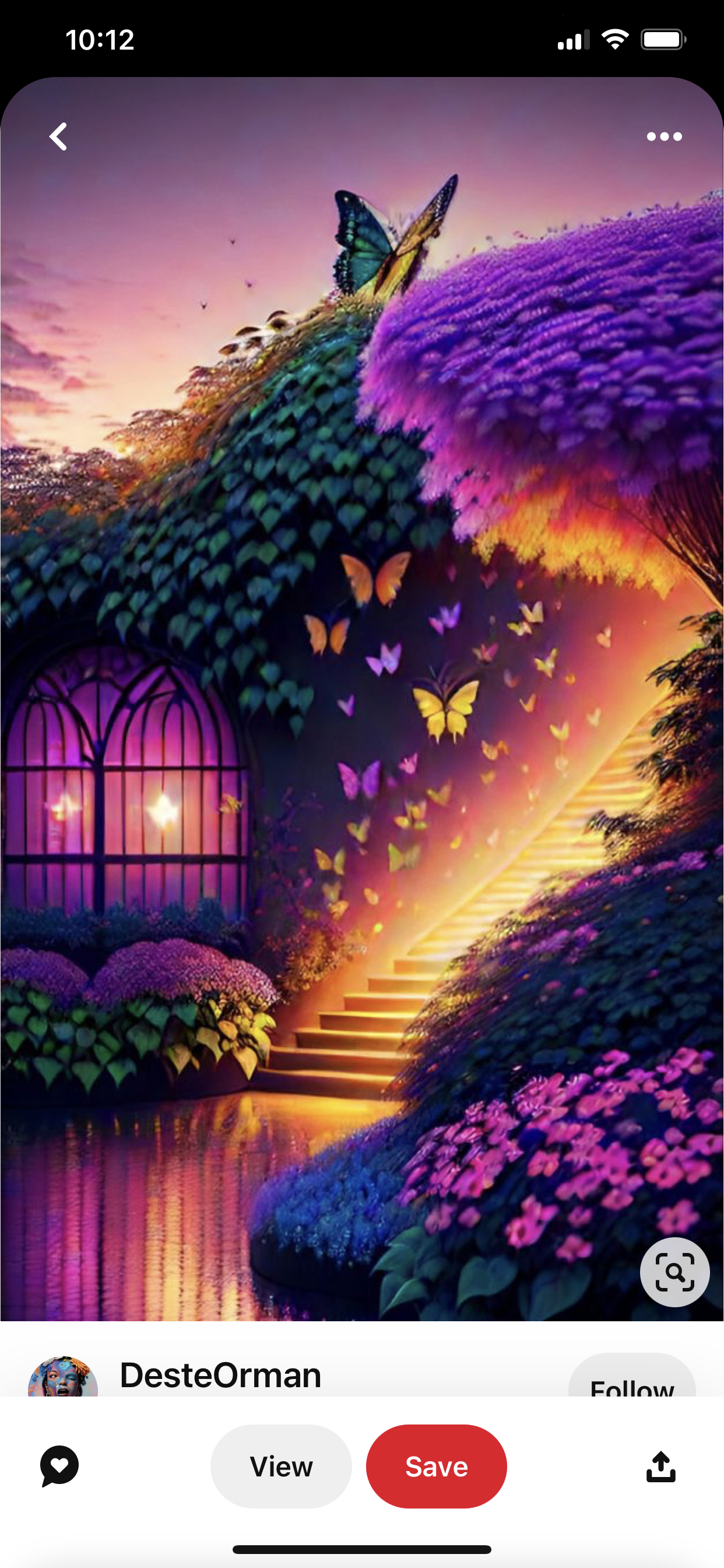
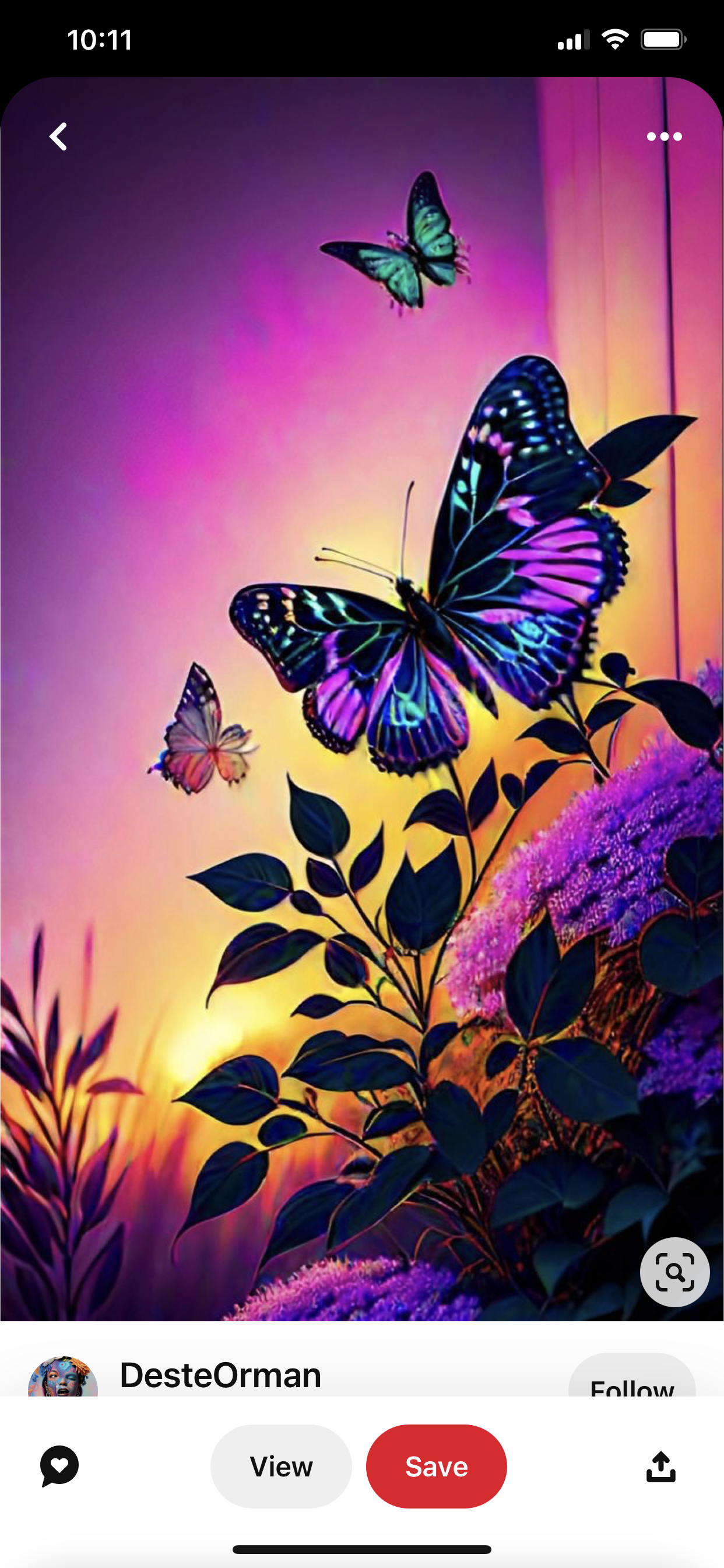

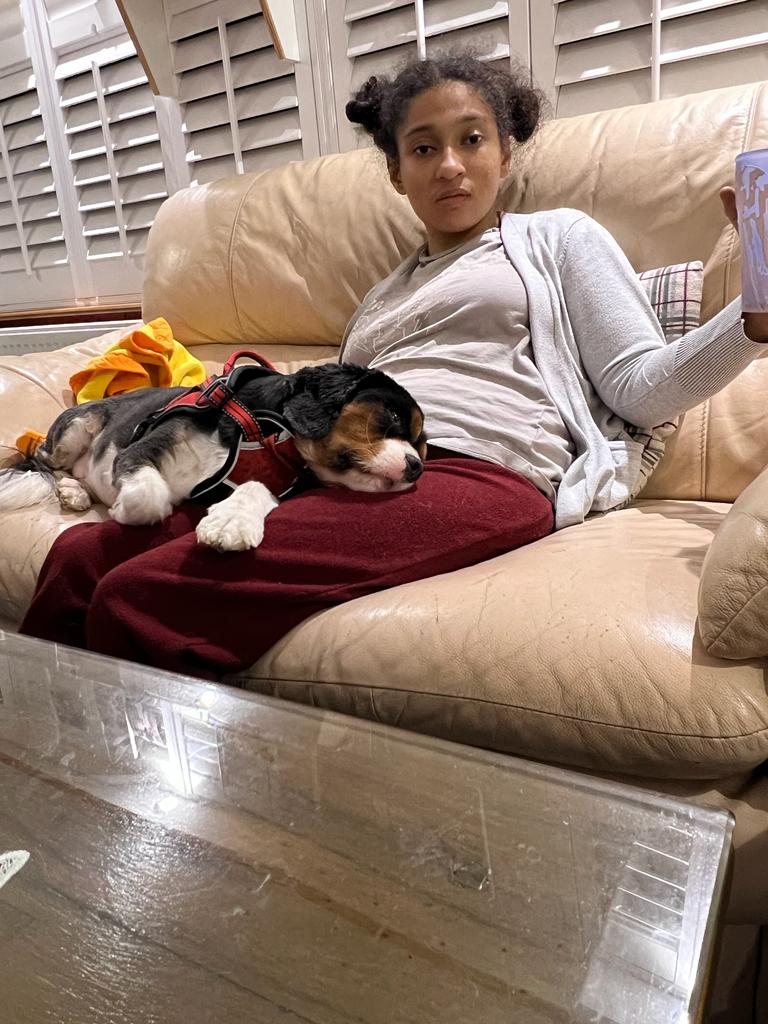
https://pin.it/4BbaPCU
of the day exclusively for my viewers on my block
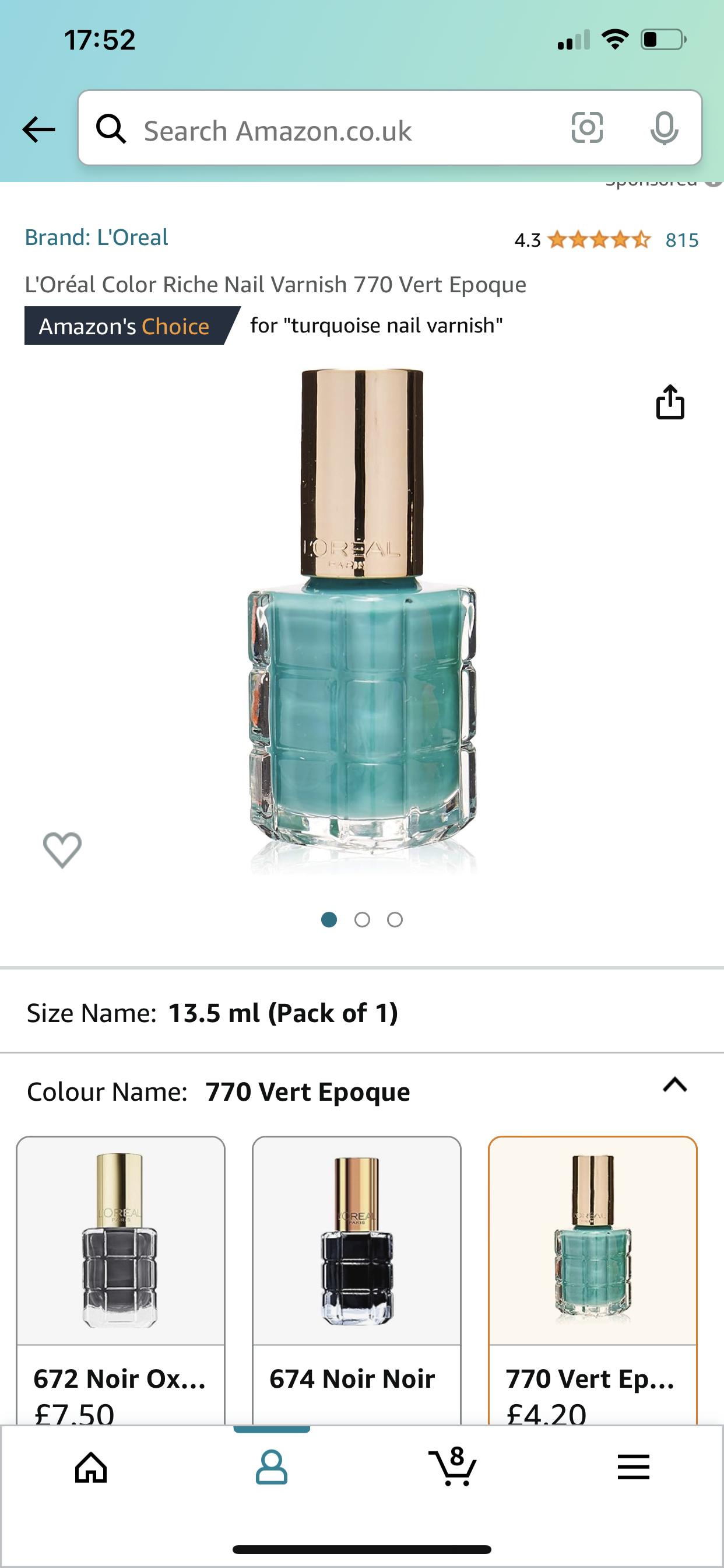
https://pin.it/5iFex8l
cute cat paintings of the day that I like because of their colours and cute now along with some illustrations, including ghoul rings

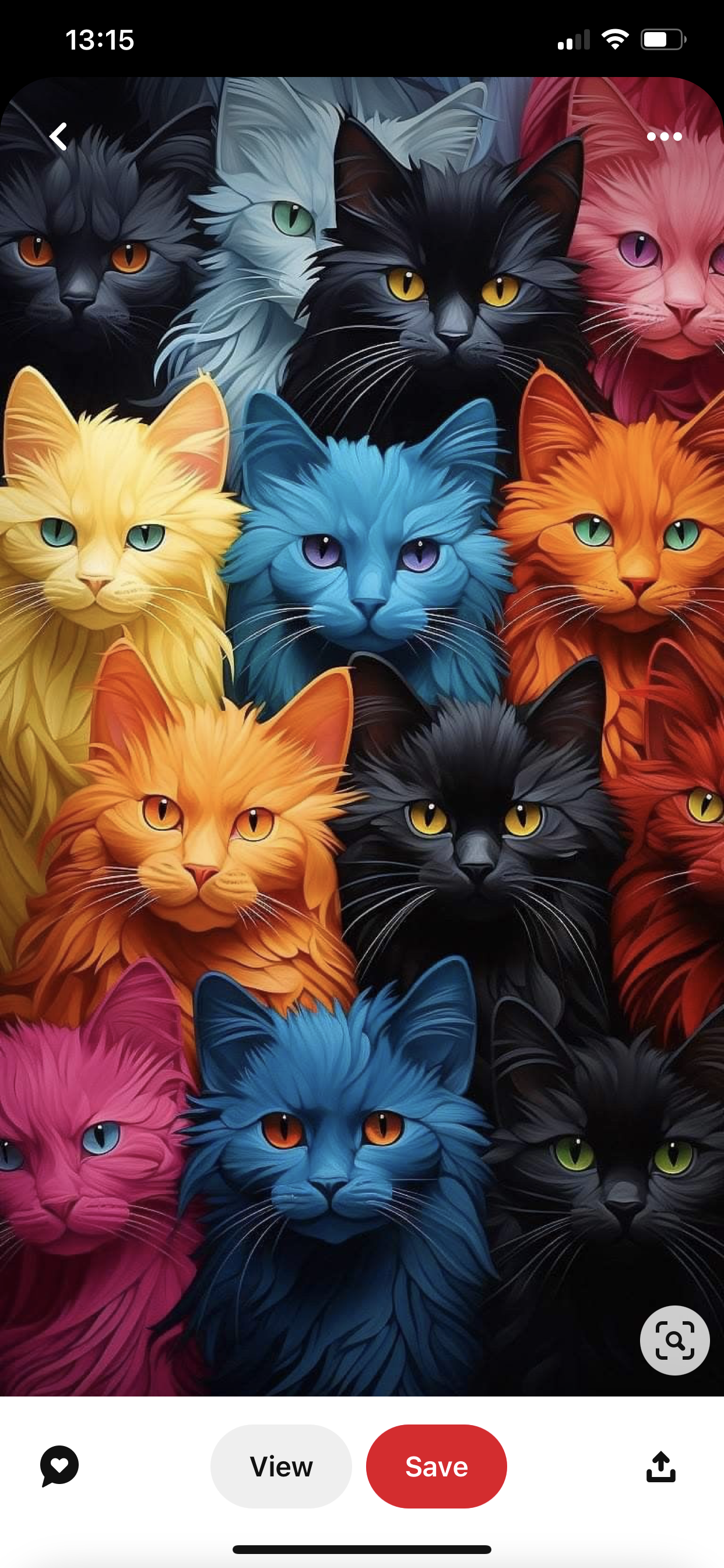

♥️♥️♥️😁😆😆😆😬




 Same Difference