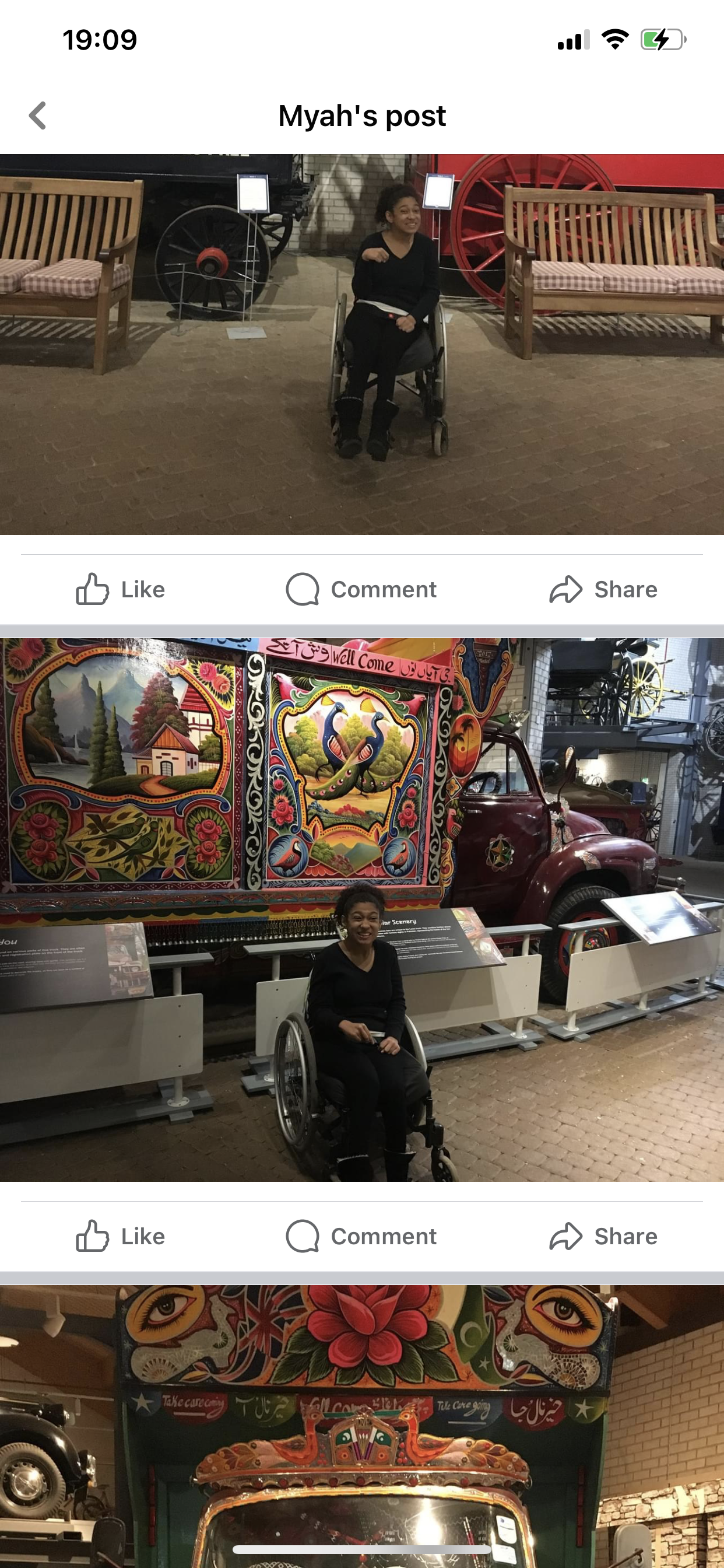
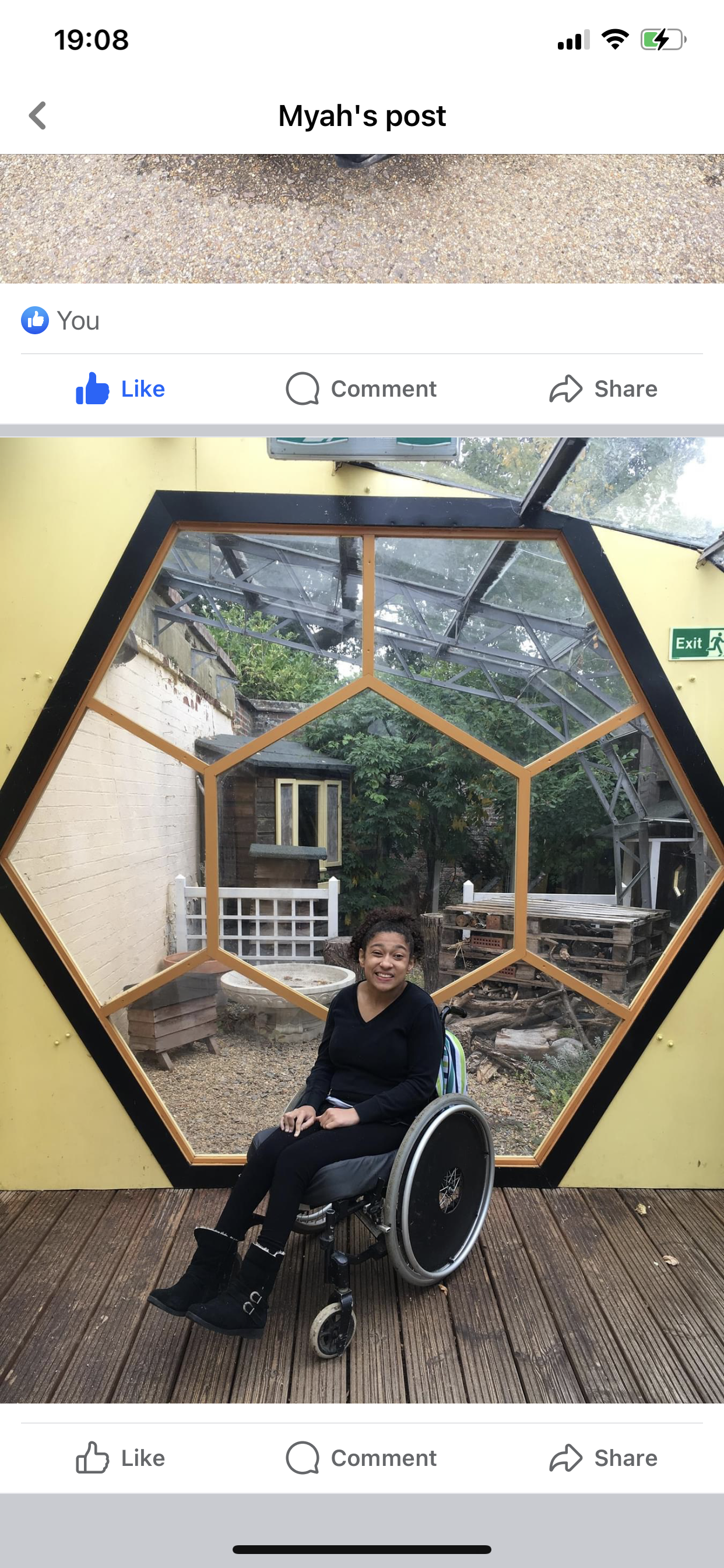
where are you from in a beehive shelter at the Museum, which I thought was really good artistry and really realistic independence with PA #Photo#
Dyscalculia: Parents Call For Maths Learning Difficulty Support
Families in south-east England are calling for more support for children with a learning difficulty that affects numeracy.
About 6% of the population are impacted by dyscalculia, often described as the sister to dyslexia.
The Department for Education (DfE) said it was planning to “reform the support system for children”.
Julie’s nine-year-old daughter Lexi has dyscalculia, which she said has created a lot of challenges.
“As a parent you go through a loss for the future you want for a child,” she said, explaining her fears that Lexi might struggle to reach her full potential.
“You think they’re going to really struggle at school.”
Julie believes the education system should be more hands-on and multisensory for teaching dyscalculic pupils.
She said she had to change careers to enable her to spend more time to offer Lexi extra support.
Earlier this year, Prime Minister Rishi Sunak laid out plans to extend maths education to 18 while Labour has set out plans for “real world” maths skills to be taught in primary schools.
The DfE said “all teachers are teachers of special education needs and disabilities (SEND)”.
But Cat Eadle from the Dyscalculia Network said there was currently no formal requirement for maths teachers to learn about dyscalculia in their training.
Peter Cherry, 35, from Brighton, said dyscalculia prevented him from passing his maths GCSE, which “closed doors”.
Despite having a PhD, Dr Cherry struggled to find a job and at one point claimed Universal Credit, which he said made him feel “worthless”.
He struggles to read train times, always counts on his fingers and has trouble attaching value to numbers.
“I just think as a society we are not very inclusive of people with low numeracy,” Dr Cherry said.
He said the government’s plans to extend compulsory maths education to 18 were “scary” with “no concrete strategy for supporting those with dyscalculia”.
The DfE said “an expert advisory group made up of experts from academia, industry and frontline provision” was building evidence to inform the policy.
Someone with dyscalculia is about 100 times less likely to get diagnosed than someone with dyslexia, according to Ms Eadle.
She said schools often do not have the budget to pay for children to see an educational psychologist.
The DfE said it was putting “significant investment into the high-needs budget” with a further £440m allocated next year.
Beckie from Ashford in Surrey believes she is dyscalculic but was never formally diagnosed.
She failed her maths GCSE three times.
Recognising her son Callum was having similar struggles, she paid for a private assessment that confirmed a dyscalculia diagnosis.
“He’s a round peg in a square hole,” she said.
Julie said that aside from her dyscalculia, Lexi had a “set of superpowers”.
“There’s so much people can offer from a neurodiverse point of view,” she said.


evening saying the end illustrations for my viewers, after that, I will post the product of the day for all my followers





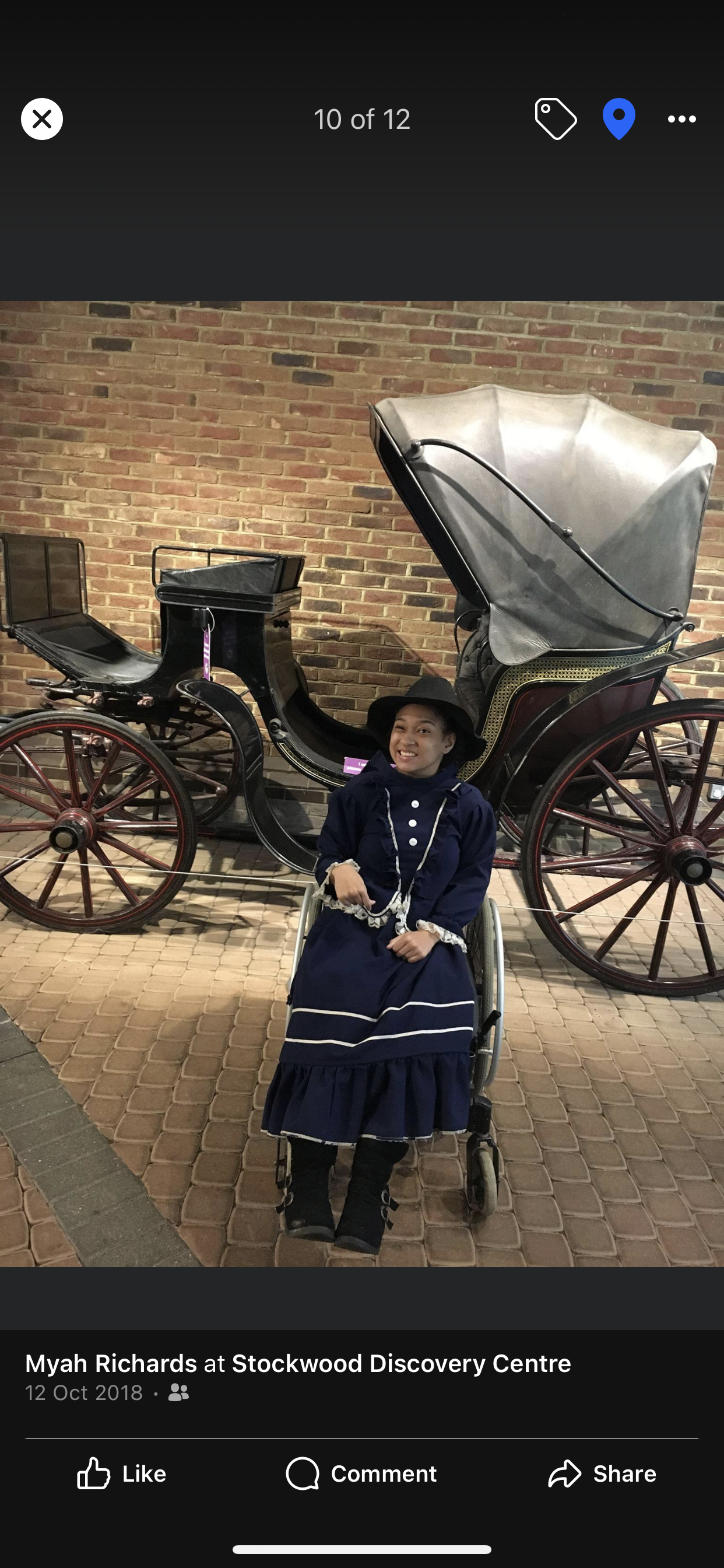
did of me at the discovery museum five years ago today taking for a picture of me in fancy dress having from Ashley, which is also gonna go up today

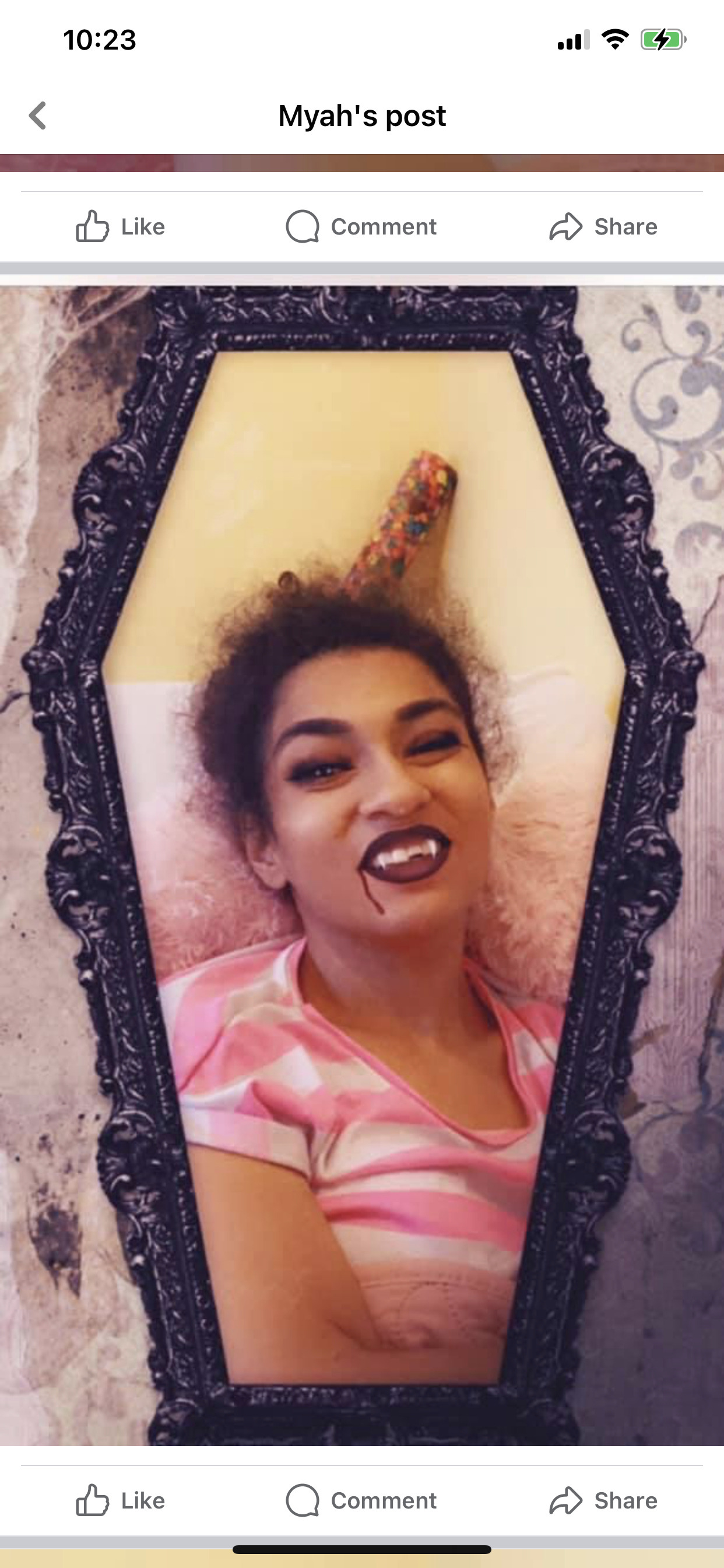
my favourite Snapchat filter can ever out of all the ones I’ve ever done. I am sharing my favourite with you this morning from three years ago.
Carrier Introduced For West Bay Wheelchair Users
A specially-designed carrier that allows wheelchair users to enjoy access to a beach has been introduced on the Dorset coast.
Wheelchairs can be placed on to the platform, which can then be wheeled over the beach at West Bay.
Neil Barnes, from Bridport, had campaigned for a facility to allow better access to the beach for his daughter Lucy.
He said it was a “dream come true” for both of them.
The platform is specifically for people who are not able to transfer from their wheelchair into one of the beach wheelchairs or those who require a special moulded chair.
‘Accessible to all’
Mr Barnes said he had the idea eight years ago of some kind of ramped wheelchair carrier built for Lucy, who has cerebral palsy and is a lifelong wheelchair user.
Elaine Leader, who has previously fundraised for beach wheelchairs at West Bay, took on the project when Mr Barnes was not able to find a suitable solution.
Eventually, after £5,600 funding from West Dorset MENCAP, a bespoke carrier was created by designer Stephen Eldridge and built by Crafty Fabrication in Weymouth.
Ms Leader said: “The prototype is just incredible – when we tested it, not knowing if it worked, it was brilliant – it did the job.”
It meant that Ms Barnes, 33, could travel freely across her local beach for the first time in her adult life, pushed by her father.
He said: “All the sounds, sights and smells of the seaside weren’t really accessible to her.
“It opens it all up for her. To actually get on to the beach, up to the water’s edge is not something she has done – it’s so exciting for her.”
It is hoped the carrier will be kept in a special storage facility and made available for booking.
There are also plans to buy additional matting to allow easier access to the beach for wheelchair users.
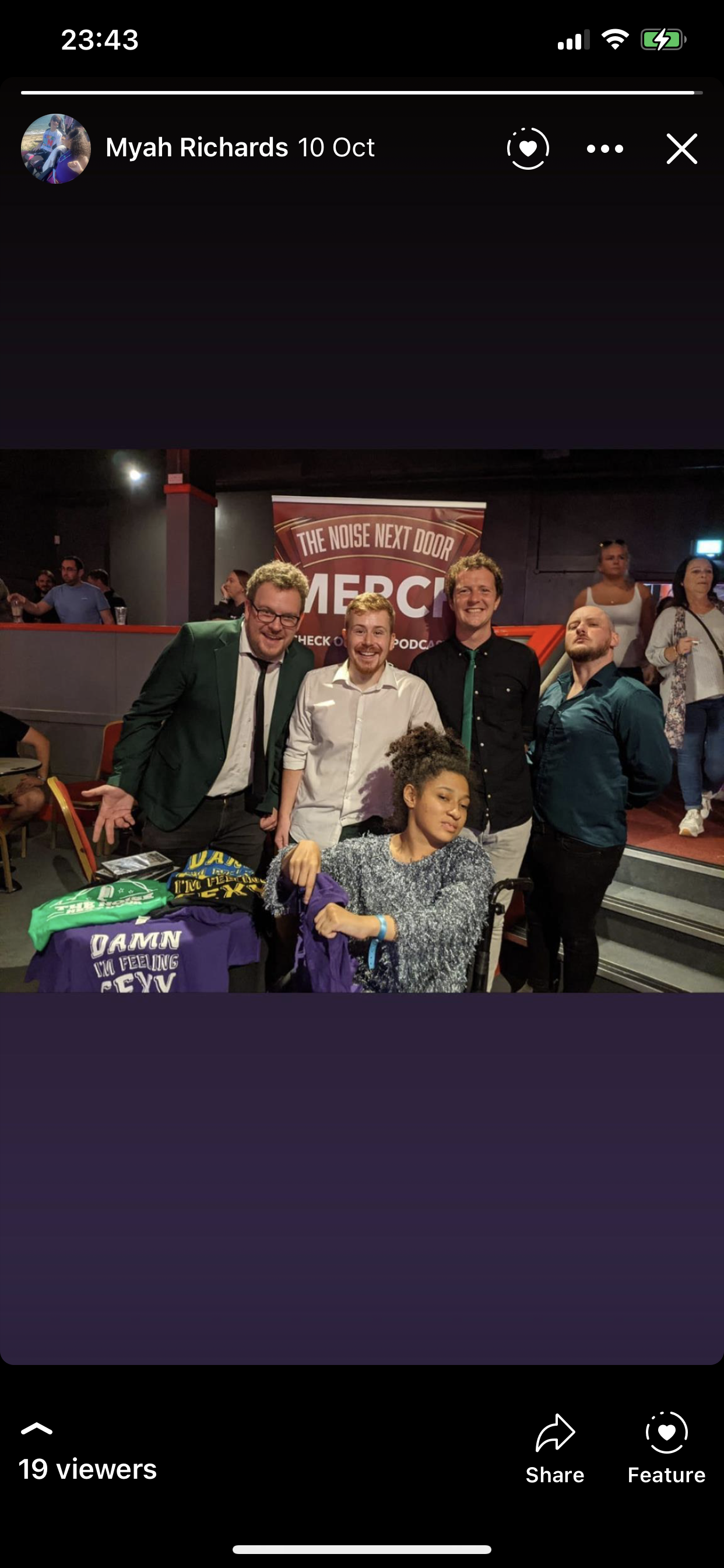
good time playing and illustrations for everybody. Good night everyone. Have a happy Tuesday nights rest



the art paint where the light tonight😃😃😃🌙

Last week, Sarah Sunny made history after she became India’s first deaf lawyer to argue in the country’s Supreme Court.
The 27-year-old first appeared before Chief Justice DY Chandrachud in September after the court made an exception and allowed a sign language interpreter to assist her with the arguments.
On 6 October, the court also appointed its own interpreter for Ms Sunny, the first in the court’s history, so that “she could understand what was going on” during the proceedings.
“In fact, we are thinking that for the constitution bench hearings we will have an interpreter so that everyone can follow the proceedings,” Justice Chandrachud said.
Observers say that Ms Sunny’s presence in the top court would help make the Indian legal system more inclusive and accommodative to the needs of the deaf community.
Senior lawyer Menaka Guruswamy called it a “truly historic and momentous” occasion.
Sanchita Ain, the lawyer with whom Ms Sunny works, told the BBC that Ms Sunny’s work would have positive, long-term implications. “She has broken many stereotypes, this will encourage more deaf students to study law and make the legal system accessible to the deaf,” she said.
A resident of the southern city of Bengaluru (formerly Bangalore), Ms Sunny has been practising law for two years.
In the city’s lower courts, she was not allowed to use an interpreter because the judges thought they would not have the required legal knowledge to understand legal terminology, she said. So she would submit her arguments in writing.
Saurav Roychowdhury, who interpreted for Ms Sarah when she first appeared before the Supreme Court, has not studied law but has experience of translating for lawyers and legal students. He has also appeared in the Delhi High Court in the past for deaf lawyers in two cases.
But no Indian sign language interpreter is trained in legal terminology at the moment – and so for anyone translating, it’s going to be a work in progress
Ms Sunny told the BBC that she was proud of how far she had come. “I wanted to show those who are cannot hear that if I can do it, they can also do it.”
Ms Sunny was born in Bengaluru. Her twin sister Maria Sunny and her brother Pratik Kuruvilla are also deaf. Mr Kuruvilla is a software engineer in the US and now teaches at a school for the deaf in Texas, while Ms Maria is a chartered accountant.
Their parents did not want their children to study in special schools for deaf children. Finding a place that was willing to take in the three siblings was hard, but they eventually found the right place for them.
In class, Ms Sunny studied by lip reading and with the help of her friends. “There were also others who made fun of me but I always argued with them,” she said.
Ms Sunny went on to study law at St. Joseph’s College in Bengaluru. Her mother, who would help her during school, could not do the same with her law course. But Ms Sunny said she got support from a friend and her siblings.
In 2021, she took the bar exam to enrol as an advocate and began practising law.
She said she was grateful to her parents for treating all three children equally and “putting us through education in a normal school because they believe in equality”.
“That’s what gave me the confidence to follow my dreams.”
Experts say that deaf people in the country are often unable to build a career in law because of stigma and the lack of interpreters in courts.
On 17 April, the Delhi High Court set a precedent when it allowed deaf lawyer Saudamini Pethe to appear in a case. Like Ms Sunny, she too had to bring an interpreter.
In September, the high court said it would start appointing its own interpreters after another deaf lawyer asked for two sign language experts – one for lawyers and the other for the judges.
The court also asked the Association of Sign Language Interpreters India (ASLI) to draw up protocols for the interpreters.
This was done to make it easy for the lawyers and judges to follow the proceedings, Renuka Rameshan, president of ASLI, told the BBC.
Ms Ain said that experts are also looking to create a legal thesaurus in Indian sign language that would help the deaf lawyers and litigants.
Mr Roychowdhury, the interpreter, said the court’s decision could also mean that “the deaf will realise that they also have an equal right under the law”.
“As per the 2011 Census, there were 18m deaf people or people hard of hearing in India. It is good to have the spotlight on sign language to ensure deaf people get their right to accessibility,” Mr Roychowdhury said.
He added that a demand for more interpreters in courts will open up employment opportunities for them. “There are approximately 400-500 certified interpreters [in the country] but in reality only 40-50 are skilled, qualified and doing ethical work,” Mr Roychowdhury said.
Ranjini Ramanujam, who is deaf by birth and works at an IT company, called the court’s move “a blessing” and “a barrier remover”. A former badminton player, Ms Ramanujam was awarded India’s second-highest sporting honour in 1999.
“The Supreme Court’s move has given a voice to the deaf,” she said. “The court has set an example for other offices to follow as well.”
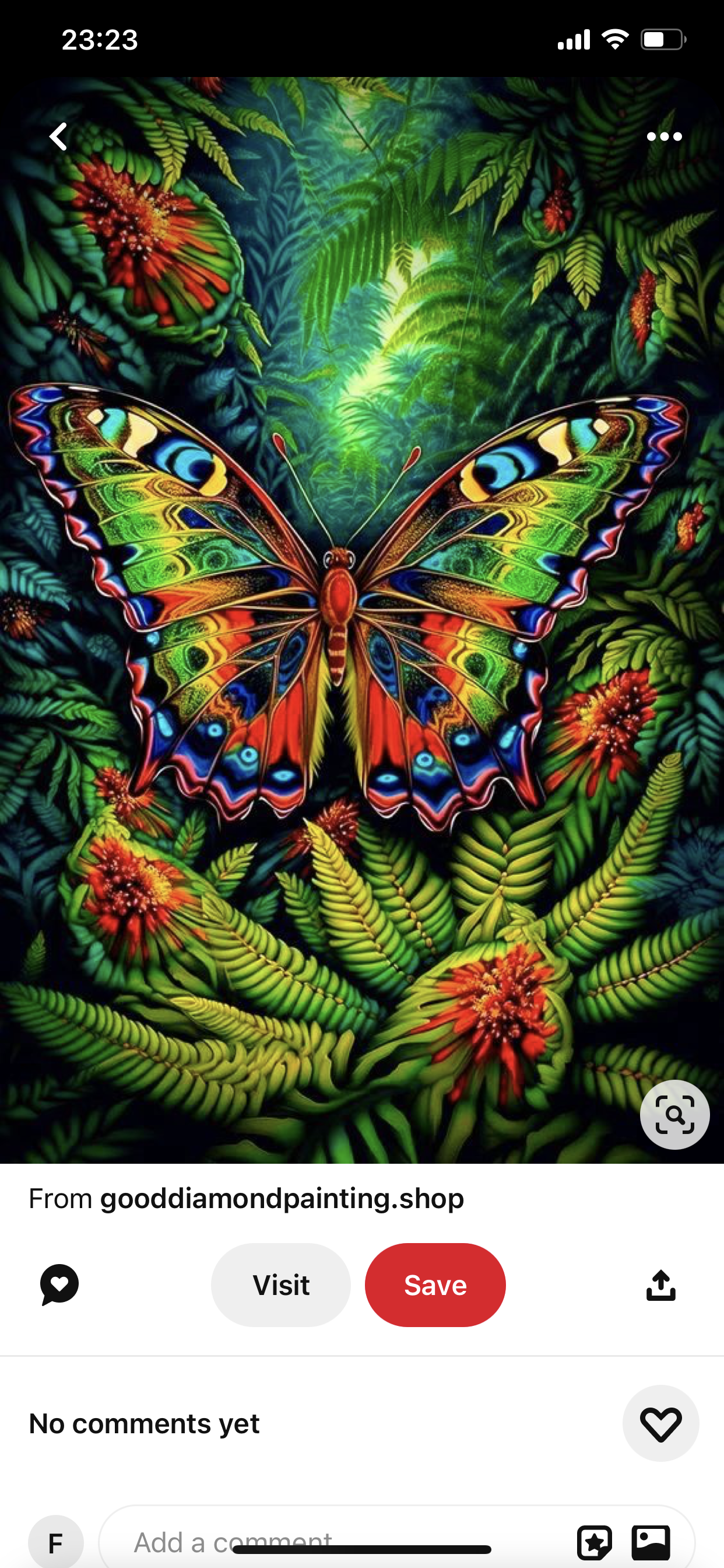
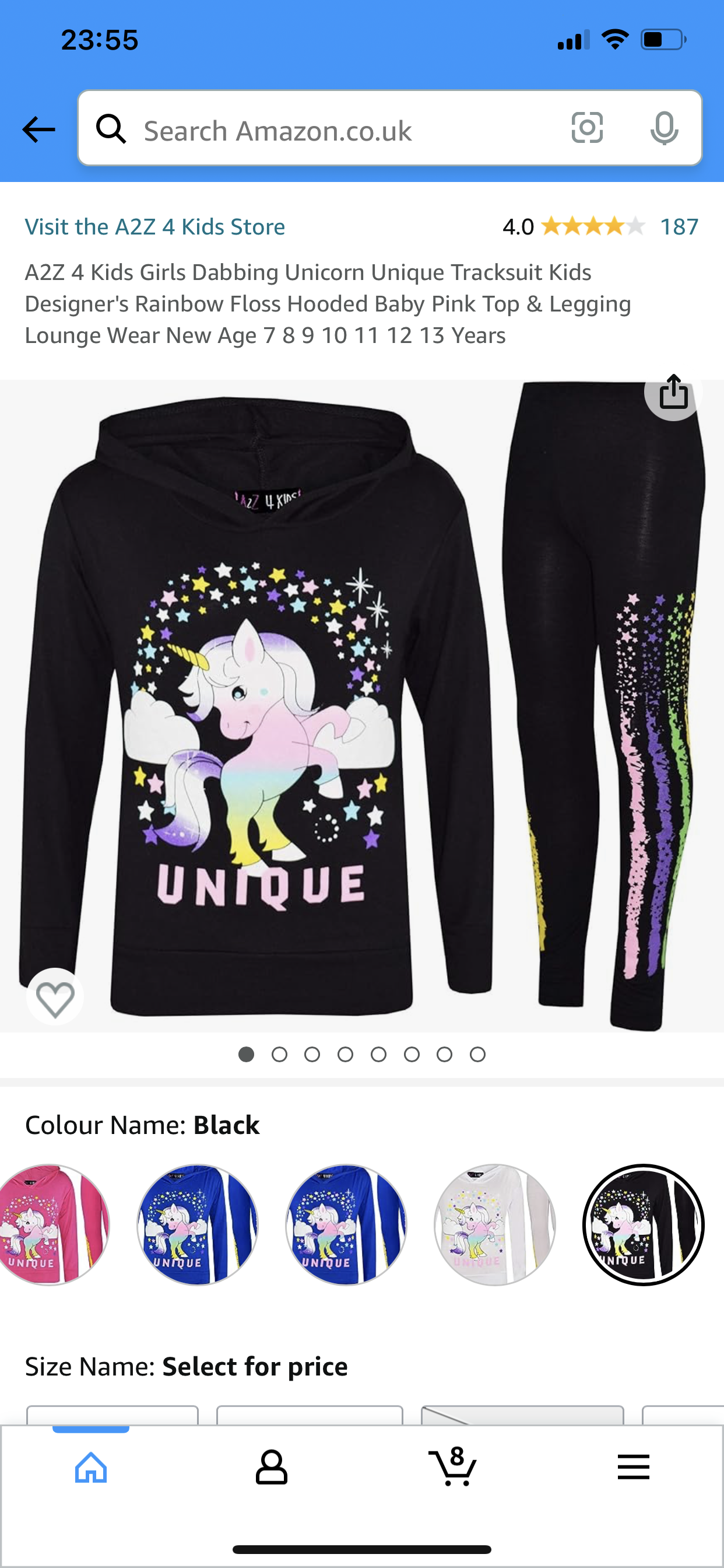
😃😃🤣❤️💜

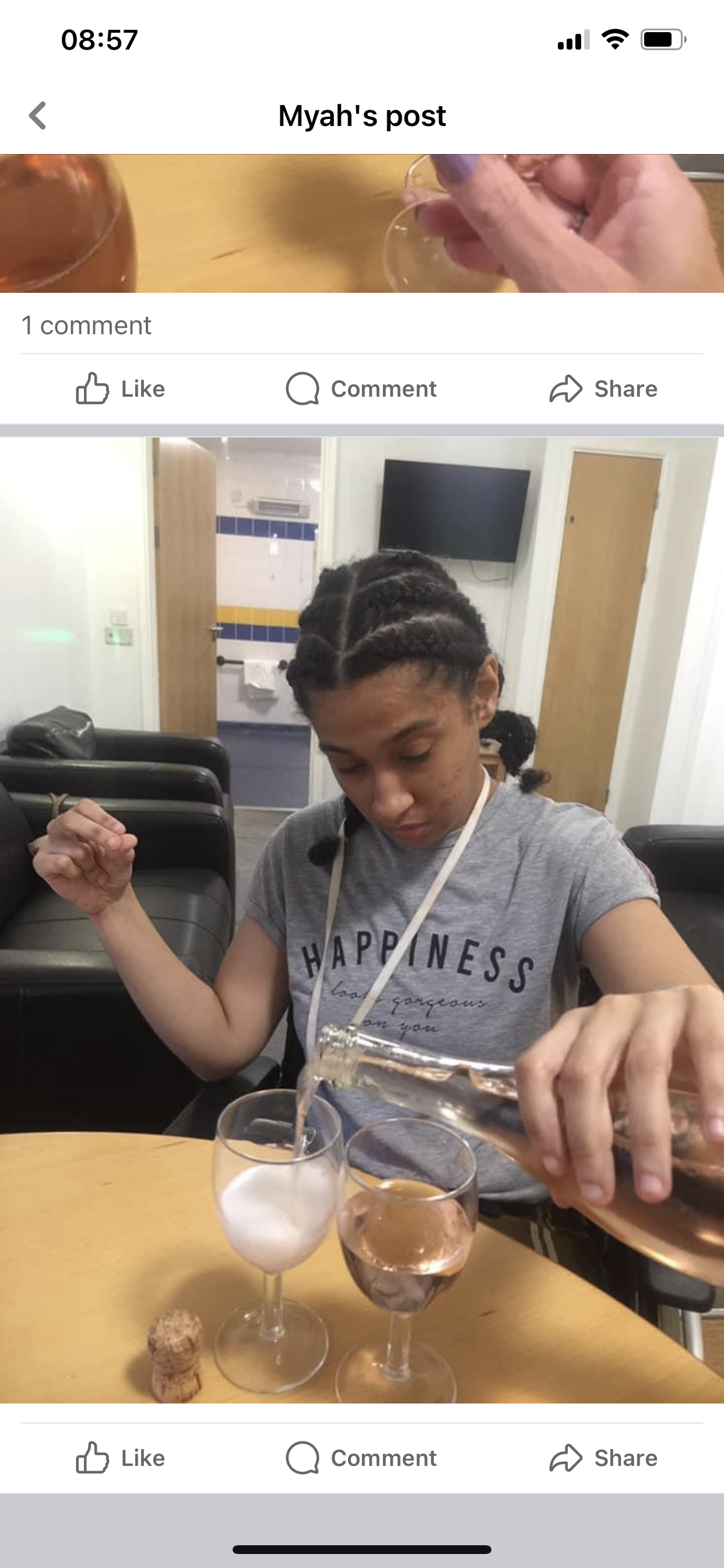
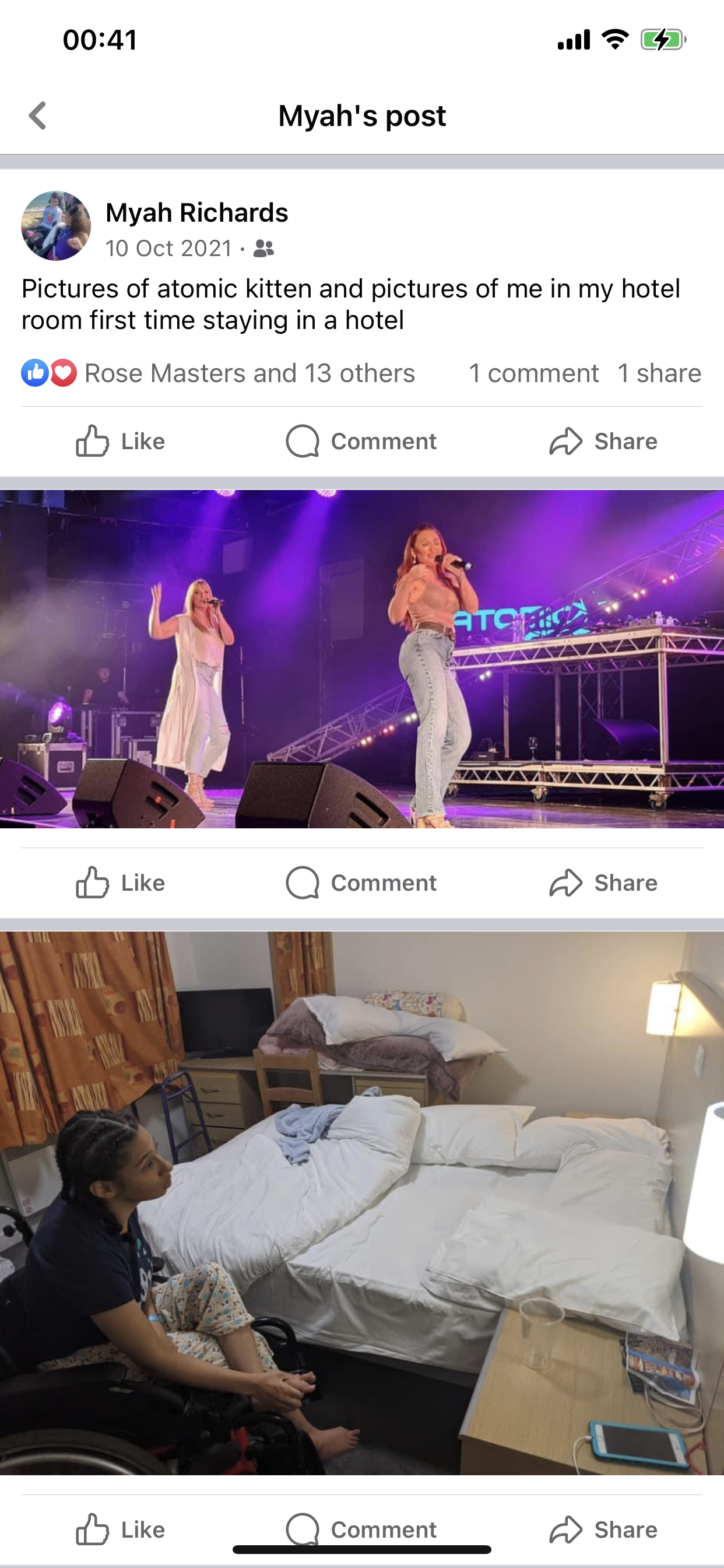
in the hotel room on respite three years ago yesterday
is saying of the day for the early riser for Tuesday morning

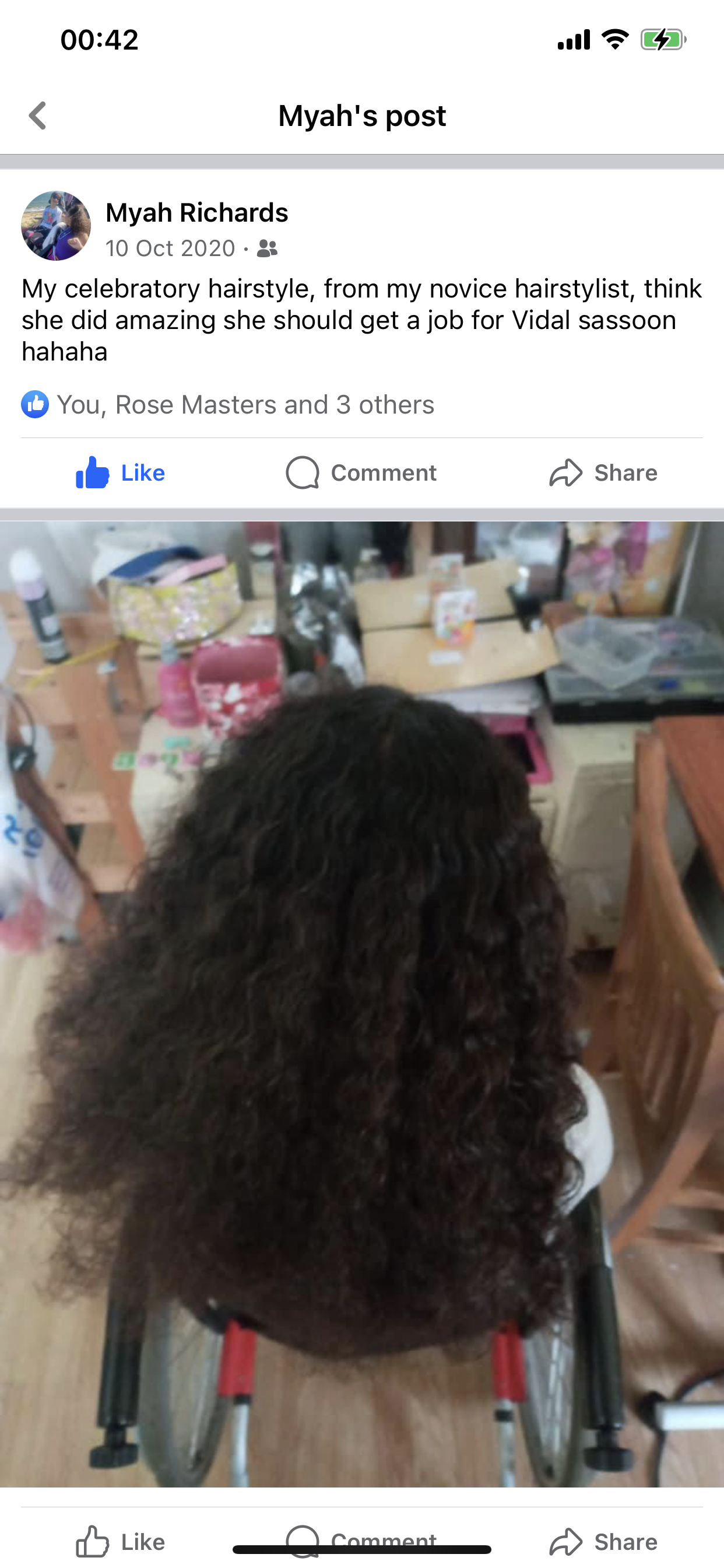
my hair when I am wearing it down before platting it, like I normally do in my friend Heathrow
baking three years ago and we’re going to bake home-made doughnuts

How Do Wheelchair Users Weigh Themselves?
When Lizzie posted on Facebook that she hasn’t been able to weigh herself for 22 years, including through three pregnancies, it sparked our interest about access to scales.
Gillian also told us she’s been trying to keep check of her weight during a health kick but it’s been months since she was last able to get on scales.
And Dr Georgie Budd offers some thoughts and suggestions around this dilemma.
We talk emotional support animals after an incident in Florida where one particularly scary example was banned from a ball game.
And the cruelly named Elephant Man, Joseph Merrick, is depicted on stage like never before courtesy of young actor Zak Ford-Williams who has cerebral palsy but doesn’t use prosthetics or alter his facial appearance.



a night in the Weekender at Butlins3 years ago in the nightclub, embracing in the movie on saying that night
thank you season everyone. Hope you have from the spooky season. #Halloween #HalloweenGirl #HappyTrickleCreate

elephants, who E is pretty illustration for you in the Eve
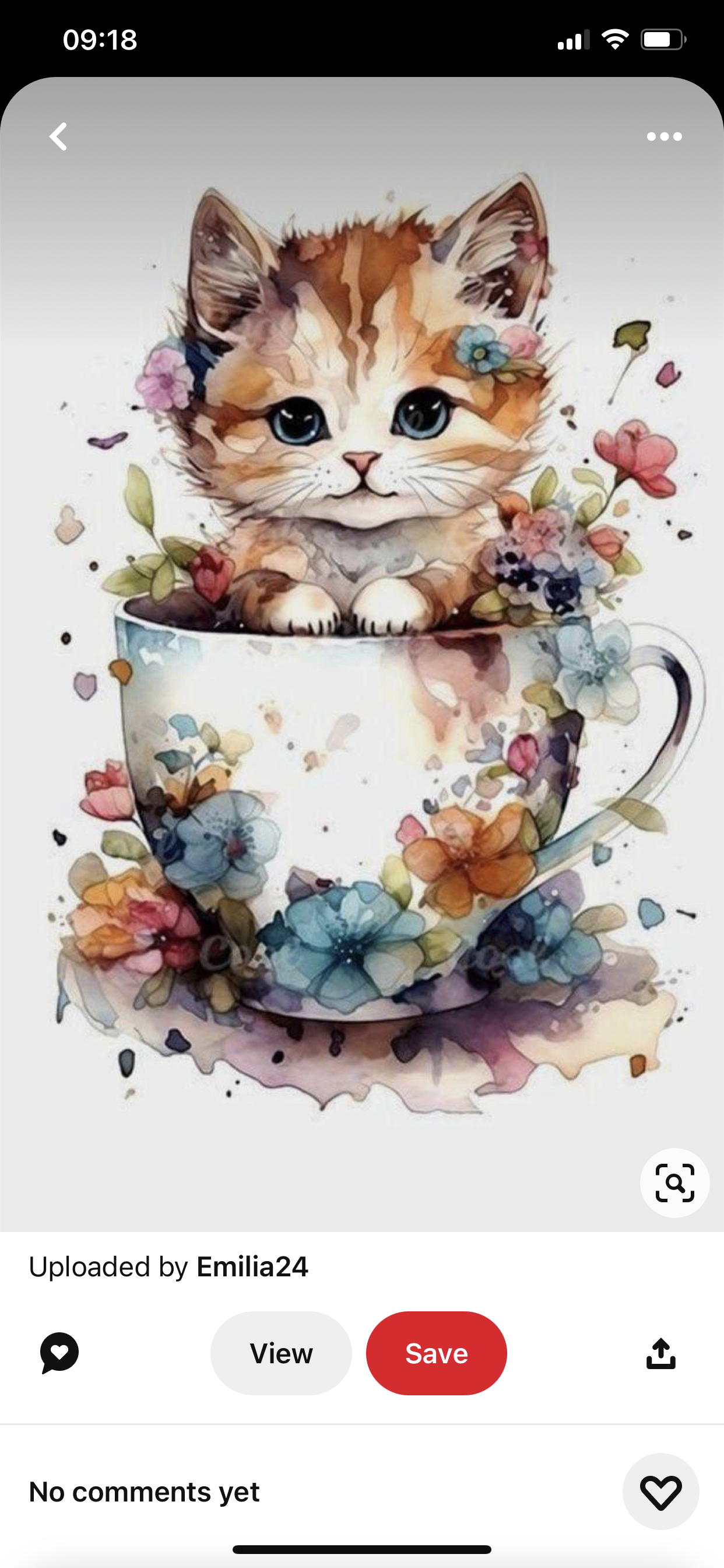
cute cat illustration for you on this Monday morning🫶🏼😃😃👩🏾🦽



Snapchat filter that I love because it gives me blonde hair being silly with it three years ago no
Blind Woman With Ill Baby Denied Access To London Hospital
A woman says she was refused access to a west London hospital when she tried to take her poorly baby inside for treatment, because she had a guide dog.
Historian and activist Dr Amy Kavanagh, 34, who is blind, was visiting West Middlesex University Hospital.
On arrival, however, she says a security guard “kept shouting ‘no dogs’ at me and my partner” and patients and staff had to intervene.
The NHS trust says it is “taking this incident seriously”.
When the guard at the Isleworth hospital’s urgent care department tried to refuse them access, Dr Kavanagh said she and her partner “firmly replied that Ava is a guide dog and legally allowed access”, before they walked past him and headed to reception.
“Luckily, other members of the public supported us and shouted down the security guard, repeating that Ava is a guide dog and allowed in a hospital,” she added.
“We immediately informed the nurse at reception who was also very supportive and went to talk to the security guard.”
‘It is unacceptable’
Dr Kavanagh, who posted on X about her experience, said her baby had a viral infection and “will recover with plenty of cuddles and a bit of Calpol”, but said it was not the first time she had been refused access with her guide dog Ava.
“A late-night visit to hospital with a poorly baby is worrying enough, but being told I couldn’t enter because I’m blind and a guide dog-handler was very distressing,” she said.
“It is unacceptable for the NHS to repeatedly fail guide dog-handlers like myself by employing security staff without the appropriate training to understand the role and access rights of assistance dogs.
“As a blind woman it is frightening and intimidating to be shouted at, physically blocked from entering a building or followed into a building by security staff.
“Disabled people should not have to feel anxiety about experiencing physically intimidating behaviour when trying to attend medical appointments or seeking healthcare.”
Dr Kavanagh added that it should not matter whether security staff were employed directly or by third-party contractors, because the NHS “must ensure that no guide dog-handler is at risk of being turned away from medical care because of a lack of training and awareness”.
“This could have a serious impact on the health and wellbeing of blind individuals trying to access NHS services,” she continued.
A Guide Dogs spokesperson said: “Too many guide dog-owners continue to face discrimination and are turned away because they have their guide dog with them.
“Our research shows that 81% of guide dog-owners have been refused access to a business or service at some point, and around half said they changed or restricted their plans because they were concerned they would be refused access because of their guide dog.”
A spokesperson for Chelsea and Westminster Hospital NHS Foundation Trust said: “We are taking this incident seriously, our organisation is fully committed to providing accessible services for everyone in our community, in a safe and welcoming environment.”
The spokesperson added the trust had reached out to the woman “to offer our sincere apologies and importantly, to ensure that appropriate action will take place following an immediate internal review”.
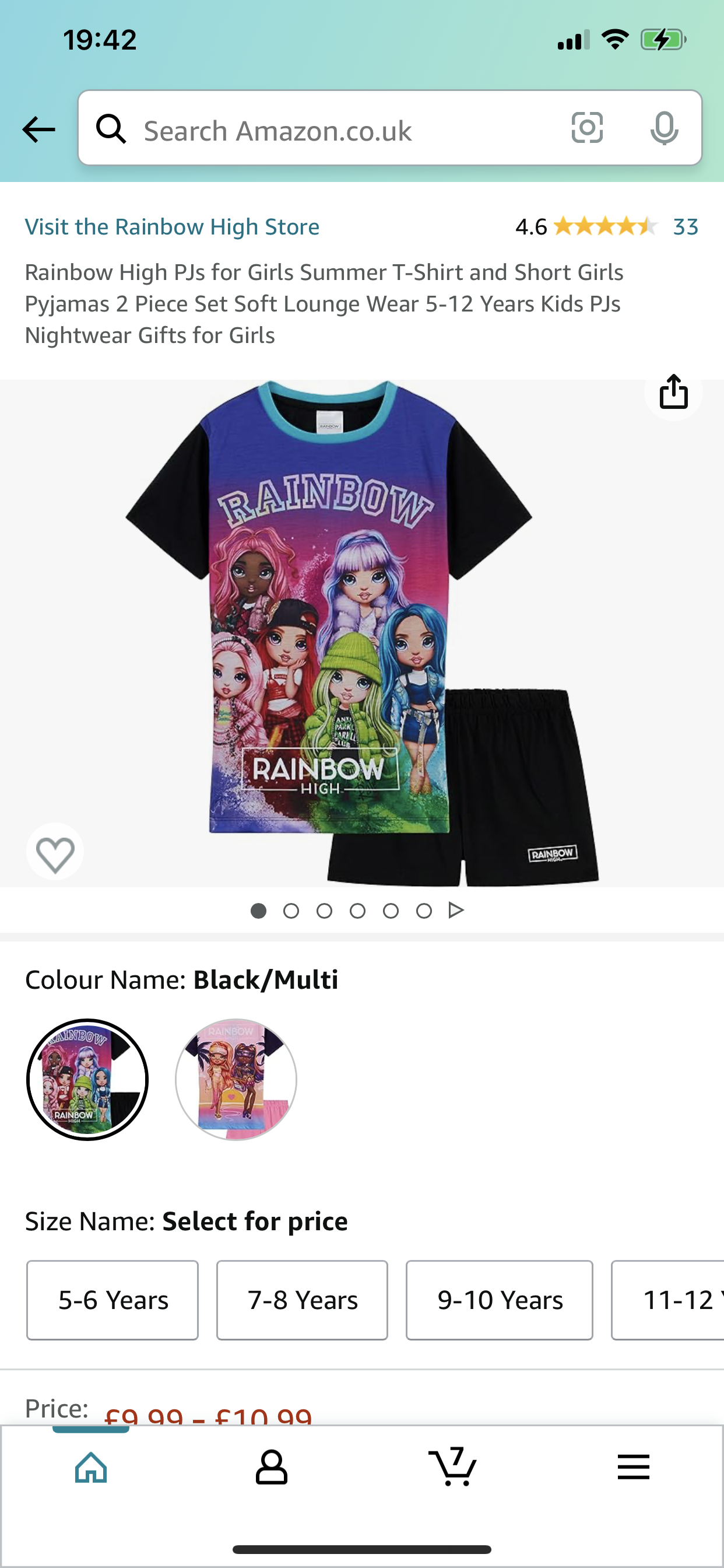
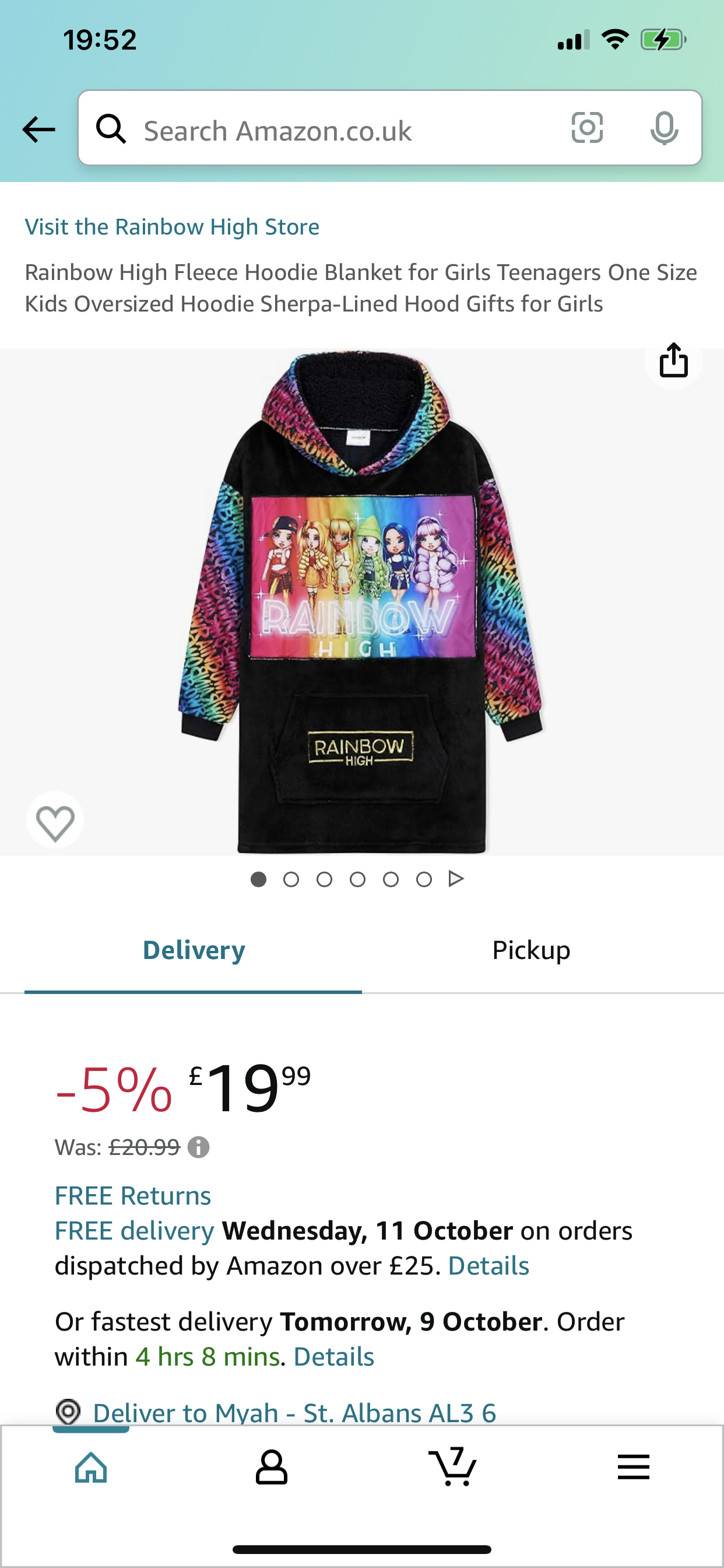
illustration for the cat and booklovers. #EveningIllustration

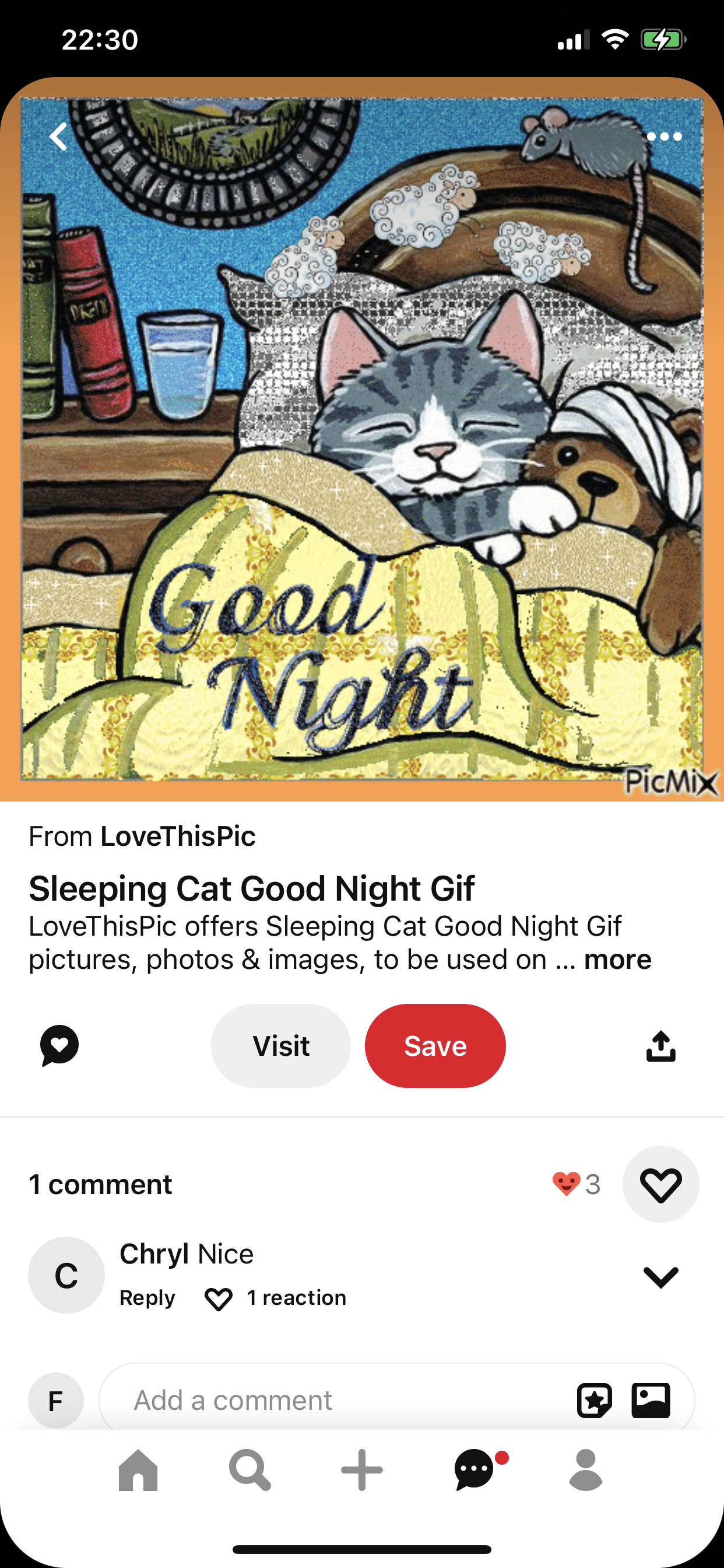
my favourite sayings of the morning

things of the morning for my use of your clothes

good night and bedtime time as well as late evening, depending on where you are in the world


ring Paige on Pinterest update for you for Saturday


World CP Day 2023
It’s World Cerebral Palsy Day 2023. Since this is my disability, this date has been a special one for me for the last 5 years, since I learnt about it.
Green is our community’s chosen colour. Our symbol is a green ribbon.
One thing I do very well is rewrite songs with disability twists. So to mark the Day this year, I thought I’d rewrite an old love song, with a new, CP theme.
Tie A Green Ribbon Round The Ole Oak Tree
Please let me in, I’ve done my time
Now I’ve got to know what is and isn’t in my mind
Teacher, if you received my letter telling you where I want to be
Then you’ll know just what to do
If you do want me, if you do want me
free claw machine three years ago trying to win one that I definitely didn’t know Grandma

playing Wacomo three years ago to win tickets at the arcade. #Dial #Three-YearMemories #Okayed #WorkAboutOut#OkayGame

Brighton: Pedestrianised North Laine Area Reopened To Cars
There are two sides to this debate, of course, but I consider this good news for those who need to travel by car.
One of Brighton’s busiest North Laine streets, which was pedestrianised last year, will be reopened to traffic.
Brighton and Hove City Council voted in favour of reducing Gardner Street’s pedestrianised hours to 11:00 to 19:00 on Fridays, Saturdays and Sundays.
The change will improve accessibility for disabled residents, one of whom has been “left stuck in their home for months”, the council said.
A former Green councillor has described the move as “desperately sad”.
Jamie Lloyd, the former lead for active travel for the council, accused Labour of being a “pro-traffic, anti-clean air administration” that had “thrown out any chance of an ultra-low emission zone” in the city.
Labour councillor Trevor Muten said air quality in the city had declined over the last three years and the council was “committed to moving the city towards a low carbon transport system”.
‘A workable compromise’
Gardner Street, which is full of shops and restaurants with tables outside, is currently shut to traffic from 11:00 to 17:00 each day, following a decision by the then-Green majority council last November.
But following a vote on Tuesday, the road will be open to vehicles from Monday to Thursday.
Labour councillor Trevor Muten said this was “a workable compromise” to maintain “the vibrancy of this busy street” at busy times, while also ensuring fair access for residents.
“It is vital that no-one is disadvantaged or left to feel isolated, especially our most vulnerable residents,” said Mr Muten.
Mr Lloyd argued cars did not provide a solution to accessibility.
Traffic free cities across Europe were “extremely pleasant places” where “disabled people can still live their lives”, he said.
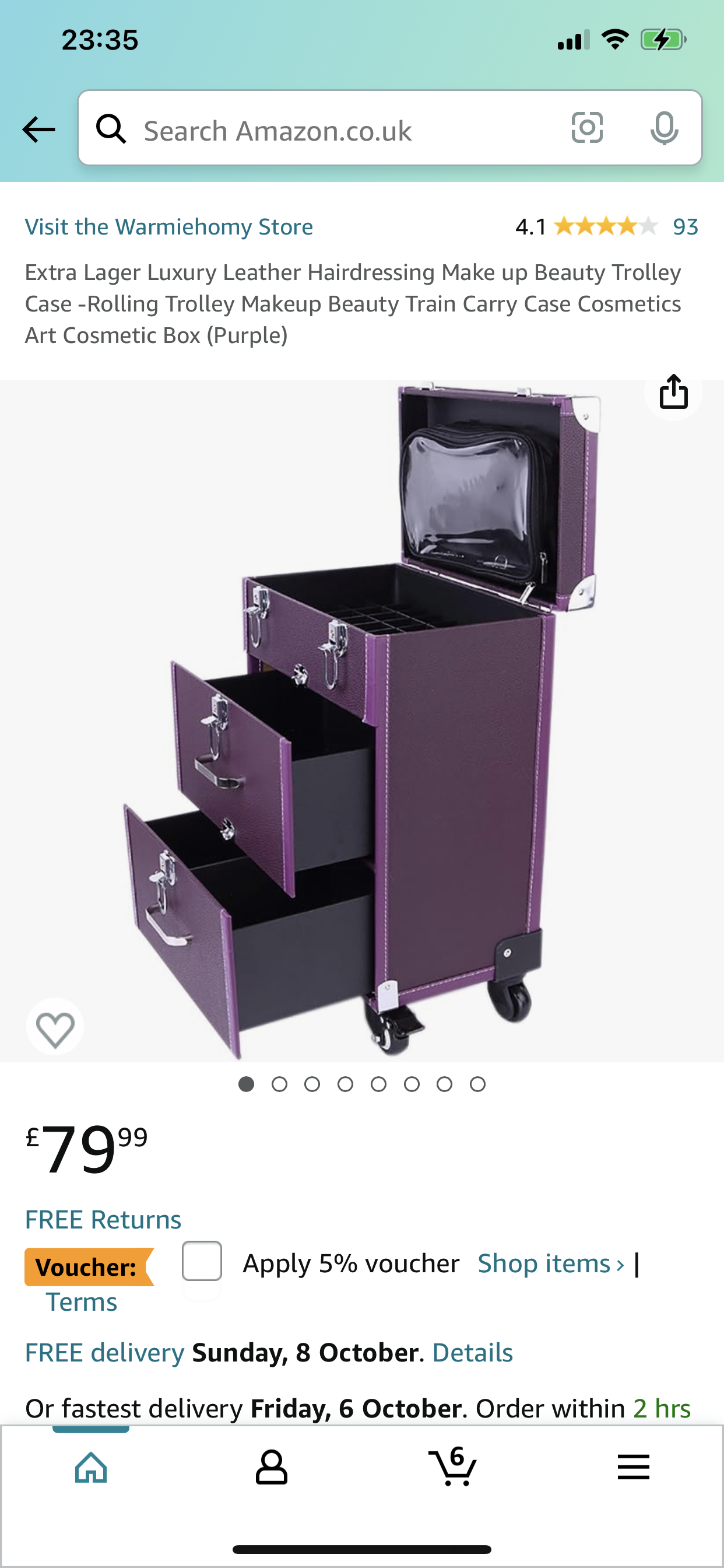
a link, which I’m not sure posted properly one over my iPad
bedtime, sayings and evening sayings for all my viewers who are on same difference🫶🏼🌙🌙


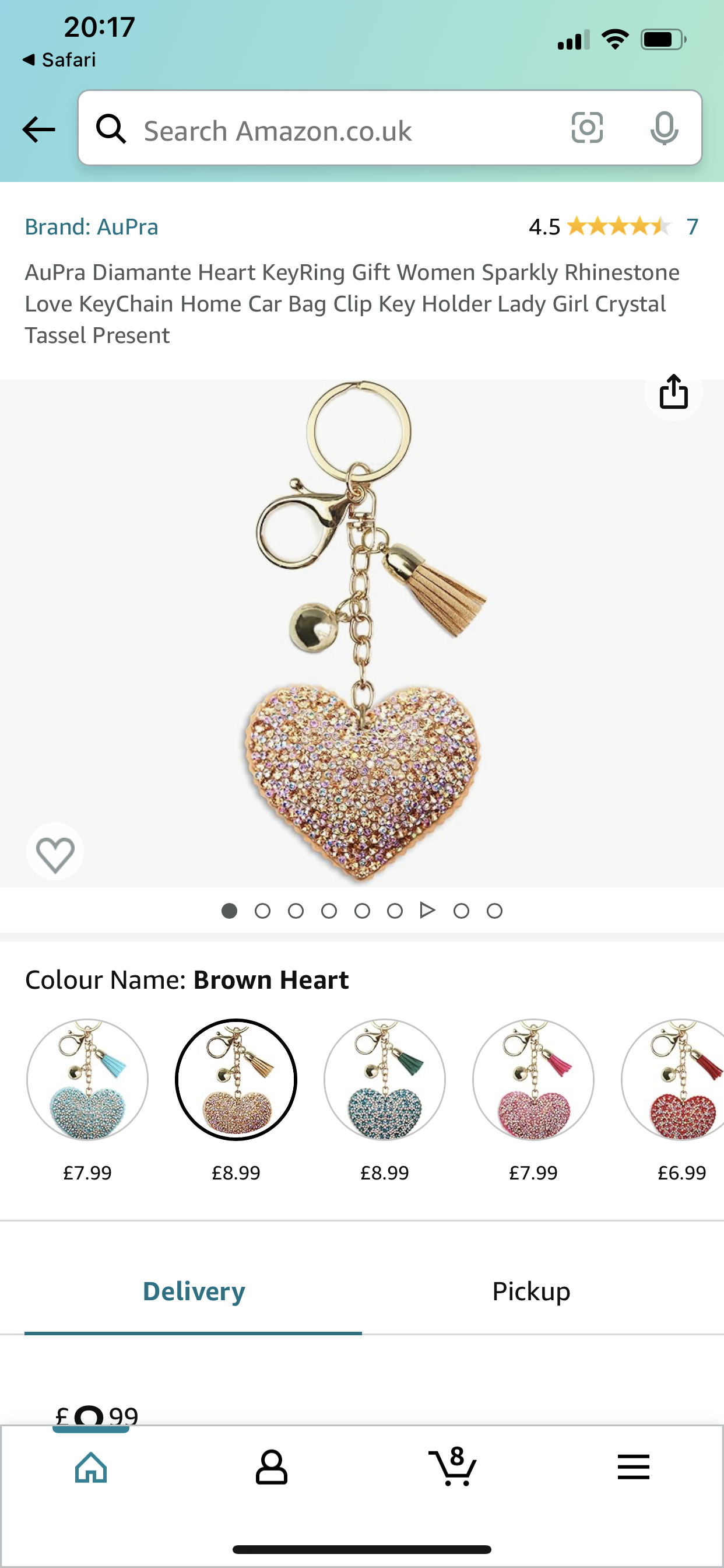
https://amzn.to/3ZDDnFb
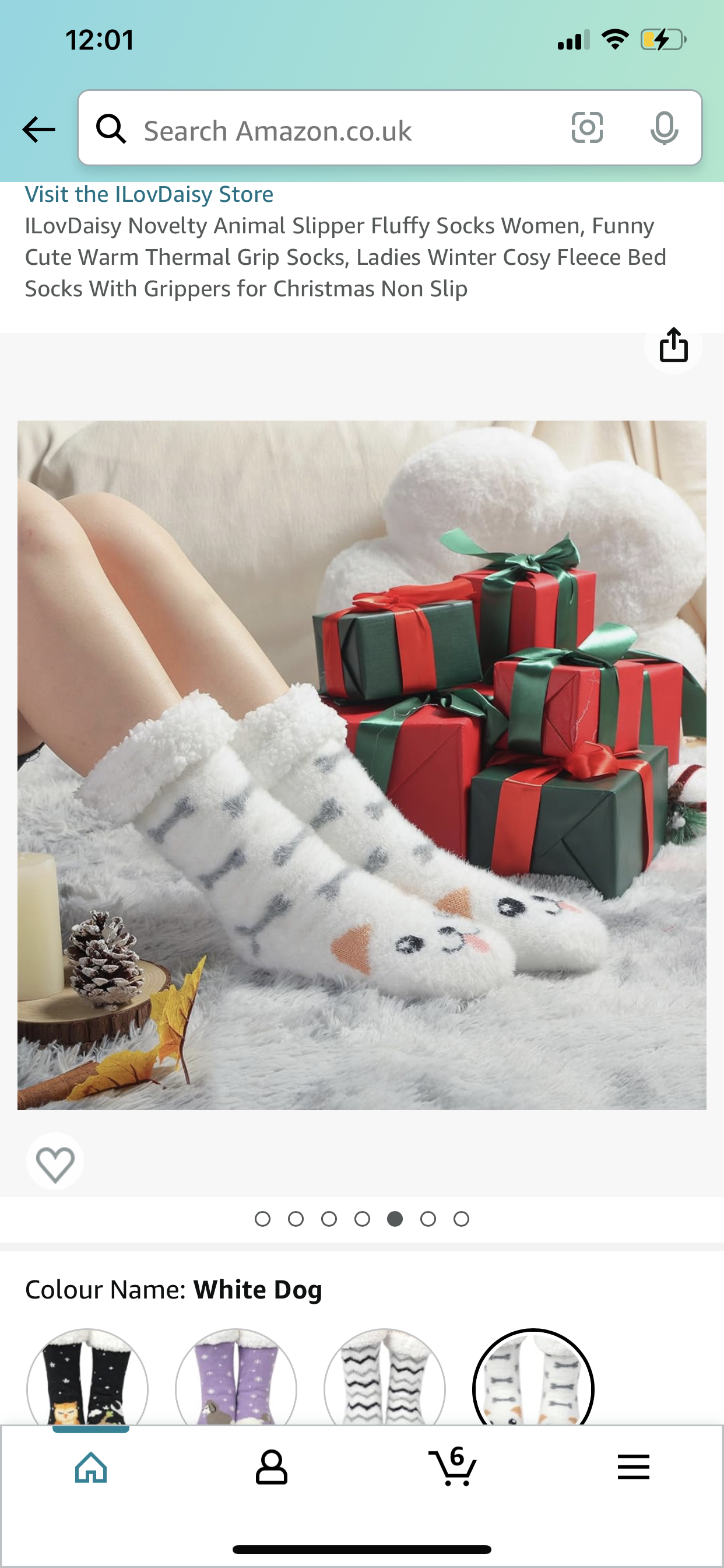
put up a good day exclusively for my you were here on my page
princess, story right if you are just a good morning and that is it all just getting up as I am just going to bed as I am not

Reading Charity Crowdfunding To Set Up Training Brewery
A charity is hoping to raise £25,000 to set up a training brewery for adults with learning disabilities and autism.
The Count Me In Collective is a group of disabled and non-disabled people in Reading who have been brewing their own beer.
It was founded by Becky and John Whinnerah, inspired by their own children who have complex needs.
Mrs Whinnerah said it was her “ultimate dream” to help disabled adults gain work skills.
The charity recently partnered with the Elusive Brewery, a microbrewery in Wokingham, and held two training days that resulted in two beers being developed – called Count Me In and Stand Up and Be Counted.
Mr and Mrs Whinnerah, who have run pubs in the past, now want to set up the Count Me In Collective’s own brewery offering training in beer-making, and ultimately employment opportunities.
‘Life-changing’
Mrs Whinnerah said: “We are seeing more and more of this in bakeries, cafes, hospitality, so I couldn’t see why it couldn’t be applied to brewing.
“For us its personal – two of our three children are disabled, one is autistic and the other has complex needs – it makes you think very long-term.”
Fewer than 22% of autistic adults are presently employed in the UK, dropping to about 5% for those with learning disabilities, according to the Office for National Statistics.
A crowdfunding appeal is being launched to allow the charity to buy the equipment it would need to set-up its own brewery.
Ms Whinnerah said: “Hopefully the beer we create and sell will sustain us in the long run.
“I’m exhausted as a parent-carer, but then I think back to that first training session, where I met our first trainee Matthew and I remember his whole face lit up and he told me it was life-changing.
“It’s moments like [when] I wake up and am proud of our venture.”
https://www.amazon.co.uk/dp/B09VQ5D2W6/ref=cm_sw_r_as_gl_api_gl_i_133D0XS66DV96HY52G1S?linkCode=ml2&tag=findtheabilit-21
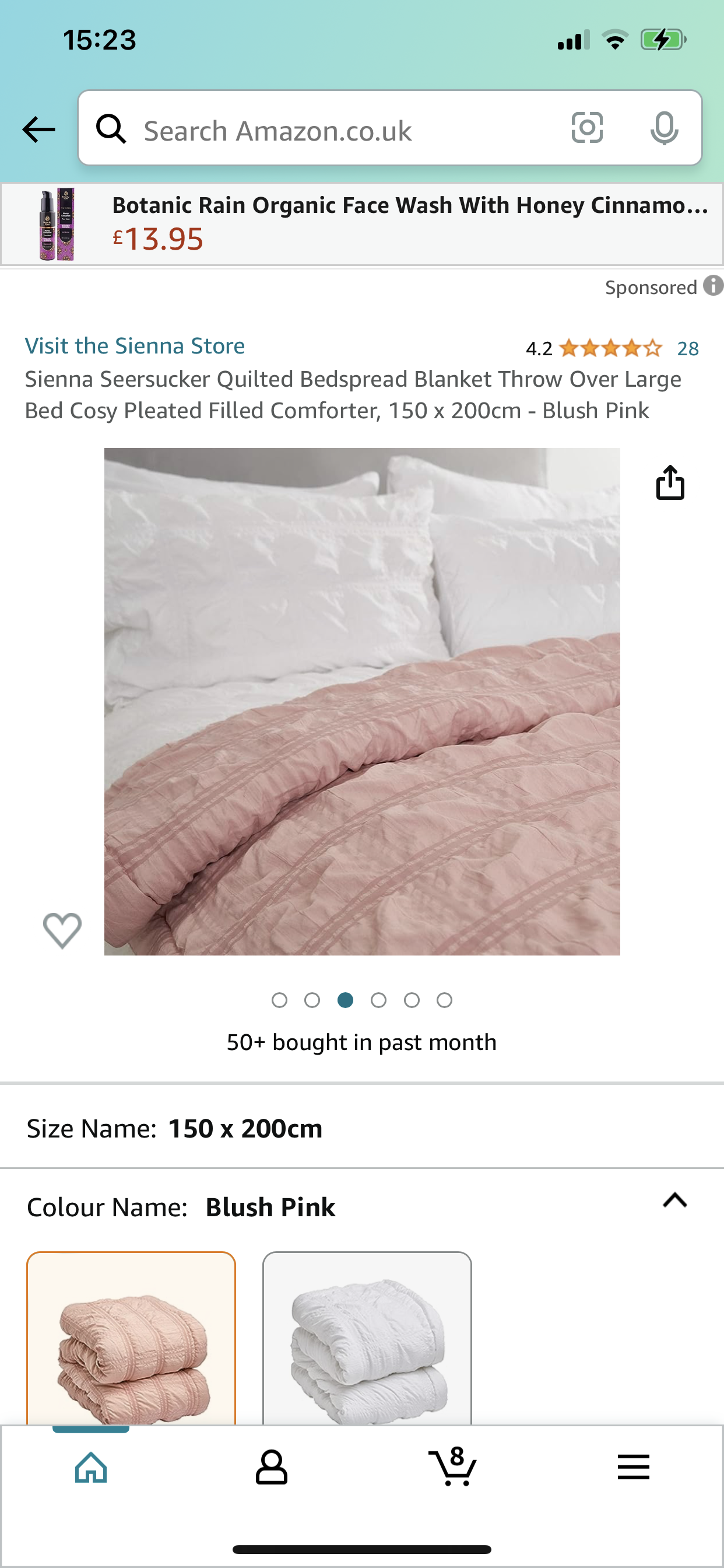
sorry for today, Tuesday
More WCA Reviews To Be Carried Out, DWP Warns
With many thanks to Benefits And Work.
The DWP has announced that it is to carry out more WCA reviews ‘to ensure claimants who can work are supported to do so’.
The information was included in the 22 September edition of the DWP’s Touchbase newsletter, which is aimed at professionals who work with claimants.
In a piece entitled ‘Work Capability Assessments – update’ the newsletter stated:
“Although we continue to prioritise new claims for a Work Capability Assessment, we plan to conduct more Department-led reassessments as we recover capacity post-Covid.
“Reassessments help ensure claimants receive appropriate financial support and account for the fact that health conditions and disabilities can change and affect people differently over time. We want to ensure claimants who can work are supported to do so, and reassessments help us do that. If customers who use your services enquire, please advise them to complete their medical questionnaire if applicable and to attend their reassessment. If they don’t, their benefits may be affected.”
No further details were given about how many WCA reviews are currently being carried out or by what percentage the numbers will increase. Nor do we know whether reviews will primarily be for employment and support allowance claimants, universal credit claimants or both.
Benefits and Work has made a Freedom of Information request to try to get more details. We’ll pass on anything we learn.
good morning to all my viewers and usual morning saying🤣

call today with another Pinterest update everyone coming a bit
A leading charity has deleted a post that branded the government’s latest disability campaign “murderous”.
Disability Rights UK (DRUK) said its initial response to the Ask, Don’t Assume advertisements was “inappropriate” and “misjudged”.
The campaign features disabled people wearing T-shirts with slogans on them, but it was criticised by some for being insensitive and intrusive.
The government said it worked with disabled people to create the campaign.
The adverts aim to highlight the need to check if someone wants assistance, and not to make assumptions about the capabilities of someone with a disability, and went public on Tuesday.
They feature three people wearing messages on their T-shirts, including a wheelchair-user wearing a top with “don’t push it” printed on it, a woman holding a white cane with “can’t touch this” and a woman with scarring on her arms with “one of a kind”.
But the campaign has drawn criticism on social media since its launch, with some claiming it could open disabled people up to insensitive and intrusive questions about their disability.
And in its now-deleted post on X, formerly Twitter, on Tuesday, DRUK wrote it did not “support the government’s ridiculous attempt to purple-wash their murderous ableist policies by using some disabled influencers to ‘raise awareness’ about disability”.
Purple is the colour associated with disability, and ableism relates to discrimination that favours non-disabled people above disabled people.
Dan White, DRUK’s policy and campaigns officer, told the BBC podcast, Access All the post had been removed due to “inappropriate language” and it “should have been worded better”.
“It was a fast-moving, emotional response with, sadly, inappropriate language,” he said.
“It was deleted because the language was misjudged and it could and should have been worded better.”

LISTEN: You can hear Disability Rights UK explain its thought behind its post, on the latest episode of Access All.
He added: “We have to understand that we all get emotional in this community from time to time. We still need to speak truth to power, but there are better ways of doing that.”
Mr White, whose daughter is disabled, said there were positives to draw from the campaign such as the inclusion of disabled people in creating it and the intention behind it.
He said the anger originated from the fact the government was focused on this rather than what he said were more serious inequality matters.
“Adults, children and carers cannot afford medication, can’t afford fuel, can’t afford food. Income isn’t enough to keep people alive and we see this over the winter months, the excess deaths,” he said.
“These are things that the government should be campaigning about.”
Among those to voice their criticism of the Ask, Don’t Assume campaign was TV presenter Sophie Morgan.
Morgan posted: “My thoughts on the new #AskDontAssume Campaign. Please, don’t #ask. We will let you know if we need you for anything. Otherwise you can #assume we are just fine. Thanks.”
Activist Dr Amy Kavanagh, who is visually impaired, said she was disappointed by the lack of resources available to educate and inform people – calling the new campaign “fluffy”.
She has been running a similar campaign for the past five years called Just Ask, Don’t Grab, encouraging people to share their experiences online.
She posted that the campaign “expects disabled people to be educators in the face of discrimination”.
The government’s Equality Hub, which is behind the campaign, said it was “committed to ensuring disabled people are treated with respect and dignity”.
It said in a statement: “Ask, Don’t Assume was developed in partnership with, and informed by, disabled people and their representative organisations from across the country.”
The posters will be visible for the next 10 weeks, before the whole project is reviewed.
signing of the evening and bad times three

open a really good and clever in the colours that make you a time would like to share with you

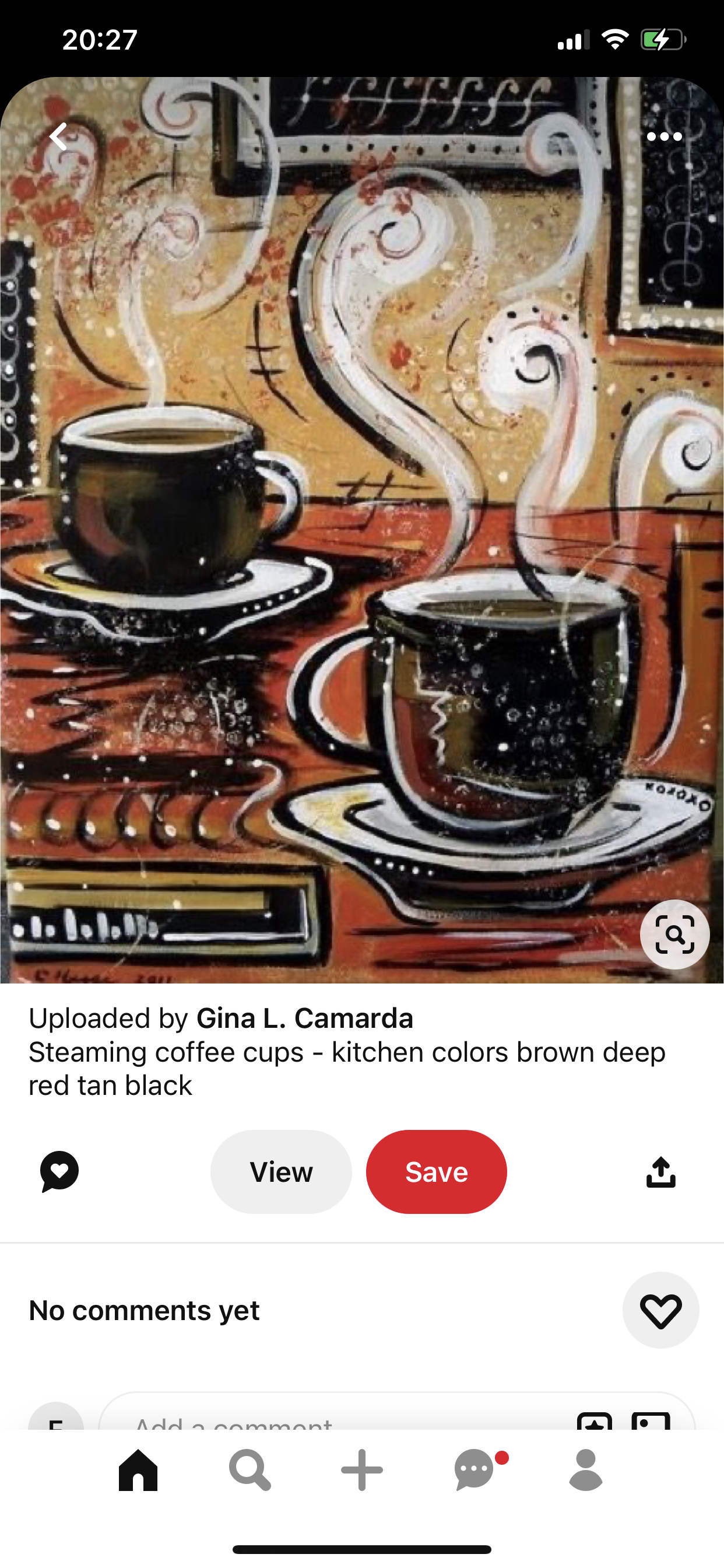
Grace is ready for the viewers of my bro

attending morning to raise money for Lauraine, enjoying all the cake, Samantha members of my local community two years ago

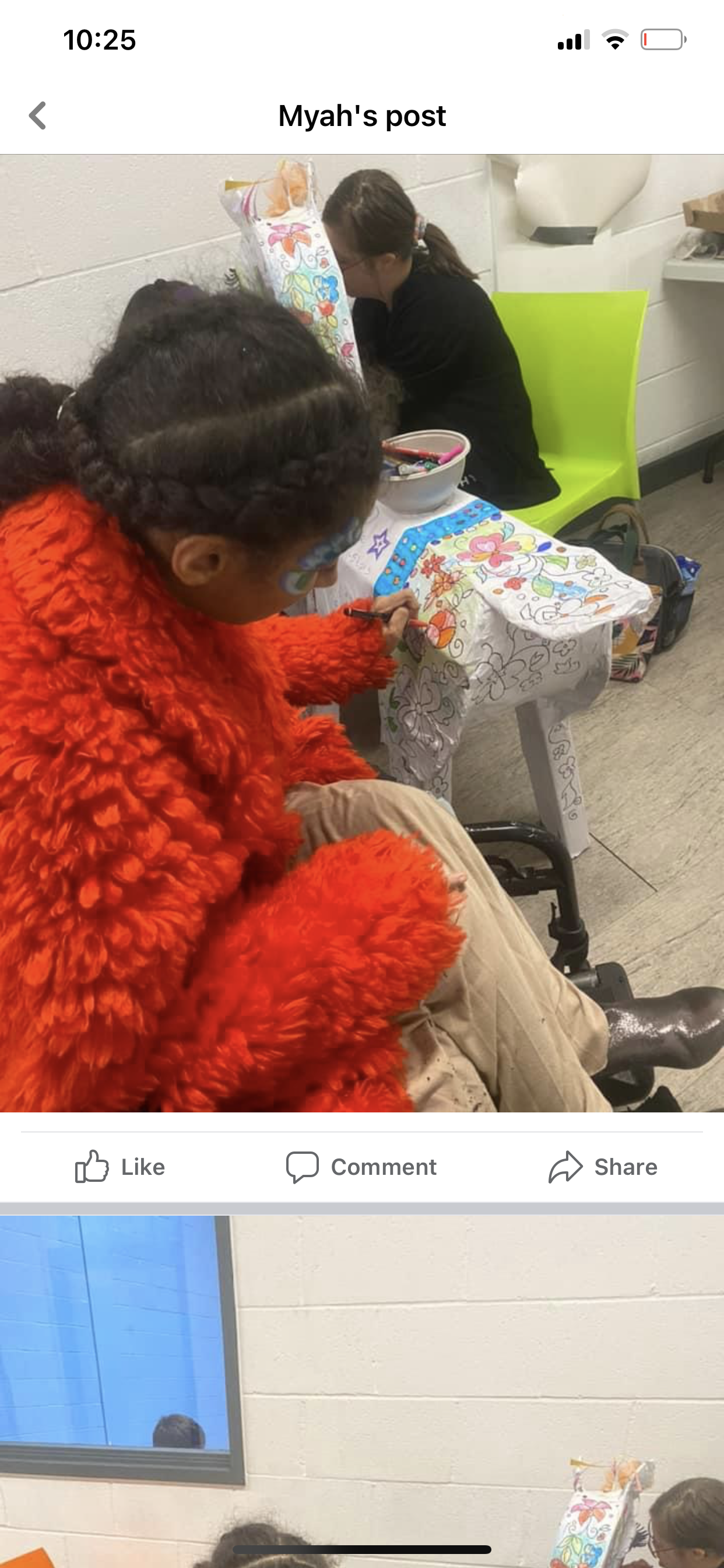
We’re
We’rehttps://amzn.to/3LFKFlK link for anybody that didn’t get that link that I just put onto work because I wasn’t sure it came out
evening sayings for all my viewers. Have a happy Saturday evening everyone
open the day that I like your style especially with the royalty of colours and shades
three of the day for everyone who viewed my block
illustration, and saying of the day
Second 2023 Cost Of Living Payment Dates
With many thanks to Benefits And Work.
The DWP has announced the dates that the second cost of living payment of 2023 will be made.
A payment of £300 will be sent out automatically to eligible claimants between 31 October and 19 November 2023.
This follows a first payment of £301 made between 25 April and 17 May
A further £299 payment will be made in Spring 2024.
Eligible benefits
To be eligible for the £300 payment you will need to have been in receipt of one of the following benefits during the qualifying period:
- Universal Credit
- Income-based Jobseekers Allowance
- Income-related Employment and Support Allowance
- Income Support
- Working Tax Credit
- Child Tax Credit
- Pension Credit
Universal Credit
You are eligible for the second Cost of Living Payment of £300 if you were entitled to a payment (or later found to be entitled to a payment) of Universal Credit for an assessment period ending between 18 August 2023 to 17 September 2023.
Income-based JSA, income-related ESA, Income Support and Pension Credit
You are eligible for the second Cost of Living Payment of £300 if you were entitled to a payment (or later found to be entitled to a payment) of income-based JSA, income-related ESA, Income Support or Pension Credit in respect of any day between 18 August 2023 to 17 September 2023.
You are also eligible if you are entitled to one of these benefits for any day during this period but you do not receive a benefit payment because your entitlement is between 1 penny and 9 pence.
Tax credits
For tax credits-only customers, you are eligible for the second Cost of Living Payment of £300 if you were entitled to a payment of tax credits in respect of any day in the period 18 August 2023 to 17 September 2023, or are later paid in respect of any day in this period.
how are years ago with my support worker. After the coffee morning, I intended at the school that are used to study at for secondary education
good night :-)
saying every evening, only one tonight still do not feel 100% how much surgery the time I had to die but I am back home. #KimOdae #Complex #Surgery #CerebralPalsy
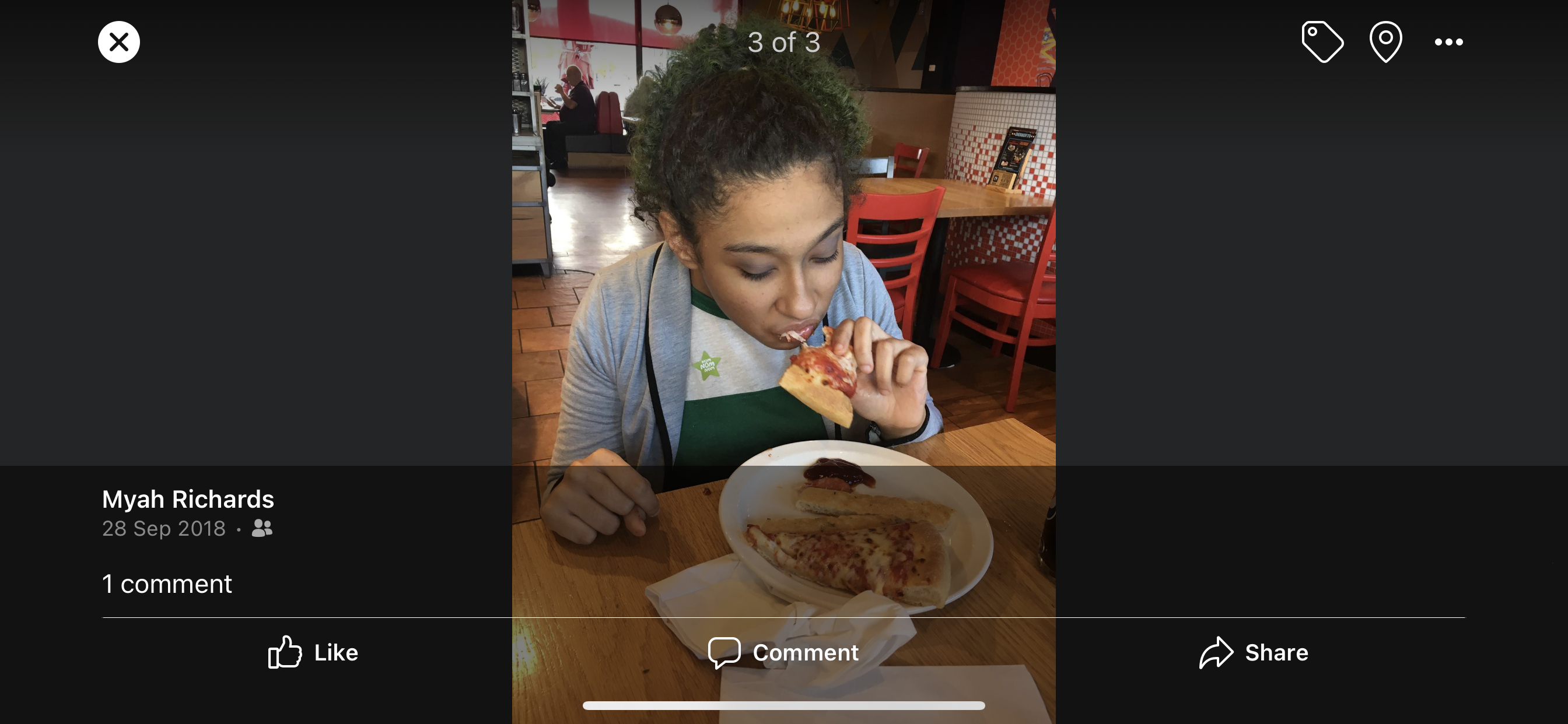
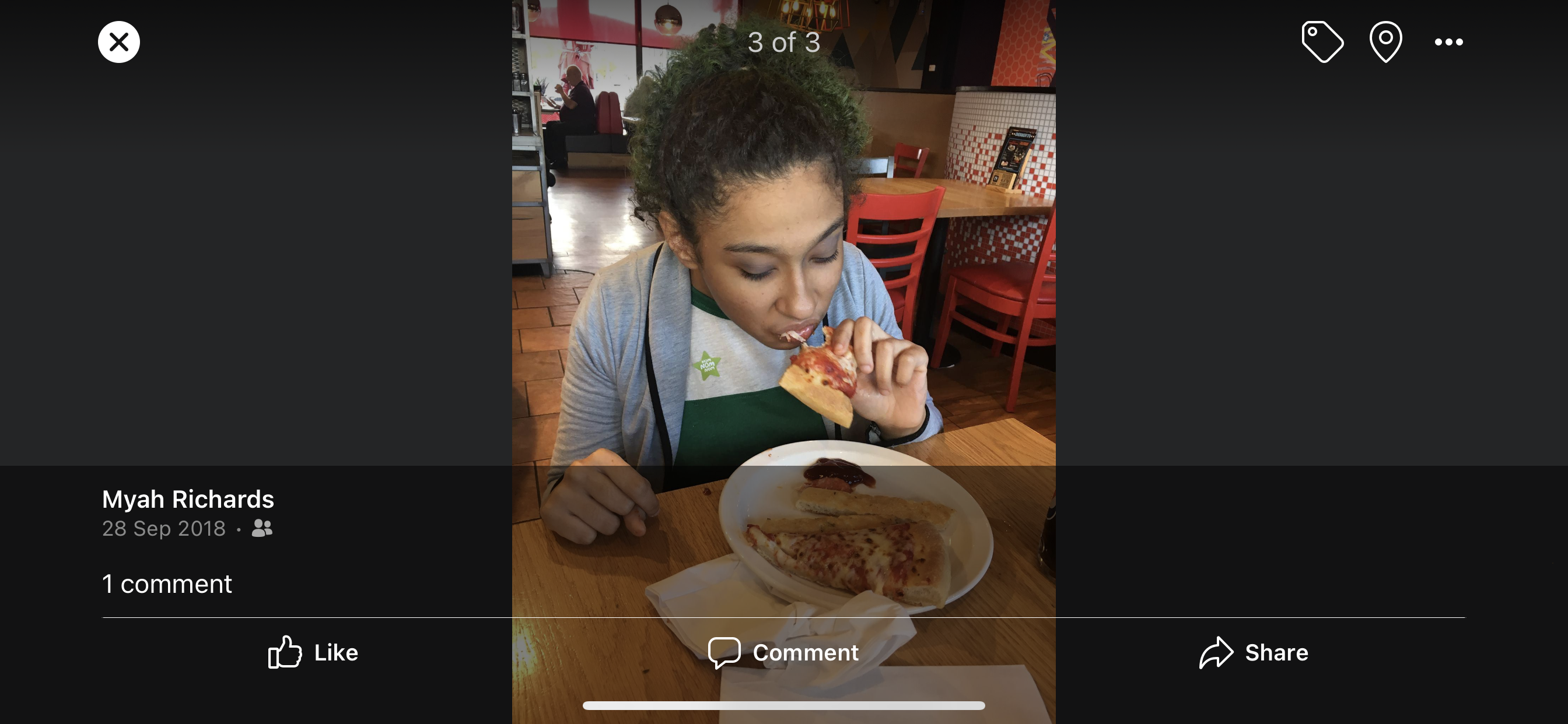
Pizza Hut five years ago, all you can eat under million day when I was from Rosa at the school I used to attend
❤️👩🏾🦽🤣
pencil illustration that I like this movie for
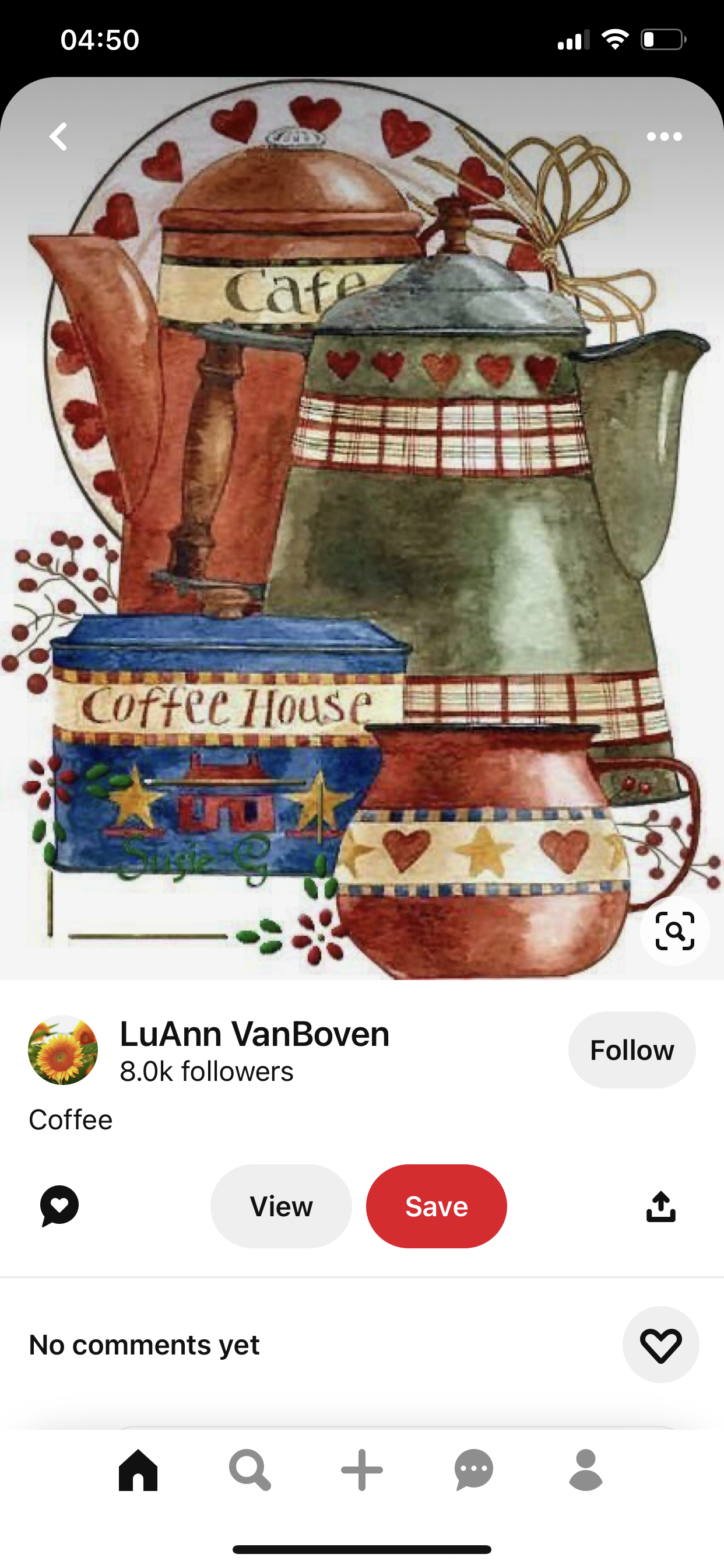
https://adults item of the day, amzn.to/3tgowUK
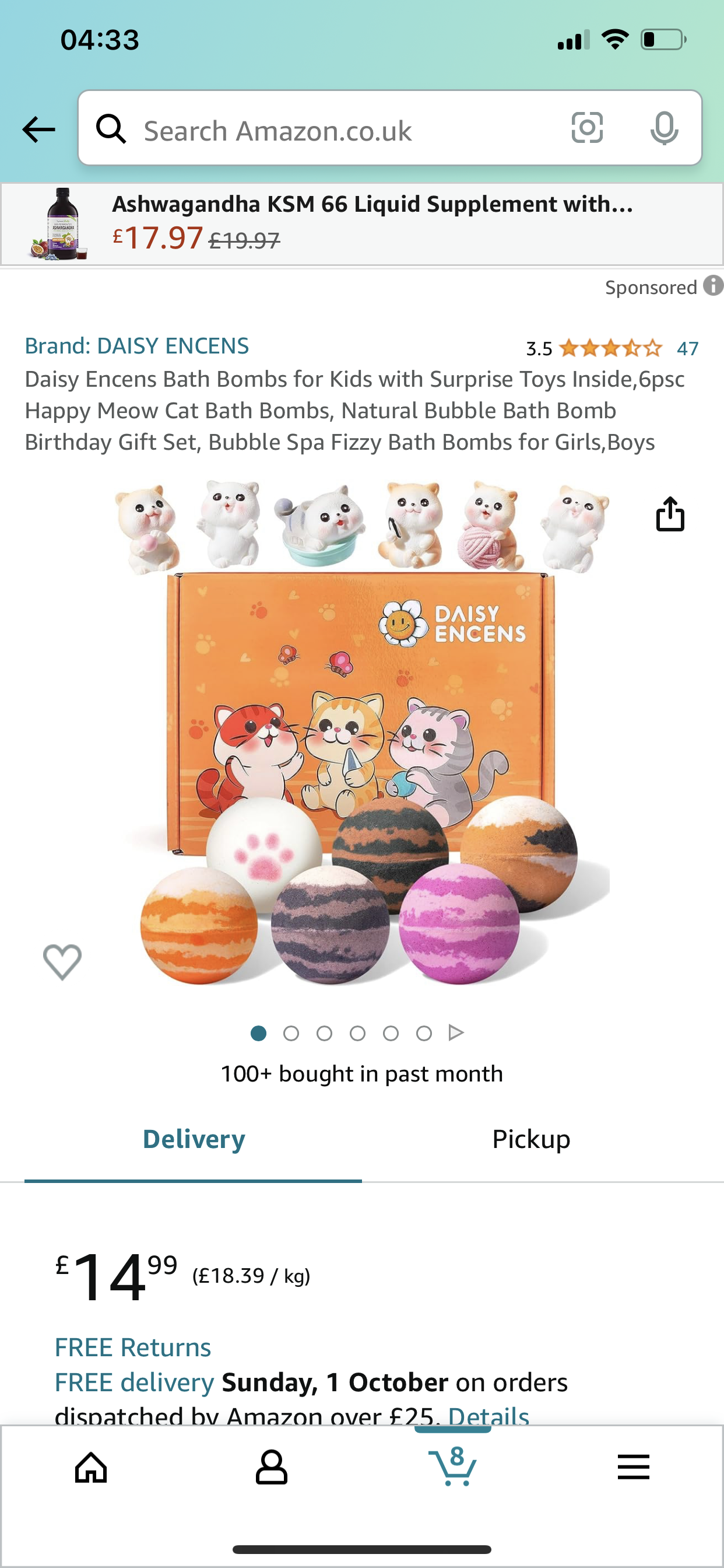
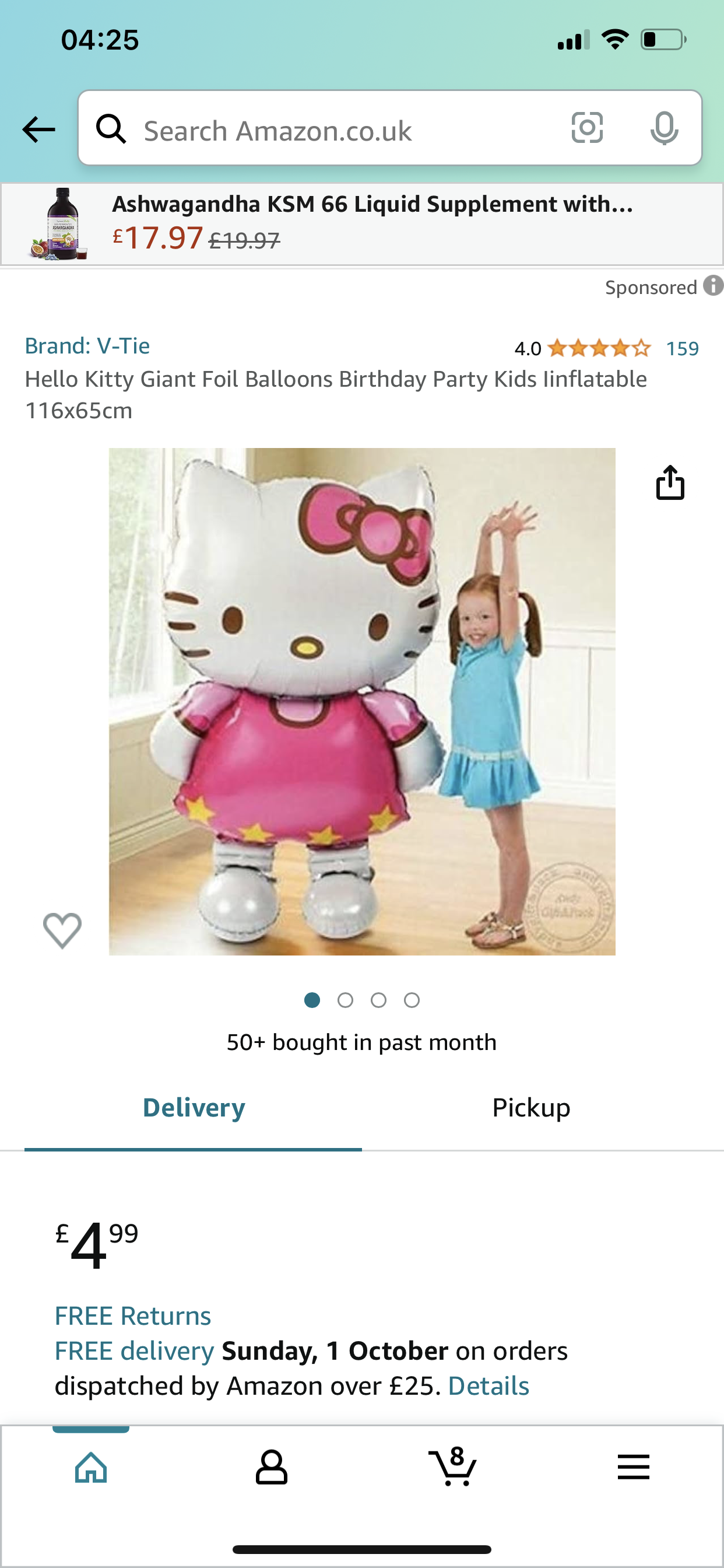


 Same Difference