
phone, Paul say pick leave her bedtime. Good night everybody and sweet dreams to all my viewers and I hope you enjoyed all my post today and always

Lighthorne and evening saying post number one post number 32 Paula


product of the evening, FaceTime for little or teenage girls to love Barbie inspired by the recent Barbie movie

product of the product of https://amzn.to/48amsha
photo of the day for Monday

say of the day for my viewers

open the time, I choosing a kid when we were in the first lockdown on the very first day of it

Young Autistic People Still Dying Despite Coroner Warnings Over Care
Dozens of young autistic people have died after serious failings in their care despite repeated warnings from coroners, BBC News has found.
Our investigation found issues that were flagged a decade ago are still being warned about now.
The government says £4.2m is being invested to improve services.
Two bereaved mothers told us lessons had not been learned by their local health authority after the deaths of their teenage sons, two years apart.
The coroner who oversaw both cases, noted a repeated failure in care.
After the first death, the coroner criticised NHS Kent and Medway for “inadequate support” and said a similar incident may happen if this continued.
Two years later, the second autistic teenager died under the care of the same authority.
The same coroner found that had the 15-year-old received the recommended level of care, he might have got the therapy he needed.
In the first piece of research of its kind, the BBC combed through more than 4,000 Prevention of Future Death (PFD) notices delivered in England and Wales over the past 10 years, to look for autism-related deaths.
Coroners are legally required to issue such warnings at inquests, if they believe there is a risk future deaths will occur unless action is taken by the authorities responsible. But there is currently no legal duty for them to act.
The lack of oversight means that it is very difficult to see if action was taken and if it had any impact. The majority of the authorities’ responses to the PFDs have no clear timelines.
The BBC identified 51 cases where PFDs described serious failings in the care of autistic people, and health and social care bodies were urged to take action to prevent future deaths.
The majority of those who died were under 30, and nearly a third were children.
Former Justice Secretary Sir Robert Buckland described the BBC’s findings as “deeply disturbing”, and called for the government to investigate urgently.
Life expectancy for autistic people is – on average – 16 years less than for the general population. There is no clear reason for this – people do not die of autism, it is a neurological condition that affects how people interact with others, learn, and behave.
The causes of death in the inquests varied, but nearly half were categorised by coroners as relating to mental health or suicide.
Our research identified five key concerns repeatedly flagged by coroners over the past decade:
- A lack of trained staff with an understanding of autism
- Failure to treat autism and mental health problems as two separate conditions
- Shortage of specialised accommodation
- Lack of a health professional to co-ordinate the young person’s care – as recommended in NICE guidelines
- Late diagnosis of autism
The charity Autistica says our research helps explain the avoidable reasons why many autistic people are dying young.
Sir Robert, who heads the all-party parliamentary group on autism, says there is clearly a “mounting concern”.
“Lessons are not being learned. Fifty-one [deaths] is a lot. It suggests a systemic problem.”
The two mothers, whose autistic sons died as teenagers, say they are “tormented” by the lack of accountability.
The deaths of Sammy Alban Stanley, 13, and Stefan Kluibenschadl, 15, each resulted in a PFD being issued. The boys had gone to the same school and died in the same hospital.
It was while Stefan was in intensive care – two years after Sammy’s death – that Emma Kluibenschadl got in touch with Patricia Alban Stanley.
To lose a child, they agree, is a life sentence. And to know there was a chance that the deaths could have been prevented is “torment”, says Ms Alban Stanley.
Sammy fell from a cliff near his home in Ramsgate, in April 2020. Witnesses reported his last words were: “I’m autistic.”
“He meant ‘Please help me’,” his mother says.
As well as being autistic, Sammy had Prader Willi Syndrome (PWS), a rare neurological condition, which left him unable to regulate his emotions.
“It would be impossible to stop him at times,” says Ms Alban Stanley. “He had no concept of danger. He would try to jump out of moving cars, or on one occasion he put needles up his nose.”
Ms Alban Stanley – who has three other children and no partner – says she “begged the council for more support” and was “struggling to cope”. Her safety net was the police, she says. She called them at least 29 times.
Their GP, senior social workers and the police also made many referrals calling for more support. “But it made no difference,” says Ms Alban Stanley.
After six years, she was finally granted two hours of after-school care in January 2020. But it wasn’t enough – Sammy died just three months later.
Without extra help, his mother couldn’t stop him from leaving the house. Blind to the danger the nearby cliff posed, he fell. He died four days later in intensive care, in his mother’s arms.
In her Prevention of Future Death notice to NHS Kent and Medway, coroner Catherine Wood said Sammy fell during an “episode of high risk behaviour” and criticised the local authority and mental health services for “inadequate support”.
She also made it clear that it was “predictable that a similar incident may arise… if children with complex neurodevelopmental needs are excluded from accessing the care and treatment they require to keep them safe”.
Kent and Medway responded to the coroner’s PFD saying it was investing in services for children and young people with neurodevelopmental needs – and would make sure care was “co-ordinated rapidly around the child and family”.
A few miles away, in Margate, Emma Kluibenschadl and her family were battling with the same health officials. Nearly two years later, the coroner’s stark prediction would come true.
Ms Kluibenschadl’s son Stefan was struggling with his mental health. He had been bullied for being autistic and spent many years watching his family try to get the help he desperately needed.
She believes this had a profound effect on her son, who felt nobody cared.
The family have battled with support services since he was diagnosed at the age of six. Stefan really began to struggle with his mental health six months before he died.
Despite their GP making referrals, the family’s pleas for help were rejected by NHS Kent and Medway.
Just over a month after their final application for autism-specific counselling was turned down, Stefan was found hanging. He died four days later in intensive care.
“Stefan didn’t get any care – never mind co-ordinated care,” says Mrs Kluibenschadl. She thinks if they had received support they wouldn’t be in this position now.
“Our lives have been destroyed.”
Coroner Catherine Wood – who also oversaw Sammy Alban Stanley’s inquest – said Stefan had died as a consequence of his own actions but she could not be sure of his intention.
She addressed her concerns to NHS Kent and Medway again – highlighting that the trust had not been following NICE guidelines, which state that every autistic child should have access to a designated key worker.
With such a health professional overseeing his care, Ms Wood said Stefan might have received the therapy he needed.
Sammy’s and Stefan’s stories are stark examples of a national problem.
Kent and Medway is one of 11 local health and social care authorities to be sent multiple PFD notices in the past 10 years. Twenty-one national authorities also received warnings.
Reports about “potentially life-saving recommendations for change” should be treated with the utmost seriousness, says Deborah Coles from the charity Inquest.
“The current system is simply not fit for purpose, and that betrays bereaved people. But it also betrays the public interest because it puts all of us at potential risk.”
For Sir Robert Buckland, the ramifications are huge. “What is the point of PFDs if there is no accountability?” he says. “Autistic people carry on having to put up with poorer life outcomes.”
The Department of Health and Social Care says a national autism training programme is being rolled out.
In a statement to the BBC, the chief nursing officer at NHS Kent and Medway, Allison Cannon, apologised on behalf of the NHS for the “tragic loss” of both Sammy and Stefan.
Many changes had been made, she said, including enhancing its community support and key worker programme to improve services.
But the families feel that NHS Kent and Medway’s responses to the PFD do not address the coroner’s concerns.
“Judging by the responses we have, our children will die all over again,” Mrs Kluibenschadl says.
last fed her and positivity sang who sang that

please WhatsApp Julia #BedtimeMeditationTurn #GoodNight,IWishYouAllTheStreet


night, time and evening saying prime


thank you for saying to your Sunday evening :-)

evening, Paul, all my view with Lesley on that for a different

call products to my Pinterest page for you to look at this afternoon
and I time of the day check fashion, Sunday #7Days


sing of the day for Sunday happy Sunday everyone and I hope you’re doing what these pictures suggest you should do sitting down with a cup of coffee or tea or beverage

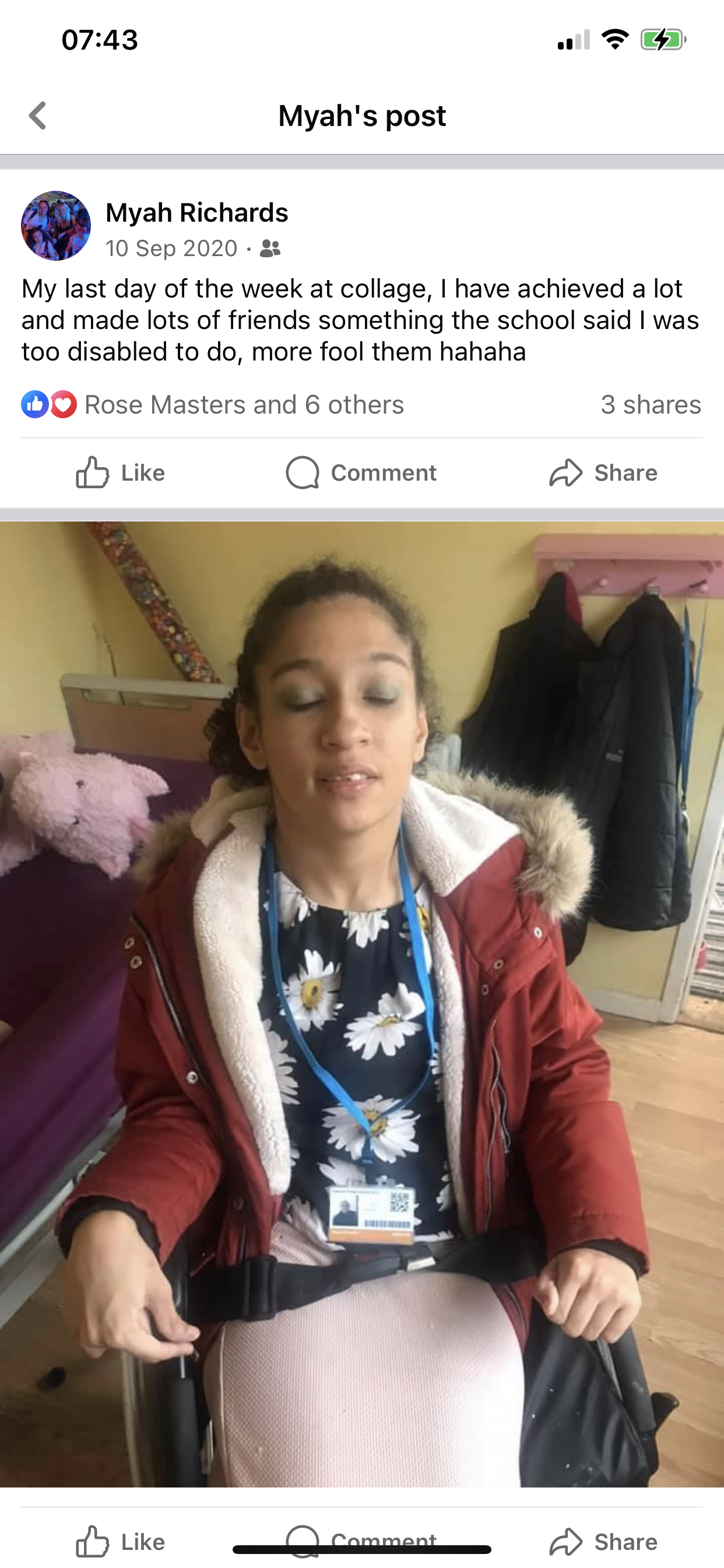

thank you for your excellent engagement today. Here is your evening and night timeframe.


number one of this evening

go to hire Salpi for me. #Tereasa #HowAreYouCheatingDay #DisabilityAdmin #CollegeJazzmine #ALotOfPaperwork Carer

hi hi everybody this is great for your little worms to take to school nursery all day to playgroup

picture of Grandma’s dog being so cute this afternoon after I returned home from the library after doing some of my College admin


hairstyle courtesy of Molly today as we are going to the library to do some admin. #Jazzmine #ComplexCare#
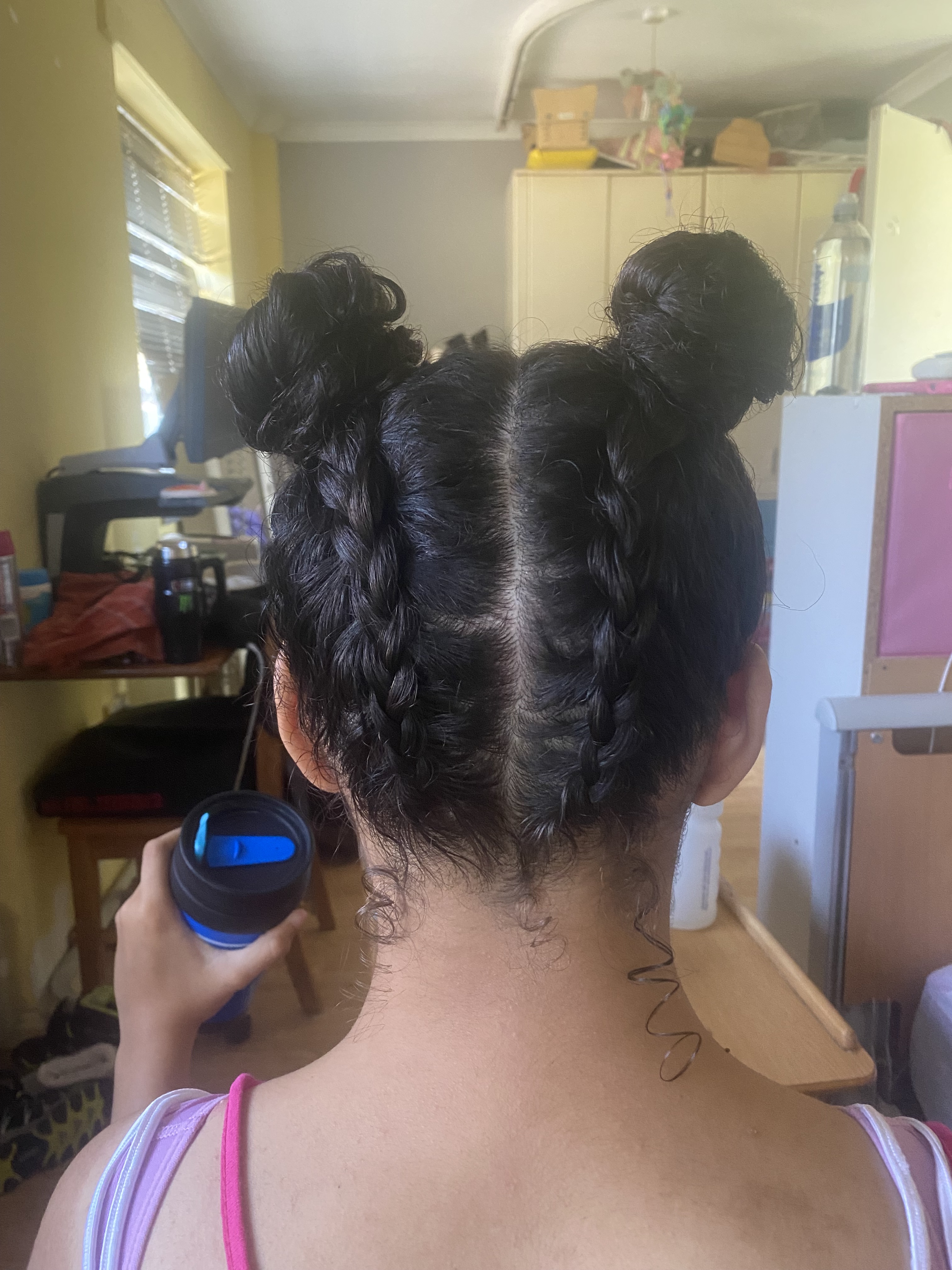
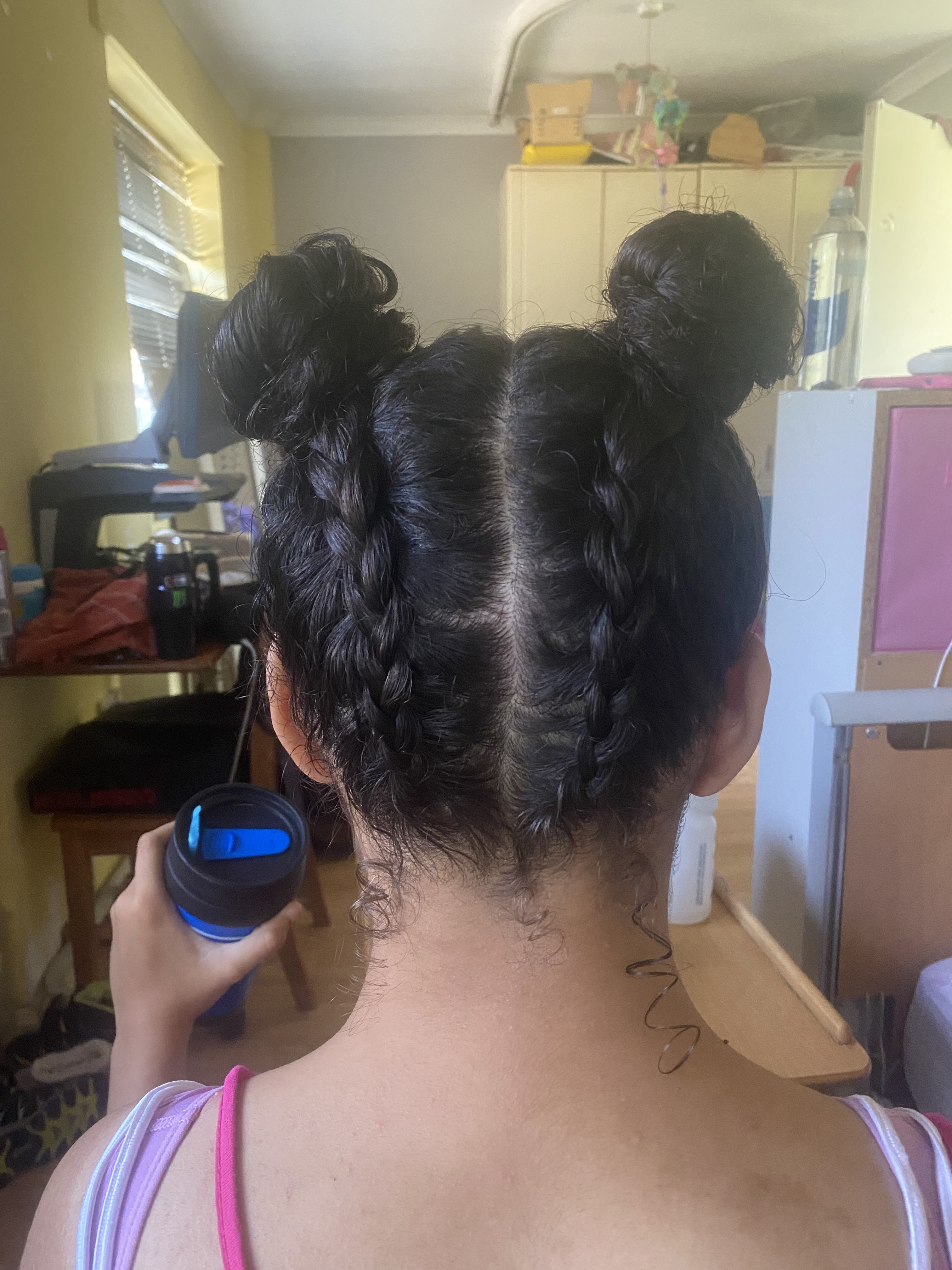
anybody have a good day Elsie New from Sarah. Summer is coming in September this year. It seems have a good day everyone

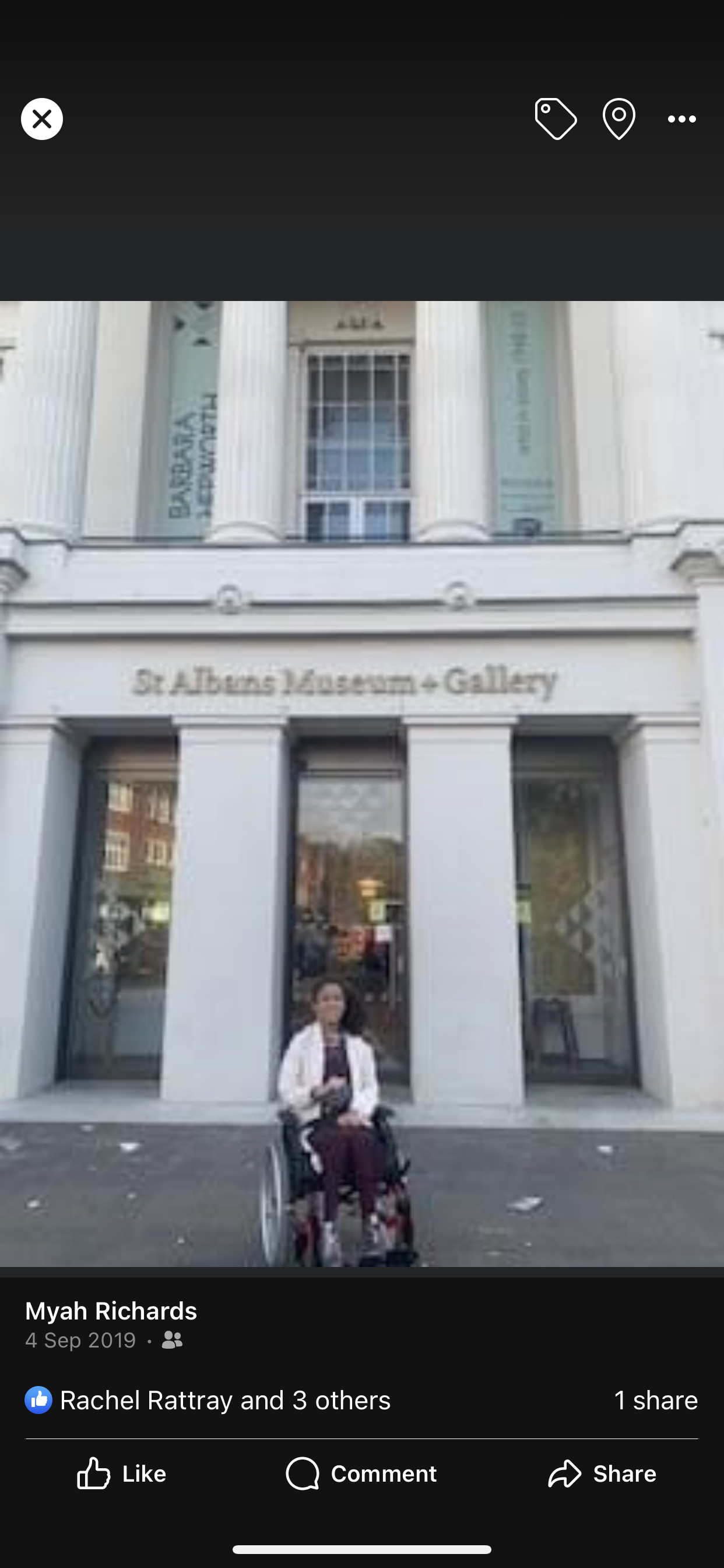
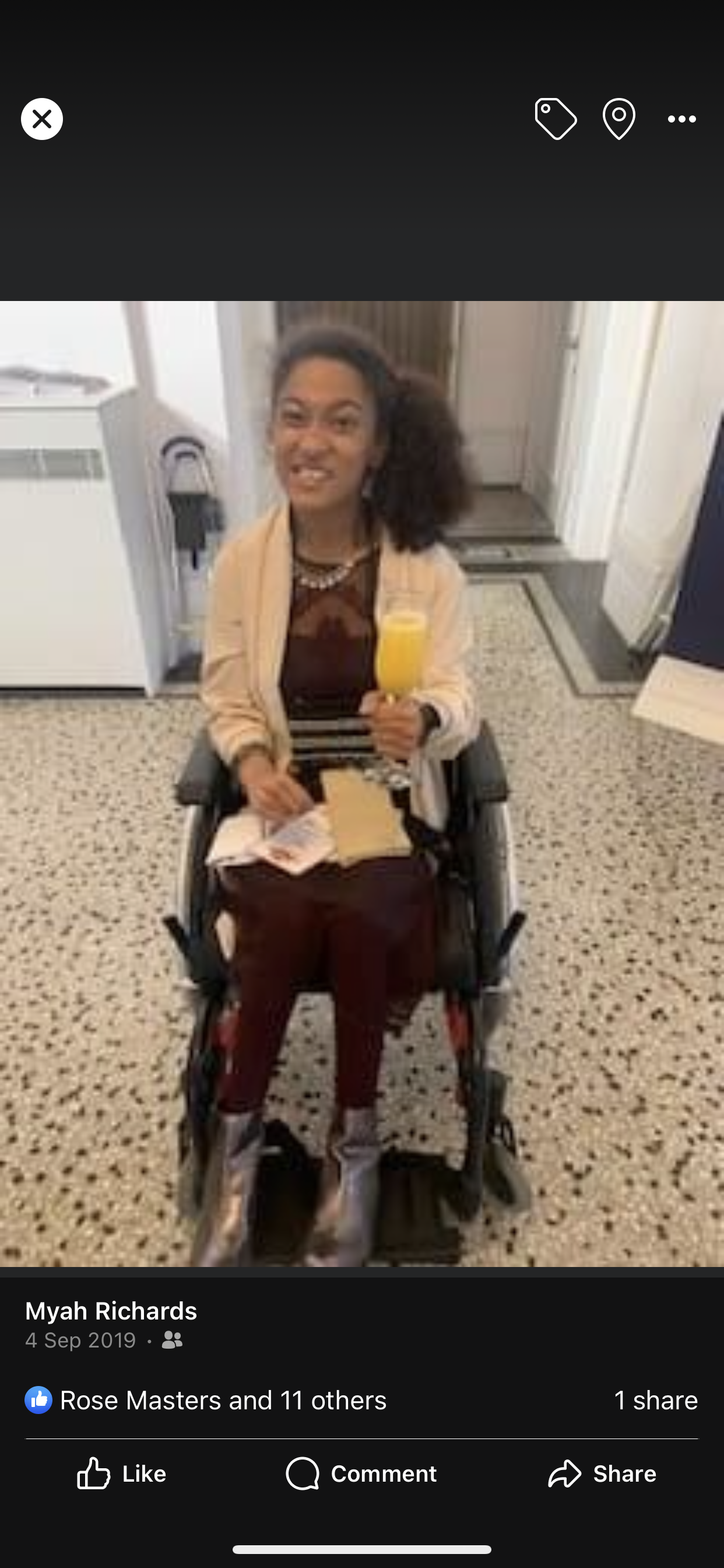
me doing long dick painting FaceTime last year #DataServices #Opportunities #OpportunitiesToGoInTheMuseum #SummerLastYear
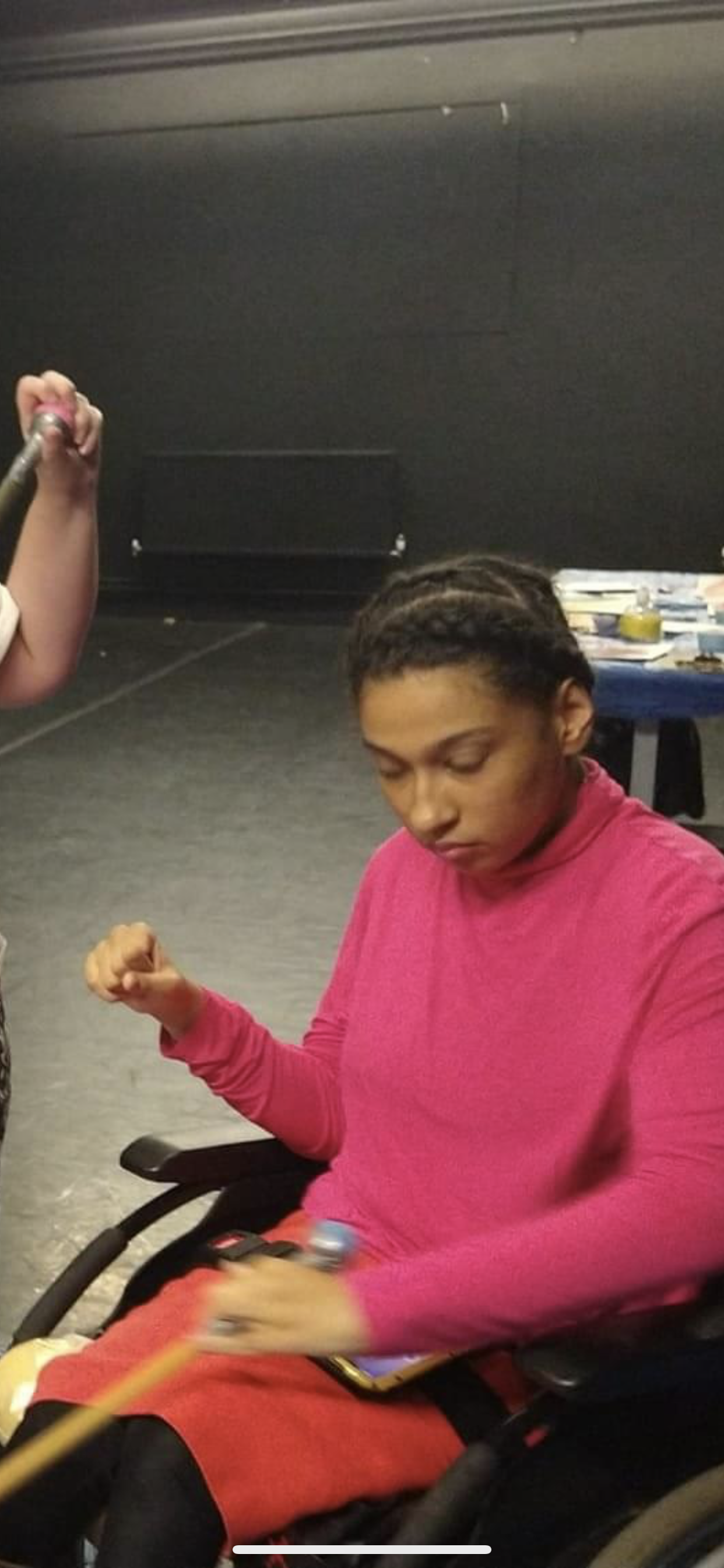

settings of the morning


two little girls and teenagers this item would be perfect for them. I hope you like the products I have posted this morning.

I tomorrow it is the same as the other item just a different pattern that’s more appropriate for children and adults the day for program
it the items just a different https://amzn.to/3PvJAiV

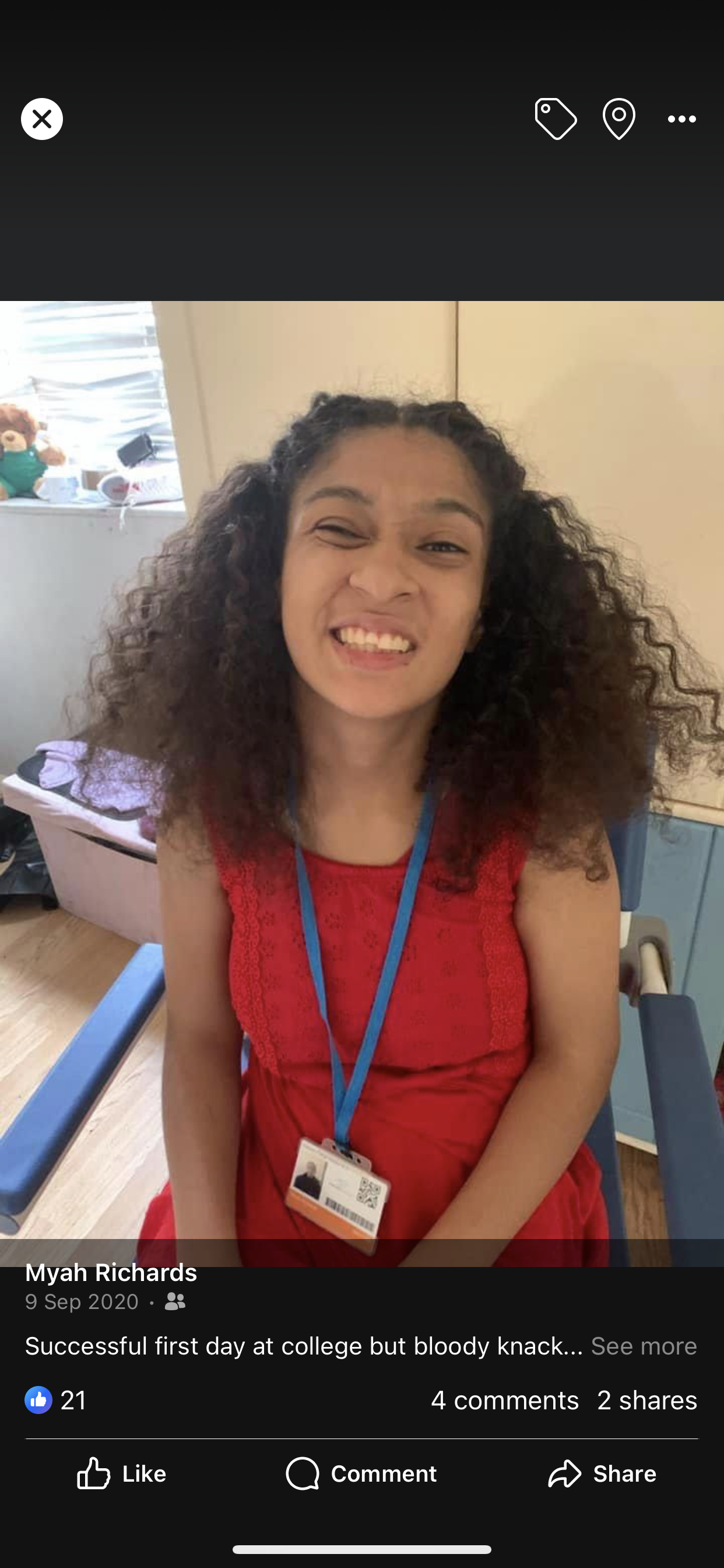
item of the day for teenage girls and young women, plus poor little girls school bags school bag from decoration

are you young women item of the day https://amzn.to/3RgrlPW
item of the day for boys, male, teenagers, and preteens, who are male

women/girls item of the day


evening prime it’s for the dog robbers and your door frame for

selfie of me in the armchair this evening, chilling out so relaxed with my massage cushion plasticine in my armchair no #HeatedCushion #HeatedSeat relaxing on

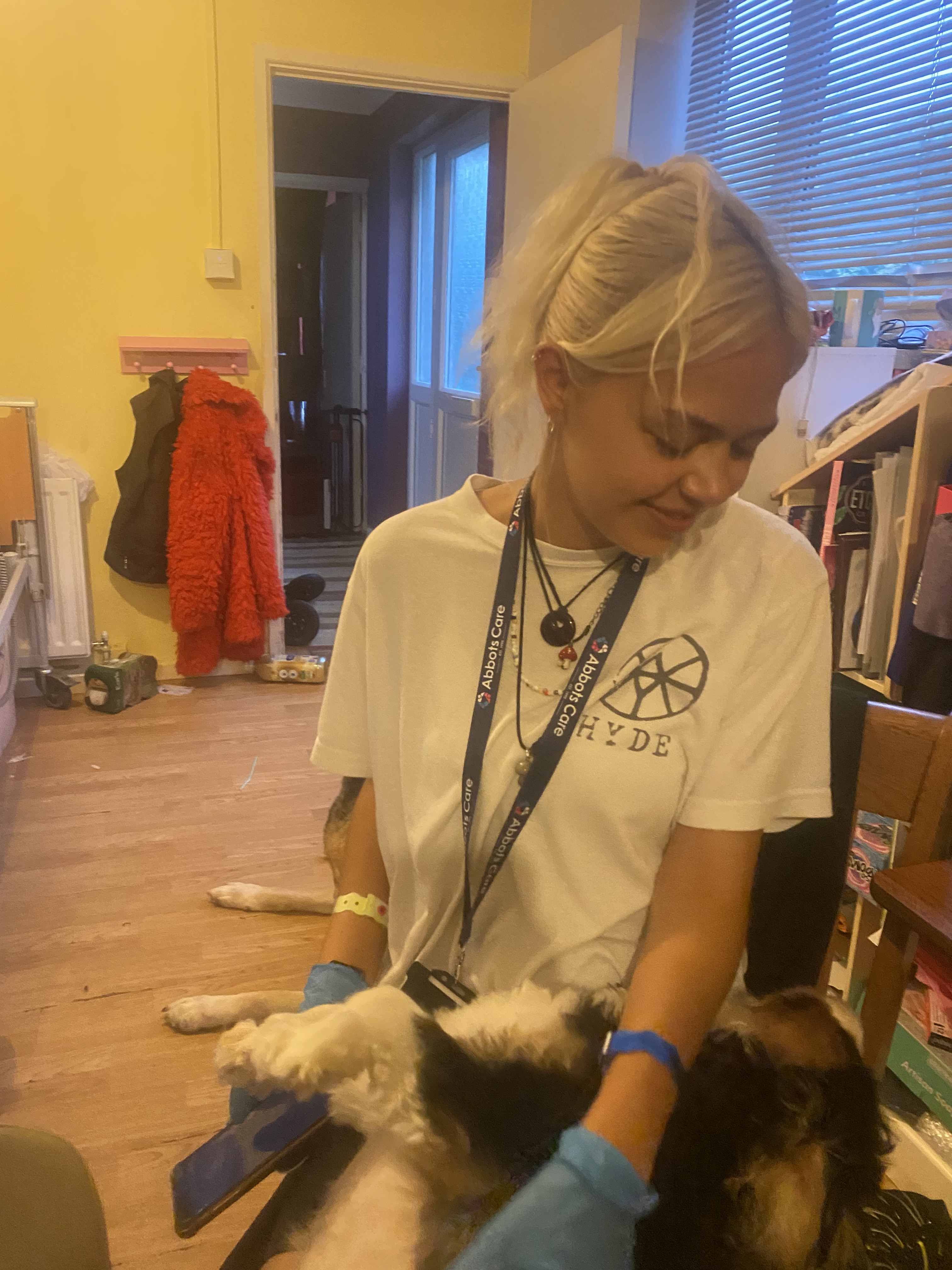
evening, sayings and nighttime sayings for all my viewers :-)


hello Friday night spending time with Charlie, sitting in my armchair whilst doing fundraising admin

who is joined me in my armchair me and Charlie on a Friday night. #Friday #Dog #KingCharlesTheRadio


rude pictures of me and my Bestie

phone, Ellie saying of the day for everyone who are use my block :-)

pictures of me already for College three years ago. #StudentLife #College #StudyingWithADisability

How One Blind Boy Helped Rebuild His School In Yemen
For almost a decade a civil war has been grinding on in Yemen, pushing the Arab world’s poorest country to the brink of collapse.
There has been less violence since a ceasefire last year but there is no sign of a deal to end the conflict.
Ahmed is a charismatic 11-year-old blind boy the BBC first featured two years ago when he was teaching a class in a bombed-out school close to the front line.
Orla Guerin and her team returned to the city of Taiz to find out how he was getting on.

who is the type of things for tomorrow for you to read and think about when you get up for the day positive evening things to sleep


night in the evening saying is post


https://vm.tiktok.com/ZGJnYkcfK#PA #ThankYouMolly #CerebralPalsy #MeetingWithVicky #2PAsMate/
what’s the video to see some of my favourite moments with the best personal assistant I could ever dream girl #PersonalAssistant
and illustration for Thursday. Is everybody excited for the end of the week tomorrow? #LastDayOfTheWeek #Excited #YeahIt’sTheWeekend

re-years ago. #LoveYou,Millie

Claimants Could Be Given More Support To Work From Home
People with disabilities could be given “more support” to work from home, under plans announced by the government.
Work and Pensions Secretary Mel Stride has outlined a number of benefit reforms to help people find work and reduce government spending.
Any changes to benefit assessments will not affect those at the end of their life or with severe learning disabilities, he told Parliament.
Charities say the changes could force people to work when they are not well.
The Department for Work and Pensions (DWP) has launched a consultation on proposed changes to the work capability assessment – the test aimed at establishing how a disability or illness limits a claimant’s ability to work.
The proposals include:
- Updating the categories associated with mobility and social interaction
- Reflecting flexible and home working – and minimising the risk of these issues causing problems for workers
- Providing “tailored support” for those found capable of work preparation activity in light of the proposed changes
The consultation is expected to run for eight weeks, and the Government hopes the reforms will come into force by 2025 – which will be after the next general election.
Speaking in the House of Commons, Mr Stride said there had been a huge shift in the world of work over the last few years that has “opened up opportunities” for disabled people and those with health conditions.
He continued: “The work capability assessment doesn’t reflect how someone with a disability or health condition might be able to work from home, yet we know many disabled people do just that.
“Our plans include taking account of the fact that people with mobility problems or who suffer anxiety within the workplace have better access to employment opportunities from the rise in flexible and home working.”
Prime Minister Rishi Sunak said “work transforms lives” and the proposed changes would ensure “no one is held back from reaching their full potential through work”.
However, disability charities have warned the new plans could be “catastrophic”.
James Taylor, executive director of strategy at disability equality charity Scope, said if people are forced to look for work when they are unwell this could make them even “more ill”.
“If they don’t meet strict conditions, they’ll have their benefits stopped. In the grips of a cost-of-living crisis this could be catastrophic,” he added.
Jeremy Hunt announced plans to completely scrap work capability assessments when he announced his first spring Budget.
The DWP says these latest proposals are “designed to help pave the way towards the landscape of support and work incentives that will be offered” when the assessments are eventually scrapped.
Figures have shown around 2.5 million Britons are missing from the jobs market because of medical conditions.
The government’s has pledged £2 billion worth of investment to help those with long-term illnesses and disabilities get into work.


artwork from the day like today, which I participated in making for a christmas card competition ❤️


💜🤠

https://amzn.to/3P7QIAB

close the item of the day for Wednesday
aggressive and ready to go out with an a lovely birthday prime put on my page as courtesy of a Snapchat filter which I love
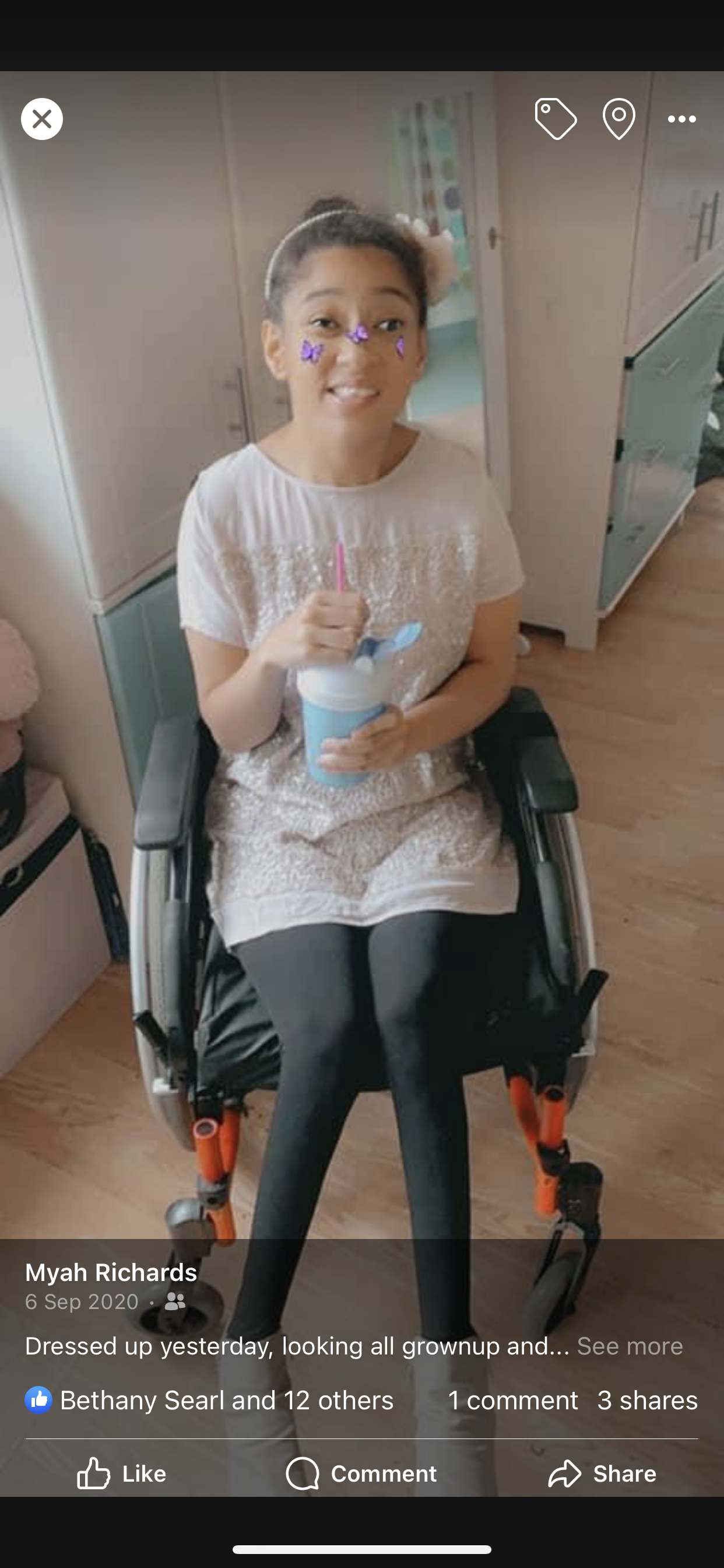
pretty illustration of the day. You will get a saying of the day later this afternoon or evening as I am going to one of my groups today.

RAAC Concrete Cancels Disability Group’s Northampton Show
A charity said it was “shocked” by the temporary closure of a theatre where its annual show was due to take place due to suspect concrete being found.
Reinforced autoclaved aerated concrete (RAAC), which is prone to collapse, was discovered at Northampton’s Royal and Derngate and has forced it to close.
The Cube Disability charity was preparing for its performance there on 20 September.
The theatre said it would be reopening “as soon as we can”.
All September shows have been postponed.
Tom Stevenson, from The Cube Disability, said: “All of [the performers] have varying disabilities [including] autism and so it’s not as easy to just suddenly go, ‘Right, everything needs to stop.’
“They’ve been preparing for this for the last six months – costumes have been prepared, rehearsals have been done, so it’s a big shock to everyone at the moment.”
Mr Stevenson added that all the performers were really looking forward to the show.
“For them to perform on a stage like that is just amazing. They work all year for this show, so it’s a big disappointment.”
Other performances that were due to take place in September were an Agatha Christie mystery and tributes to The Hollies and Stevie Wonder.
Jonathan Nunn, leader of West Northamptonshire Council which owns the building, said: “I can’t help thinking that probably many of us could use the Royal and Derngate for twenty or thirty years and nothing would ever be a problem, but once you’re aware of a possible risk, [you] have to comply with the government guidelines.
“It’s a shame, but that’s the right thing to do.”
Surveys are due to be carried out on the building in order for it to reopen.
Northampton International Academy has also been affected by the concerns surrounding RAAC concrete, with the top floor sealed off while checks are carried out.
dial item for Tuesday as the item of the evening

item of the evening for all my time difference to you with

ring evening/night for Tuesday. Stay tuned as I am about to put some more items up on my Pinterest page and put the link with the new items on iPads.


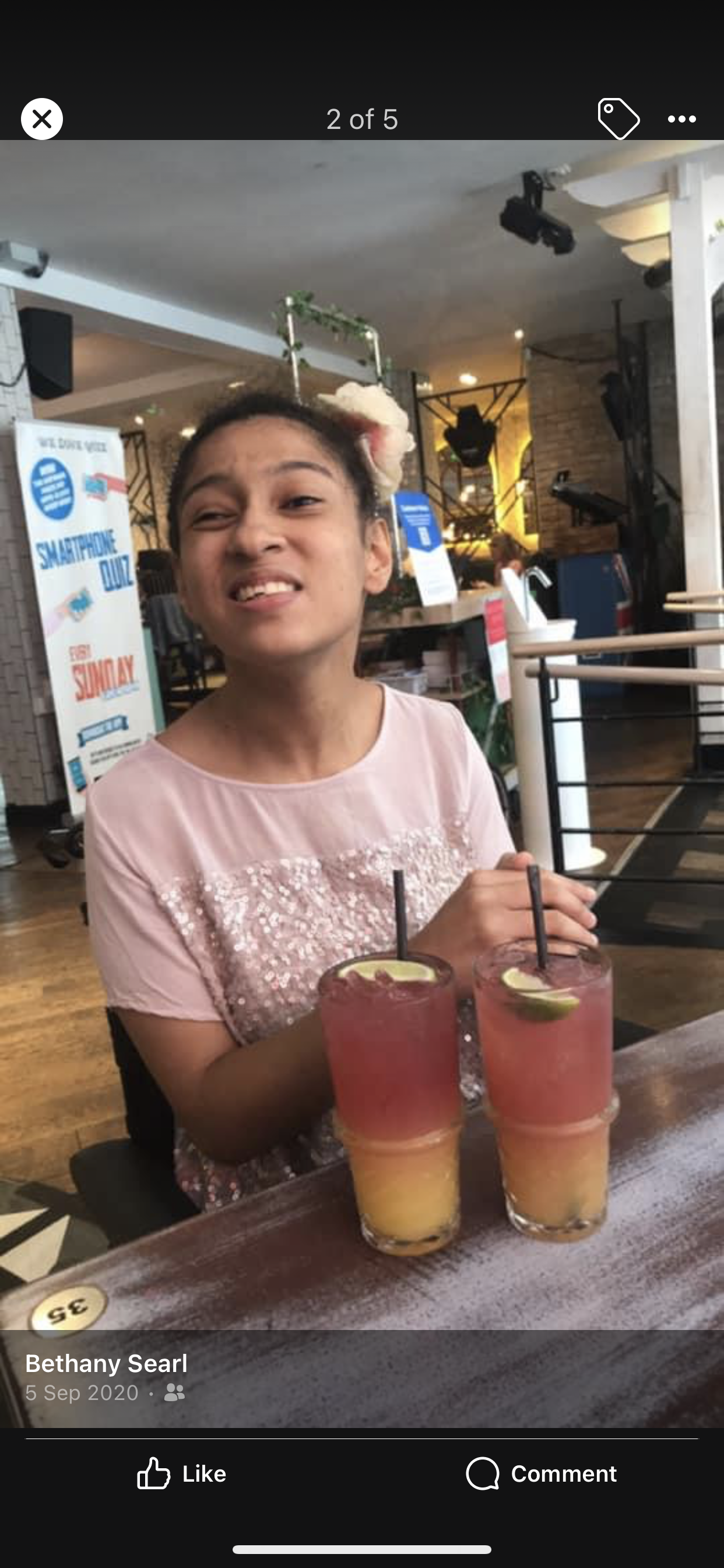


saying of the day for the same difference community for today

Forwards Festival Trials Headset To Aid Visually Impaired
A world-first trial is helping visually impaired people experience the sights, as well as the sounds, of a festival.
Forwards Festival in Bristol has trialled a headset which beams the footage from the cameras around the stage directly into the user’s vision.
The headset stimulates the photoreceptor cells in people’s eyes to help them regain some vision.
Harry Jones, accessibility manager at the festival, said: “We are opening up a whole new door for people.”
Joanna Liddington at Give Vision, the company behind the headset, said: “Some people with severe sight loss might be able to make out blurs or a bit of colour, with the headset it makes all of this a lot clearer and crisper.
“We often have people say: ‘Oh, I can see their faces, I can actually see them smile and what they’re doing’.”
One in 33 people across the country have sight loss. With 20,000 people attending Forwards festival, that should equate to about 600 visually people on site.
In reality however, only 10 visually impaired people attended the event and Give Vision hope to break down those barriers.
They believe the user should not have to pay anything towards the headset, instead it believes it should be up to festivals or other events to make accessibility a priority.
“It’s not necessarily going to be successful for every single person here, but the results we’ve had have been astounding so far,” Ms Jones said.
“The viewing platform was nearly at capacity last night.”


https://amzn.to/3Ep8EBN

item of the evening or Monday, Lego set things on Harry Potter
colourful saying of the day second saying of the day for everybody since this morning

ring of the day is especially for my cat. This is the phone for Monday for everyone who viewed my contacts.

rock painting with Sarah today at wacky wheels



Ministers Skip UN Meeting On Disability Rights
The UK government declined to attend a UN review of its treatment of disabled people after an inquiry warned of “grave” violations of their rights.
A 2016 report by a UN committee found welfare reforms had “adversely” affected disabled people in the UK.
The UK government was scheduled to attend a hearing at the UN in Geneva on Monday to assess progress.
But it pulled out, saying it would meet UN officials in March 2024 instead, sparking anger from campaigners.
A government spokesperson said it had followed all of the committee’s required procedures and was committed to the “advancement of rights for disabled people in this country”.
The UK published responses to the UN’s Committee on the Rights of Persons with Disabilities (CRPD)’s recommendations in 2018, 2021 and 2022 and was due to give a further update this year.
After the UK delegation’s no-show on Monday, the CRPD held a follow-up feedback session with British disability rights groups.
‘Disgrace’
A committee spokesperson advised the group to raise the postponement of the review with the UK government.
Linda Burnip, co-founder of the Disabled People Against Cuts campaign, said the government’s no-show was “very offensive” to the UN’s disability committee.
She said her group “has no paid staff and our main core funding is from supporters’ donations, so frankly if we can meet deadlines I think it’s a disgrace that the government can’t too”.
Kamran Mallick, CEO of Disability Rights UK, said people from disabled rights organisations “attended the meeting in Geneva this week despite the huge challenges of inaccessible and unfriendly flights, hotels, and transport”.
“No one from the UK government was there to hear the facts, figures and stories of increasing poverty, lack of support, inaccessible services and infrastructure that limit the life chances of disabled people,” Mr Mallick said.
Mr Mallick said the government’s failure to attend “signals the low priority they give to disabled people and the worsening inequalities we face”.
Progress scrutinised
The Equality and Human Rights Commission (EHRC) was among the organisations to give evidence to the committee in Geneva.
Rachel Albinson of the EHRC said there was concern that the “grave and systemic” violations the committee found during its inquiry persisted, and more recent changes had exacerbated many of the issues.
A few weeks ago, the human rights watchdog accused the UK government of making “slow progress” in improving the lives of disabled people.
In a report submitted to the UN, the EHRC said some of the recommendations made by the 2016 inquiry had not been delivered.
The EHRC report warns that many disabled people continue to face discrimination in the UK, and the situation continues to worsen, particularly in light of current cost-of-living pressures.
In a letter to Kemi Badenoch, the minister for women and equalities, and Minister for Disabled People Tom Pursglove, the EHRC said it was disappointing the UK government has postponed its participation in the UN committee’s review.
The Scottish Human Rights Commission, which co-signed the letter, said the delay “risks sending the message that disabled people’s rights are not a priority”.
“The UK government must take its human rights obligations seriously and fully cooperate with the international accountability processes it has signed up to,” said Jan Savage, executive director of the Scottish Human Rights Commission.
The government said it was “fully committed to the UN Convention on the Rights of Persons with Disabilities”, an international human rights treaty which the UK has signed up to.
Last month, the government launched a consultation on its Disability Action Plan.
An Equality Hub spokesperson said work had been undertaken to reform the disability benefits system and investing £2bn to support sick and disabled people back into work.
Siri open evening for you, all I’m coming up is the product of the evening straightaway following


 Same Difference