Brighton: Pedestrianised North Laine Area Reopened To Cars
There are two sides to this debate, of course, but I consider this good news for those who need to travel by car.
One of Brighton’s busiest North Laine streets, which was pedestrianised last year, will be reopened to traffic.
Brighton and Hove City Council voted in favour of reducing Gardner Street’s pedestrianised hours to 11:00 to 19:00 on Fridays, Saturdays and Sundays.
The change will improve accessibility for disabled residents, one of whom has been “left stuck in their home for months”, the council said.
A former Green councillor has described the move as “desperately sad”.
Jamie Lloyd, the former lead for active travel for the council, accused Labour of being a “pro-traffic, anti-clean air administration” that had “thrown out any chance of an ultra-low emission zone” in the city.
Labour councillor Trevor Muten said air quality in the city had declined over the last three years and the council was “committed to moving the city towards a low carbon transport system”.
‘A workable compromise’
Gardner Street, which is full of shops and restaurants with tables outside, is currently shut to traffic from 11:00 to 17:00 each day, following a decision by the then-Green majority council last November.
But following a vote on Tuesday, the road will be open to vehicles from Monday to Thursday.
Labour councillor Trevor Muten said this was “a workable compromise” to maintain “the vibrancy of this busy street” at busy times, while also ensuring fair access for residents.
“It is vital that no-one is disadvantaged or left to feel isolated, especially our most vulnerable residents,” said Mr Muten.
Mr Lloyd argued cars did not provide a solution to accessibility.
Traffic free cities across Europe were “extremely pleasant places” where “disabled people can still live their lives”, he said.
a link, which I’m not sure posted properly one over my iPad
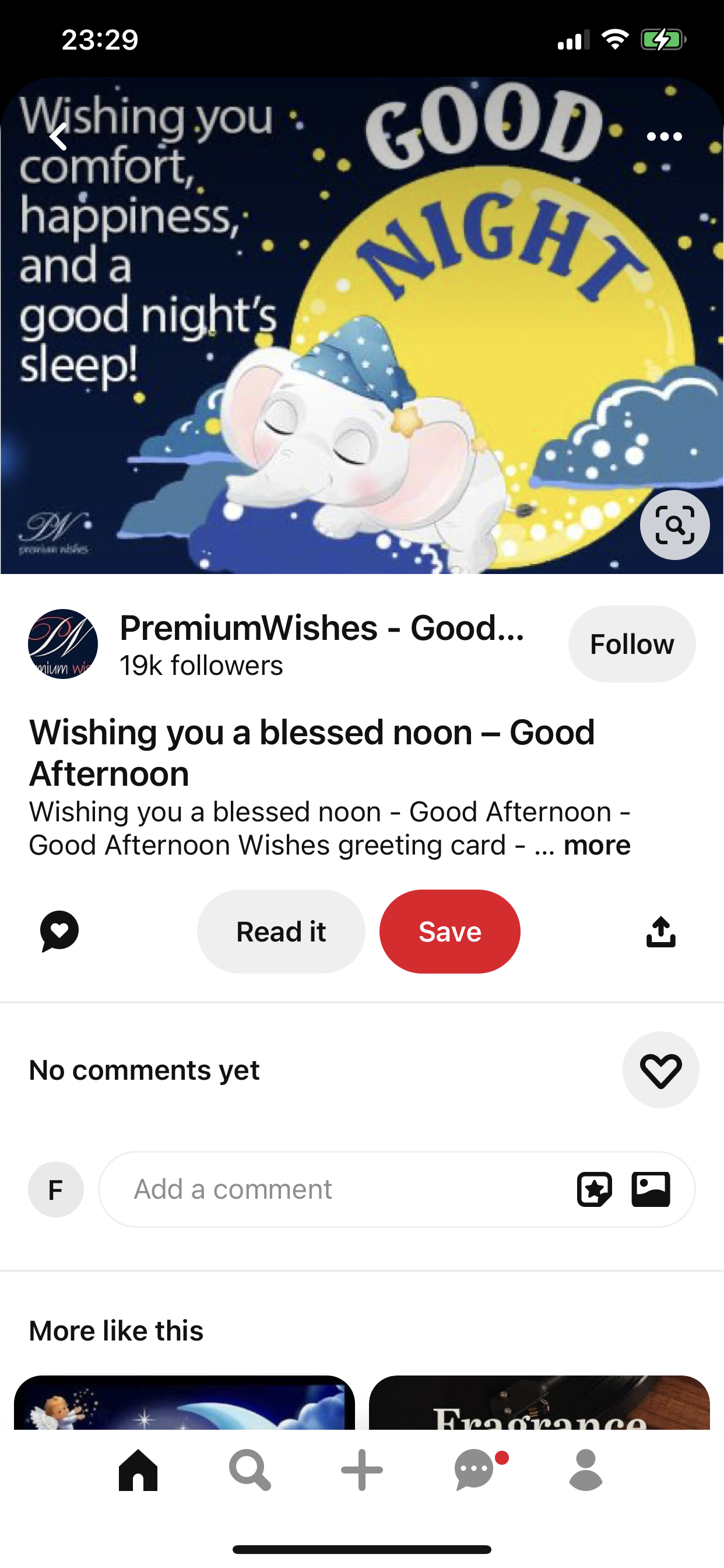
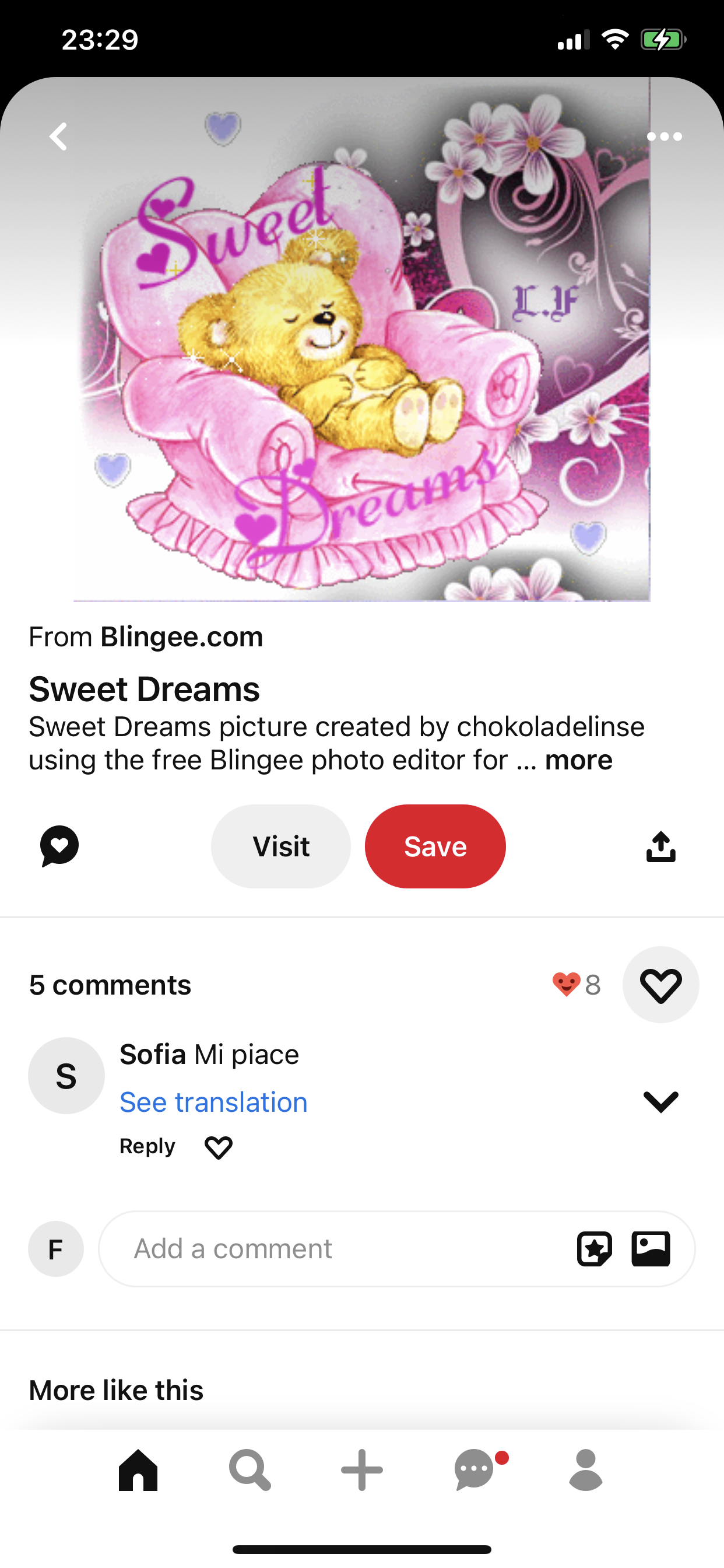
bedtime, sayings and evening sayings for all my viewers who are on same difference🫶🏼🌙🌙


https://amzn.to/3ZDDnFb
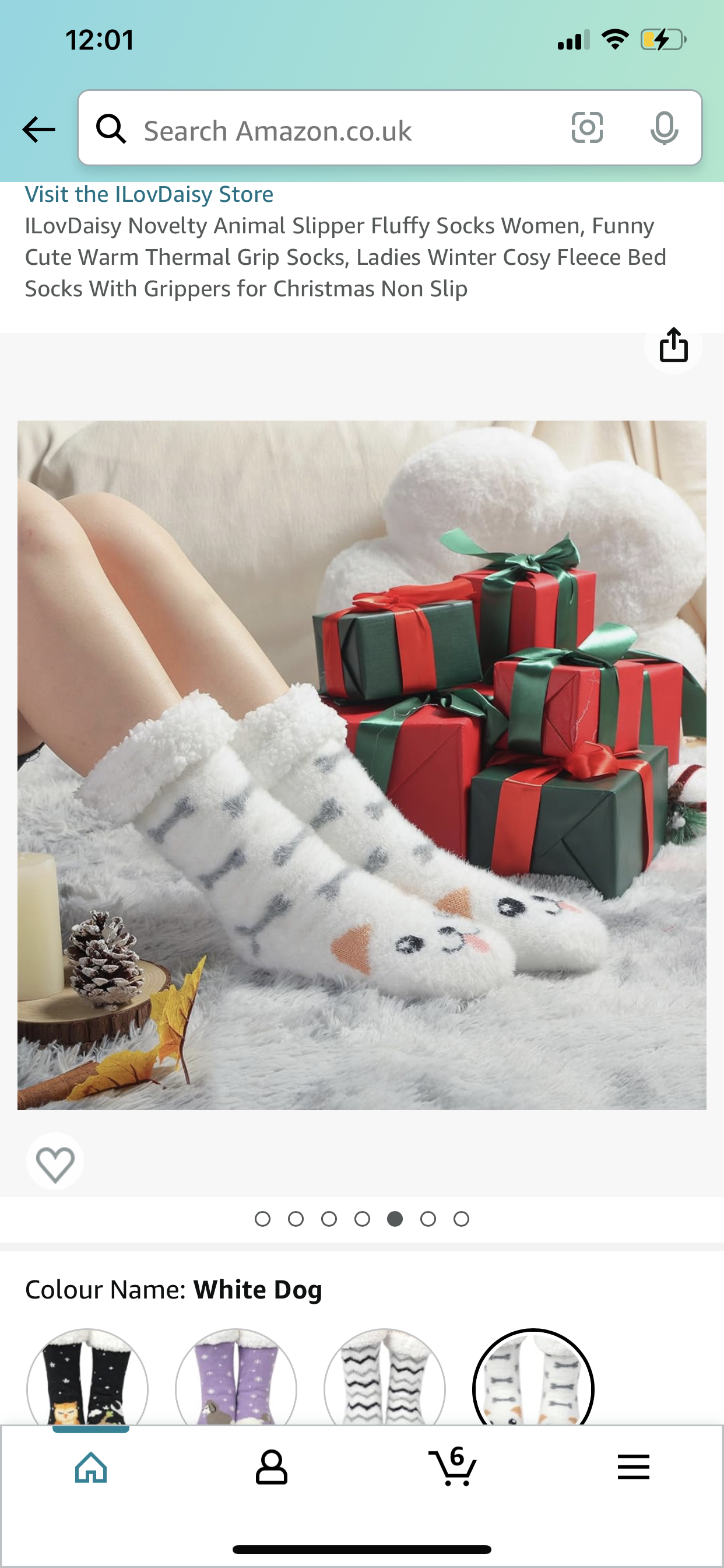
put up a good day exclusively for my you were here on my page
princess, story right if you are just a good morning and that is it all just getting up as I am just going to bed as I am not

Reading Charity Crowdfunding To Set Up Training Brewery
A charity is hoping to raise £25,000 to set up a training brewery for adults with learning disabilities and autism.
The Count Me In Collective is a group of disabled and non-disabled people in Reading who have been brewing their own beer.
It was founded by Becky and John Whinnerah, inspired by their own children who have complex needs.
Mrs Whinnerah said it was her “ultimate dream” to help disabled adults gain work skills.
The charity recently partnered with the Elusive Brewery, a microbrewery in Wokingham, and held two training days that resulted in two beers being developed – called Count Me In and Stand Up and Be Counted.
Mr and Mrs Whinnerah, who have run pubs in the past, now want to set up the Count Me In Collective’s own brewery offering training in beer-making, and ultimately employment opportunities.
‘Life-changing’
Mrs Whinnerah said: “We are seeing more and more of this in bakeries, cafes, hospitality, so I couldn’t see why it couldn’t be applied to brewing.
“For us its personal – two of our three children are disabled, one is autistic and the other has complex needs – it makes you think very long-term.”
Fewer than 22% of autistic adults are presently employed in the UK, dropping to about 5% for those with learning disabilities, according to the Office for National Statistics.
A crowdfunding appeal is being launched to allow the charity to buy the equipment it would need to set-up its own brewery.
Ms Whinnerah said: “Hopefully the beer we create and sell will sustain us in the long run.
“I’m exhausted as a parent-carer, but then I think back to that first training session, where I met our first trainee Matthew and I remember his whole face lit up and he told me it was life-changing.
“It’s moments like [when] I wake up and am proud of our venture.”
https://www.amazon.co.uk/dp/B09VQ5D2W6/ref=cm_sw_r_as_gl_api_gl_i_133D0XS66DV96HY52G1S?linkCode=ml2&tag=findtheabilit-21
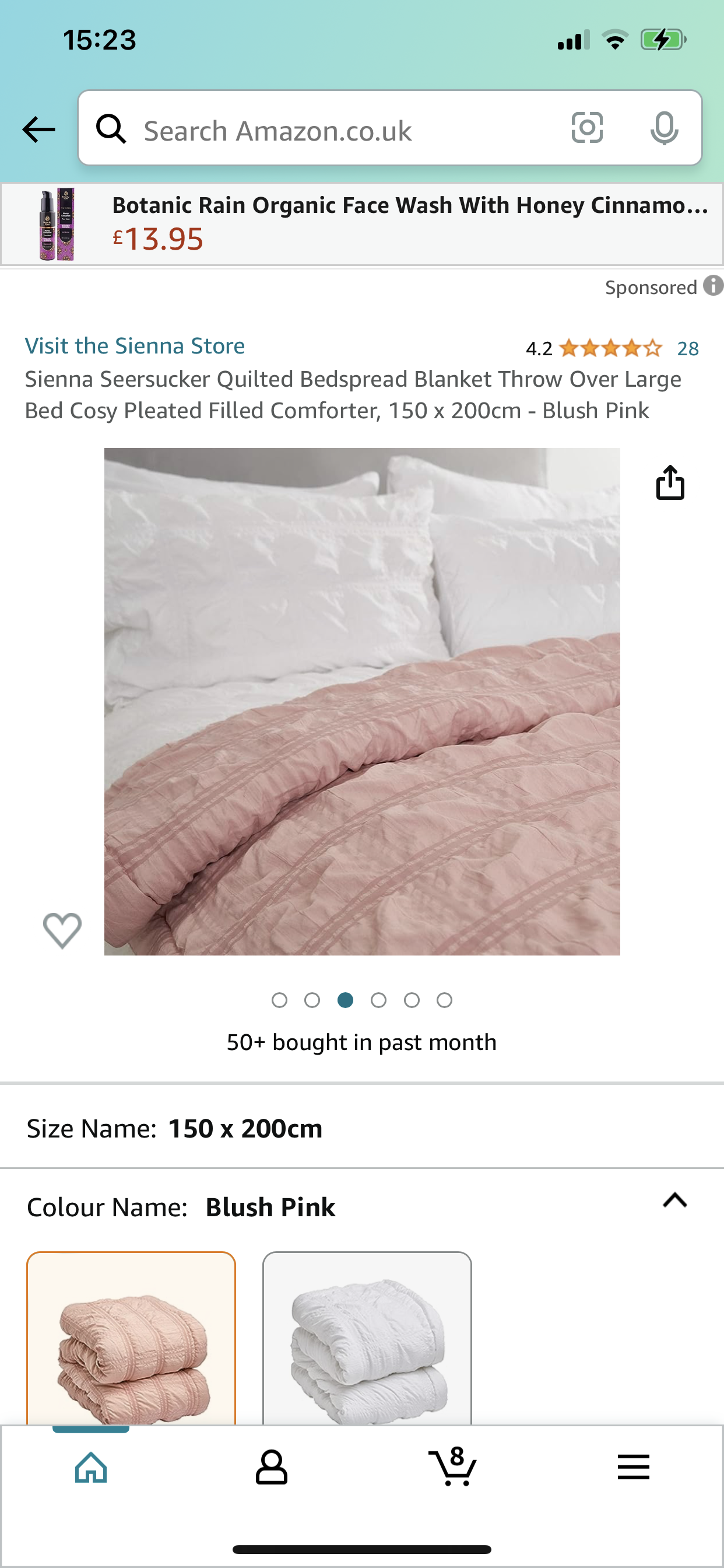
sorry for today, Tuesday
More WCA Reviews To Be Carried Out, DWP Warns
With many thanks to Benefits And Work.
The DWP has announced that it is to carry out more WCA reviews ‘to ensure claimants who can work are supported to do so’.
The information was included in the 22 September edition of the DWP’s Touchbase newsletter, which is aimed at professionals who work with claimants.
In a piece entitled ‘Work Capability Assessments – update’ the newsletter stated:
“Although we continue to prioritise new claims for a Work Capability Assessment, we plan to conduct more Department-led reassessments as we recover capacity post-Covid.
“Reassessments help ensure claimants receive appropriate financial support and account for the fact that health conditions and disabilities can change and affect people differently over time. We want to ensure claimants who can work are supported to do so, and reassessments help us do that. If customers who use your services enquire, please advise them to complete their medical questionnaire if applicable and to attend their reassessment. If they don’t, their benefits may be affected.”
No further details were given about how many WCA reviews are currently being carried out or by what percentage the numbers will increase. Nor do we know whether reviews will primarily be for employment and support allowance claimants, universal credit claimants or both.
Benefits and Work has made a Freedom of Information request to try to get more details. We’ll pass on anything we learn.
good morning to all my viewers and usual morning saying🤣

call today with another Pinterest update everyone coming a bit
A leading charity has deleted a post that branded the government’s latest disability campaign “murderous”.
Disability Rights UK (DRUK) said its initial response to the Ask, Don’t Assume advertisements was “inappropriate” and “misjudged”.
The campaign features disabled people wearing T-shirts with slogans on them, but it was criticised by some for being insensitive and intrusive.
The government said it worked with disabled people to create the campaign.
The adverts aim to highlight the need to check if someone wants assistance, and not to make assumptions about the capabilities of someone with a disability, and went public on Tuesday.
They feature three people wearing messages on their T-shirts, including a wheelchair-user wearing a top with “don’t push it” printed on it, a woman holding a white cane with “can’t touch this” and a woman with scarring on her arms with “one of a kind”.
But the campaign has drawn criticism on social media since its launch, with some claiming it could open disabled people up to insensitive and intrusive questions about their disability.
And in its now-deleted post on X, formerly Twitter, on Tuesday, DRUK wrote it did not “support the government’s ridiculous attempt to purple-wash their murderous ableist policies by using some disabled influencers to ‘raise awareness’ about disability”.
Purple is the colour associated with disability, and ableism relates to discrimination that favours non-disabled people above disabled people.
Dan White, DRUK’s policy and campaigns officer, told the BBC podcast, Access All the post had been removed due to “inappropriate language” and it “should have been worded better”.
“It was a fast-moving, emotional response with, sadly, inappropriate language,” he said.
“It was deleted because the language was misjudged and it could and should have been worded better.”

LISTEN: You can hear Disability Rights UK explain its thought behind its post, on the latest episode of Access All.
He added: “We have to understand that we all get emotional in this community from time to time. We still need to speak truth to power, but there are better ways of doing that.”
Mr White, whose daughter is disabled, said there were positives to draw from the campaign such as the inclusion of disabled people in creating it and the intention behind it.
He said the anger originated from the fact the government was focused on this rather than what he said were more serious inequality matters.
“Adults, children and carers cannot afford medication, can’t afford fuel, can’t afford food. Income isn’t enough to keep people alive and we see this over the winter months, the excess deaths,” he said.
“These are things that the government should be campaigning about.”
Among those to voice their criticism of the Ask, Don’t Assume campaign was TV presenter Sophie Morgan.
Morgan posted: “My thoughts on the new #AskDontAssume Campaign. Please, don’t #ask. We will let you know if we need you for anything. Otherwise you can #assume we are just fine. Thanks.”
Activist Dr Amy Kavanagh, who is visually impaired, said she was disappointed by the lack of resources available to educate and inform people – calling the new campaign “fluffy”.
She has been running a similar campaign for the past five years called Just Ask, Don’t Grab, encouraging people to share their experiences online.
She posted that the campaign “expects disabled people to be educators in the face of discrimination”.
The government’s Equality Hub, which is behind the campaign, said it was “committed to ensuring disabled people are treated with respect and dignity”.
It said in a statement: “Ask, Don’t Assume was developed in partnership with, and informed by, disabled people and their representative organisations from across the country.”
The posters will be visible for the next 10 weeks, before the whole project is reviewed.
signing of the evening and bad times three

open a really good and clever in the colours that make you a time would like to share with you

Grace is ready for the viewers of my bro

attending morning to raise money for Lauraine, enjoying all the cake, Samantha members of my local community two years ago

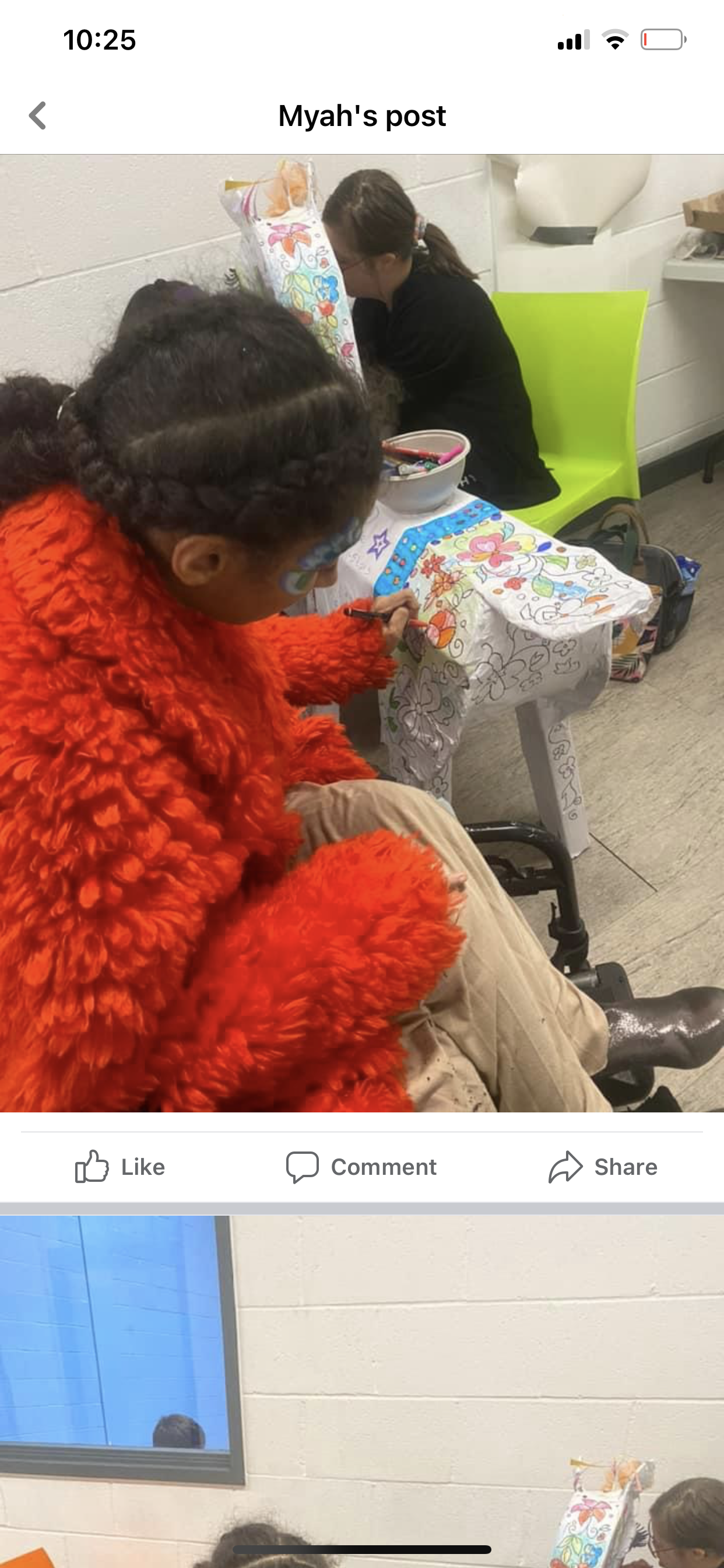
We’re
We’rehttps://amzn.to/3LFKFlK link for anybody that didn’t get that link that I just put onto work because I wasn’t sure it came out
evening sayings for all my viewers. Have a happy Saturday evening everyone
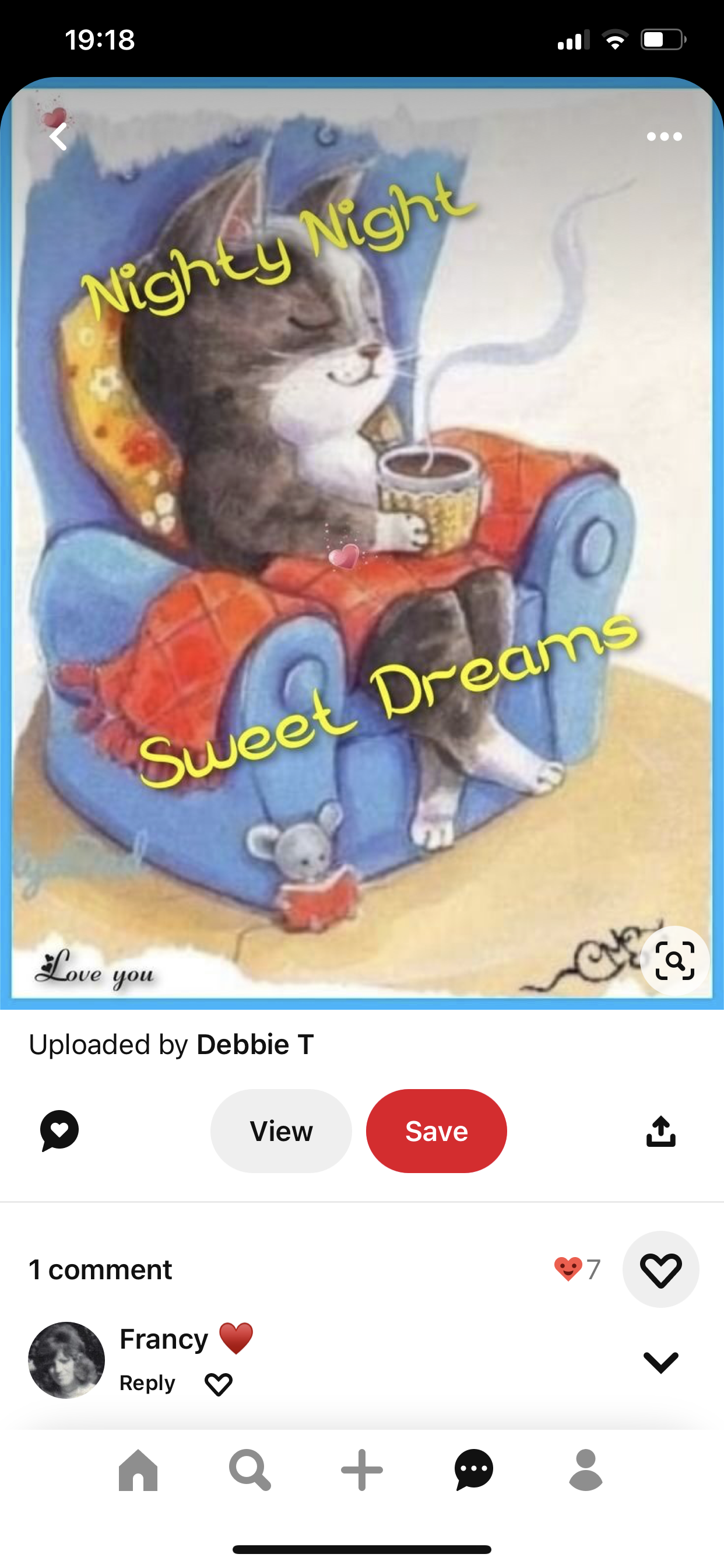
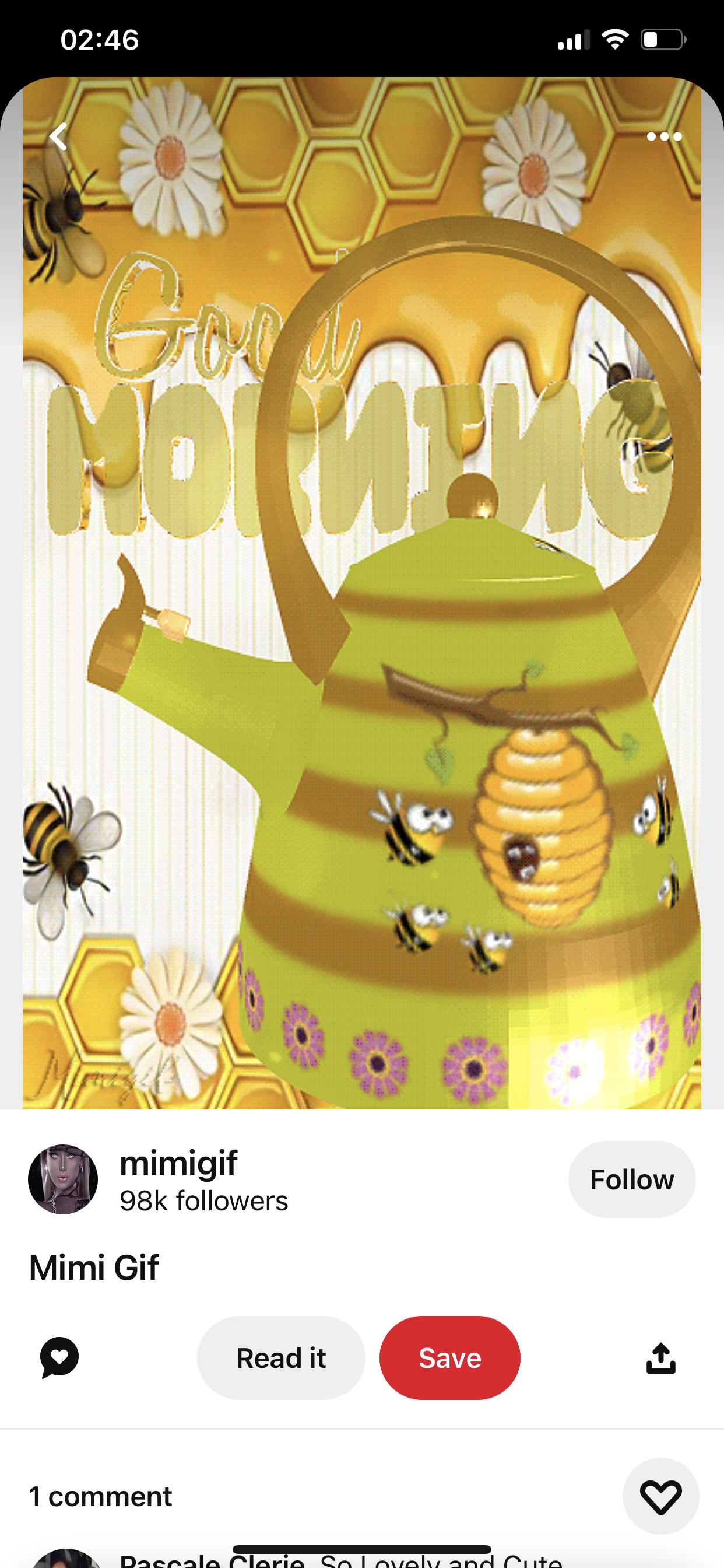
open the day that I like your style especially with the royalty of colours and shades
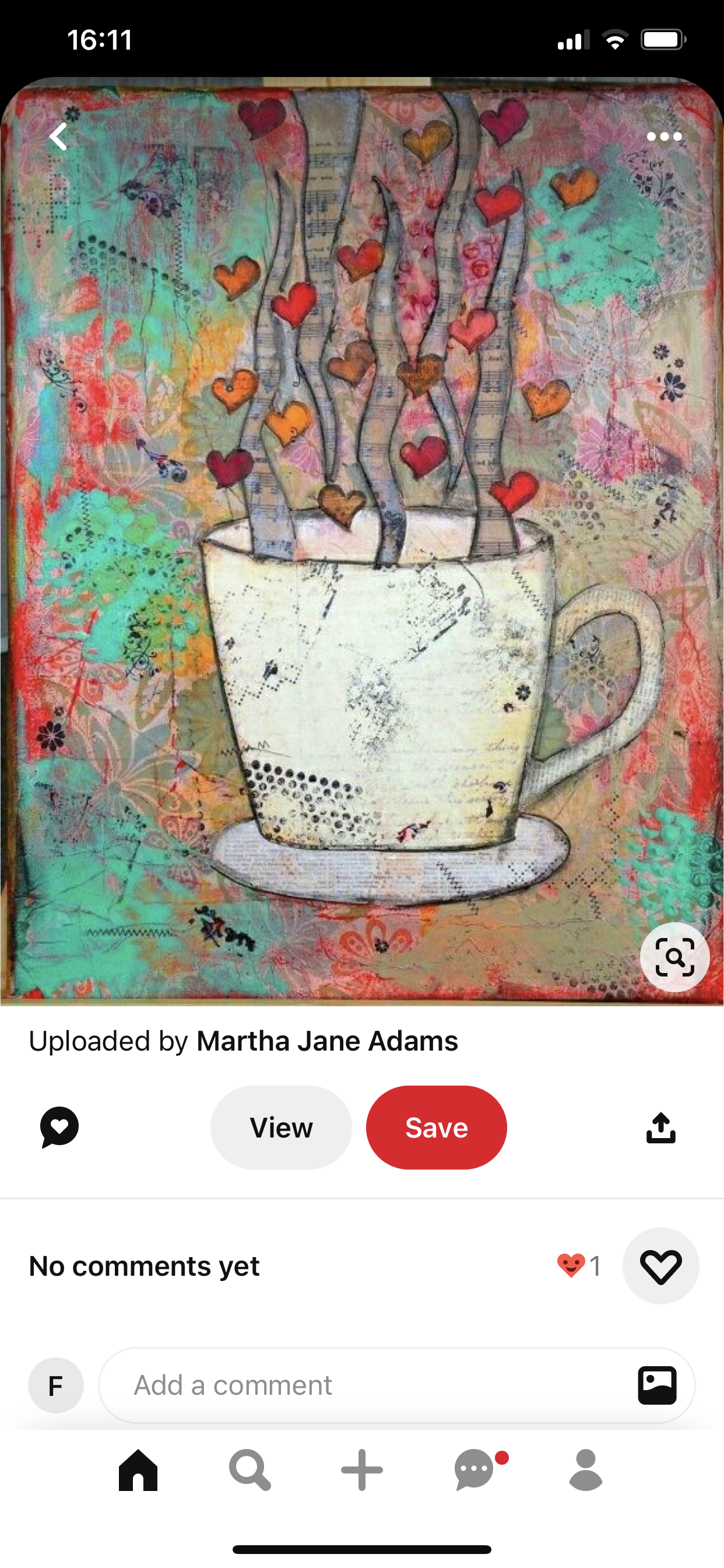
three of the day for everyone who viewed my block
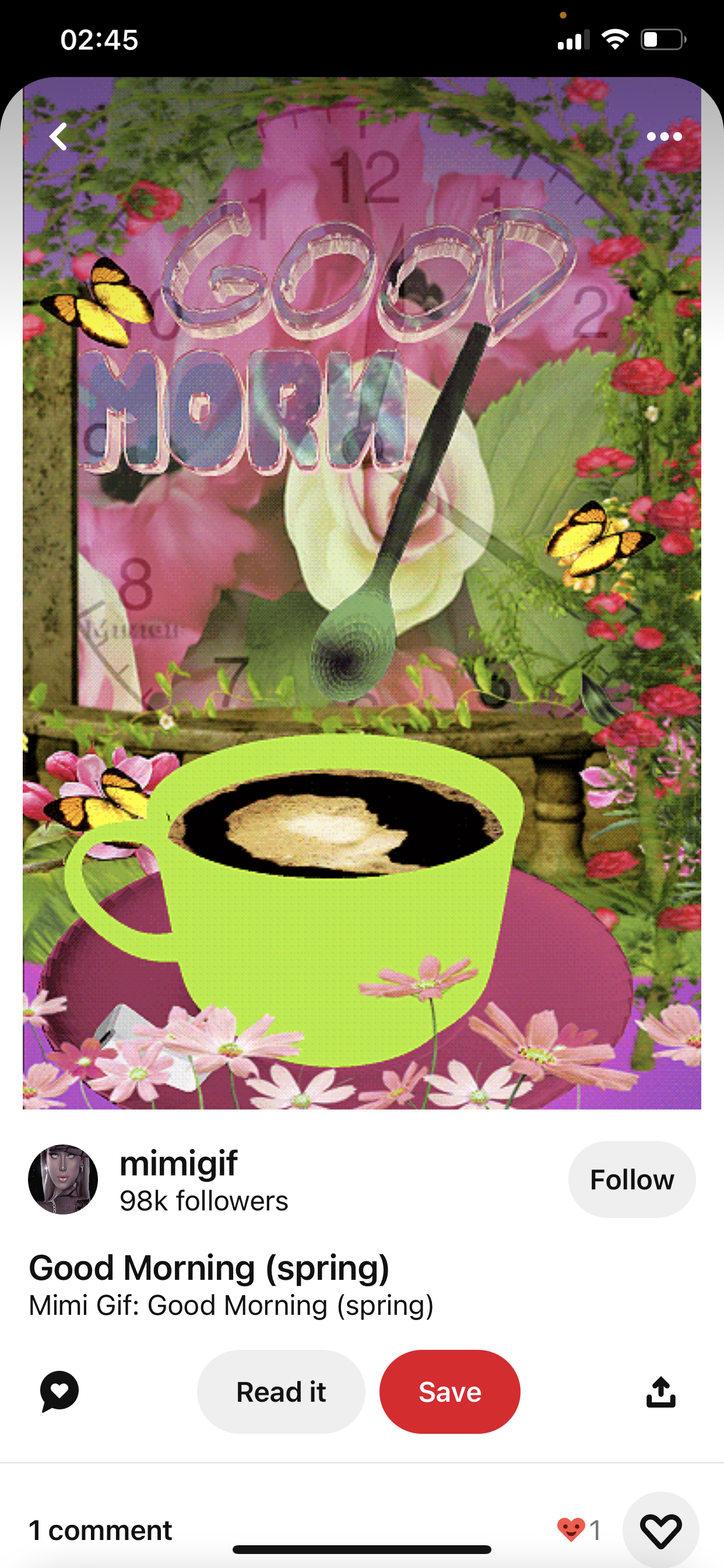
illustration, and saying of the day

Second 2023 Cost Of Living Payment Dates
With many thanks to Benefits And Work.
The DWP has announced the dates that the second cost of living payment of 2023 will be made.
A payment of £300 will be sent out automatically to eligible claimants between 31 October and 19 November 2023.
This follows a first payment of £301 made between 25 April and 17 May
A further £299 payment will be made in Spring 2024.
Eligible benefits
To be eligible for the £300 payment you will need to have been in receipt of one of the following benefits during the qualifying period:
- Universal Credit
- Income-based Jobseekers Allowance
- Income-related Employment and Support Allowance
- Income Support
- Working Tax Credit
- Child Tax Credit
- Pension Credit
Universal Credit
You are eligible for the second Cost of Living Payment of £300 if you were entitled to a payment (or later found to be entitled to a payment) of Universal Credit for an assessment period ending between 18 August 2023 to 17 September 2023.
Income-based JSA, income-related ESA, Income Support and Pension Credit
You are eligible for the second Cost of Living Payment of £300 if you were entitled to a payment (or later found to be entitled to a payment) of income-based JSA, income-related ESA, Income Support or Pension Credit in respect of any day between 18 August 2023 to 17 September 2023.
You are also eligible if you are entitled to one of these benefits for any day during this period but you do not receive a benefit payment because your entitlement is between 1 penny and 9 pence.
Tax credits
For tax credits-only customers, you are eligible for the second Cost of Living Payment of £300 if you were entitled to a payment of tax credits in respect of any day in the period 18 August 2023 to 17 September 2023, or are later paid in respect of any day in this period.
how are years ago with my support worker. After the coffee morning, I intended at the school that are used to study at for secondary education
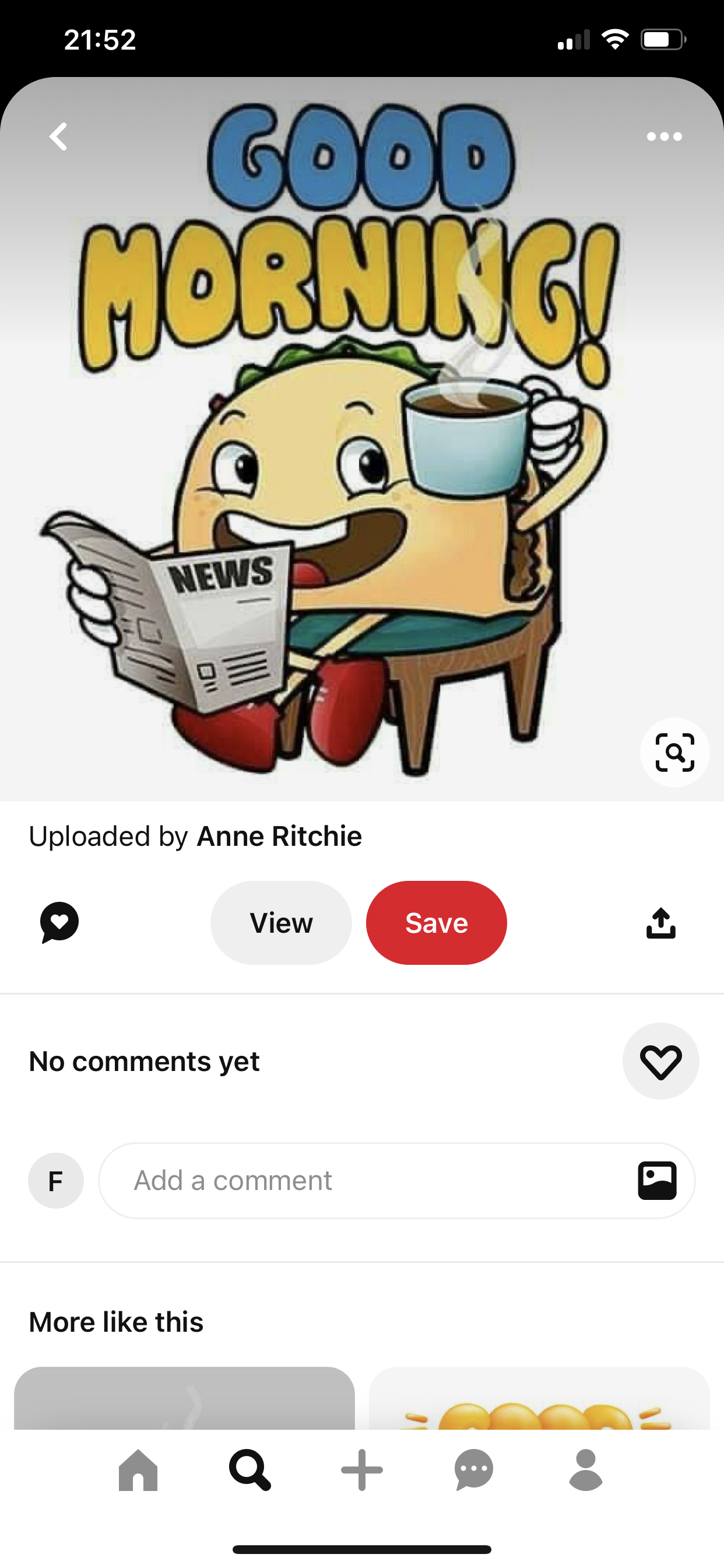
good night :-)
saying every evening, only one tonight still do not feel 100% how much surgery the time I had to die but I am back home. #KimOdae #Complex #Surgery #CerebralPalsy
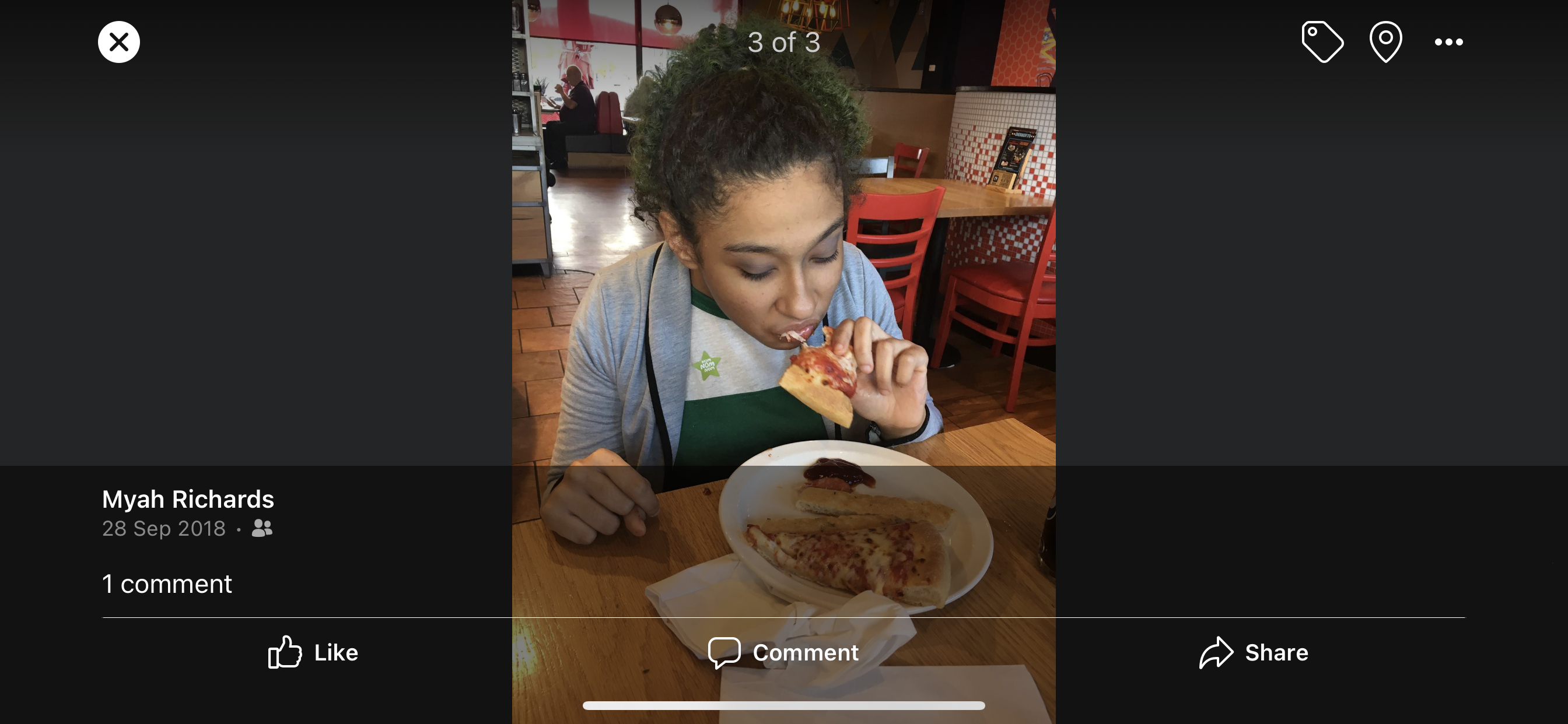
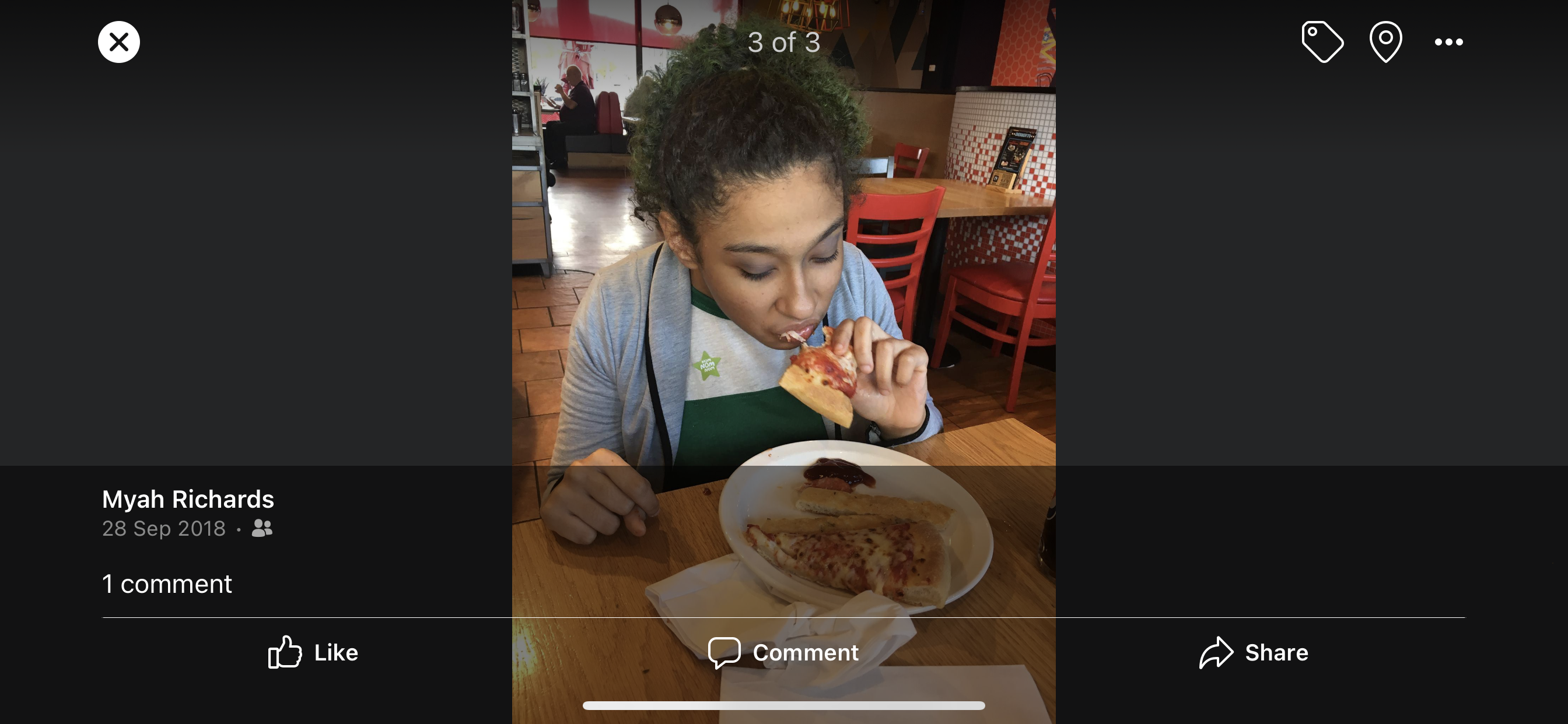
Pizza Hut five years ago, all you can eat under million day when I was from Rosa at the school I used to attend
❤️👩🏾🦽🤣
pencil illustration that I like this movie for
https://adults item of the day, amzn.to/3tgowUK
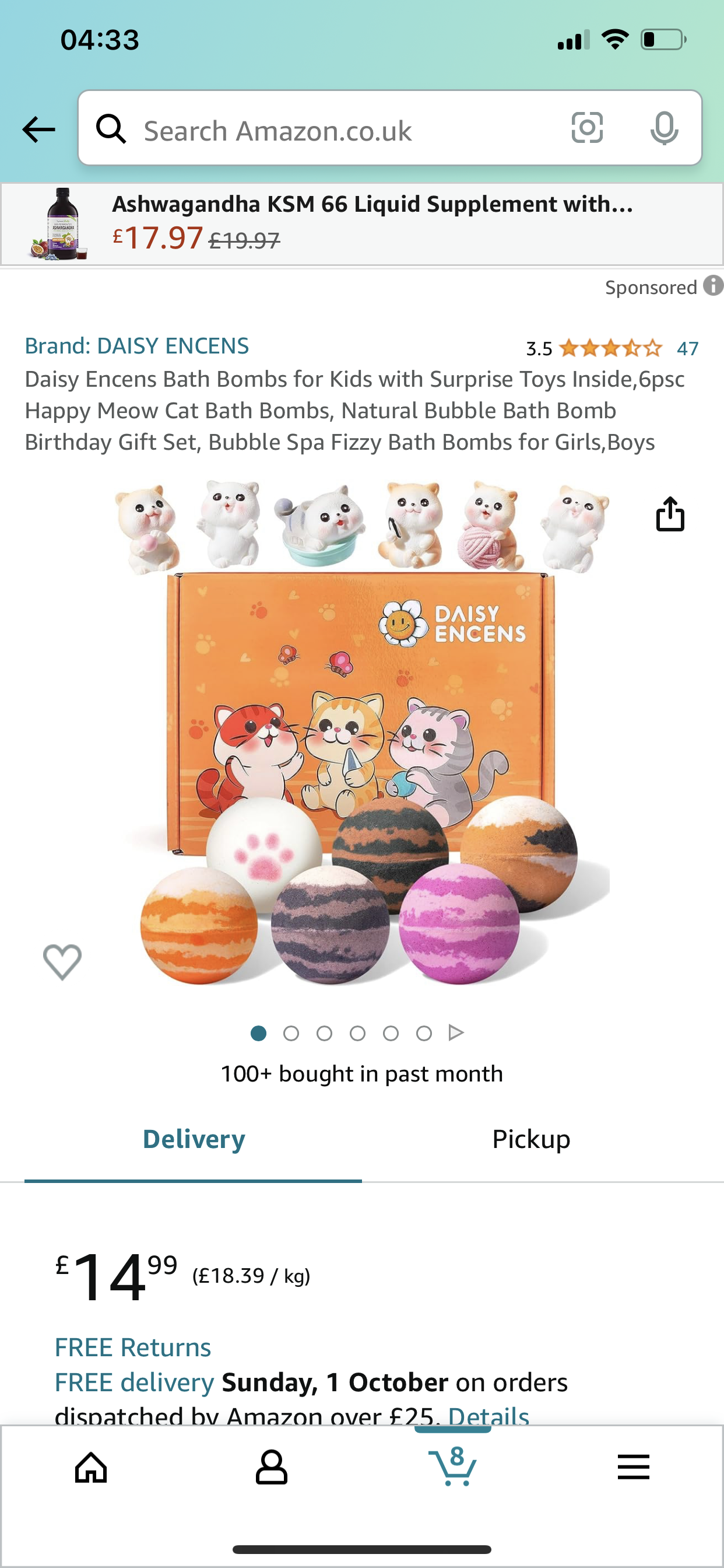
children’s item of the day or Thursday you was off my block. I will be the adult item of the day break after this.
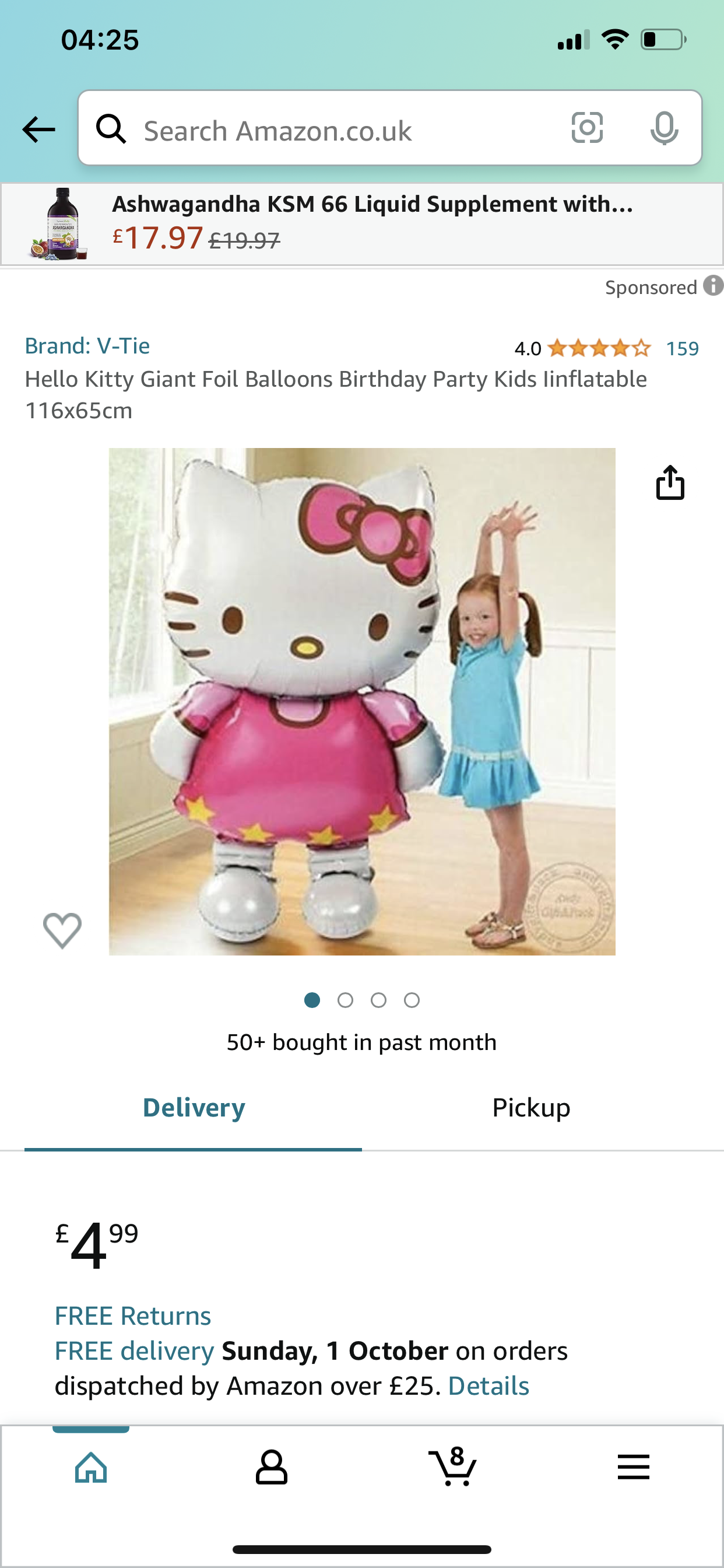
wishing that you have good weather when it finally gets like outside today mate is this something I want to help you know showing through to Nan
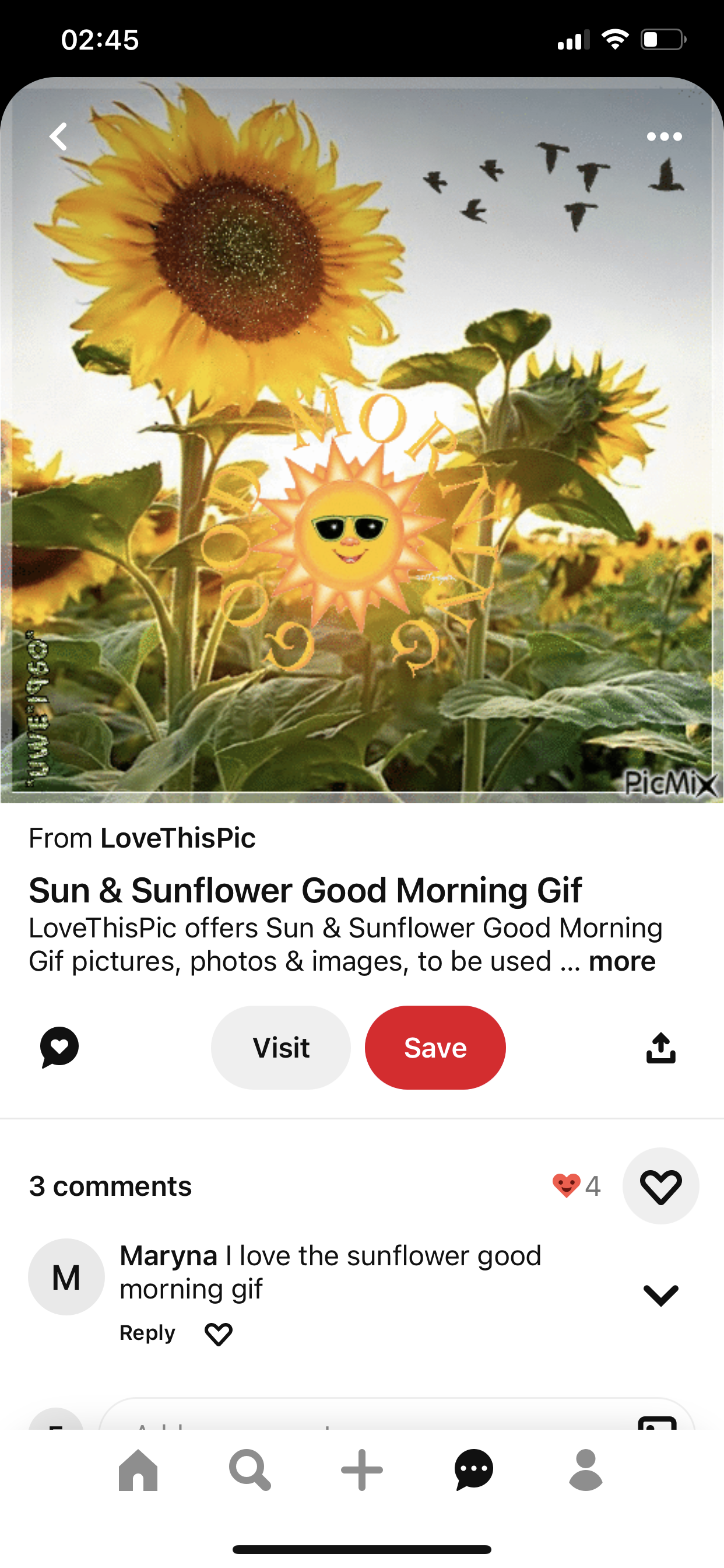
playing of the day for Thursday for very cheerful day everyone
Puppy School For Guide Dogs Spotlights Guide Dog Carer’s Work
A woman whose golden retriever had a litter of guide dog puppies said she hoped she could help more people with sight loss “live an independent life”.
Kath Saunders and her family appeared on Channel 5’s Puppy School for Guide Dogs alongside new mum Ela.
The programme features the progress of guide dogs in training and the people who depend on them.
Ms Saunders, of Shrewsbury, said she wanted her TV appearance to inform other people of what was involved.
Some blind people have had long waits for guide dogs because of a shortage. The Guide Dogs charity said the animals’ availability and training was hit by the Covid-19 pandemic.
Ms Saunders told BBC Radio Shropshire the family decided to get involved with the charity’s work following a camping trip with a friend.
“She brought her two dogs along and I was like ‘wow, your dogs are amazing, how did you train them so well, how are they so beautifully behaved’?”
“And it turns out they were also guide dog mums and so [my family and I] had a bit of a chat and decided that that’s what we wanted to do as well.”
Ms Saunders said Ela was assessed aged about one and deemed to be the “crème de la crème” as a potential mother to future guide dogs.
“They are looking for temperament, how calm they are, how easy they are to work; they really are looking for the best possible dogs there are,” she said of the charity’s process.
Ela, who has just turned six, has had two litters under the programme and may have another, if considered healthy enough.
The Guide Dogs charity said three pups in Ela’s first litter, born in lockdown, had gone on to qualify as guide dogs.
Ms Saunders said monitoring the puppies in their early days was rewarding.
“Ela does all of the work,” she explained. “We don’t have to do anything other than feed and look after her.”
After three weeks, they are then weaned and “hit their really cute stage”.
She added: “[Ela] had seven puppies this time – potentially seven more people can get out in the world and live an independent life. It’s really amazing.”
put around with notice
will post a Pinterest update and the saying of the day in the early hours of tomorrow for you all to say, and any other content that I choose to post after that I will not see you same difference for an hours until Sunday or Monday Rebecca, I have to go and have a little procedure on my feet, because is my cerebral palsy said that I can walk
bedtime, cute sayings for all the different viewers for Wednesday Tight #Positivity
one of the process that was in my growth from last night that I was supposed to post anything that is one of the bedtime, cute sayings for cat lovers
#WheelchairUser #Joe #Party #WheelchairUsersCanWearHeels #WithTheHills #KittensAndHillsMatula
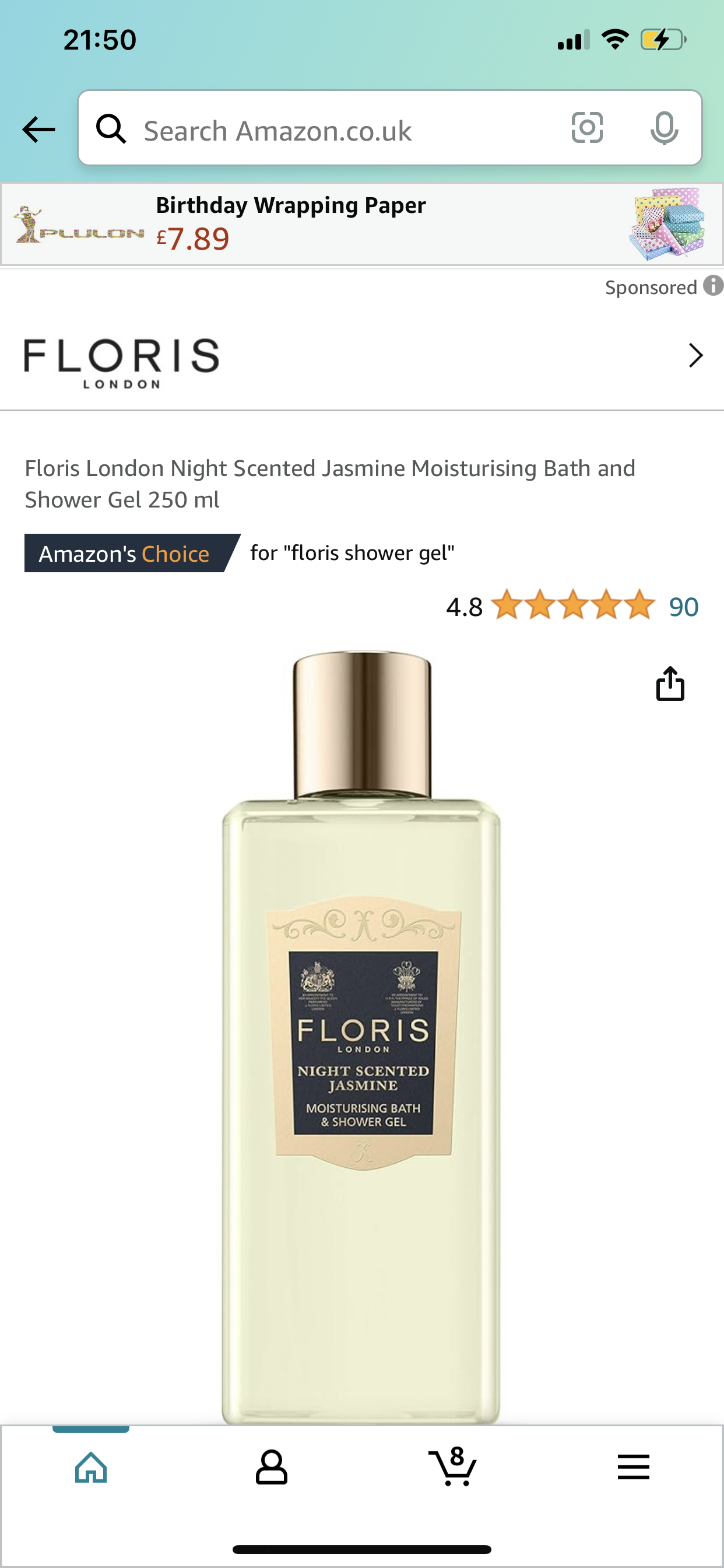
https://pin.it/6g2Ycmf
Coser of the day or Wednesday #SelfiesOfTheDay #Selfies #PicturesOfMe #YoungWomanWithCerebralPalsy #HadMyHairDone #DisabilitySupportWorker



signs of the early evening/afternoon for Wednesday for all my view is here on the same difference. Signs of the early evening flashlight afternoon.


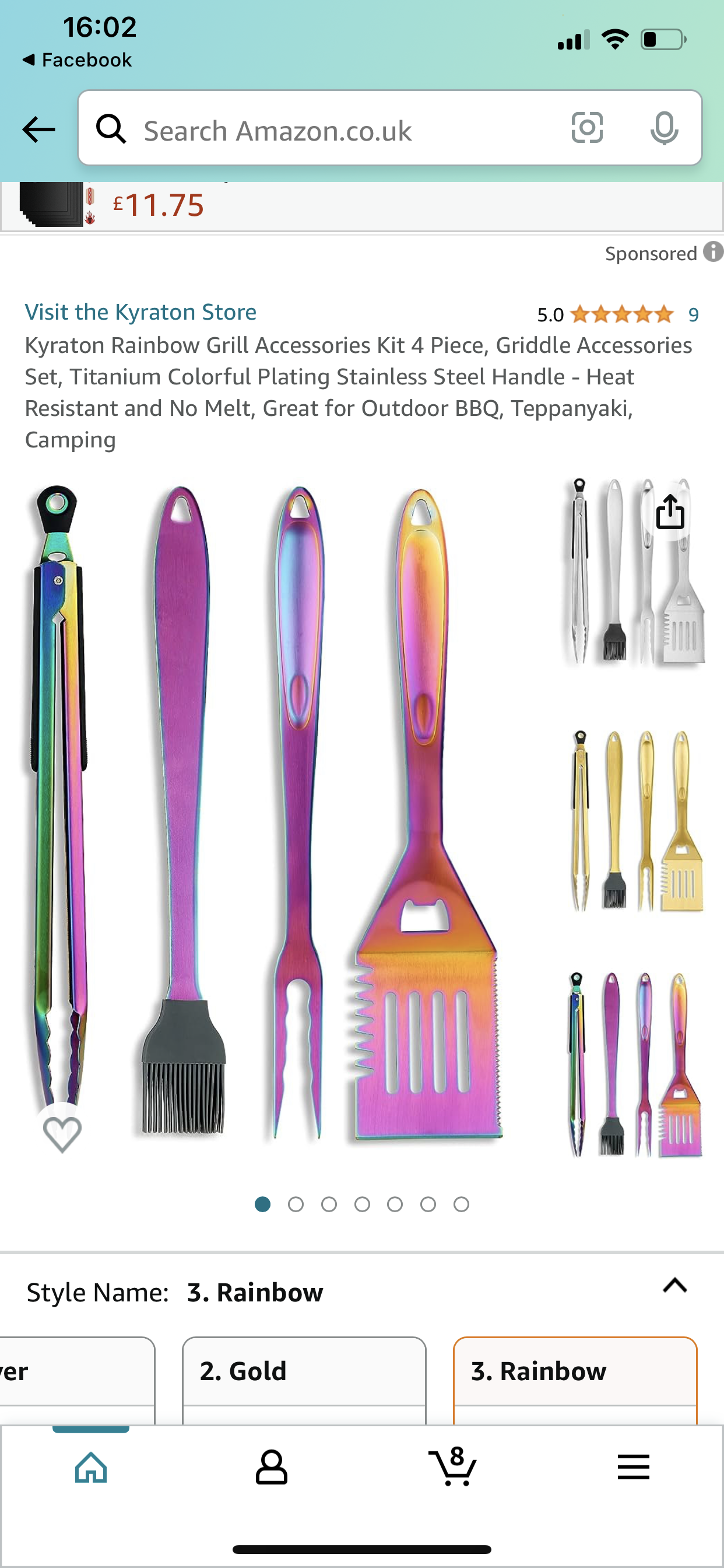
product of the day for Wednesday exclusively for my viewers here on my page
Shropshire Family Calls For Assistance Dogs Rule Change
A family is calling for recognition for owner-trained assistance dogs.
Sophie Noel, 22, from Craven Arms, Shropshire, is autistic and trained her own dog Loki to help her when she feels anxious or overwhelmed.
But self-trained dogs are not recognised everywhere, and her family is calling for it to be possible to get certification so they can fly together on holiday.
The government has been approached for comment.
Sophie, who said being autistic could “be difficult sometimes”, added two-year-old Loki was “everything” to her.
“Everything is a challenge, I spent a lot of time wanting to be like everybody else and not understanding why I struggled with things that other people didn’t seem to struggle with,” she said.
She trained Loki herself and said he supported her when she felt anxious and helped keep her grounded if she was somewhere loud or overwhelming.
Being able to take Loki on a plane, she said, would mean she could enjoy holidays with her family.
Her mother Rachel said: “She realised the world isn’t so scary if she has her dog with her.”
Independently assessed
The family want a change in the law around owner-trained assistance dogs to ensure they are recognised.
“It is more about educating companies and getting those companies on board to understand he has had an assessment and he is playing a vital role in somebody’s life,” Rachel said.
The Assistance Dog Assessment Association (ADAA) is a charity that offers people living with disabilities the opportunity to have their assistance dogs independently assessed.
However, the charity told the Noel family that even after its assessment, dogs could not fly from many of the UK’s larger airports, as it had not yet been accredited by the Department for Environment Food and Rural Affairs (Defra).
That is in spite of Civil Aviation Authority proposed guidance that recognises the ADAA and calls on airlines to accept assistance dogs, including autism assistance dogs, in aircraft cabins under regulations designed to protect the rights of disabled people.
The family said it was told Defra was reviewing its position following the CAA consultation.
Rachel and Sophie have spoken to Ludlow MP Philip Dunne about their issues, who said he would speak with the minister for mental health to find out how widespread the issue was and what routes had been explored to give owner-trained dogs the same legal protections.
The family have launched a petition for self-trained assistance dogs to be recognised which has been signed by more than 1,500 people.
interest Amazon affiliate Pinterest app today just updated just now
second saying of the day
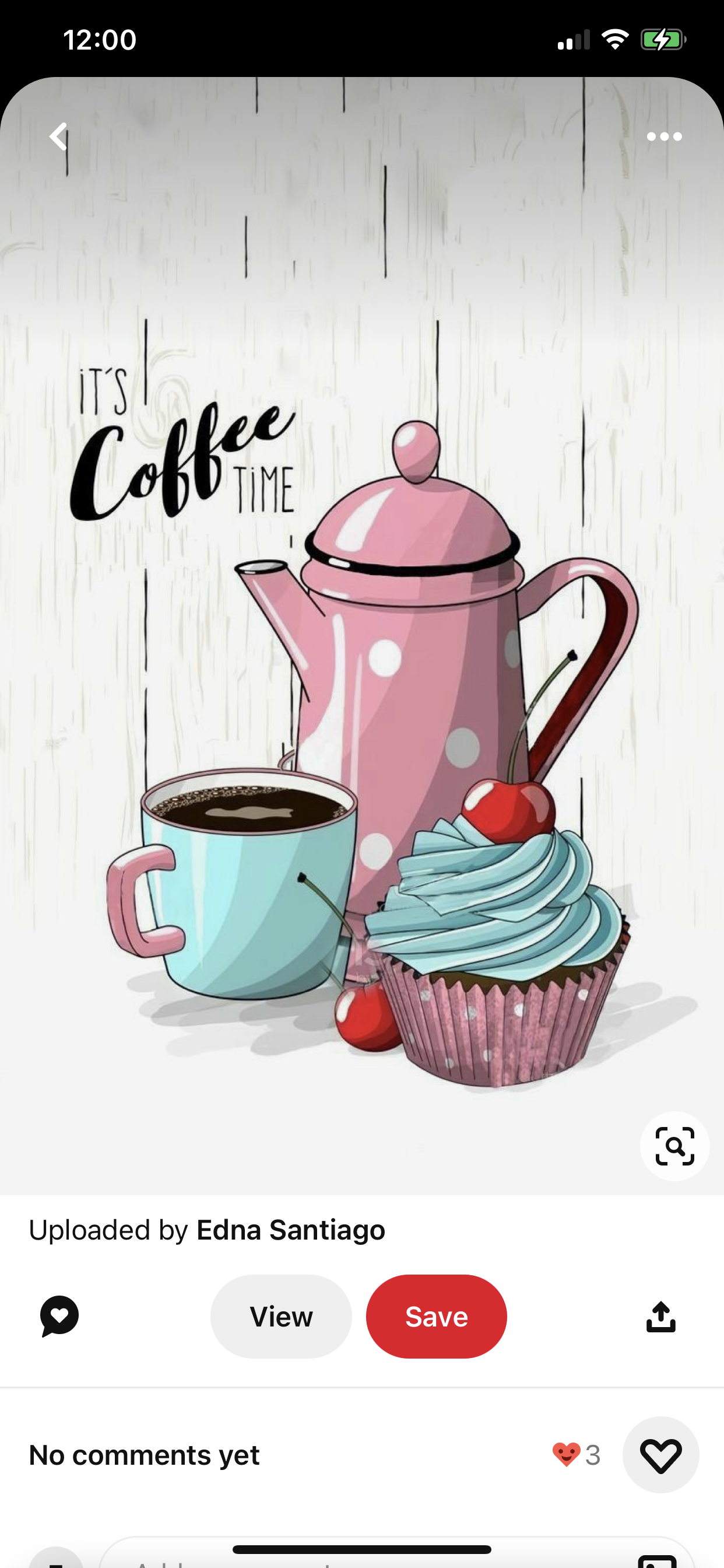
saying oh good morning, everyone in the late morning, not
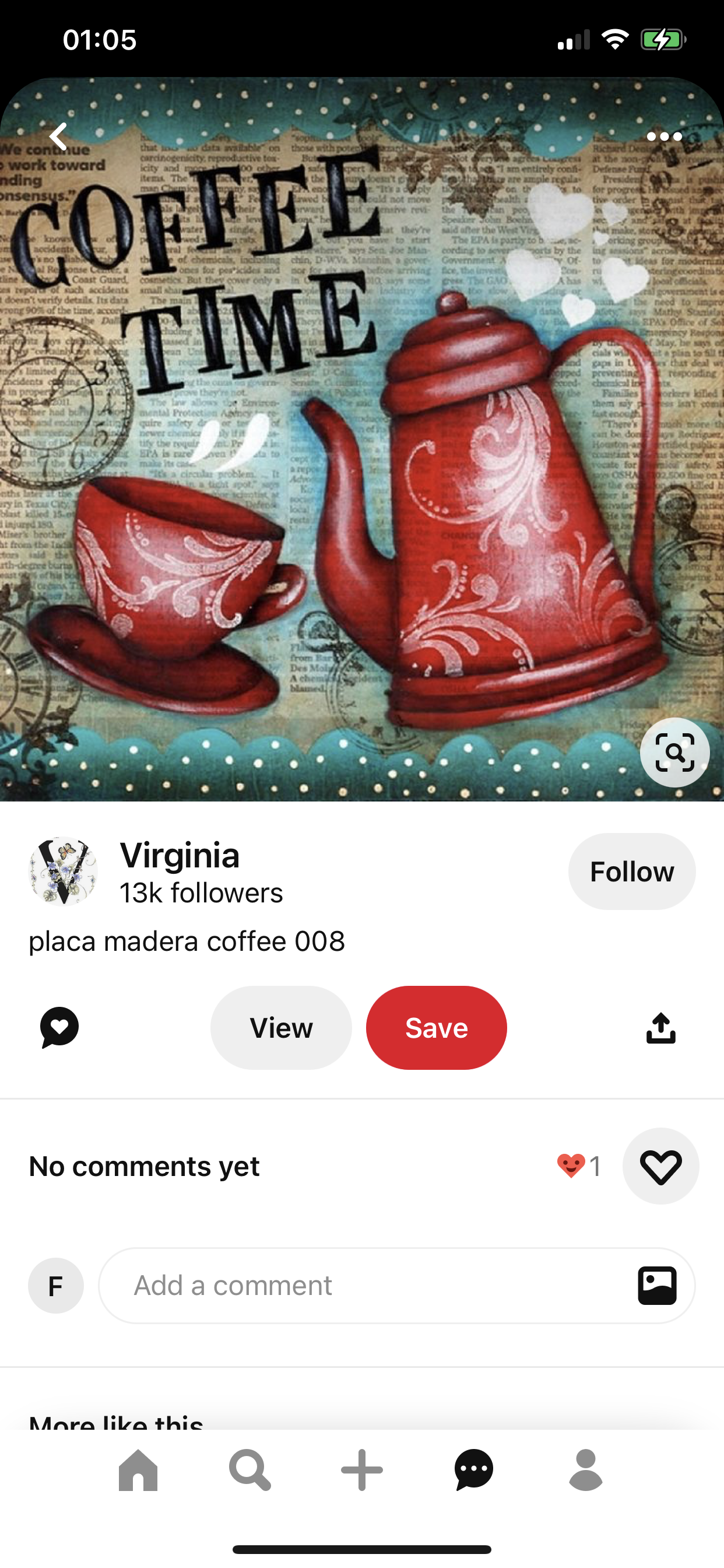
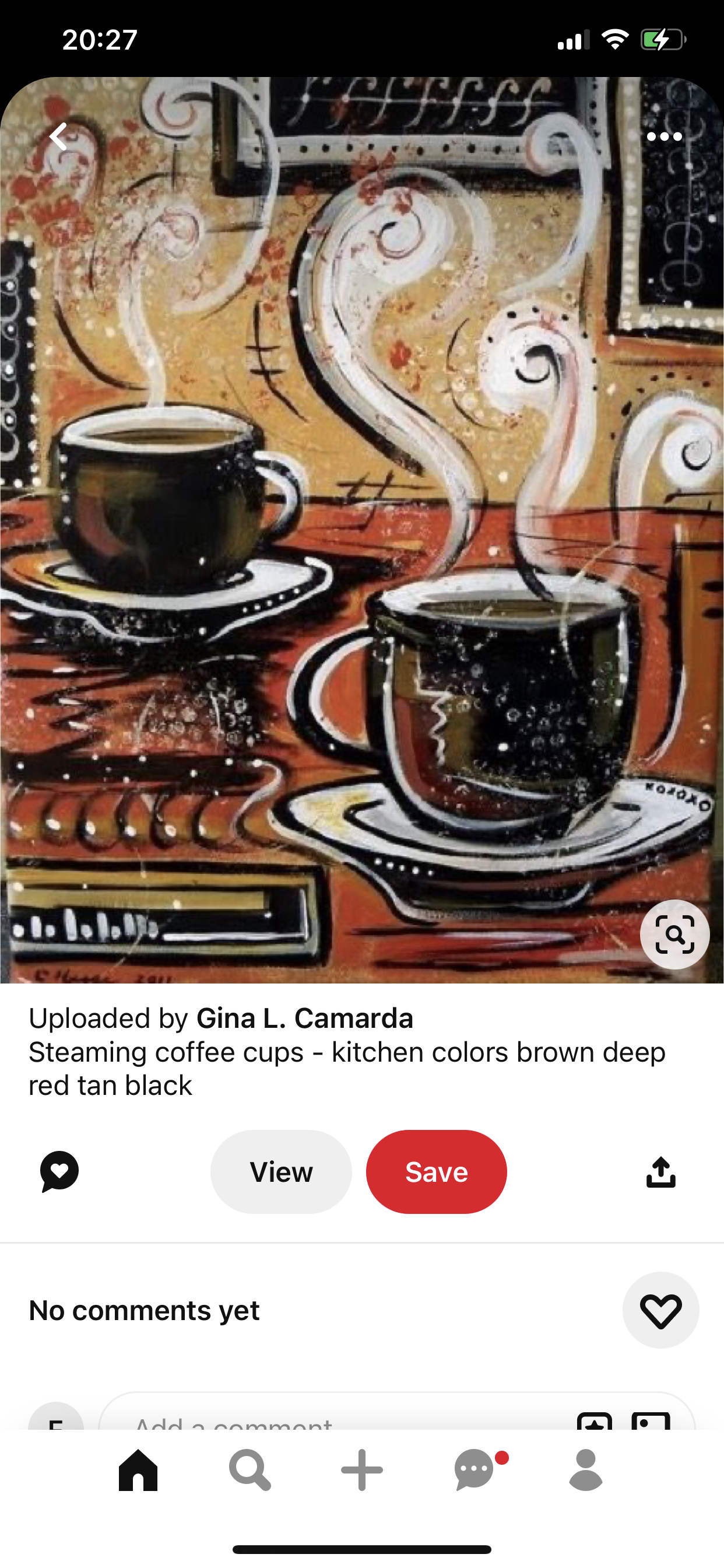
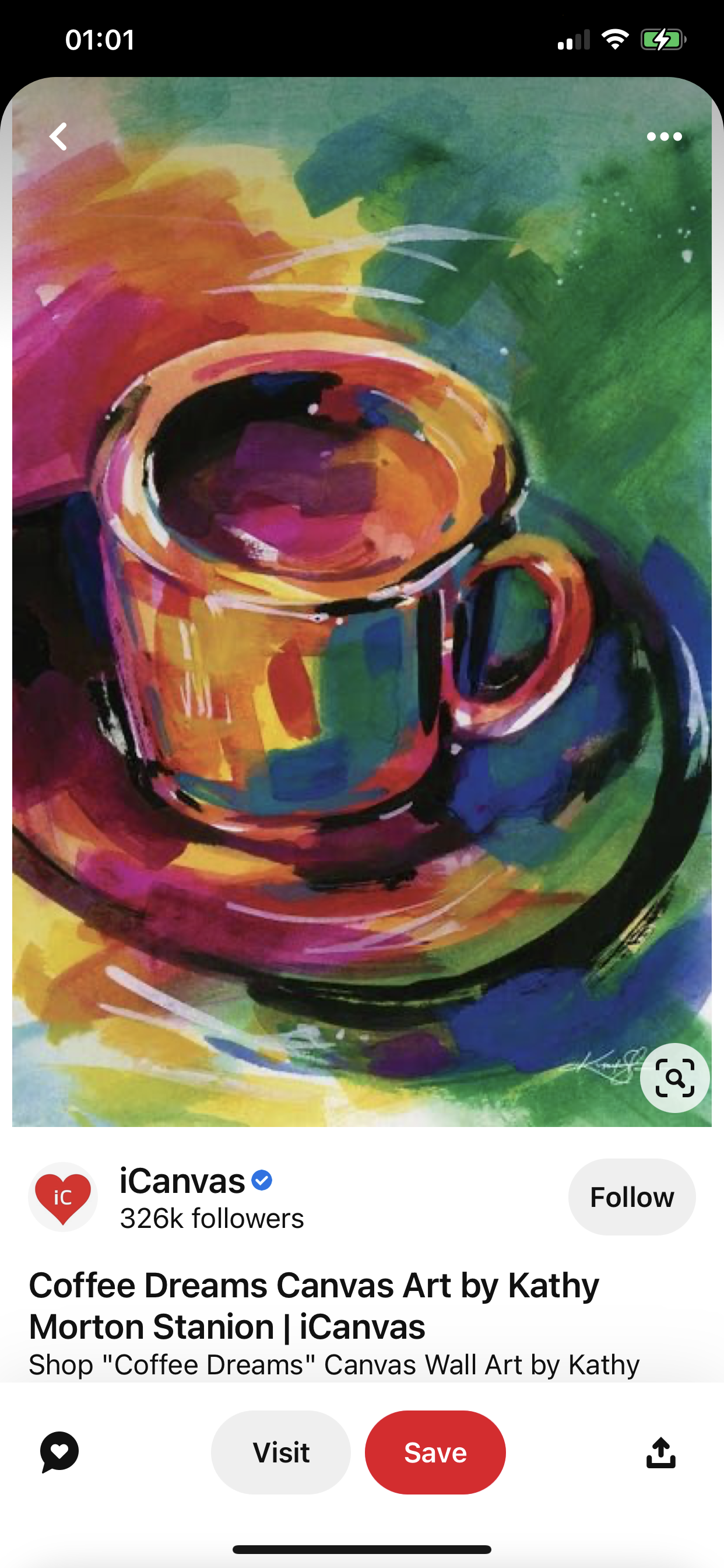
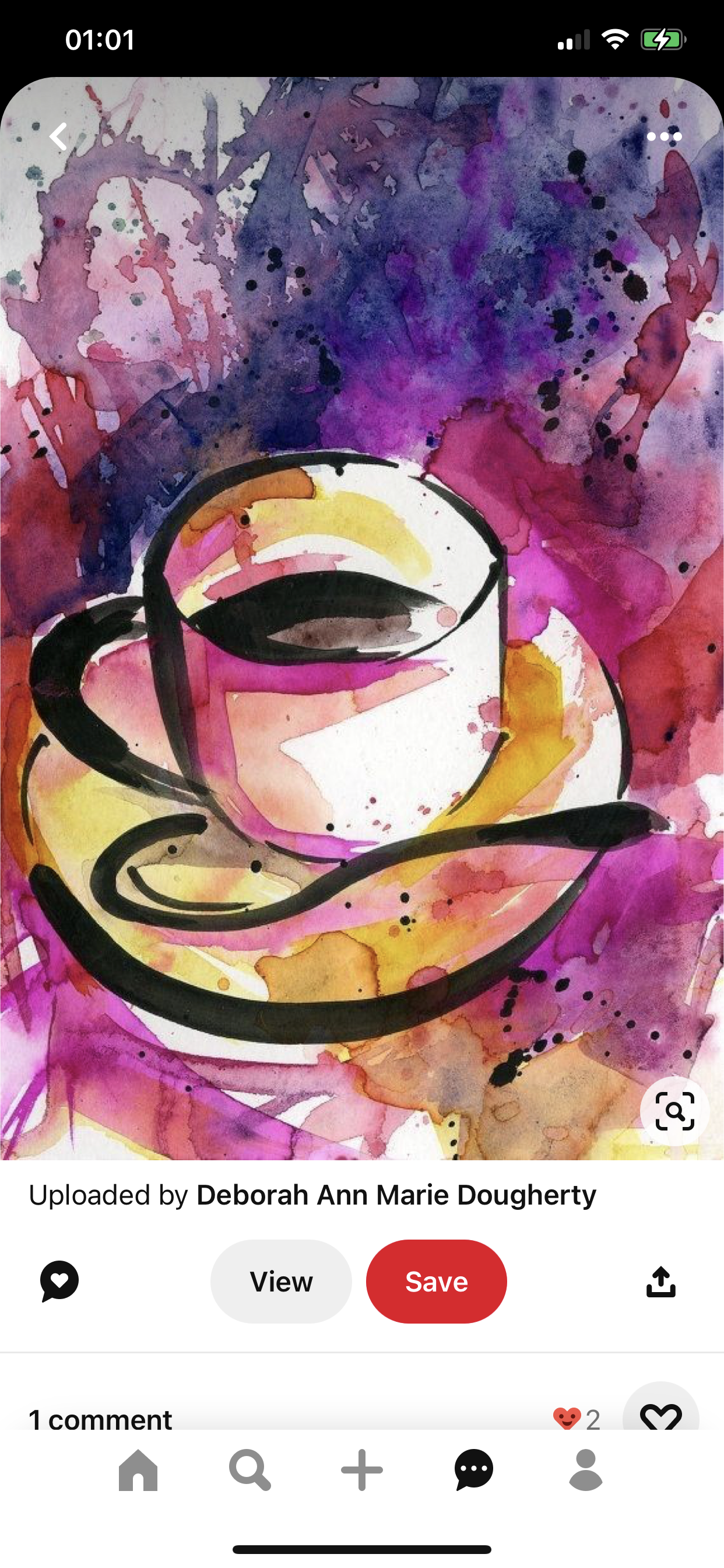
paintings and illustrations of the day. I love the app and the app doing it as a hobby and would like to study GCSE as a student in the future.
Northern Trains To Trial British Sign Language Announcements
Train announcements will be shown in sign language on Northern rail services as part of a trial, the company said.
Information will be displayed on screens on trains between Leeds and Manchester Victoria.
Census data showed BSL was the main language of 22,000 people and Northern said it aims to launch the announcements by the end of the year.
Marc Silverwood from the company said he wanted “to make a difference to our customers and provide for them”.
“We know that rail travel can be daunting for anyone with specific needs, and I really hope this makes a difference to give people confidence to travel by rail,” he added.
The company is now looking for organisations to help provide sign language interpreters for the project.
prime and evening, saying for you all for Monday


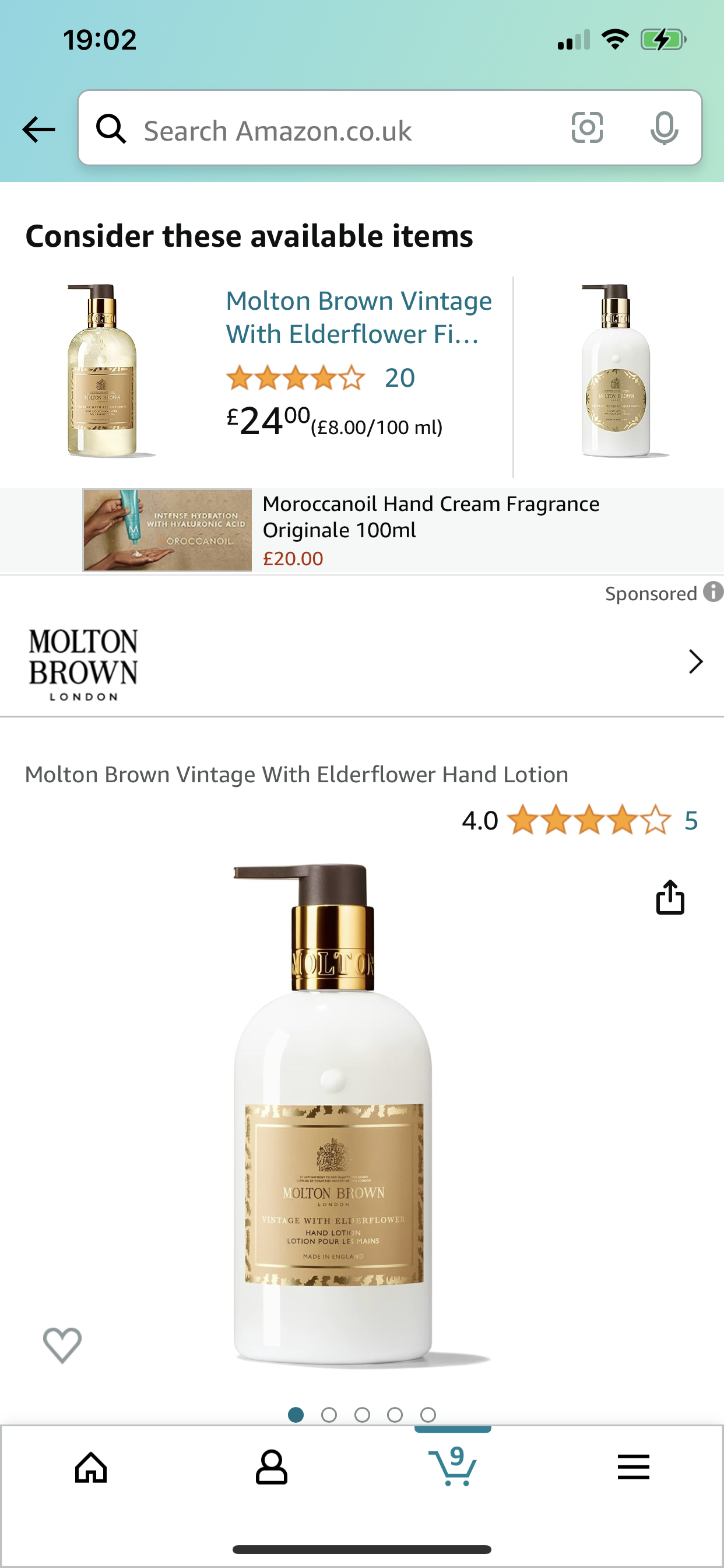
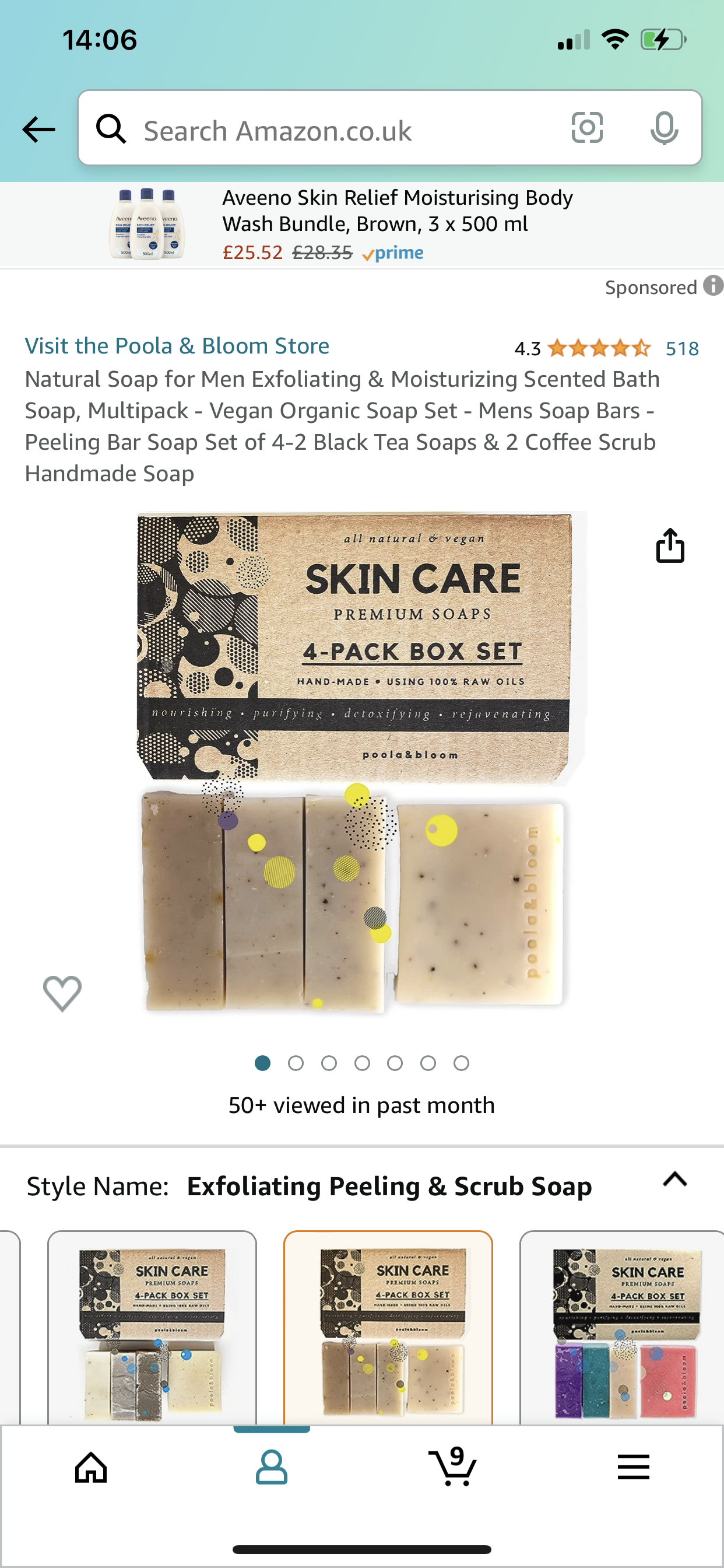
Pinterest app, they all update again in the early evening about 5 pm
good morning everyone, this is the first saying of the day hope you’re enjoying my sayings of the day and different things for different points over it😬😬💕🤣

Job Sharing: Wales’ Politicians Could Be Able To Split Roles
A former Welsh government minister has said he would still be in the cabinet if job sharing was allowed.
Ken Skates stepped back from government in 2021 in search of a better work-life balance after eight years in ministerial roles.
The Senedd reform bill published this week includes a way of exploring the idea of Members of the Senedd (MSs) job sharing in the future.
If introduced it could see politicians share their workload and a salary.
Mr Skates, who was part of the Welsh government between 2013 and 2021 and served as economy minister, is now a backbench Labour MS for Clwyd South, which covers part of Wrexham and Denbighshire.
Asked if he might still be a minister if job sharing was an option, he said “yes, absolutely”.
“It’s incredibly difficult when you’re a member of the government to be able to balance your professional and personal life in a way that gives you satisfaction and in a way that people need, especially if you live far from Cardiff Bay,” he told the BBC’s Politics Wales.
“It’s simply not possible for example to make the journey from parts of north Wales to Cardiff Bay on a daily basis,” he said, explaining how it affected his personal life and his ability to serve his constituents.
“Having the option of remote working as well as job sharing… would level the playing field and enable many more people to consider getting into politics.”
The newly-published Senedd reform bill, which paves the way for an increase in the number of MSs and the introduction of a new electoral system, also places a duty on the llywydd (presiding officer) to try to set up a committee following the next election to consider the idea of job sharing.
What do women need to get into politics?
It is argued job sharing could create greater diversity by reducing the barriers preventing some people from standing for election, including those with disabilities and caring responsibilities, such as parents with young children, and women in particular.
Jessica Laimann of Women’s Equality Network Wales said it would help women, who have an unequal share of caring responsibilities, get into politics.
“We’ve heard from a range of women who would not otherwise stand say they would immediately put themselves forward if that sort of arrangement was available to them,” she added.
Sara Pickard, a community councillor in Pentyrch in Cardiff who has Down’s syndrome, said the option to job share would encourage more people with disabilities who might otherwise feel “daunted” to stand for election to the Senedd.
“Having someone share that job with them could really help them share out the hours, the workload so that that job doesn’t feel too much work for one individual, ” she said, “especially those who’ve got disabilities who might feel overwhelmed by the sheer amount of work involved”.
But the idea throws up practical questions – what if the two MSs disagreed in a vote, one stood down or switched parties, or one was offered a government post?
Prof Rosie Campbell, director of the Global Institute for Women’s Leadership at King’s College London, said: “As a job share team they would have to say how they’re going to manage the situation if one were to step down.
“In the same way if they want to be in government, they’re a job share so they would need to agree that between themselves.
“There can only ever be one person voting so they would have to say how they would make that decision.
“The key point to make is that it is still one job, one vote, one salary.”
But Caerphilly Labour MS Hefin David said while he agreed job sharing could help committee chairs and ministers, he does not believe it is a necessary option for backbenchers.
With proposed six-member “super constituencies” in future, he said voters would have enough trouble getting to grips with who was representing them and job sharing was “probably creating more problems for the community than you’re solving for the individual”.
Welsh Labour said it recognised the “potential benefits” of job sharing and Plaid Cymru – which has a cooperation deal with Labour in the Senedd – said it was “proud to play its part” in trying to make becoming an MS a “realistic and attractive vocation to a wider group of people”.
Welsh Conservatives called it “fraught with issues and additional costs” and accused Labour of “removing themselves further from the scrutiny of the electorate”.
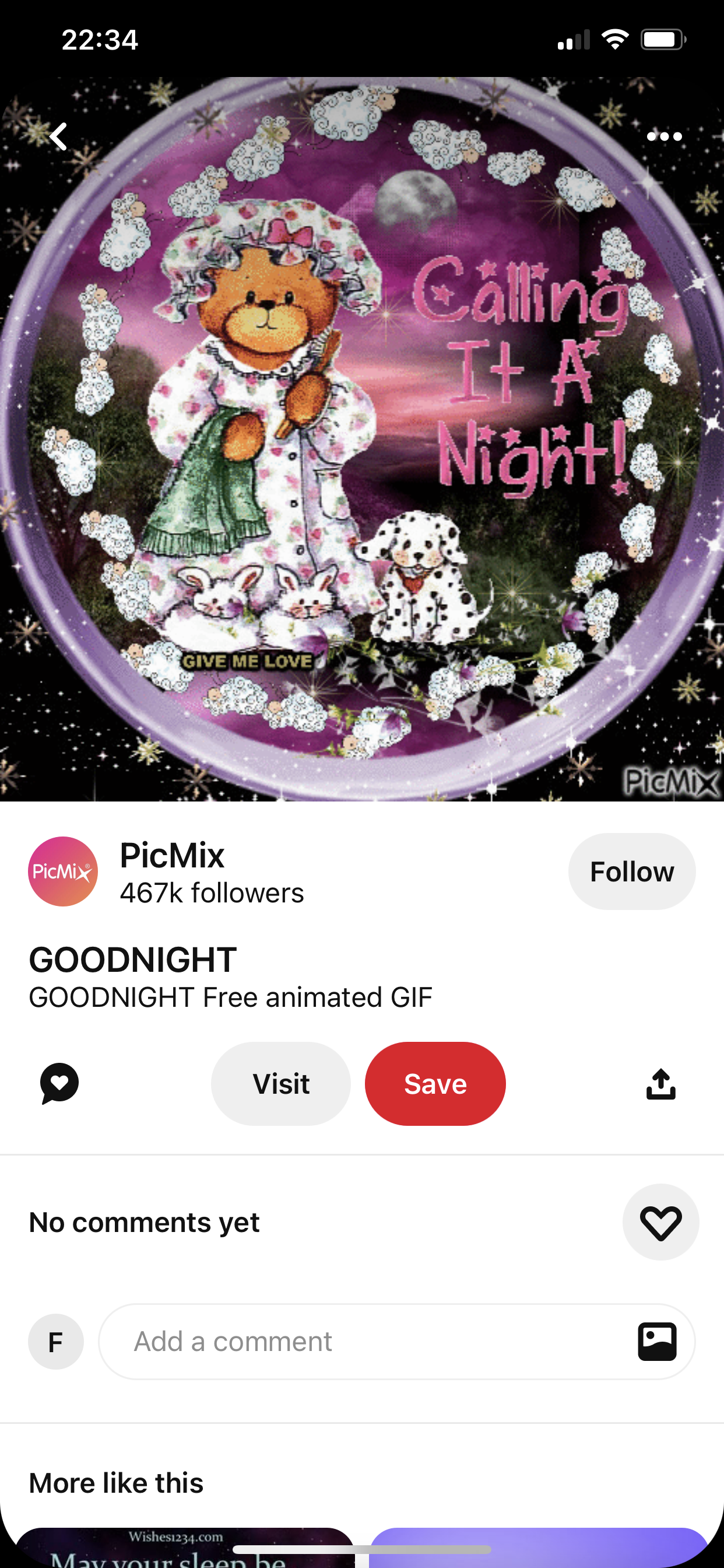
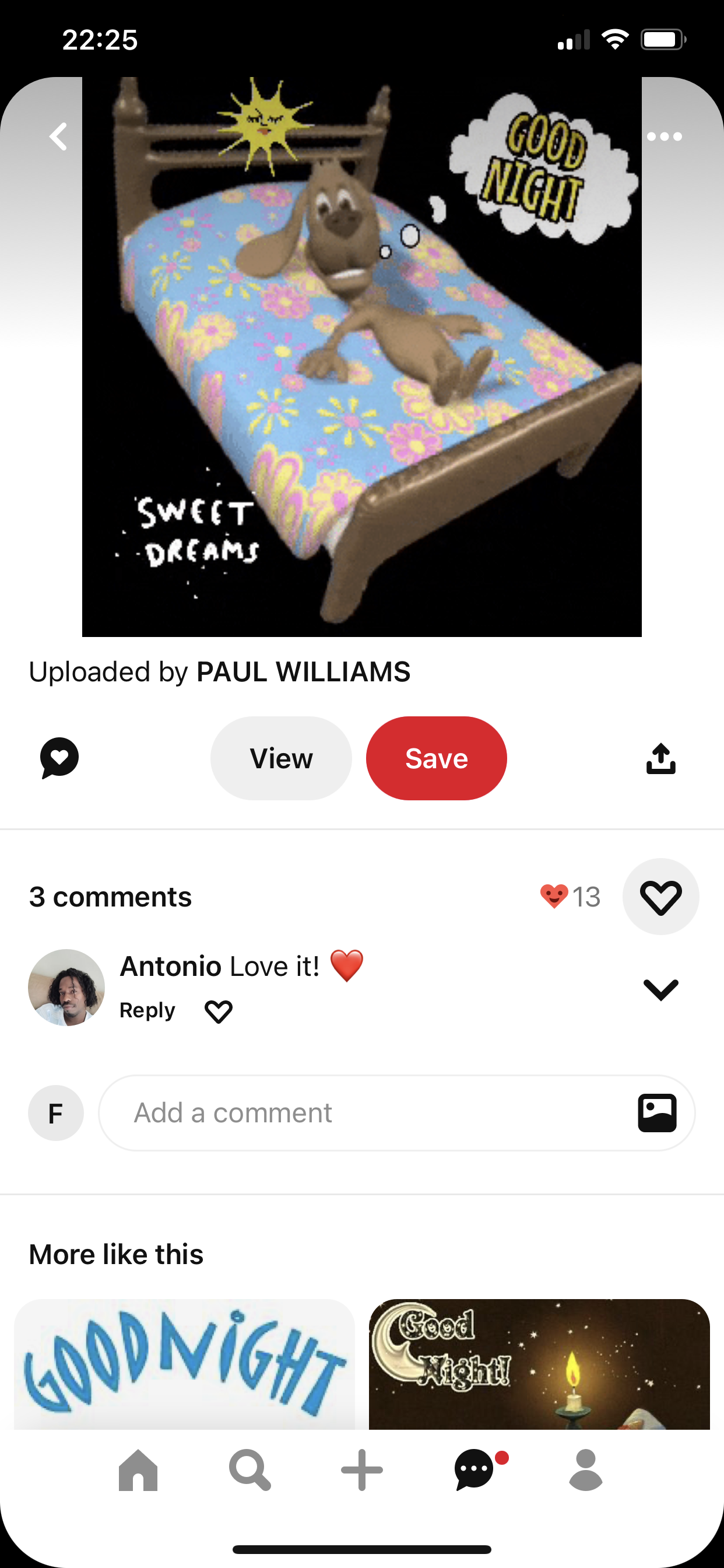
and bedtime settings for all my viewers on something different. Good night all enjoy the sayings from me to you.😴😴😴🌙🌙🌔


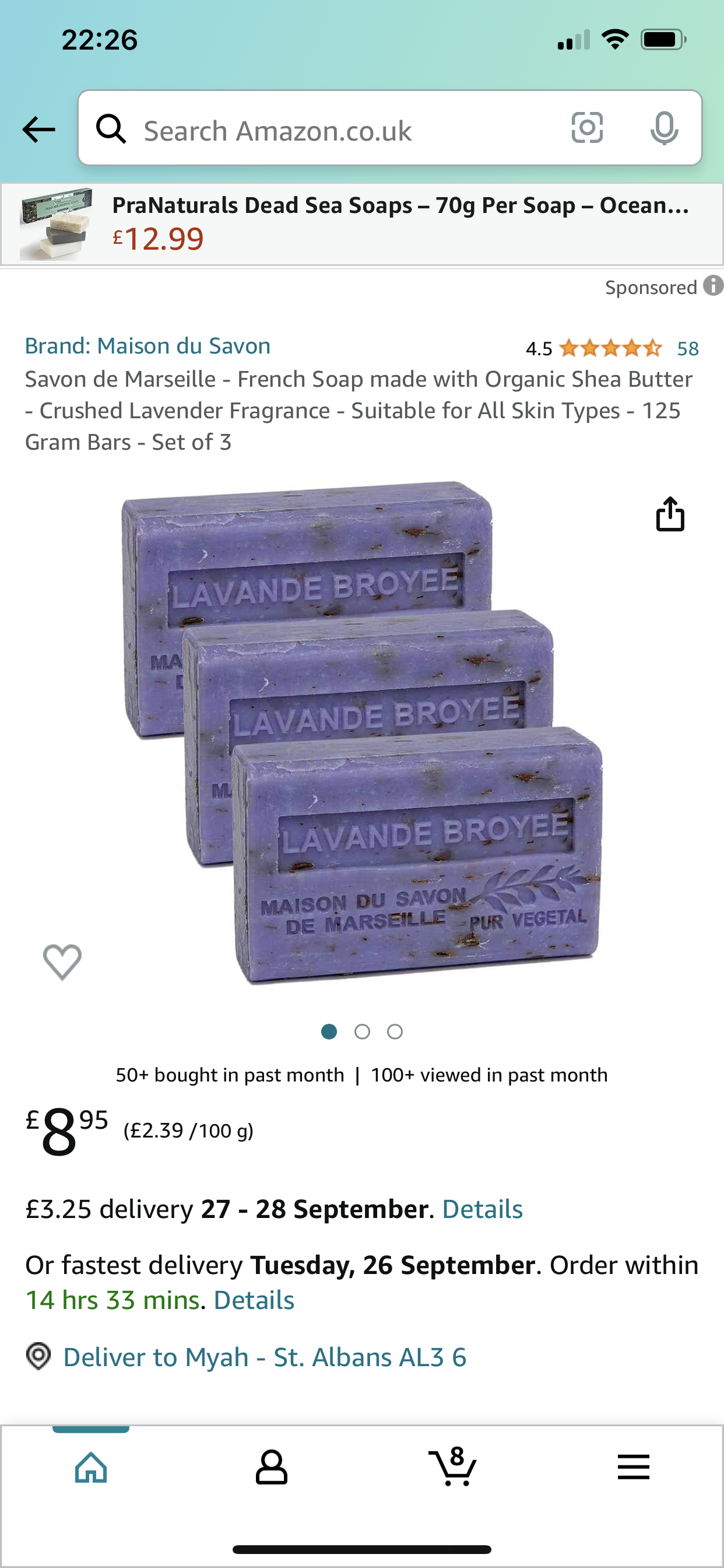
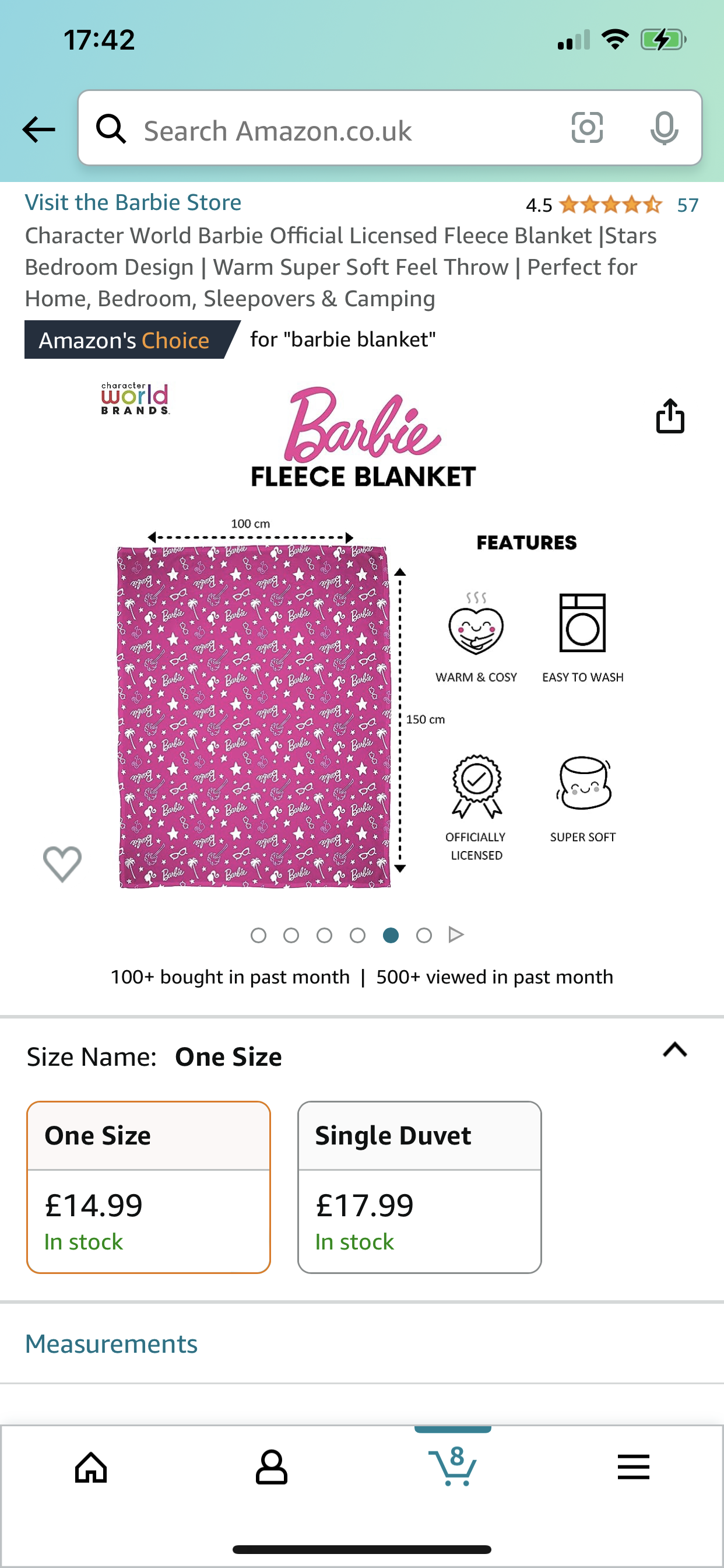
product of the day for teenagers and levels of the barbie movie


how are you Sunday evening, saying for the whole of the community and viewers of my broke
Pinterest update will update again with more products before I go to bed

bottom of the day, chromosome difference you with that one of the day
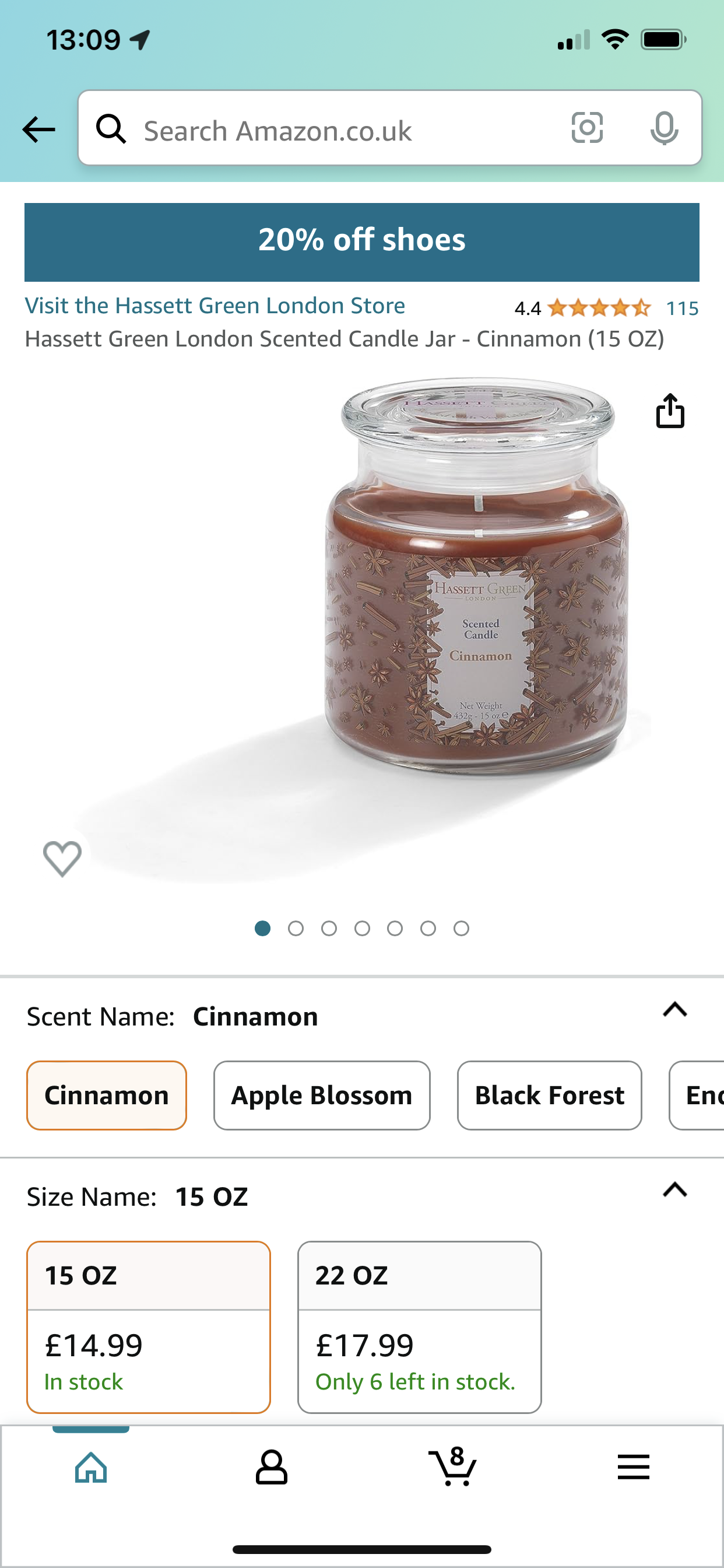
put a saying off my view is on. I also have updated the Pinterest link with the new items about one hour ago so check it out if you would like to treat you have
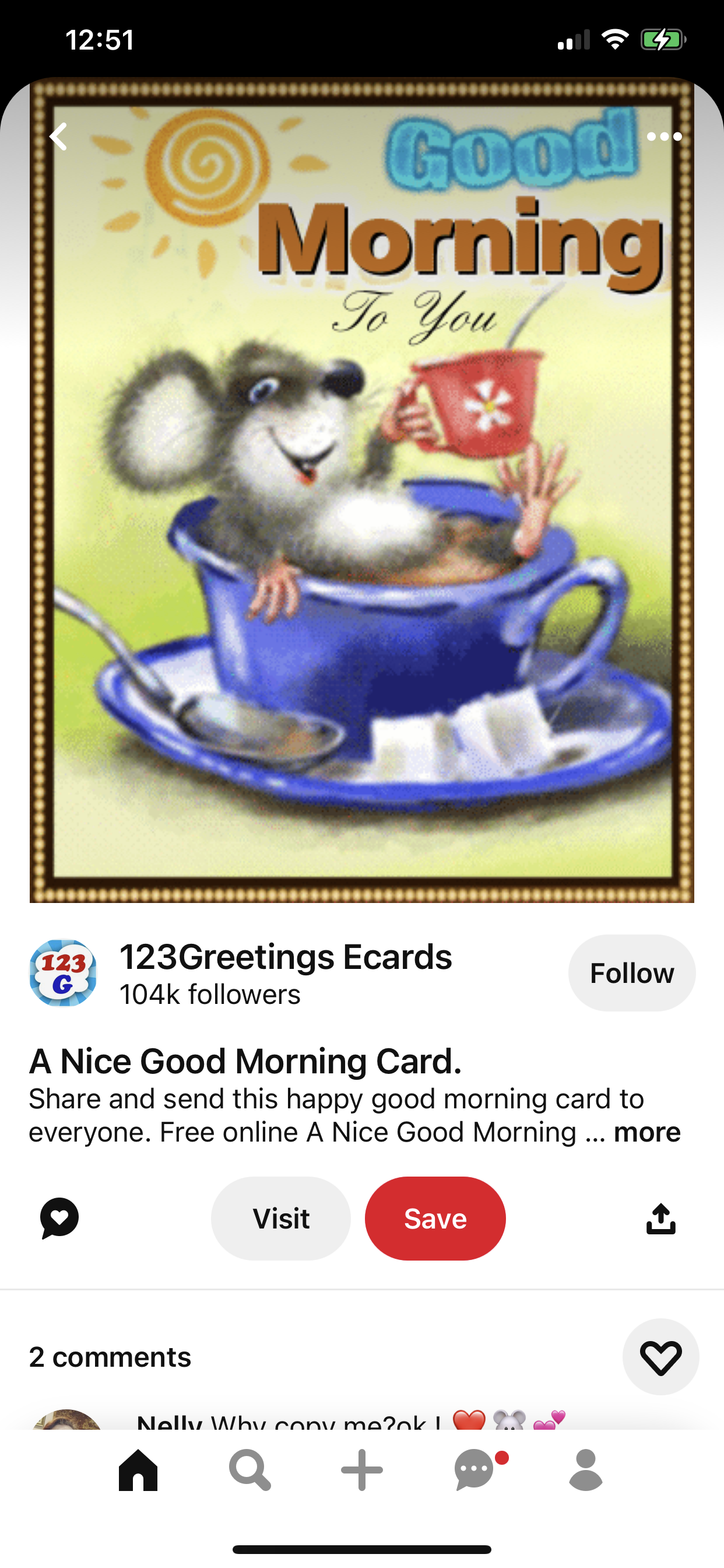
signs for the early risers, who live in the UK good morning Paul, the early riser and happy Sunday to you all

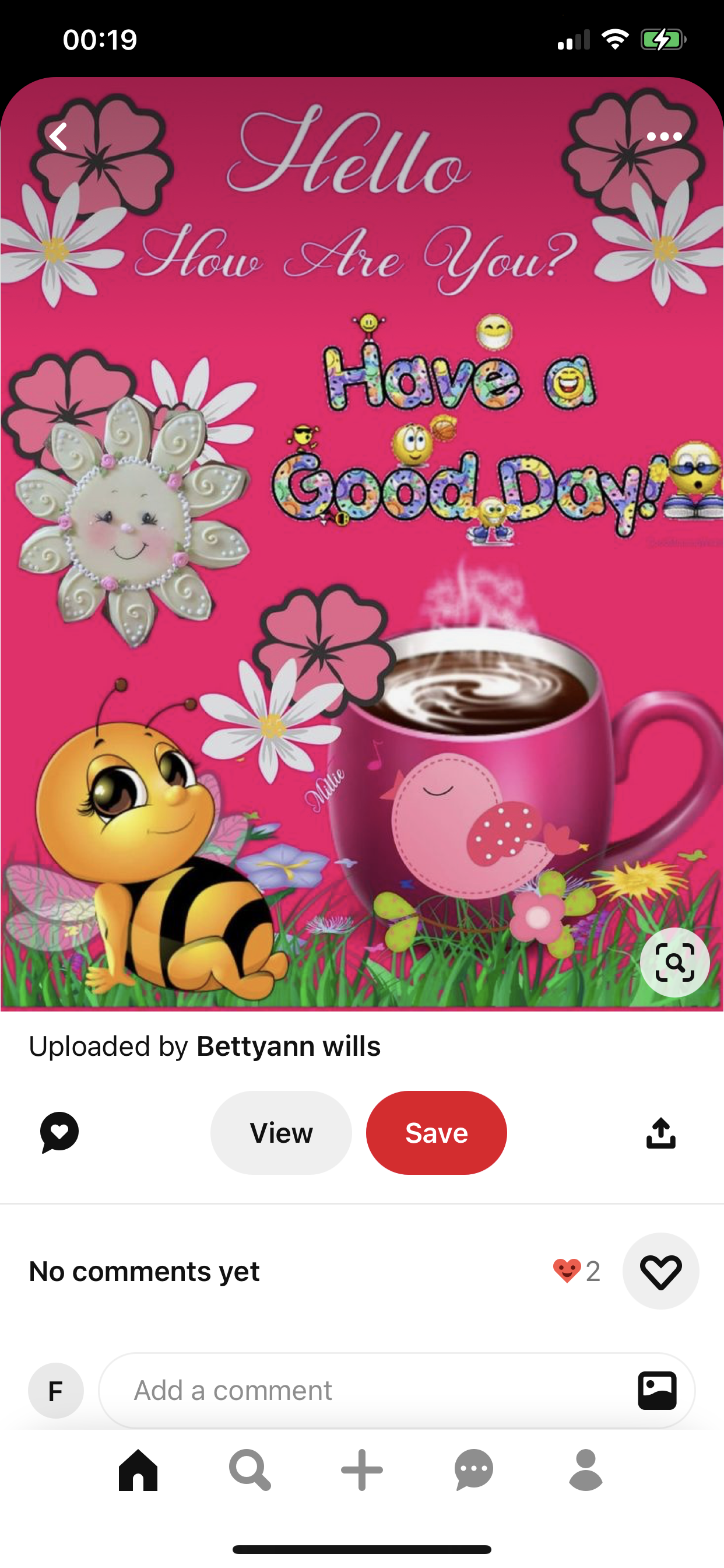
no saying is for you, not turn positivity and saying smiling face👩🏾🦽🫶🏼💜🙂