https://amzn.to/46WfUBj
video with this today is the day in a time of the day
With many thanks to Benefits And Work.
The final combined PIP and work capability (WCA) assessment service contract has been awarded to Serco, the DWP announced this week, meaning that Atos have failed to win a single region and will cease to carry out assessments from September 2024 onwards.
The Functional Assessment Services contracts are replacing both PIP contracts and contracts to carry out WCAs for employment and support allowance (ESA) and universal credit (UC). The intention is that the same company will carry out both types of assessment in any given area, until such a time as the WCA is axed completely.
At the moment, WCAs are administered by Maximus and PIP assessments by Atos (known as IAS) and Capita, with Atos having the larger share of the PIP contracts.
However, that is all set to change from 2024, with the new contracts running until 2029.
Back in May, we reported that four of the five contracts had now been awarded, with just the South West of England left undecided. This was because Atos were allegedly mounting a legal challenge to the decision to award the region to Serco.
But the DWP have now confirmed that Serco have been successful, leaving Atos entirely out in the cold.
From September 2024, if you have WCA or PIP assessment, it will be carried out by the following company:
North England and Scotland: Maximus UK Services Limited (currently Atos)
Midlands and Wales: Capita Business Services (currently Capita)
South West England: Serco (currently Atos)
South East England, London and East Anglia: Ingeus UK Limited (currently ATOS)
Northern Ireland: Capita Business Services (currently Capita)
https://vm.tiktok.com/ZGJTGjxbB/put videos on this post to view images of the product of the day and then purchased with a normal if it deletes which I have also put on this posthttps://vm.tiktok.com/ZGJTG29wT/
https://vm.tiktok.com/ZGJTG29wT/
pho item number to included in a second TikTok video
https://pin.it/2zYqsvW
are we saying video & up to date included in the same video with a lovely speak to you have a rain and thank you to see how I am going to celebrate it #CelebratingHalloweenHairstylesThatYouNeedToSeeHerIHaveABreakIt t
Crip Life™: An Online Disability Magazine Aiming To Be The Most Inclusive And Accessible Digital Platform
A press release.
Crip Life™ is an online disability magazine dismantling disabling barriers one article at a time. Launched in May 2023, it was founded by Emma Purcell and Joanna Baker-Rogers, two former colleagues of a previous disability publication who both have personal experiences of living with a disability.
As Emma and Joanna are both passionate about writing, campaigning and raising awareness of disability, they wanted to continue this and create their own platform that would bring extraordinary content and grow an even bigger disabled community.
The mission at Crip Life™ is to raise awareness and educate what life is really like for people living with a disability and/or health condition, provide advice and support to disabled people and their families and create a disability community where people can share their thoughts, experiences and achievements.
In essence, Crip Life™ wants to banish the physical and social barriers that stop people with disabilities from living the life they want to lead.
This is being delivered by creating interesting, informative and exclusive disability-related content that is exciting, newsworthy and engaging. The team is not afraid to push the boundaries and publish content that may be controversial or difficult to read.
Why the name Crip Life™?
You are probably wondering why the name “Crip Life™” for the online publication. The co-founders understand the word “crip” or “cripple” is usually associated with being a negative or offensive word to describe disabled people.
However, in more modern times, the word “crip” and “cripple” appear in more popular culture, such as the documentary film Crip Camp, BBC short stories Crip Tales and book titles like CRIPPLE – A 21st Century Parable by Nick Maynard. Therefore, disabled communities are starting to use these terms to empower change and positivity.
There is also Crip Theory, which is defined as an intersectional identity politic stemming from critical disability studies, as well as queer studies (McRuer, 2006). It is a multifaceted approach to understanding culture in a manner that centres on the experiences and movements of disabled people. You can find out more in the article – Why (on earth) call it Crip Life™?
Crip Life™ success so far
Since launching almost six months ago, Crip Life™ has published over 50 articles, secured exclusive interviews and collaborated with a dozen companies. It has reached 3.2K visitors, a combined social media following of 950 followers and over 150 subscribers to the free monthly newsletter. Crip Life™ has had the privilege of interviewing famous people such as disabled actors Jack Carroll & Tommy Jessop, blind comedian Chris McCausland, deaf DJ Troi Lee, amputee footballer Shelbée Clarke and inclusive fashion designer Victoria Jenkins. Emma Purcell, who is Crip Life™’s feature writer and editor, has written several opinion pieces including a review of Rosie Jones’ ableism documentary and a piece discussing whether sports broadcasters are ableist towards disability sports.
Other content so far has included 11 TV Adverts Featuring Disabled People, 9 Disability Pride 2023 Events To Enjoy Across The UK, an LGBTQ+ Pride series, a variety of news content, plus much more.
The cost of running an online magazine
Running an online magazine does cost money with administrative costs such as hosting platforms, video conference platforms, SEO tools, accessibility tools, social media advertising fees, and much more.
Crip Life™ would like to grow the business by taking on more paid employees and freelancers and eventually get a decent income for its co-founders. But so far it has been on a tight budget and mostly self-funded.
Crip Life™ has currently got several ways in which it is trying to make money. Its main way is through its Pay What You Can (PWYC) advertising service, which is very different to most, if not all, online magazines.
PWYC is a business model that does not insist upon set prices for its goods or services. Instead, it asks clients to pay what they feel the product or service is worth to them. Crip Life has taken this one step further by adding what your organisation can afford to pay. Its rationale for adopting this version of PWYC is as follows:
● It makes advertising accessible to all
● Recognises that micro and SMEs and charities have small budgets
● Places potential clients at the heart of the advertising process
● Enables Crip Life™ to generate enough revenue to cover costs and perhaps, one day, to provide Joanna and Emma with a modest income and grow their team.
Crip Life™ wants to place advertising for a wide range of clients as possible. So, whatever your size of organisation, if you want to share a personal story or promote a product or service, get in touch.
Clients advertising with Crip Life™ Since launching, Crip Life™’s advertising manager Joanna Baker-Rogers has sold advertising to multiple organisations including Transport for London, Nimbus Disability, LanzAbility and the Southbank Centre. Crip Life™ is also offering students and academics the opportunity to publish their disability-related research papers and projects for an affordable fee. For those of you who know a little about doctoral studies and being disabled researchers, you may know how difficult and expensive it is to get your research published.
From submitting your paper to seeing it published, can take many months and revisions. The fee to do so can run into thousands of pounds.
If you have a research or conference paper, thesis, book, dissertation or documentary of relevance to the disabled community, please get in touch.
Crip Life™ has been and will continue to try and find other ways to secure more money through funding opportunities and grant schemes but it also has a donation page for any individuals who may be able to support its inclusive business venture, particularly in the short term.
A note from the founders
Emma Purcell, co-founder and editor at Crip Life™ said: “Launching our own online disability magazine has been both incredible and daunting. It’s great we have full control over what we publish and when and we’re able to work flexibly and at a time and pace that suits us. The challenging part is getting people to engage with our publication and companies to come on board and advertise with us. We understand getting our site noticed takes time and there are more financial pressures for everyone but that is why we have kept the access to our content completely free and our advertising services negotiable and affordable. Crip Life™ is an online disability magazine for anyone and everyone – whether you’re disabled yourself, know disabled people, work in the disability sector, study or educate in disability and/or are an ally of the disability community – you will find Crip Life™ a great resource for information, advice, entertainment and support.”
Joanna Baker-Rogers, co-founder and advertising manager at Crip Life™ said: “I’m delighted that Emma and I are continuing to work together to give the disabled community a voice. Our aim is to keep Crip Life™ free to read from anywhere in the world. In addition, we want every individual, organisation, or business to feel they can advertise with us. This ethos is firmly embedded in our PWYC advertising fee strategy. I am delighted with the range of clients, in terms of the services or products they sell, and the size of the organisations who have advertised with us. The first six months have been really busy and I look forward to what the remainder of the year will bring Crip Life™.”
You can find out more about Crip Life™ by visiting criplife.co.uk and following Crip Life™ on Facebook, Twitter, Instagram and LinkedIn.
-ENDS-
Notes to editor
For further information about Crip Life™, check out its Welcome Page and About Page.
This October, Crip Life™ is working with Transport for London to promote its taxi fares consulation. Find out more and complete the survey here.
Crip Life™ is also looking for participants in an upcoming article about the effects of fireworks on people with disabilities and mental health issues. Find out more here.
If you have any questions or enquiries, email editor@criplife.co.uk
ring Odae
update to my Pinterest affiliate marketing please
Liverpool Road Named After Disability Rights Campaigner
A road has been named after the late disability rights campaigner Sir Bert Massie in his home city of Liverpool.
He was a leading campaigner for equality and a champion of human rights for disabled people.
Sir Bert, who was also the chairman of the former Disability Rights Commission, died in October 2017 at the age of 68.
Liverpool City Region mayor Steve Rotheram joined Sir Bert’s widow as they revealed the sign in a new neighbourhood with enhanced access for disabled people.
Guide Dog Gives A-Level Student Her Confidence Back
An A-level student born with a rare eye condition has said having a guide dog has given her confidence back.
Hester, from Bath, used to find walking with a cane very draining and said Pickle enables her to live more independently.
“She has quite an empathy for human emotion which makes her really suited to me,” said Hester.
The product of the evening

💕💕😁

saying of the day for almost 10 different followers and loyal

update to my affiliate marketing Pinterest page
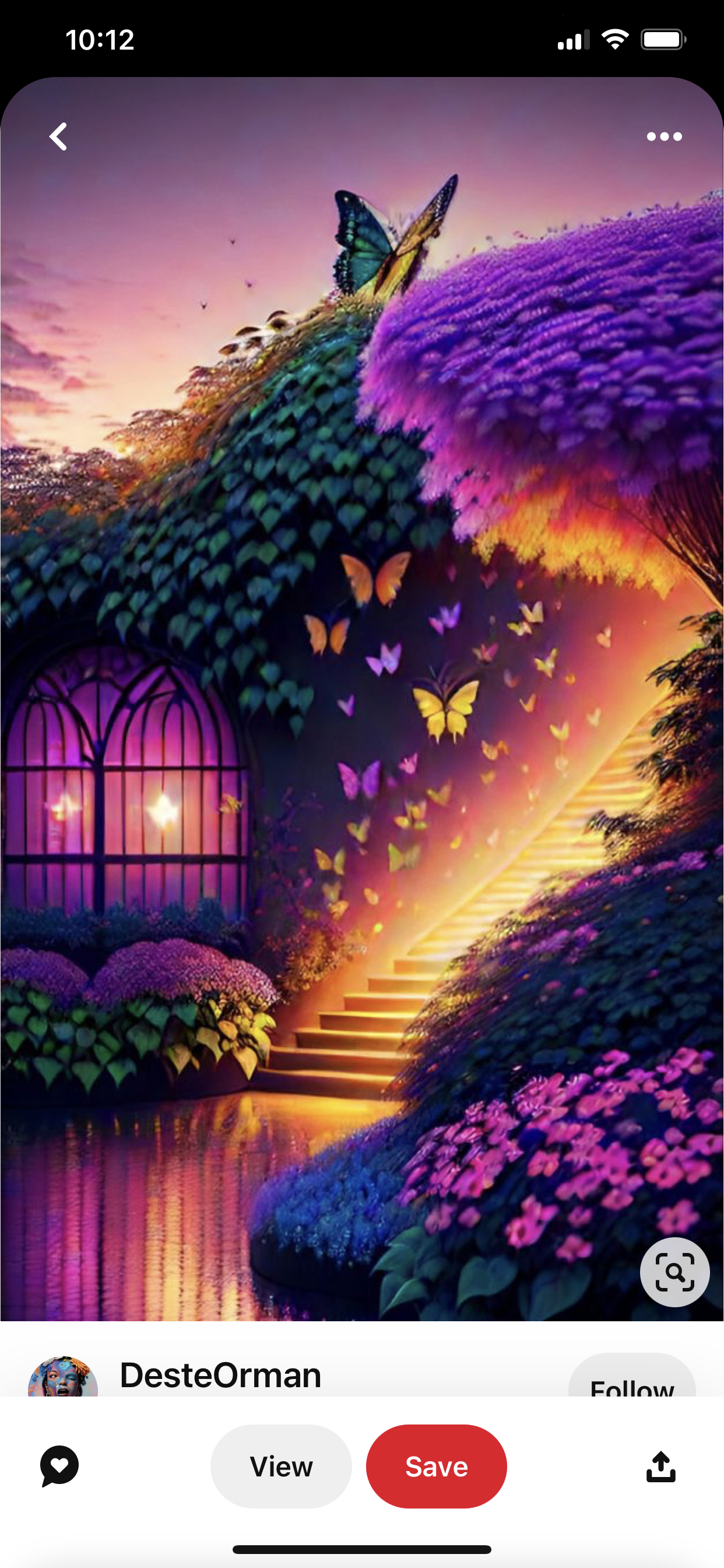
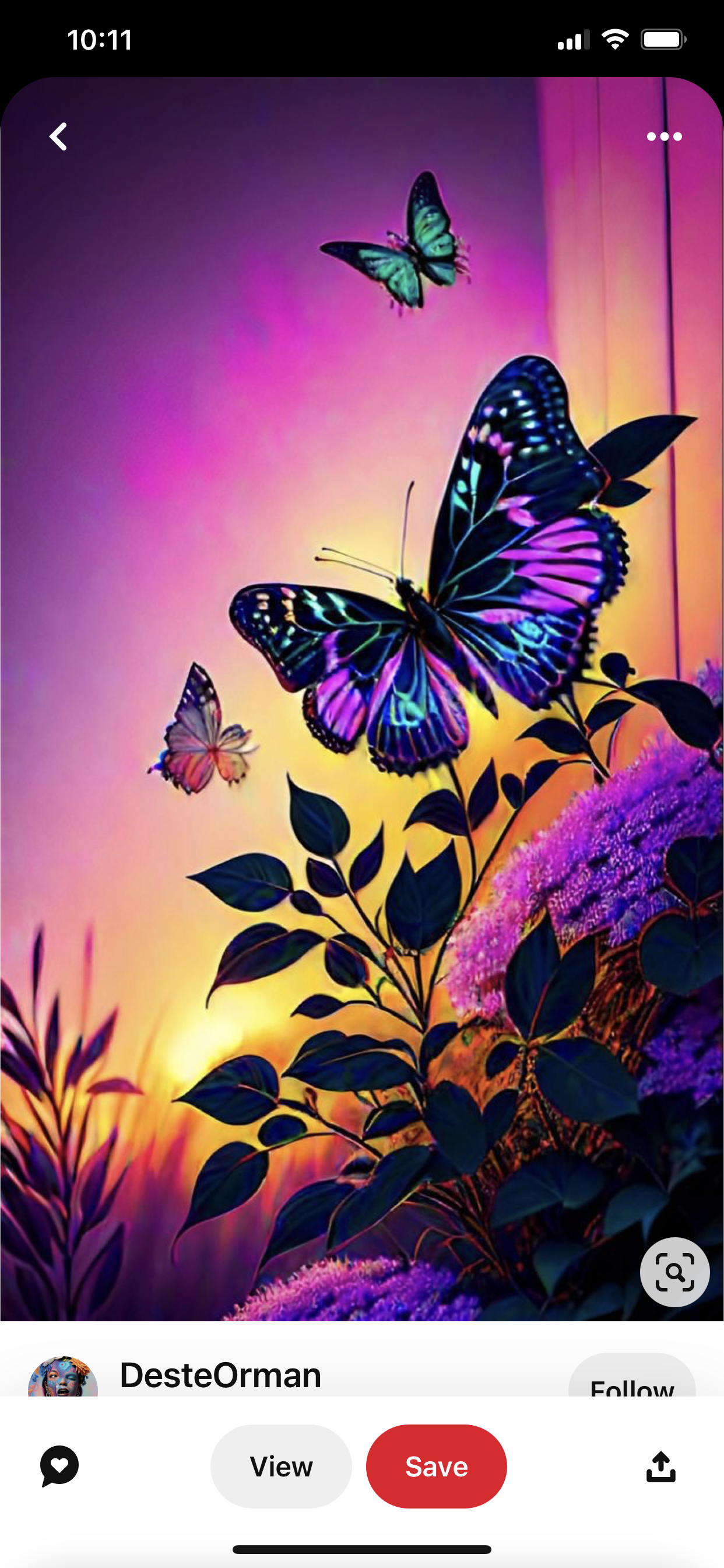

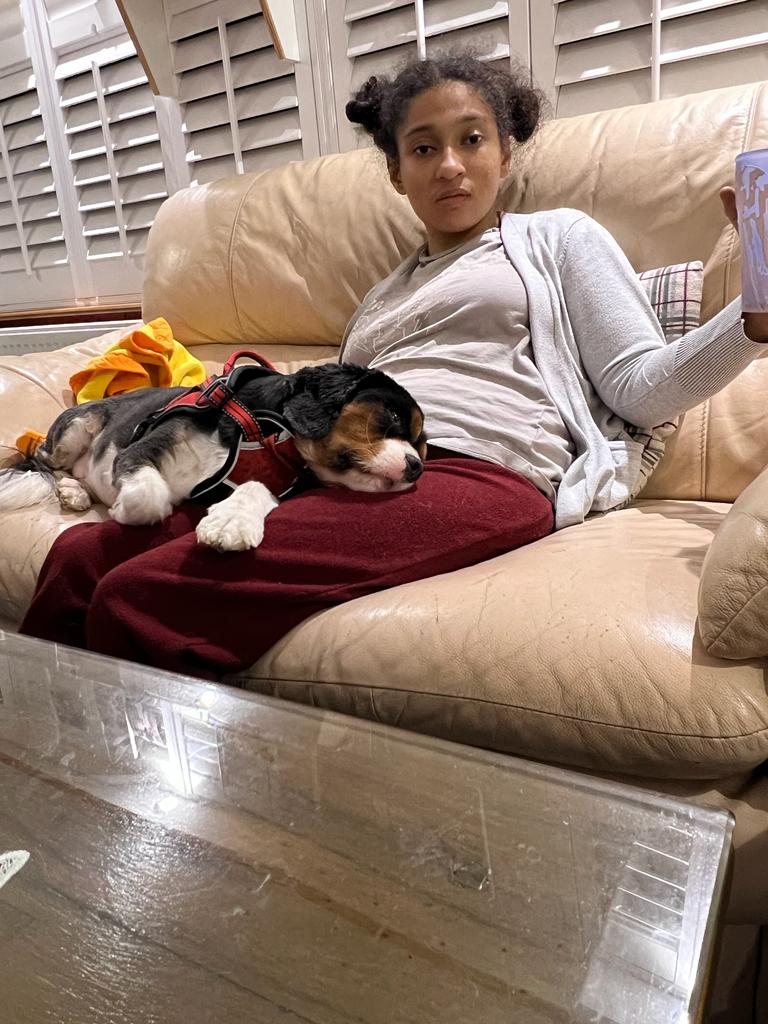
https://pin.it/4BbaPCU
of the day exclusively for my viewers on my block
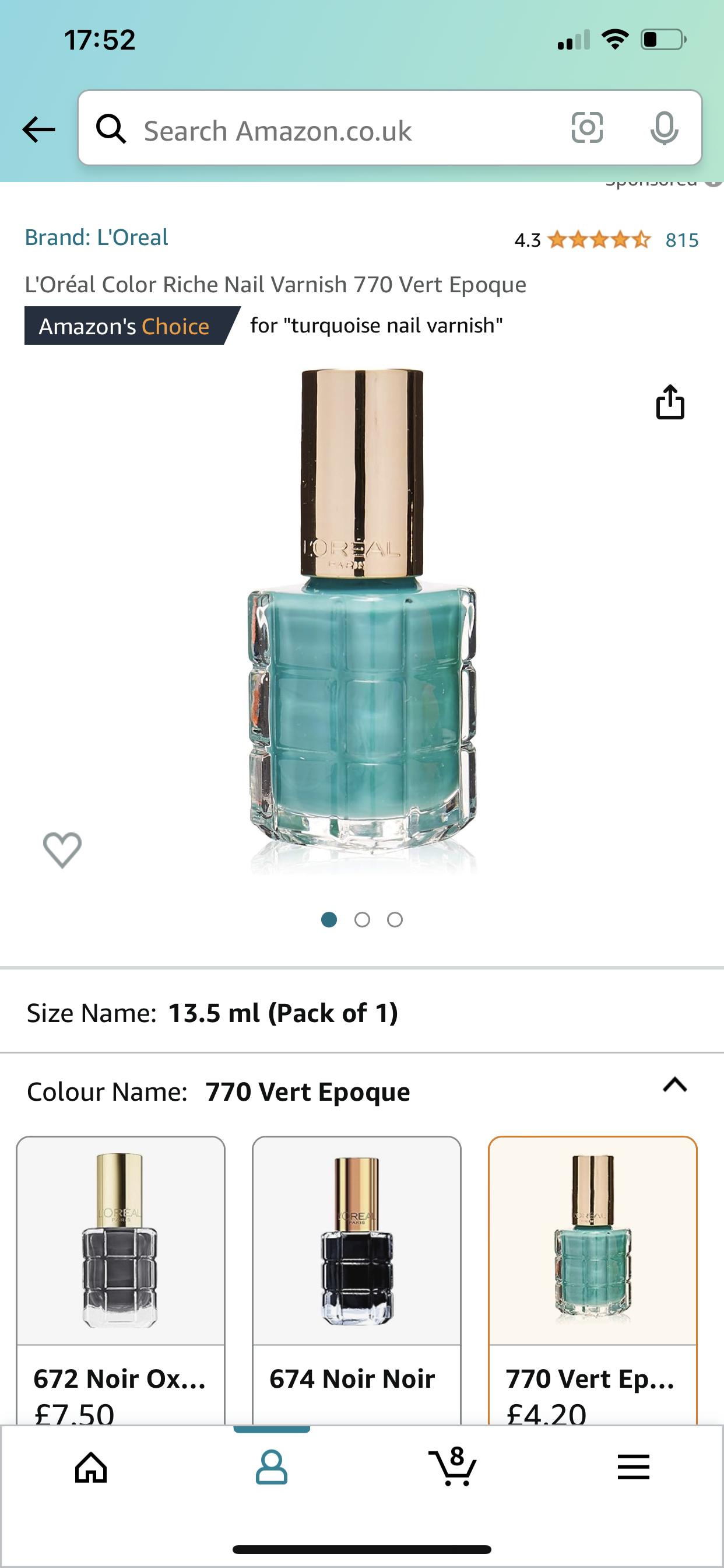
https://pin.it/5iFex8l
cute cat paintings of the day that I like because of their colours and cute now along with some illustrations, including ghoul rings



♥️♥️♥️😁😆😆😆😬



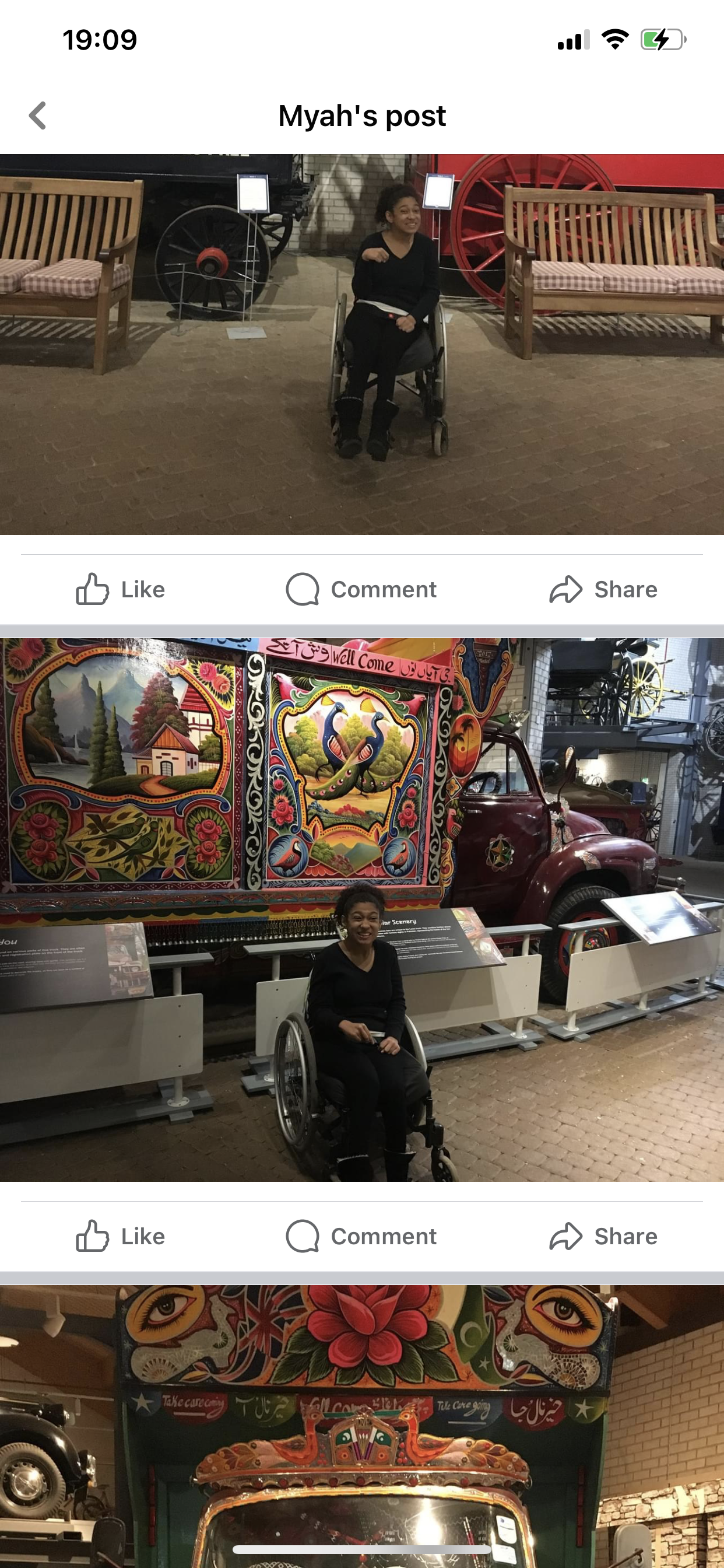
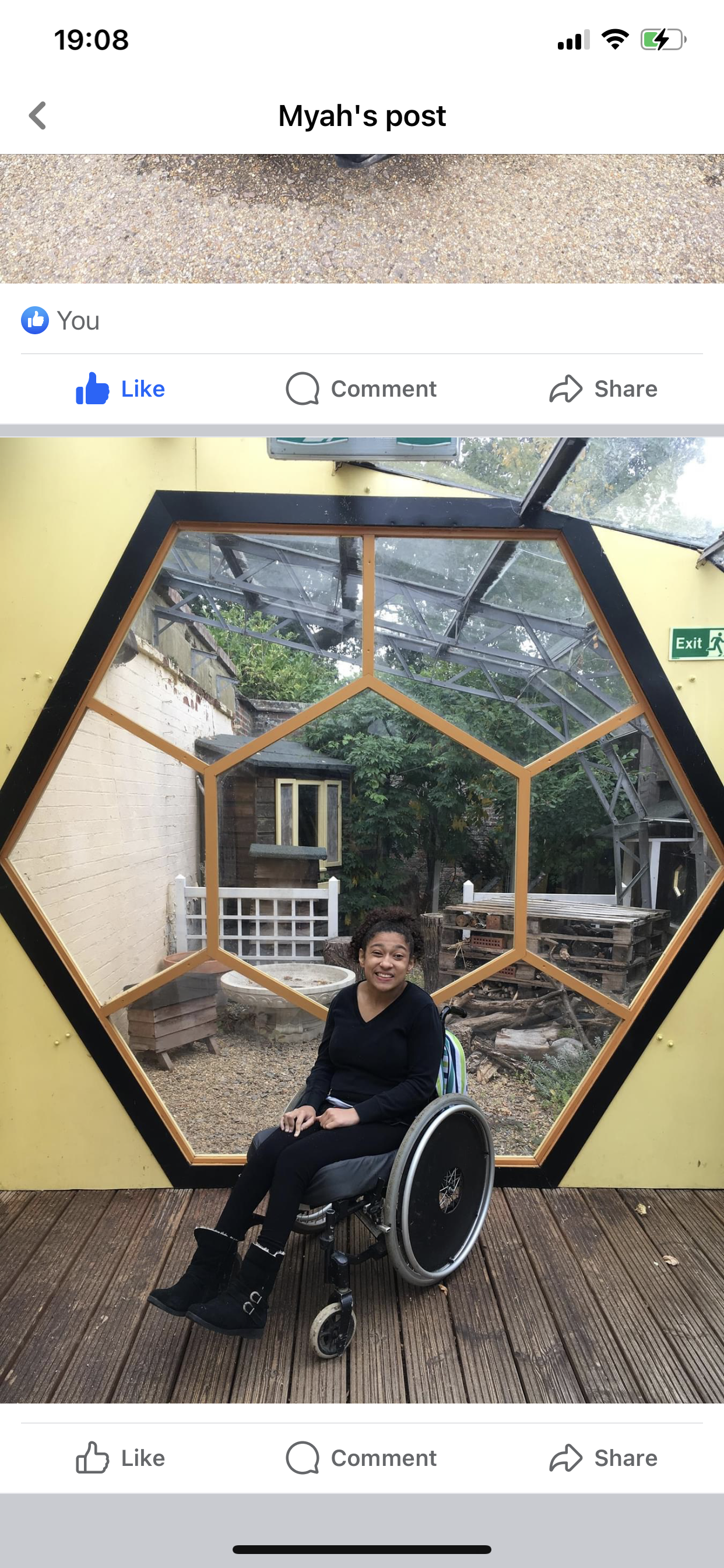
where are you from in a beehive shelter at the Museum, which I thought was really good artistry and really realistic independence with PA #Photo#
Dyscalculia: Parents Call For Maths Learning Difficulty Support
Families in south-east England are calling for more support for children with a learning difficulty that affects numeracy.
About 6% of the population are impacted by dyscalculia, often described as the sister to dyslexia.
The Department for Education (DfE) said it was planning to “reform the support system for children”.
Julie’s nine-year-old daughter Lexi has dyscalculia, which she said has created a lot of challenges.
“As a parent you go through a loss for the future you want for a child,” she said, explaining her fears that Lexi might struggle to reach her full potential.
“You think they’re going to really struggle at school.”
Julie believes the education system should be more hands-on and multisensory for teaching dyscalculic pupils.
She said she had to change careers to enable her to spend more time to offer Lexi extra support.
Earlier this year, Prime Minister Rishi Sunak laid out plans to extend maths education to 18 while Labour has set out plans for “real world” maths skills to be taught in primary schools.
The DfE said “all teachers are teachers of special education needs and disabilities (SEND)”.
But Cat Eadle from the Dyscalculia Network said there was currently no formal requirement for maths teachers to learn about dyscalculia in their training.
Peter Cherry, 35, from Brighton, said dyscalculia prevented him from passing his maths GCSE, which “closed doors”.
Despite having a PhD, Dr Cherry struggled to find a job and at one point claimed Universal Credit, which he said made him feel “worthless”.
He struggles to read train times, always counts on his fingers and has trouble attaching value to numbers.
“I just think as a society we are not very inclusive of people with low numeracy,” Dr Cherry said.
He said the government’s plans to extend compulsory maths education to 18 were “scary” with “no concrete strategy for supporting those with dyscalculia”.
The DfE said “an expert advisory group made up of experts from academia, industry and frontline provision” was building evidence to inform the policy.
Someone with dyscalculia is about 100 times less likely to get diagnosed than someone with dyslexia, according to Ms Eadle.
She said schools often do not have the budget to pay for children to see an educational psychologist.
The DfE said it was putting “significant investment into the high-needs budget” with a further £440m allocated next year.
Beckie from Ashford in Surrey believes she is dyscalculic but was never formally diagnosed.
She failed her maths GCSE three times.
Recognising her son Callum was having similar struggles, she paid for a private assessment that confirmed a dyscalculia diagnosis.
“He’s a round peg in a square hole,” she said.
Julie said that aside from her dyscalculia, Lexi had a “set of superpowers”.
“There’s so much people can offer from a neurodiverse point of view,” she said.
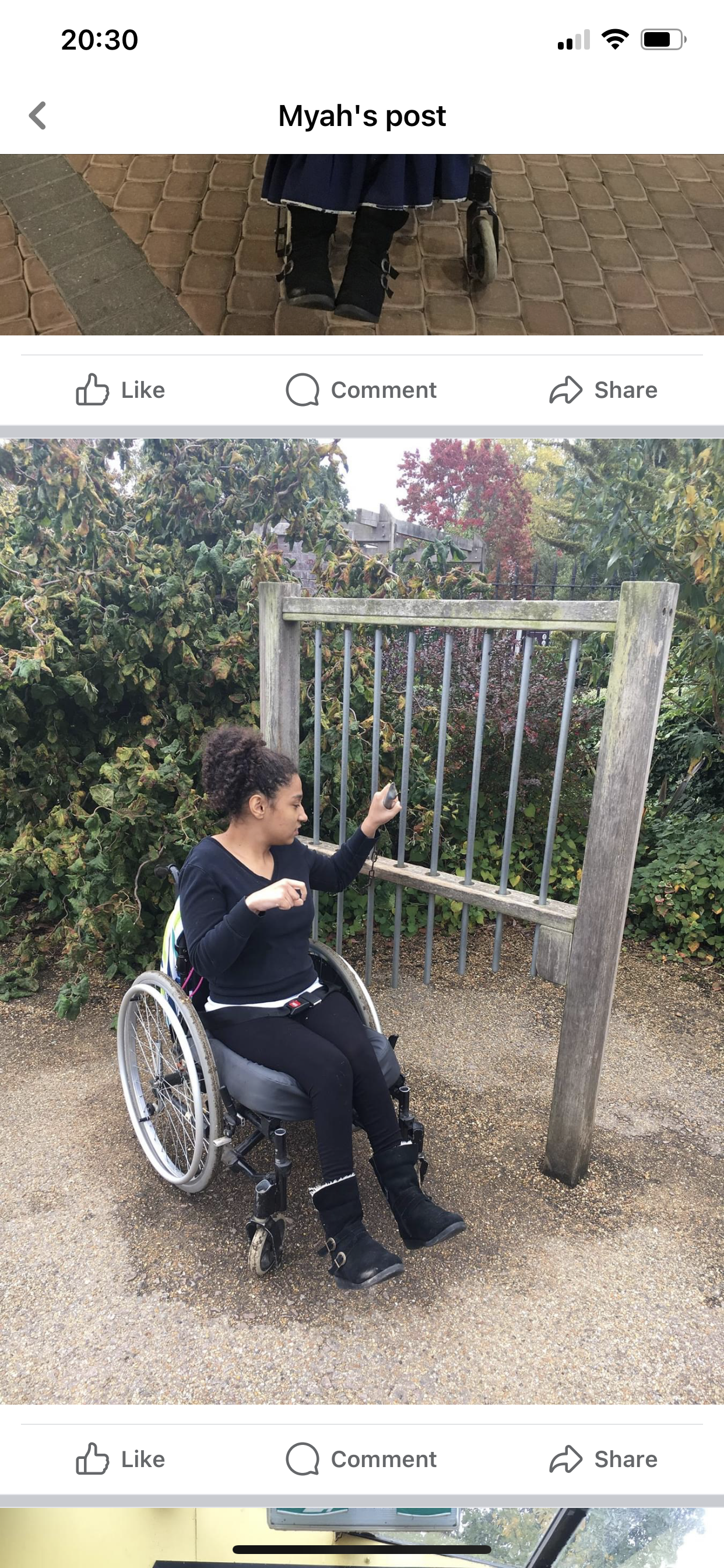


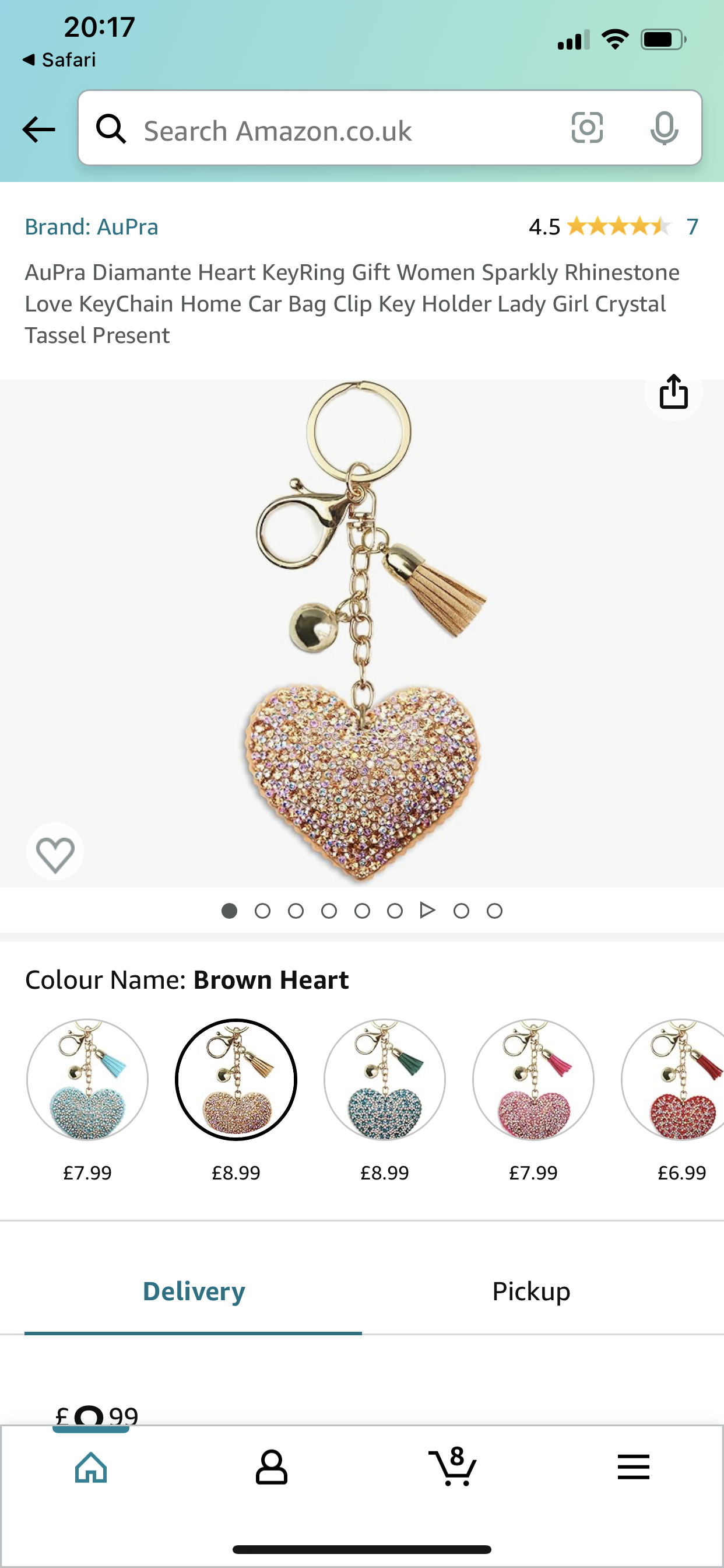
evening saying the end illustrations for my viewers, after that, I will post the product of the day for all my followers
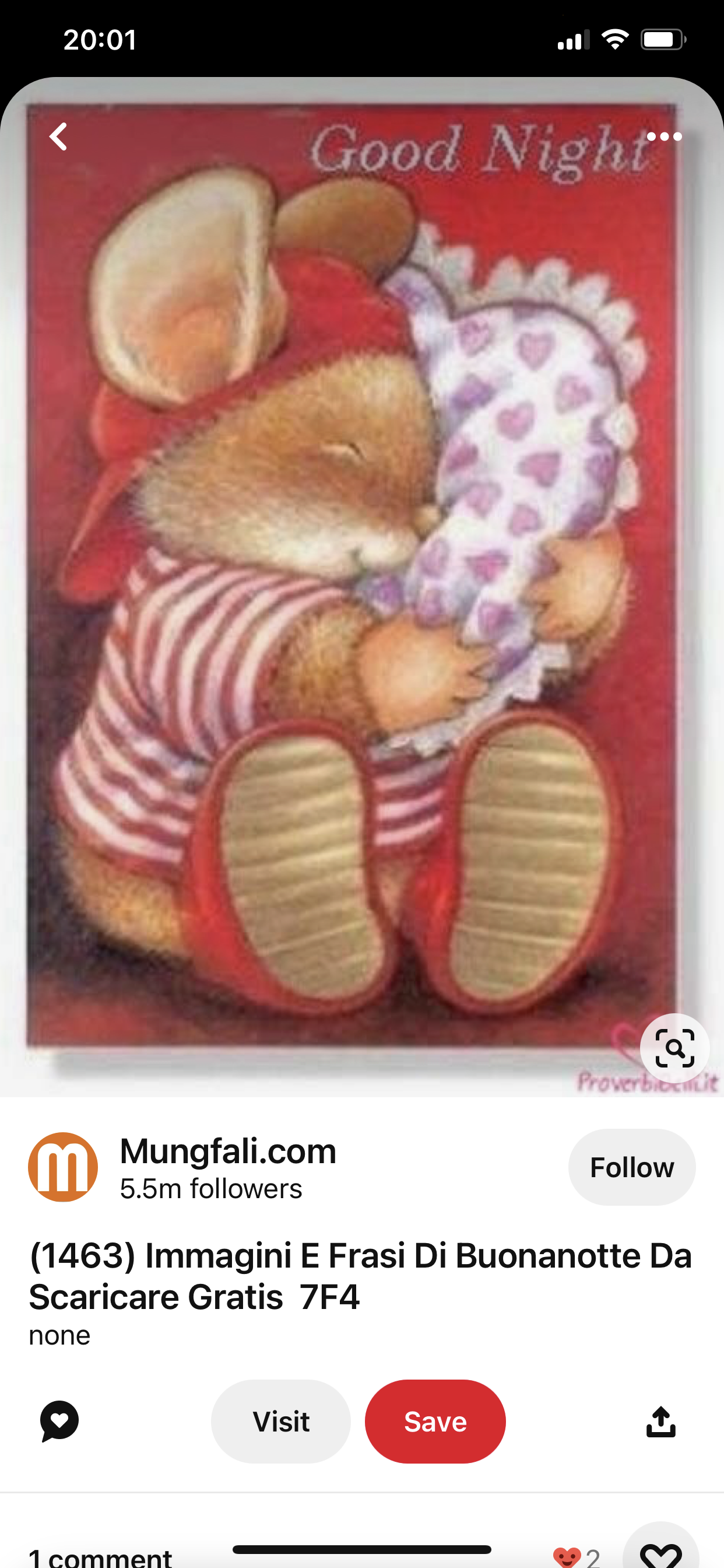
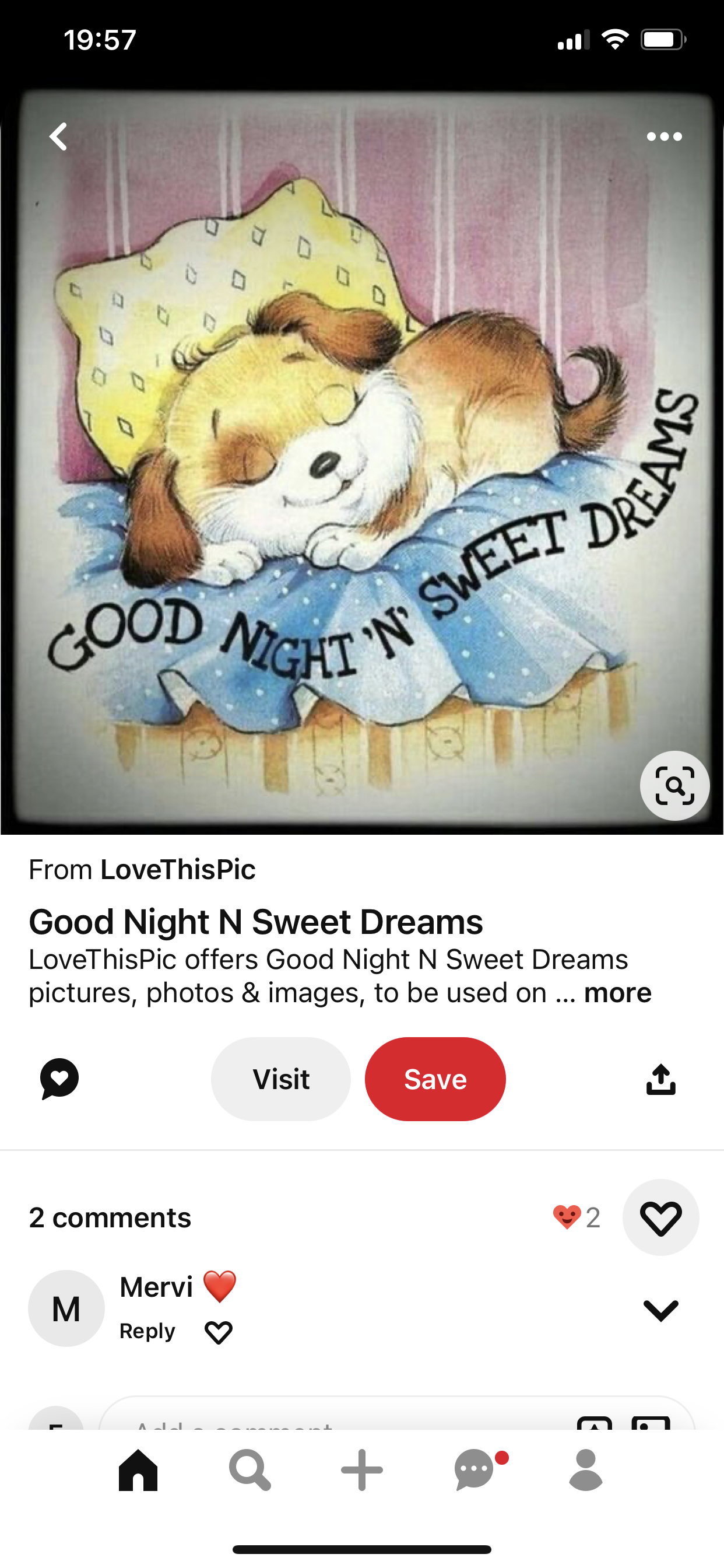
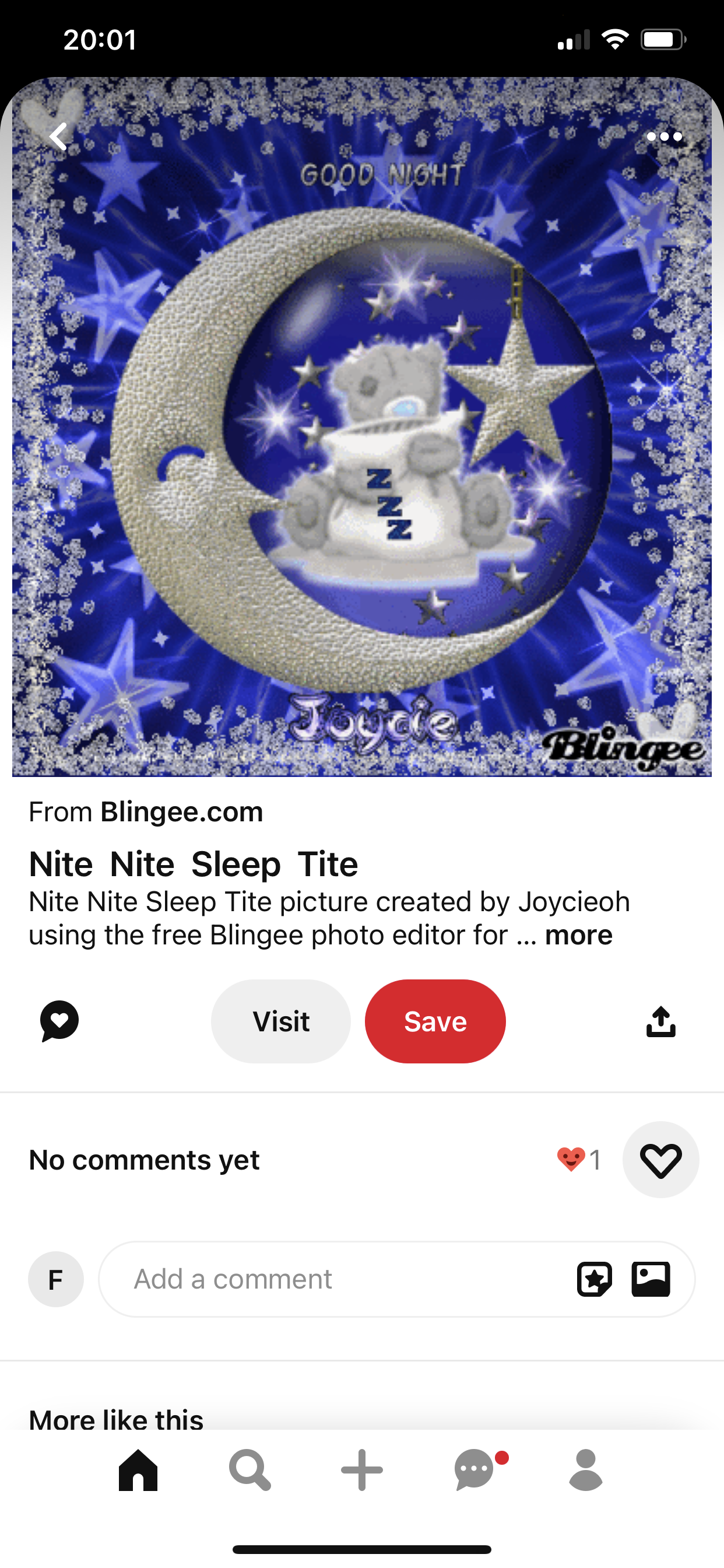

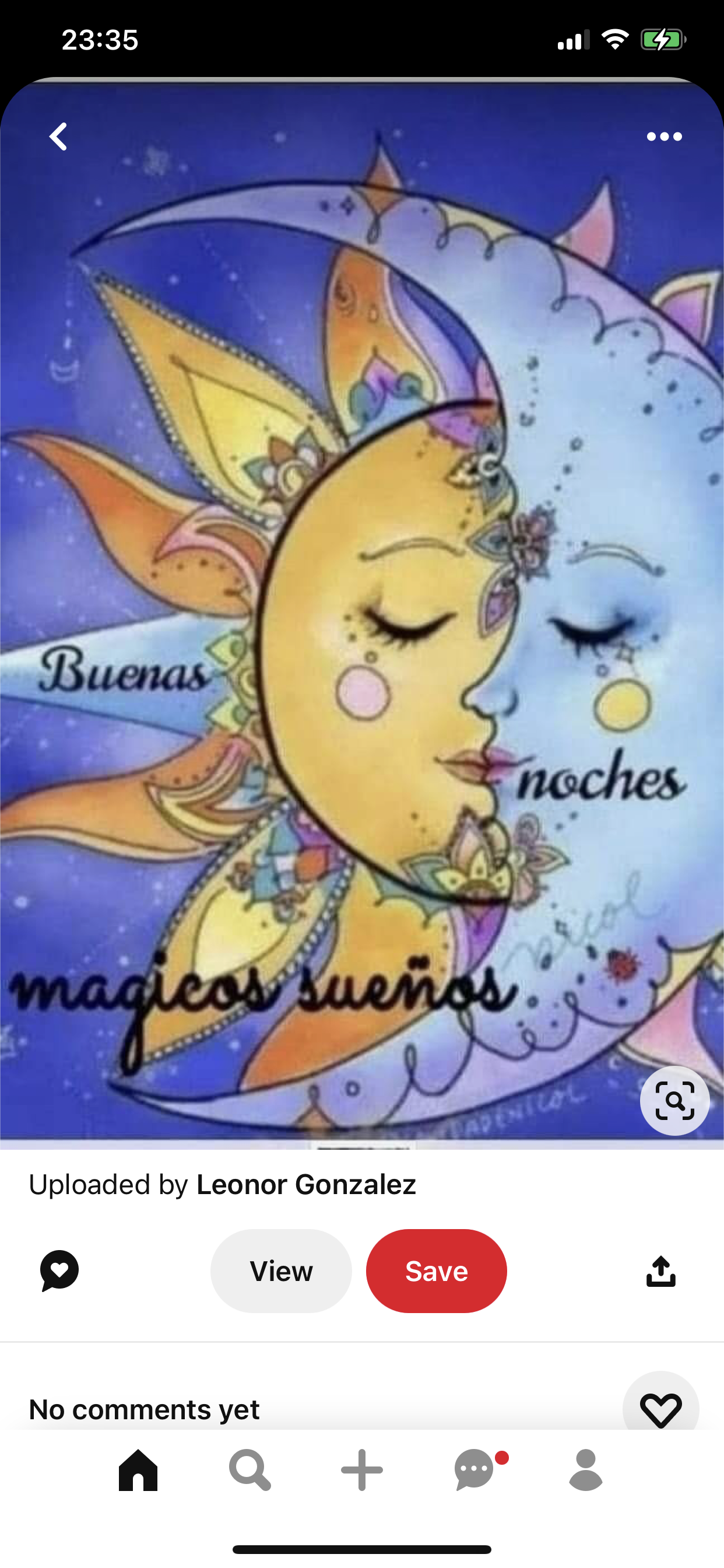


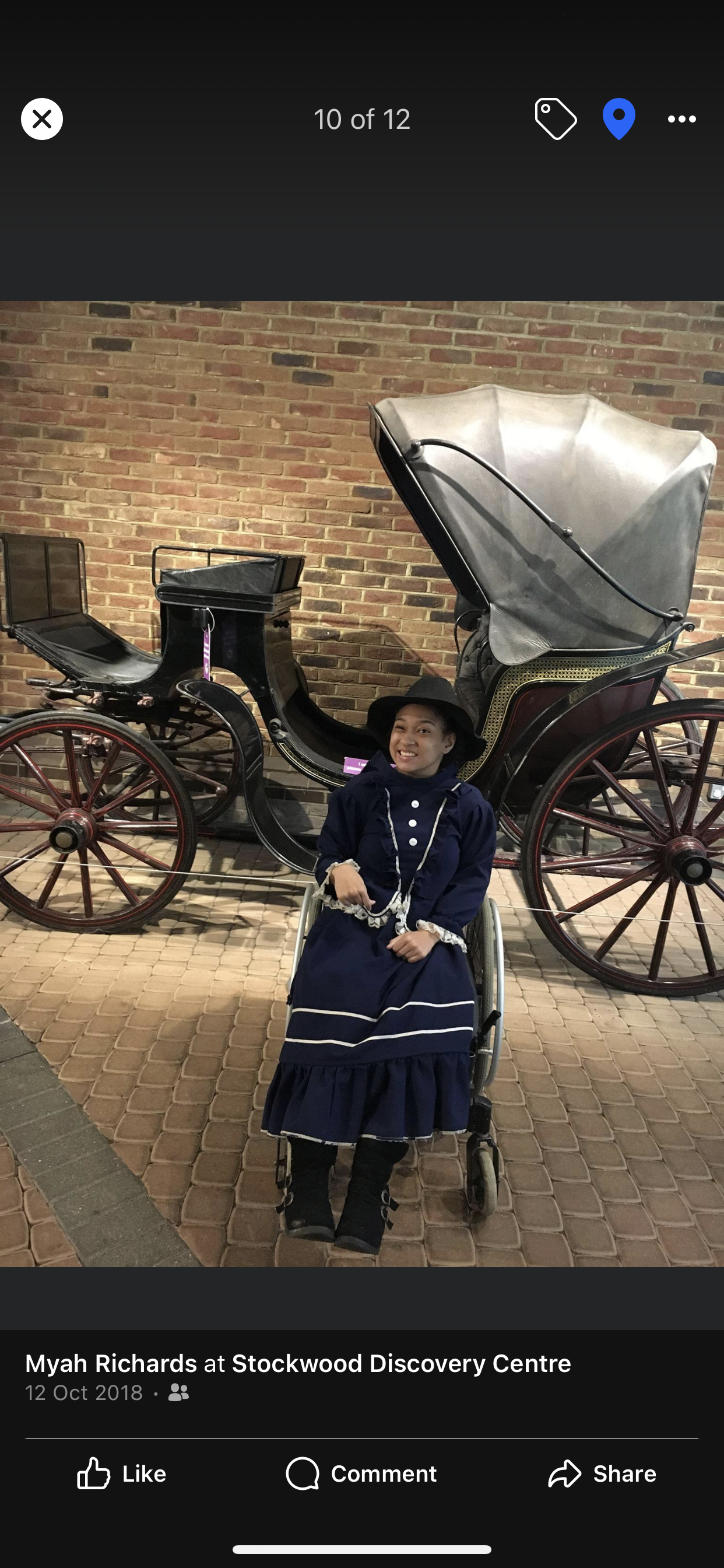
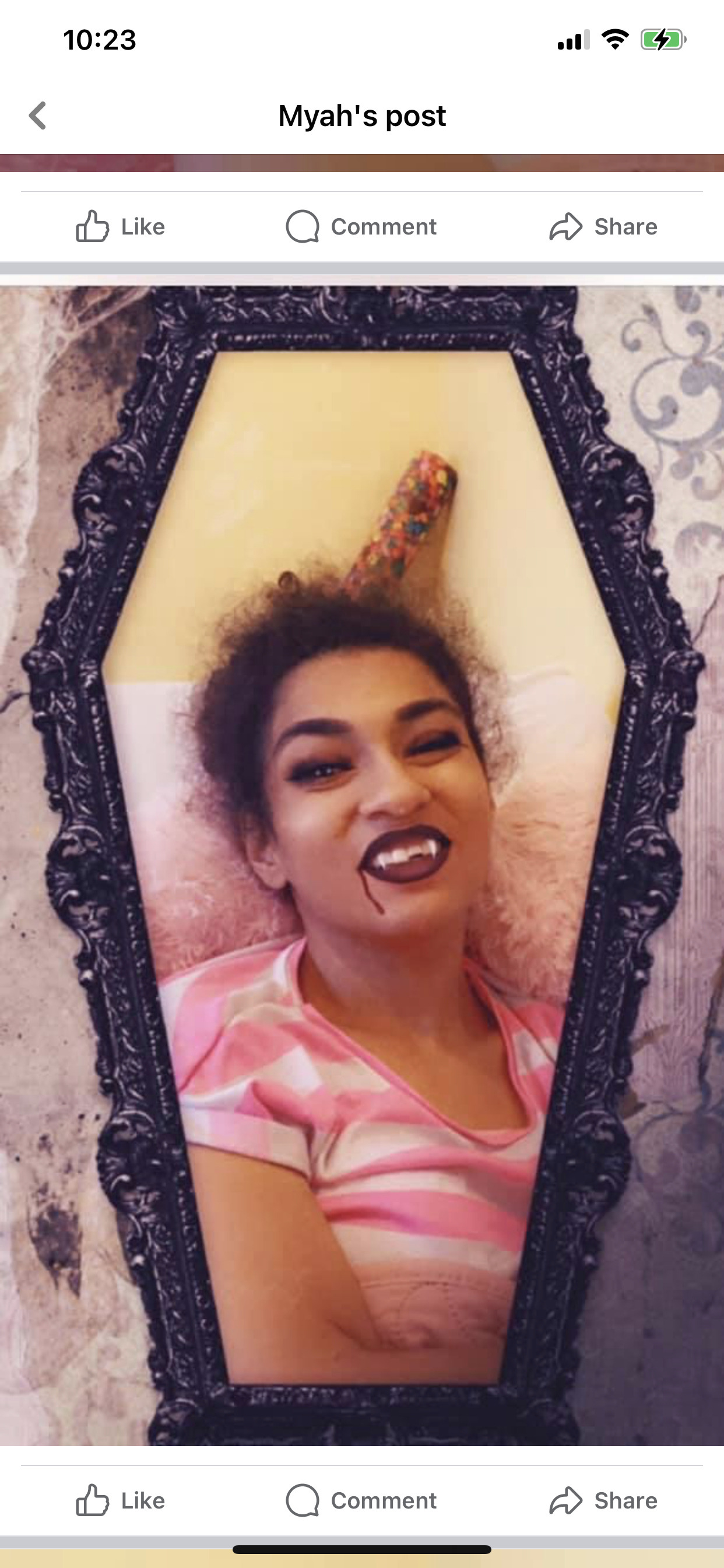
did of me at the discovery museum five years ago today taking for a picture of me in fancy dress having from Ashley, which is also gonna go up today

my favourite Snapchat filter can ever out of all the ones I’ve ever done. I am sharing my favourite with you this morning from three years ago.
Carrier Introduced For West Bay Wheelchair Users
A specially-designed carrier that allows wheelchair users to enjoy access to a beach has been introduced on the Dorset coast.
Wheelchairs can be placed on to the platform, which can then be wheeled over the beach at West Bay.
Neil Barnes, from Bridport, had campaigned for a facility to allow better access to the beach for his daughter Lucy.
He said it was a “dream come true” for both of them.
The platform is specifically for people who are not able to transfer from their wheelchair into one of the beach wheelchairs or those who require a special moulded chair.
‘Accessible to all’
Mr Barnes said he had the idea eight years ago of some kind of ramped wheelchair carrier built for Lucy, who has cerebral palsy and is a lifelong wheelchair user.
Elaine Leader, who has previously fundraised for beach wheelchairs at West Bay, took on the project when Mr Barnes was not able to find a suitable solution.
Eventually, after £5,600 funding from West Dorset MENCAP, a bespoke carrier was created by designer Stephen Eldridge and built by Crafty Fabrication in Weymouth.
Ms Leader said: “The prototype is just incredible – when we tested it, not knowing if it worked, it was brilliant – it did the job.”
It meant that Ms Barnes, 33, could travel freely across her local beach for the first time in her adult life, pushed by her father.
He said: “All the sounds, sights and smells of the seaside weren’t really accessible to her.
“It opens it all up for her. To actually get on to the beach, up to the water’s edge is not something she has done – it’s so exciting for her.”
It is hoped the carrier will be kept in a special storage facility and made available for booking.
There are also plans to buy additional matting to allow easier access to the beach for wheelchair users.
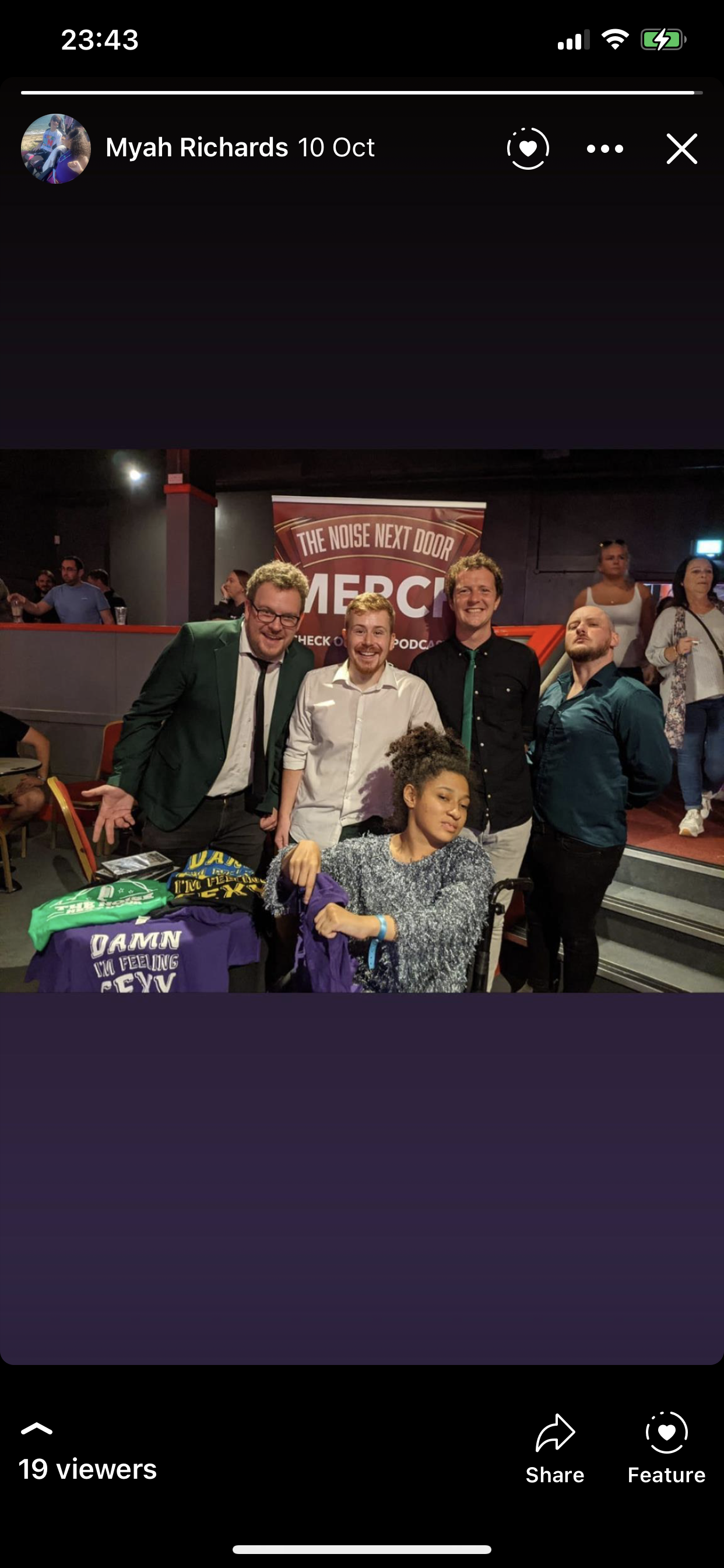
good time playing and illustrations for everybody. Good night everyone. Have a happy Tuesday nights rest


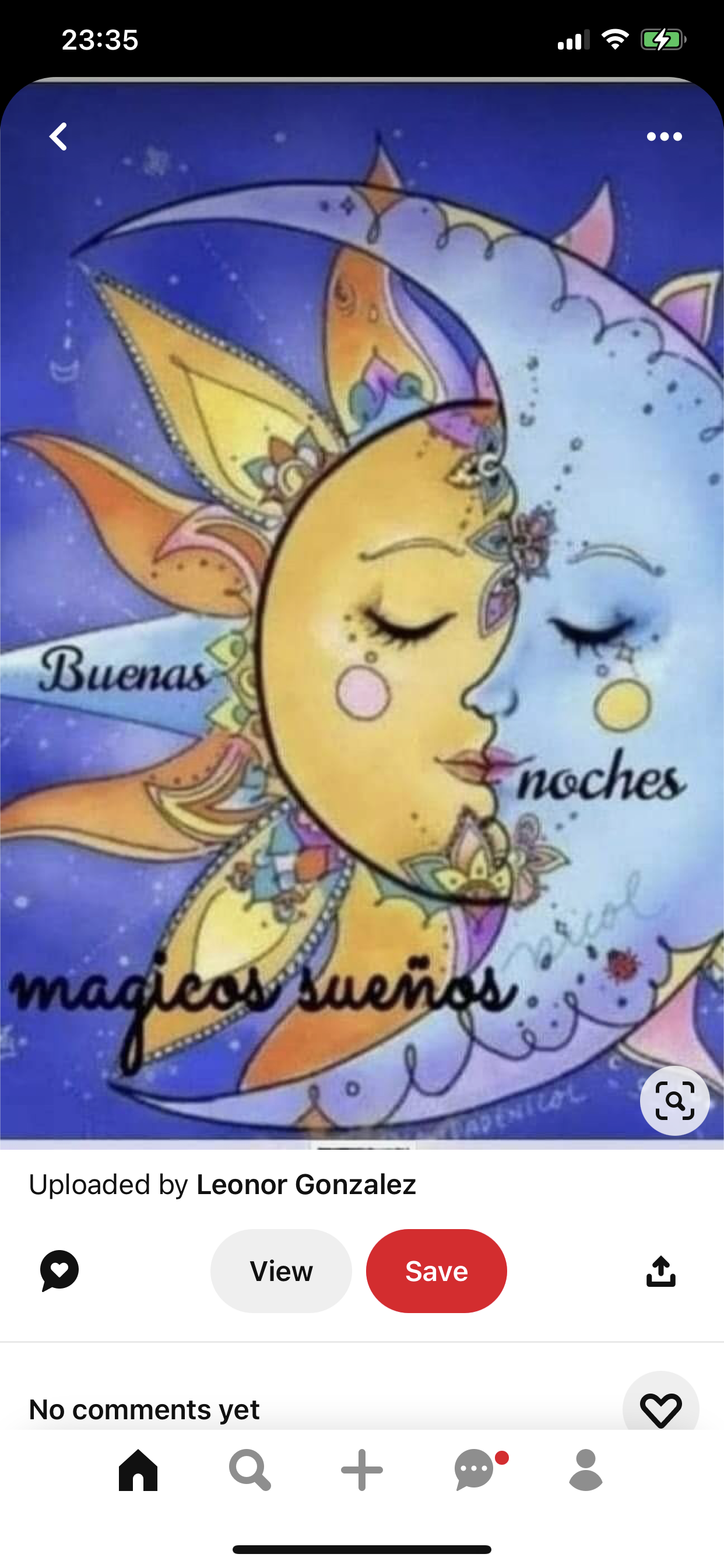
the art paint where the light tonight😃😃😃🌙
Last week, Sarah Sunny made history after she became India’s first deaf lawyer to argue in the country’s Supreme Court.
The 27-year-old first appeared before Chief Justice DY Chandrachud in September after the court made an exception and allowed a sign language interpreter to assist her with the arguments.
On 6 October, the court also appointed its own interpreter for Ms Sunny, the first in the court’s history, so that “she could understand what was going on” during the proceedings.
“In fact, we are thinking that for the constitution bench hearings we will have an interpreter so that everyone can follow the proceedings,” Justice Chandrachud said.
Observers say that Ms Sunny’s presence in the top court would help make the Indian legal system more inclusive and accommodative to the needs of the deaf community.
Senior lawyer Menaka Guruswamy called it a “truly historic and momentous” occasion.
Sanchita Ain, the lawyer with whom Ms Sunny works, told the BBC that Ms Sunny’s work would have positive, long-term implications. “She has broken many stereotypes, this will encourage more deaf students to study law and make the legal system accessible to the deaf,” she said.
A resident of the southern city of Bengaluru (formerly Bangalore), Ms Sunny has been practising law for two years.
In the city’s lower courts, she was not allowed to use an interpreter because the judges thought they would not have the required legal knowledge to understand legal terminology, she said. So she would submit her arguments in writing.
Saurav Roychowdhury, who interpreted for Ms Sarah when she first appeared before the Supreme Court, has not studied law but has experience of translating for lawyers and legal students. He has also appeared in the Delhi High Court in the past for deaf lawyers in two cases.
But no Indian sign language interpreter is trained in legal terminology at the moment – and so for anyone translating, it’s going to be a work in progress
Ms Sunny told the BBC that she was proud of how far she had come. “I wanted to show those who are cannot hear that if I can do it, they can also do it.”
Ms Sunny was born in Bengaluru. Her twin sister Maria Sunny and her brother Pratik Kuruvilla are also deaf. Mr Kuruvilla is a software engineer in the US and now teaches at a school for the deaf in Texas, while Ms Maria is a chartered accountant.
Their parents did not want their children to study in special schools for deaf children. Finding a place that was willing to take in the three siblings was hard, but they eventually found the right place for them.
In class, Ms Sunny studied by lip reading and with the help of her friends. “There were also others who made fun of me but I always argued with them,” she said.
Ms Sunny went on to study law at St. Joseph’s College in Bengaluru. Her mother, who would help her during school, could not do the same with her law course. But Ms Sunny said she got support from a friend and her siblings.
In 2021, she took the bar exam to enrol as an advocate and began practising law.
She said she was grateful to her parents for treating all three children equally and “putting us through education in a normal school because they believe in equality”.
“That’s what gave me the confidence to follow my dreams.”
Experts say that deaf people in the country are often unable to build a career in law because of stigma and the lack of interpreters in courts.
On 17 April, the Delhi High Court set a precedent when it allowed deaf lawyer Saudamini Pethe to appear in a case. Like Ms Sunny, she too had to bring an interpreter.
In September, the high court said it would start appointing its own interpreters after another deaf lawyer asked for two sign language experts – one for lawyers and the other for the judges.
The court also asked the Association of Sign Language Interpreters India (ASLI) to draw up protocols for the interpreters.
This was done to make it easy for the lawyers and judges to follow the proceedings, Renuka Rameshan, president of ASLI, told the BBC.
Ms Ain said that experts are also looking to create a legal thesaurus in Indian sign language that would help the deaf lawyers and litigants.
Mr Roychowdhury, the interpreter, said the court’s decision could also mean that “the deaf will realise that they also have an equal right under the law”.
“As per the 2011 Census, there were 18m deaf people or people hard of hearing in India. It is good to have the spotlight on sign language to ensure deaf people get their right to accessibility,” Mr Roychowdhury said.
He added that a demand for more interpreters in courts will open up employment opportunities for them. “There are approximately 400-500 certified interpreters [in the country] but in reality only 40-50 are skilled, qualified and doing ethical work,” Mr Roychowdhury said.
Ranjini Ramanujam, who is deaf by birth and works at an IT company, called the court’s move “a blessing” and “a barrier remover”. A former badminton player, Ms Ramanujam was awarded India’s second-highest sporting honour in 1999.
“The Supreme Court’s move has given a voice to the deaf,” she said. “The court has set an example for other offices to follow as well.”
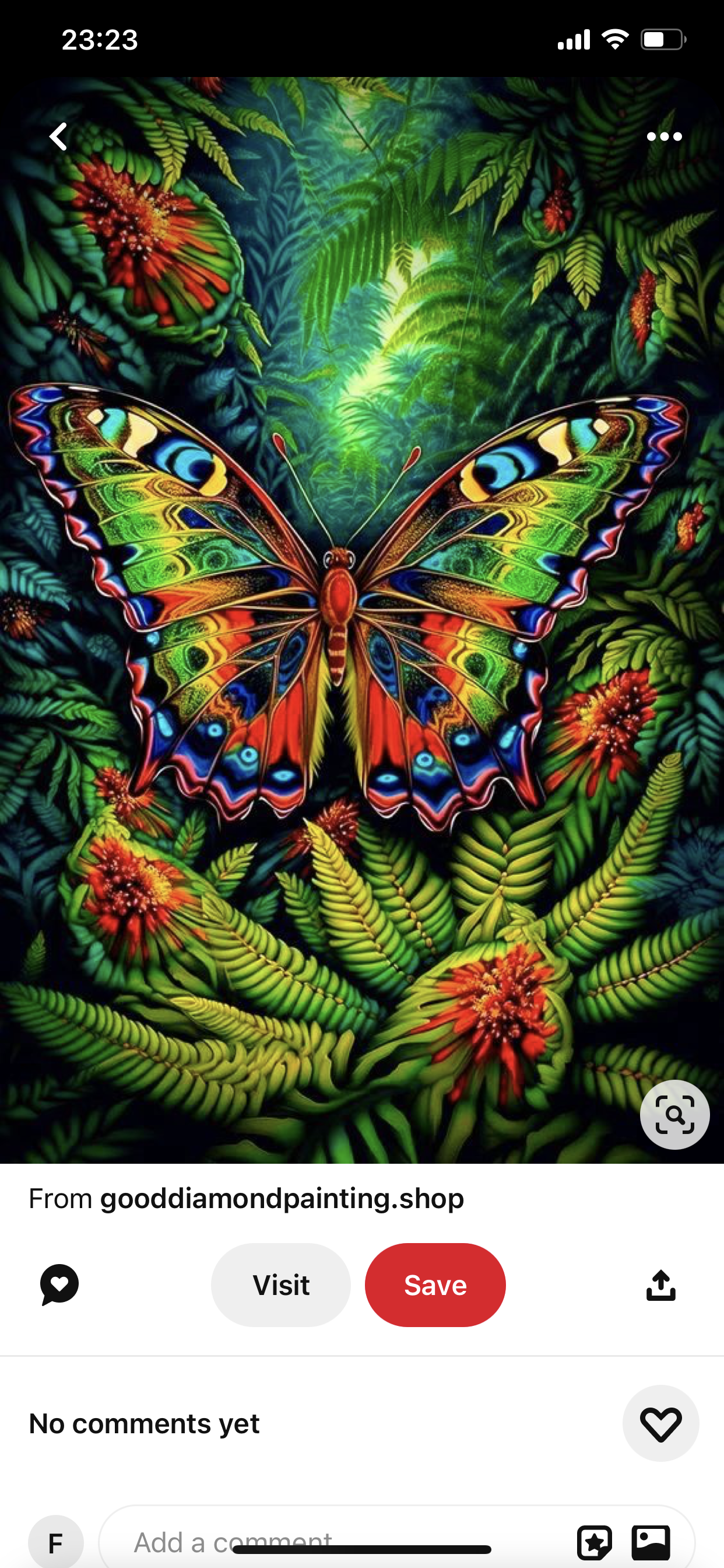
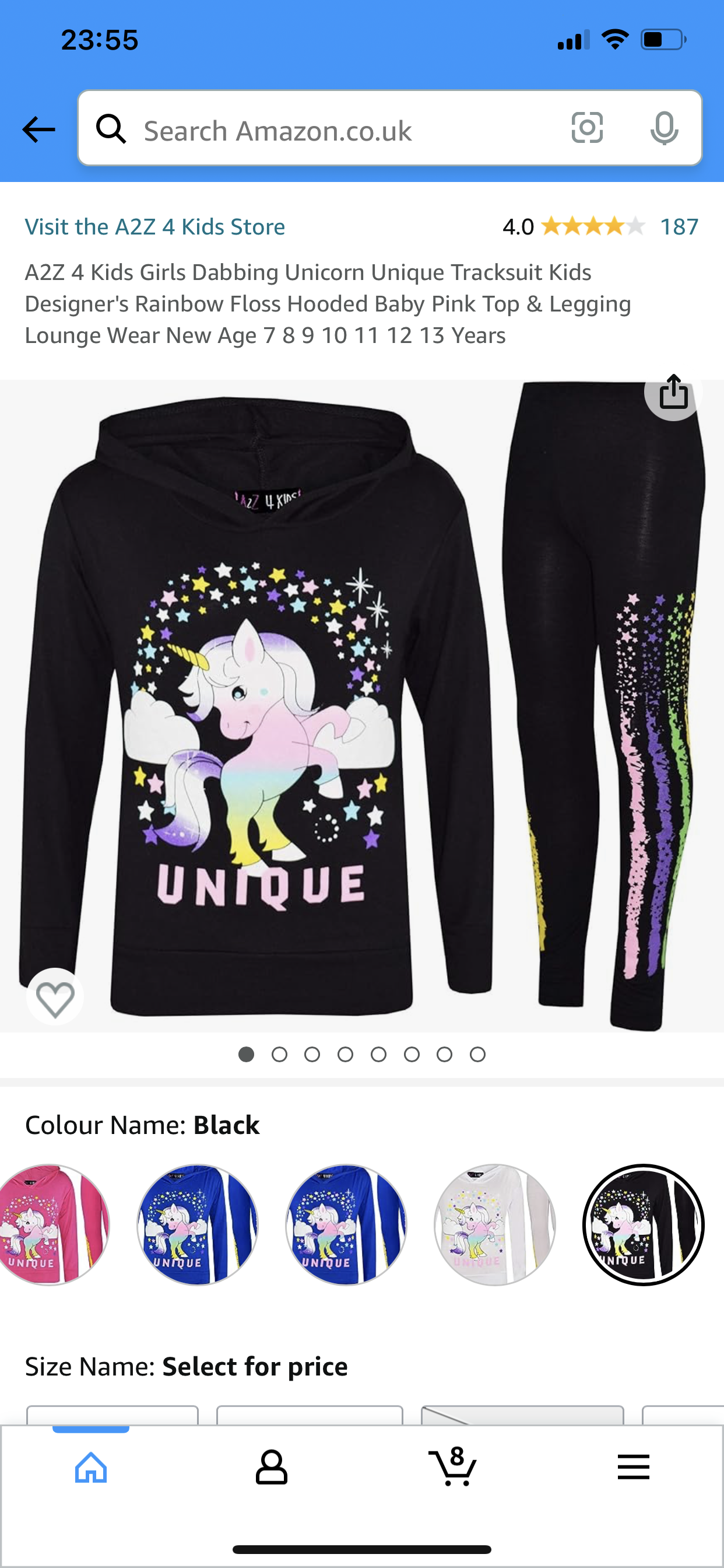
😃😃🤣❤️💜

in the hotel room on respite three years ago yesterday
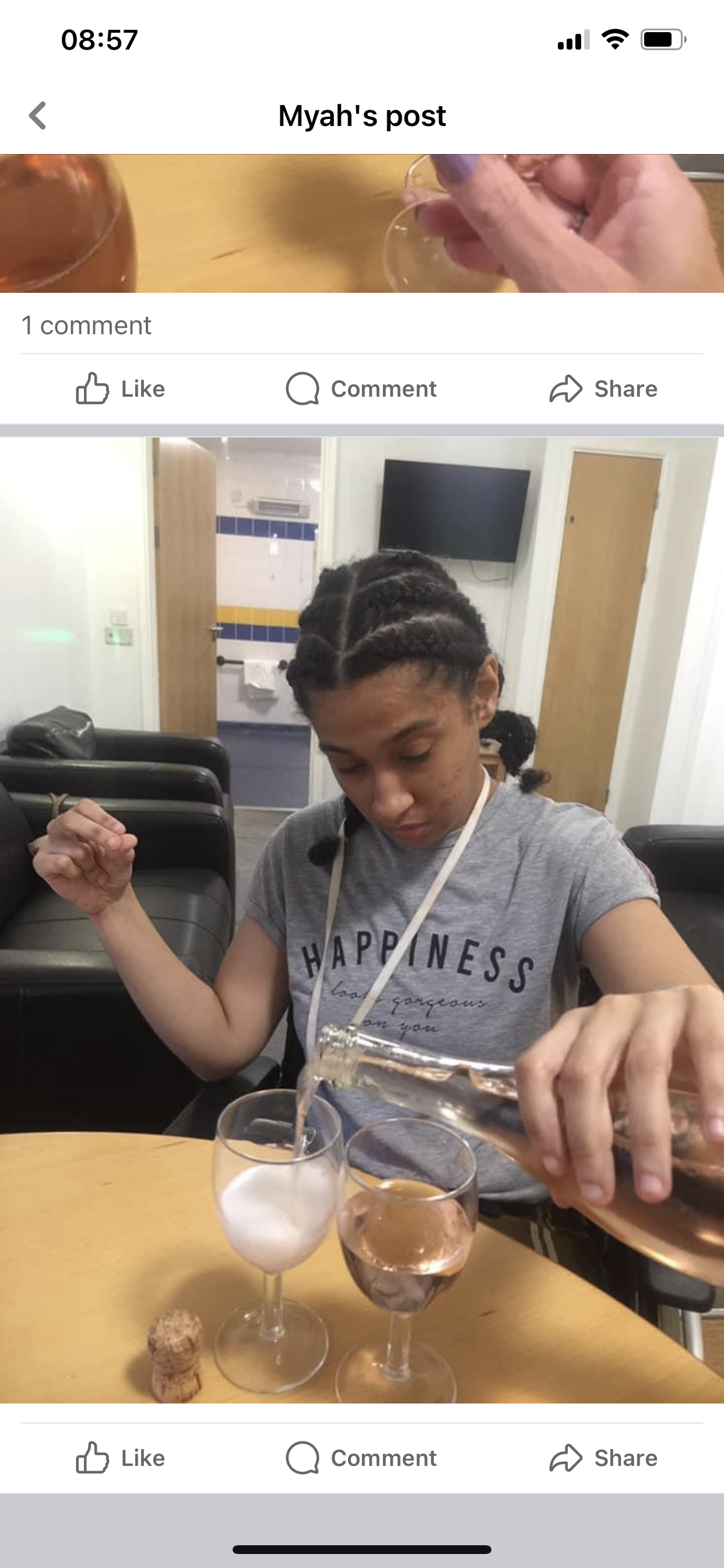
is saying of the day for the early riser for Tuesday morning

my hair when I am wearing it down before platting it, like I normally do in my friend Heathrow
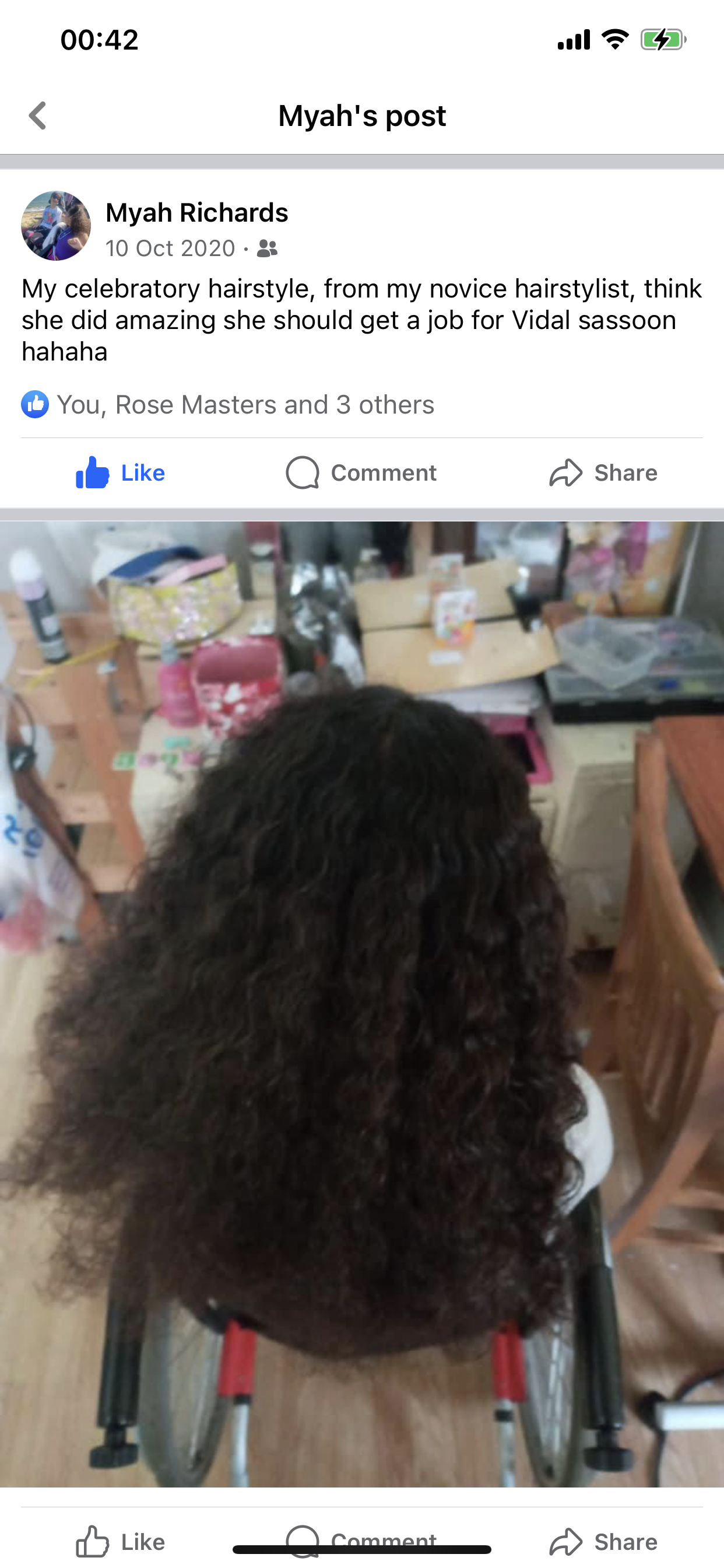
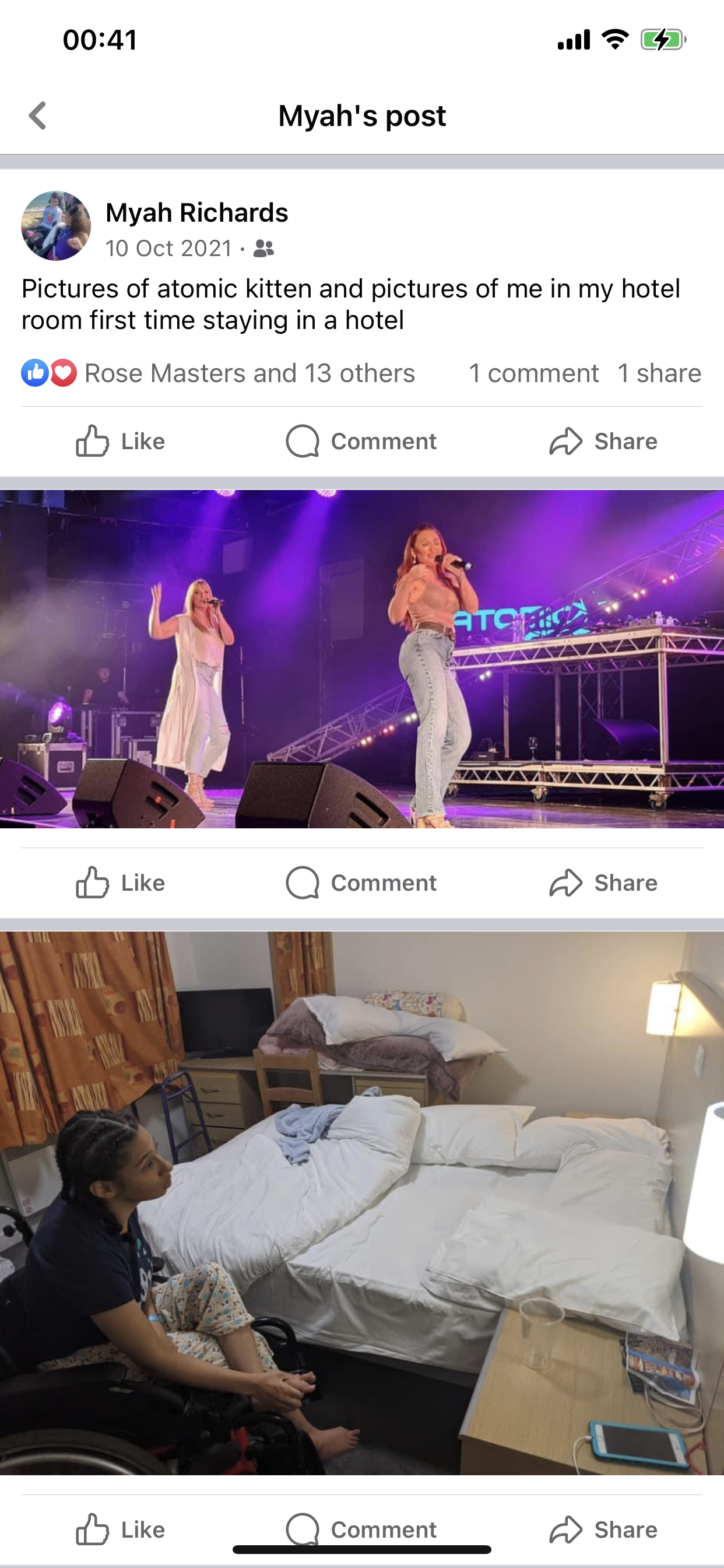
baking three years ago and we’re going to bake home-made doughnuts

How Do Wheelchair Users Weigh Themselves?
When Lizzie posted on Facebook that she hasn’t been able to weigh herself for 22 years, including through three pregnancies, it sparked our interest about access to scales.
Gillian also told us she’s been trying to keep check of her weight during a health kick but it’s been months since she was last able to get on scales.
And Dr Georgie Budd offers some thoughts and suggestions around this dilemma.
We talk emotional support animals after an incident in Florida where one particularly scary example was banned from a ball game.
And the cruelly named Elephant Man, Joseph Merrick, is depicted on stage like never before courtesy of young actor Zak Ford-Williams who has cerebral palsy but doesn’t use prosthetics or alter his facial appearance.



a night in the Weekender at Butlins3 years ago in the nightclub, embracing in the movie on saying that night
thank you season everyone. Hope you have from the spooky season. #Halloween #HalloweenGirl #HappyTrickleCreate

elephants, who E is pretty illustration for you in the Eve
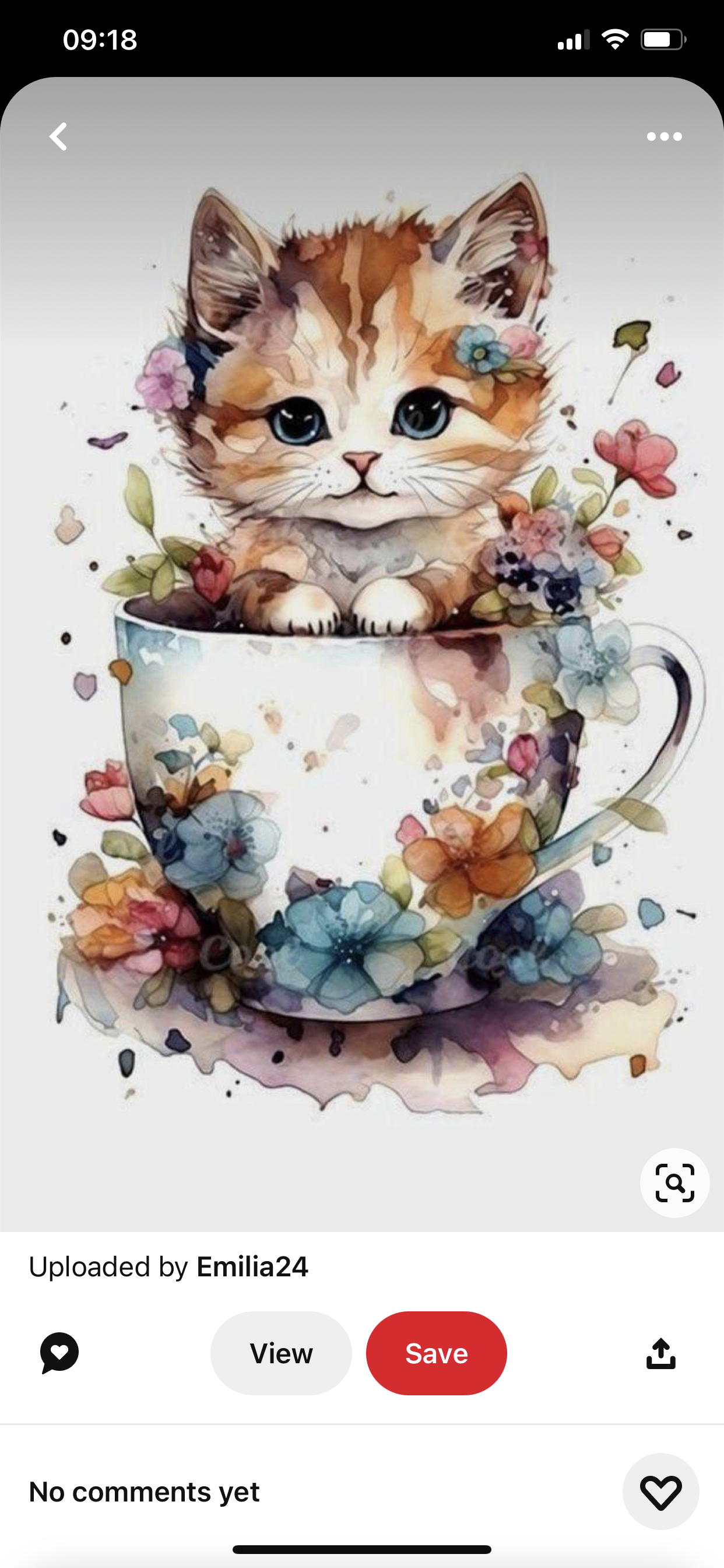
cute cat illustration for you on this Monday morning🫶🏼😃😃👩🏾🦽



Snapchat filter that I love because it gives me blonde hair being silly with it three years ago no
Blind Woman With Ill Baby Denied Access To London Hospital
A woman says she was refused access to a west London hospital when she tried to take her poorly baby inside for treatment, because she had a guide dog.
Historian and activist Dr Amy Kavanagh, 34, who is blind, was visiting West Middlesex University Hospital.
On arrival, however, she says a security guard “kept shouting ‘no dogs’ at me and my partner” and patients and staff had to intervene.
The NHS trust says it is “taking this incident seriously”.
When the guard at the Isleworth hospital’s urgent care department tried to refuse them access, Dr Kavanagh said she and her partner “firmly replied that Ava is a guide dog and legally allowed access”, before they walked past him and headed to reception.
“Luckily, other members of the public supported us and shouted down the security guard, repeating that Ava is a guide dog and allowed in a hospital,” she added.
“We immediately informed the nurse at reception who was also very supportive and went to talk to the security guard.”
‘It is unacceptable’
Dr Kavanagh, who posted on X about her experience, said her baby had a viral infection and “will recover with plenty of cuddles and a bit of Calpol”, but said it was not the first time she had been refused access with her guide dog Ava.
“A late-night visit to hospital with a poorly baby is worrying enough, but being told I couldn’t enter because I’m blind and a guide dog-handler was very distressing,” she said.
“It is unacceptable for the NHS to repeatedly fail guide dog-handlers like myself by employing security staff without the appropriate training to understand the role and access rights of assistance dogs.
“As a blind woman it is frightening and intimidating to be shouted at, physically blocked from entering a building or followed into a building by security staff.
“Disabled people should not have to feel anxiety about experiencing physically intimidating behaviour when trying to attend medical appointments or seeking healthcare.”
Dr Kavanagh added that it should not matter whether security staff were employed directly or by third-party contractors, because the NHS “must ensure that no guide dog-handler is at risk of being turned away from medical care because of a lack of training and awareness”.
“This could have a serious impact on the health and wellbeing of blind individuals trying to access NHS services,” she continued.
A Guide Dogs spokesperson said: “Too many guide dog-owners continue to face discrimination and are turned away because they have their guide dog with them.
“Our research shows that 81% of guide dog-owners have been refused access to a business or service at some point, and around half said they changed or restricted their plans because they were concerned they would be refused access because of their guide dog.”
A spokesperson for Chelsea and Westminster Hospital NHS Foundation Trust said: “We are taking this incident seriously, our organisation is fully committed to providing accessible services for everyone in our community, in a safe and welcoming environment.”
The spokesperson added the trust had reached out to the woman “to offer our sincere apologies and importantly, to ensure that appropriate action will take place following an immediate internal review”.
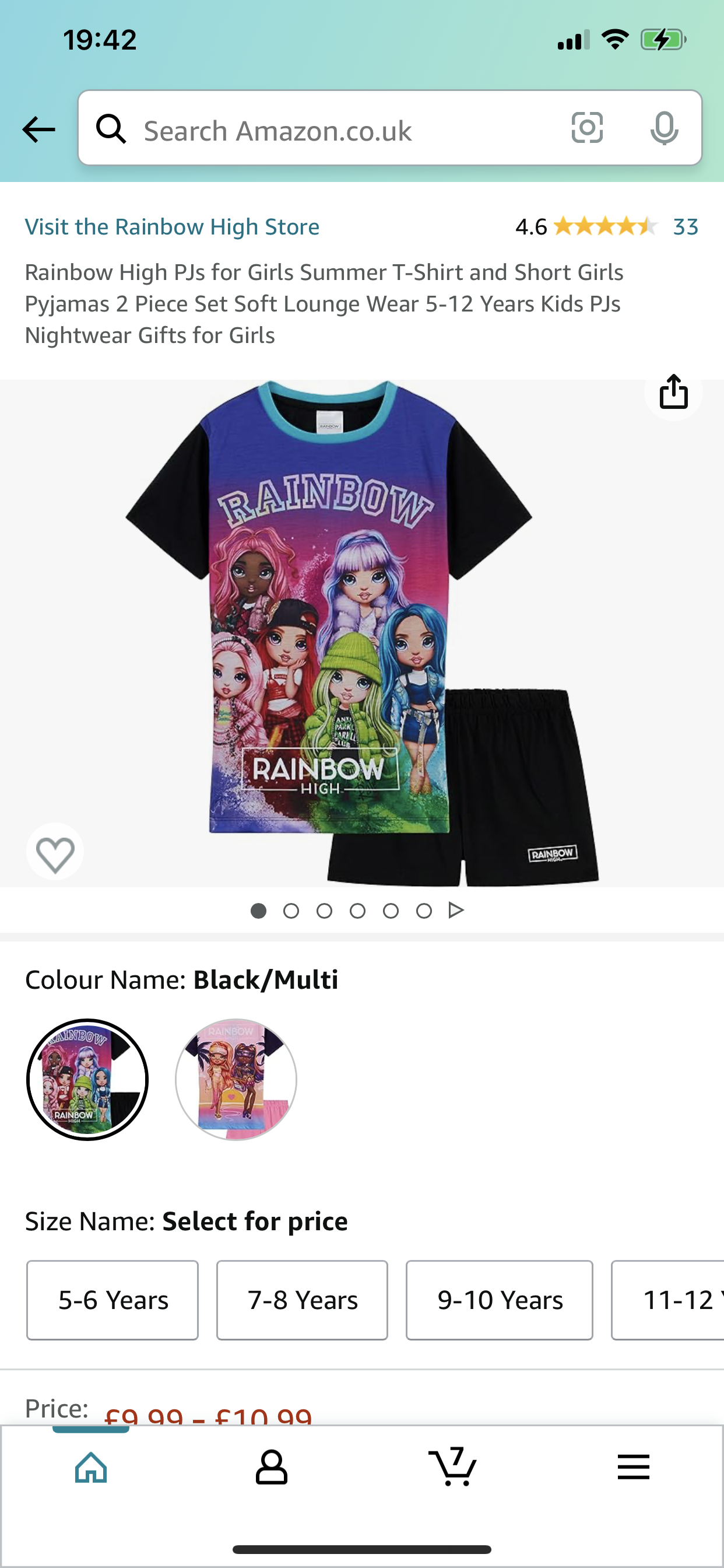
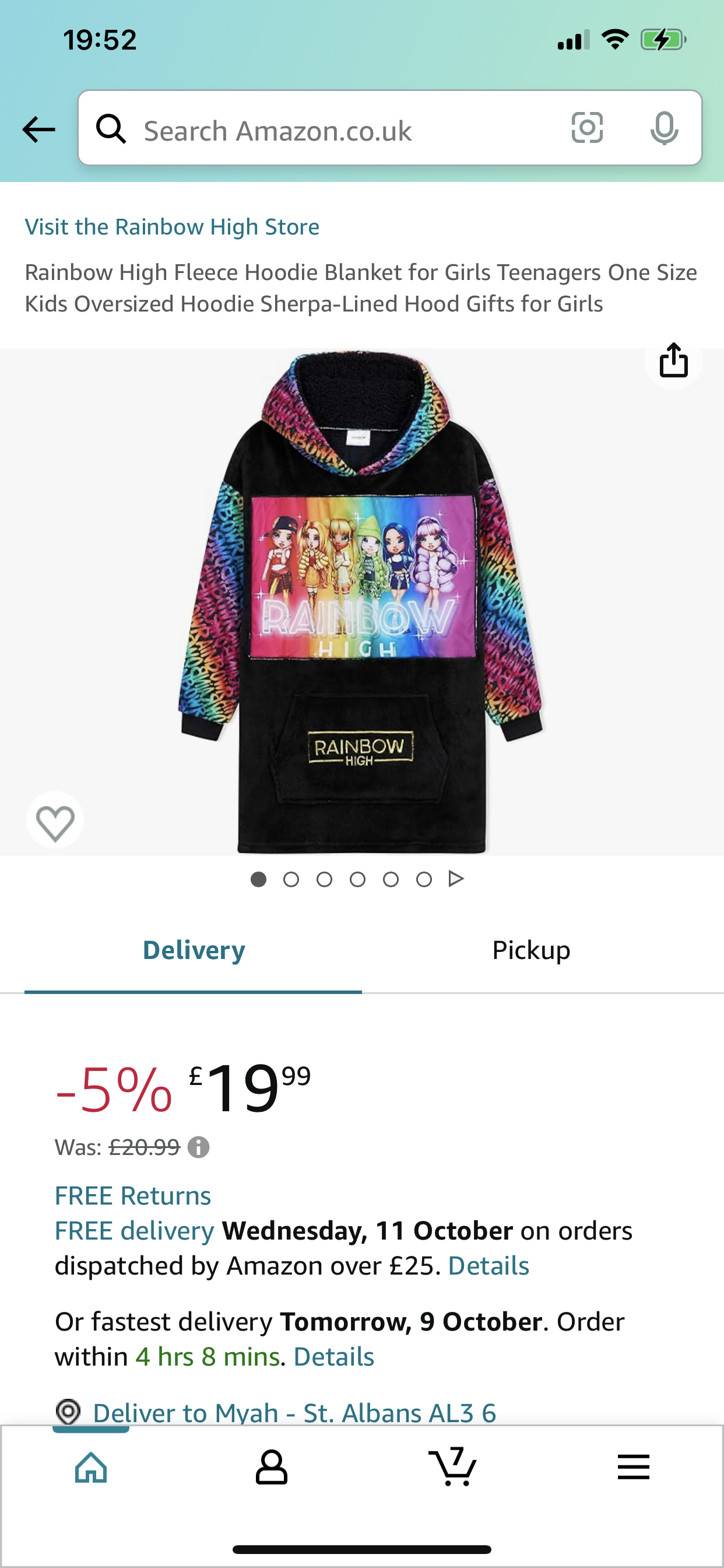
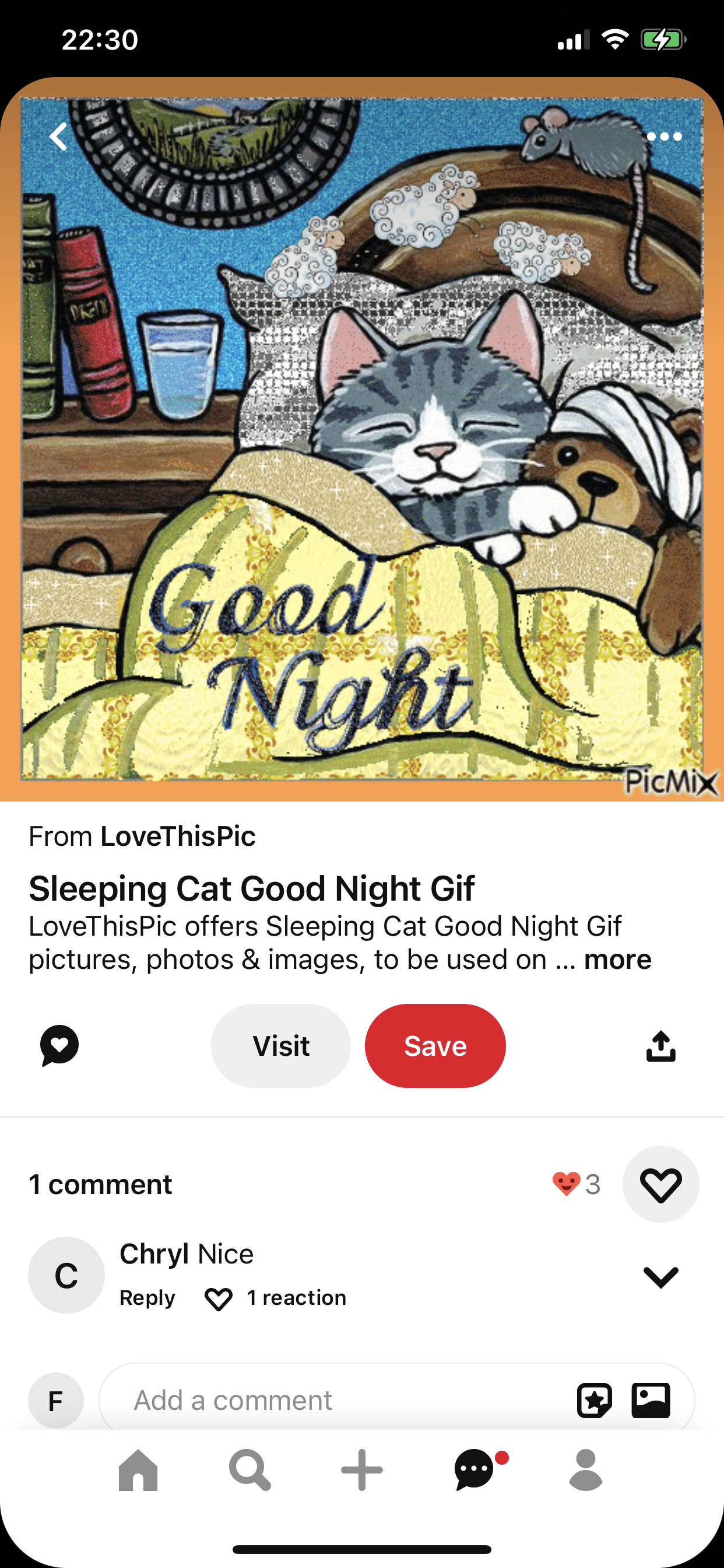
illustration for the cat and booklovers. #EveningIllustration

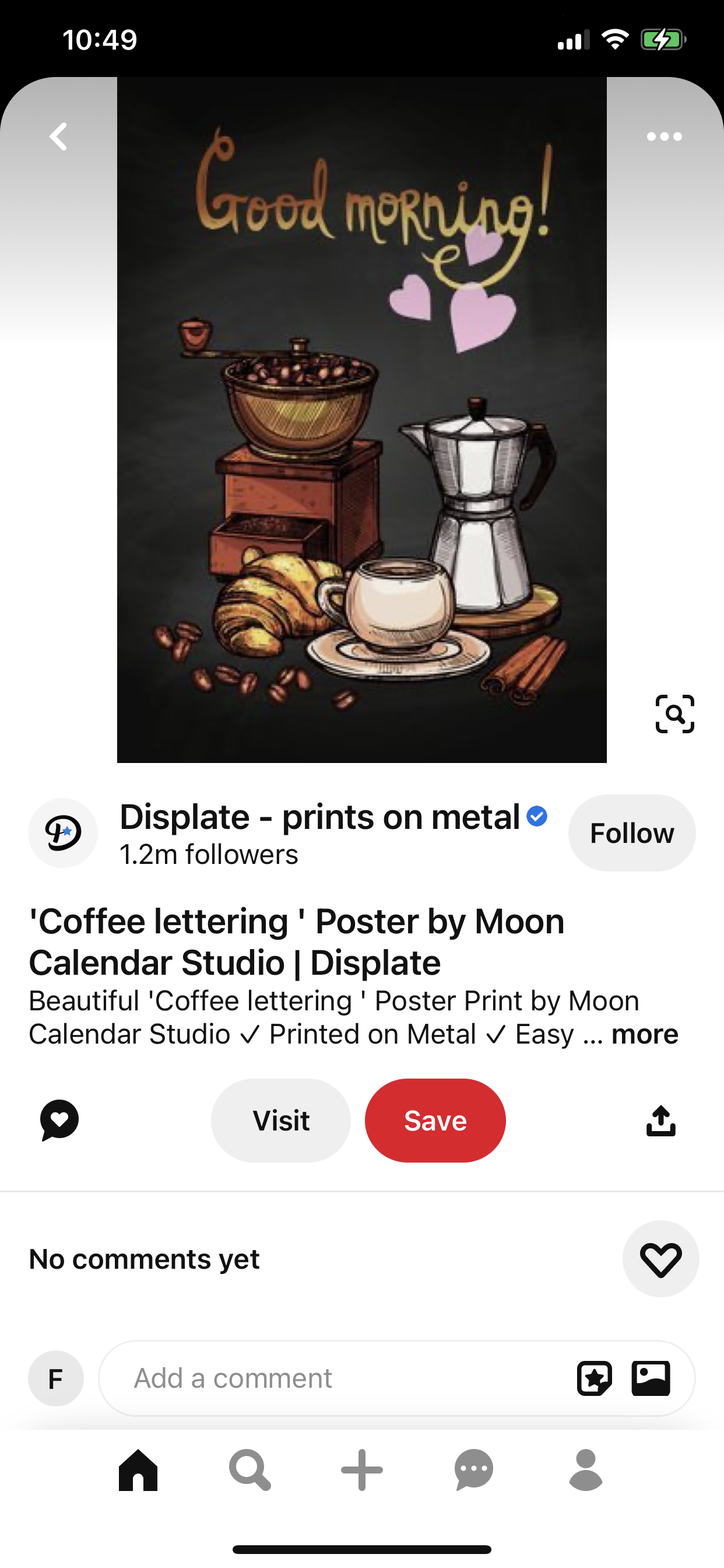
my favourite sayings of the morning

things of the morning for my use of your clothes

good night and bedtime time as well as late evening, depending on where you are in the world


ring Paige on Pinterest update for you for Saturday


World CP Day 2023
It’s World Cerebral Palsy Day 2023. Since this is my disability, this date has been a special one for me for the last 5 years, since I learnt about it.
Green is our community’s chosen colour. Our symbol is a green ribbon.
One thing I do very well is rewrite songs with disability twists. So to mark the Day this year, I thought I’d rewrite an old love song, with a new, CP theme.
Tie A Green Ribbon Round The Ole Oak Tree
Please let me in, I’ve done my time
Now I’ve got to know what is and isn’t in my mind
Teacher, if you received my letter telling you where I want to be
Then you’ll know just what to do
If you do want me, if you do want me