
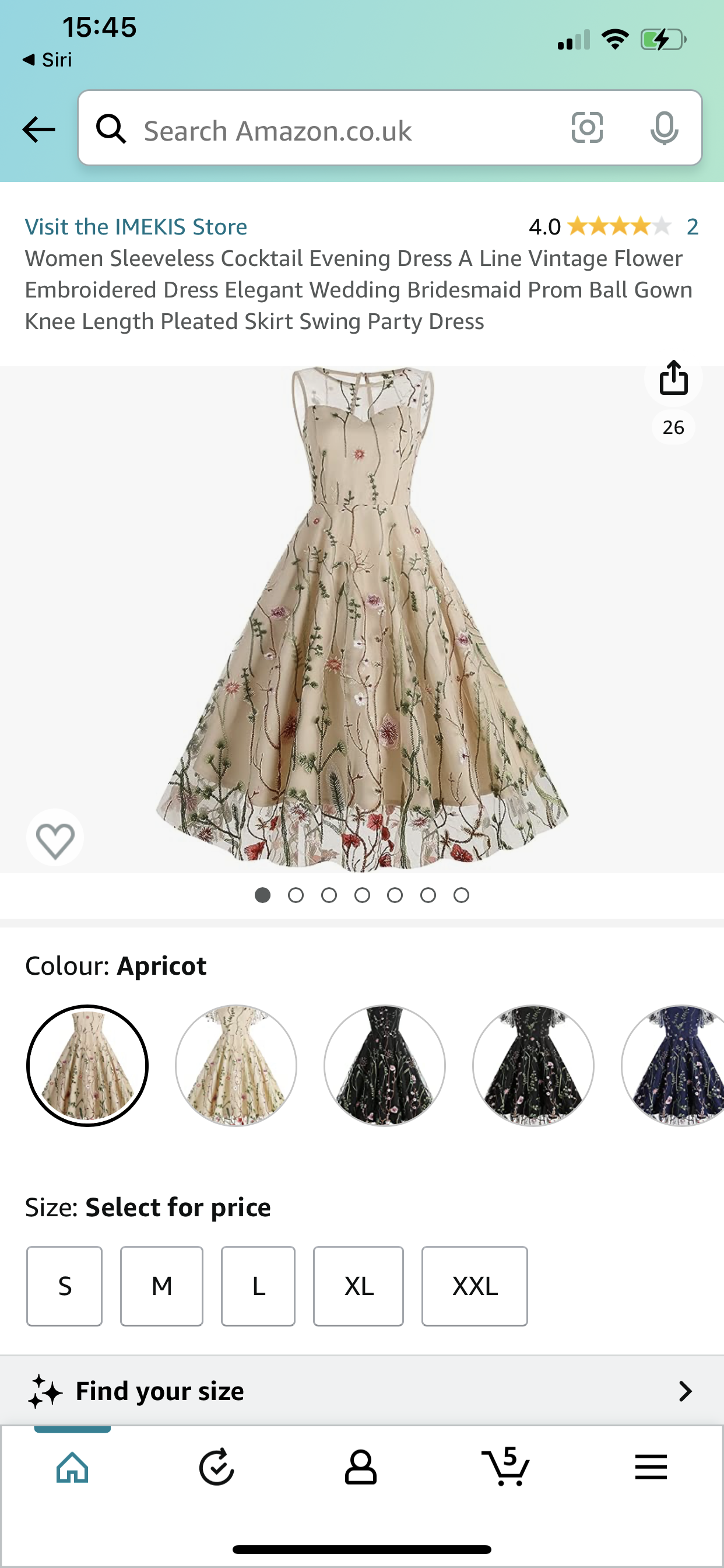

https://pin.it/2EgQK2o
follow my Pinterest page to see what can you do things that I had to get there today. Pick up some great person Prime from London to rain on well. Click on the link to see what time I want to purchase, including evening wear casual wear and many other. Items such as so many more. Click on the link that is at the top to view all my items on my Pinterest account set up also I have more time please check that often to see if there is something you may want to purchase from this link time I want to go alone in the future, even residential course support in terms of employment specialist assistance for my disability thanks viewers of my blood 🙂
Disabled Flyers Angry At Airline ‘Double Charging’
Major airlines are charging some disabled passengers double to fly from the UK, the BBC has found.
Nearly 30 carriers contacted by the BBC said passengers with mobility problems must purchase a full-price ticket for a personal care assistant (PA).
This is despite Civil Aviation Authority guidance on EU law, maintained by the UK post-Brexit, urging airlines to subsidise the cost.
Disabled people with mobility issues say the situation is discriminatory.
Melody Powell has been saving up to visit friends in New York who kept her company online during years of Covid shielding, but says the extra cost makes flying impossibly expensive.
Melody, 25, uses a wheelchair and needs to fly with a PA to help her reach the toilet and get off the plane. She now has enough money to pay for her own fare – almost £600 – but is still a long way from being able to afford another full-price ticket.
“Seeing how much it will cost me to fly because I’m disabled is quite scary,” she says.
Richard Amm is unable to visit his family in South Africa during the festive season or at short notice, when PA tickets can cost £1,500.
When his 77-year-old mother broke three ribs recently, flying over was too costly.
“I would love to visit my mum,” Richard says. “But facing double the cost, it just isn’t really feasible for me to go.”
The 40-year-old uses a wheelchair and has trouble lifting his arms, so needs help on long flights.
He feels the current situation is “totally discriminatory” and makes it even harder for disabled people to manage the already high costs of living.
“Most of us are too poor to even afford a ticket for ourselves,” Richard says.
According to disability charity Scope the average additional monthly cost of being disabled is about £600 – because of the higher cost of specialist equipment and higher usage of essentials like energy.
But the employment rate for disabled people is 54%, compared to 82% for non-disabled people.
Scale of the problem
BBC News contacted more than 100 airlines, including all that fly from Heathrow, to find out how many insist on a PA and whether they offer a discount.
- Only Pakistan International Airlines offers PA discounts for both international and domestic travel
- Some 28 airlines confirmed that they require passengers with mobility problems to purchase an additional PA ticket at full price – these include major airlines like Emirates, Etihad Airways, American Airlines and Virgin Atlantic, as well as budget airlines such as Easyjet, Ryanair, Jet2 and Eurowings
- A further 40 carriers, including Turkish Airlines and Delta, list either a recommendation or mandatory requirement to travel with a PA on their website, but do not clearly set out how much it costs, nor whether the individual or the airline should pay
- Some airlines in Australia, Malaysia, Canada and India offer concessions for domestic flights only, and Aegean said it examines requests on a case-by-case basis
- The remaining 33 airlines either did not reply to the BBC’s request, had no information listed or stopped operating prior to publication
British Airways told the BBC that it provided discounted PA fares on direct flights to Brazil and US, but refused to specify by how much. US law allows for subsidised tickets, but only if the airline believes a PA is necessary for safety reasons and the individual does not.
But in reality, the BBC has been told, this excludes the majority of disabled passengers as it is extremely rare for the clause to be activated – as most people who are told they need a PA already accept that they do.
Being told by airlines to travel with, and pay for, a PA is a common frustration for disabled passengers, says Josh Wintersgill, a wheelchair user and entrepreneur who is trying to improve aviation accessibility.
“With many not requiring companions, being forced to travel with someone feels very undermining and incurs additional costs. This is significantly unfair and borderline discriminatory,” he says.
He says there is a need for “drastic international collaboration” to improve “outdated and ineffective regulations and guidelines”.
European aviation regulations, maintained by the UK post-Brexit, explicitly advise airlines to offer discounts for passengers who require an escort, but they are advisory only, and cannot be enforced.
The CAA, which regulates UK aviation policy set by the Department of Transport, also recommends free or discounted PA tickets, but again lacks the power to impose them. The CAA’s chief, Anne Bowles, told the BBC that while there was no legal requirement for airlines to offer free or discounted seats to an accompanying person, “our view is that it is best practice for airlines to do so”.
Adopting these recommendations would bring the aviation sector in line with travelcard schemes across the UK that provide free or discounted travel to disabled people – and sometimes their carers – on buses, trains and taxis. Similar PA concessions also apply at ticketed events.
Melody is frustrated that there is no obligation for airlines to offer discounted fares.
“When it comes to any sort of legislation that’s meant to help disabled people, it’s never a legally binding thing,” she says. “It’s always ‘a suggestion’ that people conveniently forget exists.”
Discriminatory loophole
Airlines and airports are required to provide disabled passengers with assistance to the plane free of charge, including help to board and disembark the aircraft, in line with anti-discrimination commitments.
However, during the flight itself, airline staff are not expected to help disabled passengers access the toilet or evacuate the aircraft.
This is because airlines are not considered service providers under the UK Equality Act, leaving few legal options to challenge disability discrimination in air travel.
Airlines are only required to follow the Montreal Convention, a set of rules which limit responsibility to personal injury or loss and damage of baggage.
Campaigner Chris Wood said more legislation was needed because the current advice was just “guidance, not the law”.
What the rules should be and what we want are “two different things”, he told BBC Radio 4’s Today Programme, suggesting that airlines should show “a little bit of empathy”.
The founder of Flying Disabled added that some airlines are “great”, but they all “need guidance”.
Last year the government conducted an aviation consultation that addressed accessibility for disabled passengers but, like its aviation passenger charter, it did not specifically address additional ticket costs for PAs.
When asked by the BBC over the widespread failure of airlines to adopt recommendations to subsidise PA fares, the Department for Transport said it was “committed to ensuring” accessible air travel but did not address the additional ticket charges.
Global picture
Enforcing global disability rights in air travel is a challenge because there is no collective means of imposing obligations internationally.
For example, when a 2019 lawsuit in Canada found that requiring obese passengers and those with a disability to purchase two seats was discriminatory, the country’s airlines began to subsidise PA tickets – but for domestic flights only.
Legal experts have told the BBC that the most probable path for change is for a bloc of countries, such as the EU, to impose a member-wide standard that might then become a global norm. Post-Brexit, the UK’s position would require its own unique commitments.
Disabled people ‘avoid flying’
A host of failings have been highlighted by the disabled community in recent years. These include being left on planes or at terminals for a long time when waiting for assistance, difficulties accessing the toilet and wheelchairs being lost or damaged.
Rather than face the additional costs and challenges of flying as a disabled passenger, many avoid it.
Ben Iles, 44, likes to travel but has flown just twice in the past 20 years, having had bad experiences getting on and off planes – he now prefers to use a van that is adapted to his wheelchair.
“I have everything I need,” he says.
But there are some signs of progress for disabled and less mobile travellers – the Department for Transport said last month that it planned to give the CAA the power to fine airlines for breaching consumer laws.
This includes removing the reimbursement cap for damaged wheelchairs, which are currently treated like regular luggage and valued by weight, not price.
The CAA has also suggested a ranking to provide transparency about the disability performance of different airlines.
In response to the BBC’s findings, Airlines UK, the industry trade body, said its airlines held a “proven track record” of constructive engagement on disability issues and would continue to be supportive of any initiative that improved quality and access to air travel.
doorframe of the night or Monday

ring Sophia for the whole

evening, time of the evening for the whole community
https://vm.tiktok.com/ZGJbUbfsu/silly video that I made tonight, who are you click on the link to
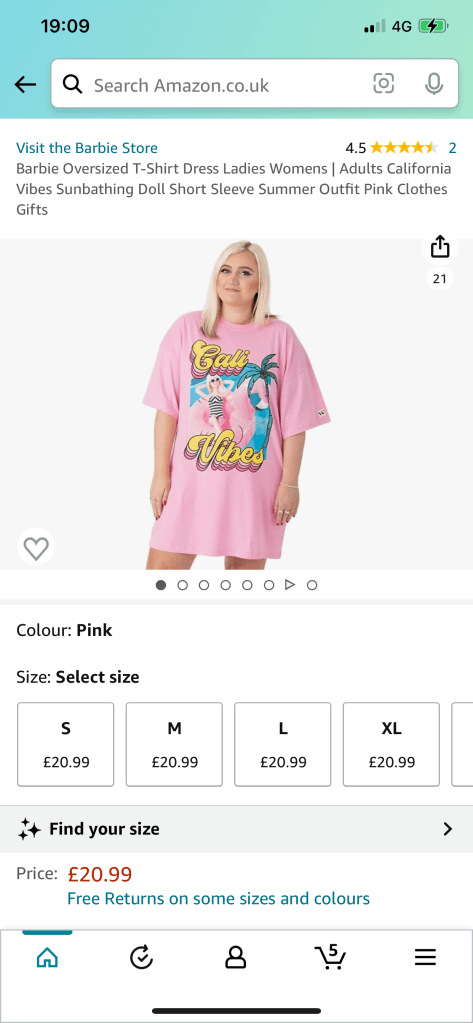
https://amzn.to/3DzkxF1

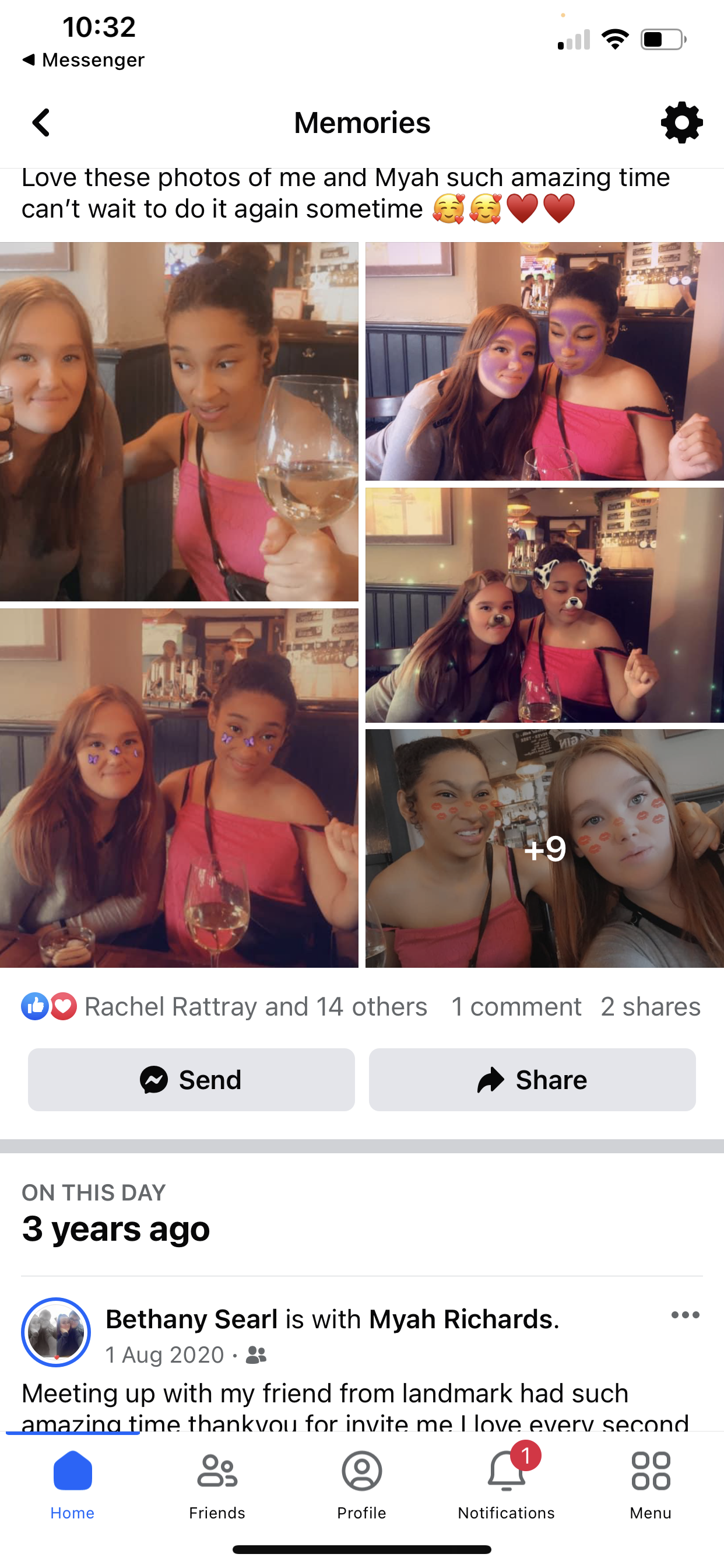
selfies of the day


Bread Ahead Bakery Are Working With Whizz-Kids
A friend of Same Difference has asked us to publicise a very interesting crossover. Bread Ahead Bakery are a bakery and baking school who have stores, stalls and cooking schools in London.
They sound like they help bakers as much as Whizz-Kids help wheelchair users. They are a sponsor of Whizz-Kids’ current Morph’s Epic Art Adventure Trail. You’ll find details here of Bread Ahead’s work with Whizz-Kids, and of how to participate in Bread Ahead’s Gingerbread Morph competition.
Good luck!
Barbie Praised For Inclusivity Over Scoliosis Doll
A Barbie doll with scoliosis is “big” because it means youngsters who play with her will learn about the health condition, according to one sufferer.
Cadi Dafydd, 25, was diagnosed with curvature of the spine when she was 17.
She said she has been inspired by the new Barbie film and the doll Chelsea, Barbie’s sister, who has scoliosis.
“I’m really glad that Barbie and Mattel have taken the steps to include more diverse characters,” said Cadi, from Blaenau Ffestiniog, Gwynedd, as the new film starring Margot Robbie and Ryan Gosling became the biggest of 2023 so far.
In the coming-of-age story of the children’s character she explores her identity and encourages her friend Ken to establish individuality.
In February, Mattel launched the doll Chelsea who has a curvature of the spine and a removable back brace.
Cadi said: “Representation really does matter… seeing as very few of us, I would say, would fit into the ideal image that Barbie was once known for.
“Along with this representation is the awareness that it raises of scoliosis and other conditions,” Cadi told BBC Radio Wales Breakfast.
“To think that it is now a doll – and that young girls will know of us – is a really big thing.”
where are you go to work week tomorrow be productive and be successful. And I hope everybody has a good day.
second, saying of the day FaceTime, illustration of Minnie and Mickey Mouse José of the day
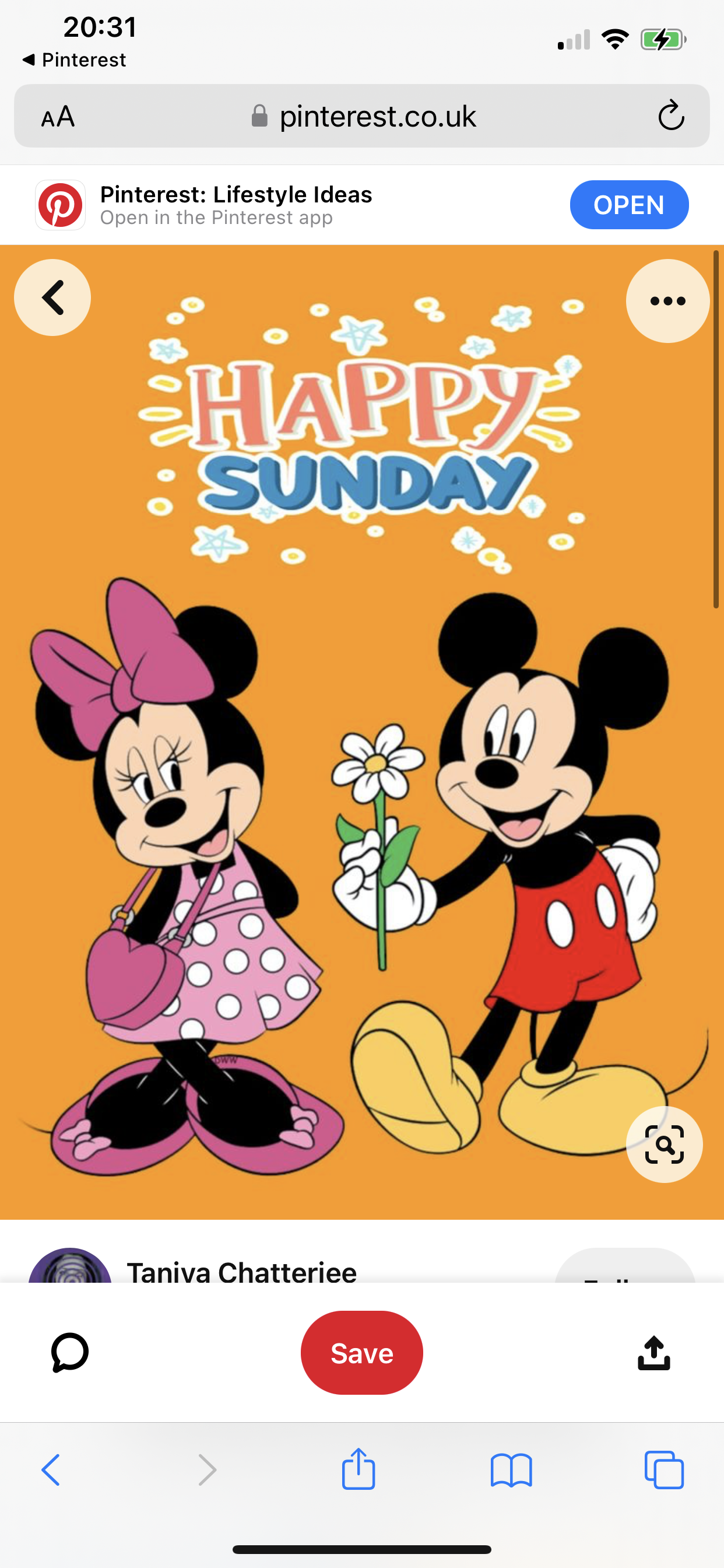
Are you saying all the time for the whole of the community along with a nice illustration?
https://amzn.to/3YaOp3X
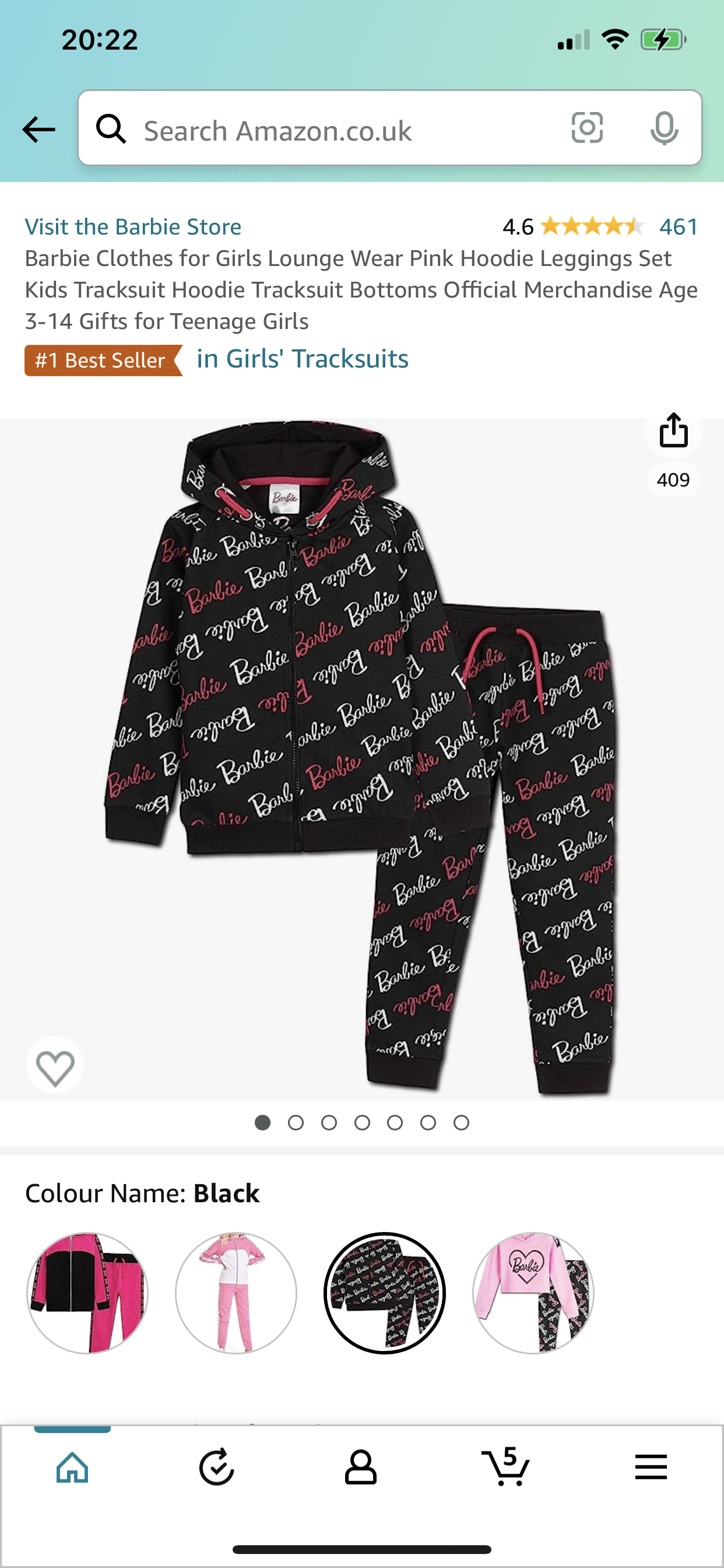
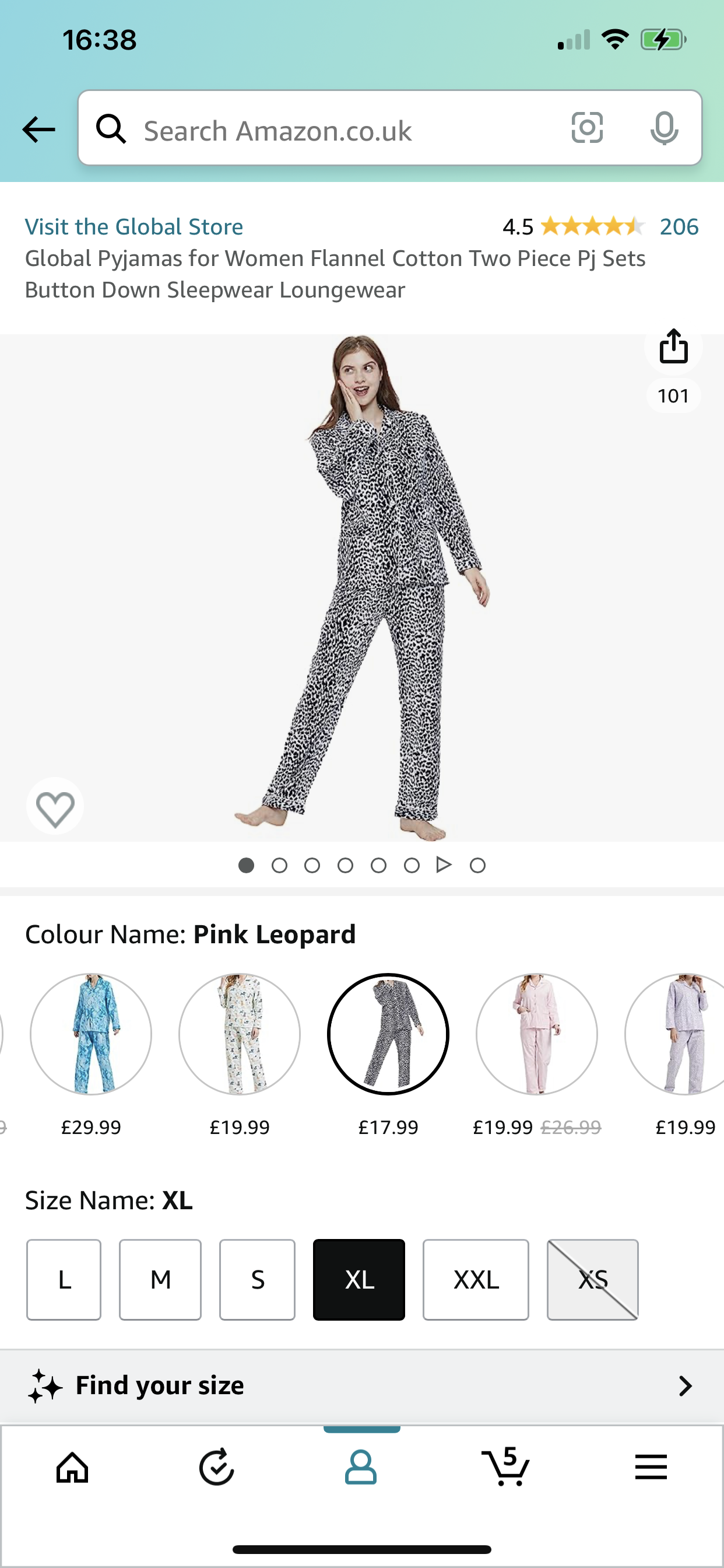
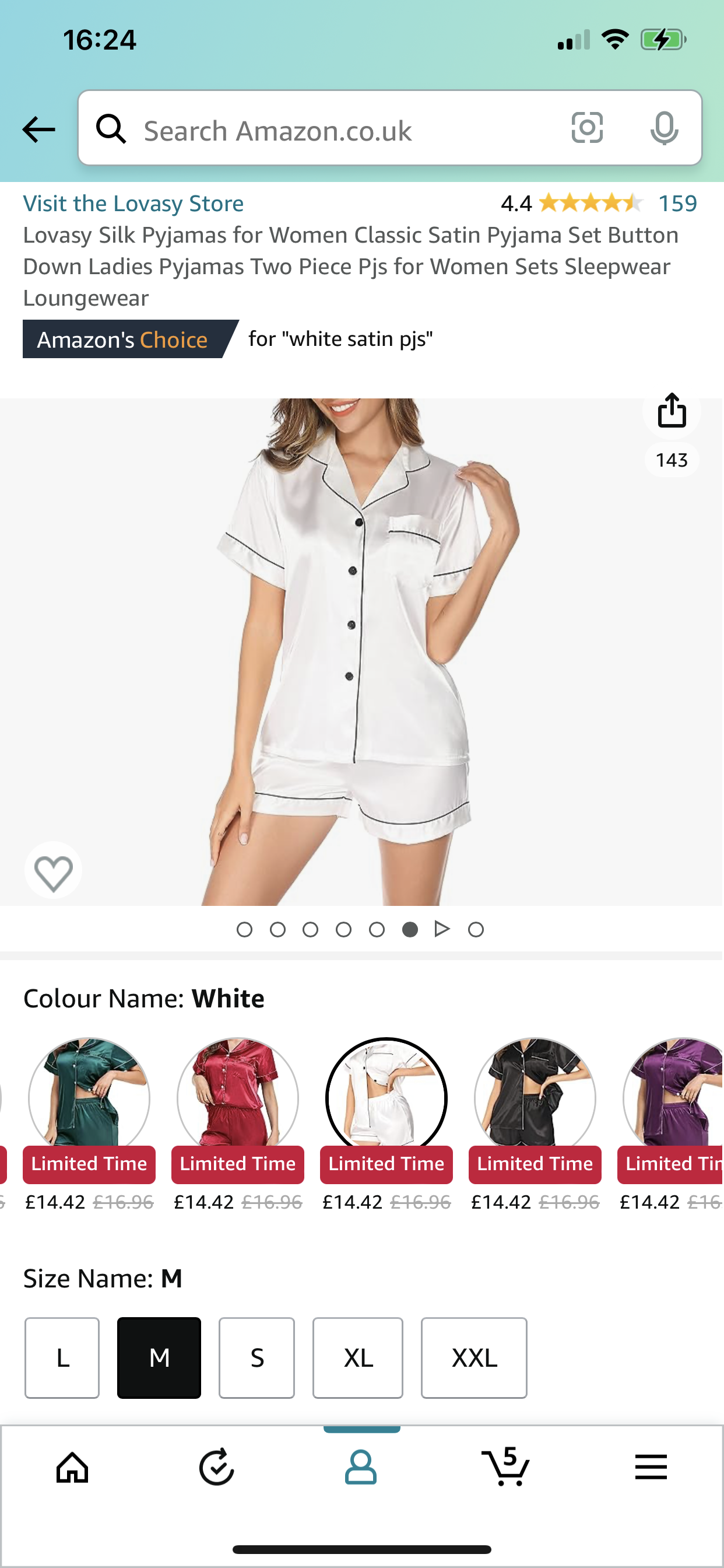
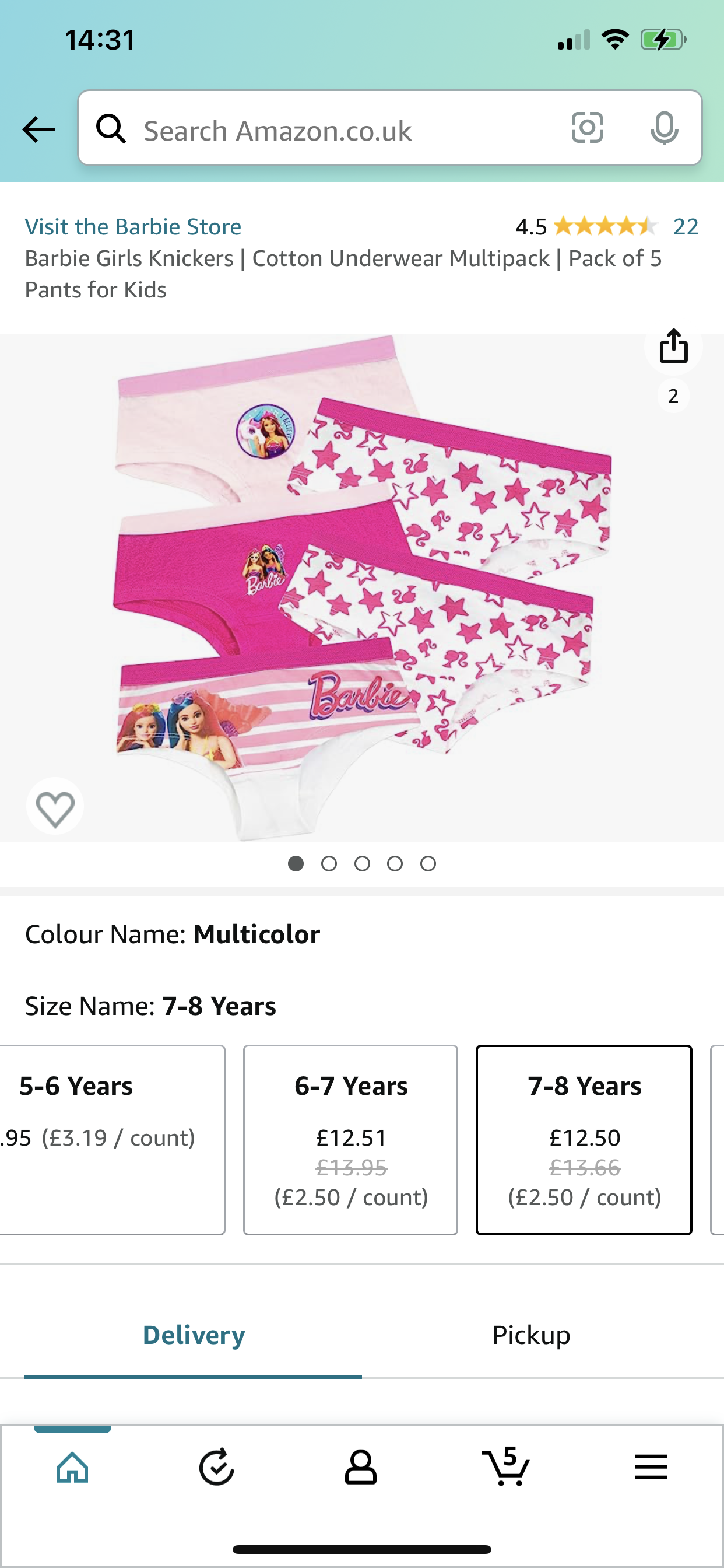
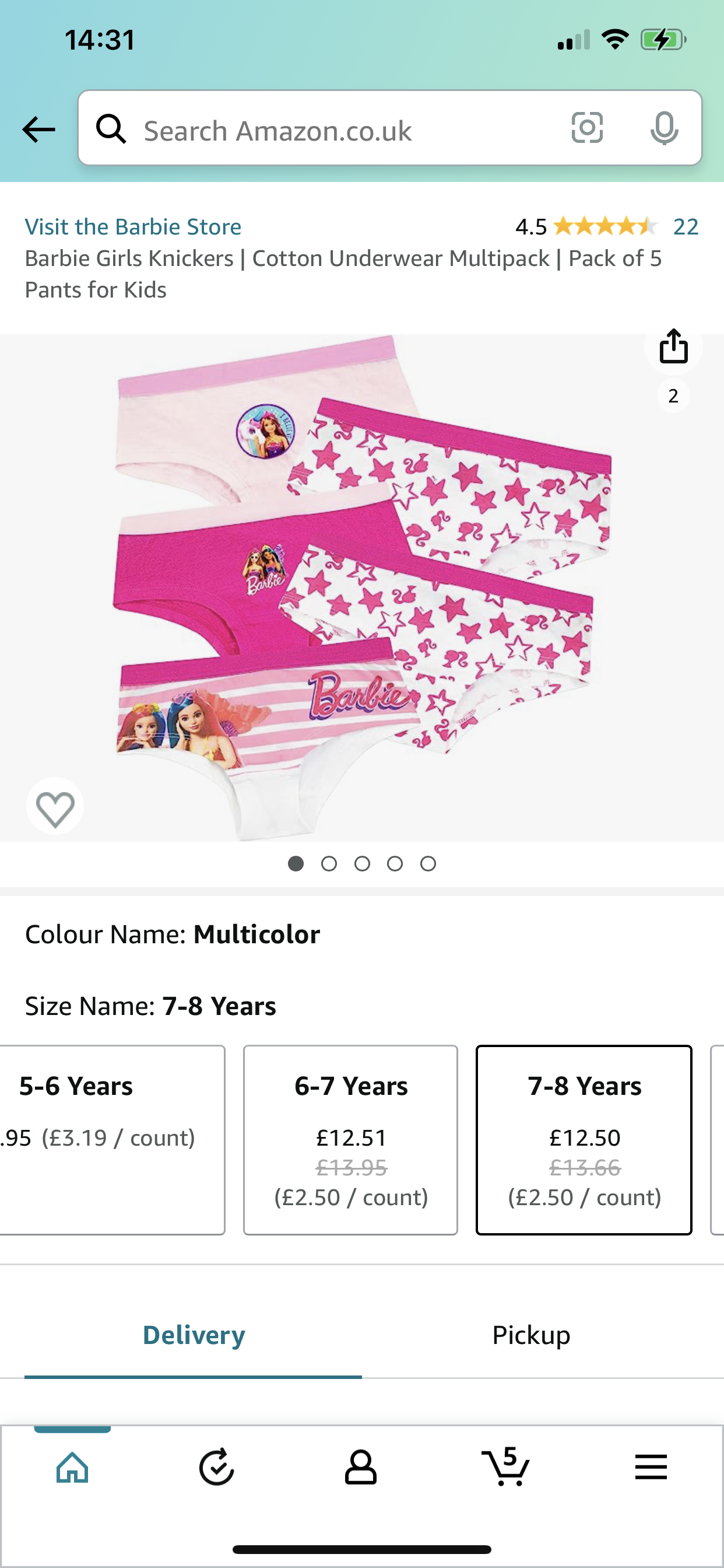
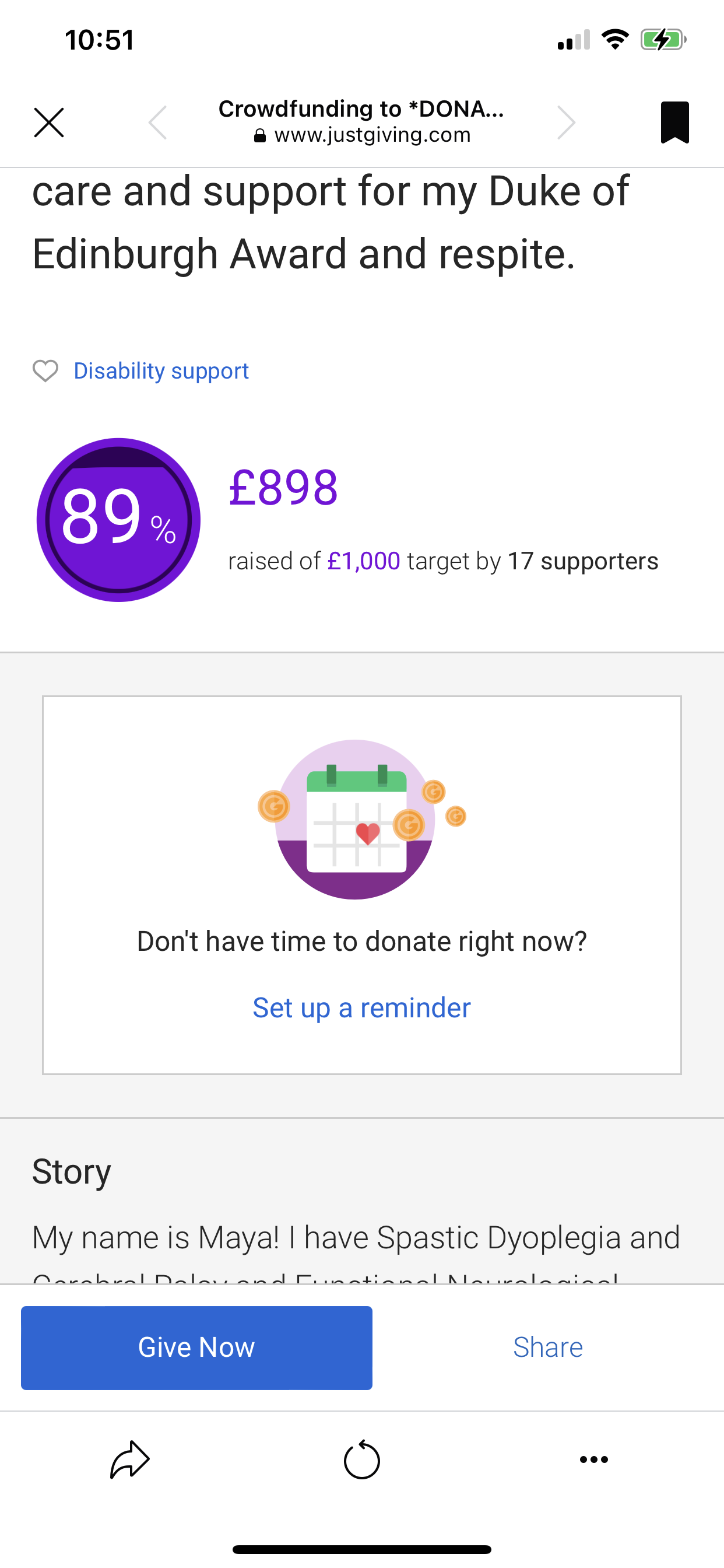
Who is home for your donations have got me please repeat that. I only just give in to see books. You and many other people have managed to already help me and ensure that I am able to 16
https://pin.it/4y8WQtL
https://amzn.to/3qim3bj
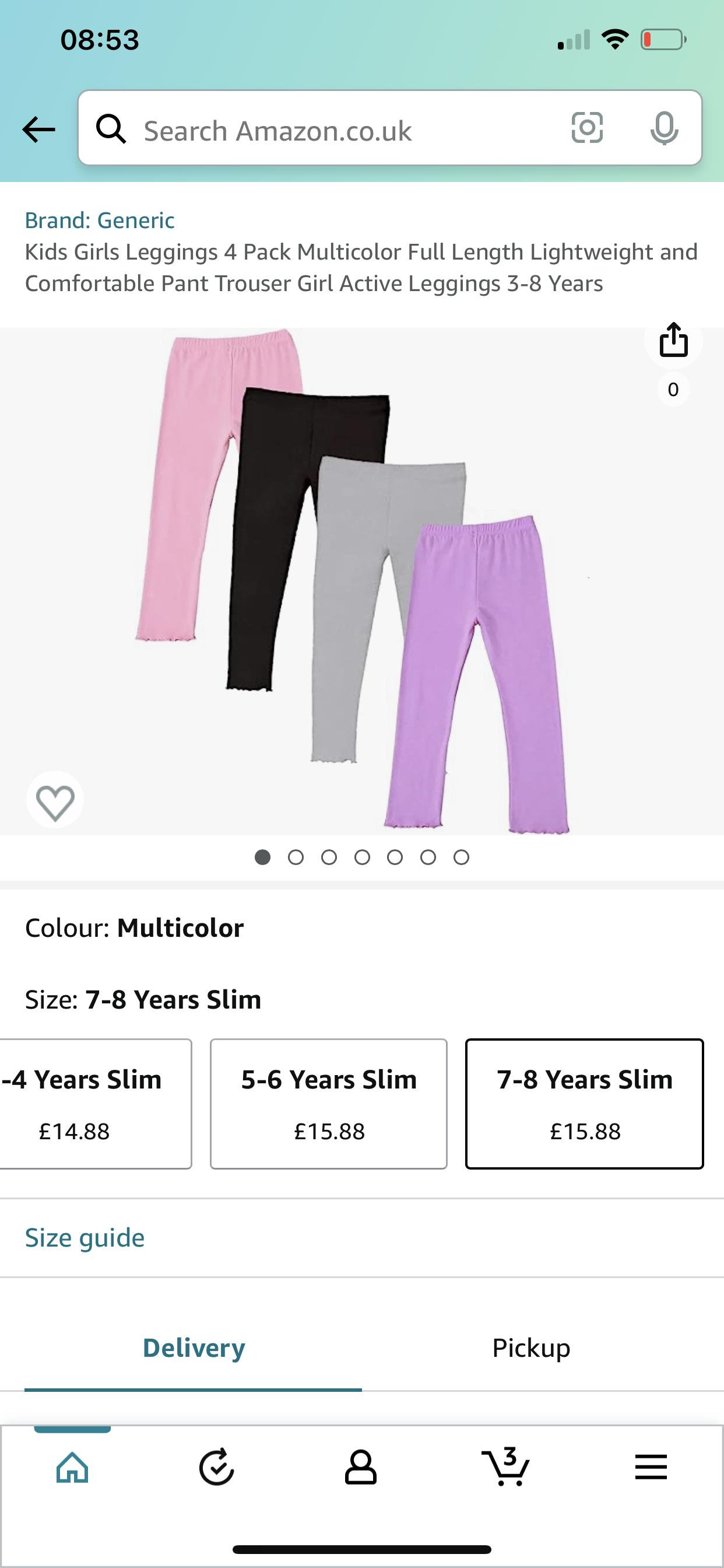
ring open the morning
https://amzn.to/3rFdXKb
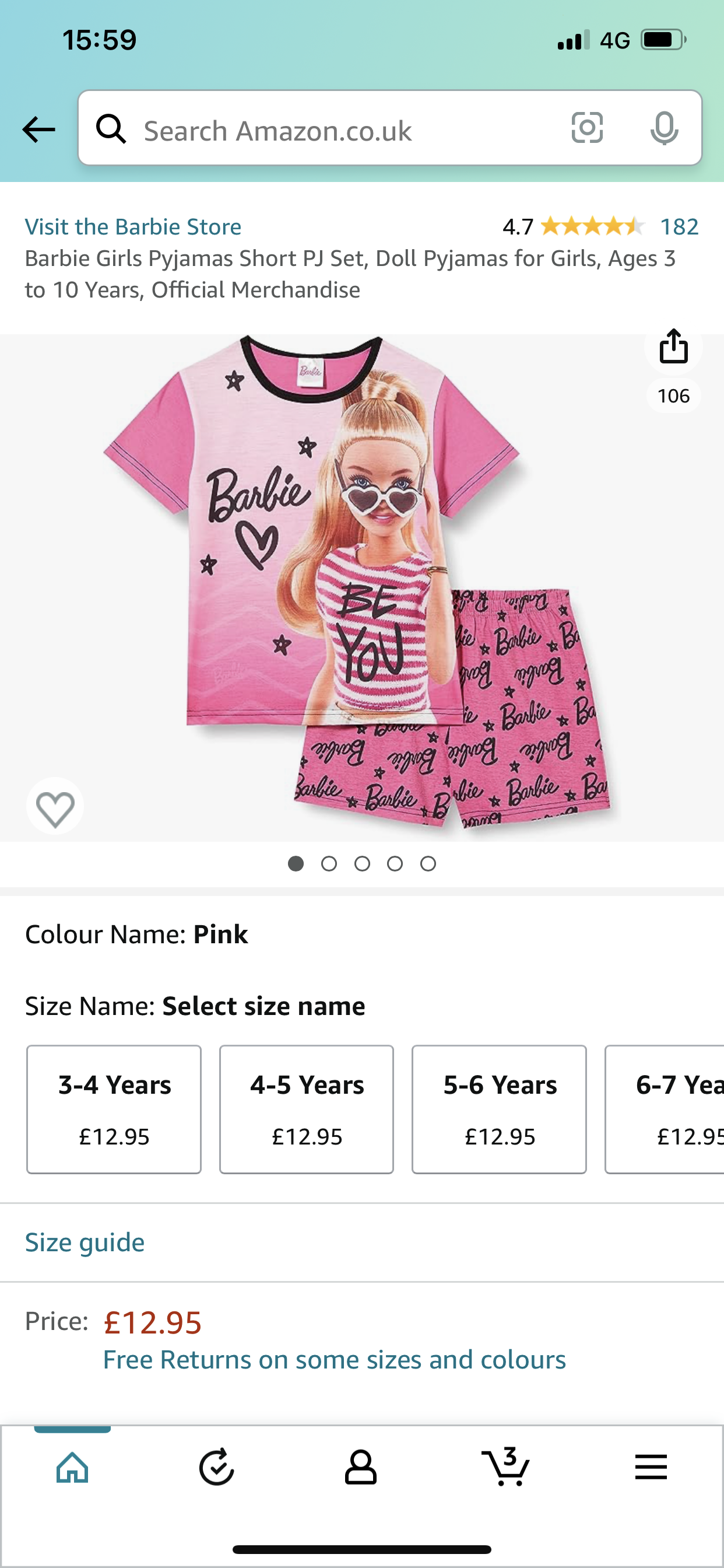
https Rosa://amzn.to/3rFdXKb
https://amzn.to/3ObAvd7 call
picture of this mornings affiliate link for that for you all to see if you want to put
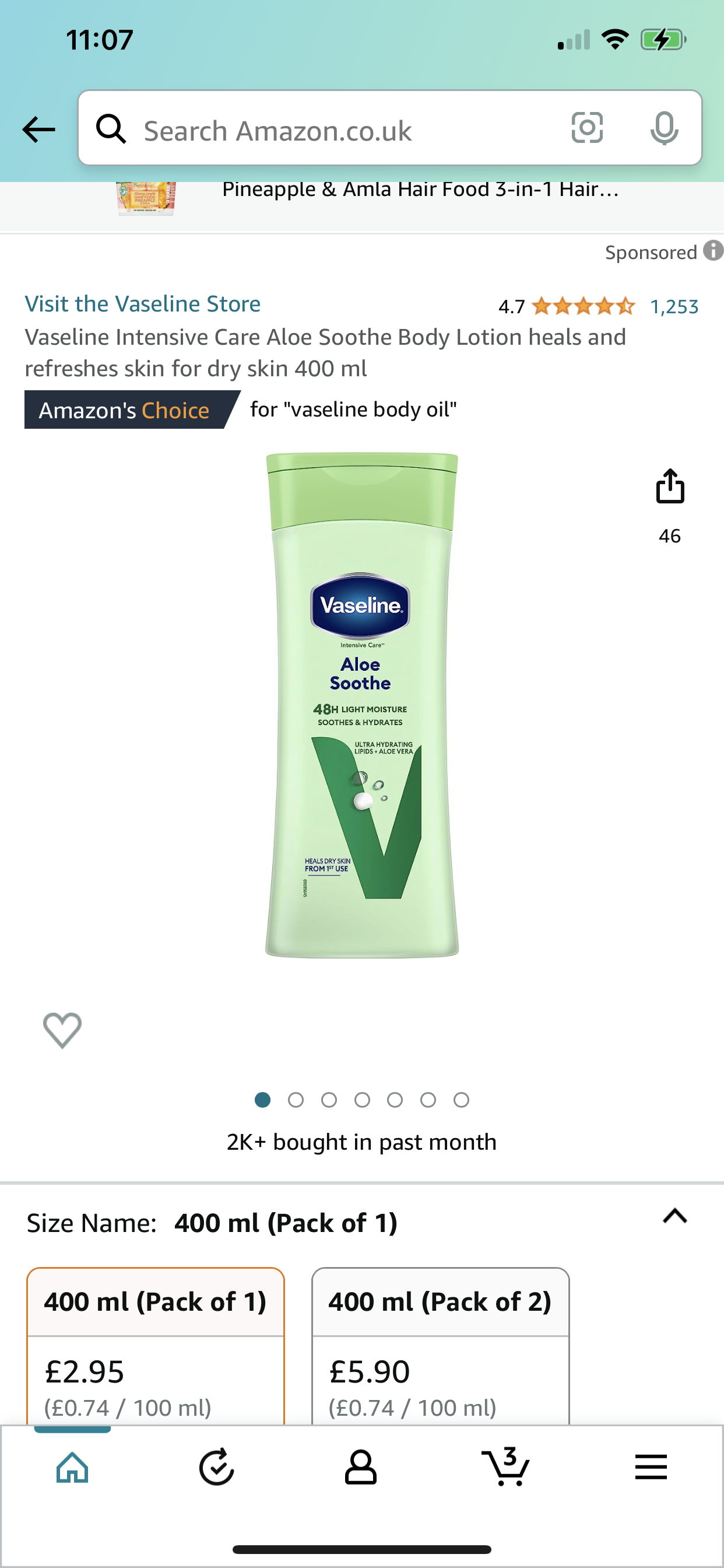
https://amzn.to/3Ki8oIa
d Amazon am is it in the video? good morning for
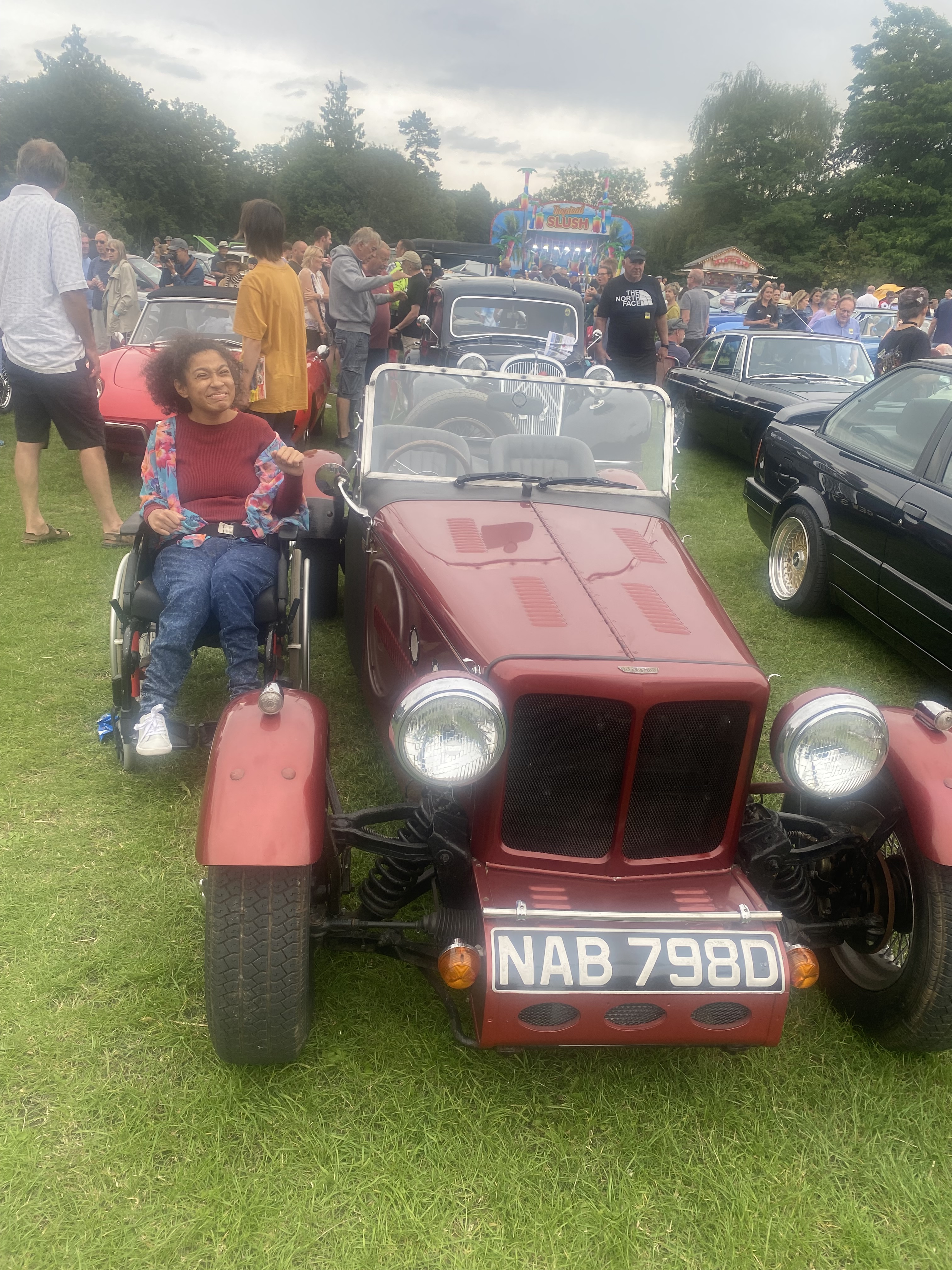
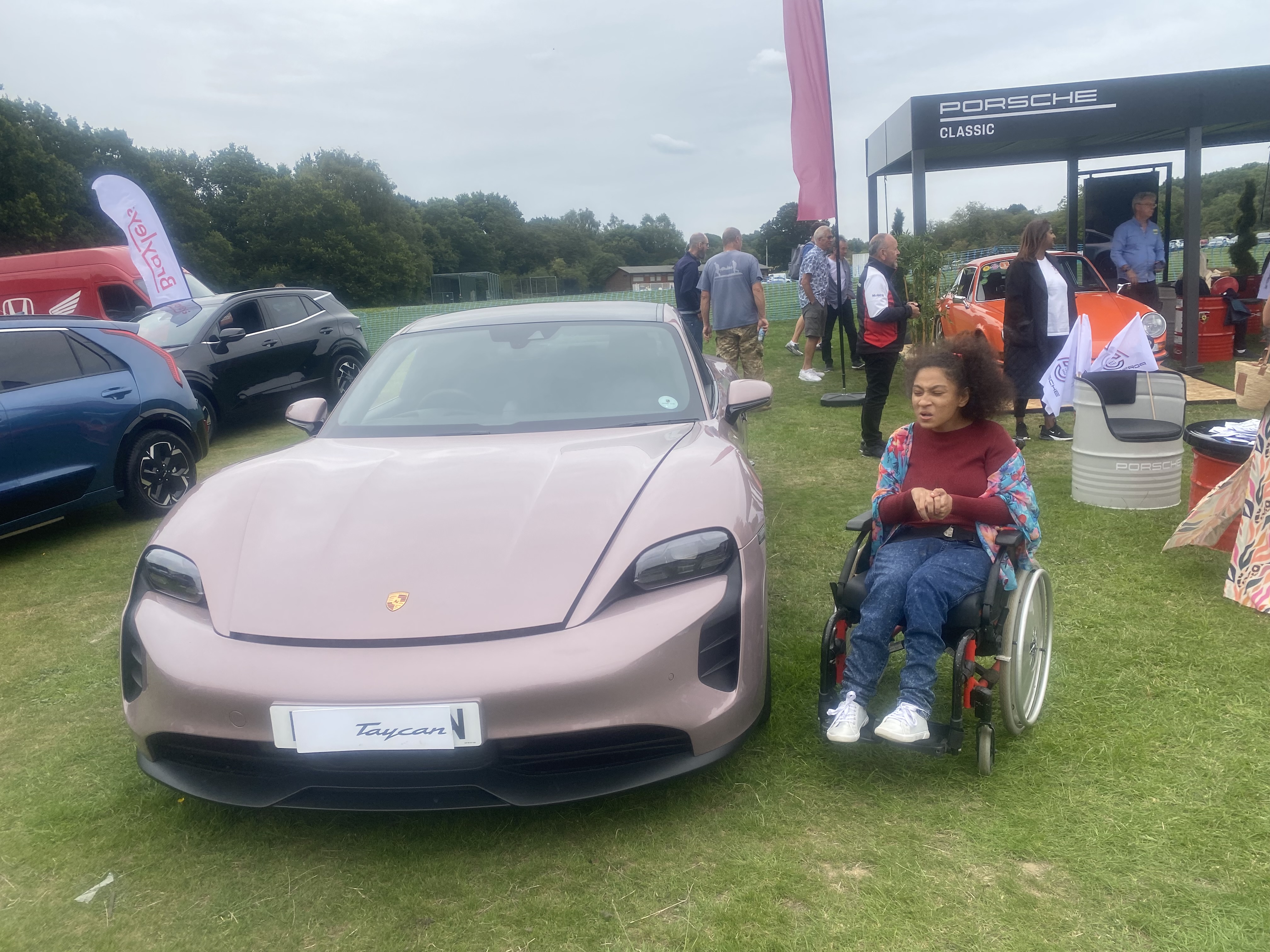
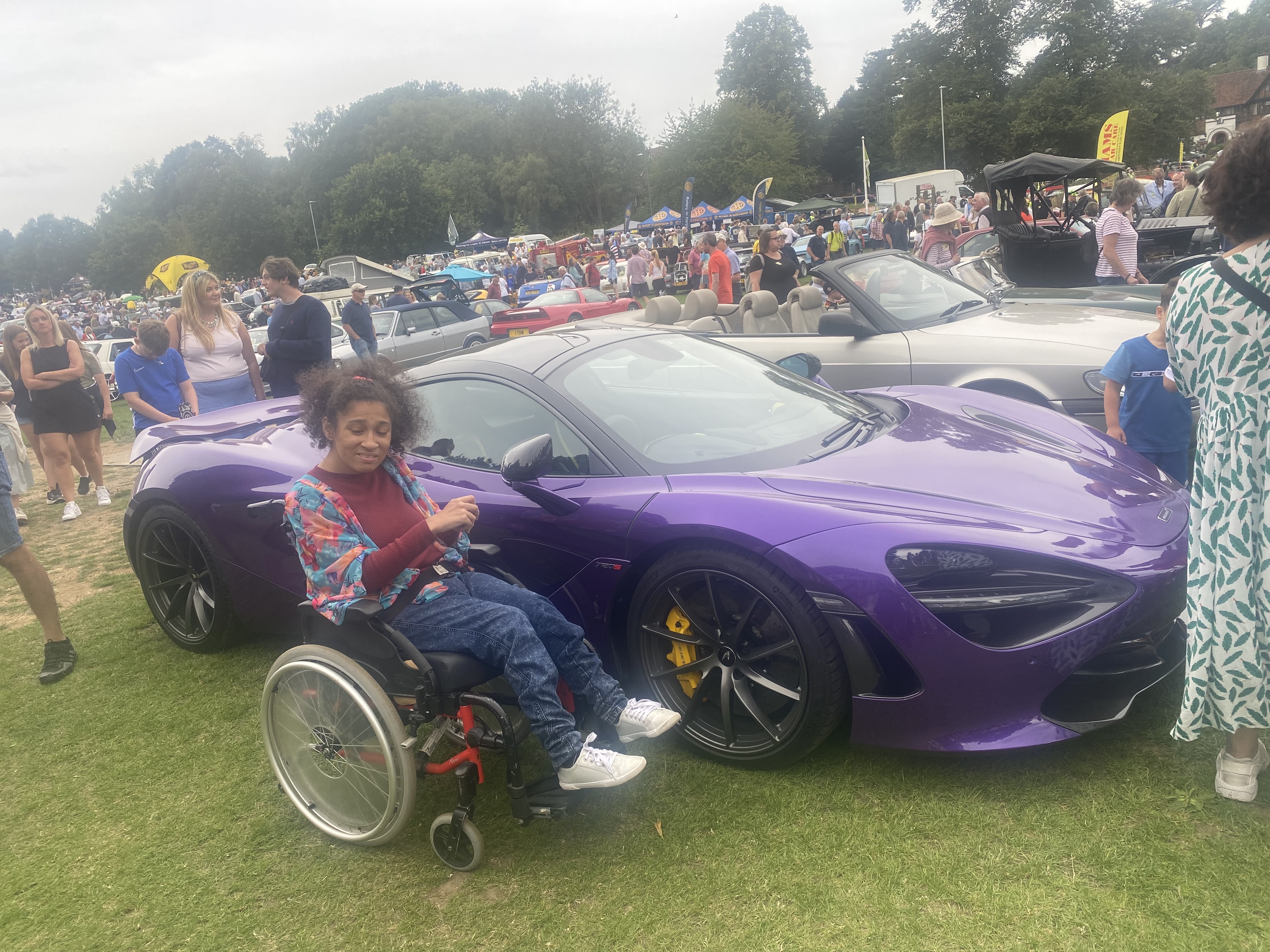
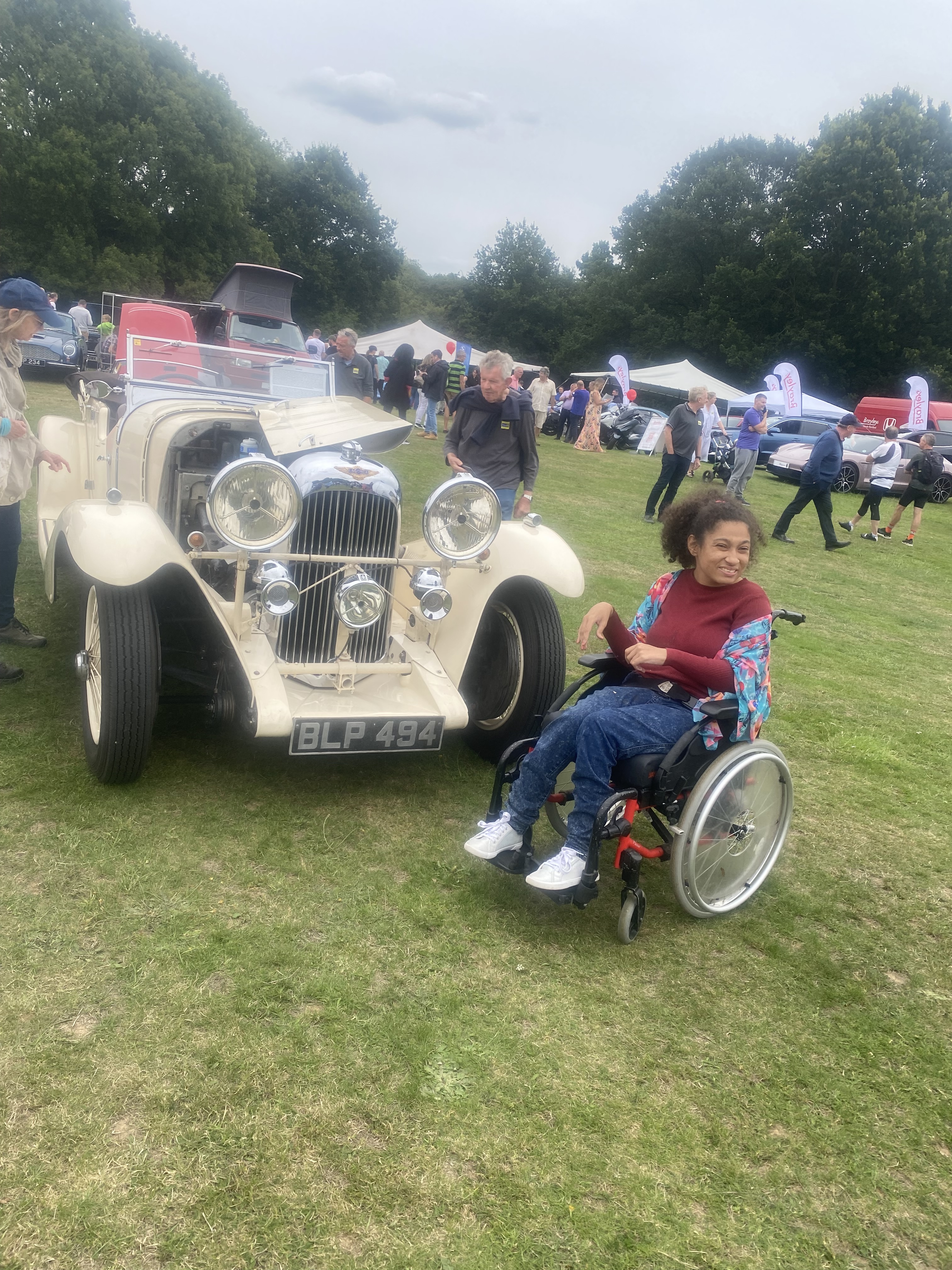
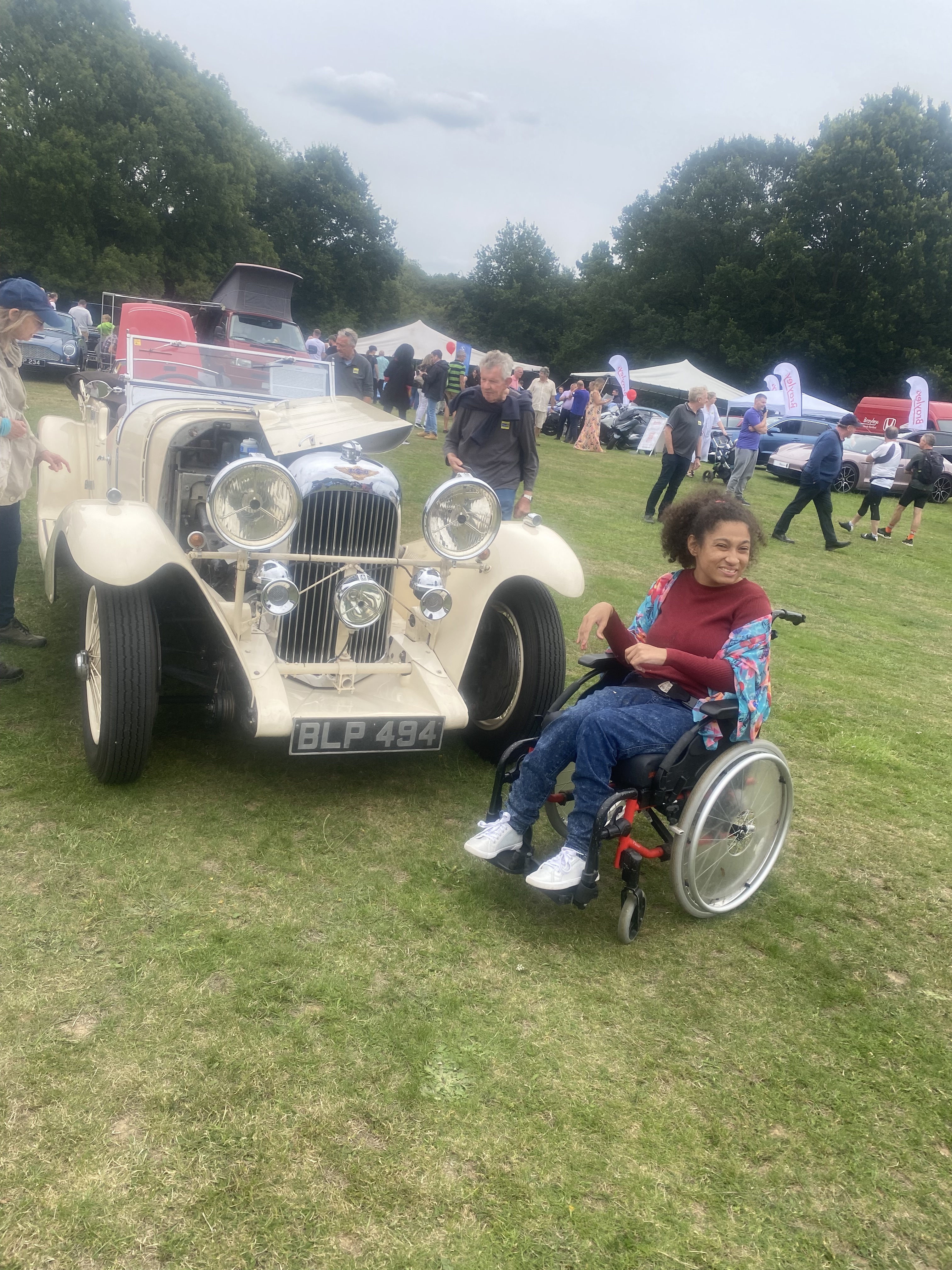
posing in between two very pro sports car. #CurveShow #VisitToTheCoserWithCerebralPalsy #WithTereasa


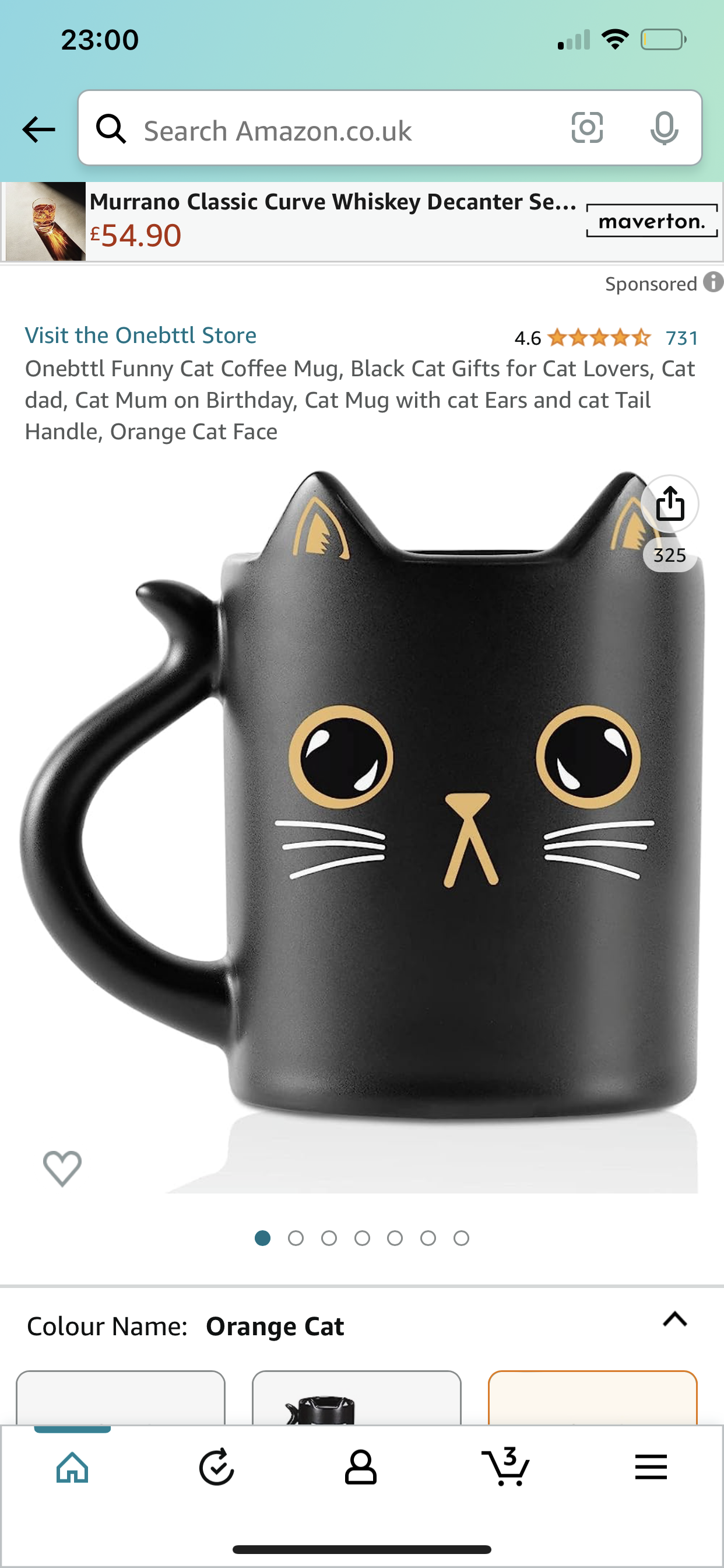
what is for the Poundland ends on Monday at 4 pm?
https://amzn.to/44IHlOd
💜💕 Friday Sophie at club with my ETA
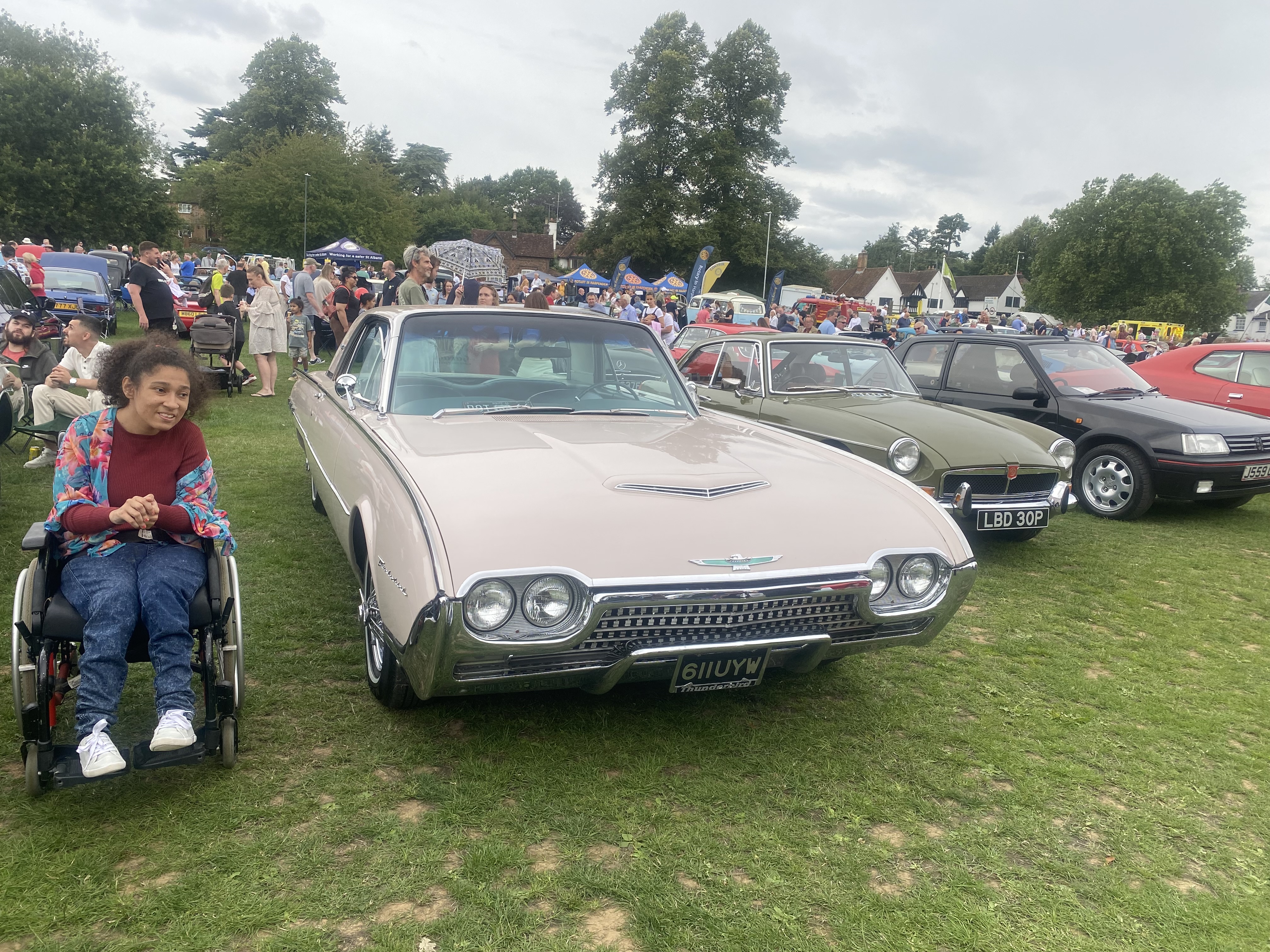
person in the car with a passion for headlights
An actor with dwarfism has criticised the makers of the new Wonka film for giving the role of an Oompa-Loompa to Hugh Grant.
George Coppen believes the role should have been given to an actor with dwarfism, as there are relatively few parts for actors with the condition.
Oompa-Loompas were played by actors with dwarfism in two previous films based on Roald Dahl’s book.
The BBC has asked the makers of Wonka to comment.
‘Door being closed’
George said he first started thinking about the issue when he watched The Hobbit and saw James Nesbitt playing the dwarf Bofur.
“A lot of actors [with dwarfism] feel like we are being pushed out of the industry we love,” he said.
“A lot of people, myself included, argue that dwarfs should be offered everyday roles in dramas and soaps, but we aren’t getting offered those roles.
“One door is being closed but they have forgotten to open the next one.”
George, who is 26 and lives in Derby, follows in the footsteps of his actor father Willie Coppen.
Willie started acting when he heard the makers of Return of the Jedi were looking for people to play Ewoks.
He then went on to act in films including The NeverEnding Story and Willow, before taking a hiatus from acting to have children.
Willie and George then both appeared in Disney’s 2022 TV series revival of Willow.
George’s best known role so far is playing Sweet Cupid in fantasy film The School for Good and Evil.
Wonka will not be released in UK cinemas until December, but Hugh Grant has been pictured as an Oompa-Loompa in the first official trailer.
“They’ve enlarged his head so his head looks bigger. [I thought] what the hell have you done to him?” said George.
Wonka tells the backstory of chocolatier Willy Wonka, played by US star Timothée Chalamet, and is set before the opening of his famous chocolate factory.
At the end of the trailer, Wonka meets Hugh Grant’s green-haired and orange-faced character, who is trapped in a glass jar, saying: “So you’re the funny little man who’s been following me?”
He responds: “I will have you know that I am a perfectly respectful size for an Oompa-Loompa.”
In Roald Dahl’s original 1964 novel Charlie and the Chocolate Factory, the Oompa-Loompas were depicted as black African pygmies.
However, this attracted criticism for having overtones of slavery, and by 1973 they had been re-written as having fair skin.
In the 1971 film Willy Wonka & the Chocolate Factory, starring Gene Wilder, the Oompa-Loompas were played by actors with dwarfism and had orange skin and green hair.
In the 2005 film Charlie and the Chocolate Factory, starring Johnny Depp, the Oompa-Loompas were all played by Deep Roy and did not have orange skin or green hair.
The BBC has contacted the makers of Wonka and Hugh Grant’s publicist for comment.
https: Playing for everybody to see if they want to purchase anything with evening as a Friday, three//amzn.to/450LBIP
https://www.justgiving.com/crowdfunding/maya-richards?utm_term=N5AZK5eJ7 to contribute towards mine supports me a timer
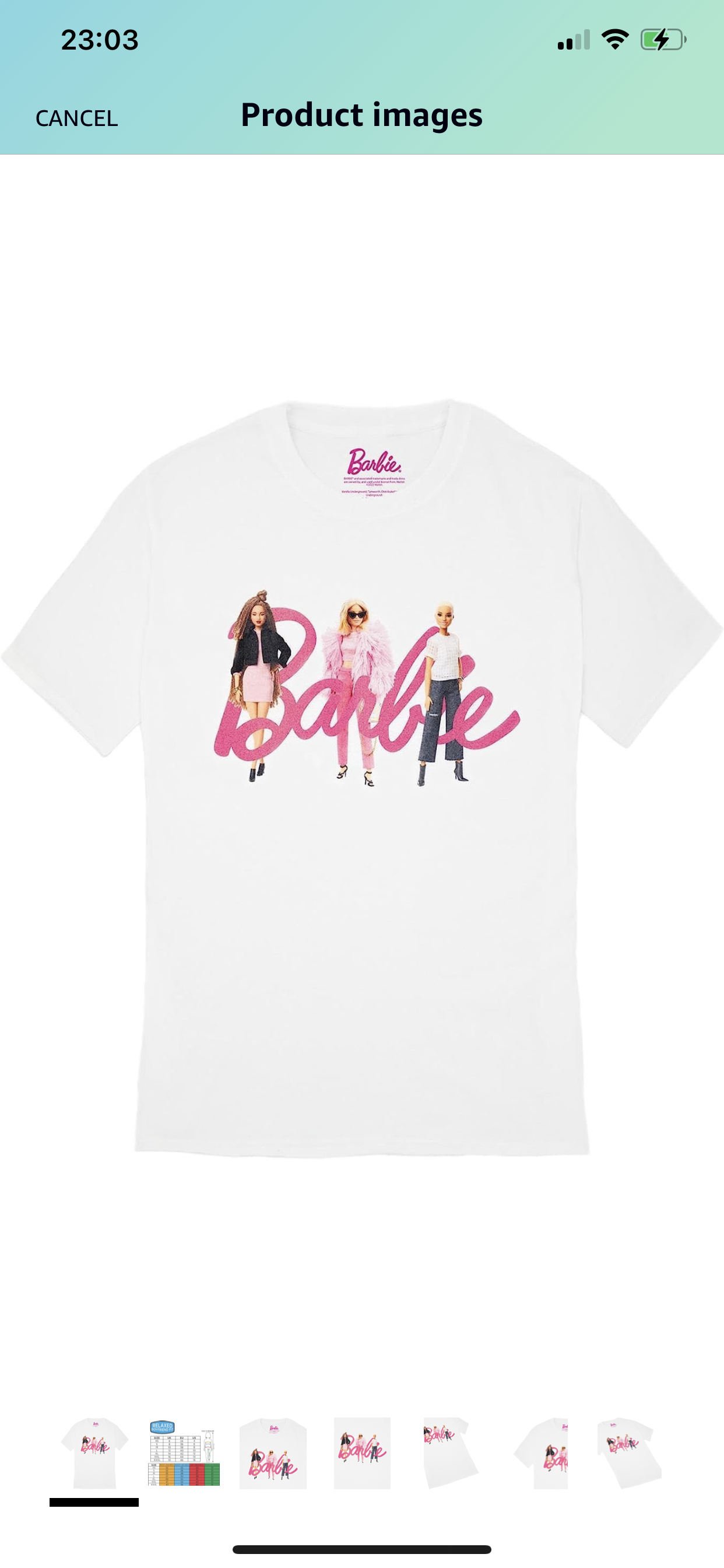
hey Mum, for me every day
https://amzn.to/3rU7on2 send me a link for women’s swimwear for those that want to put any on Amazon holiday
🥰😄🫶🏼 very own classroom call 😹

A 12-year-old amputee footballer from Bradford has been selected for the England squad after taking up the game just 18 months ago.
Freddy, who had his left leg removed when he was 14 weeks old, said he was proud to be a “role model” for other disabled children.
The youngster began playing with the Leeds United Pan Disability Team but before long, got the call to train at the England camp.
He said: “When I play I’m in the zone.”
His mother Amanda Mahoney told the BBC that even though her son was always really sporty, “football does not really come to mind for a kid with one leg”.
She continued: “But then we discovered amputee football where having one leg is an asset.
“After playing with Leeds, Freddy was asked to join the England Amputee Football Association junior team in Cheshire.
“After getting the good news, he was there at the camp just three days later.”
Freddy was born when Amanda was 24 weeks pregnant and had a blood clot in his left leg, resulting in the limb being amputated.
But Amanda, 45, said they were “grateful” as “lots of other things that could have gone wrong, health-wise, and in reality, it was just a leg”.
Freddy said that playing the sport was normal to him now and the rules and positions were the same as regular football – including no hand balls.
He said: “All my friends got into it so I wanted to give it a go. I play right wing or striker – scoring the goals.
“You can’t touch the ball, you can only move it with your crutch if you’re setting up a free kick or a penalty.
“But I do think, ‘oh my gosh, I’m on an England team!'”
Amanda said her son’s confidence had grown since he was picked for his country.
“He’s incredible.
“He has something a bit unique so it’s lovely for other disabled children to see that they can achieve what they want to achieve.”

how are you today? More pacific coast are coming out tomorrow morning then individually
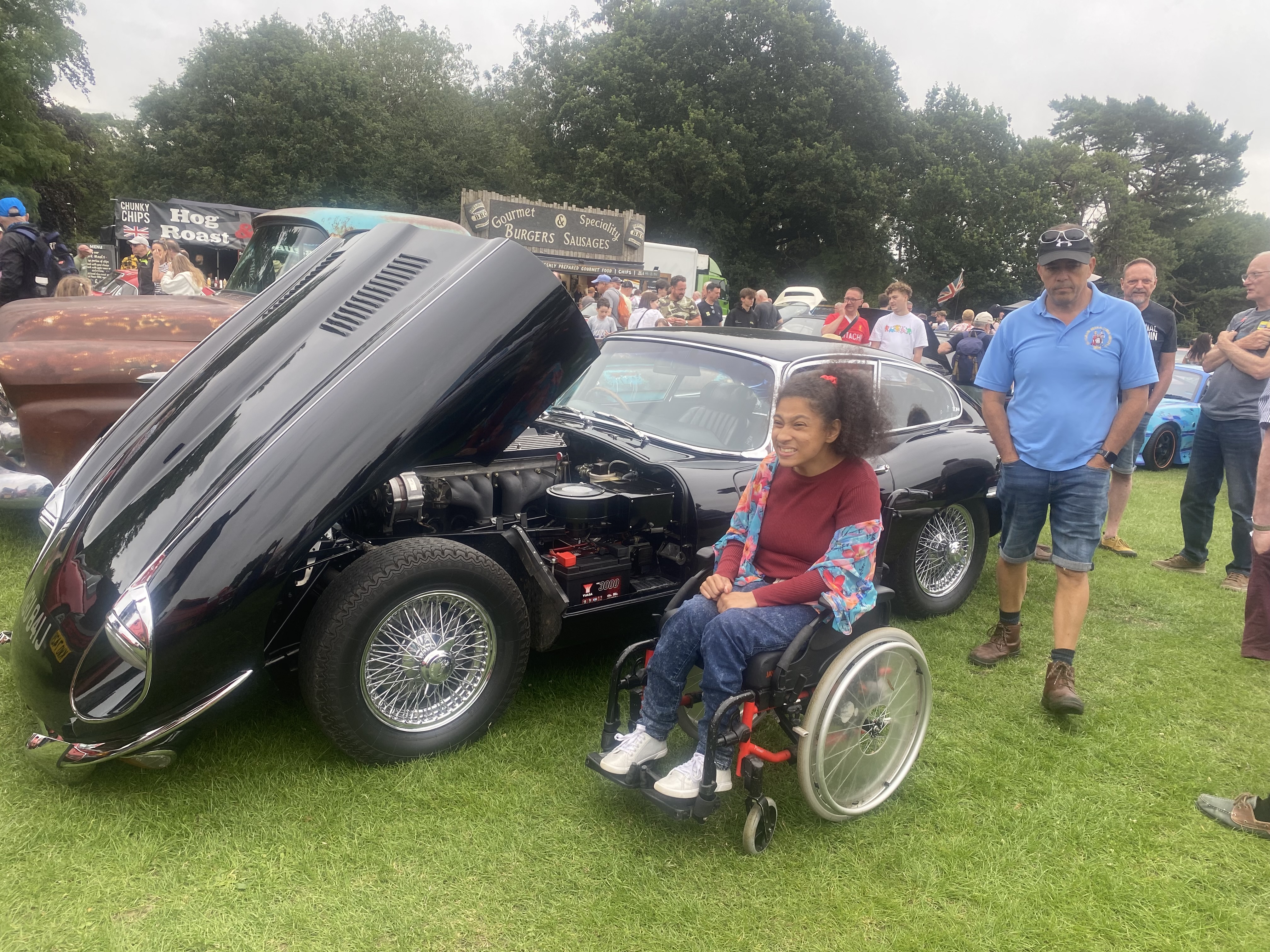
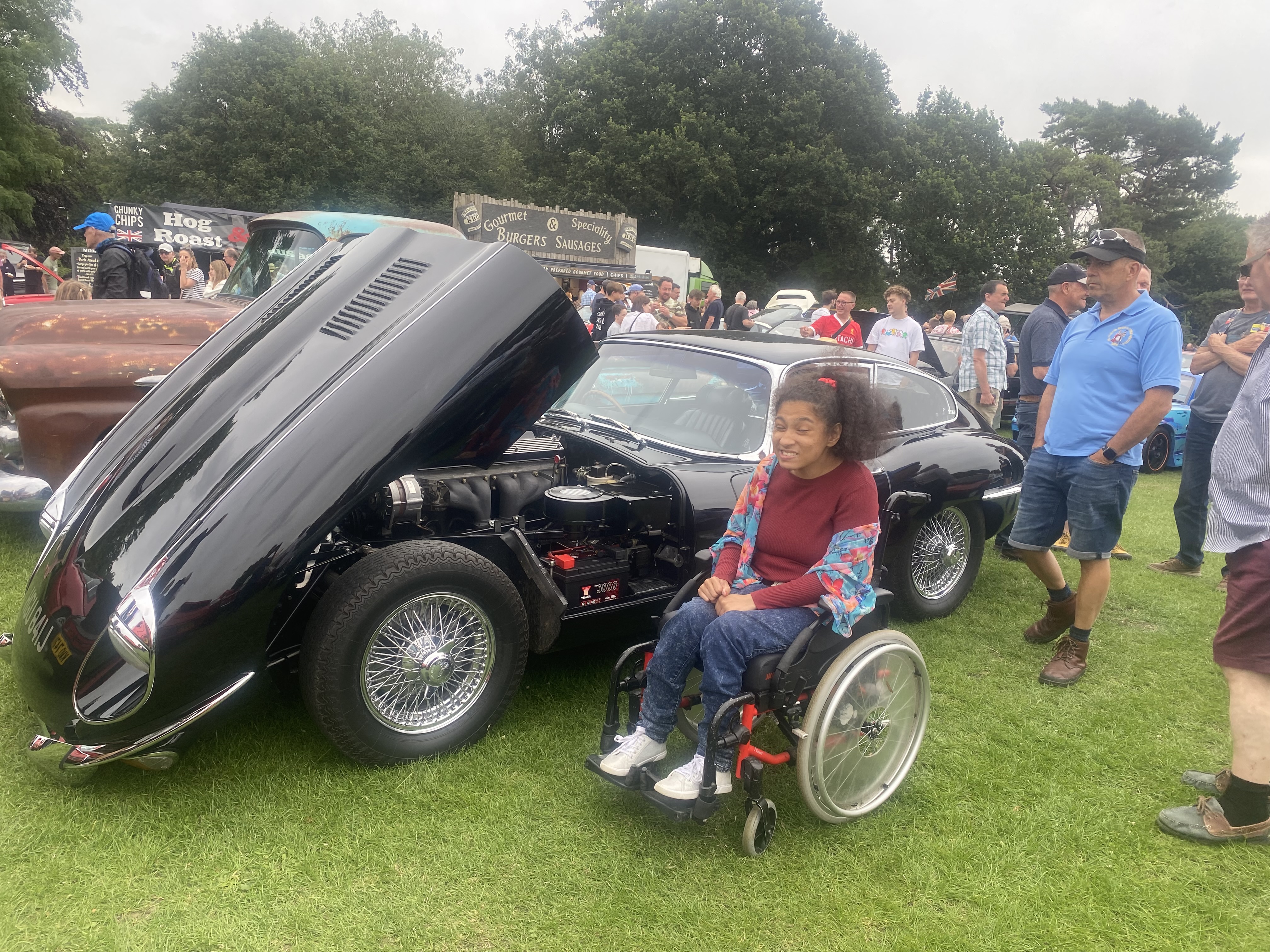
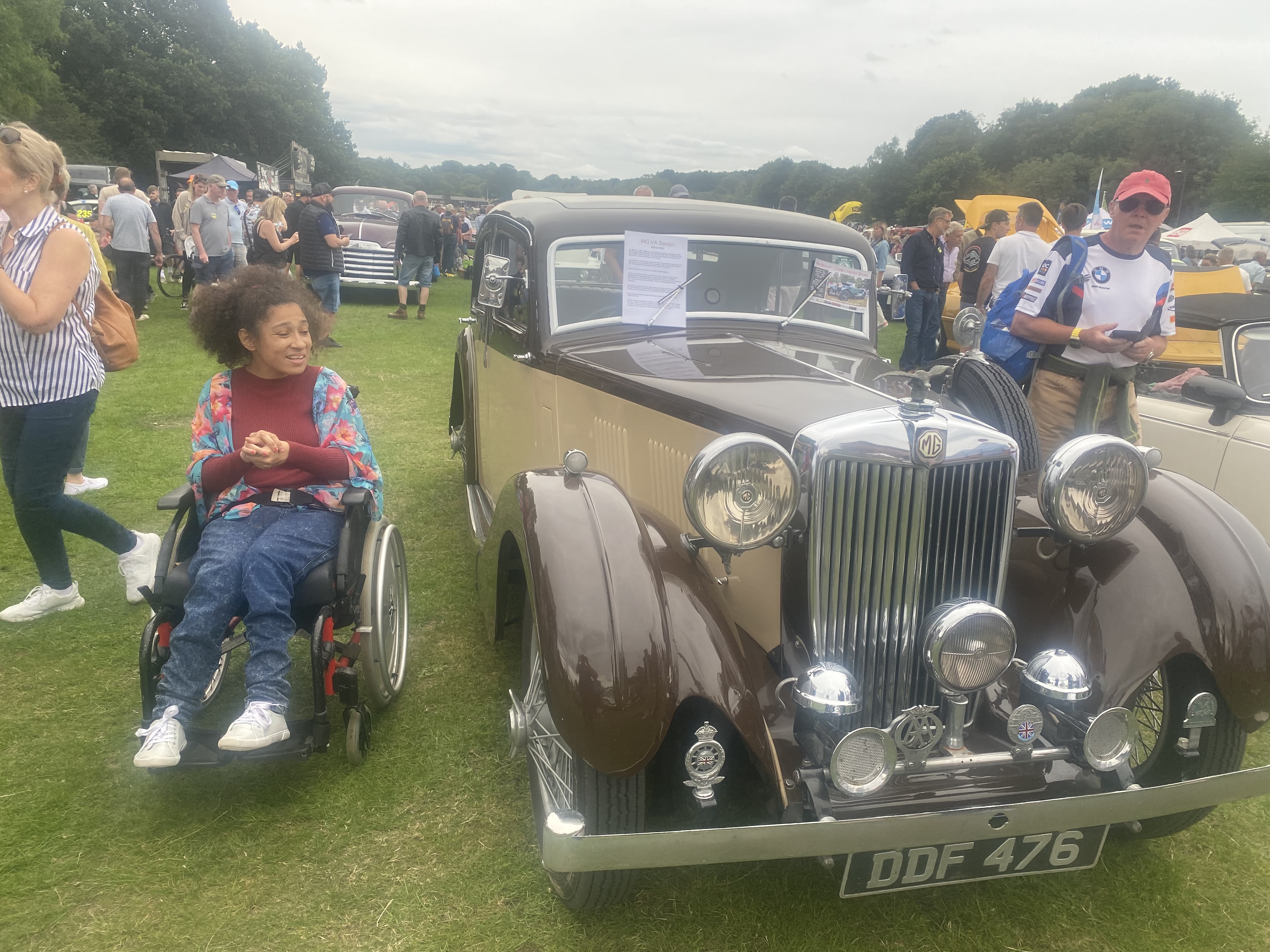
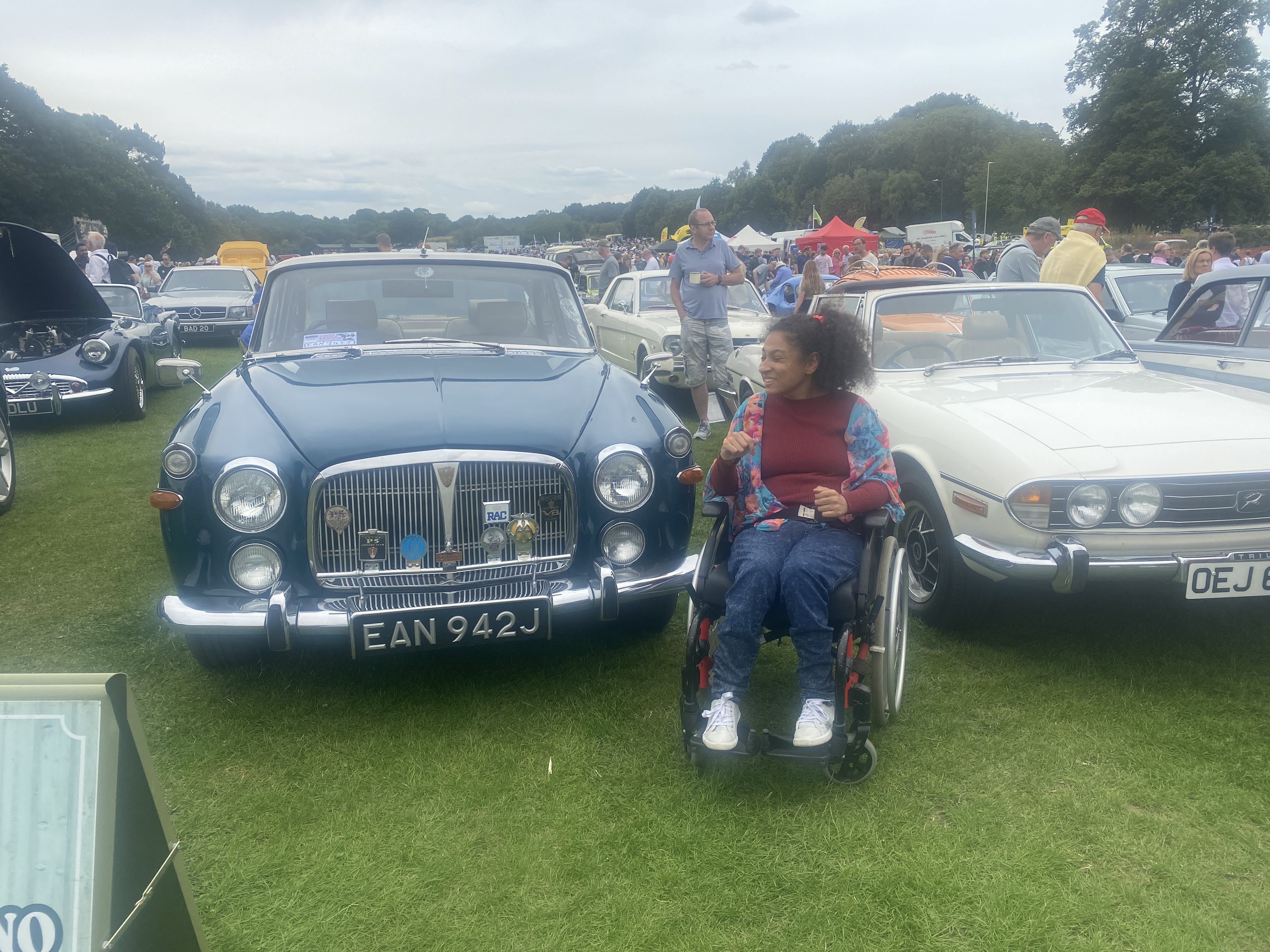

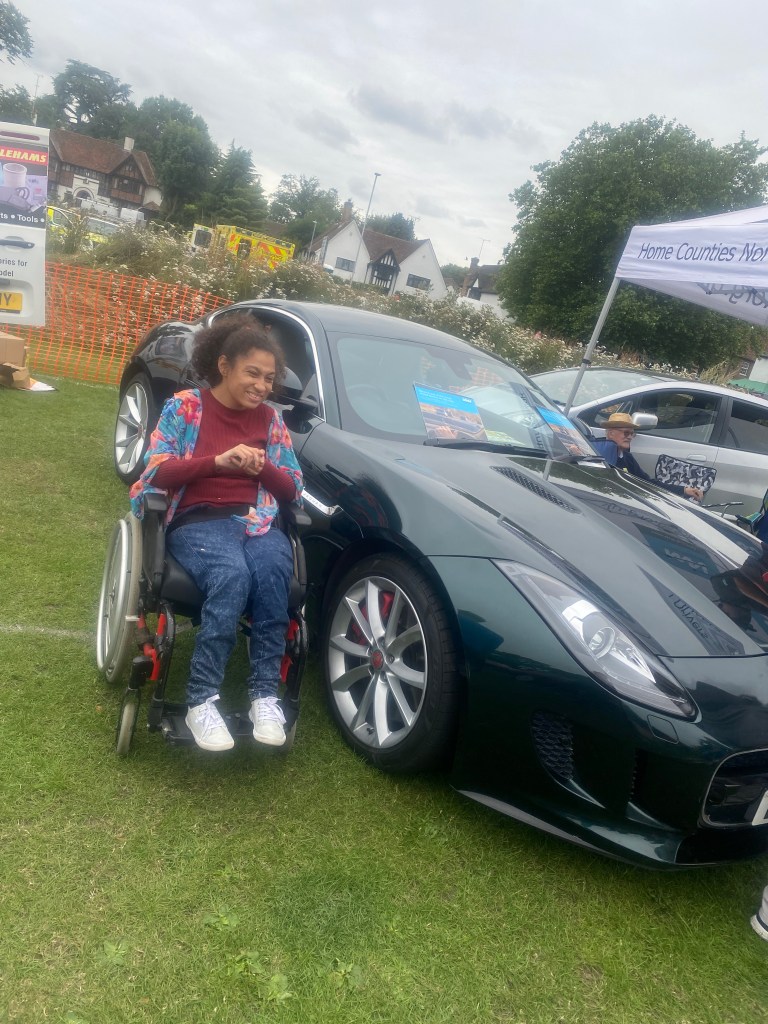

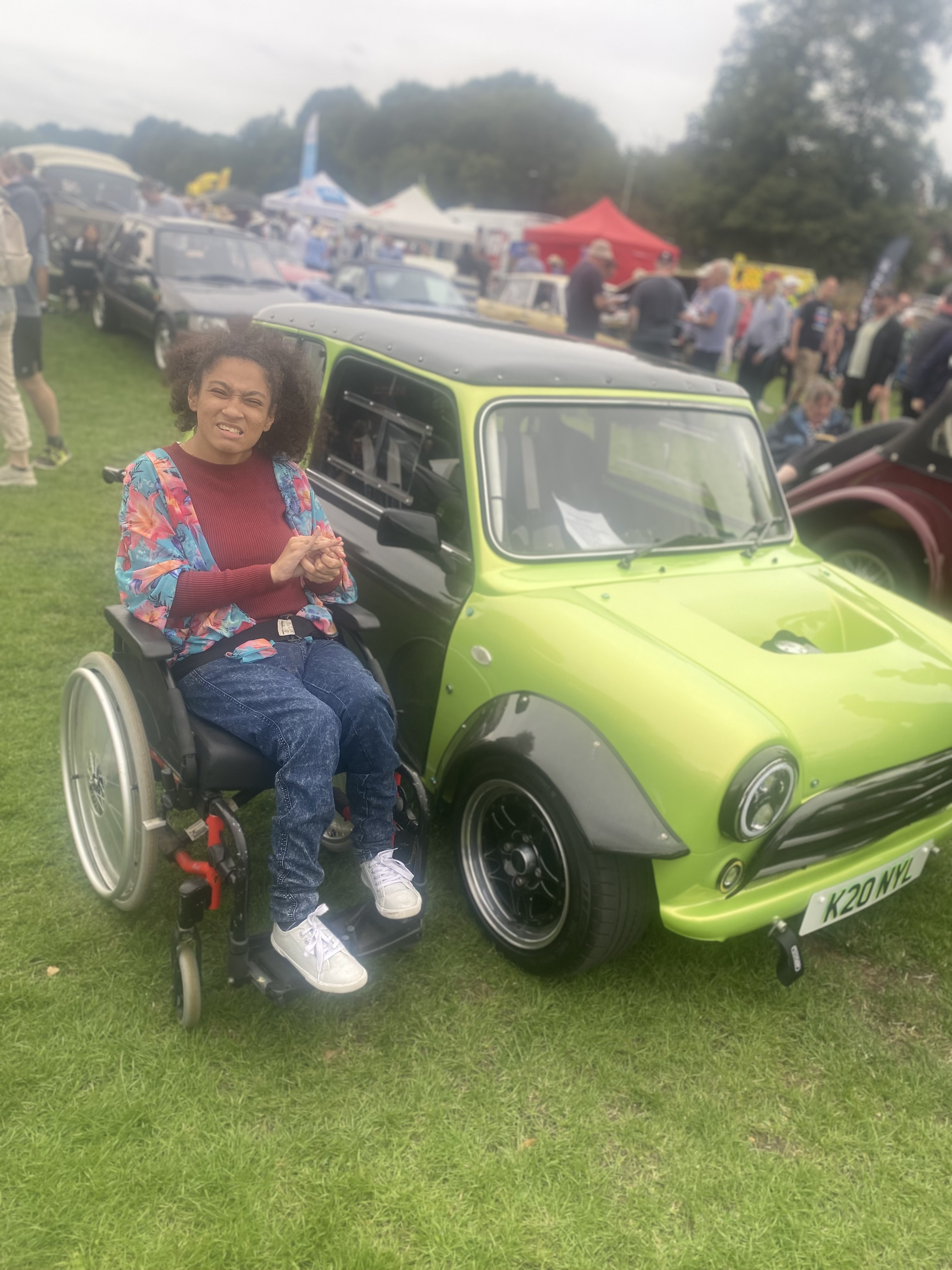
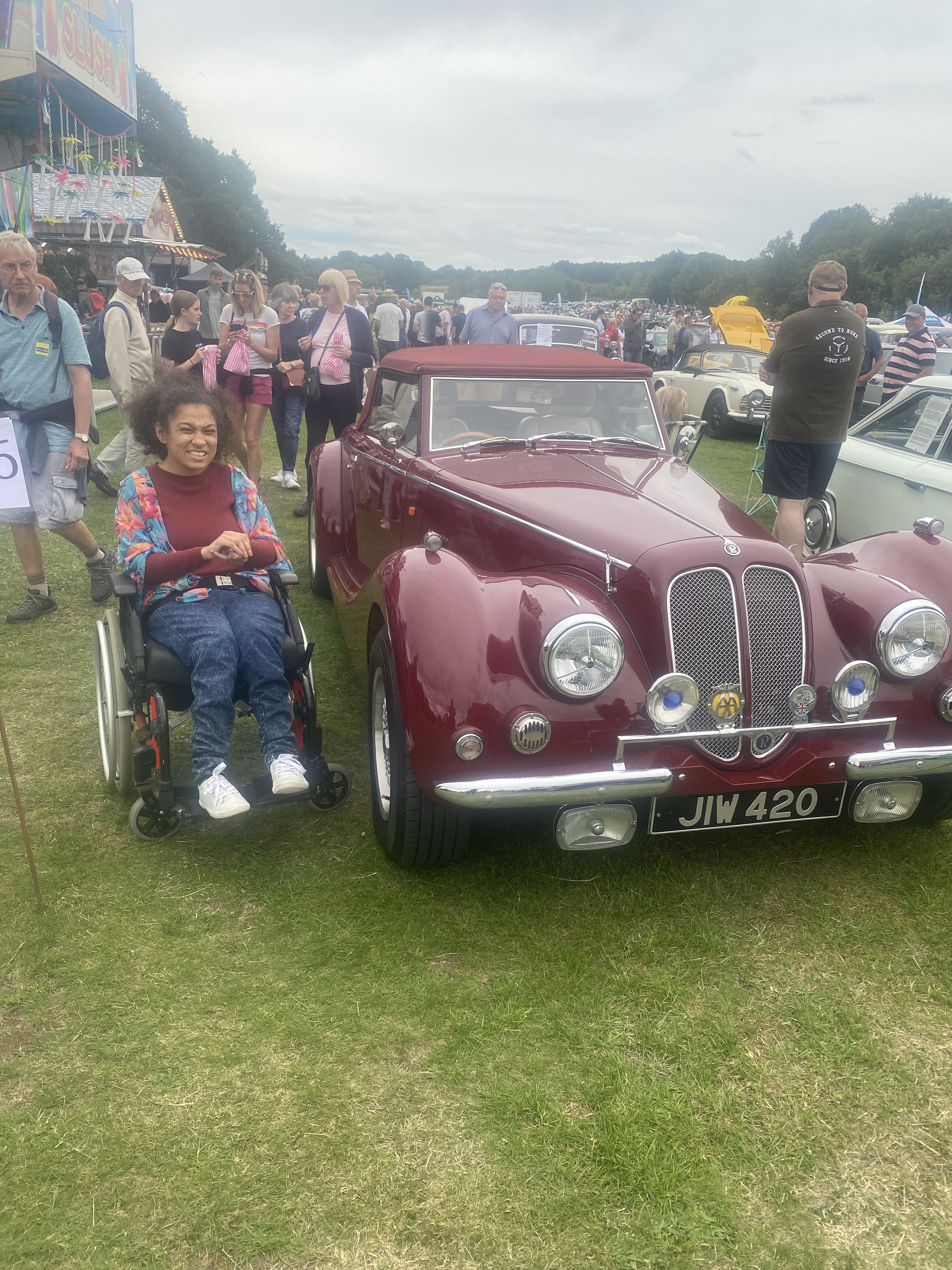
me next to right now person, red heart day at the show


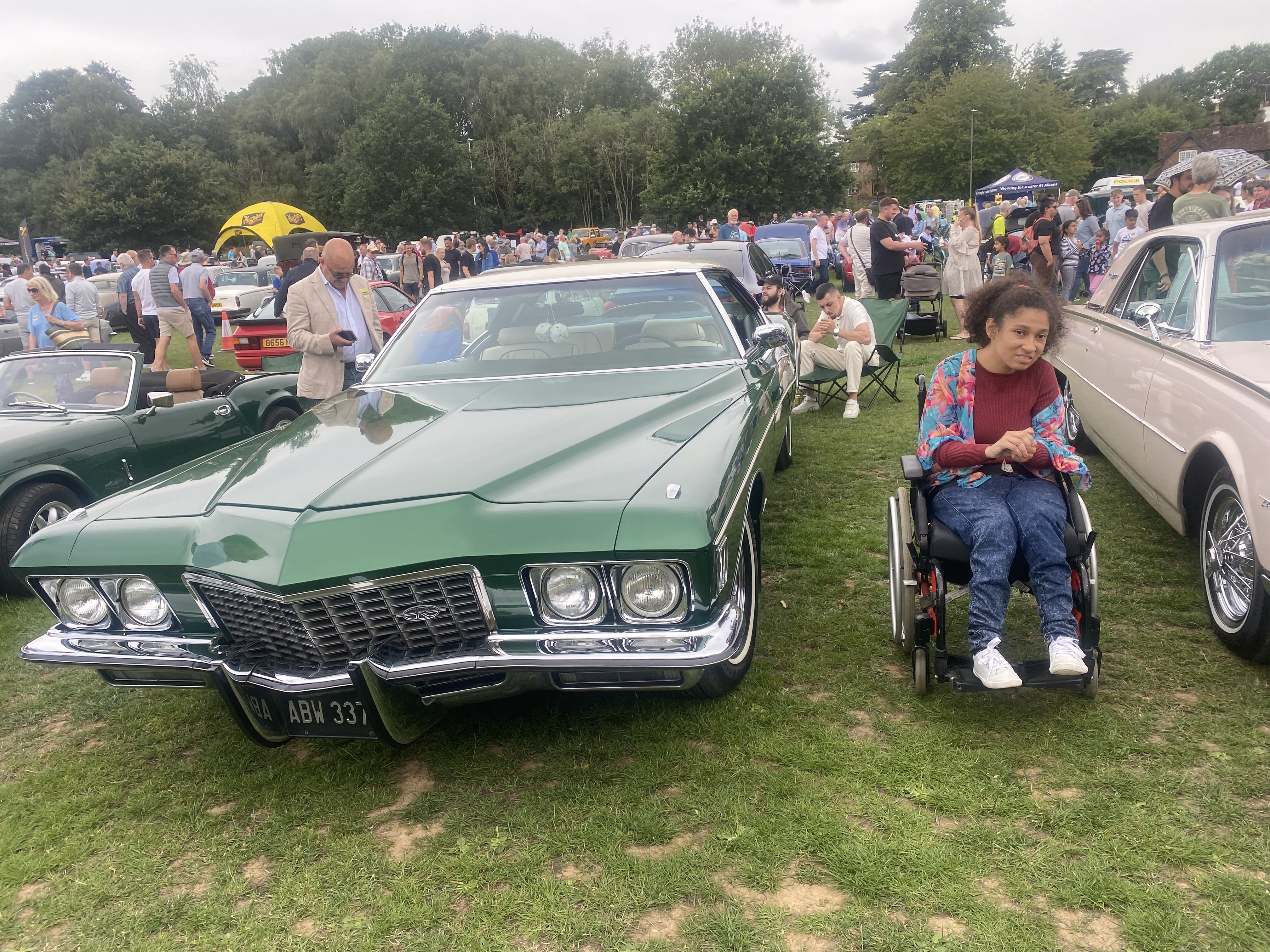
My Kim Odae service today look at this one on my
A blind Hull councillor has said plans to close rail station ticket offices feel like a personal attack on her and other people with disabilities.
Councillor Tracy Dearing said she could not use ticket vending machines and find help because she cannot see.
Up to 1,000 ticket booths in England are proposed to close, including those at Hull Paragon Station.
The Rail Delivery Group said only 12% of tickets were now bought at ticket offices and staff would be redeployed.
But trade unions, MPs and councillors have all condemned the plans as an attack on staff and passengers.
According to the Local Democracy Reporting Service, figures show that one ticket was sold from Hull Paragon Station’s ticket office every 1.6 minutes on average last year and almost three-fifths of blind people find it impossible to use ticket machines.
Ms Dearing, a Labour councillor, said she feared the proposals could end independent travel for the blind.
“I’m really sad about this, I strongly oppose these changes by rail operators,” she said.
“As a blind person, this feels like a personal attack. Getting to where you need to go is an absolute, fundamental right.”
‘Easy hit’
Without staffed ticket offices, passengers will need to book tickets online or use vending machines at stations.
Ms Dearing said both purchase mediums were not “accessible to me”.
“I can’t use the vending machines because I can’t see the options and the touch screens aren’t tactile.
“That means if they close the ticket office I won’t be able to travel on my own anymore, that isn’t independence or equality.
“It feels like the operators feel that this is an easy hit because disabled people don’t have a voice.
“It’s profit over people, modernisation shouldn’t mean leaving anyone behind.”
While some ticket kiosks would remain in large stations, elsewhere staff would sell tickets on concourses.
A 21-day public consultation on the proposals is set to end on Wednesday.
Five Labour mayors said they were preparing a legal challenge over the proposals, which train companies said were part of cost-cutting measures.
The Department for Transport previously said the proposed changes was about “enhancing the role of station workers and getting staff out from behind ticket office screens” and helping people on concourses and platforms.
Jacqueline Starr, chief executive of the rail delivery group, said there had been a decline in ticket sales from offices and the planned move would free up staff to help travellers.
Play Sweet and 54 lost a video

https://amzn.to/476PHRk
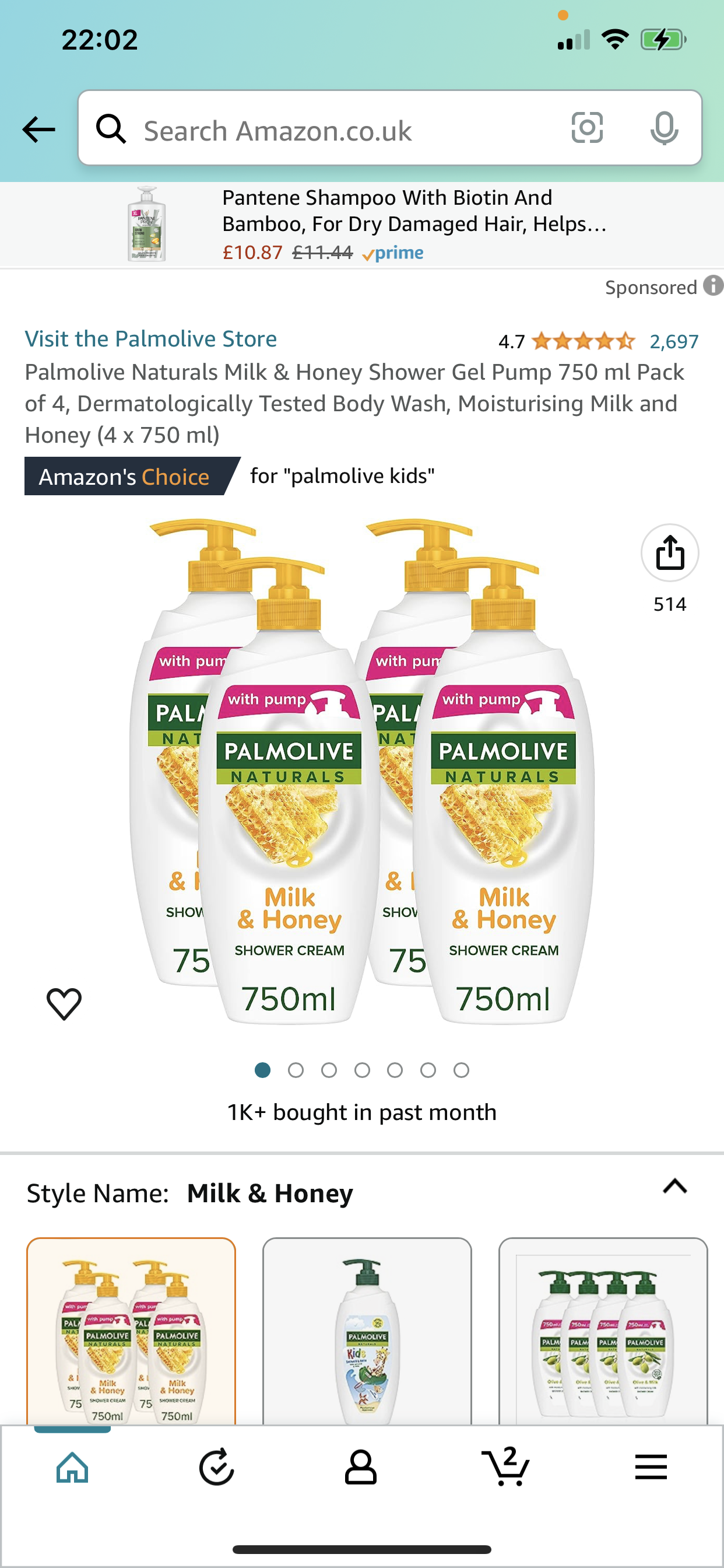
product of the evening for all the same difference to have a look to see if they would FaceTime it is a self-care item
phone everybody
https://pin.it/7mUaupk
follow my Pinterest account Cornwall previous link harder. Here is the link to the no part for seven days and haven’t yet had my first affiliate. They’ll be the first one to from one of my favourite on my Kim on my thing different page hosted Amazon affiliate links. They don’t cost you any more than purchase price thank you. Love me to game commission was so please be the first one to purchase off I would appreciate it very much my Pinterest page if you would like to view and purchase something off for a bit ring Coser including Searl home home her for that as well as last where appreciate it if one of you to be one of my first purchases from the Amazon
of the morning for Tuesday
Lake Geneva: Blind Woman Completes Epic Lake Geneva Swim
A Paralympic champion is thought to have become the first blind person to swim across Lake Geneva.
Melanie Barratt swam the 44 miles (71km) across the largest lake in Switzerland as part of a relay team.
The 47-year-old, who can only make out shapes and bright colours in the water, used bone-conducting headphones to communicate with the rest of her team.
Ms Barratt, who won gold medals at the Atlanta and Sydney Paralympics, described the challenge as “surreal”.
“It was up there with one of the most amazing experiences of my life,” she said.
Ms Barratt was born with congenital toxoplasmosis, a rare condition which left her with severe visual impairment.
She was in a relay team of six swimmers, with each taking it in turns to swim for an hour in the water, including through the night.
Her team mates helped to ensure she stayed on course by talking to her through a headset while she was in the water.
Ms Barratt said she had been told by the Lake Geneva Swimming Association there was no record of a blind person having swam it before.
The group completed the swim in 27 hours, 36 minutes and 19 seconds – the fastest all-female team so far this year.
Ms Barratt, who trains at Stoney Cove in Leicestershire, said: “It’s made me feel like I can achieve anything.
“I wanted to get back on the boat and start going the other way. I was kind of sad that it was over because I just loved doing it so much.”
Her team mate, Natalie Prosser, said swimming in the dark made her realise the challenges Ms Barratt faces in the water.
“I couldn’t see the waves, I couldn’t sense anything around me and for the first time time I got a sense of what it must be like for Melanie every time she swims,” Ms Prosser said.
“It’s quite astonishing. She put her trust in us to keep her safe and she was our fastest swimmer, so most of that amazing time we did was down to Melanie.”
The team has raised about £3,500 for charity British Blind Sport.
Ms Barratt is hoping to become the first blind woman to swim across the English Channel in the summer of 2024.



 Same Difference