https://pin.it/rCguFjO link to my Pinterest. Please follow my Pinterest page to see what Cos I will. Thank you.
💜💕💕

https://amzn.to/3NVktnO bro, who haircare


click on the appropriate. Please can you help me raise money for my restaurant and qualification support is pro cost you to help me again, no no reply 🙂 🙂
your morning, going for everybody’s wake me up in an hour time difference community where ever you are in the world has#Unity#


https://amzn.to/43pMrxC skip track for houses and decoration is Bethany good for interior design?
Cat Burns On Autism, ADHD And A Lack Of Research
If you’re a Cat Burns fan, you’ll know her lyrics are honest.
It’s something she wants to extend to her personal life too – which is why she’s opened up about her recent ADHD and autism spectrum disorder (ASD) diagnosis.
The singer tells BBC Newsbeat the diagnosis has left her with a better understanding of herself, saying life now “makes sense”.
But like lots of people, Cat’s route to being diagnosed wasn’t straightforward and she’s sharing her story in the hope it helps others.
In 2021, the 23-year-old was told she had ADHD and then in April this year she tweeted to say she had also been diagnosed with ASD.
In the days after her ADHD diagnosis, Cat says she did a lot of reflecting on life leading up to it.
“It was non-stop, thinking about experiences in school like revising and studying and all the other things I struggled with daily,” she says.
ADHD affects people’s behaviour, resulting in symptoms like restlessness and trouble concentrating.
Although Cat’s diagnosis was one step further to understanding herself, she still felt her brain was “different”.
“I knew I had ADHD but I still felt there was a difference in my brain that I wanted to understand and explore.
“So once I got my autism diagnosis that helped me understand myself and just how much I’ve had to do in order to get to where I am.”
Cat believes her road to diagnosis was harder because she’s a woman and person of colour.
“I think it comes from the research that’s out there and the idea lots believe women can’t have autism, and then on top of that adults can’t have autism,” she says.
“It [research] needs to be across the board, but especially with women and black women.”
Like most conditions, there are lists of symptoms for ADHD and ASD but Cat says they’ll present differently depending on who you are.
One sign of autism is fidgeting, but, she points out, how a black woman fidgets will be different to a white man for example.
“I guess being a black woman, there’s certain experiences we have that people won’t be able to pick up on.
“For a black girl, it could be taking out her braids and putting them back in or something else to do with her culture that’s overlooked.”
Another way autism can manifest is a feeling of being overwhelmed when exposed to bright lights or loud noises.
You might think that would make performing difficult, but that’s when Cat goes into “auto-pilot”.
Although it was a song on TikTok that launched her career, she says performing is her bread and butter and the thing she enjoys those most.
The People Pleaser singer spoke to Newsbeat from the dressing room of London’s iconic Jazz Café ahead of a gig.
She was there raising awareness for grassroots venues struggling with the cost of living for one of 150 gigs as part of the United By Music Tour.
According to the Music Venues Trust, which is behind the tour, 49 venues have closed within the last 12 months.
For Cat, that’s a worrying prospect for the UK’s music scene.
“There’s an idea of up-and-coming artists that’s incorrect,” she says.
“We struggle financially when working out how we’ll be able to go on tour and that’s why it’s so important to have these grassroot venues available for us to perform at.”
Cat’s used to big stages now, having performed at Glastonbury and the Brit Awards.
But reflecting on her own journey, she remembers being 16 and doing everything she could to get her first gig.
“Small venues are so needed. I remember emailing loads just asking them to let me perform so I could get used to being on stage.
“My first gig was at Off The Cuff in Herne Hill, which was my local. I learned so much and to this day it’s still one of my favourite performances.”
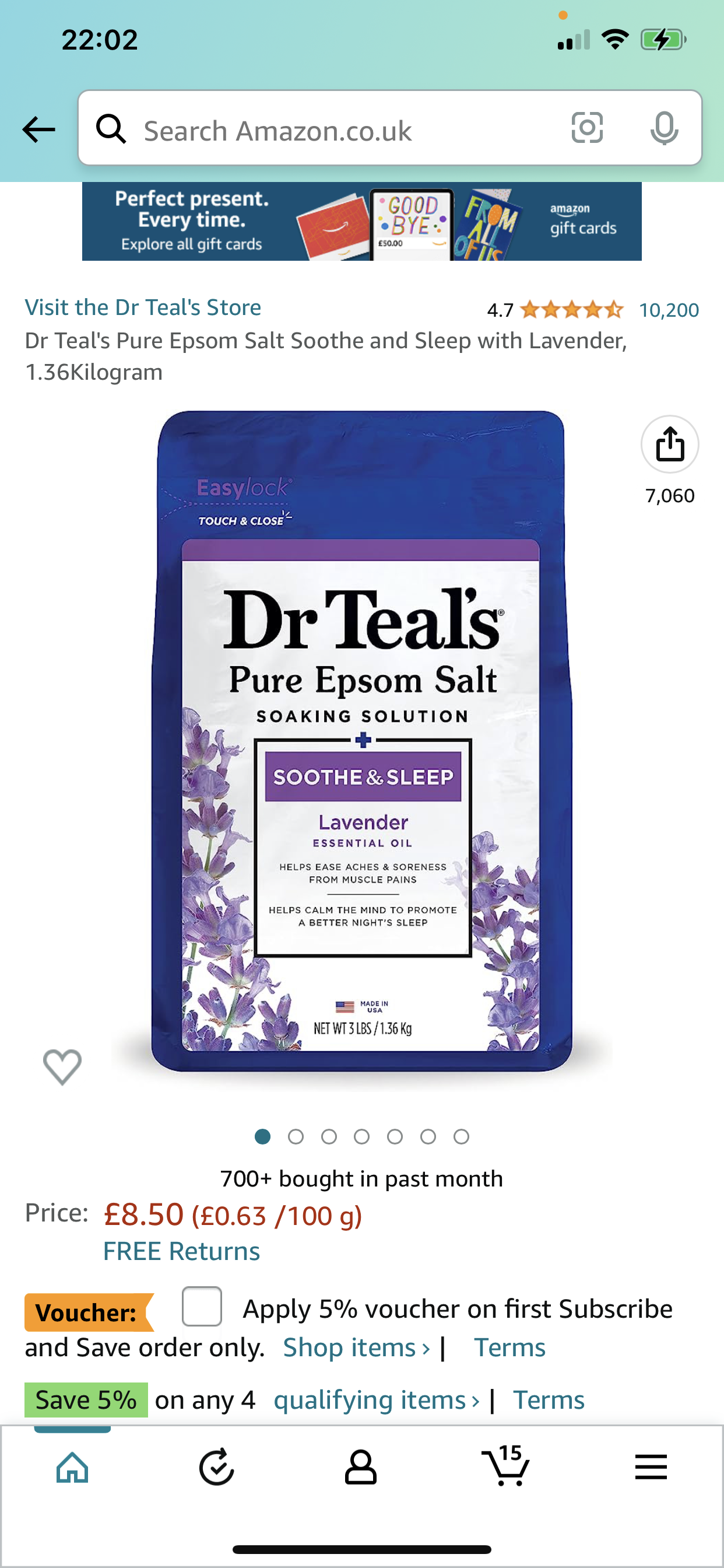
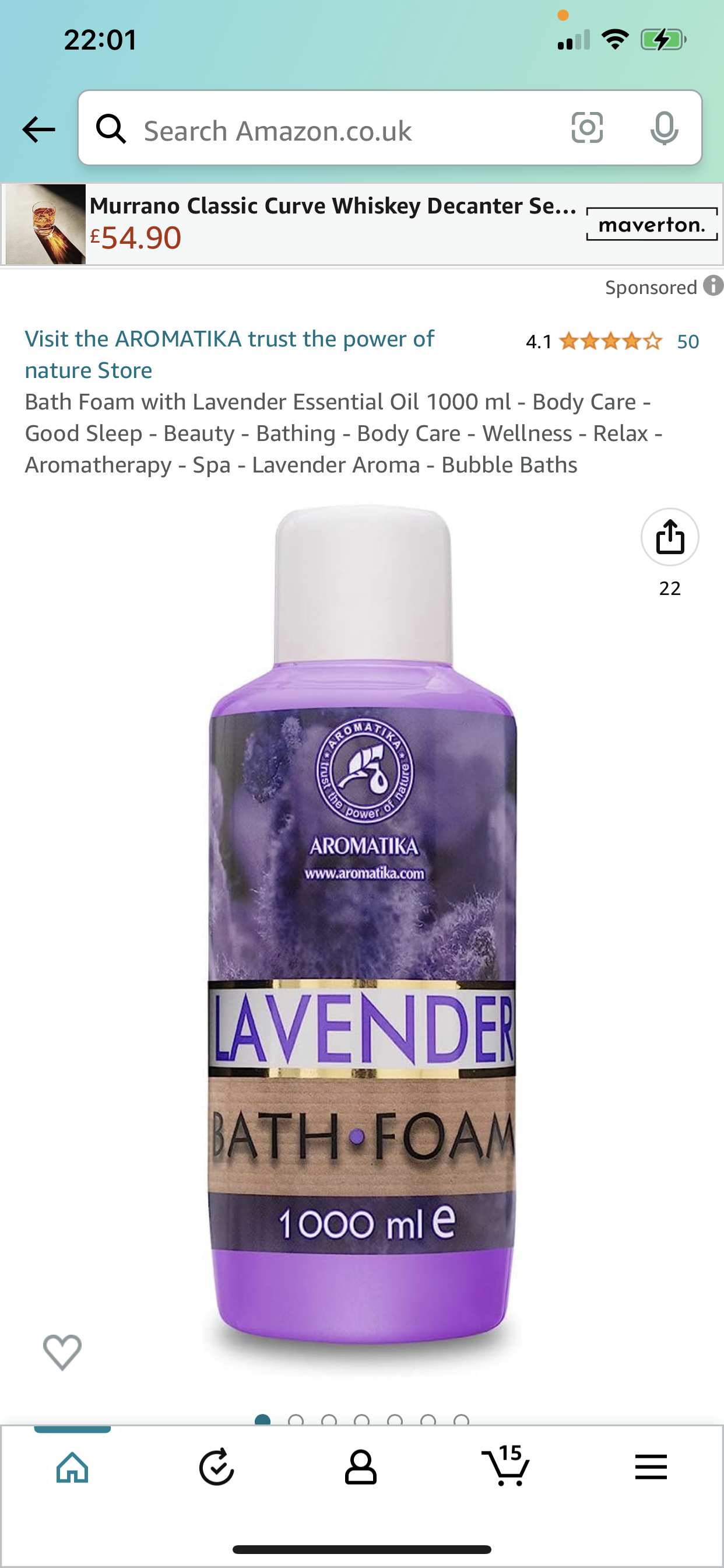
https://amzn.to/3NUlzzX pan shaped like a bowl full guys don’t want to give her a gift to themselves :-) affiliate marketing
hi Kim, Odae, rent shampoo and
saying of the day


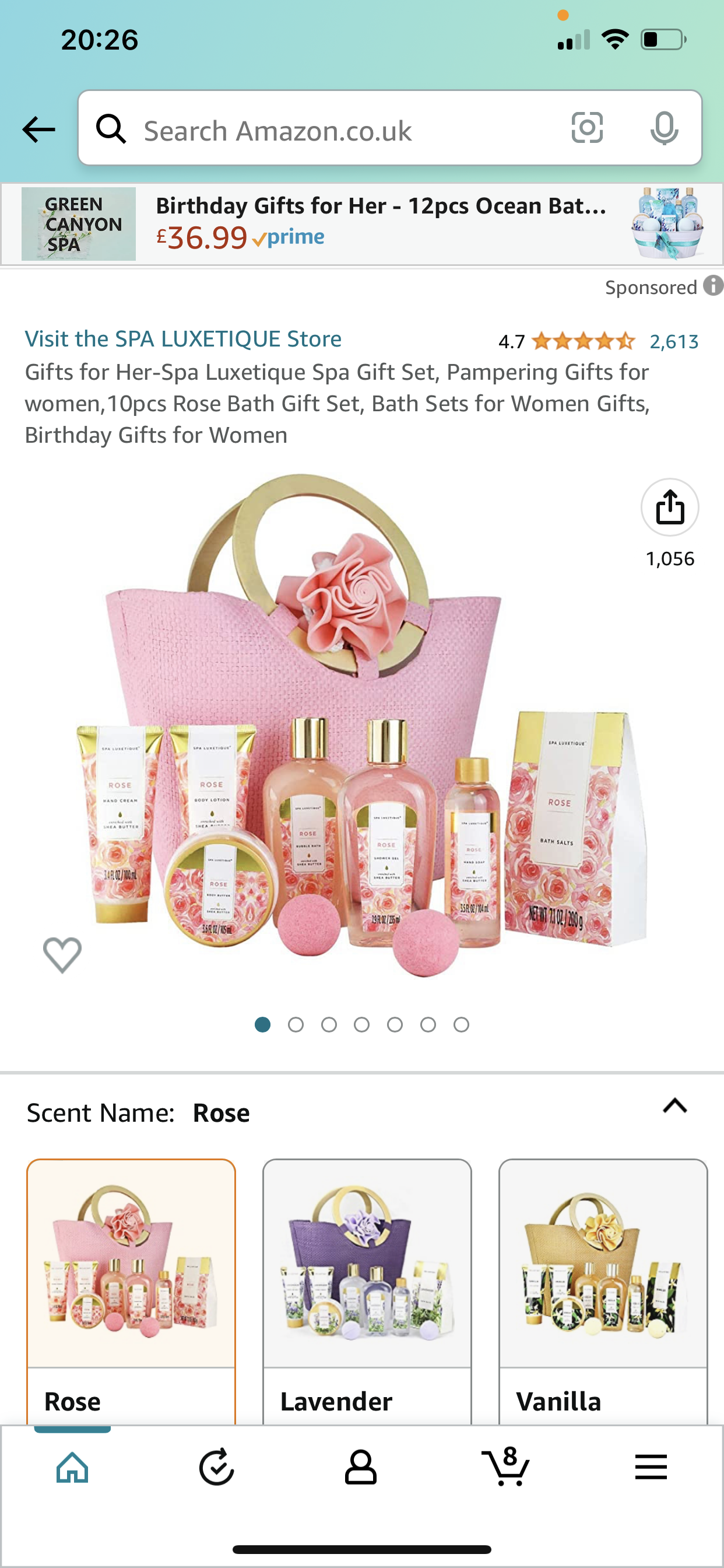
https://amzn.to/44LPeSF show oils, hand wash with either pan or no pump, depending on which one you decide to for it thank you
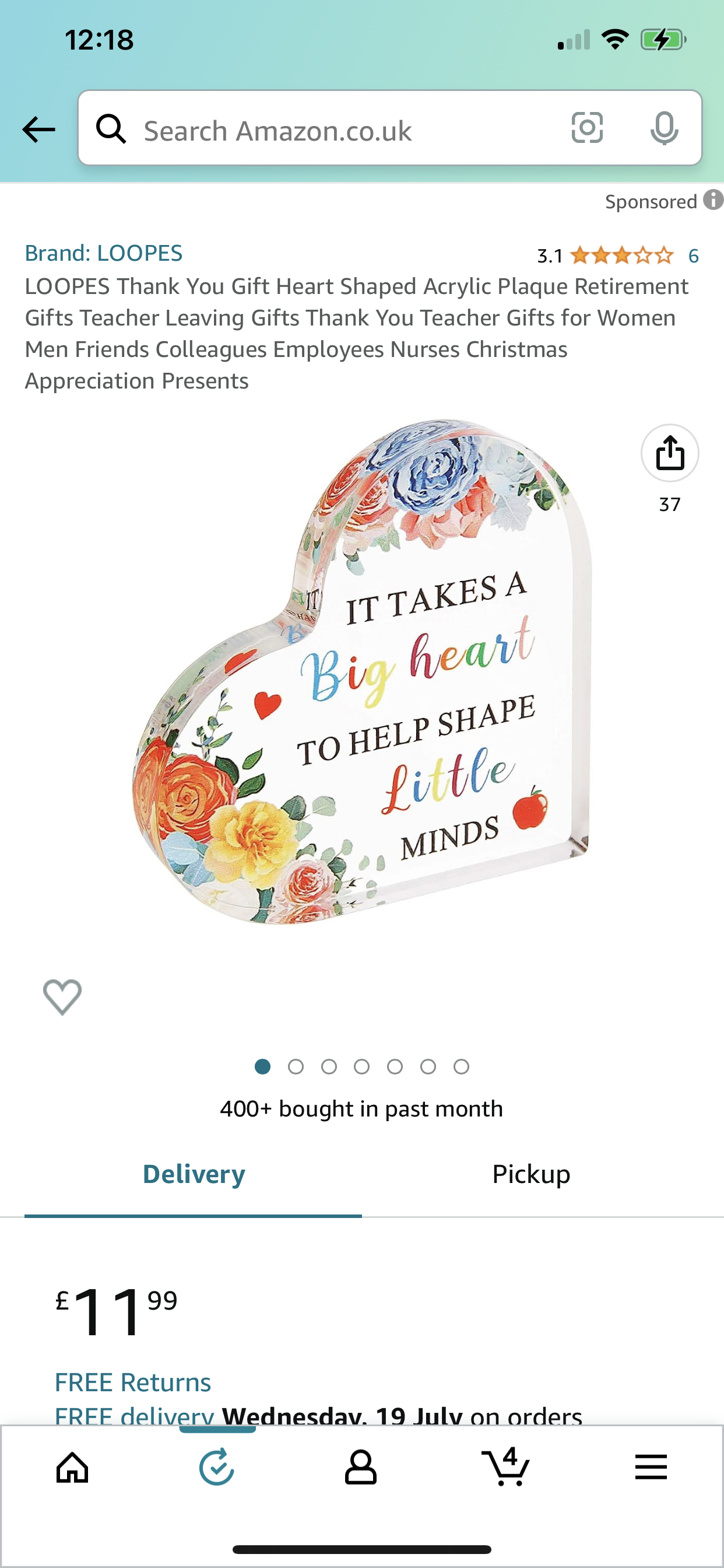
https://amzn.to/3K2ECHn appreciation code for those that want to give okay how can you do the teachers when
saying of the day

Abused, left without sufficient food and drink and forced to live in squalid conditions. Tom Somerset-How had been living a nightmare of physical and psychological abuse at the hands of his wife and carer for four years.
Mr Somerset-How has spastic quadriplegic cerebral palsy and requires 24-hour care. In 2016, his wife Sarah Somerset-How hired George Webb as a live-in carer at their home in Chichester, West Sussex. But after the pair began an affair, they began to isolate Mr Somerset-How from his family for their own financial gain.
Following a trial the pair were jailed for 11 years on Friday.
In his own words, he explains the ordeal he went through and how he escaped.

I was pretty much alone every day. They would leave a sports bottle of juice and a little bit to eat.
I was literally in bed for 95% of four years.
I say 95% because there were times where they had to get me to see family, like at Christmas.
They’d get me out of bed, get me dressed and cleaned up, then as soon as the event was done, I’d be put straight back into bed and left there.
Sarah actually said at one point when we were driving back from my mum’s: “Right that’s my job done for the month.”
I was basically under duress and threat, and Sarah said: “You do not make any phone calls unless I’m with you.”
So I would use my iPad and talk to my friends online, and I talked to my friend Gina.
Within 24 hours, I got a call from mum. Then I got a call from a social worker two days after and he said: “Do you want to leave?”
Before he even finished the sentence, I said: “Oh my God, yes.”
I wasn’t emotionally ready for them to literally bang down the door with everybody swarming in. But I wasn’t quite sure how Webb would react as he was volatile.
I’d given the social worker a heads up. I said: “Look, if you’re going to do this, you cannot leave my side during the entire process.”
To his credit, the social worker did not leave my side.
Tom Somerset-How speaks out about abuse he received after wife and carer jailed under modern slavery laws
I’m seeing a counsellor now. People say time’s a healer. But time isn’t a healer. Time just teaches you how to carry the damage better.
I need some form of closure to move through it because I will never live past it and that closure will help me carry the weight in a more manageable way.
I don’t want to just live and exist. I want to help people, which is why I want to use this case, which has made legal history, to go forward and campaign for people who don’t have the opportunity to get out of the situation that I was in.
There needs to be an official system that can flag up, not directly, but indirectly raise the alarm. Then social services could find a way to extract them.
Something good has to come out of all this.
The wife and carer of a disabled man who they enslaved and left in squalid conditions have been jailed.
Sarah Somerset-How and her lover George Webb left Tom Somerset-How bedbound and malnourished in his home in Chichester, West Sussex, for four years.
Mr Somerset-How, 40, said he lived “under duress and threat” and was forced into “survival mode”.
At Portsmouth Crown Court, Ms Somerset-How, 49, and Webb, 40, both of Bognor Regis, were sentenced to 11 years.
In what is thought to be the first prosecution of its kind, the pair were convicted of wilful neglect and holding a person in slavery or servitude.
In addition, Webb was also convicted of causing actual bodily harm.
When he was rescued, Mr Somerset-How weighed just 6st 10lbs (43kg).
“I was literally in bed for 95% of four years. There was one point where I didn’t get showered in five weeks,” he said.
“The emotional toll’s been ridiculous and the psychological toll. It’s completely, utterly destroyed me. There’s no retribution that will ever equalise what they’ve done to me.”
He added: “As far as George goes, because he was a carer, he should never, ever have the opportunity to do this to anybody again.”
The trial heard that the pair’s treatment of Mr Somerset-How, who has cerebral palsy, requires 24-hour care and uses an electric wheelchair, was uncovered by a friend as well as by the victim’s sister Kate Somerset-Holmes, an actress who has appeared in Silent Witness and Holby City.
Over four years, Mr Somerset-How was physically and psychologically abused, left without sufficient food and drink and forced to live in squalid conditions after Webb was hired as a live-in carer in 2016, the court heard.
The lovers took advantage of him for their own financial gains and separated him from his family, who reported the situation to the police in August 2020.
Police said texts between the defendants’ mobile phones showed they had started a sexual relationship together and intentionally neglected Mr Somerset-How to take drugs and plan nights away.
In sentencing, Judge William Ashworth said Mr Somerset-How was “held in slavery, kept in bed, frequently in his own urine and excrement, unwashed, unkempt and absent from contact from other humans”.
He told the court that Mr Somerset-How had suffered “serious psychological harm”, was “humiliated” and treated as “a cow to be milked”.
Prior to sentencing, Mr Somerset-How’s victim impact statement was read out by the prosecution barrister, Paul Calvin.
“I go to my room and just scream,” it said.
The statement also said that Mr Somerset-How had had suicidal thoughts and been left with significant debt.
Det Con Cheyne Garrett said she was shocked when she realised the scale of the “depravity” shown by the couple.
“He was stuck in that room. His money was spent. It is despicable and it shouldn’t have happened,” she said.
PIP AR2 Light Touch Review Form, Details And Sample Copy
With many thanks to Benefits And Work.
The DWP have finally created a light touch review form for claimants who have reached pension age or who have an ongoing PIP award.
The AR2 form is being issued from August 2023.
This form is a much shorter alternative to the AR1 PIP award review form, which most claimants who have an end date to their award receive.
The AR2 form is being issued to claimants who have:
- very stable needs which are unlikely to change over time
- high level needs which will either stay the same or get worse
- a planned award review date due on or at State Pension age
PIP was first introduced in 2013. The new form is being brought out just as the earliest PIP claimants with ongoing (no end date) awards, have been claiming for 10 years and are thus due to have their first review.
The six page form covers:
- Identity and contact details
- Immigration status
- Your main healthcare professional
- Details of any changes to your health condition or disability
- Details of any changes to your daily living needs
- Details of any changes to your mobility needs
- Your consent to allow the DWP to collect further information
If there has been no change, then in most cases an assessment with a health professional will not be needed.
Claimants receive the form along with a covering letter which the DWP say will:
- Confirm that you have a long-term health condition/disability or that you are over state pension age
- Confirm your current awards for daily living and/or mobility
- Set out the needs or difficulties that you have been assessed under for daily living and/or mobility for your current award
- Explain the reason for the review
- Give clear instructions about what you need to do next
- Explain what to do if you have problems completing the form
- Explain what the DWP will do once they receive the form
Claimants are given a time limit in which to return the form. If you fail to meet this deadline your award may end, but this is a decision which can be appealed against.
It is likely that most forms that are returned which indicate there has been no change, or where the change could not make a difference to the award, will result in a decision being made in-house by the DWP without passing the case on to an assessment provider.
Benefits and Work would be very interested to see a copy of the accompanying letter, please get in touch if you are willing to let us see yours, completely confidentially.
We’d also like to hear from people who complete the process, to discover if it is as streamlined and painless as the DWP claim.
You can download a sample copy of the PIP AR2 light touch award review form in pdf format.
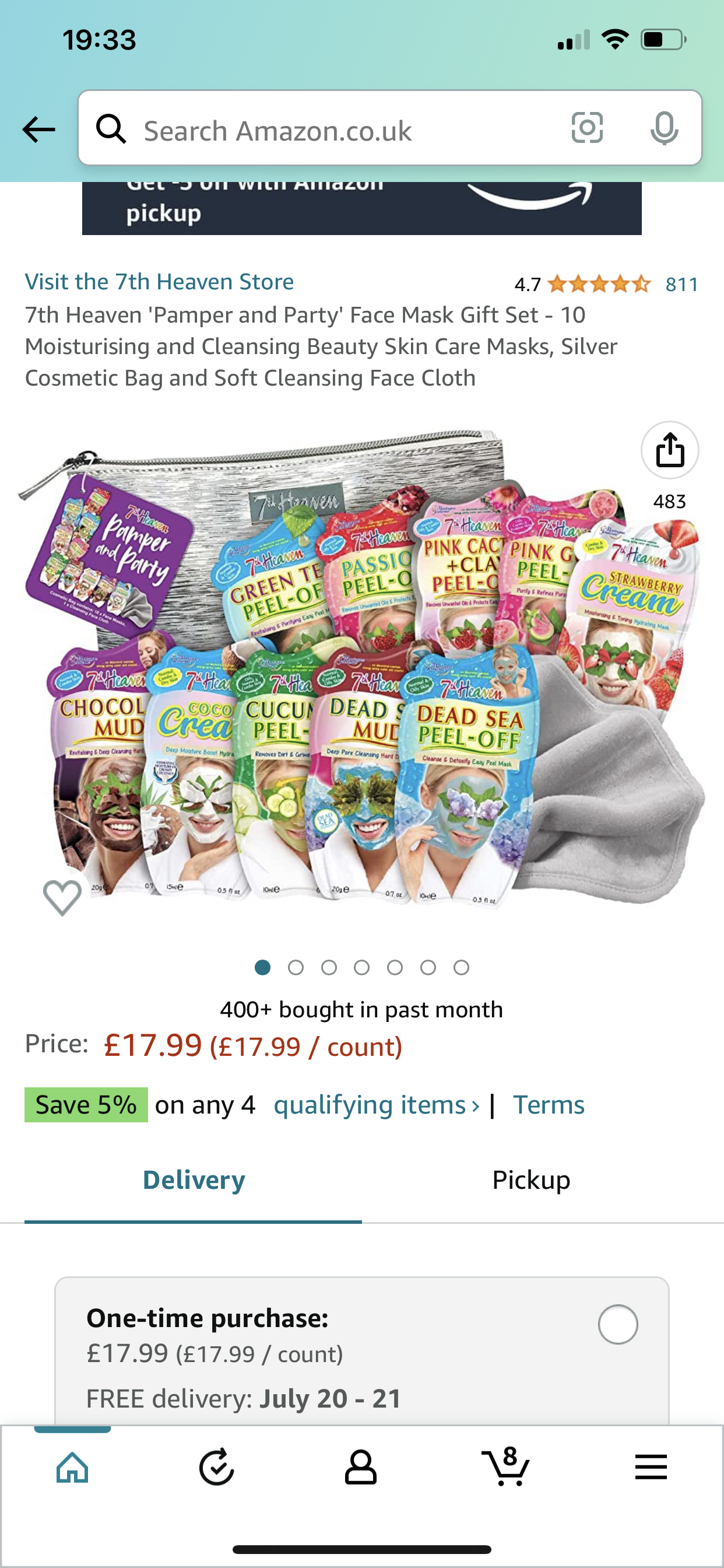
https://amzn.to/3rxew93 affiliate link to pamper set

https://amzn.to/3XS8sUq how to write write a program is on here is the Amazon affiliate link
no, Sunday is a straightener and phone

good morning, greetings from Mum

this image reminds me of me on a Friday evening, waiting for the weekend to begin. Here is your saying number 10 :-) :-) :-)

you good night saying


Affiliate Marketing to Aid My Fundraising
If you’re interested in some new socks, for camping or you’d like bath bombs for a holiday away, please use the links below to purchase from Amazon. It costs the same, but through an Amazon scheme any purchase made from this link will give me a small commission and can help my efforts to raise money for respite care and qualification support ♥️
Socks – https://amzn.to/3OdKDSX
Bath Bombs – https://amzn.to/43tj65t
Pink Mug – https://amzn.to/44psyrT
In the next few days I will post an assortment of other products if these aren’t something you’re interested in. I’ll be promoting disability friendly products to help people like me including relaxation and self-care products ❤️ Watch this space!
sing of the day :-) :-) :-)


💜😆🤩

saying of the day who everybody in this community


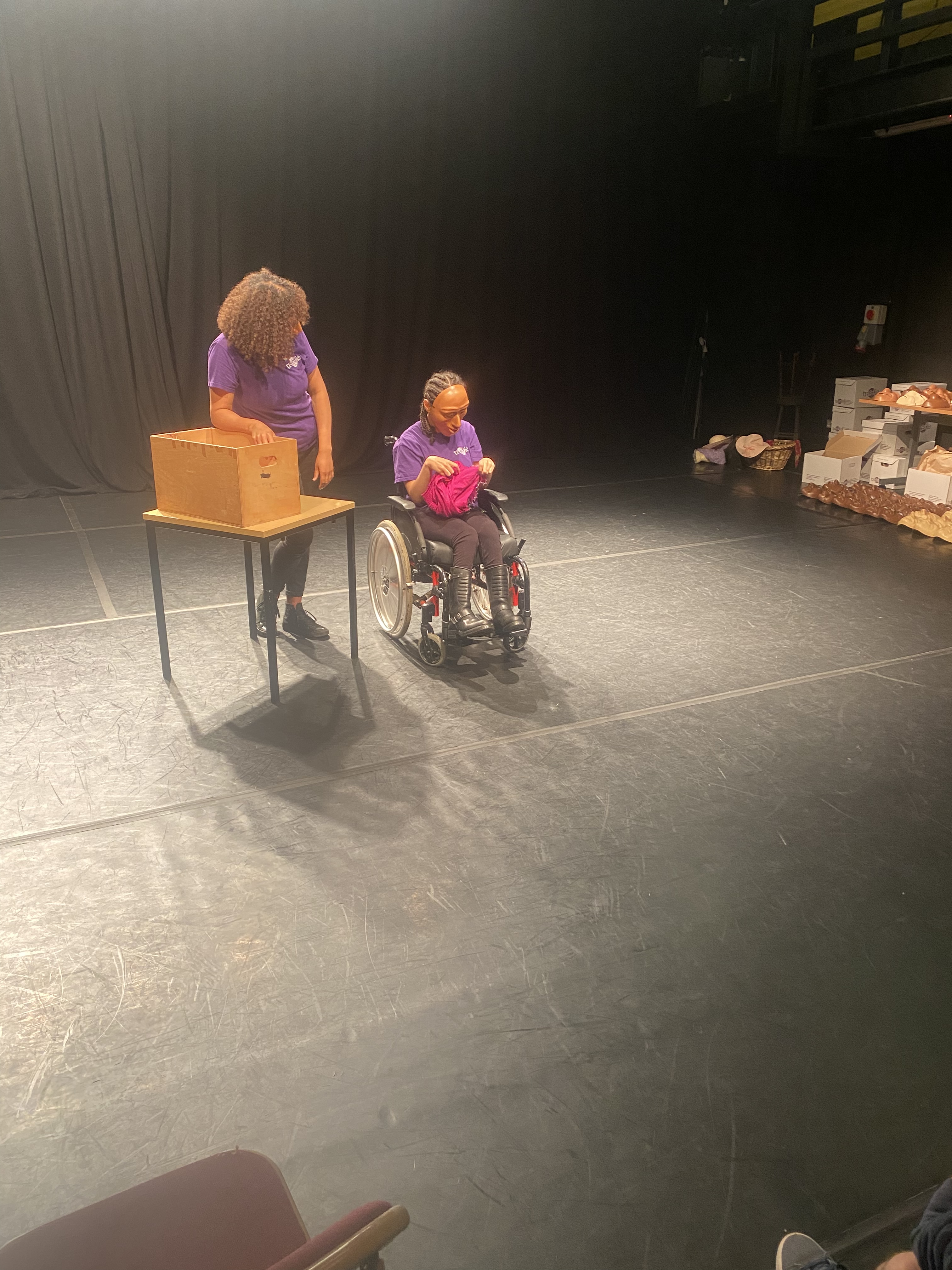

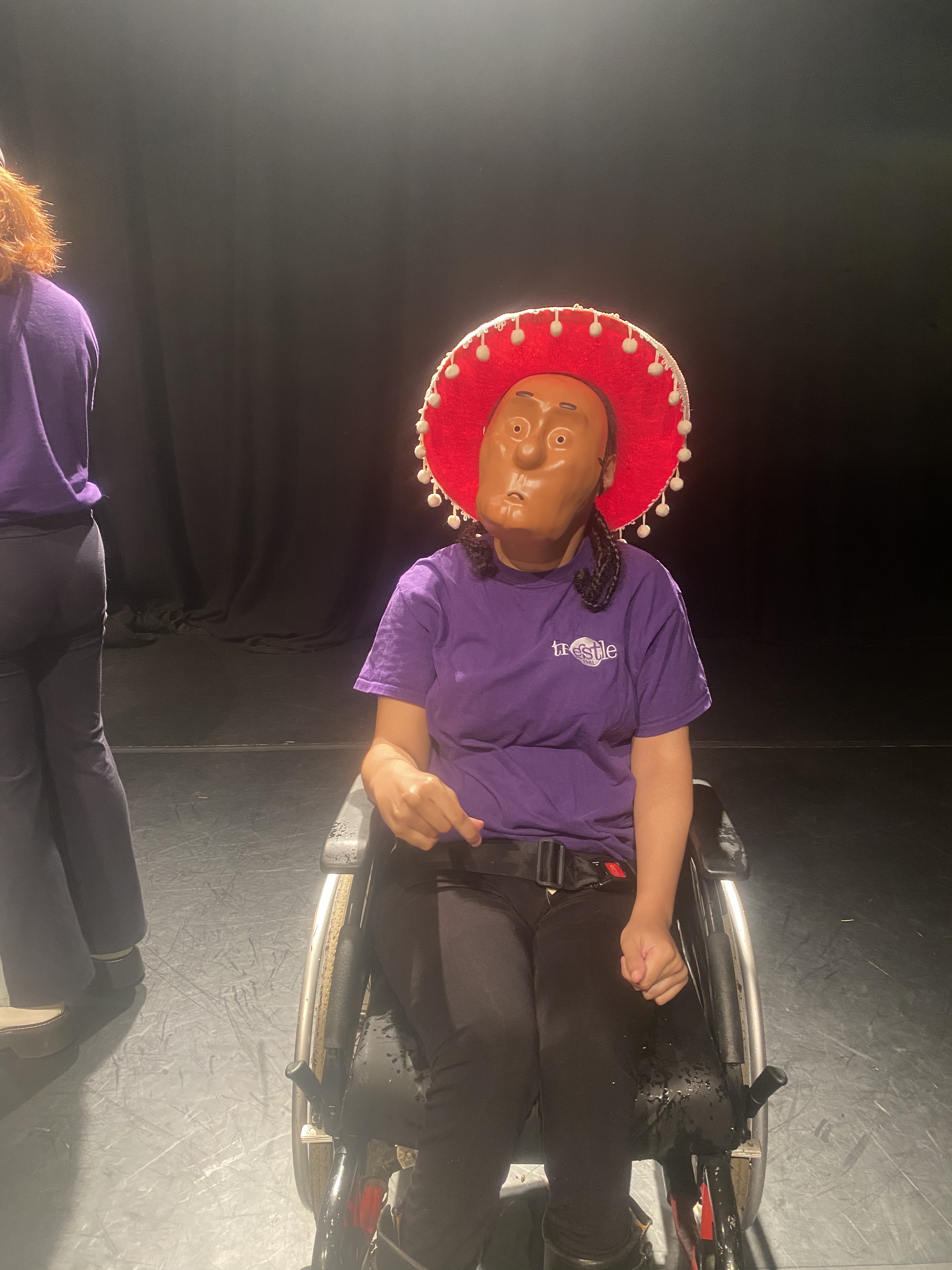
Ashley Zambelli- Diagnosed With Downs At 23
A mum who was diagnosed with Down’s syndrome aged 23 says people don’t believe she has the condition. Ashley Zambelli was diagnosed with Down’s syndrome in February 2023 after undergoing genetic testing.
Down’s syndrome is a genetic disorder that results in an extra copy of chromosome 21. Those with mosaic Down syndrome have a mixture of cells. Growing up, Ashley would struggle with knee dislocation, jaw issues affecting her movement of it, and a high heart rate.
Doctors never connected her health issues until they looked at her reproductive history and saw that three of her six pregnancies had a Down’s syndrome diagnosis – which was unusual for someone so young. They carried out genetic tests and discovered she had mosaic Down syndrome.
Ashley, a stay-at-home mum, said: “People say ‘you don’t look like you have it’. Even I was in a lot of disbelief. I didn’t know about mosaic Down’s syndrome.
“A lot of people associate it as a facial disability. Having a mosaic condition means it is not always visible to the eye.”
When Ashley she was born she didn’t have any traits or characteristics associated with Down’s syndrome. From the age of 12 her knee caps would dislocate “all the time” and she struggled with comprehensive learning at school.
She said: “Test taking was awful. I had jaw disfunction and my knee caps were constantly dislocating. My shoulder was permanently out of the socket. My heart always racing. I was always getting out of breath.”
Doctors were never able to connect her health issues until she was 23 weeks pregnant with her third child, Katherine, in February 2023 – who was diagnosed with Down’s syndrome at 14 weeks.
Ashley had previously had a miscarriage in 2019 and doctors had discovered the baby had Down’s syndrome. She gave birth to her first child, Lilian, two, who has Down’s syndrome, in December 2020. Her second daughter, Evelyn, one, who was born in December 2021 doesn’t have the genetic condition.
Ashley said: “They hadn’t seen someone with three confirmed cases of Down’s syndrome. They said I was really young – so thought there must be something else causing this.”
Ashley had genetic testing which revealed she had mosaic Down’s syndrome – giving her a 50 per cent chance of having children with an extra chromosome.
She said: “I was very happy to find out.”
Her husband, Taylor Doyle, 28, a restaurant worker, was supportive of Ashley getting the genetic testing. Ashley – who doesn’t have the facial characteristics of someone with Down’s syndrome – now has an explanation for her problems.
She has lower sitting ears, low muscle tone, a jaw disorder, trouble with short term memory, and inappropriate sinus tachycardia – meaning she often has a heart rate higher than hundred beats per minute. Ashley said she often struggles to understand most humour and can say things without realising they might be offensive.
Ashley wants to encourage others to get genetic testing and see it as a “tool to be prepared”.
She said: “People need to not see genetic testing as a bad thing. It’s a tool to be prepared.”
She also hopes to create a community for people with mosaic Down’s syndrome.

Grace saying Paul afternoon Tuesday of 10 per day afternoon Prime 60 Best Good Afternoon Wishes, Messages, Quotes With Images
April 5, 2023 by QWM
Good Afternoon Messages: To help you bear the not so bearable good afternoon time, we bring you an ultra-positive and refreshing collection of good afternoon quotes, good afternoon wishes and messages, good afternoon images, and good afternoon love messages for her/him. The noontime period is perhaps the most intriguing time for all of us. Around good afternoon time, our work productivity at its peak and also the hunger craving begins to show up. Many working professionals starting looking at the clock deliberately and desperately for lunchtime as they shave to quench their hunger causing exasperation.

playing of the day who everyone in this time difference
Tickets for Taylor Swift’s Eras Tour are the most in demand in the UK right now.
But for disabled fans trying to grab a place for shows at Wembley Stadium, it’s been an even tougher experience.
Accessibility places for the shows there aren’t sold by Ticketmaster, with people needing to call the venue directly.
Complaints include being kept on hold for several hours, with some people saying they were unable to get tickets.
Wembley Stadium has told BBC Newsbeat that demand for tickets has been “unprecedented” and that waiting times were longer than usual.
Saryna Glazebrook says she called over 200 times to get on to the access line.
The 22-year-old, who has Ehlers Danlos syndrome, describes the experience as “frustrating” and feels it shouldn’t be so hard for disabled fans to get tickets.
“I know getting tickets for this show and tour is going to be difficult, but having thousands of disabled people and one phone line just puts about 20 more hurdles in front of us,” she says.
“Especially because I’ve bought accessible tickets online before.”
Eventually, Saryna says she was told by another fan to call Wembley’s hospitality line and ask to be transferred – though she says not all fans were put through.
Saryna’s condition means she needs a ticket for her companion.
“I need someone with me at every point, especially when I leave the house,” she says.
“Because alongside my physical disabilities, I also have tendencies of blacking out, forgetting where I am and getting overwhelmed very easily.
“It’s really helpful as well being able to sit in a space that doesn’t require a lot of stairs or a lot of walking to get there.”
For 27-year-old India, who is the creator of the Swifties with Disabilities Network, it took two days of trying before she was able to get tickets.
“I need accessibility requirements because I have cerebral palsy, a disability from birth, so I struggle with balance,” she says.
She also tried to get tickets through Ticketmaster, but says she wouldn’t have been able to sit in the seats they were selling.
“Without the disabled options I pretty much have no options,” she says.
Ticketmaster are selling accessibility tickets for the shows in Edinburgh and Cardiff.
India says she’s disappointed disabled fans have had to buy tickets over the phone for Wembley.
“I just feel really disheartened because I’m lucky enough to have had a connection with Taylor Swift over the years.
“She’s been really generous to me as a person. And I know she’d hate this.
“She’d be really disheartened that disabled people have basically just been excluded because the phone lines aren’t adequate.”
A Wembley Stadium spokesperson added: “For those customers unable to wait on the phone we have a call-back system in place which can be accessed via our website.”
what’s the tide is in the day
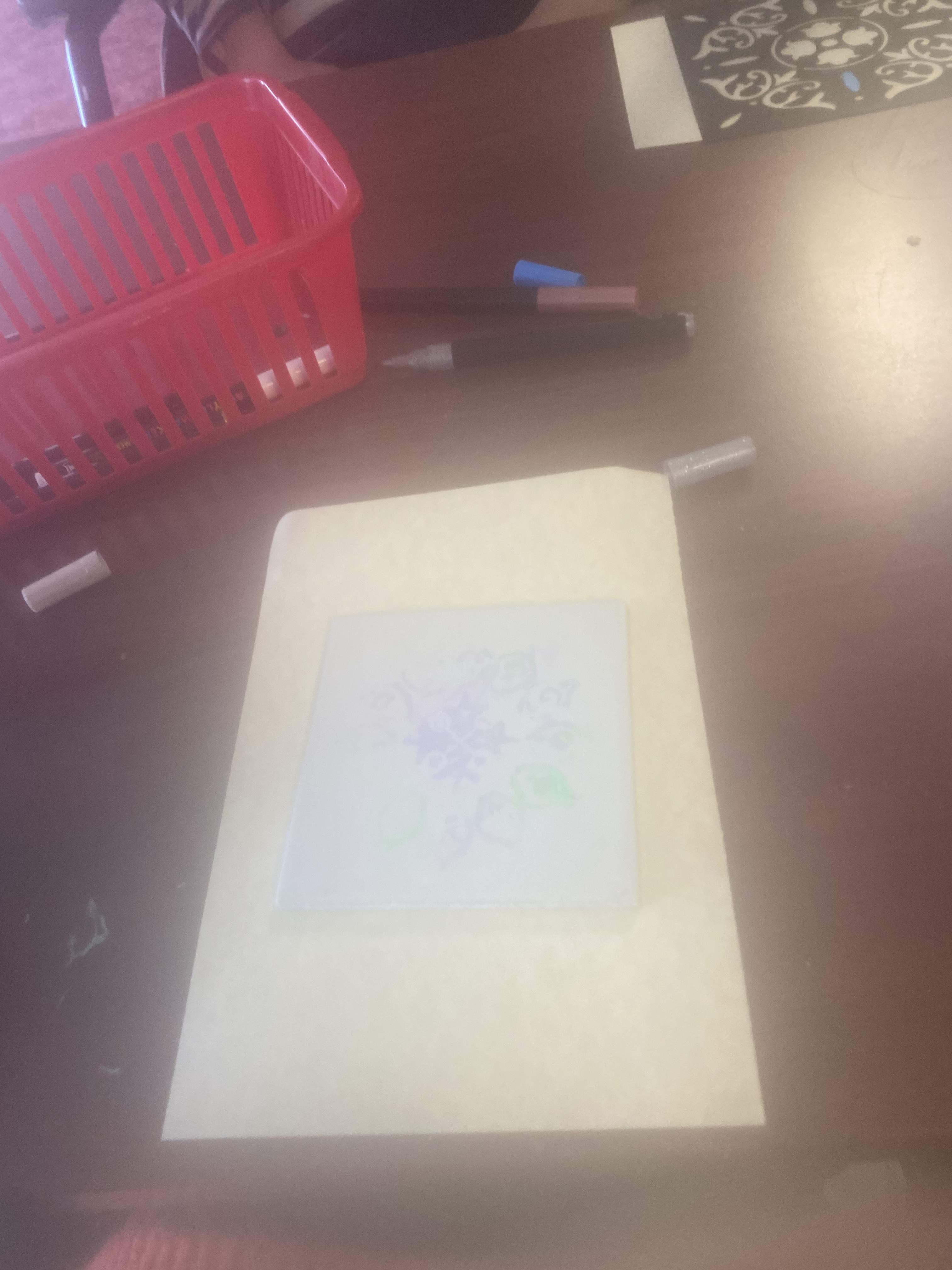
what time did you guys know why?

decorating😁🥰🥰 tiles


Celebrating Disability Pride Month: Conversations With Disabled Soap Stars From Coronation Street, Emmerdale And Hollyoaks
To mark Disability Pride Month, which celebrates the rights and achievements of disabled individuals, we spoke with some leading disabled soap stars to highlight the importance of authentic representation, the ongoing push for equal opportunities, and the small details, now written more often into scripts, that make up disabled lives.
James Moore – Ryan Stocks in Emmerdale
James Moore has played Ryan Stocks since 2018. The character and actor have cerebral palsy. In a fractured and fractious world, his no-nonsense approach to the job cuts through. “Disability representation tends to come from a more personal place,” James says.
Still, disability doesn’t have to be the whole basis for the character: “It’s just something that they have.”
James didn’t watch soaps growing up but he has noticed the change. Productions are more likely to cast disabled actors, but the issue remains: “Disabled characters are few and far between, which is why I feel like there needs to be progress there.”
What then of the pressure to be the “poster child” for both progress and the disability itself? James says: “I feel like everything I have said regarding disability comes from my genuine self and feelings. I feel like I’m quite an outspoken person, and I think if there’s an issue that I’m passionate about, I’m confident enough to make sure my voice is heard.”
As for disabled actors in other soaps: “I know how hard it can be to get your foot in the door. Being a working actor can be a difficult career path, and adding a disability offers further restrictions. So, I admire every disabled actor who persevered, in and out of soap.”
Pressed to name a favourite: “Of course, I have to mention Liam [Bairstow] from Corrie [who plays Alex]. He’s a lovely guy and a terrific actor.”
To conclude, he ponders the future of disability representation — reflecting especially on the hit of COVID-19: “The future of disability representation is unclear at the moment. But, it’s certainly getting better.”
Ellie Henry – Freya Calder in Hollyoaks
For her first major screen role, Ellie Henry plays Freya Calder, who was introduced to Hollyoaks last year and returns to our screens soon.
As a relative newcomer, questions about what makes good disability representation must seem overwhelming but the answer, at their core, is simple: stories written and informed by disabled people: “Not only telling stories of disabilities but of lives – having children, working and even murdering! I still think there’s room for more inclusion within other forms of media, and hopefully, they follow in the footsteps of the soaps.”
Does she feel pressure to be a “poster child” for disability? Her answer is thoughtful and direct: “This is something that comes up for me every single day and is something I struggle with. The disabled community is diverse, and I can only speak my voice within that.
“I feel the need to show people what they expect to see to represent well, but most people haven’t seen a disabled person like me before, sometimes using a wheelchair and sometimes appearing completely healthy, so I am constantly questioning whether the choices I make for myself align with aiding the community in moving forward.”
Advertisement – Continue Reading Below
She’s put a lot of thought into her perspective — her voice in our community and storytelling. “The best way I can represent is to be authentically myself and be prepared to explain to people what they don’t yet understand.”
Again when it comes to what she wants to see next, it’s all about that staring-you-right-in-the-face honesty about growing up, and the vulnerability and the imperfection of that period.
Ellie says: “There are so many nuances to the experience of being a teenager or young adult in this world and the insecurities that come with that which are only amplified and added to with disability in the mix.”
But she finds meaningful relatability in characters like Izzy from Coronation Street, who lead ordinary lives with children, partners, and jobs. Talking of whom…
Cherylee Houston – Izzy Armstrong in Coronation Street
Cherylee Houston has played Izzy Armstrong since 2010, capturing that rare thing in disability representation: a whole life — daughter, to partner, to mother, to ex-partner, to factory worker.
Cherylee sought to incorporate often hard-won lessons she has learned from living with a disability, particularly during the challenging times of the COVID-19 pandemic.
She says: “You know, you’ve gone through a journey, and I think disability does that a lot in life. It gives you a fast track of certain emotions that people take years to experience.
“And I made a point, when Izzy came back, to be more confident, assertive, witty, and crank up different areas of her personality that were already there. As I think the writers did too. ” To portray that understanding and realism.
Cherylee’s favourite example of disability representation in another soap, something that resonates? Donna from EastEnders, assertive and outspoken: “She was so mouthy.”
But she doesn’t feel a responsibility to represent the entire community. “Because so many of us do so many different things in different ways, I think. I was incredibly fortunate to have my job for as long as I’ve had it.
“But I always try to view it as an actor rather than a disability issue. I believe that the more stories are told, the more changes there will be. And I think that has been separate for me as a career as an actor. So, I don’t feel a responsibility. And maybe that’s because that’d be too big. There are loads of us. We can all share it.”
On the future of disability representation and disability rights: “It’s so interesting because what we’re talking about is some of that stuff makes you stronger, wiser, more resilient. I don’t want the next generation coming up to go through what we went through.”
But then she questions: “Would it be easier? Would it be more joyous? I don’t know. I hope so.”
Annabelle Davis – Lacey Lloyd in Hollyoaks
Annabelle Davis, a relatively new arrival as Lacey Lloyd in Hollyoaks, believes that the most important representations of disability are the ones that are the most authentic – telling real stories from real people. That’s where you can open the audience’s eyes to the realities disabled people face every day.
As one of the few little people in a soap, there is pressure to represent the experience.
Annabelle says: “You want to create a character that the majority of people in the community can relate to and empathise with. You become far more aware of the scripts and conscious of writing.
“I struggled with this at the beginning fearing I was being too overprotective. But then I realised, there are so many little people out there with their own distinctive personalities and challenges, one character could never speak for all of them.”
The goal is to reach a place where representation becomes ordinary, a future where representation is natural and unthinking.
She adds: “When it becomes so normal, we don’t notice it happening. That’s when I think we’ve made it.”
These stories and perspectives highlight the need for storytelling where disabled characters are portrayed authentically, with personal feelings and experiences.
Dr Kirsty Liddiard from the University of Sheffield adds: “Disability representation significantly impacts how different audiences learn about and engage with disability and disabled people’s lives. This is why disabled people’s lives and stories must be represented accurately, honestly and authentically.”
Evening phone smelly pants


yes, pretty signing of the day incorporating nature
The adoptive mother of an eight-year-old boy who had both legs amputated because of abuse by his birth parents has spoken out after he was denied access to some rides at a theme park.
Paula Hudgell and her son Tony visited Chessington World of Adventures in Surrey with friends at the weekend.
But she said he was not able to access any rides except the baby carousel.
Chessington managing director Mike Vallis apologised but said: “Safety is our number one priority.”
Ms Hudgell tweeted that “furious doesn’t come close” to her reaction to Tony not being allowed to go on certain rides at the attraction.
Speaking to BBC Breakfast, she said: “We even tried to queue up for the little rides but Tony was refused access to those as well.
“It’s just not acceptable. We had a very, very disappointed little boy.”
Tony, from Kings Hill in Kent, lost his limbs following abuse by his birth parents, who were jailed for 10 years in 2018.
Since then, Ms Hudgell and her family have successfully campaigned for tougher sentencing of child abusers and spoken out on accessibility issues.
On its website, Chessington states its resort “strives to make sure our theme park, zoo and accommodation are easily accessible to all our guests”.
However, it adds: “Certain rides/attractions in our parks can be physically demanding and vigorous. We therefore reserve the right to refuse admission should we feel there is a danger.”
‘Excluded from childhood joys’
Mr Vallis apologised to the family and said he could understand how upsetting it must have been.
But he explained: “Safety is our number one priority. There are three principles we have to work with – that you are secure in the vehicle at all times, that you are able to brace yourself against the movement of the ride and that we are able to evacuate you from the ride.”
However, he said the park was working with manufacturers to make new and existing rides as accessible as possible.
“We want everyone to come to Chessington to have a fantastic day. We want to improve accessibility,” he said.
Alison Kerry, head of communications at Scope, sympathised with the family.
She said: “There are a huge number of disabled children being excluded from the joys of childhood.
“It’s about thinking about inclusive design right from the beginning and making it an inclusive experience for absolutely everybody.”
Ellie Simmonds’ Emotional Search For Birth Mother
Ellie Simmonds has said tracing her birth mother for a TV documentary unearthed a lot of emotions.
The Paralympian from Aldridge, near Walsall, was born with achondroplasia and was adopted at three months old.
She discovered while filming for ITV her mother placed her for adoption shortly after the diagnosis.
“It was emotional, it was hard, [I’m] not going to lie,” she said. “I’ve definitely found out more about myself than I probably would have thought.”
The former swimmer embarked on her search after losing “a bit of me” on her retirement from sport in 2021.
“I thought, this is the right time. Who am I? I’ve got all these questions,” she said.
Knowing she had been born in Glossop, Derbyshire, she located her casework in the annals of Derbyshire County Council.
Simmonds discloses in the documentary she went to live with a foster family when she was just two weeks old.
She said her birth mother had been told about the achondroplasia diagnosis soon after leaving hospital.
“She expressed concerns to the midwife that she felt that there wasn’t bonding with myself and requested I be placed up for adoption,” she said.
During filming, she learned her foster mother had since died, but her family told Simmonds that she had always been proud of her achievements.
In the phone call, they told the 28-year-old her foster mother had “loved and nursed” her as a baby, adding she “could not have gone to a better family” when she was adopted.
Simmonds also became tearful while drafting a letter to her birth mother as part of the documentary.
She “was not angry”, she wrote, had lived an “incredible life” and hoped to get to know and understand her mother.
“She was a single parent, so you’ve got to try and place herself in her shoes,” she said.
Although she described later meeting her birth mother as a “success story”, she was mindful not everyone was so fortunate.
“A lot of people who go on the same journey don’t get those questions answered and it’s tough,” she added.
She hopes the documentary will spark a wider conversation about adoption and disability.
“We saw, even 28 years ago reading my documents, that people with dwarfism were described as ‘evil’… were probably going in the circus, not mentally with it,” she said.
“I think still now in 2022, 2023, children in care [with disabilities] who are looking for families are seen as harder to place.”
Simmonds said she was thankful for the support of her adoptive parents, who she said were always open about the circumstances of her birth.
“It’s just amazing to bring a person into your family and to give love and to give care and nurture,” she said.
Ellie Simmonds: Finding My Secret Family is on ITV at 21:00 BST.


 Same Difference