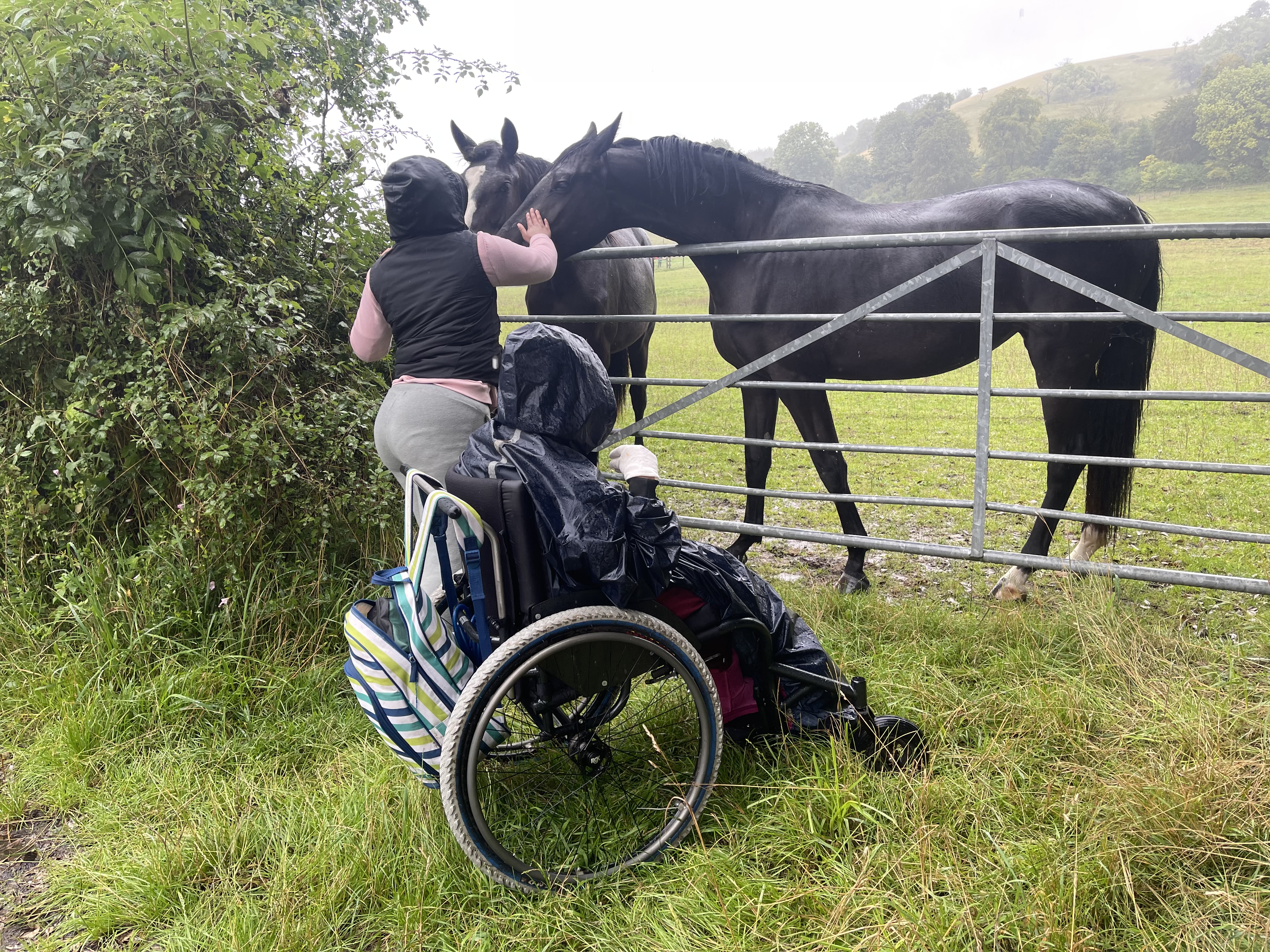
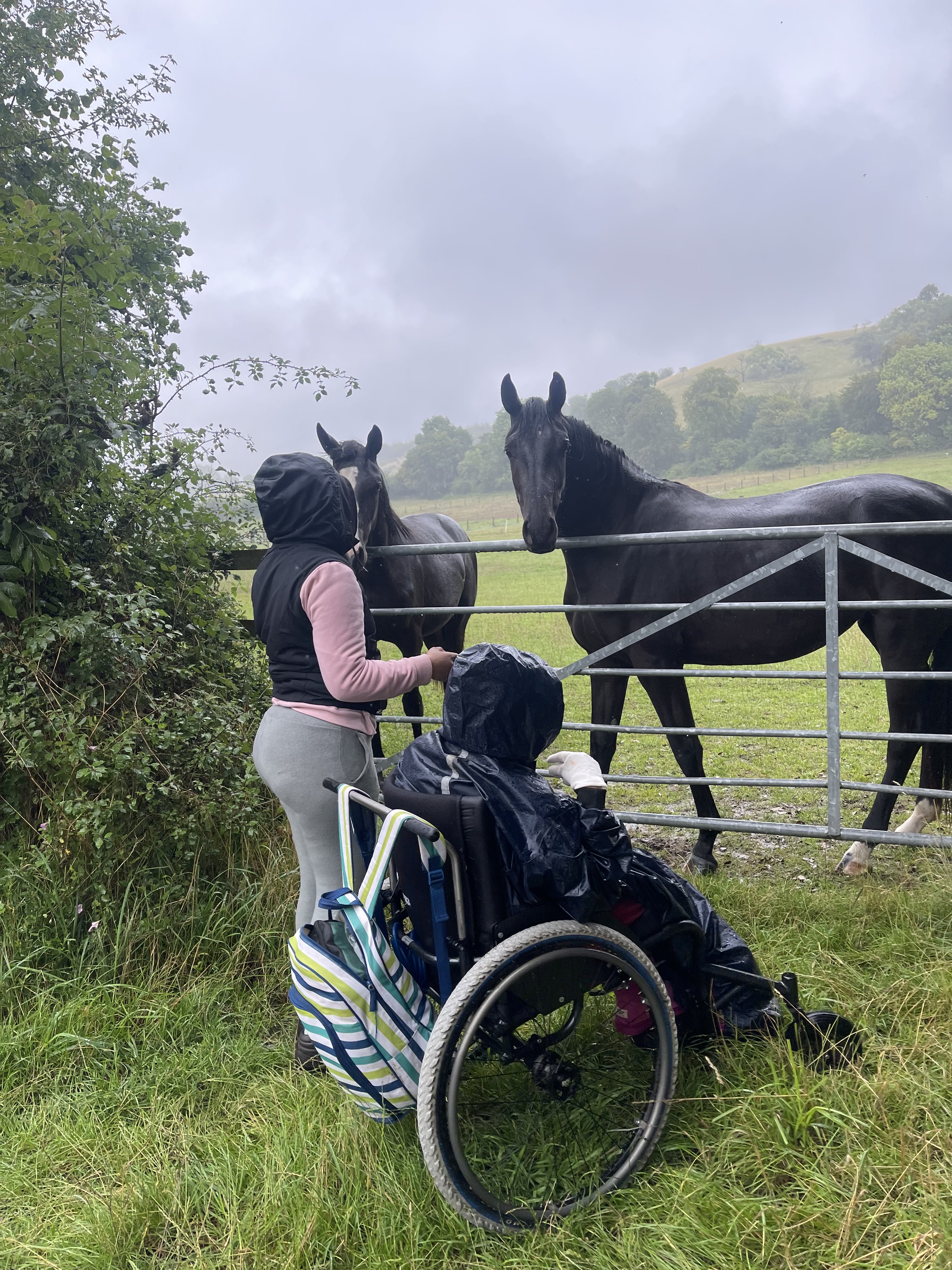
https://amzn.to/3QqZfRp

https://amzn.to/45g4M1j
most of the day
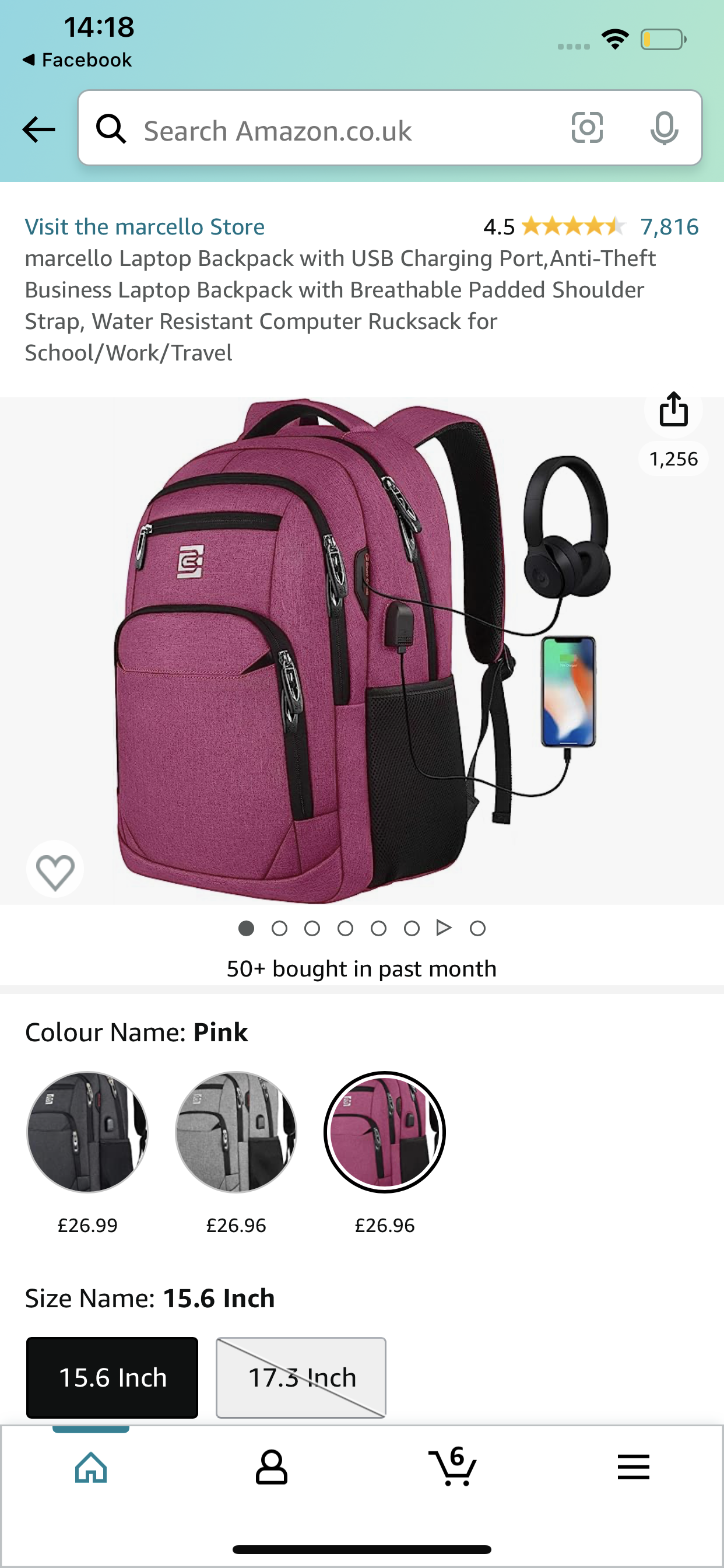

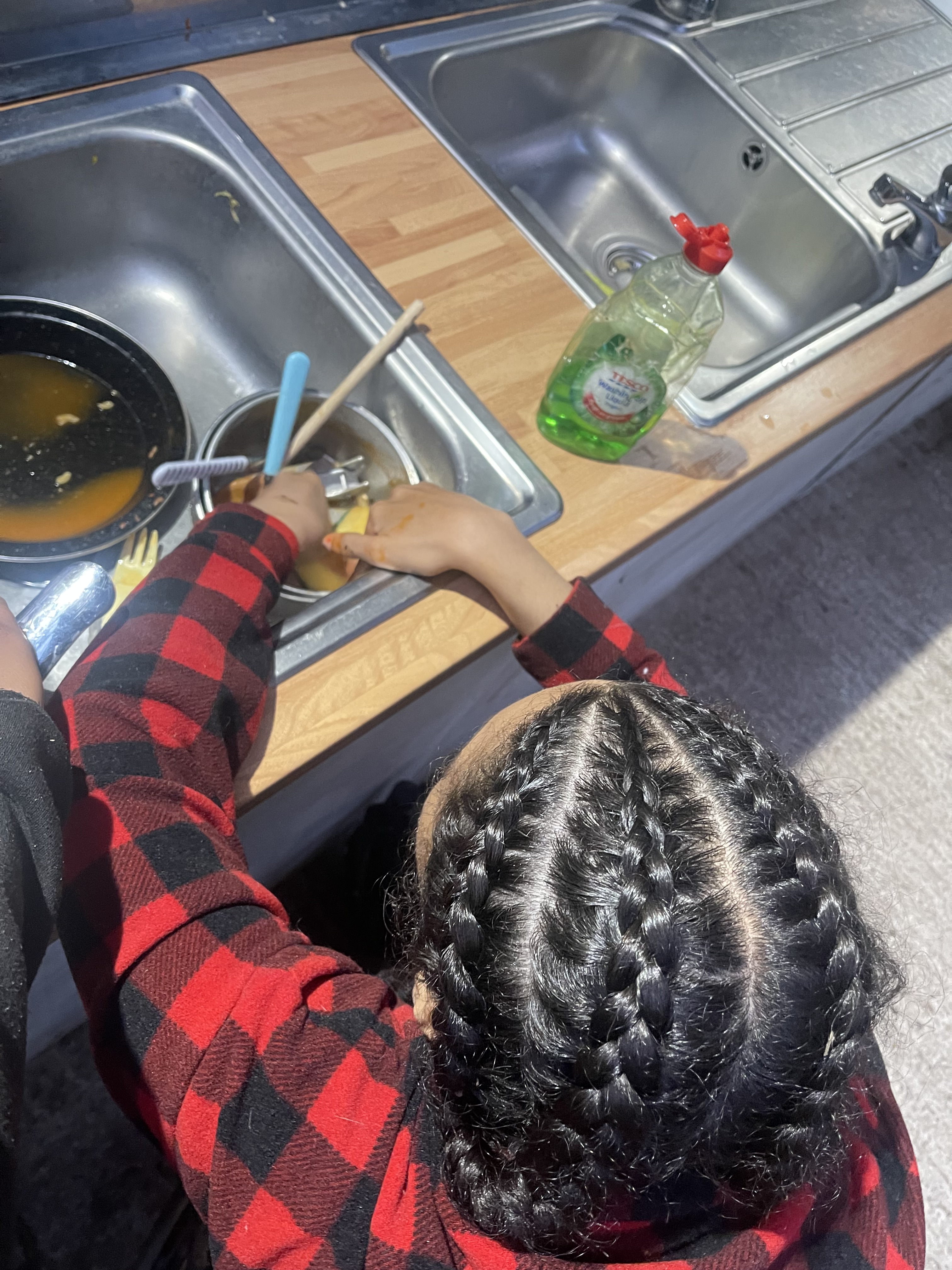
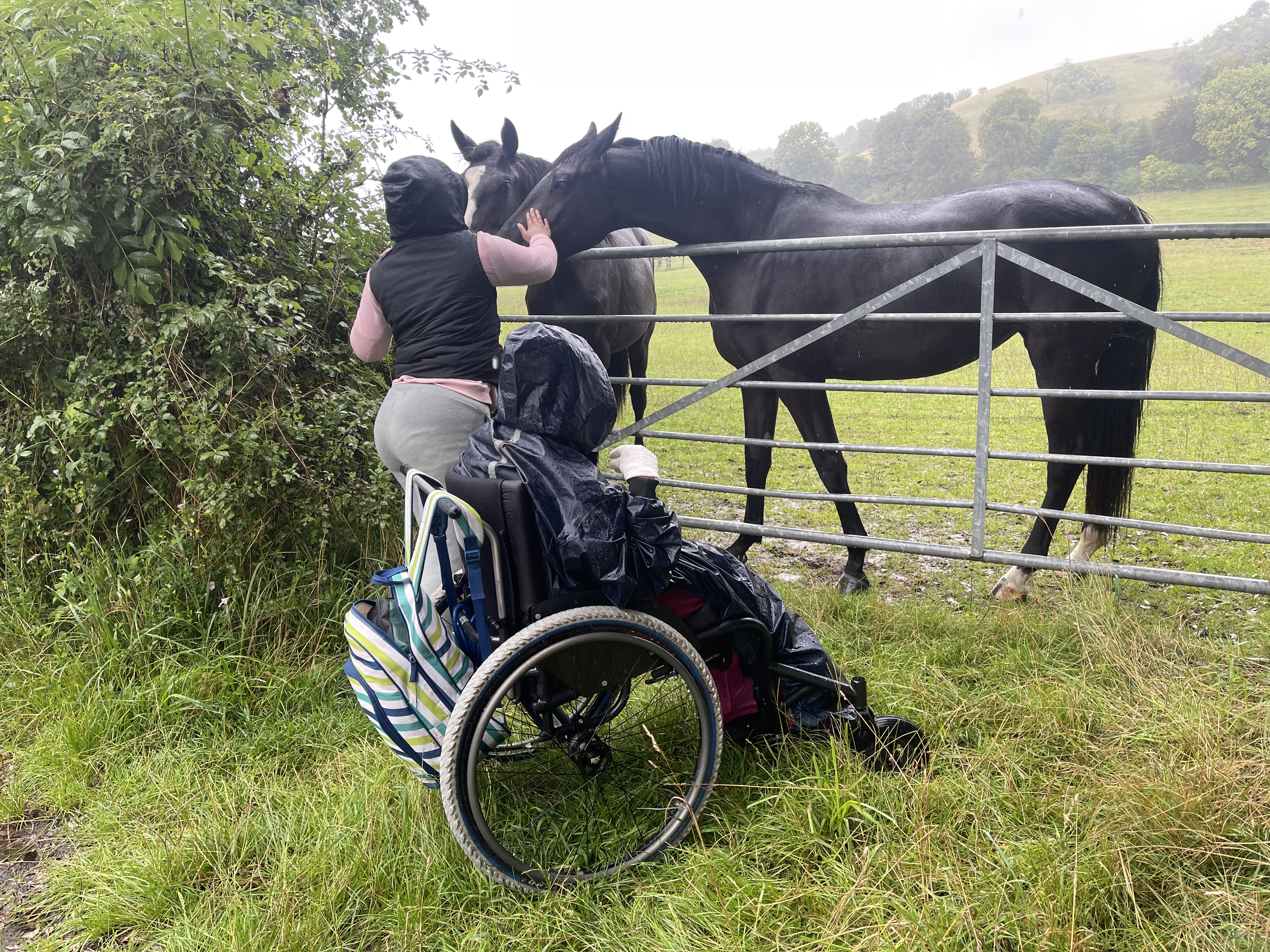
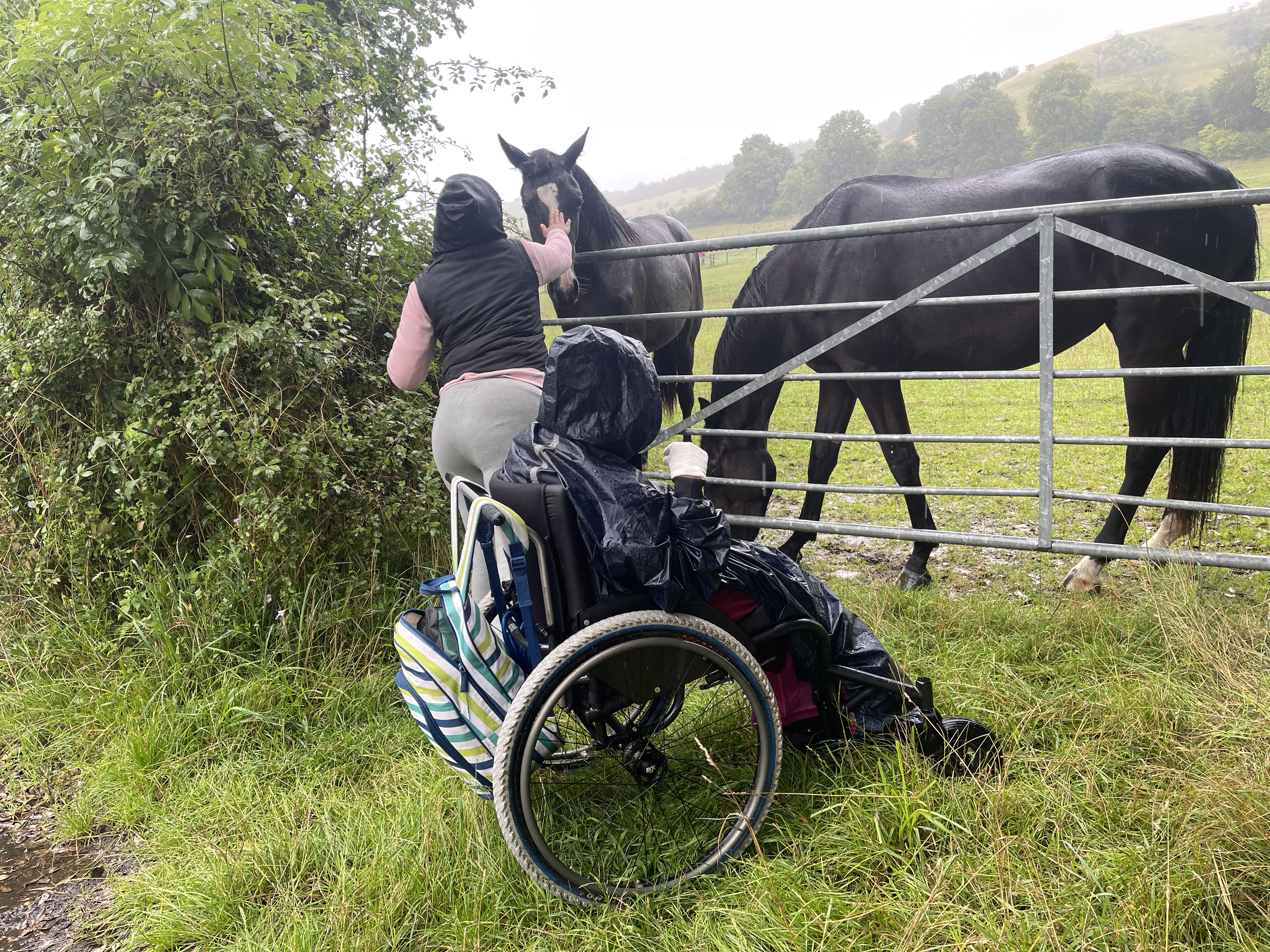
washing out on the campsite to dinner on the weather to pull my #LivePhotos, #WashingOut #CerebralPalsy

https://amzn.to/3OGBYcM item of the day for Saturday

https:/so today I come every day,/amzn.to/43WBRhI
saying for the early risers for Friday

https://amzn.to/3QnT6Wm product of the day for Friday

happy cheerful time of the day for Friday, that Samuel six 🐱
Drag: First Welsh Disabled Troupe To Make Eisteddfod Debut
Being a disabled drag queen has had a massive positive impact on Nicole Bird’s life.
The 27-year-old from Caerphilly joined House of Deviant during the Covid lockdown, and says she has not looked back since.
House of Deviant is the first and only disabled drag troupe in Wales.
“It makes me feel fabulous and confident. I’m proud to be a woman in drag,” Ms Bird said.
The drag queens are preparing to perform at this month’s National Eisteddfod in Boduan, Gwynedd, for the first time.
Ms Bird will be performing in a Welsh-language show called Ffabinogion – a modern twist on some stories from the Mabinogion, a collection of Welsh myths and legends.
None of the disabled drag queens are Welsh speakers themselves, so they have been learning phrases and lines for the show.
“I’ve been enjoying learning Welsh and learning about Wales,” said Ms Bird.
Her co-performer, 31-year-old Sophie Scheeres, also known as Miss Shade B, was one of the drivers behind the creation of House of Deviant.
She was on a night out and asked Gareth Pahl, who went on to found the troupe, if she could be a drag queen.
“I’m trying to use my voice more, be more confident – that’s what I need,” said Ms Scheeres.
“I think it’s amazing to be a different character than who you are. Miss Shade is very sassy,” said Ms Scheeres.
She said she was “nervous” about the eisteddfod performance because Welsh was new to her.
“I’m getting it slowly. It’s a little bit different and a little bit hard, but I’m learning,” she said.
The TikTok content creator
Guiding the queens through the performances is Ellis Lloyd Jones, a TikTok content creator originally from Treorchy, Rhondda Cynon Taf.
He said: “I think it’s really important that we have this representation of different people in the eisteddfod.
“Although the queens don’t speak a lot of Welsh they’re showing they’re really passionate to get into it and learn it and I think that’s something we should celebrate,” Mr Jones added.
For Mr Pahl, 40, watching the group rehearse has been a great source of pride.
He said it had been a “real challenge” that had come at the right time to push the performers out of their comfort zones.
“One of the purposes of the project in not only about growing self-esteem but to show the world what they can do,” he said.
Having performed in drag on-and-off for 22 years, Mr Pahl said his drag alter ego gave him confidence and had an impact “in and out of my drag life”.
He said as a result, he explored how to “use drag performance with adults with learning disabilities to grow confidence and self-esteem.
“It’s a really good tool to help people who sometimes struggle to get their voices heard,” he said.
“There’s a number of reasons why anyone would want to do drag.
“It might be about gender exploration, it might be about self identity and self esteem. It might just be that you really like glitter and fabulous sequins.
“House of Deviant is a celebration of humanity.”
Since creating the group, Mr Pahl said it had been a “crazy, wild journey” that had gone from “strength to strength”.
He said one of the most rewarding feelings for him was watching the impact drag has on the disabled performers.
“When you see that change and just how a person thinks about themselves,” he said.
“Yes, they are showing audiences how great they are, and how fabulous, and what they can do, but also it is having a real profound difference to that individual as well.”
Mr Pahl said there “could be more opportunities”, and there were still “a lot of barriers that society puts in the way of disabled people”.
For drag performer Becky King, from Cardiff, she said she had gained confidence since joining the troupe.
“It makes me feel like a different person. I look young for my age so it makes me feel older,” she said.
She said the upcoming eisteddfod performance meant she was learning “a bit more welsh”, and even learning the language on her phone.
“It’s tricky sometimes, but I’m excited to show the audience my confidence and show them that I can do a good job at performing,” she added.
where are you? (Gateway) very rainy day. #ExamRainingDay


https://amzn.to/43Mpd4U

are you for Thursday #ProductWithAHashtagLookAtThisLinkToSeeIfYouWantToPurchase I am Alessio
how did how did the time in the car with a boy or a chocolate and a smoke makes it all better call Sophie
Symbrachydactyly: Girl To Become Youngest With Bionic Arm
A seven-year-old girl is preparing to return to school with a new bionic arm.
Caitlin, from Wymondham in Norfolk, was born with a condition that left her with no bones in the fingers of her left hand.
She will become the youngest person in the UK to be fitted with a Hero Arm, made by the Open Bionics Foundation.
Her mother Maria says having the new arm will help her lead “a life the same as all her peers”.
Caitlin was born with symbrachydactyly, a condition that occurs in about one in 32,000 births.
Her parents say fundraising efforts have not just helped raise money but awareness of the condition too.
“Lots of donations and just raising people’s awareness of the condition and what we can do to help Caitlin lead… a life the same as all her peers,” Maria said.
Caitlin is now set to make repeated visits to Open Bionics in Bristol to prepare for the £13,000 new bionic arm.
The process will involve assessing the movement rate in her arm and making a plaster cast of her “little arm”.
The prosthetic uses sensors connected to arm muscles which will allow Caitlin to operate her new arm.
The new arm will be ready for Caitlin to in August in time for her return to school in September.
The family has raised more than £18,000 which they hope will future-proof the arm for years to come.
“She’s going to grow quite a lot in the next five years and they will have to recast her and make a new arm,” Maria said.
“We have got the funds there to be able to do that otherwise it’s only a limited thing… we want to be able to provide her that arm in the future as well.”
playing of the day for Thursday for every member of the community and all my viewers are you my blog

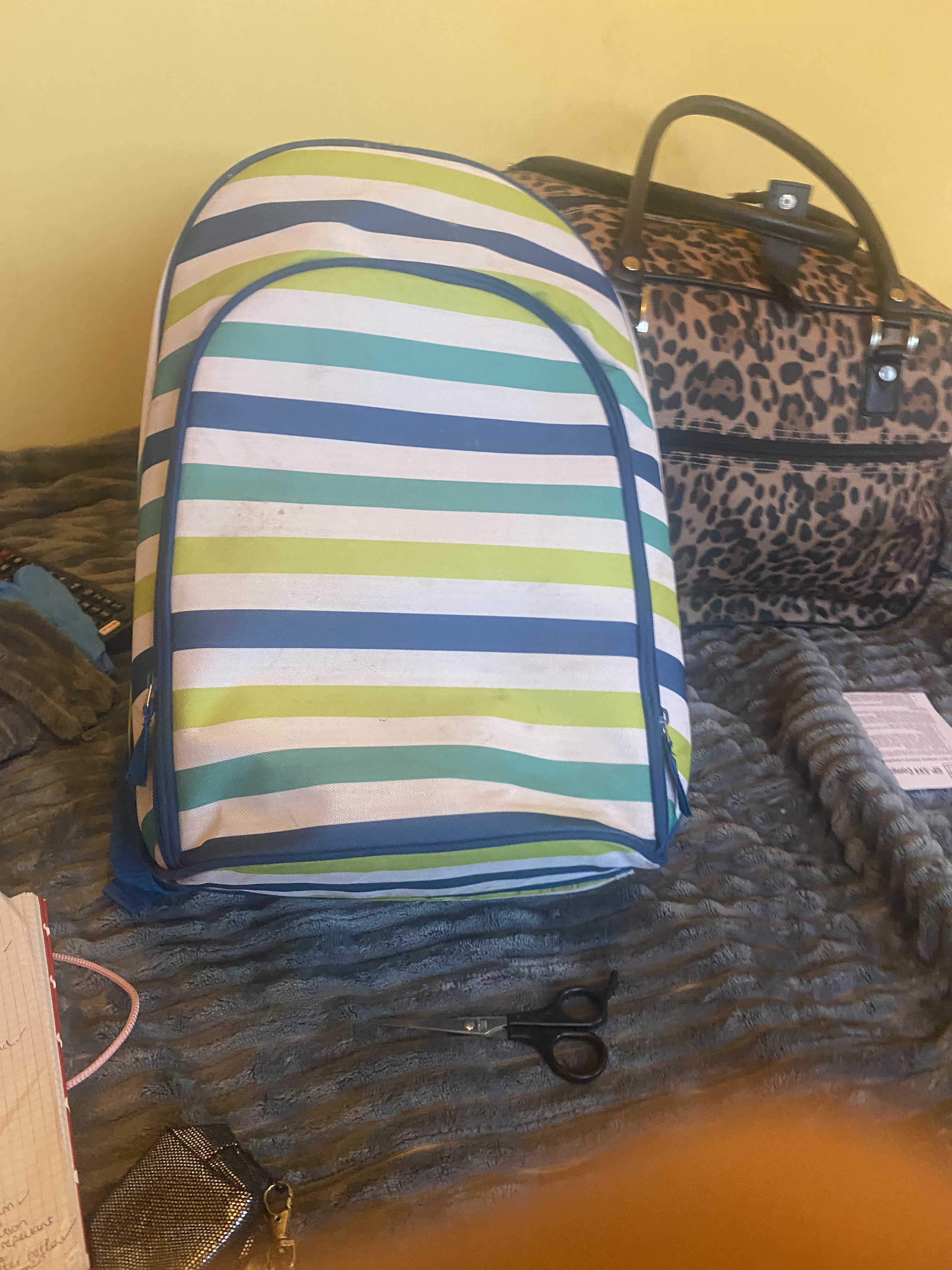
https://amzn.to/456shKR
https://amzn.to/3rRV3A6
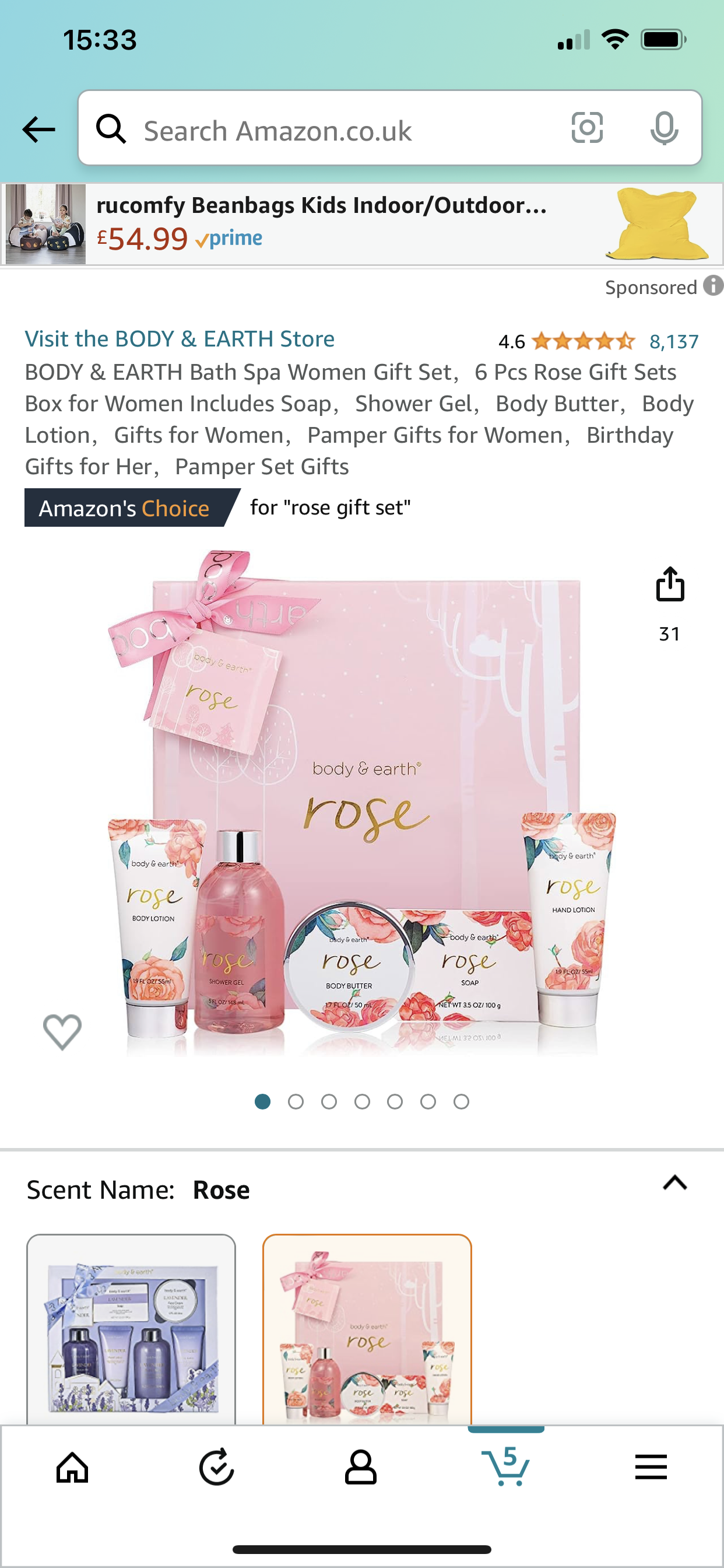
Florence phone


https://amzn.to/3YifTog
Second phone of the day, I am playing on Thursday


setting of the day for Wednesday for all my time difference community you with and members

https://amzn.to/3Oh81i9
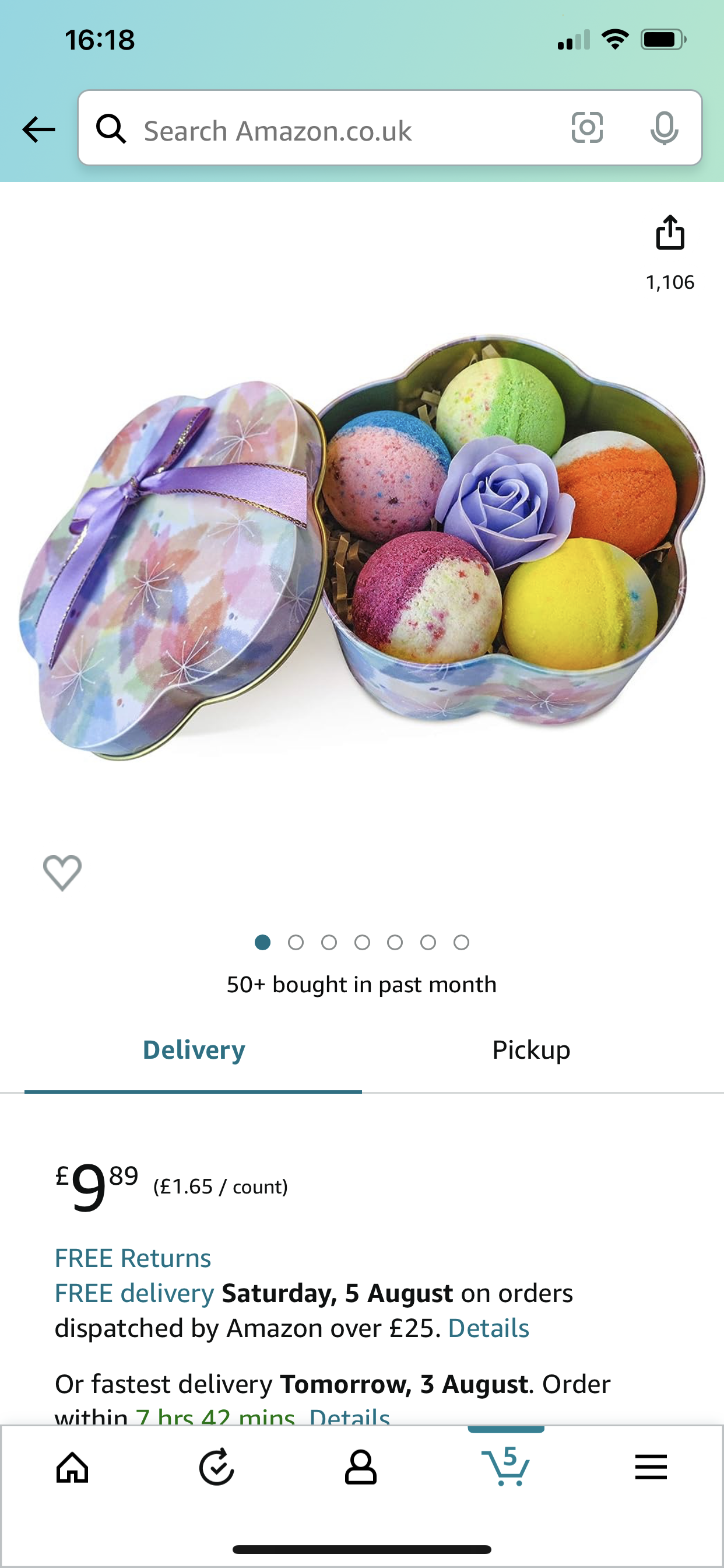

Look at the BBC Proms poster this year and you’ll spot some classical big-hitters – the conductor Sir Simon Rattle and cello superstar Sheku Kanneh Mason. But look closer still and you’ll clock a suave French horn player…and his toes. Felix Klieser has been described as a virtuoso and has performed all over the world, but born without arms he plays the instrument with his left foot.
“It was a little miracle,” Felix says, that he became a French horn player at all.
Not because of his limb difference but because when he asked to learn the instrument, aged four, his family had no idea what he was talking about.
“I’d never been to a concert, I’d never met a horn player and in my family there was no one making music. My parents said: ‘Err, what is a French horn?” he told the BBC’s Access All podcast.
His family did some research and lucked out. In the German city of Göttingen, where Felix grew up “there was one music school and at the music school there was one horn teacher”.
Felix enrolled and a life-time of problem solving began.
Questions rapidly stacked up. How would he play an instrument that requires one hand to support the horn and the other to create the sound? Without fingers, how would he use the valves to change the note?
At first it wasn’t a problem at all. As a child Felix could sit on the floor and reach the mouthpiece with someone holding the horn.
As he grew, he worked with a “creative person who can build strange things” to develop a stand which holds the instrument in place.
As for the lack of fingers, Felix realised he could kick his left leg up and angle his foot to use his dexterous toes just as well.
The position is an impressive sight, even to Felix.
“When I see myself it looks very interesting and very spectacular. But when I play by myself it’s a very comfortable position,” he says. “It’s something I can do for hours.”
The biggest challenge was not an obvious physical one, it was making the French horn actually sound like a French horn.
It consists of a 12ft brass tube, which curls round into an open “bell” where the sound comes out. Horn players put their right hand in the bell to create the familiar, haunting, sound you might have heard in popular film music like Jurassic Park.
Without a hand to put in the bell, Felix realised he would have to create the tone entirely through the way he played.
“There was no teacher who could teach you how to play the horn in this way. It was more trial and error. I’ve just my lips, I’ve just my air,” he says.
“You have to control the air in a different way and take care of the position of your lips, of your tongue. This was maybe the most challenging thing, I practised a lot.”
This technique sets Felix apart from other players.
He was recognised very early on in his studies as exceptional by any standard, but even those closest to him doubted he would be accepted into the classical music world.
As a teenager, Felix studied at Hanover University of Music, Drama and Media and won a prestigious prize. At the time, he and his teacher were interviewed for a newspaper.
The reporter asked Felix if he planned on a professional career.
“My answer was something like: ‘Maybe it could be possible, I don’t know because I’m still at school”.”
Then his teacher, a famous player, interrupted him. “It’s a good hobby for you, but you will never be a professional horn player. Never, never, never. You don’t have the right hand, and the bell works differently. It will never work’.”
It was a sliding doors moment for Felix, who abruptly and unexpectedly learned life offers you two options.
“You have to decide, should I try to show that it is possible or should I give up? These situations happen quite often in my life,” he says.
Rather than strive to become a professional musician, Felix simply wanted to “play the French horn as good as possible,” and see how far that would take him.
It has taken him all over the world, to the south coast of England where he recently completed a two-year residency with the Bournemouth Symphony Orchestra and even on tour with the singer, Sting.
But he says the biggest lesson he learned goes back to his early years.
“The most important thing, when I grew up, is to learn to solve problems,” he says.
“I never knew what is possible for me and what is not possible. But when you have a way of thinking, ‘Ok, I can solve every problem,’ then you have many, many possibilities in your life.
“And this is not a question of having a disability or not, because in the end all of us has something where he or she thinks ‘Ok, there is a limit’.”
Felix faced a serious challenge recently. One that is relatable to all of us – getting through the Covid-19 pandemic.
As a professional musician, he went from having a full concert schedule to nothing.
“I stopped practising because it was not necessary anymore,” he says. “Then I bought a PlayStation and did a lot of PlayStation,” using the controller with his toes.
One day it occurred to him: “Maybe it’s a little bit sad for my horn to be in the case and not to be useful anymore?”
He took it out and they became re-acquainted. After all these years together he gave it a name – Alex. He even bought some googly eyes to bring Alex to life.
Then he cast his eyes around and wondered what non-musical activities Alex could get involved with if he wasn’t being played – cooking was the first to come to mind and to entertain his online followers.
Even now with a full concert schedule once again, Alex lives a very fulfilled and varied life for a horn.
It has been a fun way to connect with fans all over the world but some will get to watch Felix play in London when he takes to the stage at the Royal Albert Hall for his BBC Proms debut on 2 and 3 August.
He will perform Mozart’s Horn Concerto No. 4.
“I’m excited,” he says. “For me the most important thing is to get to know the audience here.
“When you’re young and start a career then you’re looking to play with famous conductors, famous orchestras. But right now I want to play music for people to make the world a little bit more beautiful.”
phone of the evening for your Tuesday evening #SayingOfTheDayYou #SayingForYouTuesdayHashtagSignForYourEvening #NoiseIsThisRosa
https://amzn.to/3OCrNGa


bro you guys if you haven’t seen the postcode for the product code through out the day #Joe #Prime #Relaxation #VideoLinks#GrandadYourselfThePhone
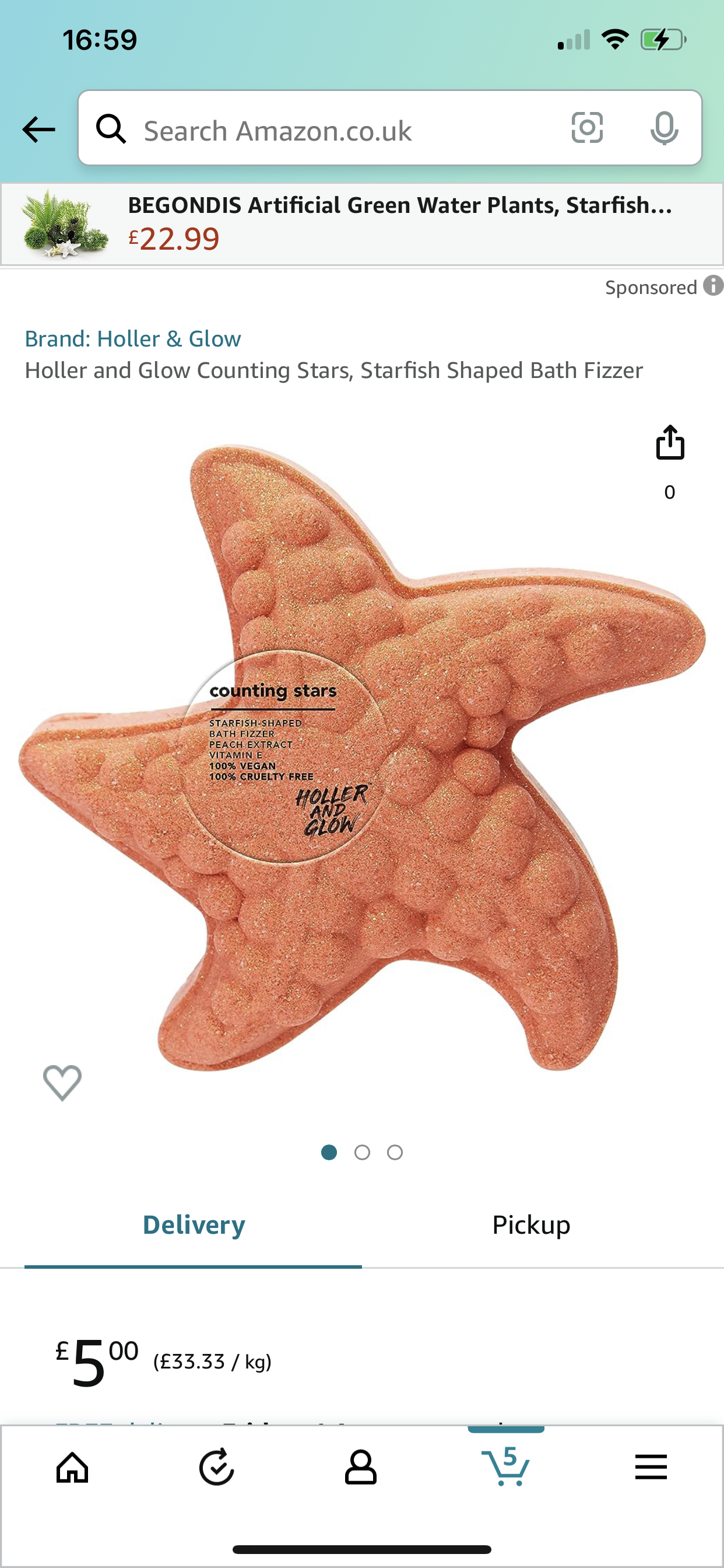
https://amzn.to/3OD5DDT

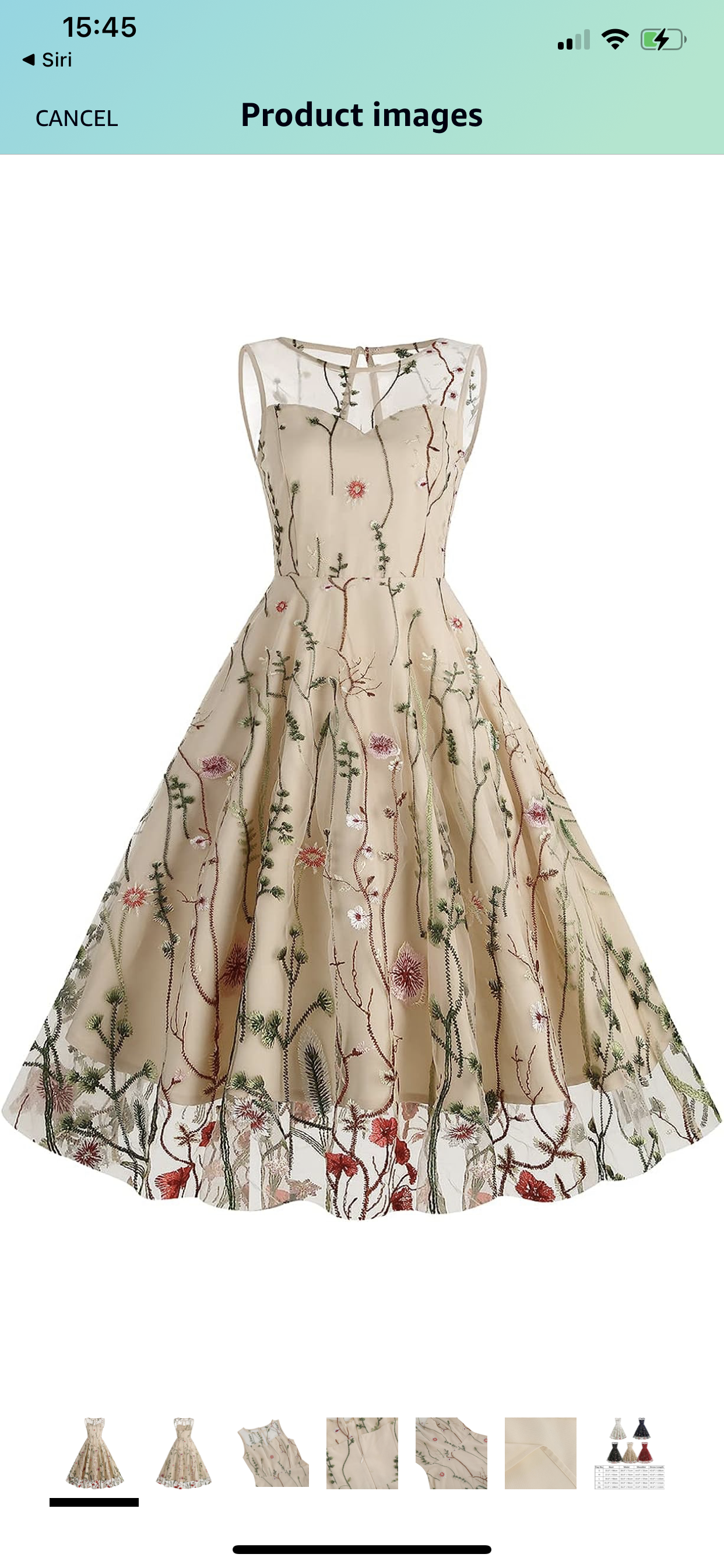
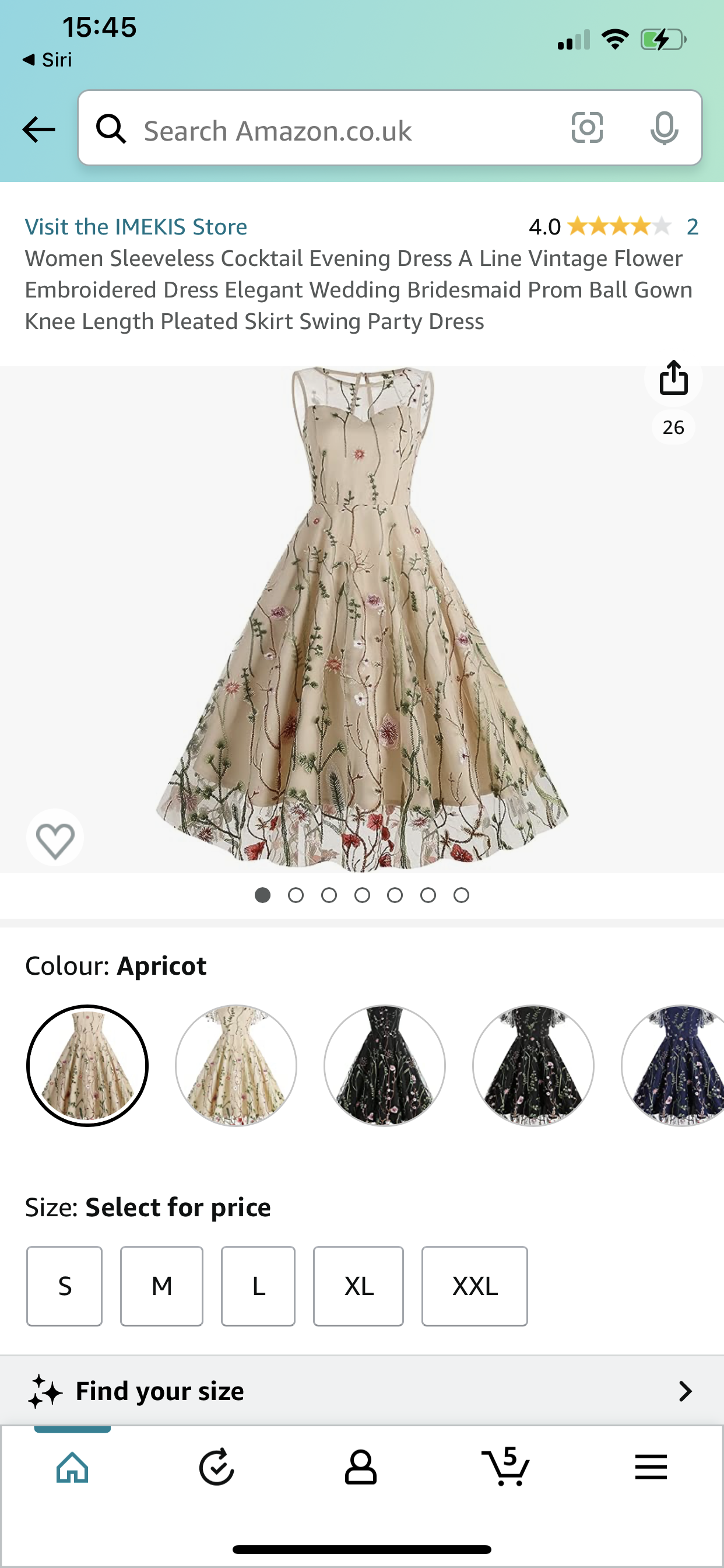

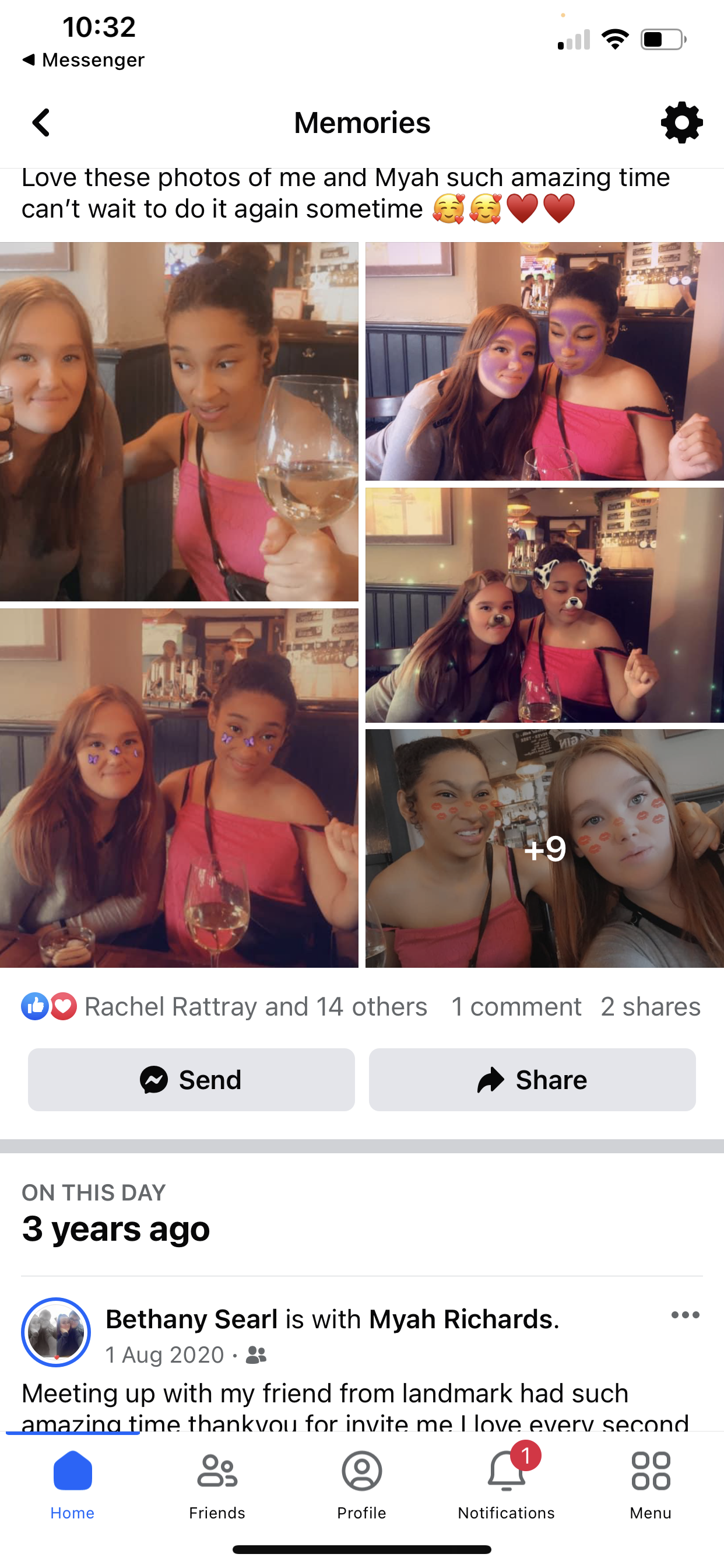
https://pin.it/2EgQK2o
follow my Pinterest page to see what can you do things that I had to get there today. Pick up some great person Prime from London to rain on well. Click on the link to see what time I want to purchase, including evening wear casual wear and many other. Items such as so many more. Click on the link that is at the top to view all my items on my Pinterest account set up also I have more time please check that often to see if there is something you may want to purchase from this link time I want to go alone in the future, even residential course support in terms of employment specialist assistance for my disability thanks viewers of my blood 🙂
Disabled Flyers Angry At Airline ‘Double Charging’
Major airlines are charging some disabled passengers double to fly from the UK, the BBC has found.
Nearly 30 carriers contacted by the BBC said passengers with mobility problems must purchase a full-price ticket for a personal care assistant (PA).
This is despite Civil Aviation Authority guidance on EU law, maintained by the UK post-Brexit, urging airlines to subsidise the cost.
Disabled people with mobility issues say the situation is discriminatory.
Melody Powell has been saving up to visit friends in New York who kept her company online during years of Covid shielding, but says the extra cost makes flying impossibly expensive.
Melody, 25, uses a wheelchair and needs to fly with a PA to help her reach the toilet and get off the plane. She now has enough money to pay for her own fare – almost £600 – but is still a long way from being able to afford another full-price ticket.
“Seeing how much it will cost me to fly because I’m disabled is quite scary,” she says.
Richard Amm is unable to visit his family in South Africa during the festive season or at short notice, when PA tickets can cost £1,500.
When his 77-year-old mother broke three ribs recently, flying over was too costly.
“I would love to visit my mum,” Richard says. “But facing double the cost, it just isn’t really feasible for me to go.”
The 40-year-old uses a wheelchair and has trouble lifting his arms, so needs help on long flights.
He feels the current situation is “totally discriminatory” and makes it even harder for disabled people to manage the already high costs of living.
“Most of us are too poor to even afford a ticket for ourselves,” Richard says.
According to disability charity Scope the average additional monthly cost of being disabled is about £600 – because of the higher cost of specialist equipment and higher usage of essentials like energy.
But the employment rate for disabled people is 54%, compared to 82% for non-disabled people.
Scale of the problem
BBC News contacted more than 100 airlines, including all that fly from Heathrow, to find out how many insist on a PA and whether they offer a discount.
- Only Pakistan International Airlines offers PA discounts for both international and domestic travel
- Some 28 airlines confirmed that they require passengers with mobility problems to purchase an additional PA ticket at full price – these include major airlines like Emirates, Etihad Airways, American Airlines and Virgin Atlantic, as well as budget airlines such as Easyjet, Ryanair, Jet2 and Eurowings
- A further 40 carriers, including Turkish Airlines and Delta, list either a recommendation or mandatory requirement to travel with a PA on their website, but do not clearly set out how much it costs, nor whether the individual or the airline should pay
- Some airlines in Australia, Malaysia, Canada and India offer concessions for domestic flights only, and Aegean said it examines requests on a case-by-case basis
- The remaining 33 airlines either did not reply to the BBC’s request, had no information listed or stopped operating prior to publication
British Airways told the BBC that it provided discounted PA fares on direct flights to Brazil and US, but refused to specify by how much. US law allows for subsidised tickets, but only if the airline believes a PA is necessary for safety reasons and the individual does not.
But in reality, the BBC has been told, this excludes the majority of disabled passengers as it is extremely rare for the clause to be activated – as most people who are told they need a PA already accept that they do.
Being told by airlines to travel with, and pay for, a PA is a common frustration for disabled passengers, says Josh Wintersgill, a wheelchair user and entrepreneur who is trying to improve aviation accessibility.
“With many not requiring companions, being forced to travel with someone feels very undermining and incurs additional costs. This is significantly unfair and borderline discriminatory,” he says.
He says there is a need for “drastic international collaboration” to improve “outdated and ineffective regulations and guidelines”.
European aviation regulations, maintained by the UK post-Brexit, explicitly advise airlines to offer discounts for passengers who require an escort, but they are advisory only, and cannot be enforced.
The CAA, which regulates UK aviation policy set by the Department of Transport, also recommends free or discounted PA tickets, but again lacks the power to impose them. The CAA’s chief, Anne Bowles, told the BBC that while there was no legal requirement for airlines to offer free or discounted seats to an accompanying person, “our view is that it is best practice for airlines to do so”.
Adopting these recommendations would bring the aviation sector in line with travelcard schemes across the UK that provide free or discounted travel to disabled people – and sometimes their carers – on buses, trains and taxis. Similar PA concessions also apply at ticketed events.
Melody is frustrated that there is no obligation for airlines to offer discounted fares.
“When it comes to any sort of legislation that’s meant to help disabled people, it’s never a legally binding thing,” she says. “It’s always ‘a suggestion’ that people conveniently forget exists.”
Discriminatory loophole
Airlines and airports are required to provide disabled passengers with assistance to the plane free of charge, including help to board and disembark the aircraft, in line with anti-discrimination commitments.
However, during the flight itself, airline staff are not expected to help disabled passengers access the toilet or evacuate the aircraft.
This is because airlines are not considered service providers under the UK Equality Act, leaving few legal options to challenge disability discrimination in air travel.
Airlines are only required to follow the Montreal Convention, a set of rules which limit responsibility to personal injury or loss and damage of baggage.
Campaigner Chris Wood said more legislation was needed because the current advice was just “guidance, not the law”.
What the rules should be and what we want are “two different things”, he told BBC Radio 4’s Today Programme, suggesting that airlines should show “a little bit of empathy”.
The founder of Flying Disabled added that some airlines are “great”, but they all “need guidance”.
Last year the government conducted an aviation consultation that addressed accessibility for disabled passengers but, like its aviation passenger charter, it did not specifically address additional ticket costs for PAs.
When asked by the BBC over the widespread failure of airlines to adopt recommendations to subsidise PA fares, the Department for Transport said it was “committed to ensuring” accessible air travel but did not address the additional ticket charges.
Global picture
Enforcing global disability rights in air travel is a challenge because there is no collective means of imposing obligations internationally.
For example, when a 2019 lawsuit in Canada found that requiring obese passengers and those with a disability to purchase two seats was discriminatory, the country’s airlines began to subsidise PA tickets – but for domestic flights only.
Legal experts have told the BBC that the most probable path for change is for a bloc of countries, such as the EU, to impose a member-wide standard that might then become a global norm. Post-Brexit, the UK’s position would require its own unique commitments.
Disabled people ‘avoid flying’
A host of failings have been highlighted by the disabled community in recent years. These include being left on planes or at terminals for a long time when waiting for assistance, difficulties accessing the toilet and wheelchairs being lost or damaged.
Rather than face the additional costs and challenges of flying as a disabled passenger, many avoid it.
Ben Iles, 44, likes to travel but has flown just twice in the past 20 years, having had bad experiences getting on and off planes – he now prefers to use a van that is adapted to his wheelchair.
“I have everything I need,” he says.
But there are some signs of progress for disabled and less mobile travellers – the Department for Transport said last month that it planned to give the CAA the power to fine airlines for breaching consumer laws.
This includes removing the reimbursement cap for damaged wheelchairs, which are currently treated like regular luggage and valued by weight, not price.
The CAA has also suggested a ranking to provide transparency about the disability performance of different airlines.
In response to the BBC’s findings, Airlines UK, the industry trade body, said its airlines held a “proven track record” of constructive engagement on disability issues and would continue to be supportive of any initiative that improved quality and access to air travel.
doorframe of the night or Monday
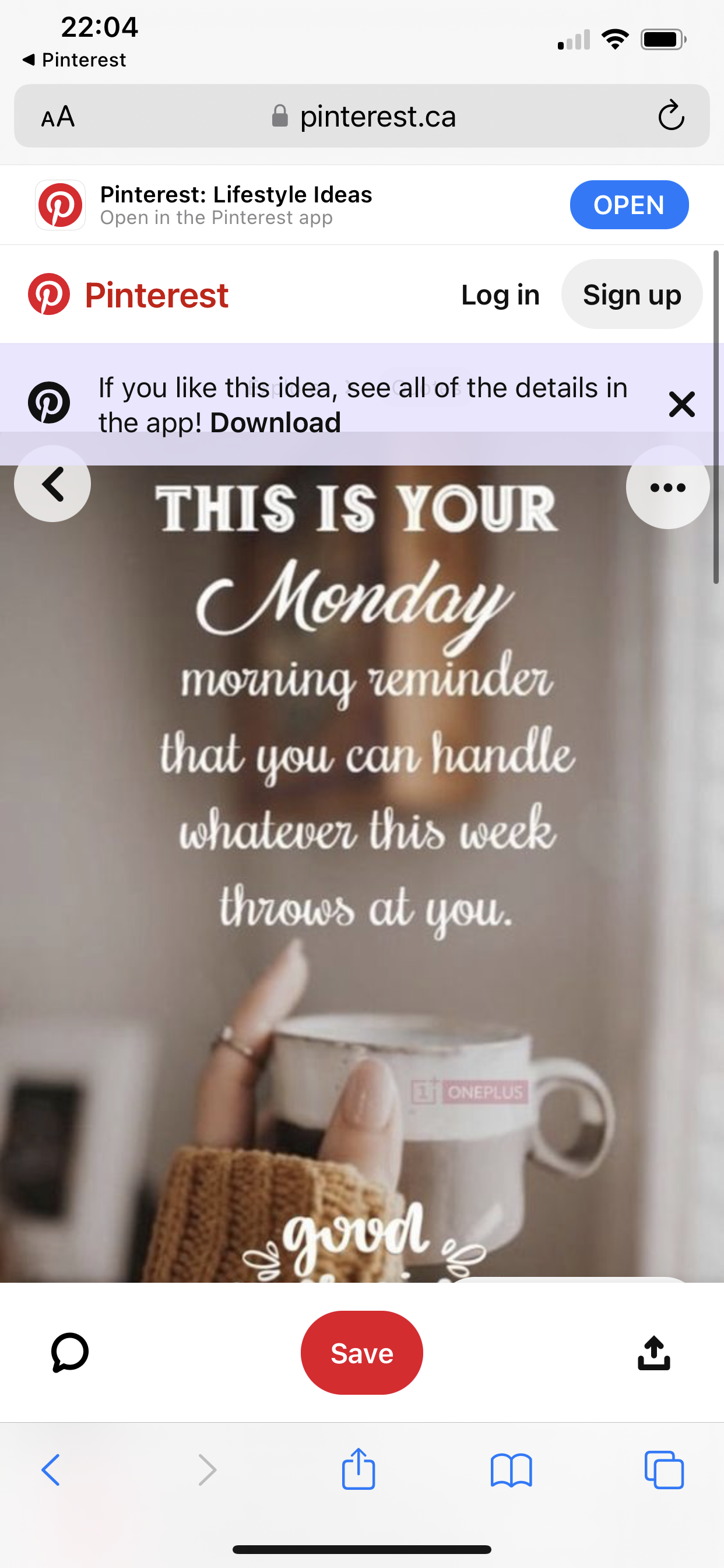
ring Sophia for the whole
evening, time of the evening for the whole community
https://vm.tiktok.com/ZGJbUbfsu/silly video that I made tonight, who are you click on the link to
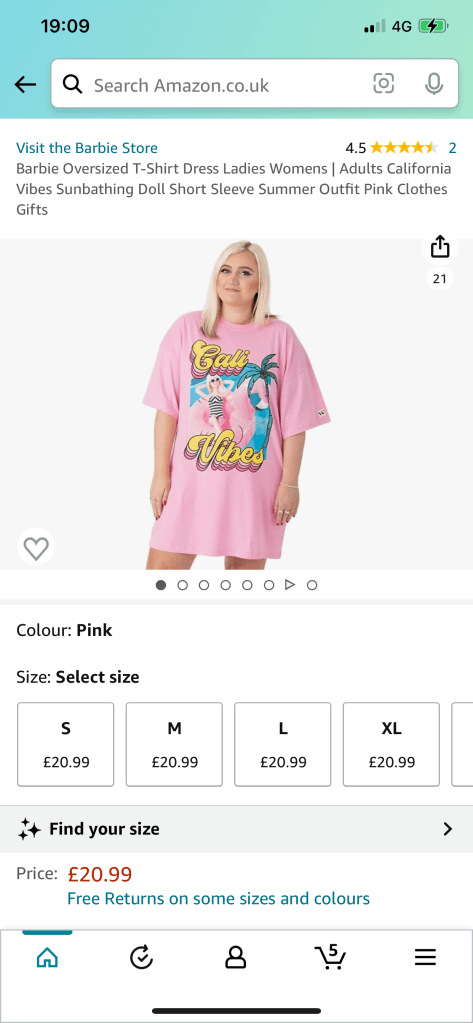
https://amzn.to/3DzkxF1

selfies of the day


Bread Ahead Bakery Are Working With Whizz-Kids
A friend of Same Difference has asked us to publicise a very interesting crossover. Bread Ahead Bakery are a bakery and baking school who have stores, stalls and cooking schools in London.
They sound like they help bakers as much as Whizz-Kids help wheelchair users. They are a sponsor of Whizz-Kids’ current Morph’s Epic Art Adventure Trail. You’ll find details here of Bread Ahead’s work with Whizz-Kids, and of how to participate in Bread Ahead’s Gingerbread Morph competition.
Good luck!
Barbie Praised For Inclusivity Over Scoliosis Doll
A Barbie doll with scoliosis is “big” because it means youngsters who play with her will learn about the health condition, according to one sufferer.
Cadi Dafydd, 25, was diagnosed with curvature of the spine when she was 17.
She said she has been inspired by the new Barbie film and the doll Chelsea, Barbie’s sister, who has scoliosis.
“I’m really glad that Barbie and Mattel have taken the steps to include more diverse characters,” said Cadi, from Blaenau Ffestiniog, Gwynedd, as the new film starring Margot Robbie and Ryan Gosling became the biggest of 2023 so far.
In the coming-of-age story of the children’s character she explores her identity and encourages her friend Ken to establish individuality.
In February, Mattel launched the doll Chelsea who has a curvature of the spine and a removable back brace.
Cadi said: “Representation really does matter… seeing as very few of us, I would say, would fit into the ideal image that Barbie was once known for.
“Along with this representation is the awareness that it raises of scoliosis and other conditions,” Cadi told BBC Radio Wales Breakfast.
“To think that it is now a doll – and that young girls will know of us – is a really big thing.”
where are you go to work week tomorrow be productive and be successful. And I hope everybody has a good day.
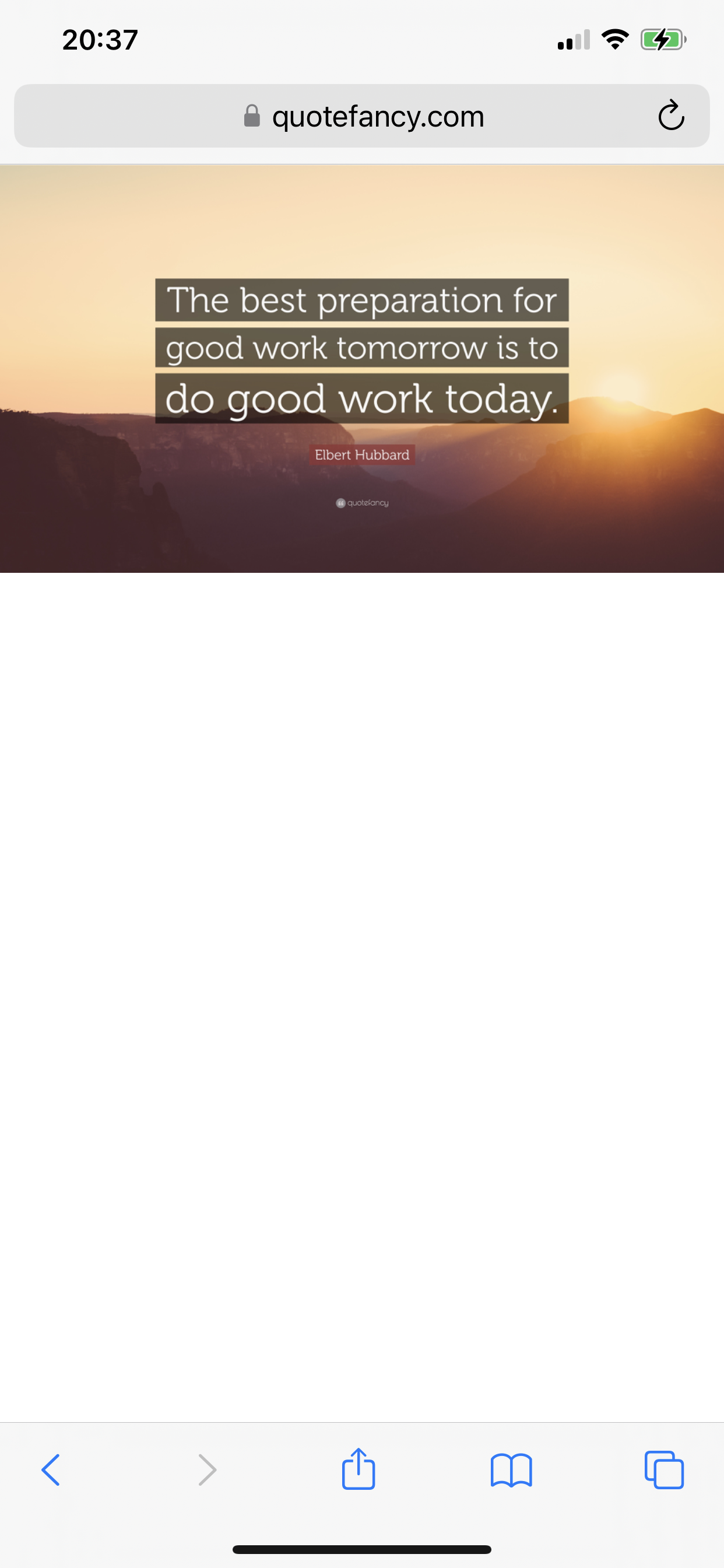
second, saying of the day FaceTime, illustration of Minnie and Mickey Mouse José of the day
Are you saying all the time for the whole of the community along with a nice illustration?
https://amzn.to/3YaOp3X
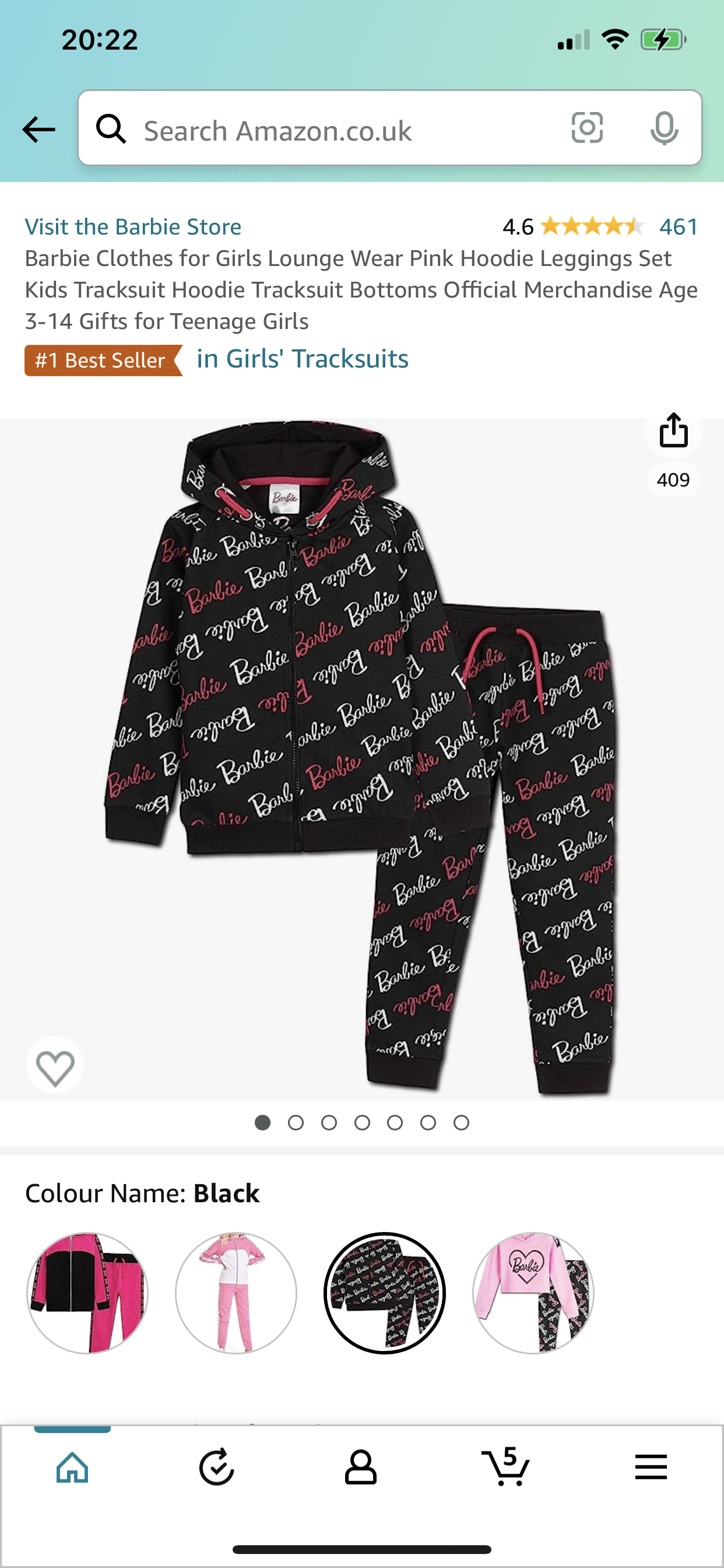
Amazon
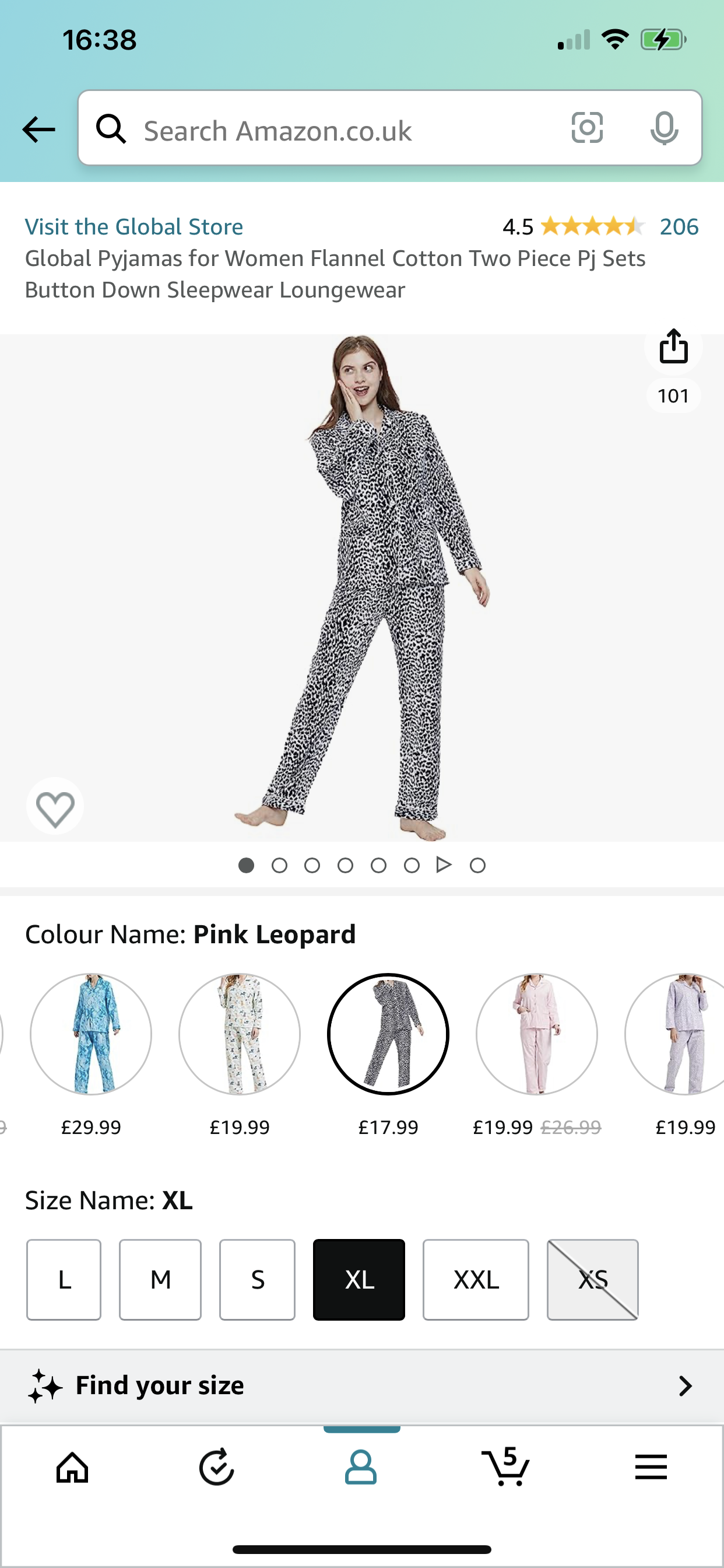
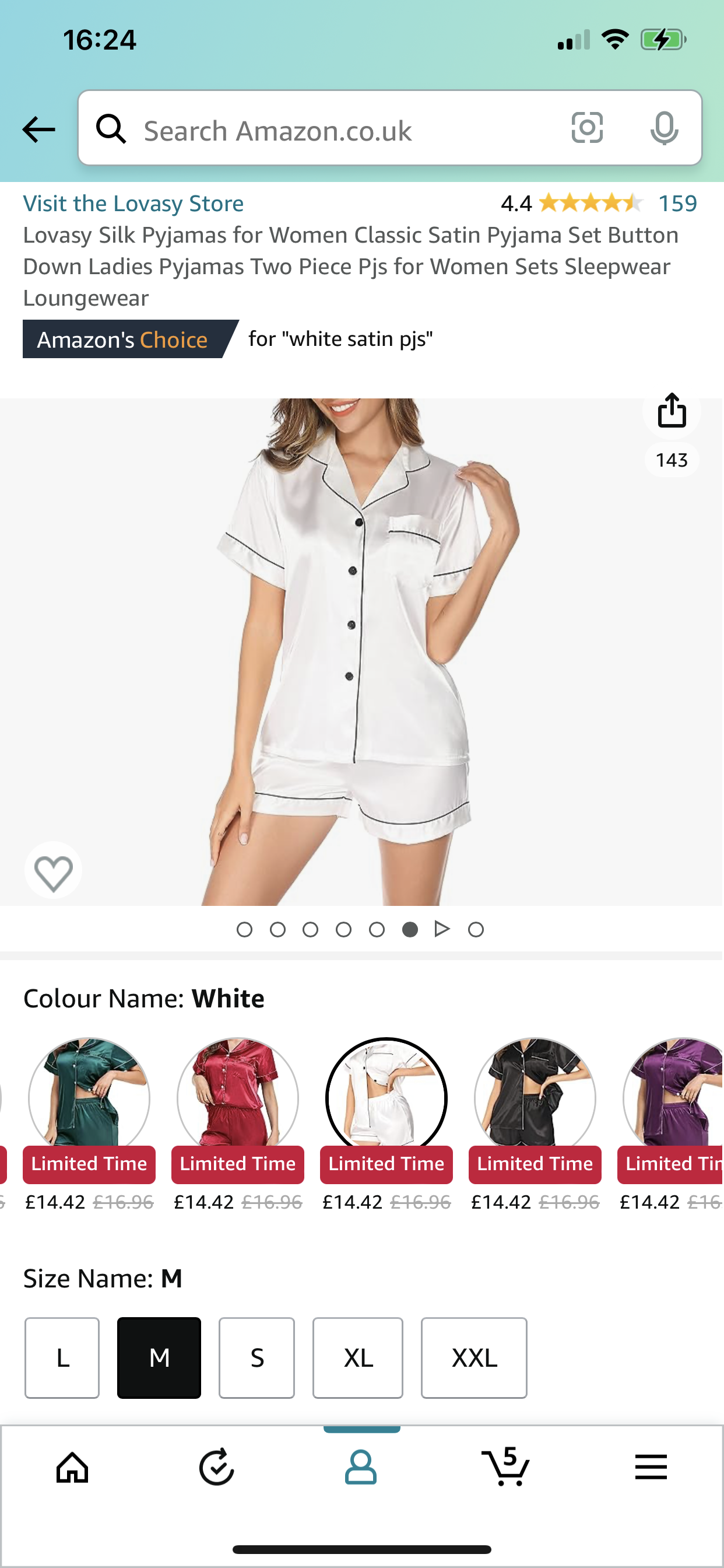
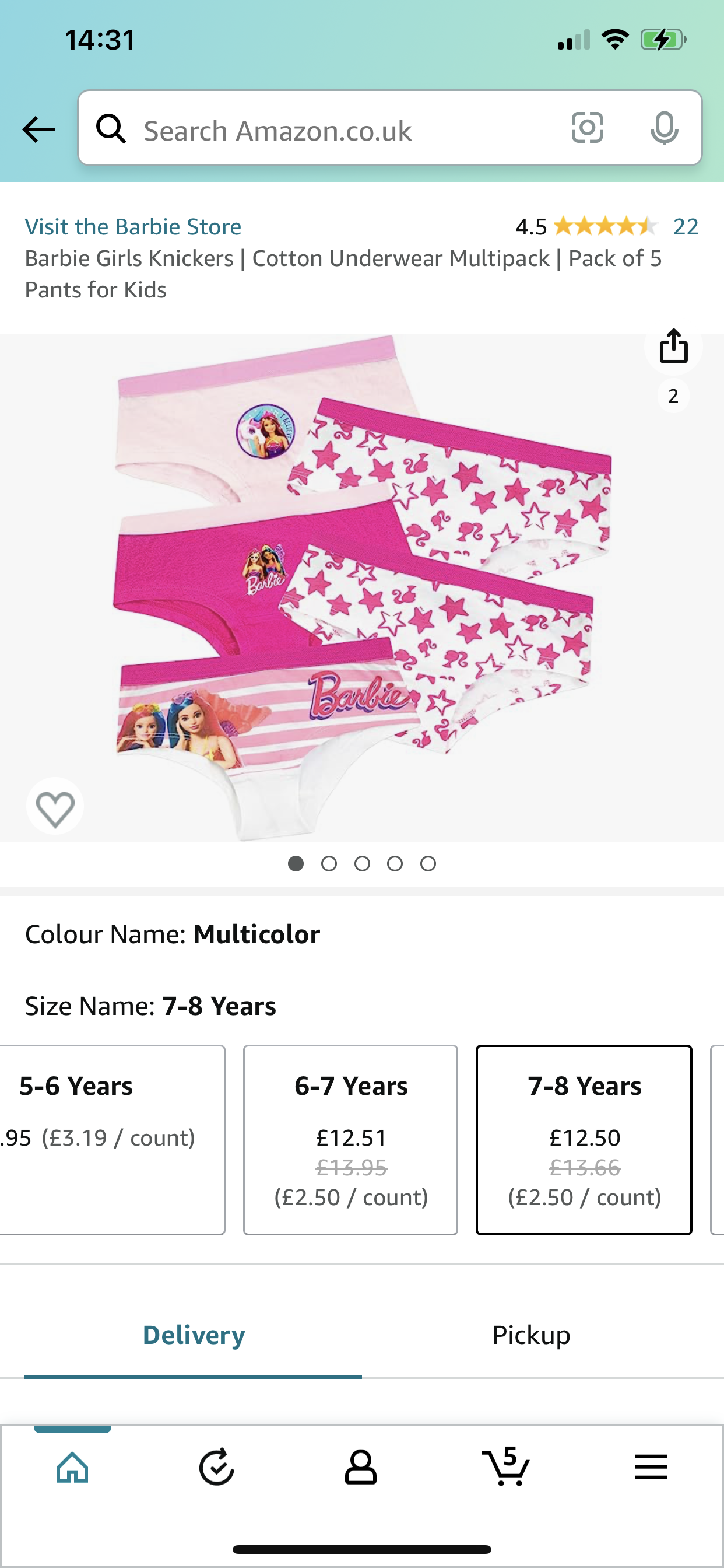
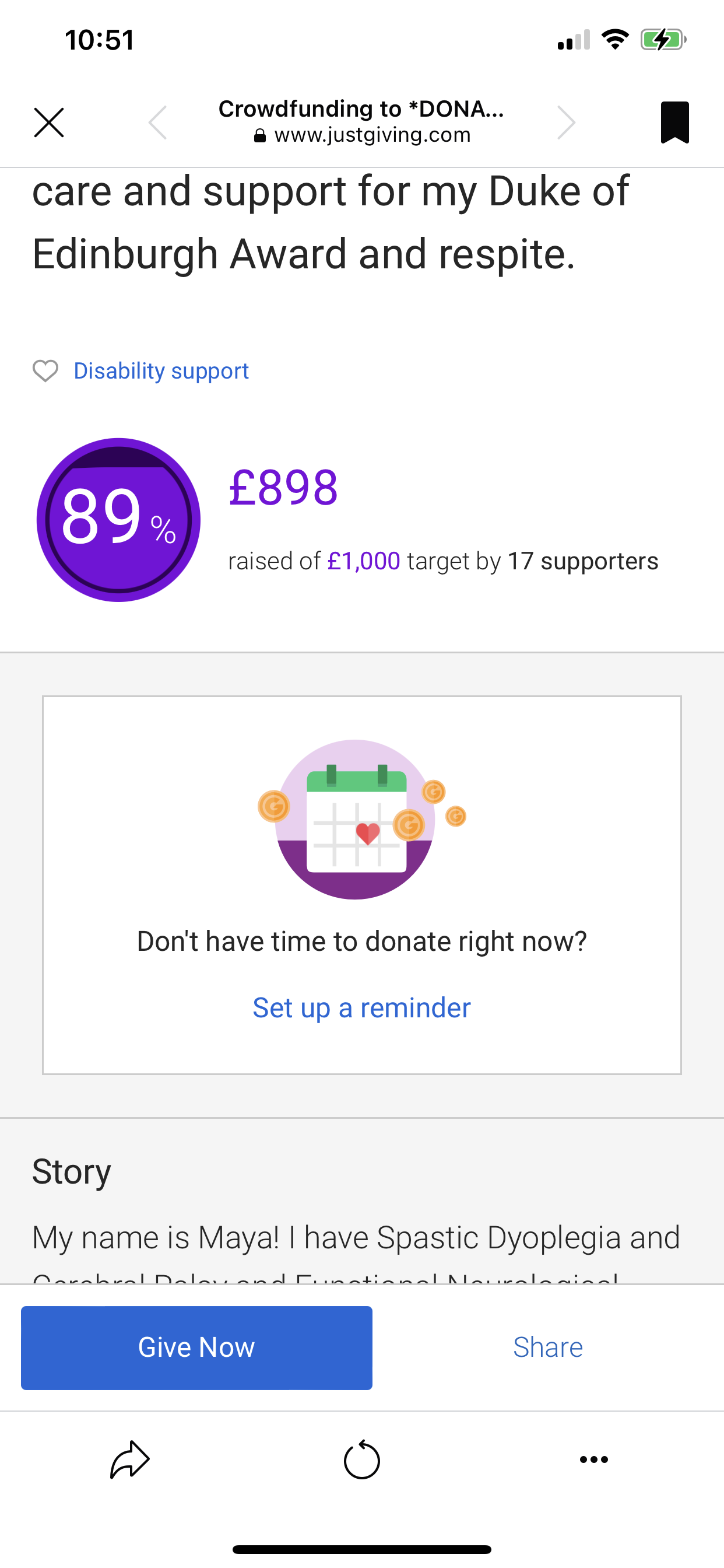
Who is home for your donations have got me please repeat that. I only just give in to see books. You and many other people have managed to already help me and ensure that I am able to 16
https://pin.it/4y8WQtL
https://amzn.to/3qim3bj
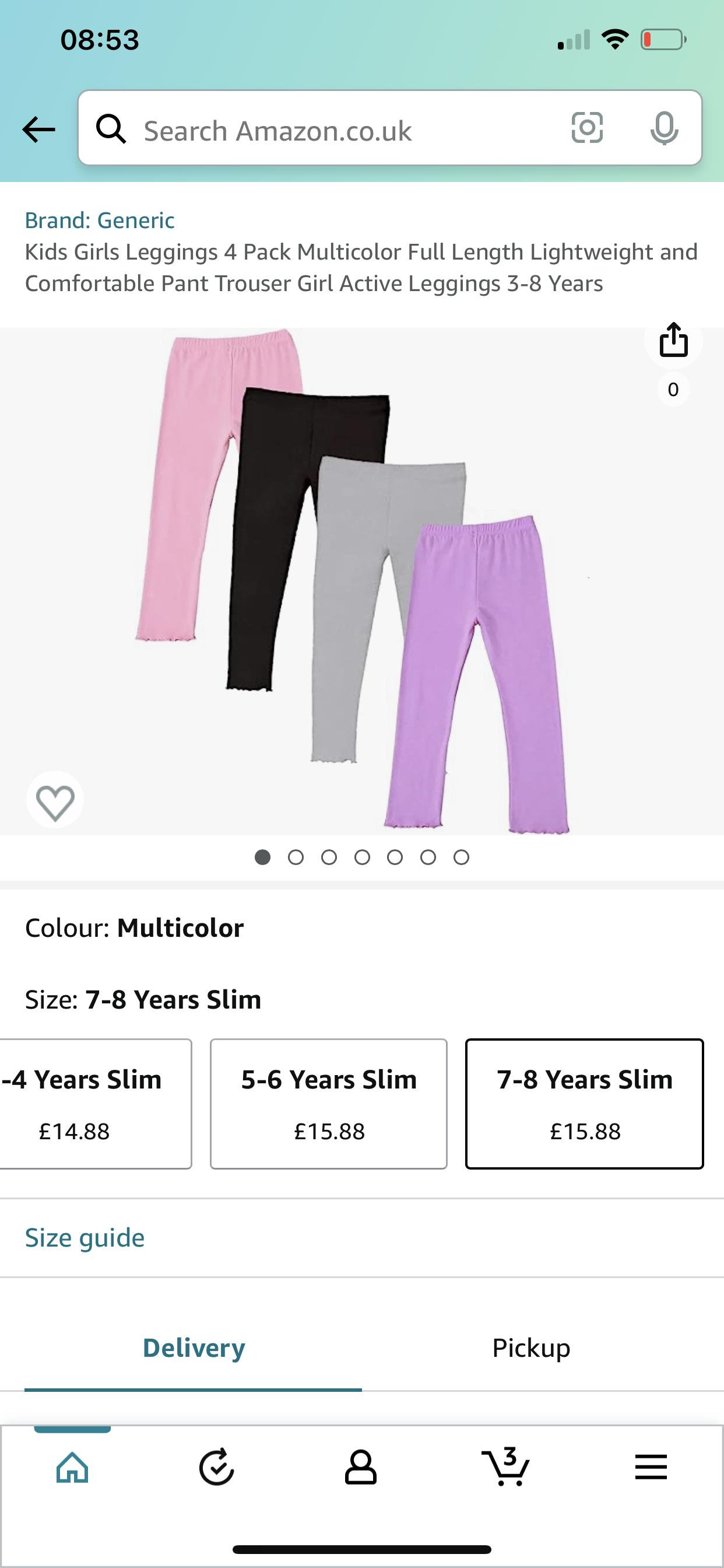
ring open the morning
https://amzn.to/3rFdXKb
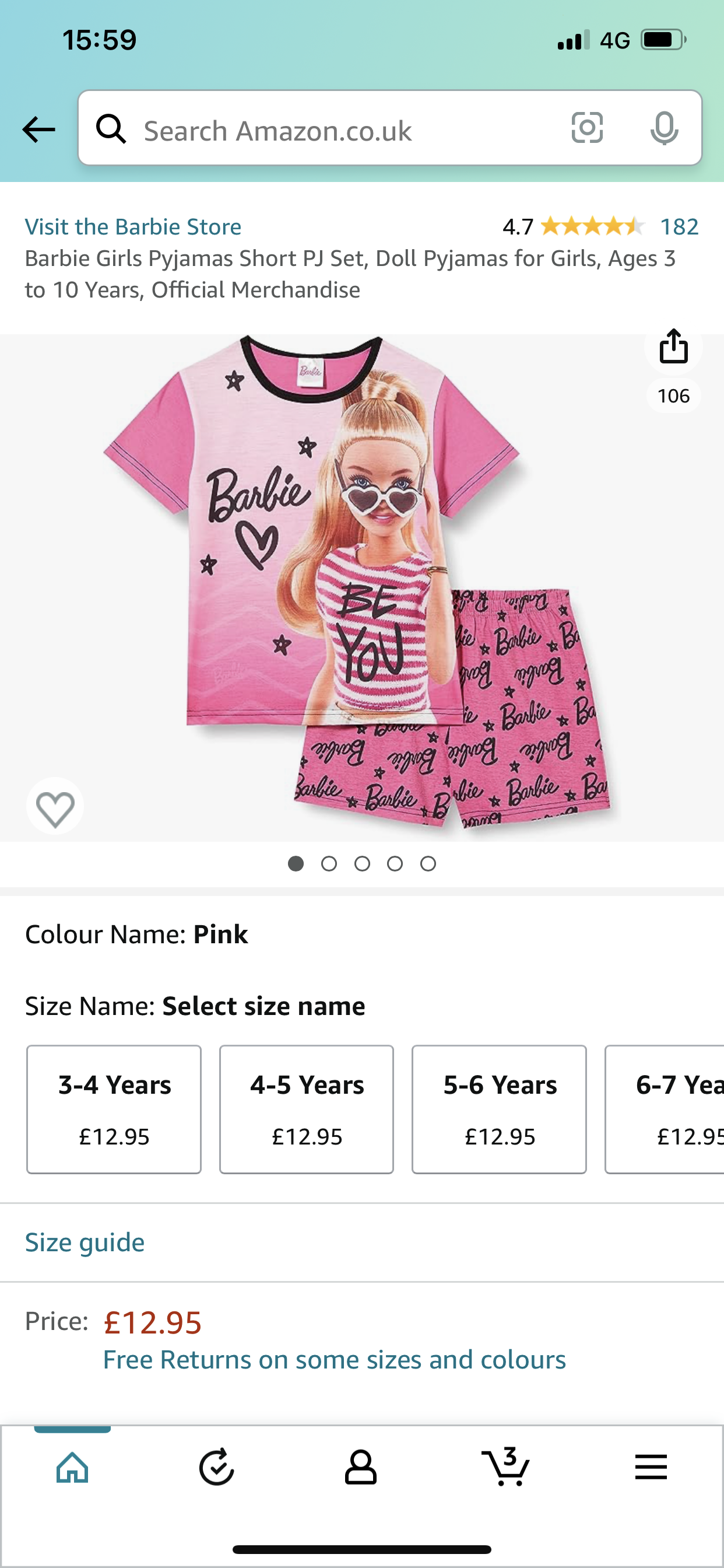
https Rosa://amzn.to/3rFdXKb
https://amzn.to/3ObAvd7 call
picture of this mornings affiliate link for that for you all to see if you want to put
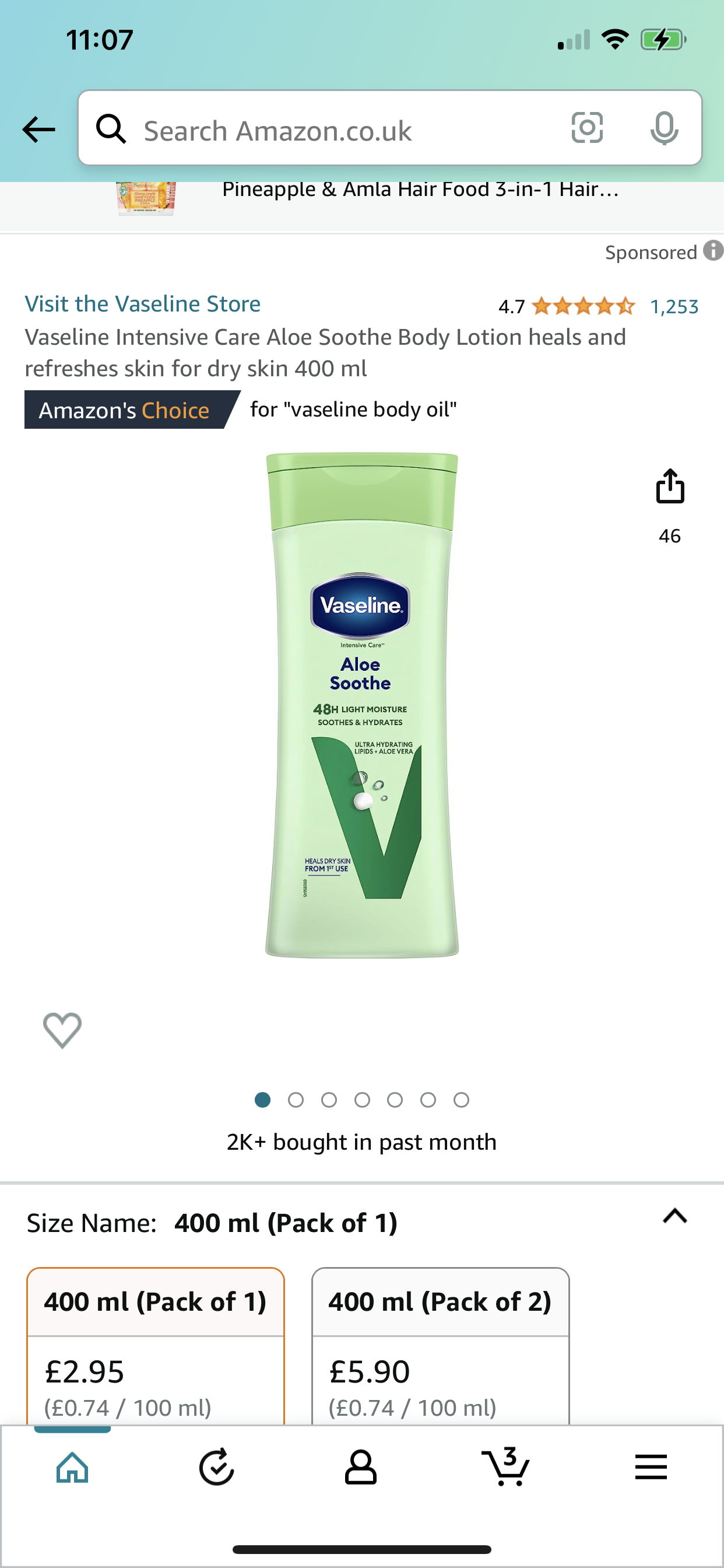
https://amzn.to/3Ki8oIa
d Amazon am is it in the video? good morning for
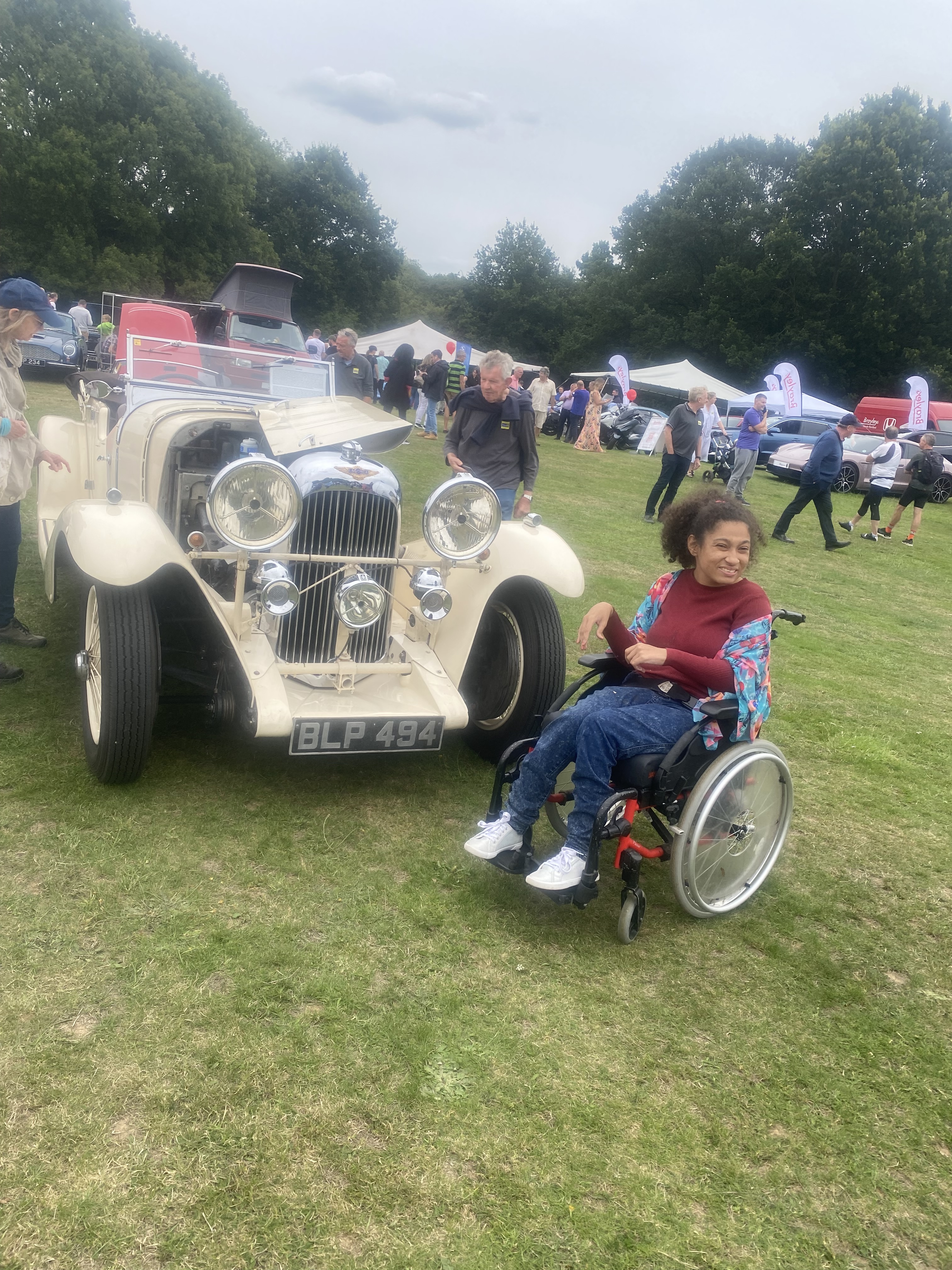
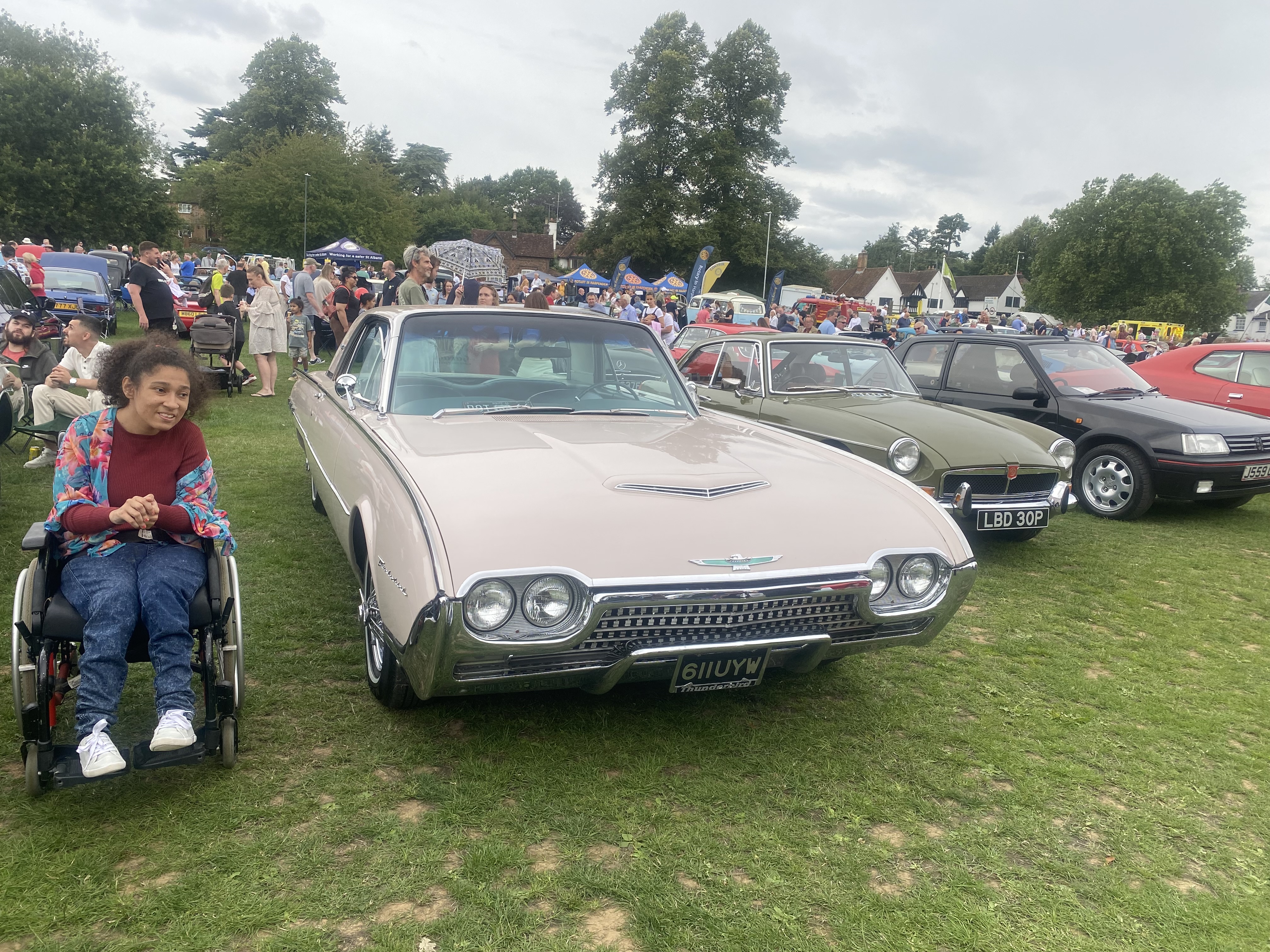
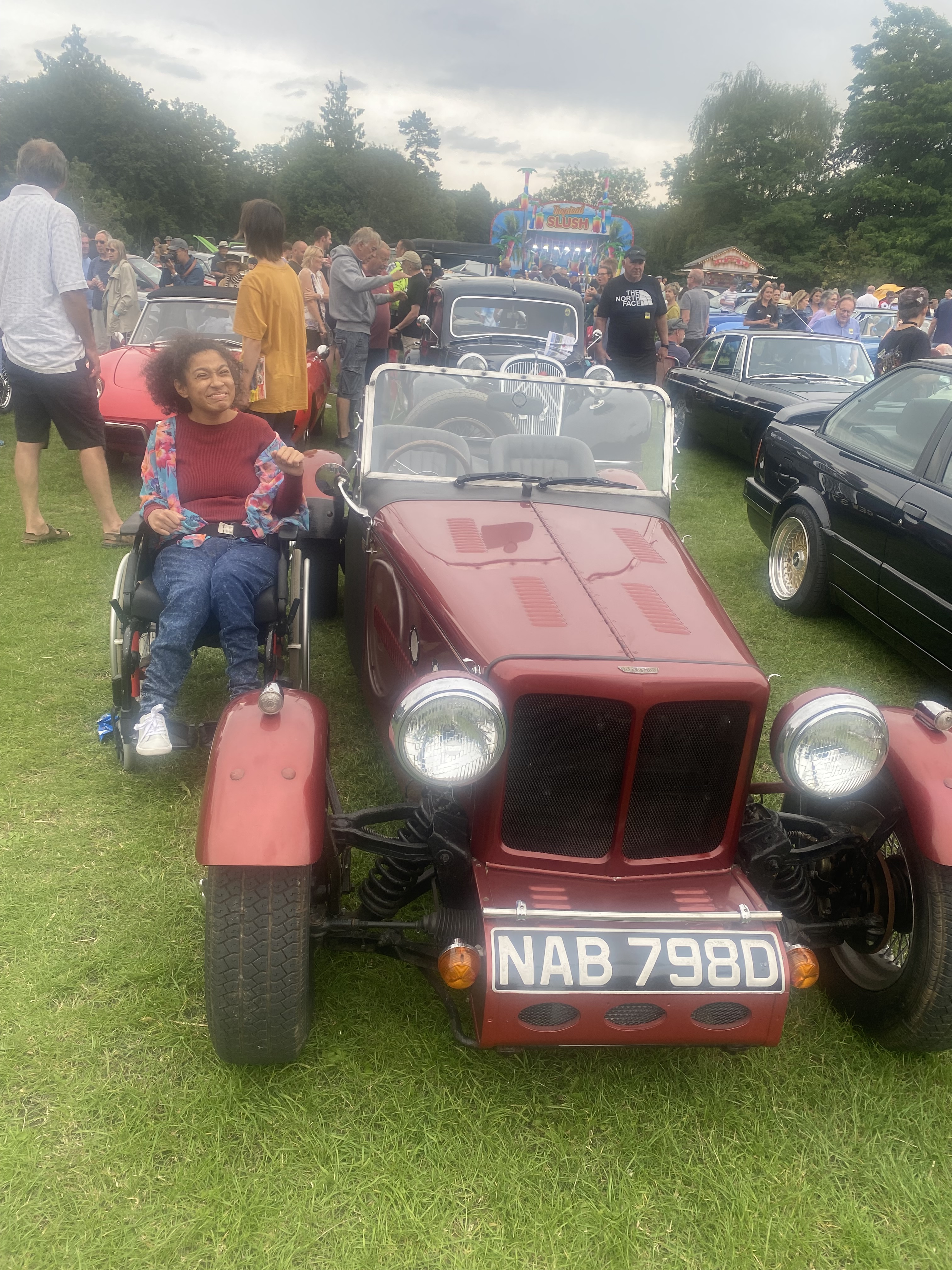
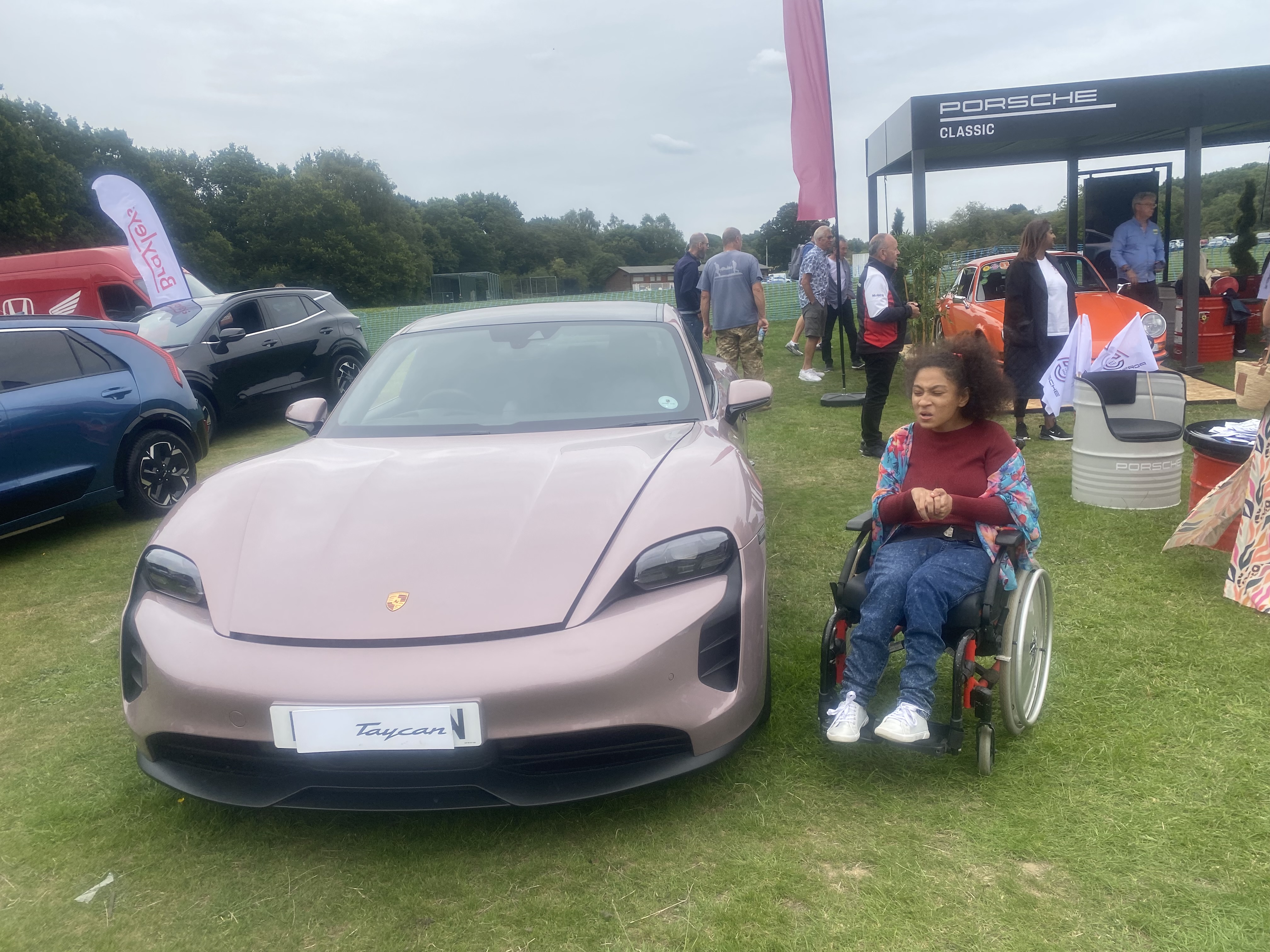
posing in between two very pro sports car. #CurveShow #VisitToTheCoserWithCerebralPalsy #WithTereasa


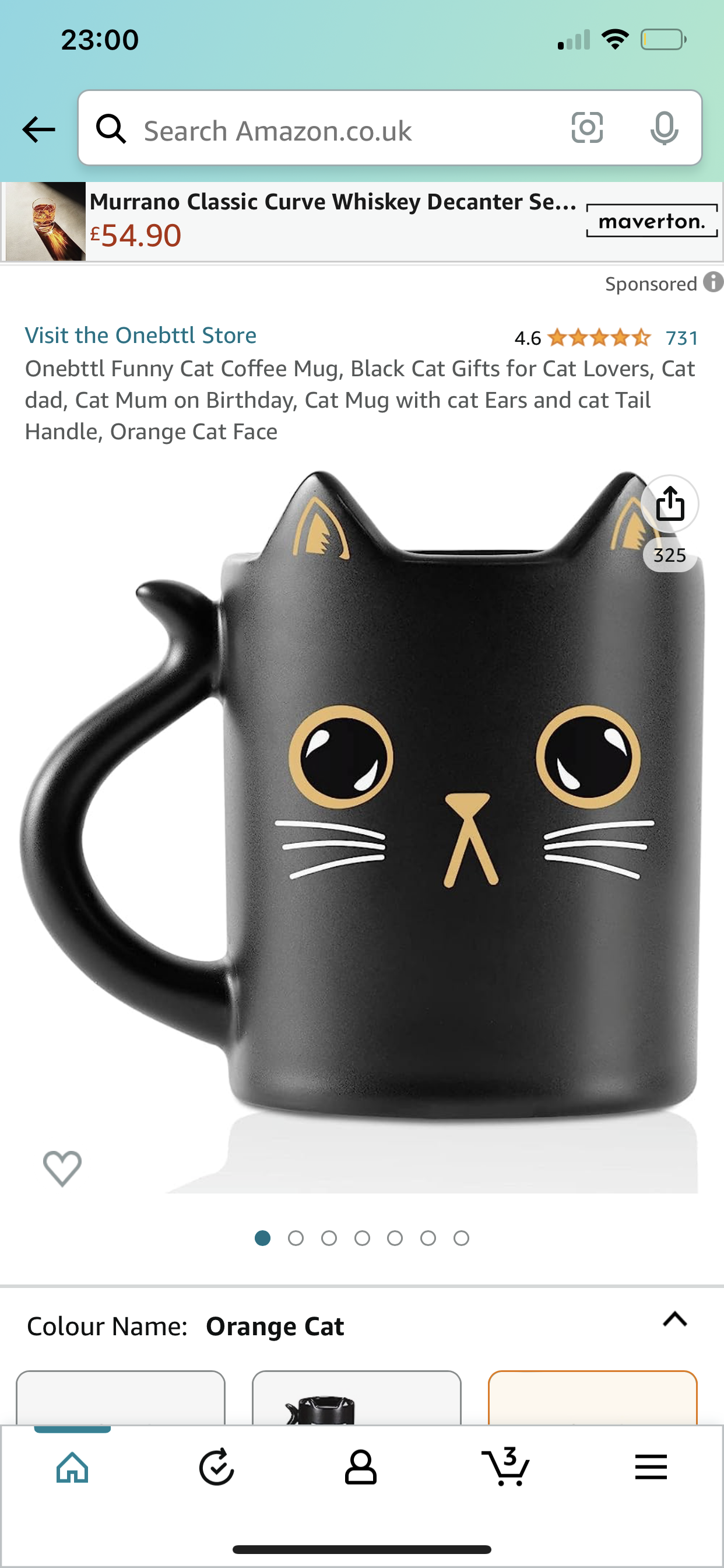
what is for the Poundland ends on Monday at 4 pm?
https://amzn.to/44IHlOd
💜💕 Friday Sophie at club with my ETA
person in the car with a passion for headlights
An actor with dwarfism has criticised the makers of the new Wonka film for giving the role of an Oompa-Loompa to Hugh Grant.
George Coppen believes the role should have been given to an actor with dwarfism, as there are relatively few parts for actors with the condition.
Oompa-Loompas were played by actors with dwarfism in two previous films based on Roald Dahl’s book.
The BBC has asked the makers of Wonka to comment.
‘Door being closed’
George said he first started thinking about the issue when he watched The Hobbit and saw James Nesbitt playing the dwarf Bofur.
“A lot of actors [with dwarfism] feel like we are being pushed out of the industry we love,” he said.
“A lot of people, myself included, argue that dwarfs should be offered everyday roles in dramas and soaps, but we aren’t getting offered those roles.
“One door is being closed but they have forgotten to open the next one.”
George, who is 26 and lives in Derby, follows in the footsteps of his actor father Willie Coppen.
Willie started acting when he heard the makers of Return of the Jedi were looking for people to play Ewoks.
He then went on to act in films including The NeverEnding Story and Willow, before taking a hiatus from acting to have children.
Willie and George then both appeared in Disney’s 2022 TV series revival of Willow.
George’s best known role so far is playing Sweet Cupid in fantasy film The School for Good and Evil.
Wonka will not be released in UK cinemas until December, but Hugh Grant has been pictured as an Oompa-Loompa in the first official trailer.
“They’ve enlarged his head so his head looks bigger. [I thought] what the hell have you done to him?” said George.
Wonka tells the backstory of chocolatier Willy Wonka, played by US star Timothée Chalamet, and is set before the opening of his famous chocolate factory.
At the end of the trailer, Wonka meets Hugh Grant’s green-haired and orange-faced character, who is trapped in a glass jar, saying: “So you’re the funny little man who’s been following me?”
He responds: “I will have you know that I am a perfectly respectful size for an Oompa-Loompa.”
In Roald Dahl’s original 1964 novel Charlie and the Chocolate Factory, the Oompa-Loompas were depicted as black African pygmies.
However, this attracted criticism for having overtones of slavery, and by 1973 they had been re-written as having fair skin.
In the 1971 film Willy Wonka & the Chocolate Factory, starring Gene Wilder, the Oompa-Loompas were played by actors with dwarfism and had orange skin and green hair.
In the 2005 film Charlie and the Chocolate Factory, starring Johnny Depp, the Oompa-Loompas were all played by Deep Roy and did not have orange skin or green hair.
The BBC has contacted the makers of Wonka and Hugh Grant’s publicist for comment.

https: Playing for everybody to see if they want to purchase anything with evening as a Friday, three//amzn.to/450LBIP
https://www.justgiving.com/crowdfunding/maya-richards?utm_term=N5AZK5eJ7 to contribute towards mine supports me a timer
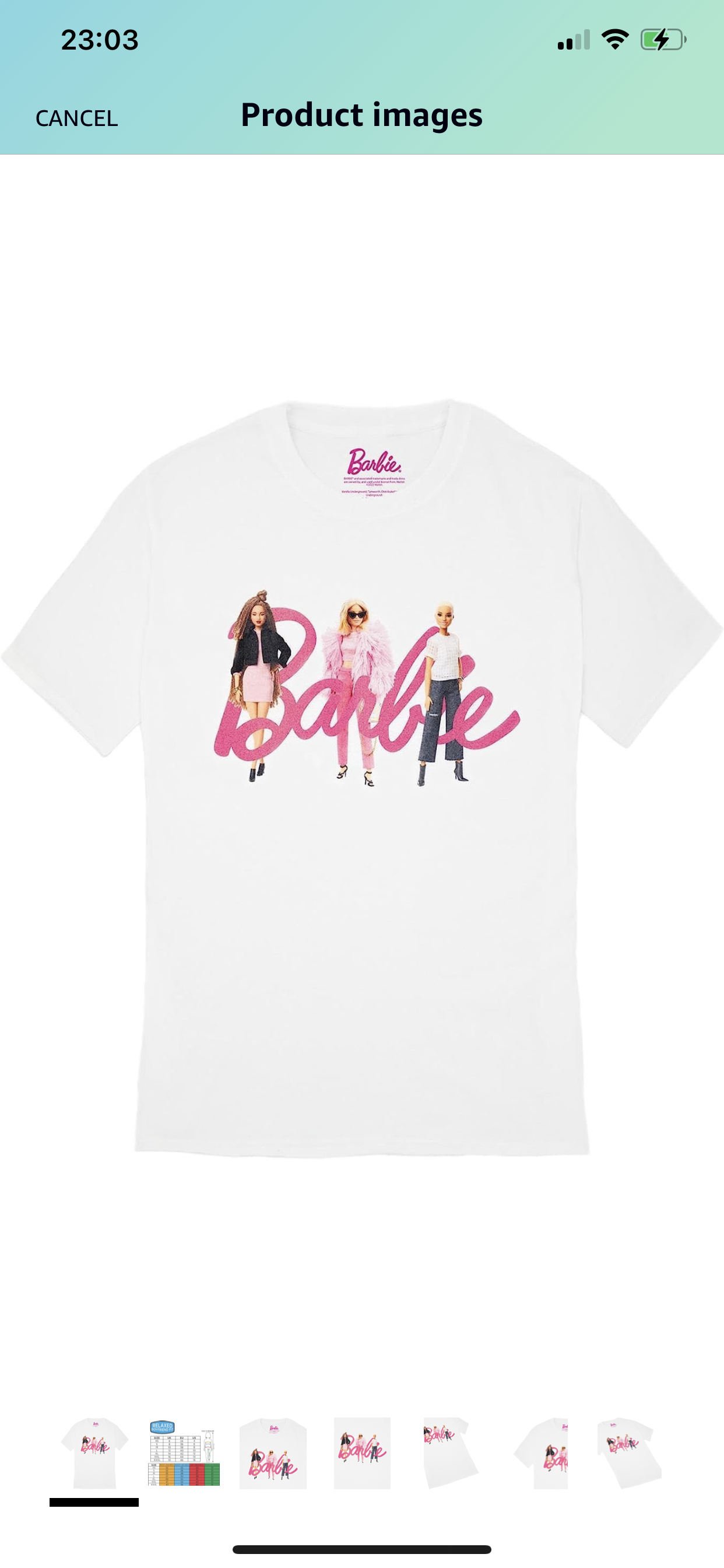
hey Mum, for me every day
https://amzn.to/3rU7on2 send me a link for women’s swimwear for those that want to put any on Amazon holiday
🥰😄🫶🏼 very own classroom call 😹