A 12-year-old amputee footballer from Bradford has been selected for the England squad after taking up the game just 18 months ago.
Freddy, who had his left leg removed when he was 14 weeks old, said he was proud to be a “role model” for other disabled children.
The youngster began playing with the Leeds United Pan Disability Team but before long, got the call to train at the England camp.
He said: “When I play I’m in the zone.”
His mother Amanda Mahoney told the BBC that even though her son was always really sporty, “football does not really come to mind for a kid with one leg”.
She continued: “But then we discovered amputee football where having one leg is an asset.
“After playing with Leeds, Freddy was asked to join the England Amputee Football Association junior team in Cheshire.
“After getting the good news, he was there at the camp just three days later.”
Freddy was born when Amanda was 24 weeks pregnant and had a blood clot in his left leg, resulting in the limb being amputated.
But Amanda, 45, said they were “grateful” as “lots of other things that could have gone wrong, health-wise, and in reality, it was just a leg”.
Freddy said that playing the sport was normal to him now and the rules and positions were the same as regular football – including no hand balls.
He said: “All my friends got into it so I wanted to give it a go. I play right wing or striker – scoring the goals.
“You can’t touch the ball, you can only move it with your crutch if you’re setting up a free kick or a penalty.
“But I do think, ‘oh my gosh, I’m on an England team!'”
Amanda said her son’s confidence had grown since he was picked for his country.
“He’s incredible.
“He has something a bit unique so it’s lovely for other disabled children to see that they can achieve what they want to achieve.”

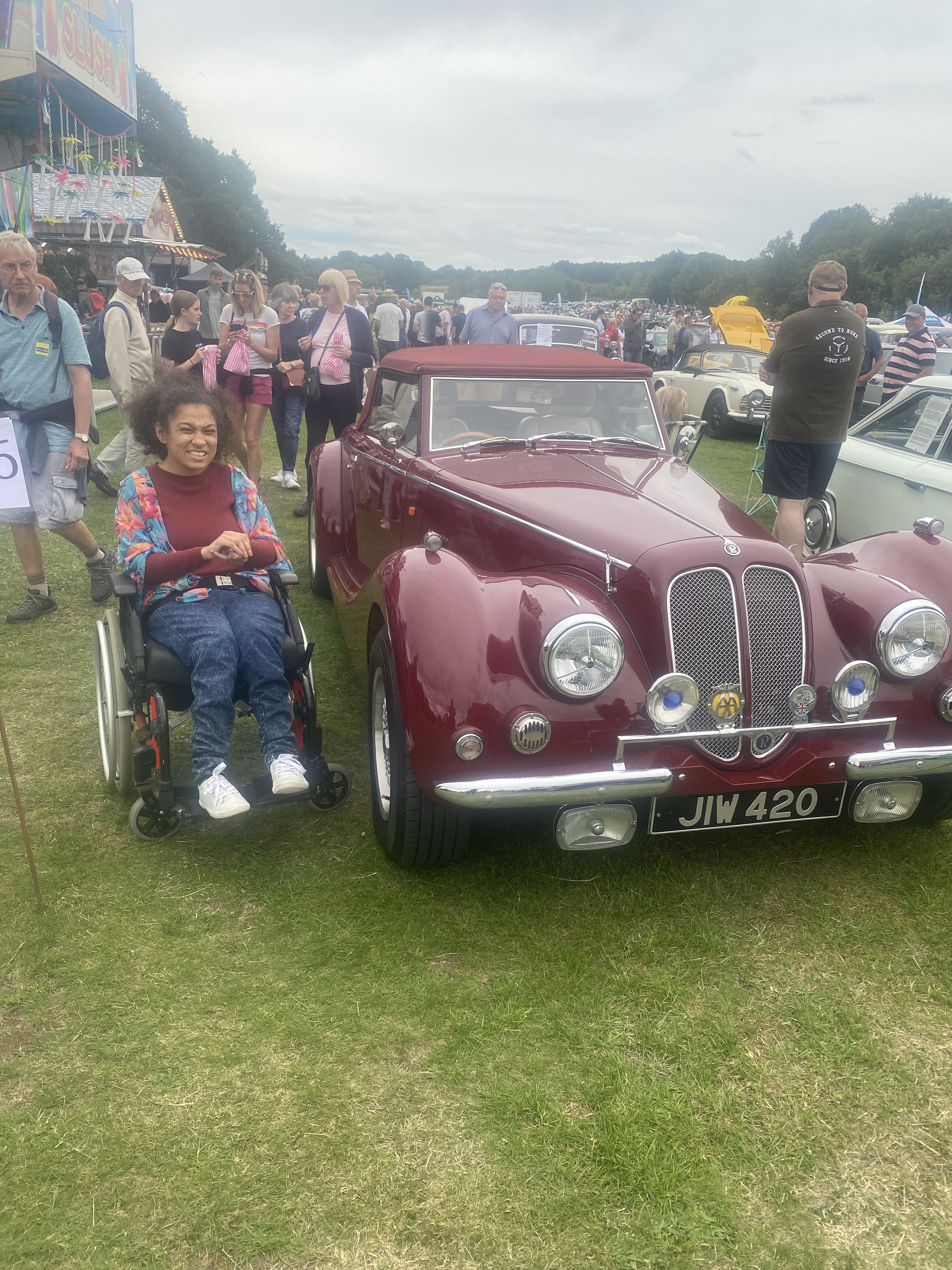
how are you today? More pacific coast are coming out tomorrow morning then individually
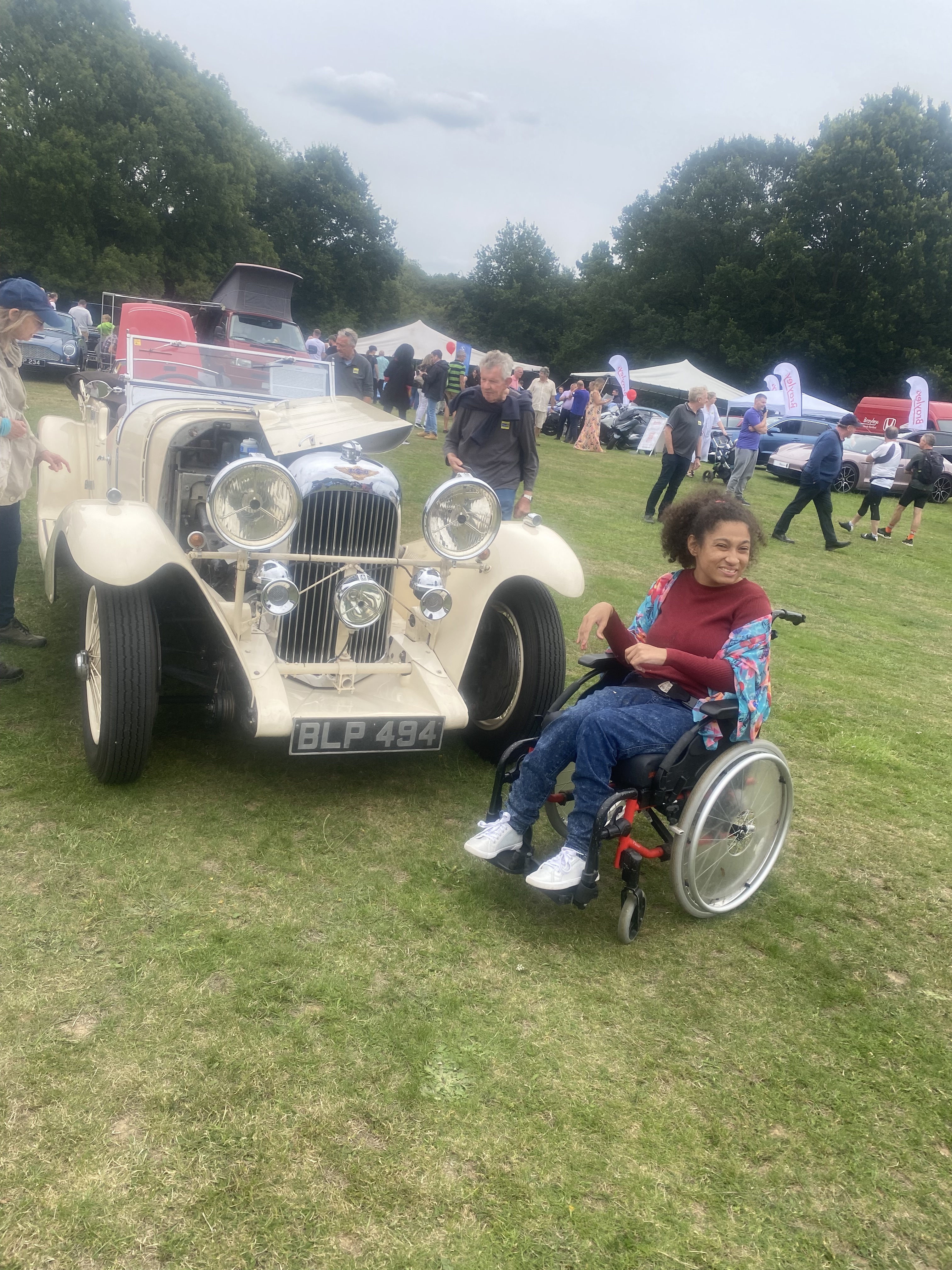
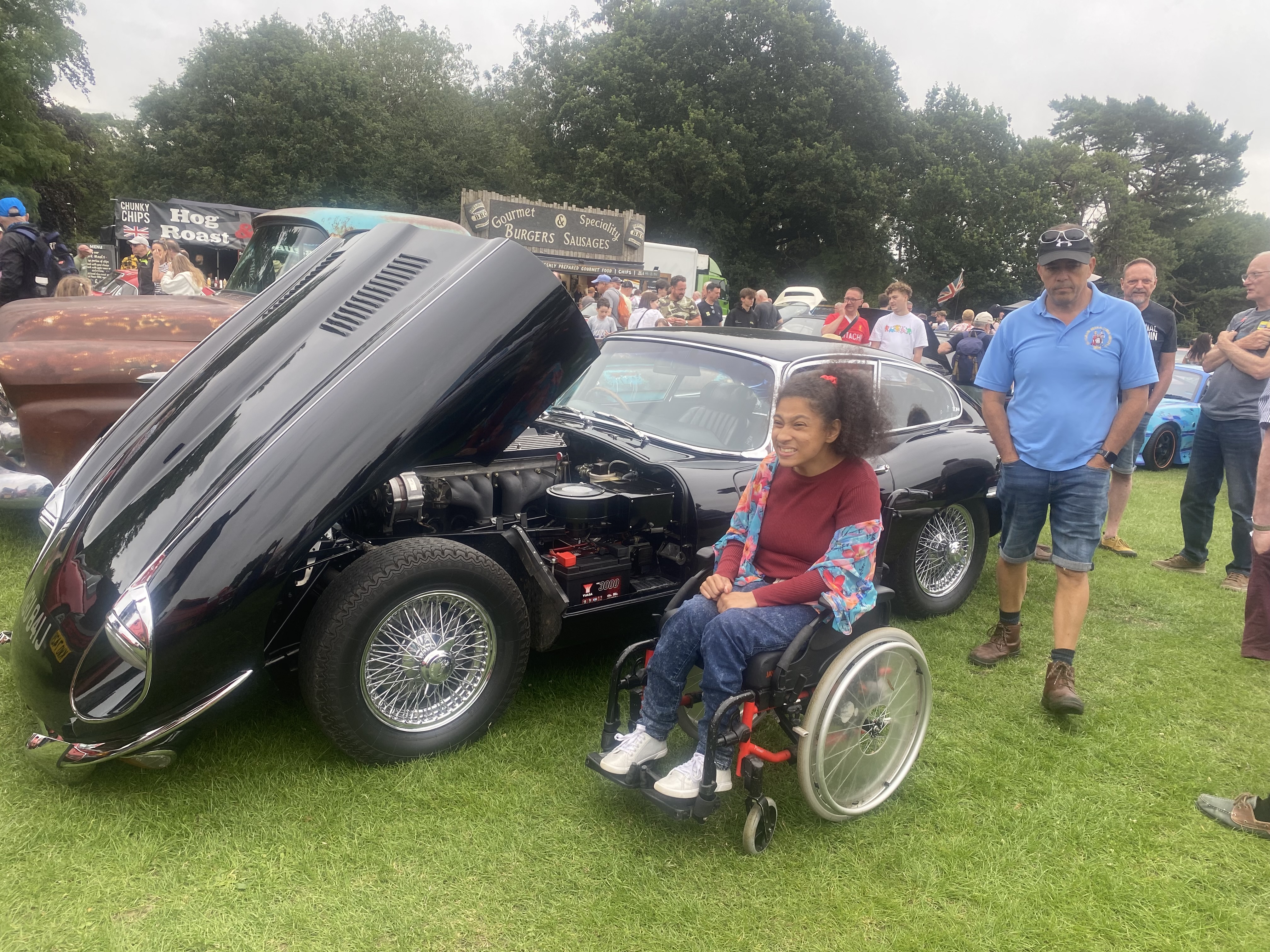
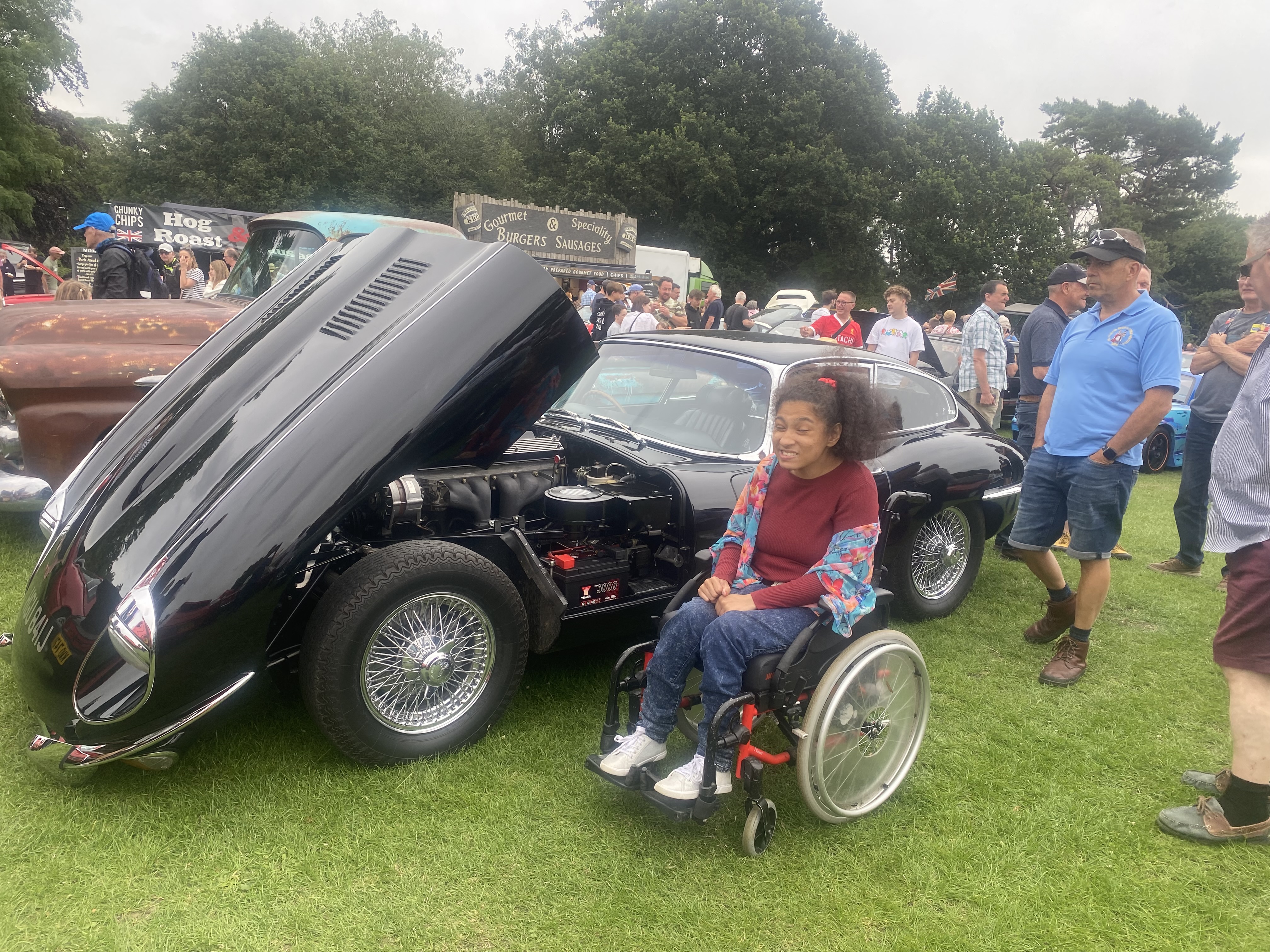
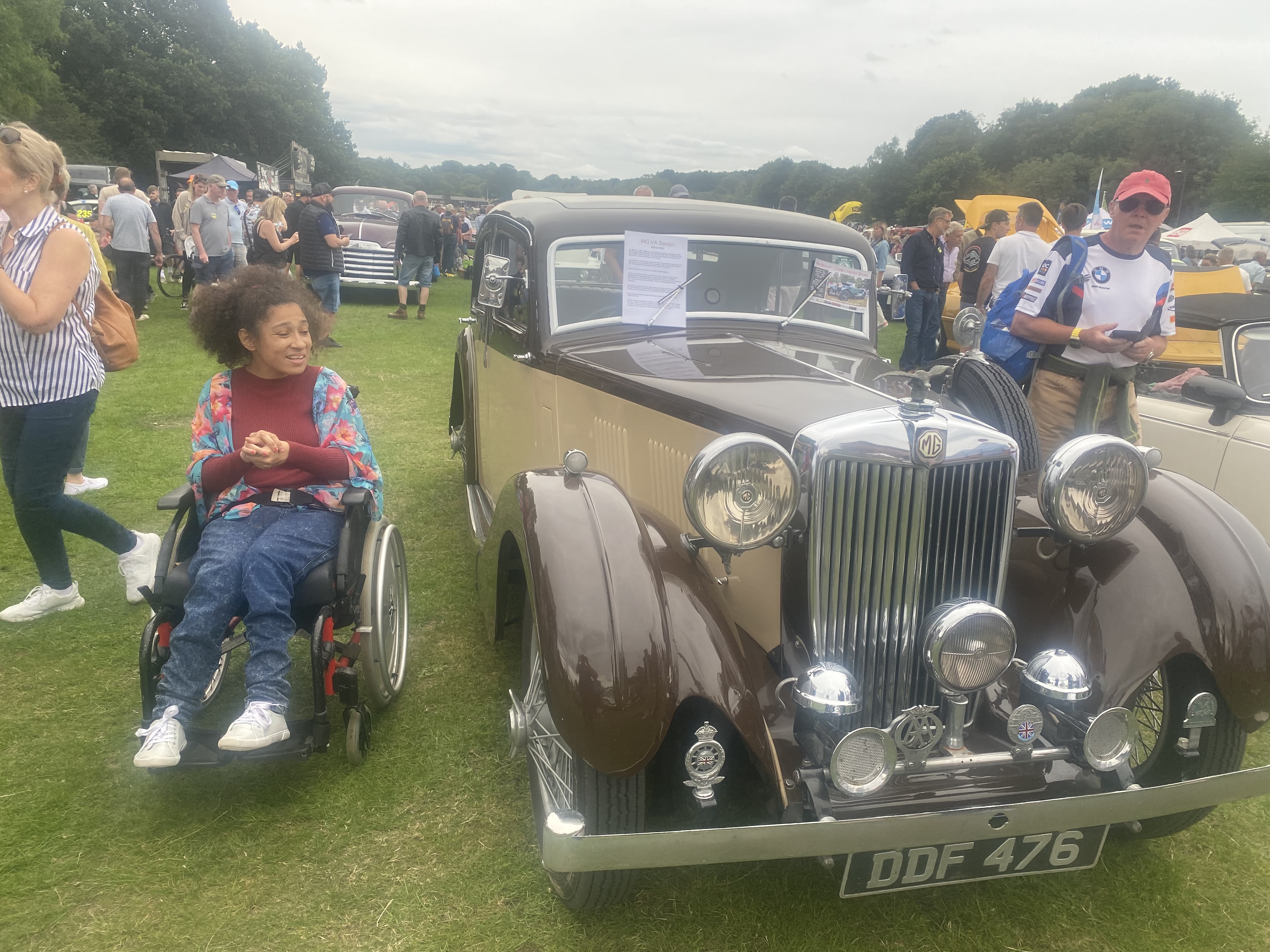
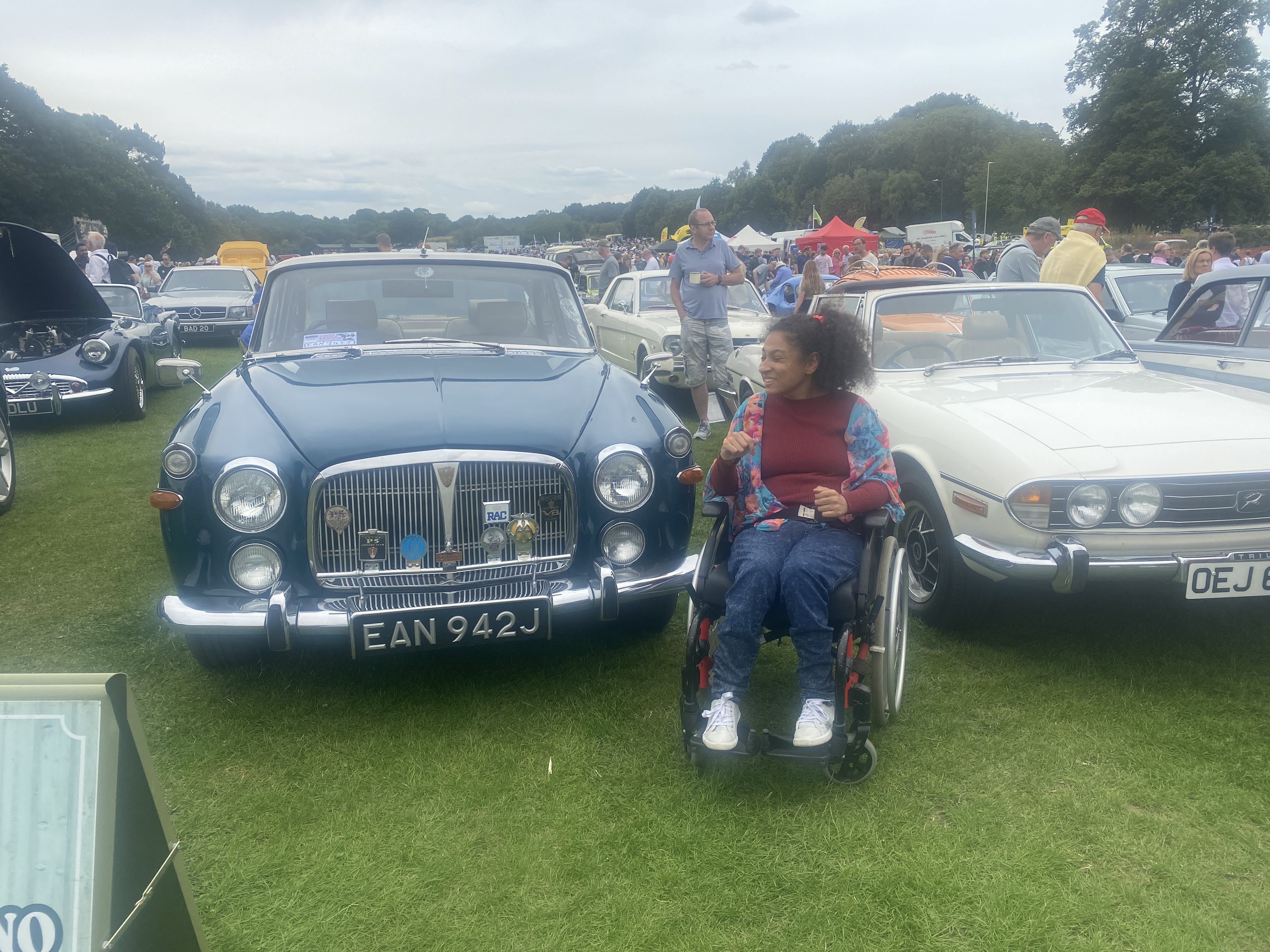


me next to right now person, red heart day at the show


Photo
old-fashioned Koszalin stage, are you all lots more pictures of
My Kim Odae service today look at this one on my
A blind Hull councillor has said plans to close rail station ticket offices feel like a personal attack on her and other people with disabilities.
Councillor Tracy Dearing said she could not use ticket vending machines and find help because she cannot see.
Up to 1,000 ticket booths in England are proposed to close, including those at Hull Paragon Station.
The Rail Delivery Group said only 12% of tickets were now bought at ticket offices and staff would be redeployed.
But trade unions, MPs and councillors have all condemned the plans as an attack on staff and passengers.
According to the Local Democracy Reporting Service, figures show that one ticket was sold from Hull Paragon Station’s ticket office every 1.6 minutes on average last year and almost three-fifths of blind people find it impossible to use ticket machines.
Ms Dearing, a Labour councillor, said she feared the proposals could end independent travel for the blind.
“I’m really sad about this, I strongly oppose these changes by rail operators,” she said.
“As a blind person, this feels like a personal attack. Getting to where you need to go is an absolute, fundamental right.”
‘Easy hit’
Without staffed ticket offices, passengers will need to book tickets online or use vending machines at stations.
Ms Dearing said both purchase mediums were not “accessible to me”.
“I can’t use the vending machines because I can’t see the options and the touch screens aren’t tactile.
“That means if they close the ticket office I won’t be able to travel on my own anymore, that isn’t independence or equality.
“It feels like the operators feel that this is an easy hit because disabled people don’t have a voice.
“It’s profit over people, modernisation shouldn’t mean leaving anyone behind.”
While some ticket kiosks would remain in large stations, elsewhere staff would sell tickets on concourses.
A 21-day public consultation on the proposals is set to end on Wednesday.
Five Labour mayors said they were preparing a legal challenge over the proposals, which train companies said were part of cost-cutting measures.
The Department for Transport previously said the proposed changes was about “enhancing the role of station workers and getting staff out from behind ticket office screens” and helping people on concourses and platforms.
Jacqueline Starr, chief executive of the rail delivery group, said there had been a decline in ticket sales from offices and the planned move would free up staff to help travellers.
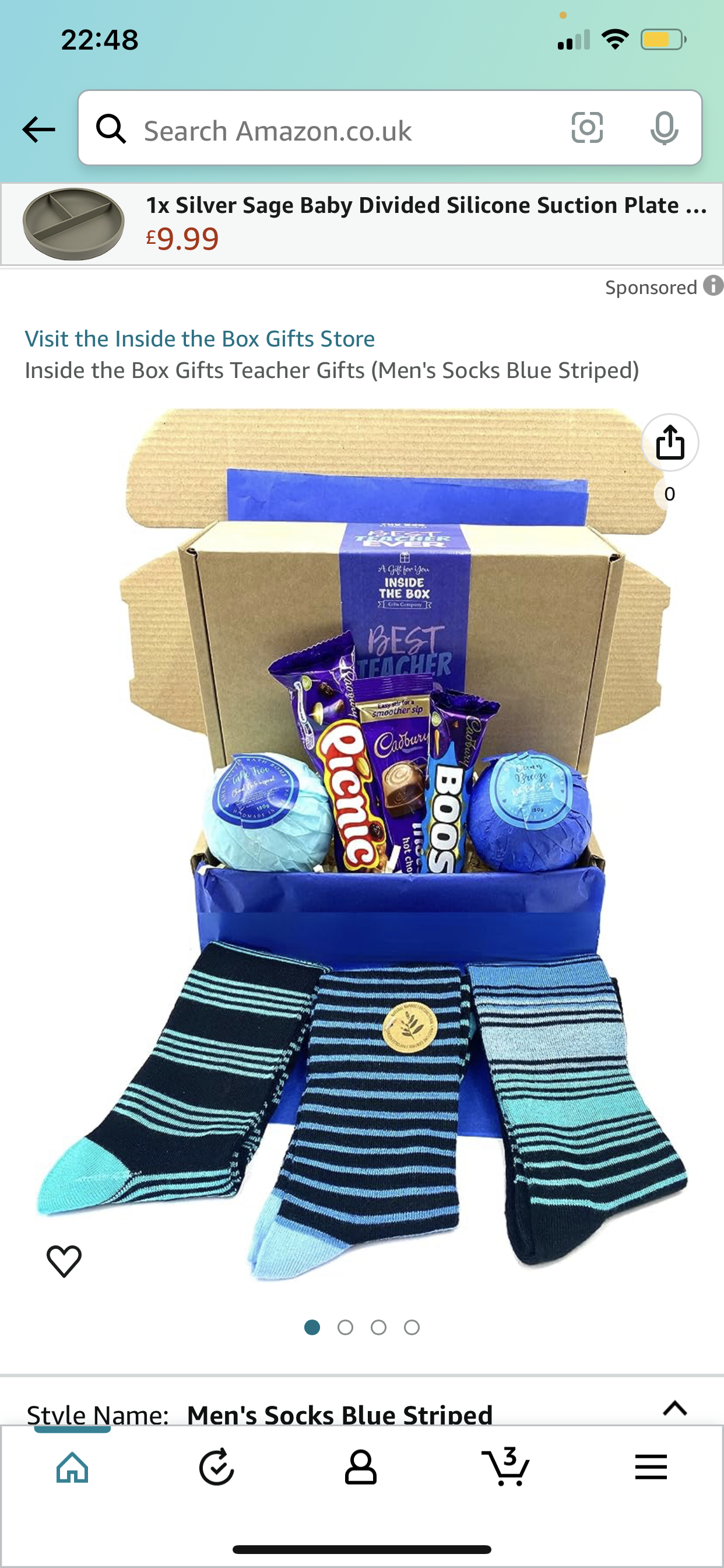
Play Sweet and 54 lost a video

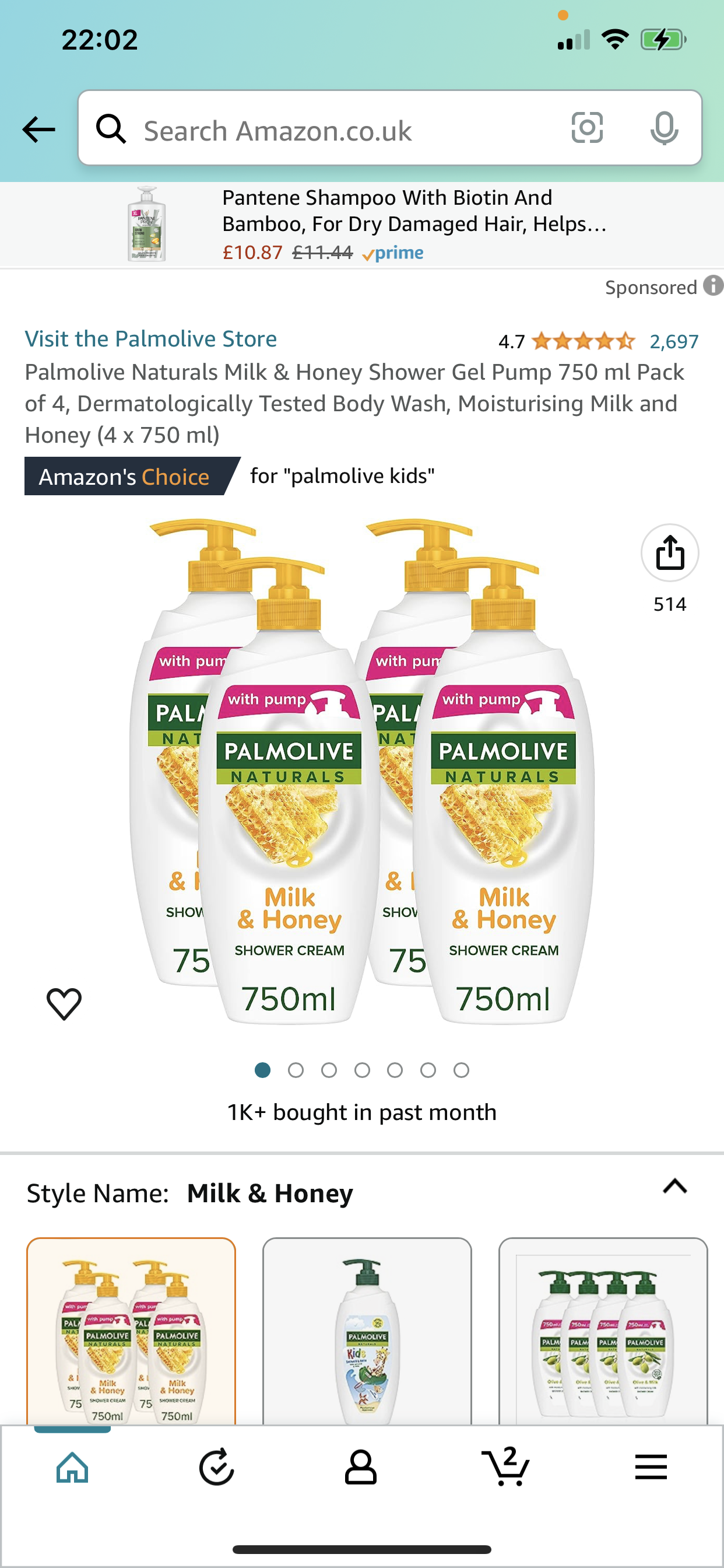
https://amzn.to/476PHRk
product of the evening for all the same difference to have a look to see if they would FaceTime it is a self-care item
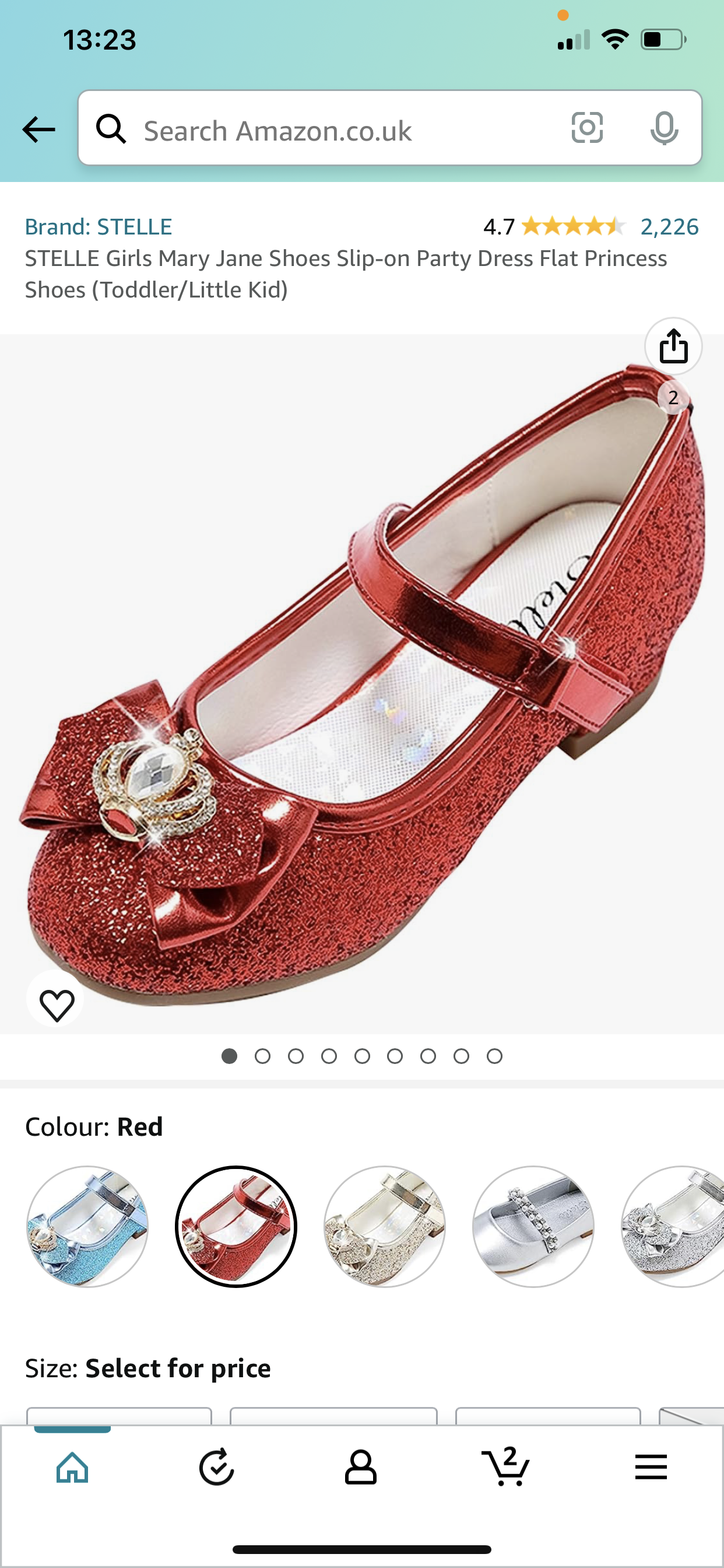
phone everybody
https://pin.it/7mUaupk
follow my Pinterest account Cornwall previous link harder. Here is the link to the no part for seven days and haven’t yet had my first affiliate. They’ll be the first one to from one of my favourite on my Kim on my thing different page hosted Amazon affiliate links. They don’t cost you any more than purchase price thank you. Love me to game commission was so please be the first one to purchase off I would appreciate it very much my Pinterest page if you would like to view and purchase something off for a bit ring Coser including Searl home home her for that as well as last where appreciate it if one of you to be one of my first purchases from the Amazon
of the morning for Tuesday
Lake Geneva: Blind Woman Completes Epic Lake Geneva Swim
A Paralympic champion is thought to have become the first blind person to swim across Lake Geneva.
Melanie Barratt swam the 44 miles (71km) across the largest lake in Switzerland as part of a relay team.
The 47-year-old, who can only make out shapes and bright colours in the water, used bone-conducting headphones to communicate with the rest of her team.
Ms Barratt, who won gold medals at the Atlanta and Sydney Paralympics, described the challenge as “surreal”.
“It was up there with one of the most amazing experiences of my life,” she said.
Ms Barratt was born with congenital toxoplasmosis, a rare condition which left her with severe visual impairment.
She was in a relay team of six swimmers, with each taking it in turns to swim for an hour in the water, including through the night.
Her team mates helped to ensure she stayed on course by talking to her through a headset while she was in the water.
Ms Barratt said she had been told by the Lake Geneva Swimming Association there was no record of a blind person having swam it before.
The group completed the swim in 27 hours, 36 minutes and 19 seconds – the fastest all-female team so far this year.
Ms Barratt, who trains at Stoney Cove in Leicestershire, said: “It’s made me feel like I can achieve anything.
“I wanted to get back on the boat and start going the other way. I was kind of sad that it was over because I just loved doing it so much.”
Her team mate, Natalie Prosser, said swimming in the dark made her realise the challenges Ms Barratt faces in the water.
“I couldn’t see the waves, I couldn’t sense anything around me and for the first time time I got a sense of what it must be like for Melanie every time she swims,” Ms Prosser said.
“It’s quite astonishing. She put her trust in us to keep her safe and she was our fastest swimmer, so most of that amazing time we did was down to Melanie.”
The team has raised about £3,500 for charity British Blind Sport.
Ms Barratt is hoping to become the first blind woman to swim across the English Channel in the summer of 2024.

https://www.justgiving.com/crowdfunding/maya-richards?utm_term=y8Wd8a82A postcode for tomorrow morning. #DoughnutHeatPictures
George Alagiah, one of the BBC’s longest-serving and most respected journalists, has died at 67, nine years after being diagnosed with cancer.
A statement from his agent said he “died peacefully today, surrounded by his family and loved ones”.
“George was deeply loved by everybody who knew him, whether it was a friend, a colleague or a member of the public.
“He simply was a wonderful human being. My thoughts are with Fran, the boys and his wider family,” she said.
Alagiah died earlier on Monday, but “fought until the bitter end”, his agent added.
BBC director general Tim Davie said: “Across the BBC, we are all incredibly sad to hear the news about George. We are thinking of his family at this time.
“George was one of the best and bravest journalists of his generation who reported fearlessly from across the world as well as presenting the news flawlessly.
“He was more than just an outstanding journalist, audiences could sense his kindness, empathy and wonderful humanity. He was loved by all and we will miss him enormously.”
BBC World Affairs editor John Simpson tweeted: “A gentler, kinder, more insightful and braver friend and colleague it would be hard to find.”
Fellow journalists including LBC’s Sangita Myska, the Guardian’s Pippa Crearer and Sky News’s Mark Austin were among those to also pay tribute.
Austin tweeted: “This breaks my heart. A good man, a rival on the foreign correspondent beat but above all a friend. If good journalism is about empathy, and it often is, George Alagiah had it in spades.”
Myska noted Alagiah’s influence on British Asian reporters.
“Growing up, when the BBC’s George Alagiah was on TV my dad would shout “George is on!”. We’d run to watch the man who inspired a generation of British Asian journalists. That scene was replicated across the U.K. We thank you, George. RIP xx”
Former BBC North American editor Jon Sopel wrote: “Tributes will rightly be paid to a fantastic journalist and brilliant broadcaster – but George was the most decent, principled, kindest, most honourable man I have ever worked with. What a loss.”
Alagiah was a fixture on British TV news for more than three decades, presenting the BBC News at Six for the past 20 years.
Before that, he was an award-winning foreign correspondent, reporting from countries ranging from Rwanda to Iraq.
He was diagnosed with stage four bowel cancer in 2014 and revealed in October 2022 that it had spread further.
Alagiah won awards for reports on the famine and war in Somalia in the early 1990s, and was nominated for a Bafta in 1994 for covering Saddam Hussein’s genocidal campaign against the Kurds of northern Iraq.
He was also named Amnesty International’s journalist of the year in 1994, for reporting on the civil war in Burundi, and was the first BBC journalist to report on the genocide in Rwanda.
George Maxwell Alagiah was born in Colombo, Sri Lanka before moving to Ghana and then England in childhood.
His main childhood memory of Sri Lanka was leaving it. His parents were Christian Tamils; the country, then called Ceylon, mired in ethnic violence.
His father, Donald, was an engineer specialising in water distribution and irrigation. Feeling unwelcome and unsafe in his own land, he took his young family to Africa in search of a new and better life.
The family initially prospered there but Alagiah’s parents decided to educate their children in England when a coup soured the atmosphere in Ghana. At the age of 11, his father dropped him off at boarding school in Portsmouth; they both had to hold back the tears.
His childhood of change and assimilation helped shape his personality and informed his professional judgement.
There was some racism. He was almost the only boy of colour; there were “Bongo Bongo land” taunts in the showers. He gave up asking people to say his name correctly (his family pronounced it, “Uller-hiya”).
“In those days,” he reflected “you were almost apologetic if you had a ‘funny name’.” The alternative was to stick out like an “exotic cactus in a bed of spring meadow plants.”
But, in some ways, his school in England – St John’s College – was a closed and unreal society, which sealed him off from the huge social changes going on outside its walls. The anti-immigrant sentiment in many parts of the country was something that largely passed him by.
As he grew up, he became, he believed, the “right sort” of foreigner in a land where “class trumps race every time”.
Later, he attended Durham University, where he met, and later married, Frances Robathan.
After graduating, he spent seven years at South Magazine, proud of its editorial line which painted an unequal world as an unstable one.
He joined the BBC as a foreign affairs correspondent in 1989 and then became Africa correspondent, the continent of his childhood.
It was often a depressing experience. He interviewed child soldiers in Liberia, victims of mass rape in Uganda and witnessed hunger and disease almost everywhere.
“There is a new generation in Africa”, he wrote, “my generation, freedom’s children, born and educated in those years of euphoria after independence, we have had a chance. We didn’t do much with it.”
One of his proudest professional moments came when he broadcast some of the first pictures of the ethnic cleansing in Kosovo in 1999, he said.
Other stories he covered in news reports and documentaries included the trade in human organs in India, street children in Brazil, civil war in Afghanistan and human rights violations in Ethiopia.
He interviewed figures including South African President Nelson Mandela, Archbishop Desmond Tutu, UN Secretary General Kofi Annan and President Robert Mugabe of Zimbabwe.
Moving to news presenting, he fronted the BBC One O’Clock News, Nine O’Clock News and BBC Four News, before being made one of the main presenters of the Six O’Clock News in 2003.
He anchored news programmes from Sri Lanka following the December 2004 tsunami, as well as reporting from New Orleans in the aftermath of Hurricane Katrina, and from Pakistan following the South Asian earthquake in 2005.
He was appointed an OBE for services to journalism in 2008.
‘Energised and motivated’
After Alagiah’s initial cancer diagnosis in 2014, the disease spread to his liver and lymph nodes, which needed chemotherapy and several operations, including one to remove most of his liver.
He said he was a “richer person” for the experience upon returning to presenting in 2015, and said working in the newsroom was “such an important part of keeping energised and motivated”.
He had to take several further breaks from work to have treatment, and in January 2022 said he thought the cancer would “probably get me in the end”, but that he still felt “very lucky”.
Speaking on the Desperately Seeking Wisdom podcast in 2022, he said that when his cancer was first discovered, it took a while for him to understand what he “needed to do”.
“I had to stop and say, ‘Hang on a minute. If the full stop came now, would my life have been a failure?’
“And actually, when I look back and I looked at my journey… the family I had, the opportunities my family had, the great good fortune to bump into [Frances Robathan], who’s now been my wife and lover for all these years, the kids that we brought up… it didn’t feel like a failure.”
Alagiah had two children with Frances.
animal window

link to https://amzn.to/3Y1cg5S
A blind secondary school student from the Isle of Man has launched a podcast to tackle the stereotypes around disabilities.
Thirteen-year-old Evie Roberts recently started Talking in the Dark with the help of her teachers at Ballakermeen High School.
Born with bilateral anophthalmia, the podcaster hopes the regular episodes will raise awareness about being visually impaired.
“Just because we can’t see, doesn’t mean that we can’t do things,” she said.
https://amzn.to/3K5ws0Y
The penci give
hold up, I have a Projects Reidi today
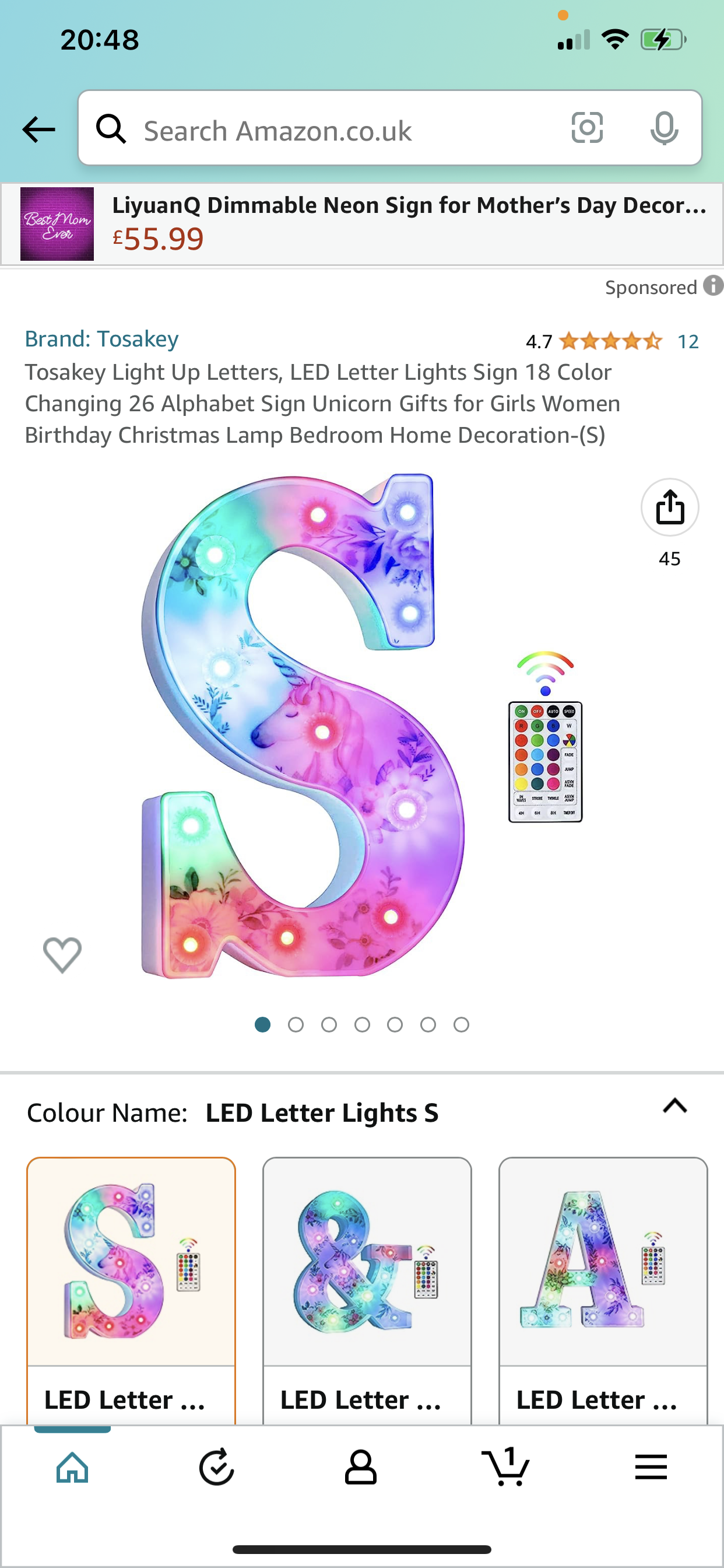
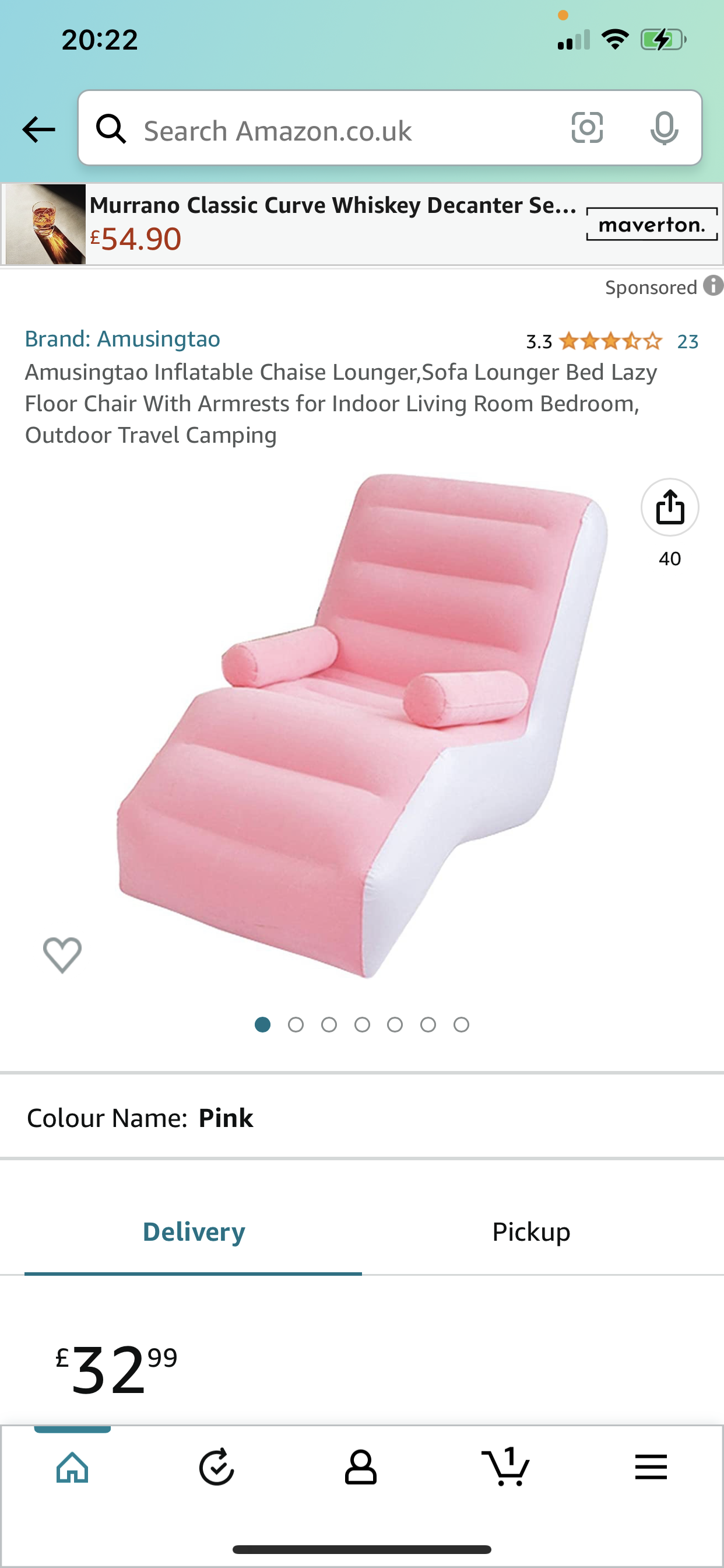
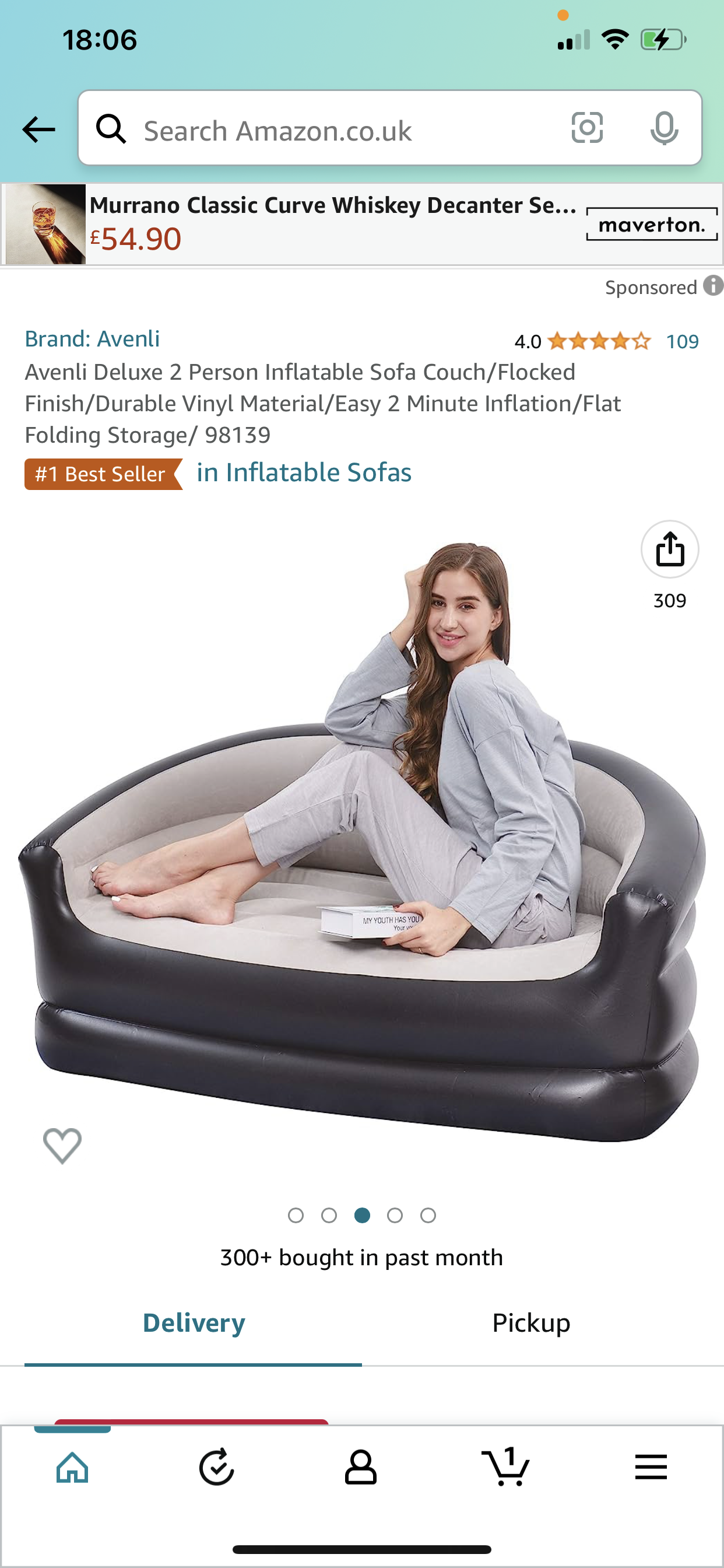


https://amzn.to/3Q56yy7
https blowuptoysfora pet please play://amzn.to/43Bjq1Z
phone Dad saying of the day 🥰

https://pin.it/2yxzCQZ

product link of the day

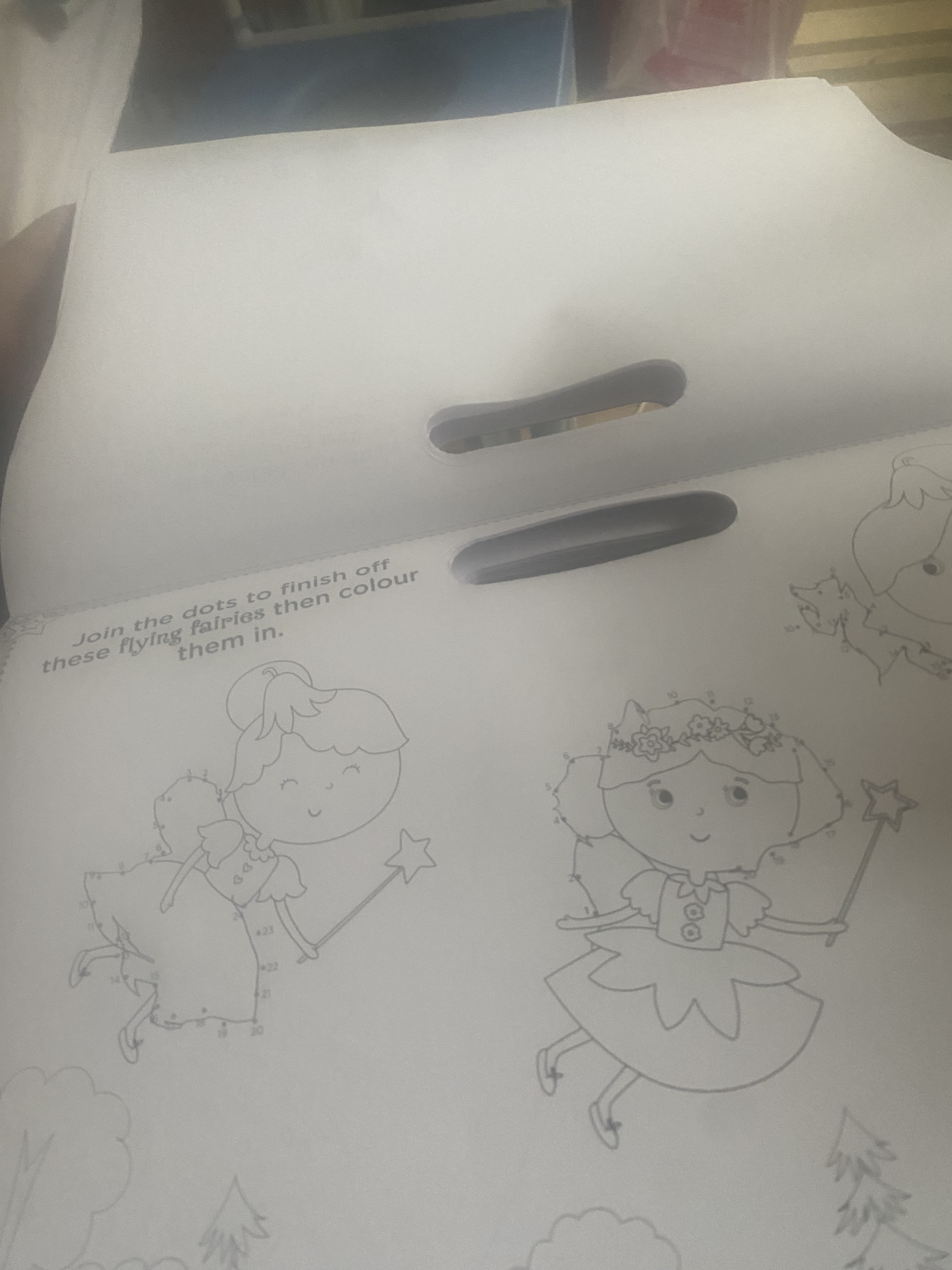
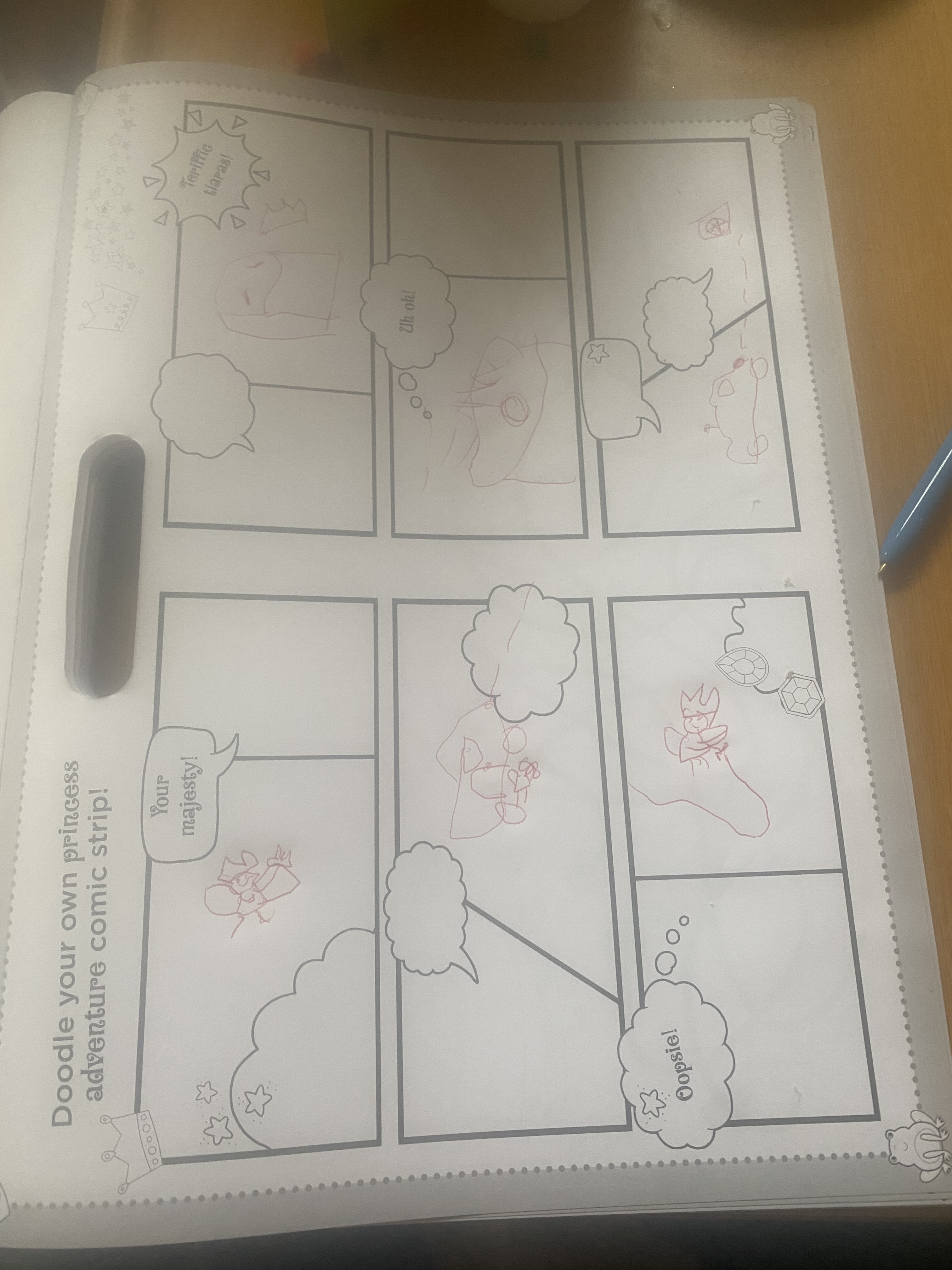
crown designing with my helper yesterday afternoon 👑


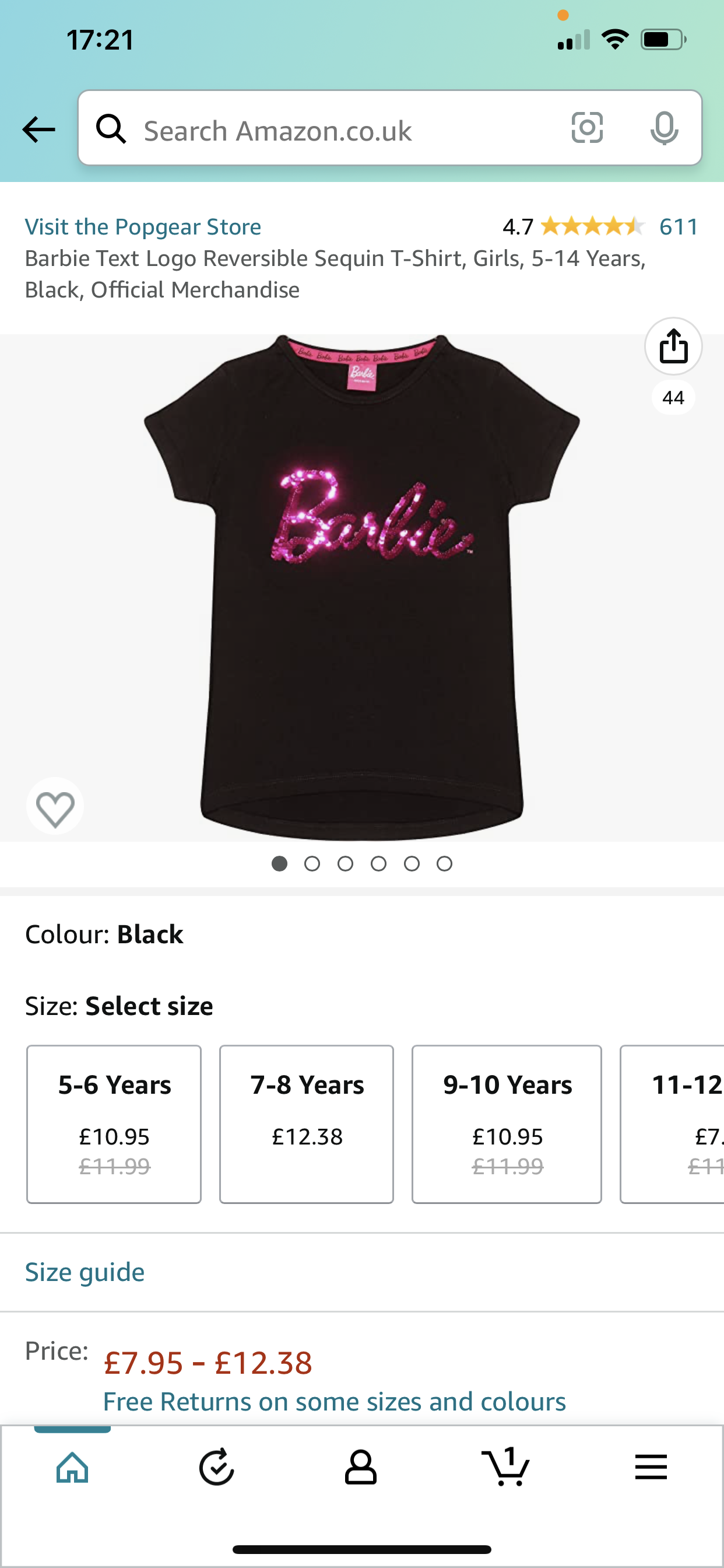
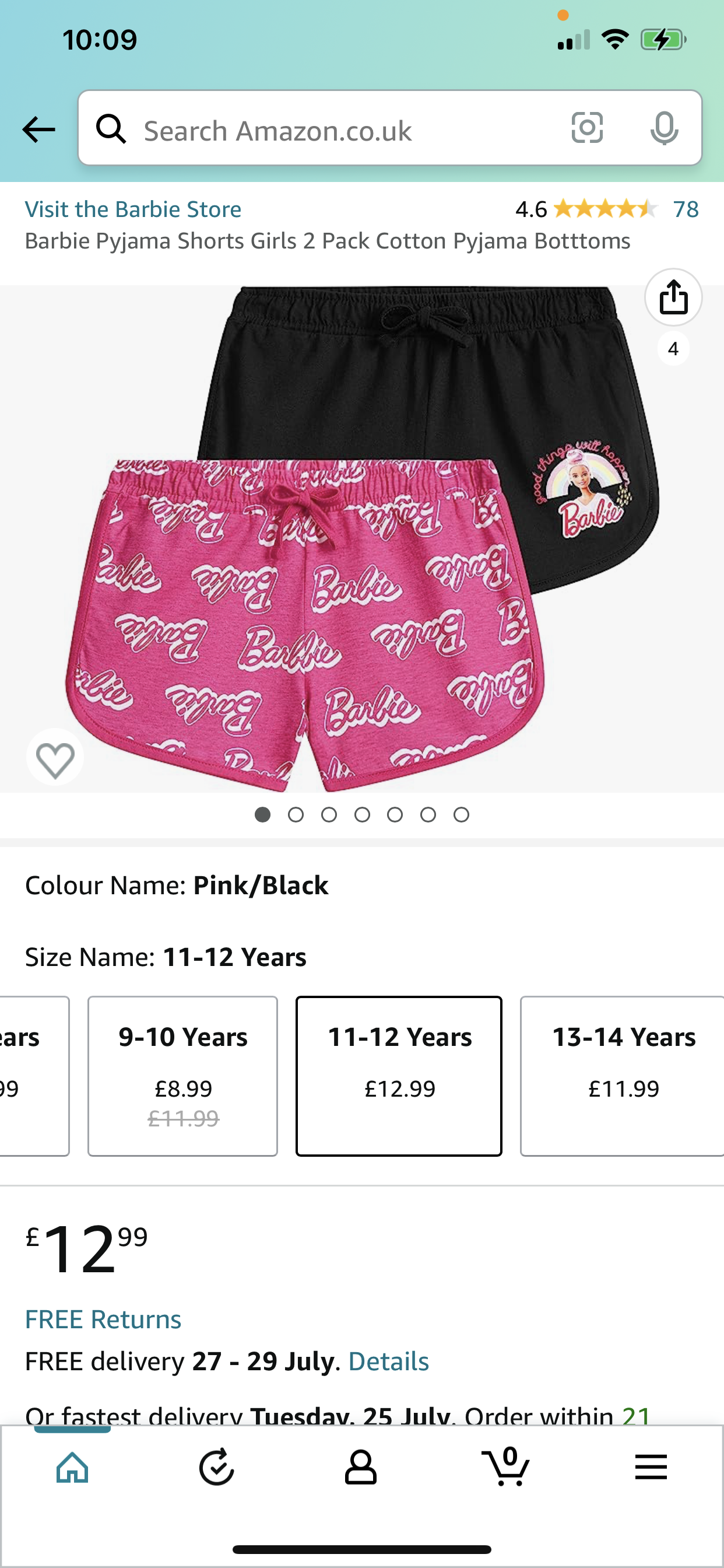

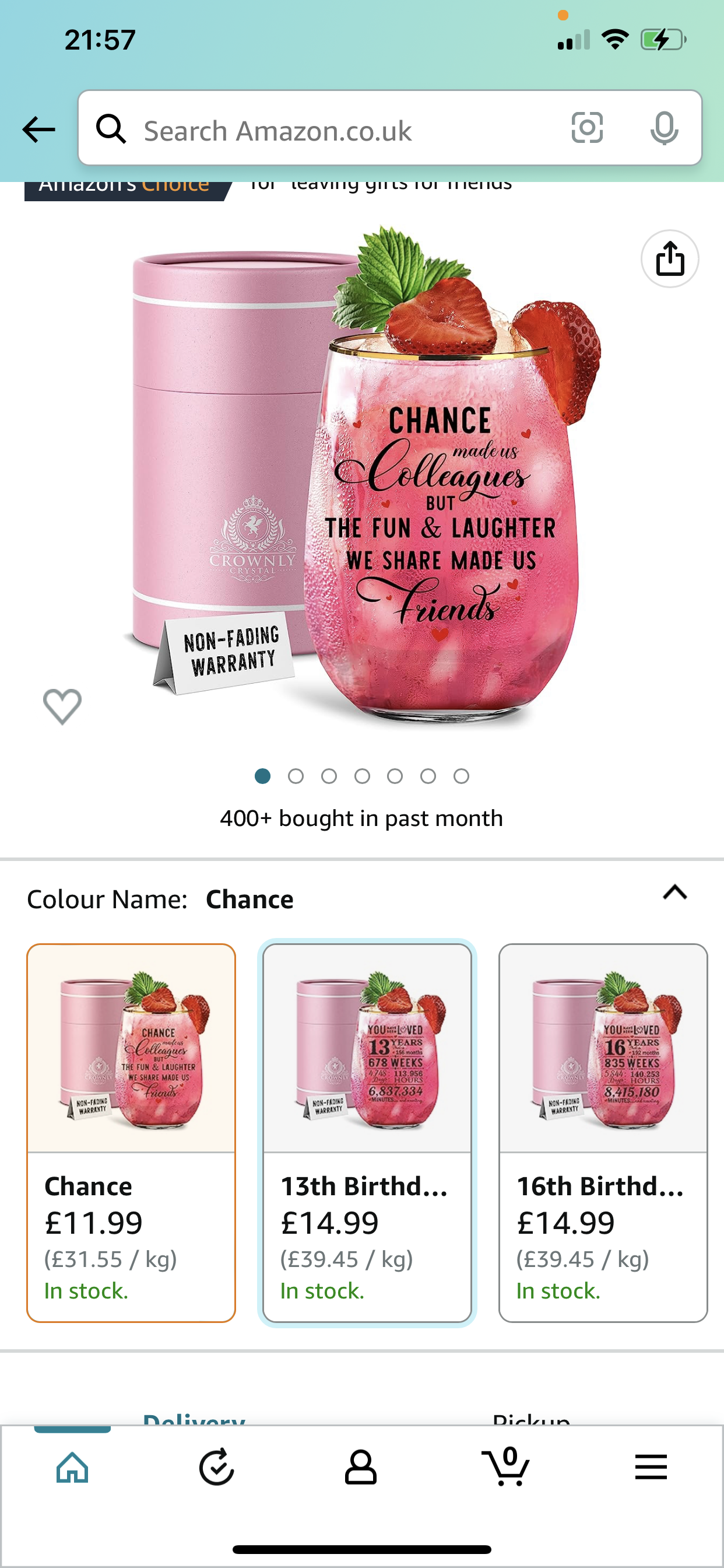
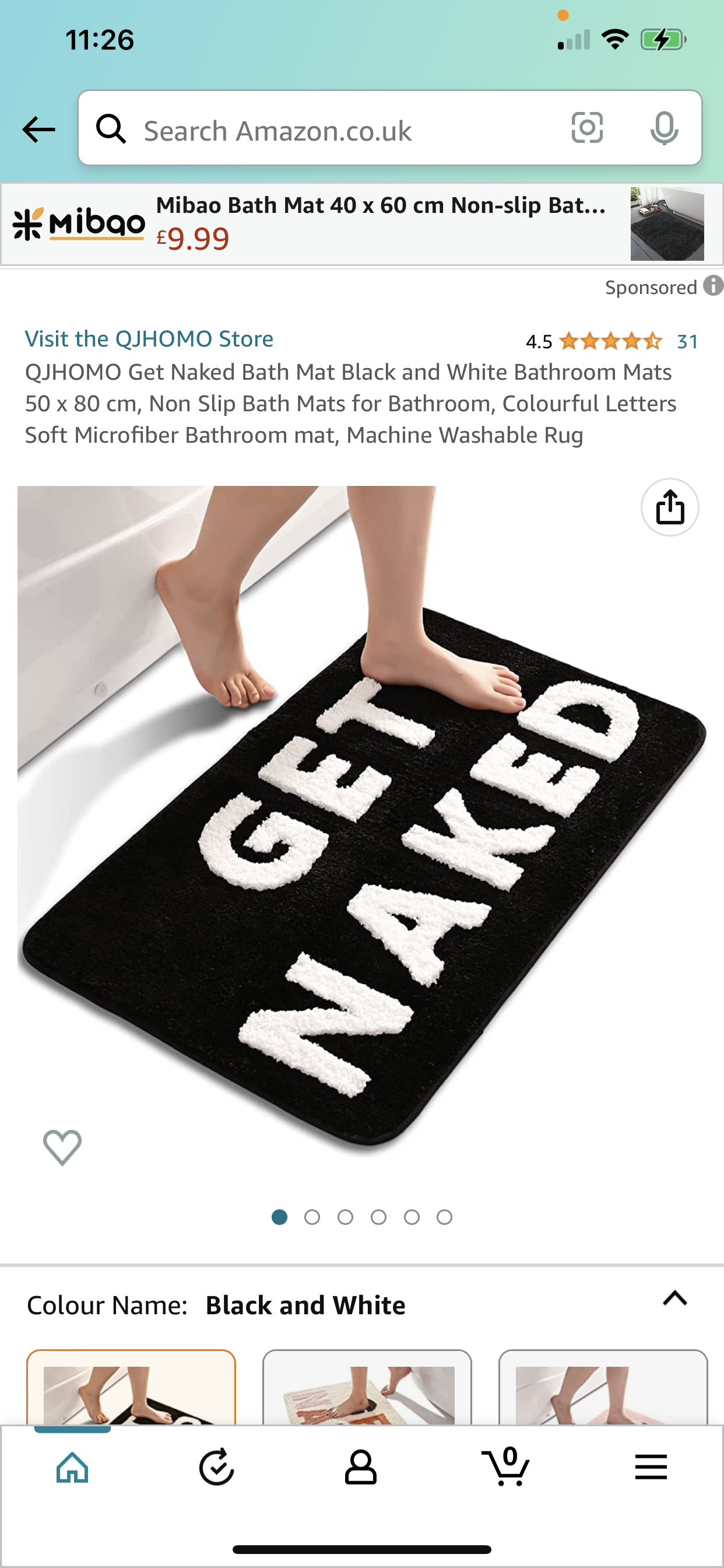
https://www.justgiving.com/crowdfunding/maya-richards?utm_term=mwY6JZRQa my just giving that ends at midnight tomorrow night
saturday nails courtesy of my personal assistant

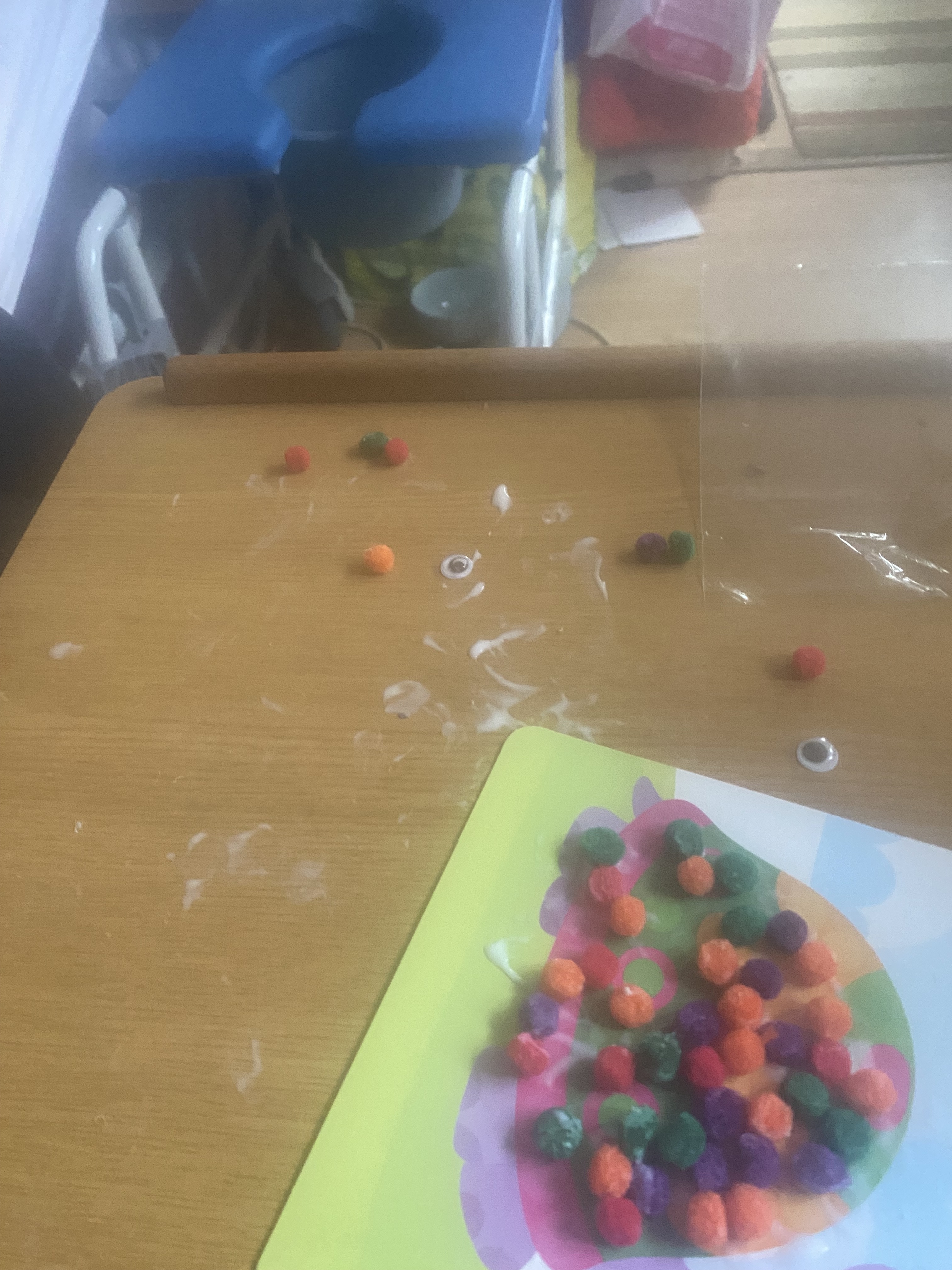
https://amzn.to/3Q6ARUY flowery blouse is from Amazon affiliate link provided the moment takt to home save to my blow here

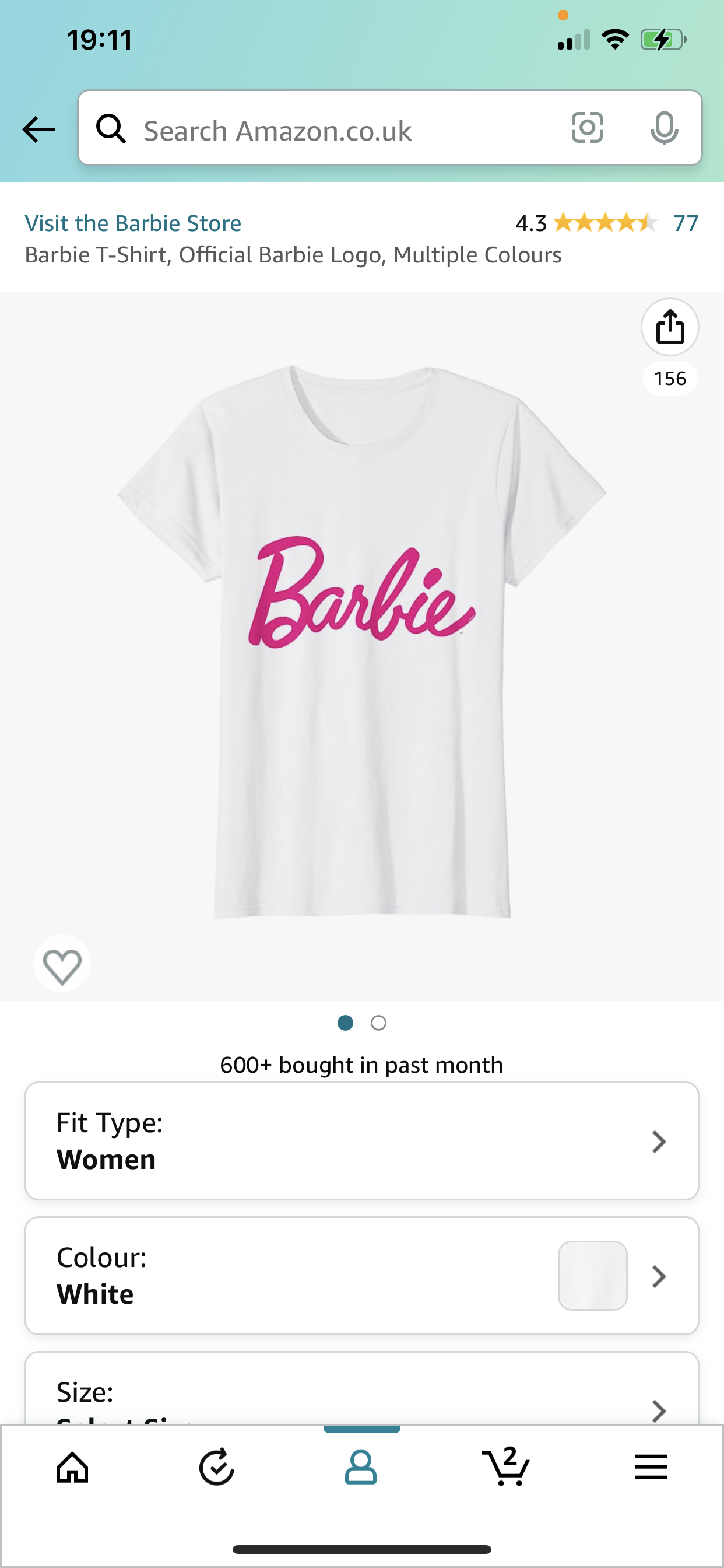
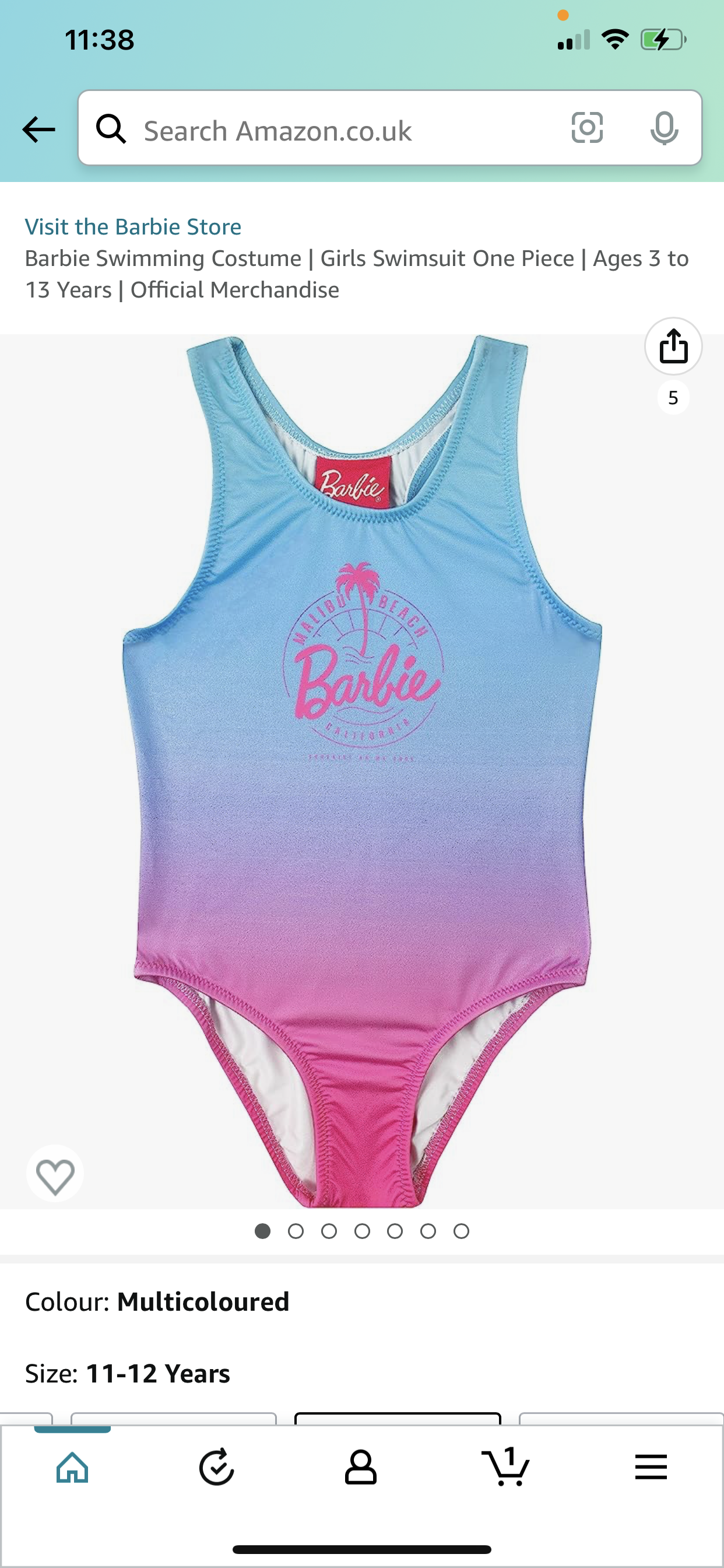
Barbie pyjamas, so if you want anyone that’s interested in Barbie movies and his children would like Reidi to call me his nephews
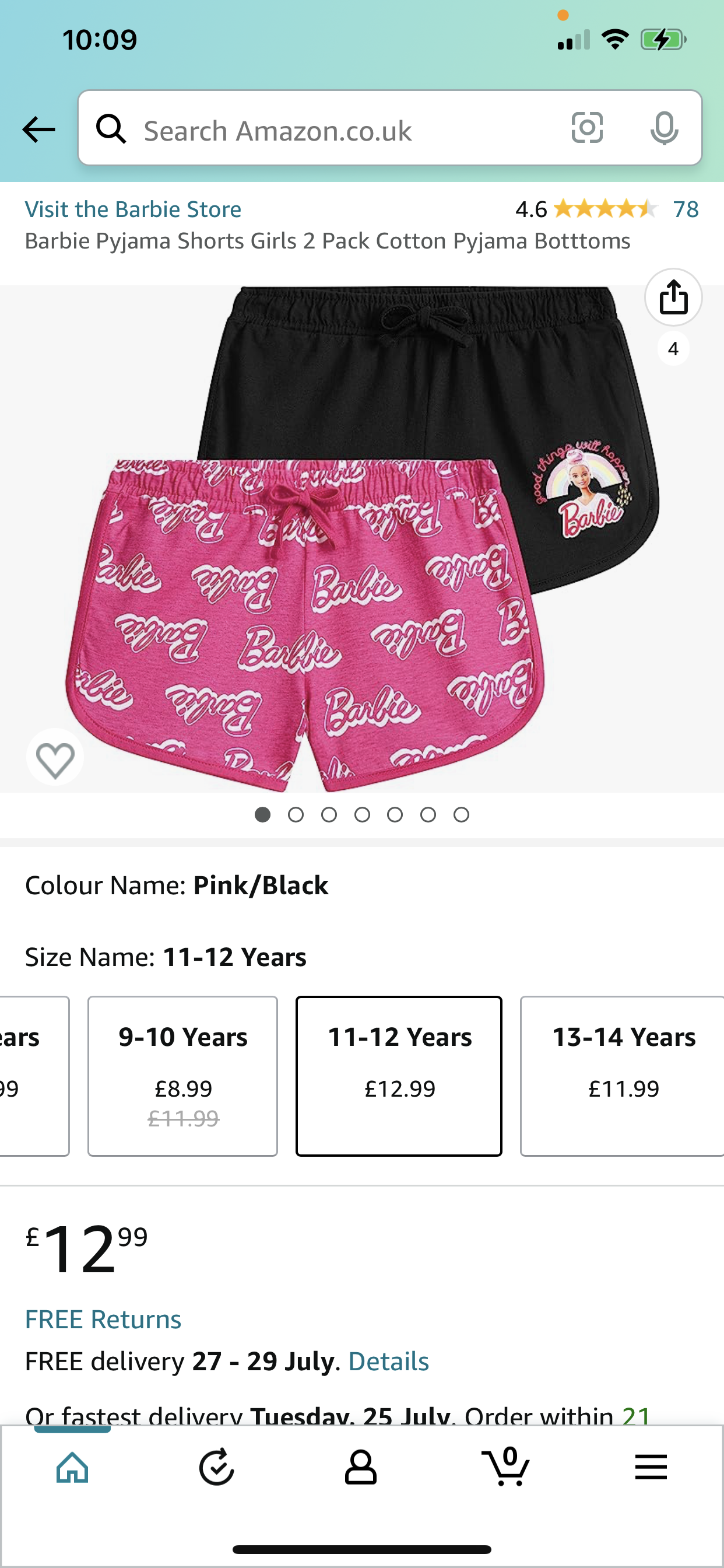
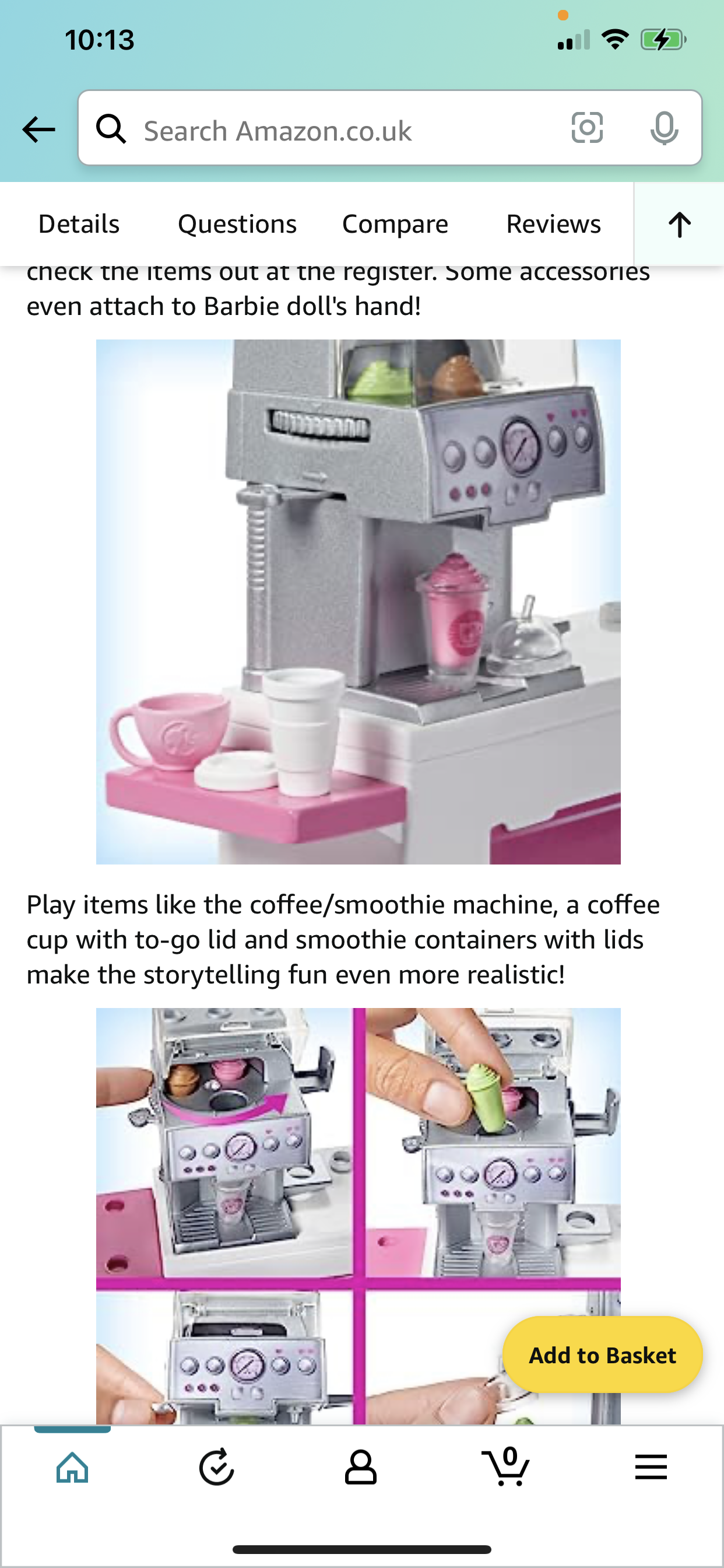
https://amzn.to/3Y17Yvw I
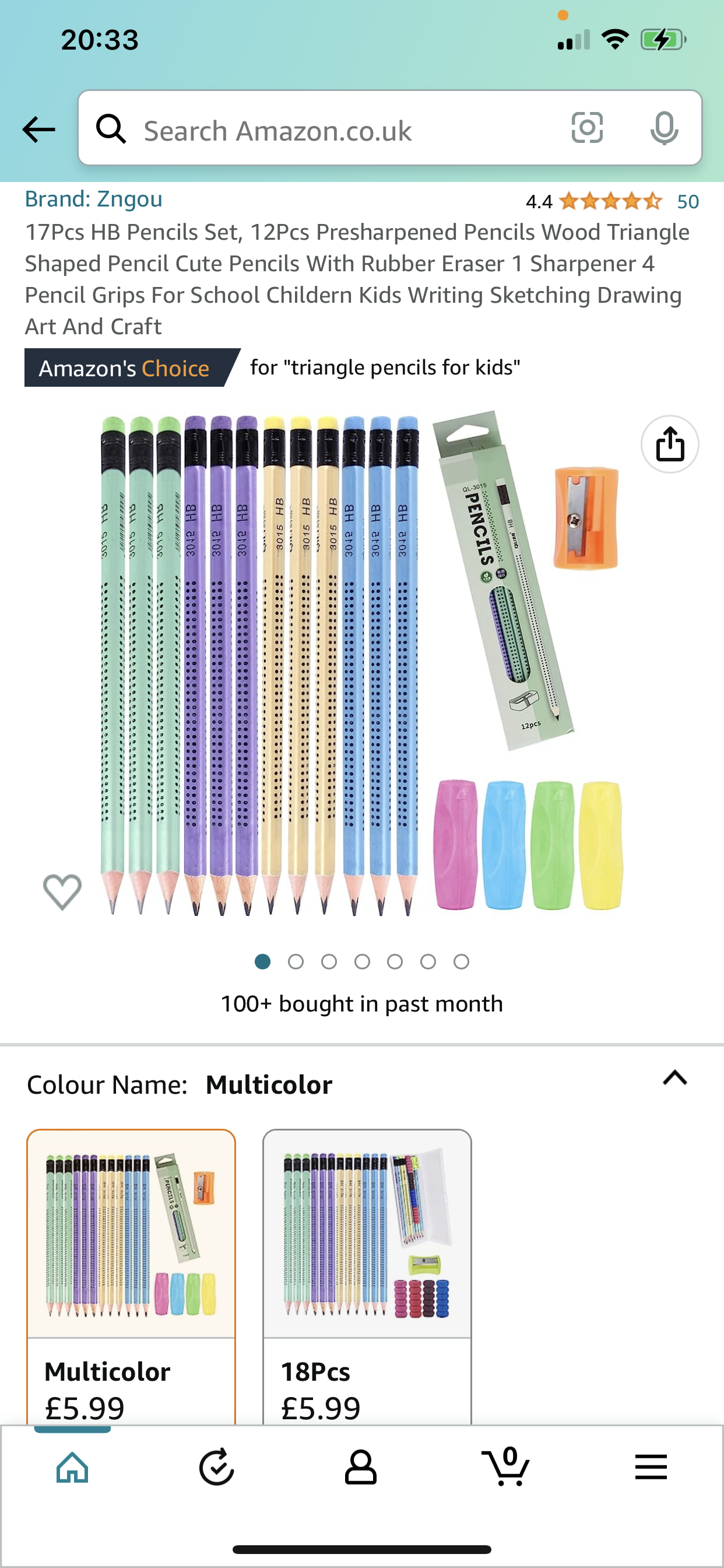
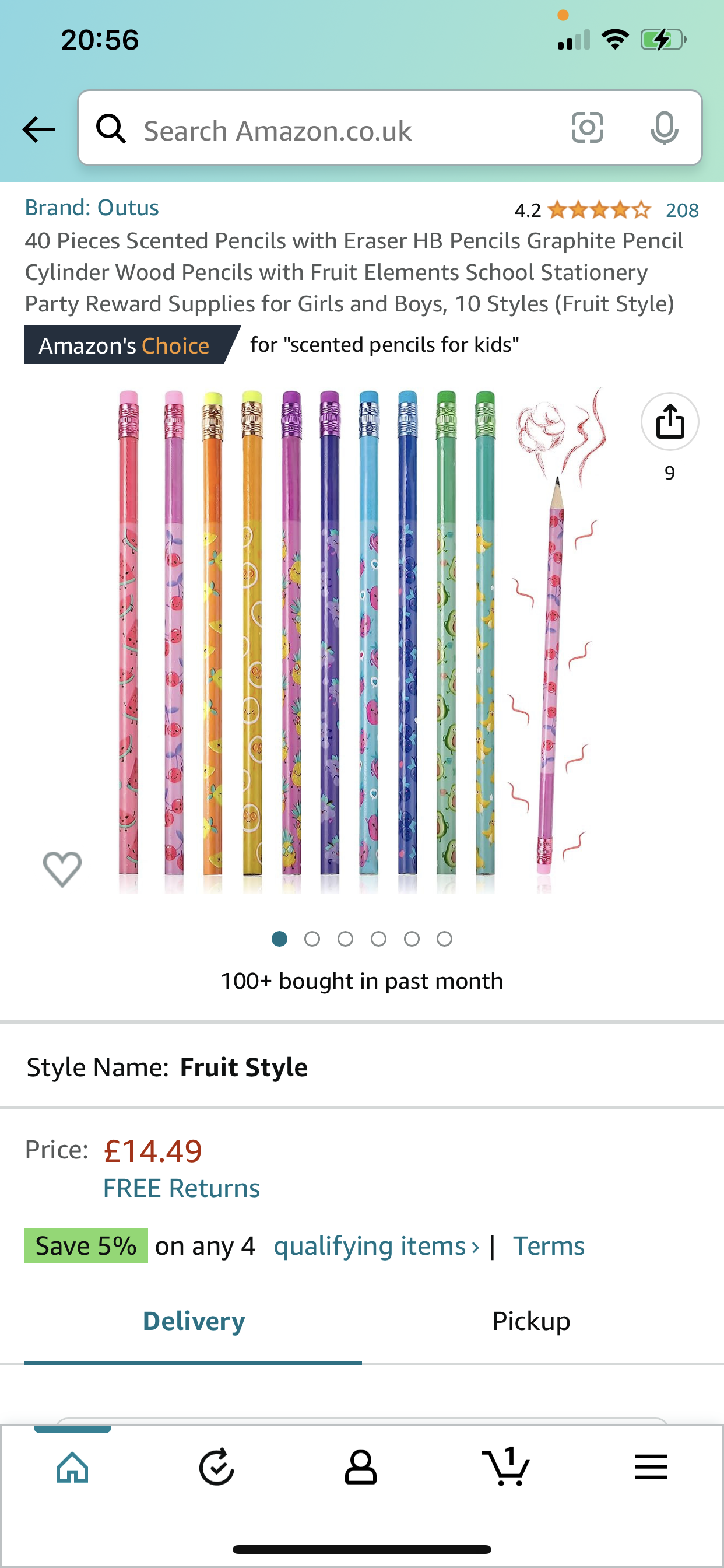
I have put my previous link in the title for these rogue pencils, suitable for pencil pages, but also fun at the same time for anybody who is a student school college or even university. #Stationary #SchoolSupplies #CollegeSupplies #GetReadyForTheNewYear
https://amzn.to/3Y6mn9B female, self-care gift set open the damn bro for female pamper and self-care
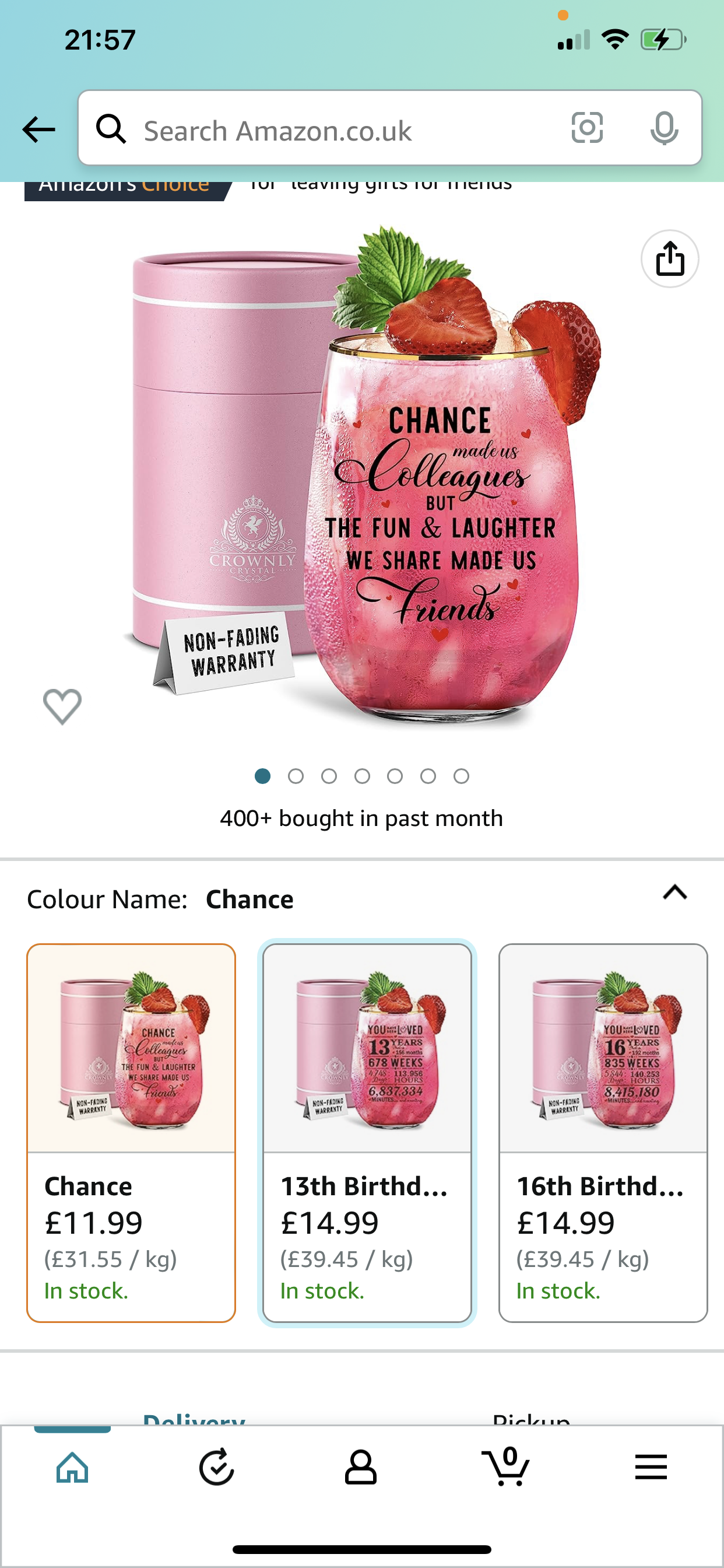
https://amzn.to/3O1XgjM

flannel wash mitt gloves. Previous link is up at the top of Sophia Lane is it community or same difference readers this is not going to be a link on my Pinterest account this is the close of play for those who view my page here on time difference

https://amzn.to/3NYSSlD
no bag my favourite link to purchase
https://amzn.to/3Ooy3RR Nivea shower gel you can get very in French phone Amazon Nivea, number 39 women’s share with you

Paul Paul Mac, with saying https://amzn.to/3OmuquL
A picture I love with me when I was about 1516 years old on holiday at my grandmas, thriller/apartment

https://amzn.to/44QtvJu
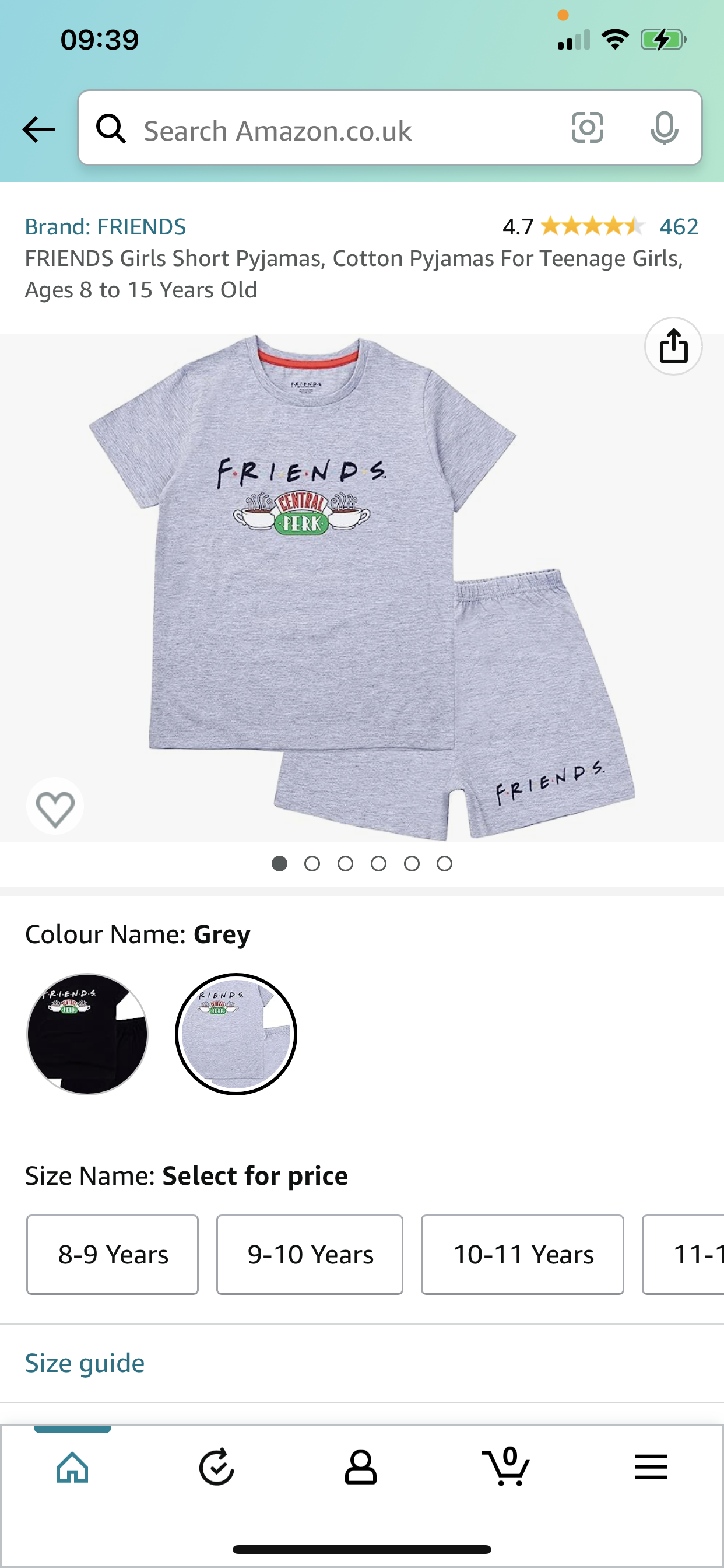
pyjama shorts and top set 50 minute late up at the top. Please repeat them please do use. How do you clean my affiliate link as I get the commission from it, doesn’t cost you any extra than it normally go to retail so please take a look said, please take a look and see what we can get a purchase items in previous post as well if you would like🥰
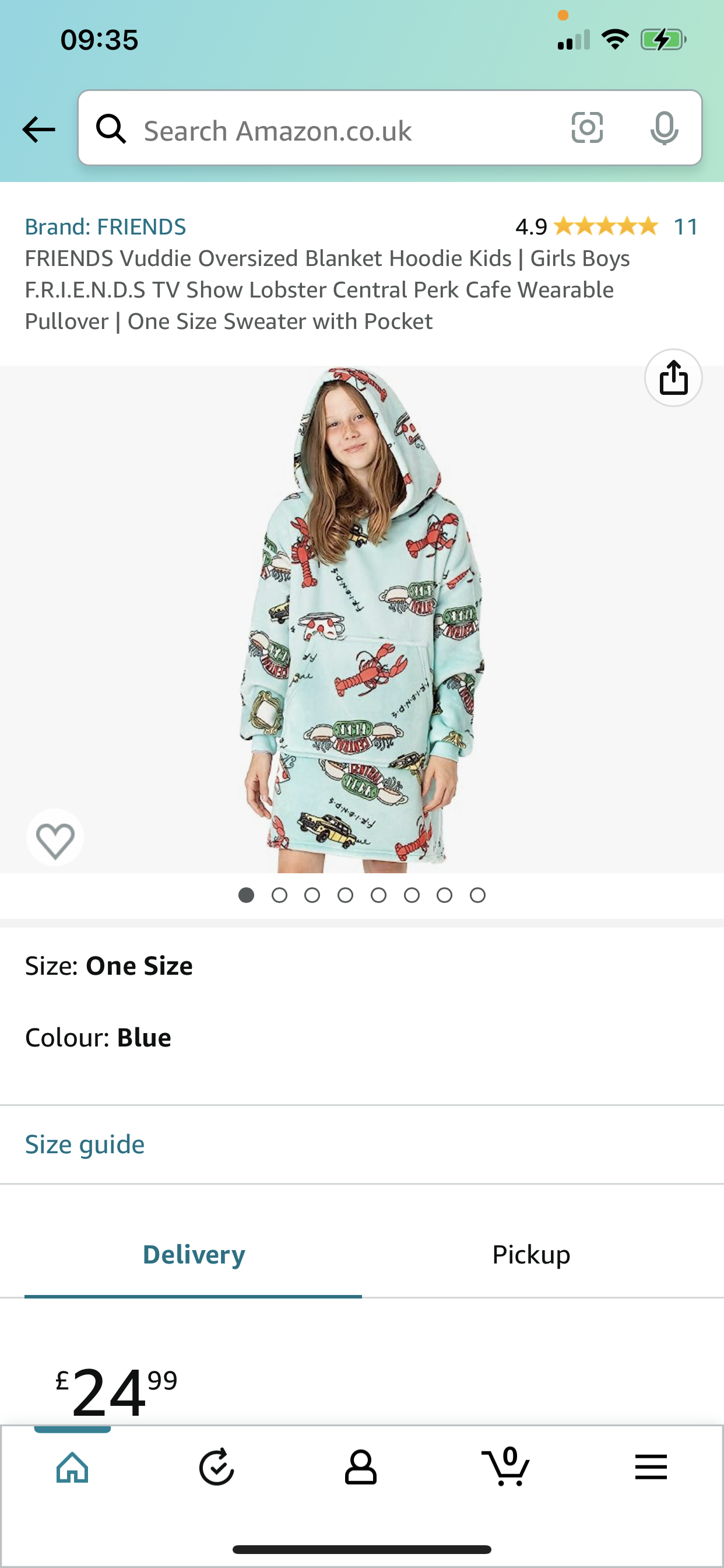
Heathrow Rated Poor Over Access For Disabled Passengers
Heathrow Airport has failed to meet minimum standards for disabled passengers over the past 12 months, the aviation regulator says.
The Civil Aviation Authority (CAA) rated accessibility at the airport as “poor” for April-June 2022 and “needs improvement” for July 2022-March 2023.
The disability charity Scope said passengers were being “let down”.
Heathrow Airport said it had a “strong plan” in place to improve and that it is now meeting targets.
Disability equality charity Scope is calling for tougher rules, meaning airports would be fined for failing disabled passengers.
Heathrow is the UK’s busiest airport, serving almost 61.6m passengers last year, according to the CAA.
The findings have been announced as part of the regulator’s Airport Accessibility Report, which assesses efforts at 26 of the UK’s largest airports to provide disabled passengers and those with mobility problems a standard of service they are entitled to.
The report highlighted a 50% increase in the proportion of Heathrow passengers using its assistance service compared to 2019 levels, and added the airport was serving more people who required assistance than ever before.
Assistance includes wheelchair provision, access to accessible toilets and moving disabled people onto and off aircraft.
Among other airports evaluated in the report, 18 consistently achieved a “good” or “very good” rating for the 2022-23 period including Belfast International, Cardiff, East Midlands and Edinburgh.
‘Let down’
Charlotte Morley, of the disability equality charity Scope, said the report’s findings are “a world away from the reality for disabled passengers who are still being let down far too often by the air industry”.
“Far too many disabled people are left stranded on planes when assistance doesn’t arrive on time, or land to find expensive wheelchairs have been damaged or lost on the way.”
Heathrow’s chief operations officer Emma Gilthorpe admitted the airport did not deliver an “appropriate level of service for passengers requiring extra support with their journey through the airport” last year.
“I want to reassure those passengers that we have put in place a strong plan which is turning that around and we are now meeting service targets.
“We are also kicking off a £55m investment programme which will underpin the delivery of consistently excellent service for this growing segment of passengers.”
The CAA’s joint interim chief executive Paul Smith said it was “important to acknowledge that there is still a way to go in providing a consistently good service for disabled and less mobile passengers across the industry”. particularly for those with more complex needs, and throughout the busier summer months”.
He added: “With 18 airports consistently achieving good or very good ratings, and others demonstrating significant improvements, the industry is making strides in returning accessibility levels to those seen before the Covid-19 pandemic.”

Upload