Ellie Simmonds’ Emotional Search For Birth Mother
Ellie Simmonds has said tracing her birth mother for a TV documentary unearthed a lot of emotions.
The Paralympian from Aldridge, near Walsall, was born with achondroplasia and was adopted at three months old.
She discovered while filming for ITV her mother placed her for adoption shortly after the diagnosis.
“It was emotional, it was hard, [I’m] not going to lie,” she said. “I’ve definitely found out more about myself than I probably would have thought.”
The former swimmer embarked on her search after losing “a bit of me” on her retirement from sport in 2021.
“I thought, this is the right time. Who am I? I’ve got all these questions,” she said.
Knowing she had been born in Glossop, Derbyshire, she located her casework in the annals of Derbyshire County Council.
Simmonds discloses in the documentary she went to live with a foster family when she was just two weeks old.
She said her birth mother had been told about the achondroplasia diagnosis soon after leaving hospital.
“She expressed concerns to the midwife that she felt that there wasn’t bonding with myself and requested I be placed up for adoption,” she said.
During filming, she learned her foster mother had since died, but her family told Simmonds that she had always been proud of her achievements.
In the phone call, they told the 28-year-old her foster mother had “loved and nursed” her as a baby, adding she “could not have gone to a better family” when she was adopted.
Simmonds also became tearful while drafting a letter to her birth mother as part of the documentary.
She “was not angry”, she wrote, had lived an “incredible life” and hoped to get to know and understand her mother.
“She was a single parent, so you’ve got to try and place herself in her shoes,” she said.
Although she described later meeting her birth mother as a “success story”, she was mindful not everyone was so fortunate.
“A lot of people who go on the same journey don’t get those questions answered and it’s tough,” she added.
She hopes the documentary will spark a wider conversation about adoption and disability.
“We saw, even 28 years ago reading my documents, that people with dwarfism were described as ‘evil’… were probably going in the circus, not mentally with it,” she said.
“I think still now in 2022, 2023, children in care [with disabilities] who are looking for families are seen as harder to place.”
Simmonds said she was thankful for the support of her adoptive parents, who she said were always open about the circumstances of her birth.
“It’s just amazing to bring a person into your family and to give love and to give care and nurture,” she said.
Ellie Simmonds: Finding My Secret Family is on ITV at 21:00 BST.
Being daft with snapchat filters 😆😹

thank you, little camping illustration with pets for anybody that camping this summer ♥️🤩🦋


Me and My Support Worker being daft on snapchat 😆


High profile comedian, Rosie Jones, has caused controversy after announcing her latest documentary, about online abuse, has been called, Am I A R*tard? [sic]. For many, the R-word is one of the most offensive slurs out there. It’s left many people torn, between rooting for the Golden Girl who’s smashed the glass ceiling for disabled people and reinforcing an outdated insult.
“It makes me feel angry,” says Harry Roche, who has learning disabilities and works for the charity, Mencap. “It made me feel like I’m being discriminated [against].”
Rosie’s Channel 4 documentary sees her as presenter and executive producer. In it she digs deep into her own experiences of online abuse as a disabled woman with cerebral palsy and that faced by others – it’s confronting and has brought up lots of situations she would rather forget.
Earlier this year, she told the BBC’s disability podcast, Access All, that the making of it had been traumatic.
“[It] has been quite hard for me because a lot of the things that I’ve shut away…I’ve had to confront and because of that I’m in therapy.”
It suggests that the comedian wasn’t just trying to be humorous or quirky, and this was a serious attempt to make a difference.
But for lots of disabled people, that isn’t good enough.
In fact, three contributors who agreed to appear in the documentary, and were filmed talking about their experiences, pulled out once they learned of the title.
“I’ve already seen it so I know that it’s a great documentary,” says The Daily Mirror disability rights columnist, Rachel Charlton-Dailey, who herself is in therapy because of the regular abuse she receives as a disabled woman. “But this show, isn’t just about Rosie.”
She says: “I do believe that it was a really tough show for her to make, but what about the people who were making the show and also had to recount all of the things they experienced? And then when they raised their very legitimate concerns [about the title] were pushed from pillar to post and ultimately ignored.
“It could have been so easy as just changing the word, but they instead decided to get rid of so many important voices.”
The R-word originated in medical practice to describe children with intellectual disabilities, but over time it warped into an insult.
It crossed into popular culture, especially in America and the UK. The animated sitcom, South Park was one of those to regularly band it about, something Rachel remembers clearly as it was “huge” when she was growing up. It was later considered to have redeemed itself with the inclusion of disabled characters, Timmy and Jimmy.
But Rachel says she fears Rosie’s use of the word will give a similar approval to its use.
“This is not about attacking Rosie. My worry is that the people who already use that word so freely are going to see this as a license to use it again.”
As the debate around the documentary rumbled around social media, Rosie released an Instagram video explaining her stance.
“I get it, a lot of people will find this word very shocking and upsetting,” she says. “But, in my opinion, society doesn’t take this word and other ableist forms of language as seriously as any form of abuse from any other minority.
“So I said to Channel 4: ‘Let’s do it, let’s tackle the problem head on and use that word in the title and then hopefully people will think twice about using the word and other ableist slurs ever again’.”
TV presenter Mik Scarlet, appreciates where she’s coming from, having got into similar hot water at the start of his career, but fears this could be a case of history repeating itself from a much darker time.
It took him straight back to several episodes of Blue Peter in 1981 which stayed in the memories of thousands of children, for all the wrong reasons.
During an update on the latest Bring and Buy sale to raise money for The Spastic Society (now called Scope), Joey Deacon, a man with cerebral palsy in his 50s was featured, to give some insight to the young viewers about peoples’ different lives.
That short film inspired another slur, which became the “ultimate playground taunt,” Mik says, and which was regularly thrown at him.
“The idea is, ‘let’s do something good’, but I’m unsure that’s the right route. I think Rosie’s programme will end up being devalued by its title. So the R-word might start popping up more than we are hoping.”
Some have argued that Rosie is simply reclaiming an insult – taking the stigma out of the word and using it with pride.
But many have been quick to call out that, as a woman with cerebral palsy, a word related to intellectual disabilities isn’t one for her to reclaim.
The learning disability charity, Mencap, released a punchy statement as soon as it learned of the title.
Jackie O’Sullivan, Mencap’s Director of Communications, Advocacy and Activism, says: “People have told us that they are shocked and upset by the title of this documentary.
“If offensive words are to be eliminated in the narrative around disability, they must be taken out of circulation entirely. They should be regarded as truly unspeakable.
“We have contacted Channel 4 to ask them about their editorial decisions.”
The BBC also contacted Channel 4 and a spokesman said: “The film makes very clear it is an unacceptable and offensive ableist term and its inclusion was carefully considered in conversations with the editorial team, Rosie and a disability consultant
“We have removed three contributors from the documentary at their request and fully respect their decision.”
Harry has been left frustrated by the situation. He loves history, especially reading about the Tudors, and says many words he has spotted in history books have since dropped out of use, so: “Why can’t the R-word fade away?”
“This word is very old school and it’s time to abolish the R-word out of the English dictionary.”
He says one way of stopping similar situations arising again, is by insuring disabled people are involved in media at all levels.
“We need people with a learning disability representing all areas of the media. Doesn’t matter whether you’re on screen, off screen. That could make the world a better place,” he says.
Mik agrees and hopes this flare-up will become a “watershed moment where we say ‘this is it’.
“We can’t keep being poked like a bear,” he says. “We need disabled people to be more involved in all areas of production, so that means not just the presenter that gets it in the neck. We need to be shaping television for the future.”
Rosie’s documentary is due to be released on 20 July and Mik plans to tune in.
“I just think it’s really sad and I think it’s a missed opportunity because I bet the programme is going to be amazing.”




:-) never frozen :-) :-) :-) :-)💕💕💕💕

#SaturdayPositivity #PositivityTeaSaying #PositiveVibes0Saturday #GoAndCheckOutMyFundraiserOnJustGiven


Times of the morning :-)

Oh pounds when I went there with Nat one year ago


lianne, do you hurt when she was a baby? She is now three years old. She is so cute. Love you loads 😹😹😹😹
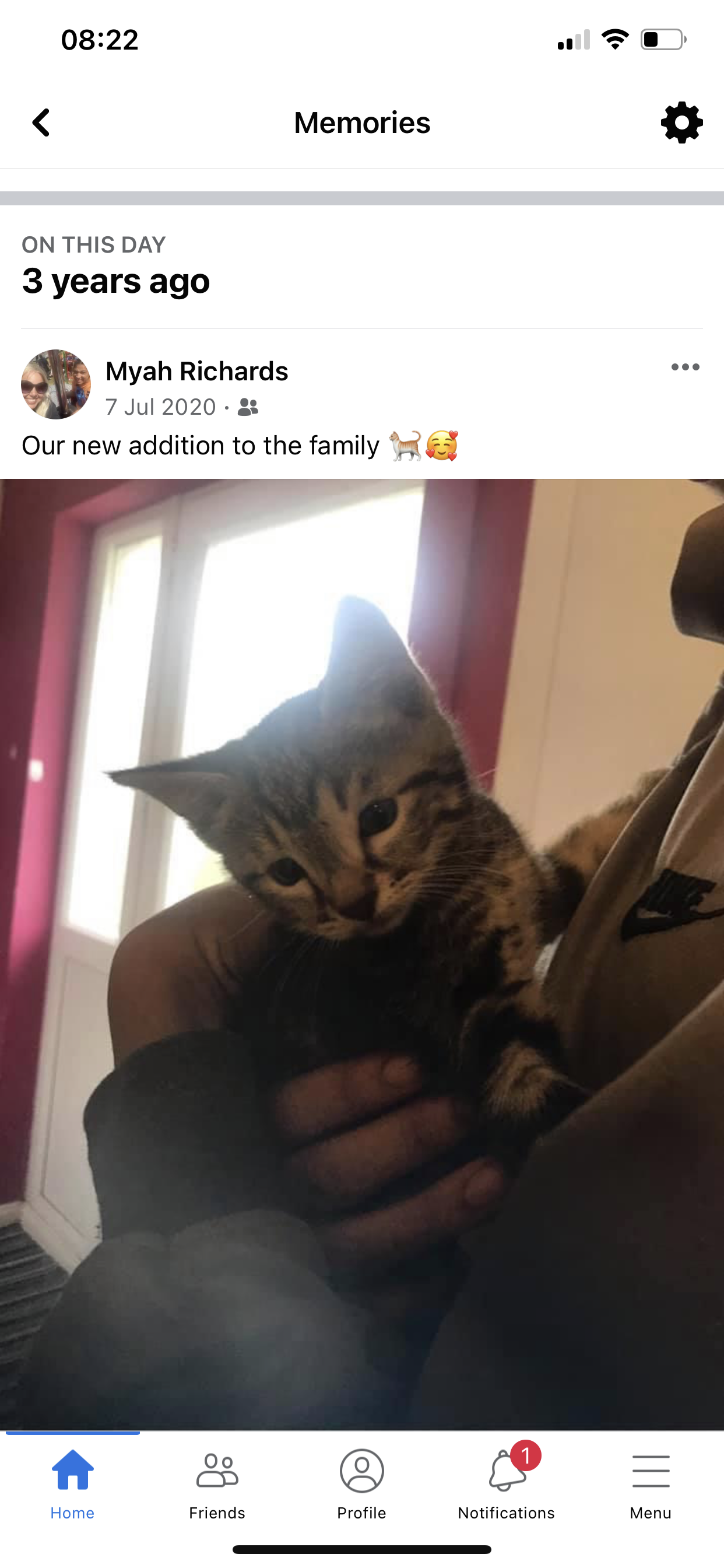
With many thanks to Benefits And Work.
What is social tariff broadband?
Claimants on a range of benefits are eligible for social tariff broadband deals.
All the major suppliers offer a cheaper deal if you are on Universal Credit, Pension Credit, Employment and Support Allowance, Jobseeker’s Allowance or Income Support.
Some also extend their offer to PIP claimants.
Prices range from £10 to £20 a month with speeds from 15 to 100 Mbits, depending on the supplier.
The Ofcom website has a full list of suppliers and prices, with links to their individual terms and conditions.
What is the controversy about social tariff broadband?
Only one in twenty claimants who are eligible for social tariff broadband have actually signed up, with 4.3 million potentially eligible people apparently missing out on what should be a money saving deal.
Citizens Advice (CA) is concerned that take-up is so low even though one million people have cancelled their broadband in the last year because of the cost of living, with UC claimants 12 times more likely to have done so than non-claimants.
CA believes one of the main problems is that providers are failing to tell their customers about this option.
We wanted to find out whether our readers knew about social tariff broadband and, if so, what they thought of it. We have had almost 250 responses to an article last month on the topic.
Never heard of it
We definitely did get responses from readers who had never heard of social tariff broadband, so CA was correct that more publicity is needed.
“I’m on high PIP and support group ESA and I’ve never even heard of this!. I’m with BT
This is the first that I have heard about a social tariff broadband? How does one apply for it? Do I just phone the DWP or do I phone my current provider? Thanks.”
Happy customers
One grateful reader signed up to BT Essentials after reading our article and is now saving an extraordinary £60 a month as a result.
“I’ve been paying £83/month for 250MB cable broadband with landline bundle. Didn’t know anything about this offer until reading the newsletter. Just changed to 50MB “essential” broadband for £20/month (rising to £28/month after 14 months). They won’t allow me to keep the landline, but since 99% of the incoming calls are from scammers I’ll not be sad to see the back of it. Thanks for the information.”
This wasn’t the only happy customer we heard from either, there were actually a lot of positive responses.
“I had no issues switching with BT it was just a quick online form and have had a perfectly respectable speed since and no loss of service. I live in a rural location so need reliable broadband which so far, 6 months in, this has been. I’m saving £40 a month. My credit score has not been affected. All good.”
“We changed from full fibre cost with BT to BT social tariff and I will be totally honest we have not noticed any difference between the two apart from the cost. Was paying £52 a month to now paying £20 a month. We are in a small town with fibre so that might be why there is no difference.”
“I also have the BT social tariff at £20 a month unlimited broadband and free calls any time. I was paying £40 + for exactly the same, without free calls. So in my opinion it is great. I found out about via Martin Lewis Show. No issues streaming etc, speeds are as before.”
“I switched to BT home phone & Broadband after a BT engineer mentioned it to me during a visit , he actually said “they don’t really want people to know about social tariffs” £20 per month and it is the best service provided i have EVER had!”
“I think personally it’s mostly awareness. I signed up for the same contract I was on previously with BT, no change in speeds, customer services etc. and now save £12 a month. I’m really pleased with it!”
“I signed up for BT’s Social Tariff last year, my previous Broadband provider was terrible, overpriced and virtually no internet speed. I spent a while looking through ‘Social Tariffs’ listed on Ofcom’s website, most were unavailable to me because they only served certain areas.
Reluctantly I signed up with BT (had problems with them years ago, vowed never to return) surprisingly I’m bowled over with the service after a little hiccup to begin, needed an Engineer to connect my service at the local exchange. Customer Services were incredibly helpful. Don’t be afraid to ask them everything you need to especially any hidden extra charges during the set-up phase.”
“My Mum gets pension credit. She is on the social tariff with BT. She is on full fibre with 2 free digital phones for just £15 per month.”
“Hi all, I’ve recently arranged a package for a family member and I opted for the Vodafone Essentials deal. It’s only £12 a month and you get 38mbps. This person lives alone, doesn’t play games or download large files but does stream a lot, apart from general use of Google, YouTube etc. 38mbps is more than adequate for their needs. Sky advise that to stream in high definition you only need 5mbps. Paying any more for a faster connection would be a complete waste of money and they’ve never had any issues since switching.”
“I changed 6 months ago, it’s a no brainer. Speeds are perfectly acceptable for streaming films and tv. Can’t understand why anybody would want to pay full price, it was so easy to change over, no fees or loss of service. Same with the water bill, that’s been halved by applying for their social fund.”
“I signed up for a Social Tariff last year and not only was it simple (with BT) but I had the unexpected bonus of 700 minutes free l/line telephone minutes per month. That’s useful when trying to contact organisations which not only have long ‘wait’ times to answer calls but then take one through multiple options to access the appropriate extension. Download and Upload speeds are steady and reliable – fast enough, for example, to use a ‘Firestick’ without much ‘buffering’.”
Discouraged from switching
However, for every happy switcher we heard from, there was another reader who had tried to swap to social tariff and been misled or discouraged by their telecoms provider. This seemed to be a much bigger issue than not knowing about the tariff in the first place.
“I’ve recently switched from EE to BT home essentials but it wasn’t easy. I knew from moneysavers that there should be no termination fee but when I phoned I was told otherwise. I asked them to check twice and they asked their manager and I was still told I was wrong. It was only when I requested how much the charge would be and they phoned through to accounts that the no termination fee was agreed. However, my final bill from EE included a termination fee. Another phone call got this cancelled but it would have been so easy to have given up. I’m happy I persevered – the service from my new internet is fantastic and the engineer who came to fit it was brilliant.”
“I heard about “social tariffs” and spoke to Vodafone about it. Alas and alack the worker to whom I spoke had not heard about this and essentially informed me that I am in a binding contract, yadda, yadda, yadda.”
“I am so shocked to read this article! I was contacted about starting a new tariff around the time of the price hikes and she insisted I start a new 24 month contract. I specifically asked about the social tariff as I receive ESA and PIP. She said it would be £20 but I couldn’t get the same package, e.g. 67mbs internet and pay as you go calls. I’ve just looked and according to your figures I could have got exactly that, maybe not the same name of the package but all the same details.”
“I wasn’t told it was available with Vodafone, they just want get sales, when I did find out I was going to have to pay a leaving fee. No savings.”
“I made enquiries about the reduced broadband cost to my provider Virgin and they told me if I was to accept the cheaper deal it would be ridiculously slow. I live in a village where at times my broadband is quite slow even though I pay for the fastest speed! I was thoroughly put off by virgin to apply for it so for obvious reasons I didn’t . It would have been so much help financially and very beneficial to me as I live on my own and getting out and about to access services and facilities is a very daunting experience for me especially physically.”
So, it seems that whilst CA is right that some people don’t know about the scheme, even customers who do can find it very difficult to insist on their rights with some providers.
Can’t get it
Sadly for some people, the offer simply doesn’t seem to be available.
“I’ve heard about social broadband tariffs but they aren’t going to apply to me. I live with parents. Mum pays the broadband for the household.”
“I wanted to sign up for BT’s social tariff broadband, but it is only available with line rental included. I live with my parents and the phone line is theirs, I have a separate broadband contract (my parents don’t use the internet). So I can’t take up this service.”
“My ESA is legacy contribution based (after nearly 10 years, still!). So I can’t get the tariff. Even though I haven’t “contributed” since 2014.”
Better off without it
Some of our readers saw no point to social broadband or were very wary of giving information about their benefits to private sector companies.
“Why on earth would I go to an expensive social tariff when my three broadband is cheaper, quicker and more responsive to customers. The social tariffs are a con, pure and simple“
“I will not use that tariff because they demand your national insurance number (bt & ee) which is wrong on so many levels & They demand it, without allowing benefits proof any other way.”
“I dont want private companies knowing im on low income / disability benefits and making the information available for organisations to misuse, eg; lowering credit score, discrimination, etc”
“I switched to mobile broadband (via my smartphone hotspot) in 2011 and I have never looked back. This was due to living in Hull where KC Communications held the monopoly and were consequently pretty expensive with no competition to get better deals.”
“Even when moving to a new location I never bothered with a fixed line. I just didn’t see the point in paying for a mobile AND fixed line. It’s probably saved me £5000 in 12 years (including the electricity costs of leaving the Wi-Fi box switched on). Now with the advances in mobile technology to 5G etc a fixed line is even less necessary. It also saves having extra wires and equipment (aka clutter!) in the home, not to mention reducing previously mentioned electricity costs. A major consideration now prices are sky high!”
Too slow and too basic
Overwhelmingly, though, the main reason people told us they didn’t plan to switch to social tariff broadband was simply because they saw it as too slow and the packages as too limited for their needs.
Our first poster below compared the tariff to the “bubble cars” that disabled people were given rather than ordinary cars. (For those too young to remember, you can read about trikes here).
If the social tariff was simply standard broadband packages at a subsidised rate, it would go much further to ending the growing digital divide.
“The social tariffs just need to be the same packages as standard but with a reduced cost. Currently they offer paltry speeds with no TV or phone options. Why would someone switch to these? It’s the equivalent of the 1970s bubble cars for disabled motorists. We want the same as normal, just help or concessions to get it due to the financial impact of being unwell. Its pretty obvious why there isn’t much take up.”
“I’m with Vodafone Broadband (FTTP) as a regular customer, I get 900Mb for £34 a month (just gone up from £30). Why on Earth would I switch to paying £20 for a small fraction of the speed?”
“The reason we haven’t taken up the offer is because the service they are offering is poor compared to the one we pay full price for. We are a family of two physically disabled adults and two children. We rely on technology and smart devices to make our lives easier. As we cannot go outside much, our hobbies are gaming, streaming music and TV series and we also study online. The social tariffs are not suitable for us. For us, it is worth it – for now while we can afford it – to pay the higher cost as we are so dependant on a good connection. If I had no other option due to finances I would obviously take up the offer!”
“I’m on pip and looked into this but the speeds were too slow. It was a basic version but hubby works from home teaching lessons online, and I have a ten year old stepson and myself who’s only joy as a housebound person with a disability is a limited amount of gaming on the PlayStation, so we just can’t deal with slow speeds!”
“Tried the social tariff, changed back after a week because it was so poor we couldn’t connect two phones at the same time.”
“My provider is Virgin and, whilst they do offer a social tariff, it would be a fraction of the speed I get now. I get 130mbps and I believe its only around 15mbps which is nowhere near fast enough for my needs.”
“Too slow for me, I cannot cope with waiting an hour for adobe to do each update…”
“Even if I am eligible for one of these social tariffs, which I doubt (PIP and NS ESA), they simply don’t offer effective download speeds or coverage.”
“It doesn’t include enough services such as films. It is a very basic service.”
“The lack of a full package is the reason. If you’re elderly and disabled the TV and computer are a lifeline what’s the use of having broadband only if you haven’t got a cheap TV package to go with it.”
Is it right for you?
If you are a relatively light broadband user, just surfing and streaming videos, then there’s a very good chance that you could save money and have an entirely acceptable service using social tariff broadband. But be prepared, you may have to have a fight with your provider before you can switch.
But if you live in a household that is a heavy user of services or relies on online gaming for entertainment, then it may be that the available packages won’t meet your needs.
It’s definitely worth visiting the Ofcom site and checking what is currently available, though, it may be better than you expect.
call Salpi night good night everyone :-)


saying 🦋🤠

another time will be okay on this Thursday morning

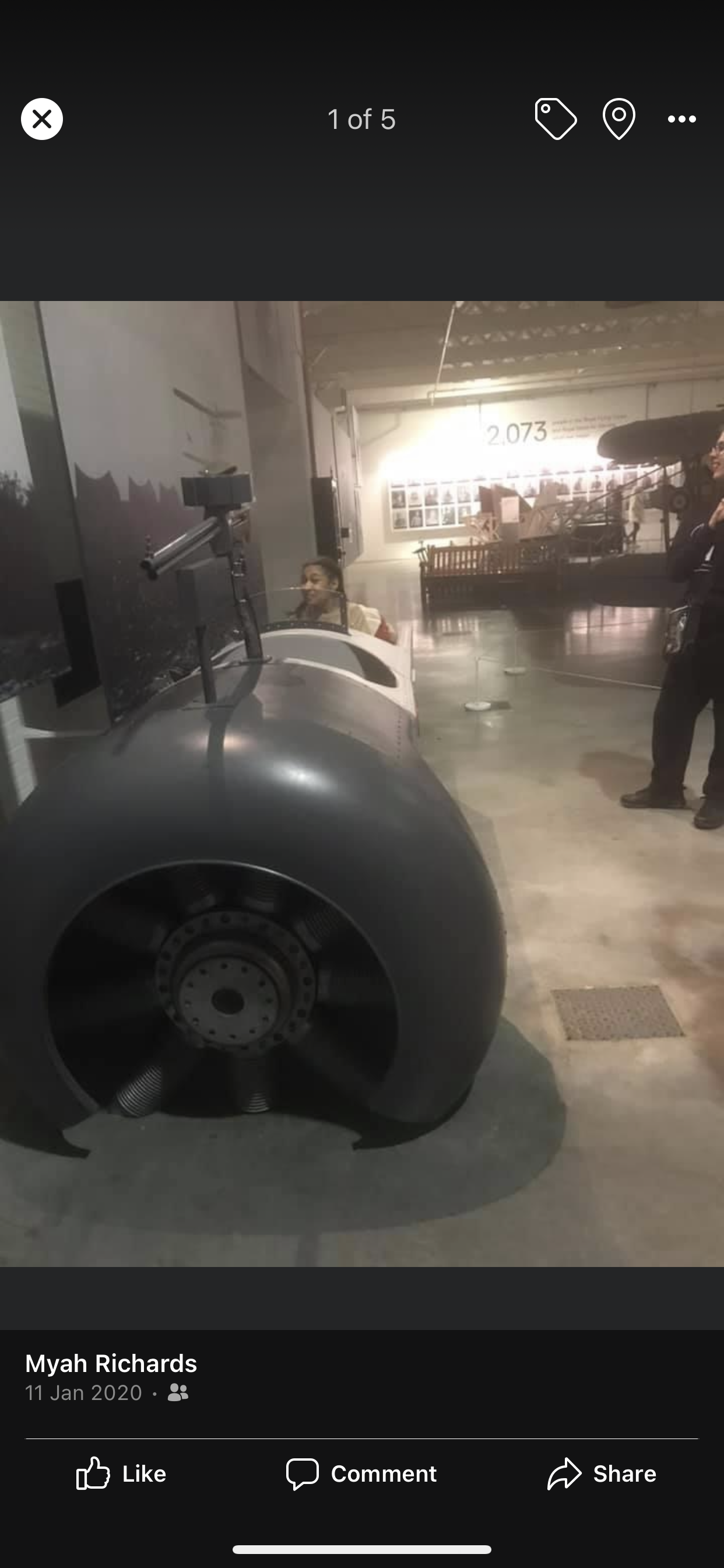
going to the airport museum how are years ago and me play pretending I am a pilot ## #PretendingToBeAPilot

With many thanks to Benefits And Work.
Figures released by the DWP last month show that 25.5% of PIP AR1 review forms were returned late or not at all in the 12 months to February of this year. It is not clear how many late returns were due to the DWP not answering the phone to claimants trying to ask for an extension of the deadline.
The figures cover the period from March 2022 to February 2023. They show that between 10,000 and 15,000 claimants fail to meet their return deadline every month.
However, according to Viscount Younger, answering a question in the House of Lords on behalf of the government, only 7% of claimants who received an AR1 form were disallowed for non-return.
Younger explained that:
“It is worth noting there are multiple reasons a form may not be returned within 40 days, or at all, without a resulting disallowance. For example, where a claimant has an additional support marker, or where an extension has been granted. On average, only 7% of claimants in the time period, who received AR1 forms, were disallowed for non-return.”
But, as we know from numerous comments on our PIP Enquiry Line page, trying to get an extension for returning a PIP form can be extremely difficult due to the DWP’s telephony chaos.
“Received PiP review form but my partner who it relates to is unwell in bed for last 3 days. Time scale for return quite short. Rang to get extension today. Keep getting cut off. Must have tried 10 times.”
“So far I’ve been thrown out of the system three times (after all the annoying security stuff and irrelevant information), and been on hold for 50 minutes, 20 minutes, 35 minutes. I’ve had to hang up each time because I had to do other things. I’m trying to arrange an extension of a form return for a young person I’m helping, which is now overdue because I can’t get through… and the form arrived with only a week left to fill it in, and the deadline was a Sunday…unbelievably awful service!”
“Same thing happened to me when the phone went dead I tried ringing again and was told that they had closed. I needed to get in touch with them to ask for an extension for the renewal. Now I don’t know what to do as they will be closed now until Tuesday which is the day the forms have got to be sent in by.”
So, although many people who do not meet their PIP review form return deadline may not lose out as a result, there is a real possibility that hundreds – or even thousands – of claimants are being unfairly disqualified every month because they are prevented from requesting an extension.
You can read the full written answer here.
♥️♥️🤩🤩

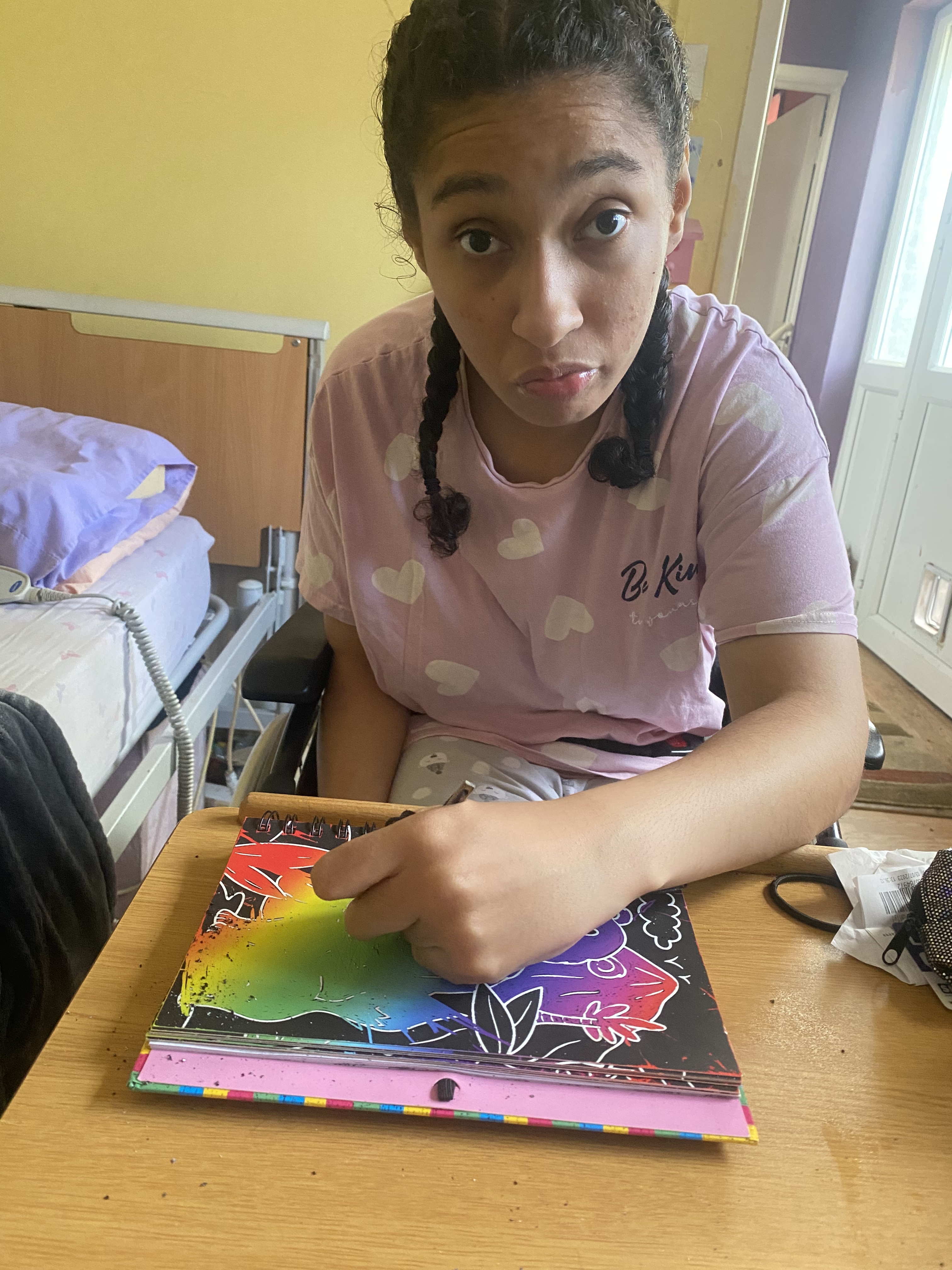
your phone for Wednesday morning thank you for all sucrose and things later on this evening and afternoon
‘Inclusive Fashion Is The Next Big Thing’
A fashion student with a chronic pain condition has crafted a clothing range to help others who have hidden disabilities.
Nottingham Trent University student Tegan Cooke has fibromyalgia – a condition which can cause fatigue, insomnia and joint pain.
The 21-year-old’s designs draw on the concept of pressure therapy.
They incorporate gentle compression on the shoulders and knees, designed to offer a soothing pressure.
“The pressure helps secure ‘clicky’ joints and prevents them from moving out of place and being uncomfortable,” said Ms Cooke, a third-year BA Fashion Design student.
“It also gives comfort to achy legs and makes the clothes soothing to wear.”
The edges of the garments are bound so they are flat and smooth, minimising severe skin sensitivity, a symptom that Tegan says she often experiences.
“A thick label sewn into my clothing, or even a loose thread that hasn’t been snipped away can cause intense irritation,” she said.
“For my collection I considered a range of different fabrics, ensuring that they were soft and breathable, allowing the wearer comfort and the ability to regulate their body temperature, another symptom of the condition.”
The designs feature bead embroidery, adding a tactile feature that wearers can rub for therapeutic benefits.
They also incorporate crystals, which symbolically represent diamonds becoming stronger under pressure.
“Inclusive fashion is the next big thing, but I don’t think that people with hidden disabilities are catered for by the accessible market yet,” said Ms Cooke.
“I wanted to create clothing that helps relieve people’s symptoms, but which isn’t plain and boring.”
For her research, she spoke to others with chronic pain conditions.
“It’s clear that many people, of all ages, would benefit from these sorts of designs,” she said.
“There’s particularly a niche for garments that consider wearers who have chronic pain, particularly for younger people who would like something on-trend and vibrant.”
Emma Prince, leader of the Fashion Design course at Nottingham Trent University, said: “Tegan has taken her personal experience of a hidden disability and created a range of garments which would literally benefit millions of other people.”
this evening’s final saying poo Tuesday 🫶🏼♥️🥰❤️🤣
no P illustration for everybody this evening with some of boys as well including butterfly 🦋🦋🦋🦋

With many thanks to Benefits And Work.
Tom Pursglove, minister for disabled people, admitted this month that waiting times for PIP and ESA inquiry lines have been too long, but says that PIP claimants will have to wait until the end of the summer to see an improvement.
Pursglove was answering an oral question from Labour MP Kerry McCarthy about waiting times for PIP and ESA calls.
In response, he told the MP:
“The Department recognises that wait times for the PIP and ESA inquiry line have been too long. To reduce waiting times, we are recruiting more staff and, in the short term, are diverting staff to support better performance. PIP recruitment is expected to reduce waits by the end of summer, while ESA waiting times have improved significantly in recent weeks . . . What I can say, hopefully to reassure the House, is that we are seeing 600 additional agents recruited for PIP from April and for ESA 160 additional agents will be put on telephony through both recruitment and redeployment.”
Whilst 600 new staff does sound like it should lead to a big improvement in waiting times, we don’t know how many staff are currently employed in order to learn what sort of percentage increase in staffing this adds up to.
And, of course, the ultimate test will be whether claimants can actually get through and then get a useful answer to their questions. Much of this will depend on how well the 600 new staff are trained.
So, we’ll continue to ask readers to comment on their experiences on our PIP Enquiry Line page.
You can read the full commons exchange on PIP and ESA inquiry line waiting times here.

A teenager has been left struggling without his wheelchair after it was lost on an easyJet flight from Edinburgh to Paris.
Michael Cloke, 17, had to borrow wheelchairs at landmarks in Paris when the airline told him they could not find it after the flight on Tuesday.
His family tried seven organisations before they were able to hire a chair on the fourth day of the visit.
EasyJet apologised and said it was “doing all possible” to locate it.
Michael needs the chair for a heart condition which causes severe fatigue.
His mother Gillian, a book editor from Edinburgh, said the loss of the chair was having a “major impact” on the family’s visit to France.
She said she checked-in the wheelchair as hold luggage at Edinburgh Airport, but it did not come out when they landed in France.
She said: “It takes a lot of planning going on holiday with someone who is disabled. To lose a crucial bit of kit completely derailed our plans.
Mrs Cloke said visiting The Louvre art gallery as a “complete nightmare”, because taxis could not get the family close enough for Michael to walk to the entrance without a chair.
She said she struggled to contact easyJet for help as the automated systems were set up for people with lost luggage instead of wheelchairs.
She added: “We have done everything we can which involves sitting, the river tour, buses.
“It is beautiful and sunny and it’s Paris and we’re trying not to be ungrateful considering everything else that is going on here.”
Gesture of goodwill
There has been four nights of riots in France after the fatal shooting of a 17-year-old boy during a traffic check by police near Paris.
EasyJet said it was investigating with its ground-handling partners at Edinburgh and Paris and the airport’s special assistance provider.
A spokesperson said: “We are doing all possible to try and locate it and fully understand the inconvenience this will have caused them which we are very sorry for.
“The family have advised us they have been using a temporary replacement wheelchair and we have been in contact with them since Tuesday to ensure Michael’s wellbeing and see how we can assist them further.
“We will also be offering a gesture of goodwill to apologise for their experience and the delay in reuniting Michael with his wheelchair.”
evening Prime for Sunday evening
ring Elsie oh no

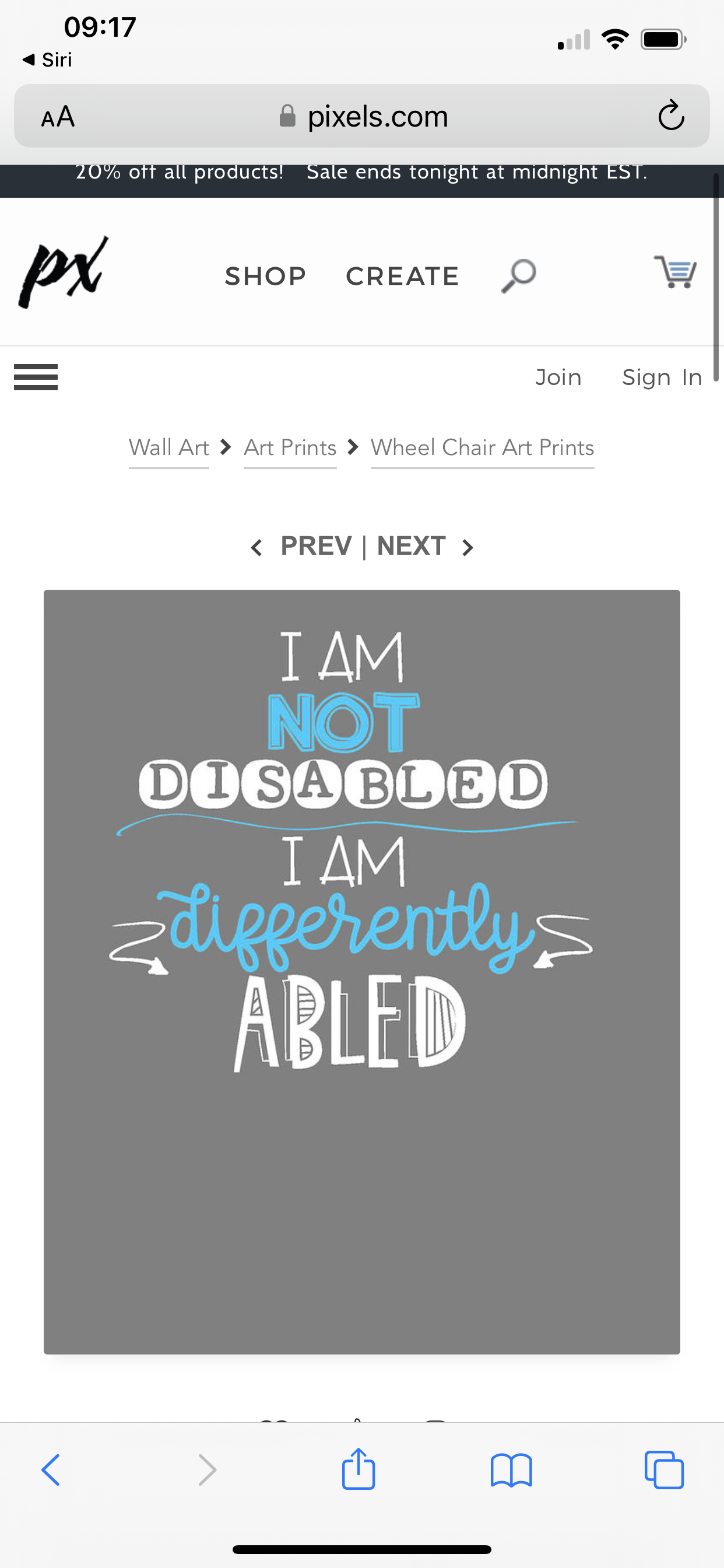
happy disability pride month for all disabled community. This is a month where we celebrate, disabled or differently abled people. It is for my whole of July for the Alison. Don’t celebrate it might be coming across my blow this disability pride is this month it’s very important to me as a disabled person who challenged perception of what is being disabled actually means really, it’s not much different to those that are not disabled

You’re phone Paula, call yourself today evening from me to you as my viewers and the whole of the Moon from different

my fundraising page for those that may want to donate as


🙂🙂🙂
💜🦥

evening :-) who all the members of the community?

Second setting of the day for Friday
Community Friday, saying all my viewers 🤣🤣😹

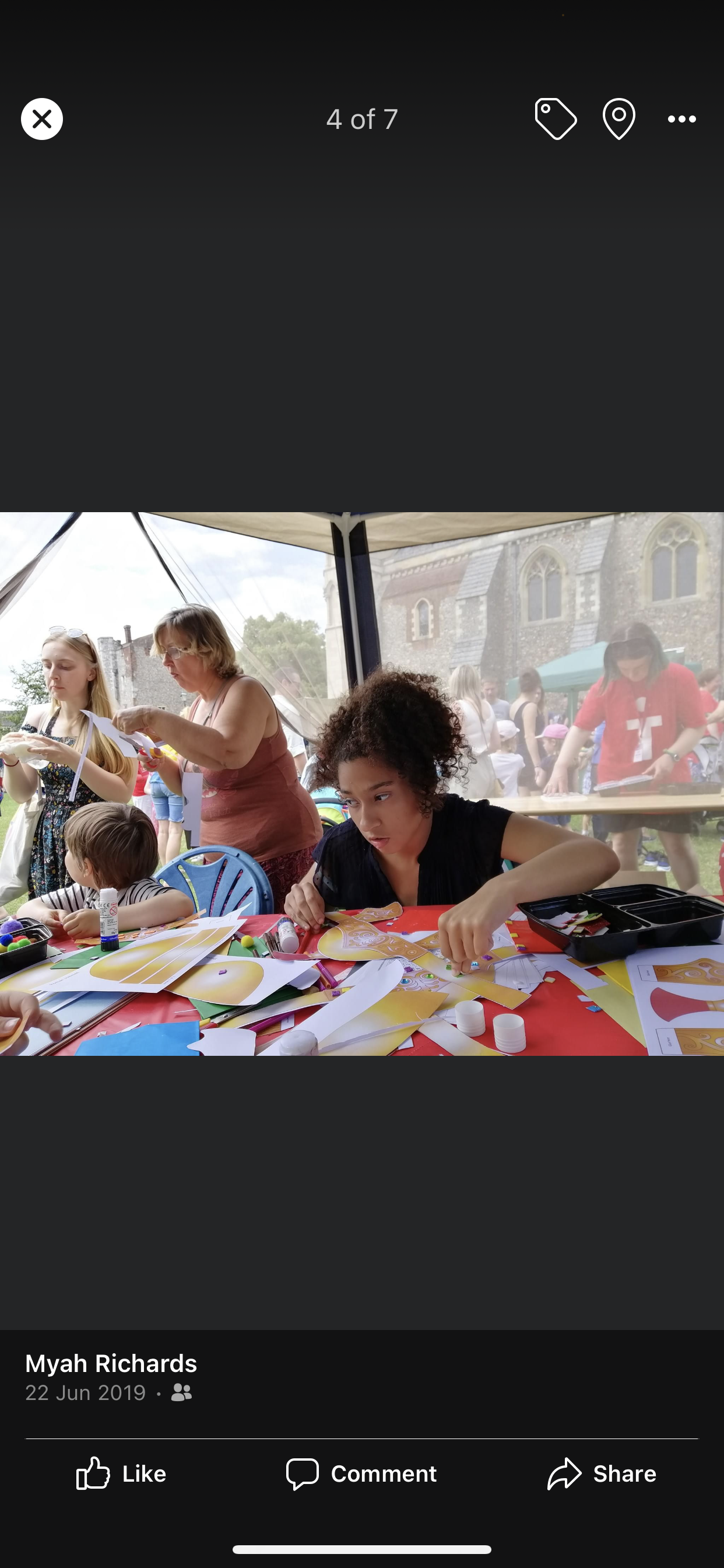
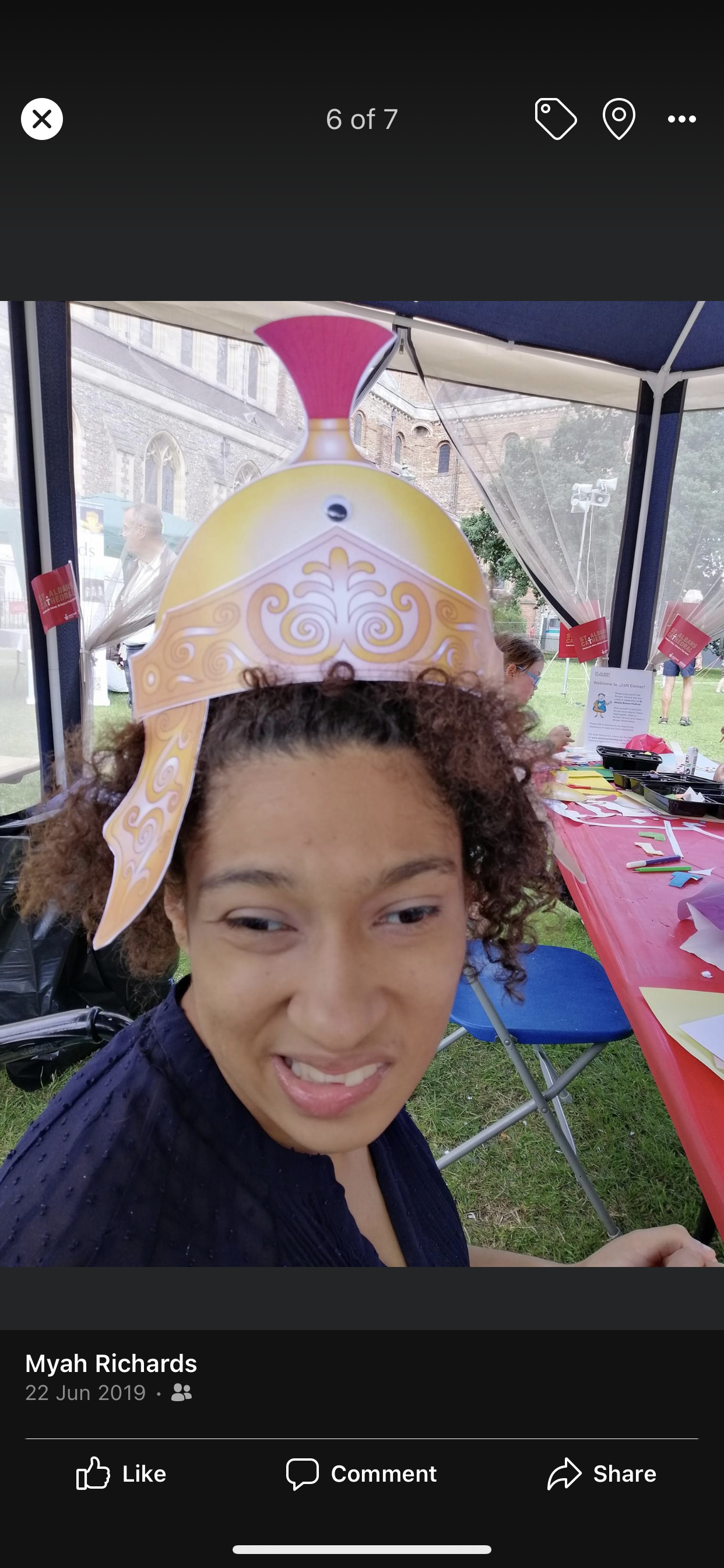
measuring up bro, open mediaeval festival four years ago and me in the crown. The crown may be there 💕💕♥️
Tributes have been paid to the co-founder of a wheelchair dancing charity who starred on Britain’s Got Talent.
Paula Moulton, part of Strictly Wheels alongside dance partner Gary Lyness, died in hospital on Monday, the charity said in a statement. She was 52.
“Her passing was unexpected, making the loss all the more saddening,” it said.
“She will be deeply missed by friends and family and everyone within the international wheelchair dance community.”
Ms Moulton and Mr Lyness started dancing together in 2010 and founded Strictly Wheels six years later.
The charity provides wheelchair dance classes and workshops in Manchester.
They appeared on Britain’s Got Talent in 2012 and reached the semi-finals, wowing audiences by dancing to a version of Alicia Keys’ Empire State of Mind.
The couple remained undefeated across Europe as Amateur Combi Latin Champions for three years and competed for Para Dance Sport Team GB in 2016.
‘Positivity’
Paying tribute, Mr Lyness said: “Paula always focused on the positive things in life, her disability was never a barrier.
“As well as an avid dancer and Team GB competitor, Paula was a champion for disability rights, speaking at many events and conferences.
“She should be remembered for all the positivity she brought into the many lives she touched.
“Her passing will leave a huge hole in my personal and dance life and so many others in the wheelchair dance community. “
another nice illustration for your night

for Tuesday night for all the community 🙂🙂🙂

he’s here if you want to come with you ♥️
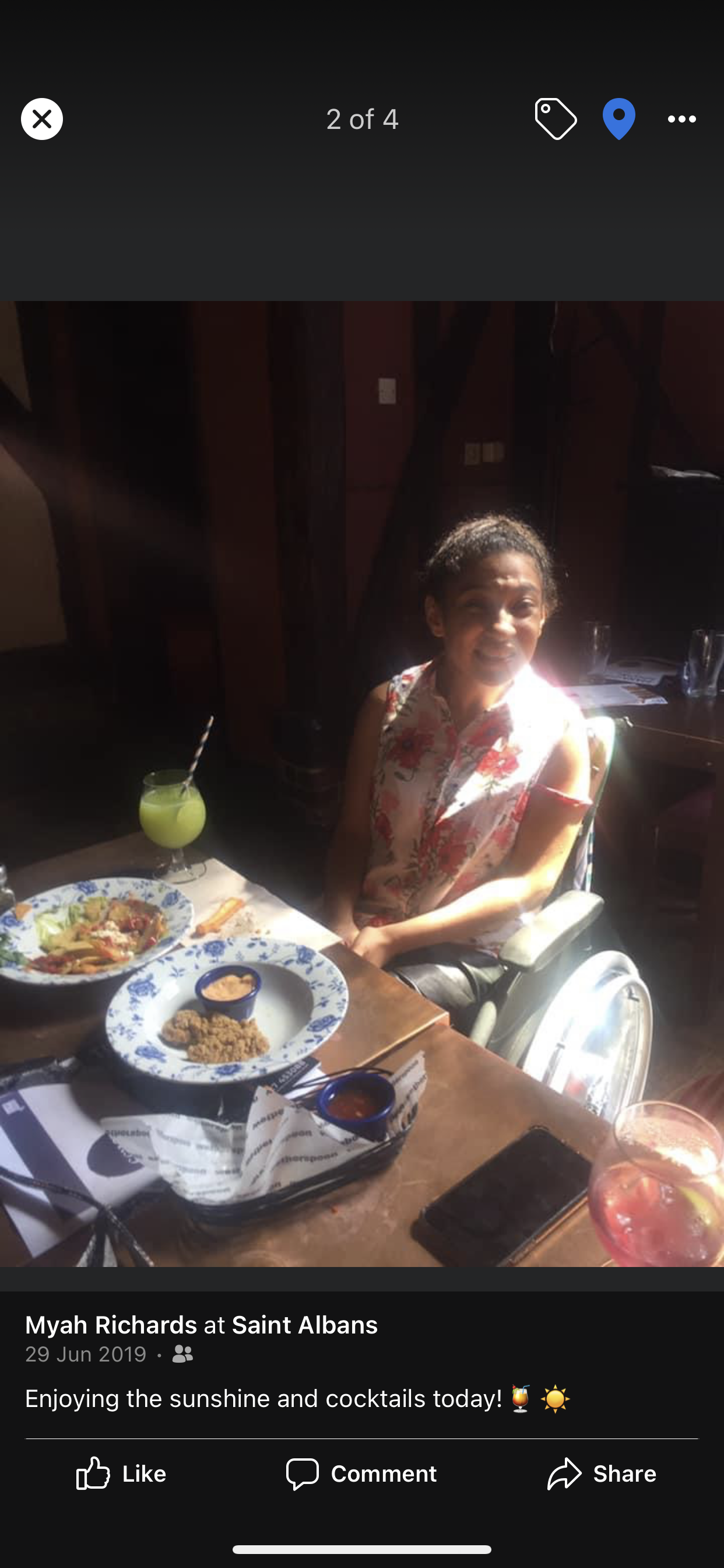
how are you before years ago today? 🥰 when I went out for cocktails four years ago today photo
The signed up project is complete. Who is the last picture of a Projects that I completed yesterday evening? ❤️🙂💕
An 11-year-old with Tourette’s syndrome has written to Lewis Capaldi lending his support after the singer struggled to finish his Glastonbury set.
James Craven was diagnosed with the condition on Friday – a day before watching the Scottish star, who also has Tourette’s, perform at Glastonbury.
The youngster, from Teesside, wrote: “I like that you have Tourette’s and you keep going with it.”
Fans sang along with Capaldi after he fought to complete his set on Saturday.
On a sheet of A4 paper, James wrote: “Whenever I see you struggling but continue going, it brings a smile to my face”, adding “you are a role model to everyone with Tourette’s and it shows them that they can be successful”.
Speaking to BBC Radio Tees, James said: “I know how he [Capaldi] feels, especially when he’s ticking a lot. I look up to him.”
‘Collective voice’
His mum, Kate, said she was “proud” of her son’s actions.
“He sat down at the kitchen table and wrote it based on what had happened to us over the weekend – with James’s diagnosis on the Friday – and watching Lewis’s performance.
“James has followed Lewis Capaldi for a long time. It was lovely to see him feel inspired and also, like a lot of the country, having compassion for his situation.
She added: “It’s been really lovely [to see the reaction online]. I think it was the innocence and rawness of the letter [that has touched people].
James’ dad, Joe, said: “I had a tear in my eye when I read it. It was lovely that he was thinking of someone else.
He said the family had received “lots of comments” from people with Tourette’s on social media, who “recognise and understand” the singer’s struggles.
“It’s a collective voice with people feeling able to talk about it and that’s a very healthy thing.”


 Same Difference