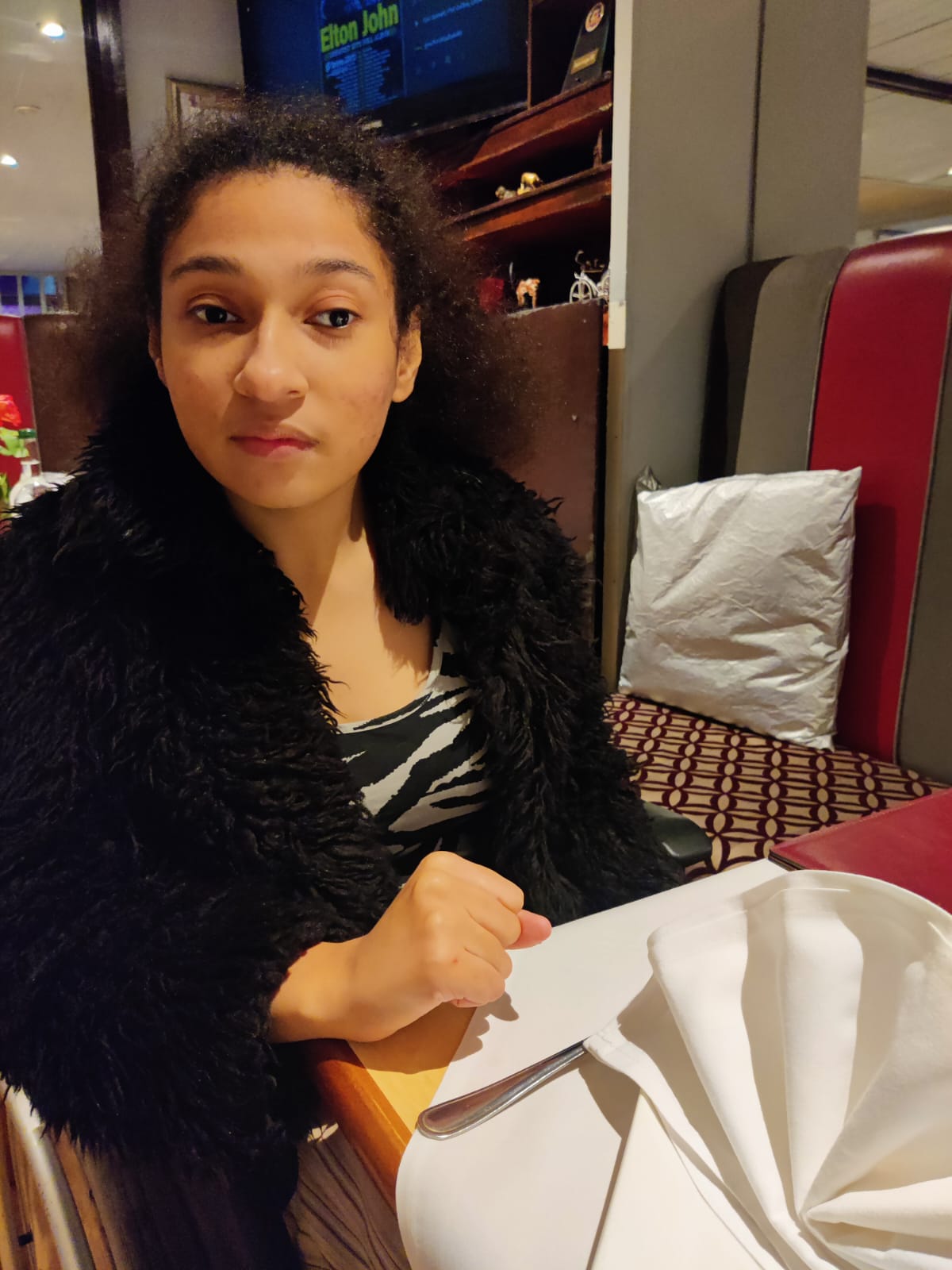
Popadoms and chutneys when we went out for my birthday meal this weekend, me and my Me and my PA for my
Musician Overcomes Hearing Loss To Release Album
“I’ve recorded this album as a celebration of my hearing and overcoming a serious and lifelong condition.”
Tom Gockelen-Kozlowski says it was “shattering” to learn he could lose his hearing at any moment, and he spent the next three years listening to music non-stop.
“My productivity at work dived while I was thinking ‘maybe this is the last time I can listen to The Strokes’ Is This It,'” he says.
Diagnosed with Neurofibromatosis type 2 (NF2), external, he has lost all hearing on his left side and half on his right, but nevertheless he is about to release his debut album.
Tom, 37, from Oxford, goes under the stage name Tom Gk and has used a hearing aid since his mid-20s. He explains that NF2 “basically means I grow non-cancerous tumours on my nerves”.
He says: “They really like growing in the head and around the ears… but the NHS is a marvellous thing and I started on an experimental drug [Bevacizumab] and it’s kept my hearing basically the same for 10 years.”
‘Memorable melody’
Nevertheless, he had to make changes, including leaving his job as a music critic for the Daily Telegraph. During his time there he gave glowing reviews, such as the “moving sense of world-weariness” from Bob Dylan at Hop Farm Festival, external, and some less so (Keane’s Night Train EP, external was “ploddingly predictable”).
So he launched himself into comedy, writing four hour-long shows, including Hearing Loss: The Musical, which he performed at Edinburgh Fringe, external. He still takes to the stage weekly with improv group the Oxford Imps, external.
But Tom’s big ambition was to make an album while he still could.Media caption,
The musician was diagnosed with Neurofibromatosis type 2 (NF2)
On a songwriting retreat organised by Mercury Prize-nominated folk singer Kathryn Williams he met up with Polly Paulusma, who he asked to produce his new batch of songs and help him through the process.
The focus was on tracks with catchy hooks, centred around Tom’s guitar and voice. His love of acts like The Beatles, Beck, The White Stripes, XTC and others shines through.
“I wonder whether because I don’t have the hearing range that everybody does, whether that kind of memorable melody is the top thing,” he says.
The result is the album Somehow We Made it, released on 31 January, and which he describes as “about me and the people around me – it’s been a journey”.
First single Winning, external is a personal song that draws on the idea of cherishing life in the face of adversity.
“There’s a part of you that says I must now take full advantage of everything,” he says.
“That I must live for the moment, I must be winning. The conceit of the song is that it’s pretty hard to do that.”
Another track, One Star, was inspired by a particularly scathing review, in which the former critic received a taste of his own medicine.
‘Very exposed’
It lyrics – “I’m a five star dreamer, four star musician/I’m a three star comic with some two star jokes/You’re my one star, I love you the most” – sum up Tom Gk’s self-deprecating humour, prevalent in most of his work.
“You’ve got to [see the funny side]. Maybe I’ve got a lot of dark things I could sing about but I think that brings humour to my music.”
About One Star he says: “You feel very exposed and naked when you have a review… I channelled that vulnerability and decided to turn it into a love song.”
Tom admits when he plays live he cannot hear the audience. “You’re looking at the faces,” he says, but he also enjoys the “blissful ignorance”.
He adds: “When there’s other noises about I can completely go to pieces”. As a result performing solo currently suits him best, with the “idea of maybe being in a band scarier”.
“Who knows? Maybe the next stage is me playing Glenn Miller style with a 26-piece big band.”
Neurofibromatosis type 2
A genetic condition that causes tumours to grow along nerves, such as those responsible for hearing and balance.
Symptoms include:
- hearing loss that gradually gets worse over time
- hearing ringing or buzzing in the ears (tinnitus)
- balance problems – particularly when moving in the dark or walking on uneven ground
Amputee Calls For Better Access In Public Spaces
A man who lost a leg to cancer is campaigning for better signage and information about access to public buildings.
Phil Grisewood, from Daventry in Northamptonshire, is learning how to walk again after his leg was amputated below the knee earlier this year.
Mr Grisewood, who is now adjusting to life with a prosthetic leg, described his shock at the “loss of his independence”, finding himself unable to perform simple tasks such as opening the front door.
He would like to see a traffic light system in all publicly accessible buildings to help people determine whether they are easily accessible.
The latest government figures, external showed an estimated 16.1 million people in the UK – 24% of the population – had a disability.
Mr Grisewood admitted he previously had “no interest” in accessibility issues but now wanted to raise awareness about the barriers people face.
The former rugby coach said: “I am now a champion for disability rights.
“There isn’t a single, comprehensive, source of information where people can look up a building and find out how people with a range of different impairments rate it for its ease of access.”
He said he wanted to see more “upfront information” to change that.
Nurse Said She Would Have Drowned Patient At Birth
A mental health nurse who said “I would’ve drowned her at birth” and “take her to the vets and get her put down” about vulnerable patients has been struck off.
Kathleen Alexandra Warmington was given a striking-off order by the Nursing & Midwifery Council for serious misconduct.
The community mental health practitioner, who worked in Northamptonshire, admitted making several “inappropriate comments” between August and November 2022.
She was suspended for an initial 18 months which will be replaced with a permanent suspension, although she can choose to appeal.
The hearing was told Warmington’s conduct became a cause for concern after she made numerous comments about patients and colleagues.
While speaking about one service user she said “take her to the vets and get her put down” and also stated another needed “to get a grip”.
The nurse, who had 20 years’ experience in mental health, called another patient a “naughty girl”, adding she was lucky to be given her medication.
She also said to another that “being miserable is a choice” and said “I’m not a fan of that” when discussing ADHD with a patient.
The nurse told another colleague “if she were my daughter, I would’ve drowned her at birth” in reference to someone she was entrusted with taking care of.
‘Risk of harm’
On another occasion she told a colleague to “kiss my white a**” – a comment she said she made as “banter” in an attempt to fit in after moving from a private hospital.
Finally, Mrs Warmington also suggested a patient could go to a crisis house, even though doing so was not considered to be clinically appropriate.
After being told such an admission would be not be permitted, she told the user that no beds were available at the crisis house, even though this was not true.
The panel concluded Mrs Warmington’s fitness to practice was impaired, she had committed misconduct, and her actions had put patients at an “unwanted risk of harm”.
The Northamptonshire Healthcare Foundation Trust has been contacted for comment.
Down’s Syndrome Cafe Facing Closure Due To Deficit
A charity that supports children and young people with Down’s syndrome is facing a £30,000 deficit.
Sunshine and Smiles may have to stop funding its free activity sessions and close its Headingley cafe and shop, which employs 10 young people with Down’s syndrome.
Charity service manager Ailith Harley-Roberts said the organisation was supporting more than 180 families.
“Its a very precious resource for a very important community in Leeds, we just want to make sure we keep offering all that we do,” she said.
The charity began in 2011 as a small group of parents who all had a baby with Down’s syndrome.
Ms Harley-Roberts said it had since “snowballed”.
It runs speech and language therapy sessions for more than 80 children and young people, as well as offering activity sessions, which include swimming, football, music and a baby and toddler group.
All of its services for children, young people and their families are free.
Its cafe, 21 Co. was initially a six-month project but has been running for four-and-a-half years.
It employed six young people with Down’s syndrome when it opened in 2019, but has 10 employees now.
Ms Harley-Roberts said the cafe aimed to change the discourse around people with learning disabilities in employment.
She said:”It helps them building independence, earning money.
“It’s not something that’s common place for someone with Down’s syndrome or any learning disability to be in employment.”
The cafe also supports the local community by selling homemade paintings, jewellery and cards by local makers.
Kate Stephens began working with the cafe in 2019 by selling her paintings and now co-manager.
She said: “It’s a great place to work. It has a really nice community vibe.
“It’s brilliant [for the young people] because they improve on their skills.”
‘Why I Home Educate My Disabled Daughter’
Clarke is educating his 10-year-old daughter Dakota at home after becoming concerned that schools are unable to meet her needs.
He is by no means alone – a BBC investigation has found the number of children being home educated in the south of England has more than doubled in the past five years.
Dakota lives with her family in Portsmouth and has cerebral palsy. This is something dad Clarke says means her writing can be slower than other children her age.
Clarke, an artist who is registered blind, says the decision in February to begin teaching Dakota at home was made to protect her mental wellbeing.
“Schools are doing something one day and a different thing another,” Dakota says.
“I don’t get rushed like I did at school. I’m more relaxed at home.”
The number of children moving to home education shot up during the Covid pandemic and has continued to rise.
The latest government figures suggest mental health is the most common reason for the increase over the past five years.
Dissatisfaction with special educational needs and disabilities (SEND) provision has also risen sharply, according to the latest education census, external.
Clarke says taking Dakota out of school was a decision they made together with his wife.
The government requires children schooled at home to receive full-time education – and they do not have to follow the National Curriculum.
But Clarke, who left school at 14, says his daughter gets the education she needs to thrive.
“We do study English and maths but we also study things she enjoys like Japanese poetry and animation,” he says.
Dakota says her favourite subject is English because she gets to write about Pokemon.
Clarke believes his own visual impairment has helped in the way he teaches Dakota, citing how they need to have continuous conversations about what she writes down.
“She marks her own maths – I’ll give her the formula and she’ll check the answer with a calculator,” he explains.
“If she’s got it wrong, she’ll go back and talk both of us through it.”
The new Labour government has committed to introducing registers for children not in school. It is currently not compulsory for parents to notify councils if they decide to home educate.
“Our mission is to break down the barriers to opportunity, so every pupil has the best life chances,” it says.
“That includes making sure every child is receiving a suitable education for their age, ability, aptitude and any special educational needs whether they are in school or at home.
“We are legislating for Children Not in School registers so local authorities can better identify and support all home educated children, and reforming the SEND system so more children receive earlier and better support to thrive in education.”
‘Beautiful relationship’
Running around in the playground or playing in the park is now something Dakota is unable to do because of her disability.
So playing on her VR headset is a place where “disability doesn’t exist”, her father says.
“I like playing Fortnite and because I have a headset, I can talk to my friends on there and play with them,” Dakota says.
Clarke says the two things he misses most since losing his sight are being able to read a book and watching his daughter grow up.
“The last memory I have of her facial features is from three years ago,” he says.
“We have the most beautiful relationship because she knows I’m blind but that way we engage with the education together.”
an Amazon gift list for guys that want to give me and her and celebrate my birthday
Myah’s birthday list – Amazon Gift List – https://www.amazon.co.uk/registries/gl/guest-view/I2DJBVTU938B
I’m Offered Sex As A Favour Because I’m Disabled
Holly was just 16 when someone asked her if she could have sex because she was disabled.
She has been asked many other questions over the years, such as if she “can have rough sex” or if it needs to be in a wheelchair.
“People think they’re doing you a favour, almost like a sacrifice. The worst thing is I’m not surprised or offended anymore.”
Holly, now 26, has chronic pain and hypermobility syndrome and is one of a number of disabled women who have spoken out to challenge negative stereotypes and stigma when it comes to dating and relationships.
Holly Greader said it was important that happy relationships for those who were disabled were represented.
She started dating her now husband James when she was a teenager, and has been with him for nine years, getting married earlier this year.
“Often in the media disabled people have miserable lives, we’re just a sad story,” she said.
She added she has always felt supported by him, but felt stereotyped by others.
“I was told by people when we first moved in together, that if my health declines he’d leave me.
“For being a burden or too much to handle.”Media caption,
“How do you have sex?”
She said there were assumptions people made about her in school, which some asked to her face.
“When it comes to wheelchair users, it’s always without a doubt almost the first question, can that person have sex?”
She said the boys in her class at school would ask personal and intrusive questions.
“I got asked things like, can you only have sex in a wheelchair? Will your joints dislocate? If I wanted to have rough sex with you, would I be able to?”
Holly said people have also messaged her on social media about sex, an offer she was often made to feel she should be “lucky” for.
Holly would like to see better positive representation in the media, citing that the character Isaac Goodwin in the programme Sex Education was the only good example she has been aware of recently.
Nicola Thomas, 38, from Caerphilly, who is registered blind, said: “One of the more common things people will ask is, how do you have sex? It kind of takes your breath back, it’s such an invasive and personal question.”
Nicola has an auto immune disease – neuromyelitis optica , external– and she lost her sight in one eye 15 years ago and the other five years ago.
“A lot of people see barriers with blindness and I’m definitely one to break those down.”
Nicola’s hobbies include sailing, paddleboarding and travelling, and her next trip is to Hong Kong.
Nicola had a boyfriend when she lost her sight but the relationship broke down.
“I was treated like a burden, people would say you can’t be a carer for her, but I didn’t need a carer.”
She now has a boyfriend who is also visually impaired.
“Even though we’re both blind, we’ll navigate our way round a city, or go on a date on our own. Nothing holds us back.”
Nicola also said she feels stereotyped when people show an interest in her.
“People message on social media asking for dates, their attention shifts or acts differently when I tell them I’m blind.”
“You’re definitely treated like they’re doing you a favour. It puts you off instantly.”
Nicola added: “People do pigeon hole us. I want to breakdown that stereotype, I have a full and happy life.”
Kat Watkins said disabled people have a right to explore their sexual identity and develop relationships just like anybody else.
She is the access to politics project officer for Disability Wales.
“Why are sex and relationships such a taboo for disabled people? There is much more to us than just being able to eat and having a roof over our heads.”
“Living your life and enjoying yourself that’s just part of life, and it doesn’t get highlighted enough for people with disabilities.”
Kat said hearing examples of how people message disabled women was “sadly normalised.”
She said adaptable sex toys and aids can help give people confidence and would like to see them on more mainstream sex sites and outlets.
“You’ve got to be comfortable with yourself and understand your body, so you can tell others how it works. Self love is also really important.”
For more on this story, watch Wales Live on BBC iPlayer.
Charity Helps Disabled People Access Beauty Spots
A Norwich disability group has thanked a Norfolk charity for making a city beauty spot more accessible.
Inclusive Norwich has worked alongside Norfolk Wildlife Trust and Aviva to ensure everyone can enjoy nature, with the latest project at Sweet Briar Marshes off Hellesdon Road being hailed a success.
Wider, hard-packed pathways, lightweight gates and raised pathway edges have been installed to improve accessibility, with plans for more improvements in future.
Dave Shraga, from the group, described the level of accessibility at the reserve, which has been open since May, as “gold standard”.
“They gave us everything we wanted and said, ‘What else do you want?’, which was mind-blowing,” he said.
“To go to that extent of working so hard to do that is part of that culture shift. Part of the ‘gold standard’ is making people feel valid and included and as though they have ownership.”
Sweet Briar Marshes, in the Wensum Valley, is made up of 90 acres (36 hectares) and a mixture of habitats, including mature woodland, wet and dry grasslands.
It is home to rare species of birds, amphibians, insects and flowers.
Matt Wickens, urban nature reserves manager for Norfolk Wildlife Trust, said it asked the community what it wanted from the reserve after it purchased the land in 2022.
“Since those consultations, the themes coming from them – one of them was accessibility and inclusivity.
“So we focused our efforts on that.”
Insurer Aviva, which has a base in Norwich, provided Norfolk Wildlife Trust with £300,000 in match-funding to buy the land.
Mr Shraga said more could be done elsewhere in the county to make sites accessible.
“Going out into nature and having a physical disability doesn’t always go together. The ground can be a bit lumpy and bumpy, there can be stiles, there can be issues with toilets – there’s a whole bunch of things that can make it really hard.
“The beaches in Norfolk are absolutely stunning. Personally I would love to be able to get more on to the beach and maybe even into the sea. But at the moment it’s almost impossible.”
‘Disabled Explorer’ Begins South Pole Solo Ski
A former GB para-athlete has set off to become the first disabled person to ski solo and unsupported to the South Pole.
Jonny Huntington, 38, from Kingsbridge, south Devon, suffered a stroke while serving as an officer in the British Army in 2014 – it left him completely paralysed from the neck down on his left side.
After a decade of rehabilitation and training he begun his challenge of skiing 566 miles (911km) of Antarctic tundra on Monday – an expedition he said would take 40 days.
Mr Huntington said the attempt would be “quite exciting” as “no one with a disability has done this before”.
‘Ultimate test’
Mr Huntington experienced left-sided paralysis following his stroke and has a significant lack of strength, mobility and control down that side.
During his recovery, he became a member of the Armed Forces Para-Snowsport Team and competed for the GB Para Nordic ski team from 2017 to 2020 at World Cups in Ukraine and Finland,
The idea for his South Pole expedition was planted after he stopped skiing competitively.
He said: “I’ll be doing it completely on my own with no sort of help, no resupply, nothing like that.
“Existing somewhere which is fundamentally hostile to life, it’s the ultimate test.”
Mr Huntington is dragging all his equipment and food in a sled, weighing about 110kg (242lbs).
To prepare, he also undertook a 20-day solo expedition in northern Sweden in April.
Mr Huntington has flown into Union Glacier to “spend a few days on the ice” for final preparations, before setting off from Fuchs-Messner on the edge of the Antarctic landmass on 21 November.
He said he was confident he had done the right level of preparation to complete the attempt.
“I’ve done everything I can to make it succeed, but I’ve never been to Antarctica before, it famously has quite strict conditions down there.
“There aren’t disabled explorers, it’s not a job, but I’ll just have to figure out how we can make this work.”
Strictly Blackout Dancer ‘An Amazing Role Model’
Chris McCausland has been described as an “amazing role model” for blind people after he wowed Strictly Come Dancing judges with his new “blackout” routine.
The Liverpool comedian, who lost his sight to retinitis pigmentosa in his 20s and 30s, is the BBC dancing competition’s first blind contestant.
In Saturday’s show on BBC One, McCausland and his professional dancer partner Dianne Buswell performed in complete darkness as a way of highlighting the everyday challenges faced by blind and visually impaired people.
Fellow Liverpudlian Dave Kelly, who also lost his sight to retinitis pigmentosa, praised McCausland for inspiring others.
Mr Kelly is chief executive of Everton-based charity Daisy UK, which helps disabled people and their families reach their full potential.
He said the Strictly “blackout” routine sent a hugely positive message.
“You need people like this who are in the public eye to go out there and show people it can be done,” he said.
“People assume we can’t do anything but there’s nothing Chris can’t do, or me.
“He is a positive role model, there’s someone to look up to and tell the kids, you know, you can do anything.
“You just need that help and support but you’ve got to believe”.
According to the Royal National Institute of Blind People (RNIB), retinitis pigmentosa (RP), external is the name given to a group of inherited eye conditions called retinal dystrophies.
A retinal dystrophy such as RP affects the retina at the back of the eye and, over time, stops it from working.
This means that RP causes gradual but permanent sight loss.
BBC journalist Salim Patel, who also lost his sight to RP, said McCausland was “proving to the world that blindness is no barrier”.
“With the right attitude and with people around you who share that same positive mindset, anything is possible,” he said.
“I hope people acknowledge what Chris has done and see it as a moment to never stereotype a blind person.
“We shouldn’t only just see Chris as ‘that blind dancer’.
“He’s an excellent dancer that just so happens to be blind.”
‘Incredibly moving’
McCausland previously turned the BBC show down, but has been one of the stars of this year’s series.
Rashmi Becker, who founded Step Change Studios to improve dance accessibility, with her blind and partially sighted-students recently taking part in a dance competition in Blackpool, said McCausland is “challenging many perceptions”.
Ms Becker, who is a guardian for her older brother who has sight loss and autism, hopes society gets to a stage where “it isn’t so remarkable to see blind people doing the things that people do, like dancing, and enjoying the things that the rest of us can”.
Debbie Miller, of the Royal National Institute of Blind People (RNIB), said the blackout moment was “incredibly moving”.
“It helped draw people’s attention to what it can be like to not be able to see, and underlined what Chris has said about the need to go beyond our comfort zones and see what we can achieve,” she said.
Strictly Come Dancing contestant Chris McCausland has been praised for performing a dance imitating his experience with blindness.
McCausland and his dance partner Dianne Buswell closed Saturday’s show with their couple’s choice to Instant Karma! (We All Shine On) by John Lennon.
The performance saw the comedian place his hands over Buswell’s eyes as the room faded to black. The lights came back up moments later to show him spinning Buswell around on his shoulders as pyrotechnics flared in the background.
The pair received a score of 33 out of a possible 40 from the judges, with Craig Revel Horwood describing the “poignant blackout moment” as “absolutely spectacular”.
Head judge Shirley Ballas told McCausland – who is the BBC programme’s first blind contestant – that he comes out every week “with your heart on your sleeve, and you give us 100%”.
It follows a performance in 2021 from actor Rose Ayling-Ellis who is deaf. Ayling-Ellis and her dance partner Giovanni Pernice paid tribute to the deaf community by dancing for a short while in complete silence.
It won the former Eastenders star a Bafta for the best must-see TV moment.
McCausland was registered blind after losing his sight to retinitis pigmentosa in his 20s and 30s.
Before Strictly, he insisted he “can’t dance”, saying: “If anybody out there is thinking ‘how the hell is he going to do that?’ then rest assured that I am thinking exactly the same thing.”
Earlier this week, students at the Royal National College for the Blind, in Hereford, where McCausland studied, told the BBC he was defying expectations.
One student said: “Some people think that people that have visual impairments can’t really do anything or can’t do much with their life beside piano tuning.”
“He’s doing so well now, it’s quite surreal but it’s really good, especially for those who don’t know anything about the eye,” they added.
Another student said it would be “really cool if someone who is visually impaired like us” won the competition.
Easy-Fit Prosthetics Offer Hope To Thousands Of Gaza Amputees
Standing between two bars erected at a mobile clinic in Rafah, southern Gaza, Rizeq Tafish concentrates as he takes his first tentative steps in four months.
“My feelings before were sadness and despair. Now I feel happiness and freedom,” he says, grinning afterwards.
Rizeq is one of the first of thousands of wounded Palestinians who should receive new prosthetic limbs from Jordanian doctors using state-of-the-art British technology.
Warning: This report contains graphic details of injuries
Displaced to Rafah, he was wounded by Israeli tank fire as he left Friday prayers in June. With his leg amputated, the blacksmith could no longer work and was feeling desperate.
“I lost my whole life: my job and my hope,” Rizeq says. “There was no one to take care of my wife and baby. I even needed help to use the toilet.”
The human cost of Israel’s destructive year-long war in Gaza is measured not just in lives lost but in lives changed forever.
After analysing emergency medical data, the UN’s World Health Organization (WHO) estimates that at least 94,000 people are injured. More than 24,000 people – one in every 100 Gazans – have a life-changing injury. These include serious burns, trauma to the head and spine and limb amputations.
At the same time, it has become virtually impossible to leave Gaza for medical treatment and only 16 out of 36 hospitals are functional. Rehabilitation services are heavily disrupted. The WHO says just 12% of equipment needed for injured people – such as wheelchairs and crutches – is available.
The Jordanian programme uses innovative prosthetics from two British firms, Koalaa and Amparo. They have easy-to-fit sockets and a new direct moulding technique for lower limbs, which avoid months of waiting and multiple fittings.
“This is a new type of prosthesis. Its main feature is fast manufacture. It means it will be ready for the patient within only one to two hours,” explains Jordanian army doctor, Lt Abdullah Al-Hemaida, who has deftly fitted Rizeq with his replacement leg.
His medical team has already helped dozens of amputees. Each prosthetic limb costs about $1,400 (£1,100), with funding from the Jordanian state and a national charity.
Every fitting is registered digitally allowing for remote monitoring and follow-up procedures.
If it is safe enough, the plan is for two Jordanian mobile units to move around. There is a huge need for prosthetics across all of Gaza among all age groups.
At the al-Aqsa Martyrs hospital in central Gaza, sisters Hanan and Misk al-Doubri are so small that they fit in one wheelchair. Last month, they lost their mother and their legs in an Israeli air strike on their home in Deir al-Balah.
Misk, who is 18 months old, had just learned to walk. Now she struggles to stand on her one good foot. But Hanan, who is three, has much more severe injuries; she was blasted out of her family’s first-floor apartment.
“We try to distract her, but she always returns to asking about her mum,” her aunt, Sheifa says. “Then she asks, ‘Where are my legs?’ I don’t know what to tell her.”
I asked the Israeli military why the al-Doubris were targeted but received no response.
Locals believe the girls’ father, a policeman, who remains in intensive care, may have been targeted. Israel has attacked many people who worked for the security forces in Hamas-governed Gaza.
With Israeli drones overhead, 15-year-old Diya al-Adini surveys the destruction by his home in Deir al-Balah. Around his neck he always wears his prized possession, bought with months of savings: a digital camera.
However, he can no longer use it unaided: he has no arms.
In August, Diya was playing a computer game in a coffee shop when Israel bombed it.
“The speed of the rocket made it hard for me to react. After it hit, I lost consciousness for a few seconds,” Diya recalls. “When I came to, everything was white. It felt like I was watching a movie. I tried to get up, but I couldn’t move at all; I didn’t have any hands to help me.”
Diya used to love swimming and walking his dogs, he did errands on his bicycle and photographed landscapes. Now he relies on his older sister, Aya, to take photos for him. But he is determined to be positive.
“I am trying to plan a good future so that after I get prosthetics, I can work hard and excel to become a famous photographer,” he says. “I need my limbs to return to my photography, and to everything I loved.”
Making his way on the uneven path to the tent camp that he now calls home, Rizeq Tafish has been given crutches to help him adjust to his new prosthetic leg.
“I want to forget the period when I was without my legs and start again. I still consider myself to be whole and complete,” he tells a local journalist working for the BBC in Gaza.
“I could go back to my job or get a different one now that I have my new limb. Just getting my leg back is also giving me back my smile that I want to share with everyone.”
But there are tears of joy as well as smiles when he reaches his family. Rizeq’s mother is overcome as he walks forward without any help to embrace her and his wife praises God as he stands holding their little boy.
Rizeq is just one among many in Gaza learning to cope with a new serious disability but he has taken a step towards getting back his life.

Paralympian Leads Effort To Improve Travel For Disabled People
Paralympic champion Baroness Tanni Grey-Thompson is to lead a new group of experts tasked with improving air travel for disabled passengers.
The Aviation Accessibility Task and Finish Group, announced by the government, will work to make flying accessible for all “from booking to baggage claim”.
“For too long, disabled passengers haven’t had the standard of assistance and service they need,” said Transport Secretary Louise Haigh.
In September, BBC security correspondent Frank Gardner, who uses a wheelchair, had to crawl along the floor of a Polish Airlines LOT plane in order to reach the toilet.
Our correspondent, who has been paralysed since being shot by al-Qaeda gunmen in Saudi Arabia 20 years ago, described his ordeal as both physically deeply uncomfortable and degrading.
LOT, which flies in and out of Heathrow, said it was not its policy to have onboard aisle chairs, while British Airways, Easyjet and other airlines carry them as standard.
It was, our correspondent said, shameful that disabled passengers flying out of British airports should still be discriminated against in this way.
Heathrow, which is not part of the taskforce, said it is “committed to making air travel more accessible”, and has commissioned research on the barriers facing access to air travel – which it would be “pleased to share”.
It added it is working with its airline partners and an advisory panel to “transform the service for passengers requiring support”.
A London Gatwick spokesperson said it welcomes “any initiative to make flying more accessible”.
They said the airport was “proud of the work we do to improve accessibility” and noted it had been recognised for this by Airports Council International, a global organisation of airport authorities.
In August, Baroness Grey-Thompson was forced to “crawl off” a train arriving at London’s King’s Cross after waiting in vain for assistance for 20 minutes.
LNER said later it was investigating what had happened and was “sorry to understand” there had been “an issue” at the station.
The new group, which will also include Sophie Morgan, co-founder of global disability campaign body Rights on Flights, will meet for the first time later this month. It will deliver recommendations and proposed actions to the transport secretary next year, following a nine-month review.
“The taskforce will engage directly with individuals who have first-hand experience of flying with a disability, ensuring the group can act as a platform to advocate for disabled passengers and that consumer voices are at the heart of progress,” the Department for Transport said.
The group “will run in partnership between industry and consumers and look at tackling the biggest barriers to air travel for disabled passengers”, it added.
Issues under consideration may include:
- Being left onboard aircraft without timely assistance
- Poorly handled wheelchairs
- Inadequate service
- Lack of access to toilet facilities
- Limited access to clear information
The group will have industry representation from Jet2, Virgin Atlantic, Ryanair, BA and travel association ABTA, as well as London Stansted, East Midlands, Manchester and Glasgow airports.
It will “agree short and long-term practical and achievable actions that can be implemented by the industry, the regulator or the government”, the Department for Transport said.
“I am looking forward to working with disabled people, industry experts and the Department for Transport to improve access to flying,” said Baroness Grey-Thompson.
“It is essential that the rights of each passenger are protected at every aspect of their journey, so they can travel with the respect they deserve.”
Ms Morgan said: “This is an important milestone in the ongoing fight for rights on flights. For far too long disabled people have suffered when flying and enough is enough.”
She said the group would be “holding airports and airlines to account”.
“We need to improve laws without question, without a shadow of a doubt,” she told BBC Breakfast. “There’s enough horror stories out there”.
She added she hopes the civil aviation authority would be given more power to “fine or punish” airlines that fall short of providing for disabled passengers.
With the creation of the new group of experts, the government had “sent a powerful message to the community and airline industry that change is in the air”, she added.
“Under the leadership of Baroness Grey-Thompson and with accomplished members like Sophie Morgan, this group will help break down barriers and deliver lasting and meaningful improvements to ensure passengers always comes first,” Louise Haigh said.
Fazilet Hadi, head of policy at Disability Rights UK said disabled passengers faced being left on planes, having their wheelchairs damaged, having to deal with bad communications and been subjected to poor standards of passenger assistance.
She added the success of the group will depend on “what action government and industry take.”
Eight-Time Paralympic Champion Christiansen Retires
Eight-time Paralympic gold medallist Sophie Christiansen has announced her Para-dressage retirement.
Christiansen, who was born two months early with cerebral palsy, started riding aged six.
She made her Paralympic debut in 2004 in Athens aged 16 and despite being the youngest member of the GB team in Greece came away with an individual bronze medal.
She won freestyle and team golds and individual silver at Beijing 2008 before claiming three golds at both London 2012 and Rio 2016.
Christiansen was also selected for the delayed Tokyo Paralympics in 2021 but had to withdraw because of a veterinary issue with her horse.
“After a 20-year competitive career, I have decided to retire from Para-dressage,” said the 36-year-old.
“I was once told, ‘when you know, you know’. I used to wonder what this meant, but now I realise that I am more excited about the possibilities of what I could do outside of the sport than doing another four-year cycle of highs and lows as an athlete.”
Christiansen also has competed at European and World Championships and away from the sport has a masters degree in mathematics, which she uses as part of her role as a software developer for Goldman Sachs investment bank.
“Para-dressage has given me so much and sport has empowered me to redefine what I thought was possible and to keep breaking barriers in all areas of my life,” she added.
“I want to work alongside the RDA (Riding for the Disabled), British Dressage and British Equestrian to continue introducing people to the world of Para-dressage so when another ‘me’ comes along, they can also achieve their dreams.”
‘Fashion Wasn’t Meeting My Needs’
A fashion student has used her own experience to create an adaptive fashion and accessory brand for disabled people to “make a change in the industry for the better”.
May Gauntlett, 21, started her brand May Marigold over the summer with her designs recently appearing in an inclusive fashion tour.
The designer, from Norwich, noticed common issues when trying to look for accessible and adaptive clothing.
“I would avoid trying on clothing because changing rooms weren’t fitted for my needs in terms of adaptiveness and neither was the clothing,” she said.
Adaptive clothing is clothing that is designed to fit around a person’s dressing needs or stature.
“It may mean the clothing I make has an extra zip on the end to allow for the movement of prosthetics when dressing,” Ms Gauntlett said.
According to the Research Institute for Disabled Consumers, external, 59% would buy more adaptive wear if it was available from mainstream retailers.
Some 62% of those living with a disability in the UK said it was difficult to find clothes they felt comfortable and happy in because of their disability, health condition or impairment.
Primark announced in January it was planning to offer accessible underwear in its shops, and George at Asda has an Easy On Easy Wear range for under-16s.
May was diagnosed with functional neurological disorder, external (which affects how the brain sends and receives information to/from the rest of the body), postural tachycardia syndrome, external (which affects the heart rate) and joint hyper mobility syndrome, external (very flexible joints) which can affect her ability to create clothing.
She set up her brand after getting a degree in fashion design from the Norwich University of the Arts, having moved to Norfolk from Brighton.
She makes all her clothing by herself, operating her cottage industry out of a rented studio in Norwich.
“When I am creating wear, my dexterity is not where I’d like it to be… I can struggle with sewing as it requires a lot of hand movements and strength,” she said.
“It’s a very time-consuming passion, but it’s the passion that drives me to keep going.”
She said it was a huge moment seeing models wear her clothing at The Inclusive Fashion Tour in Manchester and the feedback was “overwhelmingly positive”.
“Seeing the models’ faces when they got to try something on, and it being easy for them to get into, was the highlight for me,” she said.
“It’s so simple how to include the adaptions needed and I think people are finally starting to feel seen by clothing, which I think is really powerful.
“It’s allowed me to meet an amazing community of people with disabilities and learn about their struggles with fashion and how they want the industry to start including them.”
The community interest company behind the tour reached out to Ms Gauntlett to take part as they were “so impressed with her use of unapologetic colour, and fun, funky designs”.
“Fashion for disabled people is often overlooked, and some adaptive designs available can be very plain,” the company said.
“We love the concept of disabled people who love to have fun with their fashion, being able to do that through May Marigold.”
Ms Gauntlett said her message to the fashion industry would be to “include disabled people, think about the functionality of a design and how people with disabilities would put it on”.
“I think this representation would have been life-changing for me when I was younger… it’s important to remind people that the disabled community is a minority that anyone can join at any time as well,” she said.
She only uses second-hand fabrics to make her designs and cannot remember the last time she bought something new.
“My clothing is priced at what people can afford; being a person with disabilities is extremely expensive with many extra costs already,” she said.
“The big dream for me is seeing people in the disabled community embracing their individuality and being able to get dressed in the morning with a spark of independence.
“To see adaptive fashion walking down the High Street and being embraced by everyone.”

How Blind Yoga Is Helping People With Sight Loss
When 78-year-old Carolyn Wightman had a stroke two years ago her life changed “drastically”.
After losing the sight in one eye, she was suddenly forced to stop driving and seek assistance for household chores, such as cleaning and gardening.
When the vision in her other eye began to deteriorate unexpectedly in February, Carolyn, from East Lothian, turned to Sight Scotland for support.
It recommended its first-ever yoga class designed to promote physical and mental wellbeing among people with visual impairments.
The 60-minute classes, which are all done seated, include meditation, breathing techniques and mindfulness exercises alongside “eye yoga” to help participants relax and reduce stress.
Carolyn, who also suffers from spinal problems, says the classes have improved her flexibility and wellbeing.
“I can’t do harsh exercise and I’m very limited with what I can do – I can’t do walking groups or things like that,” she says.
“The chair yoga is very gentle but very powerful. It’s helped my fitness level.”
Carolyn says she was interested in yoga before her stroke but struggled to find the time to attend a class.
She says it has helped being surrounded by other woman who have similar day-to-day experiences as her.
“My sight loss has been more sudden so it’s taking me longer to adapt,” she says.
“But everyone understands each other because we’ve all got vision loss and sight impairments.
“We don’t have to explain anything to anyone, like why we’re walking with a stick.”
Betty Robertson and Rita Irving from Edinburgh have been coming to the class since April to meet other people in similar situations to them.
The two women both suffer from dry age-related macular degeneration (AMD), an eye disease that blurs the central vision with no treatment.
Rita said she was told by an optician when she was only 14 years old that she would have trouble with her sight when she was older, while Betty said she was “lucky” to make it to 75 before her diagnosis.
Now, they describe their vision as “poor” and “like looking through mist” with difficulties recognising faces – a common symptom of the disease.
They say the class has helped them “to build confidence” and “relax”.
The group’s instructor Tamas Danyi-Nagy says he started practicing yoga seven years ago after suffering from serious neck, shoulder and spinal injuries.
“I decided I wanted to know how the body works and how to manage my anxiety and energies around the body,” he says.
While completing his yoga instructor training, he started to volunteer for Sight Scotland as a befriender, where he would visit a blind woman and help her with her errands.
Tamas, who is now a community activity worker for the charity, says he was inspired to work with visually impaired people by a friend he had as a teenager who was blind.
“He was very dependant on others and always needed to be guided everywhere,” Tamas says.
“Everyone was very gentle with him, but I would always take him to the beach and we would do crazy things together.
“We would go to the cinema and I would audio-describe to him what was happening on the screen.”
It was while reflecting on how yoga helped him to heal after his injuries that Tamas realised he wanted to bring this practice to the blind community to promote mindfulness.
“If I had back pain, I would go on to YouTube and search ‘yoga for back pain’, then watch a video and copy what I’m seeing, while my very good friend wouldn’t have that option.
“That’s when I decided that this knowledge needs to be accessible for everyone, not just people who see.”
Having taught yoga now for just over a year, Tamas designed the classes specifically to include a range of movements, such as shoulder, arm, neck, back, and leg exercises, as well as eye exercises aimed at reducing tension and improving peripheral vision.
Before starting the blind yoga class he had never heard of the practice that he says strengthens the connection between the eye and the nervous system.
The movements experiment with light and dark and different levels of concentration.
Through his research, Tamas discovered that as a visual impairment becomes more serious, people exercise their eyes less as they start to look at everything up close and on bigger screens.
He says: “When you see perfectly, you’re naturally drawn to things around you – people, a tree, a plane in the sky, a bird – so your focus and peripheral vision changes all the time.
“People who are visually impaired sometimes see very narrow parts of an area or not at all, which makes it more difficult to move the muscles in the eye.
“It’s so important for people with visual impairments to make a conscious effort to strengthen the eye muscles and make the eyes as healthy as possible.”
The charity aims to bring the class to more locations and continue working to help visually impaired people gain back independence and bring a community together.
Action shot of me parachuting on Monday and enjoying the competitiveness of me and all my friends

A man with cerebral palsy who had given up hope of getting work has landed a modelling job after featuring in a BBC documentary.
Speaking to BBC Breakfast, Elliot Caswell said he had been “nervous and excited” to get the opportunity.
BBC video journalist Rachel Price spent five years filming Elliot Caswell’s life after meeting him on a plane in 2019.
In the BBC iPlayer documentary A Life of My Own, Elliot, now 25, opened up about his struggles to find work.
However, a senior art director at high street retailer Primark happened to watch BBC Breakfast on the day a segment about Elliot, as well as the documentary, aired.
The art director thought that Elliot would be a perfect model for a new clothing range and got in touch with him on social media through a modelling agency.
On Wednesday, Elliot travelled to Manchester for the two-day shoot.
Video journalist Rachel joined him on set.
“Having watched Elliot for five years from being a shy young lad who looked at his mum to help him talk, it was then amazing to watch him light up the room with his smile and humour,” she said.
Speaking to BBC Breakfast, Elliot said: “Inclusivity is very important when it comes to the world of work.”
Chris Caswell, Elliot’s mum, said that the skills required for modelling were “perfect” for him because he could use his personality.
She told BBC Breakfast that Elliot’s “whole world has changed” since the documentary was released.
“Elliot has some limitations, but he has so much to give. He’s very person-centred – he likes to do customer service things,” she said.
“He has some fantastic skills, but just needs a little bit of support to get a job.”
Elliot told the programme that while he was open to more modelling work in the future, he was looking for customer-facing work – and his dream job would be something connected to Newcastle United, the football team he supports.
Photographer Esmé Moore, who also has cerebral palsy, said it was surprising that it was Elliot’s first shoot.
“When someone has a lot of character, it’s instantly easy to photograph because that can come across on set,” she said.
Charlie Magadah-Williams, head of diversity and inclusion at Primark, said the company was looking for a variety of models for the shoot, and Elliot “really fit the bill for somebody that we were looking to work with”.
“It’s been fantastic to watch Elliot doing what he’s doing and learning his new job,” she said.
She added that as a business, Primark was “really committed to becoming more accessible”, both for their employees and customers.
Halloweenie saying of the day for this time of year
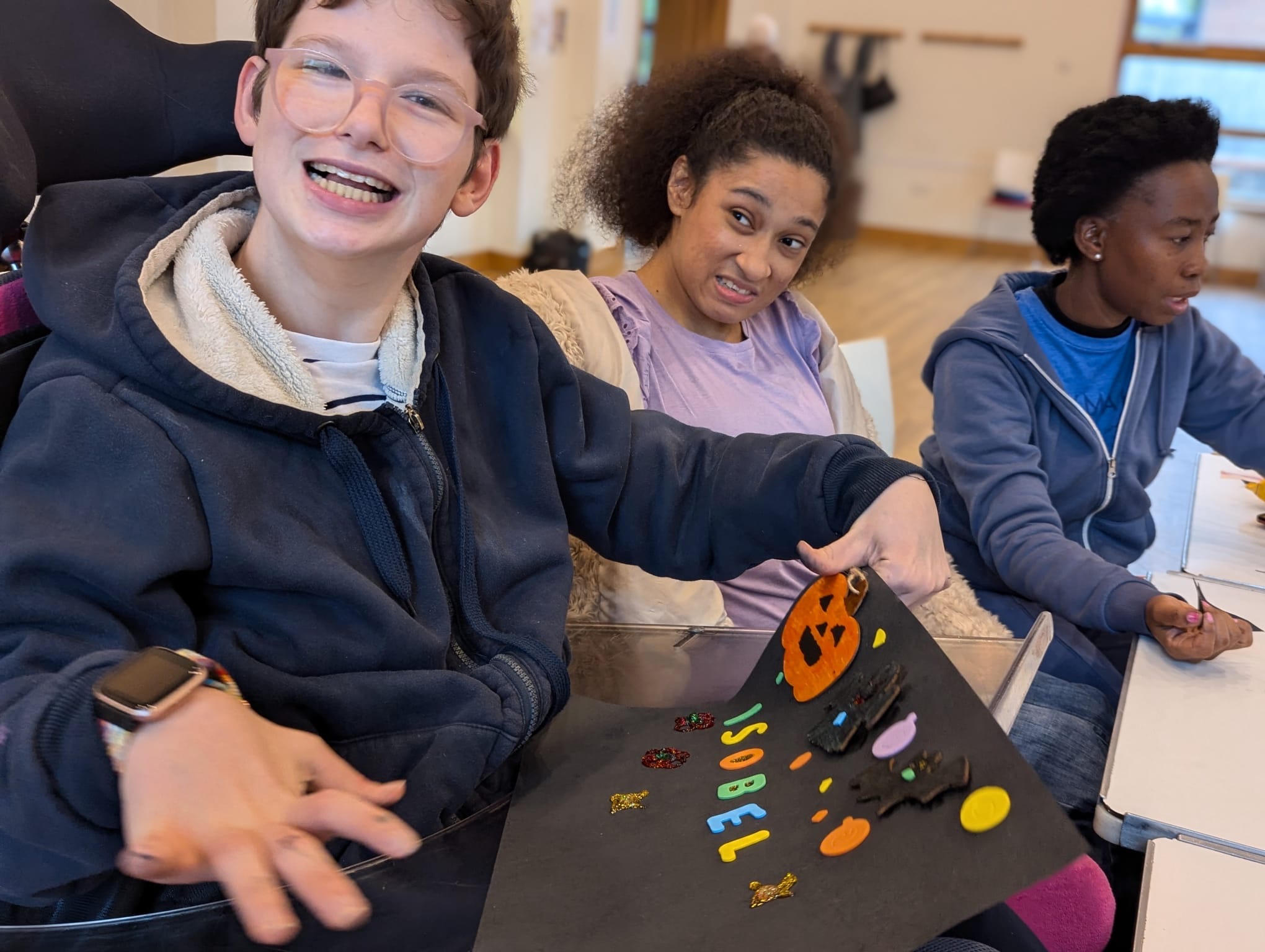
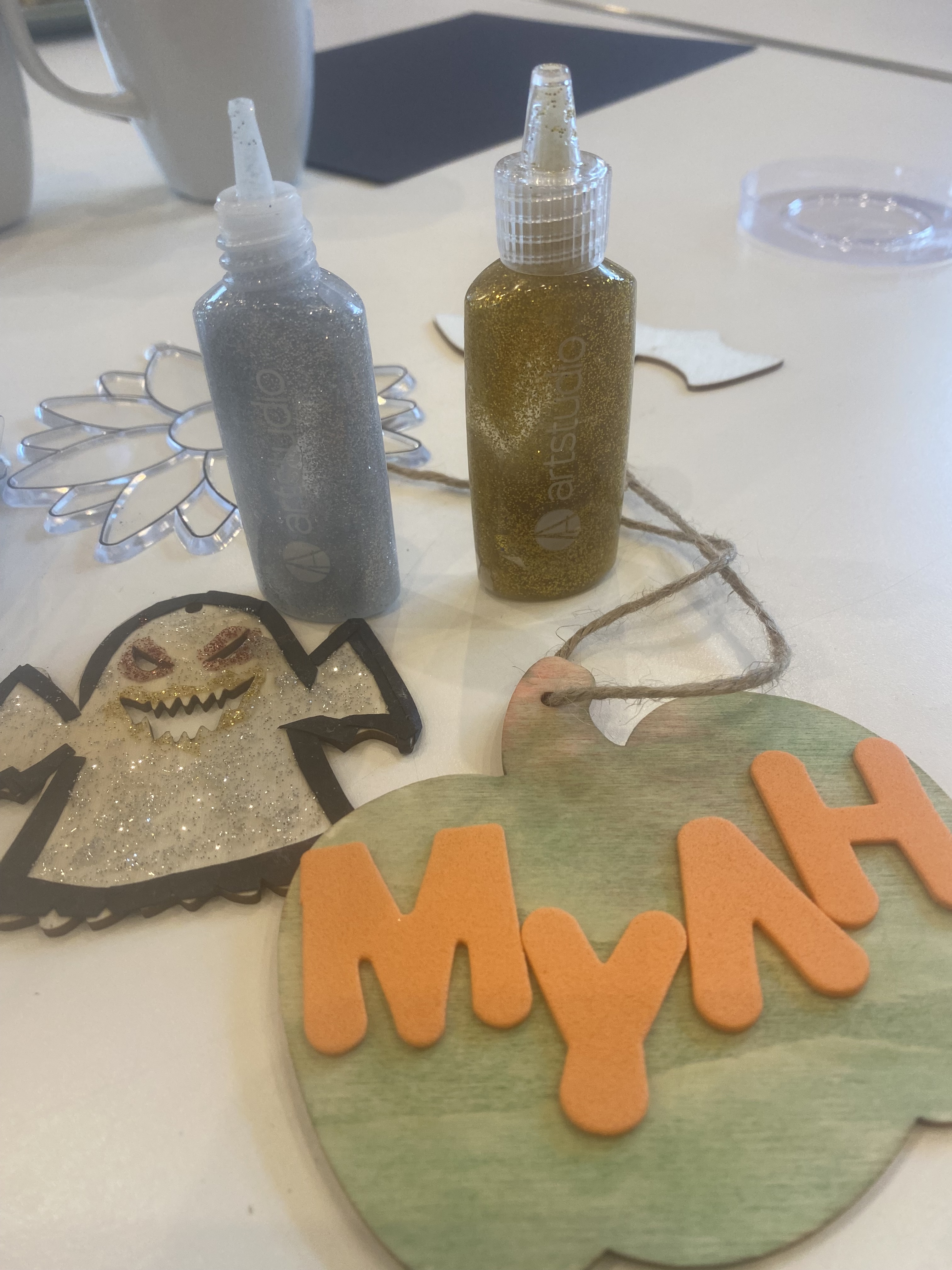
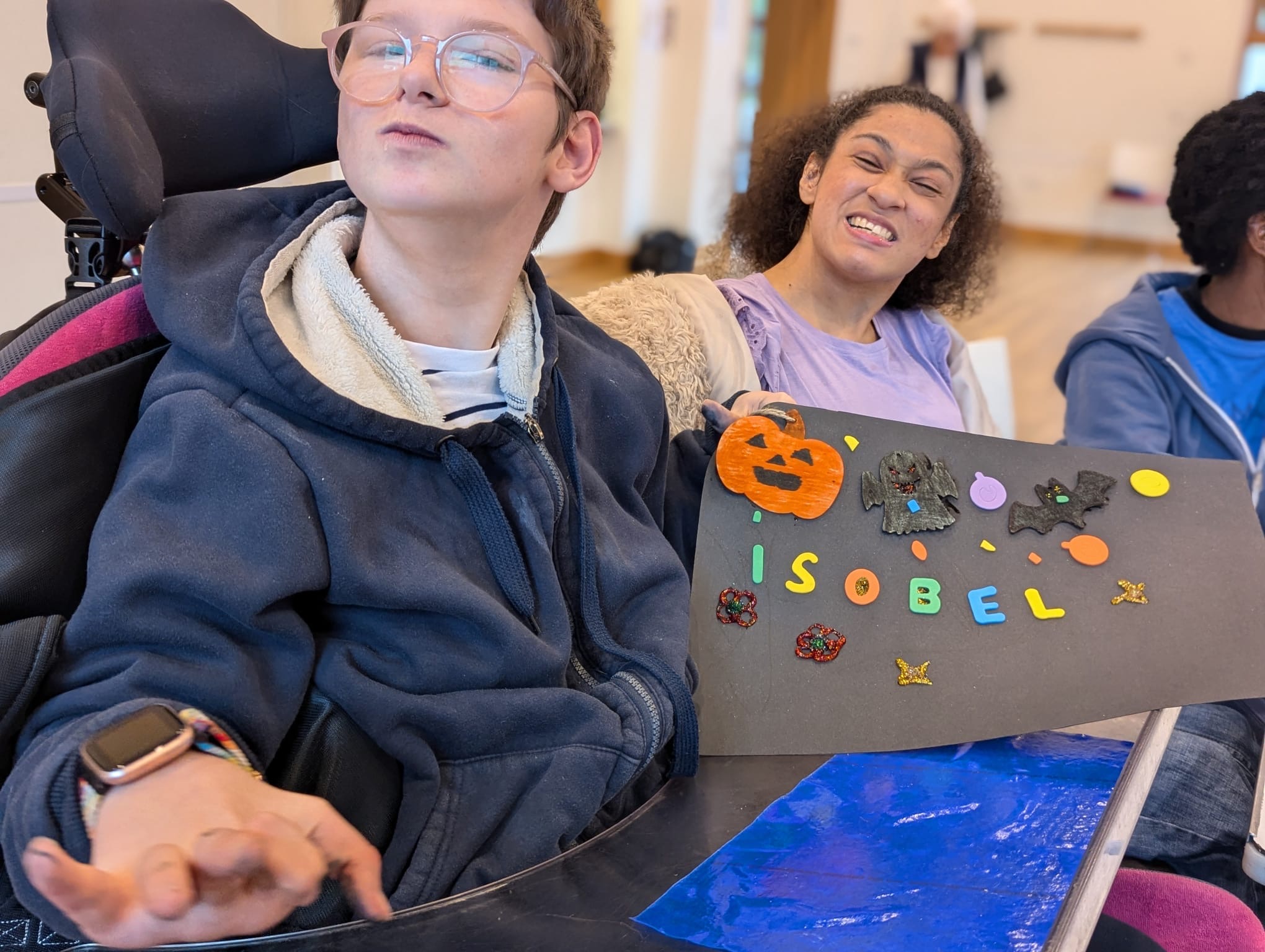
Me holding my pumpkin which I painted and stuck my name on it on Monday. showing it up to you in this picture with me and my artwork.

Item of the day
😘😘🫣
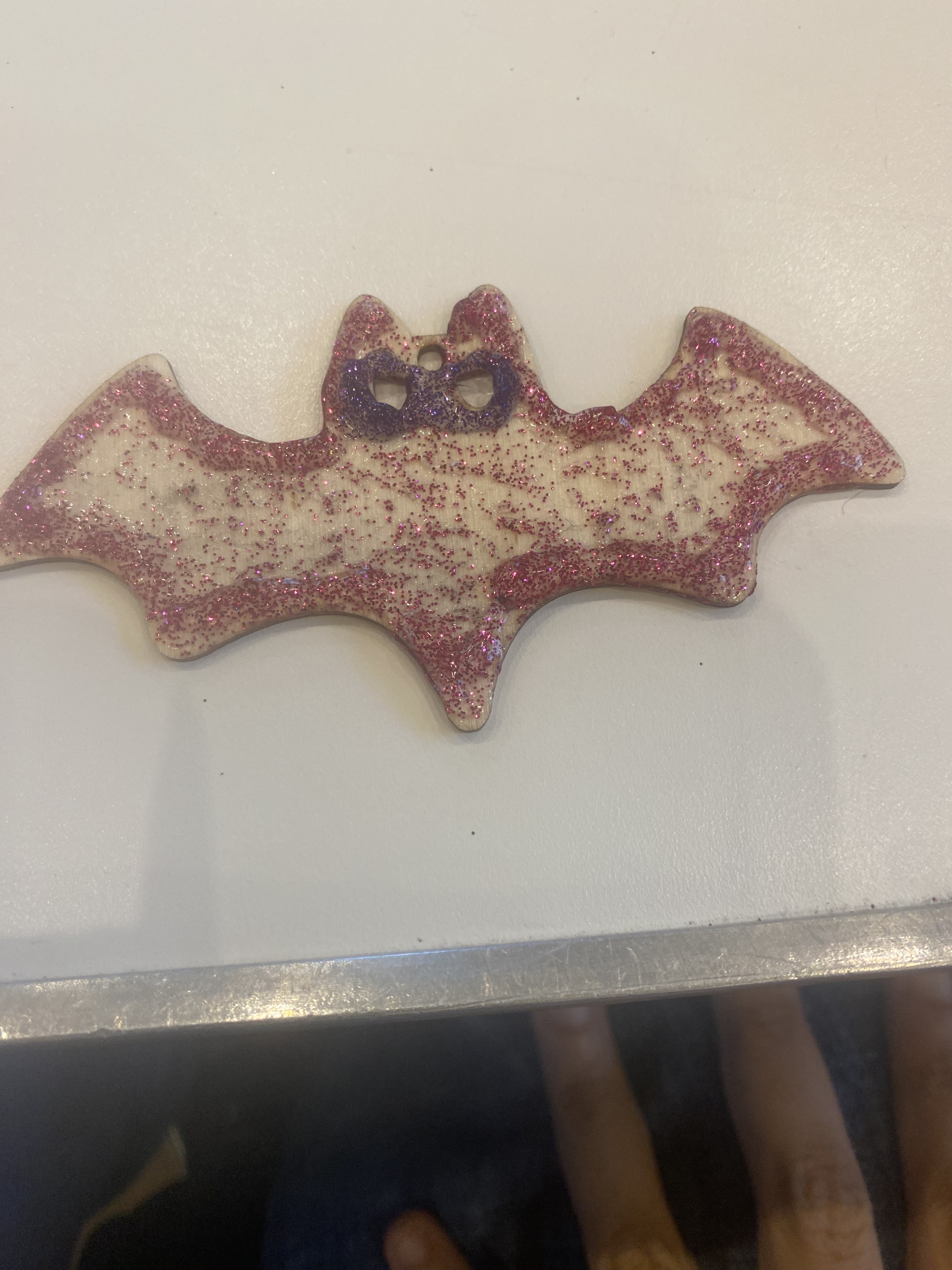
me, my PA and my best friend together yesterday with my friend showing off her artwork, which she also did check out Izzy’s YouTube channel if you can
Town Parks To Get Accessible Roundabouts And Paths
Two parks in Hornsea are to get accessible play equipment and new paths, officials said.
Roundabouts and sensory paths will be installed in Hall Garth Park and Jefferson Park.
Councillor Gary McMaster, from East Riding of Yorkshire Council, said it would “make a real difference”.
The £36,000 scheme is being funded by East Riding of Yorkshire Council (ERYC) and the town council.
ERYC did not provide a timeframe for the work.
Guide Dog Pups Visit Spooky Castle To Test Resolve
Families across the UK are preparing to visit various spooky-themed events as Halloween looms – and in Warwick, it’s been no different for one set of special youngsters.
This bunch, though, are rather more furry than your average child and will perform important tasks when they come of age.
Like a scene out of Scooby Doo, the group of 12 trainee guide dogs visited Warwick Castle’s Halloween trail as a way to prepare them for remaining calm in unusual environments, where the unexpected may happen along with the occasional loud noise.
But still being young, the attraction toned down the normal level of boos, bogeymen and bumps in the night as the puppies took the next step towards their working lives.
A spokesperson for the charity Guide Dogs said the special training session, during which the puppies were joined by their handlers, provided a “safe and fun experience” to help “build confidence ahead of their first Halloween”.
Trainer Severine Godson said her puppy Opal, her 35th training dog, was normally “very calm”.
She explained: “The environment here did hype her up a little bit which is what we want but she’s taking it all in her stride which is [also] what we want.
“We want them to be able to cope with any environment.
“This is different and she’s coped, which is great.”
Another trainer, Yvonne Smith, started volunteering for the charity after she was diagnosed with pulmonary fibrosis.
She said she was given three to five years to live but her condition improved, which she put down to the exercise gained by running after puppies and walking them.
Her newest trainee is a labradoodle called David.
“When they hit a certain age they get a bit hormonal and they start to forget everything we’ve taught them but David’s got to an age now where he can sort of decided to control himself a little bit,” she said of his resolve.
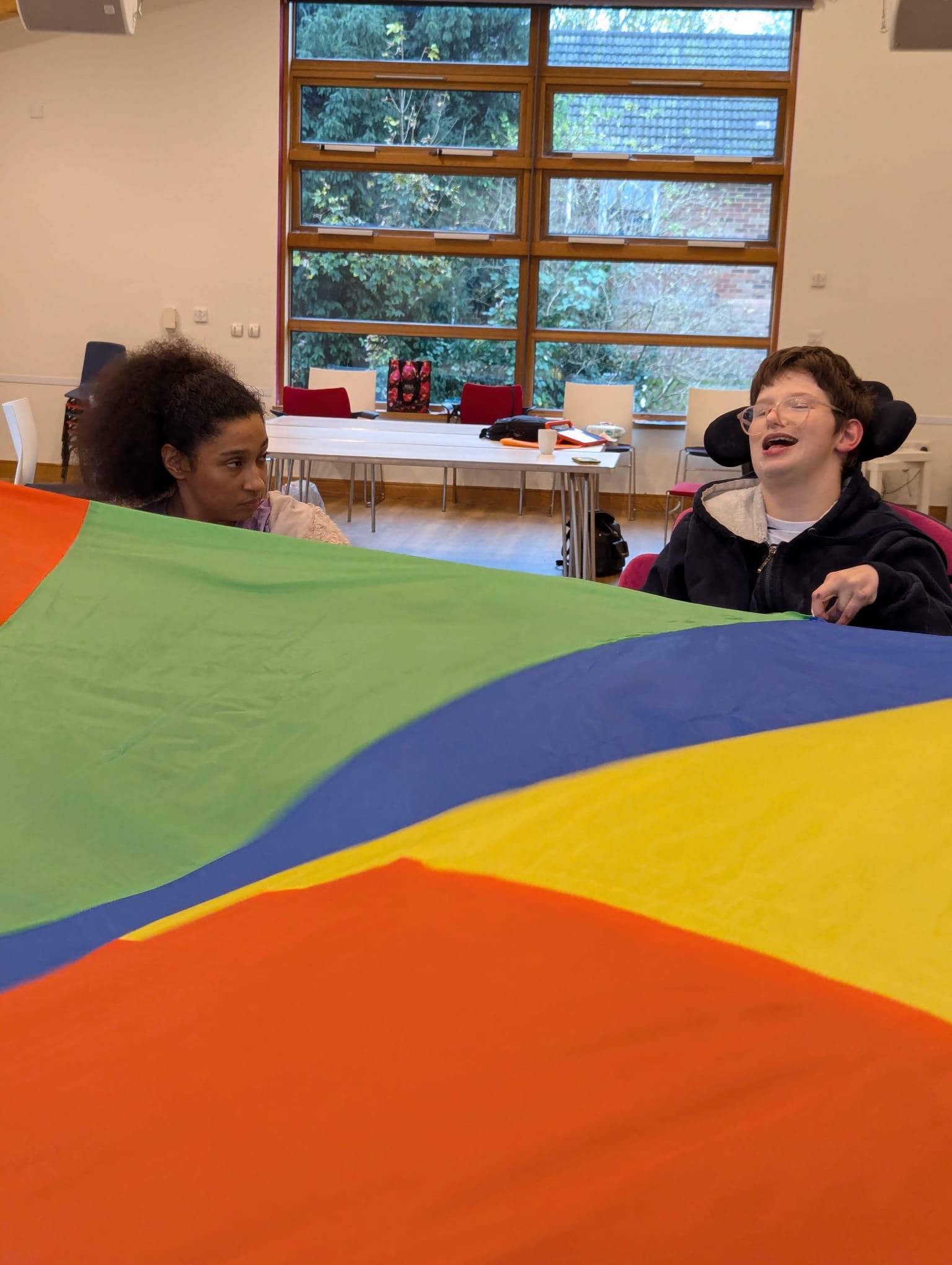
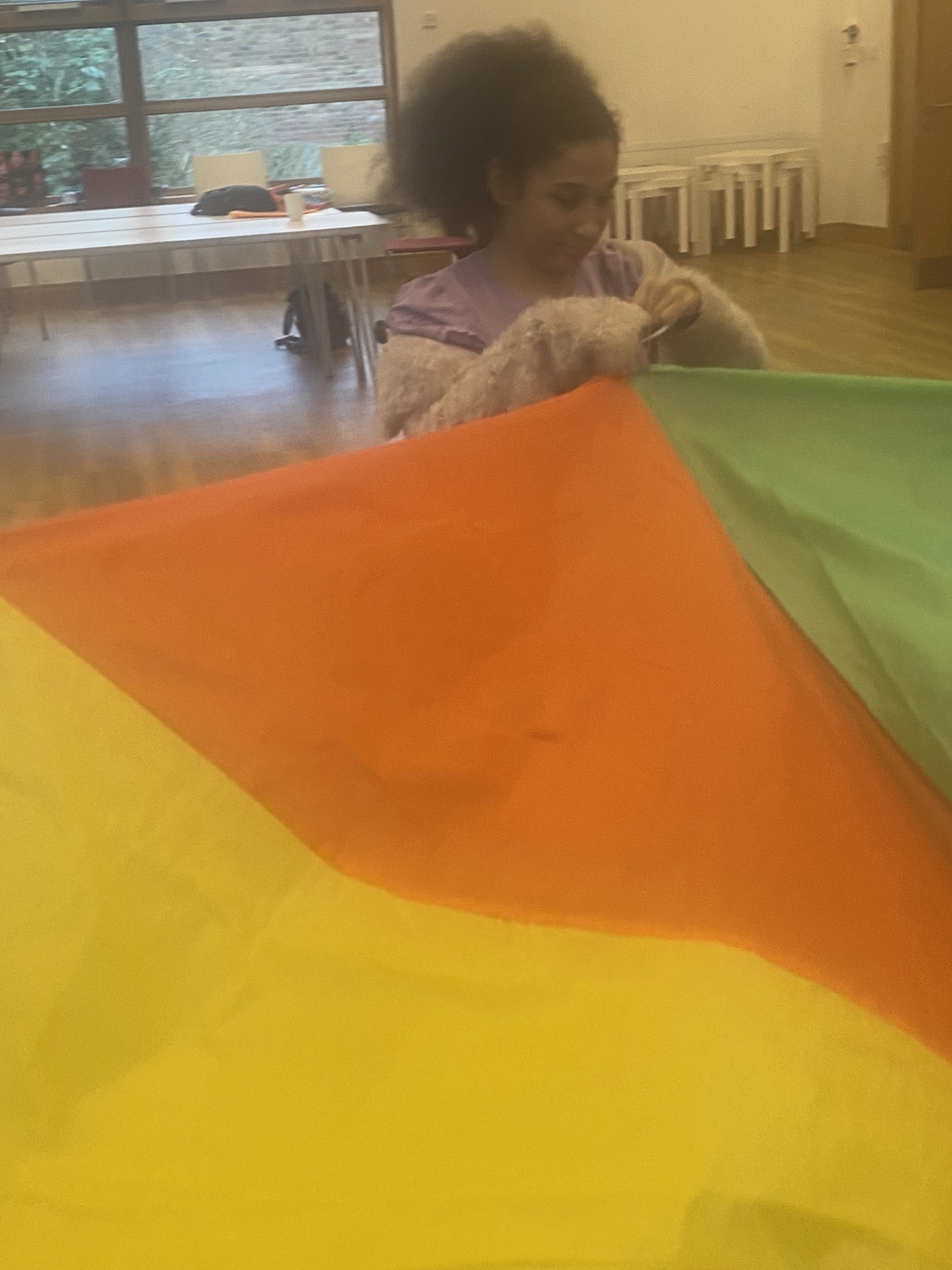
parachute games with my Bestie at my community activity group we are more than just our illness. We are friends that like to have fun. Who is it?
UK’s First Hearing And Sight Loss Survey Launched
The UK’s first survey to collect data on vision and hearing loss has been launched across two counties.
The UK National Eye Health and Hearing Study (UKNEHS), external aims to record data to inform the NHS and policymakers and is a collaboration between sensory loss charities, Anglia Ruskin University (ARU), eye and hearing care professionals and the public sector.
According to the study, the UK does not have an accurate set of data to help shape health policies and programmes and it is estimated that 50% of all sight loss is avoidable.
UKNEHS said Cambridgeshire and Peterborough have been chosen for the project as they both have diverse populations with a range of socio-economic factors and rural and urban areas.
The study has received funding from charities and the National Institute for Health and Care Research.
To carry out the survey, UKNEHS medical professionals will visit 750 randomly chosen households across Cambridgeshire and Peterborough from October this year until February 2025. This will be followed by those aged 50 years and older being invited for a free specialist assessment.
Rupert Bourne, a professor of ophthalmology at ARU and chief investigator for the UKNEHS, said: “Hearing impairment costs the UK an estimated £30bn each year and visual impairment, including sight loss and blindness, £28bn.
“Despite these huge costs, the datasets currently used in the UK are of limited value, due to a reliance on international data, or UK data samples that are either very small scale, or not generalisable to the population as a whole.
“There is subsequently no robust evidence-base upon which to design a prevention strategy or plan services for the future that meet the population’s needs.”
Phase one of the study has seen UKNEHS teams visit care homes in the area to survey the sensory health of residents.
Nik Johnson, the mayor of Cambridgeshire and Peterborough, said: “It’s fantastic news that out and about in the near future there will be teams visiting different areas of the county, and local people in the community will have the opportunity to get involved in this study.”
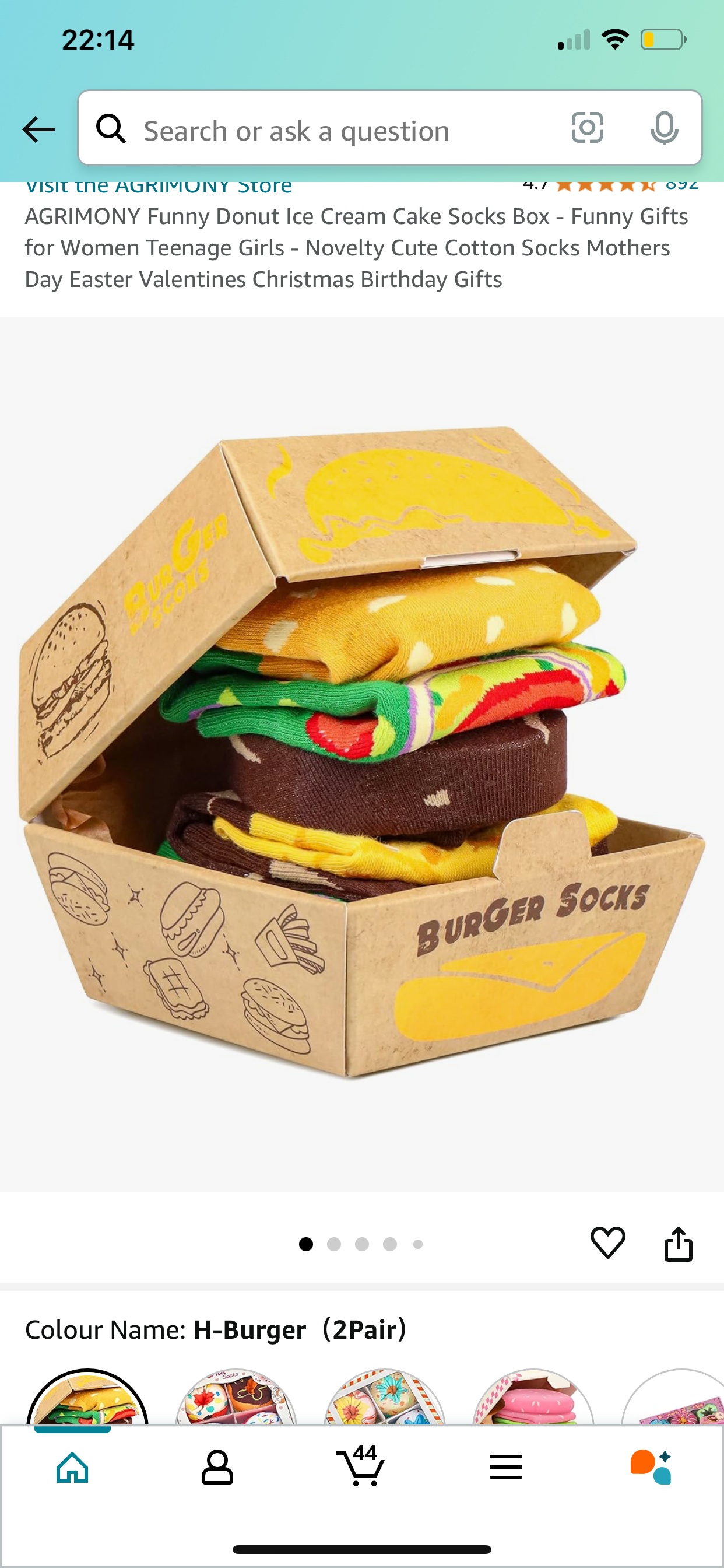
This is the most amazing looking gift on the screen that I have ever been sent. Thank you to the gifter who sent me this💞🥰🫶🏼🫶🏼
Stoma-Friendly Toilet Installed At Railway Station
A stoma-friendly toilet has been installed at a railway station to improve accessibility.
The facility at Middlesbrough station now has a shelf, hooks and a back rest to meet Colostomy UK requirements, however a campaigner has said the upgrades should be “standard”.
Gill Castle, who became the first person with a stoma to swim across the channel, said the “lack of proper toilet facilities prevent people being part of their community”.
TransPennine Express, which runs the station, said it wants its services and stations to be “accessible and inclusive for everyone”.
Mrs Castle, from Alnwick, Northumberland, had to have a colostomy after suffering a fourth-degree tear during the birth of her son in 2011.
“It’s really intimidating for people, leaving the house and not knowing if you’re going to have access to facilities to change your bag,” she said.
“I don’t think people really appreciate that it’s really small things like this which make a massive difference.
“I hope that people can see it doesn’t take a lot to make life more bearable, you don’t need to spend a lot of money.”
Colostomy UK estimates one in 335 people in the UK are currently living with a stoma.
A spokesperson for the charity said results from its 2022 survey revealed 62% of respondents believe a lack of “suitable toilet facilities” was impacting their day-to-day life.
They said it discourages people from “many of the activities much of society takes for granted, which can lead to isolation and exclusion”.
The Lullaby- Lyrical Film Tells Tale Of Mother’s Love
Same Difference has been asked to publicise the following by a friend of the site:
Some three decades since Sir Daniel Day-Lewis starred as a disabled young man Christy Brown in the film ‘My Left Foot’ comes a lyrical short film ‘The Lullaby’ starring a disabled child and her mother’s impassioned plea for inclusion. Please help get the film off the ground at: indiegogo.com/projects/the-lullaby/x/29085705#
T
Based on a True StoryLondon, 1997. We enter the world of THE LULLABY when KAMANI, a single mother, using puppet Undeterred, Kamani contacts ‘Inclusion Now’, an organisation to help her challenge As the whirlwind settles around her, we find Kamani in a moment of quiet
|
Mum Felt Pushed To Abort Baby With Down’s Syndrome
A mum whose daughter has Down’s syndrome said she felt “pushed towards termination” during her pregnancy.
Kat Booker, 42, said information about her daughter Nancy’s condition was “very negative” and made her feel “horrendous”.
Charity group Seren Dwt said language used in pregnancy could have a “massive impact” on experience.
Antenatal Screening Wales said it was important information was offered in an “unbiased and non-judgemental way”.
Ms Booker, from Pontypridd, Rhondda Cynon Taf, said she felt she was being told what to do throughout her pregnancy, rather than being given information neutrally.
“I felt like I was being pushed towards termination, because it was the easier thing to do,” she said.
“I was just being told how difficult everything was going to be and all the things that Nancy quite possibly wouldn’t do, but not being given any other information as in there are children living quite happily with Down’s syndrome.”
She said Nancy, four, was a “dream” who “wears her out in the most fun way possible”.
Born during the Covid-19 pandemic, she remembered being alone at appointments, needing more support.
“I couldn’t really compute what was going on,” she said.
“It was only after I left, and I was thinking about it, I got really quite angry about the way that I’d been spoken to.”
Other mums of children with Down’s syndrome said they had similar experiences.
Laura Howard, mum to “cheeky and feisty” Tomos, four, said receiving his diagnosis after he was born felt “very much like a bereavement situation”.
“We had a nurse coming in and being quite upset, saying ‘oh, you’re too nice a people to have this happen to you’,” she said.
“It’s from good intentions that they’re trying to say that, but it is still creating this whole negative situation around what is just a baby first and foremost.”
Along with two other mums – Lou Kennedy and Laura Thomas – she set up Seren Dwt, a charitable organisation gifting Welcome Boxes to babies with Down’s syndrome across Wales.
“Having these boxes is saying there is a support group for you,” Ms Howard said.
“You are not alone, and your child will be alright, there’s lovely, positive things that they can achieve and there is a community ready and waiting with open arms for you.”
All three agreed language was incredibly important.
“I wish I could go back and tell myself two hours after she was born, when we realised, that you’re going to be OK and she’s going to be OK and life is not going to be doom and gloom,” said Ms Kennedy.
“People’s reactions, people’s tones, people’s words have such a massive impact,” added Ms Howard.
Sarah Fox, head of programme for Antenatal Screening Wales, agreed.
The organisation provides the policies, standards, and framework to enable maternity services across Wales to provide screening tests, usually ultrasounds or blood tests, for those who choose to have them.
She said their role was to ensure information was “robust” and “evidence-based”, offered in an unbiased and non-judgmental way.
“For example, we would use language like ‘probability’ or ‘chance’. We would not use the term ‘risk’.
“We would talk about ‘conditions’ not ‘diseases’,” she explained.
Ms Fox said they trained all student midwives around how to verbally offer screening tests, as well as providing written information in different formats.
It is just one part of the entire maternity care system, but she said she understood the need to listen to feedback.
“We are up for the challenge.
“We want to consistently improve and make better training and collaborate more closely with maternity services and with families to make sure that the training is fit for purpose, and the information is fit for purpose to enable that unbiased, informed choice.”
Gareth Thomas, a sociologist at Cardiff University University, has done extensive research with healthcare professionals, and written a book about the language around disability in pregnancy and antenatal care.
He said he wanted to see “why we’re so invested in screening and how it affects healthcare professionals, as well as expectant parents”.
He said it was simplistic and offensive to blame staff, when so many are “conscientious” and the “victims of various pressures, not least time”.
His research from 2017 found the term “risk” was being used in clinics, which might suggest how deeply ingrained that discourse around disability is, in systems and society.
Son Inspires Ms GB To Champion For Neurodivergent
A beauty queen and mum to a non-verbal three-year-old has said her son is so intelligent for those who understand how he communicates.
Emma Powell – the first Welsh woman to win the Ms Great Britain title – said she would use her pageant platform over the next year to advocate for better inclusion of neurodivergent people.
“Becoming a mum [of a neurodivergent child] changed my outlook,” the 31-year-old from Cardiff said of her son Leo, who was diagnosed with a speech and language disorder when he was two.
“My son can only say muma and dada,” she said, adding that he instead has a rich vocabulary of gestures and is “emotionally intelligent”.
Leo had met all his milestones and “had about 15 words” up to the age of 15 months, Emma said.
Then “overnight he had a regression with his speech” which she described as “really hard”.
“I don’t think anyone can prepare you for having a child with additional needs.”
Emma has been competing in pageants since she was 17 and won for the first time in the Ms category, aged 31-45, at a recent event in Leicester.
“It’s been my mission throughout this journey to advocate for Leo and advocate for inclusivity,” she told BBC Radio Wales Breakfast.
Emma said finding out about her son’s conditions changed their lives.
“People treat him differently when they find out he’s non-verbal,” she said.
“They tend to talk to me instead, which is sad because he’s so intelligent.”
While her son is unable to speak, Emma said “there are so many other forms of communication”.
“I can read him completely… we are teaching him to use pictures and symbols to communicate. He’s emotionally intelligent.”
Emma added that Leo “knows if I’m upset… when I came back from the pageant he kissed me five times in a row”.
So what does Leo think of his mum’s pageant win?
“He was most interested in the shiny crown and wanted take that back,” she laughed.
University of Roehampton researchers release musical resources to support people living with dementia
A press release:
Researchers at the University of Roehampton have created an innovative set of resources – a website and cards – called Take Note, that feature 100 music-based ideas for carers to use with older people and those living with dementia.
Created by Dr Fi Costa and Professor Adam Ockelford from the University of Roehampton, the set is based on the findings of over 50 research studies about the relationship between music and dementia such as music having the power to awaken old skills, enable the learning of new ones and rekindle memories. The extensive research findings have been incorporated into the tactile musical resources and presented in a simple, easy-to-access and use format.
The main objective of the Take Note resources is to encourage and equip those working with older people to use music effectively and without the need for extensive preparation or training. Music is now understood to be a powerful tool to help people with dementia to develop and maintain social relationships and improve their wellbeing. Music can help people with dementia to engage in group activities, express their feelings and stories, and reduce distress.
The resources, which have been in development for four years, are a key milestone in an extended research project by Dr Costa and Professor Ockelford. Since 2022, the strategies have been piloted by the Cinnamon Care Collection in five of their care homes in London, Hampshire and East Sussex: Eden Court, Rectory Court, Leah Lodge, Mornington Court and Earlsfield Court.
The website will be accessible at www.takenote.org.uk from Tuesday 22nd October. It features more than 50 videos which showcase how the musical activities can work:
- One video shows a resident being given the opportunity of playing the piano for the first time in many years. It illustrates how the music awakened some of her old skills – it doesn’t take long before we see her trying out scales and playing a duet.
- Another video shows how a familiar song enabled a resident, who was hours away from her death, to join in. She can be seen singing the words together with her son, rekindling their shared memories of the song.
The cards are available to buy through Amazon, Routledge, Waterstones, Abe Books and other major booksellers and retailers. They will be available for purchase by music practitioners and therapists working in hospitals or daycare centres to use in their day to day activities for patients, as well as for home and personal use by people looking for ways to effectively use music to enrich the experience of family members who have dementia.
Professor Adam Ockelford, Professor of Music and Director of the Applied Music Research Centre at the University of Roehampton, said:
“Having worked on a number of music projects in care homes over several years, we saw the need to help care homes provide effective music interventions for their residents. There is a general understanding that music is helpful for older people, particularly those with dementia. However, relatively few care homes know what music to use or how to deliver it. That is why we are so excited to see the rollout of the Take Note resources, and how these can help the elderly and those living with dementia.”
Geoff Pride, Engagement and Activities Manager at the Cinnamon Care Collection, said:
“We are delighted to be supporting research that can assist us in improving and developing our ‘Activities and Dementia Care’. We have been aware for some time as to how music and singing bring such joy to so many of our residents, create a very powerful platform for communication and enhance the atmosphere in our Homes, which in turn benefits our team members through enjoyment and motivation. It seemed like a wonderful opportunity to work with the University of Roehampton to enhance our knowledge and skills in this area.”
The Take Note resources will be officially launched on 22 October 2024 at the ‘Take Note Conference’ at the University of Roehampton. For more information visit the newly launched Take Note website.
GB Player Fundraises For Custom Rugby Wheelchair
A player who has been selected to represent Great Britain at the Women’s Wheelchair Rugby World Cup is trying to raise £10,000 to buy a custom-made wheelchair.
Phoebe Gibbons, who lives in Chalgrove, Oxfordshire, said she needed the right equipment to be able to compete in Paris from 2 to 8 December.
She was born with cerebral palsy, which affects all her limbs as well as her balance and speech.
Ms Gibbons said she looked forward to representing her country and that playing the sport had “completely” changed her life.
After she found out about the sport from a player who represented Paralympics GB at Tokyo in 2021, she went along for a taster session at her local club, Stoke Mandeville Maulers.
“I absolutely loved it and [the club] are fantastic to be part of,” she said.
“I haven’t really looked back.”
‘A privilege’
Ms Gibbons said she loved that “regardless of your level of function, everyone has a key role to play on the court”.
She received the news about two weeks ago and said her team told her they were “incredibly proud”.
But she said it was “vitally important” to have the right equipment, which is custom-made for the player.
“It will help them evolve their game, develop aspects such as speed and the agility to turn quickly,” she explained.
“Having it built to size helps to do that.”
Ms Gibbons said joining the club had “changed [her] life completely”.
“We have a really good time, we socialise outside of rugby outside, they just feel like a family,” she said.
“I think it’s important that we show young disabled people that there are sports opportunities out there.
“And that they bring a wealth of experience and chance to socialise, and also support wider family as well.”
She said representing the nation in the upcoming competition was “a privilege”.
“I wasn’t really expecting it,” Ms Gibbons said.
“It is an experience I’m really looking forward to.”
MumFighter- Play About Battle For CP Son’s Support
When playwright Tracy Harris’ young son Hartley was diagnosed with cerebral palsy, she felt she had been thrown into a world she knew nothing about.
After spending years fighting for support and services, she decided to channel her experiences into a play about the everyday battles faced by parents like her.
She has teamed up with actor-turned-director Richard Mylan, who has faced a similar fight for his son Jaco, who is autistic.
The result is her play MumFighter, which she said was “really important for me to get that story out of my system”.
Hartley was born four weeks premature after Tracy was rushed into hospital with appendicitis.
From an early age, she and her husband started noticing developmental delays and that he had a preference for his left-hand side.
“We got a physio to come and see him and the physio said straight away that she thought it was cerebral palsy, external and suddenly we were thrown into a world that we knew nothing about,” said Tracy, who is from Swansea.
Cerebral palsy is the name for a group of lifelong conditions that affect movement and co-ordination.
“When you read anything about cerebral palsy, you know no two cases are the same with kids, so you don’t know what the future will hold, you don’t know what the outcome will be for your child, because you can’t compare it,” she said.
One of Tracy’s earliest battles was getting Hartley physiotherapy.
He was offered an hour a month but she learnt children in other parts of Wales were able to access far more.
“I felt frustrated and a bit upset that that just didn’t seem fair,” she said.
These emotions are familiar to Richard, whose son Jaco is now 19.
The play’s director Richard, who is also from Swansea, created theatre company Grand Ambition alongside actors Michelle McTernan and Christian Patterson and musician Steve Balsamo in 2021 in order to tell stories from his home city.
Tracy’s play is at Swansea Grand Theatre until Friday.
Richard and Tracy’s shared experience of coming to terms with a diagnosis and the ongoing battle to get the best care had led to some deep conversations during rehearsals.
“It’s so difficult for parents in those early years because we have a natural preconception of what parenthood is and it’s imprinted on us and when that’s taken away you’re almost dragged kicking and screaming and you have to kind of navigate this new world without a map or a compass, basically,” he said.
He said one of the most difficult challenges he faced was the reaction of strangers to Jaco.
“My constant worry as a parent is other people’s misconceptions and preconceptions and ignorance,” he said.
“I have to deal with it on a daily [basis] and thankfully Jaco is not unaware because he’s always focused on joy.”
He said many people did not know how to react to stimming.
Stimming or self-stimulating behaviour includes arm or hand-flapping, finger-flicking, rocking, jumping, spinning or twirling, head-banging and complex body movements, according to the National Autistic Society.
“I always want Jaco to stim in public because he stims when he’s joyful, he stims when he’s anxious,” said Richard.
“It’s a way of communicating, a way of expressing how he’s feeling but then other people don’t understand that behaviour.”
How does he deal with this?
“For the most part, you develop a very, very thick skin because if you were fighting every battle in that way, you’d either end up exhausted or in jail,” he laughed.
“What I am quick to do is educate when I can in very kind of firm, effective way, ‘this is Jaco’s behaviour, he does that because of this, this and this’, educate one person at a time.”
“Someone said to me early on ‘pick your battles’ and I’ve stuck with that one,” said Tracy.
She said working on her play with a team with shared lived experience of these issues had been a breath of fresh air.
“I’m so glad Rich is directing it because you don’t have to say anything and he knows and that’s so nice as a writer,” she said.
Actress Cara Readle, who has cerebral palsy, has also been working with Richard throughout rehearsals.
“True representation is integral to telling a story and what Cara was able to bring is that true insight,” said Richard.
He said he hoped anyone in the audience who had personal experience of parenting a child with additional needs would “feel seen”.
Both Richard and Tracy said the experience of having a child who you needed to fight for was at times exhausting but also incredibly social.
“The connection that I have with Hartley seems so deep because I feel like we’ve both been through this amazing sort of trauma in some way but then also this beautiful journey together and I’ve just learnt so much from him,” said Tracy.
“I’m still learning from Jaco,” said Richard,
“Those beautiful moments, they’re just so precious.”
‘Bionic Lord’ Takes Seat In Upper House
Parliament’s first “bionic lord” has taken his seat in the House of Lords and said he will use his position to raise awareness of sepsis and improve the quality of prosthetics offered to amputees.
On Thursday, Lord Mackinlay of Richborough became the first quadruple amputee to sit in the House of Lords after he was given a peerage in Rishi Sunak’s dissolution honours list.
The former MP had both his legs and arms amputated in December after contracting sepsis.
He said he “loved” his nine years as the Conservative MP for South Thanet, but being appointed to the Lords had given him “a new lease of life”.
His wife and daughter were among family and friends who looked on from the gallery above as Lord Mackinlay signed the members’ book with his “bionic” hand.
Others watching in the chamber included Commons Speaker Sir Lindsay Hoyle, former deputy speaker Nigel Evans, and Conservative MP Mark Francois.
‘Two things keep me going’
Lord MacKinlay, 58, said of his experience of life after sepsis: “You’re reliant on other people, and you do get frustrated.
“I’ve never been the most patient of characters even before this.
“But there’s two things that keep me going really.
“I can do more things today than I could do yesterday, so I’ll be able to do more tomorrow.
“And, you’ve got to say well it’s better than the alternative, and I was very close to the alternative, which was death.”
In September last year, the sitting MP was rushed to hospital and put into a 16-day induced coma – his wife was told he had only a 5% chance of survival.
Lord Mackinlay said he had tried multiple different private manufacturers of prosthetics, but there was a “postcode lottery” when it came to “access to the right prosthetics at the right time” on the NHS.
“That’s a battle I’m going to have with the secretary of state,” he said.
The peer said he would also call for sepsis to have “similar recognition” to strokes.
“We devote a lot of time to looking at other diseases, but not quite the same to this mass killer,” he added.
Inside The World’s First TV Station Run For And By People With Learning Disabilities
It’s perhaps no surprise that the décor of TV BRA’s new studio is shocking pink.
It’s the favourite colour of two of the station’s reporters, Emily Ann Riedel – who is wearing a pink top when I visit – and Petter Bjørkmo. “I even had pink hair!” Bjørkmo tells me, laughing, before adding that he had to get rid of it “because I am a reporter – reporters have to look decent.”
All the reporters at TV BRA – which means “TV Good” – are disabled or autistic; most have a learning disability.
Every week, they put together an hour-long magazine programme covering news, entertainment and sport, which is broadcast on a major Norwegian streaming platform, TV2 play, as well as TV BRA’s own app and website.
‘I have inner beauty and outside beauty’
The show is presented in simple Norwegian and is slower than mainstream news reports, making it much easier to follow. Between 4,000 and 5,000 people tune in every week.
The station’s 10 reporters are dotted around the country, where they work as local news correspondents.
Riedel, who has Down’s Syndrome, lives and works in the seaside city of Stavanger. She has had to learn to contain her effusive personality.
“I have to follow the script and not talk about personal stuff – because here is about the news. When I work here I have to be very professional.”
Although she has been at the station for years, some things are still novel, like the mascara she wears before going on camera, and which she says weighs down her eyelids.
“I don’t need it because I look beautiful,” Riedel tells me with a smile. “I have inner beauty and outside beauty.”
“Yeah that’s right,” chuckles Camilla Kvalheim, the managing editor of the station – and also, currently, make-up artist. “But in the studio, with heavy lights and everything, you look paler.”
Kvalheim and a small technical crew who are not disabled produce and edit all the reports.
Although Riedel and her colleagues have mild learning impairments – they can mostly speak English well, and travel without support – some things are a challenge.
I watch as the team tries to get to grips with a new autocue system. The presenters frequently have to read a line many times to get a good take.
“Sometimes it can be difficult to say what’s in the cue cards, so we have to do it again and again,” says Kvalheim. She also has to provide on-the-job training for her team, who did not study journalism at university before joining the TV station.
Nevertheless her expectations of her team are high.
“She says: ‘Can you please do that again? Can you repeat what you said? Can you look directly into the camera, I want you to be perfect – this is very important,’” says Riedel.
“And when she is being proud, when we are finished, then she says: ‘I like this part! I like this part! That is what I want to see! Use your energy to be the best that you can be!’”
It’s been pointed out, external that people with learning disabilities can be held back by overly positive feedback, which stops them from developing their skills. That is not an issue here.
“If we are going to be seen by the audience we have to have a professional look,” says Kvalheim unapologetically. “If they are going to be respected as reporters and journalists they need to follow the ethical standards of other news organisations.”
The origins of TV BRA began more than a decade ago, when she was working as a teacher for people with a learning disability at a residential care home in Bergen, and decided to pursue a passion for filmmaking. She found that as soon as she got a camera out, the dynamic between her and the people she was working with changed.
“Suddenly when we were working together on those films, we were a crew, we were a team. It wasn’t me over them – we were equal,” Kvalheim recalls.
Finding that her creative collaborators had much to say about the world, she was encouraged to continue the work, and it steadily built momentum.
Now it is a national network, with a proper studio – but Kvalheim admits that her reporters are not paid the same sort of money as their peers at other networks.
The station receives state funding, and has revenue from supplying TV2 with a weekly show, but money is extremely tight.
A good job, then, that the team are motivated by things other than money. In Norway, as in every country, people with learning disabilities face issues ranging from low employment rates to access to support and housing. Being able to understand the news empowers the wider community to campaign on these issues.
‘Talking about rights’
A recent report from Petter Bjørkmo is a case in point. He visited a woman with more severe learning disabilities, who lives in sheltered accommodation in Trondheim. “The city – the government – wants to take away her shopping,” he told me, meaning her budget to be accompanied to the shops by a support worker.
“They told her that she has to go online. But she can’t! Because she can’t speak very well, it’s hard for her to get online to buy food. She needs help!”
Bjørkmo’s report a got a “massive response” from viewers, says Kvalheim, though it did not cause the local government to rethink their position.
“TV BRA is very important,” agrees Svein Andre Hofsø, another reporter. “Because we are talking about people with a disability, and what are our rights in real life.”
Hofsø, a roving news reporter based in Oslo, was well-known even before joining TV BRA.
He took the title role in a 2013 film, Detective Downs. Before the last parliamentary election, in 2021, Andre got the chance to don his detective’s fedora again, but this time his job was to grill various politicians on their policies in his tongue-in-cheek style.
One such sequence shows him sitting on a bench outside the parliament building in Oslo, pretending to read a newspaper. A politician, Jonas Gahr Støre – the leader of the Labour Party – strolls outside but behind a pillar, a stooge is waiting to ambush him. As Hofsø looks on, the stooge throws a butterfly net over the unsuspecting Støre.
In the next scene, we see Støre in a chair in a basement. Hofsø shines an angle-poised lamp in his face, and shows him photos of disabled people looking sad and lonely. “If we vote for you, what will you do for us?”
At this point, Støre sets out his policies for disabled people. And after the election, he did indeed become prime minister.
Camilla Kvalheim laughs when she recalls the encounter. “That was very funny. Every time we’ve met him since, he says, ‘Oh – are you going to catch me in that butterfly net?!’”Media caption,
The future Norwegian prime minister was interviewed by TV BRA
On the day I visit TV BRA, they are paid a visit from Silje Hjemdal, a local lawmaker for the right-wing Progress Party.
A team of four reporters quiz her on everything from roads to immigration, and what she thinks of plans for the lavish new national theatre in Oslo (being from Bergen, she has some doubts about the project). Kvalheim is there too, steering the questions.
Hjemdal’s answers are serious, but there is also a warmth to the encounter; she is a long-term supporter of the station .“A lot of politicians now know what TV BRA is, so I would say it’s a big, big progress, just the five last years,” she tells me.
‘Making TV in a new way’
TV BRA is not the only TV news station presented by people with learning disabilities. Similar, albeit smaller, programmes exist in Iceland and Denmark. Meanwhile Slovenia, Holland and several other countries offer an “easy news” service – simplified reports, though not presented by people with a learning disability.
For viewers of TV BRA, this kind of service is essential. “I think this TV station is really important for our community,” says Anne-Britt Ekerhovd, a fan of the station, who has a learning disability. “They explain things really well. In different news like NRK, they explain it too hard for us to understand. TV BRA is much easier to understand.”
Another fan of the station, Espen Giertsen, agrees: “There is something special about this – they are making TV in a new way.”
TV BRA’s reporters are very conscious of the important role they have in serving this often-neglected audience.
“If they have tonnes of weight on themselves, I want them to lift it up, so they can be free, so they can feel like they are accepted,” says Emily Ann Riedel.
Saturday night, good night thing update for 20
all things all things to affiliate stop
Beanbag sofa and bed in the washing machine item

Job Coaches Could See People With MH In Hospital
Job coaches could visit mental health patients when they are in hospital to help them get back to work, the government has said.
Trials of employment advisers giving CV and interview advice in hospitals produced “dramatic results”, Work and Pensions Secretary Liz Kendall told the BBC.
She said a wider roll out would form part of her drive to shrink the UK’s annual disability and incapacity benefits bill.
But disability rights campaigners expressed concerns about the proposals, saying they have the potential to worsen someone’s mental health.
“It is ridiculous to try and turn a hospital, a place of care and support into a business setting,” said Mikey Erhardt, campaigner at Disability Rights UK.
James Taylor, executive director of strategy at disability equality charity Scope, added: “We need to see evidence that work coaches being sent to visit seriously ill people works, and doesn’t cause distress.”
‘Dramatic’ trials
The cost of disability benefits specifically is projected to surge almost a third in the next four to five years, according to the Institute for Fiscal Studies.
It predicted the Department for Work and Pensions (DWP) would spend £63bn by 2028-29, a jump from £48bn for 2023-24.
“I want to see those costs coming down, because I want to have people able to work, to get on in their work, which is good for them,” Kendall told BBC News in an exclusive interview.
She indicated some people will lose their benefits, saying the “benefit system can have a real impact on whether you incentivise or disincentivise work”.
Kendall praised projects in Leicester and at the Maudsley Hospital in Camberwell, in south-east London, which offered employment support – such as training on CV writing and interviews – to people with serious mental health conditions, including on hospital wards.
“The results of getting people into work have been dramatic, and the evidence clearly shows that it is better for their mental health,” she said.
However, disability rights campaigner Erhardt said he would like to see the evidence of the trials.
“It is hugely inappropriate to be considering subjecting people who experience mental ill-health and distress to a CV check-up,” he said.
Minesh Patel, associate director of policy and campaigns at Mind, added: “We welcome this much-needed spotlight on mental health hospitals [but] we’re still waiting to see the full details of the scheme and results of the trials.
“Right now, too many people with the most serious mental health problems are left more traumatised by their stay in hospital. If we want people to join or rejoin the workforce, they need safe and compassionate care that helps them truly get better.”
The move by the government comes as figures suggest benefits will rise by 1.7% next April. September’s inflation data is normally used to calculate how much many benefits go up by.
That is less than the current level of wage growth, and also less than April’s expected rise in the state pension of 4.1% which is governed by the so-called triple lock.
Most benefits rose by 6.7% in April this year, in line with the inflation rate a year ago.
The amount paid in some benefits should, by law, rise at least in line with prices.
They include all the main disability benefits, such as personal independence payment, attendance allowance and disability living allowance, as well as carer’s allowance.
Others, including the universal credit, received by seven million people, are expected to rise in line with the inflation rate, but that is a decision for ministers.
However, the DWP is preparing a new employment white paper, for release around the time of the Budget and spending review later this month, which will outline its plans for reform of certain benefits, including who might receive them.
‘We are really struggling with health problems’
Kendall said she believed British society had become “sicker” and that the UK was the only country with advanced economies “whose employment rate has not gone back to pre-pandemic levels”.
According to official figures released yesterday for the period from June to August, 21.8% of people are considered “economically inactive”, meaning they are aged between 16 to 64 years old, not in work or looking for a job.
The figure has fallen marginally from the May to July period, but it remains at close to a decade-high after rising during the pandemic.
“There is clear evidence we are really struggling with health problems,” Kendall added.
She also urged employers to “think differently” about workers with mental health conditions to offer flexibility to support and retain workers with health problems.
Kendall also told the BBC job centres would be transformed by merging them with the national careers service and using AI.
She suggested the face-to-face work would remain for the people “who really need it”, but “more personalised support using AI” for others, expanding on an idea introduced by her predecessor Stride.
She also suggested that giving powers to regional mayors would help match unemployed people more closely with local vacancies.
This echoes calls from Manchester Mayor Andy Burnham to hand control of job centres over to his regional government.
https://amzn.to/4faov7N Tandle accessories candle warmer/lamp item of the day full days that may be getting the new home 2020/2020
Coronation Street Star Condemns ‘Blatant’ Abuse
A Coronation Street star who uses a wheelchair has condemned the “blatant” prejudice she has suffered after being verbally abused in the street.
Cherylee Houston, who plays Izzy Armstrong in the soap opera, posted about the incident after someone shouted a slur at her from a passing car in Manchester
She told BBC Radio Manchester: “This is happening an awful lot to deaf, disabled and neurodivergent people.”
The treatment of disabled people during the pandemic, as well as recent proposed cuts to disability benefits, had recently fuelled abusive attitudes, she added.
Ms Houston said she experienced prejudice “on a daily basis” and felt at some levels people do not even realise they are being discriminatory.
‘Call it out’
“That’s why it’s so blatant and OK to do in a way – people can climb over you, stand in front of you, ignore you, not allow you in,” she said.
She encouraged others to call out incidents like the one she experienced.
“If you see something that’s not right, say something. Don’t allow the individual to take that abuse.”
Ms Houston said she felt attitudes towards disabled people had “gone back” in recent years, particularly during the pandemic.
“We were termed as ‘just those with underlying health conditions and the elderly’ that were going to die, which sort of implies they don’t matter,” she said.
She added that proposed changes to benefits for disabled people had encouraged a narrative that disabled people were “benefit scroungers”.
“In a way we’re being quietly persecuted a lot of the time as the disabled community,” she said.
Many people responded to Ms Houston’s post on X with sympathy.
One said: “That’s awful. The conscious, shameless, brazenness of it. Sorry you or anyone has to deal with that.”
Another user added: “The respect for disabled people feels very thin on the ground right now. I’m sorry they chose to abuse you. Thank you for speaking out and I hope you’re okay.”
A Life Of My Own
“I want to contribute to society. I dream of living with friends in supported living, not far from St James’ Park, and getting a job.”
That was the message from Elliot Caswell, a 19-year-old die-hard Newcastle United fan with quadriplegic cerebral palsy, when I first met him on a flight in 2019.
I could see his determination as he was assisted by staff along the aisle – flying independently for the first time, so he could go skiing.
It was clear he had cerebral palsy, something that was important to me as my younger sister, who also had cerebral palsy, had only passed away a couple of months before, aged 23. Elliot and I struck up a conversation, and it turned out he and my sister had played together as kids.
Being a camerawoman and journalist, I asked if I could follow him as he made the transition into adulthood. Navigating the system as he did so turned out to be far more challenging than Elliot had hoped.
Last year, the then-Conservative government published proposals they said would help more disabled people to work. Former Work and Pensions Secretary Mel Stride said at the time: “We know that many people would like to work with the right support.”
Campaigners welcomed a focus on supporting more disabled people into the workforce, but there were concerns about the strengthening of benefit sanctions, with the Institute for Employment Studies think tank challenging “divisive rhetoric” around the Back to Work Plan.
When I met Elliot he was one of those people keen to enter the workforce after finishing his education.
But now he’s lost hope. So what went wrong?
Education
On leaving school, Elliot had initially been offered a place at a college near home, which his parents said was “wholly inappropriate”. It was for three days a week and designed for people with autism, but Elliot is not autistic. So they took their local authority, North Tyneside Council, to a tribunal.
For disabled people, there can be stark differences in access to quality education.
A study from the Education Policy Institute think tank found there were “deeply concerning” inconsistencies in how children with special educational needs and disabilities (Send) are supported, while disabled individuals are three times less likely to hold any qualifications than their non-disabled peers and face disproportionate barriers to access higher education.
Good practice can include tailored support, assistive technology such as screen readers and adapted keyboards, and physically accessible spaces – but many institutions lack proper accessibility, and some disabled people report that teachers do not receive adequate training, while the costs associated with obtaining accommodation can be prohibitive.
Eventually Elliot and his family won their case and funding was made available for him to attend National Star in Cheltenham, Gloucestershire, where former glamour model Katie Price’s son Harvey had stayed. It is a specialist college that helps prepare young disabled adults for future life.
Ministry of Justice data shows 98% of parents who legally appeal a local authority decision about lack of proper support for their children with Send go on to win the appeal at a hearing.
The move came at a good time for Elliot, as his twin brother and friends had left home for university.
At National Star Elliot enjoyed the benefits of a full Education, Health and Care Plan, with practical help to prepare for his future, occupational health, physiotherapy and the benefits of being surrounded by other young adults.
So while Elliot’s college plans did eventually work out, he had to overcome significant hurdles and delays for that to happen.
Finding paid work
After a joyful graduation from National Star in 2022, Elliot moved to Project Choice, a specialist college providing tailored educational support. He was excited about his future and hoped to secure an NHS apprenticeship.
Elliot didn’t want to “sit at home on the benefits system” and wanted to get out, work and meet people, he said.
Work and Pensions Secretary Liz Kendall recently confirmed the government’s commitments to its manifesto Back to Work Plan, which includes plans for more disabled people and those with health conditions to be supported to enter and stay in work.
She said government would be devolving more power to local areas to offer more “joined-up” support.
When Elliot was looking for an apprenticeship, he suffered a series of setbacks that epitomise a system cracking under the strain. Due to the Covid outbreak and a lack of suitable work placements, he was not able to get the work experience he needed.
His mother, Chris, said a lot of placements weren’t satisfactory as he either couldn’t get his wheelchair into them, or they didn’t have accessible toilets. North Tyneside Council says it is not aware of having offered a placement that was unsuitable for wheelchair access. A spokesperson for the authority says it has “worked hard to secure opportunities that are suitable for Elliot’s needs”.
But Elliot wasn’t able to get his longed-for apprenticeship. He was very disappointed.
Elliot is not alone in his struggle to find employment. Disabled people are almost twice as likely to be unemployed as non-disabled people.
Recent ONS employment statistics for disabled people find the disability employment gap – the difference in the employment rate of disabled people and people who are not disabled – is at a similar level as it was before Covid.
Though the proportion of disabled people who are in employment varies considerably depending on the type of disability, in the last quarter of 2023, the gap was 27.9 percentage points.
As Elliot has not been able to get an apprenticeship, his local authority has extended his time in education.
The hope is it will help him develop workplace skills and gain more experience. He is pleased, as he is eager to to do some form of job, even if it’s volunteering.
North Tyneside Council contacted 25 organisations to help him secure a position but acknowledged there were gaps in finding meaningful and accessible placements. Elliot has now joined the council on a voluntary placement in a customer-facing role.
Housing
Finding work can be hard enough when your living arrangements are sorted, but when they’re not it makes it even harder. And for young disabled adults like Elliot who with the right support can live independently, it can take a long time to get suitable accommodation.
Elliot had a two-year wait.
I looked round some of the recommended flats with Elliot and his mum, and saw how inappropriate they were for his needs. Appliances such as fridges and washing machines were not accessible and bathrooms did not meet his mobility needs.
During those two years he was offered six places to live, but each time either his family or the occupational health team found them unsuitable. The council says it has worked with the family at their pace and in line with their wishes and ambitions to find the right home for Elliot.
Chris described the process as “super-stressful” and says it contributed towards her recent heart attack.
It was apparent that there was so much more need than there were suitable places to live.
The lack of accessible or adapted homes for disabled people is a problem – 91% of homes do not provide even the lowest level of accessibility.
Adapting a home that is not accessible does not come cheap. The average award from the government-funded Disabled Facilities Grant is now around £9,000.
Moving in with mates was also just not possible for Elliot as each person is managed as a separate case by a local authority – meaning a flatshare with friends would be difficult to achieve. Even the flats with more suitable facilities involved compromise.
While he waited for accommodation and work opportunities, Elliot moved from college back to his parents’ home, and I saw him lose confidence and independence. I noticed his mum speaking for him often during our catch-up video calls and Elliot admitted he felt “forgotten about”.
Recently he was able to move into a shared house, not with friends his own age but with a non-verbal man 40 years his senior. The living arrangements are working well.
Elliot’s accommodation is near his beloved St James’ Park, and he is delighted to have finally left home. His new place now houses his football memorabilia, and the facilities and care package he has are excellent.
Elliot has also had significant one-to-one support to enable him to socialise with people of a similar age.
“Finding suitable accommodation for any of our residents, especially those with a disability or long-term condition, is a priority for North Tyneside Council,” a spokesperson for the authority says.
But according to Lynette Barrett, CEO of National Star College, many young people like Elliot become young adults with “no clear transition plan” for where they will live.
She said many end up in inappropriate living situations where their needs are not being met and in the worst-case scenario, some see declining health and even die.
“We shouldn’t be in a situation where they are having to fight so hard for the basic things in life that they need in order to be able to live a fulfilled life.”
Eleanor Binks, director of adult services at North Tyneside Council, says the authority works with its partners to provide housing and opportunities for residents like Elliot who have complex needs: “We recognise that we don’t always get this right, but we do listen and care for each individual and will continue to work to adjust their care to meet their needs.”
She adds: “There are challenges across the health and social care sector which can only be overcome with well-resourced changes across the system.”
Calls for change
Elliot is thrilled to have his own place at last, but has found the uncertainty hard.
He has done three voluntary placements, including at a museum. He worked on reception there and is currently doing the same thing for the council.
But Elliot says he has now lost hope of finding paid work.
A House of Lords report, external published today says that young disabled people face continuous barriers to employment, while they yearn to thrive in their careers. It adds far too many are written off and told that ‘people like them’ can never succeed.
The government needs to focus on providing support ahead of time, ensuring that young disabled people can get work and stay in it once they leave education, and must work with employers to create inclusive workplaces, it adds.
Saturday concert selfies because I love my hair because my PA helped me straighten it on Saturday afternoon
Australian PM Apologises For Tourette’s Syndrome Taunt
Australia’s prime minister has apologised for making a “hurtful” comment in parliament, after he mocked opposition lawmakers by asking them if they had Tourette’s syndrome.
The remark – which was quickly withdrawn – has angered disability advocates and been labelled “ableist” and “despicable” by MPs across the political spectrum.
Late on Tuesday, Anthony Albanese returned to the chamber to ask for forgiveness from Australians living with the disorder.
“I regret saying it. It was wrong. It was insensitive and I apologise,” he said in his address.
Albanese made the taunt after facing interjections from frontbenchers, including shadow treasurer Angus Taylor, during a speech on tax changes.
“Have you got Tourette’s or something? You know, you just sit there, babble, babble, babble,” he said, responding to the interruptions.
Tourette’s syndrome is a condition that causes people to make involuntary movements or sounds, called tics.
The President of the Tourette Syndrome Association of Australia said Albanese’s comment demonstrated the need to increase awareness about the disorder.
“For him to just flippantly use it in such an offhanded manner speaks volumes… we have a lot of work to do,” Mandy Maysey told Seven News.
“If people see Albanese doing that in parliament, then it will trickle down, and people already use it as a punchline or an insult,” she added.
The Australian Greens disability spokesman Jordon Steele-John, who has cerebral palsy, criticised Albanese for “using disability as the butt of his jokes” – saying that “casual ableism is still ableism”.
Opposition health spokeswoman Anne Ruston had earlier called the taunt “despicable” and demanded the PM apologise to the “entire Tourette’s community”.
“Mocking a disability is no laughing matter,” she wrote on X.
Research estimates one in every 100 school-aged children may have Tourette’s syndrome in Australia and that roughly 1-2% live with the disorder in the UK.
Tourette’s syndrome is a genetic inherited neurological condition, which means it can be passed on from birth parents to their children.

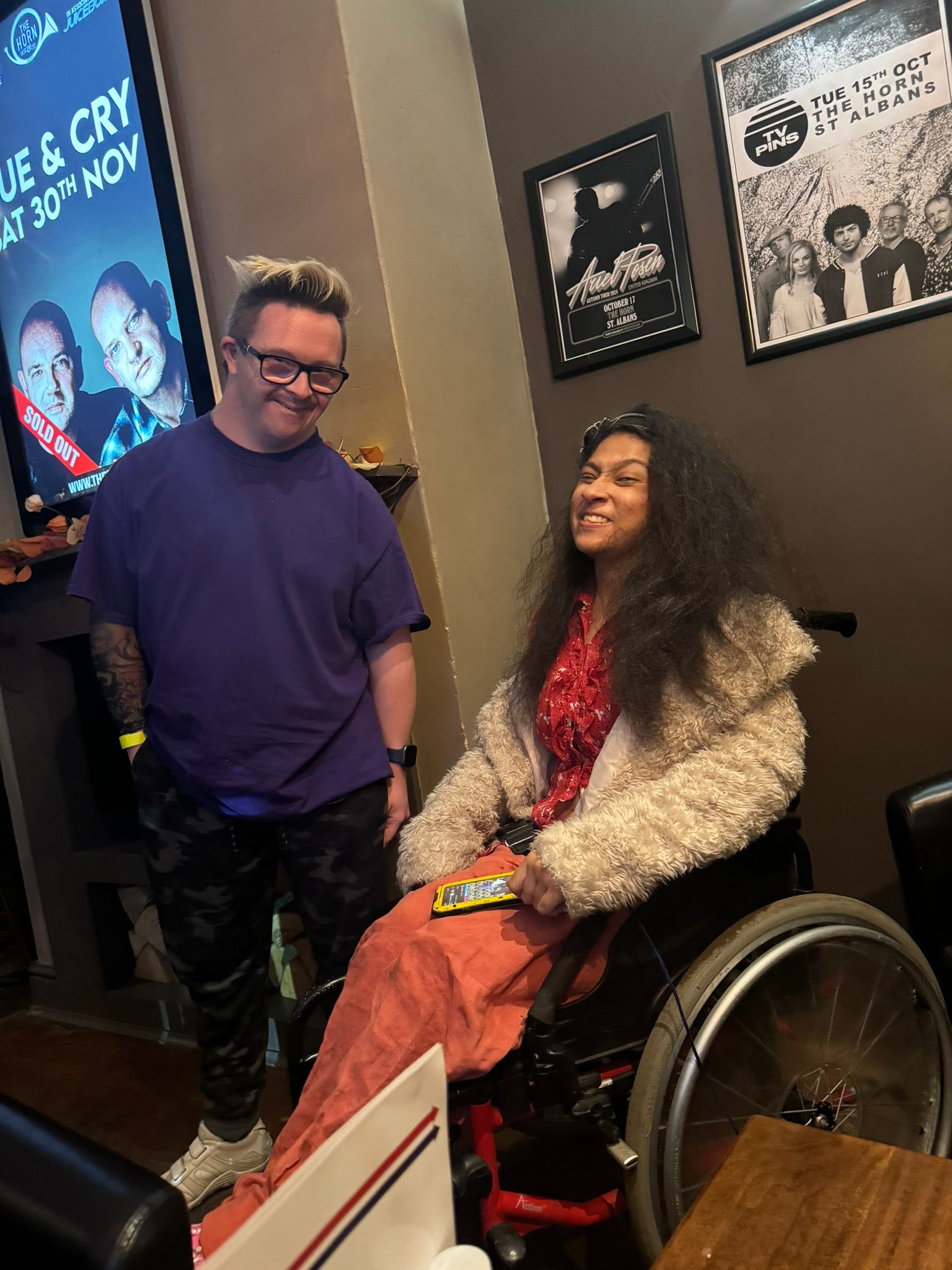
run at a band and fun on TikTok #Fan #TikTok

Dame Sarah Storey Joins Dancing On Ice 2025
Britain’s most successful Paralympian, Dame Sarah Storey, has become the 12th and final contestant to be announced for next year’s series of Dancing on Ice.
The swimmer-turned-cyclist won the 18th and 19th Paralympic gold medals of her career in Paris last month.
She will now take to the ice rink for the ITV show alongside fellow celebrities including Olympic rower Sir Steve Redgrave, TV presenter Michaela Strachan and soap stars Charlie Brooks and Sam Aston.
They will be joined by others including former footballer Anton Ferdinand, Hollyoaks actress Chelsee Healey and reality stars Mollie Pearce and Ferne McCann.
Rants From The Mind Of A Disabled ‘Child’
A thread from someone else wth Cerebral Palsy on Facebook last night has raised interesting thoughts for me. He was asking advice on involving PAs in private situations.
There is a deep frustration in being forced by life to rely on others when the only thing you want is to be able to do things for yourself, in your own way.
There is also a deep pain in knowing that you are so different from others that they all look at you as something negative or unfair and so they don’t like you or don’t believe that you are just like everyone else.
I came to understand with age that I was my teachers’ first experience of disability and that they all did their best. I came to understand with age that my classmates were too young to know any different.
What I can tell you is this- all most disabled people I have ever met want is to be just like everyone else in every way possible. There is a deep frustration in having limits to work within.
I feel lucky because I have always understood that there is no one to blame for my disability.
Sadly, at every turn, mainstream society teaches us fast that we have to prove our limited abilities and similarities to them if we want to be accepted and liked in their environments. I for one have chosen all my life to prove myself in mainstream environments by keeping every one of their rules that I have been physically able to keep. I have always worried that I would be removed from their environments if I didn’t keep their rules. And I still don’t want to be stared at and thought of as different by the mainstream.
Life experiences shape our personalities. When we are forced to rely on others for so many of our physical needs we learn to express, loudly, (by either words or actions) the only things we have left to ‘do’ for ourselves- our thoughts and opinions and intelligence. (We make great journalists!)
We are forced to involve others in our physical lives because we need the help and so we crave privacy wherever we can get it.
Most disabled people I have ever met hate having allowances made for them. So, finally, I ask mainstream society to let me tell them when I need an allowance made and not to make it automatically.
Eye And Ear Checks To Be Offered To Autistic Students At School
Children and young people in England with special educational needs are to be offered NHS eyesight, dental and ear checks in their schools from next year.
Students with learning disabilities and some autistic young people can struggle to say when they experience problems, meaning important diagnoses may be missed.
Bringing checks to them, in familiar surroundings and carried out by staff they already know and trust, can make a big difference, pilot studies show.
The scheme will soon be offered at all residential special schools and colleges in England to reach 18,000 pupils.
Linden Lodge School in South London was part of the pilot study doing hearing checks and its staff say their students have hugely benefited.
I visited the school and met Lily, who is 15. She is partially sighted and has recently been worried about her hearing too, because deafness runs in her family.
“Lots of the people in my family are profoundly deaf or completely deaf, including my dad. So I was a bit scared that I would inherit that as well. I really wanted my ears checked to make sure that I’m OK,” she said.
Her teacher did the screening, which Lily says was a far better experience than going to a clinic.
“I don’t really like the doctors that much because it’s a bit scary, but school’s a bit more comfortable because I know everyone here. It’s a lot nicer and more relaxed,” Lily said.
She said the tests “felt a little funny in the ear…a little bit weird, but it was only in there for a couple of seconds, so it was OK”.
And her results were perfect. She will keep having regular checks to make sure it remains that way.
“We can keep on top of it and if anything changes we know straight away. It puts my mind at rest a bit,” Lily said.
Nafsika, one of the trained teachers at the school, told how one of the ear examinations she did on a student showed up something concerning – a hole in the eardrum.
“It took a few tries… We needed breaks throughout. We had the luxury to stop and follow up the next day, with the same people in the same place. Having given him the verbal support, the physical support, we got to this result,” she said.
“Without that, it would be another appointment in a month’s time. He may have healed anyway. Great. But what if not?”
Armed with the knowledge, the school can adapt for the pupil.
“He’s always going to feel more sensitive to noise. Now we’ll know why and that will change the whole behaviour we have,” Nafsika said.
She said students with complex needs can miss a lot of school time going for medical appointments.
“At least this appointment can happen here and the families get reassured,” she said.
The school has done follow-up tests for the boy, and all is well.
“We were able to go straight to the otoscopy and look in the ear and see a little bit of scarring in the eardrum, which indicated that the hole had closed, had healed,” she said.
Sarah Norris, co-headteacher at Linden Lodge, said being able to offer the service in school had been “super beneficial” for students.
“This is the best place because they know this space,” she said.
“Being able to offer this during the school day with people who are very familiar with these young people is massive benefit for families, for the community, for school for everyone.”
All staff carrying out the sensory checks will be fully qualified.
Anne Worrall-Davies, NHS England’s children and young people’s clinical lead for learning disability, autism and SEND, said: “We are delighted that we will soon be able to offer these vitally important checks.
“They will ensure children and young people in residential special schools are able to lead happier, healthier lives with minimal disruption to their education and routine.”
The checks will include:
- Annual eyesight checks
- At least one annual dental check
- Hearing checks carried out when starting school and then at transition points, such as when moving from primary to secondary school, or secondary school to sixth form college.
Huge Turnout For Terminally Ill Boy’s Lemonade
A nine-year-old boy with terminal cancer whose dream was to set up a lemonade stand found himself in major demand as a queue of customers stretched around the block.
Thomas, from Bournemouth, wanted to start up the venture after learning online about other children doing similar things.
His mum Louise put a post on a local Facebook group and was “overwhelmed by the support”.
She said: “I thought I’d get some people on the school run or dog walkers, just a few, but the response was manic, it was crazy.”
Hundreds of thirsty customers flocked to the stand, with the road eventually blocked by traffic.
“It’s just so lovely that all these people took time out of their day to come and make his dream come true. I couldn’t believe it,” Louise said.
“Then someone came as Spider-Man from a local company where they dress up in character, and they were helping with the traffic.”
Thomas, who is undergoing life-prolonging treatment for a brain tumour known as a diffuse midline glioma, found the whole experience “absolutely amazing”, his mum added.
“He gets quite tired now so I don’t even know how he got through it.
“I think he was just so happy, he just got into it, he was buzzing, he was chatting to everyone,” she said.
“His speech has been affected by the tumour so he doesn’t talk a lot anymore, but everyone was saying thank you for the lemonade and he was saying ‘you’re welcome’. It was really cute.”
She added: “We were just out in town and someone recognised him from the lemonade stand so he thinks he’s famous now.”
A friend of the family set up a fundraiser so Thomas could fulfil one of his other dreams, which was to go on a Disney holiday.
More than £30,000 has been raised but Thomas has since become too ill to travel the long distance so the family are planning local treats instead, such as a trip to a theme park.
But Louise said the day was a reminder of “great community spirit”, and that there was “good out there”.
“Everyone wanted to be a part of it and make his dream come true,” she said.
Strictly’s McCausland Breaking Through Barriers
A disability advocate has highlighted the importance of representation as comedian Chris McCausland appears on Strictly Come Dancing.
McCausland is the BBC programme’s first blind contestant and scored 29 points out of a possible 40 last Saturday.
Yahya Pandor, who lost his sight during the pandemic, said McCausland was proving barriers “don’t stop” blind people.
Dance teacher Elaine Proverbs, who has taught blind and partially sighted people, said there must be a “very special bond” between McCausland and Strictly partner Dianne Buswell.
‘I can’t dance’
McCausland is registered blind after losing his sight to retinitis pigmentosa in his 20s and 30s.
Before Strictly, he confessed he “can’t dance”, something viewers may now disagree with.
“If anybody out there is thinking ‘how the hell is he going to do that?’ then rest assured that I am thinking exactly the same thing,” McCausland said.
Speaking to BBC Radio Gloucestershire, Mr Pandor said what McCausland was doing was “magnificent”.
“It’s really showing what blind people can do and how limitations, obstacles and barriers don’t stop us,” he said.
Mr Pandor, who is from Gloucester and now lives in Swindon, said more representation of disabled people was needed in media, adding blind people were “so underrepresented”.
He said: “Why not put us on these shows that are watched by millions just to showcase what we can do?”.
Mr Pandor added representation of blind people “is slowly getting there” thanks to the televised Paralympics and blind media figures, such as BBC radio presenters.
“There is sometimes an expectation of disabled people to be inspirational, when most of us are just normal people doing ordinary things, so it’s good to see the representation in terms of doing amazing things but, also, normal things,” he said.
Elaine Proverbs has been teaching dance in Gloucester for more than 30 years and has taught several blind and partially sighted people.
She said she “thinks ahead of the game” and put herself in the shoes of her partner in such situations.
“The trust between a partner at any stage, even with full vision, is quite amazing,” Ms Proverbs said.
“But when you’ve got very little or no vision, that’s even more so. The trust needs to be there.
“The awareness of each other and the communication is absolutely key.”
Cancer Help For People With Learning Disabilities
A new service will use specialist nurses to help people with learning disabilities get cancer screenings in East Yorkshire.
Humber Teaching NHS Foundation Trust said patients with learning disabilities were less likely to attend appointments.
It said the initiative will run in Bridlington and Goole.
Funding is being provided by Humber and North Yorkshire Cancer Alliance as part of a £400,000 project to improve early cancer detection rates.
Humber and North Yorkshire Integrated Care Board said the new nurses would “make a real and lasting difference for people with learning disabilities”.
“This grant will allow us to take a significant step forward in addressing some of the health inequalities faced by people with learning disabilities in accessing cancer screening services,” the board said.
The introduction of a dedicated learning disabilities nurse and creating paid roles for experts “with lived experience”, it could ensure support is specialist and meets the needs of communities.
“This initiative underscores our commitment to improving health outcomes for the most vulnerable in our geography, particularly in areas like Bridlington and Goole where deprivation adds further challenges to accessing care,” the board added.
The trust added the nurses would be recruited in the near future.
concert, best bits and
pictures from last night when I went to see the jam concert
xxx
🥰😘🫶🏼
me and my personal assistant who had the pleasure upcoming with me during the concert💖💖


Blind Rail Passenger Helps Write Train Audio Guide
A blind passenger has helped a rail company write an audio guide to its trains.
Dave Smith, from Redhill, Surrey, sits on Thameslink’s Accessibility Advisory Panel to help it improve services for disabled people.
The guide, external, which is available on the train company’s website, is aimed at helping people with disabilities understand the train layout before they travel.
Mr Smith said rail travel for blind or partially-sighted people could be “incredibly daunting” and the guide would “help to reduce any anxieties”.
The audio guide is for all Thameslink Class 700 trains.
It describes where to find a toilet on a train, as well as its layout, and where and how to contact the driver in an emergency.
It also includes details on accessible carriages, wheelchair spaces and level boarding at stations.
Mr Smith said: “When you can’t see, it’s difficult to understand your environment and what’s around you.”
Antony Merlyn, Thameslink’s accessibility engagement manager, who wrote the guide with Mr Smith, said: “Dave has a unique insight into the challenges for blind or partially-sighted people travelling by train.
“We hope this audio guide gives people the added confidence to travel with us and regain their independence.”
Govia Thameslink Railway said audio guides will be created for a further three train types as well as at six stations – Eastbourne, Brighton, Sutton, Blackfriars, Stevenage and Luton Airport Parkway.
TikTok from you me and Martin consisted of my boss pouring a jar of tomatoes all over herself. #Tick-TockFan #Funny #Me
‘I Had To Crawl To Plane Toilet’ – BBC’s Frank Gardner
On a flight from Warsaw back to London on Monday I had to crawl on the floor of the plane in order to reach the toilet.
I have been paralysed ever since I was shot by al-Qaeda gunmen in Saudi Arabia 20 years ago.
My experience onboard the flight was both physically deeply uncomfortable and also, of course, quite degrading.
I know that the discomfort that I and other disabled passengers encounter is dwarfed by the horrors being experienced by people in conflict zones around the world, stories that I cover – so my own experience is minor by comparison.
In this instance it was humiliating to have to shuffle along the floor of an aircraft in front of other passengers in my suit.
Polish Airlines LOT, which flies in and out of Heathrow, said it was not its policy to have onboard aisle chairs.
This is unacceptable for disabled passengers, since these devices are smaller than a pram, and can easily fold up to fit into a cupboard or an overhead locker.
British Airways, Easyjet, and every other airline I have flown with recently all have them on board as standard.
This shouldn’t be difficult to fix in my opinion. This ‘policy’ is surely wrong – it needs to be changed without delay.
This is 2024, not 1970, and I find it extraordinary that an airline is allowed to fly in and out of British airports with a policy that effectively says ‘if you can’t walk, you can’t go to the toilet on our planes’.
In a statement to the BBC, Polish Airlines LOT said it was “deeply sorry for the distressing experience”, and that it “sincerely apologises for the inconvenience and discomfort caused by the lack of an onboard wheelchair”.
It said that due to “limited space” its short-haul flights do not have onboard wheelchairs, but that the airline understands “the importance of accessibility” and is “actively testing solutions to equip our short-haul aircraft with onboard wheelchairs in the near future”.
I’m afraid I don’t accept this as I flew with the airline in May from Tallinn to London, and the same thing happened there. In fact, its ground staff were really quite uncompromising and dismissed the idea that the plane should have this facility.
The Polish cabin staff on Monday’s flight, however, were fantastic.
They were embarrassed, apologetic and as helpful as they could be. They encouraged me to complain about this as they could see how wrong it was.
I experienced something similar 12 years ago on Kenya Airways. After raising it publicly the airline did a wonderful job of rectifying the problem, and I had some lovely letters from travel companies telling me how grateful they were that their disabled clients now felt comfortable flying with that airline.
I am surprised at having to raise this again. The UK rightly makes a big deal about disability rights. Television presenter and campaigner Sophie Morgan is doing a fantastic job of raising awareness in this area, even meeting President Biden to discuss it.
But it is shameful that disabled passengers flying out of British airports should still be so discriminated against in this way.
Amazon item of the afternoon for all teacup and salsa in pink
With many thanks to Benefits And Work.
Labour is to revive the hated Tory plan to force banks to carry out surveillance on claimants’ accounts and give the DWP police type power to search premises and seize possessions.
The Tory provisions were contained in the Data Protection and Digital Information Bill, but this failed to be passed into law before the general election and was therefore scrapped.
Now, however, Labour have announced that they are to include what appear to be very similar provisions in a new Fraud, Error and Debt Bill.
According to the DWP, the new law will give the DWP powers to:
- Better investigate suspected fraud and new powers of search and seizure so DWP can take greater control investigations into criminal gangs defrauding the taxpayer.
- Allow DWP to recover debts from individuals who can pay money back but have avoided doing so, bringing greater fairness to debt recoveries.
- Require banks and financial institutions to share data that may show indications of potential benefit overpayments
The Tory bank surveillance provisions would have forced banks to monitor the accounts of all means-tested benefits claimants and report every time an account went over the capital limit or was used abroad for more than four weeks.
In late 2023, it was estimated that almost 9 million claimants would be caught in the Tory surveillance net, including:
- 8 million universal credit claimants
- 6 million employment and support allowance claimants
- 4 million pension credit claimants
That number is likely to have increased by now, especially with the push to get more people to sign-up for pension credit.
Labour’s new bill will also give the DWP the power to search premises and seize evidence, such as documents, laptops and phones.
The Tory Bill contained similar powers.
It would have allowed designated DWP staff to arrest claimants, search premises and seize any evidence they found without needing to use the police. The DWP said this would put them on a par with HMRC and the Gangmasters and Labour Abuse Authority (GLAA).
In an attempt to reassure claimants, the DWP today claimed that:
“The Bill will also include safeguarding measures to protect vulnerable customers. Staff will be trained to the highest standards on the appropriate use of any new powers, and we will introduce new oversight and reporting mechanisms, to monitor these new powers. DWP will not have access to people’s bank accounts and will not share their personal information with third parties.”
Labour claim that these powers will only be used against criminal gangs. But, until we see the text of the bill, we will have no way of knowing whether the law will actually prevent the DWP using their new powers against individual claimants if they so choose.
The outline of the new bill was published today by the DWP to coincide with Kier Starmer’s first speech as prime minister to a Labour party conference.
In his speech, Starmer made only a brief reference to the new bill, saying, “If we want to maintain support for the welfare state, then we will legislate to stop benefit fraud and do everything we can to tackle worklessness.”
Back in April of this year the then prime minister, Rishi Sunak, outlined his plan to give the DWP police powers. He did this whilst setting out his five point plan for welfare reform in a speech at the right-wing think tank, the Centre for Social justice, founded by Iain Duncan-Smith.
Just five months later, Keir Starmer has announced similar measures, this time in a speech to the Labour party conference.
The other four Sunak points were:
- The WCA to be made harder to pass
- GPs no longer to issue fit notes
- Legacy benefits claimants to move to UC sooner and work requirements to be increased
- PIP no longer always a cash benefit and fewer people to be eligible
We will now have to wait for Labour’s welfare reform white paper to see whether any of the four remaining points will also be adopted as Labour policy.
An outline of the new Fraud, Error and Debt Bill can be found here.
fundraiser for respite care and ongoing daily care cost please donate to this just giving page to support thank you
Disabled Man Refused Entry To Toddler Cinema Screening
A mother has called on a cinema in Kent to be more inclusive after her son with learning disabilities was refused entry to a toddler’s screening.
Jill Browne said her son William, 25, was left upset after he and his carer were turned away from seeing The Gruffalo’s Child at The Ashford Cinema.
“It made me feel upset,” William said.
The cinema said Toddler Time was designed for children aged five and under to ensure an experience that suited them and their parents and guardians.
Ms Browne, who lives in the village of Stelling Minnis, said while her son was in his 20s, he enjoyed children’s movies due to his learning difficulties.
She added that William had been to the toddler sessions previously.
“If it had been very busy and there weren’t any spaces available, I could understand that,” she said.
“We don’t hold a grievance, but sometimes you have to have inclusion rather than exclusion.
“It’s a wonderful resource, but sometimes you have to look outside the box.”
The Ashford Cinema said the venue was “proudly accessible and inclusive”.
“We are continually working to enhance our accessible film and events programming, and we will be reaching out to the customer who raised the concern to explore how we can further improve our offer,” a spokesman said.
“We recognise our responsibility to ensure that the whole local community has the opportunity to enjoy our venue to the fullest.”
Annual GP Visit Could Cut Learning Disability Deaths
Tom Watling is on a mission to improve the health of people with learning disabilities – people like him.
High on his list is reducing doctors’ jargon – “they do use big words,” he said with frustration.
But he added greater availability of a simple annual health check could go a long way to reducing health inequalities and premature deaths.
The Welsh government said pilots are underway to shape the delivery of this important service.
“I feel angry because there’s a lot of people passed away from not having a health check – that’s very important to them, to see if they are OK,” he said.
The checks have been available in Wales for a number of years, but not everywhere, and take up fell after the pandemic.
“I would like to see it rolled out in every surgery in the future,” added the 39-year-old from Pontypridd, Rhondda Cynon Taf, who works with Cwm Taf People First, a charity run by and for those with learning disabilities.
During appointments a doctor will “take your blood pressure, talk about your weight, things like that. Basically like a car MOT”, he explained.
So as a health champion, working with a number of local organisations, what’s his experience of health care?
“Some (staff) are good in a hospital, some need a bit more training, to treat disabled people more equally,” he said.
“But some doctors they do so many big, big words. Because I can’t understand them half the time – they should break the words gradually.”
Helen Thompson is one of the learning disability nurses in the Cwm Taf Morgannwg health board area, who aims to increase the availability of annual health checks.
“People with learning disabilities on average are dying a lot younger than the general population – somewhere between 19 and 23 years younger – from preventable causes of death,” she said.
“An annual health check has been identified as a way to potentially find some of those illnesses or diseases that may contribute to an early death, and try to nip them in the bud.”
While targets have previously been set in England for 75% of eligible patients to take up the health checks, Ms Thompson said it is currently a lot lower than that in some parts of Wales.
In the year after the pandemic, the number of people having the checks more than halved and the Welsh government say it has given health boards more than £1m over three years to improve the quality and take-up of the annual appointments.
“We are currently running two pilot projects that will shape the future delivery of this important service, and exploring the use of an improved digital system to maximise health benefits and more efficiently evaluate outcomes,” a spokesperson said.
Conditions such as constipation are more common among those with learning disabilities, but these people are also at higher risk of dying if it is left untreated.
Last year, a prevention of future deaths report was issued by a coroner in Wales after a 24-year-old patient with a learning disability died from complications brought about by constipation.
Research has found that health checks could particularly improve life expectancy for those with autism or Down’s syndrome.
“Many patients with a learning disability are at increased risk of chronic health problems – sometimes by virtue of their underlying condition, but also through medication they take and it can be easy for these things not to be checked for some time,” said Dr Emma Hall, a GP in Pontypridd’s Ashgrove Surgery.
Her own surgery offers annual health checks, but she said availability varies across Wales, which is why a pilot has been looking at ways to overcome some of the barriers to holding the hour-long appointments.
“There are challenges for GP practices in offering these checks because they do take a lot of time, so staffing issues and just managing demand can be a challenge, particularly for smaller practices,” she said.
But Dr Hall added that there can also be huge benefits, both for the patients and the wider NHS.
“If you looked at the cardio vascular burden of health problems, things like angina, heart attack, strokes, we know that because certain medication and conditions associated with learning disabilities can increase the risk of that, by intervening early one could say that you save money on admissions to hospital,” she said.
“For patients with these conditions, you can prevent years of poor health from the consequences of strokes and heart attacks and improve life span. There are likely to be significant cost savings I would have thought.
She stressed its not enough to simply offer annual health checks – making them accessible is also crucial, be that through simple language, or the timings of appointments.
“Many of my patients find it quite distressing to sit and wait in a busy waiting room, so we might bring patients in at the end when it’s a bit quieter or at the beginning of the day when you’re not running late and you can start with them straight away,” she added.
Patients can be offered “easy read” documents during appointments, where simplified language and images are used.
Typically “communication passports” are also available, listing information about a person’s health needs and the best ways for NHS staff to communicate with them.
‘Restaurant Ejected Me Due To My Disfigurement
A man with a facial disfigurement says he was asked to leave a restaurant in south London because staff said he was “scaring the customers”.
Oliver Bromley has Neurofibromatosis Type 1, a genetic condition that causes non-cancerous tumours to grow on his nerves.
Speaking to the BBC, he said when he had gone to place an order at a restaurant in Camberwell, staff told him there had been complaints about him.
“It’s a horrible thing to happen. I took it very personally on the day,” he said.
Mr Bromley has decided not to name the restaurant as he “doesn’t want retribution”, but instead wants to raise awareness of the condition.
He said he had been an inpatient at King’s College Hospital in August when the incident happened.
After being treated for his condition, he decided to eat out, rather than have hospital food.
He said: “After entering I noticed a cash-only sign, so went straight back outside to withdraw my money.
“I went back into the restaurant to place an order, and they told me to ‘please leave’, because in their words I was ‘scaring the customers’, and there had been complaints about me.”
He added: “There had not been enough time between the time I had been there first, and the time I went back, for anyone to have made a complaint about me so obviously the restaurant staff were not happy with the way I looked.”
Mr Bromley said he had not challenged the decision and left “fairly quickly”.
Mr Bromley said he had formally complained to the restaurant and when he did not receive a reply, he reported the incident to the police.
He said they had told him that although it was a hate crime, it was “unlikely” officers could pursue it further.
The Met confirmed to the BBC that officers had visited Mr Bromley about the incident and that although no arrests had been made, the force took “reports of hate crime seriously”.
They added all instances of hate crime were recorded and monitored.
‘It’s not about me’
Mr Bromley said he did not mind people asking questions about his condition.
Of the restaurant staff, he said it possibly came down to a lack of education.
“They probably thought having tumours was contagious or something,” he said.
The charity Nerve Tumours UK said: “We were extremely disappointed to hear news of the dreadful, but sadly not uncommon, incident that Oliver Bromley experienced.”
The charity’s director Karen Cockburn said it had written to both the restaurant and UK Hospitality, the trade association body.
“Whilst we have not received any response from the restaurant, I am delighted to say that UK Hospitality has offered to work with us to raise awareness of the condition amongst the hospitality sector,” she said.
Looking back, Mr Bromley said although he was disappointed no further police action was currently possible, he felt “some good came from this”.
He said although this incident had caused him and his family a great deal of sadness, they could now “create awareness around people with facial deformities, facial differences”.
“It’s not about me. It’s never been about me,” he said. “I don’t want retribution.”
Private School VAT Hike ‘Unfair’ For SEND Pupils
Pupils with special educational needs and disabilities (Send) might lose their extra support at private schools once a 20% VAT is introduced.
Some parents of Send pupils say they already at “breaking point” financially.
Mum-of-three Rebecca, from Somerset, believes the new fees are “unfair”, she said: “If they can guarantee my child will turn up at a state school and they will get the help they need, I have no problem. But they can’t.”
The government said the VAT rise is needed to improve education for the 93% of pupils outside the private system.
The government spokesperson added that students with an Education, Health and Care Plan (EHCP), which states their needs cannot be met in the state sector, will have their private school fees paid by the local authority and will be able to reclaim the VAT fee.
However, not all Send pupils have EHCP’s, which has resulted in some parents paying the fees with their own money to ensure their children’s needs are being met.
The VAT rise will be added to private school fees from January 2025.
The BBC spoke to parents who have Send children at Westonbirt School in Tetbury, Gloucestershire, and Wellington School, in Somerset.
Rebecca chose Wellington School because of its reputation for being “caring and diverse”. All of her children have special educational needs but do not have EHCPs.
She is “frightened” by the additional £9,000 a year she has estimated she will have to pay on top of the current £60,000.
Without being at the private school, Rebecca fears her youngest child, who has a neurodiverse condition, could be placed in a residential care unit due to losing the “stability and extra attention Wellington School provides”.
Her son, who has a hearing condition, had previously been bullied in a state school.
She considers herself an “average earner”, and the family has already been eating into an inheritance received from her husband’s late parents to pay the fees at their current level.
“This year our holiday was to Milton Keynes – to visit an audiologist for Ellia and Max. We don’t live a luxurious lifestyle.
“Our shoulders are not big enough. I can’t get into a [state] school and none of them are able to cater for my children’s requirements,” she added.
Send students make up a third of Westonbirt School’s population and leaders said it has already lost about “three or four pupils” as a direct result of the VAT changes.
“There are better ways of asking more of us. It would be brilliant to be doing more with bursaries from the local authority, and do that with the government rather than working against it,” said headteacher Natasha Dangerfield.
One mother Henny said she can “just about weather the storm”.
“The added cost pressures are going to limit the number of jobs I can create at my marketing agency, where almost all the profits have been ploughed back into my dyslexic children’s education,” she said.
She had been been trying to secure places at various alternative state schools to Westonbirt, but could not get in anywhere.
‘Best chance in life’
Recent polling, external, conducted by Ipsos at the end of August, suggests 55% of Britons support Labour’s plan to impose VAT on private schools, with only 19% opposed.
During the election campaign, Sir Keir Starmer insisted he had “nothing against” them, but that his greater priority would be to fund a promised 6,500 new teachers in the state sector.
A government spokesperson said: “We want to ensure all children have the best chance in life to succeed.
“Ending tax breaks on private schools will help to raise the revenue needed to fund our education priorities for next year, such as recruiting 6,500 new teachers.”
💕💕💕💕




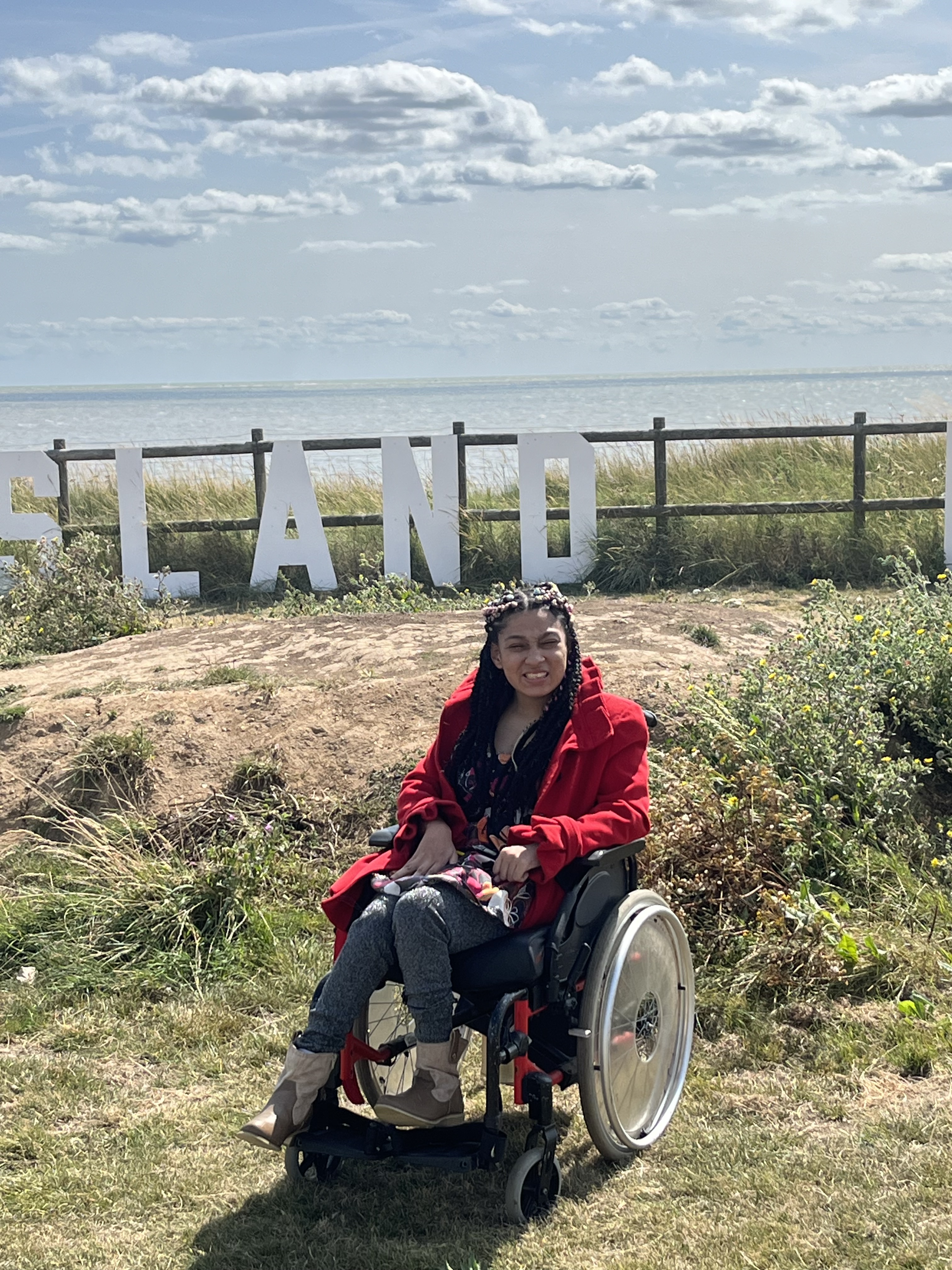
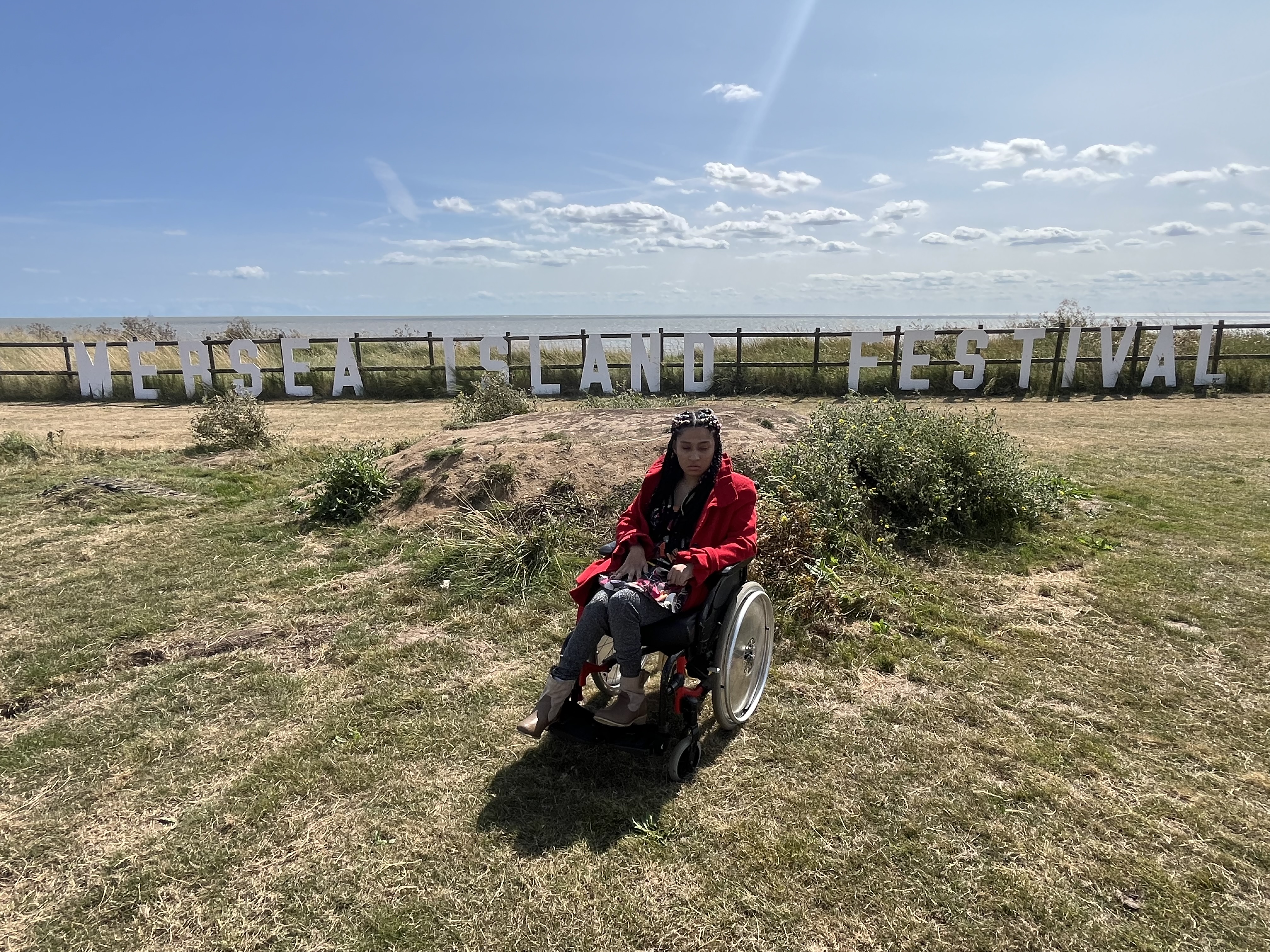

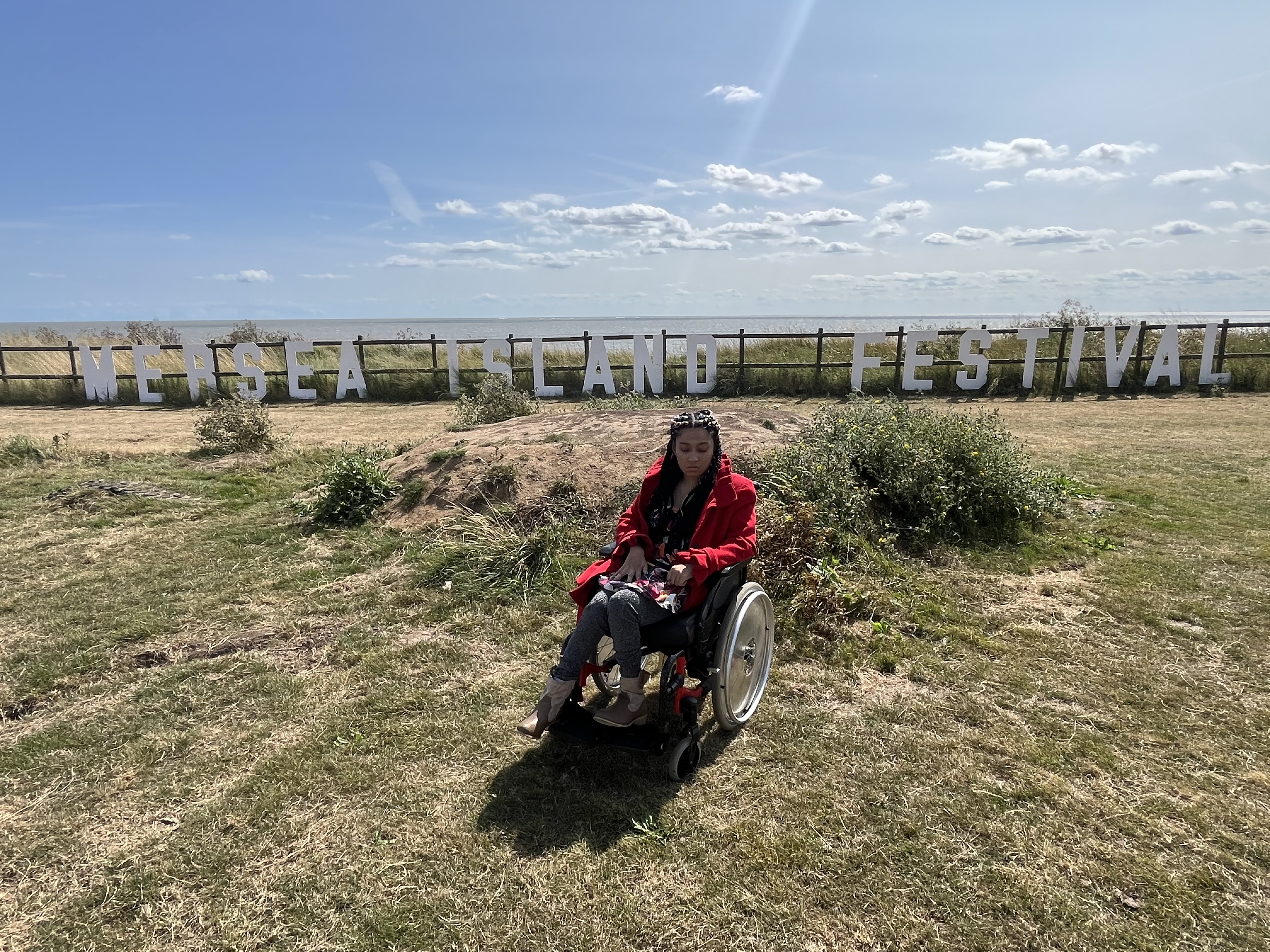
Dementia Choir Miley Cyrus Cover Challenges Misconceptions
A decade ago Martin Murtagh noticed something was not right after he found himself leaving items in unusual places and getting lost.
After an Alzheimer’s diagnosis he took the decision to get involved with Dementia NI – a local organisation which helps people with the condition.
On Saturday he joined with 12 other members who collaborated with the Rock Choir to record a cover of Miley Cyrus’s The Climb, external to mark World Alzheimer’s Day
The performance at Ulster University aimed to challenge commonly-held misconceptions about dementia.
‘A million things went through my mind’
More than 22,000 people currently live with dementia in Northern Ireland.
“I was almost prepared for the diagnosis as I knew I what I was doing wasn’t normal,” Mr Murtagh told BBC News NI.
“I was throwing out money and wandering outside, not being able to get home, it was scary.”
“There was a million things that went through my head when I was told my diagnosis and even though I was prepared to hear those words I was so shocked at the same time.”
The 73-year-old has a family history of Alzheimer’s and some of his siblings are also living with the disease.
“Even though I have family members with Alzheimer’s, you just never think it will happen to you,” he said.
“It’s been a long process but taking part in things like the choir has been absolutely brilliant.”
“I knew after the first rehearsal that I wanted to be a part of it all – I’m a big believer that music is medicine.
“We chose Miley Cyrus’s The Climb because it is a powerful representation of the struggle of dementia and coming out the other end stronger.”
‘The power of music’
Karen Kerr, the head of engagement at Dementia NI, said the project was really meaningful for those who took part.
“It is all about the power of music – a little bit of magic happened during rehearsals – they were filled with a lot of joy and a lot of tears,” she said.
“The choir is a wonderful example of our members finding joy in the things they loved pre-diagnosis and being part of the wider community.”
Dementia NI was founded in 2015 by people living with the illness.
All proceeds from the single will be given to the charity.
“It is a very common misconception that a dementia diagnosis is the end but for many people, it is only the beginning,” Ms Kerr said.
“It is just a different journey but one that can be filled with hope and empowerment.”
‘I Struggled To Find Clothes – Now I Design Them’
A clothing designer born with one forearm says his disability has inspired his passion for accessible fashion.
Ryan Rix, from Swansea, grew up as one of six siblings and says the clothes available to him made him feel like he was having to hide himself.
So he decided to learn how to craft and adapt his own clothes, and now designs pieces that cater for others with physical disabilities.
The 22-year-old is taking part in a new ITV show in which designers compete against one another for a role with high street brand Marks & Spencer.
“I was born without my left forearm and, growing up, when I would try and find clothes, there weren’t things that I felt comfortable in, I felt like I was hiding myself,” he said.
“I needed things that were more functional and adaptable. The biggest example is jackets.
“I never buy something that is full sleeves or at least sleeves that I can’t pull up or alter.”
He said he designed jackets with zippers on the sleeves so they could be left on or removed.
“So I can wear it, but if my twin brother wanted to wear it he could too,” Ryan added.
He said he went shopping for a blazer before a recent event in London and, despite finding one he loved, “it just didn’t feel right”.
“My left arm was completely covered and I didn’t feel like myself,” he said.
“I felt like I was hiding, and that’s something I would never do. So I adapted it, and I felt 1,000% happier.
“It’s about dignity, and respect for yourself.”
Other techniques he uses frequently include avoiding buttons and using velcro and poppers, so people with disabilities can dress themselves more easily.
Ryan said: “It’s all about functionality, but still being very fashionable.
“That’s the challenge. A lot of things you see on the runway these days are very high fashion, but sometimes not the most wearable.”
Ryan described his own style as “simple and comfortable” but stressed this did not mean he did not care about being fashionable.
“A lot of people think if you work in fashion you have to be really out there,” he said, adding he felt society was yet to “grasp accessibility”.
“The world has come so far in terms of inclusivity, in gender, in race, it’s absolutely fantastic. But I still feel people like me are the last thought, still left behind,” Ryan said.
He added that a few brands had begun to tap into the accessible clothing sphere, but added: “I just don’t think they realise there is a true market for this, and some have been designed by people who aren’t in that space.
“Whereas I know first hand exactly what I need. I grew up around and in artificial limbs clinics so I have seen the struggle.
“I didn’t grow up with a background of wealth, so doing everything myself has been a challenge but I’ve made it work.”
He added: “My grandad, towards the end of his life, had no legs and I would see how my nan would struggle to dress him.”
Inspired by his own experiences, Ryan studied fashion design and construction at Gower College and Carmarthen School of Art.
Ryan said: “As I grew up, I started to care a lot more about how I dressed… I decided to do my degree in fashion design, and I’ve been making my own clothes ever since.”
He said he created “pieces that still aren’t out there on the market”, with the bulk of his work being commissions and bespoke orders as well as alterations.
“I get emails daily from people who have maybe lost a limb and they just want advice,” he said.
As well as designing and making clothes, Ryan works as a social media content creator, and said it was someone online who brought the ITV show opportunity to his attention.
“I got a phonecall for an audition, and the next thing I knew I was in London filming,” he said.
“It was so quick and bizarre how it happened, but it’s been the best experience I’ve had in the fashion industry so far.”
M&S: Dress the Nation sees 10 designers compete with one another in a series of challenges, with the first episode airing on 17 September.
Ryan said the highlight of the show was meeting other designers and feeling able to be himself, adding: “We’re really close as contestants, we have a group chat and we talk everyday.
“We definitely all inspired each other.”
Looking to the future, Ryan hopes to gain experience with brands, but ultimately showcase his clothing under his own name, and help others to “catch on” to the need for adaptable clothing.
He added: “In Swansea, it’s such a small place, a lot of people didn’t understand, still don’t understand what I’m doing.
“I would like to bring more of an eye to Wales in terms of fashion, because it’s all in London.”
#Me #Me #JoinTeam#
Downs Wisdom
Two sisters, one of whom has Down’s syndrome, are sharing their challenges and joys of their life together via a second podcast series.
Lucy Haggie, 29, and Sarah Hogan, 31, from Cheltenham, Gloucestershire, will interview each other in the series called Down’s Wisdom.
“I love being different, because I love being me and I’m so glad I’ve got Down’s syndrome,” said Ms Haggie.
After the success of their first series, they are now recording a second which will explore what it is like to find employment, among other topics.
People with Down’s syndrome are born with an extra chromosome, usually by chance due to a change in the sperm or egg before birth. There are estimated to be around 47,000 people with the condition in the UK.
According to the Down’s Syndrome Association, external, people who have the genetic condition will have some level of learning disability and will have a range of abilities.
The first series, which people can listen to on Spotify, aired between 2020 to 2021 and gave the sisters a chance to question each other about their lives and what made them happy.
“Having that more focused time has just made me really see her [Lucy] as she really is,” said Ms Hogan.
Since the first podcast, Ms Haggie has been working and travelling.
“In Blackpool, I went nightclubbing and we did some karaoke, that’s really fun,” she said.
She also has her own “exciting” plans for the future.
“I was trying to tell mum and dad that I would like to do my own independent living,” she said.
“And I want to go to the Caribbean,” added Ms Haggie.
“Everybody’s reacted really well to it [the podcast] and I think for a lot of people it’s been about seeing that it’s OK and there’s nothing scary about Down’s syndrome,” said Ms Hogan.
“It has been really special hearing about Lucy’s experiences.
“To us they’re just normal, but I’ve loved actually taking that time to hear about what it’s been like for her growing up and what it’s like for her now,” Ms Hogan added.
“It’s been amazing, I like being famous. I liked it when Sarah interviewed me about all the things that I like, the job I enjoy and the different schools I’ve been to, and she’s being honest about me.
“It’s really nice to hear people saying they like seeing people with special needs, and want to get to know what it’s like,” Ms Haggie added.
The sisters also interviewed their parents and older siblings to get their perspective on family life.
“We were really encouraged by people to share that, and that’s partly why we did the first podcast.
“But also for people to appreciate how life can be really difficult, even when it doesn’t look like it is.
“It’s just solidified for me how resilient and how courageous Lucy is.
“I think I’ve also learned that we both cry at lots of things – there were plenty of tears on the podcast,” Ms Hogan added.
The challenges of having Down’s syndrome, such as finding a job and what it is like to be working, are to be explored in a second series.
Animals are also likely to play a large part as Ms Hogan now has a dog.
“I’m so blessed that Lucy is my sister, but she’s genuinely one of my best friends as well,” added Ms Hogan.


 Same Difference