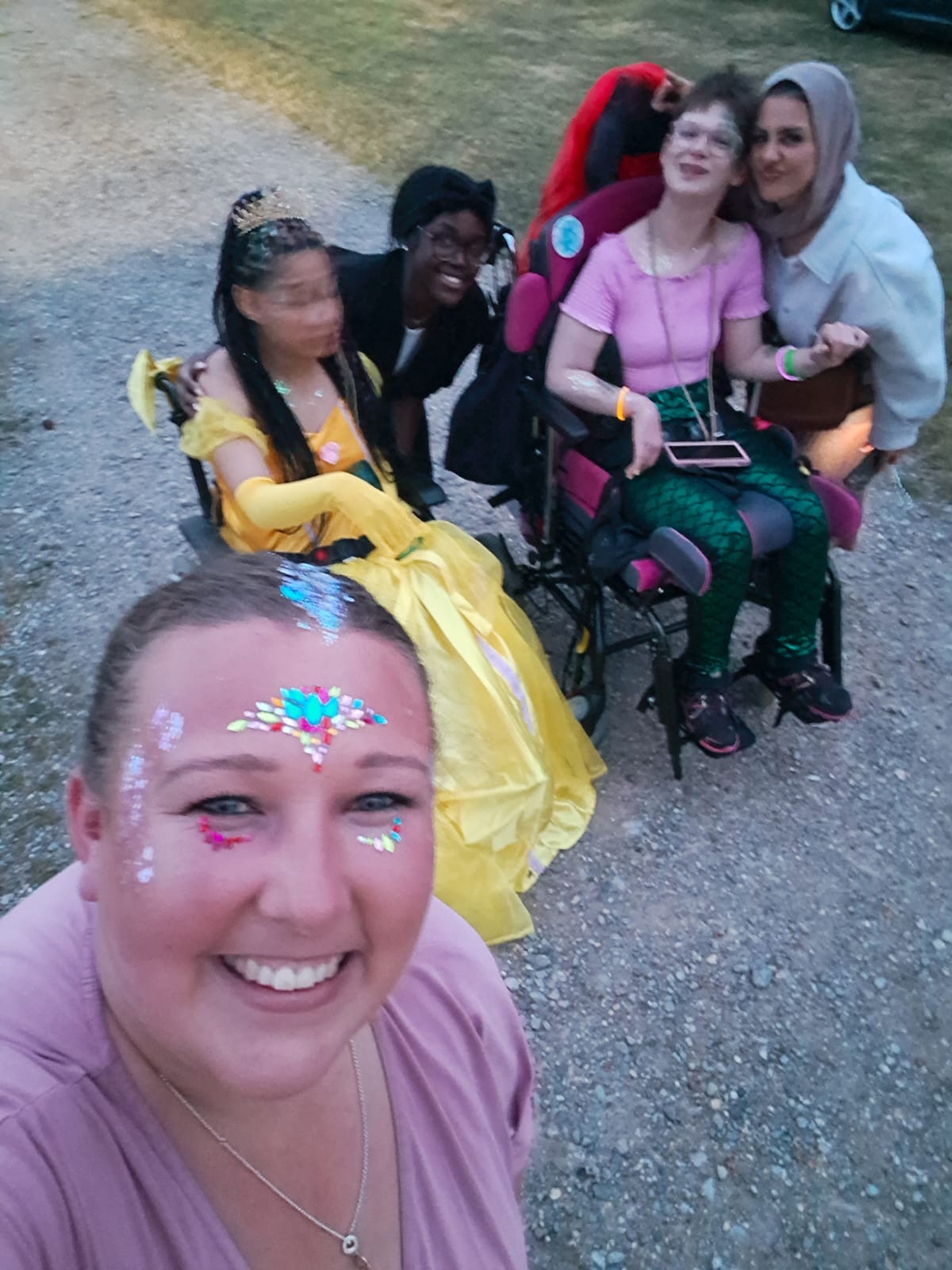
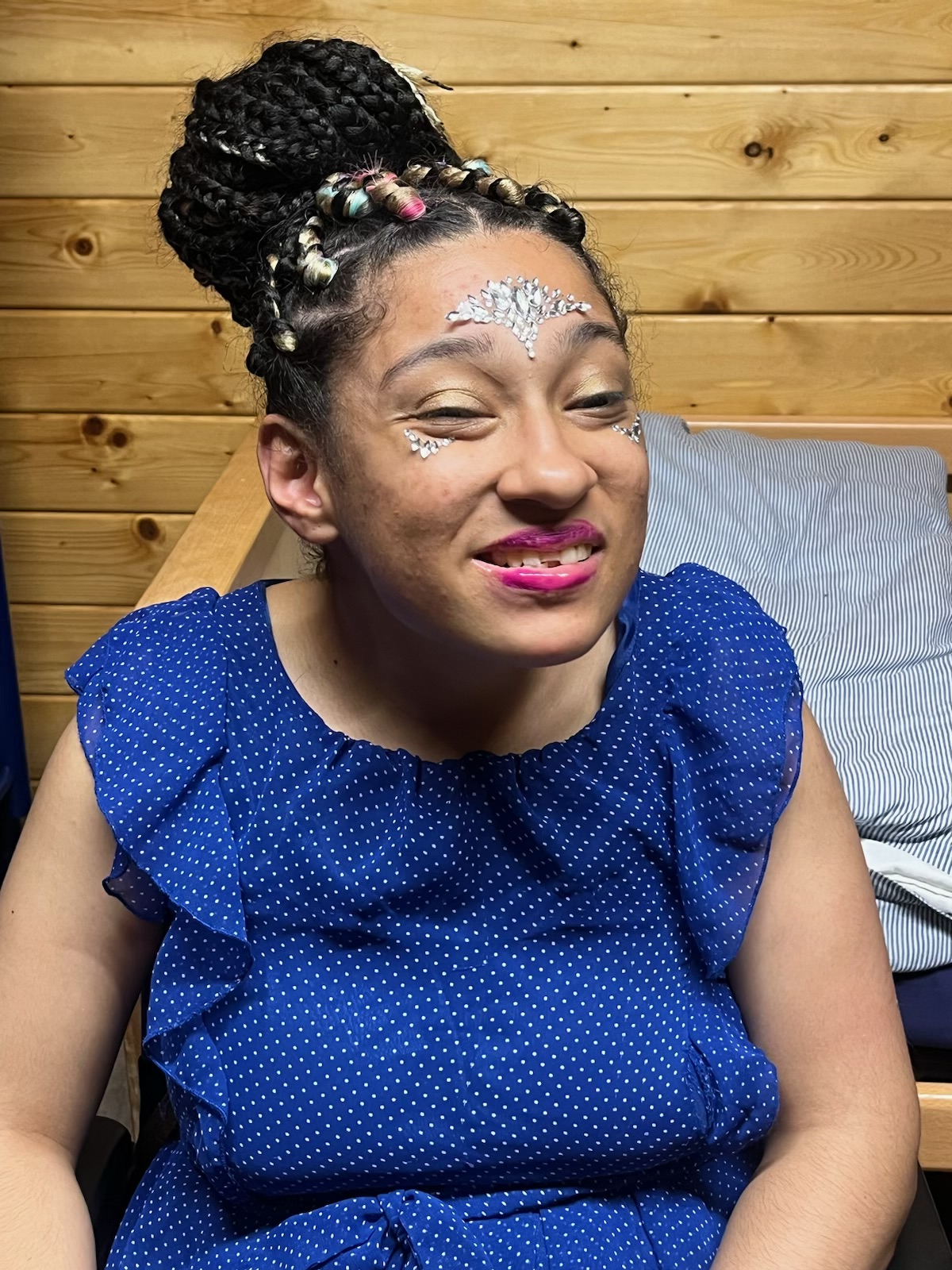
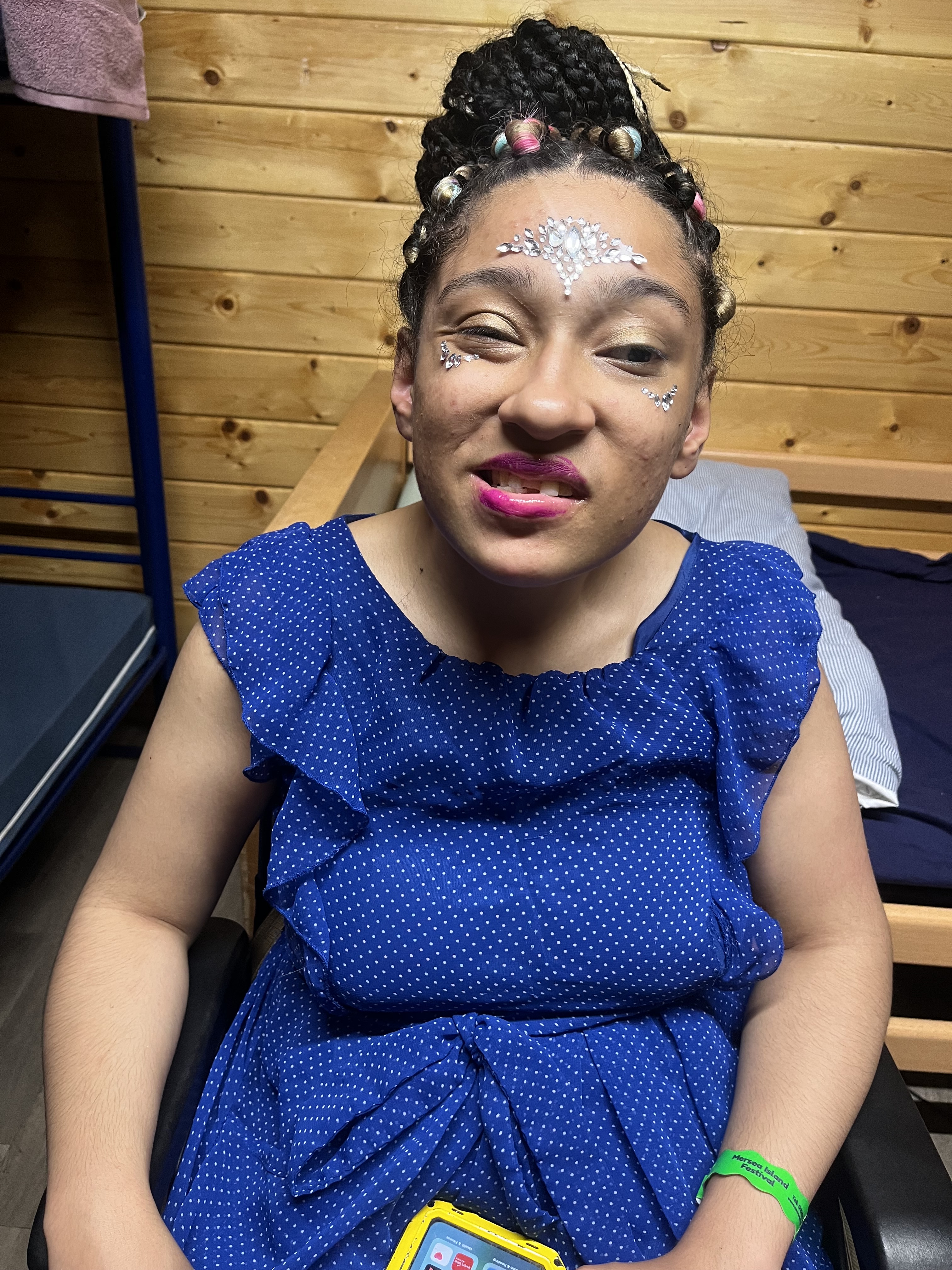
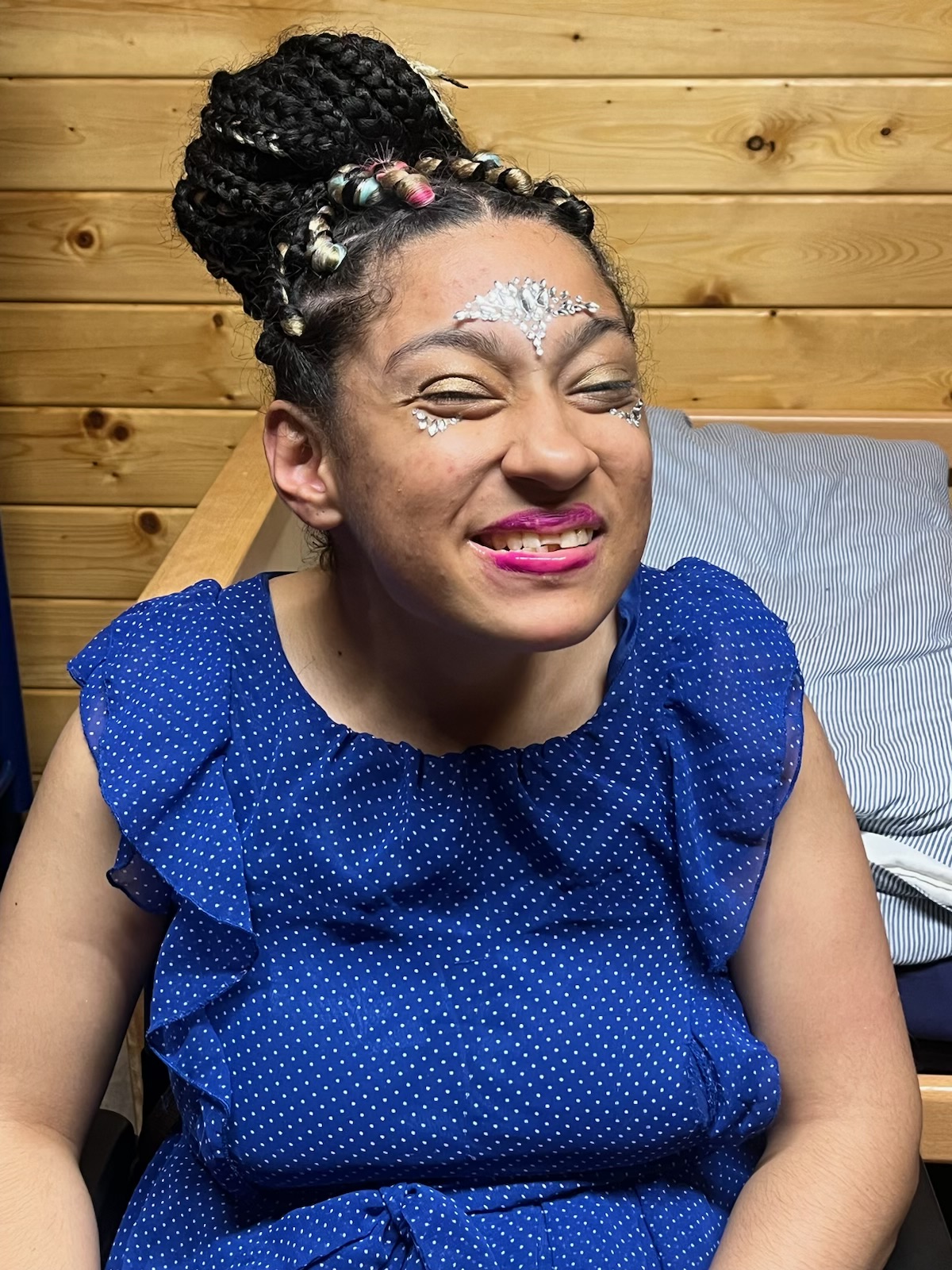
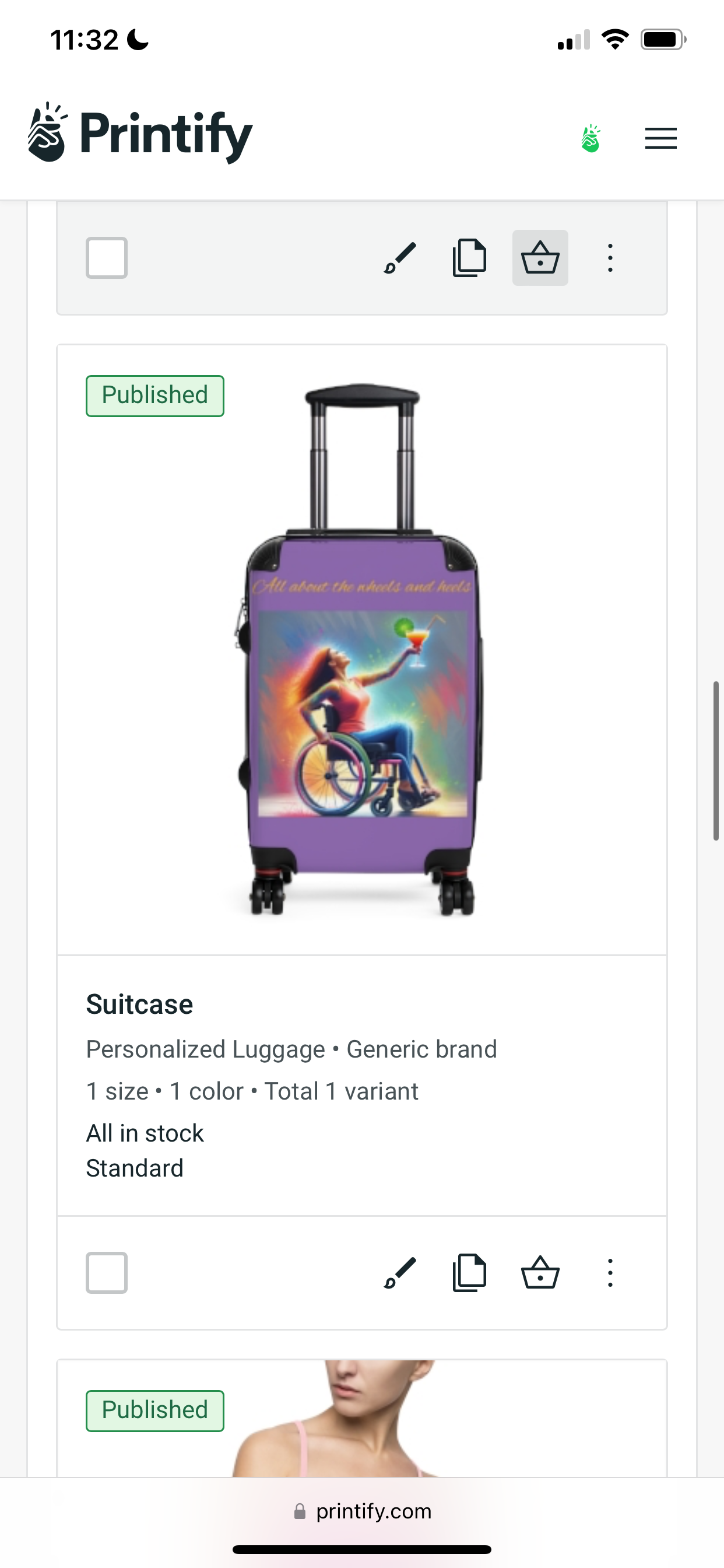
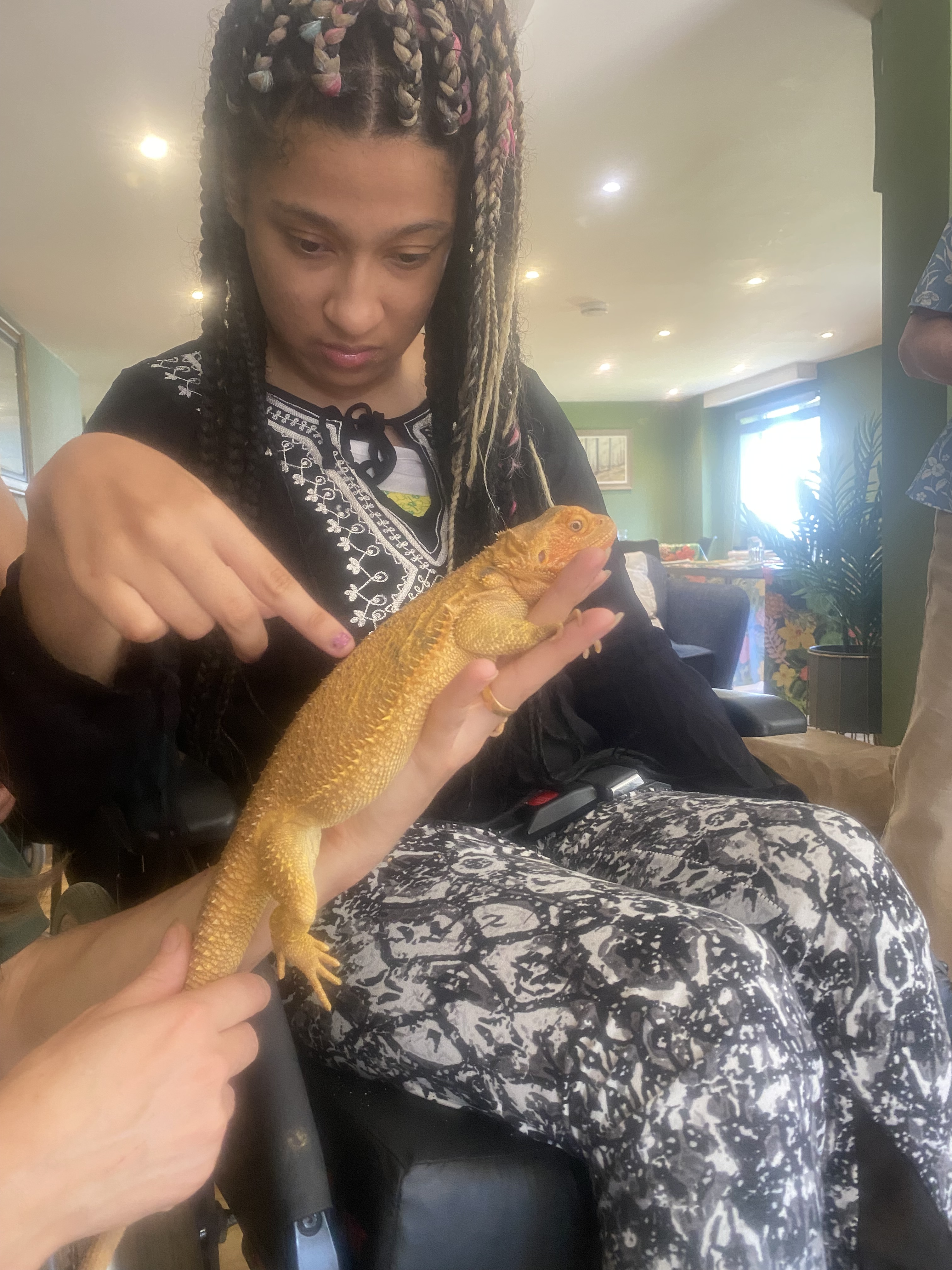
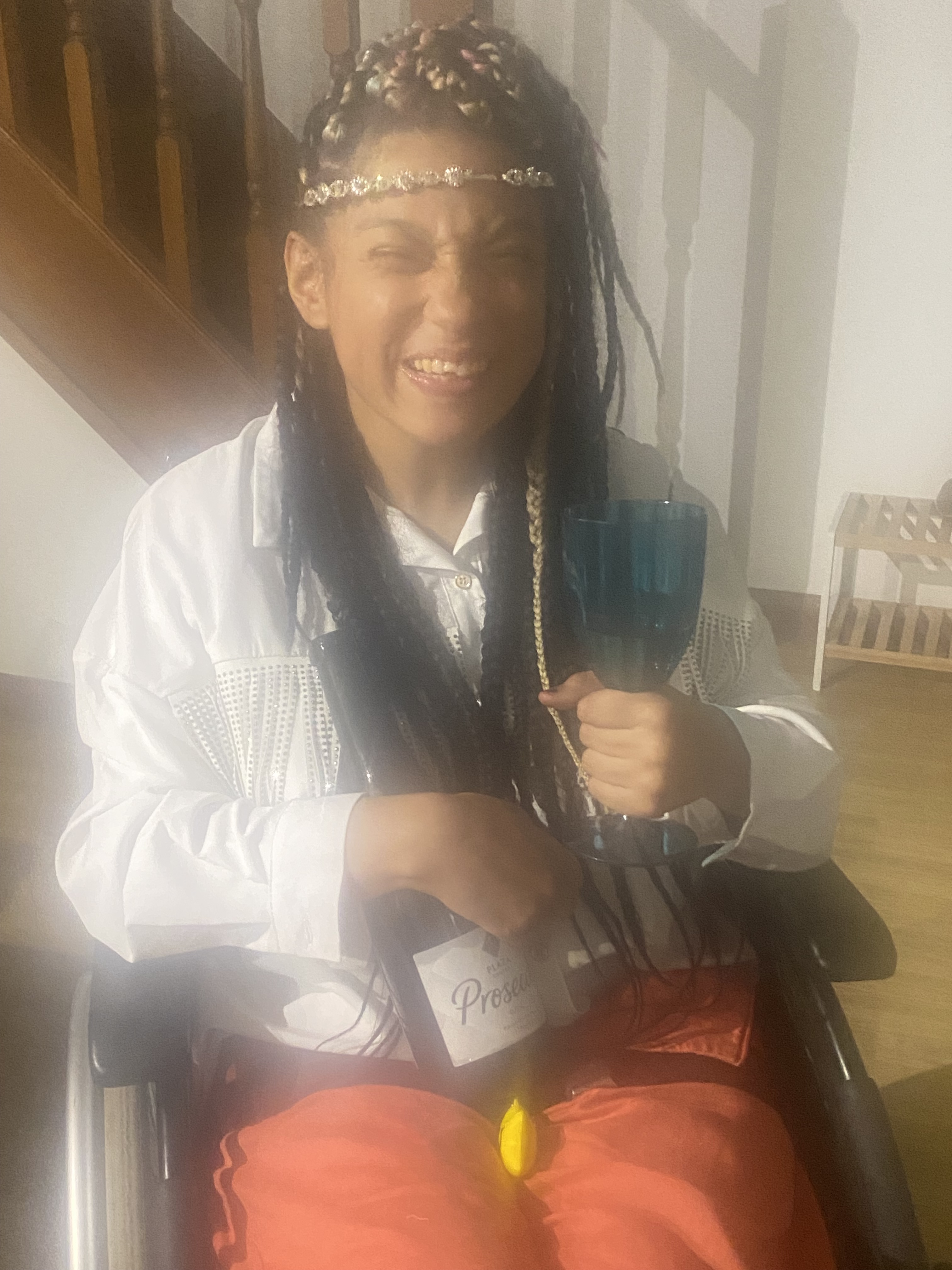
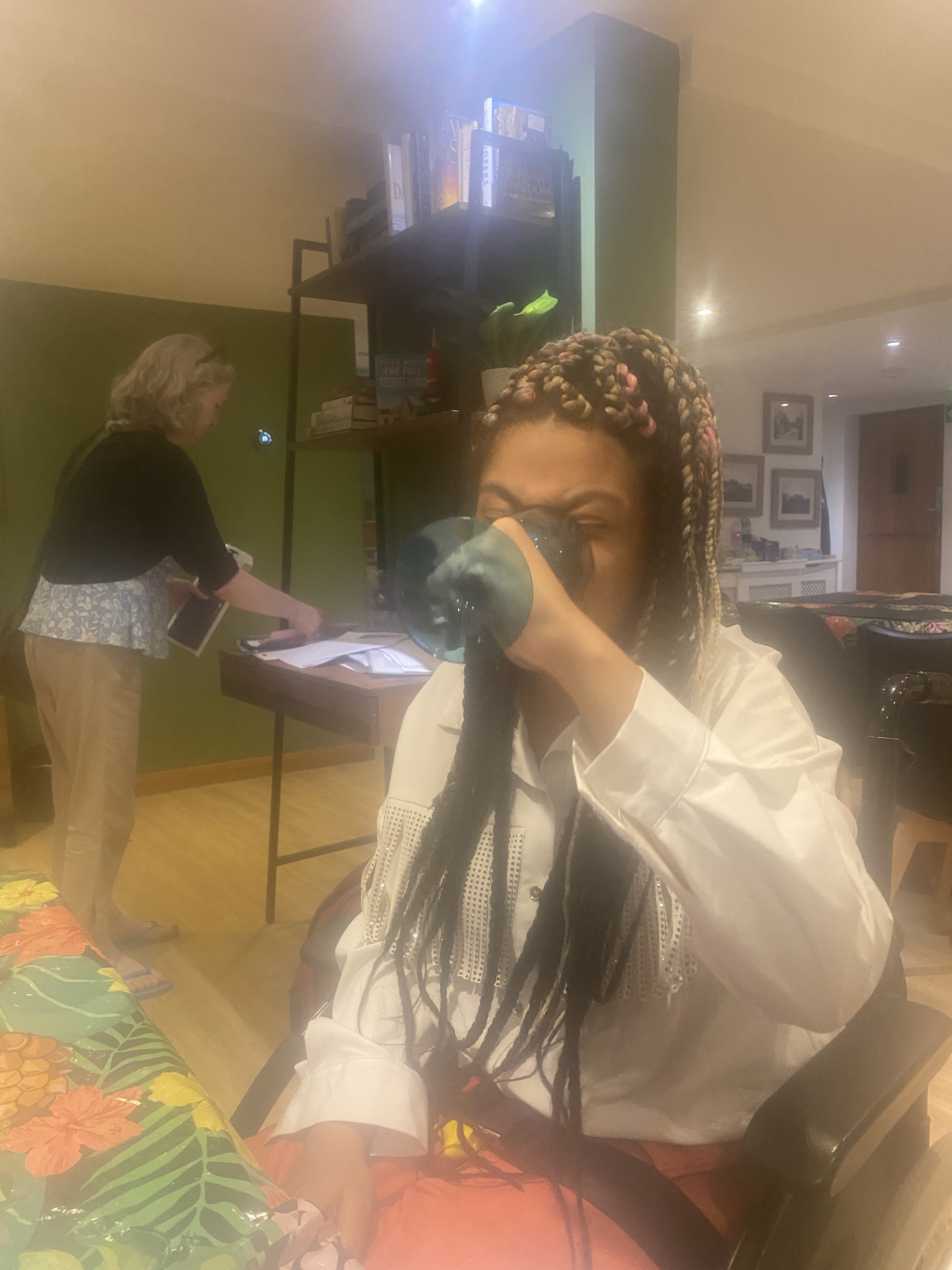
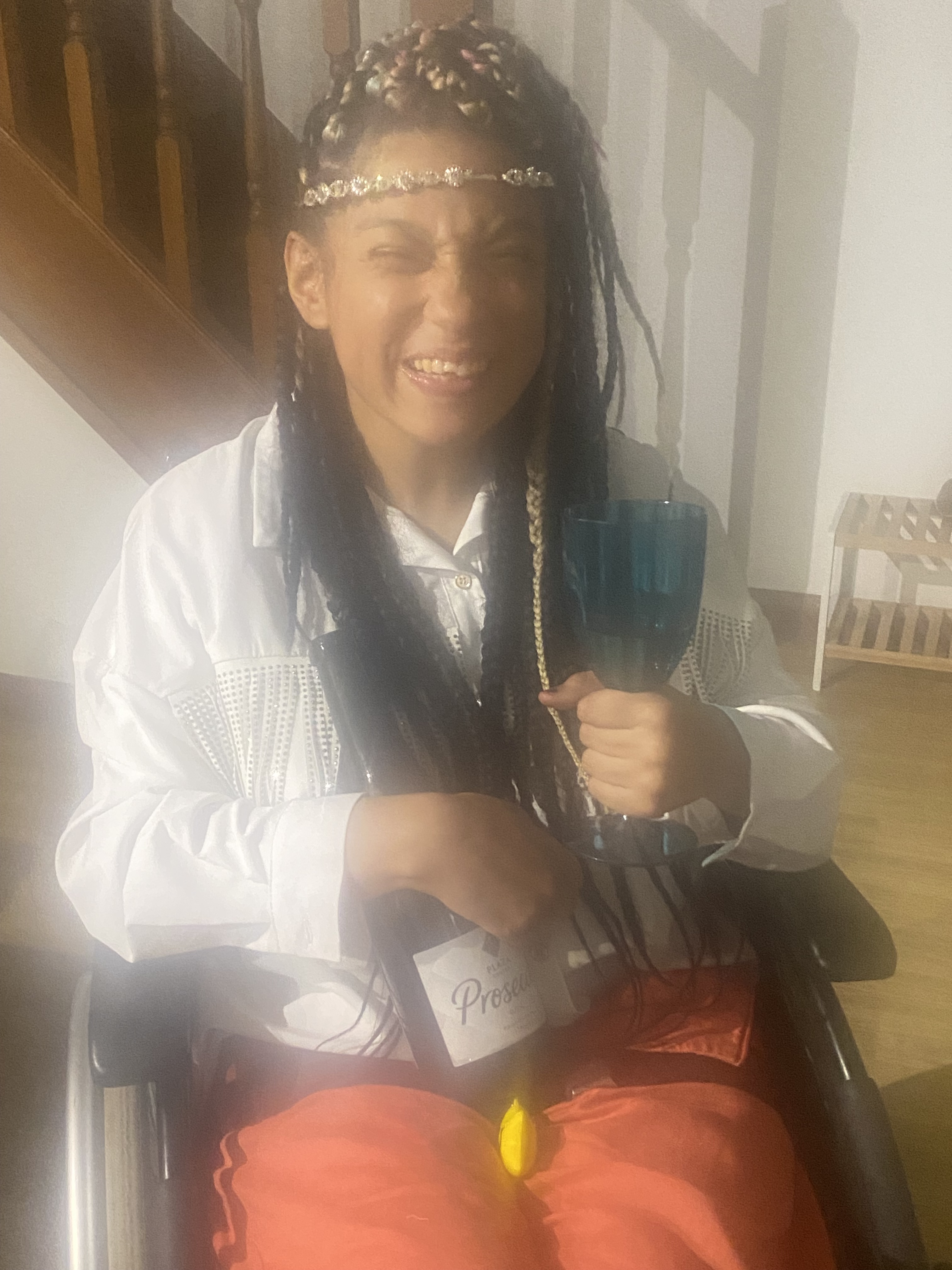
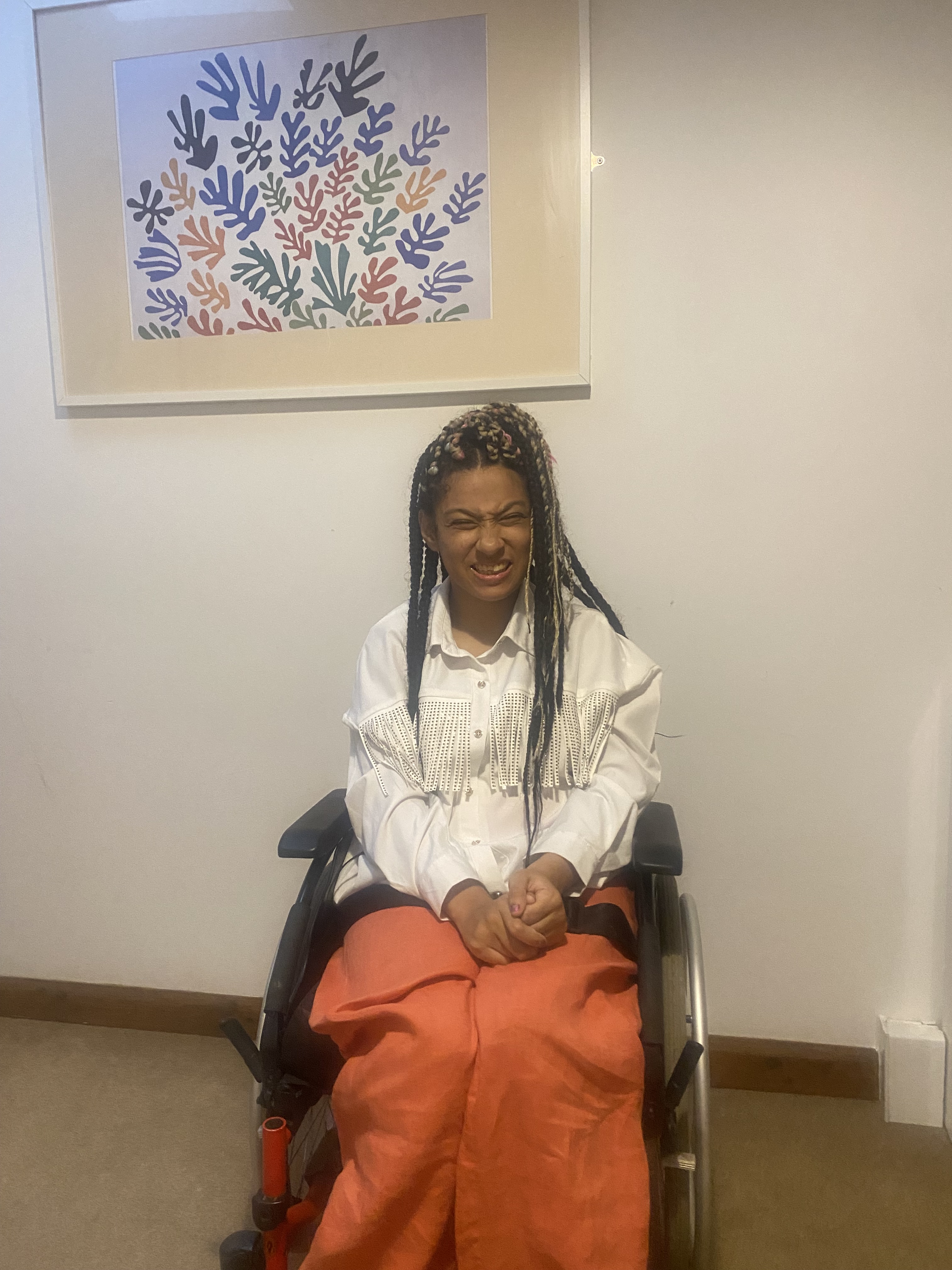
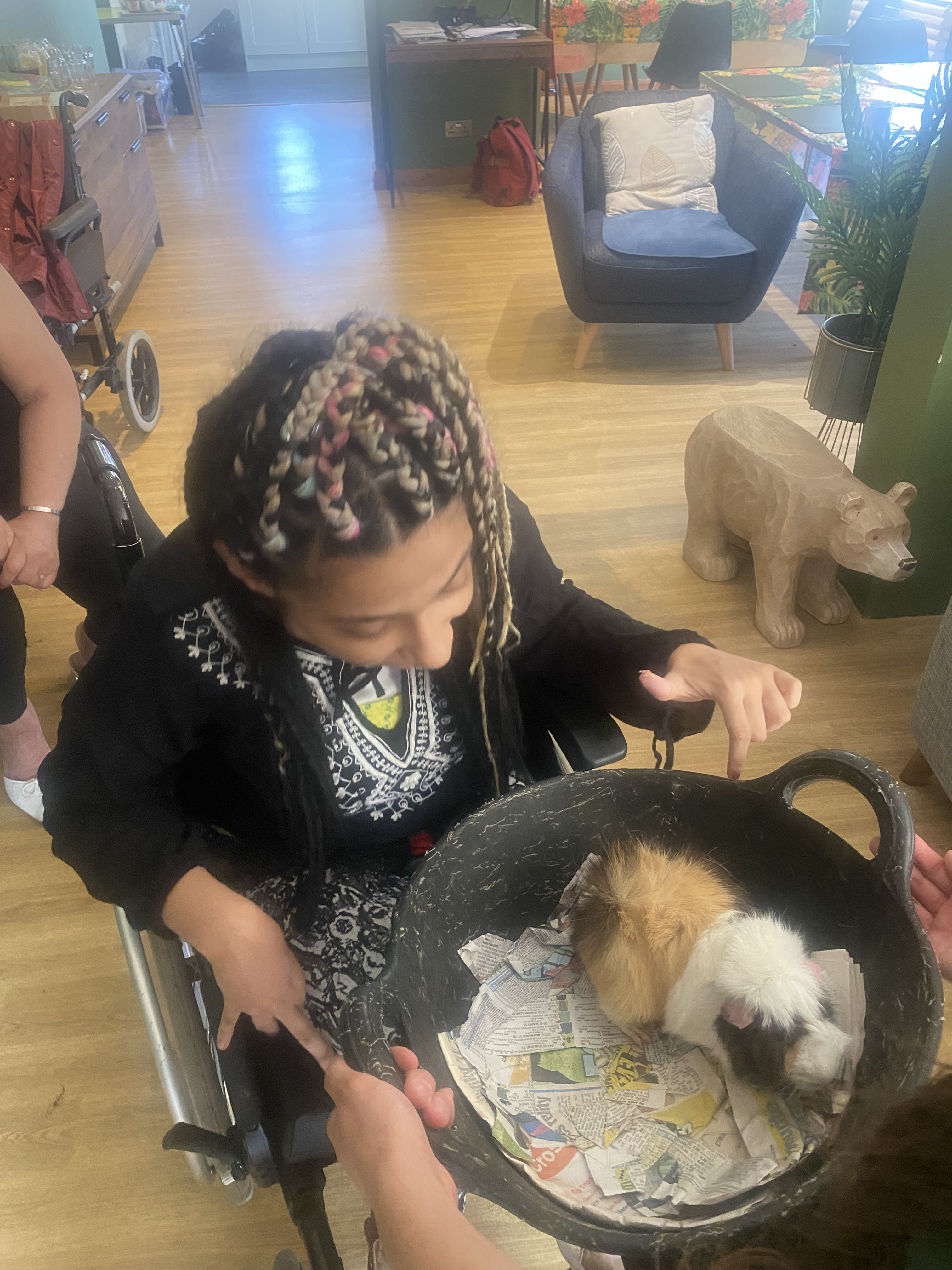
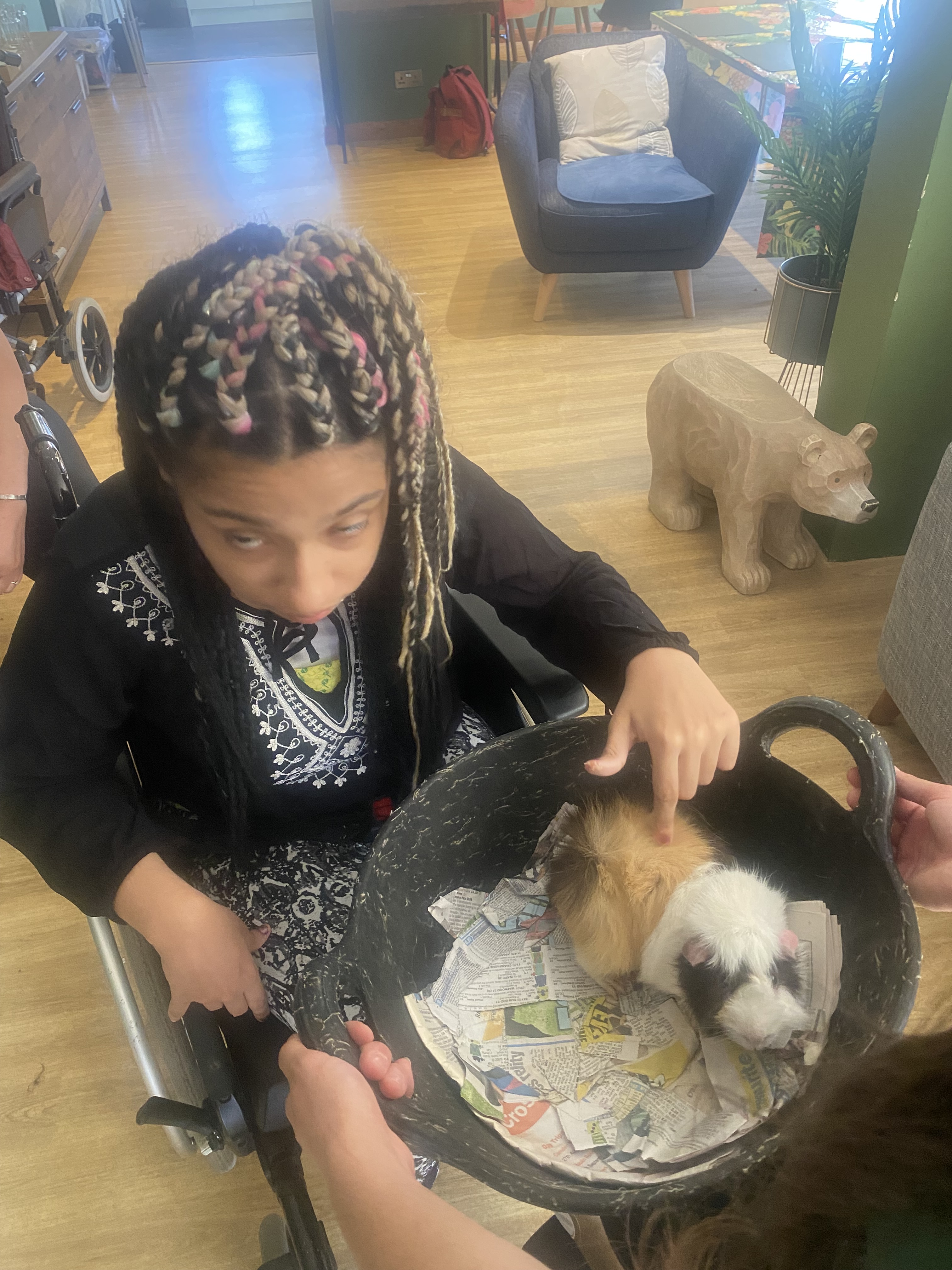
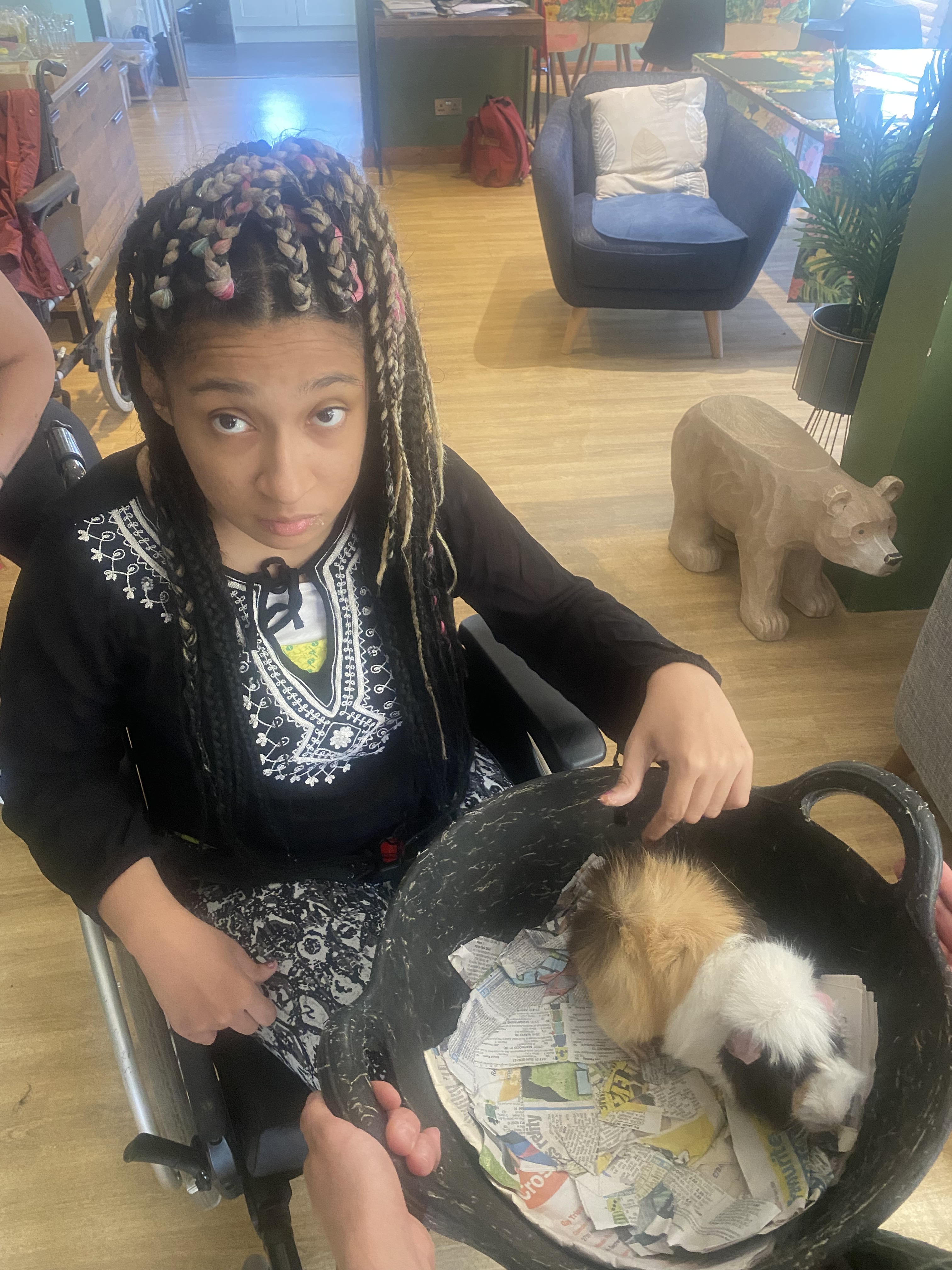
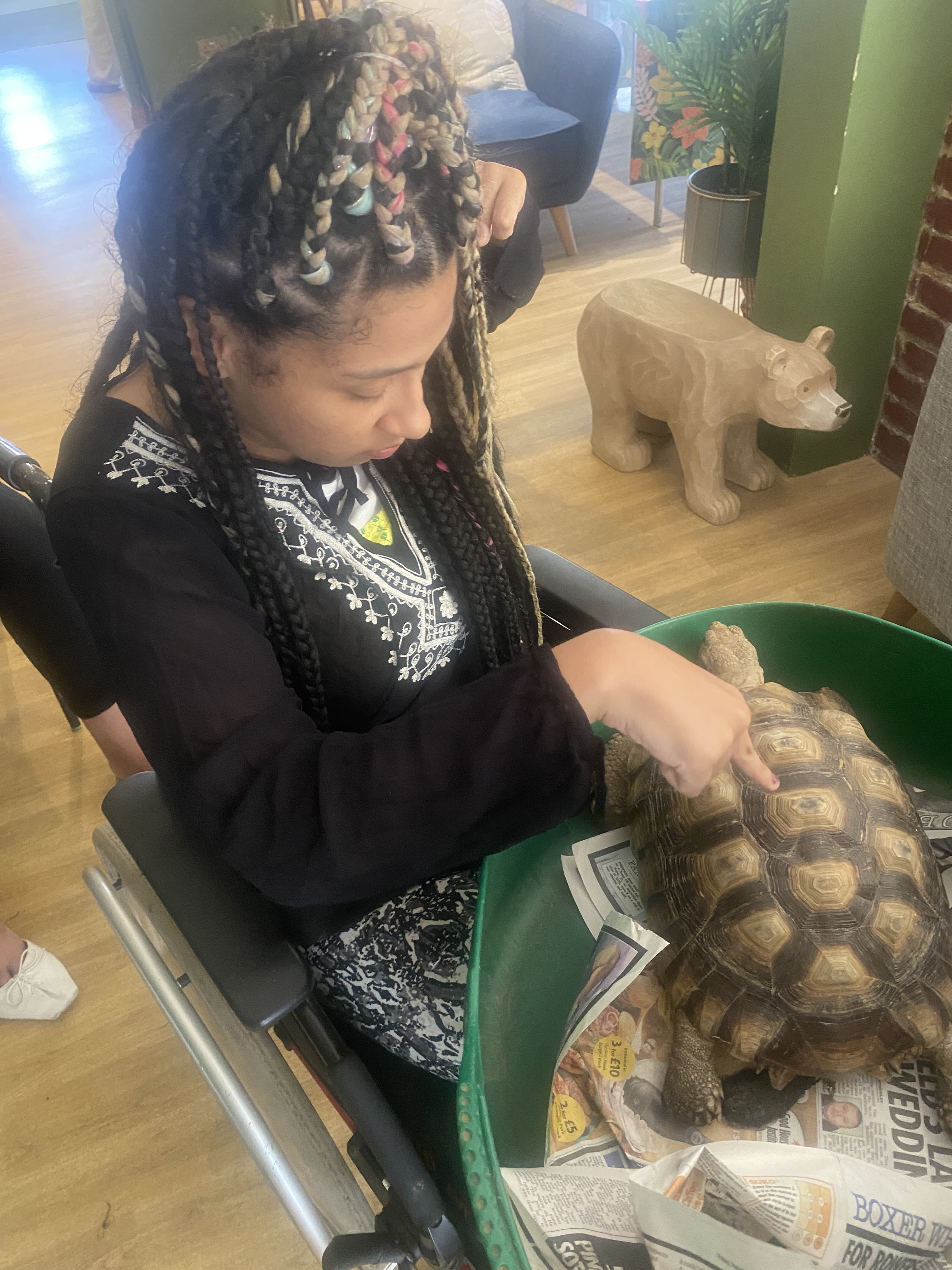
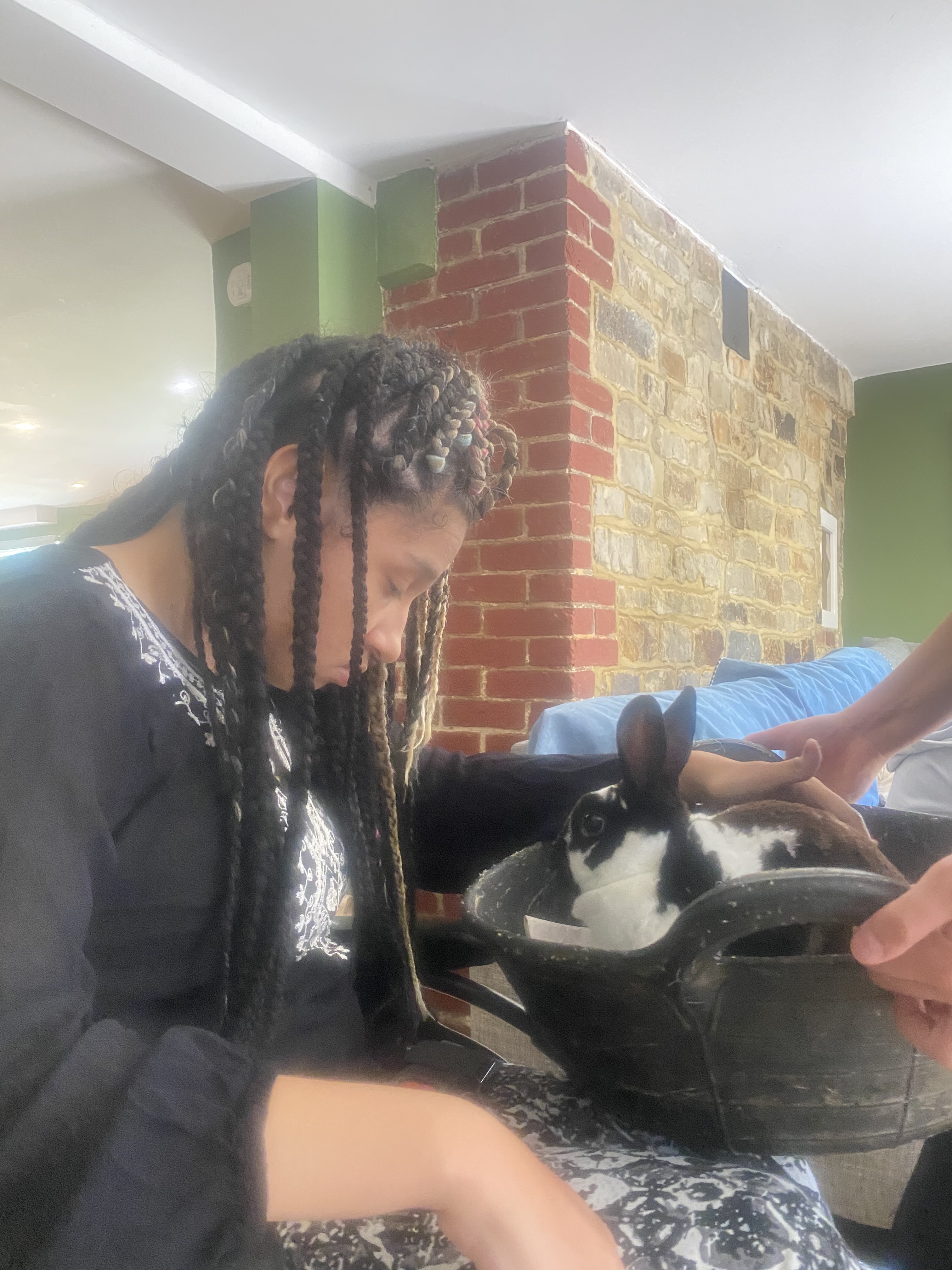
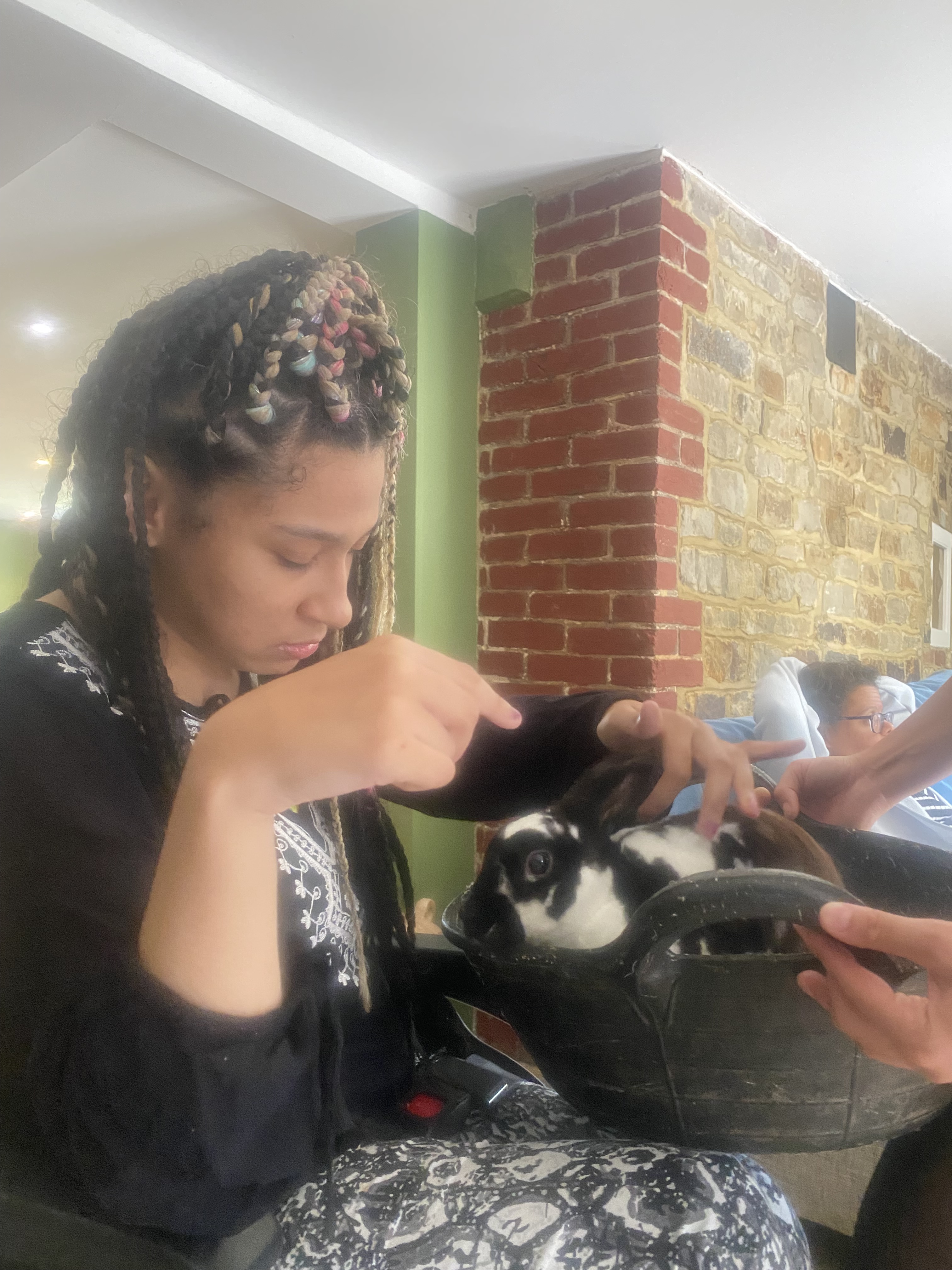
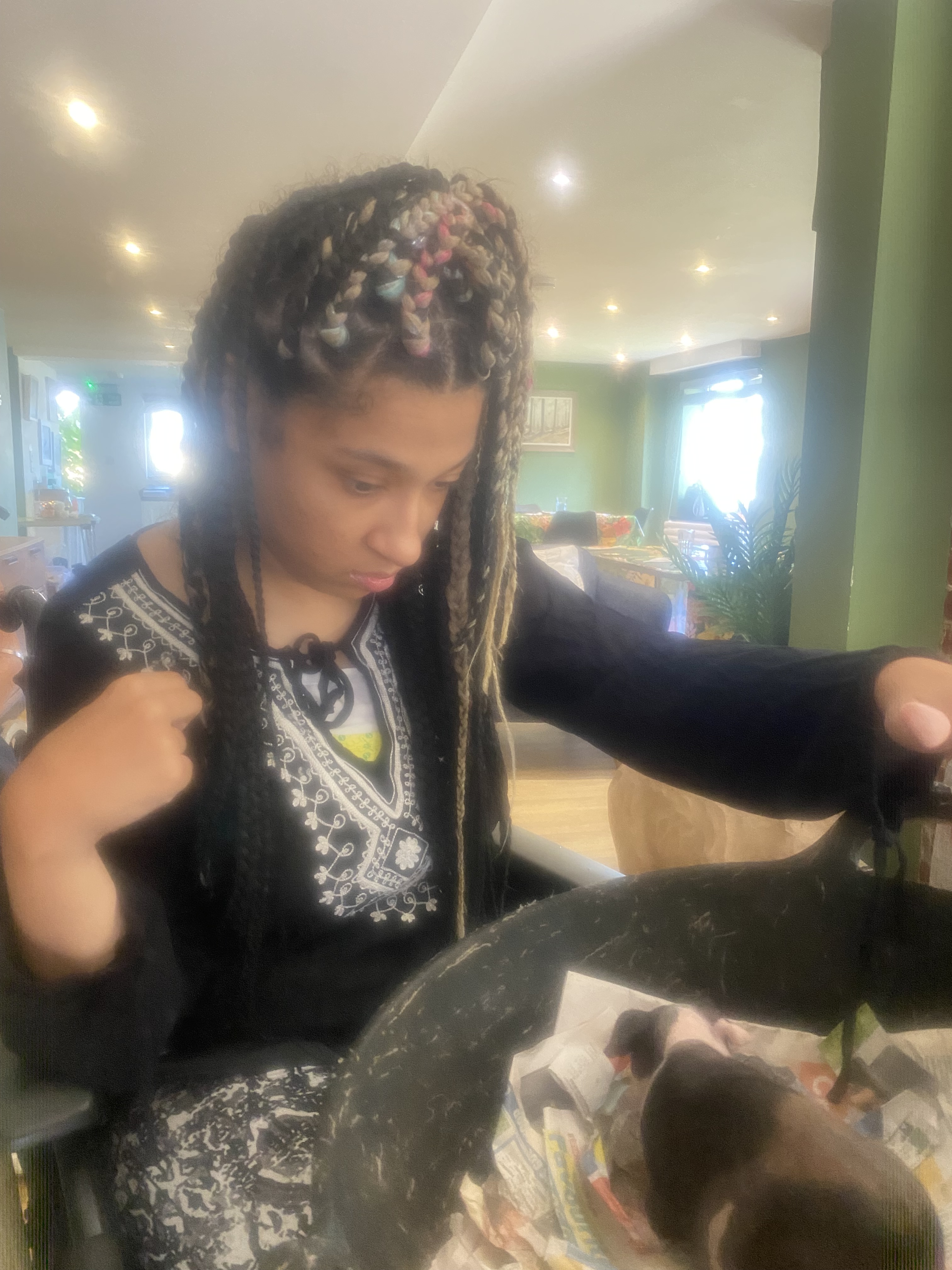
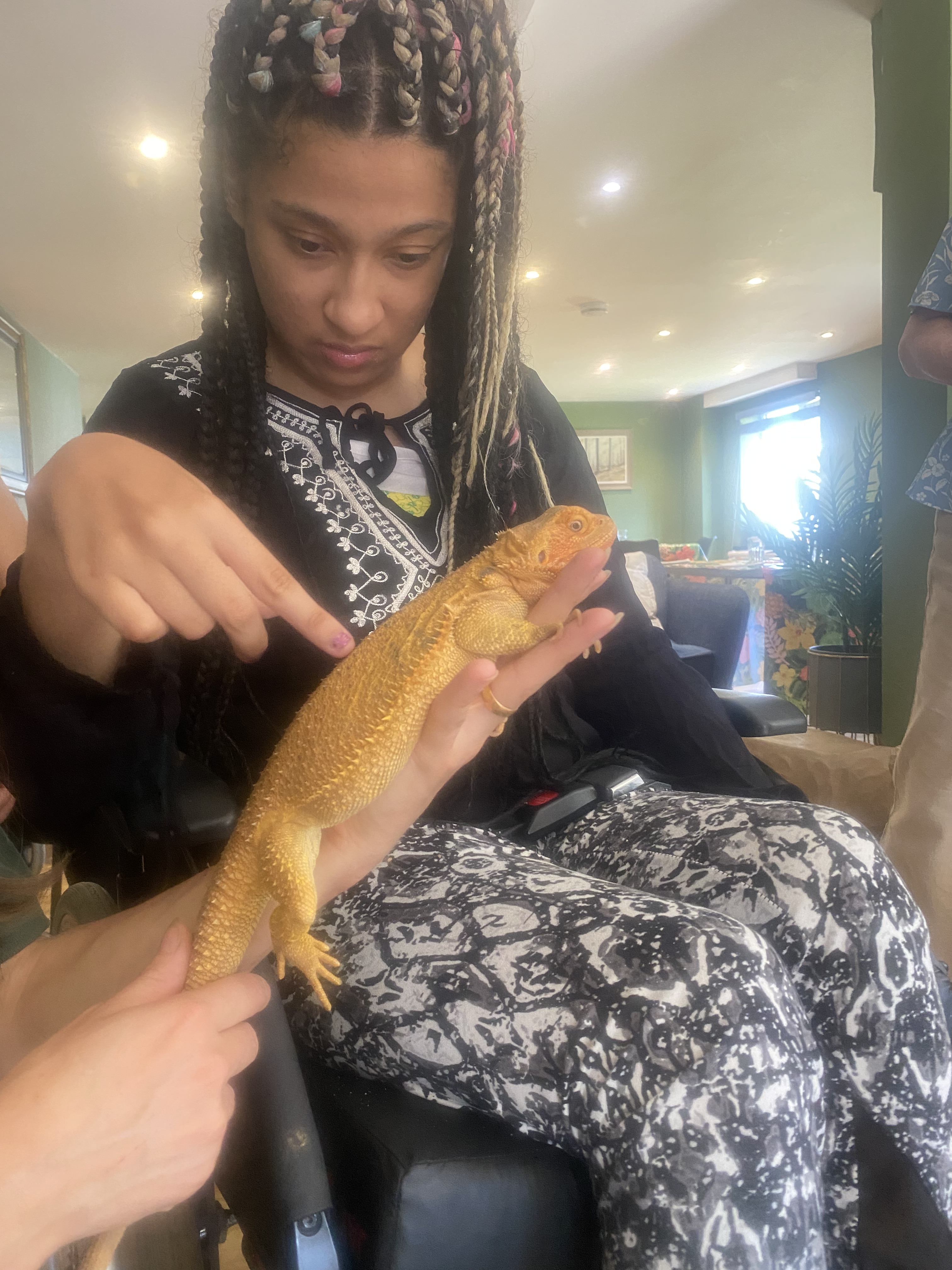
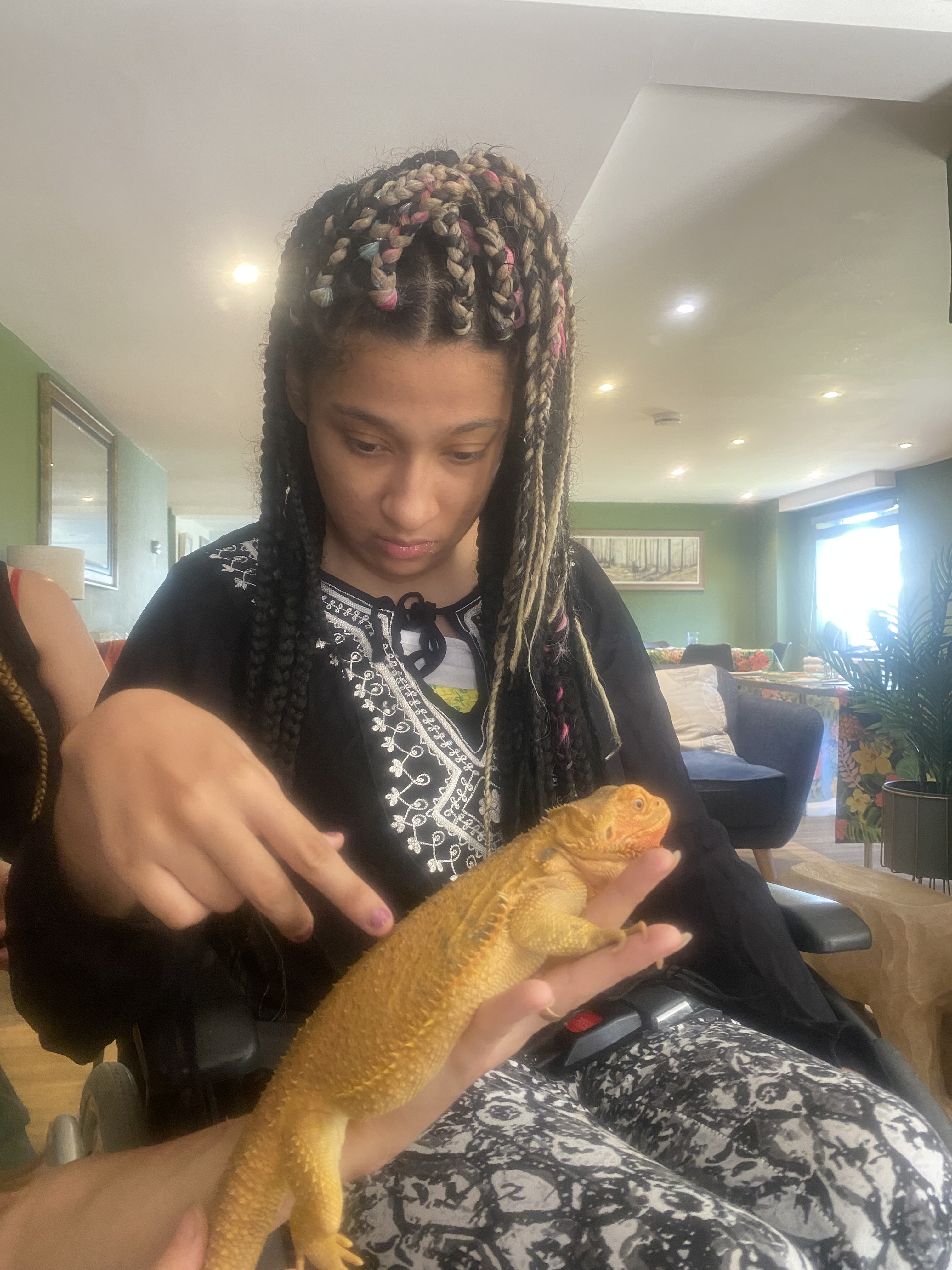
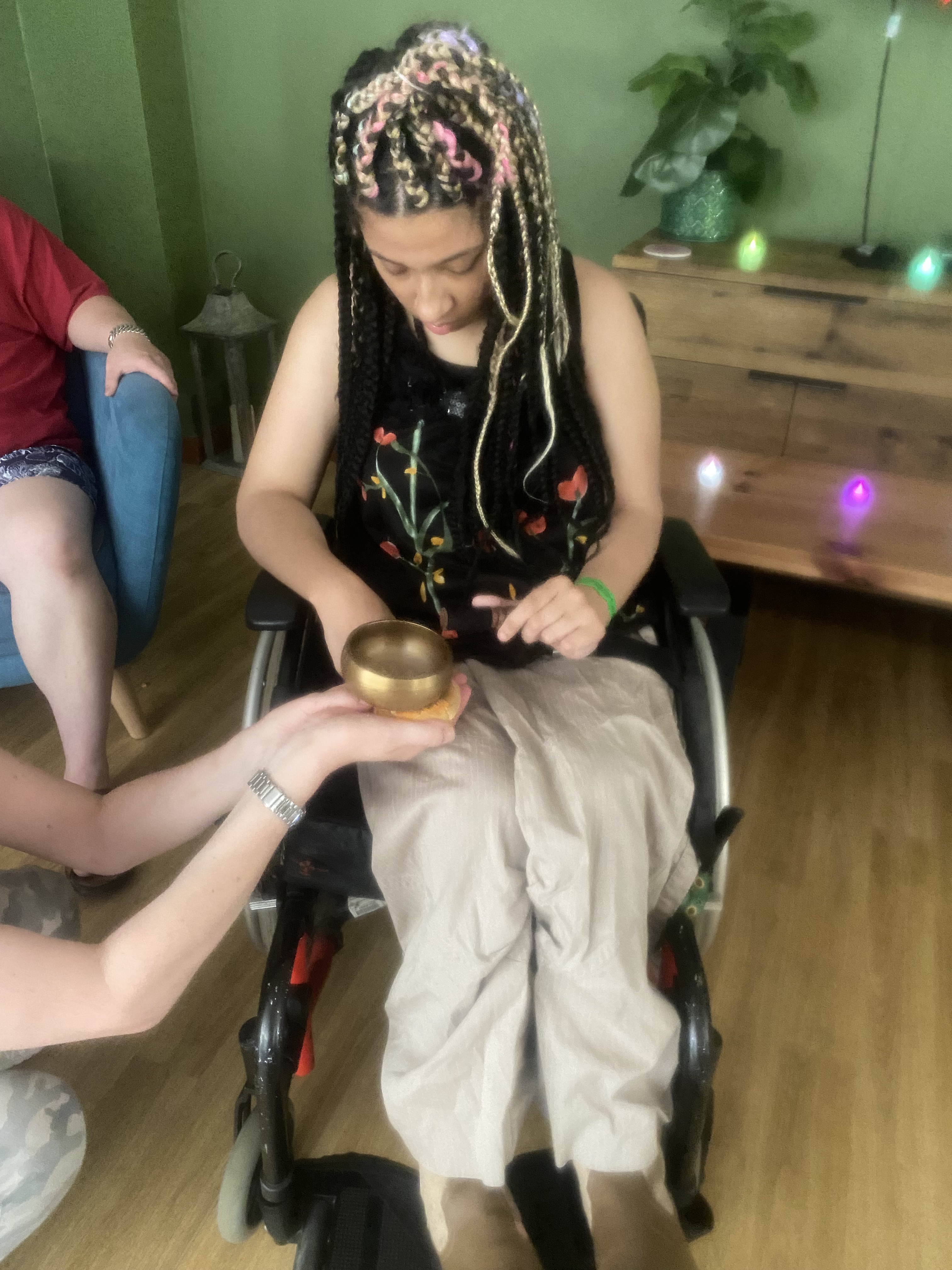
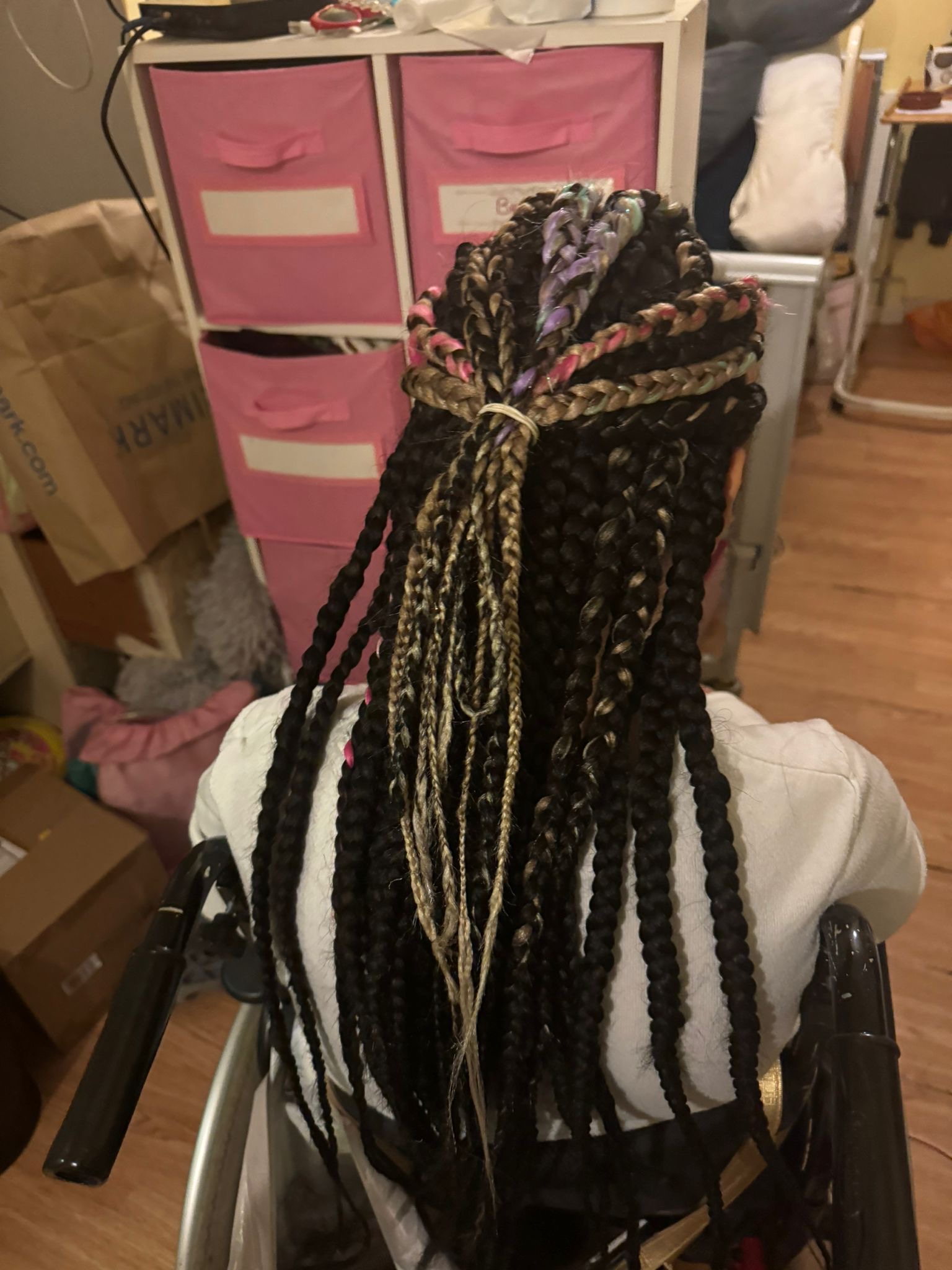
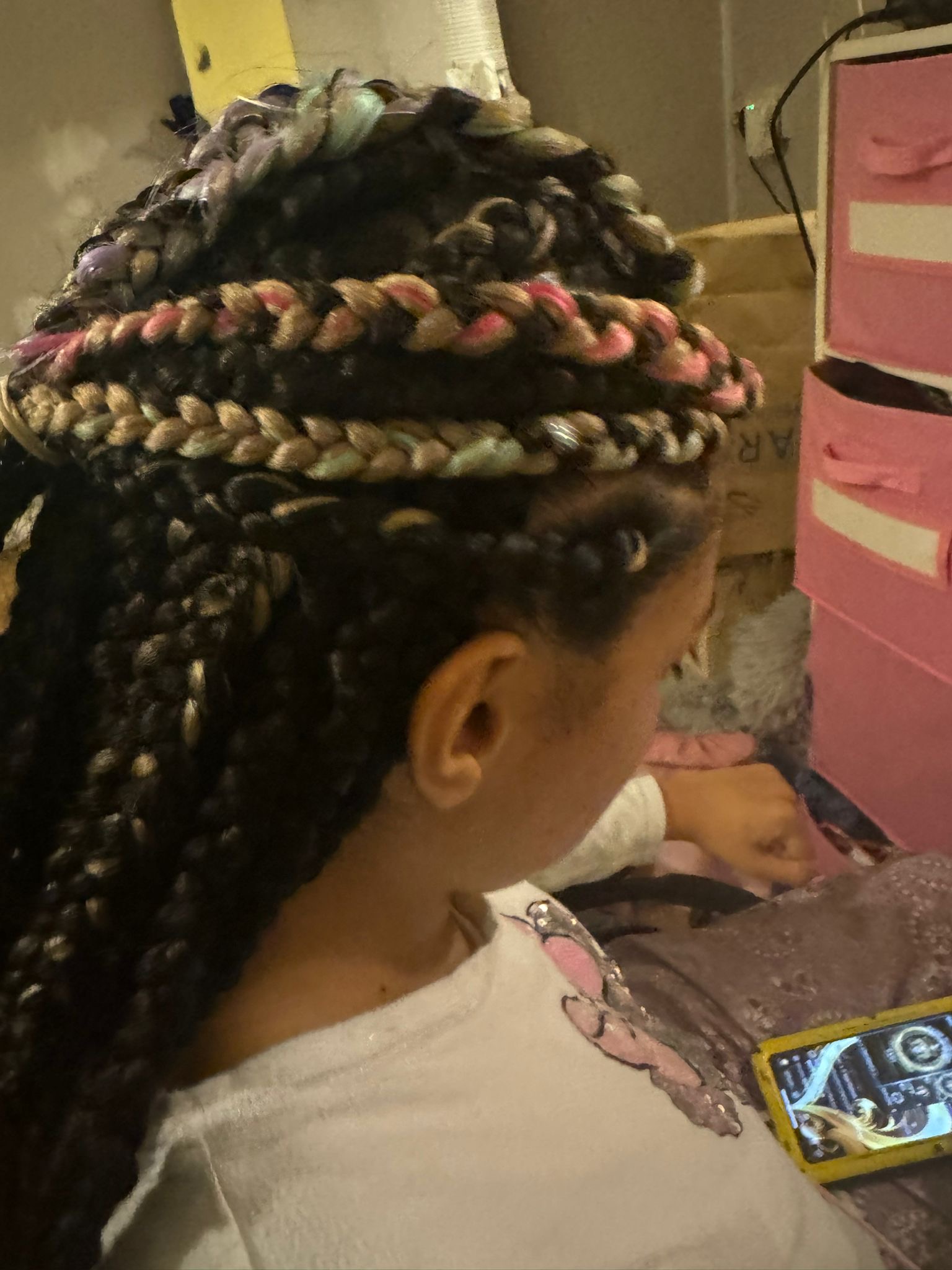
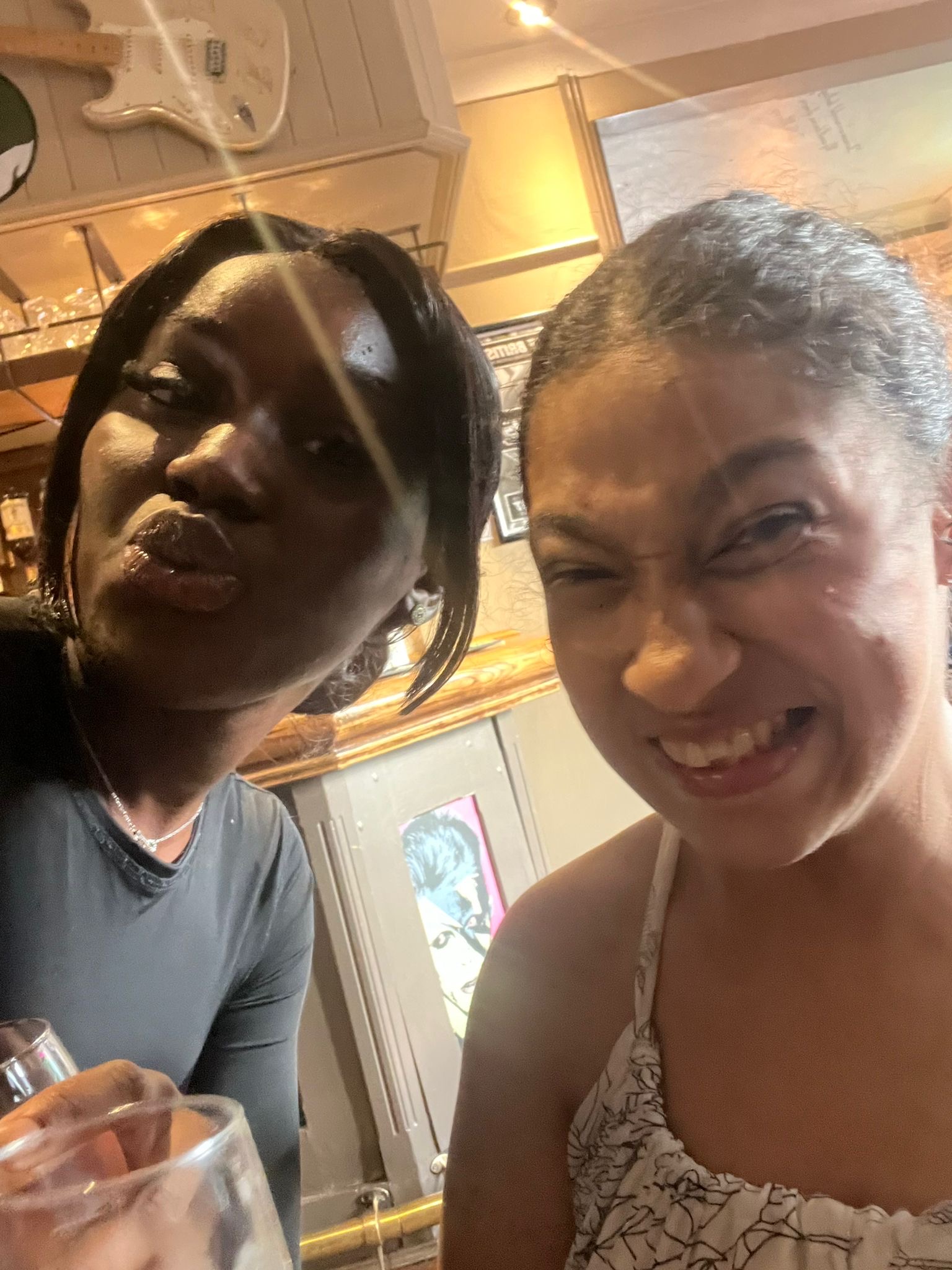
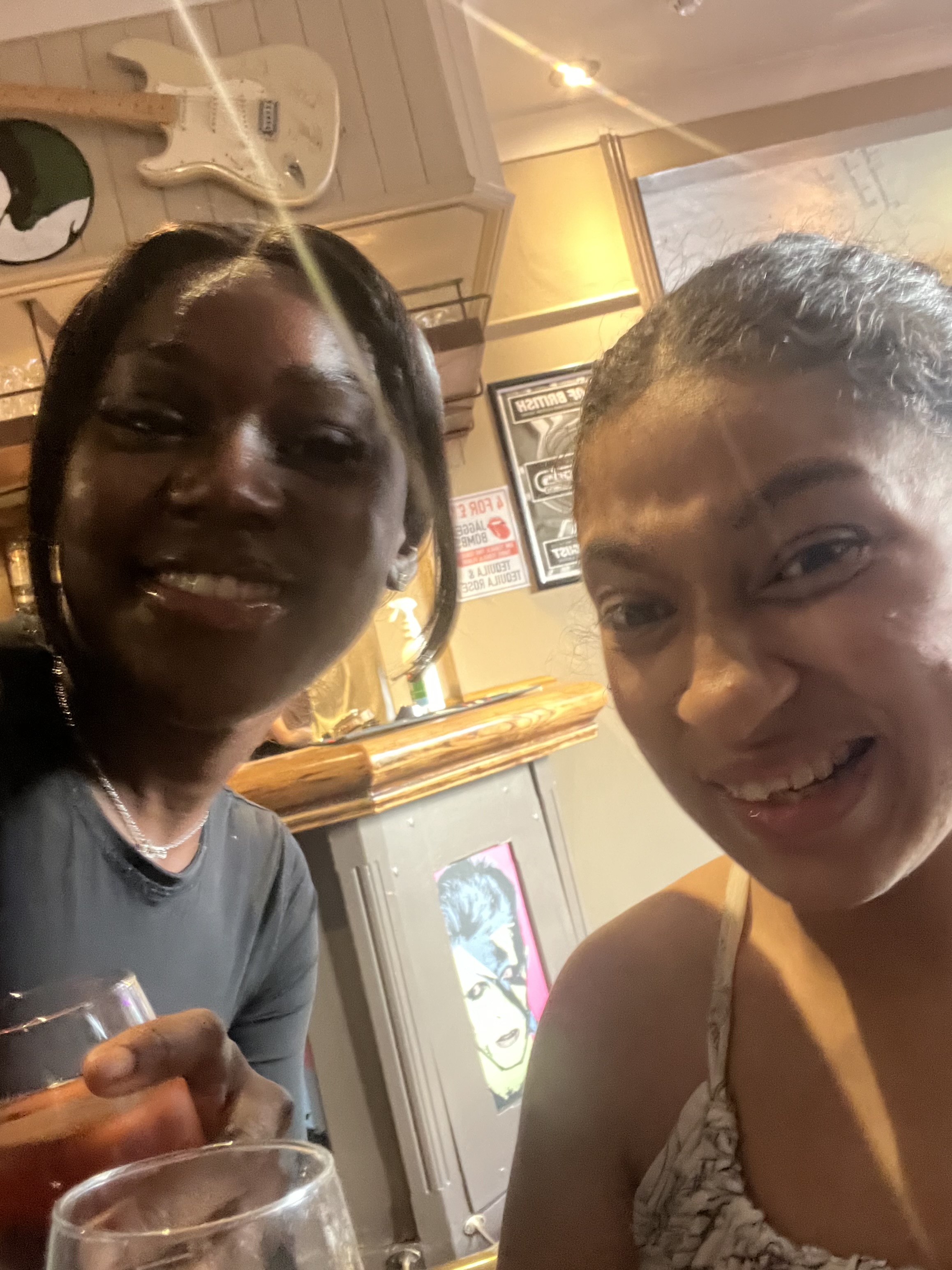
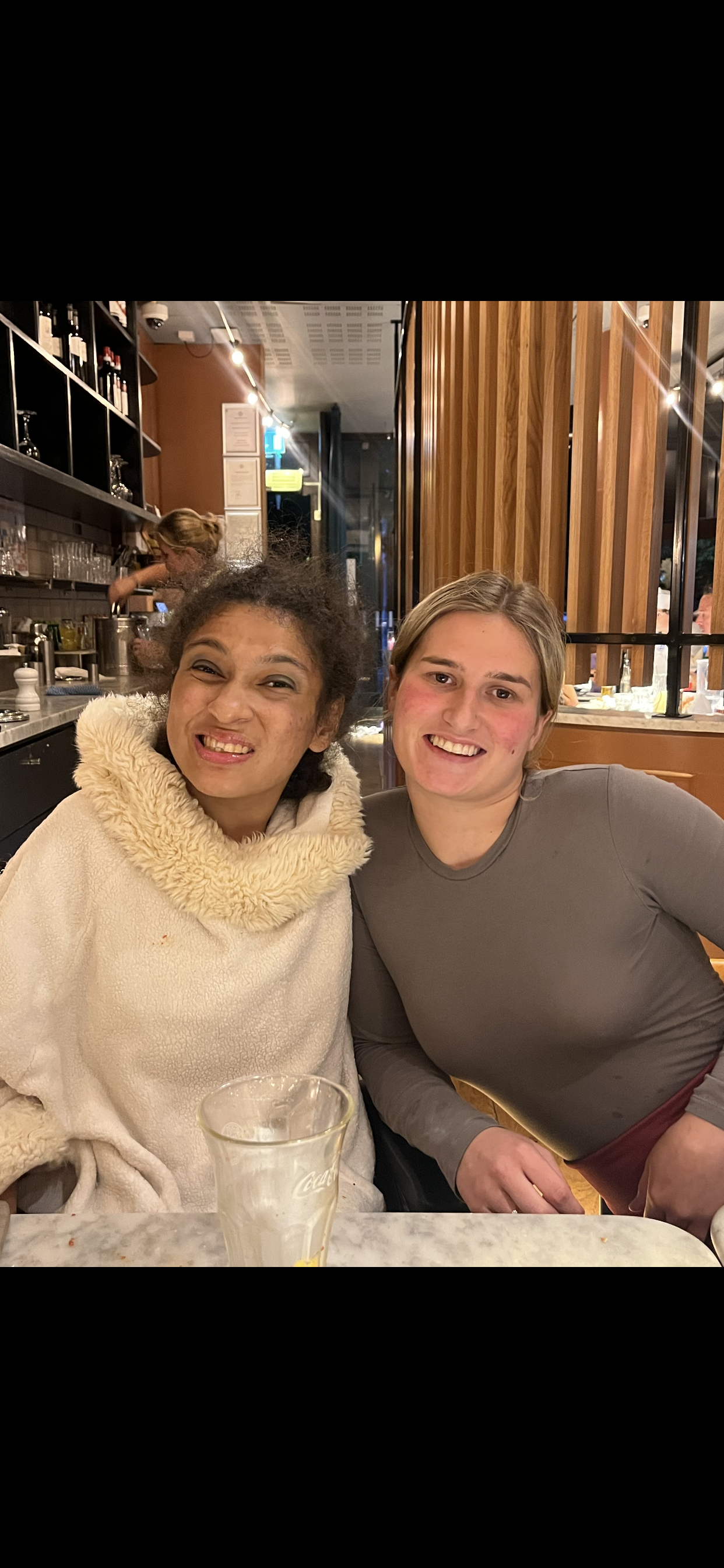
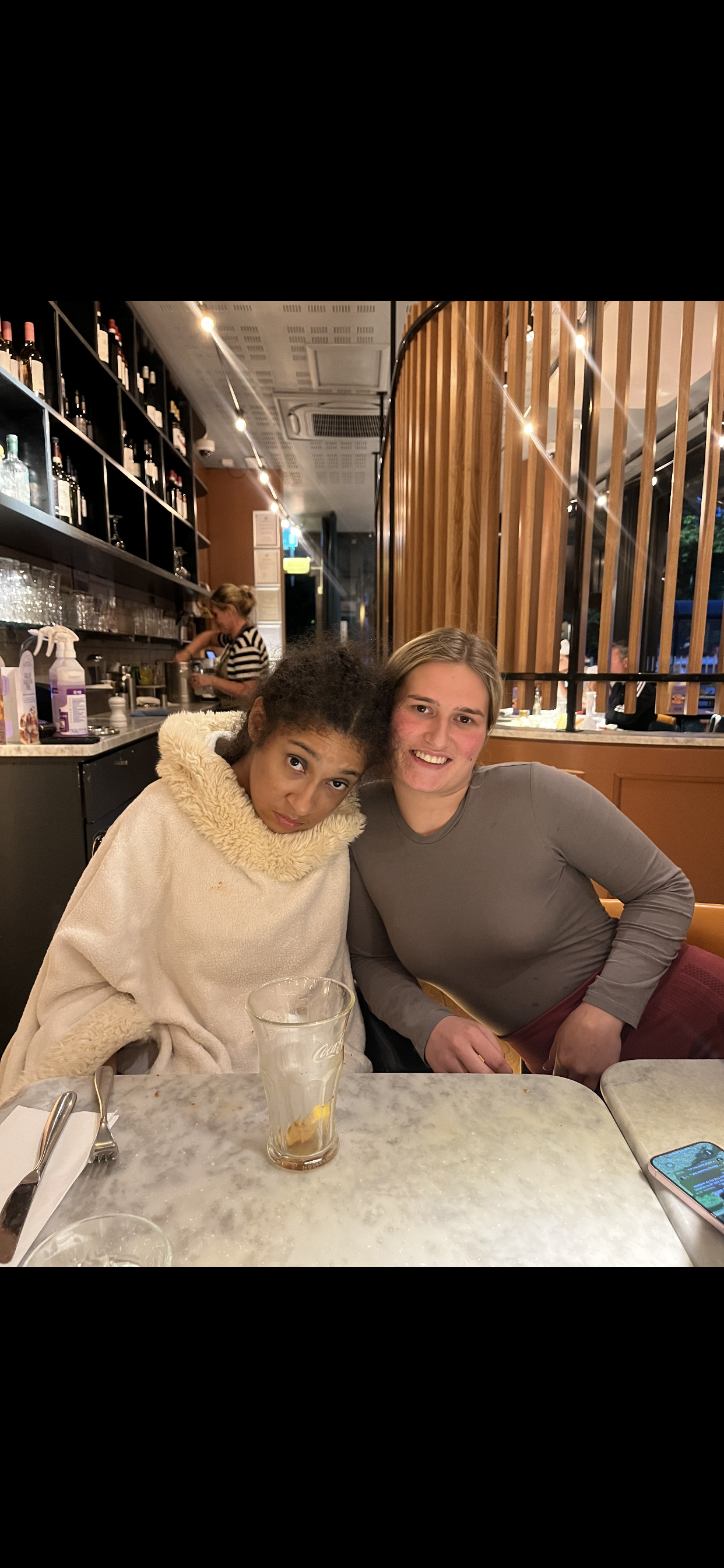
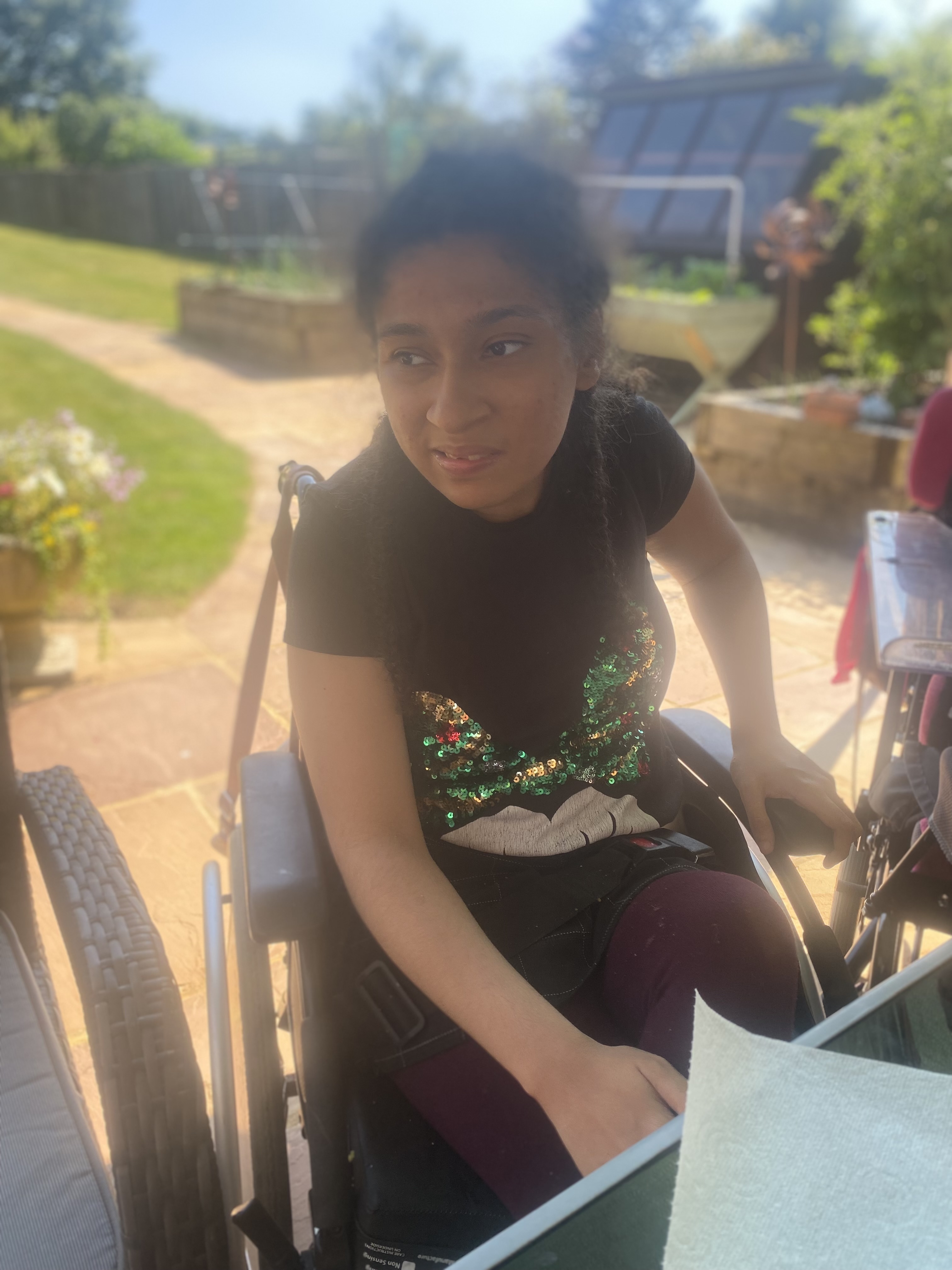
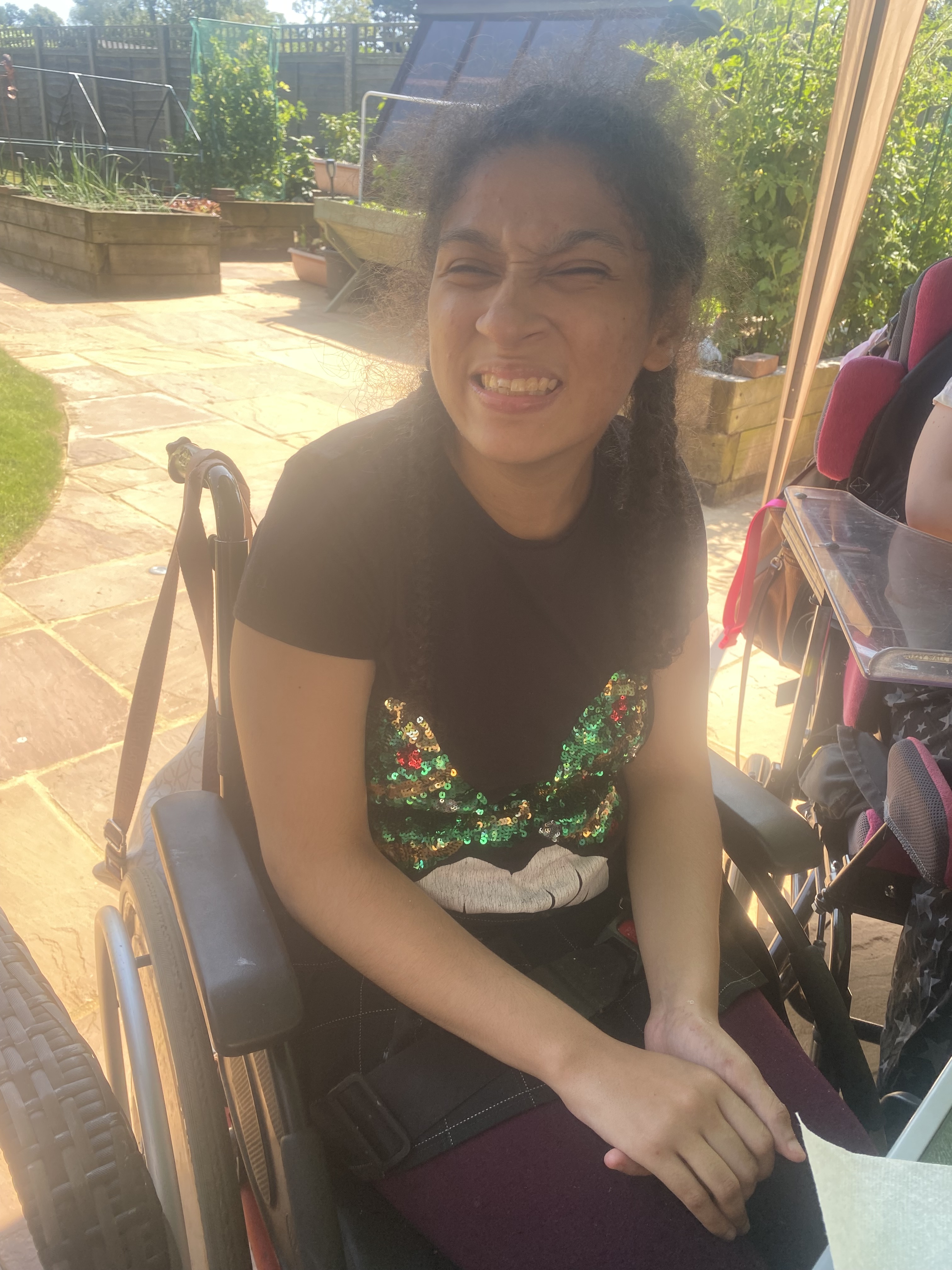
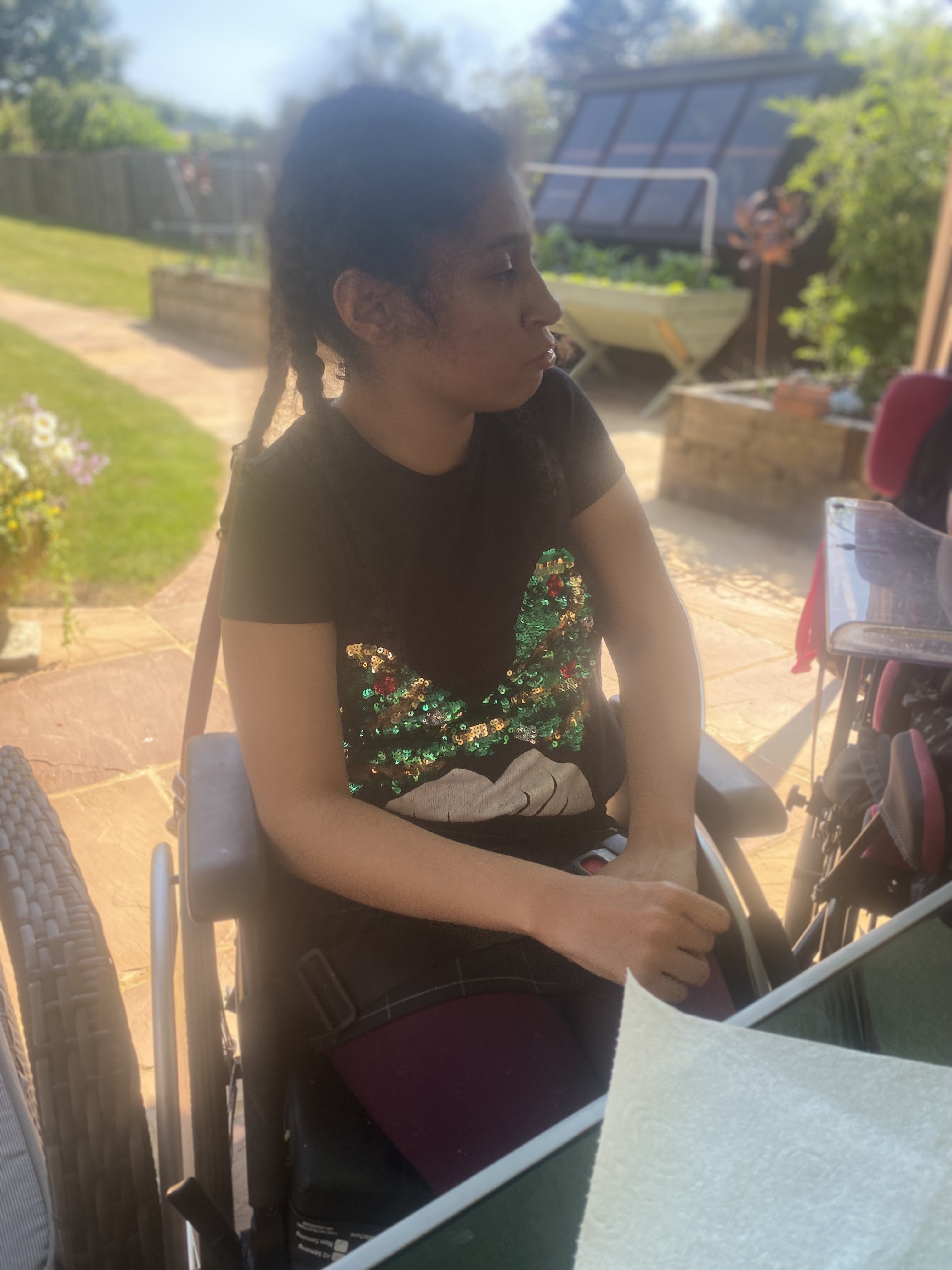
I finished new hair💕🐦⬛
hey my New has
good night saying for Saturday
pencil set item of the day
#Friends #3Memory #MeAndMarkCollege
positivity on this Friday
Hove Boxing Club Makes Sport Accessible
A boxing club in East Sussex says it wants its accessible coaching programme to be made available in other gyms across the South East of England.
Brighton & Hove Amateur Boxing Club’s adaptive boxing programme is backed by the World Boxing Council (WBC) and has weekly sessions for people with a range of disabilities.
Kieran Green, who has cerebral palsy and leads the programme at the club, says the gym teaches “a safer style of boxing – it’s not just for getting hit”.
The programme includes sessions for wheelchair boxers and people with Parkinson’s disease.
‘Fitness and fun’
Brighton & Hove Amateur Boxing Club first opened in 1946 and has seen Tyson Fury, Lennox Lewis and Chris Eubank walk through its doors.
The club wanted to make the sport more accessible and so developed a carefully planned programme to deliver training safely.
Mr Green explained the sessions taught a range of skills, including defence.
“It’s actually highly skilled, high tempo. It’s all about the fitness and fun as well as the sport,” he said.
Johnny Dawson-Ellis travels from Kent every week to attend the training.
“Being in a wheelchair is sometimes difficult. It’s good to get out the stress and it’s a great stress reliever to come down and do some boxing here,” he said.
Victoria Lacy has been boxing since 2019 and thinks other boxing gyms should run similar programmes.
She said: “Everybody has got this concept of a disabled person not being able to look after themselves, not doing their own stuff, and it’s far from the truth.”
Mr Green says he wants to see the programme rolled out to other boxing gyms across the South East, and, competing in exhibition bouts himself, also wants adaptive boxing to become a Paralympic sport.
what is that saying of
Staff were filmed hitting, kicking and leaving special school pupils in their own urine, the BBC has found.
Despite the school proving abuse in so-called “calming rooms”, some staff are still employed there and have not been barred from working with children.
Parents say they have not been allowed to see the footage and were misled about the use of isolation.
Whitefield School said it acted in pupils’ best interests and was not obliged to make barring referrals.
In 2021, a sealed box containing 44 memory sticks of CCTV footage from inside three of the rooms was discovered by new leadership at the school in Walthamstow, north-east London. It is one of the UK’s largest special schools with about 370 pupils.
The BBC then revealed a joint Metropolitan Police and local authority investigation had been launched into “organised abuse” by staff between 2014 and 2017 – when the rooms were closed.
Now, we have obtained confidential school investigations written by an HR consultant it employed to review the footage and staff conduct.
These reveal appalling abuse and neglect affecting 39 pupils, many who are not able to speak.
Six staff were proven to have abused children on the balance of probabilities but were not sacked – and at least one referral to the Disclosure and Barring Service (DBS) was recommended but not made.
From leaked school and council reports, information requests, and interviews with current and former employees, our investigation can reveal:
- Pupils were left alone in the rooms for up to four hours, with footage showing them naked, sitting in urine and eating crumbs off the floor
- Children were “slammed”, kicked and hit with force “without obvious justification”, while rhino pads – often used in rugby training – were deployed to push pupils inside
- The HR consultant identified more than 20 CCTV clips of excessive force and records of police notes described possible assaults – but despite this the Crown Prosecution Service did not recommend prosecutions
- A whistleblower who worked at the school describes what they saw on CCTV as “torture” – and says the rooms were worse than cells
The whistleblower approached the BBC because they believe the school’s investigations had amounted to a “whitewash”.
“You’ve ended up with staff with no sanctions against them, no learning or awareness, no serious case review to look at what went wrong,” they said.
The Children’s Commissioner for England says the BBC’s findings are “horrifying” and rules on seclusion should be tightened.
“There is no place for any of that behaviour and it needs to stop,” Dame Rachel de Souza says.
The BBC has spoken to nine of the 39 affected families who say they are still being denied answers. We have also seen evidence that one family has been misled by the police.
Many special schools use spaces outside of classrooms to address sensory needs or aggressive behaviour. But children were locked alone in Whitefield’s calming rooms, which were bare and without natural light. One was a former stationery cupboard.
Government guidance states that seclusion should only be used for an “appropriate” amount of time – but Dame de Souza believes these rules were “really stretched” at Whitefield.
One of those put in the rooms was David Gloria, now 20, who has diagnoses of autism, ADHD and OCD.
Despite school records of his placement, he does not feature in any of the 500 hours of footage handed to the police – highlighting the scale of seclusion at the school.
His father, Ricardo, says he asked about the use of the calming rooms when David started being placed in them and was wrongly told that staff always remained with pupils.
David soon began coming home distressed, leading his dad to grow suspicious. So Ricardo demanded to see the rooms and records of the times his son was put there.
The BBC has seen one observation report of a three-hour placement.
In it, David is clearly upset, recorded crying on 38 separate occasions over the period, asking to leave throughout. He is also observed saying he is “confused” and “does not understand” why he is there.
Significant self-injury is recorded – the boy slaps and punches his head, hits his stomach and throws himself into the wall. After two hours, David is twice observed urinating but is not allowed to leave.
After about three hours, the staff member records he would now be returned to his classroom to “recover”.
Education consultant Elizabeth Swan told the BBC the report alone warranted a voluntary DBS referral against staff monitoring David.
His father Ricardo, a police officer, visited the room and said it was worse than a prison cell. He spotted a CCTV camera inside and demanded staff show him one of the videos.
Ricardo says the footage shocked him. He says it begins with David being “assaulted” by staff who put a knee in his back and pushed him inside the room – force which is not recorded in the written observation. He was then neglected.
“My son was in a panicked state and crying and self harming, begging them for water and food and they just ignored him – it’s torture,” Ricardo said.
The boy who appears in more of the original CCTV footage than any other – over 55 hours – is Ashley. He was 12 at the time.
His family says his time in the calming rooms led to him being sectioned in 2020 – his escalating behaviour included him recently jumping out of a moving car.
Ashley is now 22. His mother says his anxiety has become so heightened he rubs his head on the floor so aggressively he has big sores from carpet burns.
“It’s so unbelievable that you could keep a human being in a room the size of a cupboard and expect them to be OK,” Sophie says.
“I thought he was being placed into a sensory room with beanbags and nice colourful lights.”
The leaked documents describe a staff member pinning him up against the wall of a room and hitting him with such force his body is recorded as “jolting” before he then becomes unsteady on his feet.
The external consultant found that the incident constituted proven physical abuse and said the teacher had shown no remorse or concern for Ashley’s welfare when interviewed, suggesting a “potential absence of learning”.
She concluded that the teacher should be dealt with under the school’s disciplinary policy with a referral made to the DBS.
But the BBC has learned this was not made and they continue to teach at the school – a decision Elizabeth Swan describes as “unfathomable”.
This staff member who appeared to strike Ashley was also not prosecuted, despite being interviewed by the police in relation to over 40 video clips of concern.
The same teacher also fleetingly appears in footage visiting a child inside one of the rooms after the pupil had wet themselves and wiped their face, according to the documents.
The child later appears to pick crumbs off the floor and is finally dressed – without being cleaned – about 90 minutes after arriving. On a separate occasion, a non-speaking child is left sitting in urine.
Another mother, Halima, says the school only told her that her non-speaking son, Abdulahi, had been placed in the rooms on two occasions, but he appears in 11 videos passed to the police.
Separately, the Metropolitan Police has told the family about a single “stand-alone isolated” incident. But the BBC has learned of another occasion where he was repeatedly pushed – in what records of police notes described as a “possible assault” with him then having been left alone walking on his knees, crying.
The BBC’s findings highlight how children have more rights in young offender institutions than in school seclusion, safeguarding expert Elizabeth Swan says. She says a youth custody regime with no external scrutiny had, in effect, been enabled at Whitefield.
Dame Rachel de Souza believes the significance of the failings means a referral should be considered to the national safeguarding board, which reviews cases for learning.
She says staff proven to have abused children should be sacked and that DBS referrals should be made when they have been advised.
Flourish Learning Trust, which runs the school, told the BBC that a new leadership team had taken over after the calming rooms had been shut, shared the footage with the police and learned from the failings.
It said some staff had resigned since its investigations were completed but three who returned have received extensive training. It said it complied with employment law and the local authority, Waltham Forest, was content with its conduct.
Separately, one staff member was sacked by the Trust. But the Trust added it was not legally obligated to make DBS referrals for the six staff members who were not sacked despite its investigation findings proving they abused pupils. The school says this is because they were not removed from their roles – but had rather been suspended.
Government guidance says suspension qualifies as removing a staff member from a role. The DBS also told us the duty to refer staff is not altered by a decision to suspend them.
We asked Waltham Forest why it had not made the referrals itself, given the severity of the abuse proven by the consultant. It said it acted in accordance with requirements.
The BBC has also learned that the use of seclusion varies widely in England. Information requests received from 375 special schools revealed that 50 schools isolate pupils in rooms on occasion, typically involving monitoring of them through doors or windows, or on cameras. A handful said pupils can be locked in the rooms.
A government spokesperson described the abuse at Whitefield School as “abhorrent” and said its guidance on seclusion provided clarity on the difference between punitive and non-punitive use.
Parents have repeatedly requested footage of their children inside the rooms from the police and local authority investigation.
They say the Met Police has blocked its release and either told them it is too distressing or would breach privacy law.
The force says it is unable to comment while enquiries continue into non-Whitefield staff, understood to relate to other professionals who may have had knowledge of concerns.
Wheelchair user Kat Watkins has said a doctor assumed she was not having sex because of her disability.
The 37-year-old from Swansea said she was also told she was “a very odd shape” by the consultant while having a smear test.
She is one of more than 30 adults who told BBC Wales Live they have faced barriers to healthcare due to their disabilities.
The Welsh government said it was “very disappointing” to hear these stories.
Due to her condition, osteogenesis imperfecta – which creates brittle bones – Ms Watkins said gaining proper healthcare is almost impossible.
She said she now avoids seeking medical attention due to her “traumatic” past experiences.
“I’ve been fighting for the last 37 years to get through barriers and they’re still there. So for me they’re more than just barriers, it is a constant battle,” she said.
Ms Watkins described the smear test, saying the consultant recommended cancelling them in the future as she was not sexually active at the time.
“He was making the assumption that I wasn’t having sex because I’m a disabled person,” she said.
Despite telling staff the best way to position her body, she said they also treated her like a “textbook example”, rather than as an individual.
It meant she had to revisit several times until they were able to obtain a result.During another visit to hospital she said she felt she was not listened to or believed by staff when she told them she had broken several bones in her leg – it was later confirmed that it was broken in five places. “I got a letter back to say the doctor had done everything correctly and they couldn’t see any problems,” she said.
“I was heartbroken, I was completely dismissed – all my feelings were dismissed.”
Swansea Bay health board said it could not comment on individual cases but it would be happy to discuss Ms Watkins’s concerns with her.
‘I was failed completely’
Michelle Penny has never had a smear test due to lack of access and, like Ms Watkins, she feels failed by the healthcare system.
“I just hope and pray that nothing is going wrong, I’m crossing my fingers and hoping for the best,” said the 39-year-old.
She has been left almost bedbound by Myalgic encephalomyelitis and struggles to leave home to attend medical appointments.
“Everyone needs healthcare of some type, but if you can’t get to them then you’re failed completely,” she said. Ms Penny has not seen a GP in around six years, and has routine asthma appointments over the phone – but says it is not satisfactory. “You could tell them anything they’d have to believe you because they can’t see you,” she added.She has backed calls for at-home tests to detect for HPV, which are currently undergoing a trial in England.
Other examples people shared with Wales Live include:
- A man said that, during a fit he couldn’t control, he heard staff say he was doing it on purpose
- A women said a lack of ways to contact her surgery puts her off contacting them after it recently took 339 attempts to get through on the phoneline
- A deaf woman claimed she had her BSL interpreters cancelled by a hospital, as they had seen her speak and so assumed she could lip read
- A women said private tests confirmed that new symptoms weren’t a part of her existing disability after NHS doctors insisted that they were
“We see a lot that many who have had battles and barriers with healthcare, no longer have anything to do with it, as a result they say they have new impairments or conditions have worsened,” said
Alex Harrison, disability equality officer at Disability Wales, said that many people who have “battles” with healthcare simply disengage from it.
“As a result they say they have new impairments or conditions have worsened
Wales has the highest proportion of disabled people in the UK at 26%, according to the organisation, and Ms Harrison said communication is a common barrier many can face to healthcare services.”Many feel like they’ve just been ignored or are too much work to engage with,” she said.
“We hear so much that people are just waiting and waiting for contact and then it never coming.”She believes disability equality training and more opportunities to feedback is needed to create change.Ms Harrison added: “Training should be delivered by a disabled person and we also think the creation of some advisory groups for health boards that people with different conditions could sit on, could engage with them and hear lived experience.”
The Welsh government said: “It’s very disappointing to hear these stories and we expect people with disabilities to be listened to and treated respectfully when they access NHS services.”Our Disability Rights Taskforce is working with disabled people and organisations to make recommendations to improve the lives of disabled people in Wales.”
Ministers Seek To Overhaul PIP
Disabled people could face major changes to how the personal independence payments (PIP) benefit works, as the government tries to tackle the rising number of claimants with a mental health condition.
Reforms to PIP could include stopping regular cash payments, and instead offering claimants one-off grants for things like home adaptations.
The number of people claiming PIP in relation to anxiety and depression has soared in recent years, leading Prime Minister Rishi Sunak to say on Monday: “We need to do something about that.”
The disability charity Scope described the plans as a “reckless assault on disabled people”.
The plans are subject to a 12-week consultation, ending on 23 July.
It is highly unlikely there will be enough time to implement the changes before the general election, which is expected to take place by the end of the year.
How much is PIP? Who can claim it?
PIP was introduced in 2013 to replace Disability Living Allowance for people of working age to help with extra living costs caused by long-term disabilities or ill health.
How much people are given depends on how difficult they find everyday tasks and getting around. The maximum weekly payment is £184.30.
You can claim PIP whether you have a job or not – and many claimants have told BBC News disability correspondent Nikki Fox the payments are essential to help them stay in work.
The most recent statistics, external say more than 3.3 million people in Britain receive PIP to help with the extra cost of living with a health condition or disability. Some claimants are of retirement age but are eligible because they received support when they were of working age.
The cash can be used for things like special diets, additional laundry, accessible transport and higher insurance costs.
The government says spending on PIP is expected to grow by 52% from 2023/24 to £32.8bn by 2027/28.
The number of monthly new claimants in England and Wales, where the main condition was anxiety and depression, grew from an average of 2,200 a month in 2019 to 5,300 a month last year.
And the government says the rise to the benefits bill is “unsustainable”.
In Scotland, PIP is being replaced with Adult Disability Payment, external.
Paul Harris, from Barnard Castle, gets £72.65 a week in PIP payments to help with extra costs associated with his anxiety and depression – such as for specialist therapy apps and counselling.
He stopped his job as a property manager in 2016 after developing panic attacks that got so bad he would burst into tears in the office and lock himself in the toilet.
He has not been able to work since then and says PIP is the “last stronghold” of benefits that can support him.
Mr Harris said: “I used to call myself zero, because I had zero money coming in. I had no job… so in a weird way, just a little bit of money coming in just sort of changed those thoughts.”
He does receive employment and support allowance, but cannot claim job seekers’ allowance because he says his mental health is a barrier to applying for jobs, despite previously seeking support from the Jobcentre.
He said the money he receives “does not solve the problems”, adding: “It’s not a miracle cure – it doesn’t mean we can go off on holidays and live this frivolous lifestyle.”
Mr Harris does not believe there is enough long-term support available for those with mental health issues.
night pay for all thank you to all my blogging family
I am of the day and
saying of positivity and selfie of the day
honeybee dinner plate item of the afternoon
honey, honey bee https://amzn.to/3UBQc1D
just giving for respite care for those that want to know
Katie Price Fighting To Keep Harvey At College
Katie Price is fighting to keep her son at his residential college in Gloucestershire.
Funding for Harvey, who is autistic, to stay at National Star College, near Cheltenham, could soon be stopped by Katie’s local authority.
West Sussex County Council plans to cut the financial support this June. But the TV star has now appealed the decision so her 21-year-old son can stay at the college for another year.
The council has been approached for a comment.
Speaking on The Katie Price Podcast, she said: “Anyone who has got a child with needs or anything like that, you do like EHCP forms, statementing to keep them in or get them to another school.
“So I’m doing that with Harvey because obviously the government, they pay for his schooling.
“So I’m filling that out. We’ve appealed it. So I’m just sorting all of that out.”
The former model had previously told fans that it was a “nightmare” sorting out where Harvey would live.
Harvey, who also has Prader-Willi syndrome, septo-optic dysplasia and a learning disability, has been at the college since 2021.
“With someone like Harvey you need the transitional move, you need to do it slow,” she said.
“I’m trying to find somewhere nearer or something for Harvey but three months isn’t a long time.”
The family filmed his move into the college as part of BBC documentary Katie Price: Harvey and Me.
Candid scenes showed the highs and lows for Harvey as he settled into his accommodation, and living without his mum for the first time in his life.
National Star College did not want to comment on the case.
tea for Sunday
item of the day for you all for Sunday
Amazon Pinterest
phone case for smart phone
women’s pyjamas, Odae style black grey and pink all in one
Women’s pyjama https://amzn.to/3Wi6yO7
pyjama Odae style men’s pyjamas
white leather jacket
pick up two trousers loose fitting red and black
candy floss looking feather chandelier
https://amzn.to/3wjY2nd
yellow we golden bedding set
Lemon versus rain for you all
no emoji notes on your fridge
same of the evening for you all as well as good
but I’ll be in summer outfit
ha incorrect cat necklace for women
perfect design for small dogs
frog shaped dog bed
body wash flannels
https://amzn.to/3WdVvpm
wallpaper suitable for nature lovers bedroom
toy Sweetcreek pro
play birthday cake for imaginative play
Sophie of the day
evening saying/good night
Northants Guide Dog And Robot Best Friends After Date
A guide dog has conquered her fear of delivery robots after going on a date with one.
Amelia, a Labrador from Raunds in Northamptonshire, reacted badly to Levi the robot when they crossed paths during a walk.
The delivery company that owned Levi invited Amelia to its depot to try to break the ice.
And Amelia’s owner said the technophobic dog was now taking electronic couriers in her stride.
White boxes on wheels with aerials sticking out of them have become a common sight in some towns and cities as they trundle down pavements and across roads delivering takeaways and packages.
But David Holmes, Amelia’s owner, discovered that, while the robots may be familiar to most people, they were new to Amelia.
He said: “Amelia took me to the kerb, and she started barking, growling and pulling me into the road.
“I heard a little trundling noise behind me. Obviously, I didn’t know what it was, and when I got home, my wife said to me ‘did you meet the robot?’ and then it all clicked.”
Mr Holmes posted about his experience on social media and it came to the attention of Gareth Chisholm, general manager at DPD’s depot in Milton Keynes.
He said; “I wanted to reach out to see if we could do any sort of acclimatisation and make the dog and the robot best friends.”
He brought them together at the depot to see what would happen.
He said: “We didn’t really have a plan of how we were going to introduce them – we knew we had to do it slowly with treats.
“She started off very apprehensive, but once the treats came through, she got more involved to the point where we were able to walk the robot past Amelia with very little reaction and she got more and more accepting of it being in the area.”
The tests were then repeated on a pavement outside the depot, to reflect a real-life environment.
Amelia passed with flying colours. She did not react to Levi’s presence.
Soon afterwards, Mr Holmes discovered that the familiarisation session had really worked.
He said: “I went out for lunch and I had my wife with me and she said there was a robot there.
“Because Amelia didn’t react, I didn’t know.”
Last item of the day
some of the early evening for you https://amzn.to/3wk0bzg
item of the early evening for
Amazon private Pinterest update for you
second positivity painting/saying good day for you all
positivity saying of the day for you all
Guide Dogs Taught To Deal With Delivery Robots
A sight-loss charity is teaching trainee guide dogs how to deal with delivery robots after owners reported their pups were unnerved.
The Guide Dogs training centre in Leamington Spa has teamed up with the firm behind the tech so dogs-in-training could be familiarised with it.
Starship Technologies donated a robot shell to the charity and pledged to support working dogs reacting to the machines on the streets.
Staff at the charity said they were “really pleased” with the progress already made by apprentice guide dog Vinny, external.
Autonomous six-wheeled delivery bots travel on pavements to deliver food, groceries and packages.
They were introduced in Milton Keynes six years ago and since expanded to towns around the UK, with firms such as the Co-op and DPD opting in.
Guide dog trainer Paul Lennon explained a couple of service users had highlighted dogs’ “strange reactions” to them.
“We expect the use of them to really go up over the next few years,” he said.
“We really wanted to have a training aid [to make sure] they’re not going to be held back by things that they meet on the streets.”
Golden retriever Vinny’s training introduced him to the static bot in a room strewn with boxes, toys and sniff matts, with movement incorporated later.
Scattered treats fostered a “positive association”, Mr Lennon explained, adding he was “really pleased” with the two-year-old’s progress.
“We’ll do this time and time again just to make sure that the dogs are really happy with it,” he said.
Ryan Holroyd-Case from Starship Technologies said its partnership with the charity would deepen their understanding of how guide dogs interacted with the tech.
“Over the years we’ve conducted testing with guide dogs to observe their reactions,” he said.
“We’ve found many dogs work very well around our robots without distraction, but some need a little more support.”
The Leamington-based guide dog training centre is the largest in the country, supporting about 250 owners in the area.
“I was frustrated, lonely and unhappy during lockdown.”
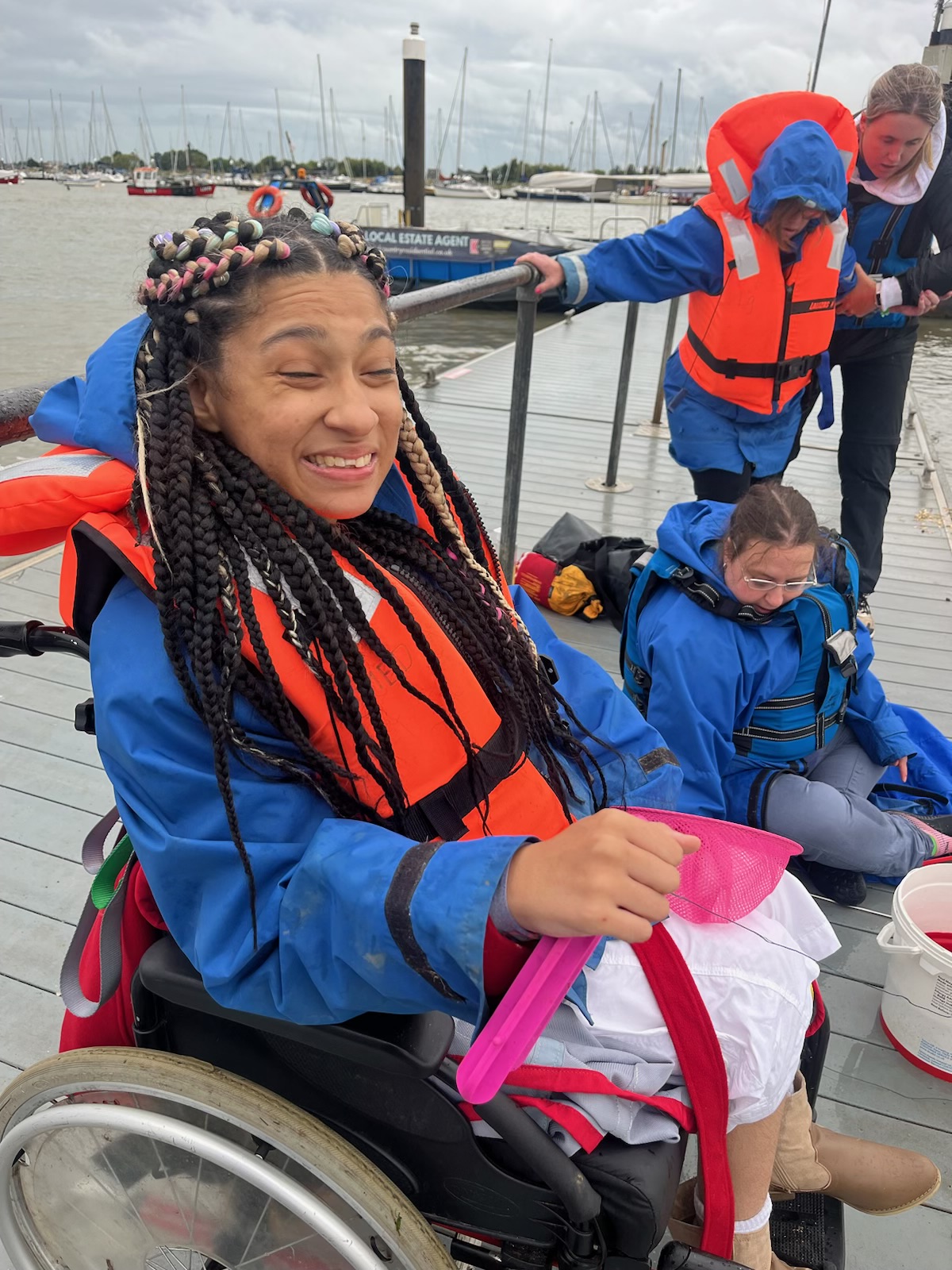
That was the experience of Peter Livingstone during the pandemic, and he hopes the UK Covid-19 Inquiry will examine how people with learning disabilities coped.
He was speaking during an event to mark the inquiry arriving in Northern Ireland next week.
Peter, who is 35 and has disabilities, moved back to live with his parents during the pandemic.
He said being isolated from his friends during lockdown was tough.
“I was so lonely and when I had to go into hospital for treatment it depended on which matron was on if people were allowed in to visit me,” Peter said.
Not being able to see family members was stressful and sad, he added.
Peter hopes people with learning disabilities will be given a voice so lessons can be learned and views recorded for the future.
Senior politicians, health officials and key decision makers who were charged with guiding Northern Ireland through the pandemic will appear before the UK Covid Inquiry from 30 April to give evidence.
Secretary to the inquiry Ben Connah said he wanted local people to continue coming forward to tell their stories and help shape the final report’s recommendations.
Speaking at the Ulster Museum, where an exhibition marks key moments of the pandemic, Mr Connah said the inquiry’s presence in NI was important.
“The inquiry will be examining the core decision making in NI and hearing stories from members of the public to help the inquiry build a fuller picture of how the pandemic affected local people and the UK as a whole,” Mr Connah said.

He said it was not too late for people to get in touch.
Bereaved Families for Justice in Northern Ireland have said they are not satisfied with aspects of the inquiry and have called for Northern Ireland to have its own separate investigation.
Mr Connah, who has met families on numerous occasions, said he had tried to reassure them that their stories and concerns were important and key to the inquiry’s overall findings.
The UK Covid Inquiry was established in June 2022 to examine the UK’s response to and the impact of the Covid-19 pandemic and to learn lessons for the future.
It was established as a direct result of campaigning from Covid Bereaved Families for Justice who had been calling for a wide-reaching statutory inquiry that would establish the truth about how so many people lost their lives and whether any deaths could have been prevented.
Module 2c of the Inquiry will look at how the structures within NI responded and communicated with the UK government, decision-making, public health response, decisions made and by whom and how those decisions were informed.