disability story of the day. Are you about a little girl with a rare disorder called Pfeiffer syndrome?
Saying of positivity for you all…
Item of the day…
Saying off the morning for all!
Scunthorpe Mother Calls For Better Disabled Play Access
A Scunthorpe mother has said it is “heart-breaking” that her disabled daughter is unable to use play parks like other children.
Lorna Fillingham said many playgrounds did not have equipment suitable for her 14-year-old daughter Emily-May.
A recent report by charity Scope found that only one in 10 parks nationally was fully accessible.
Ms Fillingham said she just wanted her daughter “to have the same play opportunities as any other child”.
“There are inclusive play area guidelines out there that local councils can follow in order to make sure that everybody is included when they are developing play parks, and I think that’s what absolutely needs to be done,” she said.
“I could go to a brand new play park tomorrow and there’d be absolutely nothing in it for my child to play on.
“It’s about remembering that there are disabled children in the community.”
The Scope research found that 47% of playgrounds were inaccessible to children with disabilities.
More than 1,000 parks were surveyed, and the report found that “most had little or no accessible equipment, with some even having features that could be unsafe for disabled children, like no fencing around the playground or uneven floor surfaces”.
Some had gates that were too small to allow wheelchair access, and play equipment with steps.
The charity has launched an online playground accessibility map to allow parents to plan their days out.
North Lincolnshire Council said it was committed to ensuring “parks and green spaces are accessible and can be enjoyed by as many residents as possible”.
A spokesperson said: “To support this driving ambition, the council has successfully secured more than £320,000 in additional funding to make spaces even more inclusive.
“This has enabled the council to complete a raft of projects, with more under way, including the area’s first wheelchair-friendly allotment and horticultural site at Somervell Park in Scunthorpe, which will launch later this month.
“New park developments are not adopted if they do not incorporate disabled-accessible features, and the council has worked closely with Lorna to ensure they are inclusive, including adding a wheelchair-accessible roundabout and a changing-places facility at Normanby Hall Country Park.”
Good night to all my viewers!

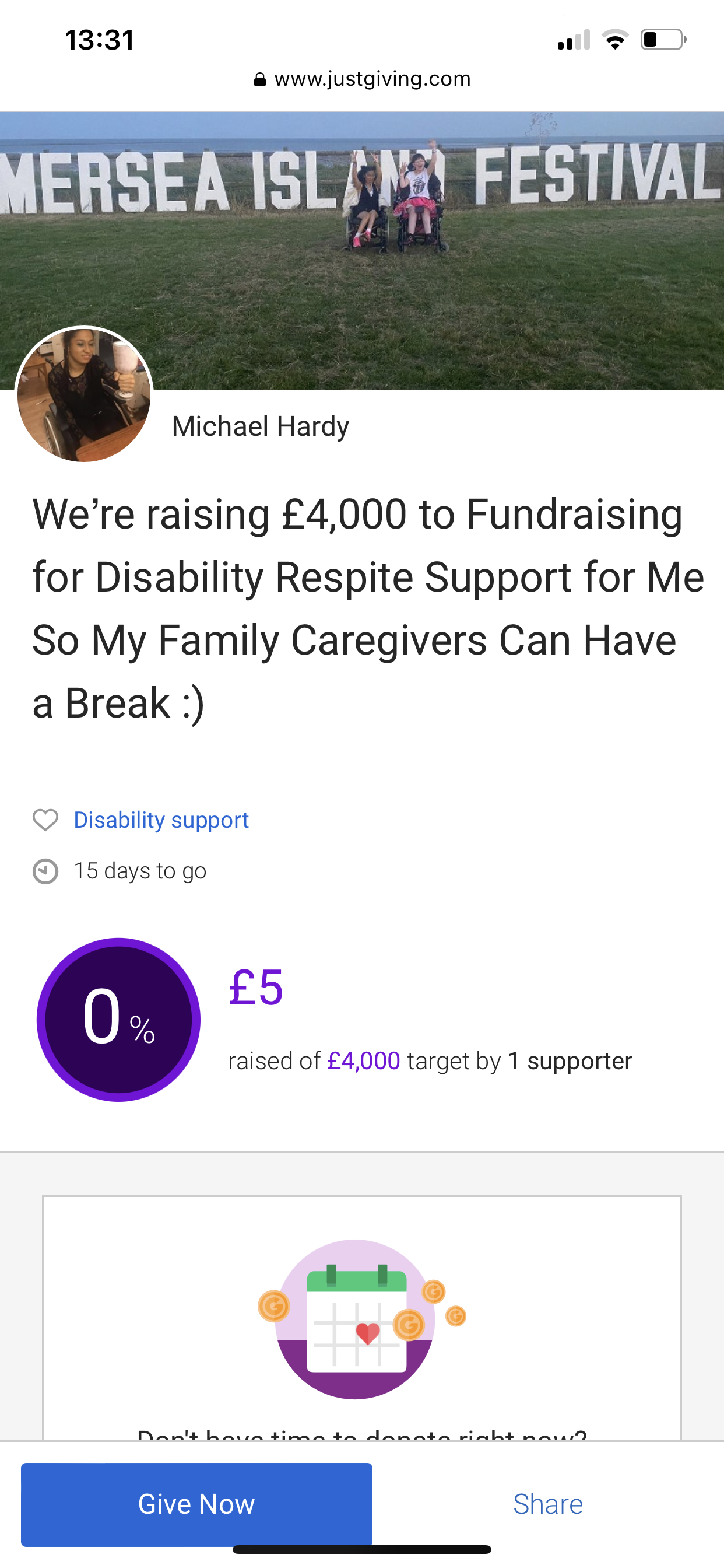
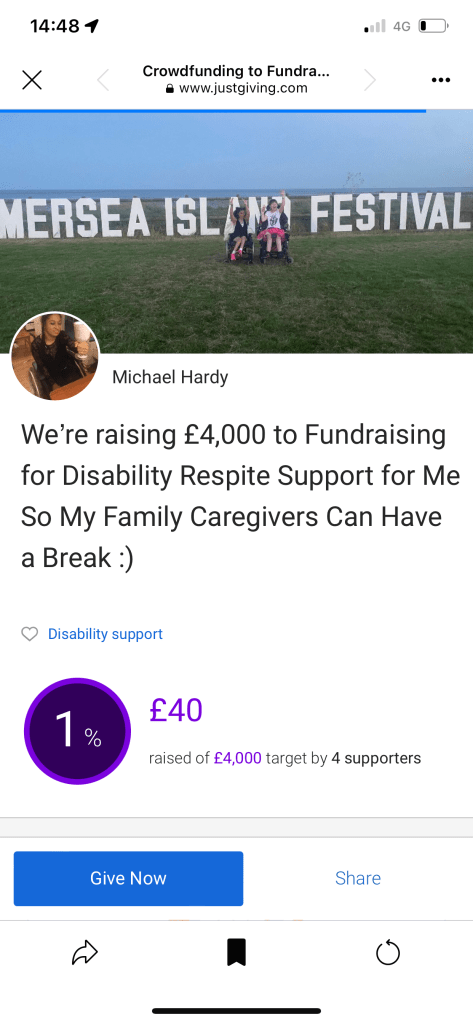
Currently 1% towards my Respite Fund raising goal, please get me to the £ 4,000 by donating
The above is the link. I need to do this by July 2024 to enable me to access the respite needed.
Thanks.
Myah
Pinterest update for you all…
…and get me to the target by the end of July 2024
A man who broke his neck playing rugby aged 17 hopes to become the first spinal injury complete tetraplegic to scale Mount Kilimanjaro.
Max Levene said he was having “the best game of my life”, when a tackle at a school match changed everything.
He has no movement or feeling from the chest down and limited arm movement, but the University of East Anglia (UEA) graduate, now 31, has big ambitions.
He hopes to scale Africa’s highest peak with the help of friends in September.
“In the summer of 2009 while staying in Kenya with my military parents, who were working there at the time, I first saw the majestic Mount Kilimanjaro across the Tanzanian border,” Mr Levene said.
“Aged 17, I decided that one day I would climb the mountain.
“Little did I know that a few months later I would never walk again. Kenya would also be the last place my parents ever saw me take a step.”
The rugby game at school in Truro, Cornwall, seemed to put an end to his dream.
“I’d been having the best game of my life that day,” he recalled.
“We were winning, and I remember saying to my friends that I felt like I was really on it.”
A tackle towards the end of the game left him paralysed, resulting in complete tetraplegia – paralysis in all four limbs.
Mr Levene later went on to study business economics and earn a master’s degree in development economics at the UEA in Norwich, and after graduating took up a post as an economist in London with the civil service.
But, the dream of climbing the mountain never quite went away.
“I assumed that I’d never be able to do anything like that for the rest of my life,” said Mr Levene.
“But now, 13 years on, I have realised I should complete the mission, even if the challenge is now far greater.”
The aim of the challenge is to raise money “for two really excellent charities” – the Rugby Football Union Injured Players Foundation and the Inspire Foundation charity which funds to address independence and quality of life after spinal cord injury.
He began planning the logistics of the trip last July and started training in September.
A personal trainer has helped him lose weight and build muscle, he said.
He will be accompanied by a team of eight friends and sponsors.
Mr Levene is fundraising for the specialist equipment – including a new chair – to help him reach the summit, but everything else is being self-funded by those on the trip – including the flights, hiring porters and associated costs of embarking on such a challenge.
The aim is to “raise as much money as possible for these charities”.
“I think it will probably be about an eight-day round trip, because we want it to be achievable,” he said.
“I want to spread awareness that people with disabilities – any disabilities – can achieve great things.
“Yes, people need additional support, and we should have that support, but, with it, we can go on to succeed.
“You should say yes to every opportunity,” he added.
Good morning to all my viewers, i hope you have a good and successful day after a long weekend
Actress Sally Phillips said she was “so upset” after her son who has Down’s syndrome was not allowed to play at a trampoline park.
She said she was told Olly, 19, needed a letter from his GP to take part.
The Miranda star told BBC Breakfast that children and young people like Olly were being “singled out for being different”.
Oxygen Free Jump, the trampoline park, said it was “deeply sorry” he could not take part and was left disappointed.
The company said it was following safety guidance from British Gymnastics.
Phillips, also known for roles in Smack the Pony and the Bridget Jones’s Diary films, told Breakfast: “This admin burden on special needs parents to be part of the community – to do a normal thing, to take normal risks that everyone else is allowed to take – is just unbearable.”
“Times have really changed for people with Down’s syndrome,” she added. “Olly is used to being able to do what his contemporaries can do.”
She said they had gone to the London activity centre with Olly’s younger brother, and his brother’s friend, having been “hundreds of times before”. When they arrived, a woman on the front desk took her to one side before calling over a manager.
“I was so, so upset for Olly to be prevented,” she said. “There were so many things wrong with it… one is that they’re weeding out people with visible disabilities, so if you have an invisible disability, you’re not required to bring in a doctor’s letter.”
After the incident, she said her son “burst into tears” in the car park. He told BBC Breakfast he “felt really upset” but that, as someone who has done gymnastics previously, he still wants to go to trampoline parks despite last week’s experience.
Phillips said the information is “out of date”, explaining that Olly was required to have an X-ray checking for any neck instability to join the British Gymnastics Association.
This X-ray does not “give the information required” to take part in physical activities, she added, as neck instability issues can only be detected once symptoms are being experienced – so if there are no symptoms, “you can participate like anyone else”.
“It would be fine if there was a sort of genuine issue but it strikes me that the issues are, the neck thing is just misinformed and the insurers had found something they can ask for so they asked for it, without it actually being helpful,” she said.
She said she was told Olly would need a doctor’s letter every time he went to the trampoline park, meaning using NHS resources to make an appointment or paying out for a letter.
Phillips – who along with Olly is a patron of the Down’s Syndrome Association – said she had received many replies from parents who had gone through the same thing after recounting the episode on X, previously Twitter.
There is a “big psychological effect” on those who are not allowed to do the same as others, she added.
In its statement, Oxygen Free Jump said it was sorry that Olly could not take part and was left disappointed, adding: “The only reason a company like ours exists is to help everyone, but particularly children, enjoy active play.
“We would welcome the opportunity to collaborate with the relevant parties to review the current guidance and enable as much active play as we can, safely.”
In response, Phillips said it was not fair for the onus to be on parents to help make the changes, but that she would engage in discussions.
“They will allow us to do the work for them to change, whereas actually I think they need to educate themselves,” she said. “We’d really appreciate it if we didn’t have to and we could just get on with having a normal life.”
MP Caroline Nokes wrote on X that it was a “pretty grim day for inclusion” following Phillips’ interview, and a separate story about a photography company offering parents class photos without children with complex needs. The firm involved has since apologised.
“These are battles families should not be having to fight,” she wrote.
1% to my fundraising girl, please get me to pull her and we got that 1% make it to 100%. Thanks, Myah
oinpress update for tuesday
🐤 happy Easter to all of my followers

💕💕
💜💕🙌🏻🥰

❤️🔥🫶🏼
❤️🔥👍
what is the day courtesy of lady in the tramp?
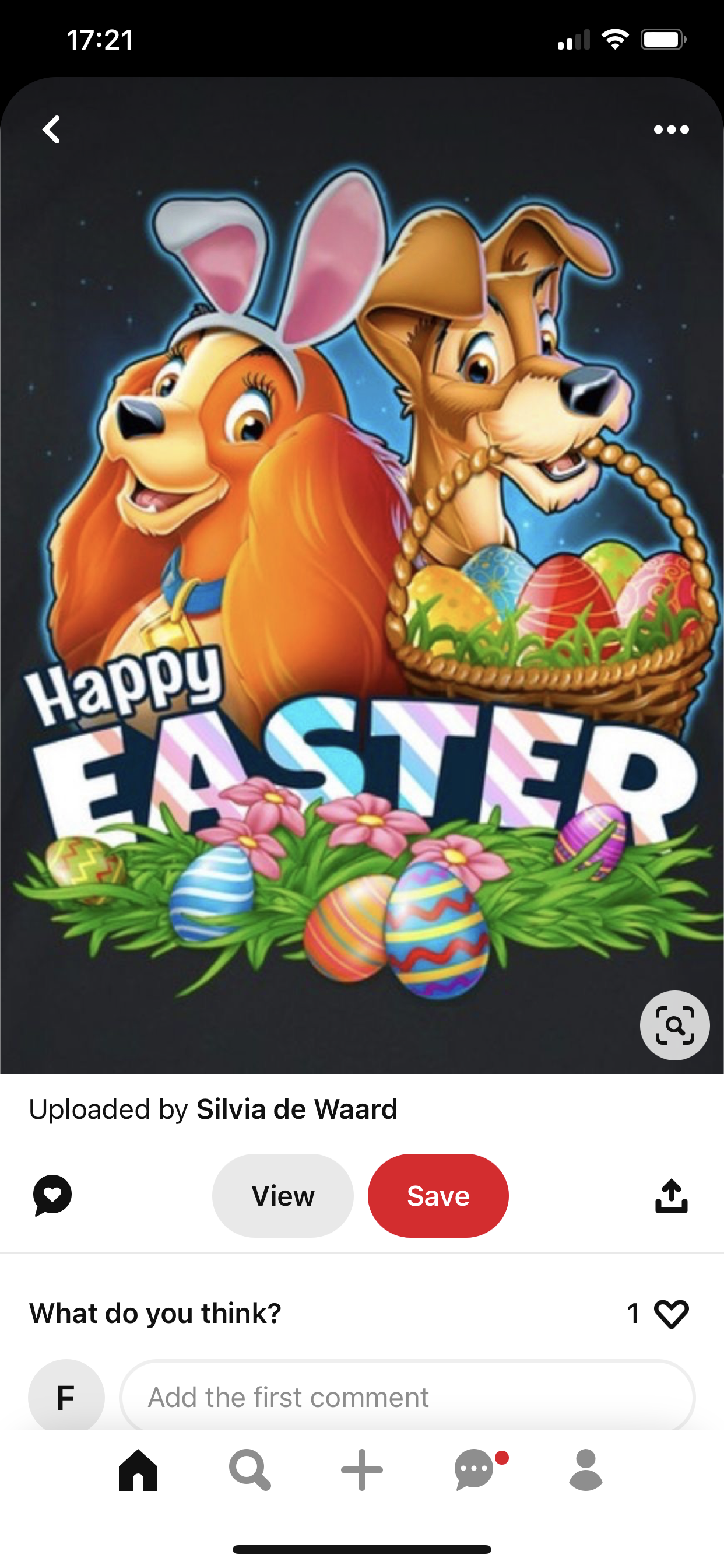
Happy Easter Sunday to all those who celebrate it all around the world ,hope you get spoilt with lots of chocolate
Good night ,hope everyone is having a good Easter

extra item of the day, Easter things
first training of the day for you all today. I hope everybody is having a sunny day wherever in the world they are
Disability and positivity and belonging ,what the public speaker says about his own experience
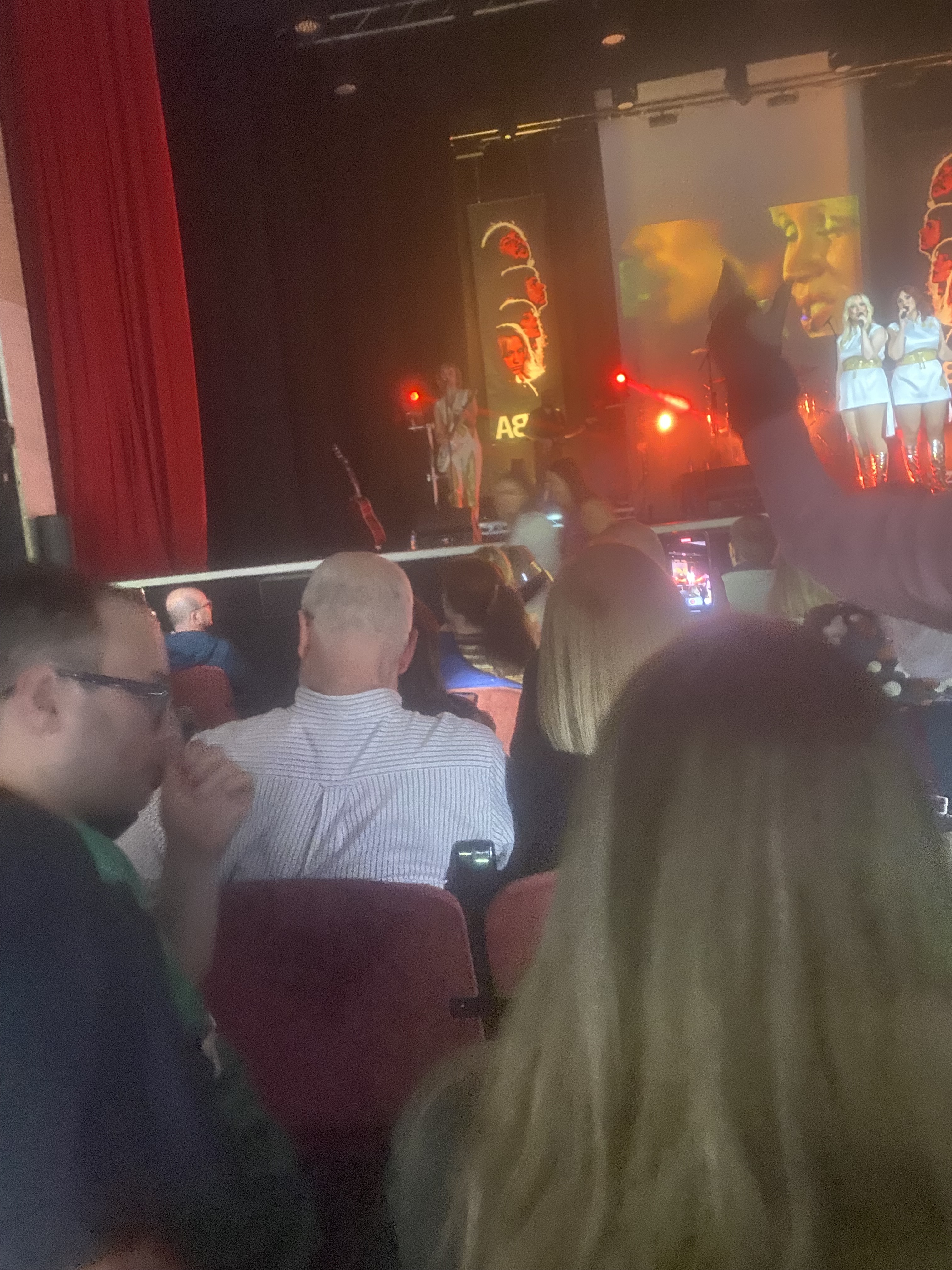
The weekend has begun stay tuned for me all dressed up ready to go to my Abba concert tomorrow, what colour do you think l will choose?
mosaic project with me in my new support worker date last night Easter projects what do you think?

sing of the day for you all
happy Easter to all happy Easter say
link of the day

httpshttps://www.justgiving.com/crowdfunding/myahrichards24?utm_term=rkEreKEN5://vm.tiktok.com/ZGeaRGnuW
🖤💔 signing of the day for all 💔

Brighton mum writes the wrongs for disability inclusion
A press release:
Brighton mum, Sanjeev Jandu, is determined to change the way we look at family life by sharing her version of ‘normal’ day-to-day adventures with her two children: one who has a disability and the other who doesn’t.
Sanjeev’s book, An Adventure a Day, has one of its young protagonists using a stander, walker and a wheelchair. She has chosen to do this as her 8-year-old son, Aavir, has cerebral palsy and uses different equipment to aid his day-to-day life.
Whilst we are becoming an increasingly inclusive society, this does not seem to be reflected in children’s books.
“I noticed when I was reading stories to my two children, there was very little representation of children with disabilities in their books,” says Sanjeev. “I wanted to change that so children with all manner of disabilities don’t feel left out when reading stories. Rather than drawing attention to living with a disability, I wanted my book to show everyone how a disabled child can live a normal, everyday life. Because that is what we do as a family, enjoying all the world has to offer.”
Inclusive Community
Aavir has a very busy schedule for such a young boy. Alongside schoolwork and clubs that he does, every Friday he has alternate visits to two charities which work with him to improve his strength and mobility, in addition to his physiotherapists who see him at home and school.
Most recently he has gained greater leg and core strength which has led to a more controlled stepping motion through his activity-based rehabilitation sessions at the Neurokinex charitable trust near Gatwick. Aavir’s 4-year-old sister Lara also attends alongside him.
“Neurokinex is a great place for them both as they include Lara in Aavir’s sessions making them fun,” says Sanjeev.
This sense of community is also found at Whoopsadaisy in Brighton where Aavir combines conductive education with play and chat alongside other children with similar physical abilities.
A bright pupil, Aavir is thriving at Westdene School which seeks to challenge and include him in all activities, adapting whatever is occurring to allow active participation.
Reading at Schools
Sanjeev has been into local schools to read her book to children. Beautifully illustrated, the book engages youngsters in conversation as well as giving them ideas of fun things to do.
“I hope the tales are exciting and children enjoy them,” says Sanjeev. “I do find some will point out the wheelchair, walker or standing frame in the pictures and that can spark a conversation with the reader. Others take it all in their stride and simply enjoy the stories. Either way, I’m happy that they’re enjoying the children’s adventures.”
Supporting charities
An Adventure A Day costs £9.99, 50% of which goes to the two charities supporting Aavir’s progress. To buy a copy, email sanjjandu@gmail.com.
Media contact:
Katherine@action-group.co.uk
💞😆😆


🥲🥰❤️🔥💞❤️🔥🤣
so if I do🥲
🙌🏻🙌🏻🐤❤️🩹🐤
💕💕😂
👌💝💝💝
😆😆🖤💔😁
👍👍
🤣🤣🤣
❣️❣️❣️❣️💛❤️🔥❤️🔥💛🙌🏻🙌🏻
Harry Potter Stunt Man Hopes Bafta Nod Helps Others
A Harry Potter stunt double who was paralysed while filming the franchise said his Bafta TV nomination would give him a platform to help others.
The stunt performer, from Leigh-On-Sea, Essex, is the subject of David Holmes: The Boy Who Lived, which was nominated in the Single Documentary category.
Mr Holmes said: “My legacy on film is not me hitting that wall 15 years ago – my legacy is now the documentary.”
Director Dan Hartley added the nomination was “totally unexpected”.
In 2009, Mr Holmes broke his neck while rehearsing a stunt during the filming of The Deathly Hallows: Part 1 at Leavesden Studios, Hertfordshire.
He was paralysed from the chest down and now uses a wheelchair.
Reflecting on the nomination, he said: “I now have a responsibility – not just to the friends I made this film with, but also the wider disabled community, to use the platform that I’m gaining and hopefully influence positive change.”
The HBO documentary, produced by Daniel Radcliffe, was shown on Sky Documentaries in November.
Mr Holmes was on stage at the NAIDEX Disability roadshow in Birmingham when he found out it had been nominated for a Bafta.
“I’m looking down at my phone as I’m addressing the audience and see the text message… since then my phone and social media has been pretty intense, but in a positive way.”
There is no category for stunt performers at the Baftas or other major award shows. The former teenage gymnast hopes his nomination can start a conversation about changing that.
“If this gives me the platform to call out that disparity, or just give the Academy a nudge that says stunt performers are artists… We risk our lives and our bodies for the sake of telling stories.”
Mr Hartley, from Chesham, Buckinghamshire, said: “To get a Bafta nomination is humbling, wonderous and fantastic.”
He added that it gave “a platform to Dave and everything he wants to do going forward”, with “messages in the film that are really positive and really useful”.
The main awards ceremony will take place on 12 May.
🥰🥰
👌👌💞💞
🐤🐤🤡🐤🤡🐦⬛🐦⬛🐤
❤️🩹❤️🩹❤️🩹🥰😁😁
setting of the evening/night
💝💝😄🫶🏼
httpshttps://pin.it/StCdzas6z://pin.it/StCdzas6z
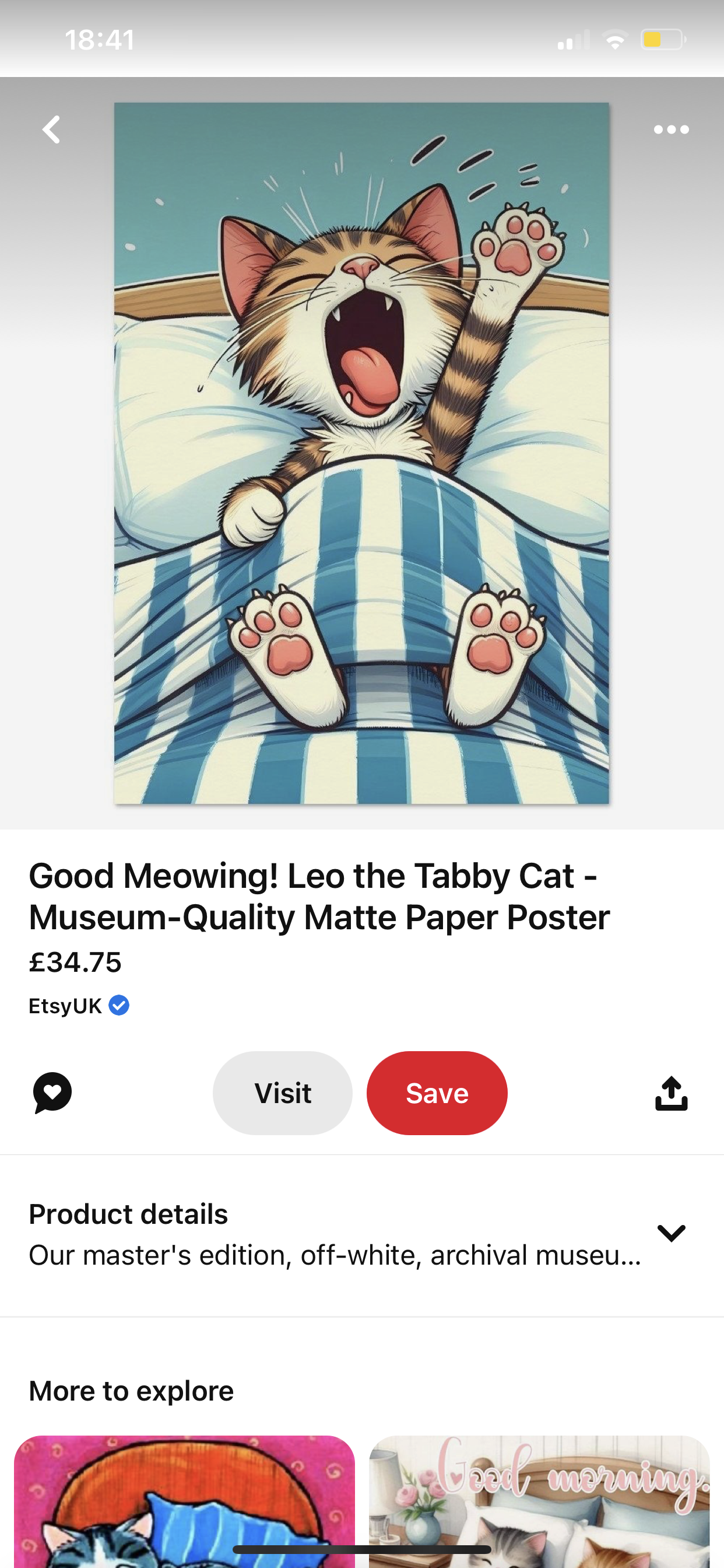
favourite painting of the evening of a cat covered up in bed. If my cats purposely put this, they would if I let them have my pillow.🤣
cerebral palsy story of the day about a little boy, who
a blue blanket item of the day
Why Wales’ Sign Language GCSE Is Being Delayed
In British Sign Language, like other languages, signs can vary depending on where you live.
Colours, numbers and phrases such as “good morning” are different from area-to-area.
Extra time to work out how dialects are reflected in Wales’ new GCSE is one reason the qualification will be delayed by a year.
It was due to be introduced in September 2026, but it will now start being taught from 2027.
One expert said a pause was “good” to make sure the GCSE was high-quality.
Sarah Lawrence, a British Sign Language (BSL) teacher and campaigner said: “It’s a wonderful opportunity but it needs to be done right.”
She said there was a shortage of qualified BSL teachers to teach the GCSE.
“There’s two big problems really”, she said.
“First of all the qualified teachers out there – but they don’t have the BSL skills and then you have people with high-level BSL but they don’t necessarily have a teaching qualification.”
She said some in the deaf community believed only deaf people should teach BSL.
But Sarah does not agree, saying “how are we going to have enough deaf people to teach it?”
The new BSL qualification is being introduced as part of wider reforms to GCSEs in Wales.
Qualifications Wales, which is leading the changes, said the aim was for it to be ready for first teaching from September 2027, as part of a phased introduction of new made-for-Wales GCSEs.
It said there were “additional challenges” because it was a brand new qualification.
One of those, according to Qualifications Wales, is “establishing an agreed lexicon of language and regional dialect differences”.
It said that, unlike other UK nations, “Wales does not currently have a centralised means for developing and agreeing new signs for BSL”.
Ms Lawrence is an expert in the “Welsh regional dialect” and feels strongly it should be reflected in the qualification.
Historically, different dialects were linked to the location of deaf schools and it has led to varying signs for some of the most basic terms such as colours, “people” or “cake”.
Young deaf people often use different signs too, she said.
At Nant y Parc Primary School in Senghennydd, Caerphilly county, children are already familiar with the language.
Osian and his classmates started having BSL lessons at the start of Year 6.
“If someone is deaf, I could start a conversation with them”, he said.
Mali enjoys sharing what she has learnt.
“I like to teach people in my football club and my parents and friends that are not in this school how to do BSL,” she said.
It is a useful skill, Khyas said: “You could use it in sports, you could use it in school, you could use it outside of school in your job – you could use it anywhere.”
‘They ask to go to the toilet in BSL’
Emma Winter, who is in charge of the curriculum at the school, said the response from pupils had been “really positive”.
“Learners are actually using BSL in the classrooms – asking to go to the toilet using BSL is just one little example”, she said.
“We also use it now in any Christmas concert performance – it was incorporated in our eisteddfod”.
The school introduced it so pupils “learn to communicate in lots of ways that’ll help them when they eventually leave school and go into the big world”.
The GCSE would be open to deaf and hearing children and would be suitable for beginners.
Qualifications Wales said it would be consulting on the design of the qualification later this year.
It said the main emphasis would be on communicating in the language with an element on the history of BSL.
A separate GCSE in British Sign Language is being introduced in England from September 2025.
good night, playing football
induration and how it affects the person date today
look at this beautiful Easter greetings card that I got from Mollie de opportunity. Great today

phone of the day will all
join me for one of my Easter holiday activity day. Is it tomorrow day opportunities video coming later?
join me for my Easter holiday activities as I go back to run off my data services
Belfast Deaf Church With The Warmth Of Home
Churches are places where people gather to hear the word of God but in one south Belfast church holy words are signed.
Kinghan Church, on Botanic Avenue, is a worshipping community for those who are deaf and hearing-impaired.
‘KC’, as it is affectionately known, was founded in 1857 by Rev John Kinghan, a Presbyterian minister who became the principal of the Ulster Society for the Promotion of the Education of the Deaf, the Dumb and the Blind in Belfast.
About 1898, the church moved from its site on the city’s Sandy Row to its current location before going through extensive renovation and remodelling in the early 1990s.
For more than 150 years, the church has provided an escape from isolation for those in the deaf community.
‘It feels like home’
Mary Carson, from Belfast, has been attending Kinghan Church since she was a child and describes it as “feeling like home”.
“I’ve been coming to KC from the age of eight and I still come now, I have been coming all those years,” she said.
“I don’t know if you want to know what age I am but I’m actually 82 years old.”
Mary says she loves the church and is grateful for all it offers.
“When I come here, it’s just so easy to chat to everyone because everyone is like me, they are deaf,” she said.
“There is a lovely happy atmosphere and we get on so well together and honestly it’s where I feel so much love coming to me from KC.”
Mary says the rest of the congregation are her “best friends”; many of whom she has known most her life.
“Obviously over the years some people have passed on but then new people come and there is younger people who come in and I really enjoy that as well.”
‘I should be retired’
Rev Will Murphy began his ministry with deaf people almost 45 years ago but he is the first to admit he did not at first believe it would be a lifelong ministry.
“I thought I would do maybe 12 years in ministry, my predecessor had done eight but it just continued,” he said.
“I should be retired X years ago but I am still doing it, still loving it because they are a loving community.”
Rev Murphy said it was odd to leave music and singing behind for this “totally different atmosphere” but he quickly found it had “a warmth of its own”.
“I came from a hearing community, from a hearing church, I had never met a deaf person,” he said.
“My first task was to learn sign language, which to be honest I am still learning.”
Rev Murphy said the church is a great place for overcoming the isolation that so many deaf people feel.
“They come together not just for worship, but for tea, coffee and friendship and fellowship.”
However, Rev Murphy admits there are some differences when it comes to giving a service to the deaf community.
“If a deaf person closes their eyes, end of contact with the service,” he said.
“In a hearing church you can close your eyes and continue to listen but if you see that happening it’s time to shut up and get out and finish the service.”
In the intervening years, Rev Murphy said there have been great advances in communication with the mobile phone being the biggest.
“When I came to ministry to contact a deaf person at home you would phone the next door neighbour.”
Rev Murphy said the mobile had “revolutionised the life of deaf people”.
CODA
Rosie Budd has been coming to Kinghan Church for her whole life.
She was christened there, she was married there, she had been a committee member there but she is not deaf.
Rosie grew up as a CODA, a child of deaf adults. Her father, John Heron, became deaf in his childhood and her late mother Coralie was deaf from birth.
“Growing up it was always my experience to come to this church, I came to the youth club here and it just felt part of my life.
“I have had people say to me ‘well surely you’re not a member of the Kinghan Church because you’re not actually deaf’ and I say ‘no I am very much a member’.”
Rosie said the church has always had a ethos of being a place for deaf people and their families to worship.
“It is a church like any other and it open to everyone.”
John said: “I think why I want to come is because I want to come and be where other deaf people are and chat in sign language.
“That’s the element that’s most important for me.”
‘Famous’
Now 91, Rosie says it is as important as ever that her dad knows the church is always there for him.
But during the Covid pandemic, John struggled with not being able to come to church and did not enjoy the online services.
“He started signing hymns and I would film him and they would have been put on the Kinghan Church Facebook page.
“They were shared many many times and he has had 4,000 or 5,000 likes on his Facebook posts and think he is now considered famous in our little world.”
favourite painting


 Same Difference