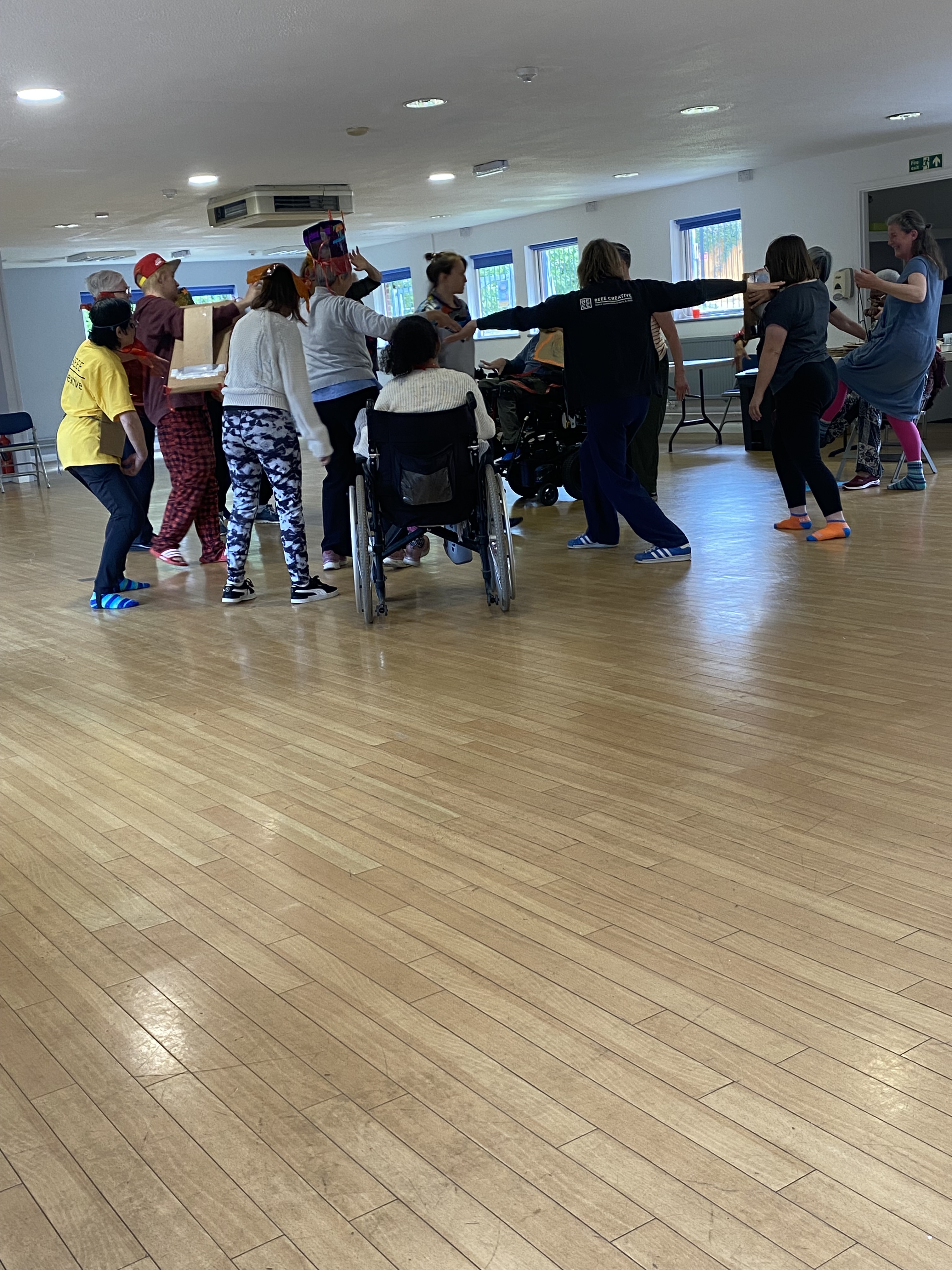
For many young adults with special educational needs and disabilities (SEND), the journey from education to meaningful employment can be filled with uncertainty. While many are eager to work, opportunities that provide the right support remain limited. A new college opening in Rugby hopes to change that by placing employability at the heart of its education.
A Different Approach to Learning
Creating Tomorrow College is expanding with a new campus in Rugby, welcoming its first students this September. Designed for learners aged 18 to 25 with SEND, the college focuses on equipping students with the practical skills, confidence, and workplace experience needed to secure long-term employment.
Rather than relying solely on classroom-based learning, the college partners with businesses to immerse students in real working environments. This approach helps learners develop professional skills while gaining valuable insight into different industries before they enter the job market.
Learning in a Real Workplace
The Rugby campus has been developed in partnership with Iron Mountain, a global data storage and information management company. By operating within a live business setting, students will experience day-to-day workplace routines from the beginning of their studies.
Learners will also have opportunities to explore career paths in areas such as hospitality and retail, giving them practical exposure that can help shape their future career choices.
Addressing the Employment Gap
Employment remains a significant challenge for many people with learning disabilities, despite strong interest in joining the workforce. Colleges that prioritise vocational education and supported internships play an important role in narrowing this gap.
Creating Tomorrow College reports that every student leaving its programmes has progressed into employment. While outcomes vary between individuals and institutions, this highlights the potential impact of combining tailored education with hands-on workplace experience.
The Importance of Personalised Support
Parents often describe finding suitable post-18 education as one of the biggest challenges their families face. Every learner has different strengths, learning styles, and support requirements, making personalised guidance essential.
Families connected with the college have praised its understanding of SEND and its focus on helping students build independence alongside employability skills. This type of tailored support can make a significant difference in preparing young adults for life beyond education.
Looking Ahead
As more employers recognise the value that neurodiverse and disabled employees bring to the workplace, partnerships between educational providers and businesses are becoming increasingly important. Programmes that combine academic learning with real-world experience not only improve employment prospects but also help build confidence, independence, and long-term career success.
The opening of the Rugby campus represents another step towards creating more inclusive pathways into employment. If similar initiatives continue to expand across the UK, more young people with SEND could have the opportunity to develop fulfilling careers and contribute their talents to the workforce.
Final Thoughts
Education should prepare every young person for the future, regardless of their individual needs. Colleges that combine specialist support with genuine workplace opportunities demonstrate that, with the right environment and expectations, young people with SEND can thrive in employment and achieve their ambitions.
Photography Brings Joy To Man With CP
Life doesn’t always follow the path we expect. For many people living with a disability, everyday tasks can require creativity, patience, and determination. Yet, as one young photographer from Aberdeenshire shows, passion can become a powerful way to overcome challenges and discover joy.
At just 21 years old, Jake Smith has refused to let cerebral palsy define what he can and cannot achieve. Instead, he has embraced photography—not only as a hobby but as a way of expressing himself, connecting with nature, and inspiring others.
A Different Way of Seeing the World
Photography is often described as capturing moments, but for Jake it is much more than pressing a shutter button. It is about experiencing the world through curiosity and creativity.
Because cerebral palsy affects his movement and coordination, Jake has adapted the way he uses his camera. Rather than seeing this as a limitation, he has found techniques that allow him to continue doing what he loves. Whether balancing his camera carefully or using a tripod for support, he proves that determination often matters more than perfection.
His story reminds us that success isn’t about having the easiest path—it’s about finding your own.
The Magic of Wildlife Photography
One of Jake’s greatest passions is photographing wildlife. Hours spent waiting in parks and woodlands are rewarded by the excitement of capturing a squirrel darting through the trees, a robin perched on a mossy branch, or a swan stretching its wings.
Wildlife photography teaches patience. Animals rarely pose on command, and the perfect image may come after countless missed opportunities. But that makes each successful photograph even more rewarding.
For Jake, those moments of achievement bring genuine happiness. They also offer an escape—a chance to immerse himself in nature and focus entirely on the beauty around him.
Creativity Has No Barriers
It’s easy to assume that physical challenges limit creative opportunities, but Jake’s journey proves otherwise.
His love of photography has already led to remarkable achievements, including publishing a book of his images. More importantly, it has given him confidence, purpose, and something he is deeply passionate about.
His mother’s pride reflects how meaningful it is when someone discovers an activity that allows them to flourish. While certain opportunities may have been more difficult to access growing up, photography opened doors that otherwise might have remained closed.
That is a powerful reminder that hobbies are more than pastimes—they can shape identity, build confidence, and create new possibilities.
Lessons We Can All Learn
Jake’s story offers valuable lessons that extend far beyond photography:
- Adapt rather than give up when faced with challenges.
- Spend more time outdoors and appreciate the natural world.
- Celebrate progress instead of chasing perfection.
- Pursue activities that bring genuine happiness.
- Share your talents to inspire others.
These lessons apply whether you’re picking up a camera, learning a musical instrument, writing a book, or simply trying something new.
Living Life with Positivity
Perhaps the most inspiring part of Jake’s journey is his outlook on life. Rather than focusing on obstacles, he chooses to focus on opportunities.
His message is simple but powerful: life is short, so make the most of it and stay positive.
In a world that often highlights limitations, stories like Jake’s remind us of what people are capable of when passion meets perseverance. His photographs capture wildlife, landscapes, and action—but they also capture something less visible: resilience, hope, and the joy that comes from doing what you love.
Sometimes the most beautiful picture isn’t the one hanging on a wall. It’s the story behind the person who took it.
Accessible Holidays Shouldn’t Be A Luxury
For most of us, a holiday is a chance to relax, recharge, and create memories with family and friends. It’s an opportunity to step away from the demands of everyday life and experience something different. But for many disabled people, planning a holiday is far from relaxing. Instead, it can become a frustrating search for accommodation that simply meets their basic needs.
Richard Douglas, who lives with Duchenne muscular dystrophy (DMD), knows this struggle all too well. As his condition has progressed over the years, finding suitable places to stay has become increasingly difficult. Accessible accommodation isn’t just about having a wheelchair ramp or wider doorways—it often requires specialist equipment such as ceiling hoists, profiling beds, and adapted bathrooms. Without these essential features, many holiday properties are simply not an option.
Accessibility Means More Than Compliance
Many accommodation providers proudly advertise themselves as “accessible,” but accessibility exists on a spectrum. A property that works for one guest may be completely unsuitable for another.
Current equality laws require service providers to make reasonable adjustments for disabled visitors. However, what is considered “reasonable” often depends on the size of the business, its resources, and the cost of making adaptations. While these legal requirements are important, they don’t always result in accommodation that genuinely meets the needs of people with complex disabilities.
For families who rely on specialist equipment every day, the difference between basic accessibility and true inclusivity can determine whether a holiday is even possible.
Holidays Matter for Everyone
The conversation around accessible tourism is often centred on the disabled traveller, but it’s equally important to recognise the impact on families and carers.
Caring for someone with significant physical needs is a full-time responsibility that doesn’t pause during a holiday. Yet having access to the right facilities can transform the experience, making everyday care easier while allowing everyone to enjoy a change of scenery together.
A few days away can provide emotional relief, strengthen family relationships, and improve wellbeing. These experiences shouldn’t be reserved only for those who can navigate inaccessible environments.
A Vision for Inclusive Tourism
Inspired by purpose-built accessible accommodation he visited in County Donegal, Richard hopes to create a similar holiday destination in Northern Ireland. His vision is to offer a space designed specifically for people with complex mobility needs, ensuring families can enjoy a holiday without worrying about whether essential equipment will be available.
Projects like this demonstrate what inclusive tourism can look like when accessibility is considered from the very beginning rather than added as an afterthought.
Why the Tourism Industry Should Care
Accessible tourism isn’t just a social responsibility—it also makes good business sense. Millions of people worldwide live with disabilities, and many travel with family members, friends, or carers. Investing in truly accessible accommodation opens the door to a wider customer base while promoting a more inclusive travel industry.
Small improvements such as clear accessibility information, step-free access, and adapted facilities can make a significant difference. Larger investments, including specialist equipment where feasible, can create destinations that genuinely welcome everyone.
Looking Ahead
Travel should be about discovering new places, spending quality time with loved ones, and making lasting memories. For disabled people, those opportunities are too often limited by barriers that could be addressed through thoughtful planning and inclusive design.
Creating more purpose-built accessible accommodation isn’t simply about meeting legal obligations—it’s about recognising that everyone deserves the chance to enjoy a holiday with dignity, independence, and peace of mind.
True accessibility isn’t achieved when a building just meets minimum standards. It’s achieved when every guest feels genuinely welcomed and able to enjoy the same experiences as everyone else.
The Edinburgh International Festival is continuing to make the arts more welcoming and inclusive in 2026, with an expanded programme of accessible performances, the return of its dementia-friendly concerts, and exciting new opportunities for emerging young musicians.
Running from 7–30 August 2026, the Festival is building on its commitment to ensuring that everyone can enjoy world-class performances, regardless of age, disability or additional support needs.
Dementia-Friendly Concerts Return
Following the success of its first dementia-friendly concert in 2025, the Festival will present two specially designed performances for people living with dementia, alongside their families, friends and carers.
These relaxed concerts aim to create a comfortable and welcoming environment where audiences can enjoy live music without the pressures often associated with traditional concert settings. They will feature performances from participants in the Festival’s Rising Stars programme alongside Discovery and Participation Associate Artist Lucy Drever.
For many people affected by dementia, opportunities to experience live music in an accessible environment can have significant social and emotional benefits. The concerts recognise the importance of making cultural experiences available to everyone.
Supporting the Next Generation of Musicians
The Festival’s Rising Stars professional development programme also enters its fourth year with an exciting expansion.
For the first time, the programme will include jazz musicians, welcoming five talented Scottish conservatoire students to work with acclaimed drummer Domo Branch and pianist Joe Webb. Together, they will perform as part of the Festival’s Jazz Jam at The Hub before taking part in the dementia-friendly concerts.
The initiative gives emerging performers valuable experience working with established professionals while performing on an international stage.
A Strong Commitment to Accessibility
Accessibility remains a major focus throughout the 2026 Festival. This year’s programme includes:
- 43 accessible performances across the Festival.
- 21 captioned performances – the highest number the Festival has ever offered.
- An updated, free Access Pass, allowing visitors to share their individual access requirements in advance for a more personalised experience.
- A detailed Access Guide, now also available in plain text, providing practical information ranging from seating arrangements to lift dimensions to help audiences plan their visit with confidence.
- New animated access guides explaining the Festival’s accessibility provisions in an easy-to-understand format.
These improvements are designed to remove barriers and make attending performances as straightforward as possible for disabled audiences and anyone with additional access needs.
Making the Arts More Inclusive
As arts organisations continue to recognise the importance of inclusion, the Edinburgh International Festival’s growing investment in accessibility demonstrates that world-class cultural events can also be welcoming to everyone.
Whether through dementia-friendly performances, improved accessibility information or opportunities for young musicians to develop their careers, the 2026 Festival is placing inclusion at the heart of its programme.
The Edinburgh International Festival runs from 7–30 August 2026. For more information about accessibility and the full programme, visit the Festival’s website.
The Civil Rights Movement Britain Forgot
When people think about Britain’s great social justice movements, the Suffragettes, the Miners’ Strike and the Greenham Common peace protests are often among the first to come to mind. Yet there is another movement that transformed British society while remaining largely absent from history books: the Disability Rights Movement.
A newly launched digital archive, NDMAC: Crip Fights For Civil Rights, is shining a long-overdue spotlight on the disabled activists who fought for equality through direct action, determination and decades of campaigning.
The archive, funded by The National Lottery Heritage Fund, tells the story of Britain’s disability rights movement through oral histories, photographs, films and personal collections contributed by the people who lived through it. It is an important reminder that many of the rights disabled people enjoy today were not simply granted—they were hard won.
A Fight for Equality
Long before accessibility became part of public conversation, disabled activists were taking to the streets. They chained themselves to buses to protest inaccessible transport, blocked roads, occupied public buildings and organised campaigns that challenged discrimination and exclusion from everyday life.
These actions were not symbolic. They were designed to expose the barriers disabled people faced every day and force politicians and the public to pay attention.
Their persistence helped pave the way for one of the most significant pieces of equality legislation in British history: the Disability Discrimination Act 1995. Thirty years later, the archive asks an important question: why is the story of the movement that secured these rights still so little known?
Preserving a Hidden History
One of the archive’s most remarkable discoveries is the collection of photographer and activist Keith Armstrong. His powerful images place viewers in the heart of demonstrations that helped reshape Britain, capturing not only moments of protest but also the solidarity and determination of the movement.
The project also celebrates the activists, artists and organisers whose contributions have too often been overlooked, ensuring their experiences are preserved for future generations.
As David Hevey, CEO of Shape Arts, explains:
“People often think disability rights arrived through luck or goodwill. The reality is they were fought for by ordinary disabled people who organised, protested and demanded change.”
It’s a powerful reminder that social progress is rarely inevitable. It happens because ordinary people refuse to accept inequality.
Why It Matters Today
Although Britain has made significant progress in disability rights, many barriers remain. Accessible transport, inclusive employment, equal access to public spaces and representation continue to be issues that disabled people campaign on today.
Understanding the history of the Disability Rights Movement helps explain how change happens and why protecting those gains remains important.
The stories preserved within NDMAC are not simply historical records—they are lessons in activism, resilience and community organising. They show how collective action can challenge prejudice and transform society.
A Legacy Worth Remembering
History often celebrates the most visible movements while overlooking others that were equally transformative. The Disability Rights Movement deserves recognition alongside Britain’s other landmark civil rights campaigns.
By preserving the voices of those who fought for equality, NDMAC ensures that future generations can understand not only what was achieved but also the courage and determination it took to achieve it.
If we are serious about telling the full story of Britain’s struggle for civil rights, then this is a history we can no longer afford to forget.
Sign Language Group Combats Isolation
In many rural communities, loneliness can affect anyone—but for deaf and hard-of-hearing people, finding opportunities to communicate and connect with others can be especially challenging. A new initiative in Bovey Tracey, Devon, is showing how something as simple as a monthly café gathering can make a meaningful difference.
A Place Where Everyone Can Communicate
The newly launched Deaf Café provides a welcoming space where deaf and hearing people can meet, chat, and learn British Sign Language (BSL) together. Hosted at the Riverside Community Centre, the monthly sessions are designed to encourage inclusion, build confidence, and create lasting social connections.
Rather than focusing solely on formal lessons, the café offers a relaxed environment where participants can practise signing over coffee, share experiences, and learn from one another.
Inspired by a Chance Encounter
The idea came from 23-year-old Bradley Oliver after meeting a young deaf girl at a local market. Unable to communicate with her using spoken language, he and his mother decided to learn BSL so they could greet her properly the next time they met.
As Bradley’s understanding of sign language grew, he realised there were very few places where deaf and hearing people could comfortably socialise using BSL. That simple observation became the foundation for the Deaf Café.
Bradley also understands what exclusion feels like personally, having faced health challenges that made finding employment difficult before launching his own laser cutting and engraving business.
Making Sign Language More Accessible
For many people, formal sign language courses can be expensive or difficult to access.
One attendee, Jean Fenton, who wears hearing aids and has been told she may eventually lose her hearing, attended the café after finding structured classes beyond her budget.
At her first session, she learned the BSL alphabet and how to sign her own name—small achievements that boosted her confidence and encouraged her to continue learning.
Her experience highlights an important point: accessible community learning opportunities can remove barriers that traditional education sometimes cannot.
Learning Together
Students and teachers from the Deaf Academy in Exmouth helped launch the initiative by teaching finger spelling and basic signs.
Teachers say the café benefits everyone involved.
For deaf students, it provides opportunities to meet new people outside their usual social circles. For hearing participants, it offers valuable real-world practice that classroom learning alone cannot provide.
This shared environment helps break down communication barriers while encouraging greater understanding between communities.
Why Community Spaces Matter
Organisations supporting deaf children and adults have long recognised the importance of inclusive community spaces.
Beyond learning a new language, initiatives like the Deaf Café help reduce social isolation, improve confidence, and encourage meaningful friendships.
They also raise awareness that communication is a shared responsibility. When more hearing people learn even basic BSL, everyday interactions become more welcoming and inclusive for everyone.
Looking Ahead
The Deaf Café will continue meeting monthly from September, giving local residents an ongoing opportunity to practise British Sign Language in an informal and supportive setting.
Its success serves as a reminder that inclusion doesn’t always require large-scale programmes or significant funding. Sometimes, it begins with a simple conversation—or, in this case, a simple sign.
As more communities look for ways to reduce loneliness and build stronger social connections, initiatives like this offer an inspiring example of how learning each other’s language can bring people together, one conversation at a time.
Primary School Pupils Enjoy Learning BSL
In a heartwarming example of inclusive education, Year 6 pupils at St James Church of England Primary School in Northampton have shown how learning British Sign Language (BSL) can transform the way children communicate, build empathy, and connect with others.
Since September, the pupils have been learning BSL and have successfully achieved their Level 1 qualification. While gaining a new language is an impressive accomplishment, the real success lies in how the children are using these skills in everyday life.
Learning That Makes a Difference
For many of the pupils, BSL has become much more than another subject in school.
One student shared that learning sign language has allowed them to communicate directly with their deaf aunt, while another explained that they now feel confident helping deaf people in the community if they need directions or assistance.
These real-life experiences show that BSL is not simply about learning signs—it’s about removing communication barriers and ensuring everyone feels included.
Why British Sign Language Matters
British Sign Language is the first or preferred language for many deaf people across the UK. By introducing children to BSL at a young age, schools help create a more accessible and understanding society.
Learning sign language also develops:
Communication skills
Confidence
Empathy and understanding
Awareness of disability and inclusion
Respect for diversity
These are valuable life skills that extend well beyond the classroom.
Inclusive Education in Action
Headteacher Sarah Beach explained that the school chose BSL because it would help create a more inclusive environment for everyone.
Rather than teaching a spoken foreign language, the school recognised that sign language could benefit pupils from a wide range of backgrounds, including children who are learning English and those with hearing impairments.
Teachers have noticed that some pupils who are new to English retain signs more easily than spoken words, helping support both communication and language development.
The initiative has also ensured that children with hearing aids—or those whose hearing may change in the future—already possess valuable communication skills.
Children Learn Quickly
BSL teacher Christina Felton, who first taught herself sign language before introducing it to pupils, described children as “like sponges.”
Young learners often absorb visual languages incredibly quickly, making primary school an ideal time to introduce sign language.
Beyond vocabulary, pupils have also explored the history and culture of the Deaf community, helping them understand that deafness does not limit a person’s ambitions or career opportunities.
As one pupil pointed out, deaf people can work in a wide variety of professions, from teachers to driving instructors.
More Schools Could Follow
The success of this programme highlights a growing conversation about whether British Sign Language should become more widely available in schools.
Teaching BSL offers benefits that reach far beyond academic achievement. It promotes kindness, accessibility, confidence, and community spirit while preparing children for a diverse society.
In an increasingly connected world, being able to communicate with more people—regardless of how they communicate—is a skill worth celebrating.
A Lesson in Inclusion
The pupils at St James Church of England Primary School have demonstrated that learning sign language is not only enjoyable but genuinely life-changing.
Their enthusiasm proves that when schools embrace inclusive learning, children don’t just gain qualifications—they gain understanding, compassion, and the confidence to make everyone feel welcome.
Perhaps the biggest lesson isn’t about signing at all. It’s about ensuring that no one is left out of the conversation.
Freya Terris Redefines Piano Playing Possibilities
When we think about achieving excellence, we often imagine people with every advantage at their disposal. But sometimes the most inspiring stories come from those who face seemingly impossible obstacles—and refuse to let them define their future.
At just 17 years old, Freya Terris from Lisburn, Northern Ireland, has shown the world what resilience truly looks like. After a long-term injury left her unable to play the piano with her right hand, many might have assumed her musical ambitions were over. Instead, she found a new path.
Rather than giving up on the instrument she loved, Freya devoted herself to mastering music written exclusively for the left hand. What began as a temporary way to keep playing gradually became a remarkable skill in its own right. Years of dedicated practice transformed a difficult situation into an extraordinary opportunity.
Her perseverance paid off in spectacular fashion. Freya achieved a distinction in her Grade 8 piano examination, performing an entire programme using only her left hand. According to the Associated Board of the Royal Schools of Music (ABRSM), she is the first pianist known to have completed the qualification with a repertoire designed solely for one hand.
Turning Frustration into Progress
The journey was far from easy.
Learning an entirely new technique required patience, determination, and countless hours of practice. There were moments when frustration threatened to overshadow her love of music. Playing different pieces than she had originally dreamed of wasn’t always easy to accept.
Recognising the emotional and physical challenge, Freya and her teacher occasionally stepped back from intensive lessons. Those breaks helped her reconnect with the joy of making music rather than feeling trapped by her circumstances.
Sometimes progress isn’t about pushing harder—it’s about knowing when to pause, reset, and return stronger.
The Power of Creative Thinking
Freya’s success wasn’t achieved alone.
Her piano teacher encouraged her to explore music specifically composed for left-hand pianists and introduced her to accomplished musicians who had overcome similar challenges. Knowing that others had built successful careers despite physical limitations helped reinforce the idea that her future in music was still full of possibilities.
Instead of focusing on what had been lost, they focused on what could still be achieved.
That mindset made all the difference.
Creating Opportunities for Others
Perhaps the most remarkable part of Freya’s story is its impact beyond her own achievement.
During discussions about adapting the Grade 8 examination, ABRSM recognised the need for greater accessibility. The collaboration ultimately contributed to the introduction of dedicated one-hand piano repertoire across Grades 1 to 8 in the organisation’s new syllabus.
This means future pianists with similar physical challenges will have a recognised pathway to musical qualifications without facing the same barriers Freya encountered.
Her determination has opened doors for countless aspiring musicians around the world.
A Lesson Beyond Music
Freya’s story isn’t simply about passing an exam.
It’s about resilience in the face of disappointment.
It’s about adapting when life doesn’t go according to plan.
And it’s about proving that limitations don’t always have to become barriers.
Whether you’re learning an instrument, building a career, studying for exams, or pursuing a personal dream, setbacks are inevitable. What matters most is how you respond to them.
Freya reminds us that success isn’t always about taking the expected route. Sometimes it’s about discovering a completely different path—and making history along the way.
As she prepares to study music at university, her achievement serves as an inspiring reminder that determination, creativity, and perseverance can transform even the toughest challenges into lasting opportunities.
Sometimes, one hand is all it takes to make history.
Dame Sarah Storey Retires
After more than three decades representing Great Britain at the highest level, Dame Sarah Storey has announced her retirement from international Paralympic competition. While fans may be saddened that one of the greatest athletes in British sporting history will no longer compete on the world stage, her decision reflects something bigger than medals—it signals a commitment to shaping the future of Para-sport.
A Career That Redefined Excellence
Sarah Storey’s sporting journey is unlike any other. She first captured the world’s attention as a teenage swimmer at the 1992 Paralympic Games before making a remarkable transition to cycling. Few athletes successfully switch elite sports, let alone become the most decorated Paralympian in their country’s history.
Across nine Paralympic Games, Storey amassed an astonishing 30 medals, including 19 golds. Her consistency, resilience, and ability to evolve throughout her career have made her one of Britain’s greatest sporting icons.
Her achievements extend beyond the medal table. She has inspired generations of athletes by proving that determination, adaptability, and relentless hard work can overcome almost any challenge.
Why Retire Now?
Interestingly, Storey has made it clear that her retirement is not due to declining performance. She believes she could still compete at the highest level, including defending her titles at the Los Angeles 2028 Paralympic Games.
Instead, she feels her greatest contribution now lies away from competition.
Storey has spoken openly about her concerns that the momentum generated by the London 2012 Paralympic Games has slowed. While awareness and participation have improved significantly over the past decade, she believes there is still much work to be done to strengthen Para-sport, improve opportunities for athletes, and secure the media attention and investment the movement deserves.
Her decision reflects a shift from competing for medals to advocating for lasting change.
More Than an Athlete
Throughout her career, Storey has become known for much more than winning races.
She has championed grassroots cycling, supported young athletes, and demonstrated that elite sport and family life can coexist. Many of her greatest victories came after becoming a mother, challenging outdated assumptions about motherhood and high-performance sport.
Her influence has reached well beyond the track, making her an ambassador for disability sport and an important voice in conversations around equality, accessibility, and athlete development.
A Legacy That Will Continue
Tributes from across British sport have highlighted not only Storey’s extraordinary achievements but also her dedication to helping others succeed.
Fellow Paralympians, coaches, and sporting leaders have praised her professionalism, determination, and willingness to push boundaries. Her career has inspired countless athletes with disabilities to pursue their own sporting ambitions.
Now, her focus turns toward ensuring future generations have even greater opportunities than she did.
Looking Ahead
Retirement rarely means stepping away completely for athletes like Sarah Storey. Instead, it often marks the beginning of a different kind of leadership.
By dedicating her energy to improving Para-sport, Storey hopes to build on the legacy of London 2012 and help create stronger pathways, better visibility, and greater support for disabled athletes around the world.
Her competitive career may be over, but her impact on Paralympic sport is far from finished.
Final Thoughts
Dame Sarah Storey leaves behind one of the most remarkable careers in sporting history. Her record-breaking medal haul will stand as a benchmark for generations, but perhaps her greatest achievement will be the work she does after retirement.
True champions don’t just win competitions—they leave their sport in a better place than they found it. Sarah Storey appears determined to do exactly that.
All Newborns To Be Screened For SMA
Families affected by spinal muscular atrophy (SMA) have welcomed a significant breakthrough after the announcement that all newborn babies in England will be offered screening for the condition as part of a major national study.
The decision marks an important moment for the SMA community, with campaigners, healthcare professionals and families celebrating the potential to change lives through earlier diagnosis and treatment.
Why Early Diagnosis Matters
Spinal muscular atrophy is a rare inherited condition that causes progressive muscle weakness. It can affect a child’s ability to move, swallow and breathe, and in its most severe forms can be life-limiting during early childhood.
One of the biggest challenges with SMA has always been timing. While revolutionary gene therapies and other treatments are now available, they work best before symptoms appear. Once nerve cells have been damaged, treatment cannot reverse that damage.
By introducing newborn screening, babies with SMA can be identified within days of birth, giving doctors the opportunity to begin treatment as early as possible. For many children, this could mean a healthier future with improved mobility, independence and quality of life.
Jesy Nelson’s Campaign
Former Little Mix singer Jesy Nelson has become one of the most recognisable voices campaigning for newborn SMA screening after her twin daughters, Ocean Jade and Story Monroe Nelson-Foster, were diagnosed with the condition.
Sharing the emotional reality of her family’s journey, Nelson has spoken openly about being told her daughters might never walk and about the daily challenges they face, including wearing spinal jackets and foot splints.
Following the government’s announcement, she described the decision as “a victory for every family” affected by SMA.
Although the screening programme cannot change the diagnosis of children already living with the condition, it offers hope that future families will receive answers sooner and have access to life-changing treatment before symptoms develop.
What the New Programme Means
The screening will be introduced across most of England from October 2026, with nationwide expansion expected by October 2027.
The simple heel-prick blood test will be added to existing newborn screening and will involve hundreds of thousands of babies. Researchers at the University of Oxford will lead the study, providing evidence to help determine whether SMA screening should become a permanent part of the UK’s newborn screening programme.
Scotland already screens newborns for SMA, and many families hope England’s programme will soon become a permanent nationwide service.
A Victory for Families and Campaigners
This announcement highlights the incredible impact that patient advocacy and public awareness can have on healthcare policy.
Families living with rare conditions often spend months or even years fighting for recognition, diagnosis and access to treatment. The voices of campaigners, charities, clinicians and parents have helped ensure that newborn screening for SMA has become a national priority.
For many, this represents more than a medical advancement—it is a recognition that every child deserves the best possible start in life.
Looking Ahead
The introduction of newborn SMA screening is a powerful reminder of how advances in genetic medicine are transforming healthcare.
While there is still much work to be done to improve support for people living with SMA and other rare conditions, earlier diagnosis offers families something invaluable: time.
Time to begin treatment.
Time to prepare.
And, most importantly, time to give children the greatest possible opportunity to thrive.
For families affected by SMA, this announcement is not just a policy change—it is a beacon of hope for future generations.

More than half of adults with learning disabilities in England die before the age of 65, an annual report into mortality suggests.
For the general population, that figure is 15%, according to the Learning Disabilities Mortality Review, which is known as the LeDeR and was commissioned by NHS England.
It looked at deaths recorded between 2021 and 2024 and found those with a learning disability died, on average, 19 years younger than the general population.
A government spokesperson said “significant action” was already underway to improve care, adding that ministers would “do all we can for people with a learning disability and autistic people.”
In a written ministerial statement, the government said the LeDeR findings were “stark”, while learning disability group Staying Alive and Well said “far too many people with a learning disability are still dying too young” and that it should be “headline news”.
The LeDeR found the proportion of avoidable deaths among those with learning disabilities, resulting from treatable conditions such as pneumonia or epilepsy, had “significantly declined” from 46% in 2021 to 39% in 2024, but remained almost double that of the general adult population.
The review was established in 2015 to examine the high mortality rates of people with learning disabilities and autism.
When deaths are registered with the review, it looks into the person’s life, the healthcare they received, their cause of death and whether anything could have been done differently.
The subsequent report has been compiled by King’s College London.
The Staying Alive and Well group, a panel of people with learning disabilities who are supported by researchers at Kingston University, said: “The numbers in this report are not just numbers for us. This is very real to us. This is about people. People dying too young: that could be us.”
The group said people with learning disabilities could feel “discriminated against or not taken seriously” when they needed healthcare, which made them “angry and upset”.
“Don’t look away, however uncomfortable it makes you feel,” they said.
“It may seem like we’re not getting anywhere, but we want you to keep reporting and reviewing the deaths of people with a learning disability.”
The government has confirmed Monday’s report will be the final LeDeR publication in the current format, with future data due to be recorded alongside other health outcomes for people with autism and ADHD in England.
In the written ministerial statement, health minister Preet Kaur Gill said the statistics highlighted in the report were “unacceptable”.
“I want to reassure you that we take them seriously,” she said.
She said the government was “committed to improving outcomes” through early intervention, as well as focusing on training to improve the identification of people with a learning disability on GP registers, to ensure they attend health checks.
NHS England has said it will roll out a “reasonable adjustment digital flag” for all disabled people to ensure that adjustments are kept in their record.
The Royal College of Nurses has previously raised concerns about the number of health staff specialising in working with patients who have learning disabilities or autism.
In its own report, published earlier this summer, it said the number of specialist practicing nurses had fallen by 44% – from 7,000 to 4,500 – in just over a decade, and only 500 new recruits to learn the specialism had been taken on this year.
Jon Sparkes OBE, chief executive of learning disability charity Mencap, said he was concerned that ending the LeDeR report in its current form could mean the issue became “deprioritised”.
“This is literally a matter of life and death, and risks undoing years of hard-won progress,” he said.
“We urgently need to know how the government will maintain independent scrutiny and, importantly, understand and tackle the causes of avoidable deaths.
“People with a learning disability need to know their lives are valued.”
For the family of Charlie Lander, the LeDeR is a crucial piece of work which highlights the health inequalities some people face.
Lander, who had severe learning disabilities and Pica syndrome – an eating disorder which leads to cravings for non-food items – died in hospital in June 2022 at the age of 48, after swallowing a plastic glove which caused a bowel obstruction.
A coroner found his death was “medical misadventure contributed to by neglect” and cited failings such as delays in treatment, incomplete observations, failure to escalate his care, and the fact he was alone when he died.
His mum Rosalie Lander said: “Charlie’s death was avoidable, and we live with the pain of losing him needlessly like this every day.
“Words fail me about the care he didn’t have. Urgent surgery to relieve the obstruction would have very likely saved his life.”
After the inquest, Dr Mark Roland, chief medical officer at Ashford and St Peter’s Hospitals NHS Foundation Trust, apologised for the failings in Lander’s care.
“Our thoughts remain with Mr Lander’s family and loved ones,” he said.
He added that the trust was committed to reducing health inequalities for people with learning disabilities and had made significant improvements to care.
In a response to Monday’s LeDeR report, a spokesperson for the Department of Health and Social Care said: “Our thoughts go out to all those who have lost loved ones and recognise that care for people with learning disability and autistic people needs to improve.
“Significant action is already underway to improve care. Over five million people have completed mandatory training, and along with new digital tools, improved data sharing and health check-ups, we will do all we can for people with a learning disability and autistic people.”
The Alt-Pop Rockers Putting Inclusivity Centre Stage
It has been a busy few months for Renegade Zoo, a band formed through a creative arts project for young adults with learning disabilities in Londonderry.
A debut album showcasing their brand of alt-pop launched earlier this year, a summer performance at the Foyle Maritime Festival followed, before taking to the stage at this year’s Stendhal Festival.
All students at Derry’s Tuned In Project, the band describe themselves as a group of neurodivergent and physically diverse musicians.
Rapper Donna Marie Duddy, known as DM, says Renegade Zoo is “about not putting limits on ourselves”.
She adds that is is about friendship and having the opportunity to write songs.
Before joining the band, songwriting was not something she had much chance to explore.
“The lyrics come much easier than the melodies,” she says.
Philip ‘Wally’ Wallace is the Tuned In Project’s music media teacher in Derry.
He says Renegade Zoo emerged from the project’s wider work encouraging students to get involved in music.
“We realised we had a drummer and a few different players. Once we started meeting regularly, we realised we had the makings of a band.”
He says being in a band has helped the young people grow in confidence and develop self-esteem.
“What we try to do is help the students find their voice through music and make sure they know that voice is being heard.
“Everyone in the band loves it, me included. It’s hard work, but they put so much effort into the songwriting, recording and performing.”
In March, Renegade Zoo launched their debut album, Eyes on the Road, at Derry’s New Gate Arts and Culture Centre.
Singer and percussionist Sarah Jane Murray, who goes by SJ, said the album launch was one of the highlights of her time in the band.
“It was great to see everybody getting up dancing these songs that we created ourselves.”
SJ also enjoys the songwriting process and says some songs emerge spontaneously during rehearsals.
“We’ll sit together, come up with melodies and guitar riffs.
“Sometimes Wally or somebody else will bring in a guitar riff and we’ll build a song around it.”
For SJ, Renegade Zoo is about “confidence and creativity”.
“There’s times that I might sing a wrong note or it might be a bit dodgy here and there and I just know for a fact that it’s just a process, that it is alright.”
The band’s album reflects the eclectic approach to songwriting that members say defines Renegade Zoo.
Their sound draws on a range of influences, including rock, pop, alt-country and hip hop.
“A lot of our songs aren’t typical break-up songs or romance songs,” explains singer Sorcha Friel.
“A Renegade Zoo song either has a great message or can just be a bit silly.”
She says one of the tracks, Waggledance, was inspired by an unlikely source – a “random conversation about bees one day”.
Performing at this year’s Stendhal Festival has been a particular highlight of her time in the band.
“The bigger the crowd the better. I get more nervous with a more intimate crowd.”
‘More new songs, more just being ourselves’
After a busy early summer Renegade Zoo are back in the rehearsal room writing new material.
Plans are being formulated for the months ahead and the band’s members have different ambitions for the future.
DM dreams of a UK tour, while SJ believes a tour of Northern Ireland may be a more realistic next step.
Sorcha’s hopes are simpler still: “More new songs, more just being ourselves.”
episode 16 of my keep come saying about being a Wheelchair user with a little humour thrown into.
Teen Who Helped Improve Tech For Disabled Honoured
A young man who was left with acquired cerebral palsy (CP) following a family holiday, has had a new laboratory in Bristol named after him.
Harchie Sagoo, who passed away in 2024 at the age of 18, was just a few months old when he developed CP after contracting viral encephalitis in Spain.
Despite his movement and speech being affected by CP his father, Bob Sagoo, said he “understood everything” and by the age of four-and-a-half he was using eye-tracking technology to control his devices and communicate.
As a key product tester for Bristol-based Smartbox, which creates technology to help people with disabilities to communicate, the company has now named its new testing laboratory Harchie’s Lab.
Harchie’s dad, who lives in Nottingham, said his son was born a healthy baby.
But following a visit to his parents in Spain, his son was left with lesions on his brain which affected his gross and fine motor movement and his speech.
“He had no cognitive disability so he understood everything,” he said.
“I felt technology was going to bridge that gap for him to engage with people and also to move on in life.”
At infant school, he started using Eye Gaze – which tracks a user’s eye movements so they can navigate a screen.
And as he got older, he not only used an Eye Gaze tablet to communicate but also to control things around the family home like the lights, the heating and the televisions.
It also allowed him to “learn and develop and grow” and “meet friends” at both mainstream school and college.
“Harch looked at it as an extension of himself but also a lifestyle device,” his father said.
“So he used it to control the environment around him including turning the shower cold – when I was in the shower.”
In 2014 Harchie started working with the Smartbox team, where he not only got involved in testing their latest devices but also “gave some really valuable feedback” which they built into the final design.
Before his death Harchie said being able to “express” himself, express how he was feeling and show he understands had “been very important” to him.
His father said that his son would have been “absolutely psyched” that the company’s new laboratory was being named in his honour.
“When I got wind that this was what they were planning, we were just blown away,” he said.
Smartbox’s products are used by over 100,000 people around the world.
Dan Stead, from the company, said its communication aids are a “lifeline for many people” so they needed to be as reliable as possible.
“This lab was set up to help us engineer our communication aids,” he said.
“They become a part of that person, they rely on it every single day.”
“Without it, it’s very difficult for you to build relationships, make friends, fall in love – all those amazing things.”

episode 13 of keep calm style saying of this series this is Wheelchair user humour at its finest.
PIP Not Fit For Purpose Finds Review
For years, disabled people have spoken out about the challenges of claiming Personal Independence Payment (PIP). From lengthy forms and stressful assessments to repeated reassessments for lifelong conditions, many have described the process as exhausting, frustrating and, at times, deeply dehumanising.
Now, those concerns have been echoed at the highest level.
The UK government’s interim review of PIP, led by Disability Minister Sir Stephen Timms, has concluded that the current system is “not fit for purpose.” It is a significant statement and one that reflects what disabled people and campaigners have been saying for years.
Listening to Disabled People’s Experiences
The review found that many claimants feel the assessment process is not only outdated but also acts as a barrier to participating fully in society, including finding or staying in work.
One of the strongest criticisms is that the assessment focuses heavily on ticking boxes rather than understanding an individual’s real-life circumstances. Applicants are awarded points based on tasks such as preparing food, dressing or washing, but many argue these assessments fail to capture the complexity of living with a disability or long-term health condition.
For people with lifelong conditions, the need for repeated reassessments has become another major source of stress.
Autism campaigner Cheryl Fyfield highlighted this issue, explaining that as an autistic person she has to undergo reassessment every three years despite knowing her condition will never change. Her experience is one shared by countless disabled people across England and Wales.
A System Under Growing Pressure
Around four million people are now entitled to PIP, with government spending expected to exceed £41 billion by 2030.
While rising costs have become a political talking point, Sir Stephen Timms stressed that his review is not simply about reducing spending. Instead, he believes the system itself requires fundamental reform because it no longer reflects modern understanding of disability and health.
Importantly, he has said his final report, expected later this year, will not contain “crude proposals” to cut payments. Instead, the focus will be on creating a fairer system while also considering long-term financial sustainability.
Beyond Financial Support
One of the most interesting aspects of the review is its suggestion that PIP should become more than a financial benefit.
Sharon Brennan, who co-chairs the review, said the current approach is too simplistic—essentially deciding whether someone receives money or not, without asking what support they actually need to live independently or achieve their goals.
That raises an important question.
Should disability support be designed purely as financial assistance, or should it also connect people with employment support, equipment, healthcare, independent living services and wider community opportunities?
Many disabled people would likely argue that both are essential.
Trust Must Be Rebuilt
Although the review acknowledges many long-standing problems, disabled people may understandably remain cautious.
Previous welfare reforms have often created uncertainty and anxiety. Any future changes will need to demonstrate that disabled people’s voices have genuinely shaped the outcome rather than simply becoming another exercise in reducing costs.
Rebuilding trust will require transparency, meaningful consultation and, above all, a commitment to treating disabled people with dignity and respect.
Looking Ahead
The final recommendations are expected in the autumn, and they could shape the future of disability benefits for years to come.
If the government delivers a system that is simpler, fairer and based on understanding people’s real needs rather than forcing them through repetitive and stressful assessments, it would represent a major step forward.
For now, one thing is clear.
The official acknowledgement that PIP is “not fit for purpose” validates the experiences of millions of disabled people who have been calling for change for more than a decade.
The challenge now is turning those words into meaningful action.
New Nurse To Improve Care For Autistic Patients
A specially trained nurse has been appointed to improve communication, remove barriers to treatment and provide better care for patients with learning disabilities or autism at Coventry’s main hospital.
Leona McCook will be working with families and patients, as well as clinical staff, to make sure people with additional needs understand the hospital process with as few obstacles as possible.
McCook has personal knowledge of the issues patients with a learning disability might face, as she has one nephew who is autistic and another who has muscular dystrophy and autism.
“When it works and you make changes that improve someone’s life, the feeling is unexplainable,” she said.
McCook said: “My post has been developed to support patients who have a learning disability or autism or both. I support staff to better communicate with the patient group, because they don’t always think and feel and communicate in the way that other people do.
“I am that bridge between the communication from the wards to the carer and the family members.”
The new post complements the mandatory training all NHS staff have to undergo, following the death of Oliver McGowan in 2016.
The 18-year-old from Bristol, who was autistic and had epilepsy, was prescribed anti-psychotic medication following a seizure.
He died 17 days later, after a side-effect of the drug he was given caused his brain to swell.
McCook has two nephews who are both autistic and said she always wanted to advocate for patients like them.
She started out as a paediatric nurse, before making the transition to working as a specialist nurse dealing with adults.
She said having worked with children to start with, being able to talk to a patient or their carer in simple terms was important.
At the moment, McCook is on an 18-month long secondment and covers wards, theatres, accident & emergency and minor injuries units at both Coventry’s University Hospital and the St Cross in Rugby.
Books, letters and notes documenting the “unlikely” friendship between writer JRR Tolkien and his profoundly deaf fan are going under the hammer.
Eileen Elgar, who died in 1980, used to live very close to Hotel Miramar in Bournemouth, Dorset, where Tolkien and his wife holidayed every year.
Elgar wrote to him and they began a friendship. Her granddaughter, Helen Dutfield, said the the author would often be “coming to chat” and play with her dog.
Will Passey, a specialist in the books and manuscripts department at Sotheby’s, said a “moving” letter in the upcoming auction, which mentioned the death of C.S. Lewis, served as “a testament to the strength” of their friendship.
Passey said he was “very excited” about the works as he grew up in Headington – “a stone throw away from where Tolkien himself lived for much of his adult life”.
Dating from 1961 to 1964, they are spread across five lots and Passey said he found the signed Lord of the Rings set most interesting because of a note tucked into the volume.
“It describes in quite sort of nerdy detail the creation of the race of the dwarves.
“It’s interesting for someone who’s a Tolkien scholar because it anticipates material that was later found in print in The Silmarillion, but also it really tells the story of the relationship between Tolkien and Eileen Elgar.”
Dutfield described her grandmother as “quite an isolated figure”.
“She had a very strange upbringing, she came from a very wealthy family and she was a much younger daughter following three older brothers.
“She went deaf when she was 12 and I think she was an embarrassment to them.”
But Elgar also developed “a very rich imagination” and was “fascinated by the ancient civilizations”.
“She kept talking to my mother about these amazing books that she was reading and she had lots of questions,” Dutfield said.
“My mother, who wasn’t interested in them at all, said ‘Why don’t you write to the author?’ – so that’s how that started.”
As Elgar never learned to lip read, she and Tolkien communicated with notes during his visits.
“Evidently, the conversation they had was quite involved because within those notes… is this remarkable detail about the mythology of Middle-earth,” Passey said.
Dutfield never met Tolkien herself and said none of the notebooks they had used had survived.
“Tolkien would come and sit on the floor and play with my grandmother’s dog.
“My mum left them alone to chat because that’s what they wanted.”
Dutfield added the author had asked her mother if she would invite his wife to tea.
“His wife was quite jealous and she was curious about who this woman was that he was going to talk to.
“We laugh about that because my grandmother was old before her time, she was terribly intense – not the sort of person you could imagine he would have fancied.
“Mrs Tolkien met my grandmother and I don’t think she was worried after that.”
Passey said another highlight in the sale was a letter, tucked into a first edition of Tom Bombadil, mentioning the death of Tolkien’s fellow inkling C.S. Lewis.
“It’s actually quite a moving document and is a testament to the strength of the friendship between Tolkien and Eileen.”
He added the provenance of works also made them special “because these have been with Eileen’s family ever since they were first composed”.
“Although we have quite a lot of published letters of Tolkien’s, these have been hitherto overlooked.”
Dutfield said she had “mixed feelings” about parting with the memorabilia.
“I am sad but on the other hand, I found it quite frightening owning a piece of paper that could fade to disappear – our house is a very old damp cottage.”
She added she and her husband Glenn, who was a member of the Tolkien Society in the 1970s, were now “just fans from afar”.
“Hopefully, somebody who buys them will let more of the world see them.”
The auction takes place on 9 July at Sotheby’s London sale rooms and online.
The works in total are estimated around £39,000 to £55,000.
Football has an incredible ability to unite people. Sometimes it’s a World Cup final or a last-minute winner in a packed stadium. Other times, it’s a moment of pure brilliance that reminds us why the beautiful game belongs to everyone.
That is exactly what happened when Leeds Powerchair FC’s stunning winning goal in the FA Disability Cup final became a global sensation.
The move itself was breathtaking. Dylan Kelsall produced a remarkable 360-degree turn before threading a perfectly weighted pass to teammate Dan Rigby, who calmly guided the ball into the net. Within days, the clip had been viewed tens of millions of times across social media, earning comparisons to some of football’s greatest playmakers.
But the story goes far beyond a viral video.
Leeds Powerchair FC’s victory marked an extraordinary season, completing a domestic treble and winning the FA Disability Cup at their first attempt. While the spectacular goal grabbed headlines, it also shone a long-overdue spotlight on one of the UK’s fastest-growing disability sports.
Powerchair football is designed for players with severe physical disabilities, allowing athletes to compete at a high level using specially designed electric wheelchairs. The game is fast, tactical and highly skilled, with four players on each side, a larger football and unique rules that create exciting, end-to-end action.
For many players, powerchair football is much more than a sport. It offers independence, friendship, competition and the chance to be judged purely on ability rather than disability. As Dylan Kelsall has explained, once players are on the court, people stop seeing disability and start seeing talent.
That shift in perception may be the greatest impact of the viral goal.
Millions of viewers who had never heard of powerchair football suddenly discovered a sport full of technical ability, teamwork and creativity. Rather than inspiring sympathy, the footage inspired admiration—a powerful reminder that elite sport comes in many forms.
Yet the success of Leeds Powerchair FC also highlights the challenges the sport continues to face. Specialist competition wheelchairs can cost well over £10,000, and teams often travel hundreds of miles simply to play matches because suitable venues remain limited. These financial barriers make support from charities, sponsors and governing bodies essential.
Greater visibility can help change that.
More television coverage, increased sponsorship and growing public awareness could make powerchair football accessible to even more players while helping clubs develop the facilities they need to thrive.
For Leeds Powerchair FC, the season has already been unforgettable. Their trophy cabinet is fuller, their players have become recognised around the world, and several are preparing to represent England on the international stage.
One remarkable goal may have gone viral, but its lasting legacy could be something much bigger: introducing millions of people to a sport that has been deserving of far greater recognition for years.
Sometimes football’s greatest victories aren’t measured only by the final score. They’re measured by the doors they open, the perceptions they change and the people they inspire.
Leeds Powerchair FC has done exactly that.
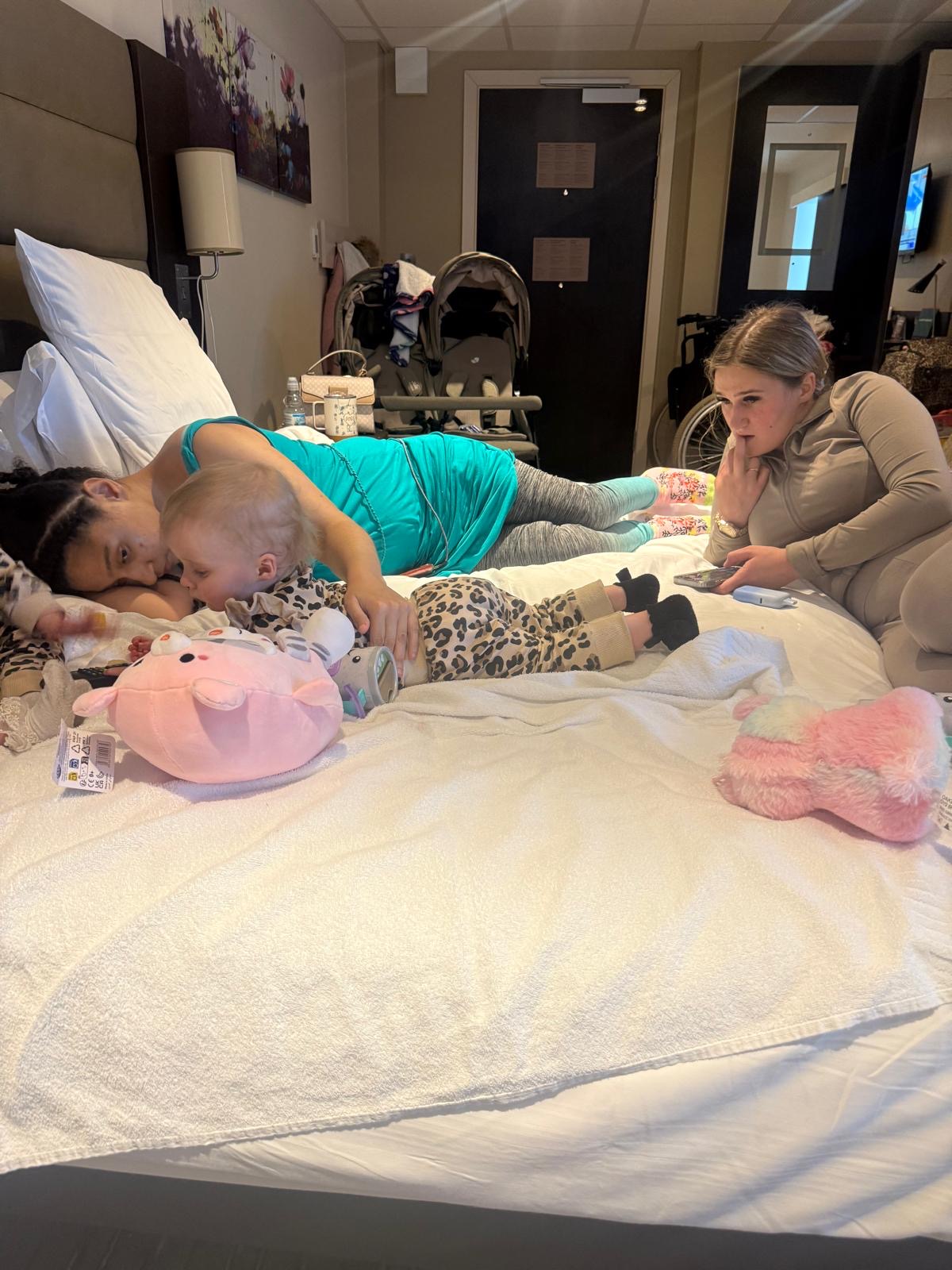
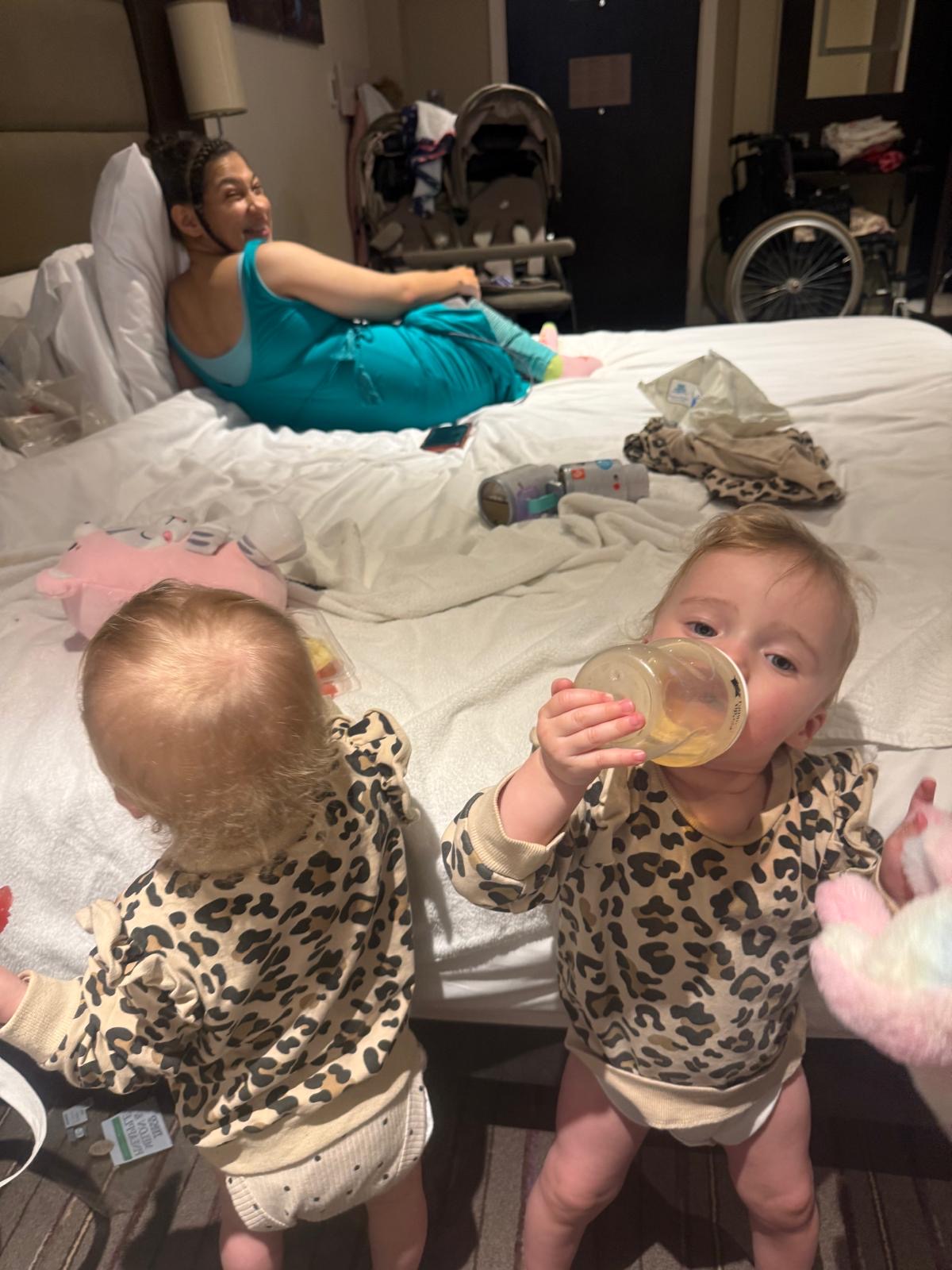
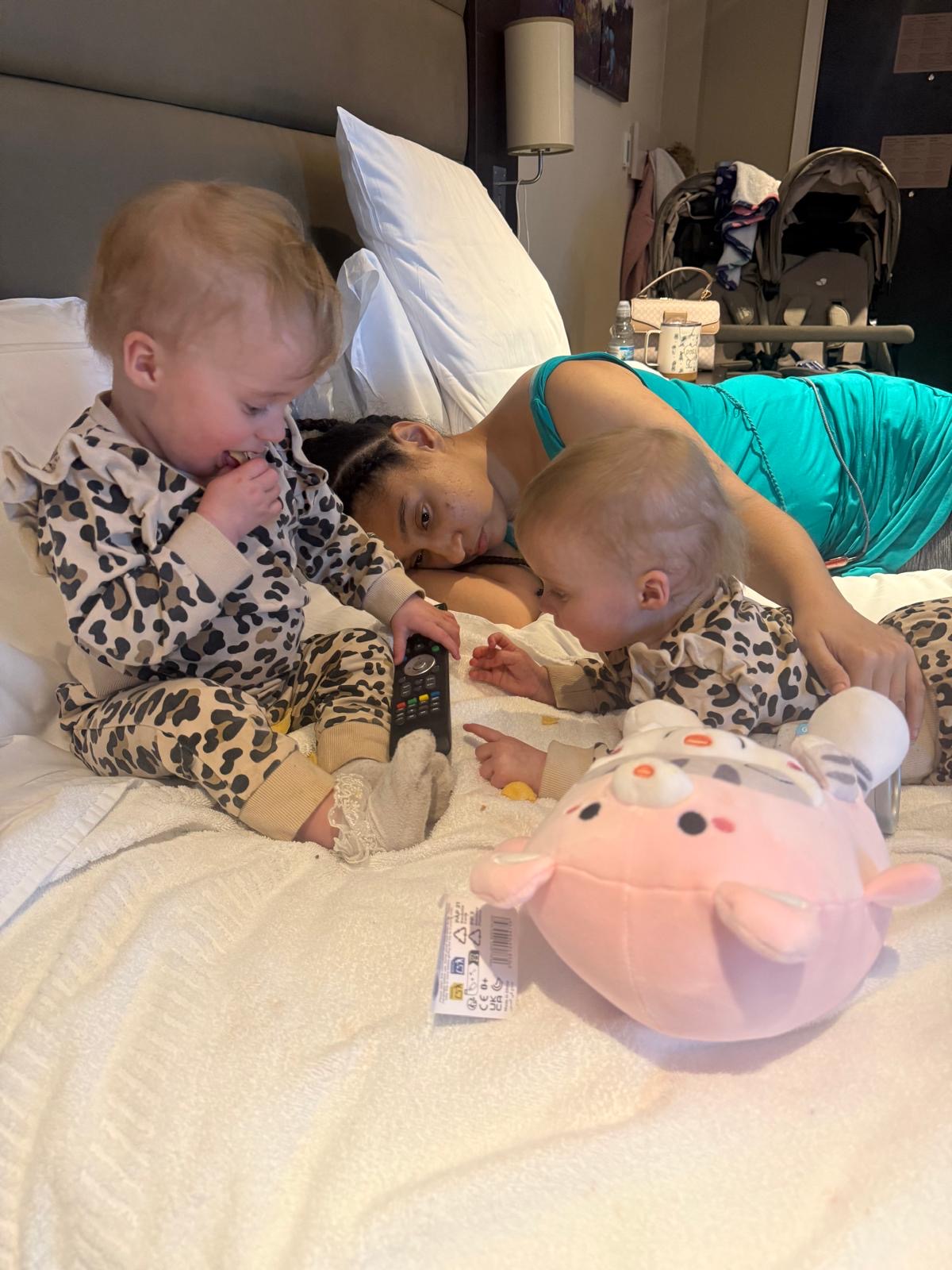
Treasured moments as a chosen aunt on wheels to twin Girls💗, which I have managed to have in 2026
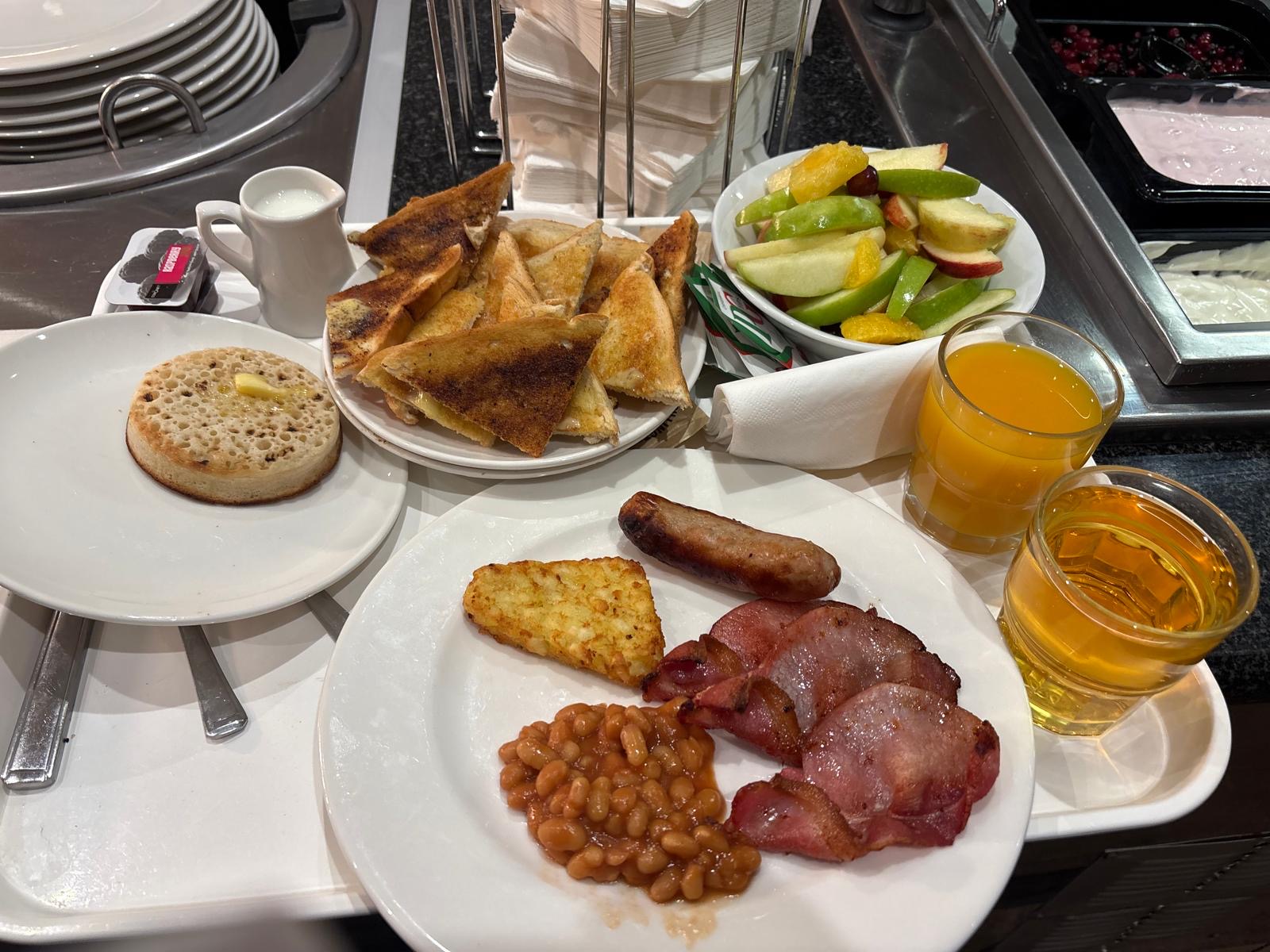
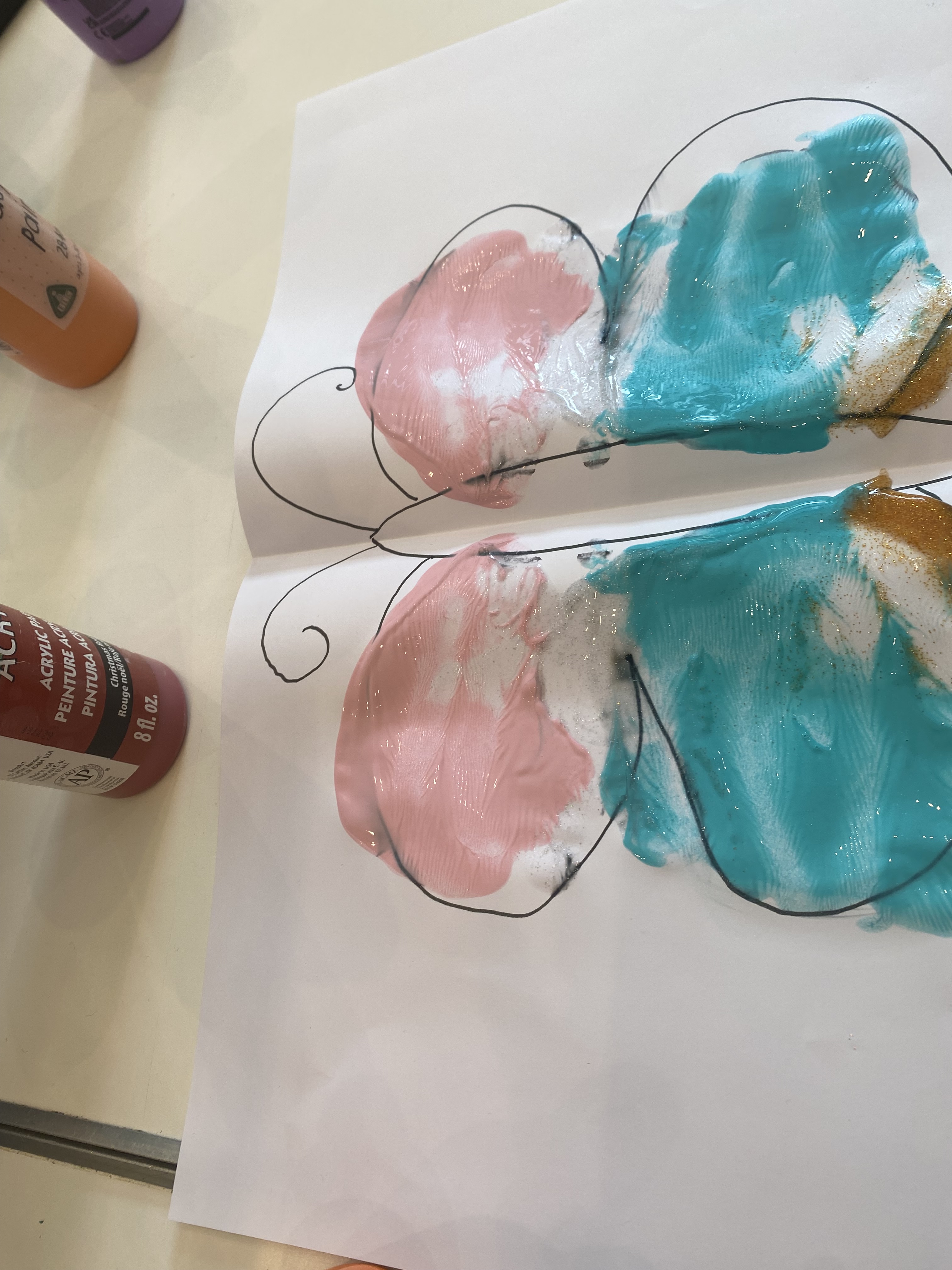
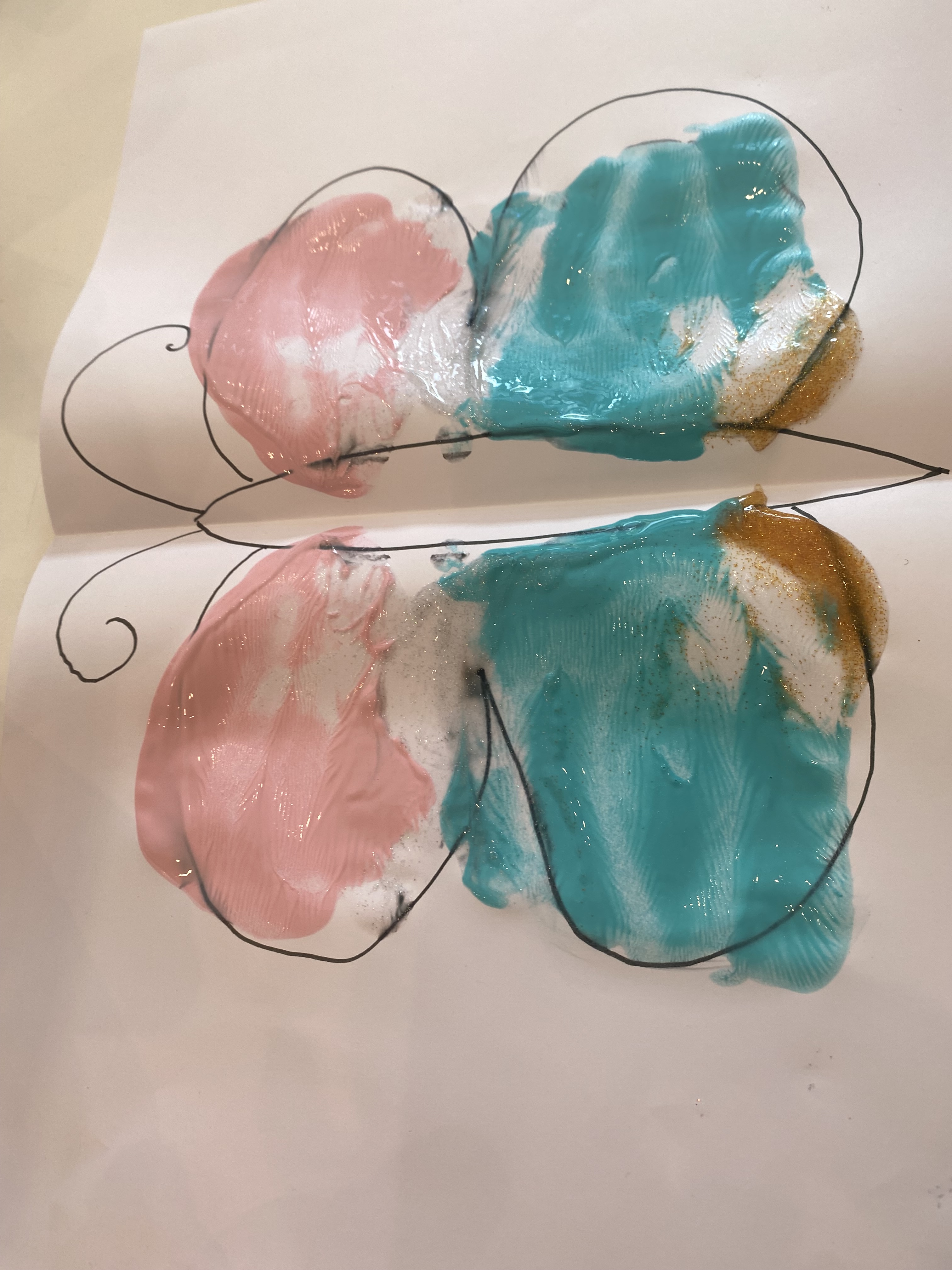
Autonomous delivery robots are no longer a futuristic concept. In many towns and cities across the UK, these small six-wheeled machines quietly travel along pavements, delivering groceries and takeaway meals directly to customers’ doors. While many people see them as an exciting glimpse into the future of urban living, others are raising important questions about accessibility, privacy, and pedestrian safety.
The Rise of Robot Deliveries
Since their introduction in the UK several years ago, delivery robots have completed millions of deliveries. Operating in cities such as Leeds, Sheffield, Milton Keynes, Bristol, and Barnsley, they promise a convenient, low-emission alternative to traditional delivery methods.
Supporters argue that these robots can reduce traffic congestion, lower carbon emissions, and make deliveries more efficient. They navigate pavements independently, stop when obstacles appear, and are designed to travel at walking pace.
As demand for fast, contactless delivery continues to grow, it’s easy to see why retailers and technology companies are investing heavily in autonomous delivery services.
Why Some People Are Concerned
Despite the technological benefits, not everyone is convinced that delivery robots belong on public pavements.
Accessibility campaigners argue that sidewalks are already crowded with street furniture, bicycles, advertising boards, and parked scooters. Adding autonomous robots into the mix could make navigating public spaces even more difficult for wheelchair users, visually impaired people, parents with pushchairs, and older pedestrians.
Some residents also express concerns about privacy. Since delivery robots rely on cameras and sensors to navigate safely, questions naturally arise about what data is collected, how long it is stored, and who has access to it.
Others simply feel uncomfortable sharing pedestrian spaces with autonomous machines, believing pavements should remain designed primarily for people.
Supporters See a Different Picture
Many users have had positive experiences with delivery robots.
Supporters often describe them as polite and cautious. The robots are programmed to stop for pedestrians, avoid collisions, and wait patiently whenever pathways become busy. For customers with limited mobility or disabilities, robotic delivery services can offer greater independence by making shopping easier without requiring travel to a store.
Technology companies also say they work closely with disability organisations to improve the robots’ design and behaviour, ensuring they become safer and more accessible over time.
The Need for Clear Regulations
One of the biggest issues isn’t necessarily the robots themselves—it’s the lack of consistent national rules governing their use.
Currently, regulations vary, creating uncertainty over where the robots can operate and what responsibilities companies have. Campaigners are calling on the government to introduce clear legislation that balances innovation with public safety.
A national framework could establish standards for accessibility, data protection, insurance, operating speeds, and pedestrian rights, providing greater clarity for both businesses and the public.
Innovation Must Include Everyone
The debate surrounding delivery robots highlights a wider challenge facing modern cities: how do we embrace innovation without excluding vulnerable members of society?
Emerging technologies often bring significant benefits, but successful adoption depends on thoughtful planning and inclusive design. Whether it’s autonomous vehicles, AI-powered services, or delivery robots, technology should improve everyday life for everyone—not create new barriers.
Final Thoughts
Delivery robots represent an exciting step towards smarter cities, but their success will depend on public trust as much as technological capability. While many people appreciate their convenience and environmental benefits, concerns around accessibility, privacy, and shared public spaces deserve careful consideration.
As governments consider new legislation and companies continue refining their technology, finding the right balance between innovation and inclusivity will be essential. The future of urban delivery may indeed be autonomous—but it must also be safe, accessible, and designed with every pedestrian in mind.
A couple of months ago roll I was recovering from my infection/trying to find out what was wrong with it so had the correct support. It’s amazing what you can do with the correct support . You can put make-up on like a normal person and attend your club which you want to without counting hours but you have to wait until you’re in chronic illness crisis this in 2026 is ridiculous we should be allowed to be the adult that we are and be given the funding to do so we are certainly not in my county obviously I don’t know about others across the country because I don’t live in them ,but it is very much a postcode lottery .
How Acoustic Pods Support Children With Hearing Loss
Creating an inclusive learning environment doesn’t always require major renovations or expensive technology. Sometimes, a simple change to the classroom can have a profound impact on a child’s ability to learn, communicate, and thrive.
A wonderful example of this comes from Guernsey, where a new acoustic pod has been introduced at Little Buttons Preschool to support pre-school children with hearing loss. Designed to reduce background noise, the pod provides a calm, quiet space where children can focus on learning, play, and meaningful conversations without the distractions of a busy classroom.
Why Noise Matters
For many young children with hearing loss, everyday classroom sounds can make it difficult to understand speech. Conversations, group activities, and general classroom noise often compete with the sounds children need to hear most—the voices of teachers, caregivers, and friends.
A quieter environment helps children distinguish speech more clearly, making it easier to develop language skills, build confidence, and participate fully in classroom activities.
A Space Designed for Inclusion
The acoustic pod creates an environment where children can enjoy focused play, shared reading, and one-to-one interactions with adults and peers. By reducing ambient noise, it supports clearer communication and encourages children to engage more confidently in learning experiences.
An added benefit is its portability. Rather than serving just one classroom, the pod can be moved between different preschools and nurseries, allowing more children across the community to benefit from the resource.
Small Changes, Lasting Impact
Inclusive education is often about removing barriers rather than changing children. Simple environmental adaptations—such as improving classroom acoustics, creating quiet spaces, and reducing sensory distractions—can make learning more accessible for children with hearing impairments.
These changes don’t just benefit children with hearing loss. Many young learners, including those with speech and language needs, autism, attention difficulties, or sensory sensitivities, also thrive in calmer, quieter environments.
Working Together for Better Outcomes
The project highlights the value of collaboration between educators, therapists, support services, and community organisations. By working together, they have created a practical solution that helps children access language, communication, and learning more effectively.
It is a reminder that inclusion isn’t only about specialist equipment or complex interventions. Thoughtful design, supportive teaching practices, and a commitment to meeting children’s individual needs can make an extraordinary difference.
Looking Ahead
As schools and early years settings continue to embrace inclusive education, initiatives like acoustic pods demonstrate how relatively small investments can have a lasting impact on children’s confidence, communication, and overall development.
Every child deserves the opportunity to learn in an environment where they can hear, participate, and feel included. Sometimes, creating that opportunity starts with something as simple as giving them a quieter place to listen.
For many women, attending a cervical screening appointment is something they put off because it feels uncomfortable or embarrassing. For many autistic women, however, the barriers can be far greater. Sensory overload, communication difficulties, previous traumatic experiences, and concerns about pain can make what is considered a routine health appointment feel overwhelming.
New research from Swansea University, funded by Cancer Research Wales, aims to better understand these challenges and identify practical ways to improve cervical screening for autistic women.
More Than Just Anxiety
Cervical screening, often referred to as a smear test, is one of the most effective ways to prevent cervical cancer. By detecting high-risk strains of the human papillomavirus (HPV) and identifying abnormal cells early, screening saves lives.
Yet participation rates among autistic women are believed to be significantly lower than those of the general population. This means many women may miss opportunities to detect changes before they become more serious.
The reasons are complex and deeply personal.
Many autistic women describe heightened sensitivity to pain, discomfort with unfamiliar environments, and difficulty communicating distress during medical procedures. Some report previous appointments where their pain or anxiety was dismissed, leaving them reluctant to return.
The Importance of Feeling Heard
One of the strongest themes emerging from the research is the need for healthcare professionals to recognise that every patient’s experience is different.
For some autistic people, bright clinical lighting, crowded waiting rooms, or unexpected changes to appointments can be overwhelming. Others may find it difficult to process verbal information quickly or to speak up if they become distressed during an examination.
Simple adjustments could make a significant difference, including:
- Explaining each step of the procedure before it happens.
- Agreeing on a clear signal to pause or stop the examination.
- Allowing extra appointment time.
- Providing written information beforehand.
- Creating quieter waiting areas where possible.
These changes require little additional cost but could dramatically improve patient confidence and comfort.
Trauma Cannot Be Ignored
Many autistic women have also experienced sexual violence or trauma, which can make intimate medical examinations particularly difficult.
Feeling in control throughout the procedure is essential. Clear communication, informed consent, and reassurance that the examination can stop immediately if requested can help reduce anxiety and build trust between patients and healthcare professionals.
Trauma-informed care benefits everyone—not just autistic patients.
Looking Towards Better Solutions
Researchers are optimistic that future developments, including home-based HPV self-sampling kits, could remove many of the barriers associated with traditional cervical screening.
Self-testing may offer greater privacy, control, and comfort for women who struggle with clinical environments or invasive procedures.
Alongside technological advances, improved staff training and greater awareness of neurodiversity could help ensure that more women receive the preventative healthcare they need.
Small Changes, Big Impact
Healthcare should adapt to the needs of patients rather than expecting patients to fit a one-size-fits-all system.
Listening carefully, communicating clearly, and recognising that autistic women may experience appointments differently are simple but powerful steps toward reducing health inequalities.
No one should avoid potentially life-saving screening because they fear not being believed, understood, or respected.
As this important research continues, it offers hope that future cervical screening services will become more accessible, more compassionate, and ultimately more effective for autistic women across Wales and beyond.
Final Thoughts
Preventative healthcare only works when people feel able to access it. By understanding the unique challenges faced by autistic women and making thoughtful adjustments to clinical practice, healthcare providers have an opportunity to improve both patient experience and health outcomes.
Sometimes, the smallest changes—better communication, greater flexibility, and genuine empathy—can make the biggest difference.
Equal Pay For Germany’s Disabled Workers
For decades, Germany has been praised for its strong social support systems and worker protections. Yet beneath this reputation lies a long-running debate about one group that has largely been excluded from many of those protections: disabled people working in sheltered workshops.
Now, a landmark legal case could reshape the future of employment rights for hundreds of thousands of workers.
A Challenge to the Status Quo
Jürgen Linnemann, a 57-year-old man who has spent his entire working life in a sheltered workshop for disabled people, is asking a German court to recognize workshop workers as employees rather than participants in a special support program.
The distinction matters enormously.
Because workers in these workshops are not legally classified as employees, they are typically paid far below Germany’s statutory minimum wage. They also lack employment rights that many workers take for granted, including the ability to join a trade union and negotiate working conditions.
If the court rules in Linnemann’s favour, it could become one of the most significant disability rights decisions Germany has seen in years.
What Are Sheltered Workshops?
Germany’s sheltered workshops employ around 300,000 disabled people.
These organisations provide structured work environments where individuals can develop skills and earn an income while receiving support tailored to their needs. Many produce goods or components for well-known national and international companies.
Supporters argue that these workshops offer stability, routine, and accessible workplaces for people who might struggle to find employment elsewhere.
Critics, however, believe the system has evolved into a segregated labour market that limits opportunity rather than expanding it.
The Barriers Go Beyond Pay
The debate isn’t solely about wages.
Many disability advocates argue that the workshop system unintentionally traps people in a separate employment pathway from an early age.
Children may attend specialist schools before moving directly into sheltered employment, with relatively few opportunities to transition into mainstream workplaces.
Statistics suggest that fewer than 1% of workshop employees successfully move into regular employment each year—a figure critics say demonstrates systemic failure rather than individual inability.
The Human Stories Behind the Numbers
The legal case highlights experiences shared by many disabled workers.
Some describe being discouraged from pursuing mainstream careers, while others recount discrimination during job interviews or difficulties finding employers willing to make reasonable adjustments.
These experiences illustrate that the biggest obstacle is often not disability itself, but the attitudes and barriers present within society and workplaces.
At the same time, many workshop employees genuinely value the environment these organisations provide.
Some have previously worked in mainstream jobs but found them stressful, inaccessible, or damaging to their wellbeing. For these individuals, workshops offer a sense of community, understanding, and security that they struggled to find elsewhere.
This makes the discussion more nuanced than a simple choice between keeping or abolishing the system.
Why Employers Matter
German companies above a certain size are required to employ disabled workers or contribute financially to a compensation fund.
However, many businesses choose to pay the levy instead of hiring disabled employees directly.
Companies can also reduce these payments by outsourcing work to sheltered workshops, creating financial incentives that some critics believe reinforce the existing system instead of encouraging inclusive hiring.
As a result, employers may have less motivation to invest in accessible workplaces, inclusive recruitment, or long-term career development for disabled employees.
Balancing Rights and Practical Challenges
Workshop operators acknowledge that improvements are needed, particularly when it comes to helping people transition into mainstream employment.
However, they also point out that some workers require levels of flexibility and support that traditional employment contracts may not easily accommodate.
This raises important questions:
- Should all workshop workers automatically receive employee status?
- How should productivity expectations be adapted for people with different support needs?
- Can governments create funding models that protect both workers’ rights and specialised support services?
These questions have no simple answers.
A Turning Point for Disability Rights
Whatever the court ultimately decides, the case has already sparked a broader conversation about equality, dignity, and inclusion.
For many campaigners, equal pay is only one part of a much larger goal: ensuring disabled people have genuine choices about where and how they work.
True inclusion means creating workplaces where disabled people are not separated by default but are supported to participate fully in the wider economy whenever possible.
Germany’s upcoming decision could influence not only national employment policy but also disability rights discussions across Europe.
The outcome may determine whether sheltered workshops remain primarily long-term destinations—or become genuine stepping stones toward equal participation in working life.
Final Thoughts
The debate surrounding Germany’s sheltered workshops is not simply about wages. It is about how society defines work, equality, and opportunity.
A fair system should recognise that disabled people have diverse needs and ambitions. Some will thrive in supported environments, while others deserve every opportunity to build careers alongside non-disabled colleagues.
As the legal process unfolds, one principle remains clear: equal dignity at work should be a goal shared by every modern society.
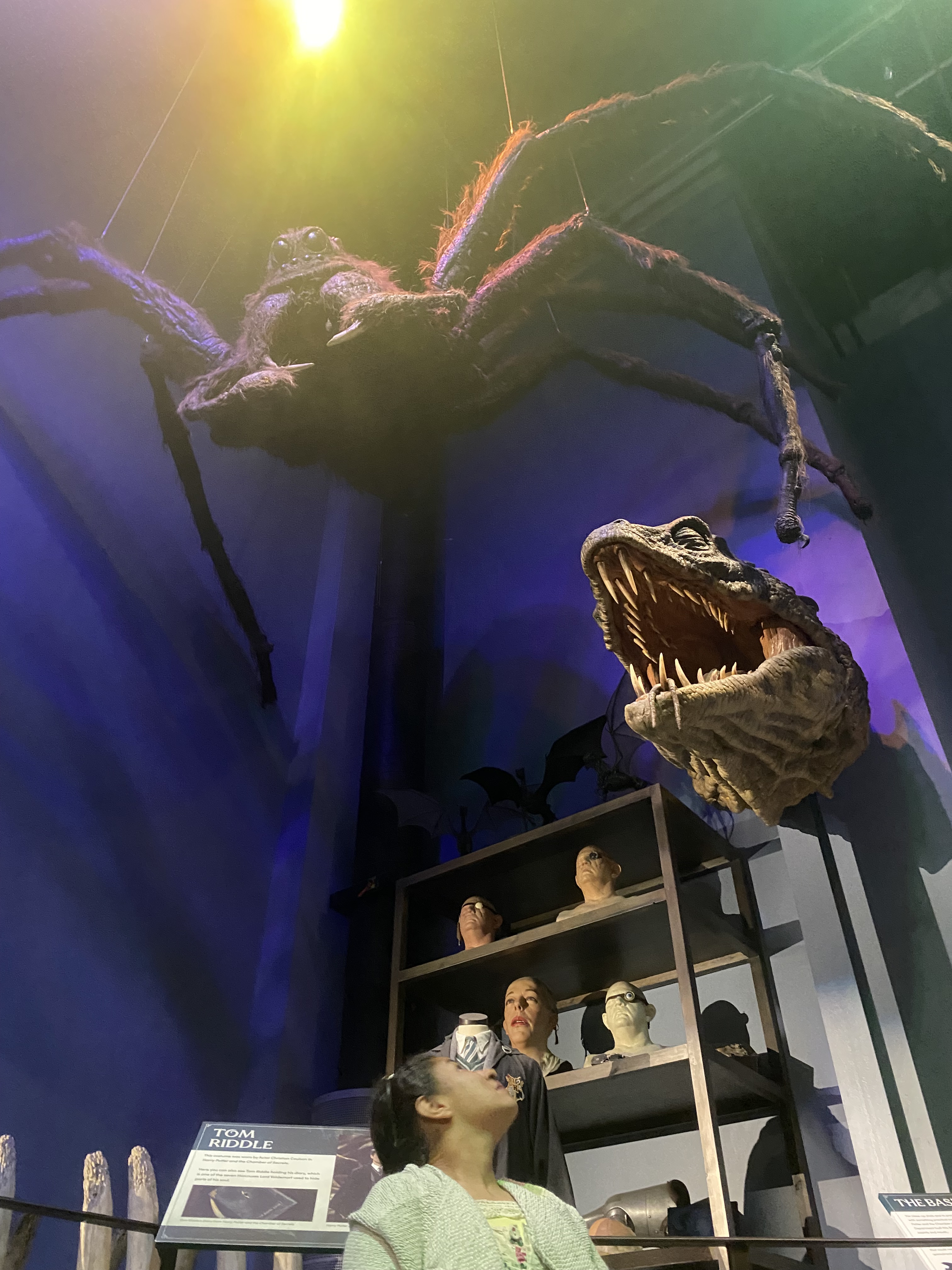

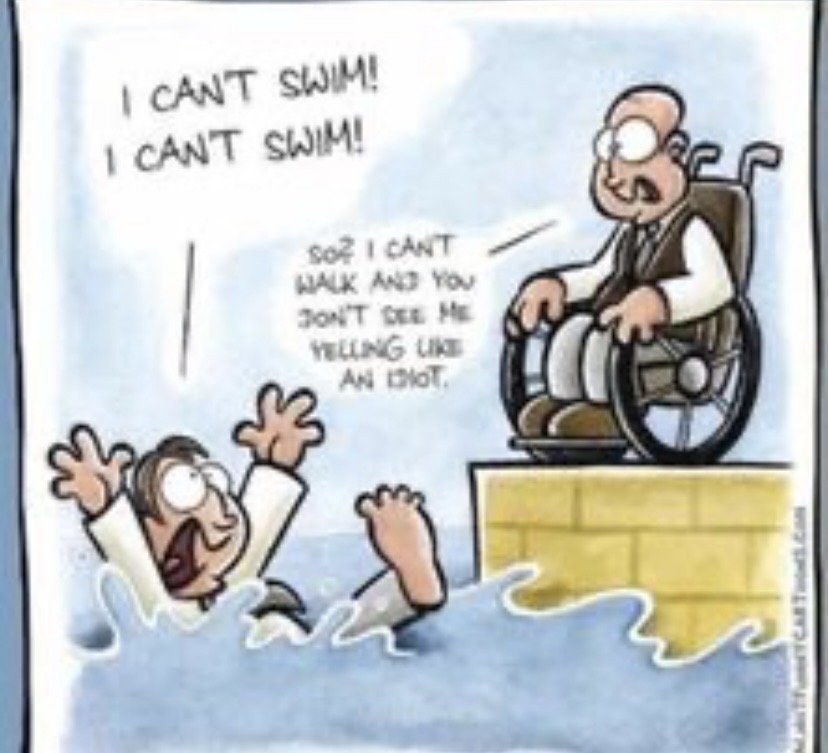
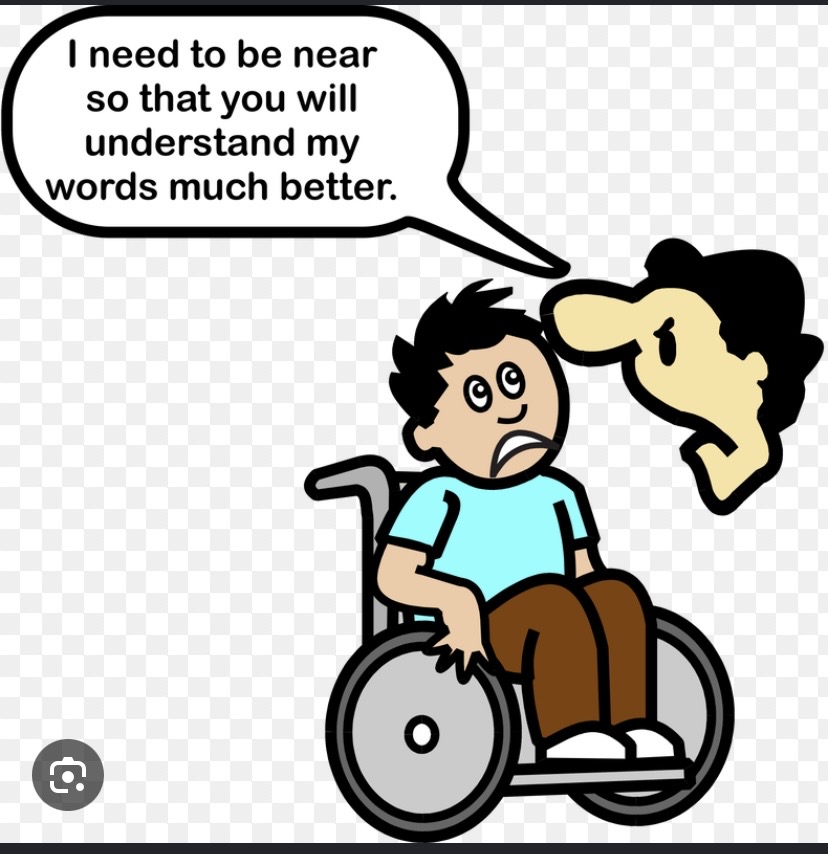
When Summer Sunshine Becomes A Health Risk: The Hidden Impact Of Heatwaves On Vulnerable People
For many people, a heatwave is a welcome opportunity to spend time outdoors, visit the beach, or enjoy long summer evenings. But for thousands of vulnerable individuals, rising temperatures can create serious health challenges that dramatically affect their daily lives.
As temperatures across Northern Ireland recently climbed to around 30°C, many residents celebrated the arrival of unusually warm weather. Yet for people living with chronic health conditions, the heat has brought a very different experience.
Living with Heat Sensitivity
Conditions such as multiple sclerosis (MS) can make hot weather particularly difficult to manage. MS affects the brain and spinal cord, often causing symptoms such as fatigue, muscle weakness, mobility issues, and vision problems. Higher temperatures can temporarily worsen these symptoms, making everyday activities significantly harder.
For many people with MS, spending time in direct sunlight or even remaining in a warm room can lead to increased weakness and exhaustion. Activities that were once enjoyable during summer months may become impossible without careful planning and cooling measures.
This reality highlights an often-overlooked aspect of heatwaves: while temperatures may feel pleasant to some, they can create barriers to independence and quality of life for others.
The Essential Role of Care Workers
During periods of extreme heat, care workers become an even more vital source of support.
Home care assistants across Northern Ireland have been adapting their routines to help vulnerable individuals stay safe. Their responsibilities extend beyond regular care duties to include monitoring hydration, ensuring living spaces remain cool, and helping clients avoid heat-related illnesses.
Simple actions can make a meaningful difference:
Encouraging regular water intake
Closing blinds during peak sunshine hours
Improving airflow within homes
Monitoring for signs of heat exhaustion
Supporting individuals who struggle with mobility during hot weather
For elderly people, those with disabilities, and individuals with chronic health conditions, these measures can significantly reduce the risks associated with prolonged exposure to high temperatures.
Why Heatwaves Demand Extra Awareness
Public conversations about heatwaves often focus on travel, outdoor activities, and leisure. However, healthcare professionals consistently remind us that extreme heat can pose serious risks.
Older adults, people with neurological conditions, those taking certain medications, and individuals with limited mobility are particularly vulnerable. Dehydration, fatigue, heat exhaustion, and worsening of existing medical symptoms can occur much more quickly than many realize.
As climate patterns continue to change and heatwaves become more frequent, communities may need to rethink how they support vulnerable populations during periods of extreme weather.
Small Acts of Support Matter
One of the most encouraging aspects of stories emerging during this heatwave is the importance of community care. Whether provided by professional carers, family members, friends, or neighbours, small acts of support can have a major impact.
Checking in on someone who lives alone, helping them stay hydrated, or ensuring they have access to a cool environment may seem simple, but these actions can greatly improve comfort and safety during hot weather.
A Different Perspective on Summer
Heatwaves are often associated with enjoyment and relaxation, but they also reveal how differently people experience the same weather conditions. For vulnerable individuals, particularly those living with chronic illnesses, summer can require careful management rather than celebration.
Their experiences serve as a reminder that public health during extreme weather is about more than temperature records. It is about ensuring that everyone—regardless of age, health condition, or mobility—has the support they need to remain safe, comfortable, and connected during periods of intense heat.
As temperatures continue to rise across many parts of Europe and the United Kingdom, understanding these challenges is becoming increasingly important for all of us.
This version is suitable for a general-interest blog, healthcare website, community newsletter, or local news publication.
Legendary Indian Singer Alka Yagnik Losing Hearing
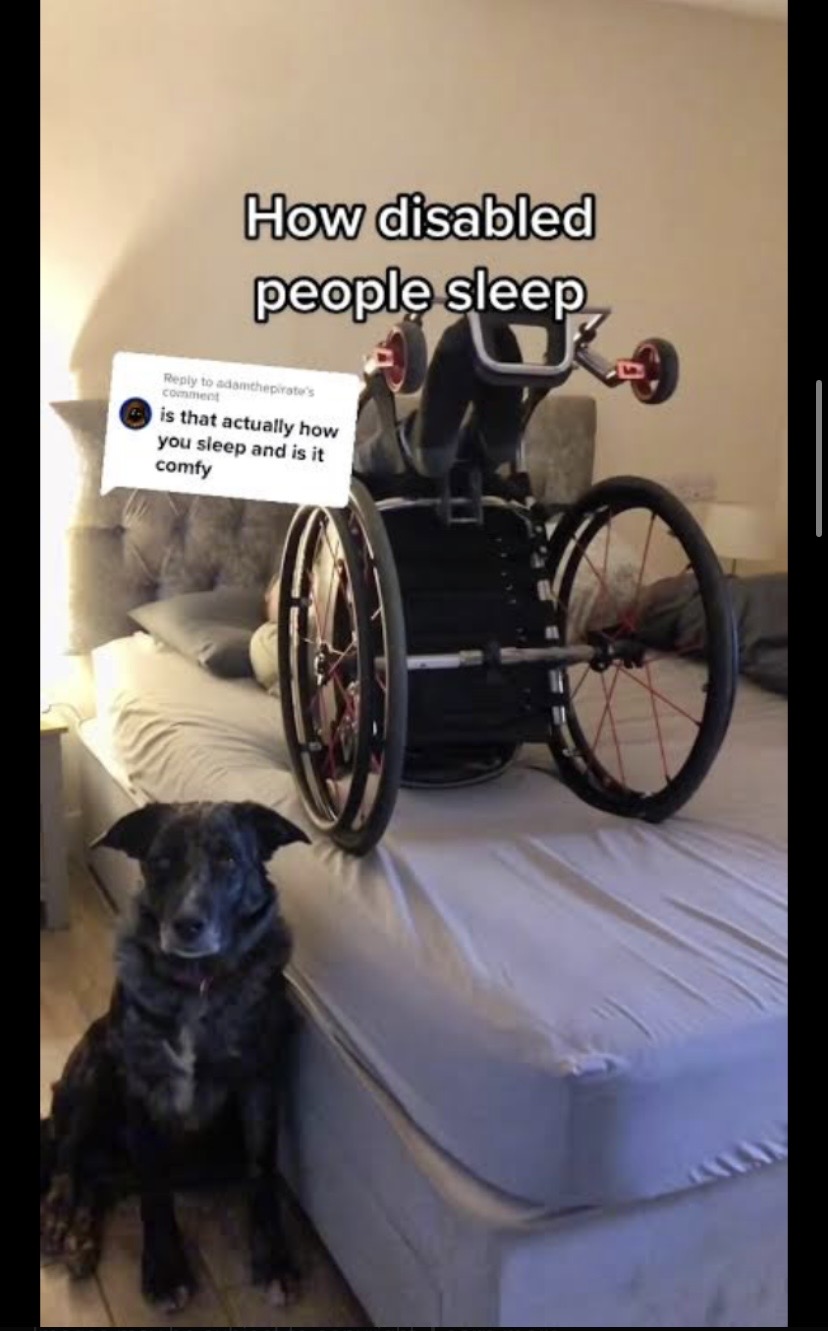
More Work Needed To Make Nature Accessible To All
For many people, a trip to the countryside means freedom, fresh air, and a chance to reconnect with nature. But for disabled people, enjoying these experiences often requires careful planning, additional support, and overcoming barriers that many others never have to consider.
Writer and content creator Pippa Stacey knows this reality well. Living with myalgic encephalomyelitis/chronic fatigue syndrome (ME/CFS), she uses an ambulatory wheelchair most of the time and has become a passionate advocate for making natural spaces more inclusive. According to Stacey, planning a countryside visit is often less about choosing where she wants to go and more about determining which places are actually accessible.
Progress Is Being Made
There are encouraging signs that attitudes toward accessibility are changing. Across Yorkshire and other parts of the UK, more locations are providing all-terrain mobility scooters, commonly known as trampers, allowing people with mobility challenges to explore paths and landscapes that were previously out of reach.
Stacey has even created tramper travel guides on her blog and social media platforms, helping others discover accessible destinations and inspiring more disabled people to experience the outdoors in ways that suit their individual needs.
Yet accessibility remains inconsistent. Some organizations have made it a priority, while others have barely addressed it. As Stacey points out, accessibility is not a one-size-fits-all issue, and recognizing different needs is essential.
The Journey Matters Too
One of the biggest obstacles isn’t what happens once visitors arrive—it’s getting there in the first place.
Accessible transportation to rural destinations remains limited, particularly for people who cannot drive. Responsibility for solving this problem often falls between different agencies, leaving gaps that prevent many people from enjoying the countryside.
Stacey believes involving disabled people directly in planning and decision-making would provide valuable insights and help remove barriers more effectively.
Information Can Make All the Difference
Paula Brunt, vice-chair of Disabled Ramblers, says that lack of information can discourage people before they even leave home.
Simple details—such as whether accessible parking, changing facilities, or scooter-friendly gates are available—can determine whether someone feels confident enough to visit a location. Without that information, the countryside can feel intimidating and inaccessible.
Through organized rambles, Disabled Ramblers offers not only access to beautiful landscapes but also a sense of belonging. For many participants, these outings combat the isolation that disability can bring and create opportunities for friendship and community.
Disabled People Are Contributors, Not Just Visitors
Organizations like Open Country are helping redefine perceptions about disability and outdoor access. Working alongside National Landscapes through the Access For All initiative, the charity enables people with physical and learning disabilities to actively contribute to improving the environment.
Participants help lay footpaths, assist with habitat management, and support conservation projects. Their work demonstrates that disabled people are not simply recipients of care—they are valuable contributors to making the countryside better for everyone.
Recognizing that every person’s needs are different, Open Country also provides innovative alternatives such as audio-described walks for visually impaired people or those unable to travel, ensuring that more people can experience the beauty of nature.
Nature Should Belong to Everyone
Although accessibility in Britain’s countryside has improved over the years, campaigners agree that progress has been slow. Greater collaboration, better transportation, clearer information, and involving disabled people from the earliest stages of planning could transform outdoor spaces into truly inclusive environments.
Nature offers benefits for physical health, mental well-being, and social connection. No one should be excluded from these experiences because of avoidable barriers.
As Open Country chief officer David Shaftoe puts it, humans are meant to be immersed in nature. When anyone is denied that opportunity, society as a whole loses something valuable.
Creating accessible countryside spaces isn’t just about ramps and equipment—it’s about ensuring that everyone, regardless of ability, has the chance to enjoy the beauty, peace, and sense of belonging that nature provides.

High kerbs, uneven roads, and bumpy pavements may seem like minor inconveniences to many people, but for wheelchair users and those relying on mobility scooters, they can turn a simple trip into a daily struggle.
Councillors recently experienced these challenges firsthand while navigating around town using a wheelchair and a mobility scooter. The exercise highlighted just how difficult it can be for people with limited mobility to travel safely and independently.
From negotiating high kerbs that lacked suitable drop points to dealing with rough surfaces and uneven pavements, the experience exposed a number of obstacles that many residents face every day. What might appear to be a short and straightforward journey quickly became frustrating and, in some places, potentially hazardous.
The initiative was designed to raise awareness of accessibility issues and encourage improvements that make streets safer and more inclusive for everyone. Councillors said the experience gave them a new perspective on the importance of well-maintained pavements, accessible crossings, and thoughtful urban design.
Campaigners have long argued that poor infrastructure can isolate people with disabilities, limiting their ability to access shops, services, and social activities. By experiencing these barriers themselves, local representatives hope to identify practical solutions and prioritise changes that will improve everyday life for residents.
Accessibility is not just about complying with regulations—it is about ensuring that everyone can move around their community with dignity, confidence, and independence. As towns continue to evolve, creating streets that work for all users should remain a key priority.
The challenge served as a reminder that small improvements, such as lowering kerbs, repairing uneven surfaces, and maintaining pavements, can make a significant difference to the lives of many people. For those who rely on wheelchairs and mobility scooters, accessibility is not a luxury—it is a necessity.
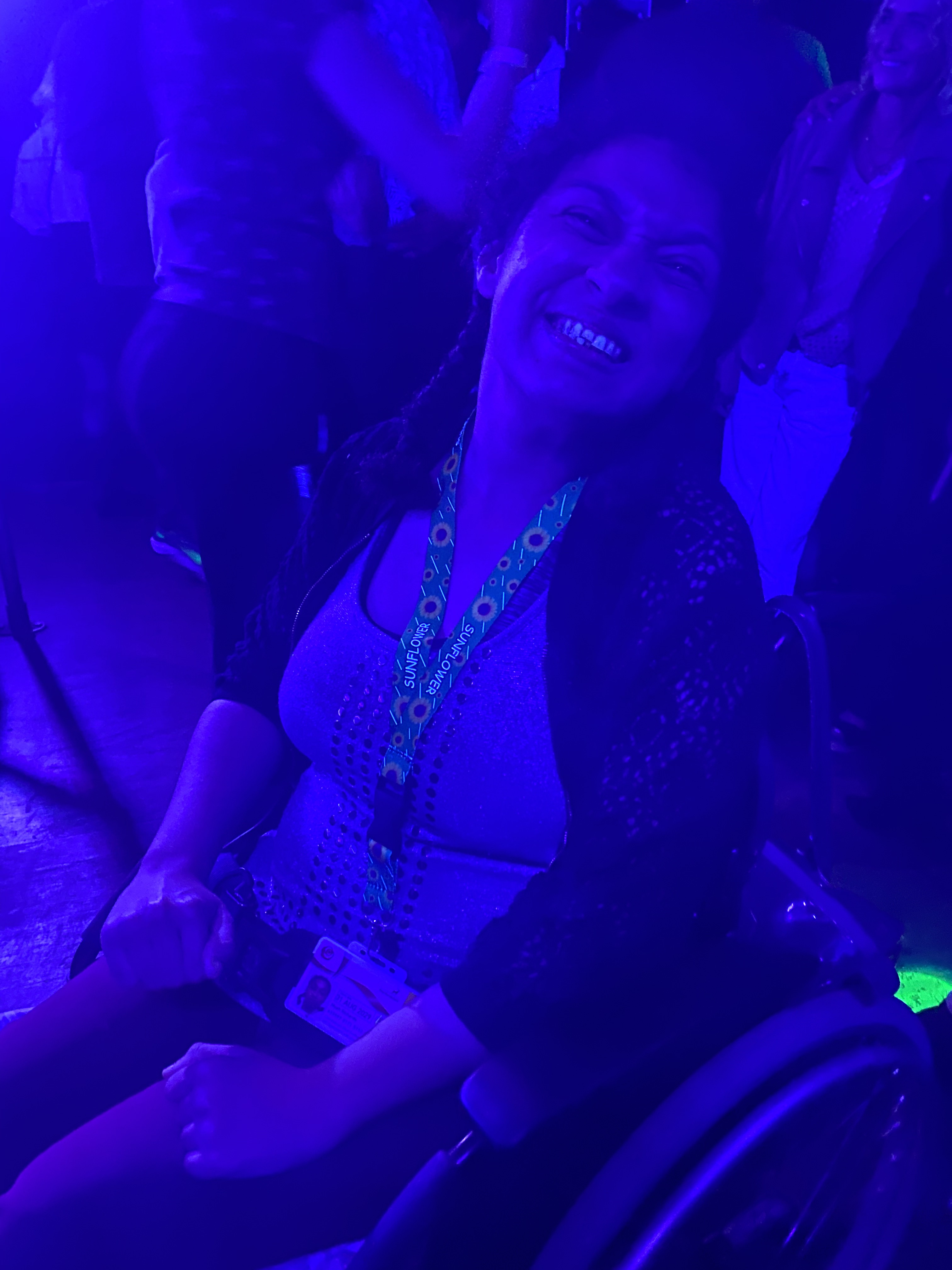
Issy Hart
When doctors told Issy Hart she would never walk or talk, they could not have imagined the remarkable journey that lay ahead.
Today, at just 22 years old, Issy is preparing to graduate with a degree in criminology from the University of Plymouth. She has also achieved something many able-bodied people never attempt — completing the Plymouth Half Marathon.
Born with cerebral palsy, a lifelong condition that affects movement and coordination, Issy’s life has been filled with challenges. Yet rather than allowing those challenges to define her, she has spent years proving that determination and belief can overcome even the toughest obstacles.
“Disability doesn’t have to hold you back,” she says. “I’m proving to myself that I can go out there and do hard things.”
Turning Pain into Purpose
Two years ago, Issy experienced a disability hate crime while walking near Plymouth Hoe with a friend. She was mocked and abused by two teenage girls who even filmed the encounter. Although the incident was reported, there was insufficient evidence to identify those responsible.
Instead of allowing the experience to break her spirit, Issy transformed the pain into motivation.
“It made me stronger and helped me like myself more,” she explained. “It motivated me to advocate for disabilities.”
Her response demonstrates a powerful lesson: adversity does not have to define us. Sometimes, it can become the catalyst that pushes us towards our purpose.
Conquering the Half Marathon
Training for the Plymouth Half Marathon was far from easy. Alongside managing cerebral palsy, Issy battled injuries throughout her preparation. During the race itself, she needed support in the final stages and admitted that physically, her body had reached its limit.
But mentally, she refused to surrender.
“My body was on the verge of giving up,” she said. “That’s when I learned how powerful your mind can be. I kept telling myself, ‘I can do this.'”
The race may not have unfolded exactly as planned, but crossing the finish line represented far more than completing 13.1 miles. It symbolised resilience, courage and years of proving others wrong.
A Message for Everyone
Perhaps the most inspiring part of Issy’s story is her message to others.
“If you believe in yourself, you can literally achieve anything.”
Those words carry incredible weight coming from someone who once faced predictions that she would never walk or speak.
As she prepares for her next challenge — a 10-kilometre race later this year — and dreams of travelling around Southeast Asia before beginning her career, Issy continues to show that limitations are often far less powerful than determination.
Her story isn’t just about running. It’s about refusing to let circumstances, other people’s opinions, or even past pain decide what is possible.
Because sometimes, the greatest victories are not measured by medals or finishing times, but by the courage to keep moving forward.
And in doing so, Issy Hart has become living proof that impossible is often just someone else’s prediction.
Canada Reconsiders Assisted Dying For Mental Illness
Canada’s ongoing conversation around medical assistance in dying (MAID) has entered a new chapter, with a parliamentary committee recommending that people whose only medical condition is a mental illness should remain permanently excluded from the program.
The recommendation, published in June 2026, comes after years of heated debate over whether eligibility for assisted dying should be expanded beyond physical illnesses. While Canada’s MAID framework has gradually widened since its introduction in 2016, lawmakers are now facing one of the most sensitive questions yet: should individuals suffering solely from mental illness be able to access the procedure?
A Single Recommendation with Major Implications
A joint committee made up of members from both the House of Commons and the Senate issued a 98-page report containing one central recommendation — that Canadians whose only underlying condition is a mental illness should be indefinitely excluded from receiving medical assistance in dying.
Committee members noted that testimony throughout the review revealed significant disagreements among experts and advocates. However, many witnesses highlighted a common concern: access to mental health care remains uneven across the country, and improving support services should be a priority.
Prime Minister Mark Carney’s government is expected to respond to the report by July, and any decision could shape the future of Canada’s assisted dying framework.
Why the Issue Is So Controversial
Canada first postponed the expansion of MAID to people with mental illness in 2023, citing concerns that the healthcare system was not sufficiently prepared. A second delay pushed the proposed implementation date to March 2027, accompanied by a commitment to conduct a comprehensive review.
Supporters of keeping the exclusion in place argue that mental illnesses differ from many physical conditions because predicting whether someone will recover is extremely difficult. Some psychiatrists and advocacy groups worry that vulnerable individuals experiencing suicidal thoughts could seek assisted death during periods when treatment might still help.
Conservative politicians welcomed the committee’s findings, arguing that expanding MAID to mental illness alone could put lives at risk.
Critics Say the Process Was Flawed
Not everyone agrees with the recommendation.
Several senators issued a dissenting report, claiming the committee’s review process favored witnesses opposed to expansion and did not adequately represent alternative perspectives. They questioned the credibility of the findings and suggested that the issue may ultimately need to be settled by Canada’s Supreme Court.
Critics also point to countries such as the Netherlands, Belgium, and Luxembourg, where assisted dying is already available in certain cases involving mental illness.
Legal Challenges Continue
The debate extends beyond Parliament.
Several legal cases are challenging Canada’s current exclusion policy. One of the most prominent involves a Toronto woman living with bipolar disorder and post-traumatic stress disorder, who argues that denying access to MAID based solely on mental illness violates constitutional rights.
Advocates supporting expansion say prolonged delays mean years of continued suffering for people who believe they should have the same autonomy afforded to patients with physical illnesses.
Public Opinion Shows a Divide
Although assisted dying has become widely accepted in Canada overall, public attitudes are more divided when mental illness is involved.
Recent polling suggests that around three-quarters of Canadians support MAID in general. However, support drops considerably when eligibility is limited to people whose sole condition is a mental illness.
This divide reflects the broader challenge facing policymakers: balancing personal autonomy with concerns about vulnerability, treatment possibilities, and the adequacy of mental healthcare services.
An Unresolved Question
Ten years after Canada legalized assisted dying, the country is still grappling with where the boundaries should lie.
The latest committee report does not end the debate. Parliament, the courts, medical professionals, advocacy groups, and Canadians themselves remain divided over how compassion, autonomy, and protection should be balanced.
As the government considers its next move, one thing is clear: the discussion surrounding mental illness and assisted dying is far from over, and the decisions made in the coming months could have lasting implications for Canada’s healthcare system and ethical landscape.
I can also �adapt this into a more opinion-style article, �a news-style piece, or �an SEO-optimized blog post with headings and keywords.
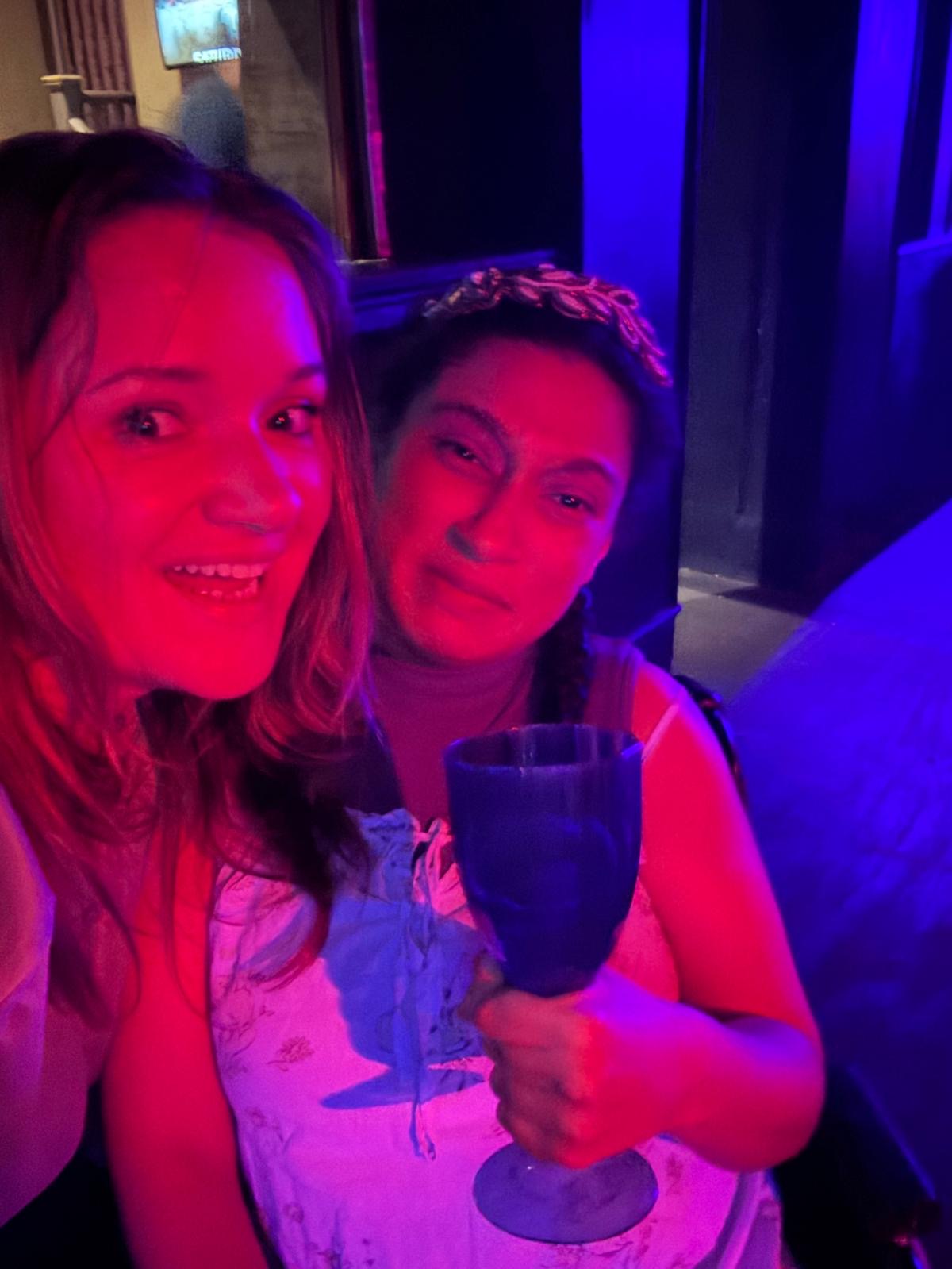
me and the Hagrid robot mask which was used for the actor who played Hagrid in all of the films/TV series of
How Blind Football Captain Samantha Gough Earned An MBE
When Samantha Gough receives her MBE as part of the 2026 King’s Birthday Honours, she won’t just be celebrating a personal achievement. She’ll be shining a spotlight on the power of inclusion, resilience, and the life-changing impact of the right support.
At just 23 years old, Samantha has already established herself as one of Britain’s most accomplished visually impaired athletes. As the first-ever captain of the England Women’s Blind Football team, a national goalball player, a para-rowing champion, and an advocate for the visually impaired community, her story is one of determination against extraordinary odds.
A Journey Marked by Challenge
Born with cerebral visual impairment (CVI), Samantha’s eyes are healthy, but her brain struggles to process visual information effectively. In 2014, her sight deteriorated significantly, forcing her to relearn many everyday skills that most people take for granted.
The transition was difficult. As her vision worsened, opportunities in sport began to disappear.
“It wasn’t very long ago that I didn’t think I could take part in sport at all,” Samantha reflects. “I went from being registered partially sighted to severely sight impaired and was basically excluded from all sport. Instead of asking how they could support me, I was seen as a problem.”
For many young people, such experiences could have marked the end of their sporting ambitions. For Samantha, however, they became the beginning of a remarkable new chapter.
The Turning Point
That chapter began at Sight Scotland’s Royal Blind School in Edinburgh.
Samantha describes attending the school as a turning point that transformed her confidence, independence, and outlook on life.
“The Royal Blind School was a real turning point for me,” she says. “I was given tailored support and the opportunity to learn vital independent living skills, which really helped rebuild my confidence. It also helped me accept myself and my disability, which was such an important part of my journey.”
The support extended far beyond the classroom. Samantha learned braille after losing the ability to read and write as her sight deteriorated. She developed practical skills such as cooking, shopping independently, and advocating for the support she needed.
Learning to use a white cane proved particularly transformative, helping her navigate the world with greater confidence. More recently, her guide dog, Helga, has provided even more independence and freedom.
“All the amazing things that have happened to me through sport and my advocacy work would not have been possible without the incredible teachers at the Royal Blind School,” she says. “They believed in me when I struggled to believe in myself and gave me the skills and confidence to move forward. It quite literally changed my life.”
Making History in Sport
Armed with renewed confidence and determination, Samantha went on to break new ground in British sport.
In 2022, she became the first-ever captain of the England Women’s Blind Football team, helping to shape the future of a rapidly growing sport. The following year, she led England at the inaugural IBSA Women’s World Championships, marking the team’s first appearance on the world stage.
Her achievements are not limited to football.
As a goalball athlete, Samantha became one of the UK’s leading female goal scorers and represented Great Britain at the 2022 European Para Youth Games, earning a bronze medal. In rowing, she claimed gold at the 2023 British Rowing Indoor Championships and secured selection to the Great Britain Para Rowing performance pathway.
Using Sport to Drive Change
While Samantha’s sporting accomplishments are impressive, she sees her platform as an opportunity to create wider change.
Having experienced both exclusion and empowerment, she is passionate about raising awareness of visual impairment and increasing access to sport for disabled people.
“I want to use my platform, whether through sport, social media, visiting schools to talk about my disability, or working with organisations like Sight Scotland, to show what is possible and help influence positive change,” she explains.
She is already making a significant impact through her advocacy work. In 2023, she received a Midlothian Young People’s Award, was commended in the UK Parliament for her achievements, and continues to serve as an ambassador for Sight Scotland.
More Than a Personal Achievement
For Samantha, receiving an MBE is about more than recognition for past achievements. It is an opportunity to champion blind football, promote inclusion, and inspire others facing similar challenges.
“I want to use it to highlight blind football and visually impaired sport, and to show others what can be achieved if you follow your dreams,” she says.
Her message is a powerful reminder that talent can flourish when barriers are removed and support is provided.
“There are people who understand and want to help, and it really can make such a difference.”
As Samantha Gough adds an MBE to her growing list of achievements, her story stands as a testament to what can happen when determination meets opportunity—and when society chooses inclusion over limitation.
For young people living with sight loss, her journey offers a clear message: your ambitions do not have to be defined by your disability. With the right support, they can become your greatest strength.
This version is written in a feature-style blog format suitable for a charity website, news section, or corporate blog, with a strong narrative flow and clear headings.
Rosie Jones Tried To Prove Herself By Binge Drinking
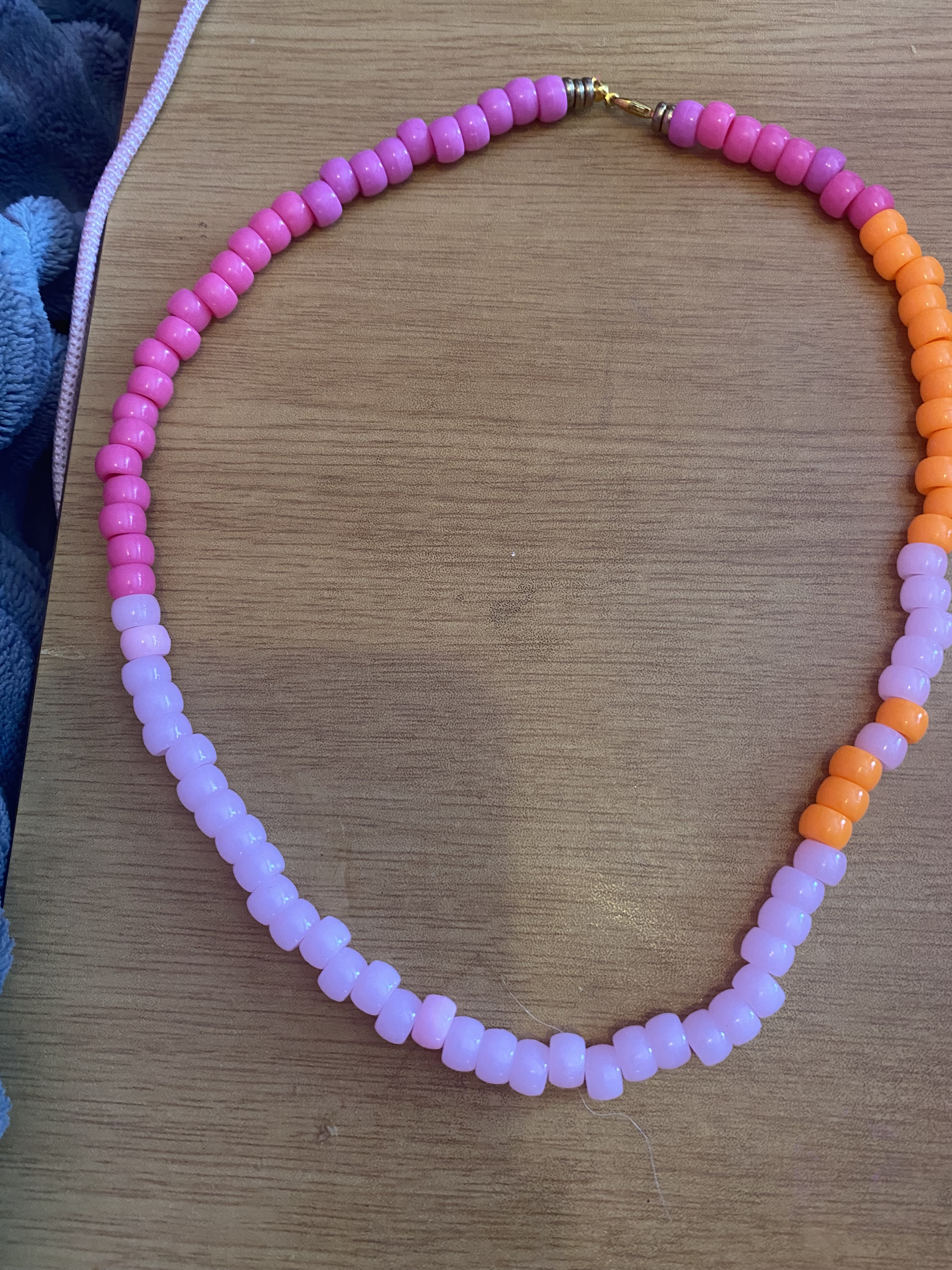

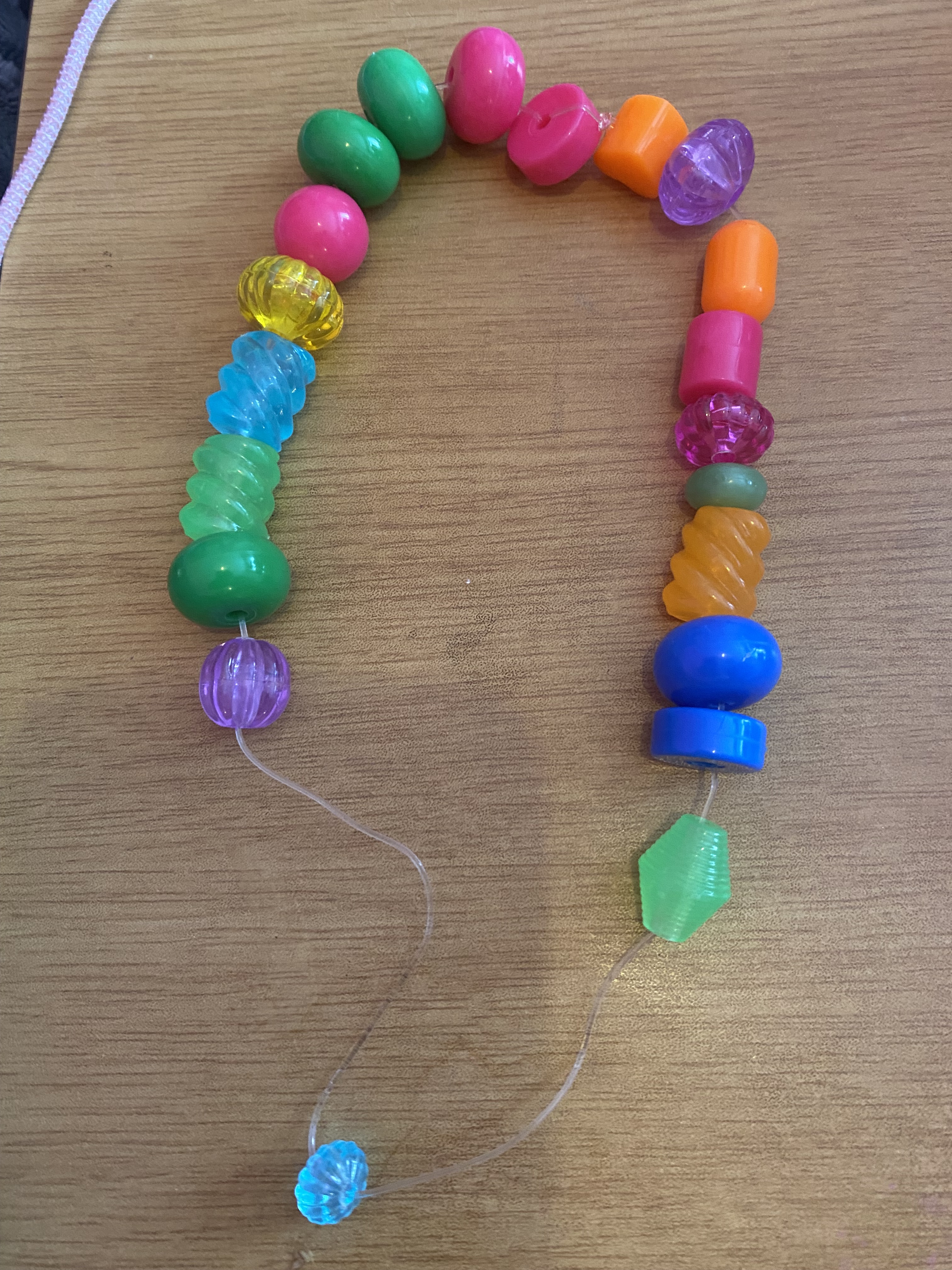
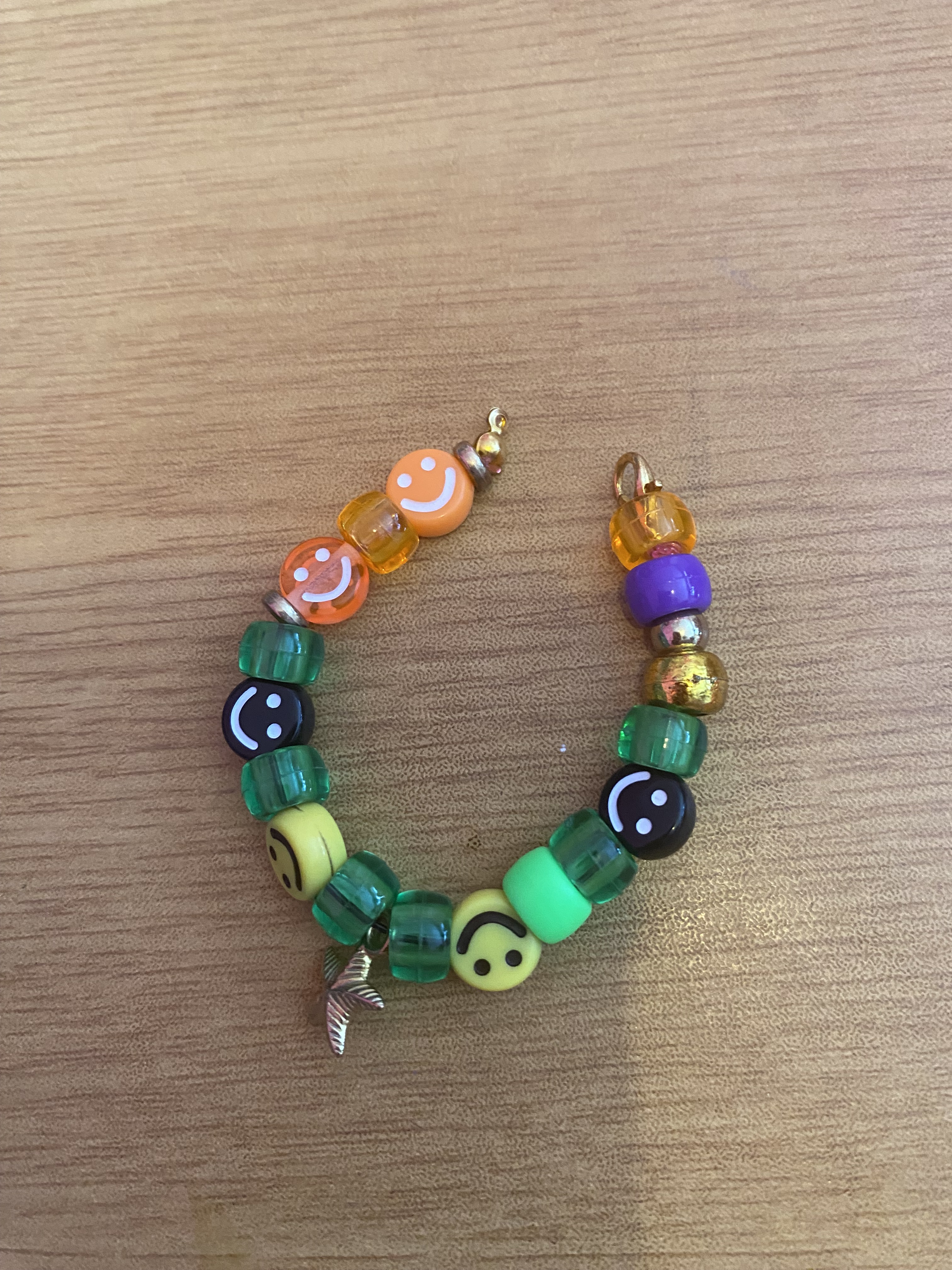
For many disabled people across Scotland, a car is far more than a means of transport. It provides access to employment, healthcare, social activities, and independence. Proposed changes to the Motability Scheme are now raising concerns that some of the people who rely on it most could face significant new costs.
What Is Changing?
The Motability Scheme allows eligible disabled people to exchange part of their disability benefits for a leased vehicle. The package typically includes insurance, servicing, maintenance, and road tax.
Beginning in July, new leases across much of the UK will come with a reduced annual mileage allowance of 10,000 miles, down from the previous effective allowance of around 20,000 miles per year. Drivers who exceed the limit will be charged 25 pence per additional mile.
While the changes are moving ahead elsewhere in the UK, discussions between Motability and the Scottish Government have delayed implementation in Scotland. However, uncertainty remains about when or whether the new rules will eventually apply.
Why Rural Communities Are Worried
For disabled drivers living in Scotland’s cities, public transport may offer at least some alternatives. In many rural and island communities, however, options are often limited or inaccessible.
People living in remote areas frequently travel long distances for hospital appointments, work commitments, family visits, and specialist services. A journey that might take a city resident a few miles can easily become a round trip of hundreds of miles in rural Scotland.
As a result, many disabled drivers believe the proposed mileage limits fail to reflect the realities of life outside major urban centres.
The Cost of Independence
One of the biggest concerns is the financial impact of excess mileage charges.
Drivers who currently use significantly more than 10,000 miles per year could face thousands of pounds in additional costs over the course of a three-year lease. For individuals already managing the extra expenses associated with disability, these charges could make participation in the scheme less affordable.
Critics argue that the changes could create unintended barriers to employment by making it harder for disabled people to travel to work or maintain active lifestyles.
Accessibility Beyond Transport
The debate highlights a broader issue: mobility is closely linked to social inclusion.
For many disabled people, a vehicle is the key to attending medical appointments, participating in sports, maintaining family relationships, and remaining connected to their communities. Reduced mobility can quickly lead to greater isolation.
Disability organisations have warned that any policy changes affecting transportation should consider not only financial sustainability but also the wider social consequences for users.
Motability’s Position
Motability says the changes are necessary to address rising operating costs. The organisation points to increased expenses linked to government tax measures and estimates that these could add hundreds of millions of pounds annually to the cost of running the scheme by the end of the decade.
According to Motability, approximately three-quarters of customers already drive fewer than 10,000 miles each year. The organisation has also stated that an exceptions process will be available for a limited number of customers with higher mileage needs.
Its goal, the scheme says, is to keep leasing costs manageable while continuing to support disabled people in living independently.
What Happens Next?
The Scottish Government is continuing discussions with Motability in an effort to reduce uncertainty and find a solution that meets the needs of disabled people across Scotland.
For now, many users are watching developments closely. The outcome could have a significant impact on thousands of disabled drivers, particularly those in rural and island communities where accessible alternatives are scarce.
The conversation ultimately raises an important question: how can mobility schemes remain financially sustainable while ensuring that disabled people retain the freedom, independence, and opportunities that accessible transportation provides?
Disability saying of the day
disability things of the day/month keep calm style Ellis things about being a Wheelchair user and being chronically ill
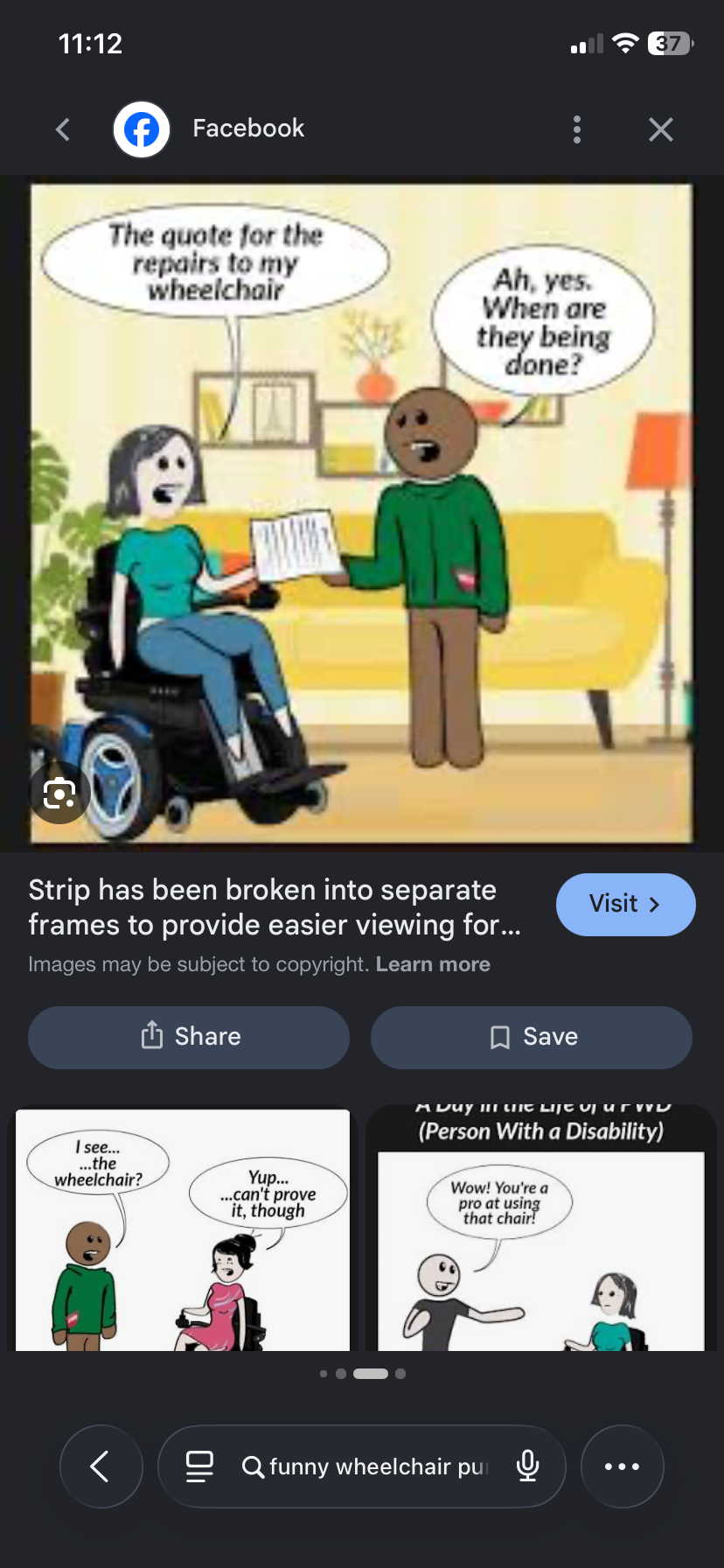
This is so upsetting to me. It shouldn’t still be happening in 2026 in Western countries.
The Accessibility Crisis In UK Courts
For many people, attending court is already a stressful experience. Whether appearing as a professional, a witness, a juror, or a litigant, the legal system carries significant emotional and practical demands. But for many disabled people across the UK, simply entering a courthouse can become an exhausting challenge before legal proceedings even begin.
Recent accounts from disabled social workers, jurors, and legal professionals reveal a troubling reality: inaccessible court buildings and inadequate support systems continue to create barriers that undermine equal access to justice.
When the Building Becomes the First Obstacle
Former social worker Vikki Walton-Cole recalls arriving at court already in pain due to the lack of nearby accessible parking. At the time, she was not yet a full-time wheelchair user, but walking long distances was difficult. After making the journey, she discovered that the courtroom itself could only be reached by stairs.
The experience left her in tears.
For professionals expected to present evidence and conduct themselves confidently in legal proceedings, arriving distressed and physically exhausted creates an immediate disadvantage. Walton-Cole later described accessibility barriers within the court system as one of the factors that influenced her decision to leave social work altogether.
Her story highlights a broader issue: accessibility is not simply about compliance with regulations. It directly affects careers, participation, and inclusion.
A Jury System That Doesn’t Reflect Everyone
The UK jury system is founded on the principle that juries should represent society. Yet disabled citizens often face obstacles that make participation far more difficult than it should be.
Wheelchair user Victoria Gerrard recently served on a jury in Scotland and encountered numerous challenges throughout the process. Accessible facilities were limited, guidance was lacking, and building layouts forced her to take different routes from other jurors.
These alternative routes created an unexpected safety concern. Because she could not use the standard juror exits, she frequently encountered defendants and their family members in public areas. Following a particularly tense incident involving relatives of the accused, she felt exposed and vulnerable.
At the conclusion of the trial, while other jurors departed together, she was left alone outside the courthouse waiting for transportation.
Such experiences raise important questions about whether disabled jurors are receiving the same level of protection, dignity, and support as everyone else.
Lawyers Facing Barriers to Doing Their Jobs
Accessibility challenges extend beyond jurors and witnesses.
Barrister Holly Girven, who uses a wheelchair, has encountered numerous obstacles while carrying out her professional duties. In one instance, a court’s lift failure meant she had to join a hearing remotely from a nearby conference room while everyone else—including her client—participated in person.
Technically, she was present at the courthouse. Practically, she was excluded from the courtroom experience.
Girven argues that society would never accept a hospital that lacked wheelchair access. Courts, she suggests, should be held to the same standard.
The comparison is compelling. Both institutions provide essential public services. Both exist to serve all members of society. Yet while accessibility in healthcare is widely recognized as a necessity, accessibility in the justice system is still too often treated as an inconvenience or afterthought.
Accessibility Is More Than Ramps and Lifts
One of the most important lessons emerging from these accounts is that accessibility extends beyond physical infrastructure.
Equality law specialist Dr Gregory Burke argues that information, attitudes, and dignity are equally important components of inclusion. Disabled people should not have to spend weeks chasing basic information about building access, parking arrangements, toilet facilities, or emergency procedures.
The uncertainty itself creates an additional burden.
Every inaccessible entrance, broken lift, or missing piece of information forces disabled individuals to devote mental energy to planning and problem-solving before they can focus on the reason they are attending court.
Burke describes this as a “cognitive load” that can affect performance, concentration, and confidence. In environments where outcomes may affect someone’s liberty, livelihood, family, or reputation, such disadvantages carry serious consequences.
The Cost of Exclusion
Accessibility failures do not only affect individuals. They affect the justice system itself.
Reports have found that inaccessible court facilities contribute to low morale and even resignations among magistrates and court personnel. When buildings prevent talented professionals from participating fully in legal proceedings, the system loses valuable expertise and experience.
Moreover, barriers to participation weaken public confidence in the fairness of justice. If certain groups face greater obstacles than others when serving on juries, presenting evidence, or practicing law, the ideal of equal treatment under the law becomes harder to achieve.
Progress Still Needed
Court authorities acknowledge that accessibility remains a challenge, particularly within older and historic buildings. Upgrading these structures can be complex and costly.
However, many disabled court users point out that some improvements require relatively little investment. Clear accessibility information, better communication, proactive support, and consistent planning could significantly improve experiences for many people.
The goal is not simply legal compliance. It is ensuring that every participant in the justice system can engage on equal terms.
Justice Must Be Accessible to All
A fair legal system is one that serves everyone—not only those who can easily navigate its buildings and procedures.
The experiences shared by disabled professionals, jurors, and advocates reveal a gap between the principles of equality and the reality of many court environments. While progress has been made, significant barriers remain.
Justice should test evidence, arguments, and facts. It should not test a person’s resilience simply to enter the room.
Until accessibility is treated as a fundamental requirement rather than an optional improvement, many disabled people will continue to face obstacles that have no place in a modern justice system.
Shopmobility: More Than Just A Mobility Scooter
For many people, getting into town is a simple part of everyday life. For others, it depends on services that make accessibility possible. That’s why the impending closure of Guildford’s Shopmobility service has sparked concern, disappointment, and a growing community campaign to keep it alive.
After more than 30 years of operation, Guildford’s Shopmobility service is set to close due to financial pressures. Operated by Age UK Surrey, the service has provided mobility scooters and wheelchairs to people with disabilities and mobility challenges, helping them navigate the town centre independently.
While the closure may appear to be a budgetary decision, for those who rely on the service, it represents something much bigger: the loss of freedom, independence, and social inclusion.
A Lifeline for Accessibility
Shopmobility schemes are designed to help people with mobility difficulties access shopping centres, high streets, and public spaces. By offering affordable access to mobility equipment, they remove barriers that can otherwise make everyday activities impossible.
For disability campaigner Shirlee Posner, the service has been transformative.
She describes using Shopmobility as something that allows her to feel “normal” and maintain her independence. Without it, she fears her world will become smaller and less accessible.
Her comments reflect a reality experienced by many disabled people. Accessibility is not simply about physical movement—it is about participation in society. When accessible services disappear, opportunities to work, shop, socialise, and engage with the community often disappear with them.
Financial Challenges Behind the Closure
Age UK Surrey announced that maintaining the service had become financially unsustainable. According to the organisation, the scheme has been operating at a deficit, and available funding has not increased enough to cover rising costs.
The charity described the decision as extremely difficult but ultimately unavoidable.
Like many community-based services across the UK, Shopmobility has faced growing operational costs while funding remains under pressure. Charities and local authorities are increasingly having to make difficult decisions about which services they can continue to support.
Community Response and Growing Support
The announcement has prompted a strong reaction from local residents.
A petition calling for the service to remain open has attracted more than 1,500 signatures, highlighting the value many people place on the scheme.
Among those leading the campaign are Ruth and Graham House, who say the service has been essential to maintaining their access to Guildford town centre. Graham described Shopmobility as a “godsend,” explaining that without access to a mobility scooter, visiting Guildford may no longer be possible.
The petition reflects a broader concern about accessibility provision and the need to protect services that enable disabled people to participate fully in community life.
Hope for the Future
Despite the closure, there may still be hope.
Guildford Borough Council has acknowledged the impact the decision will have on users and has stated that funding has been ringfenced to support a future replacement scheme should another charity or organisation step forward to operate it.
This offers a potential pathway for the service to return in a new form. However, until a replacement provider is found, users face uncertainty about how they will continue to access the town.
Why Accessibility Services Matter
The story of Guildford’s Shopmobility service serves as a reminder that accessibility is not a luxury—it is a necessity.
Services like Shopmobility help create inclusive communities where everyone can participate, regardless of physical ability. Their value extends far beyond mobility equipment; they provide confidence, independence, social connection, and dignity.
As communities across the country grapple with funding challenges, the debate surrounding Guildford’s Shopmobility scheme highlights an important question: How can society ensure that accessibility remains a priority, even during difficult financial times?
For the people who depend on these services every day, the answer could determine whether their world stays open—or begins to shrink.

care hairstyles courtesy of my PA/personal care assistant conrow hairstyles Respite Care edition
Friday Fun: How To Sign World Cup
Some Friday Fun!




Andre SCD Suggest
How Cats See Wheelchairs
It’s a slow news day, and I feel like some fun.
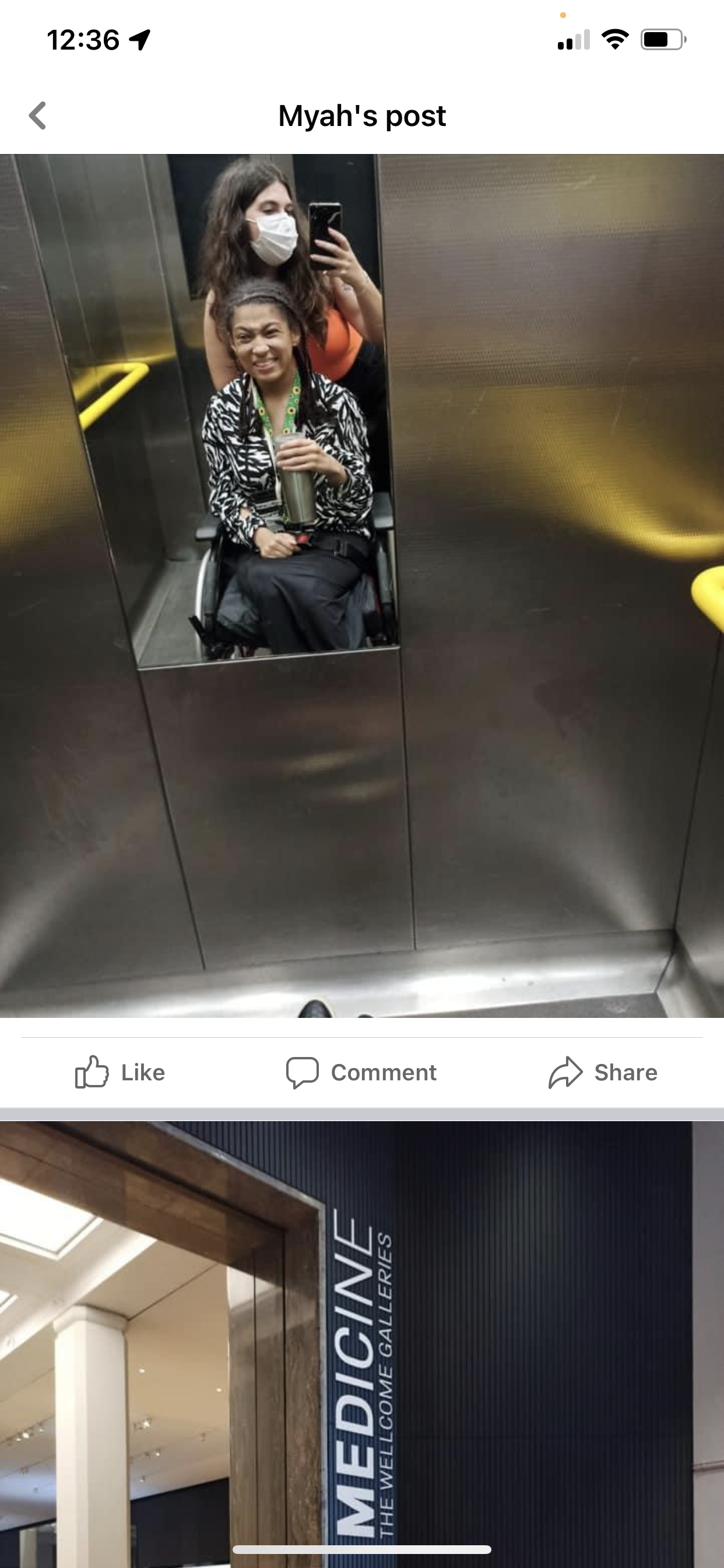
Disability Representation In Holyrood
Scotland has reached an important milestone in political representation. Following the most recent election, the country now has more disabled Members of the Scottish Parliament (MSPs) than ever before. While this marks meaningful progress, campaigners and politicians alike agree that the journey toward true representation is far from complete.
According to Scotland’s 2022 Census, approximately 1.3 million people—around 24% of the population—live with a long-term health condition or disability that affects their daily activities. Yet disabled MSPs currently make up only about 7% of the Scottish Parliament. The gap highlights a continuing challenge: ensuring that the nation’s political institutions reflect the diversity of the people they serve.
For newly elected MSP Kayleigh Kinross-O’Neill, accessibility was a major concern before arriving at Holyrood. As a wheelchair user, she was encouraged to find that parliamentary staff proactively discussed her requirements and implemented practical adjustments before her first day. Features such as automatic doors, emergency evacuation plans, and provisions for remote voting have helped create a more accessible working environment.
These changes demonstrate the value of designing workplaces around people’s needs rather than expecting individuals to adapt to existing barriers. Accessibility measures that may seem simple can have a significant impact on a person’s ability to participate fully in public life.
Scotland has also taken a pioneering approach through its Access to Elected Office Fund, which helps disabled candidates meet the additional costs associated with running for election. The fund can cover expenses such as transport, interpreters, support workers, and other forms of assistance that enable candidates to campaign effectively. During the recent election cycle, 22 individuals received support through the programme, with five going on to win seats in parliament.
However, accessibility is not only about physical barriers. Hidden disabilities, including dyslexia and neurodivergent conditions, can also create challenges in political life. MSP Katie Hagmann has spoken about the importance of recognising these less visible needs. Adaptive software and other support tools are not luxuries; they are essential resources that enable many people to perform their roles effectively.
The Scottish Parliament has increasingly acknowledged this broader understanding of accessibility. Efforts now extend beyond ramps and automatic doors to include considerations such as lighting, acoustics, and sensory environments. These changes reflect a growing awareness that inclusion must address a wide range of experiences and needs.
Despite the progress, disability advocates argue that representation remains disproportionately low. Disabled people continue to be underrepresented compared with their share of the population. While the increase in disabled MSPs is encouraging, it is only one step toward a more inclusive democracy.
Representation matters because it brings diverse perspectives into decision-making and helps ensure that policies reflect the realities of people’s lives. When disabled individuals are able to participate fully in politics, society benefits from a richer range of experiences and insights.
Scotland’s recent progress shows what can be achieved when barriers are identified and addressed. The challenge now is to build on that momentum, ensuring that accessibility and inclusion become standard practice rather than special accommodations. Only then can political institutions truly reflect the communities they represent.
This version is written in a neutral, informative blog style suitable for a general audience, advocacy organisation, or public affairs website.
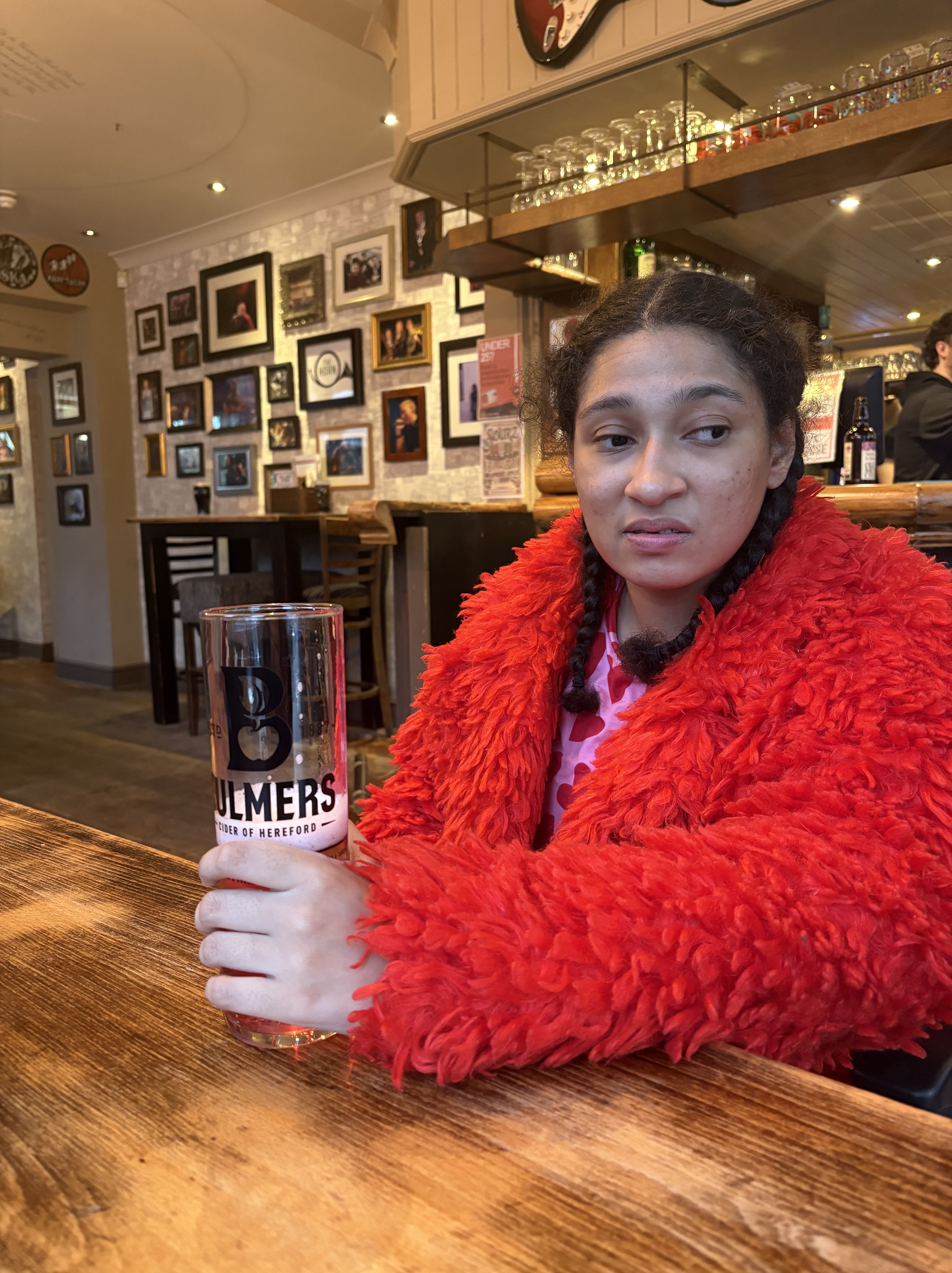
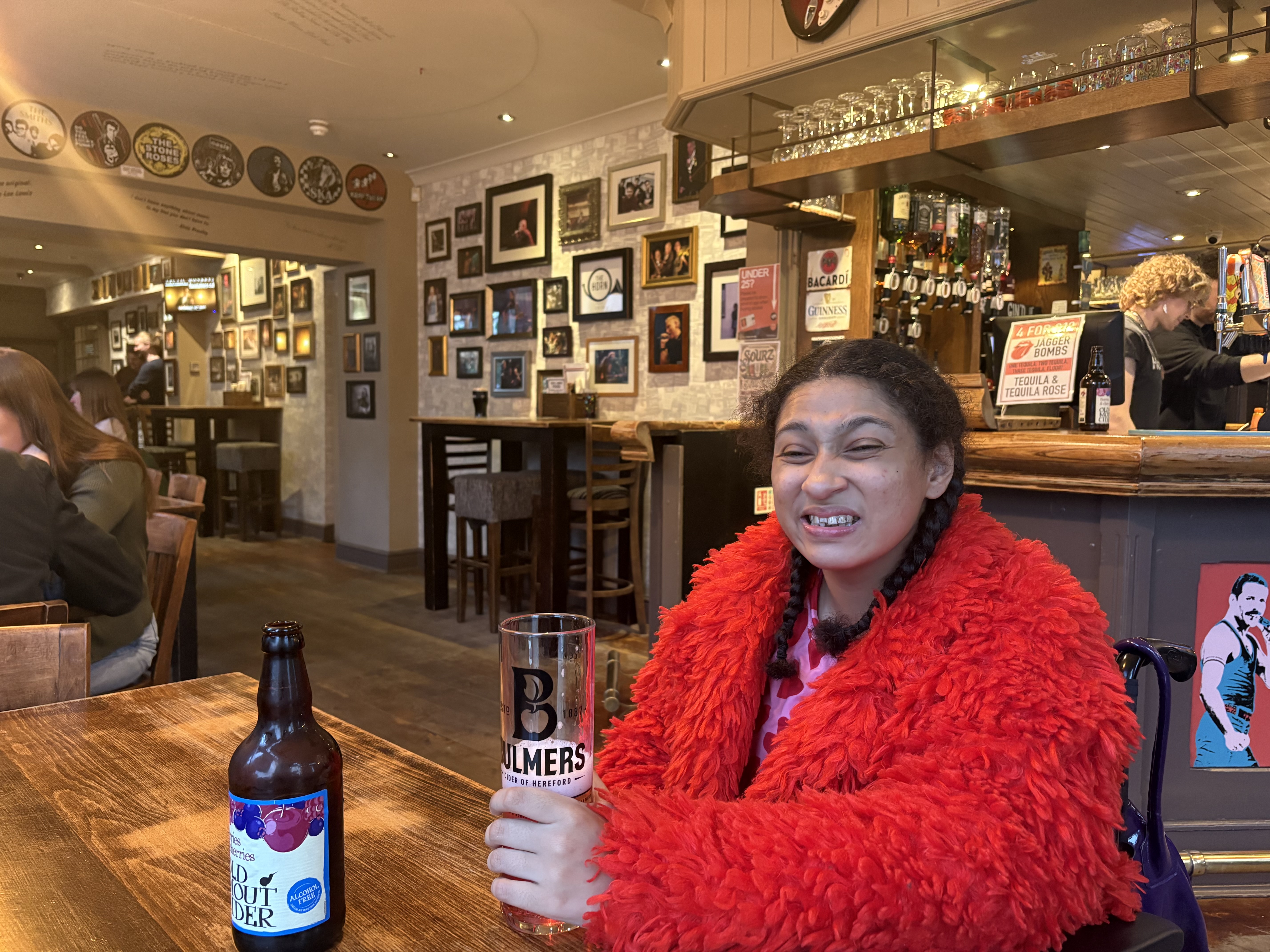
How I Swear Changed John Davidson’s Life
For decades, John Davidson has dedicated his life to raising awareness of Tourette’s syndrome, offering support to others and challenging misconceptions about the condition. Today, his story is reaching audiences far beyond his hometown of Galashiels, thanks to the success of the award-winning film I Swear.
The film, based on Davidson’s life and experiences, has become much more than a cinematic achievement. It has sparked conversations about Tourette’s syndrome across the world, connecting people from different countries and cultures through a shared desire for understanding and acceptance.
Since the film’s release, Davidson has found himself at the centre of a growing international movement. Messages of support have arrived from across the globe, with individuals and families reaching out to share their own experiences of living with Tourette’s syndrome. The response has been so significant that he has reduced his hours as a community centre caretaker to devote more time to advocacy and awareness work.
Tourette’s syndrome is a neurological condition characterised by involuntary movements and vocalisations known as tics. While public understanding of the condition has improved in recent years, many people with Tourette’s still face misunderstanding, stigma and social isolation. Davidson’s experience demonstrates how powerful storytelling can be in breaking down these barriers.
The journey has not been without challenges. Earlier this year, a highly publicised incident at the BAFTA Film Awards drew attention when Davidson involuntarily shouted a racial slur while attending the ceremony. He later expressed deep regret and embarrassment over the incident, highlighting the often misunderstood realities of living with complex vocal tics. While the moment generated controversy, it also created an opportunity for wider discussion about the nature of Tourette’s syndrome and the importance of public awareness.
Perhaps the most encouraging outcome of the film’s success has been the noticeable shift in public attitudes. According to those close to Davidson, reactions from strangers have changed dramatically. Where there was once confusion or frustration, there is now greater empathy, recognition and support. This change reflects the impact that education and visibility can have on reducing prejudice.
Recent awareness events in the Scottish Borders have continued to build on this momentum, bringing together people with Tourette’s syndrome, their families and supporters. These gatherings serve as a reminder that awareness is not just about information—it is about creating communities where people feel understood and accepted.
John Davidson’s story is ultimately one of resilience, determination and the power of representation. By sharing his experiences with the world, he has helped countless people feel seen and heard. The success of I Swear shows that a single story can change perceptions, inspire conversations and build bridges of understanding across communities and continents.
As awareness continues to grow, Davidson’s message remains simple but powerful: greater understanding leads to greater acceptance, and acceptance can change lives.
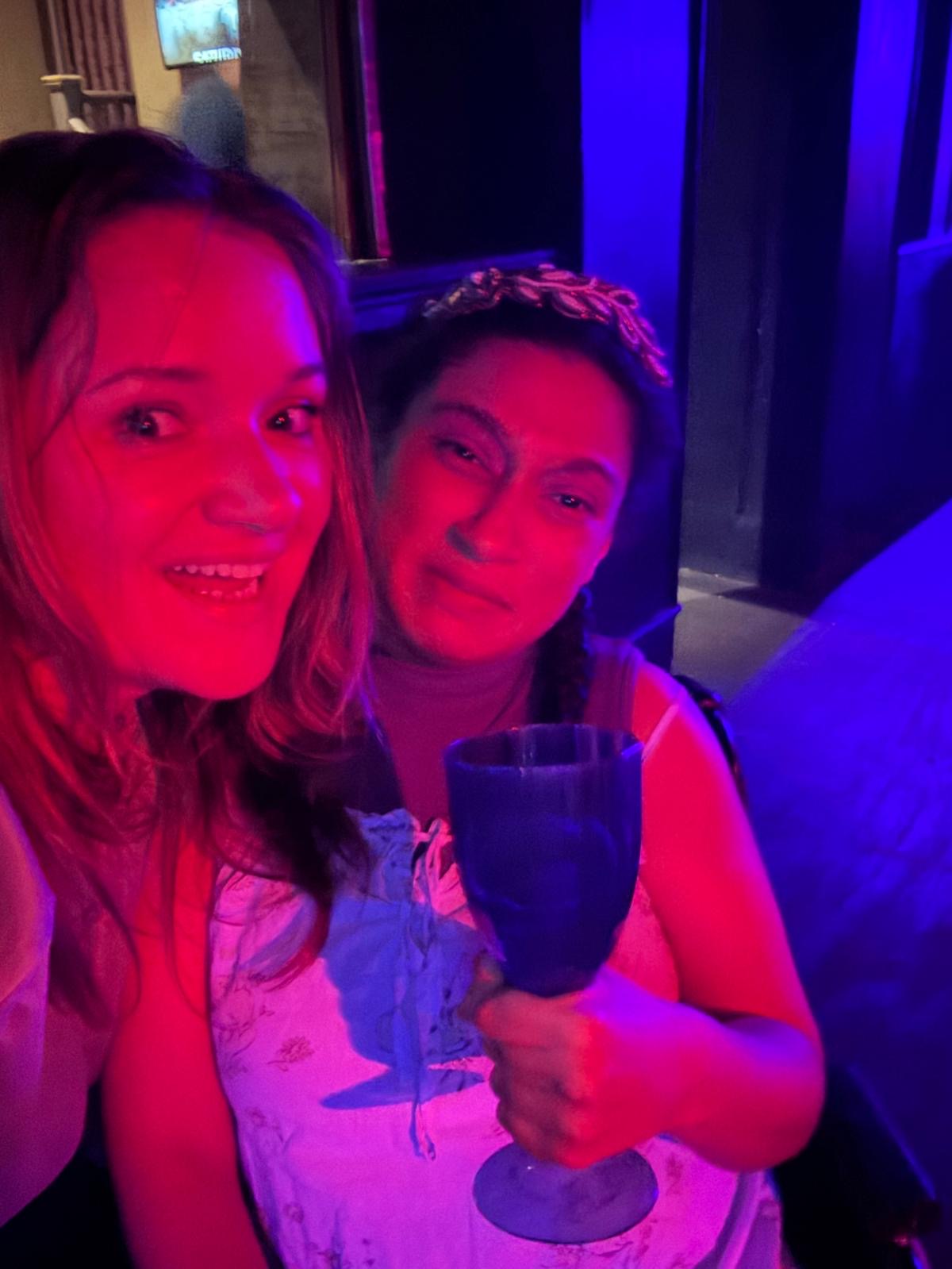
Why Accessibility In Cinema Matters More Than Ever
For many of us, going to the cinema is a simple pleasure. We buy a ticket, find our seat, and immerse ourselves in a story on the big screen. But for millions of people with visual impairments, that experience can be far more complicated.
A recent story involving actress Kate Winslet and a young film enthusiast named Eryn shines a spotlight on a challenge that often goes unnoticed: the lack of accessible screenings and audio description services in many cinemas.
Audio description provides spoken narration of visual elements in a film, helping blind and partially sighted audiences follow the action, understand settings, and fully engage with the story. While the technology exists, access remains inconsistent, leaving many film lovers excluded from an experience others take for granted.
What makes Eryn’s story particularly powerful is her determination to advocate for change. Rather than accepting the barriers she faced, she spoke up about the need for better accessibility. Her efforts eventually reached Kate Winslet, whose support helped amplify the conversation and bring wider attention to the issue.
This is about more than one fan and one celebrity. It highlights a broader question facing the entertainment industry: who gets to participate fully in our shared cultural experiences?
Accessibility should not be viewed as a special feature or optional extra. It should be considered a fundamental part of how films are distributed and enjoyed. Just as cinemas provide wheelchair access and hearing support systems, audio description should be readily available and easy to access.
The film industry has made progress in recent years, but there is still work to be done. Greater awareness, improved technology, and stronger commitments from cinemas and distributors can help ensure that everyone has the opportunity to enjoy the magic of storytelling.
Stories like Eryn’s remind us that meaningful change often begins with a single voice. When individuals share their experiences and others listen, barriers can be identified and solutions can follow.
Cinema has the power to transport us to different worlds, introduce us to new ideas, and connect us through shared emotions. Those opportunities should be available to everyone, regardless of how they experience the world around them.
Accessibility isn’t simply about inclusion—it’s about ensuring that no one is left outside the story.
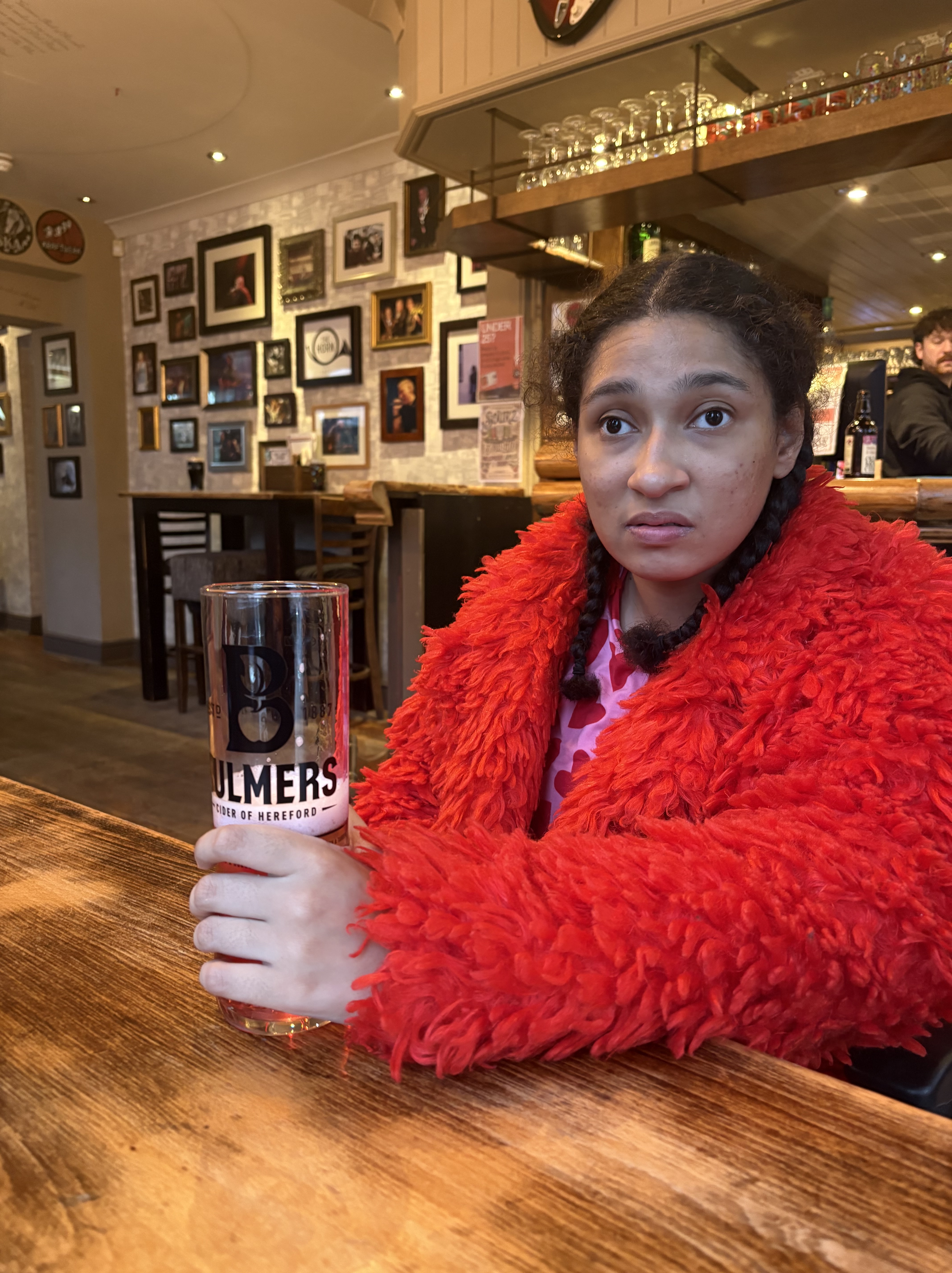
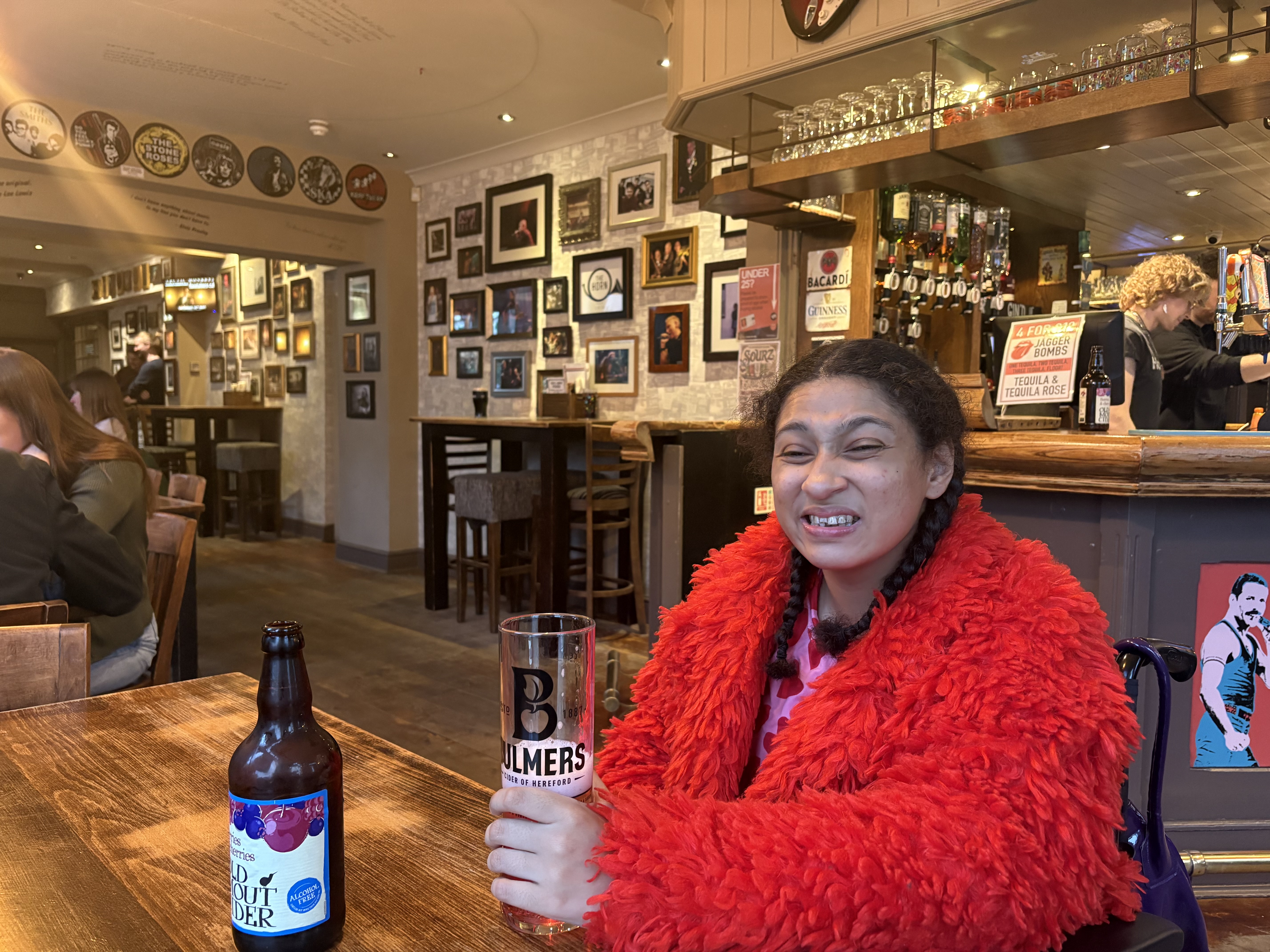
https://www.facebook.com/share/p/174BtrvcQu/
A potential disabled Senator with Spina Bifida. One activist reacts at the link above.


 Same Difference