The UK Supreme Court has issued a landmark judgment that could reshape how the law treats some of the country’s most vulnerable people.
In a ruling that has sparked both praise and concern, the Court decided that some severely disabled people who lack the mental capacity to make decisions about their care can nevertheless be regarded as consenting to their care arrangements through the wishes and feelings they express. The decision has significant implications for disability rights, social care, and the legal safeguards designed to protect people from being deprived of their liberty.
What Was the Case About?
The case arose from a legal question referred to the Supreme Court by Northern Ireland’s Attorney General. At its heart was a complex issue: if a person lacks the legal capacity to consent to their care arrangements, can their positive wishes, feelings, and behaviour still amount to valid consent?
For more than a decade, the legal position in the UK has largely been guided by the Supreme Court’s 2014 ruling in the landmark Cheshire West case. That judgment established an “acid test” for determining whether someone is being deprived of their liberty. If a person is under continuous supervision and control and is not free to leave, they are considered deprived of their liberty, regardless of whether they appear content or compliant with the arrangement.
The new ruling revisits that principle and potentially narrows the circumstances in which care arrangements are classified as a deprivation of liberty.
Why Does This Matter?
The concept of deprivation of liberty is not merely a legal technicality. When a person’s liberty is restricted by the state, important safeguards are triggered. These include independent assessments, reviews, and oversight mechanisms designed to ensure that restrictions are necessary, proportionate, and in the person’s best interests.
Supporters of the ruling argue that it reflects a more person-centred understanding of disability. They contend that people who cannot formally satisfy legal tests of capacity may still be capable of expressing clear preferences about where they live and how they are cared for. Recognising those wishes, they argue, respects dignity and autonomy rather than treating individuals as passive recipients of care.
However, critics fear the decision could weaken protections that were specifically created to prevent people with profound disabilities from being overlooked. Several disability and mental health organisations warned during the case that thousands of people could lose access to independent safeguards if their apparent contentment is treated as consent.
The Disability Rights Debate
The judgment has reignited a longstanding debate within disability rights law.
One side emphasises autonomy, arguing that disabled people should not automatically be assumed incapable of expressing meaningful choices simply because they fail a formal capacity assessment.
The other side stresses protection, warning that individuals who rely entirely on others for care may be especially vulnerable to having their rights restricted without adequate scrutiny.
This tension sits at the heart of modern disability law: how can society both respect personal wishes and ensure that vulnerable people remain protected from unnecessary restrictions on their freedom?
The Supreme Court’s ruling does not end that debate. Instead, it shifts the balance and raises new questions about how consent, liberty, and personal autonomy should be understood in cases involving profound cognitive disabilities.
What Happens Next?
The full impact of the judgment will become clearer as courts, care providers, local authorities, and regulators interpret and apply the ruling in practice.
What is already evident is that the decision represents one of the most significant developments in mental capacity and social care law since Cheshire West. It could affect the legal protections available to thousands of disabled people across the UK and influence how care arrangements are assessed for years to come.
As policymakers, campaigners, and families digest the consequences of the ruling, the central challenge remains unchanged: ensuring that people with severe disabilities are both empowered to express their wishes and protected when their liberty is at stake.
A judge at the Old Bailey has fined UK Athletics £350,000 with £44,000 in costs after hearing how a paralympic athlete died when equipment fell on him at a training ground in east London.
Shot-putter Abdullah Hayayei was killed when a metal cage collapsed as he prepared for the World Para-athletics Championships in 2017.
He had previously represented the United Arab Emirates at the Rio Paralympics when he competed in the javelin and shot put.
Judge Richard Marks KC described Mr Hayayei’s death as “tragic, untimely and wholly avoidable.”
He also handed UKA’s former head of sport, 79-year-old Keith Davies, a 175-hour community service order after hearing how he was in charge of the equipment, which had been assembled with vital base plates missing.
The court heard how a strong gust of wind had collapsed the cage and Mr Hayayei had died of head injuries after being hit by a heavy metal bar.
The athlete was a 36-year-old wheelchair user who lived with cerebral palsy.
The court heard from his widow Badriah, who said his death had left her coping alone with five young children.
UK Athletics had pleaded guilty to a charge of corporate manslaughter at an earlier hearing in February. Mr Davies pleaded guilty to a breach of health and safety law at the same hearing.
The investigation and legal process following Mr Hayayei’s death has taken nearly a decade to complete.
Police said their investigation had involved years of meticulous work by detectives which uncovered photos from around a dozen athletics events where the same cage had been used by the UK Athletics officials. They showed the restraints were not being used to secure the equipment.
Sentencing, Judge Marks said Mr Hayayei’s death was an accident which sooner or later was “waiting to happen”.
Earlier in the hearing, Prosecutor John Price KC told the court that in the years following the incident, UKA attempted to blame the athlete’s death on Mr Davies, and even “tried to point the finger” at the Newham venue.
He described a statement later submitted by UKA as “a deeply unworthy document by a national sporting body and one of which it should be ashamed”.
Fining UKA, the judge agreed that it had been “most unattractive” but it was “a stance” that was adopted by their previous team of managers.
It had been disavowed by the current leaders of the organisation who had expressed “sincere regret”.
UKA, he said, is essentially “a club of passionate members” and was aimed at developing elite athletes and sport at a grassroots level.
He noted that the organisation had a turnover of £13.8m in 2025 with a projected loss of £400,000. He granted UKA six years to pay the fine in instalments.
In a statement, UK Athletics said it was “deeply sorry” and that “substantial changes” have been made around safety and governance.
“While nothing can undo what happened, there has been a determined focus on learning from these events and ensuring stronger standards and safeguards are in place throughout athletics,” UK Athletics said.
“We respectfully accept the court’s decision today and remain committed to continuing that work with the seriousness and responsibility this case demands.”
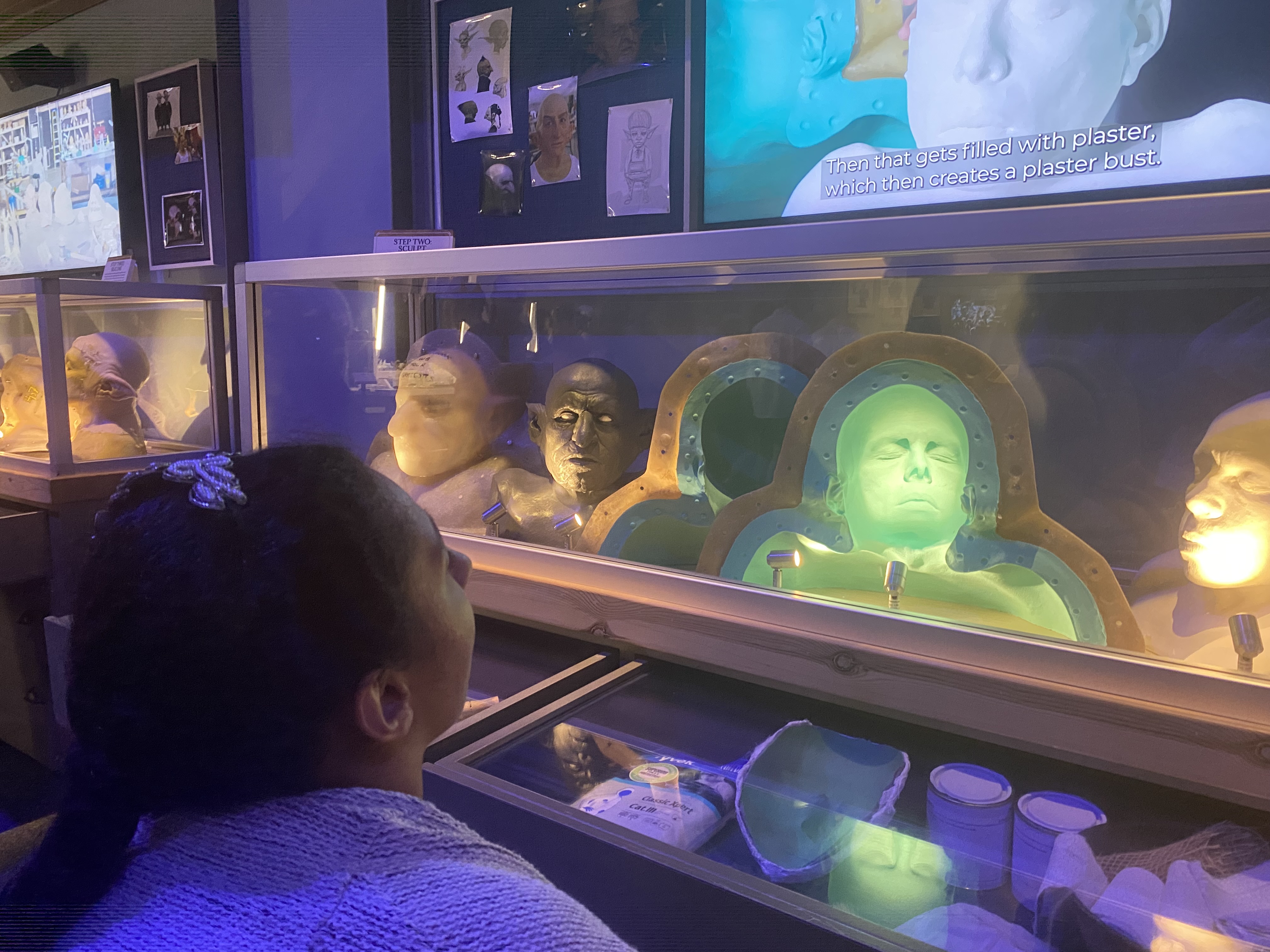
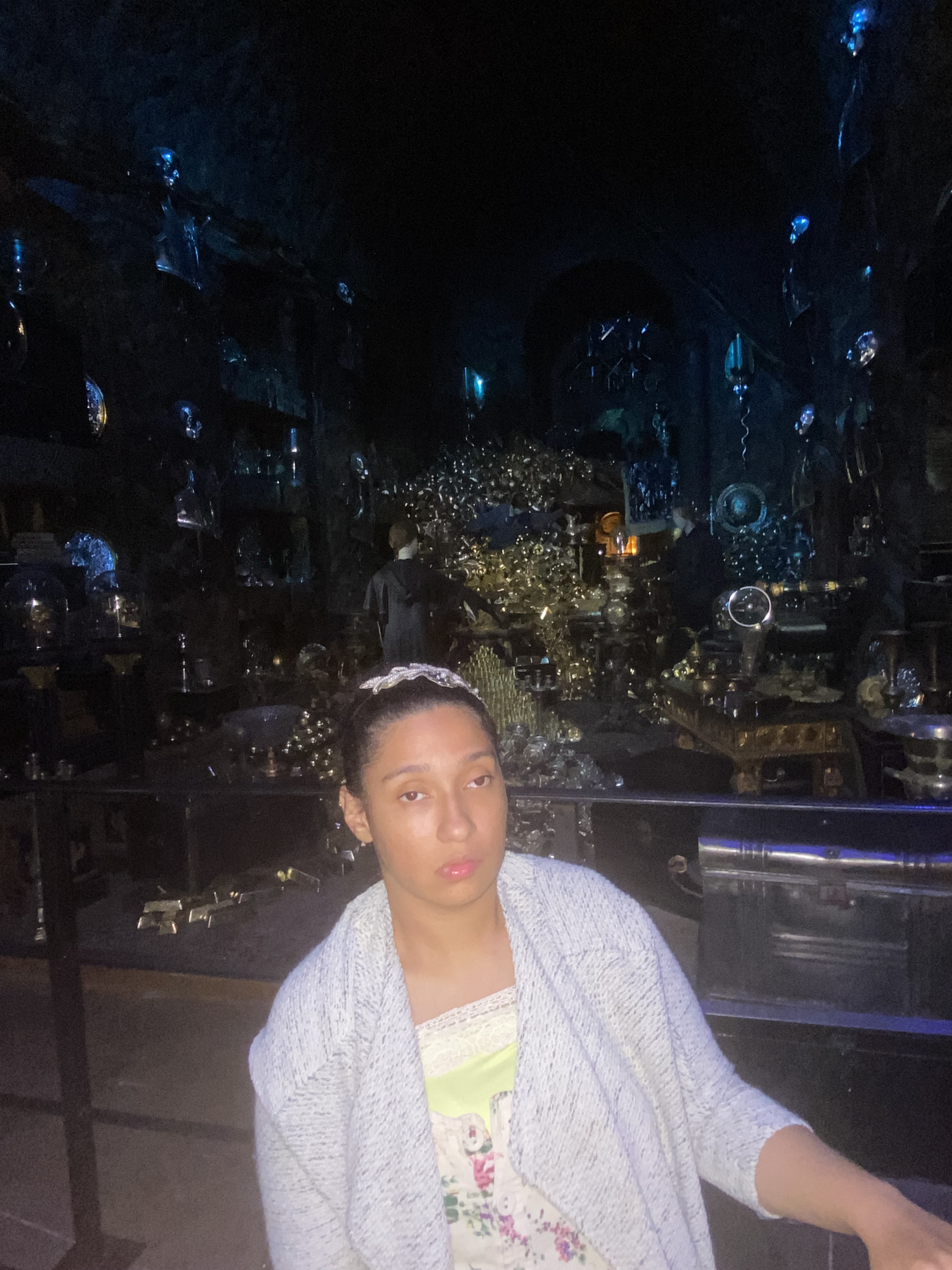
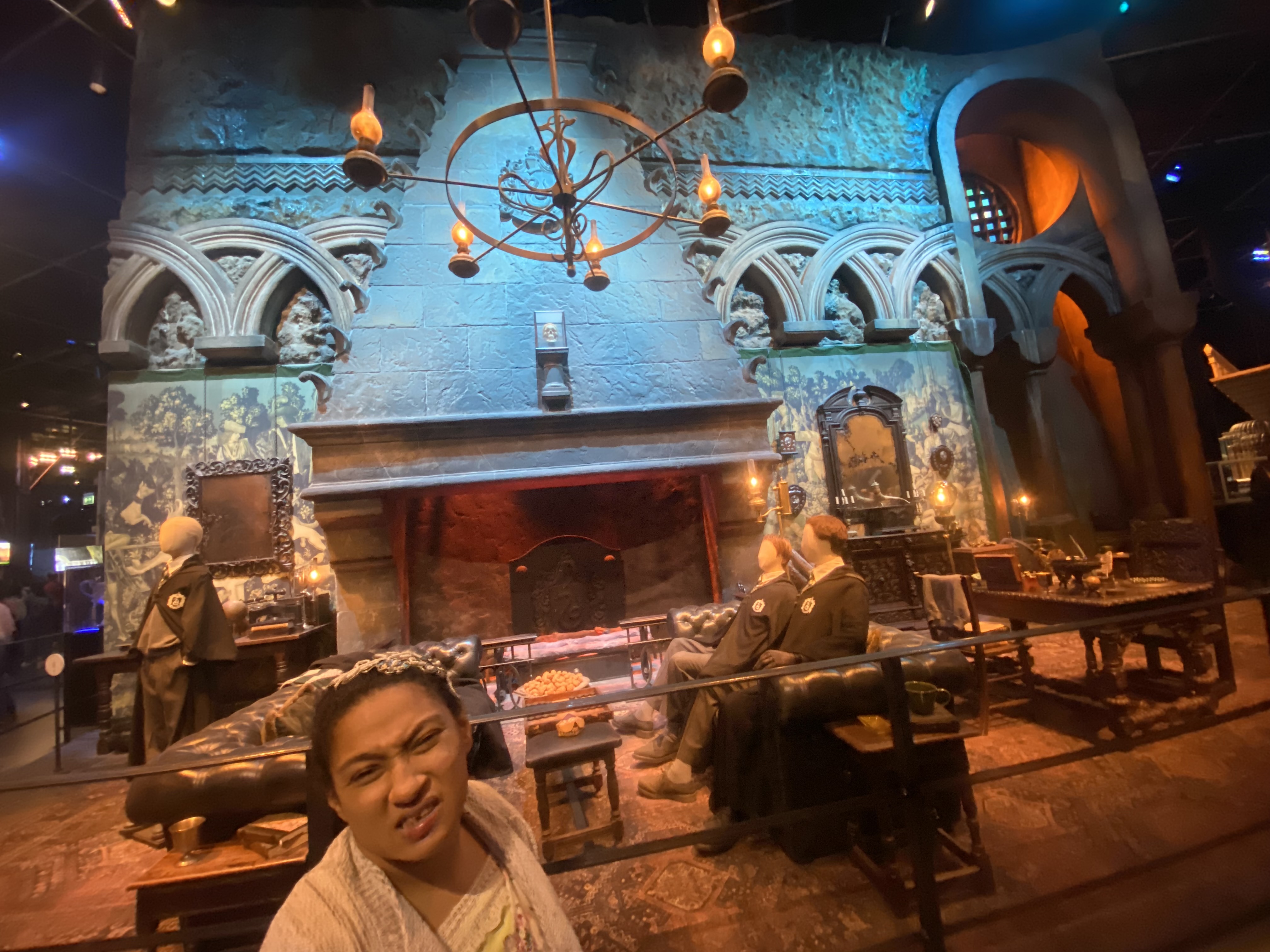
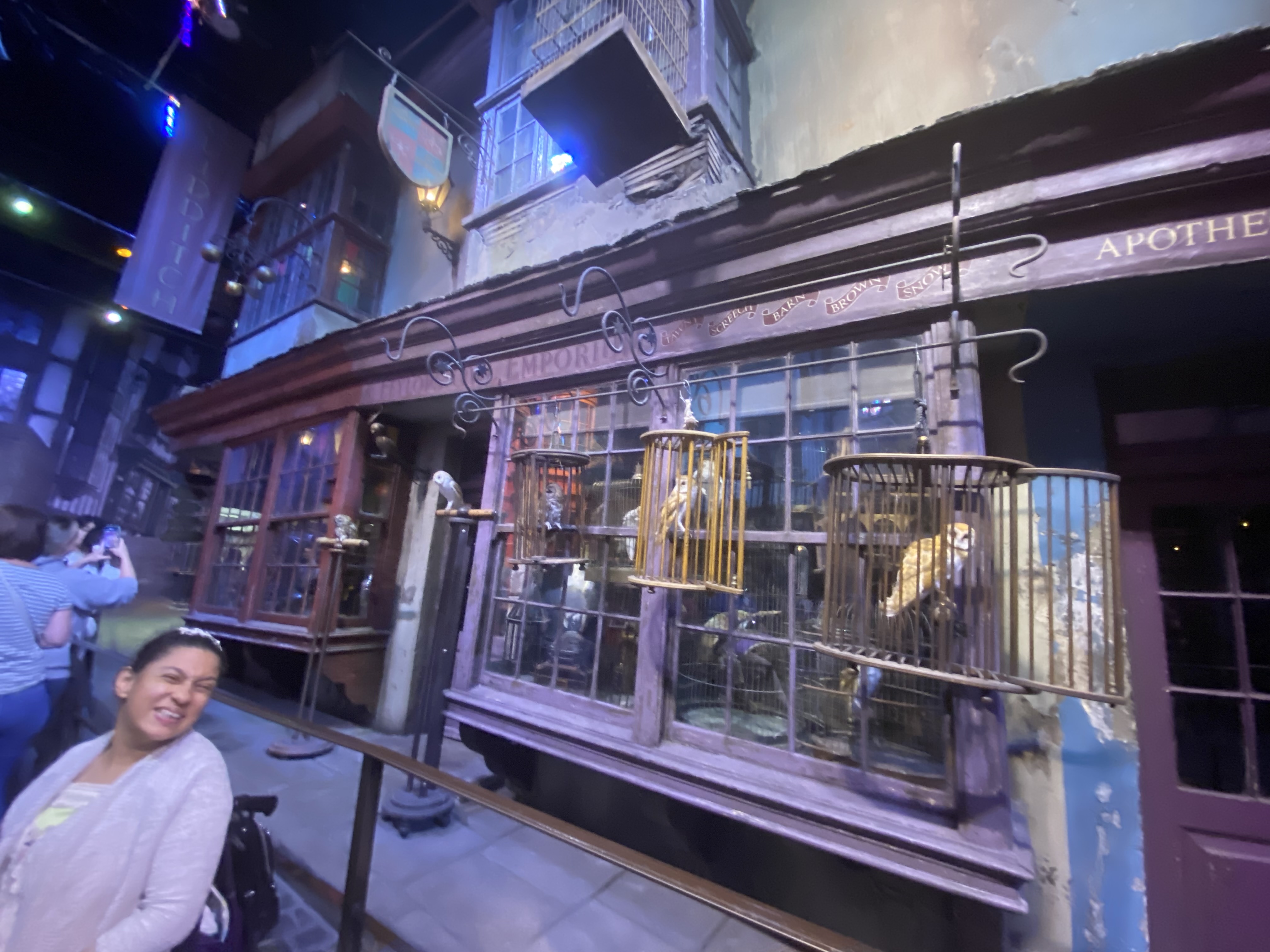
Interactive experiences at Harry Potter world.
Here it’s possible to find out how the make up artists adds facial features for magical creatures and then applying them one by one in pieces so it moves naturally with facial expressions.
A singer who unexpectedly found herself performing on a West End stage on a TV show has said the “unforgettable” experience has enabled her to support others with disabilities.
Ruthie O’Brien, who was born with a rare genetic condition which caused deafness, appeared as the ‘Unexpected Star of the Show’ on BBC One’s Michael McIntyre’s Big Show.
The University of Chester graduate said since her appearance she had received “the most uplifting and positive messages from people”, with some sharing their own experiences and others with hearing difficulties coming forward to advice.
“It’s been overwhelming but heart warming at the same time,” she said.
Ruthie said she had also been to a number of schools to give talks about positive image and “celebrating your disability”.
“I have done a lot more performances and hoping to get some other opportunities within TV – fingers crossed,” she added.
Ruthie was born with Treacher-Collins syndrome, which caused deafness and left her lacking confidence during her time at school.
Treacher-Collins syndrome is a condition that affects the growth of a child’s skull and facial bones.
She developed her love of music and singing after getting a cochlear implant at the age of eight, which – along with a bone-anchored hearing aid – made sound much clearer for her.
“Music was the one thing that just made me feel happy, it made me learn to listen and I had the confidence to sing which meant working harder to be able to sing and hear together but I never gave up,” she said.
“I found my own way to overcome these battles, and I continue to do so.”
Ruthie added that she was grateful for the support she received while studying there, saying it “gave me the strength and confidence to keep moving forward”.
Ruthie thought she was on a tour of Covent Garden with her friend when she arrived at a fake London Underground station created at the Theatre Royal.
During the show, the fake scenery fell down to reveal a packed audience in the theatre for the TV show.
Ruthie, who was nominated to appear on the show by her family, sang Titanium by David Guetta featuring Sia, in front of the 2,000-strong audience.
“I had no idea what was going on and when it happened it was both shocking and exciting at the same time,” she said.
Ruthie’s former lecturer Kristian Rozells said: “As tutors, we were aware that Ruthie had hearing challenges, but this did not stop her from being able to sing with excellent intonation.
“She always interpreted the music with great stylistic awareness and sensitivity as a performer. I am very pleased to hear of her success.”
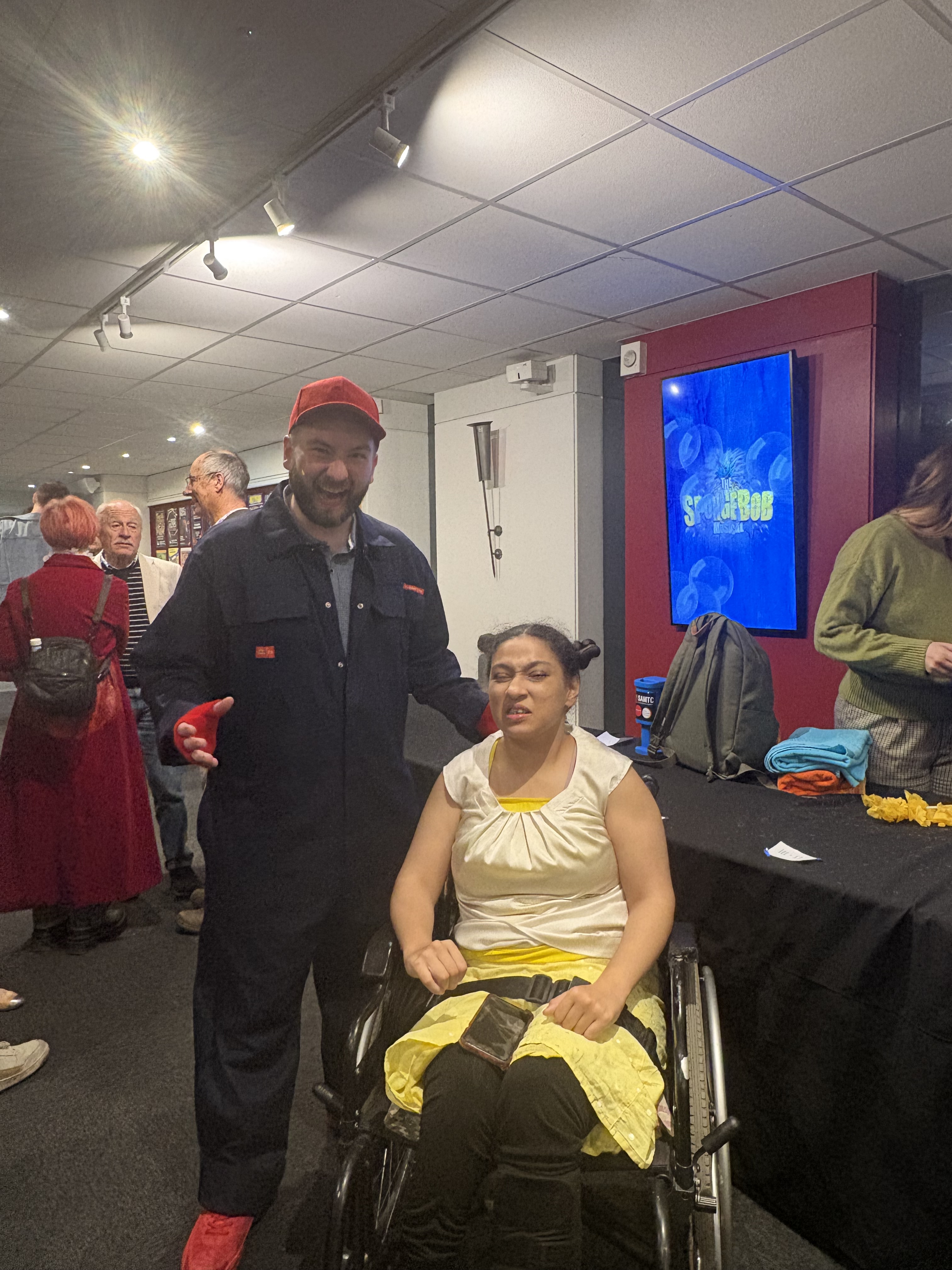
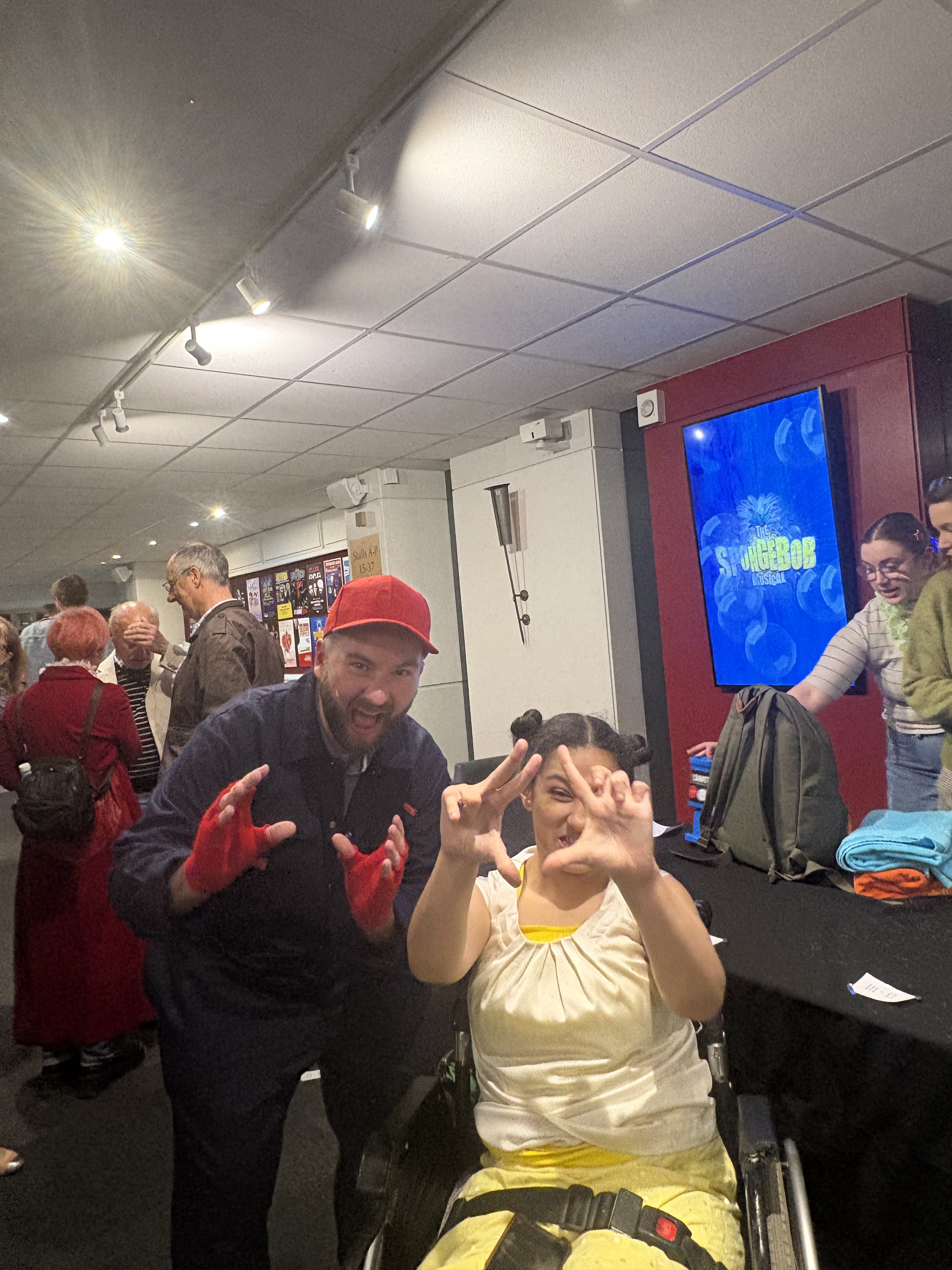
Selfies of me at Harry Potter World
For many people, nature is a place of freedom, healing, and belonging. But for disabled people, accessing the natural world can often mean confronting barriers that others never notice.
Few stories illustrate this reality more powerfully than that of Welsh writer and disability advocate Bethany Handley.
Growing up in rural Monmouthshire, Bethany’s childhood was defined by the outdoors. She spent her days building dens in the woods, kayaking along rivers, hiking mountains, and surfing at the coast. Nature wasn’t simply a hobby—it was where she felt most at home.
Then chronic illness changed everything.
Over the course of several years, Bethany’s health deteriorated.
What began with glandular fever during her teenage years developed into a complex set of conditions that progressively affected her mobility. By the age of 22, she had climbed her last mountain. Within a year, she had lost the use of her legs entirely and became a full-time wheelchair user.
The physical challenges were immense, but what surprised her most was the sense of exclusion she felt from the landscapes she loved.
As she later reflected, discovering that she was “literally padlocked out” of her favourite places felt more disabling than many of her medical conditions.
The Hidden Barriers in Nature
When conversations about accessibility arise, they often focus on urban spaces—ramps, lifts, accessible transport, and step-free entrances. These discussions are essential, but they rarely extend to the countryside.
Yet many natural spaces remain inaccessible not because of the terrain itself, but because of human-made obstacles.
Stiles, locked gates, narrow kissing gates, and restrictive pathways can make entire landscapes unreachable for wheelchair users and others with mobility impairments. These barriers are often accepted as normal, despite excluding a significant portion of the population.
Bethany’s experience highlights an important principle known as the social model of disability. Rather than viewing disability solely as a person’s medical condition, this perspective argues that people are disabled by environments and systems that fail to accommodate different ways of moving, seeing, hearing, or interacting with the world.
In other words, the problem is not always the individual. Often, it is the design.
Redefining Adventure
Despite the challenges she faced, Bethany refused to surrender her connection to nature.
Through crowdfunding, charity support, and determination, she obtained equipment that allowed her to access outdoor spaces once again. A lightweight wheelchair transformed what was possible. An all-terrain wheelchair helped her return to mountain ridges she once thought she would never see again.
Her family also played a role in reimagining adventure. Her brother adapted a surfboard with handles so she could return to the sea and experience surfing in a new way.
These adaptations demonstrate something powerful: accessibility does not diminish adventure. It expands it.
Too often, society assumes that disability and exploration are incompatible. Yet disabled people continue to climb mountains, paddle rivers, explore coastlines, and engage with the natural world every day—when access is available.
Grief And Joy Can Coexist
One of the most compelling aspects of Bethany’s story is her willingness to talk openly about loss.
Losing mobility meant grieving a version of life she once knew. It meant facing inaccessible housing, extended hospital stays, and profound uncertainty about the future.
But alongside that grief, she speaks about joy.
Joy in watching birds visit a feeder. Joy in returning to a beloved landscape. Joy in writing, creating, and building community. Joy in discovering new ways to experience the world.
This perspective challenges the common narrative that disability is only about hardship. While barriers and discrimination are real, so too are resilience, creativity, and fulfillment.
Why Inclusive Nature Benefits Everyone
Making nature more accessible is not simply a disability issue. It benefits families with pushchairs, older adults, people recovering from injury, and anyone who may face temporary mobility limitations.
Inclusive trails, accessible viewing points, wider gates, clear signage, and adaptive outdoor equipment create opportunities for more people to enjoy the mental and physical benefits of spending time outdoors.
Nature belongs to everyone.
The idea that wilderness should only be accessible to those who can hike steep paths or climb over stiles overlooks countless people who value and need these spaces just as much.
Looking Forward
Today, Bethany lives in a small accessible home beside a meadow she is helping to rewild. She continues to write and advocate for a future where disabled people are not excluded from the natural world.
Her message is simple but powerful: there are landscapes that will welcome every body and every way of moving.
The challenge is not whether disabled people belong in nature.
The challenge is whether society is willing to remove the barriers that say otherwise.
If we truly believe that nature is for everyone, then accessibility must become part of every conversation about conservation, recreation, and public access. Because no one should be padlocked out of the places they love.
In the heart of Shrewsbury, one small café is doing much more than serving coffee and homemade meals — it’s creating a welcoming space for families, children with special educational needs, and the wider community.
For Donna and Gregg Jones, opening the café wasn’t just a business decision. It was deeply personal.
Their 12-year-old son Harvey, who is autistic, has always loved cooking. From mixing ingredients in the kitchen to helping prepare food, cooking became a passion that gave him confidence and joy. Inspired by his enthusiasm, the family decided to create a café where Harvey could eventually work and thrive.
The café officially opened earlier this year after the couple renovated the premises to make it fully accessible, including installing wheelchair access and accessible toilet facilities.
Accessibility was a priority from the beginning because the family understands firsthand how important inclusive spaces can be.
Harvey has already started helping out with small shifts at the café, and the experience has been transformational. According to his mother, working in the café has encouraged him to become more social and interact with customers.
One recent moment stood out in particular — Harvey received a £10 tip from a customer after delivering food to their table, something that left him “absolutely made up.”
But the café’s mission goes beyond one family.
Donna and Gregg are parents to four children, including another son who uses a wheelchair.
Their experiences raising children with special educational needs opened their eyes to the lack of support and inclusive social spaces available for families like theirs.
Now, they hope their café can help fill that gap.
The couple wants the venue to become a hub for SEN families, offering opportunities for parents and children to connect through activities, meetups, and community events. They are also exploring ways to create inclusive employment opportunities, including plans to work with a care company to support an adult with Down’s Syndrome in gaining experience at the café.
What makes the story especially touching is how much of a family effort the café has become. Their younger daughter enjoys preparing tables at weekends, while their teenage daughter also helps out regularly. The business has evolved into a place where every family member contributes in their own way.
Donna says the world can sometimes be “ignorant” toward people with special educational needs, but seeing the positive impact the café has already had on Harvey gives her hope for what the future could look like — not just for her family, but for others too.
At a time when many businesses focus purely on profit, this small café in Shrewsbury is proving that compassion, accessibility, and community can be just as important as what’s on the menu.
Sometimes, the most meaningful businesses begin with a simple dream — in this case, a young boy who just loved to cook.
Samantha Tolmie has given up eating hot meals in order to pay for the vital equipment keeping her son alive – and she is not alone. Across the UK parents are cutting corners wherever possible to make sure they can afford to look after their children.
“I forget that it’s not normal for someone not to cook food or to sit without the lights on because it saves energy,” Samantha says.
Her son Lewis, now 22, is dependent on a ventilator, as well as humidifiers, suction machines and oxygen concentrators, to keep him alive, after falling seriously ill as a toddler.
In order to keep all those machines powered, she says she was forced to make cuts after soaring energy prices left her facing bills of more than £400 a month, adding “I can’t switch anything else off”.
She says: “I’ve given up me to be here for Lewis, so I will do whatever I need to keep him alive.”
Across Yorkshire, charities supporting disabled children and young people say they are seeing a worrying rise in parents and carers like Samantha skipping meals so that they can meet extra costs.
The Department for Energy Security and Net Zero says that the government is “determined to fight people’s corner to tackle the cost-of-living crisis”.
Lewis’s machines have to be fully powered at all times and have pushed Samantha’s energy bills from around £100 to at least £400 a month.
She says at one stage her energy company called to suggest she doubled her direct debit to £845 per month.
“I was terrified. That’s more than my rent,” she says.
As a result, Samantha, from Doncaster, has had to limit her energy use wherever possible.
She turns lights off and no longer cooks hot meals, only eating one meal of Marmite sandwiches and fruit every day.
Sometimes, she says, Lewis’s nurses “feel sorry for me, so they’ll bring me hot food”.
The next energy price cap, which will apply from 1 July, was announced by Ofgem earlier on Wednesday.
It said that prices could rise by 13%, which would meana household using a typical amount of gas and electricity paying £221 extra each year.
“I know everybody is struggling with these prices, but we can’t cut back any more,” Samantha says.
“I can’t switch anything else off.”
She has been able to access support from City of Doncaster Council, the government and charities, but struggles with the stigma around claiming benefits and is unable to work as Lewis requires 24-hour care.
“I feel shame that I have to claim benefits from the government, because I’ve worked hard all my life and now I can’t.
“I just wish people could see how hard it is for families like mine, that we’re not sat around taking payouts from taxpayers pockets, that we work really hard and we do have value.”
She said the money she receives isn’t enough to cover all of her expenses, with one payment for rent only covering two thirds of what she owes.
And she’s not alone.
Disability charity Scope estimates disabled households need an extra £1,095 each month on average to cover costs.
While disability benefit Personal Independence Payment (PIP) supports 3.7 million people across the UK, the average PIP payment is £465 a month leaving a £630 shortfall.
York-based charity Family Fund provides grants for essential household items for families with disabled children and young people.
They say demand doubled to nearly 300,000 requests last year but they are no longer able to meet it without further funding.
In its Cost of Caring report a survey of service users found that 44% of parents and carers said their benefits did not cover their essential costs.
More than half said they were skipping meals so that they can afford to pay household bills.
Lizzie Shelmerdine, Family Fund’s head of research and evaluation, says the rising figures are “really, really worrying”.
“Families are having to choose between things like heating their homes or the parents having dinner just so that they can afford to run their households,” she says.
The charity estimates there are 745,300 families across the UK who are eligible for their grants.
Shelmerdine adds: “There’s definitely more support needed to make sure that parents get the respite and the help they need.”
In Wetherby, Martin House Children’s Hospice provides palliative care and respite for children and young people who have serious illnesses.
“We know that Yorkshire has a large number of children in areas of deprivation who’ve got life shortening conditions,” says Vicki Greensmith, director of clinical services.
“We certainly have families who come here who don’t have any garden, don’t have carpet in the bedroom, and live in poverty.
“So I think coming here is incredibly special because it’s just a break from some of those struggles that families will have in their homes.”
The hospice also supports families once a child or young person has died.
Recently, they supported a family who were unable to afford a headstone for their son.
Greensmith says: “They knew that they weren’t going to be supported in funeral costs, and they were potentially going to lose their housing when their son had died.
“These are the types of decisions families are making and it’s incredibly stark and increasingly common for us to hear those types of things.”
Angie Fenn is head of information and advice at Contact, a charity which runs a helpline for parents and carers of disabled children up to the age of 25.
She says it’s important parents and carers understand what benefits they can access, including how there are a lot of myths around children not being eligible.
“When parents come through to us and they talk to one of my team, we’ll be looking to check that they’re claiming all the benefits that they’re entitled to,” she says.
“We still hear from many parents who have been told that their child isn’t disabled enough or that they need a diagnosis in order to claim disability living allowance.
“We’d also be advising them to keep in touch with their utility companies and not to ignore any concerns they have.”
The Department for Energy Security and Net Zero said it continues to support families through expanded eligibility for the Warm Home Discount and further help with energy and living costs.
“The energy price cap fell by £117 a year at the start of April, with savings locked in until the end of June.
“We are also supporting households using heating oil and freezing rail fares and prescription charges.
“The government is determined to fight people’s corner to tackle the cost-of-living crisis.”
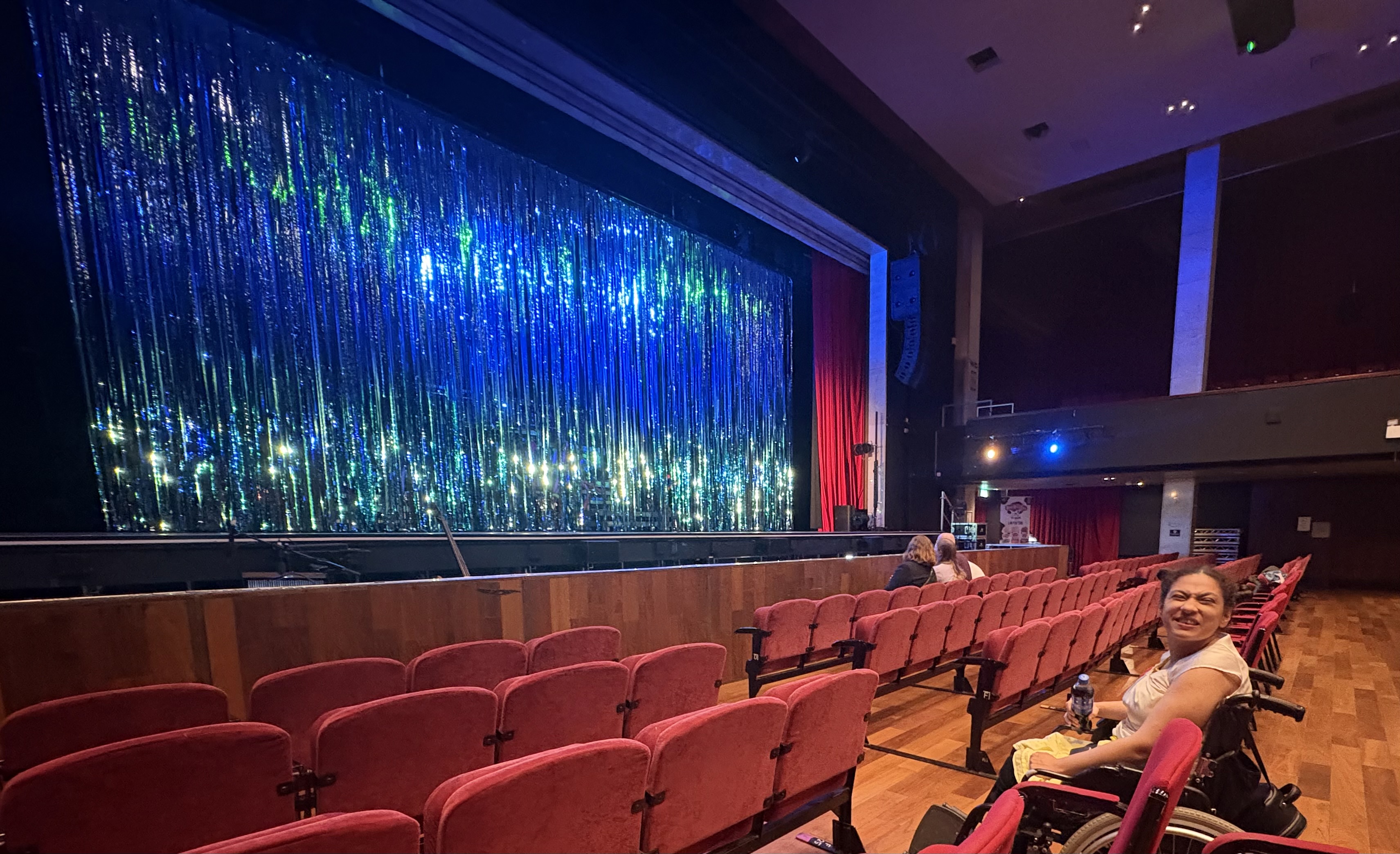
The Wheelie Good Walk Making Countryside Accessible
A new accessible walk has been created for people who use wheelchairs.
The Wheelie Good Walk was launched as part of this year’s Alton Walking Festival in Hampshire and follows a path through the village of Holybourne, along which gates and stiles have been adapted or removed and the ground made even.
It was created by mother and daughter Sally and Jannine Stoodley after Sally had a stroke in 2023 and could no longer enjoy her love of walking.
“Once you’re in a wheelchair, the world is not accessible to you anymore,” said Sally. “Everywhere you go, you have to think about it.”
But Sally decided she would not be beaten and has recently completed a pilgrimage along England’s St James’ Way and the Camino Ingles in Spain, all done in her wheelchair.
Jannine said it made them both determined to make a difference back home in Hampshire.
“We knew this was possible,” she said of the new accessible walk.
“We were approached by Walk Alton to find some accessible walks but it was majorly challenging to find an accessible walk, without gates, without stiles, but we found one.”
Sinead was one of the walkers enjoying the new route during the festival, along with her baby son Lachlan.
She said: “This is a walk I have been able to do with my baby, with help, and I saw the countryside for the first time in 12 years. So, it’s been really nice.”
Also on the walk were Panna and Lewis, volunteers from Newbury Building Society who helped to make the walk possible.
“To see the difficulties wheelchair users face on a daily basis was incredibly humbling,” said Panna.
“Hearing attendees share their personal experiences of living with a disability and the resilience and positivity they showed was both inspiring and thought provoking.
“It was privilege to be able to support such a meaningful event and great to play a part in helping out our local community.”
Down the road in Ropley, the parish council recently won the Hampshire Choice award for their work with landowners to change gates and make paths more wheelchair-friendly.
Catherine Mitchell, from Ropley Town Council, said: “We’ve replaced more than 35 stiles with gates and kissing gates along our footpaths.
“It now means more people with reduced mobility can enjoy the countryside.”
One landowner who has made changes is Louise Jenkins, from Monkwood.
” It makes sense,” she said. “Open access for everyone is what it should be.”
Daniella Ballard has cerebral palsy and loves the outdoors. She said she appreciates the changes already made but said more needs to be done: “I was diagnosed when I was 10 months old. It’s all well and good me asking for all these changes but they’re not going to happen overnight.
“The hardest thing to overcome is people immediately just saying ‘no’ because it’s too much or too much of a hassle, but it can benefit everyone.”
Alton Town Council and Ropley Parish Council have said they intend to publish their accessible walks on their websites.
BA Refuses Teen Passenger With Tourettes
https://www.facebook.com/share/v/1B6YiXmJCb/
Please click the link above for the full upsetting story.
Amazon link of the day
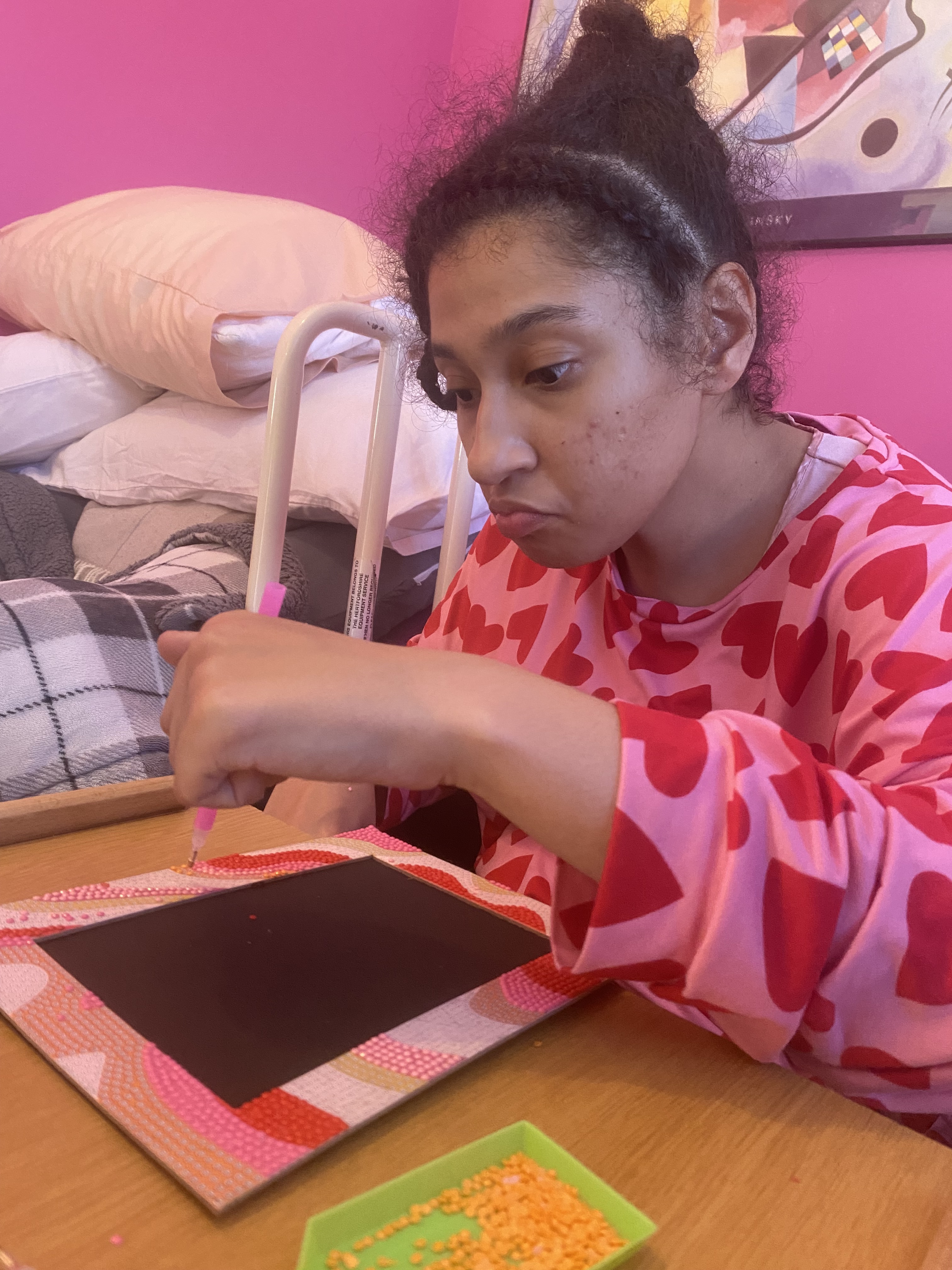
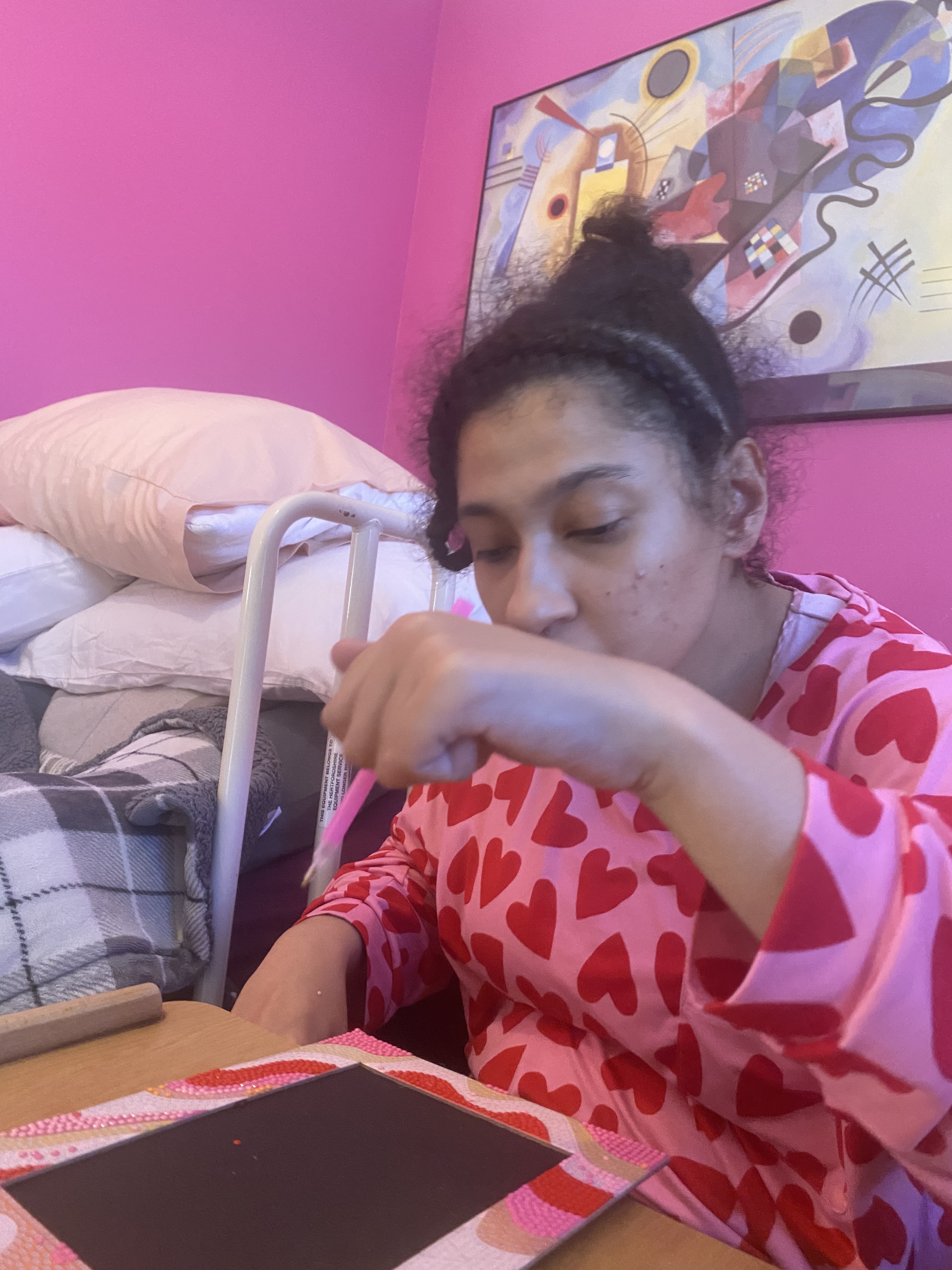
explain explaining all about my Amazon wish list and my 2026
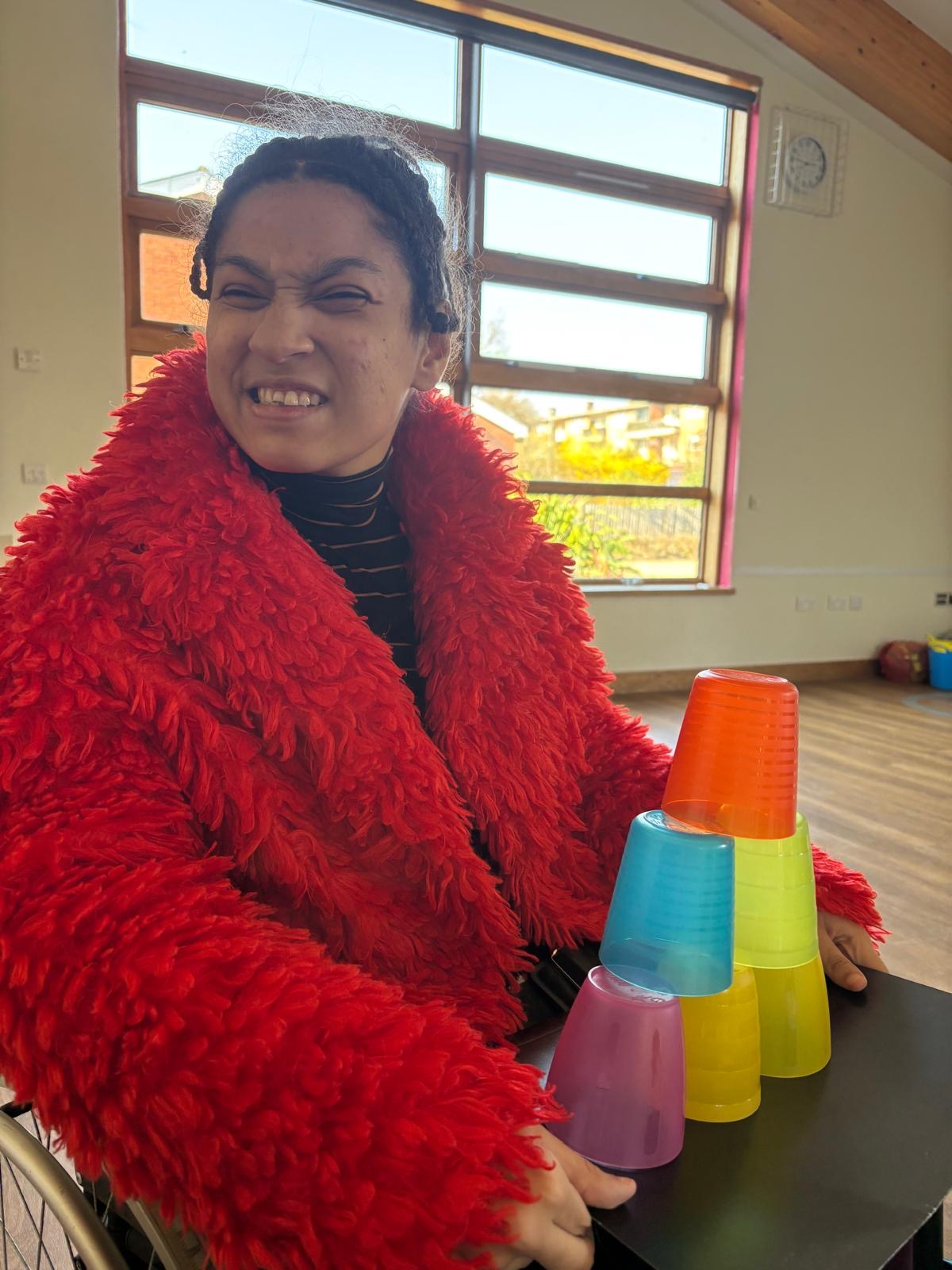
‘We Must Prioritise Seaside Disability Access’
A wheelchair user from Brighton says she dreams of being able to wake up and decide to go swimming in the sea.
Peyton Vellaa swims at the city’s Sea Lanes beachfront pool and gets in using special equipment – but the sea, just metres away, remains out of reach.
“I would need multiple volunteers to enable me to get into that water, and then you need equipment and there are certain safety aspects,” Vellaa said.
In a study presented to the government on Monday, just 13% of wheelchair users and people with limited mobility around the UK said they were able to reach the water.
The beach in Brighton’s Kemptown area has a boardwalk, wheelchair mats and wheelchairs suitable for pebbles.
But Vellaa, a disability ambassador for the south coast, said: “I can’t get down to the shoreline and I’m unable to get down to the sea and swim myself.
“If you wake up in the morning, you think, ‘I’m going to go swimming today’, I would like to have that access.
“I’d like to be able to have the equality to say I’m getting up and I’m going swimming, getting into the water, it gives you such freedom.”
The study, by the Beach Access Project and the University of Brighton, heard from 1,071 people around the UK with varying disabilities and long-standing health conditions.
Of those, 54% said they could not access a beach at all during their most recent visit, while 98% said they wanted to visit beaches more often and 85% hoped to reach the water’s edge.
The research was led by Will Behenna at the Beach Access Project in collaboration with PhD researcher Sadie Rockliffe and Dr Catherine Kelly from the university.
‘Life-changing’
Behenna, who is based in Bournemouth, said the UK had fallen behind other countries when it came to beach accessibility.
“If we look at Spain and France, they have been providing beach access for nearly three decades,” he said.
“They have guidelines, they have regulations and standards. They provide programmes across the country.
“It’s amazing that you can just rock up at a Spanish beach, work with the lifeguards and they’ll help you in and out of the water.
“It’s a service they provide and it’s really life-changing for so many people.”
Rockliffe has carried out extensive research on improving aquatic access for people with a visual impairment.
She said she hoped these latest findings would encourage policy makers, councils and coastal organisations to prioritise change.
“With research, we help to make change and we try to change policy, implement recommendations, and really make communities more inclusive and accessible for everybody,” Rockliffe said.
The Beach Access Project and the University of Brighton are calling for coordinated action across the UK, urging councils and coastal organisations to prioritise changes that enable more people to safely reach the water and fully enjoy the beach.
A government spokesperson told the BBC: “No-one deserves to be held back or treated unfairly because of their disability.
“As part of the Equality Act, reasonable adjustments must be considered before a disabled person needs to access services or facilities, to ensure they are accessible.
“We continue to work with disabled people and relevant organisations to ensure that their needs are met.”
Mitchie Alexander, cabinet member for communities, equalities, public health and adult social care at Brighton & Hove City Council, said beach accessibility for all was “incredibly important”.
She said the local authority had invested in improving access, including by installing a boardwalk in Saltdean, a beach deck and seating close to a new Changing Places facility and a fully-accessible seafront park in Hove.
She added: “We’re also installing a fully accessible lift as part of the restoration of Madeira Terrace which will make it far easier for people to access the front from Marine Parade and connect the beach in Kemptown to our local bus network.”
Alexander said the council “welcomed” the opportunity to meet the Beach Access Project regarding its research.
I’m
When Medically Fit Doesn’t Mean Free: The Hidden Crisis Trapping Disabled People In Hospital
For most people, being told you are medicall
y fit to leave hospital is good news. It means recovery, independence, and a return to ordinary life.
But for some disabled people in the UK, it marks the beginning of a different kind of ordeal.
One that can leave them trapped in hospital wards for months — not because they are too ill to go home, but because the support they need to live independently has been delayed, disputed, or withdrawn.
The recent BBC investigation into the experiences of Ravi Mehta and Lucinda Ritchie exposes a growing tension at the heart of the NHS: the clash between personalised care and financial pressure.
“My life has essentially stopped”
Ravi Mehta, a 36-year-old man living with Duchenne muscular dystrophy, entered hospital in September 2025 for what should have been a routine ventilator adjustment.
He expected to be home within three days.
Eight months later, he is still there.
According to the BBC report, Mehta has been medically fit to leave hospital since shortly after his admission. The problem is not his health condition itself, but the breakdown of the support system that previously allowed him to live independently at home.
Before his hospital stay, Mehta had a personal health budget — NHS funding designed to let disabled people tailor support around their own lives and needs. That arrangement enabled him to work part-time, attend football matches, spend time with friends, and live with a degree of freedom many people take for granted.
Now, he says he feels as though he is “rotting away” on a hospital ward.
The emotional impact is devastating. Mehta describes feeling isolated, depressed, and increasingly physically weakened by prolonged institutional living. The longer he remains in hospital, the harder it becomes to maintain the independence he fought to build.
His fear is not simply about staying in hospital. It is about what comes next.
Independence versus institutional care
At the centre of Mehta’s dispute is a familiar issue in disability care: who decides what kind of life is considered “reasonable”?
Mehta says he is being pressured into accepting a care home placement rather than returning to his family home with 24-hour support. NHS South East London Integrated Care Board denies that cost is driving decisions, saying its actions are based on safety and long-term sustainability.
But campaigners argue this case reflects a broader trend.
As NHS systems struggle with staffing shortages and financial pressure, highly individualised support packages are increasingly scrutinised.
Complex home care arrangements can appear expensive on paper, even if they ultimately allow disabled people to live fuller, more autonomous lives.
The danger is that disabled people become viewed primarily through the lens of cost efficiency rather than human dignity.
Care homes and institutional settings may sometimes be appropriate choices. But for people who are mentally capable of directing their own lives, being forced into more restrictive environments can feel like the loss of adulthood itself.
This is not simply a debate about healthcare administration. It is a debate about autonomy, consent, and the right to shape your own future.
A wider pattern emerging
Mehta’s experience is not isolated.
The BBC also highlighted the case of Lucinda Ritchie, who has complex medical needs and previously lived independently in an adapted bungalow with round-the-clock nursing support.
After a hospital stay, she was moved to a nursing home against her wishes. Within two days, her condition deteriorated and she was returned to hospital.
Ritchie later described the experience as “akin to torture”.
Her case sparked wider concern, including discussion in the House of Lords, where fears were raised that disabled people are experiencing a “backward slide” away from independence and toward institutional dependency.
Former NHS England leader Frances Tippett warned that years of progress toward personalised care risk being undone.
That warning deserves attention.
For decades, disability rights campaigners fought to move society away from the assumption that disabled people belong in institutions. The principle was simple but transformative: disabled people should have the same right as anyone else to decide where they live, how they participate in society, and what kind of support enables them to thrive.
Personalised care budgets were supposed to advance that principle.
Now, many fear the system is quietly retreating from it.
The cost of keeping people “safe”
One of the most striking contradictions in these cases is financial.
Keeping someone in a hospital bed for months is extraordinarily expensive. It also places additional pressure on NHS capacity, especially when intensive care or specialist beds are occupied by patients who no longer require hospital treatment.
Yet despite this, disputes over community-based support continue to leave people stranded in wards.
Why?
Part of the answer may lie in how healthcare budgets are structured. Individual home-care packages are highly visible costs attached to specific patients. Hospital occupancy, meanwhile, becomes absorbed into broader operational spending.
This can create a distorted incentive system where long-term institutional care appears administratively easier, even when it may be less humane and ultimately more costly.
But beyond economics lies a deeper cultural issue: risk aversion.
Systems under pressure often default toward standardised solutions. Personalised care requires flexibility, trust, and collaboration with the individual receiving support. That takes time, expertise, and resources.
When those elements disappear, independence can quickly begin to look like an inconvenience.
What kind of society are we building?
The stories of Ravi Mehta and Lucinda Ritchie force uncomfortable questions into public view.
What does independence really mean if it can be withdrawn when budgets tighten?
Who gets to decide whether a disabled person’s preferred way of living is “too expensive”?
And how should society balance financial realities against the fundamental right to autonomy?
These are not niche issues affecting only a small number of people with complex disabilities. They speak to something much broader: how a society treats people when they are most vulnerable.
A healthcare system should not merely keep people alive. It should help them live.
For disabled people fighting to remain part of their communities, maintain relationships, pursue careers, and preserve dignity, that distinction matters enormously.
Because being medically fit to leave hospital should never mean being left with nowhere truly free to go.
A bag that I designed using one of my friends dogs as a model for my new print on demand store coming soon.

Adults With CP Requested For Research
Sharing from Facebook group Cerebral Palsy Adult Advice UK:
Research participant request
Hi, I’m Jess. I’m a nurse and a Master’s student at King’s College London. I am looking for adults with cerebral palsy to share their experiences of pain in hospital.
Who can take part
Adults aged 18 and over with cerebral palsy
People who have stayed on a hospital ward in the last 10 years
You only need to share what you feel comfortable with. Adjustments can be made so you can take part in a way that works for you.
What is the study about
This study looks at how adults with cerebral palsy experience pain in hospital. Your experiences can help improve pain management and hospital care.
What taking part involves
A one-to-one interview at a time that suits you
The interview will take place on Microsoft Teams
You can speak or use a communication aid
You can pause or stop at any time
Your voice matters and could help make hospital care better for others.
Interested or want to know more?
Email: Jessica.mulligan@kcl.ac.uk
Canada is once again confronting one of the most emotionally charged ethical questions of modern healthcare: should people suffering solely from severe mental illness be allowed access to medically assisted dying?
At the centre of this national debate is 49-year-old Toronto resident Claire Brosseau, a former comedian and actor who says decades of treatment for bipolar disorder and PTSD have left her exhausted, isolated and without hope for recovery. After trying therapy, medication, psychiatric programs and even electroconvulsive treatment, Brosseau believes she has reached the end of what medicine can offer.
Now, she is asking the courts for the right to die.
Her story has reignited fierce public debate around Canada’s Medical Assistance in Dying (MAID) programme — a system already considered among the most expansive in the world.
A System Under Scrutiny
Canada legalized assisted dying in 2016 for terminally ill patients experiencing intolerable suffering. In 2021, eligibility expanded to include people whose deaths were not reasonably foreseeable, provided they had a “grievous and irremediable” medical condition.
The next proposed step — allowing MAID for mental illness alone — has proven far more divisive.
The federal government has delayed the expansion twice, citing concerns from psychiatrists, disability advocates and policymakers who argue the healthcare system is not ready. A parliamentary committee is now reviewing whether the country should proceed at all.
Prime Minister Mark Carney has said he will wait for the committee’s report before making a decision, emphasizing the need for an “informed position.”
For many Canadians, the debate cuts to the heart of two competing values:
personal autonomy and the right to end unbearable suffering
society’s obligation to protect vulnerable people
“I Want a Safe Death”
Brosseau’s argument is grounded in equality.
She believes mental suffering should be treated with the same seriousness as physical suffering. In interviews, she has argued that if a patient with terminal cancer can refuse treatment and qualify for MAID, then someone enduring relentless psychiatric pain should not automatically be excluded.
Her legal challenge claims Canada’s current restrictions discriminate against people with mental illness by implying their suffering is somehow less legitimate.
This perspective resonates with many supporters of MAID expansion, who argue that mental illnesses can, in some cases, become chronic, treatment-resistant and unbearable.
For patients like Brosseau, the debate is not theoretical. It is deeply personal.
Critics Warn of Dangerous Consequences
Opponents of expansion argue the risks are simply too high.
Psychiatrists and advocacy groups have raised several concerns:
1. Mental illness is difficult to predict
Unlike many physical diseases, psychiatric conditions can fluctuate dramatically over time. Patients who once believed recovery was impossible sometimes improve years later with new treatment approaches, changing life circumstances or social support.
Critics argue this uncertainty makes it nearly impossible to determine whether a condition is truly “irremediable.”
2. Suicidal ideation complicates consent
One of the biggest ethical concerns is distinguishing between a rational request for assisted death and suicidal thinking driven by illness itself.
Some experts fear MAID could blur the line between suicide prevention and state-assisted death.
3. Social failures may drive requests
Disability advocates have warned that poverty, loneliness, lack of housing and inadequate healthcare can push vulnerable people toward assisted dying.
Critics say expanding MAID without first improving mental health services and social supports risks turning assisted death into a substitute for proper care.
Lessons From Europe
Canada is not alone in wrestling with this issue.
Countries such as the Netherlands, Belgium and Luxembourg already permit assisted dying for psychiatric suffering under strict conditions.
In the Netherlands, cases involving mental illness remain relatively rare, but they have steadily increased over time. Supporters argue this demonstrates compassionate access for a small group of people enduring unbearable suffering. Critics see the rise as evidence of a dangerous normalization process.
Even Dutch psychiatrists disagree sharply about what these numbers mean.
That international divide mirrors the conflict now unfolding in Canada.
A Debate Bigger Than One Person
Brosseau’s case has become symbolic of a broader cultural and moral struggle.
To supporters, denying MAID to psychiatric patients reinforces stigma around mental illness and strips people of bodily autonomy.
To opponents, expanding MAID could fundamentally alter how society responds to suffering, disability and suicide.
The tension is especially powerful because both sides frame their arguments around compassion.
One side asks:
How can we force someone to continue unbearable suffering?
The other asks:
How can we safely approve death when recovery may still be possible?
There are no easy answers.
What Happens Next?
The parliamentary committee reviewing MAID is expected to present recommendations later this year. Its findings could shape the future of assisted dying policy in Canada for decades.
Meanwhile, Brosseau continues her legal challenge while living largely confined to her home, struggling with panic attacks and overwhelming anxiety.
Regardless of where one stands on the issue, her story forces a difficult but necessary conversation about suffering, dignity, autonomy and the limits of medicine.
Canada now faces a defining question:
When someone says they cannot endure life any longer, what is society’s responsibility — to help them die, or to help them keep living?
In a world where conversations around inclusion are becoming increasingly important, one production in Belfast is proving that the arts can do far more than entertain — they can transform lives.
This weekend, the legendary Ulster Hall will host Suitcases and Skies, a remarkable performance featuring 140 adults with additional needs. The show combines music, dance, drama, and visual art, but its true power lies in the confidence, connection, and community it has created behind the scenes.
For participants like 27-year-old Jamiee-Leigh Tweed, the experience has been life-changing. What began as a creative project evolved into a journey of personal growth. Jamiee-Leigh spoke proudly about learning new skills, making friends, and discovering confidence through singing and dancing.
That confidence is a recurring theme throughout the production. Fellow performer Adam Thompson described the joy of dancing with friends and contributing artwork for the stage backdrops. These contributions highlight something often overlooked in conversations about disability and inclusion: talent flourishes when people are given the opportunity and support to express themselves.
Directed by Ciara McGeown of CMAC Creative Arts and Wellbeing, the production brought together groups from across Belfast over six months of rehearsals. Coordinating such a large cast presented logistical challenges, but it also created a rare sense of unity.
The project demonstrates how creative spaces can become powerful social spaces. Participants who may once have felt isolated or hesitant found themselves collaborating, performing, and growing together. According to organisers, many cast members were initially too shy to participate in drama activities. Over time, they found their voices — literally and emotionally.
That transformation speaks to a broader truth about the arts. Inclusive creative programmes are not simply “activities”; they are platforms for empowerment. They help challenge outdated perceptions around disability while allowing individuals to showcase their abilities rather than their limitations.
The production is also part of the Belfast Local Community Action Plan supported by Peaceplus, reinforcing the idea that community-building and inclusion go hand in hand. Through shared artistic experiences, barriers between people can begin to disappear.
What makes Suitcases and Skies especially meaningful is that it shifts the narrative. Too often, disability stories are framed around obstacles or dependency. This production instead celebrates creativity, achievement, and collaboration. It reminds audiences that inclusion is not about charity — it is about opportunity, visibility, and recognition.
The choice of venue adds another layer of symbolism. The Ulster Hall has welcomed some of music’s biggest names over the decades, from Led Zeppelin to AC/DC. Now, its stage will belong to performers whose stories are just as important and inspiring.
At a time when many communities are searching for ways to become more inclusive, Suitcases and Skies offers a powerful example of what is possible when creativity, support, and opportunity come together.
And perhaps the most moving part of all is not the scale of the production or the prestige of the venue — it is hearing participants proudly say: “I’m really proud of myself.”
Sometimes, that is the greatest performance of all.
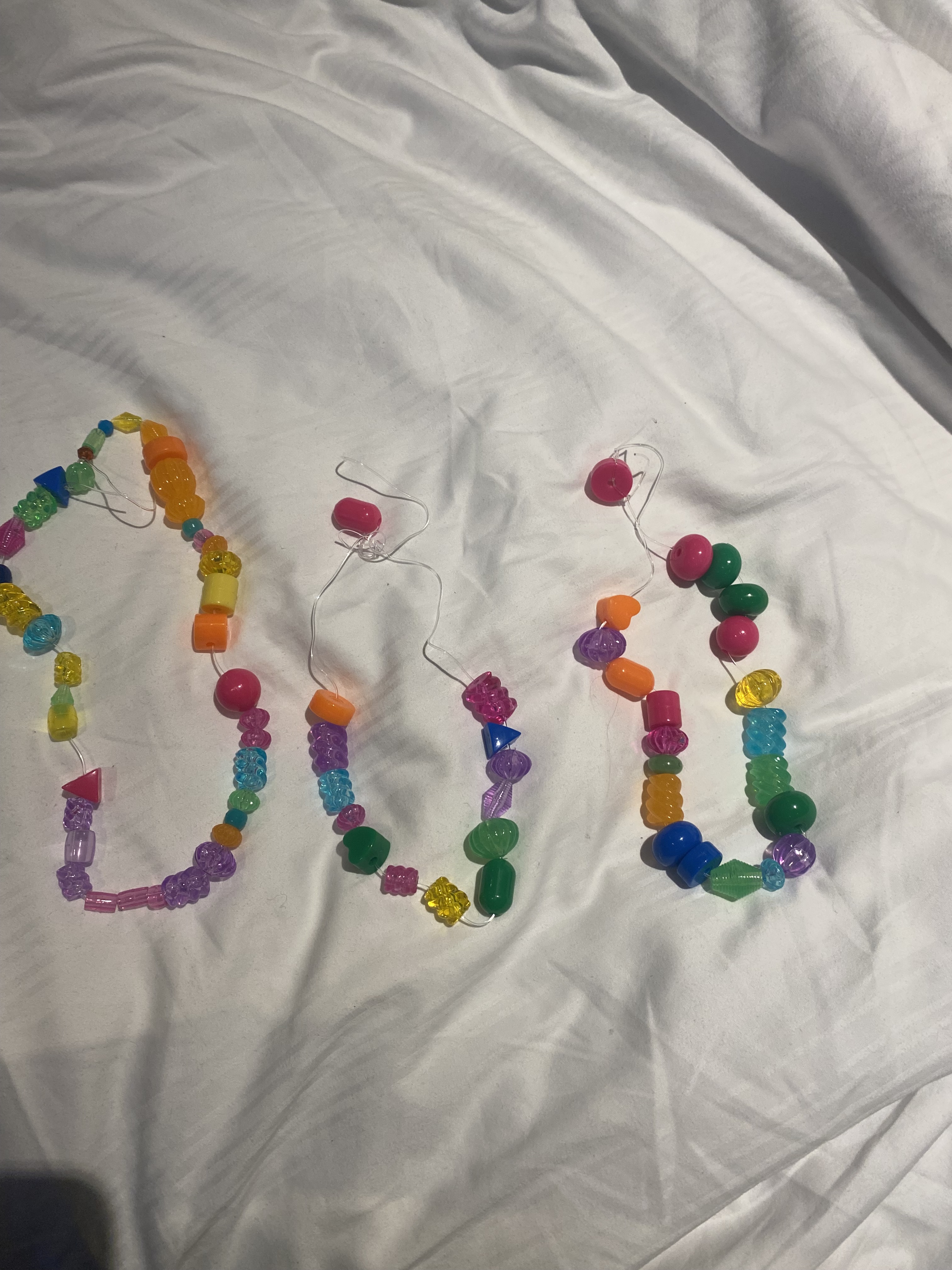
fan on TikTok a couple of weeks before I went away, including a minion dressing up costume.
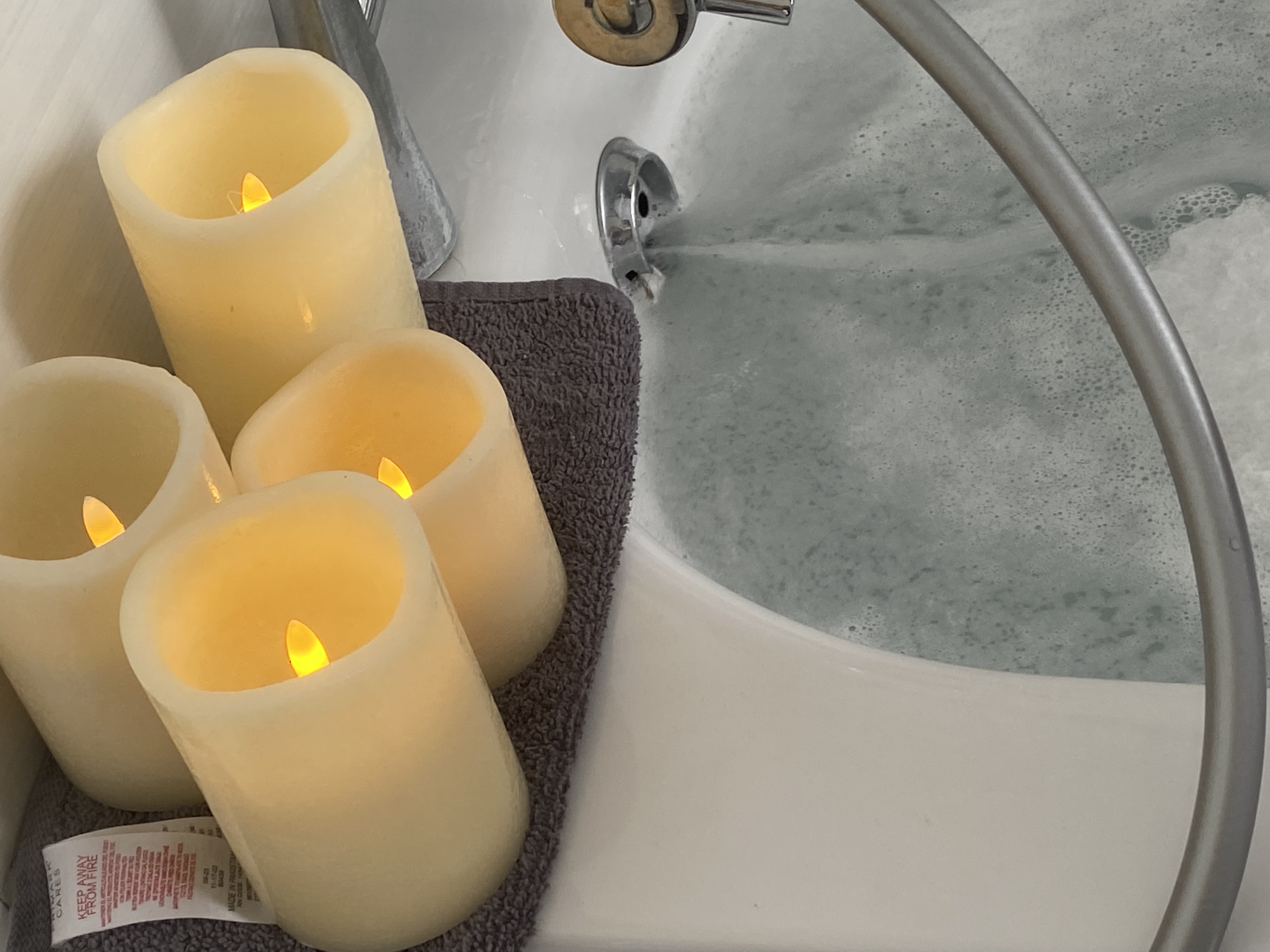
come and set up my LED candles with me and turn them all on when preparing for my bath at Respite Care
Motability drivers will no longer need to have a black box fitted to their vehicles following criticism from users affected by the rule changes.
The Motability scheme – through which certain disability benefits can be exchanged for a lease on a vehicle – had made the boxes compulsory for new leaseholders and drivers aged under 30 in April.
The boxes are designed to track and regularly rate a user’s driving habits, such as speed and braking, with repeated poor ratings potentially leading to drivers being removed from the scheme.
Motability boss Andrew Miller said the programme had been introduced to help reduce accidents and manage insurance costs, but had been paused over users’ “anxiety” and concerns.
Drivers have reported the app was inconsistent, did not understand their driving adaptations, and that the rules and guidelines were confusing and restrictive.
Now those who were enrolled with the “Drive Smart” programme will be taken off it from 22 May, Motability said.
The changes had been criticised by actor and disability rights campaigner Keron Day, who thanked Motability bosses for “recognising the seriousness of the issues for disabled people’s lives”.
Day, who appeared in the hit Netflix show Sex Education, has cerebral palsy and uses a specially adapted wheelchair accessible vehicle (WAV).
The car has a steering aid and indicators on the floor, as well as buttons for lights, wipers, gears and the handbrake.
He campaigned alongside West Cornwall MP Andrew George to reverse the decision for compulsory black boxes. The pair met Motability bosses to discuss the issue last week.
Motability CEO said: “Drive Smart was introduced to help reduce accidents, improve driving and, in turn, manage insurance costs, while keeping all the scheme’s insurance features in place.”
Miller went on: “But we have listened carefully to customer feedback and recognise that the experience was not where it needed to be.
“That is why we have decided to pause Drive Smart while we work with customers to understand how it can be improved.”
Black boxes monitor driving habits and can provide a weekly rating graded using a traffic light colour scheme.
A green rating could mean cheaper insurance, but more than four red ratings over a period of 12 months could see drivers removed from the Motability scheme.
George and Day had criticised Motability for imposing an “invasive telematics tracking technology” without proper consultation or adequate safeguards in place.
George said: “I must congratulate Motability CEOs for listening and being prepared to change policy when confronted with the impact this scheme has had on thousands of disabled people.
“Keron and I are keen that they make some major changes before deciding how they will better manage the difficult insurance challenges faced by the scheme.”
Motability said it would continue to review the programme and was also creating a new customer panel to allow users to help shape how Drive Smart develops.
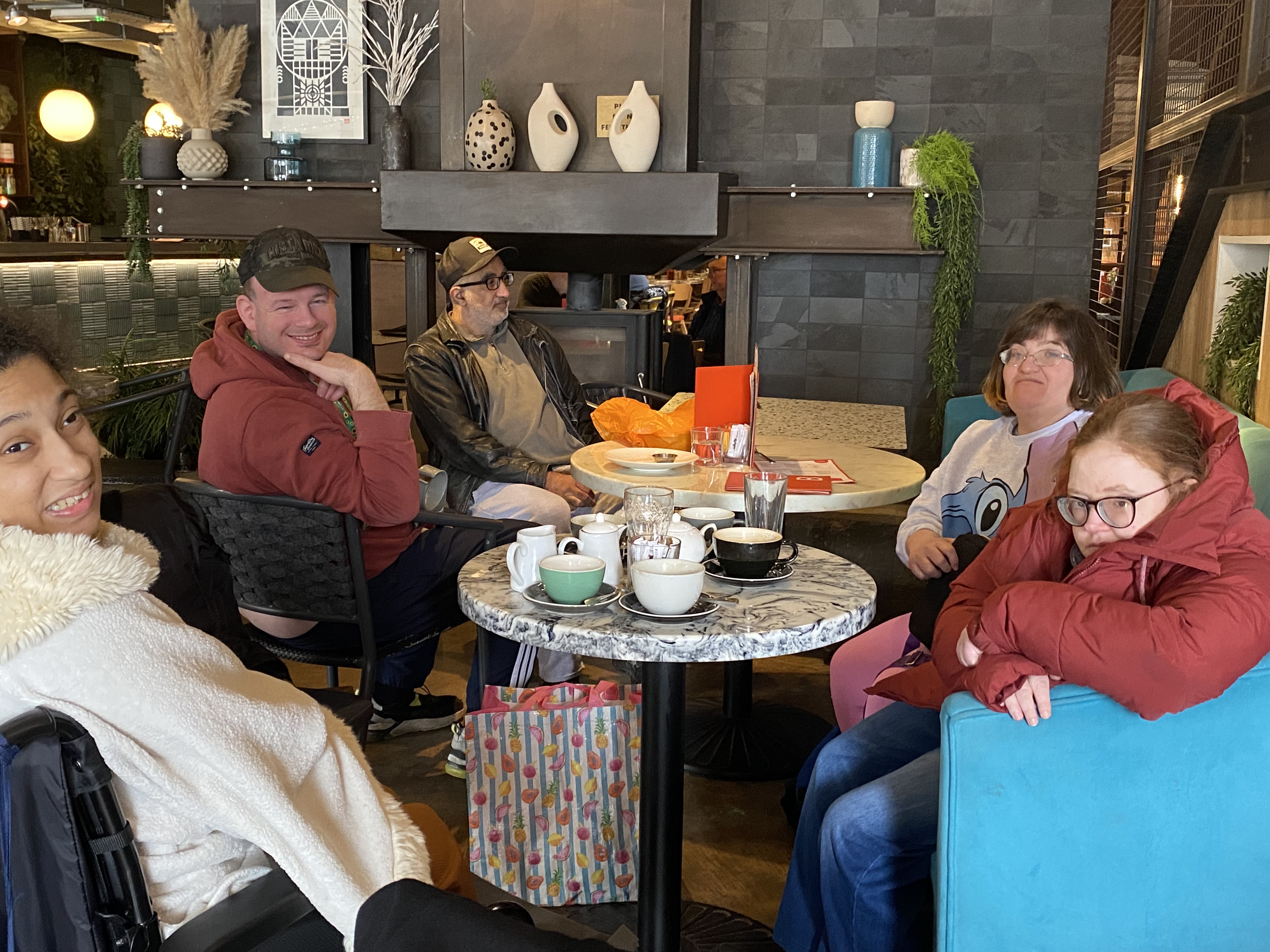
out with all my friends for coffee a few weeks ago when I went on one of the daylight club trips before I went away
A nine-year-old boy who became the youngest amputee to climb Wales’ highest peak now has his sights set on conquering the Three Peaks challenge.
Albie-Junior Thomas, from Holywell in Flintshire, was born without a fibula in his left leg and had his foot removed at 15-months-old.
Regardless, at the age of four he broke records by scaling Yr Wyddfa, also known as Snowdon.
The youngster now hopes to climb the tallest peaks in Scotland, England and Wales in less than 24 hours to raise money for Holywell Town FC.
He has already climbed each one individually alongside his dad Daniel Thomas and the pair have embarked on an 18-week training programme in preparation for the challenge on 18 August.
“We’re training a lot, we go to [Yr Wyddfa] every week and we go to the gym,” Albie-Junior said.
The father-son duo has also done a night time ascent of Yr Wyddfa to practise finding their way in the dark.
“We went about [midnight] to see where we were with navigation as that’s kind of roughly the time we’ll be hitting Snowdon,” said Daniel, a fitness trainer.
“Each week we’re beating our time as well, to try and just push ourselves.”
The pair will begin the challenge by climbing Ben Nevis in Scotland before being driven to Scafell Pike in Cumbria and then Yr Wyddfa in north Wales.
Each mountain trek will be powered by noodles and Albie-Junior’s favourite sour sweets.
The schoolboy said it would be “quite unusual” to become the youngest amputee to complete the challenge and added he was proud of himself for signing up.
Some of his friends have also told him they had been inspired by his achievements.
Albie-Junior added: “One of them went up when they were six and they were really proud of themselves and they were sat there [saying], ‘how does he do it when he was four?'”
Albie-Junior was born with fibular hemimelia, which meant his leg was 5cm (2ins) shorter than the other and his foot was deformed.
His dad said it was a “massive decision” to amputate but having a prosthetic had never held his son back as he learned to walk on a blade.
“It just felt like a normal foot,” said Albie-Junior.
However, gruelling downhill sections of mountain hikes can cause discomfort to the skin where the prosthetic attaches and pressure on the knee.
It means Albie-Junior, who wants to become a paralympian in future, will be checked over between each stage and will need crucial rests in between each climb.
His dad said the task felt like a natural progression for his son.
“You just have to go one better, don’t you? We’ve done all three, we’re just topping up each time,” he said.
‘Having A Job Has Opened Up So Many Doorways’
The sister of a 23-year-old man born with a rare genetic condition says finding paid work has given him a “real sense of purpose”.
With the help of the Seashell Trust, a Stockport-based charity that supports young people with learning disabilities, Harry Clayton has found work at the Light Cinema in Stockport and also earns money doing maintenance work at the Seashell Trust site.
Around 45% of the students who leave the Seashell Trust went into some kind of employment and around a third of those young people found paid work, a figure that is four times the national average, the charity said.
Harry’s sister, Emma Clayton, 27, said having a job had opened up opportunities for her brother.
Harry attended Heaton School, a secondary school for young people with severe learning difficulties in Stockport, before spending two years at the Seashell Trust.
Emma said: “Harry is out every single day of the week and he loves getting up for work because all of his work placements give him a real sense of purpose.”
She added: “When we were made aware of his condition, we didn’t know what capabilities he would have but he really works hard, so its opened up so many doorways for him.”
As well as paid employment, Harry also volunteers at the Rose Hill Recycling Centre in Marple and does unpaid work at Quarry Bank Mill in Styal.
“I help old people carry their rubbish, I dig up the weeds, I use a hosepipe to clean the minibus, I sweep up popcorn at the cinema and I like my jobs,” he said.
Brandon Leigh, the chief executive of the Seashell Trust, said: “We are evolving our young people into adults who will cost less for councils to look after because they have independent skills and they will need less support going forward.
“The alternative for a young person coming here would be spending life in a very mundane day-care facility, where they are being looked after, but their skills are not being developed and their full potential is not being realised,” he added.
“We have to demonstrate good value and great outcomes for our students.”
Employment for people with learning disabilities leads to financial freedom, higher reporting of self-worth, skill development and social inclusion into society, according to a report by the charity Mencap in 2023.
The Seashell Trust is largely funded from the council social care packages of its students, who are some of the most severely disabled young people in the country.
The charity includes the Royal School Manchester, for children under 16, and the Royal College Manchester for young people aged 16 to 25.
Almost half of their 130 students live on the site in Cheadle Hulme and their social care packages can sometimes run into several hundred thousand pounds a year.
Stockport Council has been contacted for comment.
The Royal College Manchester also runs an employability pathway, which works with local businesses to prepare them to accept their students, including making adjustments to their workplaces and completing Health & Safety risk assessments.
The work experience placements they offer include packing boxes at factories, working in retail, gardening at properties run by the National Trust, doing jobs at hospitals, leisure centres or working on farms with animals.
Nikki Brown, the employer engagement lead at the Royal College Manchester, said: “The students are really happy in their work and its important to them, so when we see their impact on their mental health, the families also see the benefit.
“I have the best job because work makes people happy and its good for you, so its important that our young people go out, meet people and make friends.”
A man with disabilities from Ayrshire has been forced to travel more than 20 miles into Glasgow just to access a swimming pool.
The water is one of the few places where Jamie Rigg, who has cerebral palsy, can leave his wheelchair. It also allows him to hug his girlfriend Kainat, who too has disabilities.
Rigg requires two hoists to leave the chair and get into the water, but the one in the changing room at his local pool in the Garnock Valley has been broken for months.
Other pools throughout Ayrshire and Renfrewshire either lack a suitable hoist or have one that is needing repairs, leaving Rigg having to travel to one in the Gorbals.
Jane Robson, who has helped care for Rigg since 2021, said access to a pool is a huge positive for the 28-year-old, but the lack of access is now damaging both his physical and mental health.
She added that it has been incredibly frustrating trying numerous pools and finding Rigg could not access them.
“It’s abysmal that people with disabilities are being ignored and not getting help to use public leisure facilities,” Robson said.
“All of this is impacting Jamie’s mental health as he feels he is not important enough to be able to access a swimming pool.
“The only times he is able to get out the chair is getting in or out of bed, and going swimming. But so many pools do not have proper facilities for wheelchair users.”
Robson said a changing room hoist is needed to help get Rigg out of his chair, with another hoist required at the pool to help him get into the water.
However, some leisure centres that said they had disabled access simply meant getting access into the building itself, and not the water.
Others had only one hoist near the pool but not in the changing room.
Robson said: “We can use the Gorbals one, but he lives in Irvine, so it’s a long trip and not something that can be done regularly.
“It’s such a shame – Jamie and his girlfriend can get out their chairs in the pool, hug each other and have a nice time. They’ve not been able to do that for months now.”
The Portal leisure centre in Irvine does have both hoists but one was out of operation when Rigg visited. Council body KA Leisure says it has now been fixed.
Several leisure facilities in Ayrshire run by KA Leisure have been tried by Robson and Rigg in recent months, including Auchenharvie in Saltcoats, Vikingar in Largs, and The Citidel in Ayr. None had both of the required hoists.
A pool in Linwood in Renfrewshire does have suitable accessibility but – like the Garnock Valley pool – one hoist was broken.
A spokesperson for the Cerebral Palsy Scotland charity told BBC Scotland News the problems faced by Rigg showcase wider issues with access for people with disabilities across Scotland.
They said: “Access to leisure facilities and sport is essential for people with cerebral palsy, supporting physical health, independence and overall wellbeing.
“Yet, too often, barriers such as inaccessible environments or lack of appropriate equipment prevent people from taking part.
“Situations like this highlight a wider issue: accessibility must be built in as standard and properly maintained. Everyone should have equal access to the activities and spaces that support their health and participation in community life.”
KA Leisure said The Portal in Irvine was now suitable, and the Garnock Valley hoist should soon be useable again.
A spokesperson said: “We recognise the importance of swimming as a vital form of exercise for many users, particularly those with limited mobility, and we take any concerns around accessibility very seriously.
“At Garnock Community Campus, the poolside hoist is operational following recent periods when it was taken out of use due to faults.
“An inspection will be completed to approve its reintroduction, and we aim to provide a further update as soon as this process is concluded.”
The spokesperson added that pool hoists are available at Auchenrhavie and Vikingar, but not changing room facilities.
One Ren, which manages culture and leisure facilities in Renfrewshire, said: “OneRen recognises the importance of accessible leisure facilities and understands the frustration that barriers to participation can cause for disabled people.
“Erskine Pool and Johnstone Community Hub have fully operational pool hoists in active use.
“In addition to pool hoists, a number of OneRen venues provide Changing Places facilities, which include motorised changing benches and tracking hoists to support users with complex disabilities.”
A 14-year-old girl who has been blind since birth had to make a 140-mile round trip to attend a cinema screening after struggling to find an accessible option closer to home.
Eryn said the journey, which took about three hours in total, was necessary because the cinema was the only one her family could find offering audio description headsets for The Magic Faraway Tree, a film adapted from Enid Blyton’s book series.
Her family contacted several local cinemas, including the nearest to their home, but were told none could accommodate her needs.
BBC News NI has contacted IMC Cinemas for a response and asked other cinema chains what services they provide for blind and visually impaired audiences.
Eryn was born with a rare congenital disorder called septo-optic dysplasia, which means she has been blind since birth.
She said it impacted many aspects of her life, including schoolwork and hobbies.
“I’m not able to do my schoolwork the same as everyone else,” she said.
“I’m not able to have the same hobbies either, such as watching movies or going to the cinema. I’m not able to enjoy visuals. I wish I could go to the cinema more.”
‘Extremely disappointing’
Eryn, who lives near Enniskillen, County Fermanagh, said her family had to travel to the Odeon cinema in Belfast over Easter as their local cinema IMC Cinemas Enniskillen – and others closer to home – did not offer audio description headsets.
“A long way to travel just to watch a movie,” she said.
“It was extremely disappointing that the closest local cinemas couldn’t cater for blind and visually impaired people.
“Sighted people just take this for granted because they can go and watch movies, whereas blind people can’t.”
“We rely on audio description because you can’t pick up the whole atmosphere through sound alone,” she added.
Despite the long journey, Eryn said she enjoyed the movie and the audio description gave her “a better understanding of what was happening than just the sound”.
She said more cinemas should offer audio description so people who are blind and visually impaired can enjoy the cinema experience like everyone else.
Fermanagh and South Tyrone DUP MLA, Deborah Erskine, said this issue was first raised with her several years ago and brought to the attention of the IMC cinema group, but she said little appeared to have changed.
“My understanding was that measures were going to be implemented… but unfortunately, that doesn’t seem to be the case.”
Erskine said many visually-impaired people across Northern Ireland were being denied the chance to enjoy the cinema with friends and family – and she plans to raise the matter again with cinema operators.
“It’s not acceptable that in 2026 people still can’t have the same experience as everyone else,” she said.
Erskine added that the solution was simple and that the current situation placed an unfair burden on families.
“It shouldn’t be the case that parents are left trying to search for a cinema their child can attend,” she said, adding that travelling created extra costs and put families “at a disadvantage”.
Calls for more audio description services
In a statement, the Royal National Institute of Blind People (RNIB) said it was “saddened” that Eryn and her family had to travel from Enniskillen to Belfast.
John Paton, the RNIB’s media, culture and immersive technologies manager, said a trip to the cinema was “an experience everyone should be able to enjoy at their local cinema”.
“Families should not have to travel so far… this simply wouldn’t be possible for many,” he added, pointing to rising costs and transport challenges, particularly in rural areas.
Paton said there were around 57,500 people with sight loss in Northern Ireland and called for better access to audio described screenings.
“Small changes and considerations can make such a difference.
“We will be raising this issue with the UK Cinema Association so they can look into the current situation in Northern Ireland and help find appropriate and timely solutions.”
BBC News NI has contacted IMC Cinemas Enniskillen, Odeon, Movie House and Omniplex cinemas for comment.
In a statement, an Omniplex spokesperson said audio description was currently available at four locations, including The Avenue Cinema in Belfast, as well as sites in Lisburn, Birmingham and Wigan.
“The availability of audio described screenings is dependent on content supplied by film studios, as not all titles are released with audio description tracks,” they added.
The spokesperson said the cinema remained “committed to improving the experience for all guests”, with plans to expand audio description technology to more locations “in the coming years”.

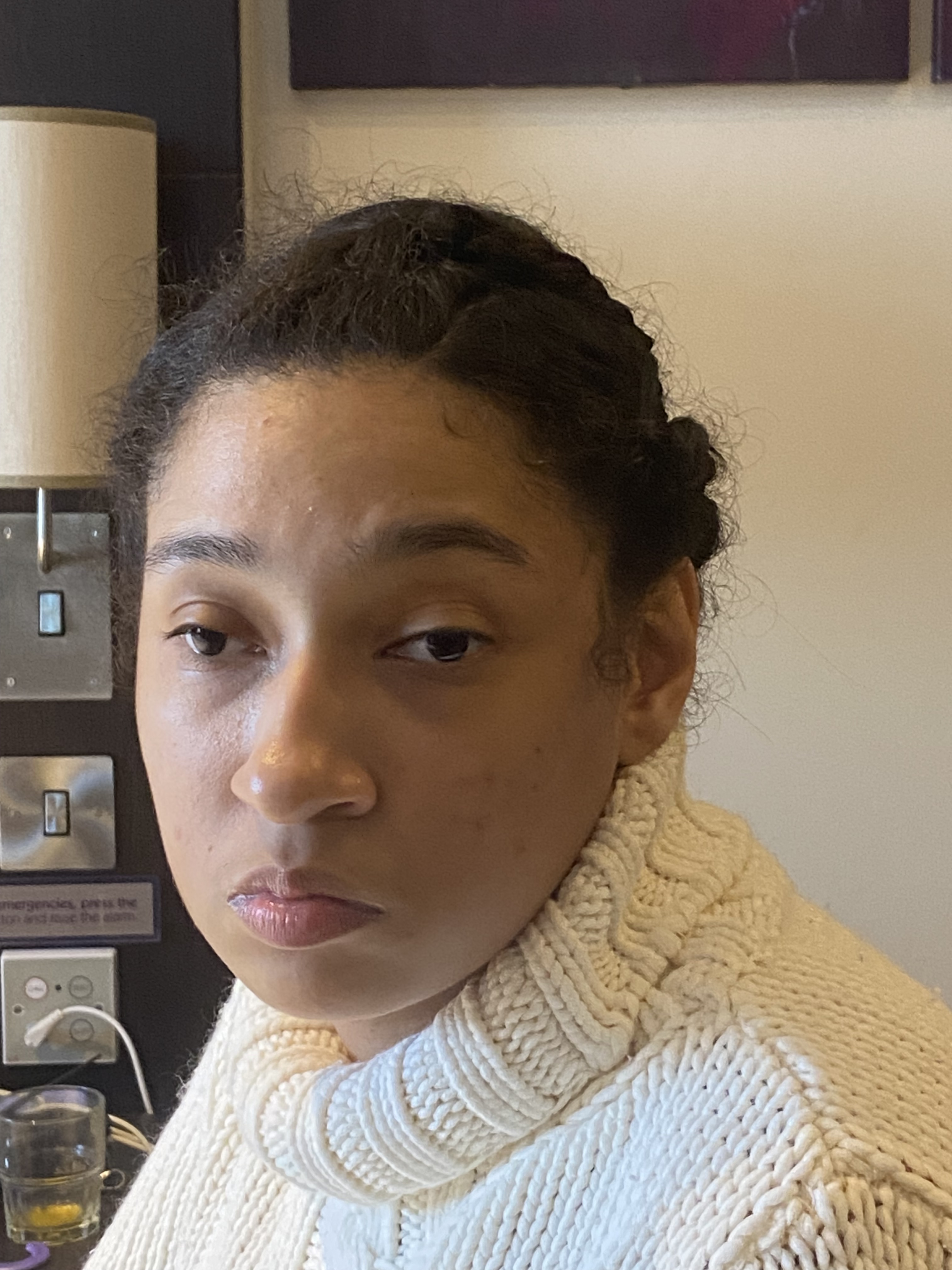
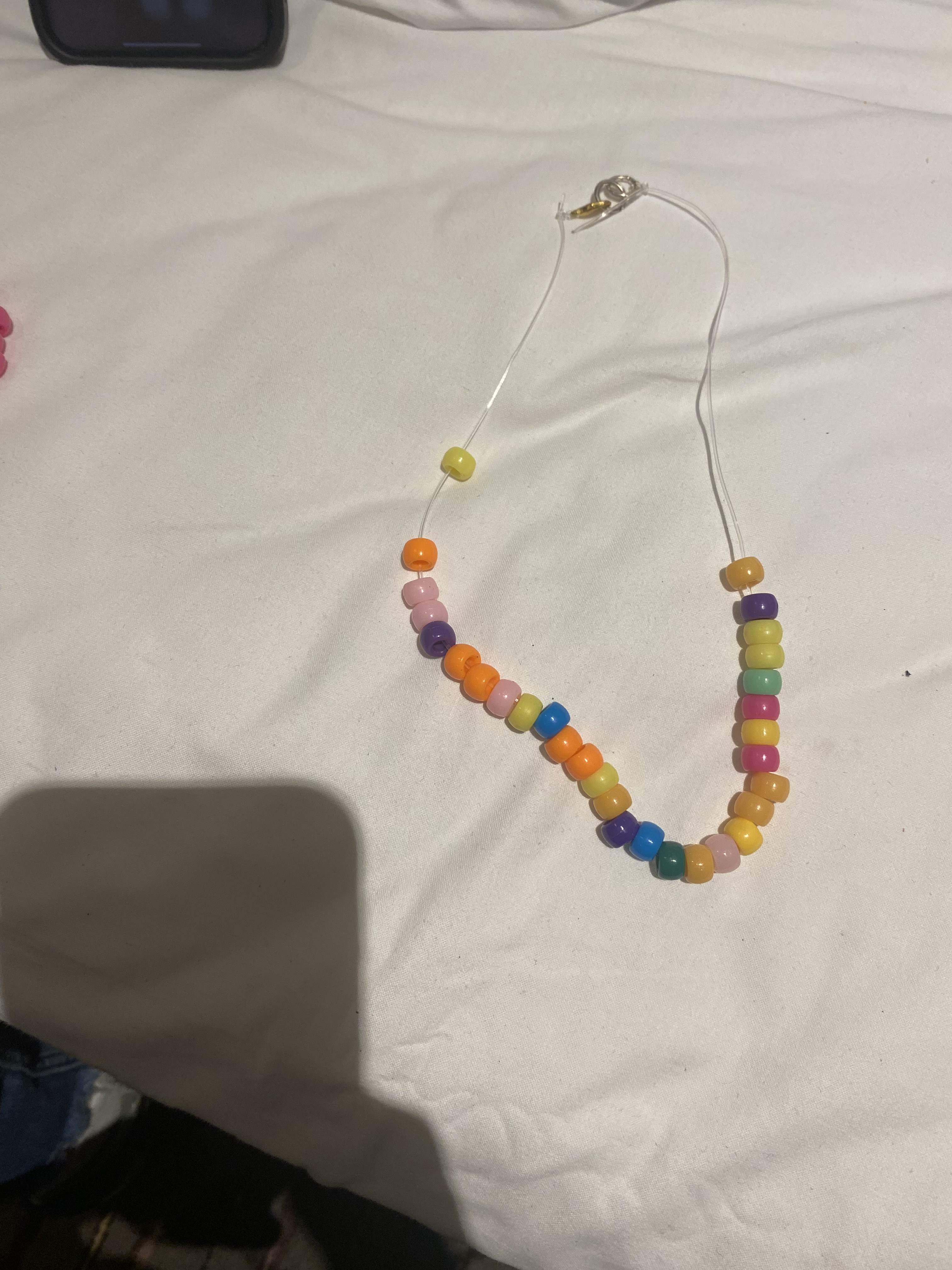
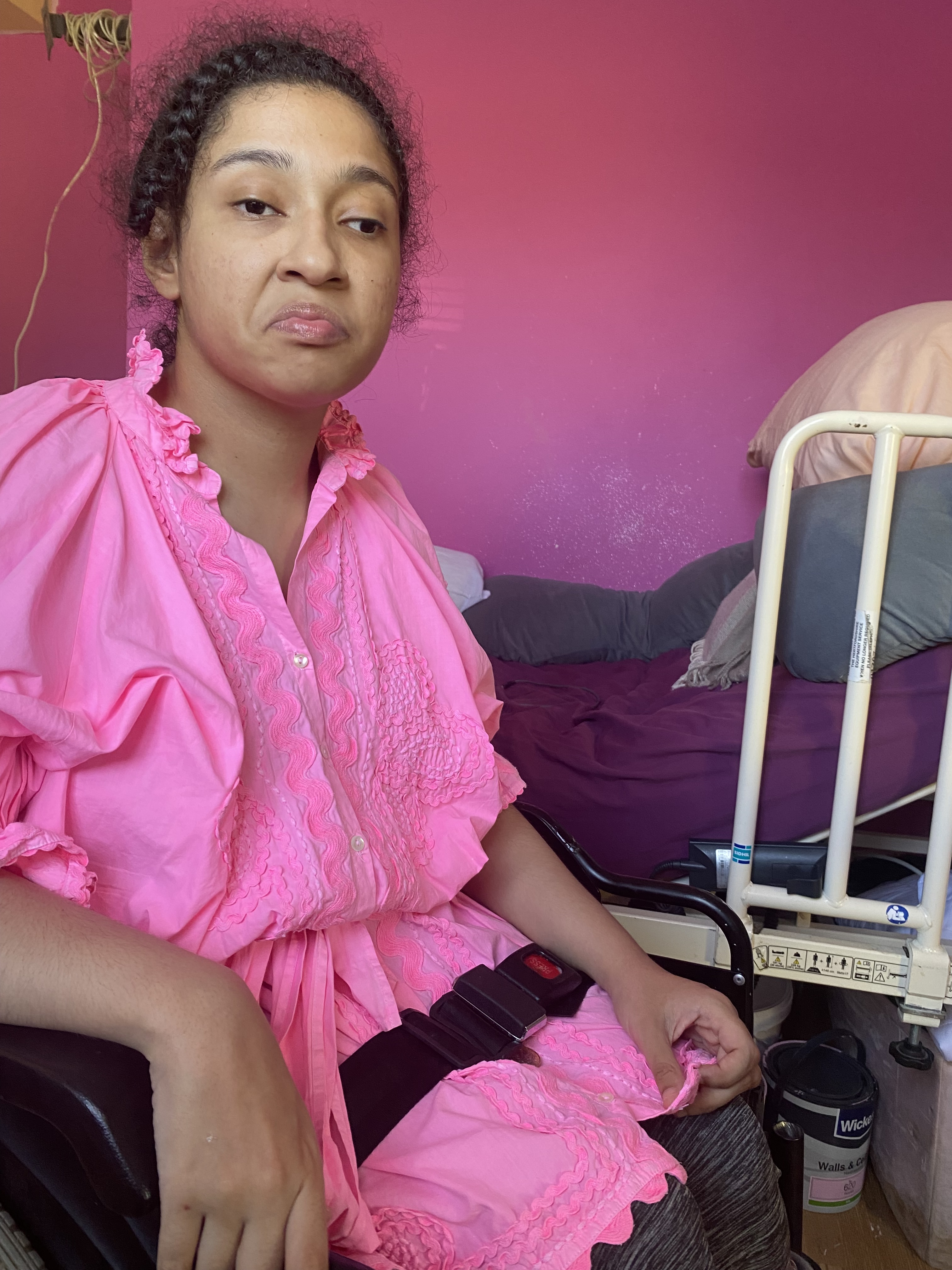
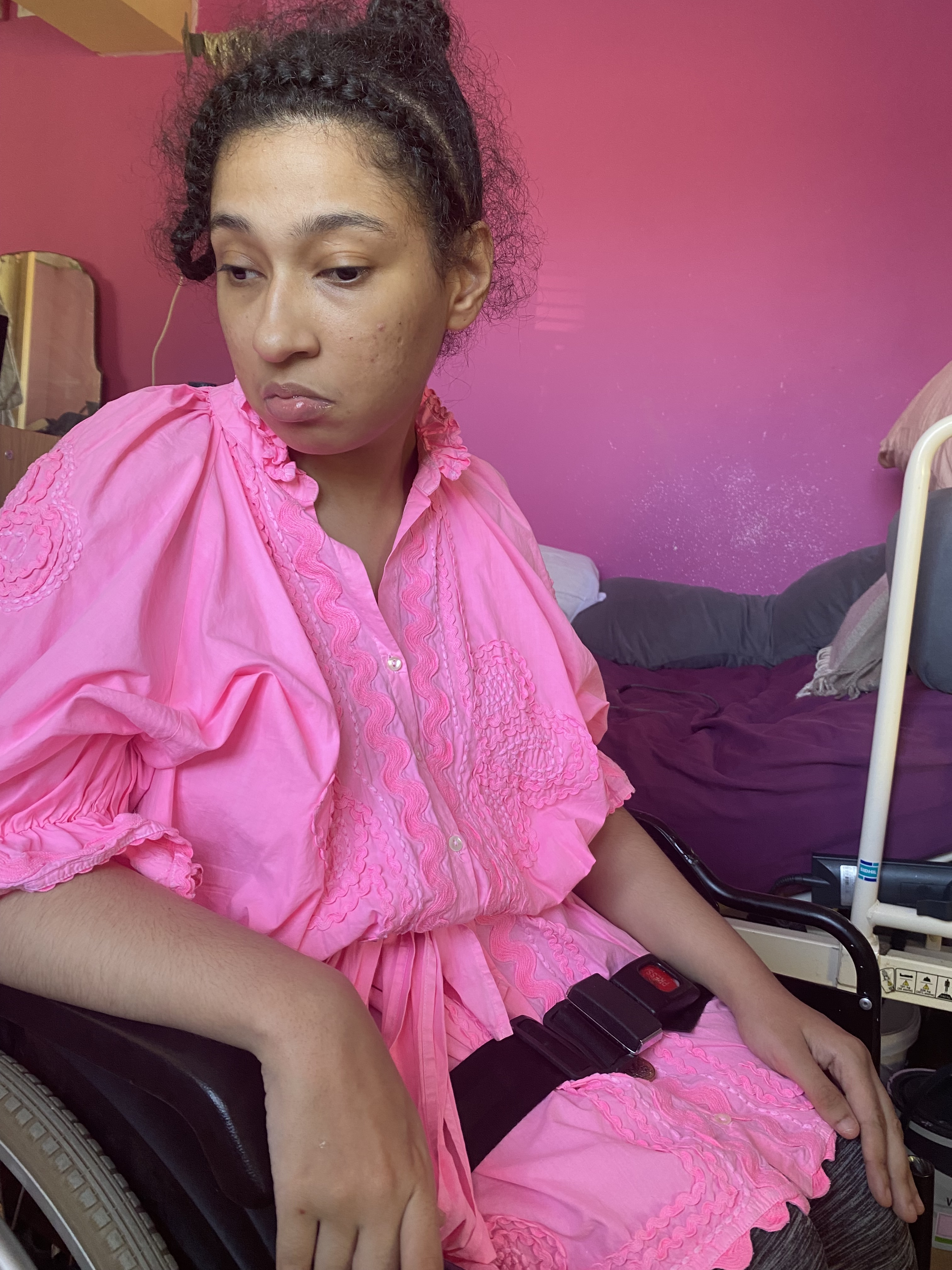
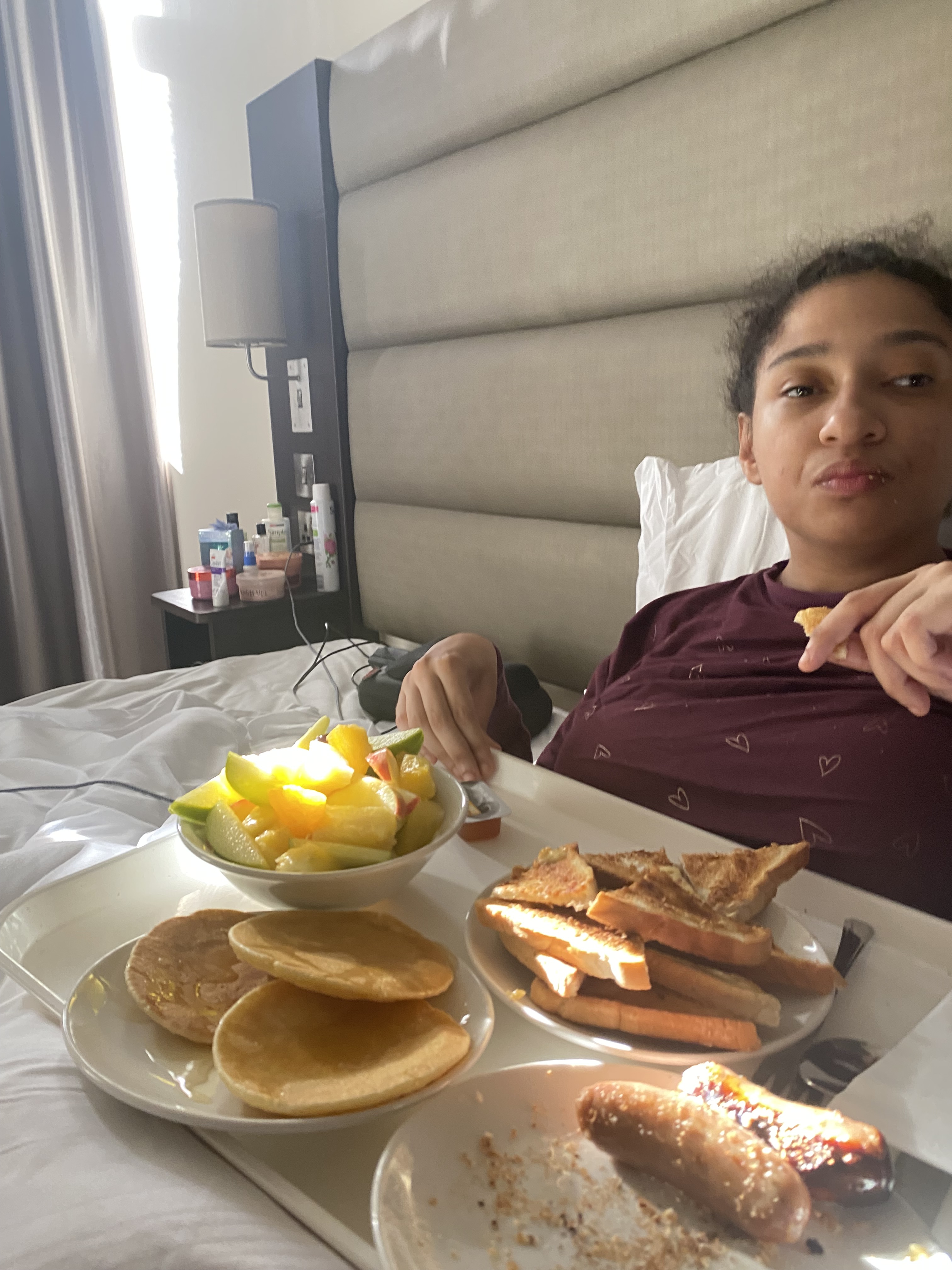
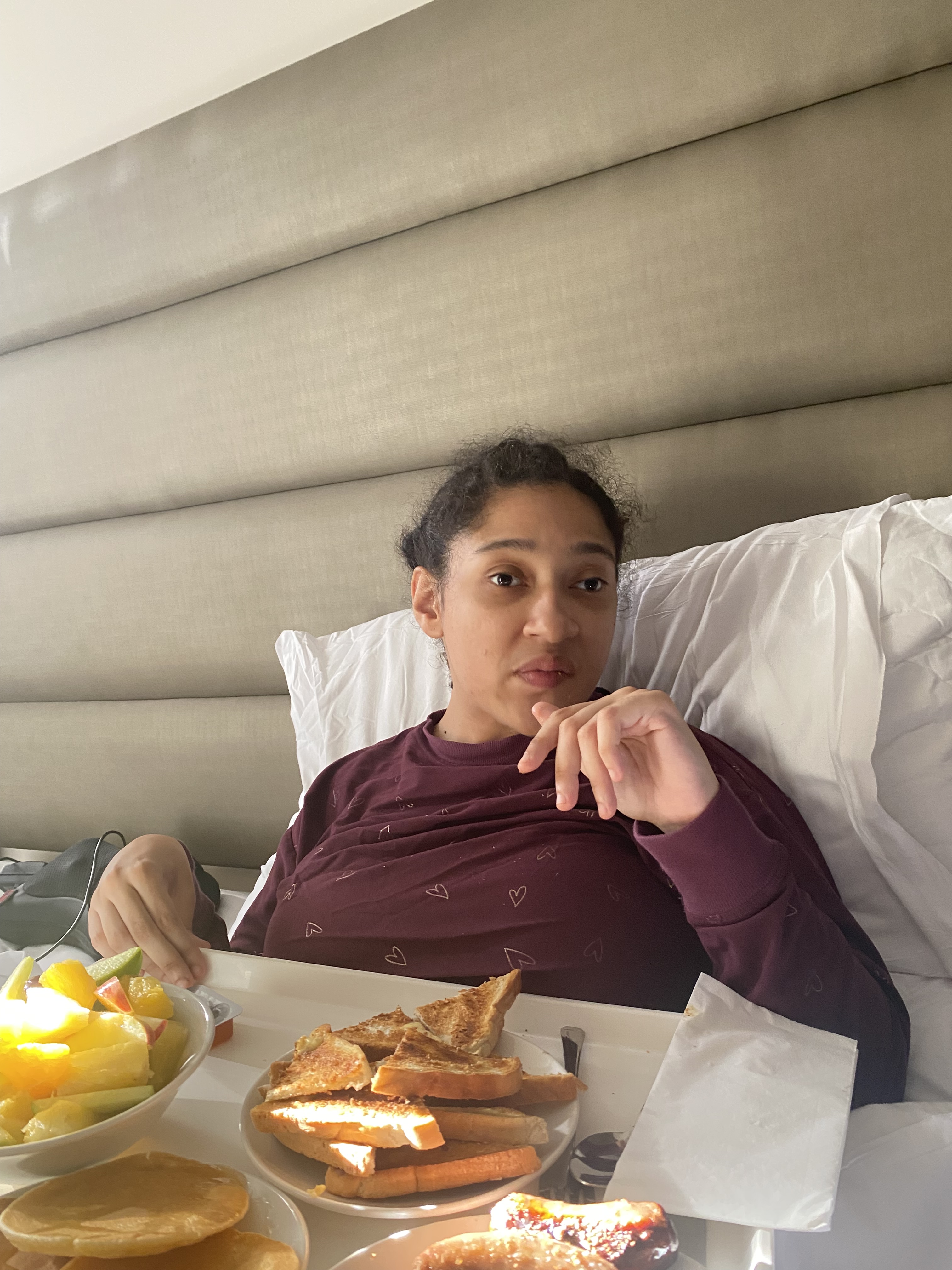
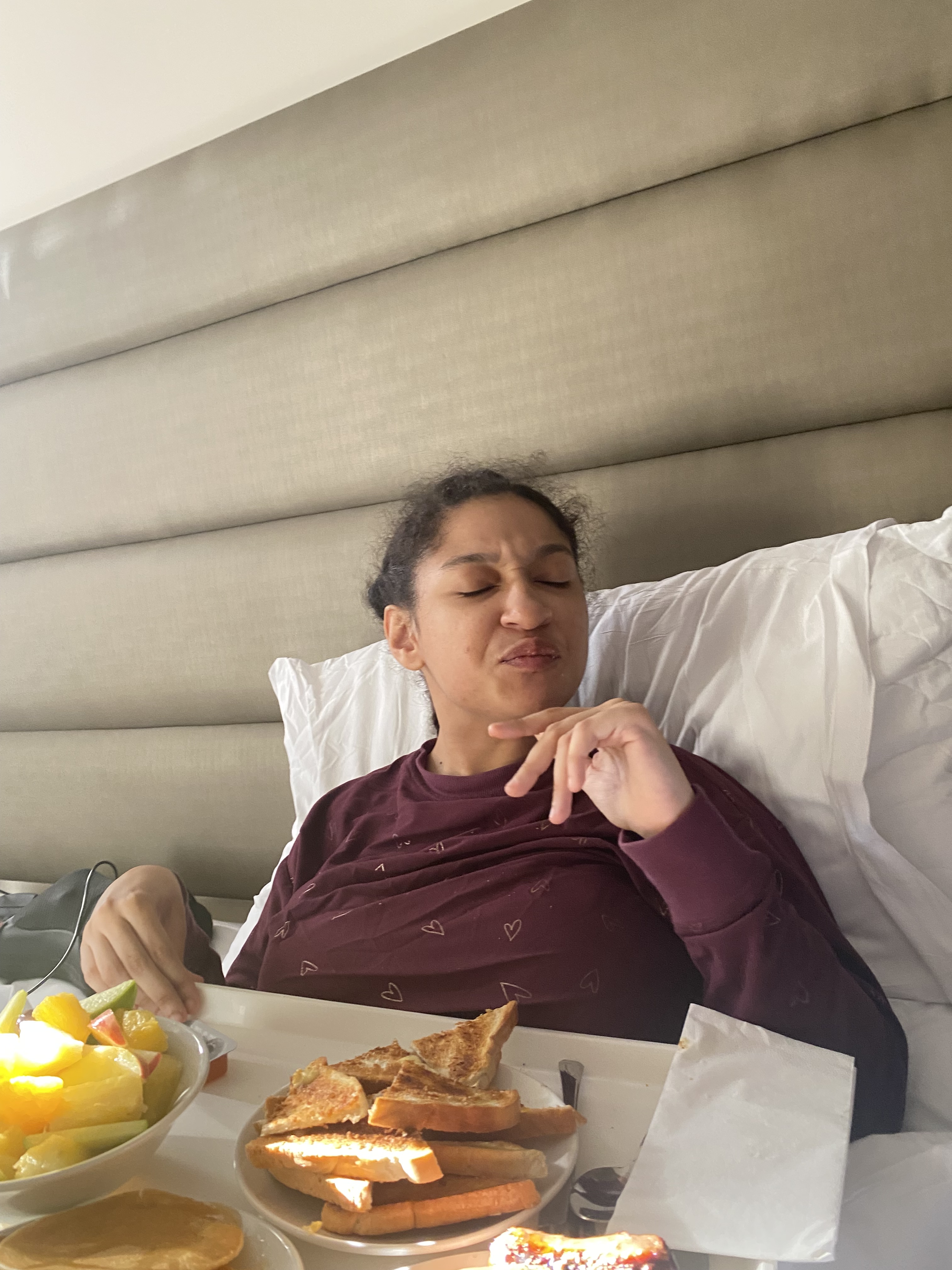
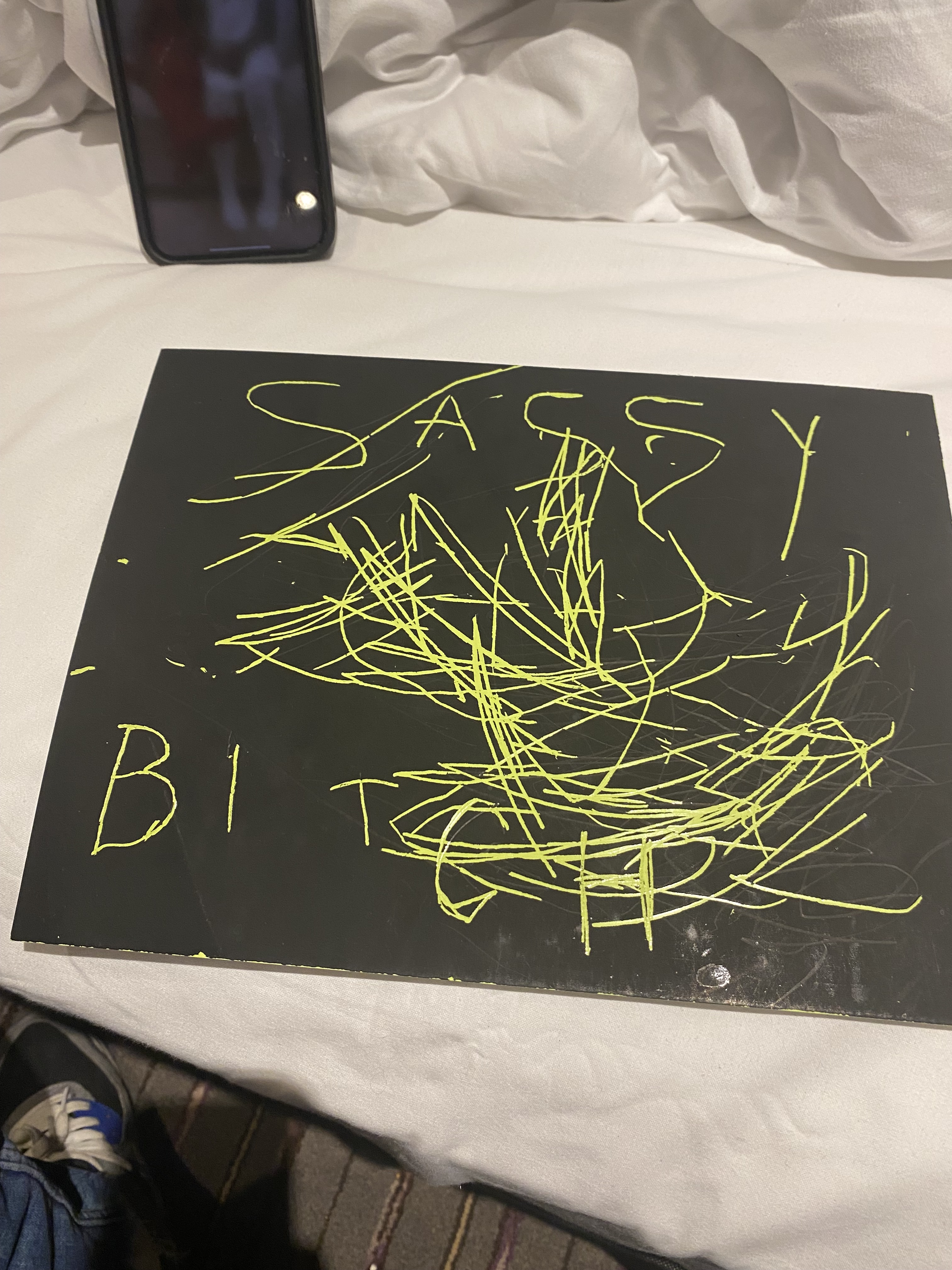
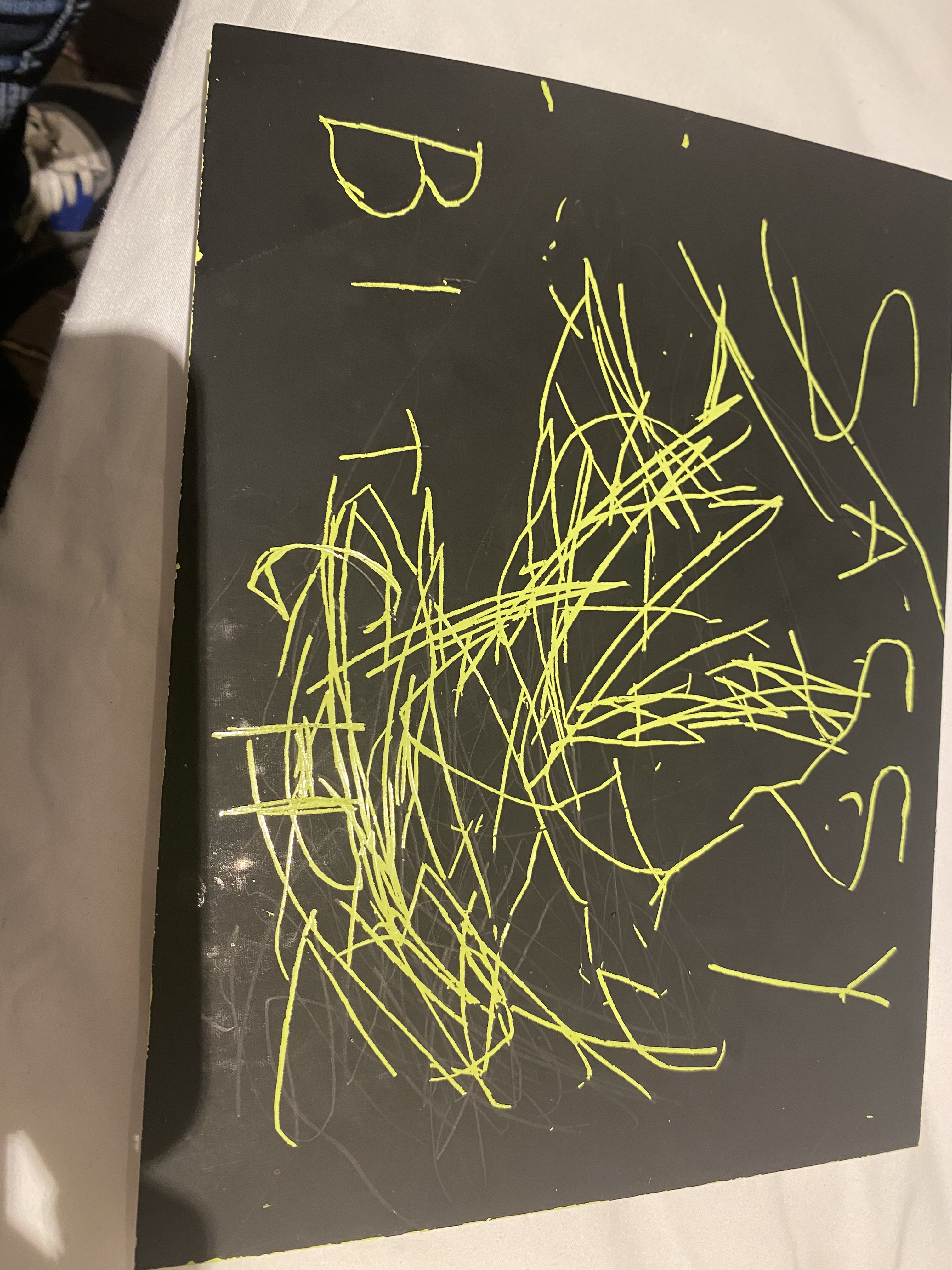
Auction shots of me doing my Etch art of what Not product art to sell on my auctions whilst respite Care.
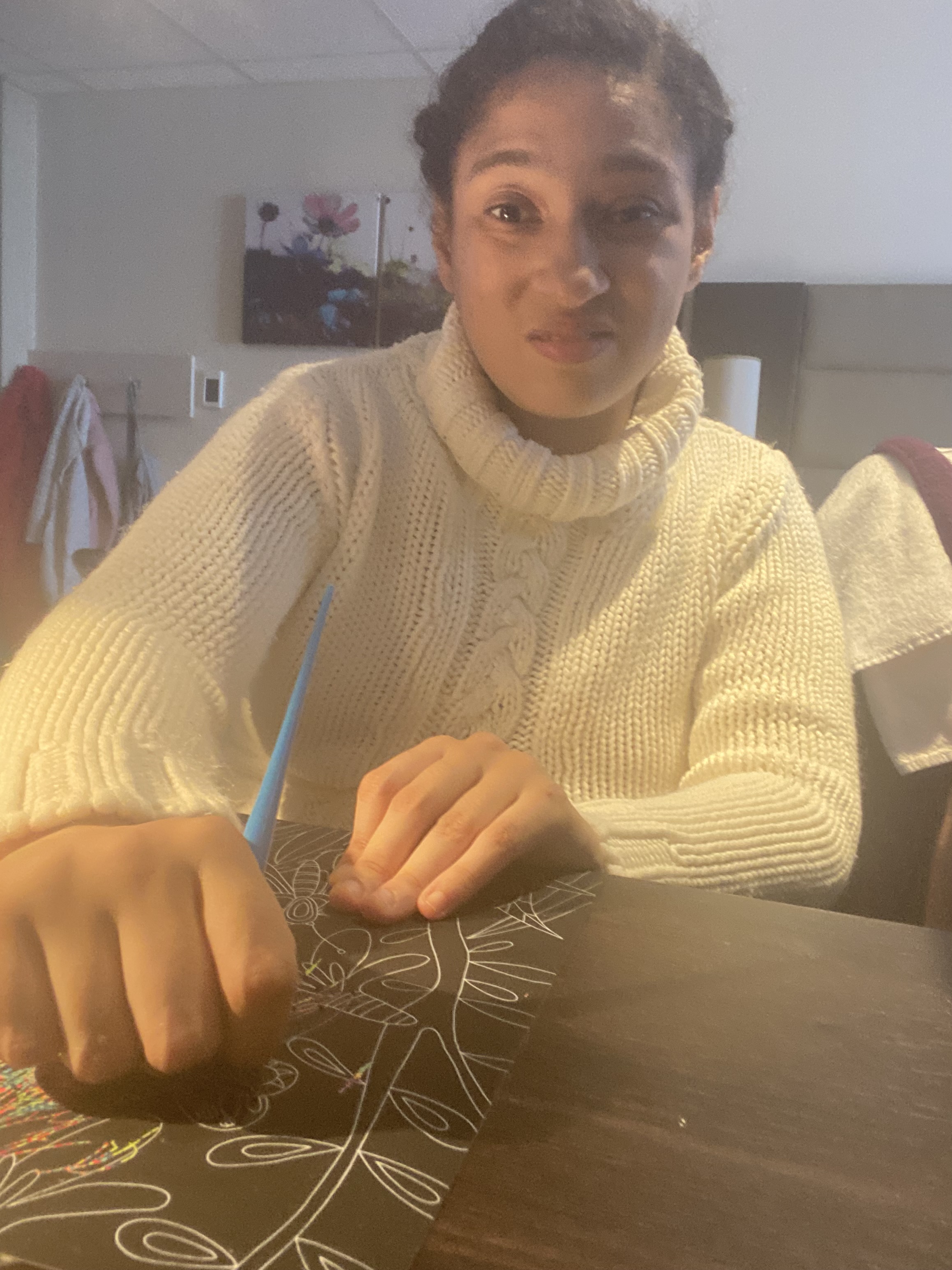
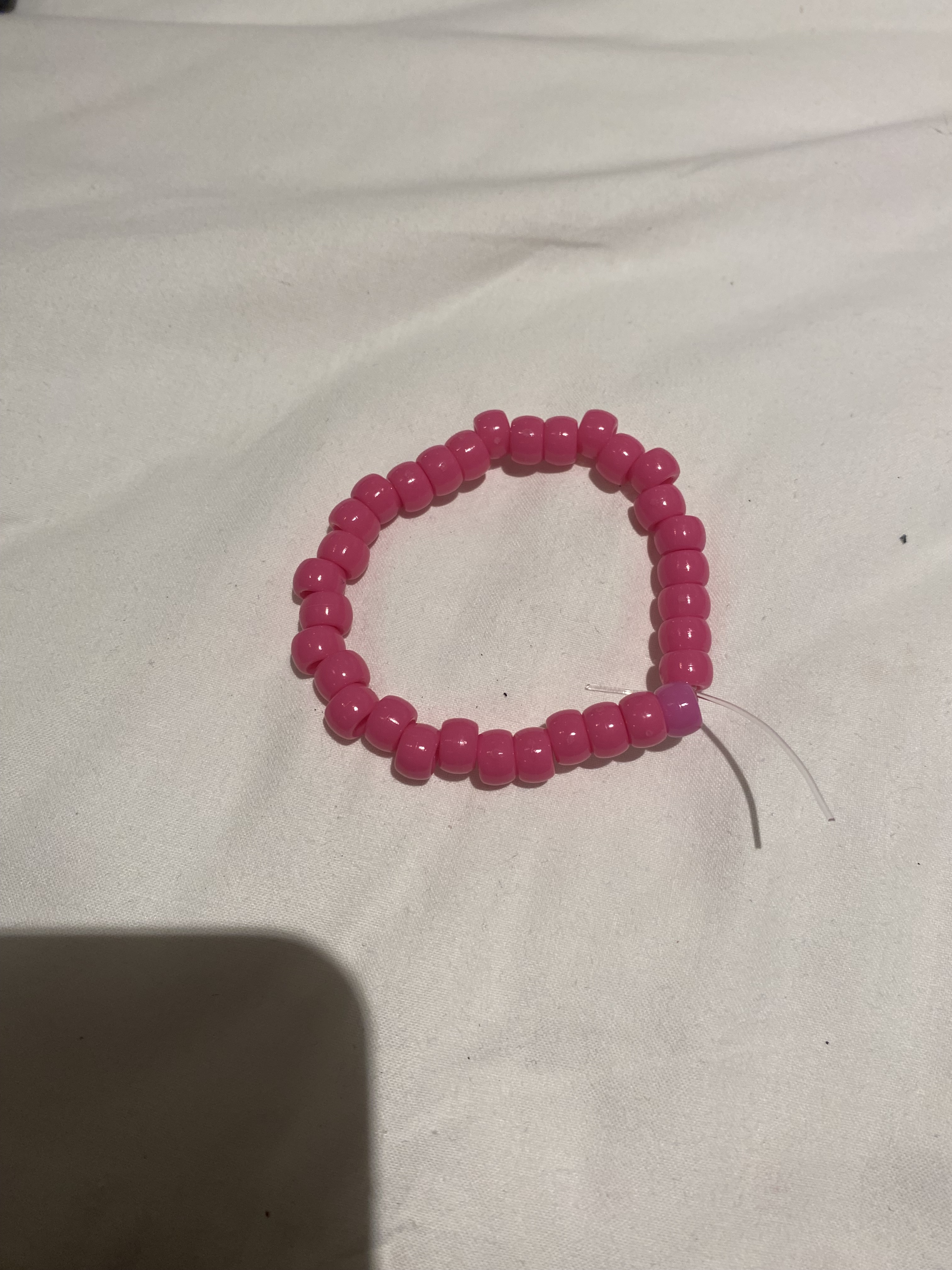
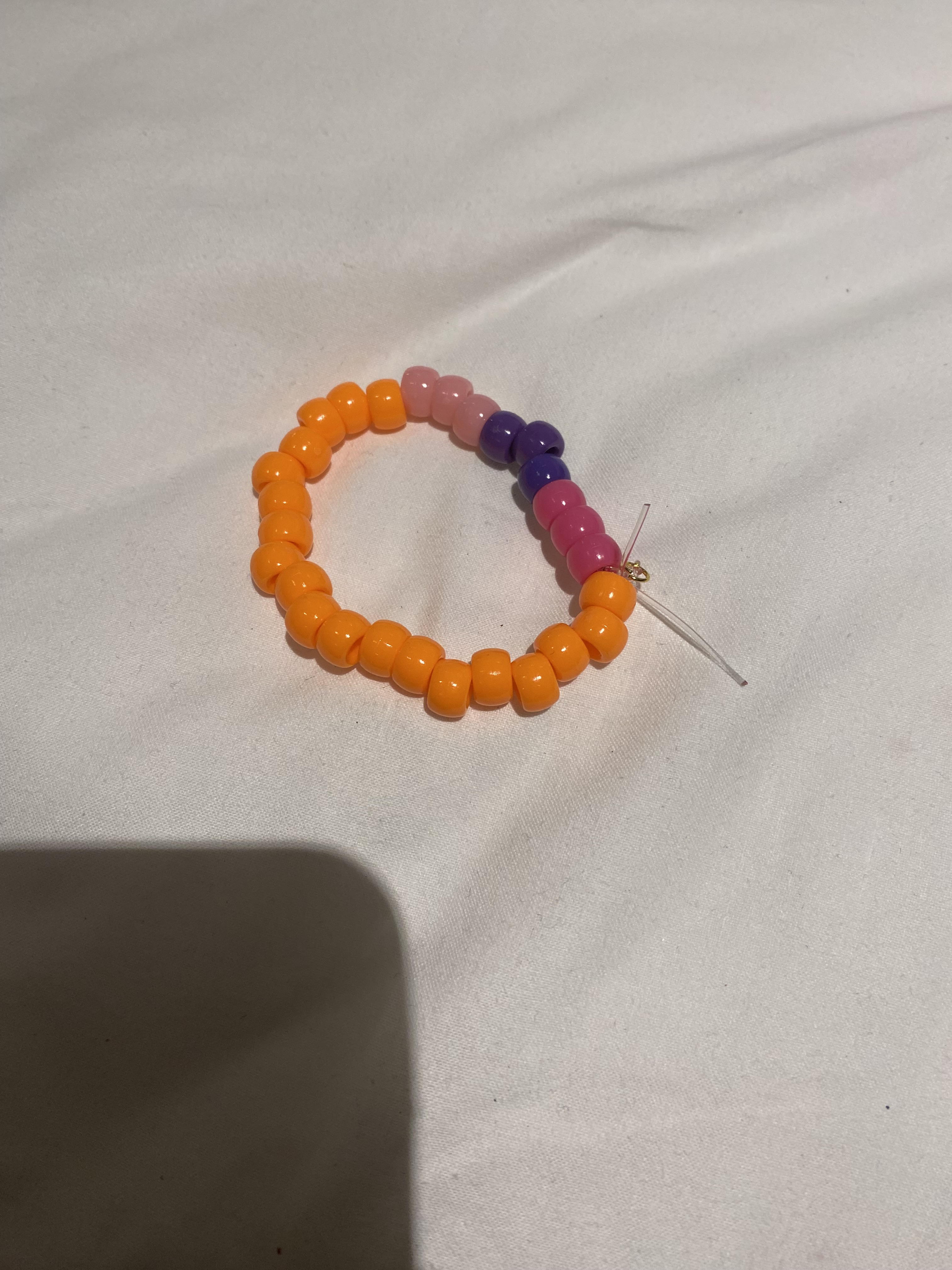
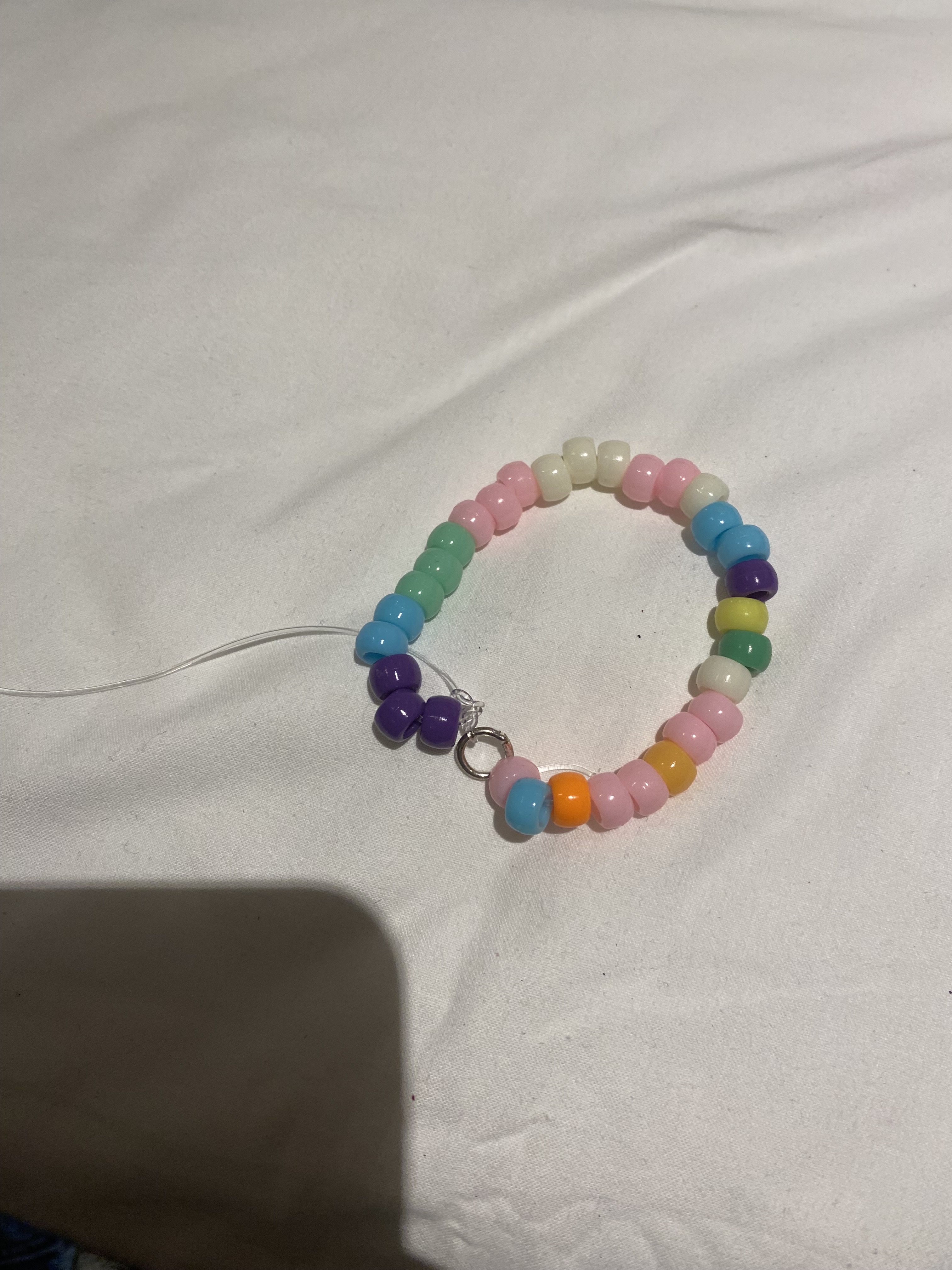

Etch art which I made on Respite to sell in my what Not auction with one of my favourite words I would use to describe myself if asked
How Does A Blind Person Train For A Marathon?
A blind Royal Navy veteran who is running the London Marathon this weekend has trained by running hundreds of laps around the same park.
Wayne Pope, 45, from Bridgwater, is having to do three laps and a length to cover a mile in his local park because it is the only place he can train without a guide.
Pope’s degenerative condition is known as retinitis pigmentosa, which worsens his vision over time. It means he cannot see what is coming towards him so he prefers to run familiar routes.
He said he was “buzzing” with excitement about getting the marathon under way on Sunday.
‘Could easily trip’
Pope said his biggest obstacles were dog walkers and electric scooters and having to be constantly vigilant could be exhausting.
“My brain has to work a lot harder so that uses more energy,” he said.
“I have to fight for those senses that others take for granted so it takes more energy and I have to concentrate harder.”
Pope served on board HMS Chatham and HMS Monmouth in his four-and-a-half years of service and he was diagnosed with his condition in 2022.
He started running in 2024, to train for the Worthing 10k in 2025, which he said completely changed his life.
Since then he said he had noticed how his view had become “smaller and more fatigued”.
He said: “I try not to think about what it’s doing and I just run on.”
However, he said he was “really looking forward” to running the iconic race in London with his guide.
“My guide is going to be looking out for runners going past me,” he said.
“I can sense those steps but I could easily trip.
“There’s going to be so much going on so my guide is going to be my second pair of eyes.”
Richard Phinbow, from Blind Veterans UK, said: “Running a marathon is a huge achievement for anyone and sight loss brings additional challenges to this.
“Wayne can’t just put on his trainers and go for a run like you or I could.
“He needs to carefully plan his training routes to make sure they provide a safe environment.
“Wayne is an inspiration to his fellow blind veterans and we are incredibly proud of his journey so far.”
‘I’m Forced To Change My Disabled Child On Toilet Floors’
A mother whose daughter was born with a severe brain injury has called for better changing facilities for disabled children in public venues.
Ella Dean, 31, often has to change four-year-old Ada on a dirty toilet floor because standard baby changing units only take a maximum load of 15kg (33lbs) – about the size and weight of a two-year-old.
The situation poses a “massive risk” to Ada, who was born with a rare Arachnoid cyst causing brain damage, blindness and seizures.
Dean, from York, said: “It’s degrading. There’s no dignity. I just think we could do such much better to make sure our children are included without worrying about basic human rights.”
Although Ada has impaired vision and is unable to talk, she is “fully aware” that she is being changed on the floor, Dean said.
She recently started a government petition, which currently has more than 5,500 signatures, calling for larger venues such as supermarkets and family attractions to provide accessible changing benches.
A changing bench gives people who use incontinence pads or who need help undressing to use the toilet a stable and hygienic platform to get changed on.
Some models enable the bench level to be adjusted, making it easier for a carer to assist with the transfer.
Dean said: “A lot of disabled toilets actually have adequate space to be able to provide this.
“But I think because there isn’t really anything in the law that states what is needed in these disabled toilets other than ‘reasonable adjustments’, businesses are not going to know what people with complex needs actually need.”
Dean said the lack of accessible changing facilities had affected the whole family.
She and partner Drew Millard, 31, also have an older daughter, aged nine, who does not have disabilities and wants to go on days out to family attractions.
“She wants to go to theme parks, she wants to go to water parks, she wants to do all these fun activities.
“And most of the time, we can’t. Or if we do go, I’ve got to pull her away from it early (if they lack changing facilities suitable for Ada).”
Jenny Miller, CEO of the Changing Places Consortium, which is a group of organisations and individuals campaigning for extra equipment to be installed in all big public spaces, said the petition shone a light on an issue that families experience “far too often”.
She added: “Across the UK, each nation’s building regulations now require Changing Places toilets in many new and significantly refurbished large public buildings.
“However, many existing buildings and community spaces remain excluded. Ella’s call is about dignity, safety, and the right for families to participate in everyday life.”
She also sounded a note of caution around introducing large changing benches into standard accessible toilets without the required space or lifting equipment, including a ceiling track hoist.
“It may give the impression that needs are being met, while in reality placing disabled people and carers in unsafe situations.
“There is also a danger that partial solutions become a ‘get‑out clause’ for venues, undermining the clear case for fully equipped Changing Places toilets and leaving families without a genuinely usable facility,” she said.
Shopping Hall Part 3
From Cancer Research Charity Shop Whilst in Respite Care
Terminally Ill Sailor Happy To Be Alive
A terminally ill sailor from East Sussex who completed a solo voyage around the British Isles has said she almost died over Christmas.
Jazz Turner, from Seaford, lives with Ehlers Danlos Syndrome, a debilitating genetic condition that affects connective tissue.
She became the first person living with disability to sail around the British Isles solo, completing the 2,070 mile (3,331km) trip in 27 days.
Looking back at her feat, Turner said there were times she thought about “giving up”.
But it was her determination to achieve Project Fear, which is her goal to raise money for the charity Sailability, that motivated her to carry on, she said.
She added her partner, Lottie, who was her friend at the time of her voyage, also supported her throughout the journey.
“She was on-call for 24/7 for the full 27 days. She sent me supportive messages and songs to get me through the hard times,” Turner said.
Following her return her health started to deteriorate, she said.
‘Something to live for’
“I almost died at Christmas, it was a very scary time but it brought Lottie and I together,” Turner said.
“That experience just highlighted life is too short, so it pushed us to get engaged earlier.”
She said there was not “any way of coping”, adding that at the time, she had a sense of “peace”.
“I didn’t have a lot of unfulfilled wishes left,” she said.
Turner said then her health improved and she was “glad to get a second lease of life”.
“I am still recovering, I am starting to do more and trying to get back to sailing,” she added.
She said their wedding, which was “still at the planning stages”, as well as Project Fear, “gave her something to live for”.
Turner said she would continue to sail and support Sailability, a charity that supports people living with disability to sail.
She added she raised nearly £58,000 in her British Isles challenge for the organisation, which funded new equipment and their first team to compete nationally and internationally.
“Sailing has made a huge difference to my life,” Turner said.
“But there’s still a lot of barriers for people with disability to access this sport, and we hope we can give them opportunities to pursue their dreams.”
Shopping Hall Part 2
From Cancer Research Charity Shop Whilst in Respite Care
Artist Alison Lapper Aims To Encourage Others
The Worthing-based painter, who was born with shortened legs and no arms, says being told she could not be an artist as a child fuelled her determination.
Lapper urges anyone to fulfil their potential, and said: “If you want to do something, put your mind to it. You can do anything.”
Famously she went on to feature as a work of art herself – posing for a sculpture for Trafalgar Square’s fourth plinth in 2005.
Now Alison Lapper is displaying her latest work alongside more than 100 paintings from 35 countries in a new exhibition.
It marks the 70th anniversary of the Association of Mouth and Foot Painting Artists an organisation which provides disabled artists with support.
Lapper said her mission was to break down social barriers and the exhibition is part of that.
She said: “We are professionals at what we do and we are good, it’s not ‘come and see us because you feel sorry for us’ and I think the quality in the work really shows that.”
Lapper said there were still many barriers to being a disabled artist.
“Just the physicality of even painting, moving around the studio,” she said.
“It’s been a help that I have got an electric wheelchair now, because I can actually move around my easel which means I can work a bit bigger.”
She also highlighted attitudes towards disabled artists, saying some people assume they do not create their work themselves.
“I think people think that other people paint them and we just come in and sign it,” she said.
Tom Yendell, president of the International Association of Mouth and Foot Painting Artists, said its 720 members from 71 countries are an inspirational group and maintain their founder’s ethos.
“Eric Stegmann our founder believed really strongly that just because you paint with your mouth and foot you shouldn’t have to rely on charity.
“For 70 years we have put self-help and not charity on all our mailing and we feel very strongly, the artists feel they are earning a living and that is really important to us.”
He said they are “like a big family” and the exhibition at the Royal Horticultural Hall in London provides the artists an opportunity to meet and celebrate their work.
Shopping Hall Part 1
From Cancer Research Charity Shop Whilst in Respite Care
Tortured For Wanting An Education- Until He Lost His Hand
At the age of 13, Ovey Friday was accused of witchcraft by his stepmotherand taken to a traditional shrine in the central Nigerian state of Nasarawa, where he was tortured.
By the time a neighbour alerted police and he was taken to hospital, the damage was irreversible.
“The herbalist brought charcoal, put something on my hands, tied my hands [along] with my leg, put pepper there inside the charcoal, then cover[ed] me with a bedsheet,” recalls Friday, now aged 19.
Doctors were forced to sedate him and operate on him. Friday woke up to find his left hand amputated, while the fingers on his right hand were either amputated or permanently scarred.
“I cried and I cried,” Friday tells the BBC.
In the years that followed, people stared at him on the streets or taunted him.
“I wish they knew me, like, when I was born,” he says.
Alongside his grief was a steely determination to keep going.
Yet his academic ambitions were nearly interrupted two years ago, when he tried to sit Nigeria’s university entrance examination, run by the Joint Admissions and Matriculation Board (Jamb).
The system’s biometric fingerprint process could not accommodate someone like him, as it could not capture his scarred thumbprint or the prints of the other two scarred fingers.
Thankfully he got lucky as one of his guardians, along with disability rights campaigners, pushed officials to accept his toe print as verification of his ID.
Friday is now studying English and literary studies at a university in Nasarawa, a state which borders thecapital, Abuja.
He is the first in his family to enrol at university.
“Not everyone has someone to push for them,” he says. “Some people will just stop trying,” Friday says
Scarlett Eduoku, a radio presenter in the northern state of Kano, has faced similar obstacles and says most identity verification apps fail to scan her face. She lost her left eye when she was 18 months old.
This is a constant headache and also meant she could not upgrade her Sim card from 3G to 5G remotely.
Instead, she had to travel to the headquarters of her phone provider in Kano’s city centre.
More than 35 million Nigerians, roughly 15% of the population, are estimated to live with some form of disability, according to the executive secretary of the National Commission for Persons with Disabilities (NCPWD), Ayuba Burki-Gufwan.
Landmark legislation was passed by parliament in 2019, prohibiting discrimination against disabled people and guaranteeing them access to public services.
The legislation led to the establishment of the NCPWD to advocate for their rights, but change has been “more or less at snail’s speed”, Burki-Gufwan tells the BBC.
He remains optimistic, however, saying that “the journey of a thousand miles begins with a step”.
Burki-Gufwan points to some gains – Jamb has dropped examination fees for people with disabilities and has created dedicated centres for students with different needs.
A university in Nasarawa, the Federal University of Lafia, has also waived up to 75% of all fees for students living with disabilities.
“All of a sudden, the university witnessed a huge upsurge [in enrolment],” Burki-Gufwan says, “because every person with a disability wanted to benefit.”
Lagos-based special educator Chukwuemeka Chimdiebere says Nigeria has to step up efforts to address the needs of disabled people.
“Inclusion is not a favour. It is a responsibility,” he tells the BBC.
Accessibility, he explains, goes far beyond things like building ramps.
It means sign-language interpreters in classrooms, learning materials for visually impaired students, trained teachers and digital platforms designed with different users in mind.
“Many persons with disabilities are not limited by their impairment. They are limited by systems that were never designed with them in mind,” Chimdiebere says.
Abiose Falade, 48, an author in the south-western city of Ibadan, uses a wheelchair and says that disability “is part of the circle of life”.
“It can happen to you earlier, it can happen to you later. Sometimes it can be permanent, sometimes temporary. But disability is part of the dynamics of how God created us.”
Falade did not see herself as being different from anyone else until she enrolled for school at the age of 10.
“I was introduced to the world and its intricacies,” she says. “Persons with disabilities were not exactly part of what the world wanted.”
She feels like this to this day: “There’s a list of places I can go and a list I can’t.
“When I want to go out, I take someone with me so that when people start staring, start pointing, I don’t notice. It’s easier than facing it alone.”
The physical environment compounds the challenge.
In many Nigerian cities, pavements are uneven or interrupted by features like the wide gaps in open drainage channels designed for maintenance access, while dropped kerbs are few and far between, making them difficult or impossible to navigate. In rural areas, the absence of pavements means wheelchair users must rely on roads that are often unpaved or unsafe.
Public buildings rarely have ramps and wheelchair users struggle to enter banks, hospitals or government offices without assistance.
Making things worse is the fact that Nigeria has to import every wheelchair, hearing aid and mobility device.
“If nine out of every 10 person with disabilities requires some form of assistive device and none are locally manufactured, then we have a huge challenge on our hands,” Burki-Gufwan says.
Advocates are calling for 1% of budgets to be reserved for persons with disabilities at every level of government. They say limited public funding and competing priorities affect how quickly accessibility measures can be implemented, even where there is willingness.
Expanding inclusive infrastructure and assistive technologies would require significant investment, though advocates says that stronger commitment and enforcement of existing laws are just as critical as funding.
Opeyemi Ademola, 28, a project manager in Lagos, has a disability which is not visible.
He lives with mixed hearing loss. So every meeting requires intense concentration, and noisy environments leave him mentally drained.
“People assume that if you can speak fluently, you don’t experience communication challenges,” he says.
“But accessibility is not about ability. It’s about support.”
Simple adjustments, like written summaries after meetings and captions on video calls, could make a big difference, he says.
Burki-Gufwan hopes that one day there will be “true accessibility” for people with disabilities.
“It means no-one is left behind – in employment, in education, in political participation,” he says.
Back on campus, Friday is settling down as a student.
Between lectures and assignments, he is learning new ways to write again, to live independently away from home and to make new friends.
He is showing Nigerians that obstacles and prejudice can be overcome, and people with disabilities can succeed like everyone else if given the opportunity.
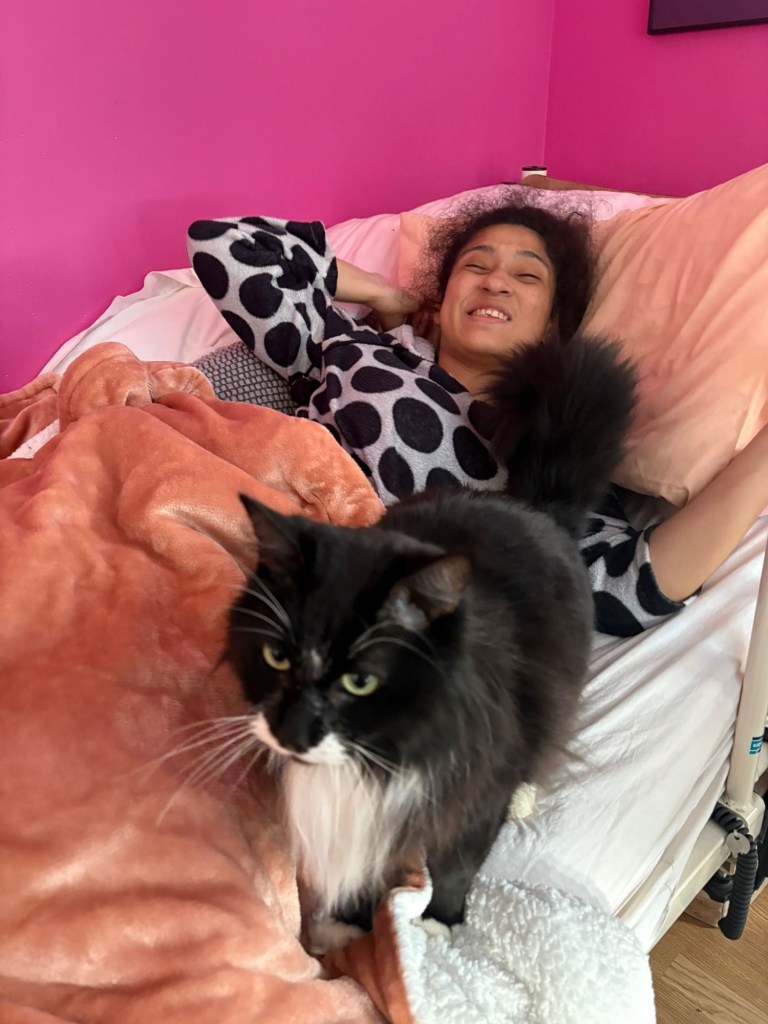
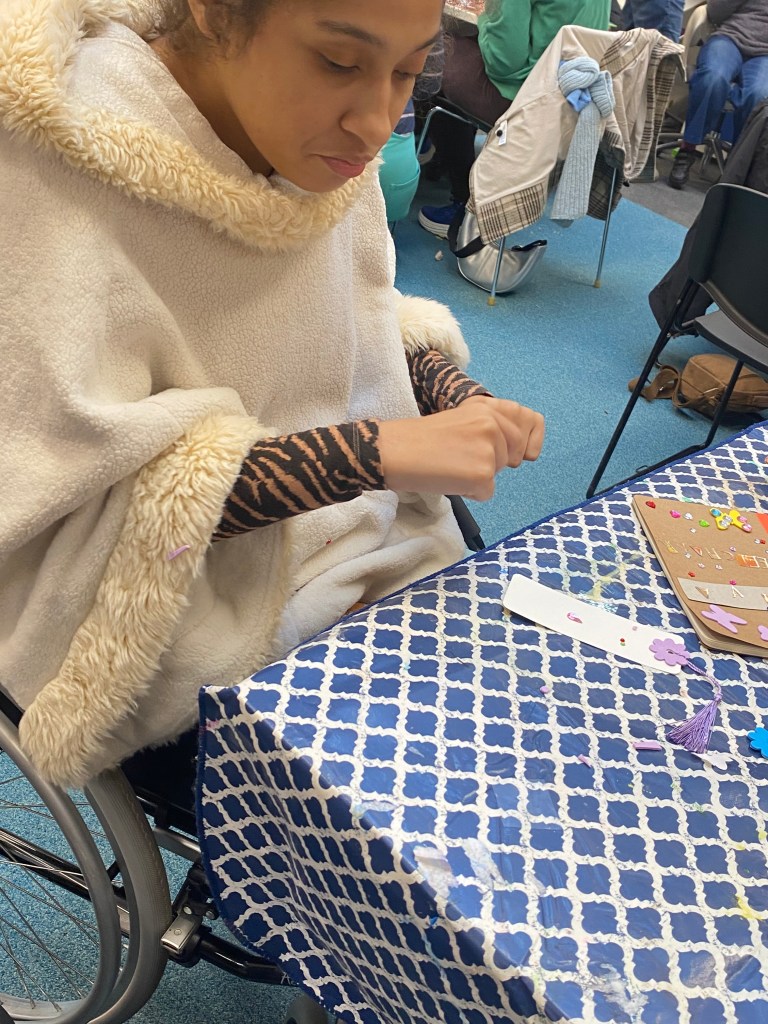
Pudding Heaven While At Respite
Supported by my own team.
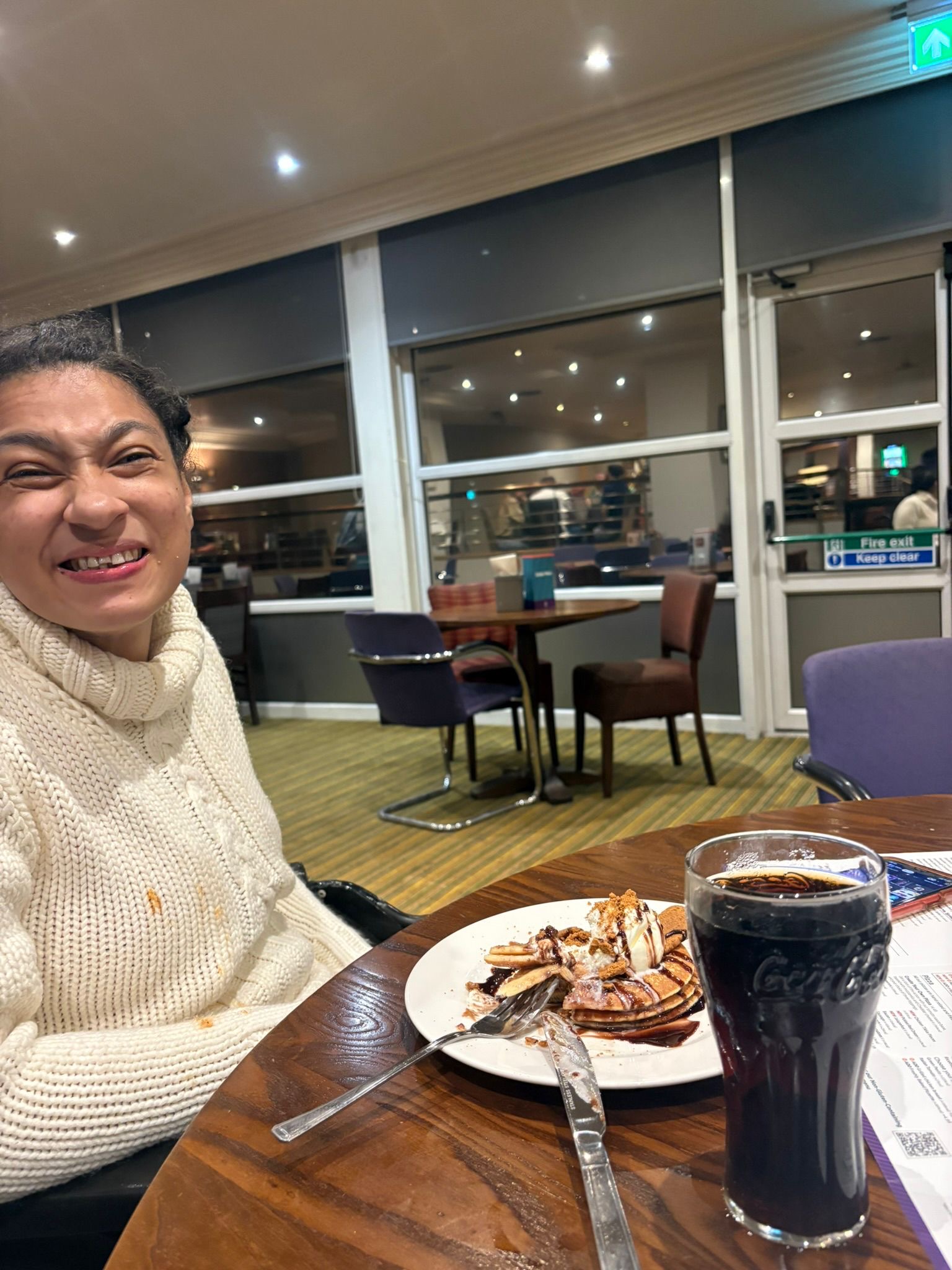
New Boat For Disabled Passengers To Be Officially Named
A new boat to provide free pleasure trips on Poole Harbour for people with disabilities is due to be named later.
Dolphin IV, is the latest vessel run by Dorset charity The Friends of Dolphin, and follows the decommissioning of its predecessor, Dolphin III, in September.
The charity raised £150,000 towards the specially-adapted 10.2 metre (33 ft) catamaran.
The vessel is set to be officially named by ocean sailor Pip Hare at a ceremony at Poole Quay Boat Haven.
Dolphin IV was built on the Isle of Wight by Cheetah Marine in Cowes.
It features an extra-wide side door, allowing easy access for wheelchairs.
Special fixing points are provided for the clamping of wheelchairs.
The boat’s skippers and crew are currently being trained before the summer season gets underway in May.
The charity was founded in 1982 and, since then, has provided free trips around the harbour for around 60,000 local people.
Dolphin III was its third boat and the charity said that after nearly 20 years of “stalwart service”, a decision was taken for its “replacement and renewal”.
“We are so pleased to have reached this milestone,” Cox said.
“Our fundraisers have been busy for many years to ensure we can carry on giving free trips to those with disabilities.
“All our crew enjoy sharing their love of Poole Harbour with our passengers and we’re looking forward to a busy season with our lovely new boat.”
The charity said all funds raised through donations and sales of souvenirs go towards the annual running costs.
During the ceremony at 13:30 BST, Dolpin IV will be dedicated by the Reverend Lucy Holt, rector of St James Church, and named by Pip Hare, before a reception at the RNLI College.
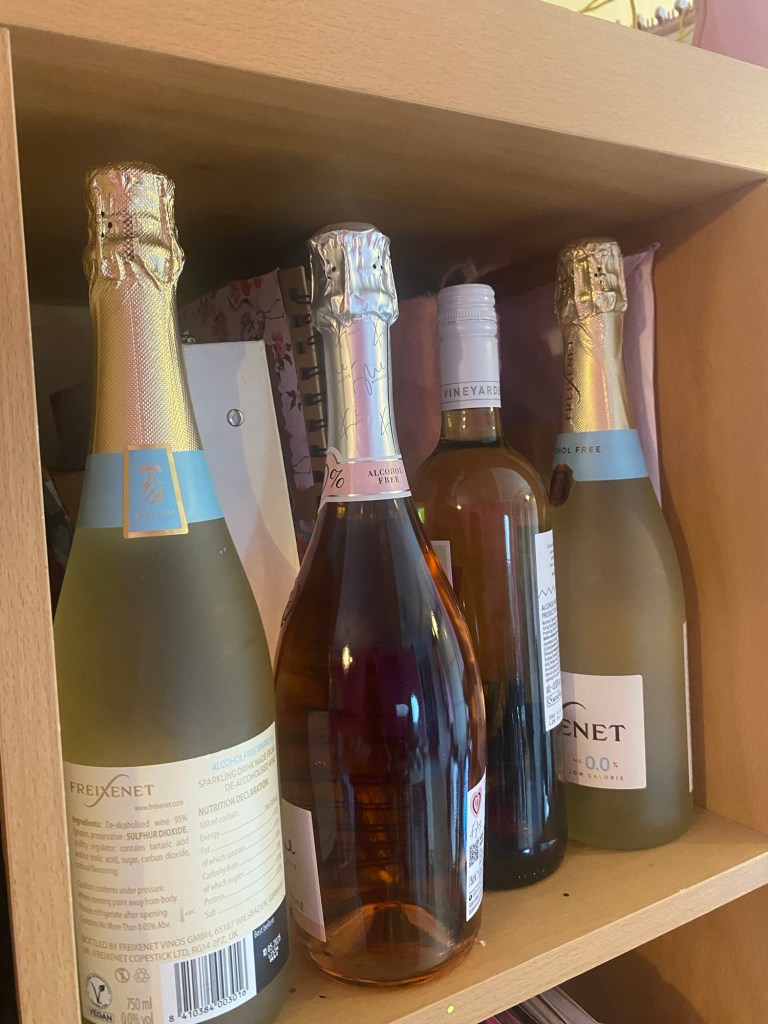
Wheelchair User’s Struggles To Access NHS Dentists
The NHS needs to do more to make it clear whether dental surgeries are accessible to disabled people, according to one woman who uses a wheelchair.
The health service’s website, which allows people to search for dentists nearby, does not consistently provide details of how accessible they are, Sarah Rennie, from Shrewsbury, said.
Finding an appropriate dental practice was “time-consuming,” Rennie said, adding that “this is a very common experience for disabled people”.
A spokesperson for NHS England said “we know there is far more to do to ensure everyone gets easy access to NHS dental services,” adding that they “are working alongside government to introduce further reforms.”
Rennie, 40, said she tried to find a dentist in Shropshire after moving to the county, using the NHS online tool to find a local surgery.
But she found that there “was no way of filtering to find out if they were wheelchair accessible,” and upon inspection “many of them were completely silent on whether they were step free”.
Conducting her own research to track down a practice that was both accessible and accepting of NHS patients, Rennie said she found that “of all the ones listed [on the NHS website], only one in five provided access information on their website”.
She called for the health service to make it easier for people with disabilities to find appropriate dental care which catered to their individual access needs.
“Everything should have transparent and accurate information, but they don’t”, Rennie said.
In her hunt for a suitable dentist, she found that “some of the information [on the NHS website] contradicted what was on the [practice] websites”.
For example, she said, one dental surgery proclaimed to be “entirely step free” on the NHS site – but after getting in touch directly, Rennie found their treatment room was up a flight of stairs.
“The information is inaccurate and there’s an issue for the practices about whether they are fulfilling their reasonable adjustments duty,” she said.
The “frustration” Rennie and other people faced in trying to find dental care “can really put you off going”.
She added: “Then we ask ourselves – why is there social and health inequality?”
“This is the kind of reason then, that people don’t go for appointments, they don’t go for check-ups, they don’t follow up on things, and then they end up with serious health problems.
“I’m happy to wait in the queue with everybody else for an NHS practice. But when my turn comes in the queue I’ve got to hang around for an accessible slot.
“I don’t think that’s right.”
A spokesperson for NHS England in the Midlands said their service had “delivered hundreds of thousands more dental appointments compared to last year, but we know there is far more to do to ensure everyone gets easy access to NHS dental services.”
They added that they were “working alongside government to introduce further reforms in the coming months.”
In a statement, NHS Shropshire, Telford and Wrekin said they were “sorry to hear about Sarah’s experience and recognise how upsetting this must have been”.
“Individual dental practices are responsible for providing and communicating information about their accessibility and facilities,” they added.
Ready To Forget The World & Have Some Fun At Respite
Deaf Umrah
Islamic religious practice is deeply entwined with sound, from the call to prayer to memorizing the Quran: learning to recite the holy text is very much an oral tradition relying on listening and repetition. All this poses a unique challenge for deaf Muslims who wish to engage fully with their faith.
In November 2025, a group of pilgrims from the United Kingdom travelled to Mecca for Umrah, supported throughout in British Sign Language. Led by Al Isharah, a charity focused on helping deaf Muslims access Islam fully, they take part in the pilgrimage in places where much of what is said and done is communicated through sound.
Through reflections from presenter Zainam Bostan and pilgrims including Jani and Zahid, the programme explores faith, belonging and accessibility, and asks what changes when religious teaching is explained visually, not only heard. The programme follows them through key moments, from the first sight of the Kaaba to the press of the crowds during Tawaf.
Neon necklaces that I made
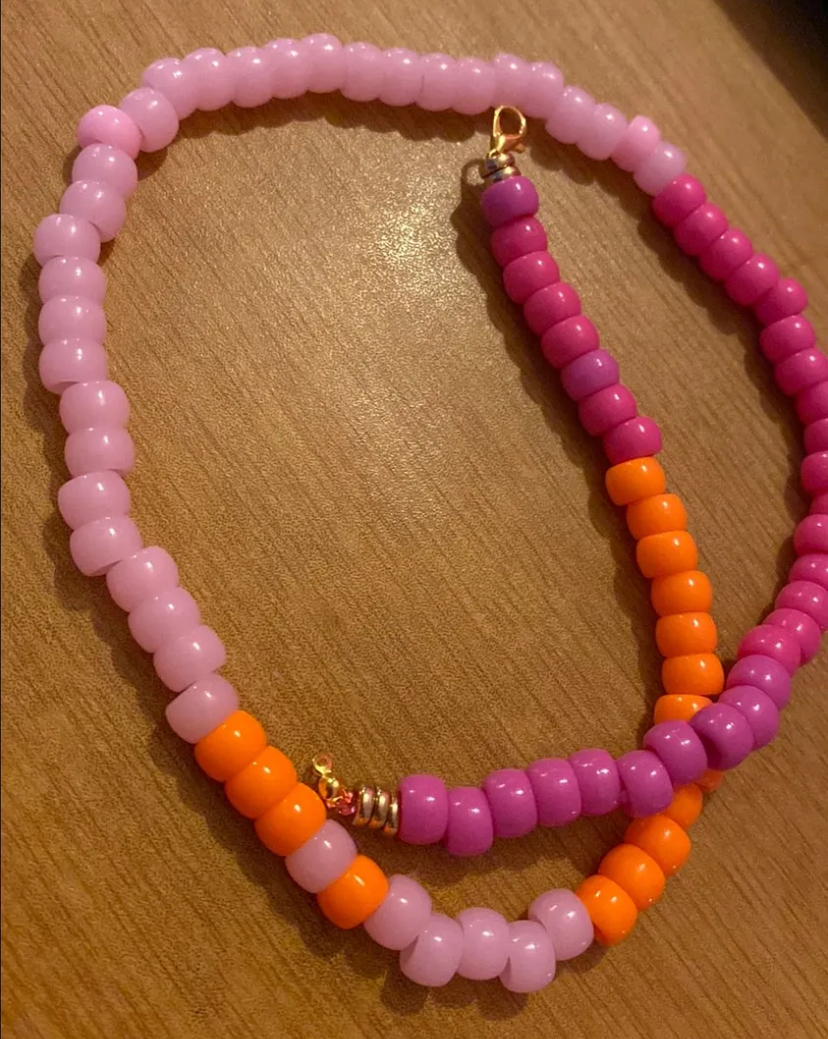
Made this cute necklace for the store and auction it so on Whatnot. To purchase one of these either by auction (if am live on there) or buy it now storefront, please download Watnot today. Buy one of these if you would like it! Thank you I appreciate and feel accomplished with every purchase
Cruel People Ask Why My Husband’s With Me
‘Dancing Is About What You Are And What You Can Do’
A man with Down’s syndrome said landing his dream job in the performing arts has taught him about “finding yourself as a human and an artist”.
James, 23, recently joined York Dance Space as an assistant, teaching adult and toddler classes alongside the school’s co-founder Drew Wintie-Hawkins.
The opportunity arose through a partnership with Tang Hall SMART, which supports young people with special educational needs and disabilities (SEND) to gain qualifications in music, sport and the arts.
James, from York, grew up with a love of performing, and described his new job as “a great honour” because “dancing is about what you are and what you can do”.
He said: “It’s about the things you learn about yourself, the world, the people and what you can do to help them.”
James’ mum Sue described her son as a “born entertainer” who used to practice dancing in his bedroom from a very young age.
“James has found something really quite special for him, which is being able to express himself through dance,” she said.
“It’s opened up his horizons – he shines when he’s on his stage”.
James first attended a summer camp run by Tang Hall SMART as a teenager, later joining the charity’s programme through his Education, Health and Care (EHC) plan.
Through this, he gained a Level 3 RSL vocational qualification, alongside performing at Northern Ballet in Leeds, and working at York Dance Festival.
Phyllis Hoyle, lead drama and dance tutor, said through qualifications, students not only tapped into their creativity but gained transferable workplace skills.
“We want them to get out into the world with as many skills as possible,” she explained.
“To see some of them going on and doing really great things like James is doing, it’s amazing”.
James’ natural ability to “make people feel like the best person in the world” made the role a perfect fit, she added, as well as having an accommodating workplace.
“It’s finding the right people within the performing arts world,” she said.
“We’re very lucky we’ve managed to pair James up with somebody who is happy to work at a different pace”.
Husband and wife dancing duo Drew and Hannah Wintie-Hawkins set up York Dance Space in 2016, and have worked with Tang Hall SMART students across various projects over the years.
For Drew, the partnership embodies the ethos that “creativity is for everyone”.
“For us as an organisation, to have people in leadership roles who are representative of all different backgrounds is absolutely needed,” he said.
Drew first met James through Everybody Dance Festival, an inclusive, annual event hosted at York Theatre Royal, where he quickly learnt about his passion for dance.
“He’s just so great, he throws himself into anything really,” he added.
“Because we’ve built up a relationship, he’s really comfortable and goes with everything that’s happening”.
‘Dancing is fun’
James is currently covering two groups sessions at the dance school as part of a mentorship, with the aim of the position becoming a permanent, paid role.
There also may be scope for him to develop his own professional dance work, supported by York Dance Space.
From a parent’s point of view, Sue said her dream was that “through his own hard work”, the job can be her son’s next step, after his EHC plan finishes later this year.
“I’m really hoping James is going to be so lucky and get a job that he’ll really love,” she added.
For James, he said he’s thoroughly enjoying his job so far, with his favourite part being “the things you learn about yourself”.
“Drew is one of the best dance teachers and it’s been such a great honour to actually be with him,” he said.
“Dancing is so fun, it’s about what you are and what you can do”.
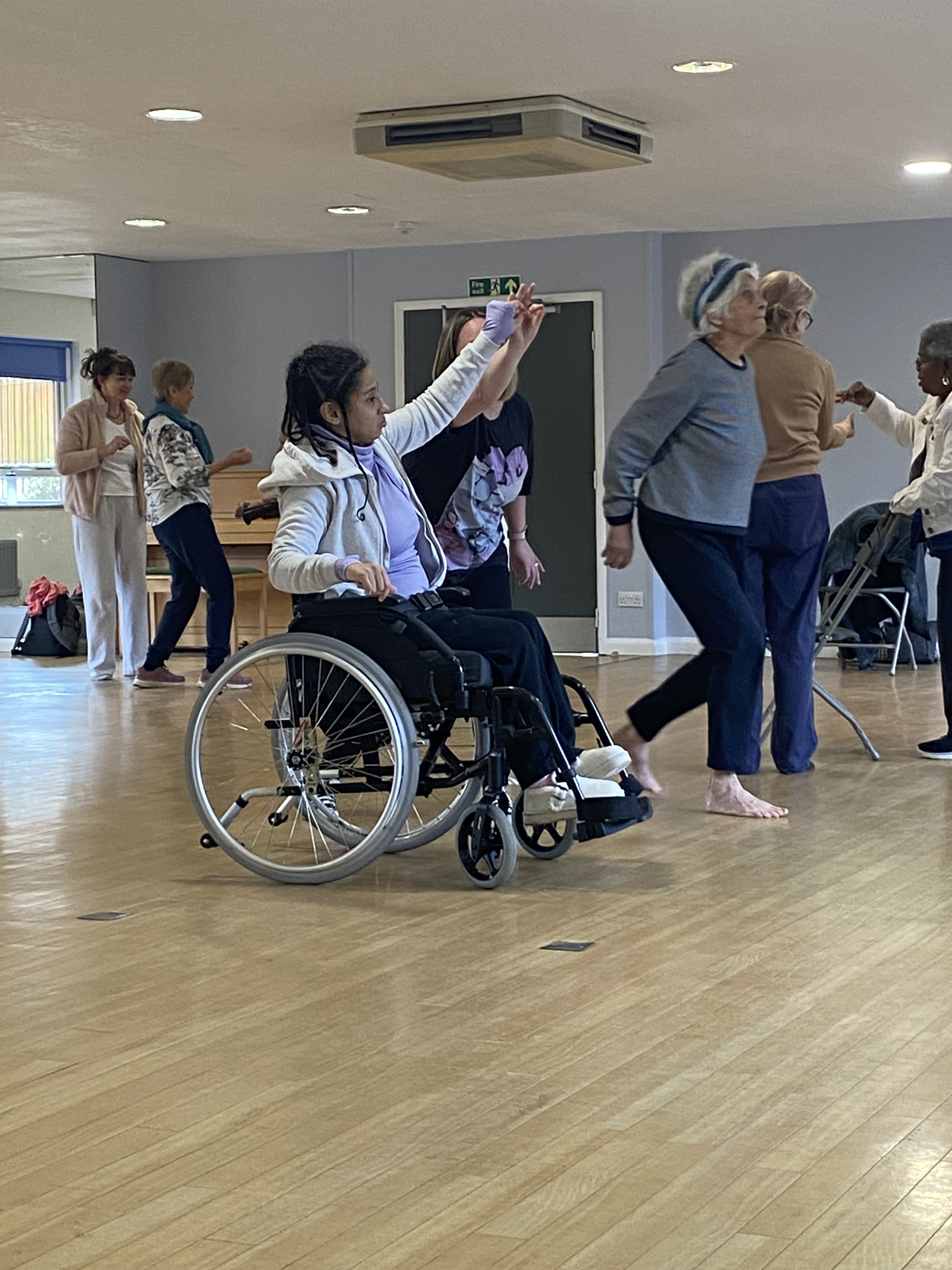
Ragdoll cat cuteness
cute little moments that I managed to capture on photo and video of my cute ragdoll cats a couple of weeks ago.
An actor with motor neurone disease (MND) who won one of the UK’s biggest drama awards for a “legendary” performance as Richard III in a wheelchair has died aged 35.
Michael Campbell, also known as Michael Patrick, was diagnosed with the terminal illness in February 2023 and died on Tuesday at NI Hospice.
Posting on social media, his wife Naomi said his family was broken-hearted.
“He lived a life as full as any human can live,” she said.
Naomi’s post went on to say that “Mick was an inspiration to everyone who was privileged enough to come into contact with him, not just in the past few years during his illness but in every day of his life”.
“Joy, abundance of spirit, infectious laughter. A titan of a ginger haired man.”
Lyric Theatre Belfast, the venue where he performed the leading role in Shakespeare’s Richard III, said it was devastated to learn of his death.
In a statement Lyric’s executive producer Jimmy Fay paid tribute to Campbell, saying: “These islands have lost a great artist, and the sky is brighter tonight with his star.”
He said Campbell, who was from Belfast, had been part of the Lyric family for many years.
“Mick showed great strength and dignity in light of his diagnosis MND,” Fay said.
“He remained resilient and focused, creating dynamic work throughout his struggles.
“We at the Lyric pay tribute to his remarkable talent and send our deepest condolences to his wife Naomi, his mother and sisters, and all his friends, family and colleagues at this sad time.
Belfast’s the MAC theatre said everyone who encountered Campbell’s work would “carry a piece of him with them”.
“Michael was an incredible actor, writer, creator and friend to all of those lucky enough to know him.
“He lit up stages with his poignant storytelling where he laid bare his life experience.
“Exploring themes of death, grief and his more recent motor neurone disease diagnosis with bravery, and a fierce comic side.”
In January 2025 Campbell’s work creating and starring in his adaptation of The Tragedy of Richard III was recognised at a prestigious ceremony.
He received a standing ovation from the crowd after he won the Judges’ award at The Stage Awards, which celebrate theatre across the UK, at London’s Royal Opera House.
At the time he told BBC News NI that he and his writing partner Oisín Kearney had adapted Shakespeare’s play with his own illness in mind.
“In Shakespeare’s version Richard III is deformed from birth,” he said.
“They found his skeleton in a car park and it looked like he had scoliosis.”
“We changed it so that at the start of the play Richard gets news that he’s got a terminal illness, something like MND that’s going to get worse,” he said.
In a written tribute, Kearney described Campbell as “an actor of epic proportions”.
“He was able to make an audience laugh or cry in an instant. As a writer, he could express the knife-edge of comedy and tragedy that is human experience.”
Kearney said Campbell dealt with his diagnosis bravely and “showed us how we can do better when it comes to disabilities”.
He added: “I am so proud to call him my creative partner and even prouder to say he was my friend.”
What is MND?
MND is a condition that affects the nerves found in the brain and spinal cord, which tell your muscles what to do.
It causes weakness that gets worse over time and can significantly shorten life expectancy.
It is a relatively rare condition which is most common in people over 50, but adults of any age can be affected.
There is currently no cure, but treatment can help manage the symptoms.
It was while acting in a show at the Dublin Fringe Festival three years ago that Campbell, who has also appeared in award-winning police drama Blue Lights, started experiencing symptoms.
Less than a year after his diagnosis he could not stand up and had to use a wheelchair.
In his most recent post on social media, external in February, Campbell said his neurologist had given him about one year left to live and he had decided not to go ahead with a tracheostomy – an artificial airway fitted to the throat to help his breathing – so he could spend that time out of a hospital.
In the post he thanked the many people who had helped him with his MND and said he was overwhelmed by their generosity.
Campbell previously told BBC News NI that writing about his condition could be hard but also “cathartic”.
“You really have to tap in to what you’re feeling and what you’re going through, which is difficult, but at the same time it allows you to find the funny side of things,” he said.
“It does help with my own head writing about it.”
In its statement Lyric said Campbell’s work as a writer and actor had made a huge impact.
“Michael Patrick’s portrayal of Richard III in a now legendary production was one of the greatest performances ever on the Lyric stage,” Fay said.
“In its eloquence, wit and haunting bravery, he was inspirational.”
Blind Golfer Heads To US Competition
A golfer who lost most of his sight in three days will be among the sport’s top stars competing in the US state of Georgia this month after finding comfort in his lifelong passion.
Paul Innocent will fly to Columbus on Thursday to take part in the US Blind Golf Championships, external after winning a title in the British Blind Open in Scotland last summer.
The 43-year-old, a member of Sheringham Golf Club in Norfolk, will play at the international competition this week at the same time US Masters takes place elsewhere in the state.
Innocent, who will be assisted by his guide and fellow club member Rob, said: “We are going out there to compete and to do our best.”
He said he had “reasonable hopes” at doing well in the US after being heartened by his performance at Cardrona in the Scottish Borders.
Despite only playing blind golf for six months, Innocent finished as a runner-up in the whole tournament, after scooping a category title.
The golfer, who is registered blind having lost his entire vision in one eye and 70% in the other, said he uses his guide to put a coloured stick where the ball is for him to aim at.
Innocent was diagnosed with the rare mitochondrial disease Leber’s Hereditary Optic Neuropathy in 2023 and described how golf had provided him with a sanctuary.
“I had perfect vision, and never wore glasses or anything, and then I ended up contracting a disease in my nervous system,” he said.
“Within the next year or two, I could have a high possibility of being completely blind.
“It was difficult because I was at a practical job. I was a self-employed electrician and basically within a space of three days I’d had to stop work, I was registered blind and I had my driving licence taken off me and I didn’t know where to turn.”
Innocent said he had enjoyed playing golf all his life and his wife contacted the England & Wales Blind Golf charity about opportunities.
The pair, who had lived in Nottingham, relocated to north Norfolk in 2024 after they sold their electrical contractors and Innocent soon joined the coastal club at Sheringham.
“I’m going from strength to strength with the help of Rob – what he’s done for my game, with the lack of my vision, is help compensate for it,” said Innocent.
While he described his situation as “heart-breaking”, he said he had been thankful for the support shown by his wife and family, while some members of Sheringham Golf Club had helped pay for his flights to the tournament and the club itself had given him clothing.
“Until you get that knock on the door – as it were – you don’t realise how hard things can be, but they’re only as hard as you make them,” he said.
“There is hope out there and if someone could watch me playing golf and think ‘I could do that’ and it helps other people, then that’s what we’ve got to look forward to.”


 Same Difference

