https://amzn.to/3Iita9d
Solar system bedding set
Rubber duck to make both prime time for any individual
Set of two rubber ducks to https://amzn.to/48wNRZD
Perfume item of the day/evening
Perfume item of the day https://amzn.to/3STczOd
Item Of The Day
Programmes, top and skirt set item of the day https://amzn.to/3SXcnNH
Fast-Track Severe Disability Group Criteria Revealed
With many thanks to Benefits And Work.
The DWP have revealed the draft criteria they will be using to select claimants for the Severe Disability Group, which will allow fast-track claims for disability benefits. Benefits and Work would like to know if readers with severe, lifelong conditions think they would meet the criteria.
What is the Severe Disability Group?
The purpose of the Severe Disability Group is to improve the disability benefits assessment process for claimants who have conditions which are severely disabling, lifelong and with no realistic prospect of recovery.
Claimants who fit the criteria will not need to complete a detailed application form or go through a face-to-face assessment in order to claim personal independence payment (PIP) or to be found to have limited capability for work-related activity (LCWRA) for employment and support allowance (ESA0 or universal credit (UC).
The introduction of a Severe Disability Group was first consulted on in the Health and Disability green paper in 2021.
The resulting Health and Disability white paper published in 2023 revealed that design and testing of the Severe Disability Group had already begun.
The DWP have now announced that they are widening the testing of the Severe Disability Group, with two separate tests taking place, both relating to PIP. There is more on this below.
How the Severe Disability Group works
Where a claimant is considered likely to meet the criteria for the Severe Disability Group, a short form will be sent to their specialist clinician. The form is similar to the SR1/DS1500 form used for claimants who are terminally ill.
You can download a copy of the SR1 form from the response to this freedom of information request.
If the specialist confirms that the claimant meets the criteria, they will not be required to attend an assessment and will no longer be required to fill in complex forms, such as the PIP ‘How your disability affects you’ form or the ESA50/UC50.
Testing the criteria
The DWP are currently running two tests of the draft Severe Disability Group criteria
One test involves asking a selected group of clinicians to identify patients they believe are suitable.
The other test involves the DWP contacting claimants they consider to be likely to meet the criteria and asking if they would be willing to take part. If they are, the DWP will then contact their clinician and ask them to complete a brief form.
The DWP have said that participation is entirely voluntary, claimants can withdraw at any time and they “will not be financially disadvantaged by taking part.”
Official criteria
In order to meet the Severe Disability Group criteria, the DWP say claimants must :
have an irreversible or progressive condition, confirmed or managed by a secondary care specialist, with no realistic prospect of improvement
have had no significant response to treatment, or treatment will not improve function, or no further treatment is planned
have a severe impairment of physical or mental function (or likely to develop this within 6 months) such that they need assistance from another person to complete two or more activities of daily living
The Secretary of State is satisfied that, for the individual patient the criteria have been fulfilled for:
enhanced Personal Independence Payment (PIP) daily living or mobility components
functional limited capacity for work-related activity (LCWRA) or support group
Our interpretation
There is no published official guidance on how to interpret these criteria. So, please be aware that the definitions below are our understanding of the criteria, they are not official definitions.
An irreversible condition is one that may not deteriorate further but will also not improve, such as a learning disability, ADHD, spinal cord injury or cerebral palsy.
A progressive condition is one that is known to deteriorate, such as osteoarthritis, Parkinson’s disease, COPD or Alzheimer’s disease.
A secondary care specialist is someone who is not in the first line of treatment. So, a GP or mental health nurse would not be included, but a cardiologist or a psychiatrist would be. It appears that you don’t need to be currently seeing a specialist, but you need to at least have had your condition confirmed by a specialist.
There is no planned treatment that will improve your condition further.
Your condition needs to affect two or more activities of daily living to the extent that you need assistance from another person. These activities aren’t defined, but the list of PIP daily living activities would seem to be a likely place to start.
For PIP, you need to be able to meet the threshold for an enhanced award of the PIP daily living or mobility component. If you don’t already get an award, you can check the criteria using the Benefits and Work PIP test.
For UC or ESA, you need to meet the criteria for being in the LCWRA group or the support group. If you don’t currently get either of these benefits you can our UC WCA test for LCWRA or use our ESA test for the support group.
Call Mo 0999 had to get this way. I recommend you watch it
The series I recommend for the document play recommendation of the way
😊😊🤣🤠🥰👍 Brilliant update for the Pinterest page allows one of Tuesday
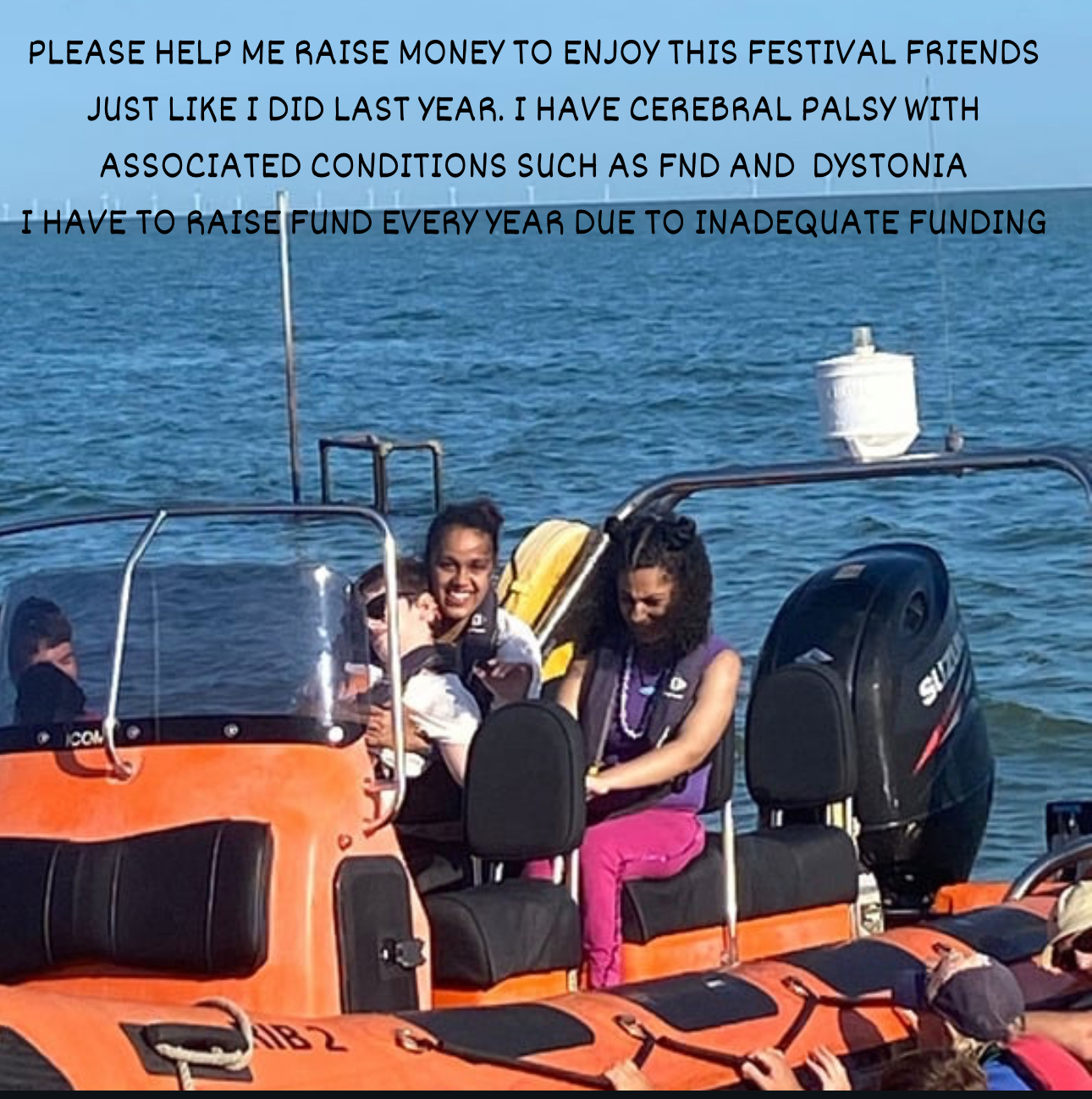
feel free to share my fundraising page with your friends on Facebook et cetera, so that we can spread the word, enabling more people to choose to. Donate if they wish. Thanks to all that view my content and dressed in it and I would like you to come together as a community and no help me raise money for my best, but inadequate services due to inadequate funding from disability social services, and the lack of appropriate stimulating respite provision in my area

oh, Slo-mo, with a fortune for you all

who is Jade affiliate marketing Pinterest page early update who are you?
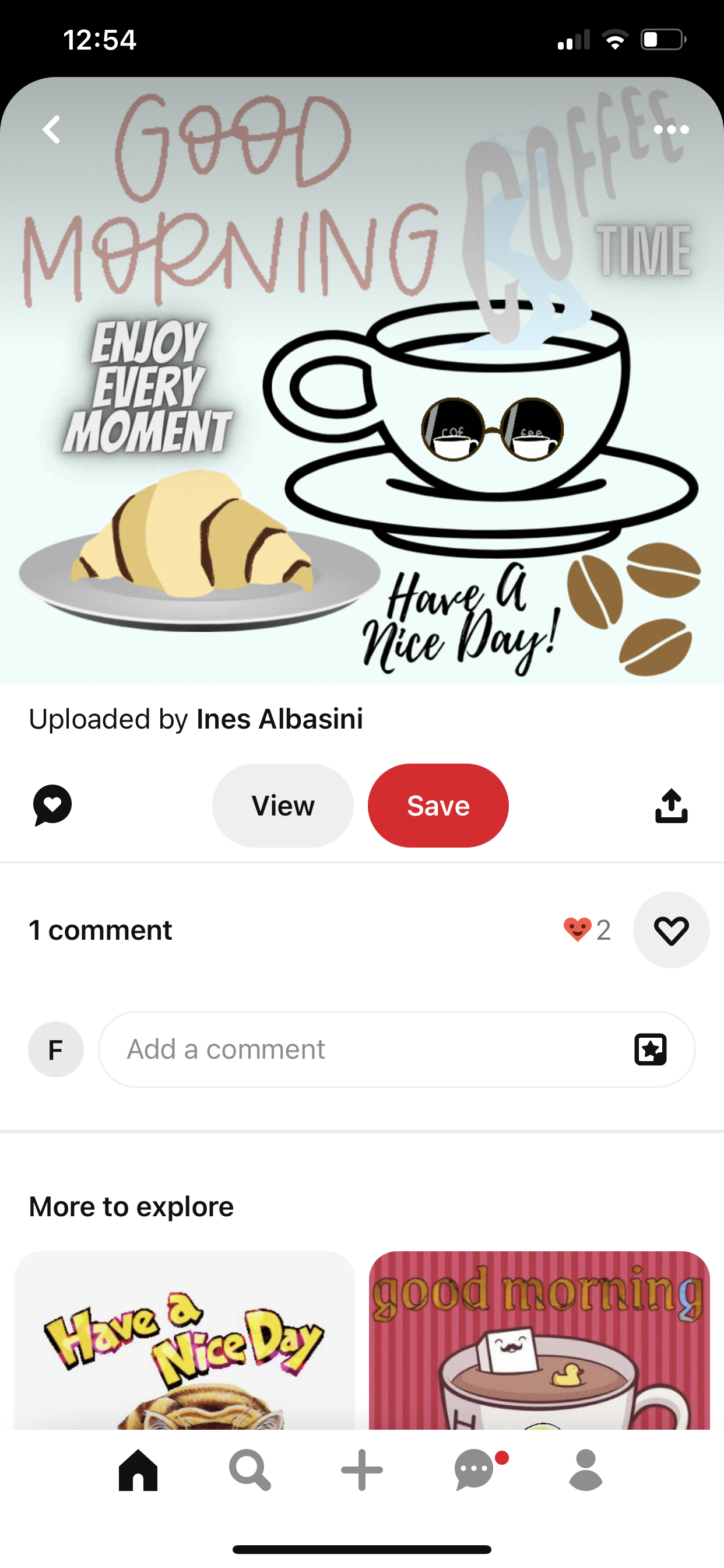
good night to those that have had a late night tonight. Good morning to those that choose to rise extremely early.

The ‘Mind-Bending’ Bionic Arm Powered By AI
I was born without lower arms and legs, so I’ve been around prosthetics of all shapes and sizes for as long as I can remember.
I’ve actively avoided those designed for upper arms for most of my adult life, so have never used a bionic hand before.
But when I visited a company in California, which is seeking to take the technology to the next level, I was intrigued enough to try one out – and the results were, frankly, mind-bending.
Prosthetic limbs have come a long way since the early days when they were fashioned out of wood, tin and leather.
Modern-day replacement arms and legs are made of silicone and carbon fibre, and increasingly they are bionic, meaning they have various electronically controlled moving parts to make them more useful to the user.
What the company I visited, Atom Limbs, is doing is combining a range of cutting-edge innovations, including artificial intelligence (AI), into a next-generation bionic arm.
Human motion
Atom Limbs uses advanced sensors and machine learning – where computers train themselves to become more accurate – to interpret electrical signals from a person’s brain and use them to move and manipulate a prosthetic limb.
The arm has a full range of human motion in the elbow, wrist, and individual fingers – and it provides haptic feedback to the wearer on their grip strength.
The arm attaches via a strengthened sportswear-style vest which distributes the weight of the arm evenly. Although it still has some weight to it, it is considerably lighter than other bionic arms I’ve seen.
It’s non-invasive, meaning it doesn’t need any surgery or implants to function. It connects to the wearer’s residual limb firstly with bands of sensors that measure electrical signals, and then via a cup that fits over the top, with the arm connecting via an interface.
Despite avoiding upper-arm prosthetics before, when Atom Limbs said I could have a try at operating a digital version of the arm on a computer screen, via their control software, I was interested enough to say yes.
I do have residual muscles in my arm that I was able to “assign” to corresponding hand, wrist and elbow movements, which proved to be a unique, mind-boggling experience.
The notion of learning how to control a part of the body I don’t have is almost impossible to describe.
Out of reach
However, exciting though this technology is, one issue that is always of concern to disabled people when new products come into being is cost.
The assistive devices landscape is littered with products that, while impressive, can cost many times an average yearly salary. That puts most devices out of reach for many disabled people who statistics show are more likely to be among the poorest in society.
https://emp.bbc.co.uk/emp/SMPj/2.51.0/iframe.htmlMedia caption,
Jason shows the BBC how Atom Limbs’ prosthetic arm works
Atom Limbs says it hopes its arm will be positioned around the $20,000 (£15,000) price point, which – while still a hefty sum of money – is considerably less than many other bionic products on the market.
Ian Adam, a lecturer in prosthetics and orthotics at the University of Derby, says while this may sound like a lot, it is a good price in the industry – though it won’t be for everyone.
“It’s at the cheaper end of the market, but say you had an accident and got a pay-out, well that’s got to last the rest of your life,” he said.
“So I think a lot of patients are canny about what they spend their money on… sometimes people are quite prepared to not use them at all – with upper limb prosthetics it can be just an extra thing that not everybody will decide they need to have.”
And then there are the ethical and practical issues around such products.
In 2022 Britt H Young, herself a bionic arm user, questioned whether the prosthetics “arms race” has focused too much on innovation rather than application.
Social media star Tilly Lockey, who has been using bionic arms since she was 9 years old, is excited about their future potential – but she told the BBC whether this device made a difference would all come down to testing.
“I’ve seen like them change so much first-hand, but I’ve also seen them throughout the development phases,” she said.
“There’s a lot of ambitious projects, but I think the way they truly get there is the back and forth development from the users who actually wear them every day.”
Ultimately, the Atom Limbs arm is still early in development.
The firm is collecting data ahead of regulatory filings in the US, which means it will be some time yet before we see them being used in every day life.
Additional reporting by Tom Gerken.
roster for the update of the day for you all
🥰🥰🥰

please donate to my just giving page if you can when payday comes. Many thanks, Maria
Ryan’s how are you with a green pet name for girls item of the day?
ring, Paul Munday can hopefully encourage positivity🌙😊💕
floral arrangement painting of the day for you all. What’s your favourite colour flower out of all of these I would love to hear that only comment

Dementia Campaigner Wendy Mitchell Dies
A woman who spent 10 years campaigning for dementia awareness has died after writing a moving final blog post.
Wendy Mitchell, from Beverley, died at the age of 68, her two daughters confirmed on social media.
She was diagnosed with early onset dementia in 2014 at the age of 58 and set up a blog soon afterwards called Which Me Am I Today?
Two of her books on the subject were included on the Sunday Times Bestsellers List.
Prior to her diagnosis, Ms Mitchell worked for the NHS in a non-clinical role in York for 20 years.
In an online post announcing her death on 22 February, Ms Mitchell’s daughters Sarah and Gemma wrote: “Our mum died peacefully early this morning. She wrote a blog post before she died so you can read about it from her perspective.”
The final blog post, My Final Hug in a Mug, details Ms Mitchell’s “resilience” since a young child to be able to “cope with whatever life throws my way.”
In the post, she stated: “Dementia is a cruel disease that plays tricks on your very existence.”
In a 2015 Victoria Derbyshire programme for the BBC, Dementia: A Month in the Life, Ms Mitchell spoke about living with early-onset dementia.
She said she first experienced symptoms at 57, when she came out of her office and “didn’t have a clue where she was”, and had to wait for the “fog to clear”.
‘She was a beacon’
“When we lose our memories, it doesn’t mean we lose our emotions inside,” she told the BBC at the time.
Ms Mitchell said her biggest fears were becoming someone she doesn’t recognise, not recognising her daughters and losing her independence.
Steve Milton FRSA, director of Innovations in Dementia, said: “Wendy was a person of true bravery and compassion. She had been fearless in sharing her experience in order that others may learn from it.
“We certainly did. She was a beacon, and so many people have told us over the years that her work has changed their view about dementia – and enabled them to live their lives that little bit less afraid. What more can one ask of a life?”
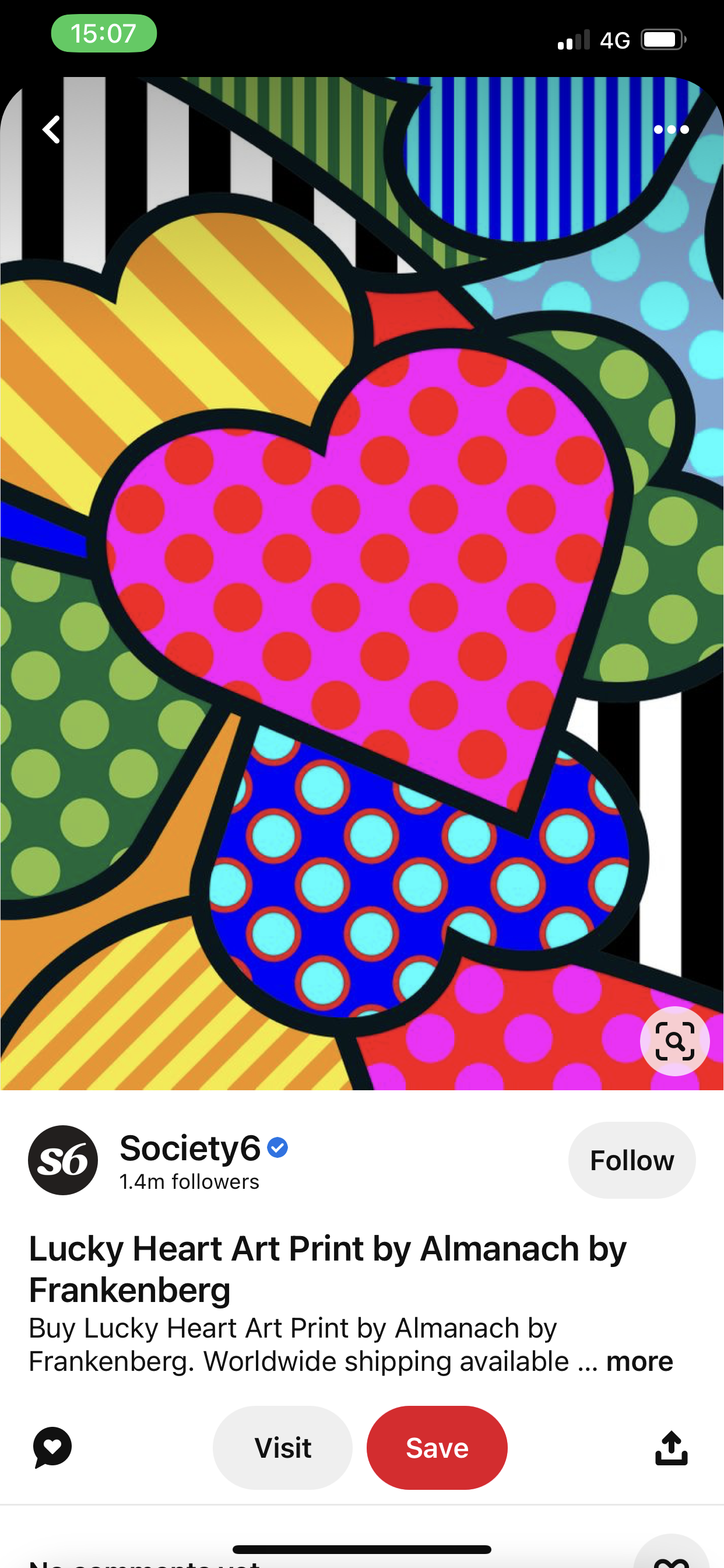
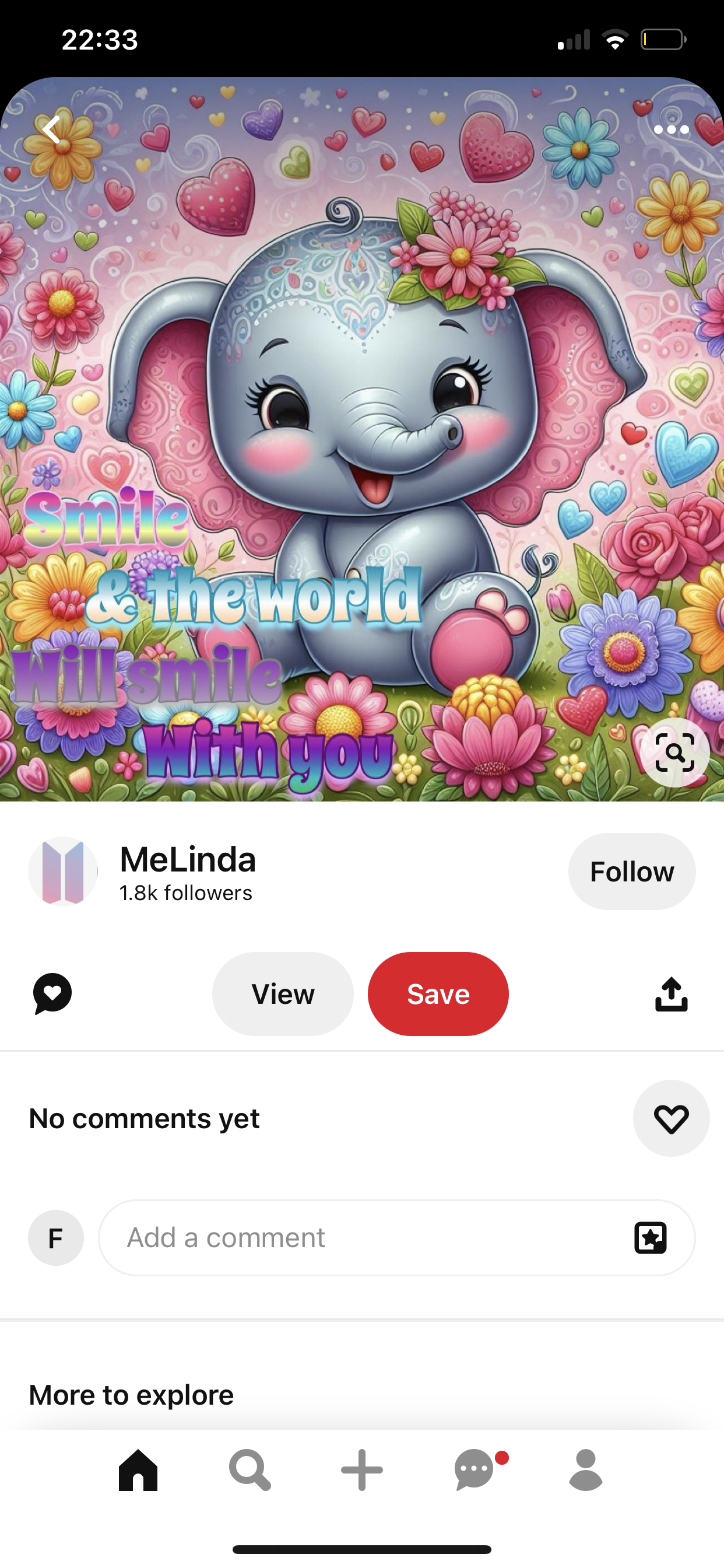
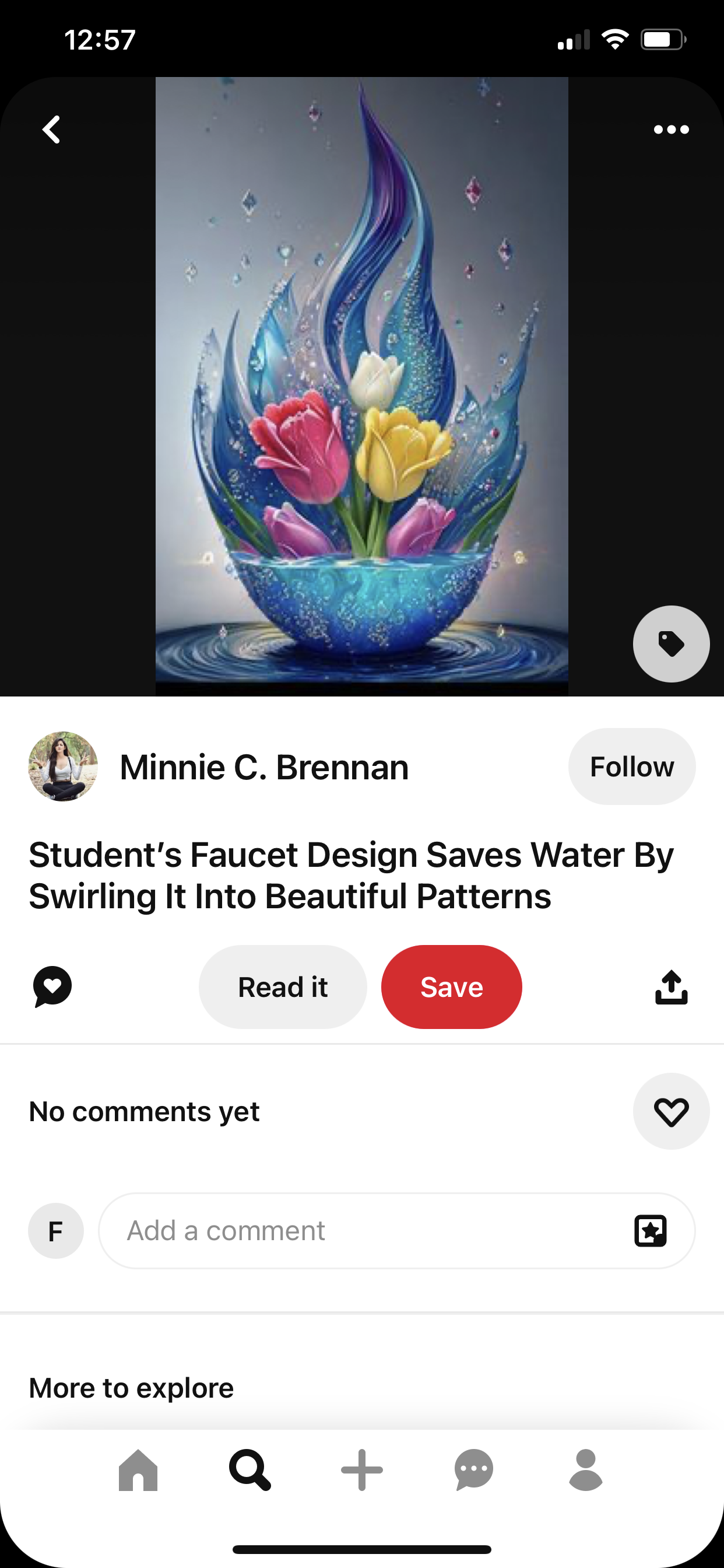
Floral clever painting with blue painted prior and the flowers with in the flying favourite painting of the early evening. How are you all?
Item of the early evening, Leopard Creek reusable shopping bag
Heart-shaped, lily pad, romantic, looking favourite painting of the day for you all on this relaxing Sunday

Affiliate marketing update for the Pinterest page for Sunday from 3 to
purple lace appearance, curtains item of the afternoon for you or Saturday for those that are thinking of redecorating the house or even dorm room at
purple https://amzn.to/49w7FxB
Amazon
item of the evening click on the link to view
💜💜😘

Amazon
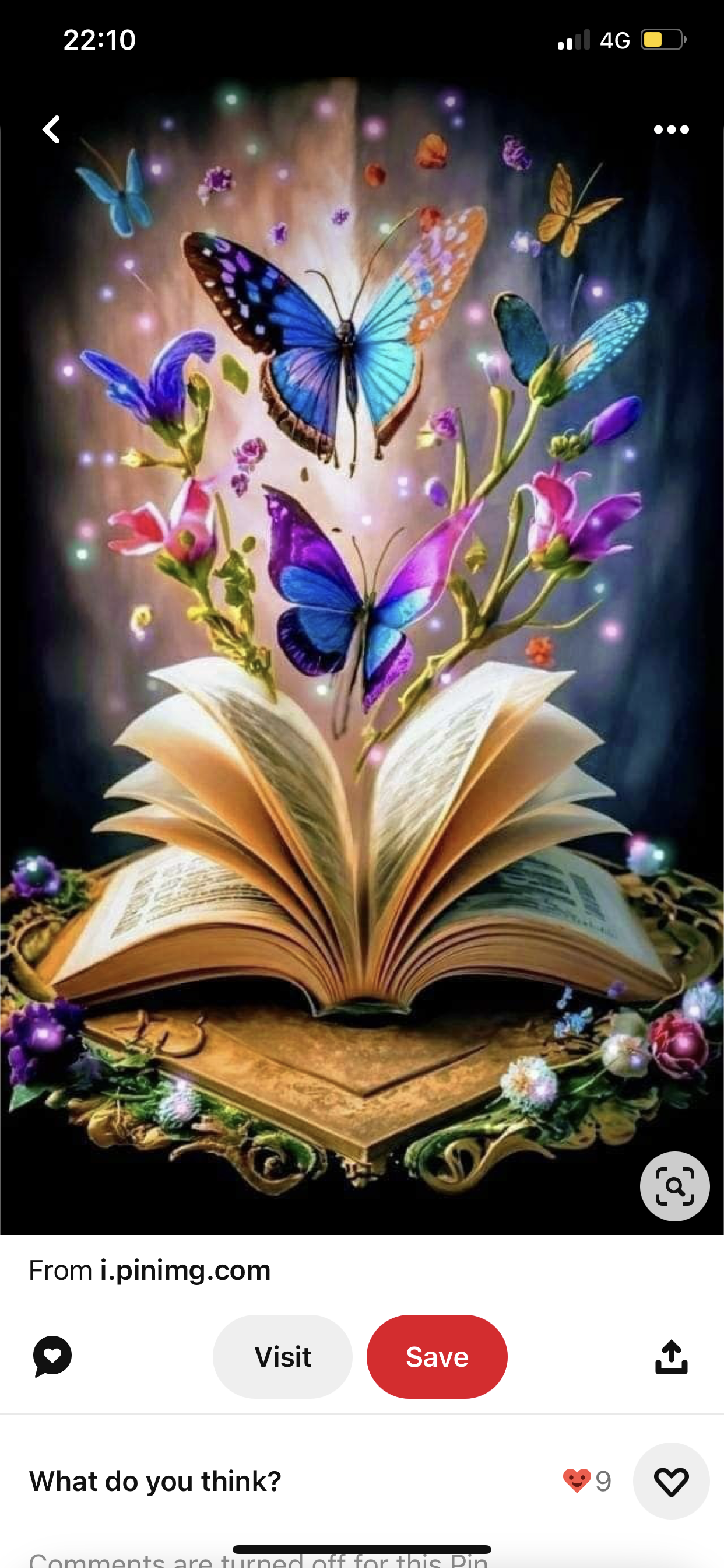
painting, including both my favourite thing, books and butterflies👍👍😴
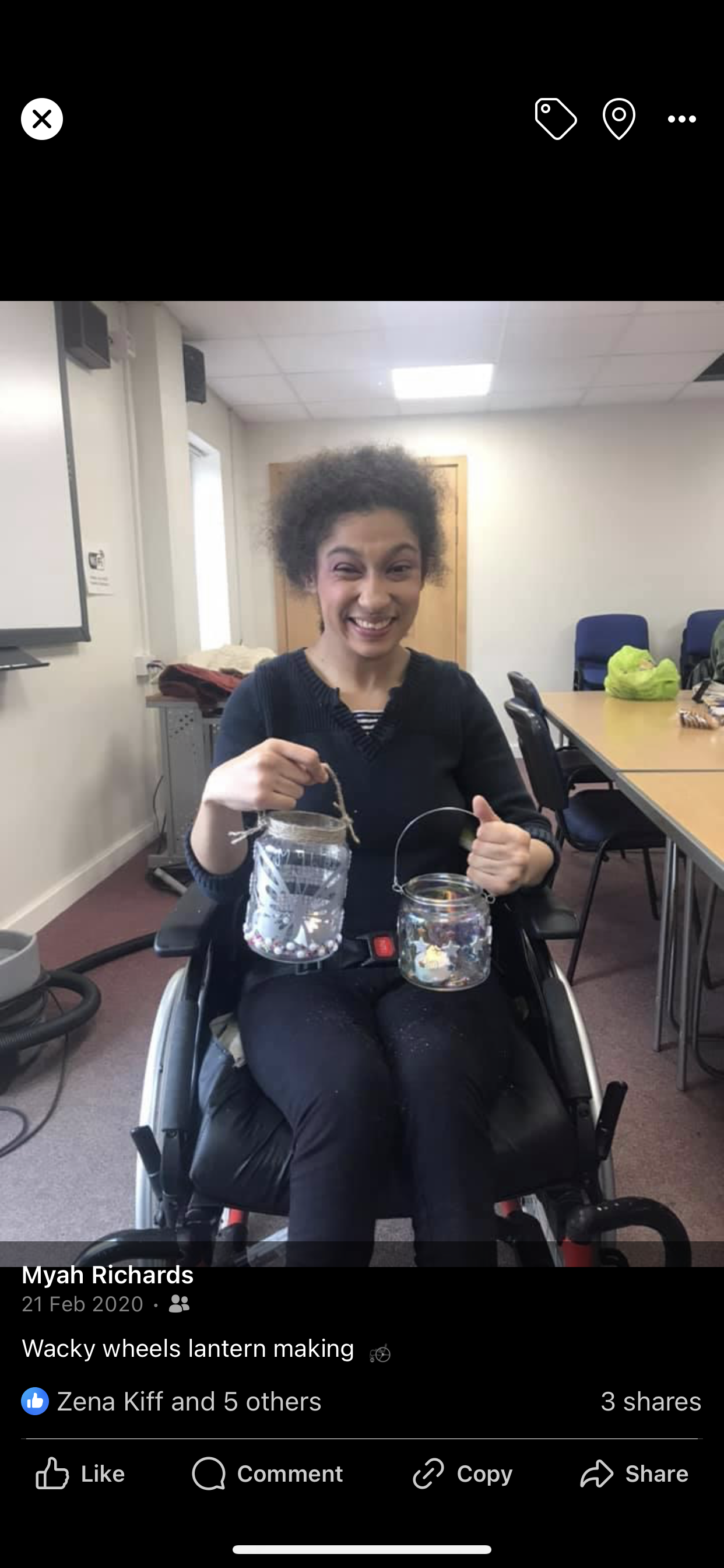
👩🏾🦽😊⏰
😆💕😘💕😘🙀🤠👌https://amzn.to/3UROpGd
🌙💜🥰💜🥰😁👍👩🏾🦽

top and leggings, set Hall Green, item of the day for women
sunflower theme, shoes with straps
good evening to all
😆😆👩🏾🦽👩🏾🦽
Bramford Pub Offers Free Sign Language Classes To Local Residents
A village pub is offering free British Sign Language (BSL) classes for the local community.
The Bramford Cock in Bramford, Suffolk, holds two classes at the pub every other Monday.
Landlady Teresa Brinkley had the idea after speaking with hearing-impaired customer, David.
She said: “I’ve wanted to do it for a little while… We sort of railroaded him into helping teach us some of the basics.”
David, who lives in the village, has been hearing impaired since birth and wears two hearing aids.
“[Teresa] approached me to see if I knew anything about sign language, which I did, and she asked if I’d run a basic sign language course,” he said.
Twelve people turned up for the first session about six weeks ago, and David taught them how to finger spell the alphabet and say simple phrases, such as ‘good morning’.
To David’s surprise, the group swiftly mastered their first lesson.
“They picked this up within the week, so I had to quickly jump to lesson three,” he said.
Ms Brinkley said she practises with the village residents, adding: “When someone asks for a drink, I literally sign it all out and then try to teach them before I actually pour it.”
The landlady has since welcomed more class attendees: “It’s just for an hour, it’s a relaxed environment… then we just sit there and chat, and practise is all.”
David said: “If they’d had sign language when I was at school growing up, it would’ve made my life a lot easier.”
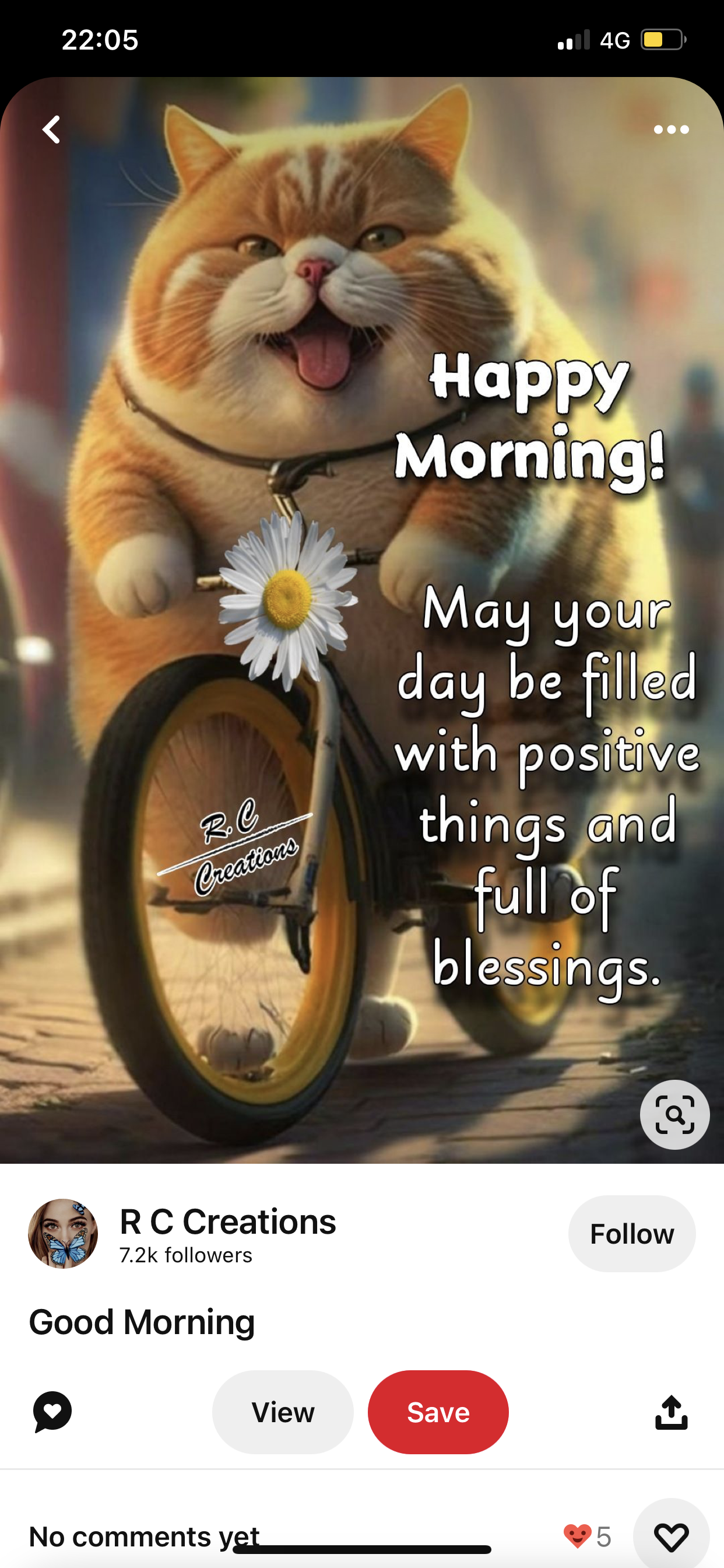
this is one for the ginger cat lovers. #GingerCat #Roberts #PetOwners

💕❤️❤️❤️ Amazon, affiliate marketing @ ❤️
🤠🌙😊🌙🌙🌙🌙🌙😊😊😊😊🤠🤠🤠🤠🤠🤠😊😊🙀🙀🙀🙀👐

💜💕😊

oh good, are you featuring sunflowers and Mickey Mouse?

Designers Make Bespoke Fashion For Conjoined Twins
A dad who struggles to dress his conjoined twin daughters has welcomed calls to make mainstream fashion more accessible.
Seven-year-olds Marieme and Ndeye share many things, but not the same sense of style.
So staff and students at the University of South Wales’ fashion department are creating bespoke designs just for them.
Now the team of designers are helping them express their individuality and feel more comfortable in their clothes.
“When I first heard about the girls I thought what an amazing project to be involved in,” said Susan James, a technical instructor in fashion at the university, which offers modules in adaptive fashion.
“To give them something they can’t normally get – to be able to go into a store and that excitement and everything that brings with it.”
The girls are joined at the pelvis, sharing one pair of legs. Ndeye has a left arm and Marieme a right, and they share use of a middle arm. Their father Ibrahima struggles to dress them.
“It is giving me grey hairs every day,” he joked. “You have to buy two identical tops to join them together.
“They have two legs, so they can have regular trousers, but their hips are very wide so you have to take it to the alteration shop.”
Although the girls are conjoined, they have different taste in clothes.
Ndeye likes pink. Marieme likes red. Ndeye would like a unicorn motif. Marieme is obsessed with cats.
The girls are thriving, but still face many challenges and are dependent on each other to live. Ndeye’s system works hard to help support Marieme, which makes her hotter and sweat more than her sister.
Now the fashion department has joined a t-shirt for Ndeye with a sweatshirt for Marieme, and adapted a winter coat with less thermal padding for Ndeye and more for Marieme.
The girls’ bodies and needs are unique. But there are calls for more wearable fashion for all disabled people.
‘It gave me dignity’
BBC reporter Matthew Bassett, who was paralysed 12 years ago after he dived into the sea at Broadhaven in Pembrokeshire and hit his head, shared some of the lesser known challenges of being in a wheelchair.
“When I was first in a wheelchair I was buying jeans off the shelf making the most of it,” he said.
“But they didn’t quite fit, they were quite low on the back, and if they weren’t low on the back they were high on the legs, so I was always showing my ankles.
“I ended up having to ask friends or family to always pull up these jeans. It’s not what you want to ask everyone to do is it? A grown man asking someone to pull up your trousers every couple of hours.
“But I had to do it because if they go to low they give you pressure sores, they give you marks.
‘When I got a pair of jeans that covered up my back it just felt so great, it gave me dignity, independence.”
But Matthew has to buy these online, and they cost £80 a pair.
“I would love to see bigger chains jumping on board and that will bring the price down of styles, and everyone will win then,” he said.
‘They weren’t comfortable or practical’
Philippa Gouldson, 20, is a second year fashion design student at the University of South Wales.
After a running accident when she was 14, she spent five months in a wheelchair, and still has physiotherapy now. Her experience is now helping to inform her designs.
“Becoming a wheelchair user, all my lovely clothes in my wardrobe I wanted to wear, they just weren’t comfortable or practical,” she said.
“I really struggled getting them on. My mum had to help me.
“That’s one thing I’ve really focused on, making someone feel good in their clothes, but giving some dignity back as well, I think that’s such an important thing.”
High street chains are beginning to take notice. Last month, Primark became the latest to announce plans to offer more affordable accessible underwear range in its shops.
But adaptive clothing is still generally harder to find and more expensive than items on the high street.
“Something like this does tend to be more expensive. But the more we do of it, the more we can bring the price down,” said Susan back at the University of South Wales.
“It would be great if a label or a brand would take it on, make it more mainstream.”
♥️😆😆🥰
Pinterest update for Wednesday night
💕🤠🤠💕🤠

👐🙀

Somerset Boy Receives Life-Changing Spider-Man Bionic Arm
A nine-year-old boy, who was born with one hand, is one of the first children to receive a Spider-Man bionic arm.
Kaden Taylor from Burnham-on-Sea received his 3D-printed Hero Arm as a surprise after mentioning to his family that he would like to wear one.
Despite being offered prosthetics before, he never agreed to one, until he saw the design by Open Bionics.
“I can cut with a knife and fork now and play tennis. And I can pick up more things,” Kaden told BBC Radio Somerset.
Kaden’s mum, Colette Taylor, added: “Kaden has never worn any prosthetics, we’ve always offered him options and he always refused.
“When I showed him the Hero Arm, he shouted: ‘Yes please!’
“It’s already made a difference,” Ms Taylor added.
“The first thing he wanted to do was go on a walk and hold my hand with it, which is so lovely.
“It’s just such a life-changing thing for him to have.”
Kaden’s family was able to buy the arm due to the community fundraising for him.
Within two months, they raised over £13,000.
“It blew up, it was crazy,” Ms Taylor said.
“We had people who I’ve never spoken to before come out and message me.”
Kaden added: “Thank you, you’re all amazing.”
wishing everybody a successful Wednesday and the Wednesday to look great in your work. Hi tomorrow. Have a good day everybody

💜🤠🤠

fundraising ring Paul, anybody that wants to donate towards 2020 for respite due to inadequate funding from disability local
bedding sets for teenage girls
bedding, set https://amzn.to/3SKQMbo
fashion item of the evening for

♥️❤️❤️❤️❤️

Pain Hyperacusis: ‘Hearing My Children’s Laughter Is Like Torture’
For the last 18 months Karen Cook has been living with an ever-worsening and rare health condition in which everyday sounds cause her crippling and debilitating pain.
“Something as beautiful as my children’s laughter, hearing their voices – is like torture for me,” she told BBC North West.
The 49-year-old has pain hyperacusis, a condition which means she is often forced to shut herself away from her husband and young sons.
“Sound is everywhere – it’s like air, you can’t escape it,” said Karen, from Southport, Merseyside.
Noises like the wind rustling leaves in trees, or traffic driving past her house can cause Karen immense pain.
Warning: Some readers may find parts of this article distressing
The condition is so severe that, on Christmas Day, she had to sit in another room and watch while her boys, aged seven and 11, excitedly unwrapped their presents.
Karen has not been able to find any cure or even treatment to ease the pain caused by hyperacusis, which is accompanied by the far more common and widely known tinnitus.
She said the hyperacusis developed relatively suddenly in 2022 and had gradually become worse.
While it can be brought on by sound trauma, research suggests some people may be predisposed to suffering from it.

What is hyperacusis and how does it differ from tinnitus?
There are different types of hyperacusis that vary in severity.
The NHS website says “you may have hyperacusis if some everyday sounds seem much louder than they should. It can sometimes be painful.
“You may be affected by sounds like jingling coins; a barking dog; a car engine; someone chewing; a vacuum cleaner.”
Tinnitus is the name for hearing noises that do not come from an outside source.
Karen now wears ear plugs and ear defenders even when she’s at home alone, and her only way to communicate is through whispers or written notes.
“My house is a prison,” she said. “Sound keeps me prisoner.”
Describing the pain, Karen said: “It’s like somebody poured burning lava into my ears and my head burns, pain all over my head, especially behind my eyes.
“It’s like a migraine kind of pain – it’s like you want to split your head open to relieve the pressure.”
When asked what impact the condition has had on her life, fighting back tears, she said it had been “devastating”.
“I miss being a mum, I miss the clatter of the noise when they come in from school.
“I miss just life, I sat and watched them through the window opening their Christmas presents, because it was too loud for me to be in the room and they’d come up to the window and show me.
“It’s completely erased me.”
Karen said she was missing out on so many parts of life that most people take for granted.
“I miss listening to music, watching TV or a film with sound, chatting to my friends on the phone,” she explained.
“I miss wearing nice clothes and make-up, going for a night out with my husband Nick.”
Karen said she used to be “very active” and loved going on camping and skiing holidays.
“I was always on the go,” she said. “My life literally stopped so abruptly.”
Nick said he was losing his “best friend” of more than 20 years.
“Life was an adventure,” he said. “We’d have no plans, we’d just go out for the day and wherever we ended up it was fantastic. Travelling of any description – we bought a caravan in Covid – as well as hiking, football matches, any excuse to get out and about.”
He added “everything” they had known as a family had changed.
Karen used to work as an airline crew member for 25 years, a career which she said “wasn’t just a job it was part of my identity and independence”.
It was also where she met Nick.
So much of their life has changed beyond recognition.
“It is literally Groundhog Day,” said Karen. “Every day is the same.
“Honestly if I didn’t have children I’d have given up.
“But we’re going to try and fight and find someone – anyone – who might be able to help.”
Ken Devore has lived with the condition for 30 years and said some people can improve over time.
Mr Devore, who is a board member of the US charity Hyperacusis Research., added: “There really is no treatment.
“For me, time, quiet environments and just avoiding loud noise is the key to managing it and not making it worse.”
For some patients, the NHS advises reintroducing sounds like white noise, which can help build up tolerance levels.
That has not worked for Karen, however.
She has also tried various medications and holistic therapies, but nothing has helped.
Nonetheless Karen said she was “determined” to find treatment for the sake of her boys, who tell people about their mum’s “poorly ears”.
“One day there might be a cure for this and I’ve promised myself I will try everything and anything.”
💜🥰😴
Amazon
nativity zone for you all for this Monday evening as I know the weekend feel wrong at the start of it

call mini update for the Pinterest affiliate marketing page for
❤️💜

Amazon
call Florence, unicorn with teapot, Antigua and saucers, https://amzn.to/3UNx4OK
😆♥️♥️💜😆❤️


