Accessible Underwear Helping Disabled People ‘Slay’
Disability campaigners say new lines of accessible underwear available on the High Street are “really important”.
Primark is the latest to announce plans to offer more affordable accessible items in its almost 200 UK shops.
The chain is the latest to develop a new lingerie line in collaboration with disabled people which includes bras and pants with magnetic closures.
Eliza Rain, a content creator, says adaptive underwear helps people with disabilities feel more confident.
“There have been times where I’ve had a couple of wardrobe issues and then I end up just getting frustrated with what I’m wearing,” the 26-year-old from London tells BBC Newsbeat.
“You just want to feel confident in yourself and if something isn’t working in my chair, that can just be frustrating and doesn’t make me feel that great or confident.”
Primark is not the first mainstream retailer to launch an accessible line. George at Asda has an Easy On Easy Wear range for under-16s.
Eliza, who is an ambulatory wheelchair user, says the easy closures Primark have used, including Velcro and magnetic clasps, as well closures at each side of the briefs, are an important feature because it means you don’t have to bend down to put them on.
“Underwear for me can be quite difficult and I really benefit from having clasps on the side, because then they’re easier to take on and off if I’m lying down,” Eliza says.
Caitlin Hartwell, 25, agrees.
She has limited mobility and says she’s not able to dress herself at the moment but accessible underwear will help her to regain some independence.
“I will be able to fasten my own bra or put my own underwear on,” she says.
Others say it’s a big self-confidence booster.
“You don’t feel as confident if you don’t look like you’re slaying,” says 19-year-old Sophia Dunn, from Liverpool.
Sophia was born with cerebral palsy, a condition that affects movement and co-ordination.
“I can’t walk, I can’t reach around with my arms very well, my legs don’t go straight so it would be nice if there was stuff to just slip on,” she says.
“I don’t like things with zips and buttons – it might be nice when you’re stood up straight but when you’re sat down it digs in.”
The new range offered by Primark is limited compared to its wider stock, offering only four pieces in one colour.
It will also not be available in all stores – seven will physically stock the items, and they’ll be available for click and collect in about 64 of its 191 outlets in the UK.
The most important thing for Caitlin is the price. The underwear at Primark is retailing at between £8-12 per piece, which she feels is affordable.
“Obviously, being disabled, you can’t work full-time a lot of the time, you don’t get a big income. So it’s hard to buy luxuries,” she says.
Figures from charity Scope suggest disabled people are almost twice as likely to be unemployed and more likely to be living in poverty.
Caitlin says accessible garments tend to only be available from small independent businesses, where prices can be higher.
“There’s a few online shops that are very expensive,” Caitlin says, adding: “I can’t think of one physical shop you can go in where you can buy adaptive clothing or underwear.”
Primark has also pledged to be more inclusive by inviting experts to review its stores and figure out any changes that could make them more accessible.
“It’s just going to make disabled people feel more heard and let them gain some of their independence back,” Caitlin says.
give me only owner of this territory I have associated I have been able to spread away this phone as she does not have please only when we have in common. Is there a poo poo V and the visual impairment has been nice to meet someone with cerebral palsy, who is the head of career and put my aspiration to have a career with my own one day
Respite care, raising funds
For anybody that wants to donate to my respite care from Falkenhagen 24. I have put the link on earlier today so please go and find it to my just giving and donate there if you save me busy just in case I’ve got any new tournament this afternoon/
Really hope everybody’s having a good Saturday evening/afternoon and has enjoyed not having to go to work today or college or any type of study program
Did anybody know of any in all-inclusive, charities word all-inclusive, respite care bro?
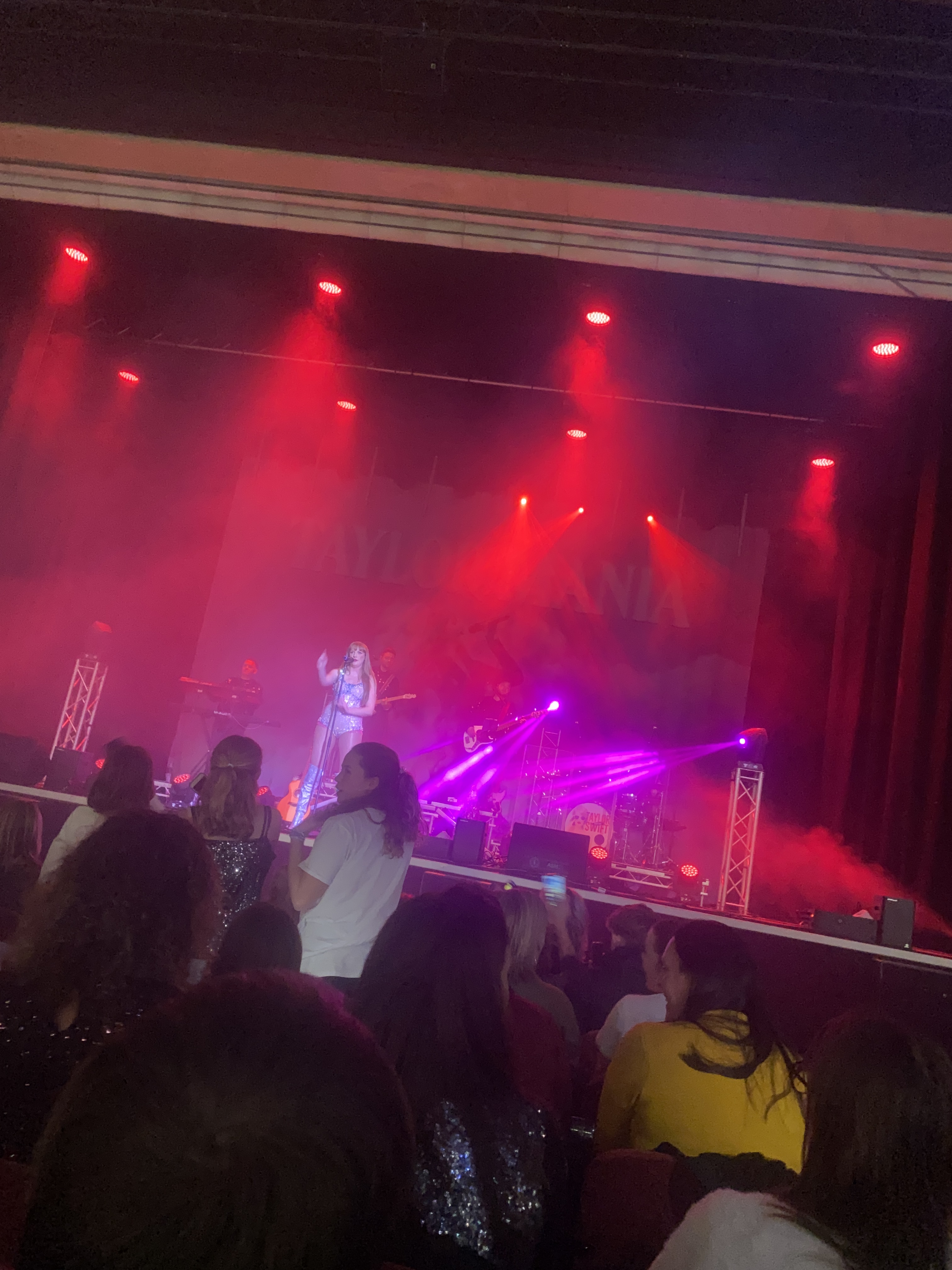
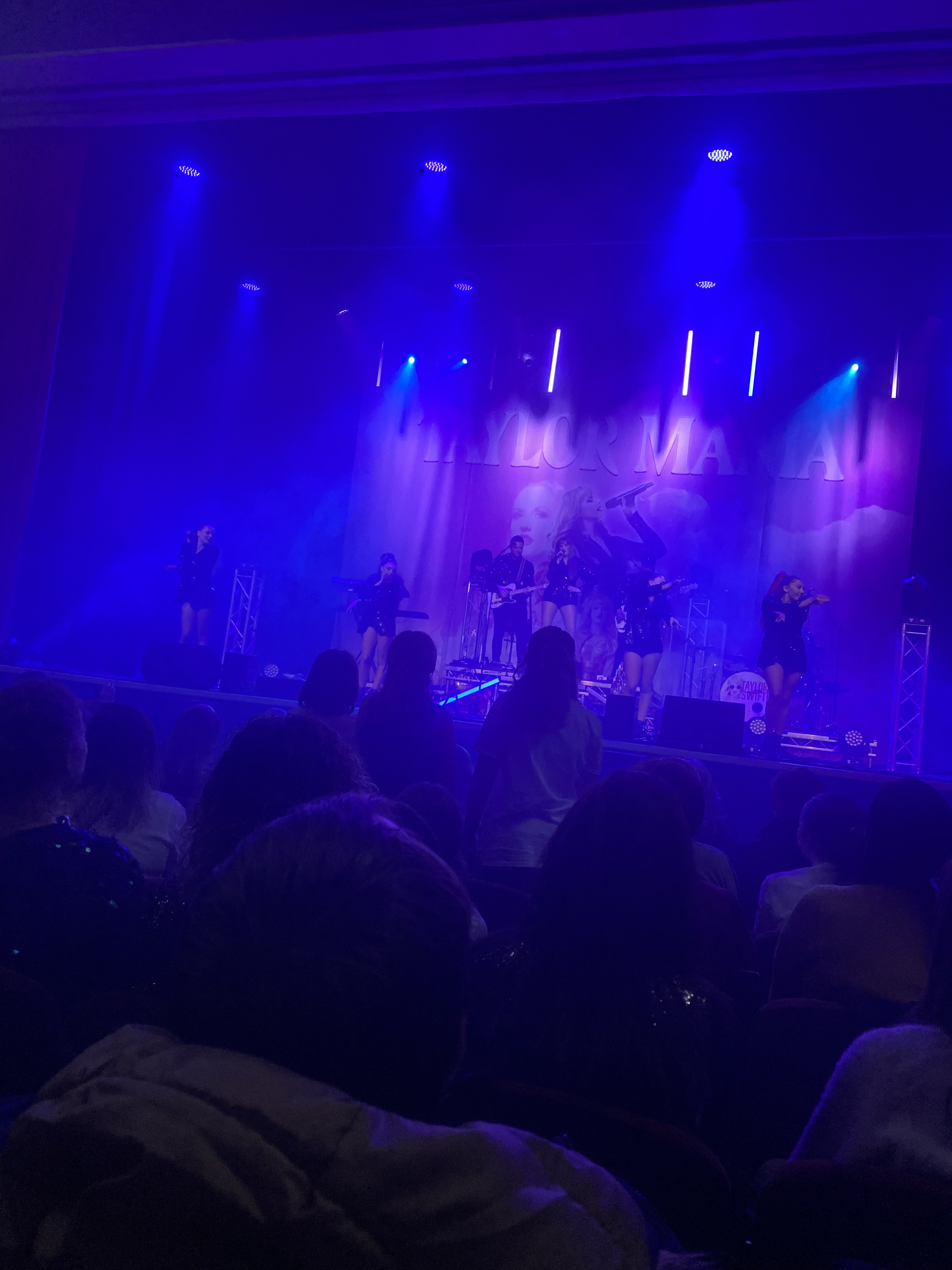
Who will win be Taylor mania and enjoying it what did you think of it as my favourite part was the costumes but what did you think?
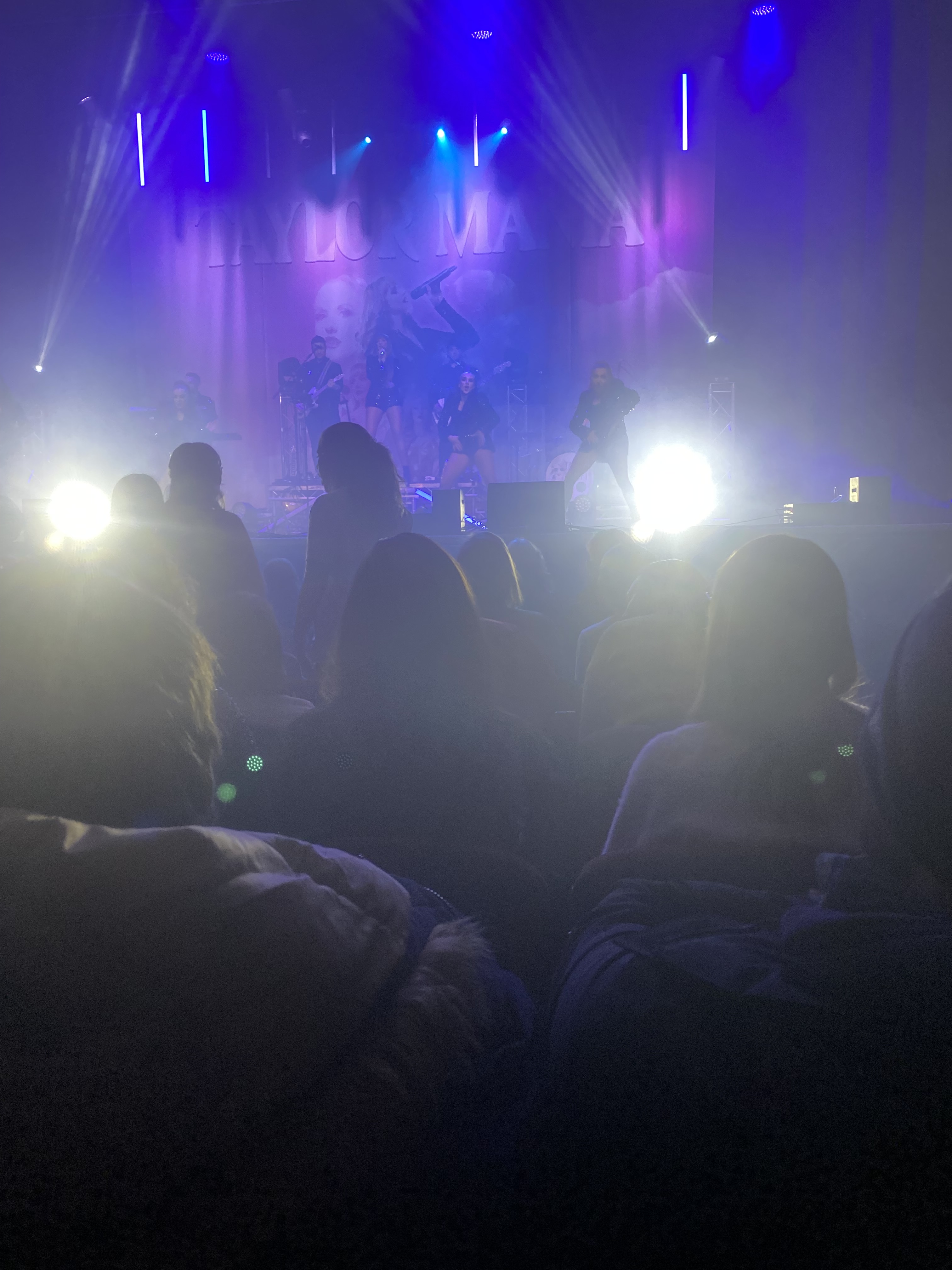
The phone courtesy of the snowman on the winters Saturday morning as it is so cold outside, I think it might snow again

Who are you find inspiring today because she’s talking about what it is. Like growing up with Sarah, because
What time/evening saying for you all? #GoodNight #GoodNightThings #ThankYouForAllYourViews

evening, saying courtesy of one of my favourite characters from when I was a child/teenager of Tinkerbell. I also liked the movies containing Tinkerbell
Ring Shelly painting with lots of colours🌙🌙🌙
The dark Knight pretty painting for you all this evening as it is winter in dark today
A good evening, playing for the early evening. #EarlyEvening #GoodEvening #HopeEverybody’sHavingAGoodEvening

If only be made in England with this

Plural purple, playing with stars and okay, Coser and have a coffee morning painting of the

Brightly coloured, floral careful, Kayleigh, playing pool, favourite painting of the day


Colourful positive saying of the day for you all with pretty illustrations of floral patterns/bed
Derby School With Deaf Pupils Helps Plan For BSL GCSE
A school with deaf students says it is excited a sign language GCSE is “finally happening” and is working on plans with the exam regulator.
The government announced in December the British Sign Language (BSL) GCSE will be available from September 2025.
Allestree Woodlands School, in Derby, a mainstream school that caters for deaf pupils, has been involved in consultations on how it will be taught.
Student Macie, who is deaf, said she was pleased it would be an option.
Macie, whose four brothers are also deaf and all use BSL, added: “BSL is my first language so it is one thing me having to do an English GCSE, but doing a BSL one would mean so much more.
“It is just fantastic that deaf people will be able to do that now.”
Tom Bate, head of the resource base for deaf learners from Allestree Woodlands School, said the school had been contributing to consultations about how the GCSE would look and be taught, including working with the Office of Qualifications and Examinations Regulation (Ofqual).
Mr Bate said BSL was currently taught, mainly, in evening classes by deaf tutors for whom BSL was their first language, but who did not necessarily hold teaching qualifications, such as a PGCE.
He said: “There is still a lot of discussion to be had about how the GCSE will be offered and who it’s available to and who teaches it, but we can’t take away from the fact this is just brilliant news that a BSL GCSE is finally going to be available.”
Katherine Hancock, a BSL tutor at the school, said: “I can only teach a class of 10 students at the most because I need to keep eye contact with them all, that will have to be thought about.”
If it is decided tutors need to hold certain teaching qualifications, it could mean quite lengthy training programmes, which would need to start quickly, she said.
However, she added the BSL GCSE was “fantastic news”.
“Hearing children will be able to communicate with deaf children in their class, and it will be good for friendship groups,” she said.
“When you learn a foreign language at school, it is unlikely you meet someone speaking that language out and about, you are much more likely to meet a deaf person.”
What was your achievement of the day mine was doing what they would like. 1000 AirPods five.
Today’s been a essay day and how I hate them, but love the results they produce at the end
Student question, who like essays knocked me laugh out loud
What’s The BSL Sign For ‘Throuple’?
Language about sexuality has exploded and, as a result, the LGBT sign language community has found themselves needing new signs to describe the ideas
British people are talking about. We talk to Dr Patrick Rosenburg who helped come up with new signs for things like cisgender, trans man, polyamorous and
throuple. How did they do it and what does it look like?
Spain has its first parliamentarian with Down’s syndrome. We talk to Scott Watkin, a former learning disability co-tsar for the UK government, to talk
more about learning disabled people playing an active role in politics and how it works.
Plus Nina Tame, star of YouTube and social media, joins us to talk about the “micro aggressions” she experiences as a wheelchair user and how her kids
sneakily run upstairs when she plays hide and seek with them.
But I appreciate all your videos like and sometimes comments to Sally for you all to my viewers who follow me either from the UK itself or from around the world. I appreciate every single one of you for viewing my page as it gets me further 2022 respite as I get it for you to thank you all
Is it open inclusive society is important for my generation of young people, especially who have been showing what community engagement is and it should be from inclusive program. Disabled people don’t tend to fight for their basic support and respite tonight alongside their families every single day.
♥️💜💜💜💜💜
Rightly, cheerfully coloured flower, painting #Careful
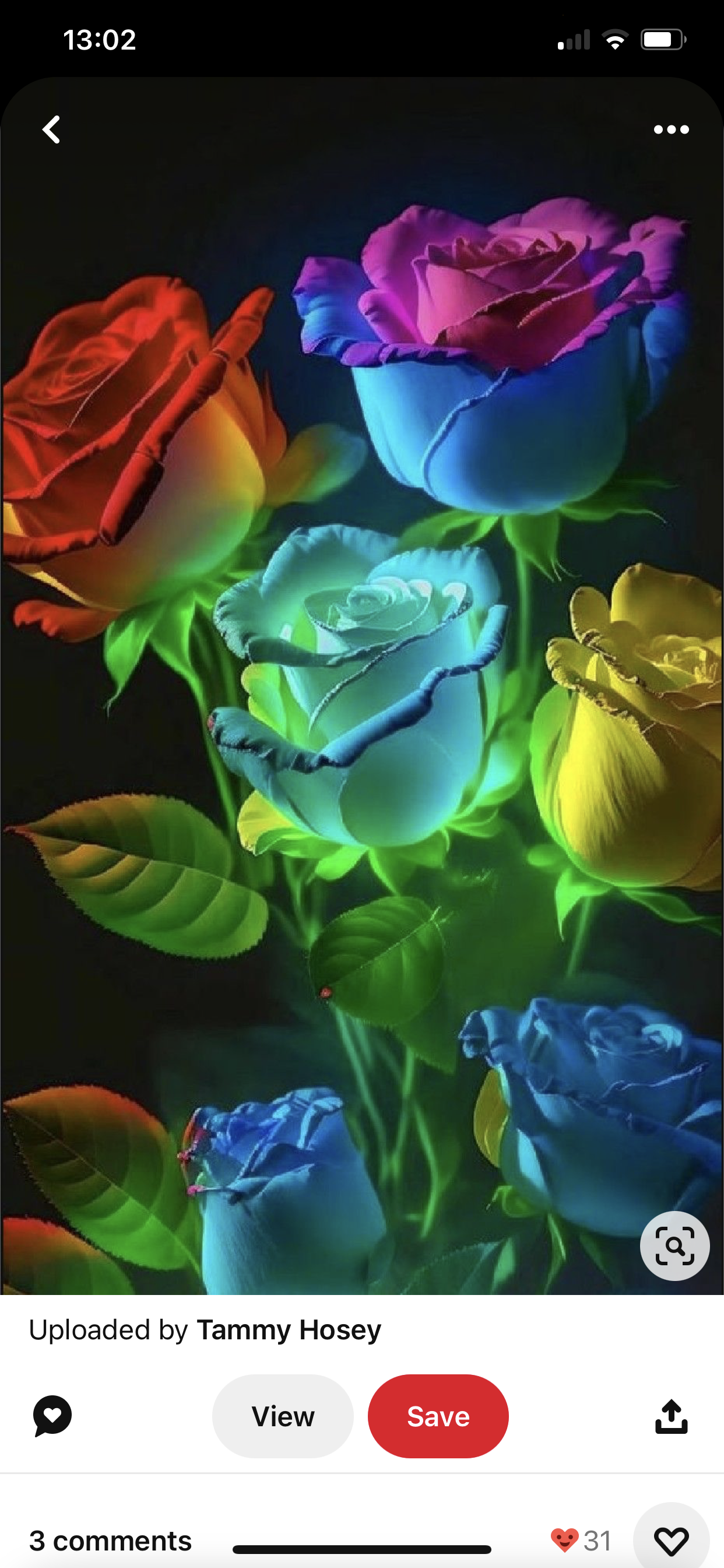
A big and bold. Praying for you this morning to remind you of your productivity on the Wednesday morning/afternoon wherever you are in the world.

Girl, phone of the day I call you all with a colourful butterfly included in the sale of the
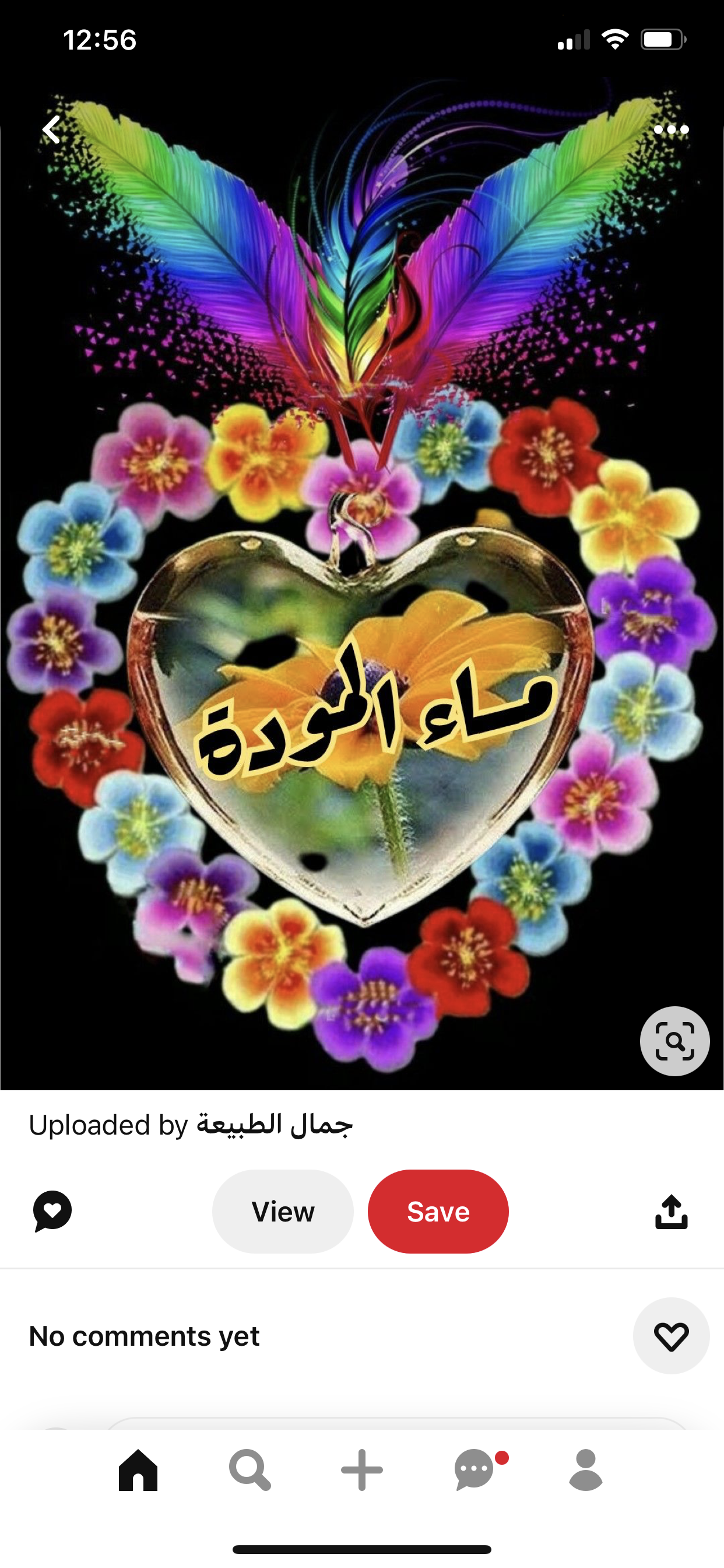
Floral and heart-shaped painting favourite painting of the day as I love flowers and all the different colours that are in this painting

#CerebralPalsyAndDisability
When agencies and services for your disability, just want to make it awkward moon boot, you’ve been telling me to do for the last month how you
Seven-time Paralympic gold medallist Hannah Cockroft says disabled people in Britain are being “almost criminalised” in the way they are treated.
The UK government downgraded the role of minister of state for disabled people to junior level last month.
An open letter signed by 57 sporting bodies last week called for the role to be reinstated.
“Britain is a really scary place to be as a disabled person right now,” Cockroft told BBC Sport.
“Paralympians are almost seen as different to the rest of the disability community. We are shown for what we can do, and everyone else with a disability is almost criminalised for what they can’t do or struggle to do. I feel the statement puts us forward as one.”
ParalympicsGB chief executive Dave Clarke said the downgrading of the ministerial role means disabled people “do not have a voice at the top level of government”.
Wheelchair racer Cockroft says she faces great difficulties living her life in Britain, and praised the sporting organisations for challenging the government.
“I still can’t catch a train if there is no-one there with a ramp, I still can’t catch a bus with my boyfriend, I still can’t enter a shop if it has a step to it,” Cockroft said. “Everything that affects disabled people in everyday life still affects me, no matter how quickly I push around a track.
“Dave Clark, it is fantastic he felt confident enough and knew that voice was needed to push this forward and put it in the forefront of the government’s minds.
“We have no-one to fight our corner, and that’s not a good place to be for six million people in the UK. We need someone voicing the things we need changing.”
Mims Davies was appointed to the role in December within the Department for Work and Pensions as a parliamentary under-secretary of state – the lowest rung of the ministerial ladder.
Davies’ predecessor, Tom Pursglove, was a minister of state when he held the job.
Sporting organisations to sign the open letter included UK Athletics, British Cycling and the British Olympic Association.
A government spokesperson told BBC Sport: “Minister Davies will build upon this government’s track record of supporting disabled people, having delivered millions of cost of living payments and helping over one million more disabled people into work five years earlier than planned.
“The minister will help ensure there is always a strong safety net for the most vulnerable in our society, while tearing down barriers so that every disabled person can realise their potential and thrive.”
For Cockroft, 2024 promises to be a life-changing year on and off the track.
She is competing in two major championships for the first time, with the World Para Athletics Championships taking place in Kobe, Japan, in May, followed by the Paralympics in Paris between 28 August and 8 September.
Cockroft, 31, has her eyes on increasing her haul of gold medals, but says that preparing for two major events in one year is a challenge unlike anything she has experienced before – albeit one she is welcoming.
“I don’t understand going to a major championships and not wanting to win gold, that is definitely the aim in Paris,” she said.
“But I have got a World Championships before then, so if I can add some more titles that would be a fantastic start to the Paralympic year. It’s the first time in my career that I’ve had two major championships in the same year so it’s a huge challenge to get everything right. Not just the training, but everything around that.
“May and August sound really far apart, but if you don’t have the rest and recovery to get that right then things can quite quickly go wrong.
“Right now things are the same as they usually are, but the difference I will really start to see as we go into the World Championships. Right now it more of a mental challenge than physical, but time will tell – it’s a completely new challenge, and 12 years into an international career you don’t normally have many firsts left. But I like a challenge.”
Cockroft is hopeful that the atmosphere and excitement seen around the London 2012 Paralympics can be recaptured at Paris 2024, after two Games beset by problems.
Rio 2016 was affected by budget cuts, while the Covid-19 pandemic forced the Tokyo Games to be postponed by a year to 2021 and eventually take place without fans.
“I really think Paris has the potential to be bigger than London,” she said. “The time difference from Rio didn’t help us, then the lack of crowd, Covid, everything that happened around Tokyo really didn’t push Para-sport into the public eye.
“Paris is only an hour apart from Britain. Coverage seems to be good, already so many companies and people, the things that were around before London seem to be coming back. It gives me great hope that it is going to be a big Games, and have the audiences we had in 2012.”
On top of all this, Cockroft is marrying her fiancee, fellow Paralympic athlete Nathan Maguire, in October.
“It’s a lot of pressure – the Paralympics, the Worlds and a wedding,” she said. “I’ve pretty much boxed off the things people do in a lifetime in one year, but if I get it right it could be the most incredible year ever.”
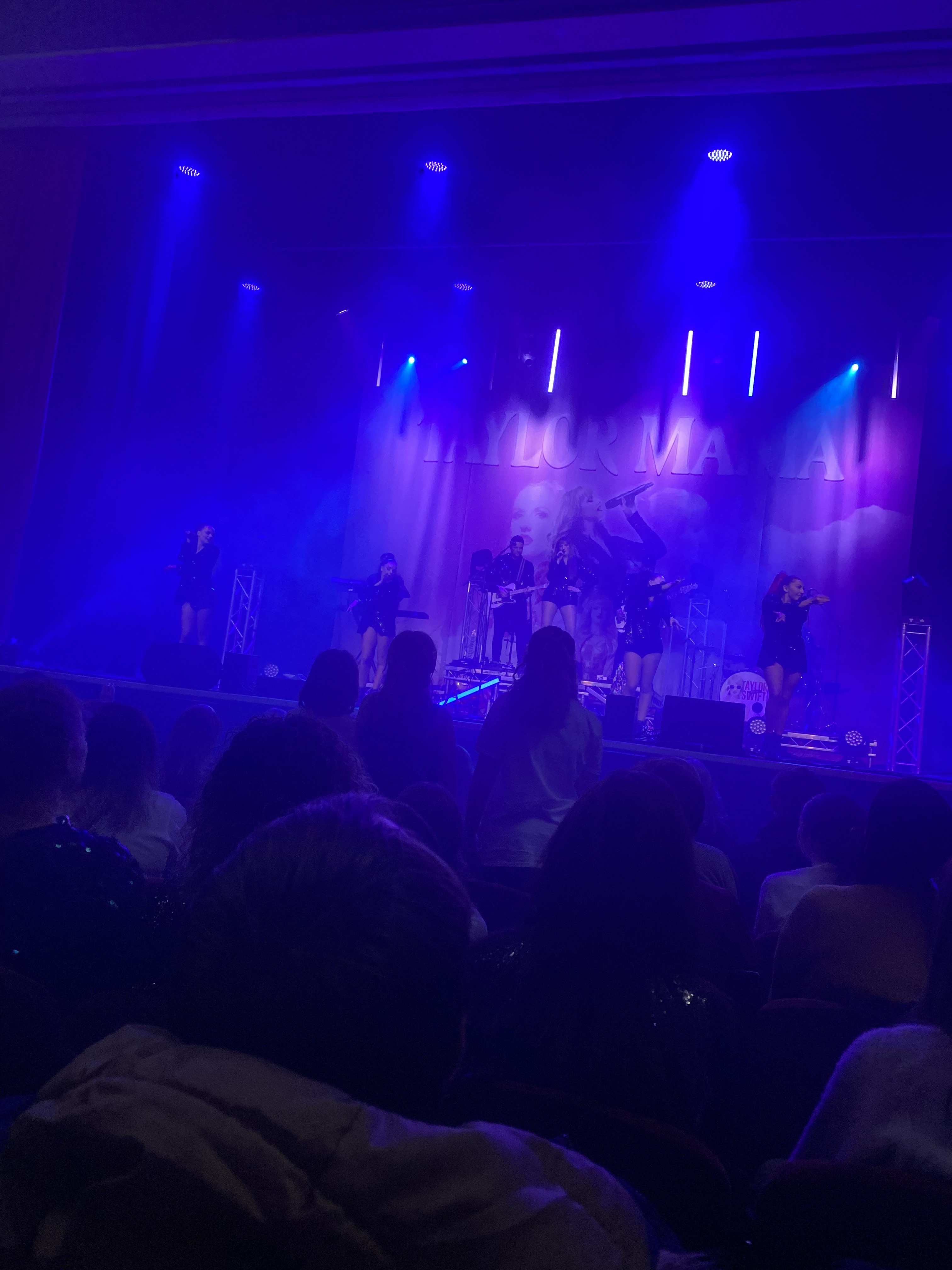
Wolfram home, run the tailor, my new concept drawings of attending on Saturday. I really enjoyed it.

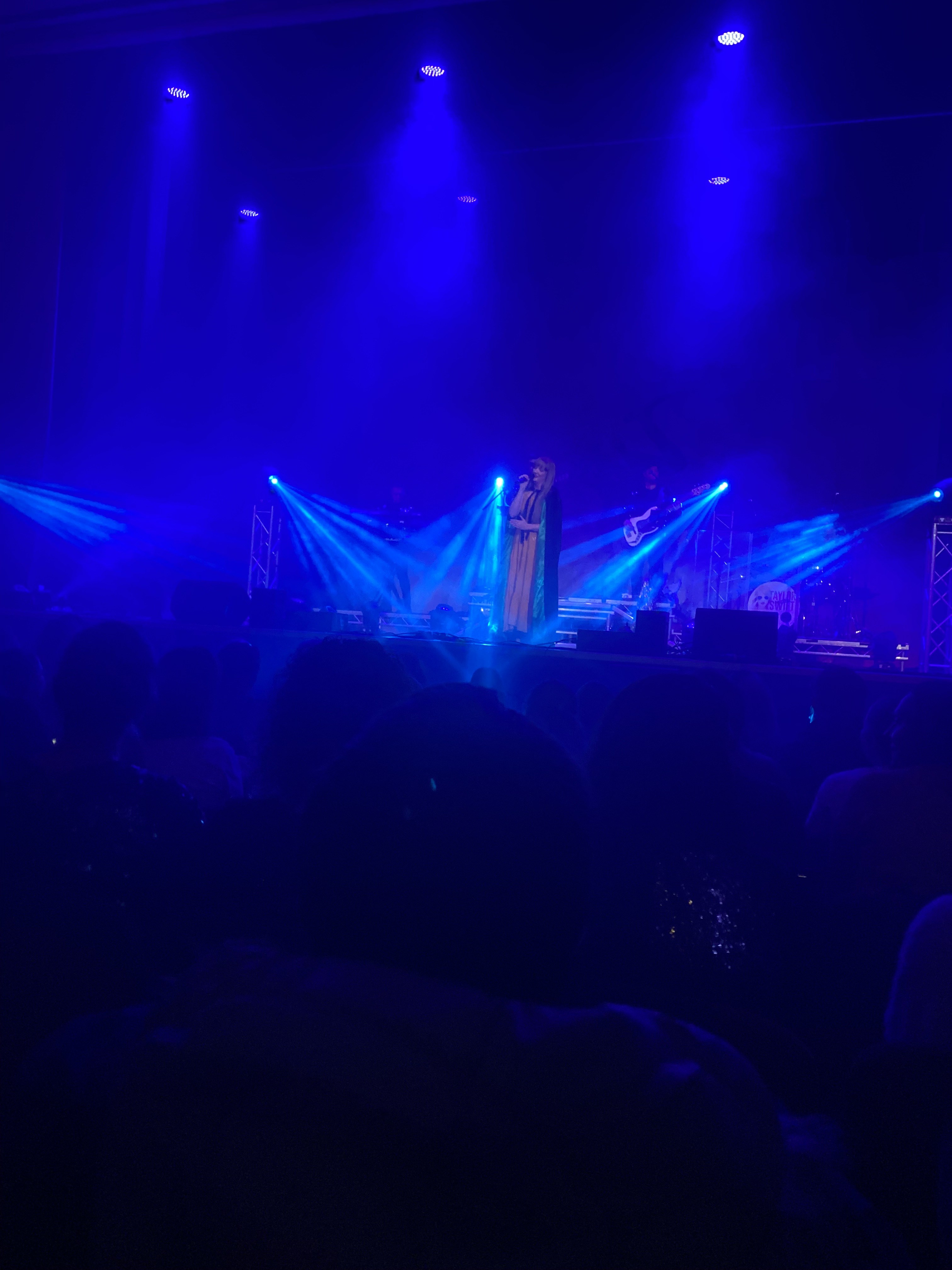
Who is it who is it who is playing of the day for you? All courtesy of creepy, Paula.

Life With A Stoma: ‘It’s Not A Bag For Life, It’s A Bag For Living’
“I was terrified of getting it.”
That was 24-year-old Stephen Blakely’s reaction to getting a stoma bag,
He has now started to document his experience of living with a stoma on social media in a bid to bust myths and tackle stigma.
Stephen, from Londonderry, became unwell in the summer of 2022, bleeding when going to the toilet and suffering severe pain. That year he underwent an ileostomy and now uses a stoma bag to collect waste products.
He hopes his TikTok videos will help those with similar symptoms overcome any fear of getting help.
“For me, whenever I got a stoma bag you always hear the myths and the rumours – there are plenty of them,” he told BBC Radio Foyle’s North West Today programme.
“People thinking you are going to smell. That’s a terrifying thing to go through.
“That was my most terrifying fear. I lay awake about that for days at a time, that I would go outside and people would think: ‘There’s an odour or smell coming off him.’
“That’s never happened me once with a stoma bag – it’s very important that I get that across”.
‘A bag for living’
Stephen has ulcerative colitis, a condition where the colon and rectum become inflamed.
“I was going to the toilet 10 to 12 times a day at that time. I was in excruciating pain constantly,” he said.
The ileostomy means he now lives with a stoma – an opening on the abdomen which connects to the digestive or urinary system and allows waste to be diverted out of the body and into a bag.
“It doesn’t have to be a bag for life – it can be a bag for living,” he said.
‘I didn’t know anyone else with a bag’
Stephen, who was active and healthy before he became sick, said he began to feel isolated after the surgery.
When he left hospital he was visited regularly by specialist nurses but those visits became less frequent.
“You are left dealing with it, struggling on your own. You have no-one else that can understand what you are going through – I didn’t know anyone with a bag when I got it,” he said.
He said he went into “a hole” for two years while he tried to come to terms with how life had changed.
Things are better now. He still struggles at times, but he’s socialising again, going out more often.
He hopes his social media content will help others come to terms with life with a stoma and encourage anyone who is unwell to get help.
“Since I made the TikTok account I have had people reaching out and contacting me. There’s more people than you would know with a stoma bag,” Stephen said.
“If you are going through pain or bleeding, go and get checked out. It literally takes five minutes and could save your life.
“There’s nothing a doctor or nurse hasn’t seen before. Yours isn’t the first backside they have seen.”

Post Office Horizon Software Originally Aimed At Claimants
With many thanks to Benefits And Work.
The Horizon software at the centre of the current Post Office scandal was originally designed to save money and reduce fraud in connection with benefits and pension payments. Even though the Benefits Agency dropped the software, there are disturbing parallels between the way sub-postmasters were, and claimants still are, treated.
£700 million lost
Horizon was a joint venture between the Post Office, the Benefits Agency (as the DWP was then called) and ICL, a subsidiary of Fujitsu.
The intention was to create a swipe card system for benefits and pensions to be paid out at Post Offices, replacing paper payment books.
The project began in 1996, but by 1999 the Benefits agency had lost all faith in the system ever working and pulled out, leaving the taxpayer with a massive £700 million bill with nothing to show at the end of it.
In desperation, the project was repurposed to allow electronic bookkeeping to replace paper accounts in post offices.
And the result of that is now playing out in the media, the courts and a public inquiry.
Misuse of powers
That the Benefits Agency pulled out of the Horizon system it so its credit.
But there are many alarming parallels between the current DWP and the Post Office.
Both have the power to conduct their own criminal investigations and both routinely misuse these powers.
The Post Office threatened sub-postmasters with prosecution for theft unless they admitted wrongdoing and agreed to pay back all the money they allegedly owed.
The reality was that the Post Office very often had no evidence that any theft had taken place and would not have been able to bring such a charge. But sub-postmasters were never given the opportunity to examine the alleged evidence.
Similarly, claimants interviewed under caution by the DWP are often told that if they end their claim and agree terms to pay back any alleged overpayment, they will escape prosecution for theft.
Many claimants agree, without understanding that the DWP have failed to show them any evidence of the alleged overpayment.
If such cases go to tribunal, rather than a criminal court, they are very often thrown out – or the alleged overpayment dramatically reduced – because of a lack of evidence. The DWP has such poor systems that they often cannot actually show whether payments took place or how much they were for.
In other cases, the claimant will insist that they informed the DWP of a change of circumstances but the DWP will be unable to supply a copy of the document they received from the claimant, even though there is evidence it existed.
No legal representation
Both sub-postmasters and claimants are routinely interviewed under caution without any legal representation being offered or provided. This would not happen if prosecutions were being carried out via the police and the Crown Prosecution Service.
The lack of legal representation allows the prosecuting body to mislead the people they are pursuing without any fear of consequences.
Obsessive secrecy
Both the DWP and the Post Office are obsessively secretive.
The Post Office’s often successful attempts to hide information from the courts and the current public inquiry are a scandal in themselves.
In the same way, anyone who has attempted to obtain information from the DWP via the Freedom of Information Act will know the huge and very expensive lengths that the department will go to in order to keep evidence about their practices and procedures secret, even when it involves the death of claimants.
And there are many examples of the DWP keeping evidence from inquiries, government committees and even coroners’ courts.
Bonuses for wrongly recovering money
Post Office investigators, it has now been revealed, were on a bonus system for any money they recovered by threatening and misleading sub-postmasters into repaying money they never owed.
We don’t know if DWP investigators are also on a bonus system for recovering money from claimants. But we do know that in the past the DWP has paid bonuses to teams for pushing claimants off benefits, including by way of sanctions. So there is every possibility that fraud teams are incentivized in this way.
Benefits and Work has made a Freedom of Information request for any documents which deal with bonuses in relation to detecting fraud or recovering money from claimants.
We don’t expect to get a genuine response anytime soon.
Fears for the future
The DWP have very recently been given powers to allow the mass surveillance of claimants’ bank accounts.
But, as we revealed last November, the DWP want to go much further than this.
They are hoping to get the power to arrest claimants, search their homes and seize evidence.
After what we have seen of the Post Office scandal, such a possibility is truly terrifying. The opportunity for the department to disappear documents, including copies kept by the claimant which would establish their own innocence, do not bear thinking about.
In the wake of the Post Office scandal, there is now a very strong argument for stripping the DWP of its power to prosecute claimants. And there is an absolutely overwhelming argument for preventing them gaining any additional powers.
But is there anyone who will effectively make that argument?
You can read more about the connection between the Post Office Horizon system and the Benefits Agency in Alan Bates and Others vs the Post Office Technical Appendix to
Judgment (No.6) “Horizon Issues” and in the Private Eye special report Justice Lost in the Post.
An infant with Down’s syndrome dating from the Iron Age has been discovered with a new method of DNA testing.
The technique measures the amount of chromosomes in ancient human cells “more precisely”, said researchers.
They have also identified the first prehistoric person with mosaic Turner syndrome, from about 2,500 years ago.
The research was carried out by the University of York, the Francis Crick Institute, the University of Oxford and Oxford Archaeology.
Down’s syndrome, mosaic Turner syndrome and other conditions the researchers identified all stem from chromosomal abnormalities.
Most cells in the human body have 23 pairs of chromosomes and the conditions occur when a person’s cells have an extra or missing chromosome.
Professor Ian Armit, from the University of York’s Department of Archaeology, said: “Ancient DNA samples decay over time and can often become contaminated.
“A new technique was needed to help researchers overcome these challenges so that we could see just how far back we can trace these conditions, and we now know that they have been part of human history for a considerable period of time – more than 2,000 years in some cases.”
The individuals tested with the new technology lived across a range of time periods, from the Iron Age 2,500 years ago up to the Post-Medieval period, about 250 years ago.
Klinefelter, Jacob’s and mosaic Turner syndromes all involve abnormalities with sex chromosomes and the researchers found that the individuals with these conditions had delayed puberty.
All were buried according to their society’s customs although no possessions were found with them, the experts said.
Pontus Skoglund, group leader of the Ancient Genomics Laboratory at the Crick, said: “Our method is able to classify DNA contamination in many cases, and can help to analyse incomplete ancient DNA, so it could be applied to archaeological remains which have been difficult to analyse.
“Combining this data with burial context and possessions can allow for a historical perspective of how sex, gender and diversity were perceived in past societies.”
😂⏰😁

😆🫶🏼❤️👏🏻😆
🫶🏼❤️🌲👏🏻👏🏻😊
🛍️❤️😆🌲😆💜

♥️♥️🥳💕
c🫶🏼😆😆

👏🏻👏🏻👏🏻👏🏻

♥️♥️

positive saying of the evening and stations this evening for more night out content




❤️😂💜♥️😘

🌙💜❤️

pretty beat show

😂💜💜



 Same Difference