This year marks the 200th anniversary of the invention of Braille but to people like Eryn Kirkpatrick it is much more than just dots on a page.
For the 12-year-old from County Tyrone, the system is the key to her independence.
Eryn, who began learning Braille aged just five, says it allows her to learn just like her peers.
For all of this, she has a 15-year-old French boy called Louis Braille to thank.
“I love reading and writing with Braille,” said Eryn. “I also love learning about all the new technology that is out there now but still enjoy reading story books in Braille sometimes.
“It’s important to me that I’m able to read the same books and do my schoolwork as well as everyone else my age – Braille helps me to do that.”
Despite there being alternatives such as audio books, Eryn says she still prefers to use Braille.
“It gives me the independence, it tells me the story through words instead of through somebody else reading it to me .”

What is Braille?
Thursday marks the anniversary of the birth of the inventor of Braille, Louis Braille.
The French man became blind aged four.
In 1824, aged 15, he developed Braille.
The system is based on variations of six dots, arranged in two columns of three.
Variations of the six dots represent the letters of the alphabet, punctuation, numbers and groups of letters.
‘We were worried about the future’
Eryn’s mum, Evanna, said that since her daughter’s birth she has “learnt to trust that she’ll find her own way in life”.
“As parents, when Eryn was very young, we were worried about the future and how she would manage at school or growing up but she continues to amaze us with the way she approaches every problem that’s thrown at her,” she said.
“We knew that she was blind but we didn’t really know what that would mean for her growing up. Would she be able to read and do all those things that children do?”
She added: “I’d say to other parents: have faith in our kids. It was important to us as parents that, from a young age, Eryn got every opportunity to learn skills that would help her progress in life.”
Evanna has since learned to read Braille by sight but not touch.
“Braille just means Eryn can live as normal a life as you or I or anybody else,” she said.
Jackie Brown, from RNIB, who visits Eryn at school, said Braille remained crucial to people with visual impairments.
“Close your eyes and think of all the ways you use the written word in your daily life,” she said.
“Those scenarios are just the same for a person who can’t see – that’s why Braille is still so important.
“Don’t get me wrong – advances in computer technology and screen reading or magnification software can be life changing, but if you’ve restricted access to computers or need to read independent from other technology, Braille is still the go-to.”
‘I still use Braille everyday’
For Ms Brown, her love of the system started as child.
“Being totally blind, I learned Braille as my first medium to read and write. I did all my schoolwork in Braille and even now, I still use Braille each and every day.
“Growing up, I was acutely aware of how much Braille enabled me to do. I think it’s still so important in order to teach kids with a vision impairment numeracy and literacy.
“It’s my job to make sure that young people with a vision impairment know about the developments in technology that exist to support them in their education journey so they can grow up strong, confident, people who choose their own path in life, go to university, flourish in their chosen careers, or whatever it is they wish to do.”
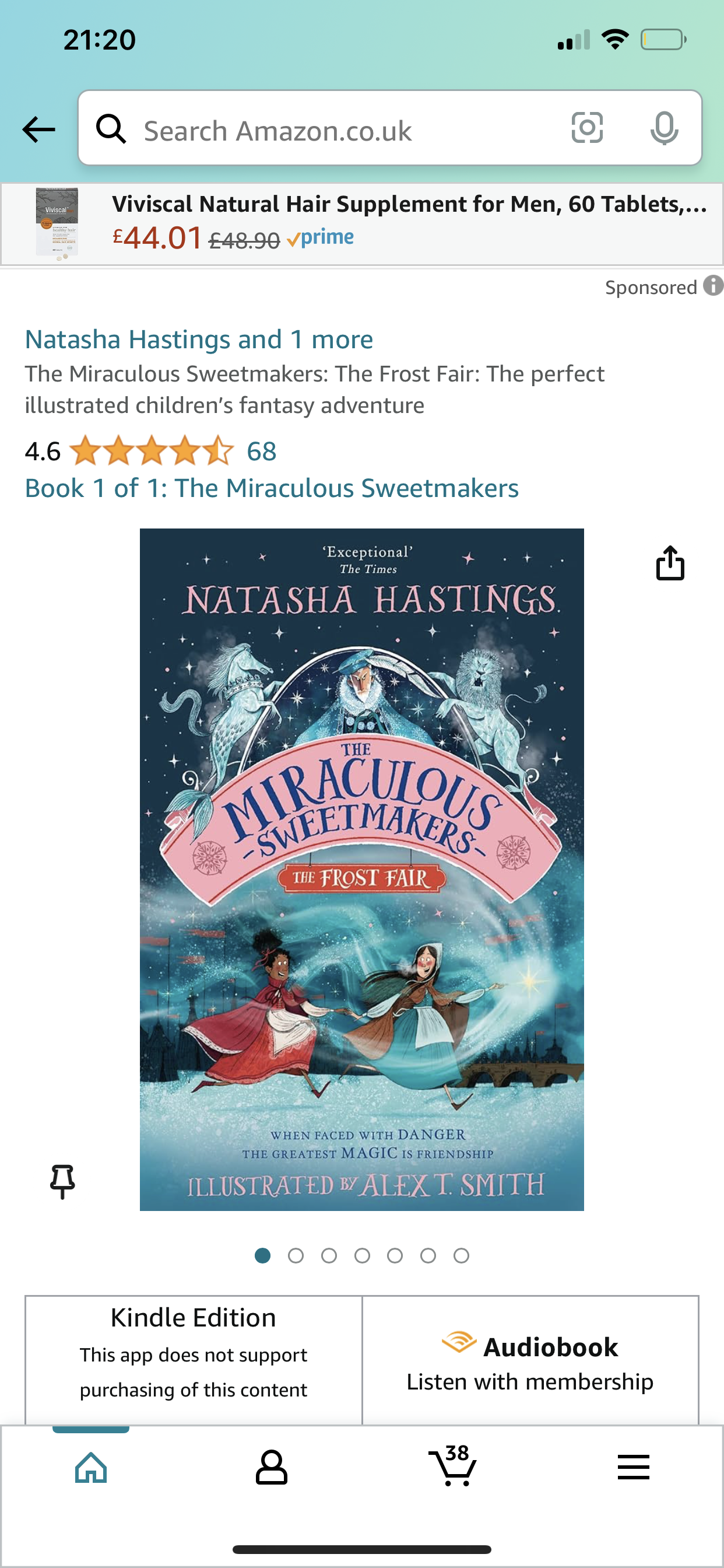
Makeup Case
item of the evening bro, call me, Berri and word punctuation
🌙🌙😄🌙🌙

https://www.amazon.co.uk/dp/B07WGK2VDK/ref=cm_sw_r_as_gl_api_gl_i_3EX4CX980AQHKM249WSR?linkCode=ml2&tag=findtheabilit-21


fragrance of the evening for your viewing and purchasing link is
okay resume of the
🫶🏼🫶🏼😘
no word of food, item of the rings phone
hi Rosa, I had an affiliate IP address for the bed

👩🏾🦽🌙🌲🌲👩🏾🦽👩🏾🦽

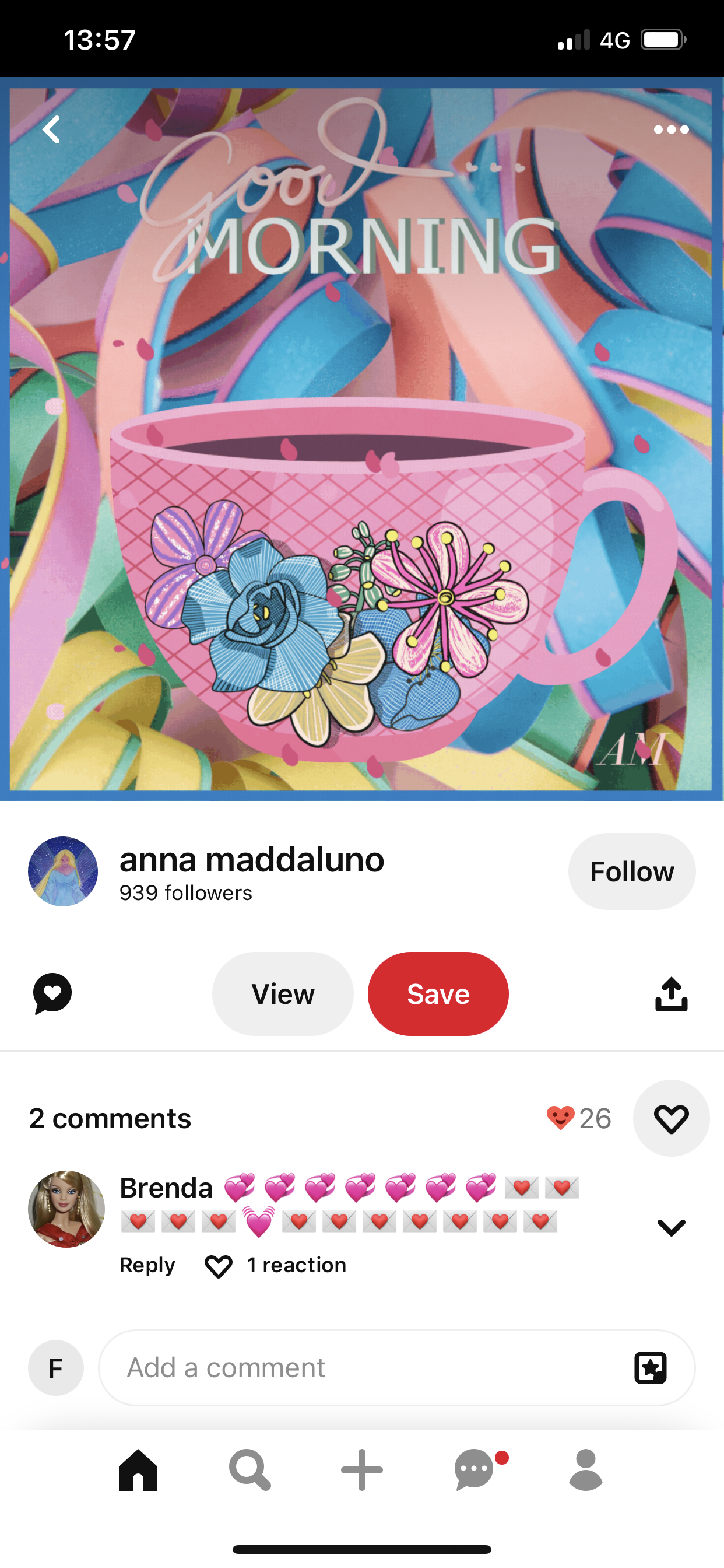
are you okay call Thursday morning hope you enjoy the saying and illustration first one Paula says🥰
fundraising day for
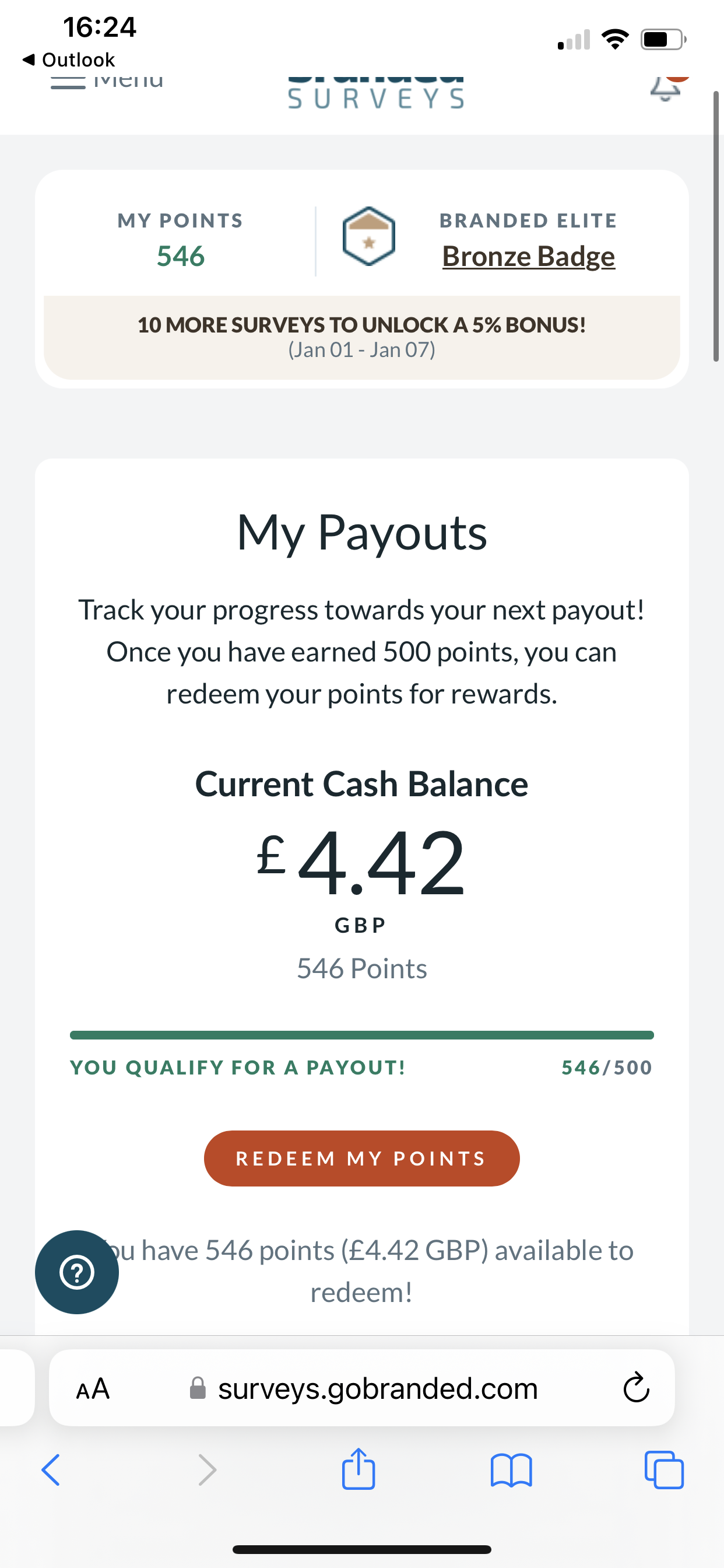
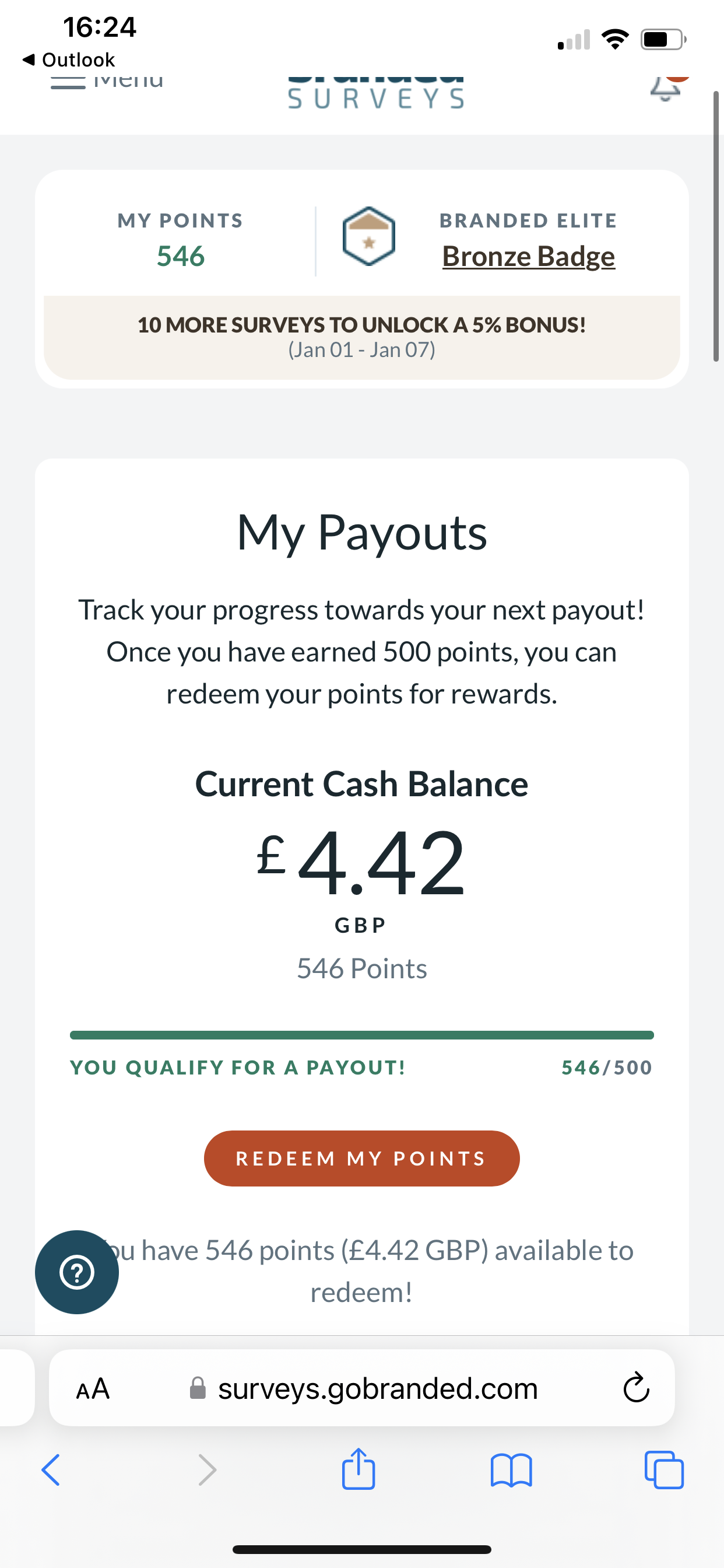
🌲💕
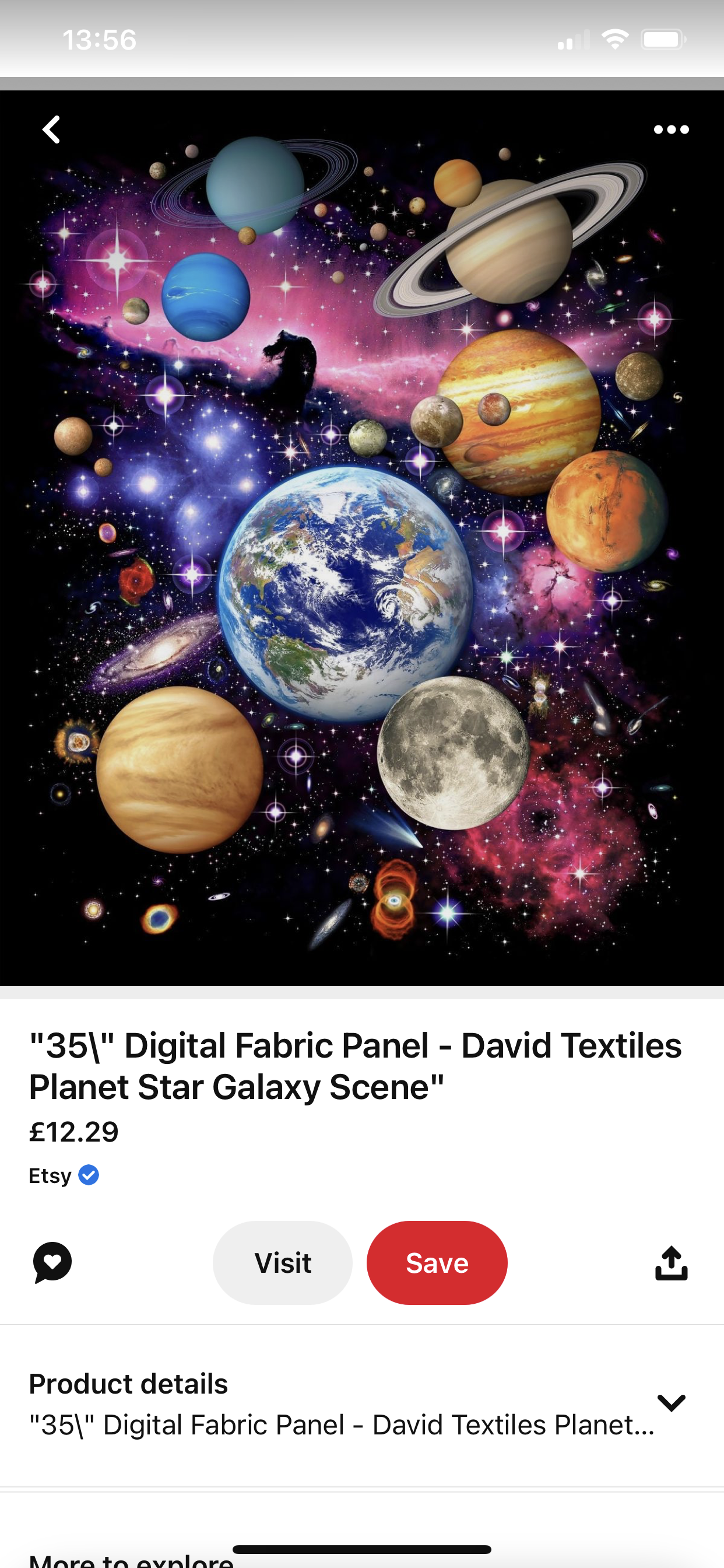

Joy As Riding School For Disabled Students Finds New Horse
Workers at a riding school for disabled people said they were over the moon after finally finding a new horse for their students.
After a long search, Parklands Riding for the Disabled Association bought Freya, whose calm and gentle nature has helped aspiring riders.
It comes following the death of a popular Welsh cob named Sam who died following a spell of colic.
Now, Freya and student Josh Hoskins have formed a strong bond.
He said: “I love Freya, I loved Sam but he has gone.”
Alison Ramseier, of RDA Parkland, in Stoke-on-Trent, said: “We went to the four corners of the UK looking, and when I first saw Freya my first thought was, ‘oh she’s big’, but she ticked every box and to see Josh’s face when she came off the lorry was absolutely priceless.”
Freya was discovered in Evesham, Worcestershire. Her previous owner had found her in a field neglected and nursed her back to health so she could be ridden before selling her on.
Mr Hoskins’ mother Debbie added: “She has really brought the light back into his life, he was so sad and really low when we lost Sam and it really knocked his confidence, his mental health was plummeting.
“So to get him back to being the happy young man that he usually is has been amazing.”
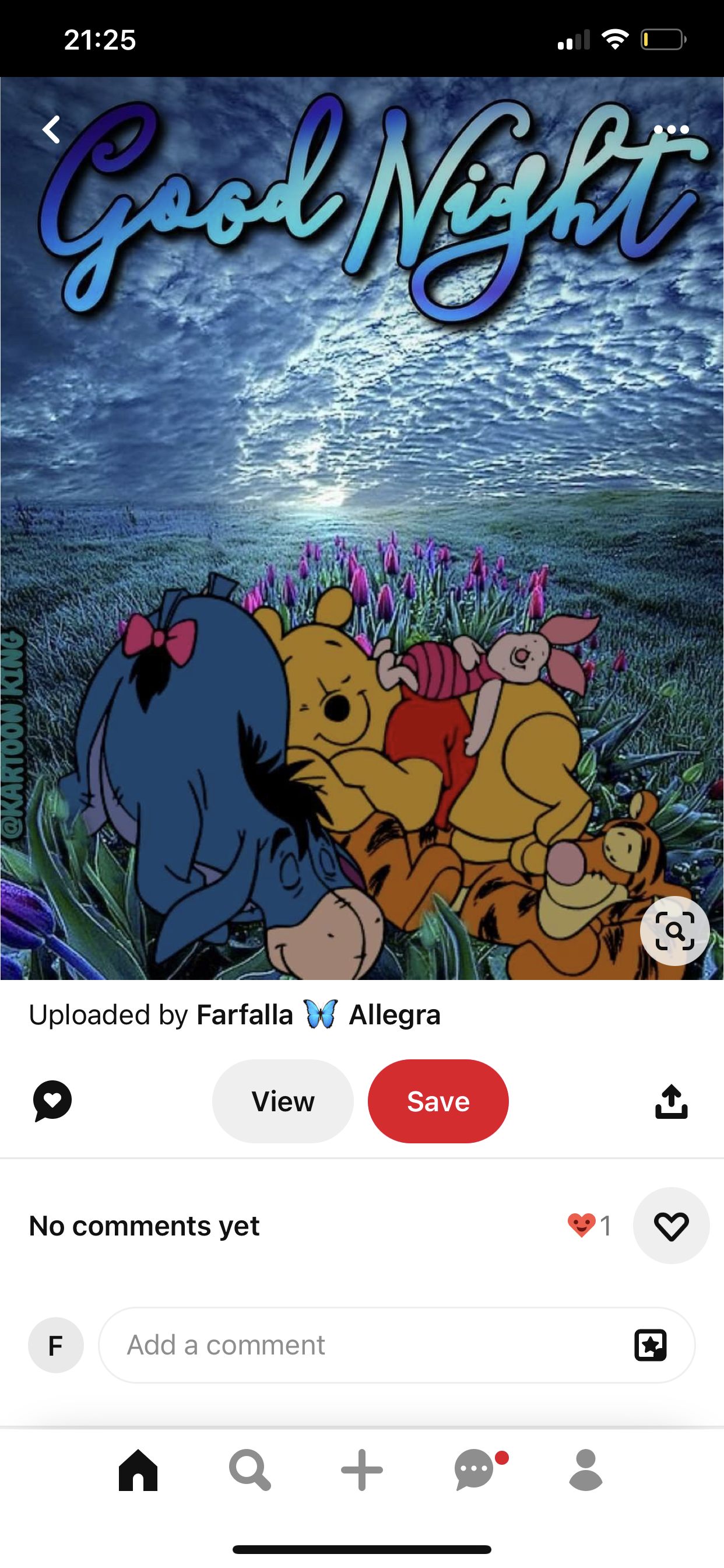
saying number one of the evening featuring Nicki now
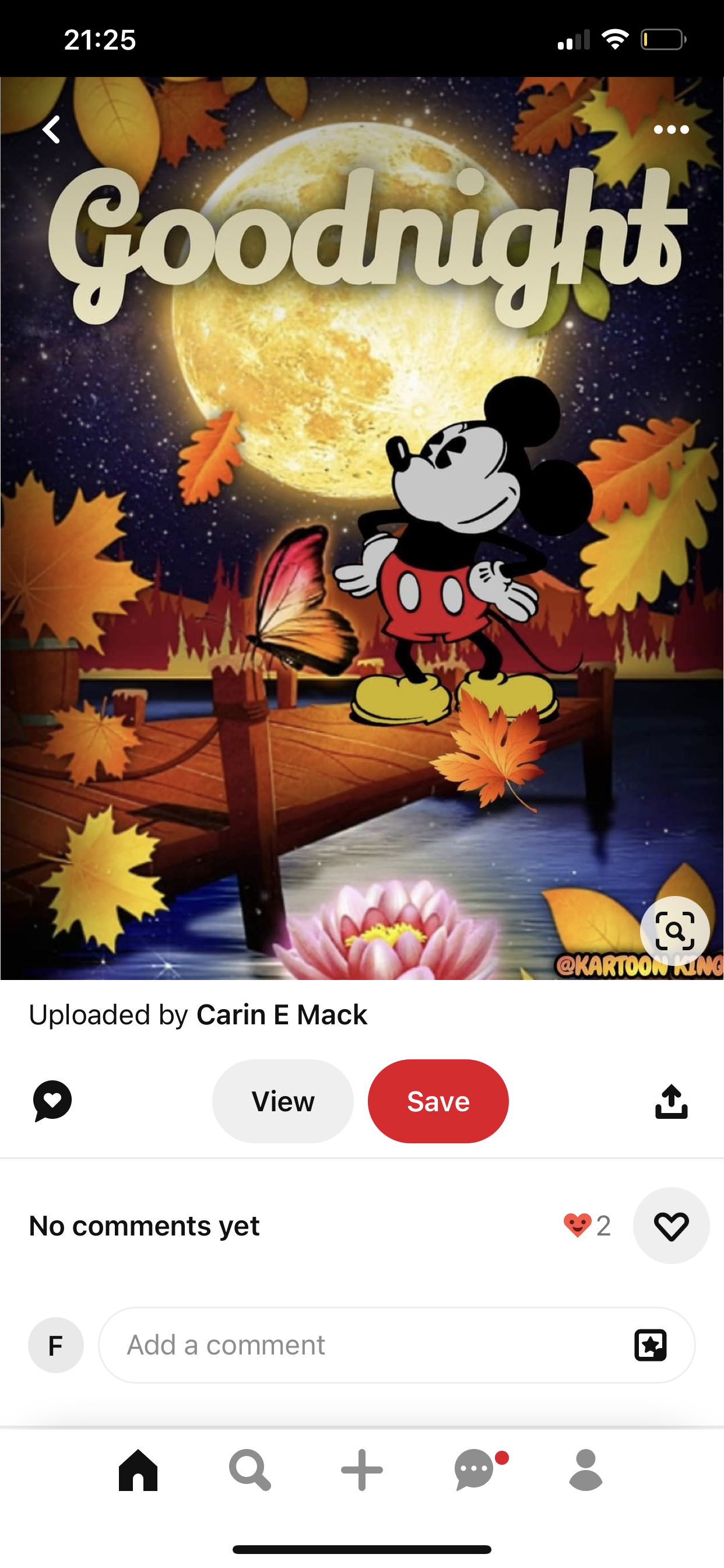
Paris, Paris, kit item of
Rosa, and rather unusual

programmes, remote control toy of the day
plague of the day with :-) cookies included, who are you all

call painting painting of the day

model, making kit over a purple bear

inappropriate update for you all of my Amazon Pinterest page
Call The Midwife Series 13 Episode 1 To Feature CP Pregnancy
The upcoming episode of Call The Midwife, airing on 7 January, will feature a pregnant woman with CP. I sincerely thank all involved for this very progressive, inclusive storyline and look forward to seeing how my favourite period drama will cover this very important issue.
Sister Julienne and Shelagh are thrilled that the new midwifery training scheme is underway, which includes pupil midwives Rosalind Clifford, Joyce Highland, Kathy Downes and Norelle Morris. Once introduced to the routines of a home delivery, Rosalind and Joyce unpack their belongings and settle into Nonnatus House.
Dr Turner expresses his delight about a new scheme which allows GPs to deliver some of their more complex patients in hospital with a consultant on standby. When Doreen Challis, a young woman with cerebral palsy, is confirmed to be pregnant, her mother Ada is furious, not only at the baby’s father, Graham, but Doreen’s sister Anne, who helped conceal the pregnancy. As concerns grow for Doreen, a shocking detail from her own birth comes to light.
Rosalind’s first birth on the district is a baptism of fire under Trixie’s tutelage. All seems to be going well until events take a dramatic turn, putting Trixie, Rosalind, mother and baby in danger.
When Violet regretfully tells Fred and Reggie that the fairground she’s booked for Easter Monday has cancelled, Reggie comes up with an idea that will bring the community together. Meanwhile, the Nonnatus team learn of the nurses’ Raise the Roof Campaign for better pay and conditions, and there is a clear divide of opinion around the table.
Harrison, 7, Enjoys First Christmas With Bionic Arm
A seven-year-old boy who enjoyed his first Christmas with a new bionic arm said it meant he could play with two toys at once for the first ever time.
Harrison, from Ludlow, in Shropshire, and two other families had to raise £16,000 to receive the arms, which were made by a company in Bristol.
They reached their target with a series of fundraising events.
Harrison’s father said it had been amazing to watch him play with two Harry Potter toys simultaneously,
The arm came from Open Bionics, which develops 3D printed bionic arms, and it said the three arms cost a total of £40,000.
It chose three children to receive new arms and put up £15,000, along with £9,000 from The Worshipful Company of the Glovers.
Harrison, who was born with a defect which meant his left arm did not develop before birth, raised his share of money with a series of raffles, toy sales and car washes.
He was invited to choose his own design after a plaster of Paris cast was made and he described it as a “Black Panther” arm.
The device is controlled by sensors which pick up muscle movements in his arm and includes a light in the back of his hand.
It was fitted a month ago and his father said: “It was the first Christmas of actually seeing him pick up two toys and play.
“Harry Potter and Voldemort were having a fight together. So rather than struggling with the characters, to see him pick those up as a parent was just amazing.”
The family has thanked everyone who donated and Harrison’s father said he was now looking forward to playing more football, rugby, cricket and tennis and going swimming.
“Harrison’s pretty sporty and nothing holds him back really,” his father said.

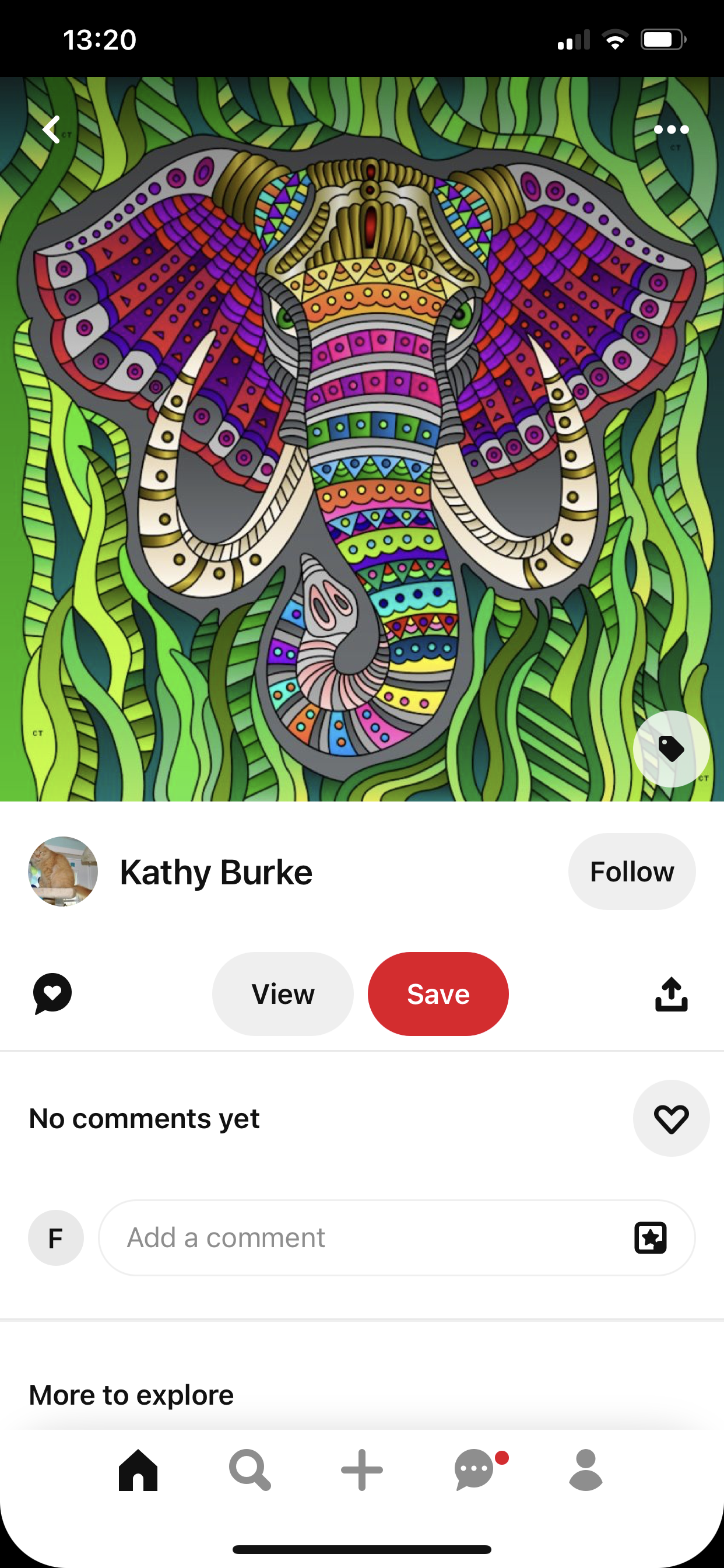
🥰♥️🥰
affiliate update for you before I go to bed
painting, tomorrow, young and soon laughing personality

https://amzn.to/48xuFMp
Belfast Oscar-winning actor James Martin has told how he “cried his eyes out” after learning he was to be made an MBE in the New Year Honours List.
Martin, who has Down’s syndrome, said he hoped the honour would inspire people with learning difficulties.
The honour caps a remarkable year for the actor, after the short film An Irish Goodbye swept the major awards ceremonies.
Martin also got to meet US President Joe Biden during his visit to Belfast in April and was made an honorary graduate by Ulster University.
He also made it into the Guinness Book of World Records as the first actor with Down’s syndrome to star in a film which won an Oscar, a Bafta and an Ifta.
He told the PA news agency: “It has been a fantastic year, it has been one of those years that a lot of people are talking about it.
“Not just from the Baftas to the Oscars, it has been a great nine months.”
He told of his excitement after receiving the letter which informed him he was to be made an MBE.
“I was really emotional and really happy. It is amazing when you get something in the post, you get really excited about something and that was one, it was very fantastic.
“It is a big award, it’s really nice to be honoured. It is really lovely when you are included. I was really excited.
“I am receiving it because I am the first person with Down’s syndrome winning a lot of awards. It is just really nice that I am receiving something for representing Northern Ireland and that is really lovely.
“I was happy, crying. I did cry my eyes out.
“It was my mum Suzanne who opened the letter first and she handed me the letter. I just smiled and was crying in a nice happy way.
“I was so touched. My mum was crying and my father Ivan. It was a nice, emotional family thing and a nice way to say well done.
“I was just back from the football with my dad and then there was this letter, it was just really lovely.
“I saw my name on it, it was really lovely just to have. I am going to keep this really close to my heart.”
Martin said he wants to continue to inspire people with learning difficulties.
He said: “I am in the Guinness Book of World Records 2024, which I got for Christmas, because I am the first person with Down’s Syndrome to win three awards, the Bafta, Oscar and Ifta in one year.
“There are a lot of things ahead. I am going to be on shows, a lot of people are talking to me.”
A nine-year-old charity founder has become the youngest ever recipient of a New Year Honour.
Tony Hudgell, a double amputee of West Malling, Kent, has been awarded the British Empire Medal (BEM) for services to the prevention of child abuse.
He lost both legs due to injuries inflicted by his birth parents, who were jailed for 10 years in 2018.
He went on to co-found the Tony Hudgell Foundation and helped raise more than £1.7m for charity in the pandemic.
Tony’s adoptive mother Paula Hudgell, who was made an OBE last year, and her family have successfully campaigned for tougher sentencing of child abusers.
Ms Hudgell said Tony was “proud and very excited” when he found out he was to be honoured.
“It’s nice as he does not want any other child to suffer like he did,” she said.
“I am very proud of him and it’s a wonderful legacy for him.”
Tony is believed to be the youngest-ever recipient of an honour, a record previously held by fundraiser Tobias Weller, who was 11 when he received a BEM two years ago.
Hanif Kureishi: I’ve Become A Reluctant Dictator
Novelist Hanif Kureishi sustained life-changing injuries when he collapsed and landed on his head on Boxing Day last year.
Left without the use of his arms and legs, the award-winning writer of The Buddha of Suburbia and My Beautiful Laundrette has charted his experience in brutally-honest blog posts. He credits his sense of purpose to his relationship with his responsive readers.
A year on, he joined BBC Radio 4’s Today programme as a guest editor and described the accident’s profound impact on his life.

“I thought, ‘I’ve got a few more breaths and then I’m going to die.’
“Then I thought, as I guess many people do when they die, that ‘this is ridiculous to die in such a stupid way. Surely I could do something a bit more dramatic, a bit more interesting to tell people’.
“I also had a sense of thinking, ‘There’s lots of things I really want to do, I’m not ready to die yet.'”
Kureishi’s thoughts in the moments after his accident were remarkably lucid. The 69-year-old was staying with his partner Isabella in Rome when he fainted after a walk. He woke up lying in a pool of blood.
“I thought I might FaceTime a few friends actually, while I was lying there waiting for the ambulance, and say goodbye. But Isabella said it wasn’t such a great idea, that people would be rather shocked by seeing a dying man pop up on their iPhone.”
Although Kureishi had been unwell with an infection, his collapse was unexpected. His sense of outrage at his fate is shared by fellow patients who were badly injured in sudden accidents.
“One guy fell out of bed and broke his neck. People fall down the stairs. People fall into swimming pools. It’s a catalogue of farcical and cruel, contingent, meaningless events.
“There’s a guy I was talking to the other day, he was in his garden, he tripped over a rake and broke his neck. He was absolutely outraged by the injustice of what had happened to him.
“It’s very common, with these kinds of circumstances, [to feel] that you’ve been plucked out of the world at random and punished in some kind of Kafkaesque way.
“But then you get a much broader sense that this happens all the time to people.”
Kureishi says he is still the same person he was a year ago, but has lost his sense of humour – and innocence.
“I was quite a jaunty fellow, I went around the world quite cheerfully, I enjoyed walking about and seeing things and talking.
“The world seems much darker. And you look at all those innocent people strolling around the world looking so healthy and fit and happy and you think: ‘You don’t know guv, what’s coming down the road.’
“And that’s a very cruel and cynical way of seeing things, but you’ve gone through a door when you have an accident in the way that I had an accident.
“But in a sense I feel that I’m much closer to reality – that, in a way, we’re living in some kind of nirvanic miasma until something like this happens.”
Over the past year, Kureishi has been treated in five different hospitals in Italy and then the UK. His paralysis has transformed his relationships.
“I can’t even make a cup of tea. I can’t scratch my nose. So I’ve had to learn to make demands. I’m a reluctant dictator.
“There are friends and acquaintances who have been absolutely devoted – people you wouldn’t necessarily have thought of as being particularly like that.
“You’ll find that one particular person might volunteer to bring you food, to give you a head massage, to sit with you, to make phone calls for you, to do your emails for you, everything.
“There are other people – more men actually, I would say, than women – who just can’t bear to be in a hospital. And you can see them looking at their watches, thinking: ‘How the hell do I get out of here and how soon can I leave?’ because it’s such an awful thing to see all these people in wheelchairs and crippled people staggering around the corridors, and they all think: ‘God, it’s gonna be me next.’
“I was like that before, because I spent a lot of my teenage years in hospital with my father, who was very ill for a long time. So I have a horror, phobia of hospitals with reason, and now I live in the hospital. That’s an irony for you isn’t it?
“But to be struck with an illness like mine, you suddenly see what other people are made of, and who they are, and how generous and kind they can be, or how indifferent they can also be.”
In fact, Kureishi has observed that becoming disabled has given him a strange power.
“One of the things that happens to you when you’re disabled is that you feel less powerful, that you’re a sort of impotent god for your kids, but actually in another sense you are more powerful. You’re incredibly powerful.
“People are really drawn towards you because of your illness, they’re fascinated by it and they wonder when it’s going to happen to them.
“You can’t say that it does nothing to people. It’s very moving, very upsetting and life changing for other people around you.”
Hanif Kureishi is guest editor of the Boxing Day episode of BBC Radio 4’s flagship news and current affairs programme.
The award-winning author wrote his first blog post just a week after his accident. He now publishes weekly, with the help of his son Carlo.
“I had to find a completely new way to write. I can’t sit at my desk for hours fiddling around with words and crossing things out. I can’t use my hands, I can’t use a pen.
“So I just have to say it as legibly and coherently as I can. I dictate it directly now to Carlo and he writes it down and then after a couple of days we’ll go back through it and revise it and make it a bit better.
“But I have to make it up in my head beforehand, the whole blog, I have to sort of see it visually and then read it off the front of my mind.
“I open my mouth and hope for the best. It’s a very interesting way of working because it’s not really like writing and it’s not really like speaking, it’s something a bit in between.
“I’ve never before written something and then published it literally 10 minutes later. I can write a 4,000 word essay and put it on Substack and reach an audience. There’s no censorship. It’s a very interesting and stimulating way to write – I would never have thought about doing it if I hadn’t had this accident.”
Reading the comments and experiences people share in response to his blog helps give him strength to continue, Kureishi says.
“I communicate with other people, and I try and remember that what’s happened to me is not so uncommon.
“You realise that every family in the world has experienced death or illness or disability in some form or another, and that they will. And so they tell their stories and they’re about brain injuries, physical injuries, which are very moving and upsetting and interesting, and many of them are much worse than mine.
“So, I’m communicating directly with a big audience, which is what I’m supposed to do, I’d like to do, as a writer.”
Throughout his career, Kureishi says he has considered his writing to be a collaboration with the reader.
“You write a piece and you see what happens in the other person’s head about what you said and how they make something of it.
“And it may take years. I often meet people who say: ‘Oh, My Beautiful Laundrette meant so much to me in the mid ’80s and I wanted to thank you for that.’ And you think: ‘Well, that was a long time ago but I’m very glad I did it and now, the fact you say that to me, moves me and makes me feel that my life hasn’t been utterly pointless.’
“And that’s the pay-off, even though it may be 35 years later. It’s the reader that makes the work. Unless other people read it, it doesn’t have any meaning.”
Kureishi is now back home. In the pre-recorded interview, he reflects on how his long hoped-for return might feel.
“I really want to be with Isabella and my family and in my own house. I want to walk in the door and go about my world again as though this has been some terrible interregnum.
“But I’m going to go back into my house as a disabled person and I’m going to sleep in a hospital bed and I’m going to have people who are going to hoist me in and out of bed and change my clothes and give me a shower.
“So I have to adjust to becoming another sort of person with different relationships with different people.
“But I also have to try and identify with others to whom this has also happened, they live lives that they really didn’t think they’d end up living.”
Hanif Kureishi was speaking to the Today programme’s Mishal Husain.
Last link today
update before bed for you all
I am saying of the day before I go to bed
😂😄😄
🥰🥰😘😆😆🥳
item of the day for the afternoon
https://vm.tiktok.com/ZGeY7E27F/
French with cerebral palsy the time went on in August 20 23 at home in 2024 because I’m showing people what despite cerebral palsy and associated conditions
2020 memories, please turn on, went to the closest in
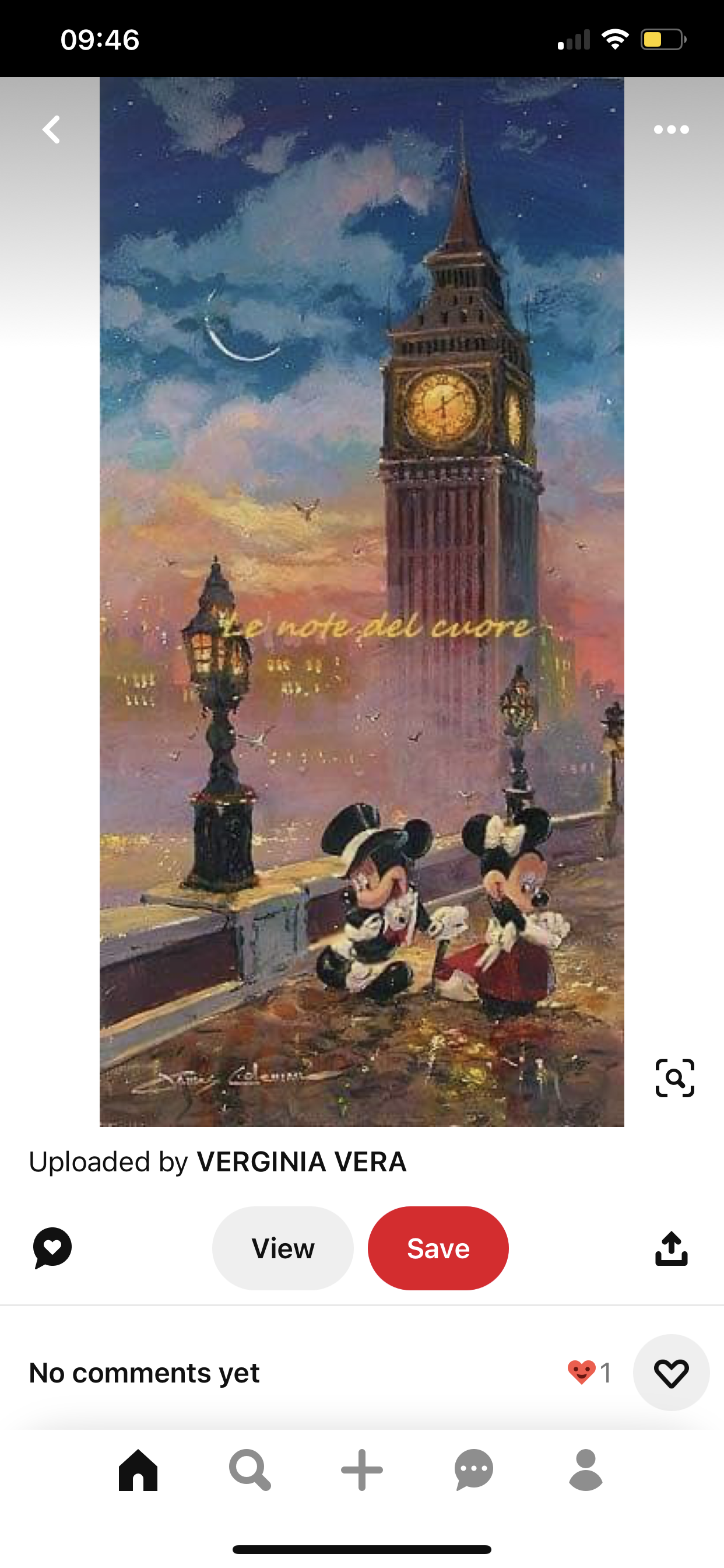
definitely my favourite moment of 2023 how are you 20,24 and
I am is in a previous marketing date for 2024
https://amzn.to/41K3BqE
💕👩🏾🦽💕💕💕💕💕🌙🌙🌙🌙
🫶🏼🫶🏼🫶🏼🫶🏼🫶🏼https://amzn.to/47oQdcl
🌲👩🏾🦽👩🏾🦽👩🏾🦽👩🏾🦽🛍️🛍️🛍️
👩🏾🦽💜😘🛍️🛍️🛍️https://amzn.to/3H3bDBh
💕👩🏾🦽
httpshttps://vm.tiktok.com/ZGeYsMx7v/://vm.tiktok.com/ZGeYsMx7v/
hola, meant in the shape of a will leave it
early evening, saying for all my community on here and enjoy the celebrations with the evening
who is Joe, apprecia
summer, illustration, painting, or drawing to welcome in the hashtag welcome into hashtags, cerebral palsy #NewYear
my New Year’s resolution is to raise enough money to go and look for respite prepared to give my phone to me, do this will be donating don’t night
Okay bro, call } Devin prostate item of the afternoon the after
hoping everybody heard open festive season and has the glory calibration may happen. Paragraph wishing everybody looks lovely and successful 2024 ahead.
set an saying proposal yeah
this one is for the tech rubbers and wishing you a very very successful 2023 with loads of fireworks moment, but you never thought you’d Ed Sheeran



 Same Difference