phone Rosa van Dijk for the quiz is the tide in Tereasa
https://amzn.to/3NAbIjH
winter jumper that is cheery and colourful


nightwear item of the early evening
first affiliate marketing update for Tuesday
I’m saying and painting of the day bags together today for your Tuesday happy Tuesday everyone and I hope you’re looking forward to celebrating Christmas
Deaf Children Missing Out On Christmas Pantomimes, Charity Says
Deaf children are being excluded from Christmas pantomimes because of a lack of accessibility, according to a charity.
The National Deaf Children’s Society said there are worries children are missing out on positive experiences from live theatre.
One show hopes to counter that by using British Sign Language (BSL) and Welsh.
One if its actresses said deaf people have the same right as others to enjoy shows.
The charity said it hears too often from the parents of Wales’ more than 2,300 deaf children who are frustrated at not be able to take them to live shows.
Gethin Watkins, advice and guidance officer at the charity, said: “There just aren’t enough chances for deaf children to go out and enjoy themselves at things like pantomimes, especially at this time of the year.
“It’s a really positive experience that a lot of people have, but something a lot miss out on because of theatre productions not having enough accessibility.”
But a good example of deaf children under seven being given the chance to engage with live theatre is Theatr Genedlaethol Cymru’s 2023 winter show Swyn.
Based on the book ‘Whimsy’ by Krystal S Lowe, it shares the story of a little girl who goes on a winter journey through nature to make new friends.
Sarah Adedeji plays the storyteller who uses BSL throughout the bilingual show, alongside a Welsh storyteller – a first for the company.
She said: “You don’t have to just bring an interpreter on the side of the stage every now and then, you can have characters that use BSL.
“I think it’s really important to find different ways of integrating BSL. Shows should have BSL in every performance.”
As well as writing Swyn, Krystal S Lowe also plays the title role in the 30 minute-long production.
She said the reaction from deaf children along the tour – which runs until 20 December – has been encouraging.
“It’s been so incredible. One little child who wears the same implants as Sarah went up to her afterwards – she was so happy to have something in common with the cool and interesting performer on stage.”
Eileen Jenkins, a class assistant at Ysgol Gymunedol Peniel in Carmarthen, took pupils from the school to watch a performance of Swyn at nearby creative centre Yr Egin.
“Several of the children at school sign, so seeing it live like that really helps them to understand,” she said.
“I’m sure after going back to class we’ll all be signing before the day’s over.”
For a list of pantomimes in Wales this year which are suitable for deaf children, click here.
favourite press printing of the evening

last item of the evening for you
no early evening, paying for you as a community log on and follow me every day. I appreciate you all

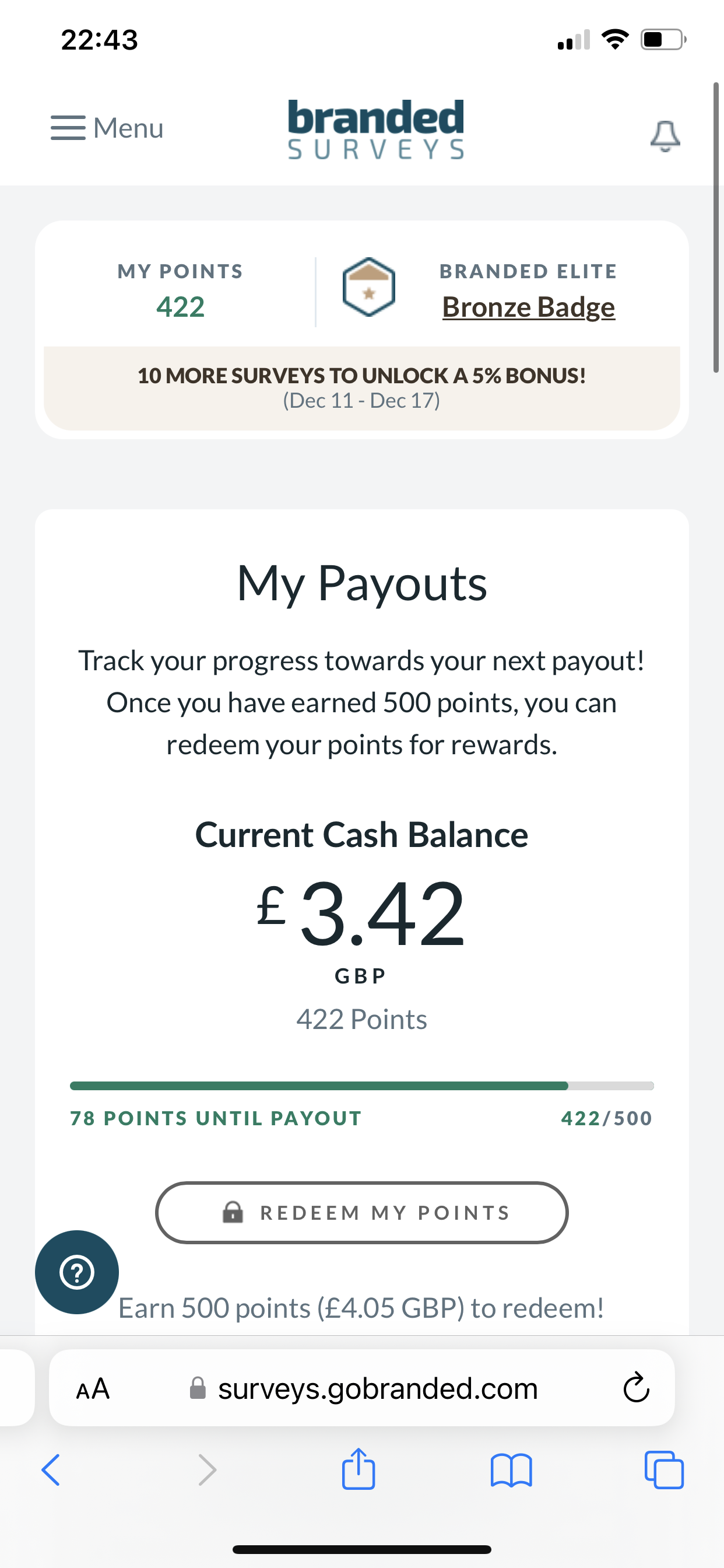
fundraising update for you all about the money, raised from quizzes and surveys alone so far this month

The Clarion: The Accessible Musical Instrument Trying To Find Its Soul
Music is said to be a language that transcends all others. But traditional instruments are not always as inclusive as they could be. Now, another instrument is about to open up the music scene like no other as it is officially recognised by the classical music world.
Alessandro Vazzana, 26, has been playing music since he was five years old. First the piano, then guitar and drums.
Disabled since birth, he uses an electric wheelchair and has seen a decline in his ability to use his hands. He has Fragile X syndrome resulting in a learning disability which can impact communication, but not his love for music.
When playing his instruments became too physically challenging, he was introduced to the Clarion – an entirely digital instrument which made music accessible once again.
The Clarion is essentially software which can mimic the sound of any instrument you desire and works on technology including iPads, but this doesn’t make it a lesser instrument.
Barry Farrimond-Chuong from Open Up Music is one of the designers behind it and describes the Clarion as “software in the same way that a violin is made of wood”.
“Most musical instruments require two hands and ten very dexterous fingers to play,” he told the Access All podcast. But with the Clarion, you play with the “part of the body that you have the most agency and control over”. That could be eyes, hands, joysticks or even one leg with the help of motion cameras.
“For some young musicians this is the difference between being in control or just being passive recipients of music,” he says.
Allessandro uses head movement to control a wireless pointing device. He is considered one of the best Clarion players and has already performed at London’s Barbican and with the Bournemouth Symphony Orchestra.
“I enjoy playing great music with others,” Alessandro says. “Being part of the group is amazing.”
Rather than using traditional music scores, players create their own visual representation, building up music in blocks with added nuance . The bottom of a block might be quiet, the top loud and individuals can add vibrato and other flourishes as they go, requiring skill and practice.
It might be pre-programmed, but the Clarion is played in real time with the “same sense of jeopardy that you get with a conventional musical instrument,” Barry says. “You can hear any mistakes.”
Barry is behind Open Up Music which runs 60 inclusive orchestras across the country as well as the National Open Youth Orchestra (NOYO) “for young musicians who could feasibly have a career in music, if there were no barriers in the way”.
Alessandro plays in NOYO and the software enables his clarion to blend in with the different orchestral sections and mimic them, but players want more.
“It’s an instrument that’s in search of its own voice,” Barry says, knowing that finding its individuality in a room full of sounds will give it longevity as an instrument.
He has been working with Clarion players, composers and professional orchestras to see what sound is currently missing from traditional orchestras.
Barry says: “The big picture is that if the Clarion has its own sound, composers can write pieces of music that require Clarions, then orchestras will want to play it and that creates employment.”
Currently, Arts Council England says just 1.8% of professional musicians are disabled compared to the number of disabled UK workers which stands at 19%.
But this month, after discussions on how to legitimise the Clarion as a serious instrument, it has taken another step forward towards the professional sector.
The Associated Board for the Royal Schools of Music (ABRSM) welcomed the Clarion into its family and will offer Open Music Assessments to players from Spring 2024 – in-line with traditional instruments such as violin and flute.
Many people might remember music grades with scales and sight-reading. Open Music Assessments are much more free-flowing. Musicians perform repertoire of their choice and receive constructive feedback instead of passing or failing. It has proved popular with those returning to music or preparing for concerts.
The ABRSM’s James Risdon says Open Music Assessments are “designed to be a very positive, uplifting, affirmative experience” and to provide constructive feedback so the musician can keep improving.
When considering adding Clarion to its offering the ABRSM – which is considered the gold standard of assessment boards – reached out to its 600 examiners to see who might be interested in being involved and was taken aback by the number of positive responses.
When training assessors, it took great care to ensure examiners had the opportunity to play the Clarion and to understand the feedback and comments needed to be constructive and not just positive, to ensure the musician could continue to grow.
James said “As well as providing sensitive and appropriate feedback, we wanted to guard against examiners being swayed by the emotion of the moment, seeing a disabled person performing on a new instrument.”
Open Up Music and ABRSM are both confident the Clarion will eventually transition into its more traditional grading system – but first it needs some music of its own.
There isn’t currently a body of repertoire, but ABRSM is encouraging those on its Composer Mentoring Programme to get writing.
This is something Michael Betteridge has done recently for Alessandro and NOYO. Michael says he was “blown away by how expressive and how beautiful” the instrument was with “opportunities in terms of phrasing and textures”.
James is certain it’s the “beginning of an exciting journey” only set to get better as the Clarion “finds its soul, as it finds its voice”.
The Clarion is currently available through Open Up Music’s programmes, but from 2024 it will be available to anyone who is interested in music-making and Barry is very keen to see where that takes it.
“I’m really looking forward to watching it burst outside of the orchestra. I want to see a ska band or DJ using it.”
girl of the day and evening before I go to bed🌙🌙
your product of the main before I go to bed
wintry/Christmassy Christmas painting of the evening #ChristmasIsAroundTheCornerHopeYouAreEnjoyingTheCountdownToChristmasAllOfYouWhoFollowMeIAppreciateYou

warm regards item of the day, stylish in appearance
teapot with Christmas illustrations the only item of the evening
Amazon, affiliate Pinterest update for your evening for Sunday
evening saying 00


favourite painting of the day FaceTime as it looks like it appropriate action shot with the wedding. AAA painted

Amazon, affiliate marketing Pinterest page update for you all this
saying of the day for Sunday
Siri open the day for

me out, having them three years ago, today three year memory, living my life with independence day, despite my cerebral palsy holding up my quiz price
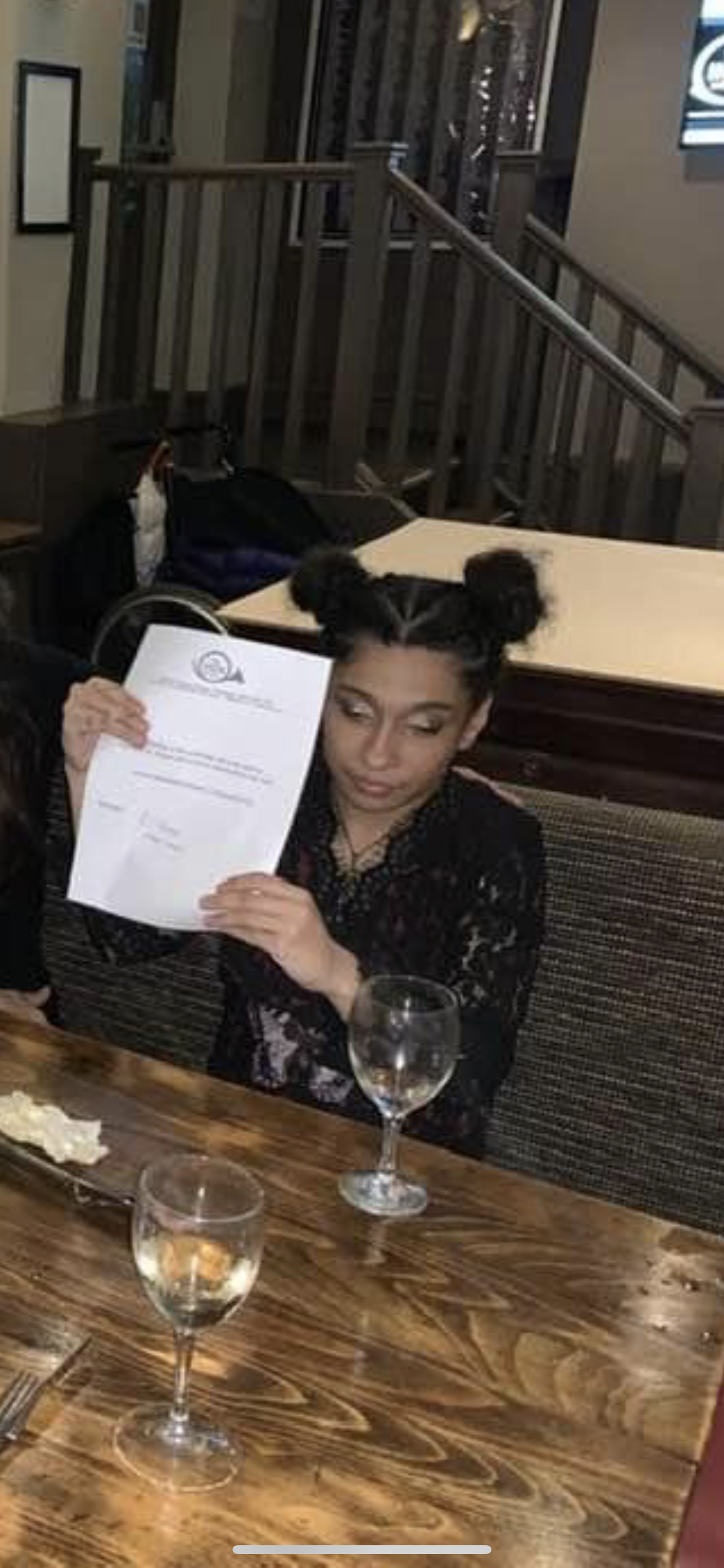
Amazon, Pinterest update before I go to bed
ringtone for Saturday

Christmas fashion item of the evening🎄🎄
item of the evening for you all
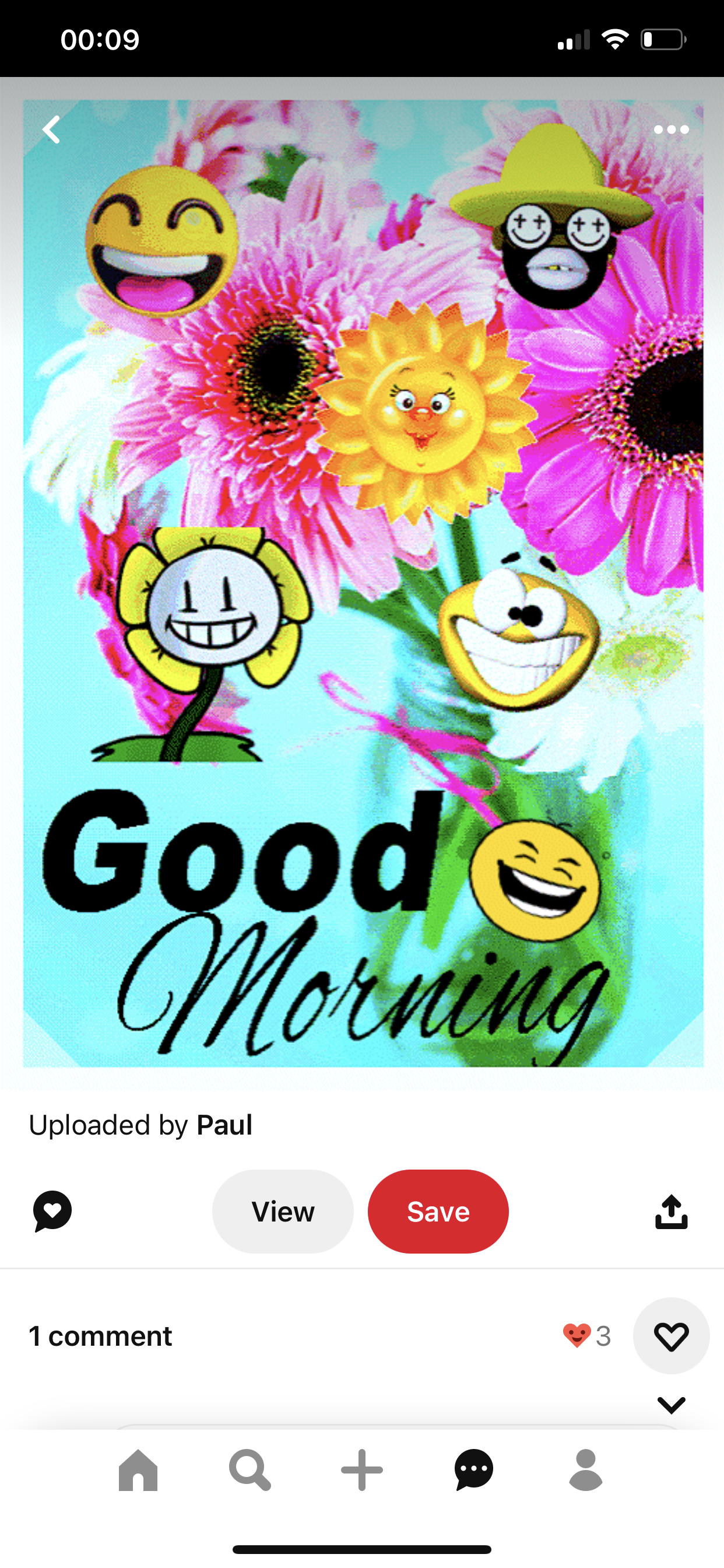
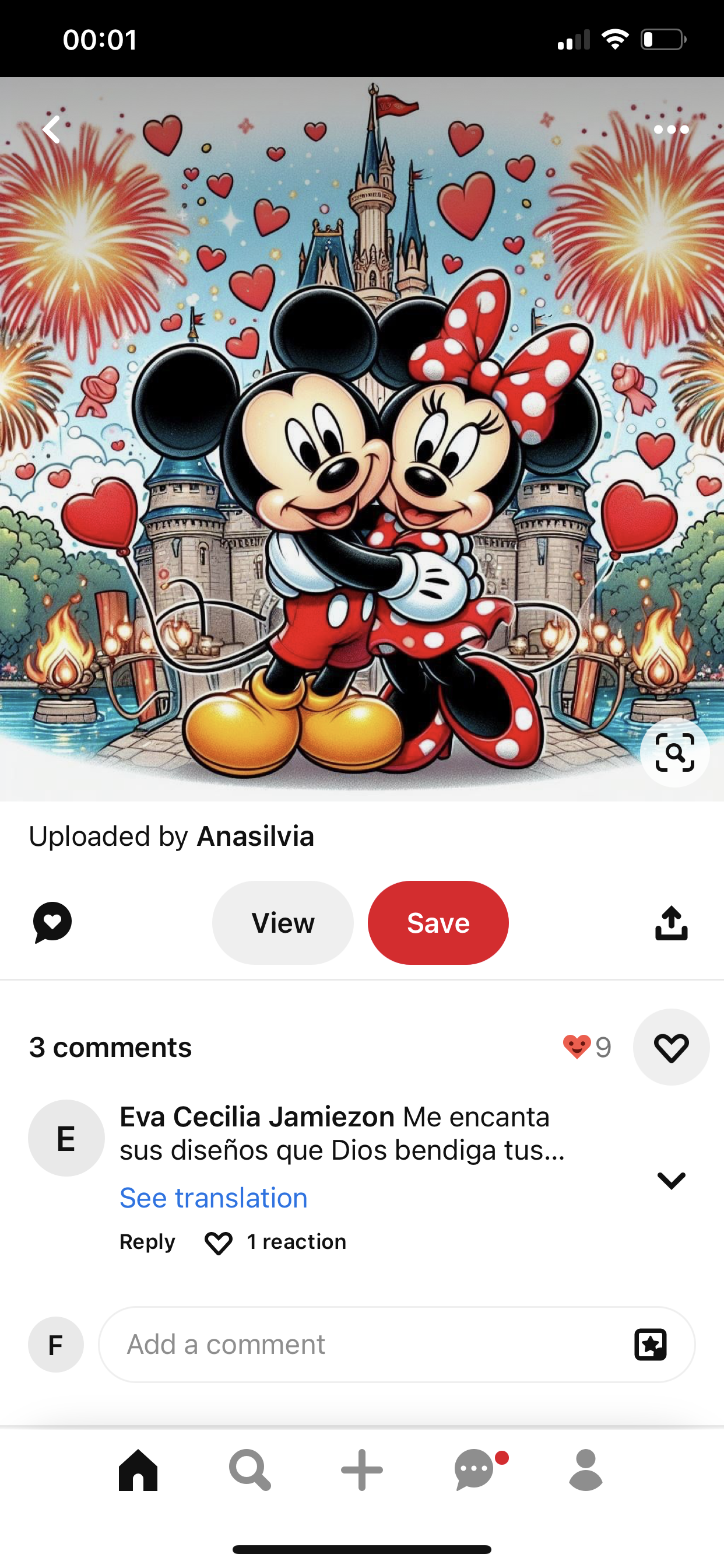
evening play incorporate
realistic paintings press scoring on one on the bike behind load of flowers and colourful painting favourite painting of the day

evening saying go, all my viewers
fundraising date in regards to what’s been made from quizzes that align and surveys
Job Of Minister For Disabled People Downgraded
The job of minister for disabled people has been downgraded, with the new holder of the position staying at the most junior level in government.
Mims Davies has taken on the role within the Department for Work and Pensions (DWP), but remains a parliamentary under secretary of state.
Predecessor Tom Pursglove was a minister of state when he held the job.
Earlier, No 10 denied the role was being downgraded as charities called for a new minister to be brought in.
Downing Street said the post, left vacant when Mr Pursglove was made minister for legal migration last week, would be filled by an existing member of the government with other duties.
The prime minister’s official spokesman said: “What you will continue to see is a government showing strong support for disabled people and for disabled issues.”
The new minister would “lead on that important work”, he added.
Mr Pursglove re-entered government as minister for disabled people within the DWP when Rishi Sunak became prime minister in October 2022.
He left the role last week when Robert Jenrick resigned as immigration minister, arguing that Mr Sunak’s new Rwanda legislation did not go far enough, and his job was divided into two roles – one responsible for legal and the other for illegal migration.
Ms Davies, who said she was “honoured” to have been given the new role, was previously parliamentary under secretary of state – the lowest rung of the ministerial ladder – with responsibility for social mobility, youth and progression.
Her new portfolio of responsibilities has yet to be confirmed, but Ms Davies said she would have a “continued focus on social mobility”.
She pledged to “work as hard as I can to ensure disabled people’s voices are heard loud and clear”, while continuing “to champion opportunities, progression an life chances”.
‘Further disempowered’
Disability charity Sense said the job of minister for disabled people was “a vital role in government to ensure disabled people’s interests are represented” and should not be taken on by someone who was “already juggling other responsibilities”.
Another charity, Scope, condemned the change as “an appalling and retrograde move”.
Anastasia Berry, policy co-chair of the Disability Benefits Consortium, said: “Despite making up almost a quarter of the population, disabled people are yet again being treated like they don’t exist.”
Conservative MP Caroline Nokes, chair of the Commons women and equalities committee, said the move “sends entirely the wrong message when it’s clear disabled people want more influence over the strategies, action plans, and policies affecting them”.
It would “do nothing to stop disabled people feeling further disempowered”, she said.
A government spokesperson said Ms Davies would “build upon this government’s track record of supporting disabled people”.
“The minister will help ensure there is always a strong safety net for the most vulnerable in our society, while tearing down barriers so that every disabled person can realise their potential and thrive.”
Disability rights groups have been very critical of the government’s record on a number of issues.
Just Giving fundraising efforts for respite care 2024 😃♥️

my favourite painting of the day because it’s bold and colourful, destroy me with colours within it💕❤️♥️😘♥️😆❤️♥️🤣🤣💕

your Louie product of the day for you all
another day for the affiliate marketing Pinterest page
https://www.amazon.co.uk/dp/B000GDNTNG/ref=cm_sw_r_as_gl_api_gl_i_7DGGJVNFCGQQXGXPACKZ?linkCode=ml2&tag=findtheabilit-21
you need item of the time filing cabinet, retro style
praying of the day for all of you, my blog to encourage positivity emphasis during your day. Whatever that is you choose to achieve today.🤣

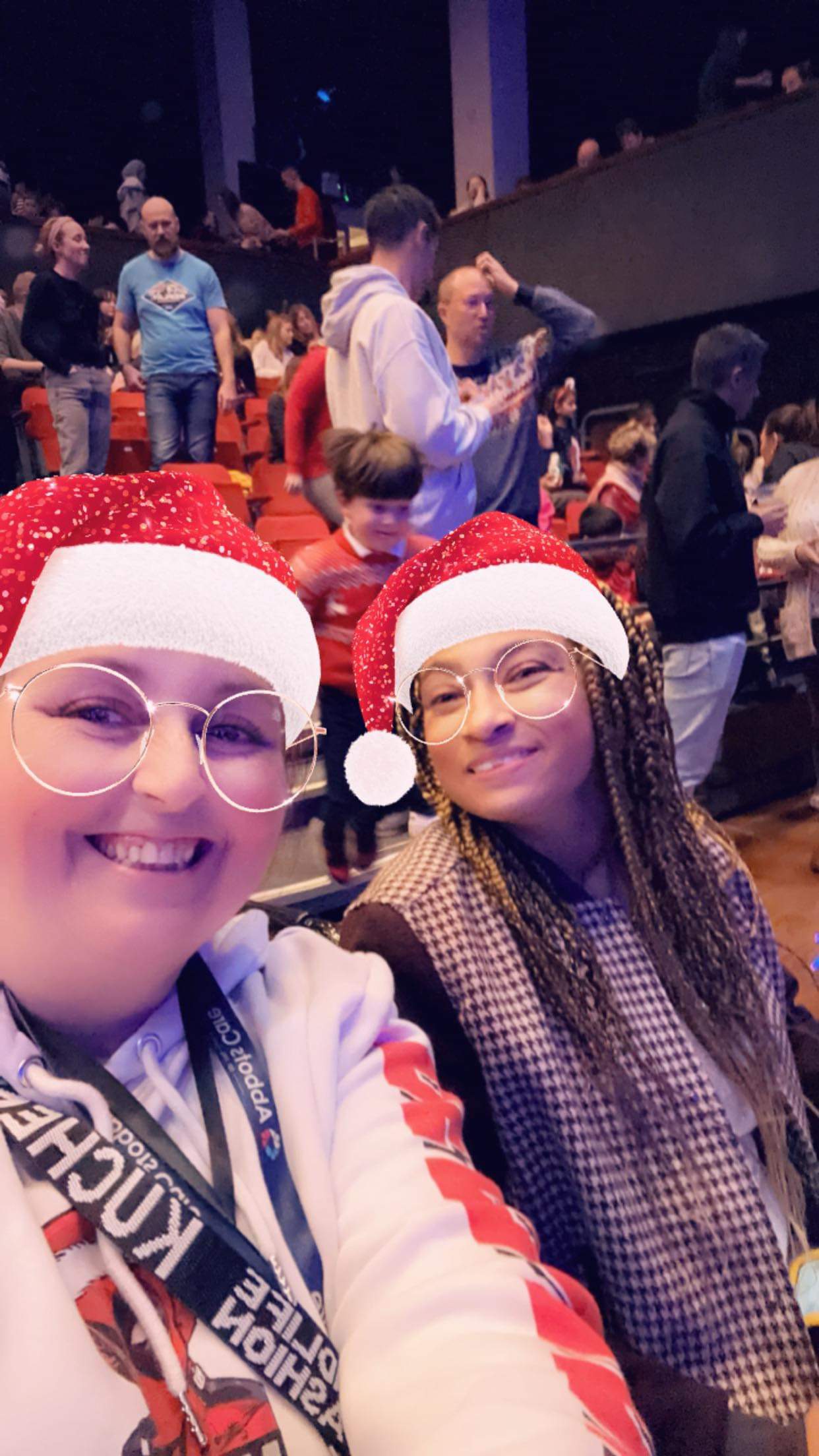
having fun during the panto intro with one of my team of personal assistance and my day like crap and passport pleasure friends when I went to the panto yesterday
call the Dial A call jane call Rosa
Film Shows Life As Young Carer In Northamptonshire
A new video has been released to raise awareness of what life as a young carer is like.
“One Million of Us: Recognising and Supporting Young Carers” has been released by Northamptonshire Young Carers Service.
It has been working with a local filmmaker to give carers an opportunity to have their voices heard and share their experiences.
The youngsters were involved at every stage of production, the service said.
Lucinda Buckle, from Northamptonshire Young Carers Service, said part of the problem the video looks to address is that many schools do not realise they have pupils who are caring for relatives.
She said a survey was done to find out how many young carers each school had.
Ms Buckle said: “79% of schools came back to say they had no young carers, but research has shown that most schools have at least two in every class.
“We’re hoping that we can raise awareness with schools, professionals, families who may not be aware that what that young person is doing is actually a caring role.”
‘Proud of my children’
Bella, who is 12, and her younger sister Keela, aged nine, know what life as a carer is like. They look after their mother, Michelle, who is deaf.
Their role includes making sure she keeps out of danger while they are out and about.
Bella said: “One time, we were in a restaurant and my mum was waiting in line to go up to the till, and she didn’t realise she was at the front.
“And this lady behind us with a buggy was screaming at her, and she pushed past us both and screamed ‘idiots’ – and no-one did anything.”
Michelle said: “They are very helpful with phone calls and telling people I am deaf if I look rude.
“I’m very proud of my children and love them both. They both understand how frustrating and how hard being deaf is.”
The Young Carers Service said the carers themselves were involved at every stage of production – creating storyboards, compiling interview questions and helping with filming and photography.
It wants to see the film shared with educational and health professionals across the county, to help raise awareness.
Ms Buckle added that the participants also wanted it to be clear that “it’s not all doom and gloom – there are many positives to being a young carer”.
open it tomorrow for 1030 before bed. Love one of the better
last night out with my PA and they like and passport leisure rates. #CelebratingChristmas🎄🎄🎄🎄🎄


🤣🎄🎄
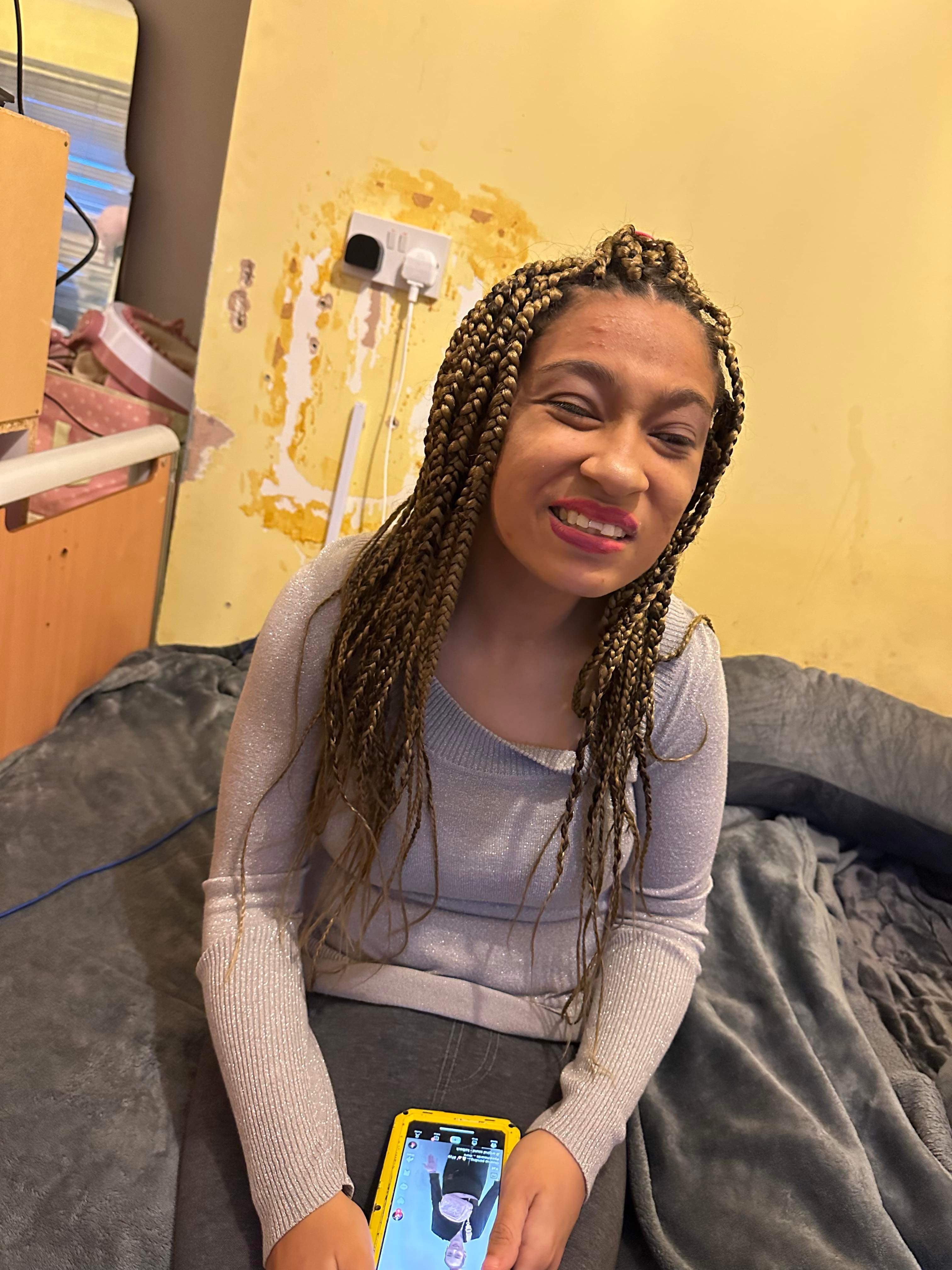
respite overnight, sort anything out the local authority of cruise ship. They will not permit seven. Fortunately I have to pay Grace they need to think about the yeah we are complex means but we are do you agree with the struggle when it comes to disability support trending in the UK, especially with her ensure there is struggles all over the world
sing, a positivity, and for you to really courage positive for tea this Wednesday wishing you all successfulness today

Staffordshire Woman Raises £100k For Guide Dogs
A woman has raised more than £100,000 for charity in memory of her late husband.
Ann Moorhouse, from Cheadle, Staffordshire, has been fundraising for the Guide Dogs charity since her husband died 17 years ago.
When he died, she decided to ask for charitable donations rather than flowers, and subsequently discovered that people who donate £5,000 are given the opportunity to name a guide dog puppy.
She has now named 14 guide dogs and raised more than £100,000 in total.
‘A passion’
She said: “I thought £5,000 was going to be a lot and it might take me 12 months, or two to three years, but at least it might give me something to focus on and take my mind off my loss.”
Ms Moorhouse, who fundraises by selling items at car boot sales, said it was initially a way of keeping her husband’s memory alive, but now, it has become an important part of her life.
“I just enjoy it. It’s become a passion.”
Since the first guide dog partnerships in 1931, the Guide Dogs charity has supported 36,000 people.
call school for nursery I can do that
phone Florence yeah I can move the day
hope everybody has had a successful day, so far positive quotes
oh, please turn off the day that we will discuss this with

The Pro Gamer Who Has To Rely Upon Sound Alone
In the competitive world of professional gaming, one gifted player goes by the username Rattlehead.
At the tournaments he attends in the US, his opponents quickly spot that he, real name Carlos Vasquez, is, by his own description, “completely blind”.
They then let their guard down, wrongly thinking that they are set for an easy game of popular fighting series Mortal Kombat. And he often beats them.
Instead of being able to see the game, Carlos instead relies upon hearing it to make his attacking and defensive moves. “I’m able to pick up on the specific sounds of the characters,” he says.
From Houston, Texas, Carlos started playing video games at the age of six in 1992. But when he was 11 he was diagnosed with a type of glaucoma, an eye condition that slowly took away his sight.
“It wasn’t an overnight situation,” says Carlos, now 37. “[For the first years] I was still able to see rough outlines of objects, but not fully detailed anymore.
“But over time my vision became worse and worse, to the point where I was around 24-years-old and completely blind.”
At the time he found that most mainstream games were almost impossible to play. Features that help people with a sight impairment to play, known as gaming accessibility, were not around.
Such features include screen readers, where the game verbally describes what is happening.
Back in his 20s, Carlos was able to play some fighting games, and in particular Mortal Kombat.
“It wasn’t because Mortal Kombat had accessibility features [at the time],” he says. “It was just because players like myself were able to pick up on the [distinct] sounds. It allowed us to play the game as much as possible.”
For example, he recognised that the character who started on the right side of the screen would grunt at a slightly higher pitch than the one on the left. This allowed him to work out which character he was playing.
Fast forward to 2023, and a growing number of games have accessibility features, including Forza Motorsport, Diablo 4, The Last of Us, Hearthstone, Street Fighter 6, and the latest edition of Mortal Kombat.
Forza Motorsport has a function called Blind Driving Assists whereby the visually impaired are verbally told of forthcoming bends on the track and their sharpness. Various noises or audio cues indicate things such as a car’s speed, whether it is facing the wrong way, or when to change gear.
For Mortal Kombat a whole host of additional audio feedback is now available, such as letting you know the distance between fighters, or if an opponent ducks.
Forza Motorsport also includes the latest development in games accessibility – the increased use of a technology called spatial audio.
This uses specifically directed sound to significantly help visually impaired players work out their precise location on the screen.
Prof Brian Smith, an expert in the field, explains how it works: “When you hear a sound [in real life], such as person speaking from a certain location around you, the physical waveform of the sound reaches your two different ears at slightly different times, at slightly different volumes.
“Then the sound will go through your head to reach the other ear, and so that signal is also slightly transformed. Your brain is very good at getting those signals at different timings and saying: ‘Oh, that means the sound is coming from this location, and it’s a single sound’.”
Prof Smith’s work at the Department of Computer Science at the University of Columbia in New York is focused on taking that real world, directional principal of hearing, and applying it to the audio produced by a computer game.
The technology works via stereo speakers and headphones, but users get better results from specialist spatial audio equipment.
Prof Smith adds that it can be so effective in helping people with impaired vision control characters in a computer game that the difficulty is finding a balance between making the games accessible without taking away the challenge.
Forza Motorsport is one of the games that he and his team helped work on.
While the major games studios are now embracing accessibility, it was previously independent hobbyist developers who often led the way, including some that are visually impaired themselves.
Seven years ago, The AbleGamers Charity, which campaigns for more computer games that can be played by people with disabilities, asked game developer Rockstar how much it would cost to make its Grand Theft Auto V title accessible.
The firm is reported to have replied that it would cost a whopping $128m (£100m), which it considered too expensive.
As a result of this, an independent software developer called Liam Erven decided to rise to the challenge, and develop a software ad-on, also known as a mod, to make Grand Theft Auto more playable for people with impaired vision.
Liam, who has been blind since birth, set to work with a team of collaborators to create their mod, which is called Grand Theft Accessibility.
Features they were able to add include sound clues to give players information about nearby objects, vehicles and pedestrians. Users also get audio feedback about their location and direction, and what weapon they have selected.
It was all done for a fraction of the cost estimated by Rockstar.
Liam says that while the ad-on “isn’t anywhere near perfect” it is still “really fun to play”, and has garnered a solid user base.
Prof Smith says that such independent developers have played a big part in raising awareness, and “waking up” the big gaming studios so that they realise improving accessibility for blind players “may not be as hard as it seems”.
He adds, however, that the gaming industry still doesn’t have many blind people represented. “And so folks in the industry don’t realise, or I think they have a misinformed idea, that blind game accessibility is an oxymoron.”
New Tech Economy is a series exploring how technological innovation is set to shape the new emerging economic landscape.
However, things are continuing to improve. Carlos Vasquez is today not just beating opponents on Mortal Kombat.
He now also works for the game’s developer, NetherRealm Studios, as an accessibility consultant. He says he’d like gaming firms to employ more people like him.
“In the past, developers basically guessed what people with disabilities were looking for, rather than reaching out to people and consulting with them,” he says. “Companies need to reach out to people who are literally living this every day and get their feedback.
“Whether it’s in the studio, or getting a chance to have early access for testing, something we’re starting to see more of. But I think what the industry overall needs to do better is being more transparent, about whether their game is going to have accessibility features or not.”

A warm item of the evening for them to keep warm on the winter nights, https://amzn.to/41kIF97
good night saying for Monday night. Hope everybody has had a good and successful Monday. Wishing you all a successful Tuesday tomorrow is🌙🌙😁😴😴😴
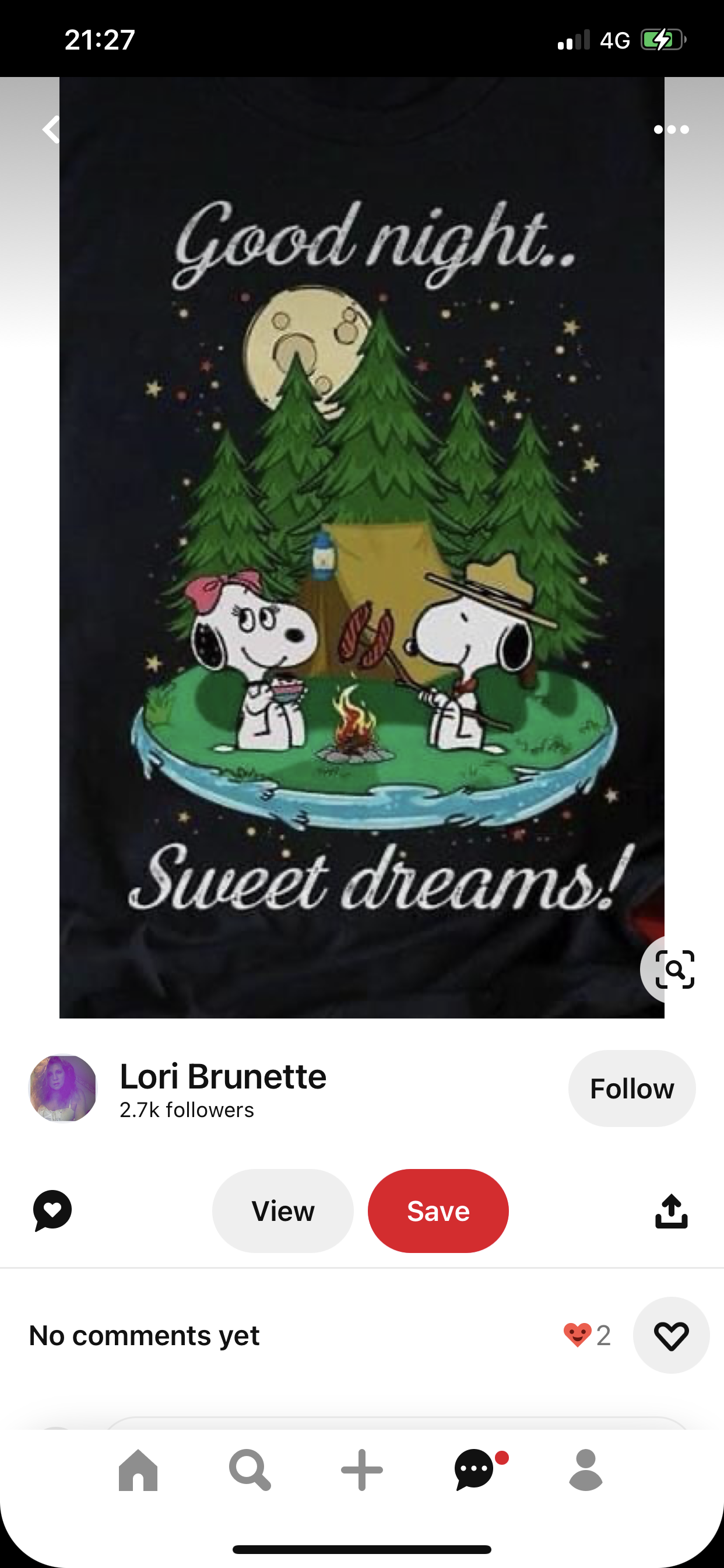
favourite, colourful painting of the evening for all of you this time with a bit of flower power❤️❤️😘