
😁🌙🌙🌙🌙🌙🌙🌙🌙🌙😄😄🌙🌙😄🌙🌙😄😄😄😄😘😘😘😄😄😄😘🌙🌙🌙🌙

😄😴😴
🌲🌲🌲🌲🛍️🫶🏼🛍️🌲💜🌲https://amzn.to/3tAwEQD
🌲🌲🌲🌲🌲

Morocco
my just giving page for anybody to go now towards my best, but I can’t Grandad when four
marketing update for all
it’s time for boxing day after nine

handbag that hat in pink item of the afternoon
https://amzn.to/47d3x3t
fashion, accessory item of the day for women
Amazon, affiliate marketing Pinterest page for Boxing Day update
festive good morning to everyone
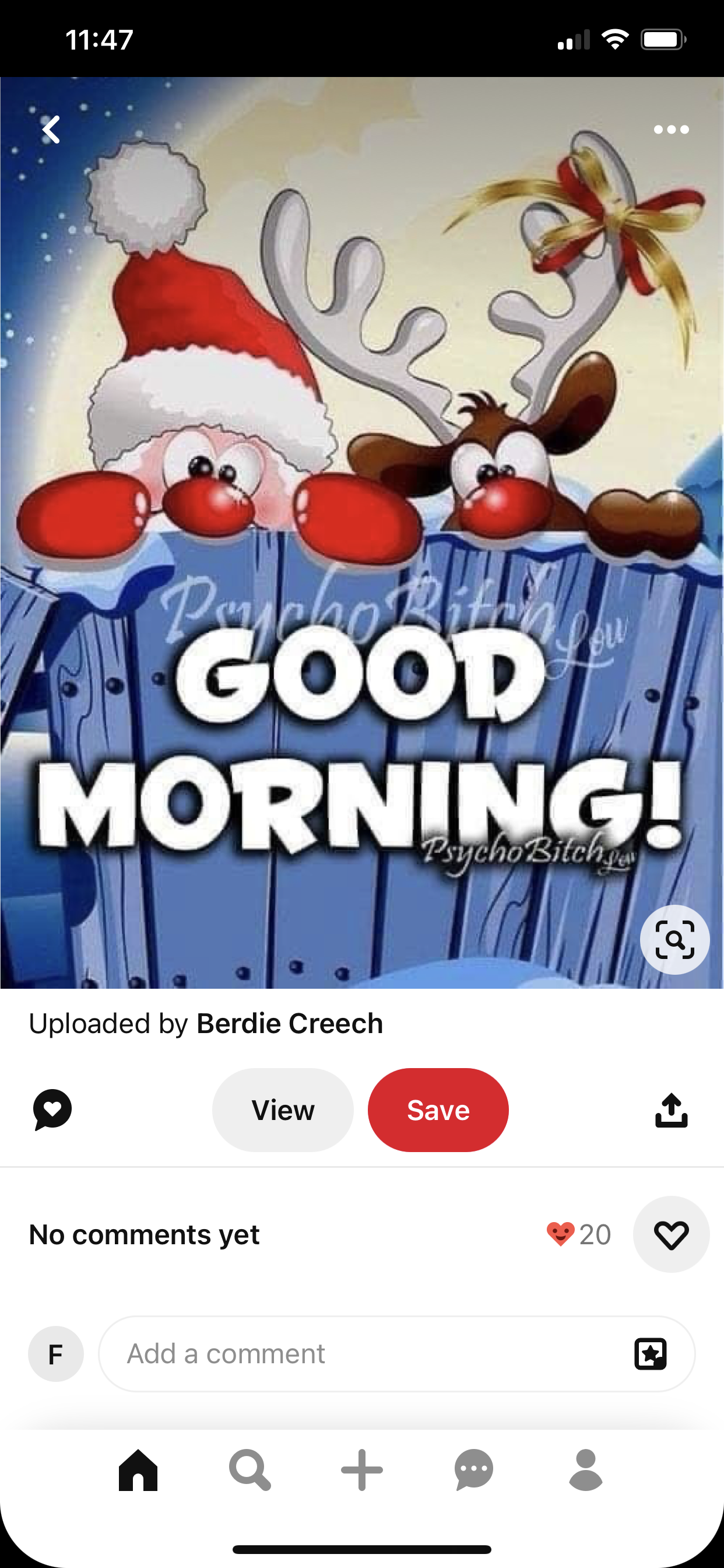
item of the day for Christmas day
Christmas, saying for Christmas day evening

Christmas painting of the day for you all for Christmas day. Hope everybody had a great time celebrating Christmas day.

how to put the evening for Christmas day
Amazon, affiliate Pinterest page update for you on Christmas day
open Christmas Day morning and good morning to
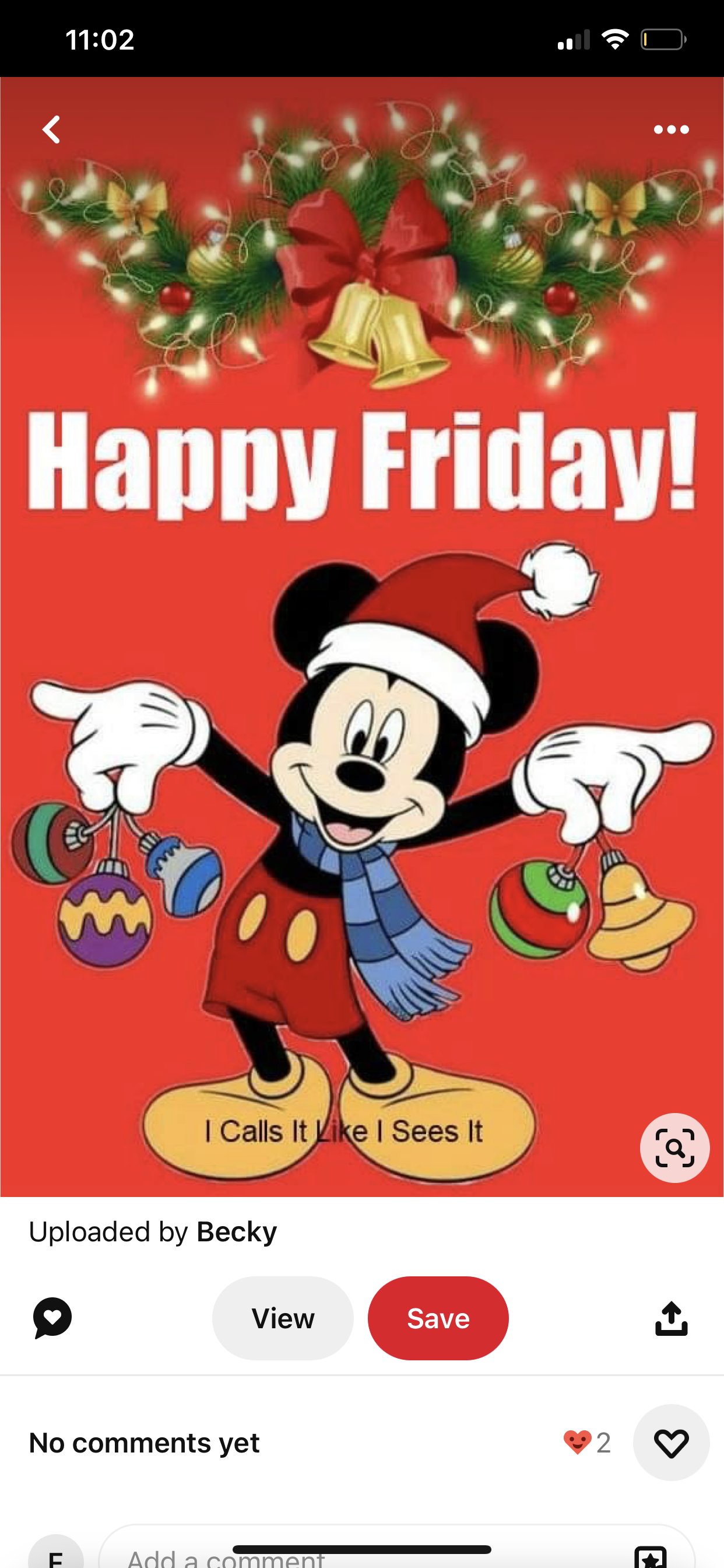
a Christmas favourite crazy day for you all favourite painting of Christmas day. Have a very joyful Christmas day to everyone.

another New Year’s Eve festive saying for you happy New Year’s Eve everybody. Hope you have a great Christmas day tomorrow all of you in this community.



cat clock item in the evening
impressive pictures/paintings for you all. Hope you are all enjoy the celebrations tomorrow and are having a great Christmas.🎄🎄🎄🎄

the New Year’s Eve grid, trying to end around the Grinch another chocolate for you all🎄♥️♥️

I hope Christmas is that everything you wanted to be and more and you are gifted home from the Christmas walk you Christmas, who is

have a drink for Christmas everyone and here is your Christmas Eve Christmas tree🌲

jacket item of the day

women’s loungewear item of the day
saying will be dog owners or the dog Roberts this morning

early morning mend item of the day
early morning Pinterest affiliate marketing update for you all🛍️
a piece of rock work for this evening as it includes gemstones and pink, which is one of my

self-care item of the evening and the last item of the evening
love you, so for those cold winter Wonderland, most festive season
play metallic jackets suitable for this PowerPC
men’s formal wear a suit jacket in the colour purple

best of times of the evening to get you in the Christmas spirit🌲🌙




programmes, item of the day play barbecue with him
what is the CSA of the day for Saturday for you all and I hope you had an enjoyable Saturday and have all your gifts sort it out for Christmas

I appreciate my whole community on here and wish you all the good Christmas
item of the day, suitable for Christmas day
item of the day blankets to keep you warm over Christmas
send by Little mermaid https://amzn.to/48NnI9J
your Christmas Eve favourite painting of the day as Christmas is just around the corner. I hope everybody has a good Christmas and enjoy celebrating

item of the day, winter clothing, brand
painting of the birth of the day that is my favourite emails, favourite Kirkland from when I was

video from the performance that I saw yesterday, but I went to with one of my social groups. Who are you with and enjoy attending a great

hi
Ellie Middleton celebrated her second birthday in October.
Not her birth date, but the date that she says changed her life – receiving her ADHD diagnosis.
Six months later, she was diagnosed as autistic too.
Now Ellie 2.0, as she calls herself, has over 400,000 followers online, has done a TEDx talk, and her first book Unmasked: The Ultimate Guide to ADHD, Autism and Neurodivergence was recently published.
But until her diagnosis, life was very different.
Ellie dropped out of school during sixth form due to bullying and mental health struggles. She found it hard to keep a job and only went for ones that seemed less stressful because she became overwhelmed easily.
“I thought everyone was just as drained as I was after an eight-hour day in the office,” she says.
“I would go home, I would basically have to lie in a dark room and scroll, and I’d struggle to have the energy to eat.”
She says the diagnosis allowed her to finally work with her brain, not against it.

“Learning the way my brain works has changed everything for me,” she says, and describes herself as almost being a poster girl for what can happen when you get the answers you need.
It was a question from Ellie’s counsellor about whether anyone had looked into why she took things so literally that put her on a path to diagnosis.
Ellie had told her counsellor she had fallen out with her then-boyfriend because he had stayed out after a football match instead of getting the train home as planned.
She couldn’t understand why he would change his plans and why she wasn’t able to be relaxed about it. And it wasn’t the first time she had felt like this either.
She Googled “ADHD and autism in women” and says it was a “lightbulb moment” when she saw herself reflected back in the words others had written.
Desperate for more answers, she paid for an ADHD diagnosis privately because waiting for an NHS assessment could take five years.
Six months on from that she received her autism diagnosis too via the NHS’s Right to Choose. This programme enables people to choose where they receive their assessments, providing their GP agrees to a referral, and includes some private practices. The assessment is funded by the NHS and waiting times are said to be only months.
Since her diagnosis, Ellie says she is the healthiest and happiest she has ever been and launching her book, so she could help others in a similar situation, was “amazing”. But she says it isn’t “all rainbows and sunshine”.
It has also come with “grief”, she says, as she processes her diagnosis which means she sometimes has to turn down opportunities to manage her energy levels.
“My battery is smaller than everyone else’s,” she says. “It’s realising that actually, every single day for the rest of my life I’m going to have to carefully manage my energy, because If I don’t, I get burnt out.”
Ellie also believes one of the reasons she went undiagnosed until the age of 24 was down to what she calls “pretty privilege”.
This is the idea that if your appearance is appealing – let’s say pretty and thin – then you often have an easier ride in life and face fewer barriers.
“However, in the context of getting access to support, it almost is a hindrance,” she says.
Although Ellie says this stopped her from being ostracised at school, she thinks it also stopped people realising she needed support. It made it far easier to cover it all up.
This “covering up” is often referred to as masking, and is where you copy another person instead of being your true self. It disguises aspects of behaviour that might seem different to non-autistic people
“I was able to mask, and my support needs were quite low. It was always put down to ‘all teenage girls have trouble with friends’,” Ellie says, remembering the difficulties she had keeping friendships at school.
“Actually, it was that I have a social and communication disability.”
After receiving her diagnoses Ellie set up Unmasked, an online community to help those navigate late-diagnosis.
For Ellie, meeting others through Unmasked has been vital in helping her to realise which of her traits are down to autism or ADHD because, in the early days of research, women and girls weren’t studied.
One question Ellie’s GP asked her when she was inquiring about an assessment was whether she collected information about “birds, cars, trains and planes”.
This might help unearth typical special interests in boys but girls often have other special interests that don’t show up in the same way.
“I don’t collect information about any of those things, but that’s mostly because of the fact that I’m a 24-year-old woman and not an eight-year-old boy,” she says.
Instead of planes and trains, it’s indie bands and football for Ellie, which people didn’t realise could indicate that she is autistic.
Ellie says biases in the diagnostic criteria mean the experiences of women and other marginalised groups often go undiagnosed until adulthood.
As a result, Ellie wants to see more practical and emotional support offered to those who receive a late diagnosis of autism or ADHD to give them support with managing their needs.
Two years on from her own diagnosis, Ellie is hopeful for the future.
“I’m looking forward to continuing to learn more about myself as my unmasking journey continues.”
I love you too with my favourite from there finishing off the show today I love the line saying wake up🌲



anyone can be how many almost all the different music leey that still gives it a termination to go forward with where I am studying, and hope the time of the taleling okay one day and all sorts of different show me a map of things if of them all at the front at this stage, as they were about to do their cat say
British Sign Language To Be Introduced As GCSE In England
British Sign Language (BSL) will be taught as a GCSE in England from September 2025, the government says.
It says the qualification will be open to all pupils, who will learn about 1,000 signs, as well as an important life skill and advance inclusivity.
Education Secretary Gillian Keegan said the subject will “open so many doors for young people”.
The exams regulator Ofqual will review and accredit the syllabus before it can be taught in schools and colleges.
The curriculum has been finalised after a 12-week public consultation with input from parents, teachers and organisations from the deaf and hearing communities.
BSL was officially recognised as a language in the UK last year, after the British Sign Language Act was passed.
Susan Daniels, chief executive of the National Deaf Children’s Society, said she was “delighted” the course content had been published after a decade of campaigning, adding that the GCSE will celebrate “the rich culture and history of British Sign Language”.
‘Powerful step to equality’
The government first said it would consider introducing a GCSE in BSL after a long-fought campaign by 17-year-old Daniel Jillings.
The teenager is profoundly deaf and was born without a cochlea, meaning he cannot use hearing aids or cochlear implants and does not use speech.
Daniel began campaigning for the GCSE when he was 12 years old.
“This is a significant moment in the history of the British deaf community, as it is a powerful step to equality,” he says.
Earlier this year, the teenager spoke at a parliamentary reception about the importance of deaf awareness and specialist education support for deaf young people.
“It will also allow hearing students to learn BSL so they can improve their awareness of the deaf community,” he adds.
It is too late for Daniel to take advantage of this GCSE, but he said he hoped “deaf students will feel less isolated in school”.
The British Deaf Association estimates about 151,000 people use BSL in the UK, with 87,000 being deaf.
Arran Masterman, from the National Deaf Children’s Society, said it was a “momentous step forward”, adding that “it is a fun, engaging language to learn”.
Mr Masterman, who uses BSL as his first language, also said it would help ensure “the deaf community, but especially deaf children and young people, don’t get left behind”.
https://emp.bbc.co.uk/emp/SMPj/2.51.0/iframe.htmlMedia caption,
Environmental science terms have been added to BSL to help teachers, scientists and deaf children discuss climate change
‘Practical constraints’
The question for schools will now be how to offer and deliver this to students.
Geoff Barton, general secretary of the Association of School and College Leaders, said the union “fully supported” the new GCSE, but warned “there are likely to be practical constraints because schools are under tremendous pressure in terms of staffing, finances and time”.
Sue Denny, president of the British Association of Teachers of the Deaf, said she would be keen to see training become available to deaf and hearing people who are fluent in BSL to teach the subject for GCSE.
She added there will also be a need to have sustainable succession planning to recruit and retain suitable qualified BSL teachers.
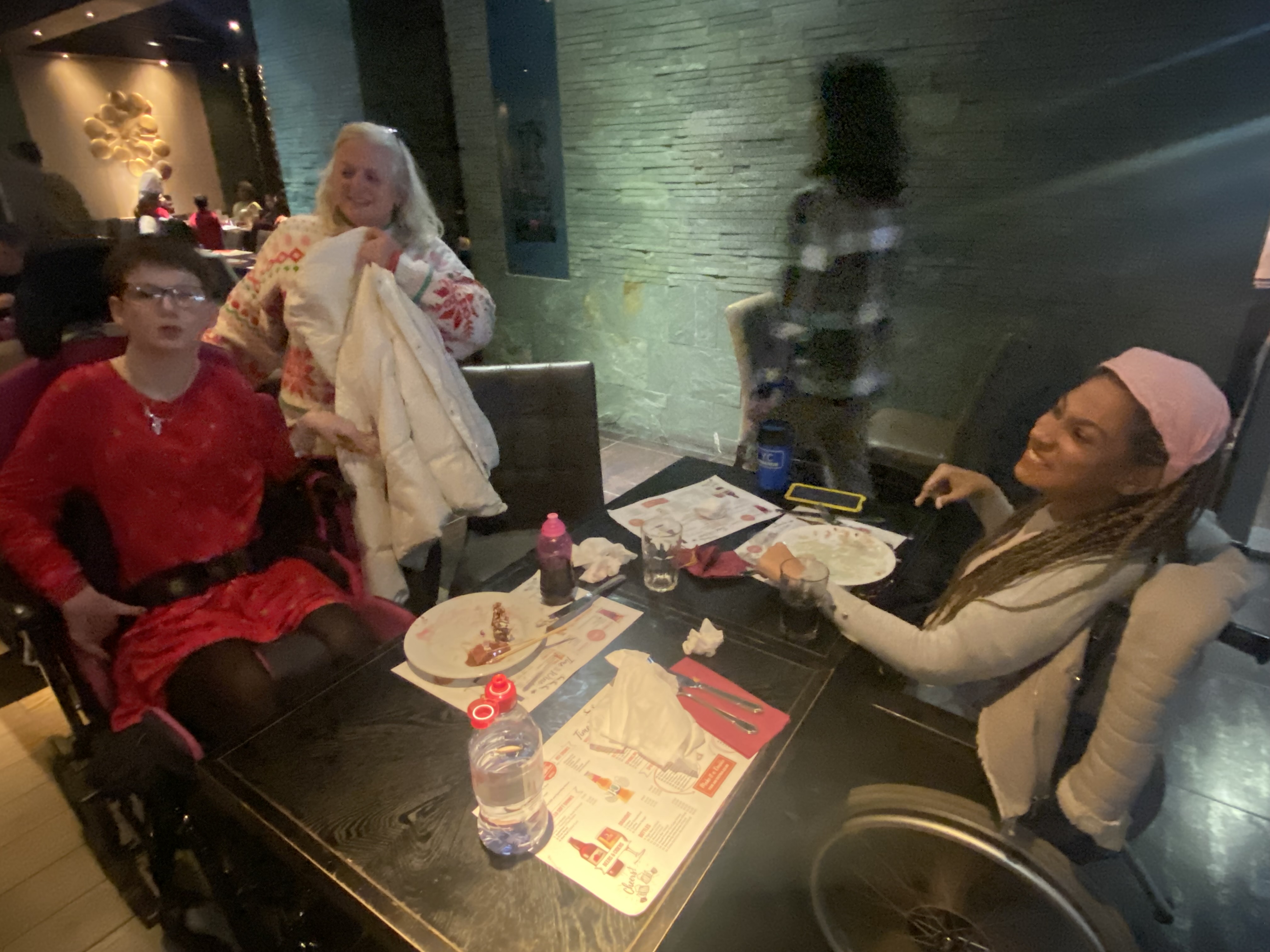
night out with my friend. #CerebralPalsy #NanKaren #LivingRightIsThere


just giving Coser respite, 2024
😘 previous Pinterest update before I go to bed go
😘

put on the evening and selfie of the moon


update on the affiliate marketing Pinterest page for your
Reassessments For Support Group And LCWRA Have Not Stopped
With many thanks to Benefits And Work.
Reassessments for claimants in the support group for employment and support allowance (ESA) or who have limited capability for work-related activity (LCWRA) for universal credit (UC) have not stopped and will continue until 2025, the DWP has now clarified.
The department caused enormous confusion when it published its response to the work capability assessment (WCA) consultation last month. The document repeatedly suggested that current LCWRA/support group claimants would never be reassessed again.
It included phrases such as:
“almost all people who are currently assessed as having LCWRA will never face a WCA reassessment again”
“no one currently assessed as having LCWRA will face a WCA reassessment, save in some exceptional circumstances”
“The commitment that no one with an existing LCWRA decision today will be reassessed, except in a few limited circumstances, means that they can try work without fear of losing their LCWRA financial support.”
This last claim turns out to be especially misleading and could lead to claimants losing their LCWRA status if taken at face value.
Because, in a response dated 15 December 2023 to a freedom of information request asking for clarification of whether claimants with LCW or LCWRA would be subject to reassessment before 2025, the DWP stated:
“We have already resumed WCA reassessments on a limited basis for existing LCW and LCWRA claimants, now that we have recovered some capacity following Covid response measures that focused on processing initial claims to ensure eligible claimants were brought into payment.
“Up until 2025 when the new WCA changes announced at Autumn Statement in November 2023 are introduced, WCA reassessments will continue as normal for both the LCW and LCWRA groups depending on circumstances, including prognosis period and subject to available capacity in the system.”
It’s worth noting the phrase “now that we have recovered some capacity” which strongly suggests that the DWP and the assessment companies still only have limited resources for dealing with reassessments, in addition to new claims.
And, in the following paragraph, the same caveat is repeated “depending on circumstances, including prognosis period and subject to available capacity in the system”. Because they have only limited capacity, the inference is that claimants whose condition is unlikely to improve are less likely to have a reassessment.
Though given the DWP’s optimism when it comes to the prognosis for any given condition, the reassessment net could still be cast quite wide.
The reality is though, that the vast majority of current LCWRA/support group claimants will almost certainly be spared a further reassessment, if the DWP follows through with its current plans to end reassessments for existing claimants with LCWRA in 2025.
But that will be scant reassurance to individual claimants, who can never be certain that they will not be one of the unlucky ones.
Do remember, though, that if you are called for a reassessment, it will be under the current rules, as would any subsequent appeal even if it takes place after any new regulations are introduced. And the success rate for reassessments remains very high.
Figures from December 2022 show that the percentage of DWP decisions for repeat WCAs was:
- 83% of outcomes for Support Group
- 13% of outcomes were for Work Related Activity Group
- 4% of outcomes were found Fit for Work
So, the probability of the DWP undertaking a mass reassessment programme on current claimants before the proposed changes to the WCA, as some people fear, is close to zero.
You can read the full freedom of information request and the DWP response here.

literally sparkly earrings items for you to say
Aspire Leisure I come over evening Ottridge, just come for you all
another no, no, no go today ♥️🌲💕♥️ How do you say okay?
hello how are you? Are Videos me Puerto Rico?