sorry Finny, this was my project with morning🎄🎄🎄


Christmas wreath, making a dry run o’clock. The library


Lowestoft School Replaces French With British Sign Language Classes
A Suffolk primary school has replaced French classes with British Sign Language (BSL) lessons for all pupils.
Elm Tree Primary in Lowestoft has a Resource Base for the Deaf (RBD), which currently serves four pupils with hearing loss.
The school added BSL to the curriculum in September, so all of its students could communicate together.
Headteacher Julia Halliday said the children “really, really love it”.
“We’ve always had young people with hearing loss, from profound deafness to young people who have now got cochlear implants,” Ms Halliday added.
The school was inspired to add BSL to their curriculum after former deaf pupil, Daniel Jillings, successfully campaigned for BSL to be offered as a GCSE subject in England.
“We’ve watched him grow and we’ve watched him fight for the GCSE,” said Ms Halliday.
“When that got passed through, I said ‘hang on a minute, we don’t really need to be doing Spanish and French when actually we should be doing BSL’.”
Daniel’s mum Ann Jillings said: “Daniel was born without a cochlear, so he has no hearing at all. I had no experience of using sign language or contact with the deaf community before he was born.”
After gaining fluency in BSL, Ms Jillings began working with adults at Lowestoft Deaf Centre and has now taken up the position of teaching BSL at Elm Tree Primary.
“It’s been quite a learning curve because there’s a world of difference between teaching adults and teaching a group of 30 or so young children, but I am really enjoying it,” she said.
BSL was recognised as its own language in 2003 but it was not set out in legislation until the British Sign Language Act was passed in 2022.
Ms Halliday said: “I think it’s important that young people now understand that British Sign language is actually a language in its own right.”
Ms Jillings said it was important that each student in the school had exposure to the language, and that all the children had been “enthusiastic” to learn.
She admitted that “in an ideal world”, BSL would be taught by deaf people.
“I would like to see more opportunities for deaf people to be able to have access to the teaching qualifications they need, so that they can be empowered and equipped to teach their language in schools.”
no word for you to put
no the most of the day
slippers with money prices on them item very early evening
favourite wintry, painting of the day, wintry and Christmassy to get people in the festive spirit🌲

Amazon, Philippine press to call you all day
you’re so suitable for Christmas this
signing of the day for Sunday to encourage positivity



evening and night time pray for me for you this Saturday evening/night wherever you are in the world


good night sleep or Saturday for you all

love update before going to bed call Saturday
what is the battery of my head look like after half the hair extensions for in and I chose the blonde one

this is your item of the evening for women in terms of rest watches

Photos




Amazon, affiliate update for you all this
my photo in front of the Joy Christmas bauble yesterday when I went out with the shopping

Christmas put on out with my personal assistant me posing in Oporto accessing my community. #Shopping #Christmas

I phone onesie pyjama set
favourite painting of the morning to ring jane Christmas shopping later tomorrow my family’s Christmas gift

move content from when we went out for my birthday, the other week pictures of the stage and a picture of me and my PA having fun and forget that


open phone and image/painting for your Friday. Good morning to everybody gets up early for work, college or school.♥️.🛍️🛍️🥰

Accessibility In Gaming: ‘When We All Play, We All Win’
“How do you play video games?” is a question Ben gets asked a lot.
The answer isn’t as simple as you might think, because he can’t see.
Ben – who prefers to be known as Sightless Kombat, or SK – is a gamer without sight who regularly streams on Twitch.
As you might expect, he gets lots of questions from followers, and has set up a chatbot to answer some of the common ones.
“Even using the term gamer without sight, as much as you might think it clears things up, it doesn’t always make it absolutely crystal clear for some people,” he says.
To play his favourite titles, SK relies on audio cues, tweaks to in-game options and “occasionally, a fair amount of practice”.
And SK likes a challenge – on his YouTube channel you can see him tackling God of War Ragnarök on the hardest difficulty, taking down “the two hardest optional bosses in the game”.
“I’ve had a lot of people come in and just be very friendly, very curious, very interested, watching me and saying ‘wait, you can’t see and you’re better than I am at this’.
“So that’s always a fun compliment to have paid, regardless of how true or not it may be,” he says.
As well as building up a following, he’s become an advocate for gamers without sight, working with the RNIB (Royal National Institute of Blind People), and he also provides advice to developers on ways to make their titles more accessible.
Since SK first got into gaming – “pressing buttons at random and nosediving planes” – he says there’s been a lot of progress in the industry, but there’s still work to do.
One problem he often sees is accessibility features implemented in one area of a game, but not in another, and that’s somewhere he’d like to see improvements.
He says a good example is a failure to combine menu narration – where a voice reads out text in settings screens – and navigation assist, where the game will automatically guide your character through a level.
Without menu narration, SK needs assistance from a sighted person to set it up, and without navigation assist, it’s hard to progress.
“So those two almost go hand in hand in a way that a lot of people might not think of initially,” he says.
Getting people to think about accessibility is Cari Watterton’s job.
She’s the senior accessibility designer at Rebellion – the UK studio behind the popular Sniper Elite and Evil Genius series.
Cari and SK have been working together on a prototype called Project BlackKat – a stealth game that replaces a visual radar with “auditory vision cones” that reveal an enemy’s location through sound.
But Cari’s role is also about catering to the “massive spectrum of capabilities” in the world, which includes everything from motor impairments to cognitive issues.
Both her and SK agree the industry’s approach to accessibility is inconsistent, and one of the big misconceptions is that it costs a lot to implement.
Cari says this doesn’t have to be the case, and she was able to get two “high-impact” features into Rebellion’s Sniper Elite 5 when she joined the studio a month before its release.
Despite limited time and budget, she says the game launched with automatic forward movement and automatic traversal – interactions that usually require holding down buttons for extended periods.
Cari says this can make make a big difference for people with dexterity issues.
“The fact we were able to get that in and have people be able to come in and have more energy saved for the actual sniping side of the game was fantastic,” she says.
Cari says other tweaks, like making sure visual feedback is always paired with audio feedback, can be relatively cheap to do, especially if accessibility is baked into the development process from the start.
She says the other misconception is “people thinking that they need to do everything at once”, but says it’s a case of developers “working step by step” within the limits of what they can achieve.
“Even putting the smallest thing in, even if it’s super late in the process, it helps and it’s a step forward,” she says.
Accessibility is a hot topic in gaming at the moment.
The upcoming Game Awards has a category dedicated to it, gaming giant Electronic Arts recently opened up some of its development tools to other companies, and Sony has just capped things off by releasing its adaptive controller for disabled gamers.
But sites like Game Accessibility Nexus and Can I Play That? – which review games based on their assistance features – often find big releases lacking.
Cari admits “there are big goals and there are big things that are going to take more time”, but says 2023 has been a “really, really good year for accessibility” in the industry.
She says there have been more games to celebrate this year, and more studios are recruiting into accessibility roles – and she hopes there will be more roles for people with lived experience of disability.
For her, for now, it’s one of the best jobs in gaming.
“Seeing it reach more people, seeing it reach a wider audience, hearing people being like ‘thank you so much for putting this in here, I can play this now’.
“It’s so rewarding, because you don’t want anybody to be left out,” she says.
SK is also optimistic about the future.
“It helps far more people than most would actually think is even possible in terms of having accessibility features in a game,” he says.
“Everybody should be able to play, whatever your your situation is, because when everybody plays, we all win.
“So get your accessibility consultants involved worldwide, get people testing your game from all walks of life with all sorts of challenges, and you will find barriers that need to be sorted out.
“And as you sort those things out, you’ll be helping so so many people in your wider audience, you may not even know it.”
good night saying for you all

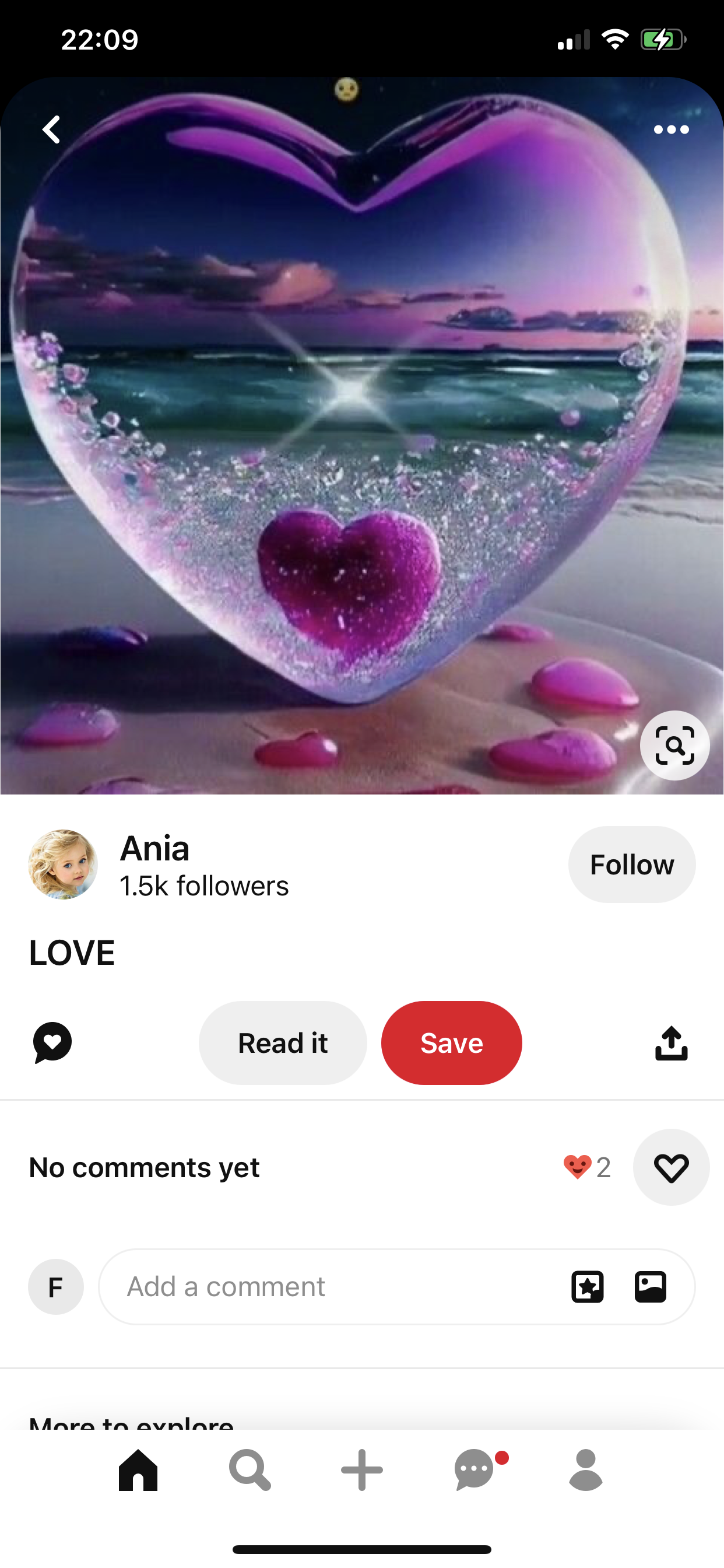
another affiliate update for you with novelty items on it
affiliatehttps://amzn.to/3t6G5ak, die open my Pinterest French
https://amzn.to/46QT2me
kids, rollerskate trainers programs item of the day
table, centrepiece
Christmas, figurine item of the evening
item of the evening, Christmas present creation
item of the evening
update from quizzes and surveys that I have raised so far this month

evening, sorry for Thursday for you to have along with the cute illustration over a cat for the cat brothers😄

when you’re done
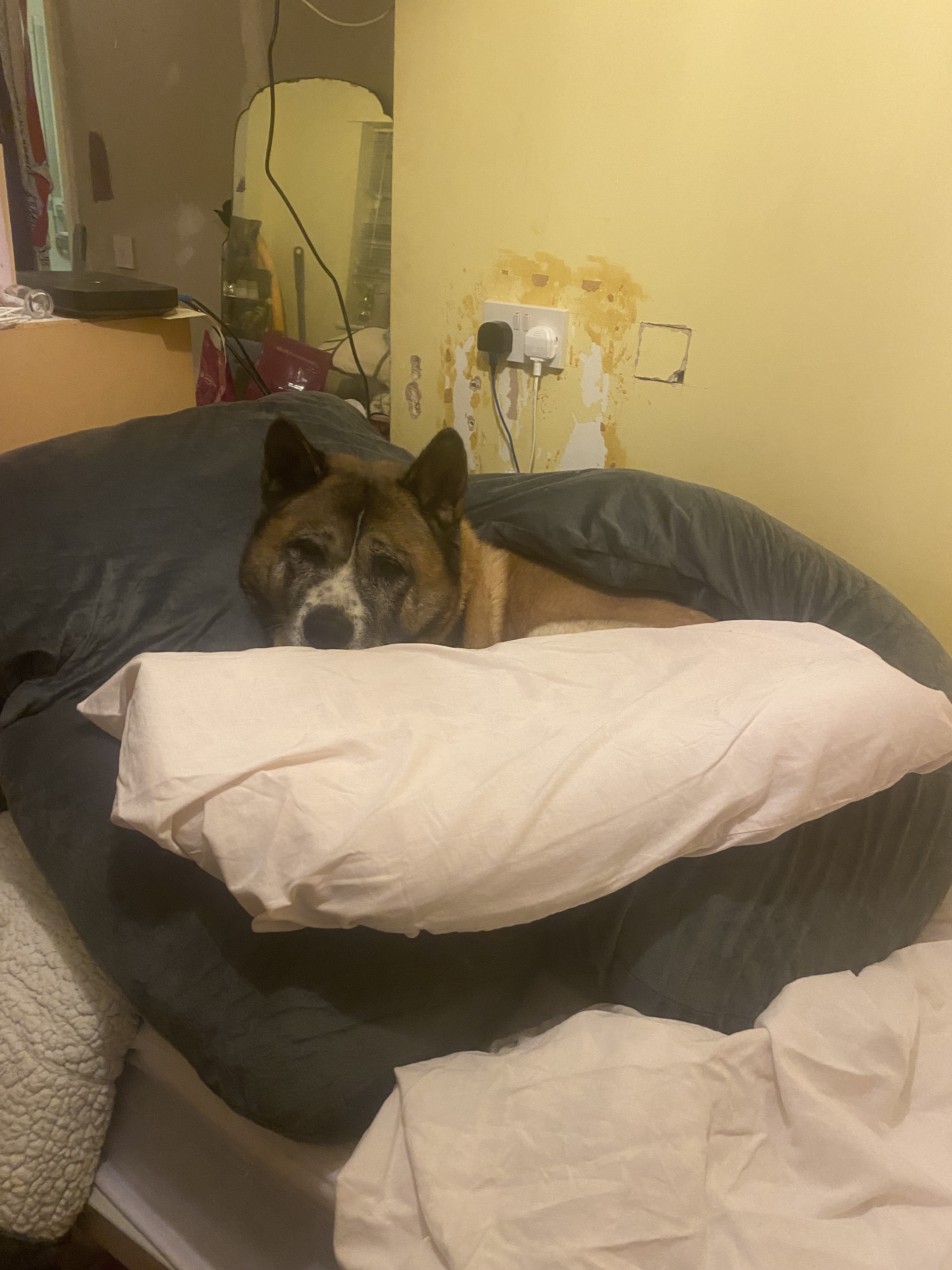
are you lost three of the new black?
Sony Debuts First PS5 Controller For Disabled Gamers
Sony has teamed up with accessibility experts to release a PlayStation 5 controller for disabled gamers.
The Access Controller is a “highly customisable kit” of different buttons, triggers and sticks that lets players create a set-up that suits their needs.
Microsoft’s Adaptive Controller, which can be used on Xbox and PC, has been on the market since 2018.
But this is the first device of its type to be specifically designed by Sony for the PS5.
“The idea is that you unbox it and you can start using it right away as a PlayStation controller,” Alvin Daniel, Senior Technical Program Manager at Sony Interactive Entertainment, told the BBC.
“To the extent that this works for you and is comfortable for you, there is no need for you to purchase additional third party accessories and buttons and wire it all together.
“We wanted an all-inclusive kit in a box.”
But designing accessibility products is a massive task, as every disabled person’s impairment is unique to them, and gaming technology is always evolving.
Sony’s plan to tackle this problem is through customisation – making it possible for each person to tailor the solution to their own individual requirements.
Mr Daniel said the firm had teamed up with accessibility experts AbleGamers in the US to find ways round that problem.
“When they came up with their own bespoke solutions for various players, they would inevitably try to address three issues – the thumbsticks, pressing buttons, or having to hold the controller.
“If you have challenges in those three areas, this controller will help regardless of your underlying condition.”

How it plays
By Paul Carter, Technology reporter
All aspects of the Access Controller have clearly been designed with the input of the disabled community.
Even the packaging is accessible, and the setup process, while clunky at times, lets people adapt the controller to their own specific requirements, and even create different profiles for different games or situations.
As a disabled gamer myself, I waited years for button remapping to become the norm so I was able to play games that rely heavily on the trigger buttons usually placed at the back of a traditional controller, and be able to map them to a more accessible button.
But this was always a workaround rather than a solution. This controller makes that a more accessible reality.
There are however one or two design decisions that are, at best, bewildering – for example, it doesn’t feature a right stick that is standard on all modern controllers and fairly essential to many genres of game.
I tried to play Spider-Man 2 – which has a Deaf character – and it was practically unplayable. The only solutions are to use the Access Controller alongside a regular PS5 controller, which is an unwieldy set-up, or use two Access Controllers together – which becomes an expensive solution.
That said, this product, and others like it, are a positive step forward for disabled gamers. That it exists, and that it has been co-designed with and for disabled people shows that gaming accessibility is now a mainstream issue.
I hope that this is the start of an evolution of these types of products, and that manufacturers listen to feedback and continue to iterate and innovate.
The gaming industry has been under pressure to make improvements for disabled players.
In the last few years, racing sim Forza Horizon 5 introduced a sign language feature, the Last of Us Part II has a mode for blind and deaf players, and Just Dance has a routine suitable for players in wheelchairs.
But the hardware options have been slim for those with disabilities, and Mr Daniel said Sony’s new controller was about addressing that.
“I think particularly if you’re a young person today, gaming is such a big part of popular culture, that you are socially isolated or you’re left behind if you can’t participate in the same experiences your friends or your schoolmates are doing”, he said.
“We have seen that we bring joy to players who couldn’t play before.”
who programmed Rome find item of the day, including way home

educational animal book item of the Janine for Wednesday
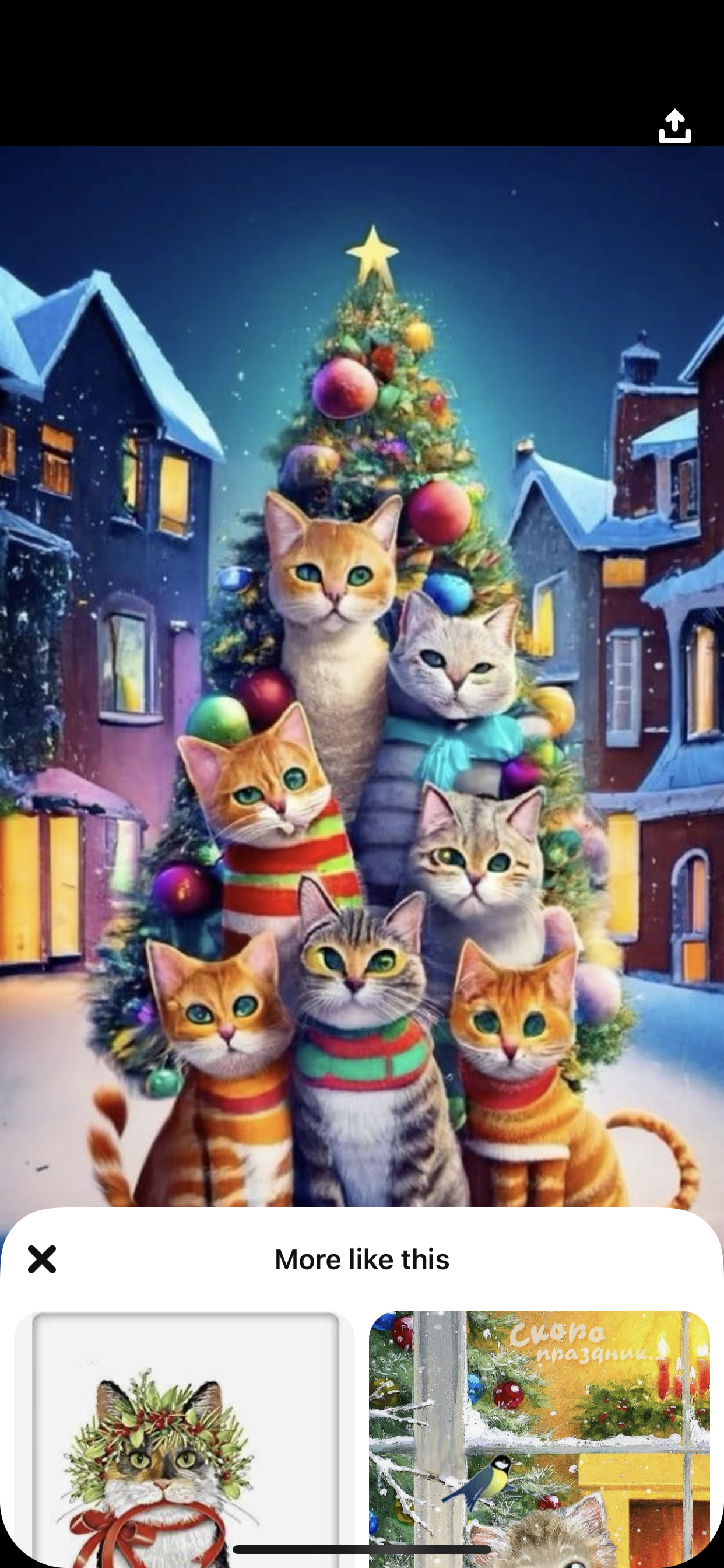
https://pin.it/uAXsY0A and update
Signing Elf Helps Deaf Girl, 4, Finally Meet Santa
A four-year-old girl has been able to meet Santa properly for the first time, thanks to a volunteer elf trained in sign language.
Emily, from Goole, East Yorkshire, is profoundly deaf and had been let down four times by grotto attractions which promised a British Sign Language (BSL) service.
Her brother’s school had heard about their struggles and took to social media to search for an interpreter for their festive fair.
Mum Tanya said: “It was just really magical.”
Emily met Father Christmas with brother Hugo, six, at Airmyn Park Primary on Thursday.
Acting as interpreter was Holly the Elf – real name Melanie Boyeson – who had responded to the school’s appeal by volunteering to help.
Tanya said on four previous occasions she had booked grotto visits elsewhere which had promised a signing service.
Each time they had been left disappointed, with interpreters either not provided or unable to sign correctly.
Tanya had posted online about Emily’s past let-downs, prompting Hugo’s head teacher and the wider school community to search for someone willing to act as a BSL interpreter at their school fair.
Head teacher Natalie Dodds said: “Emily is part of our extended school community so we really wanted her to feel the magic and for mum to not have to interpret for her.”
‘Community spirit’
Tanya said Emily had become accustomed to grottos where Santa and his elves could not talk to her.
She said: “She felt this time it was going to be the same, but it wasn’t. Her face lit up.”
Santa and his elf helper chatted to Emily about the presents she hoped to get in her stocking.
Tanya said her daughter, who attends Doncaster School for the Deaf, had been a little shy at first but Melanie had been very encouraging, finding out that she would like a doll with pram and a blue dragon.
Tanya thanked all those who had helped to make the magical moment happen.
She said: “It’s such community spirit. People were rallying around to try to provide this for someone they didn’t even know.”
She said the family also attended Hull Deaf Centre’s Christmas party every year, which had a performance by a signing Santa.
However, she called on more attractions to include BSL interpreters for deaf children or parents.
“Everyone should be treated equally,” she said.
winter is snowy painting of the evening. This is my favourite painting for this evening as it is wintry and cute. #ILove


need to warm product of the evening
repairing tonight Marie is one year ago today let’s see if this you know better than a laugh🎄🎄
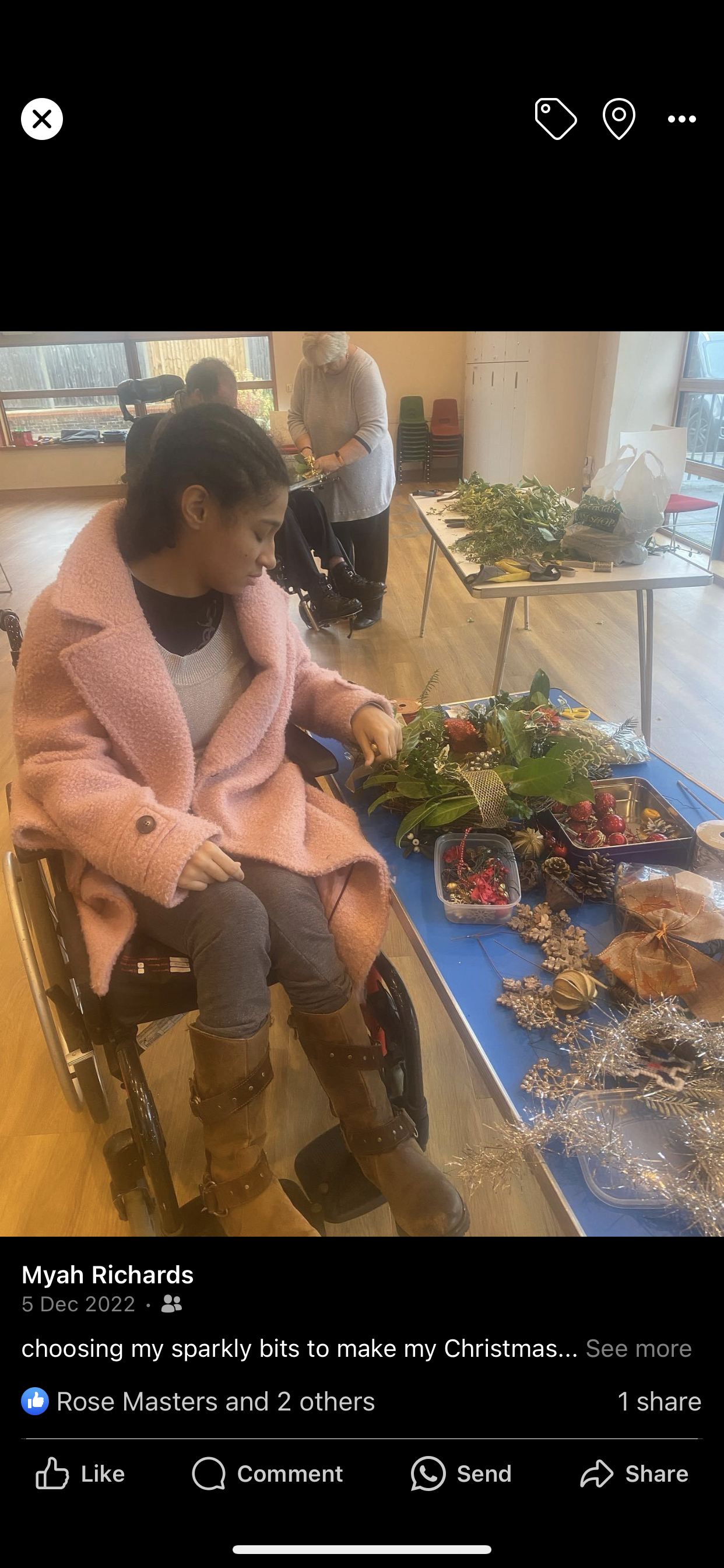
make up item of the evening
move, pictures of me and my friend are enjoying non-alcoholic Prosecco and doing it. Cheers yesterday at the Christmas party.

Footballer Ravel Morrison Admits Using Dead Person’s Blue Badge
A footballer who used a dead person’s Blue Badge permit after buying it for £50 has admitted fraud.
Manchester magistrates heard Ravel Morrison used the badge while parked on Bridgewater Street in the city in May.
Morrison, who began his career with Manchester United before moving to West Ham, Sheffield United, Derby County and current club DC United, said he bought it from “someone in Old Trafford”.
The 30-year-old, of Warrington, pleaded guilty to fraud and was fined £1,000.
He was also ordered him to pay £508 in costs and a victim surcharge of £400.
Blue Badges are issued by councils to people with disabilities or mobility issues to allow them to park closer to their destinations.
Carers and family members may also be eligible.
‘No exceptions’
The court was told the Jamaica international had displayed the permit on his parked white Audi on the street in Manchester city centre in May.
He was given an initial fine by parking enforcement officers after a check of the badge revealed its registered holder had died in February 2022.
Morrison’s car was impounded, but he later reclaimed it.
Speaking after the hearing, a Manchester City Council representative said the ruling showed the law was “applicable to everyone, with no exceptions”.
“Our officers patrol the streets daily to ensure that Blue Badges are used legitimately, and we will not hesitate to take action if we discover people trying to circumvent the law,” they added.
Manchester-born Morrison, who played for England’s under-21 side before appearing for Jamaica, rose through the youth ranks at Manchester United before leaving the club after only a handful of appearances.
He has since played for 12 clubs, including Queens Park Rangers, Birmingham City, Cardiff City and Middlesbrough, and signed for DC United in 2022.

are you at tomorrow Monday today? #CelebratingChristmas #ClubForPeopleWithDisabilities #ThisIsMe