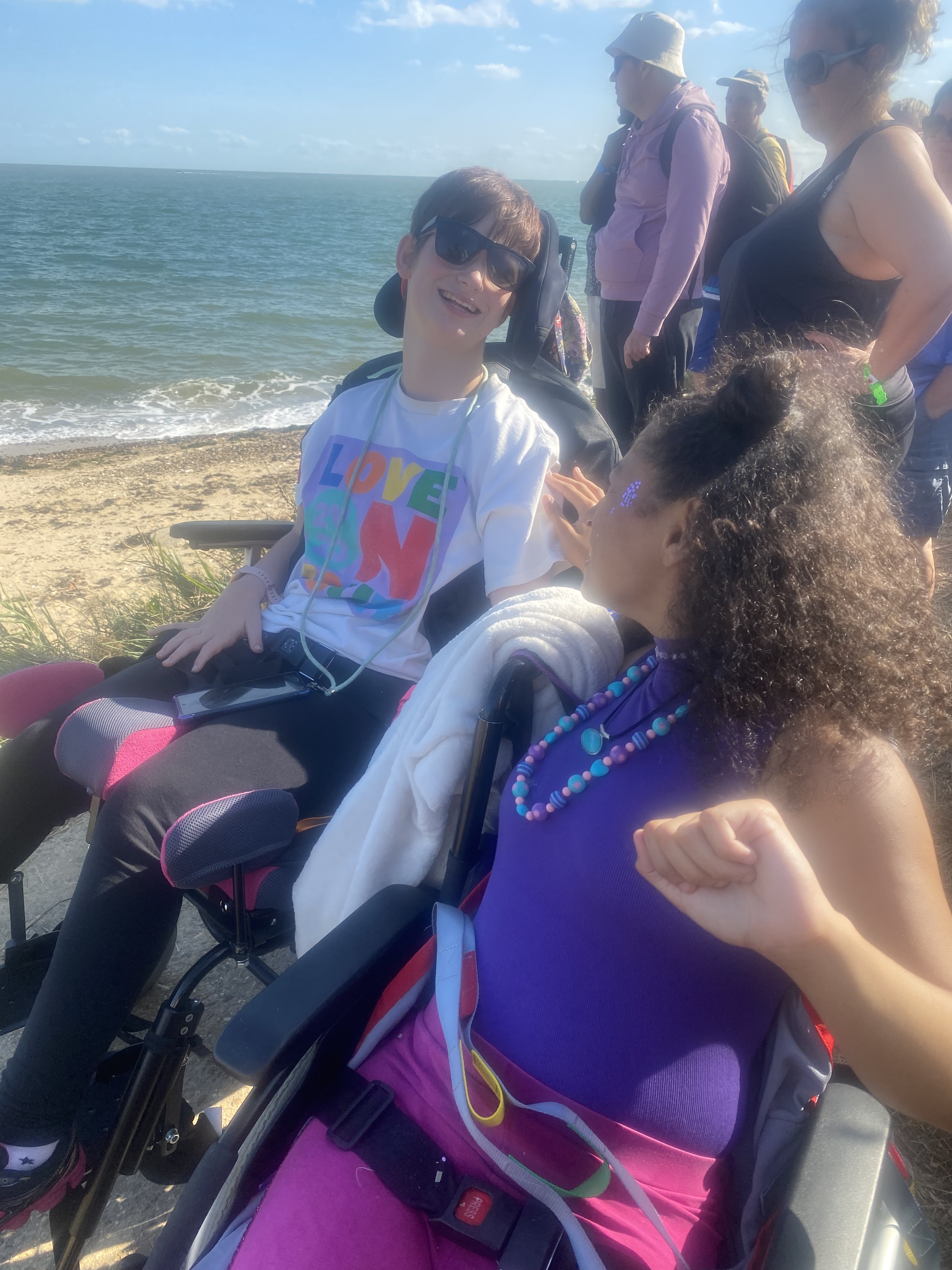
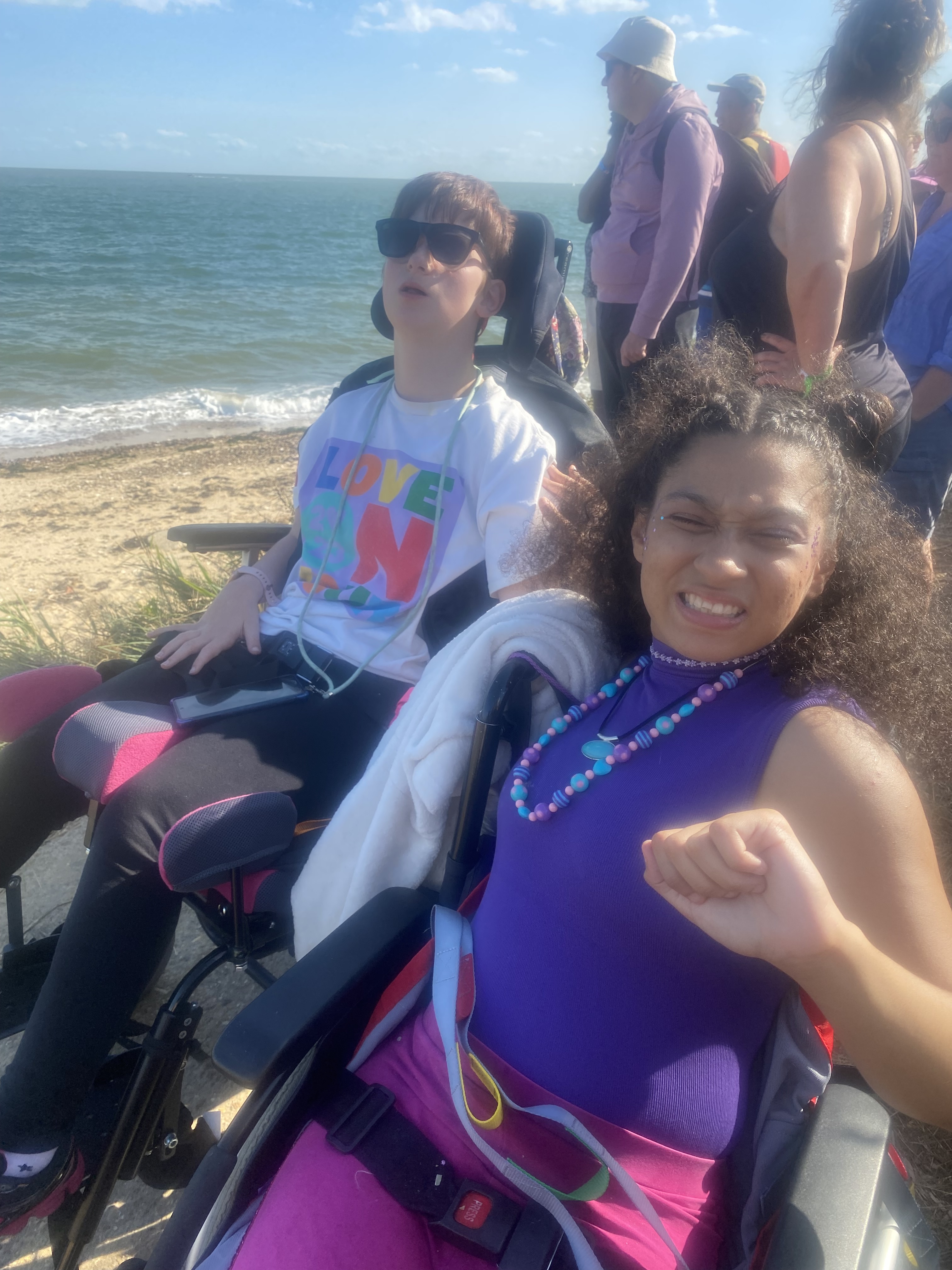
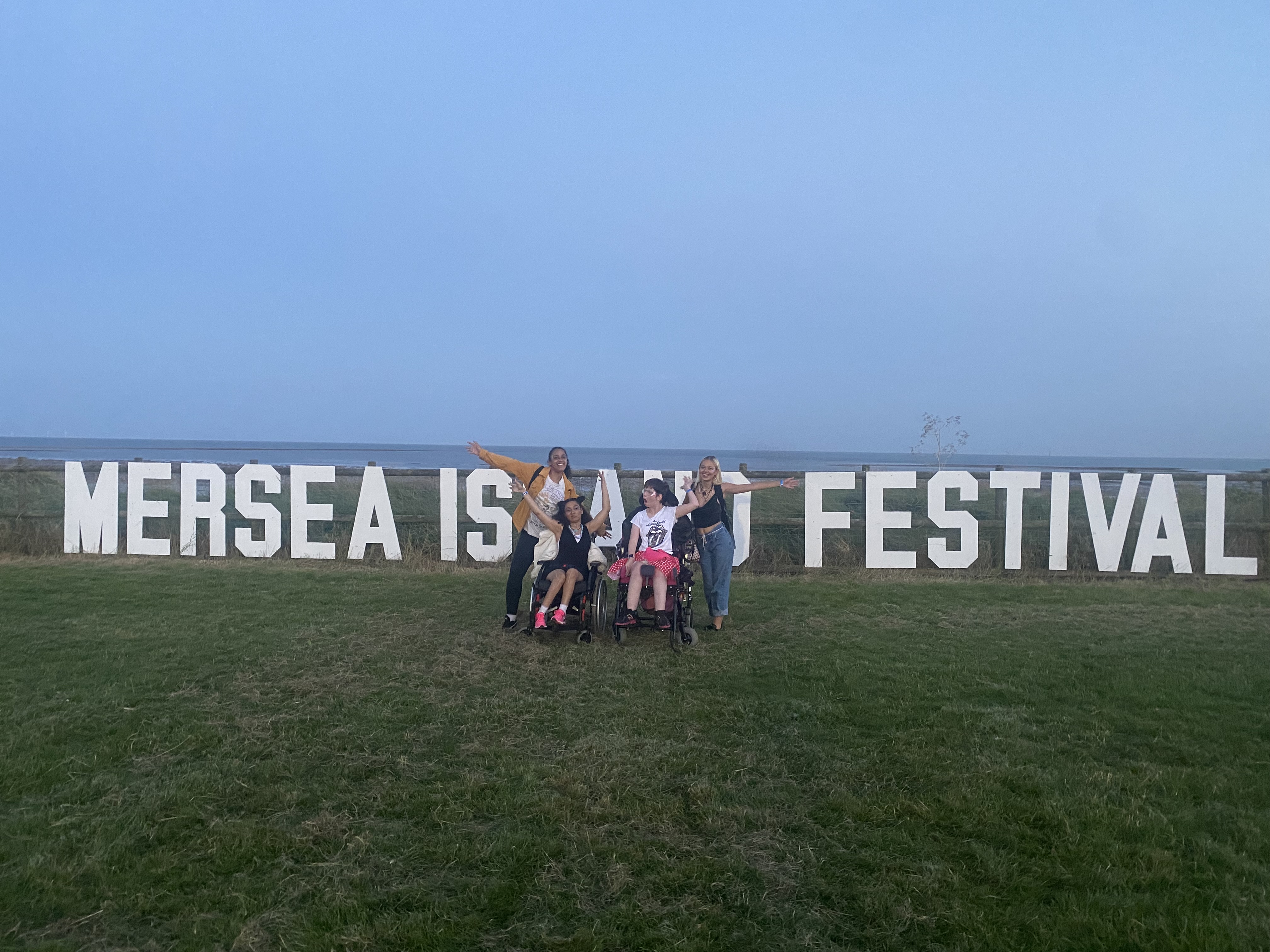
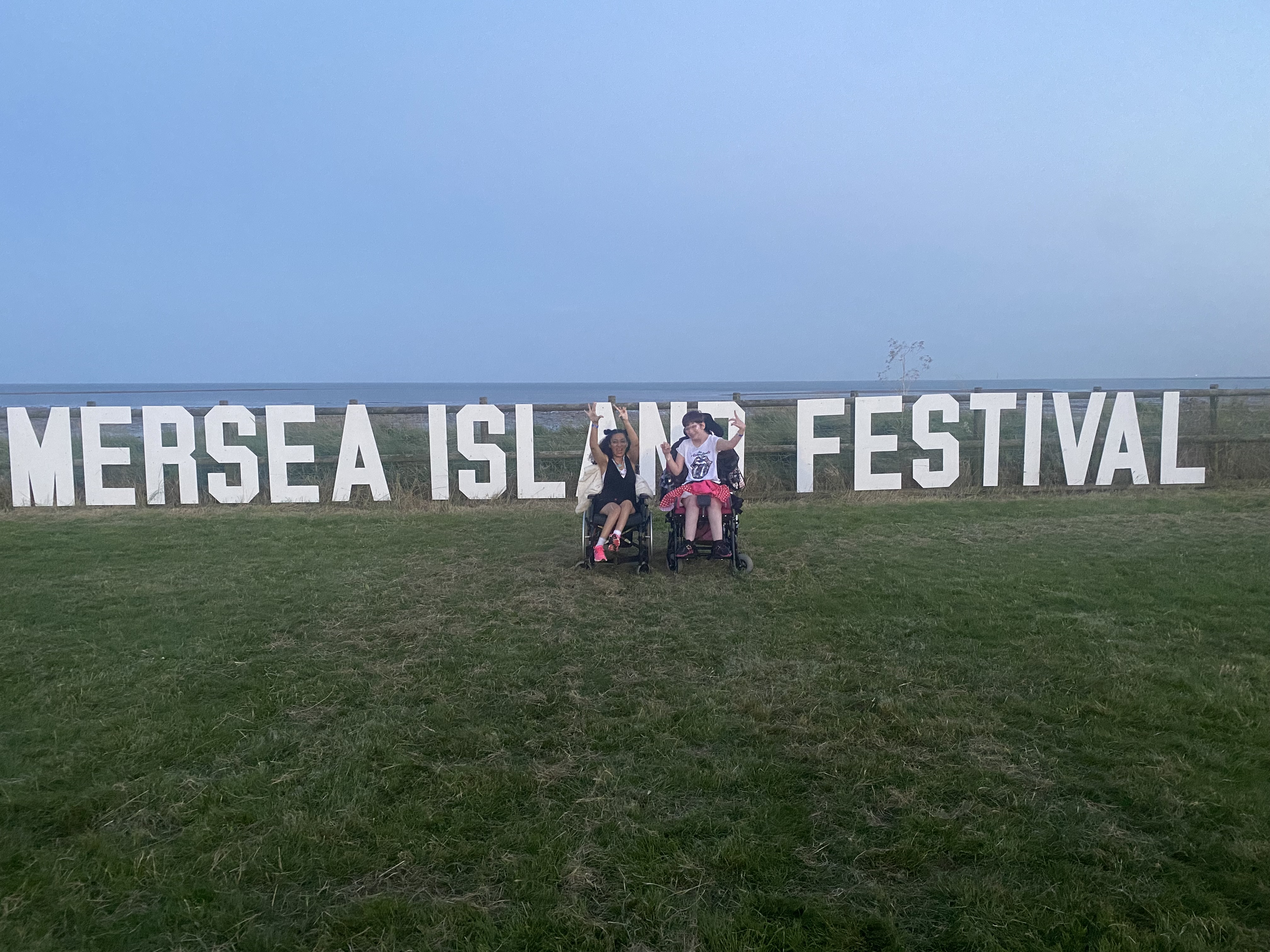
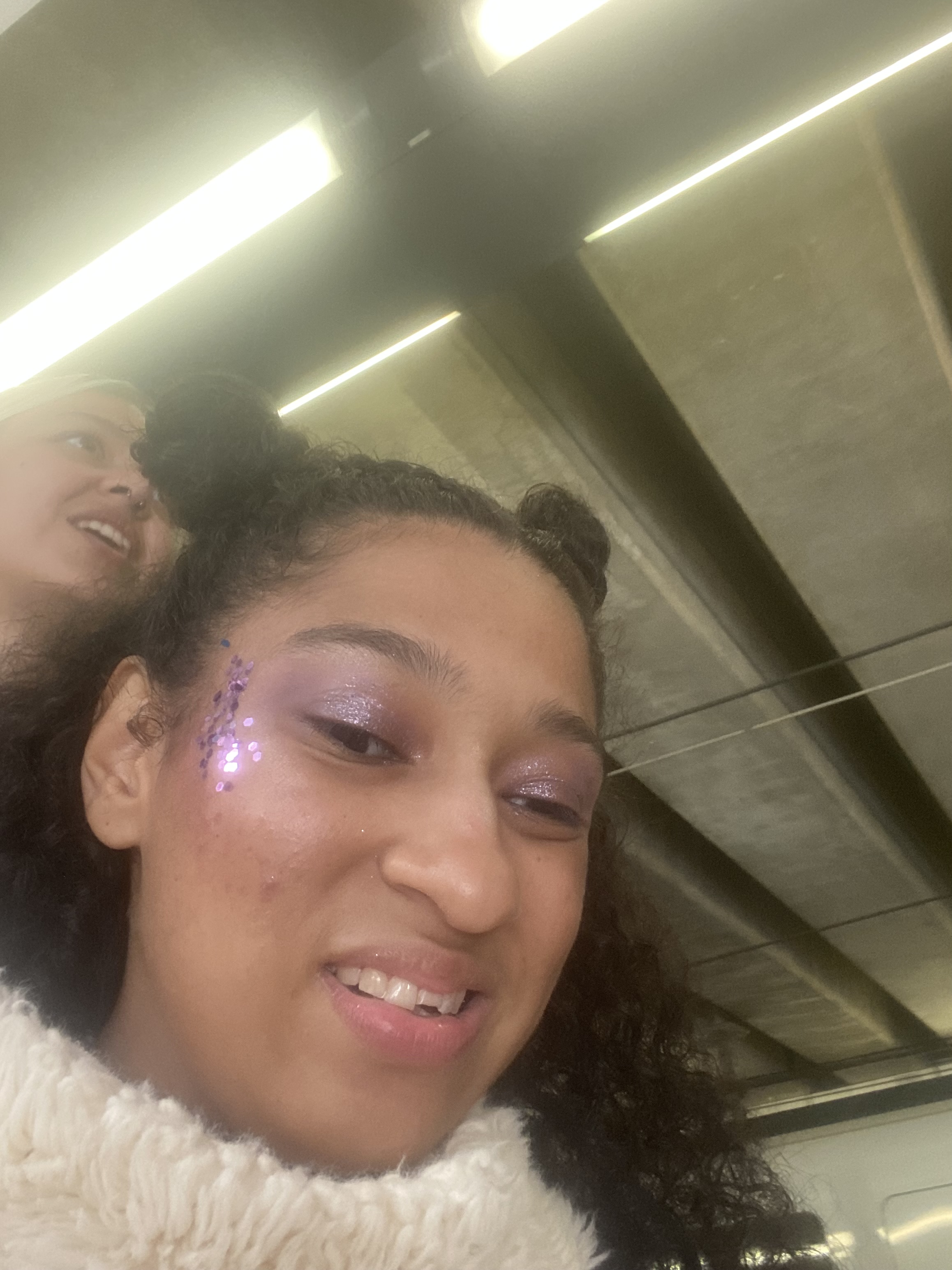
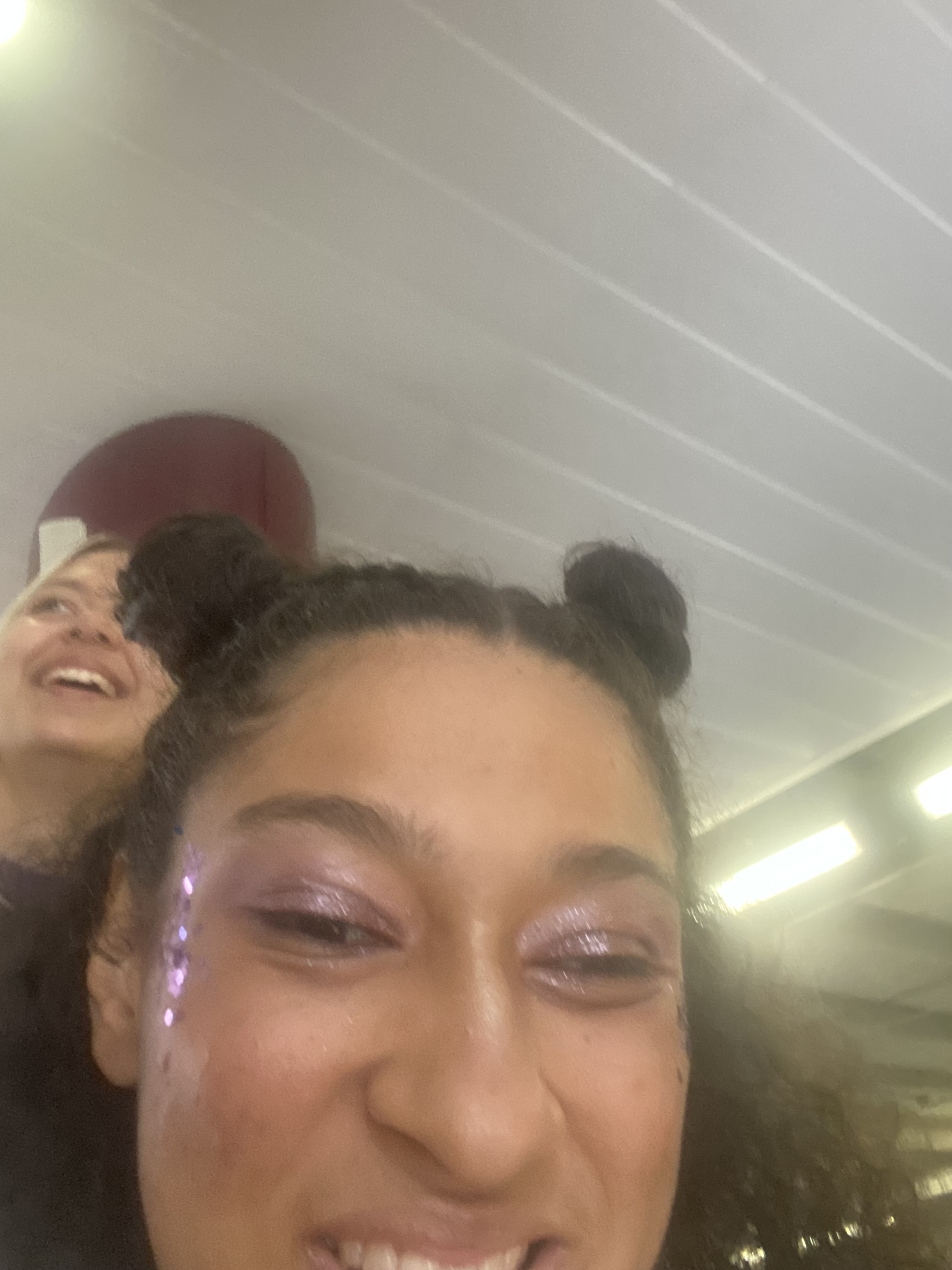
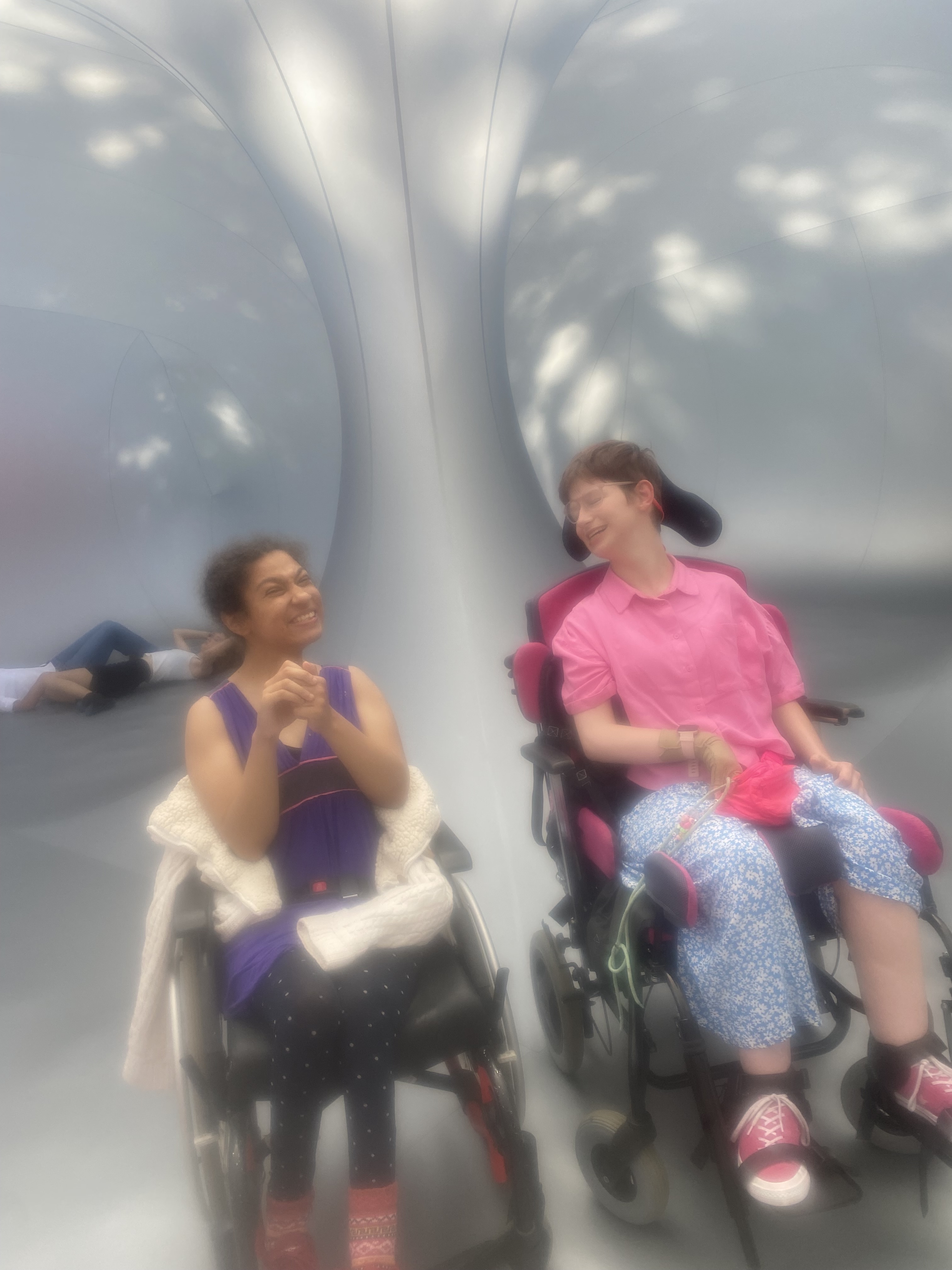
are you guys by the sea with my Besty Murphy when we went to Mersey Island festival? #BestFriendSaysTaxiBieberFriends
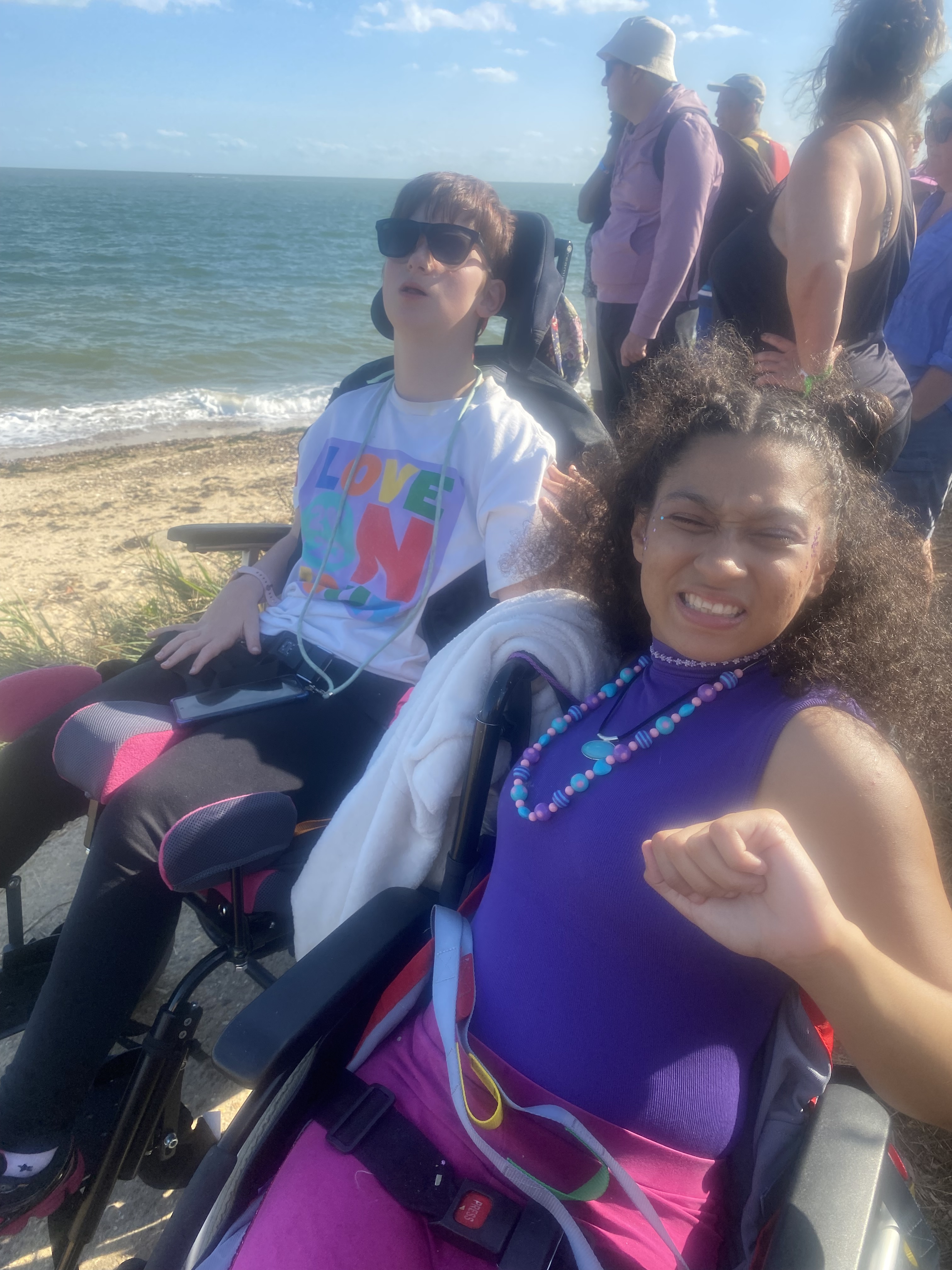
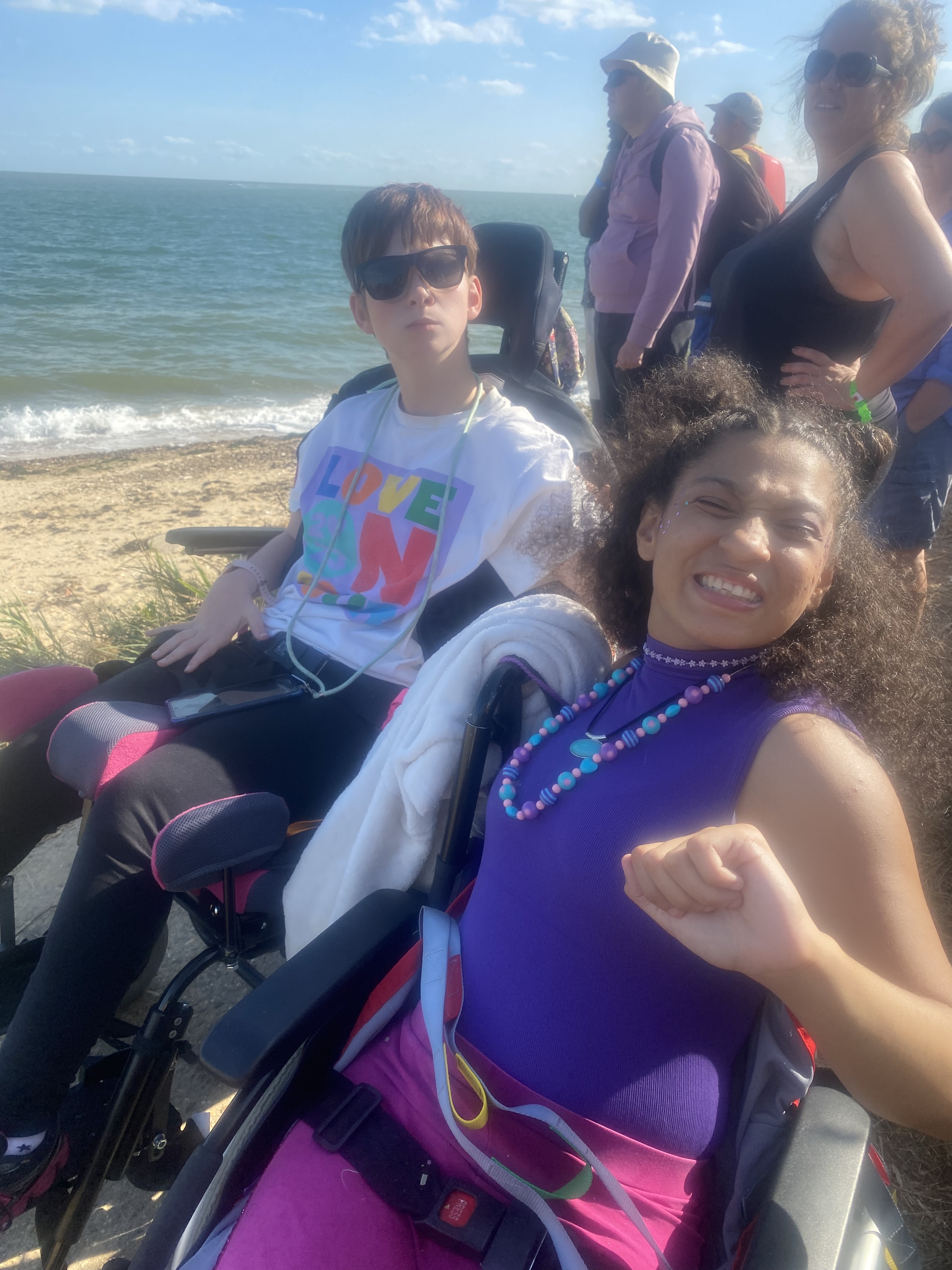
respite privacy yesterday with my best friend from school when we went to Mersey Island festival ♥️👩🏾🦽#WillTearYouJustCan



On Holiday
Our editor is taking a week’s holiday starting today.
Team member findtheability23 will post when possible but normal service from Editor samedifference1 will resume on August 31st.
Best wishes, readers.
festival Reidi call respite Saito with my Besty Kim Odae



Actor Tommy Jessop was in one of the biggest TV shows of 2021 – Line of Duty. He was certain it would lead to bigger and better roles, but when the show wrapped, the phone stopped ringing. Not one to take things lying down, he decided to write a screenplay and pitch it to Hollywood.
“The clue is in the title,” Tommy tells BBC Access All when asked to explain what his new documentary – Tommy Jessop Goes To Hollywood – is about. Then he acquiesces: “The main aim is to try to make a superhero film in Hollywood.”
Tommy has an impressive CV. He’s appeared in Casualty, Holby City and he was the first actor with Down syndrome to be in a prime time show in Coming Down The Mountain.
But since Line of Duty, where he played Terry Boyle, work has been harder to come by and he isn’t being offered the roles he would like – the hero or leading man.
“I sometimes feel like the world is not made for me,” he says. “So I want to change it.”
Other actors with Down syndrome have started to nudge culture change in the right direction. James Martin starred in An Irish Goodbye which won an Oscar for best live action short film while US actor Zack Gottsagen was the movie lead in The Peanut Butter Falcon.
So it is understandable Tommy wants more.
Born in 1985, Tommy came into the world when people with Down syndrome were not always expected to have aspirations. His parents were told he would never read or write. “If only the doctor could see you now,” his mother and manager Jane says is in the documentary – which is also something of a family affair.
Behind the camera filming the journey was his big brother, Will Jessop, an Emmy award-nominated documentary filmmaker behind shows including 25 Siblings & Me – and he is also part of the story.
Together the two brothers set out to challenge the industry by playing it at its own game and writing a screenplay – Roger The Superhero.
“I must have watched countless superhero films and I would like to be able to save the day,” Tommy says. “I think it’s also about time that there should be a superhero with Down syndrome.”
The movie script Tommy and Will are trying to sell centres on Roger Mitchell, a hero named after his teddy bear, who has three super powers – reading peoples’ minds, changing peoples’ minds and telekinesis. With those powers, Roger sets out to defeat the baddie, Nole Skum.
Tommy says: “Nole Skum is a scientist and he might be trying to screen people out which basically means getting rid of Down syndrome. And I might be a man on a mission to stop that happening.”
Tommy met with several writers who advised him to focus on topics close to his heart and says that screening “scars me more than anything else”.
Screening is the option for mothers-to-be to take a blood test to see if they are at a higher chance of having a baby with Down syndrome and then having the option to terminate.
Under legislation in England, Wales and Scotland, there is a 24-week time limit for abortion, unless “there is a substantial risk that if the child were born it would suffer from such physical or mental abnormalities”, which includes Down syndrome.
It is an area of acute debate with activists currently challenging these laws.
“For us, to go from the fun to the more serious points was always our intention,” Will says of the documentary. “Tommy is warm and funny and wise and smart, but there are also things that he cares about very deeply and there’s work that we need to do to make the world a better place for people with Down syndrome.”
The brothers try to attract some big names to their project to give it some extra gravitas in Hollywood and luck out when actor Kit Harrington from Game of Thrones returns their call.
Kit has a cousin with Down syndrome, so understands what Tommy and Will are trying to achieve. As well as demonstrating his elaborate warm-up routine before acting, Kit takes on the role of Nole to rehearse a “climactic showdown” with Tommy during a read-through.
Will says it was amazing to film: “Obviously, Kit is a wonderful actor. But Tommy was very much holding his own. There was a kind of power balance between the two of them. And there’s a kind of proof of concept for what we could go on to do.”
Acting is just one of Tommy’s passions. Earlier this summer he released his memoir – A Life Worth Living: Acting, Activism and Everything Else – in which he writes: “Acting is my greatest passion and it makes me feel even more alive, but I’ve learned how important it is to speak up.”
He did just that in 2022 when he fronted a BBC Panorama programme to investigate why people with learning disabilities are more than twice as likely to die from avoidable causes than the rest of the population.
And he joined the National Down Syndrome Policy Group during lockdown which helped develop the Down Syndrome Act 2022. It ensures the government publishes guidance on the specific needs of people with Down syndrome and how those should be met.
It’s about avoiding situations such as “diagnostic overshadowing” when healthcare professionals overlook symptoms and assume it’s due to Down syndrome.
“I really do want to change peoples’ opinions and feelings about living with Down syndrome, and what it can be like when people give you chances in life,” Tommy says.
The trip to Hollywood is more than just trying to woo Tinseltown. It’s also about Tommy’s independence and his chance to push and explore boundaries.
So it’s an amusing moment when Jane hands Will a four-page list of everything he needs to do to keep Tommy happy on their trip – from having grapes to snack on, to the ever-useful combo of chocolate and wet wipes.
“I sort of feel that if we’d done everything on that list, we wouldn’t have had much time to do anything else,” Will admits.
But he gets where she’s coming from. “Here we are, going to the other side of the world to try and pitch a superhero movie in Hollywood, the land of the sharks.”
And that takes us back to the point of the journey. The brothers’ did manage to arrange a meeting with a hot-shot producer to pitch Roger The Superhero.
While Will was visibly nervous, Tommy was calm and collected and received a positive response which he described as “heartwarming” and one step closer to his dream of starring in a feature film.
“The intention is that we’re doing it for real,” Will says, as they return to the UK to finish their screenplay together. “And obviously we’d love to include other actors with Down syndrome. We could have so much fun casting this.”
You can watch Tommy Goes To Hollywood on BBC One at at 21:00 on 21 August and on iPlayer afterwards.
ring of the evening for the time difference community
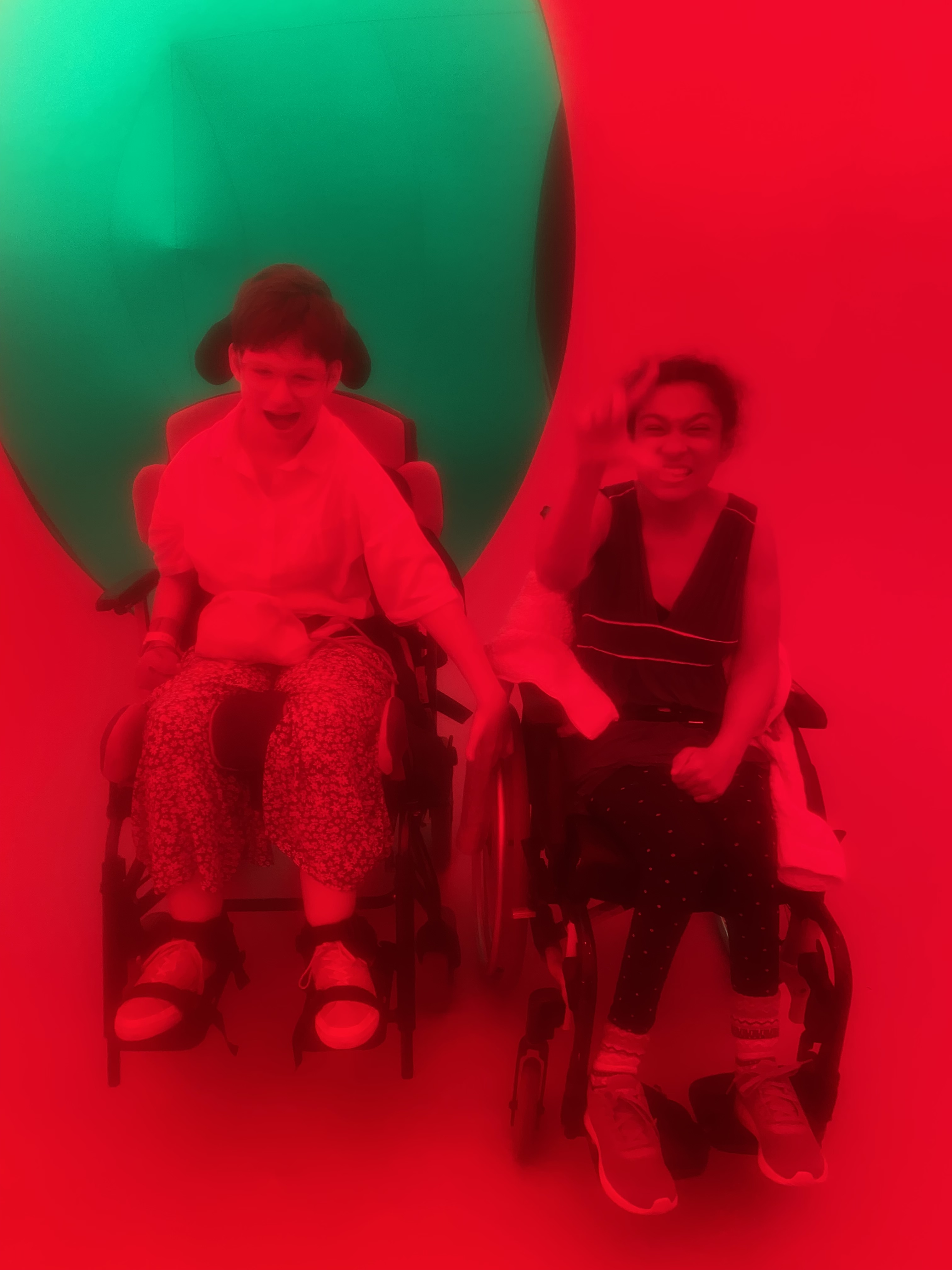
respite day wrong with my friend colour is sky respite day one with my Besty. Stay tuned for respite date to tomorrow.💕🤣😃😃going to Prime
A gold-medal winning Paralympian has criticised retail businesses after experiencing difficulties accessing shops in her wheelchair.
Sophie Christiansen, who has cerebral palsy, said “nothing has changed” since she recorded a video of her trying enter shops in Farnborough, Hampshire, in 2021.
She has called for proper enforcement of the Equality Act.
The government is currently consulting on its new Disability Action Plan.
Ms Christiansen posted a video on Instagram, recorded two years ago, showing her trying to enter a convenience store but stopped by a small step.
She said the store, a Londis on Giffard Drive, fulfilled its legal requirements as it was able to provide a portable ramp, but it “took forever” for staff to put it in place.
“It is things like that we face every day as wheelchair users to get over a single step which could be made into a ramp, if people could be bothered,” Ms Christiansen said.
The BBC approached Londis for comment, but the company has not responded.
The Equality Act 2010 requires “reasonable adjustments” to be made to buildings to allow accessibility.
The 35-year-old, who has won eight Paralympic Games golds and was appointed an OBE in 2009, said the current legislation “doesn’t go far enough”.
She said: “Many shops don’t know their responsibilities. What are the local councils doing to help educate them about their responsibilities?”
https://emp.bbc.co.uk/emp/SMPj/2.50.2/iframe.htmlMedia caption,
In 2021 Paralympian Sophie Christiansen was filmed struggling to enter a shop in her wheelchair
The Paralympian called for “accessibility officers” to be sent to check on and advise businesses, similar to Covid officers during the pandemic.
In 2019 South Western Railway apologised to Ms Christiansen when she was left in tears when there was no guard to help her off a train.
Last month the government launched proposals that it said would “allow all disabled people to live, work and shop freely”.
Minister for Disabled People, Health and Work Tom Pursglove MP said the Disability Action Plan would lay out practical measures to improve the lives of disabled people.
He said: “From leading the way globally with assistive technology to improving inclusivity and accessibility across sport, travel and culture, the plan will also be important in setting the stage for longer term change.”
Oh good day all the time is it in Phuket picture of Ralph
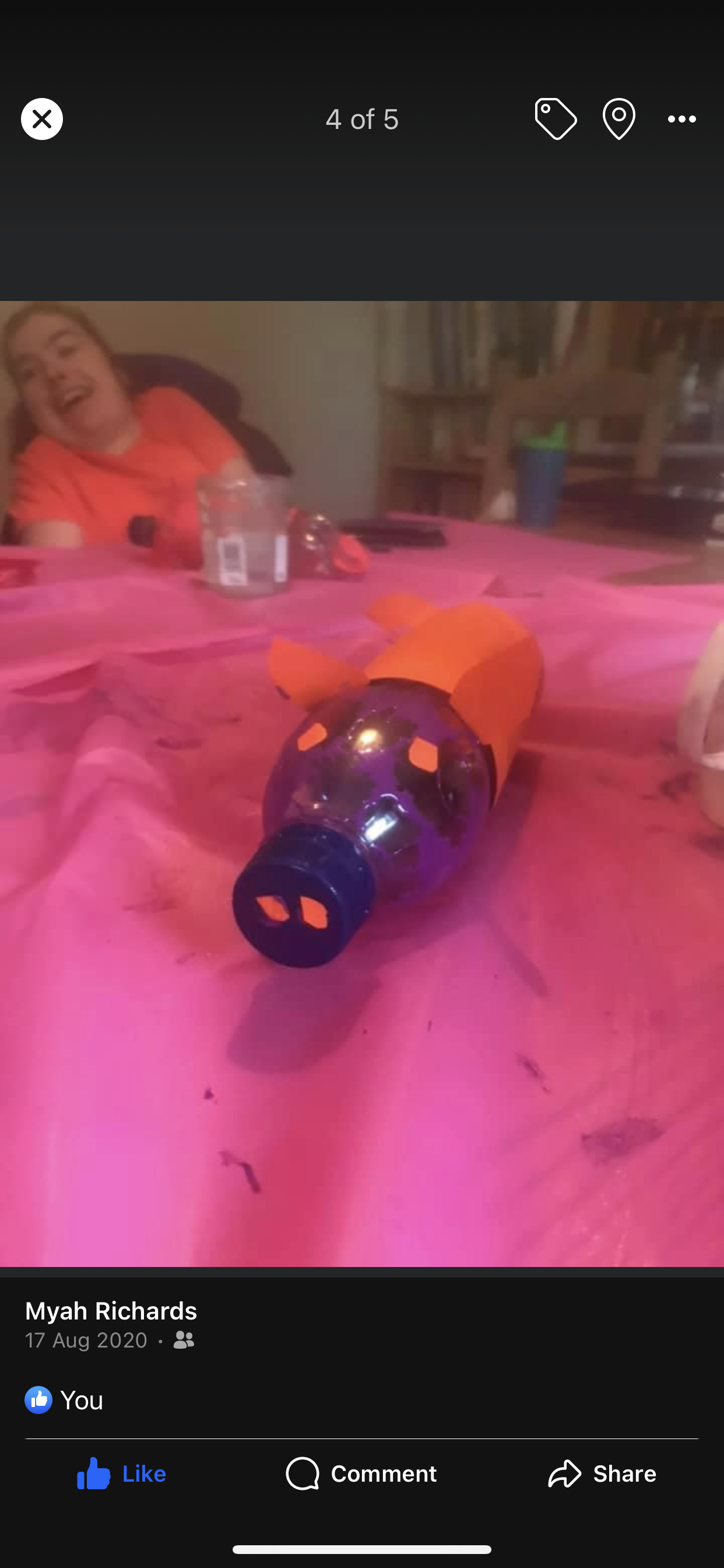
project. I did with Learning leisure 203 years ago in lockdown when we were doing all about the houses of Parliament and the government.




😄❤️





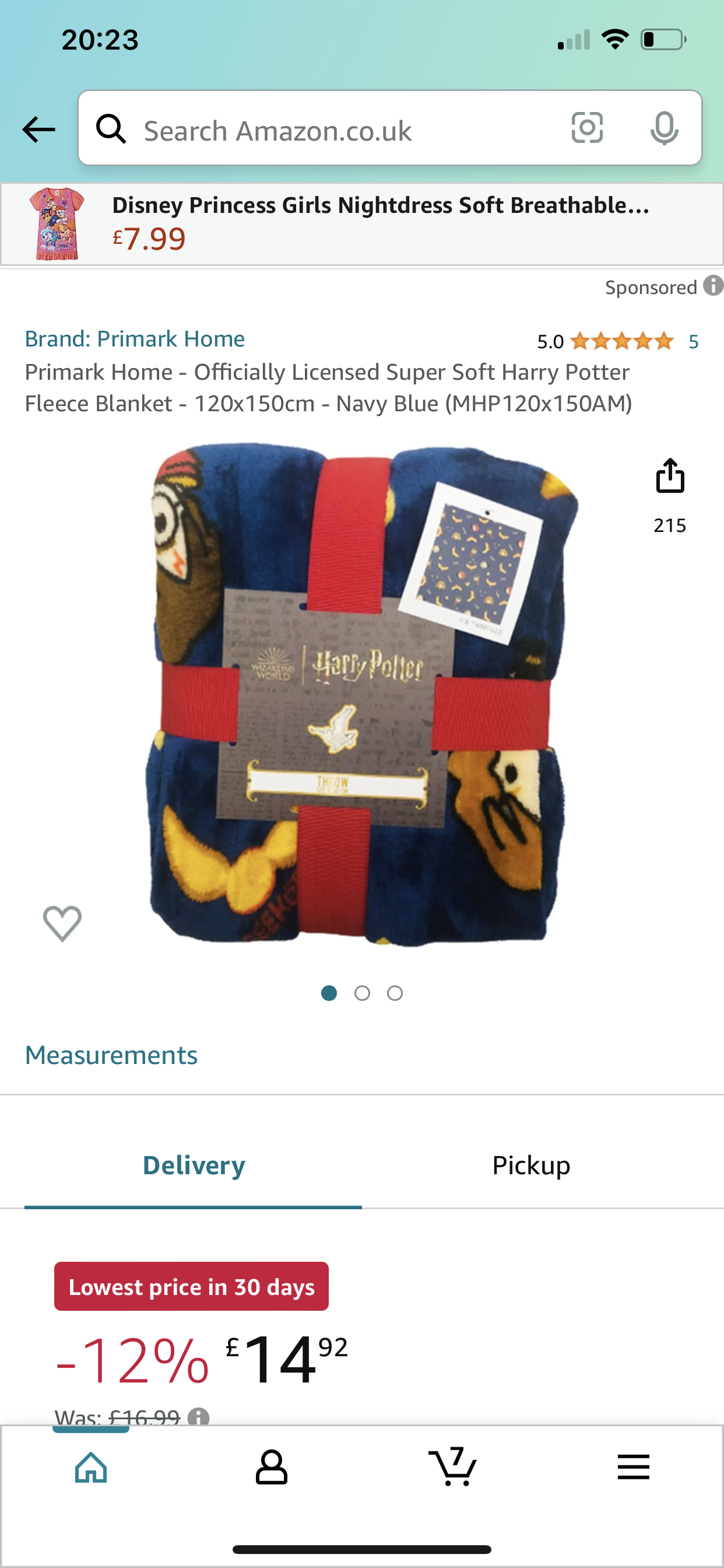
https://amzn.to/45x4Tpx Amazon affiliate product, which I put a picture up of a few minutes ago. Click on this link to purchase the item.


Disabled People Choosing Between ‘Eating And Breathing’
Disabled people in Scotland are being forced to choose between heating and breathing, according to campaigners.
A recent report by Scottish Independent Living Coalition (SILC) warns of “unrelenting attacks” on the rights of disabled Scots.
One wheelchair user told BBC Scotland News that costs to use her medical equipment had “gone through the roof”.
Both the UK and Scottish governments say they are committed to improving the lives of disabled people.
The SILC report warns of the increasing cost of living concerns facing disabled Scots, with some forced to make “stark choices” on whether and how often to use medical equipment and assistive technologies, choices like picking between being able to afford food or electricity to run necessarily medical equipment.
It says some are making the choice between “eating and breathing, putting their health at risk with the inevitable consequence of being forced to go into hospital or residential care”.
SILC produced the report on behalf of the Scottish Human Rights Commission (SHRC).
SHRC chief executive Jan Savage told BBC Radio’s Good Morning Scotland programme the decision for disabled people between using medical equipment, that in some cases “help them literally to breathe”, or eating nutritious food is not a choice they should have to think about.
The commission will meet in Geneva on Monday to discuss the new reports, including an 84-page evidence paper from the United Kingdom Independent Mechanism, made up of human rights organisations across the UK.
Paula Fummey, from Castlemilk in Glasgow, is a wheelchair user and a member of the Glasgow Disability Alliance. She says that despite rising electricity costs, she relies on six pieces of medical equipment to “survive”.
Speaking on BBC Radio’s Good Morning Scotland programme, she said: “It’s really important that I have those for my independence but you do think about it when you are plugging them in each day.
“If I didn’t use my wheelchair I’d be stuck in my bed all day, I use that to get out and about, if I didn’t have that I would go doo lally, I don’t know what I would do with myself.”
She also uses an electric hospital bed and a tracker hoist to help her day-to-day.
It’s not just electricity costs, Ms Fummey has struggled with. She opted to wrap herself in a duvet to keep warm last winter, rather than turning on the heating.
“I would rather charge my wheelchair so I can get out and about and I can put layers on if I get cold,” she said.
Not a choice
Living costs have also had an impact on Ms Fummey’s ability to socialise. One outing to see her brother, a comedian, perform cost her £55 in taxi fares alone.
“Unless I can get there in my chair, I tend not to go places because it’s far too expensive,” she added.
“You’ve got to think twice about doing these things, because you just don’t have the disposable income to do that anymore.”
A UK government spokesperson said it was committed to making society a more “inclusive and accessible place for all disabled people,” through measures such as reforming the health and disability benefits system.
A representative from the Scottish government said it was doing everything possible within its “powers and fixed budgets” to ensure people were supported through the cost of living crisis.

https://amzn.to/3qD7ZJJ

order of the day fashion product of the day for pilgrim
💜♥️💜 is the end of the day for all viewers

😆 settings of the day for the community members and viewers


Pharmacists Now Do PIP Assessments
With many thanks to Benefits And Work.
49 pharmacists (chemists) are now employed by Capita to carry out personal independence payment (PIP) assessments, a Freedom of Information request has revealed. On the other hand, just 3 out of a total of 1,458 assessors are GPs.
As most readers will know, health professionals are employed by Capita to carry out PIP assessments on behalf of the DWP in the Midlands and Wales.
They have to assess a claimant’s ability to carry out 10 daily living activities such as preparing food, washing and bathing, dressing and undressing. They also score their ability to manage 2 mobility activities.
As of June 2023, there were 1,458 health professionals employed by Capita to conduct PIP assessments. They break down as follows:
Nurse 1,201
Occupational Therapist 74
Paramedic 66
Physiotherapist 65
Pharmacist 49
Doctor 3
Similar figures were not provided for Atos (IAS).
No one could reasonably doubt that pharmacists are highly qualified professionals. They undertake 5 years of training and have to be registered with the General Pharmaceutical Council (GPhC).
However, whilst pharmacists are increasingly being used to treat minor ailments in order to fill the growing gaps in NHS provision, it is questionable whether their training enables them to adequately assess the functional abilities of claimants with mental health conditions or severe physical illnesses or disabilities.
Rather than pharmacists having skills that Capita especially needs, it seems likely that they have begun employing them simply because there is an increasing shortage of other health professionals available to carry out PIP assessments.
afternoon cat saying of the afternoon for everyone in this community and anybody that comes across my page and views

https://amzn.to/3qAGdxC

term of the day for my Sony difference, viewers followers and FaceTime readers. I do marketing with Amazon affiliate program to my disability and anything I want to do outside of is not funded such as residential course, Sense and the specialist support associated with my Mercedes
https://amzn.to/45uDxQR

of the day for all my followers who runs the time difference
https://amzn.to/446yMvP

call Sam Hope your program, relatives or nephews who #ItemOfTheDayExclusivelyForMyBlockViewersToSeeIfTheyWantTo a little late from Amazon product
and illustration of the day. Stay tuned to see me pack for my last exam of this academic years qualifications

https://pin.it/4R7bGTZ
good morning, who is the difference community and all my viewers

Swindon: ‘Get A Grip’ On Pavement Parking, Say Sight Charities
People living with sight-loss in Swindon are calling for the government to “get a grip” on pavement obstructions, including parked cars.
Charity Guide Dogs warns that blind pedestrians “take their lives in their hands” every time a blocked footpath forces them to walk in the road.
Campaigners want councils to get extra powers to prevent pavement parking.
The government said that it would respond to a 2020 consultation on the issue “as soon as possible”.
Alan Fletcher, of Stratton in Swindon, says that the problem is particularly bad in his neighbourhood.
The 75-year-old, a former chairman of Swindon Guide Dogs, was registered blind in 2005 due to retinal dystrophy and ocular melanoma.
Mr Fletcher’s guide dog, Nutmeg, retired in September 2022, and he is now relying on a cane while he waits for a new guide dog, although there is a bit of a waiting list due to the impact of the pandemic.
Speaking to BBC West, he said: “The dogs are trained to go around obstructions and take me on the road, but the trouble is, [the cars] are putting us both in danger.”
As well as parked cars, overhanging shrubbery has often left him with a scratched and bleeding face, while cyclists on the pavement are a major hazard.
Marc Gulwell, of Charity Wiltshire Sight, said that as well as creating trip hazards, blocked pavements can make it very hard for the visually impaired to navigate.
“While guide dogs are trained to go around obstructions, obviously it is really dangerous for people with sight-loss to go into the road when there is traffic.”
A bylaw in London bans drivers from parking wholly or partially on the pavement, with drivers fined if they do so. But other local authorities have yet to be given this power.
In 2020 a consultation on pavement-parking was begun that proposed a number of solutions. But the government has yet to respond to its findings.
Clive Wood, regional campaigns manager for Guide Dogs UK, said every time a guide dog takes its owner into the road “you are taking your life in your hands”.
“We really need the government to get a grip on pavement-parking,” he said.
He said that parking on pavements does not need to be banned completely. “We are just saying there needs to be a sensible approach to this issue.”
Guide Dogs wants the government to take action on the findings of the pavement-parking consultation and for councils to use their existing powers to tackle pavement clutter.
He added that the public needs to be “mindful” of footpaths and consider “what obstacles you can prevent such as pavement parking, overhanging branches”.
“All people with sight-loss want is to get from A to B,” he said.
A spokeswoman for the Department for Transport said: “Everyone should be able to navigate their streets without obstacle and we’ll continue to work with local authorities and charities to keep pavements clear wherever possible.
“In 2020, we launched a consultation to explore options for tackling pavement parking and better equip councils to take action. We’ll publish the response as soon as possible.”
Swindon Borough Council has been approached for comment.
https://amzn.to/45qyXDd

using product affiliate link of the day for crude and clothing. Please click on the link if you would like to purchase is this fundraising please let me know if there is any items on Amazon you would like me to affiliate link on including thing to the evening will be helpful for you with a I want my products inclusive for all thanks I could affiliate link off of Amazon as I love follower engagement
https://www.justgiving.com/crowdfunding/maya-richards?utm_term=RzgVgMnWD where are you donations mean me and my life

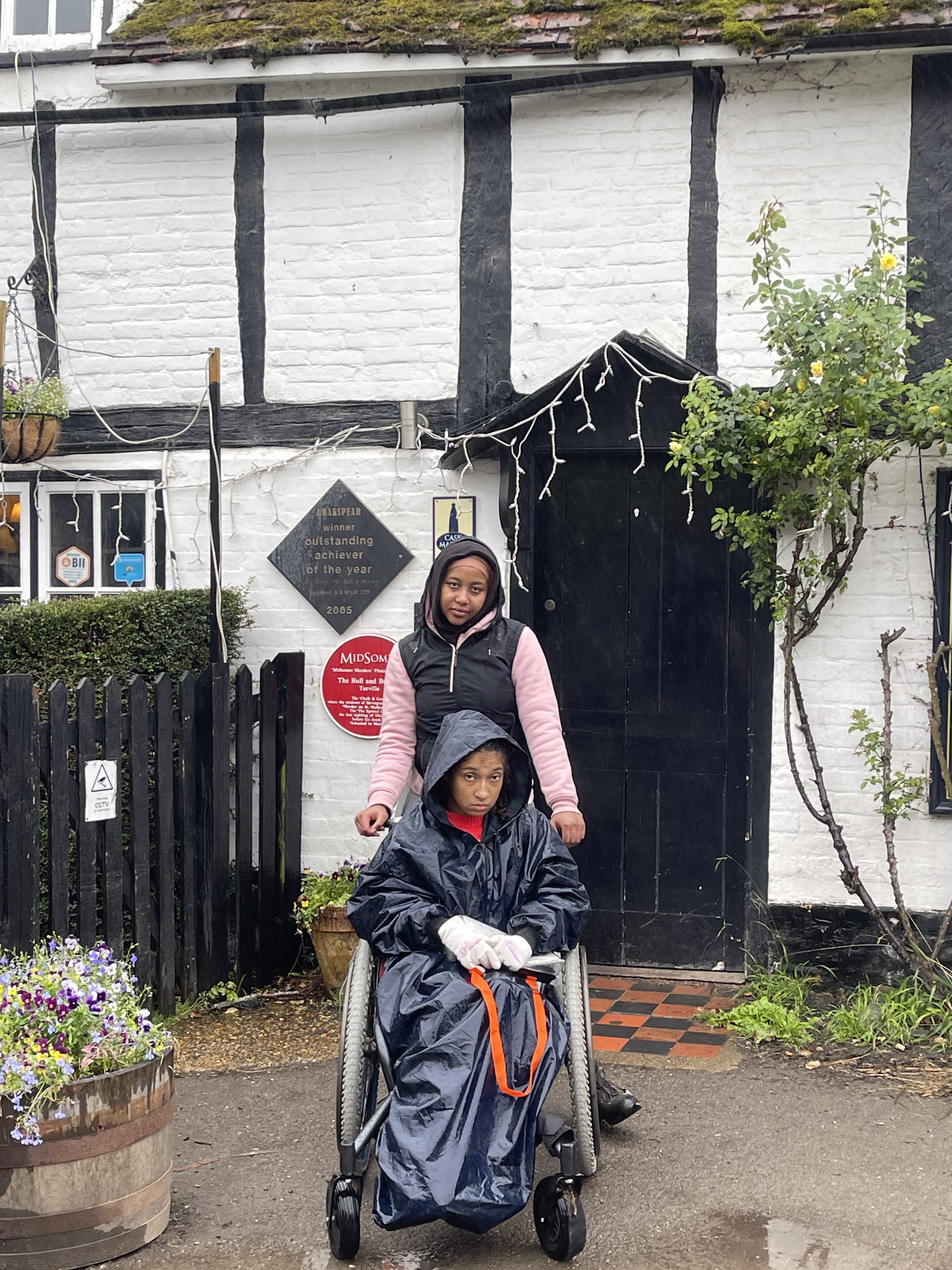
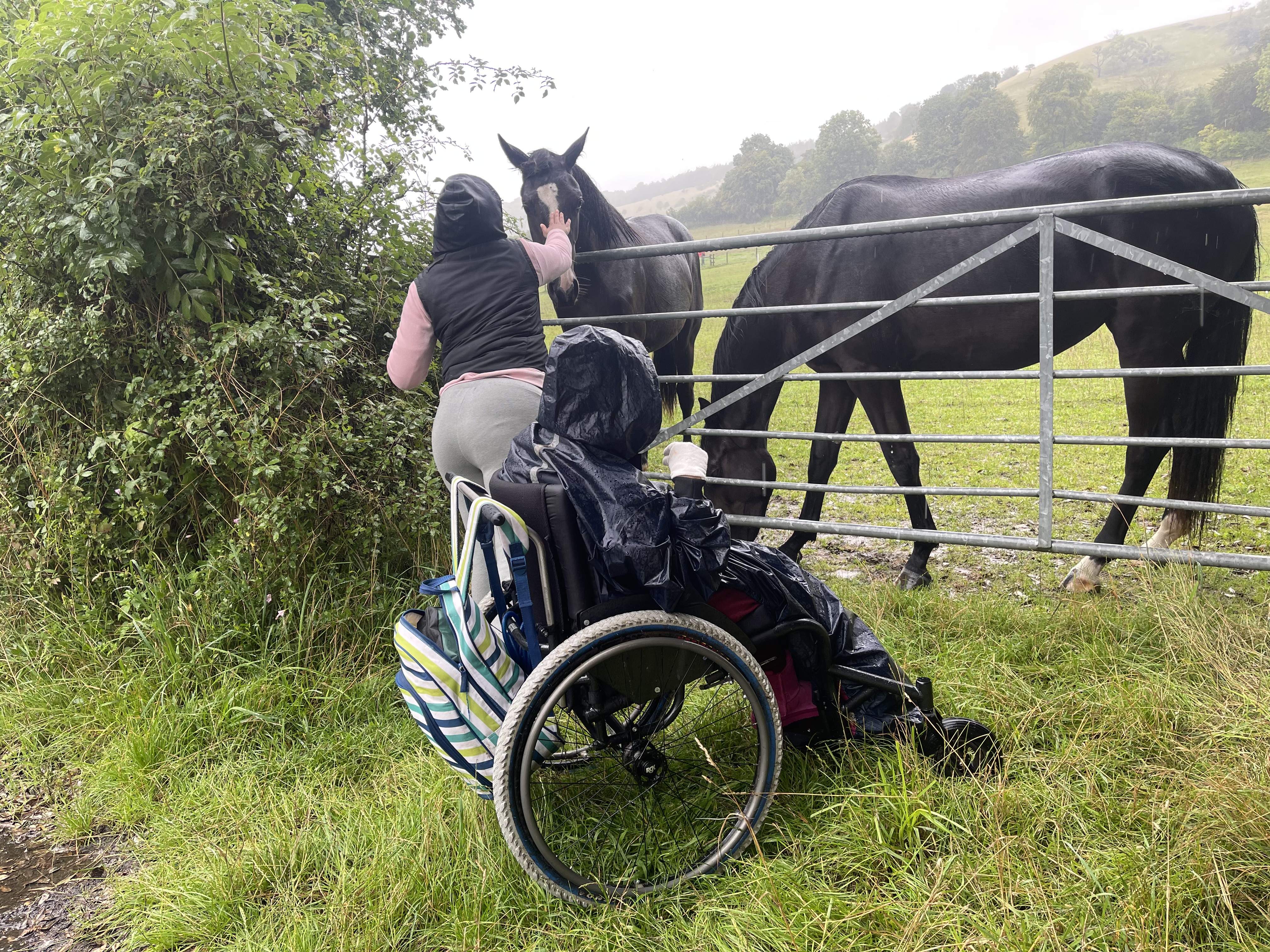
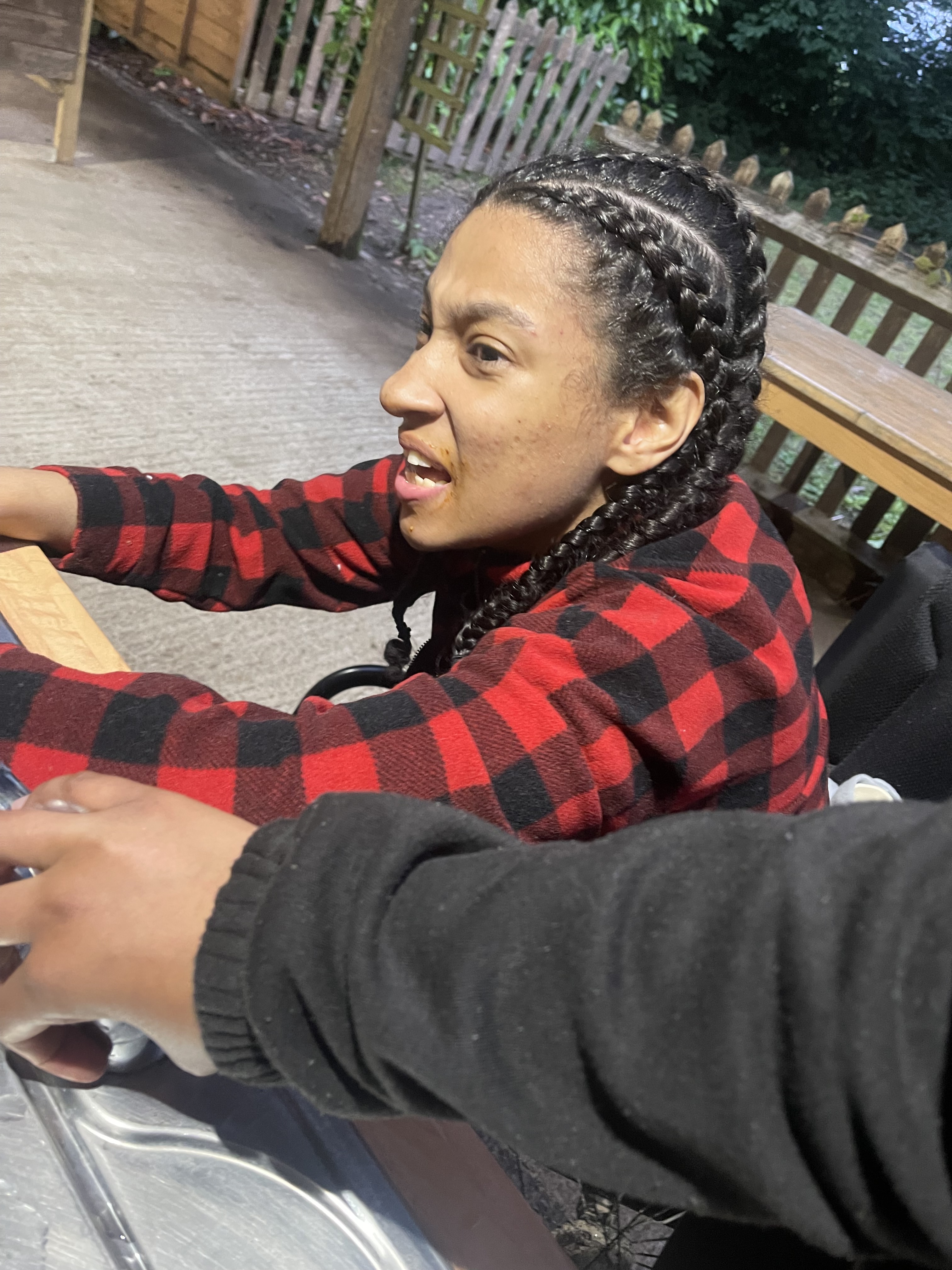



please use this link and donate today rink open up. #DonationsToTakeThis #QualificationExamSupport #RespiteCare#with friends, despite my disability associated with cerebral palsy to Sarah broke up with me. #CP no neurological disorder.
Play of the day for all this time, difference community, and all the cat lovers with in the community

♥️


oration & of the day for Tuesday, citing, poor pictures of what I made it to my New at the centre on Monday



Cheltenham Man Sets World Record For Wheelchair Journey
A man has set a new world record by doing the fastest journey from Land’s End to John O’Groats in an electric wheelchair.
Adam Stanton-Wharmby, from Cheltenham, has cerebral palsy and his wheelchair was upgraded by the Mercedes Formula One team to help him complete the route.
He finished the journey in 22 days, six hours and 16 minutes.
“I’m the happiest now than I have ever been,” he said.
Mr Stanton-Wharmby travelled the 874 miles (1,406km) in April, but had been waiting for confirmation from the Guinness World Records team, which he received last week.
“I feel a relief that I’ve got the world record,” he said.
Engineers put lithium batteries into the 38-year-old’s wheelchair and took out 70kg of weight to allow him to travel 60 miles or more on a single charge.
“I said what I wanted to do and I went out and did it, that’s the one thing I’m really pleased about,” he added.
“I said to everyone I wanted to break the world record, and I actually did it.
“I’m the happiest at this point in my life that I’ve ever been.
“To get a world record and to go from Scotland to Cornwall in a wheelchair as a disabled person is amazing.”

Night time saying is Roy Orbison difference community for evening saying to Rosa is not right now


salpi at tomorrow at nine service today

made at my heart Dial A service today my favourite is Joe with a candle in that are decorated with a fairy inside the glistens with the light


Ukraine War: Sex Lives In Focus For Ukraine’s Injured Veterans
At a modern office in central Kyiv, a 26-year-old Ukrainian veteran is proudly playing a video on his phone that shows him passionately kissing a young woman in a kitchen.
It is an advert for ReSex: a charity that tries to help former soldiers with their sex lives, after suffering physical and mental trauma.
In March last year, invading Russian forces launched a brutal siege of the Ukrainian port city of Mariupol, pounding much of it to ruins. Hlib Stryzhko – then a marine – was one of the city’s defenders.
A Russian blast knocked him from the third floor of a building to the ground. He was then crushed under rubble.
Hlib’s pelvis, jaw and nose was broken, and as well as being badly concussed, he says the heat of the explosion melted his tactical goggles onto his face. He was then captured by Russian forces and taken as a prisoner of war.
The following month, Hlib was released and sent back to Ukrainian territory as part of a prisoner exchange. But he says he received little medical care during his time in captivity.
The BBC first spoke to Hlib just weeks after his release, and later spoke to him during his rehabilitation.
It was while Hlib worked on his recovery that ReSex approached him.
“After my pelvis injury I had problems that took some time to heal. And [the issue of sex] wasn’t talked much about, so I wouldn’t want that to happen to other people like me,” he says.
“That was a motivation to take part in the project.”
Ivona Kostyna is one of the founders of Veteran Hub, the group which runs the ReSex project.
She says they first had the idea for the project back in 2018, after reading about the issue for US soldiers.
After securing funding with the start of Russia’s full-scale invasion, they spoke to Ukrainian soldiers and experts, to ensure they were tailoring their help specifically to the men and women who need it.
They faced some confusion from the public – and veterans – when they first asked for responses to questions online. “People are dying, you’re thinking about sex!” Ivona says.
They also had to confront some of their own preconceptions – like the false assumption that injured veterans would all be struggling with their sex lives.
“There’s sex in the hospital, sex at home, sex before procedures, sex after. There’s a lot of good sex going on,” Ivona says. “We were like, wow, OK, how can we be helpful here?”.
But overall, she says, the response has been overwhelmingly positive.
The charity has printed some 6,000 booklets and sent them out to medical centres, veterans and their families all around Ukraine, and made them available online.
ReSex has also launched a social media campaign with videos, graphics and a helpline. The charity covers everything from masturbation to sex toys and even basic biology.
“We try to cover it all,” Ivona says, adding that there’s also a section of the booklet specifically for young injured veterans who may be virgins.
“So sex after their wound would be their first sex ever, which is quite different from what they might have imagined.”
Kateryna Skorokhod, ReSex’s project manager, says they published separate guides for women and men to ensure respective partners have specific advice tailored to their experiences and their bodies.
She stresses, though, that the focus of the project is more on the emotional side than the physical.
“It’s about how you can accept yourself, how you can love yourself, and how you can build a relationship with yourself and your partner after these injuries – with sex and with intimacy in relationships.”
Relying on veterans answering their questionnaire means there are gaps in their research, she says, adding that they’ve struggled to get any responses from the LGBTQ community.
But they’ve also learnt a great deal about Ukraine’s veterans. Specifically, they realised that traumatic brain injuries are often going undiagnosed and under treated in the country – something she says affects “the libido and the whole sexual performance very much”.
The language used to discuss sex is important too, Ivona says.
“It’s definitely not a dramatic language. It’s definitely not about ‘overcoming obstacles’ – that’s probably good for sport, but it turns out sex is not on the same scale.”
She says it’s important to make sure veterans know they don’t have to have sex unless they want to, and that sex may be difficult or painful at first.
Hlib certainly speaks positively about the project that he’s joined. When asked if he’s had a girlfriend since his injuries, he laughs.
“After I came back from captivity and the hospital, I had a girlfriend, and then another when I was doing the project questionnaire. And now I have a partner,” he says. “I might have missed one.”
But he said he was thankful for every person he had dated in the past year.
“Every partner I had was important to me, in gaining my confidence back. I’m very grateful for that.”
not turn settings for Sunday. Stay tuned to see what I make your day service tomorrow.


no, the picture of me last night. #HavingFun, #HawaiianParty #DressedUpInAHawaiianOutfit

httpshttps://vm.tiktok.com/ZGJpSf22S/://vm.tiktok.com/ZGJpSf22S/
call the evening or Sunday


https://amzn.to/47ruPEP ring, tween one of the items of the day
product of the day pictures of the products of the day


The afternoon for everyone in this community

Whe the next two weeks to help me pay for my support for my next camping exam and their support for my respite care with my best friend from school
https:https://amzn.to/3OVllu0//amzn.to/3OVllu0
https://amzn.to/3OVllu0 check out my Pinterest account for my Amazon affiliate link for
https://pin.it/6ZTCvFl
playing and illustration of the day for Sunday
last saying of the day for Saturday

nightmare with special Olympic ring #SpecialOlympics #NightOut #JadeArtClubGroups #LesleyGreat #Friends

💕💕💕💕
Great wine #SpecialOlympics,PassportToWorryAndRyasComeFrom


Picture of me one year ago at one of my virtual disco nights. #ClickCommunity #ClickOn #IndependentLife#





 Same Difference
